The Bangkok Metropolitan Administration (BMA) on Wednesday ordered all 437 schools and 299 kindergartens under its jurisdiction to close for 12 days from tomorrow to contain the latest Covid-19 outbreak.
The order comes after the Communicable Disease Committee (CDC) announced 10 measures to prevent the virus from spreading in crowded areas such as entertainment venues, markets and boxing stadiums, said BMA spokesperson Pongsakorn Kwanmuang.
The BMA is conducting Covid-19 tests at 478 markets in the capital, following an outbreak at a wholesale prawn market just 45 kilometres south of Bangkok in Samut Sakhon. Testing at about 100 Bangkok markets had so far been completed, Pongsakorn said.
“We only have four weeks to control the disease. Global statics show that 88 per cent of outbreaks spread to become more severe. But if we can control [the Samut Sakhon outbreak] in four weeks, we may join the 12 per cent that snuffed out the threat. Hence the meeting passed a resolution that 437 BMA-run schools and 299 child centres will be closed for 12 days to reduce social mixing, starting from 24 December”, he said.
He also advised government and private sector staff to work from home during the 12 days.
PM Prayut Chan-o-cha on Wednesday ordered a military operation to patrol Thailand’s borders, following an outbreak of Covid-19 linked to illegal migrants from Myanmar.
The order came after Wednesday’s meeting of the Defence Council, which was chaired by Prayut in his capacity as defence minister
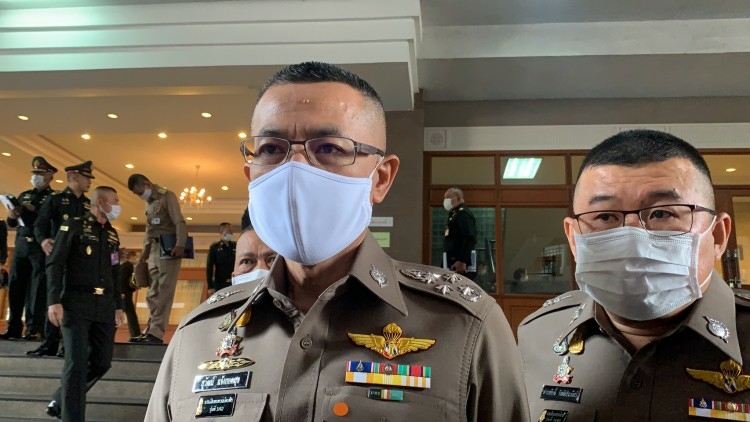
The PM ordered military personnel to help in patrol the border and prevent entry of illegal migrant workers both by land and sea, said Defence spokesman Kongcheep Tantravanich.
He also ordered the police to set up a special committee to investigate corrupt officials at all levels involved in the smuggling of migrant workers into the country.
Meanwhile police and soldiers were ordered to set up checkpoints on known migrant-trafficking routes to protect at-risk border provinces.
The Army and Navy were also ordered to deploy personnel and medical equipment to establish a 1,000-bed field hospital in Samut Sakhon, where the latest has spawned more than 1,200 cases. The military is currently seeking a suitable factory or residential building to house the hospital close to the outbreak’s epicentre in order to contain the spread of the disease.
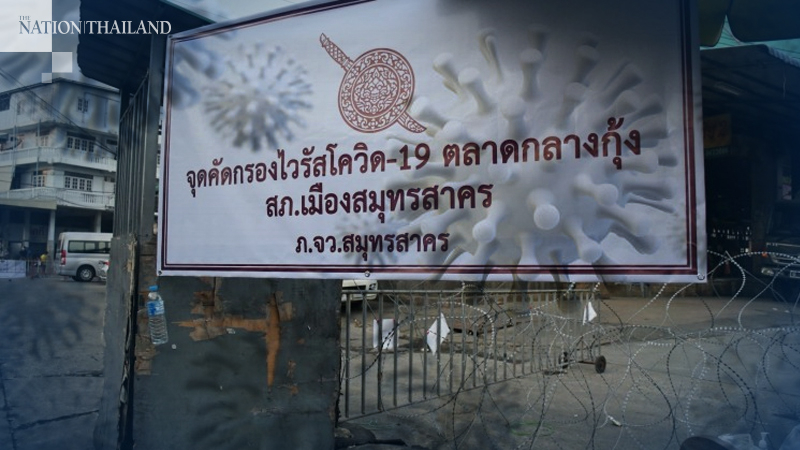
Health authorities on Wednesday announced that more than 1,200 people have tested positive for Covid-19 in Samut Sakhon, after an outbreak in the seaside province last week.
The Department of Disease Control (DDC) said 1,202 infections had been confirmed in migrant workers and locals living around the Central Shrimp Market and other risk areas in the province since testing began last Thursday. Almost one in five (19 per cent) of the total 6,314 samples taken had so far come back positive for Covid-19, said Dr Sophon Iamsirithaworn, director-general of the DDC’s Communicable Diseases Division.
Tests conducted on 2,052 people in a 2-kilometre radius around the Central Shrimp Market found 901 “positives” or an infection rate of 44 per cent. Of the 653 samples taken around the Talay Thai market, 137 came back positive (14 per cent). Meanwhile of the 2,074 samples taken in the nearby Soi Setthakit 13 community, 134 came back positive (6.5 per cent). Two infections were confirmed from 491 tests around the Saphan Pla market (0.4 per cent) and 18 of 449 tests in the nearby Tha Chin community were positive (4 per cent).
Cases were divided into three groups: cases self-admitted to hospital, cases detected by community testing and now confined at local hospitals and quarantine facilities, and cases staying in dormitories overseen by health officials.
The Public Health Ministry and local officials are now seeking ways to prevent crowding in worker dormitories that risks further spread of the virus.
Samut Sakhon’s border is till open but checkpoints are being set up to provide temperature checks and other disease controls.
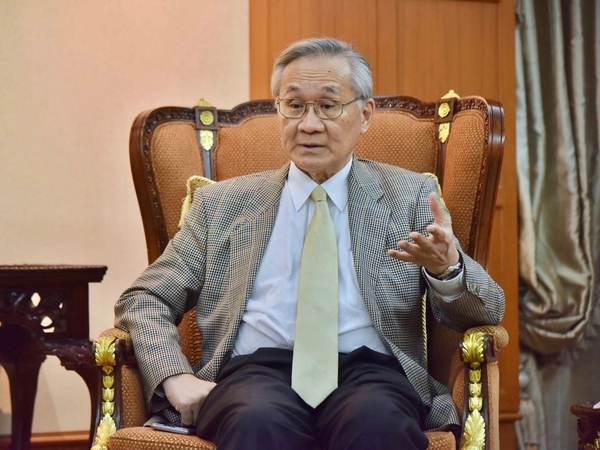
The Covid-19 outbreak has changed the landscape of modern diplomacy as many countries have employed lockdown measures and prohibited international flights, prompting diplomats to adapt their working style and rely on digital technology to keep in touch with their counterparts, Foreign Minister Don Pramudwinai said in an exclusive interview with The Nation recently.
“Without Covid-19, the shift to digital technology would have been gradual and possibly at a smaller scale compared to what we are experiencing now,” he said. “Though face-to-face meetings are the best mode of communication for diplomats, meeting via video conferencing is the next best thing to keep diplomatic workflow continue uninterrupted during the outbreak.”
Don, who doubles as deputy premier, added that the Thai diplomats’ most important mission in the past year has been to seek cooperation in handling the outbreak. “Meeting with foreign partners has helped us learn more about the virus and its impact from several aspects,” he said. “All parties agree that we need to work together at an international level to prevent the virus from spreading.”
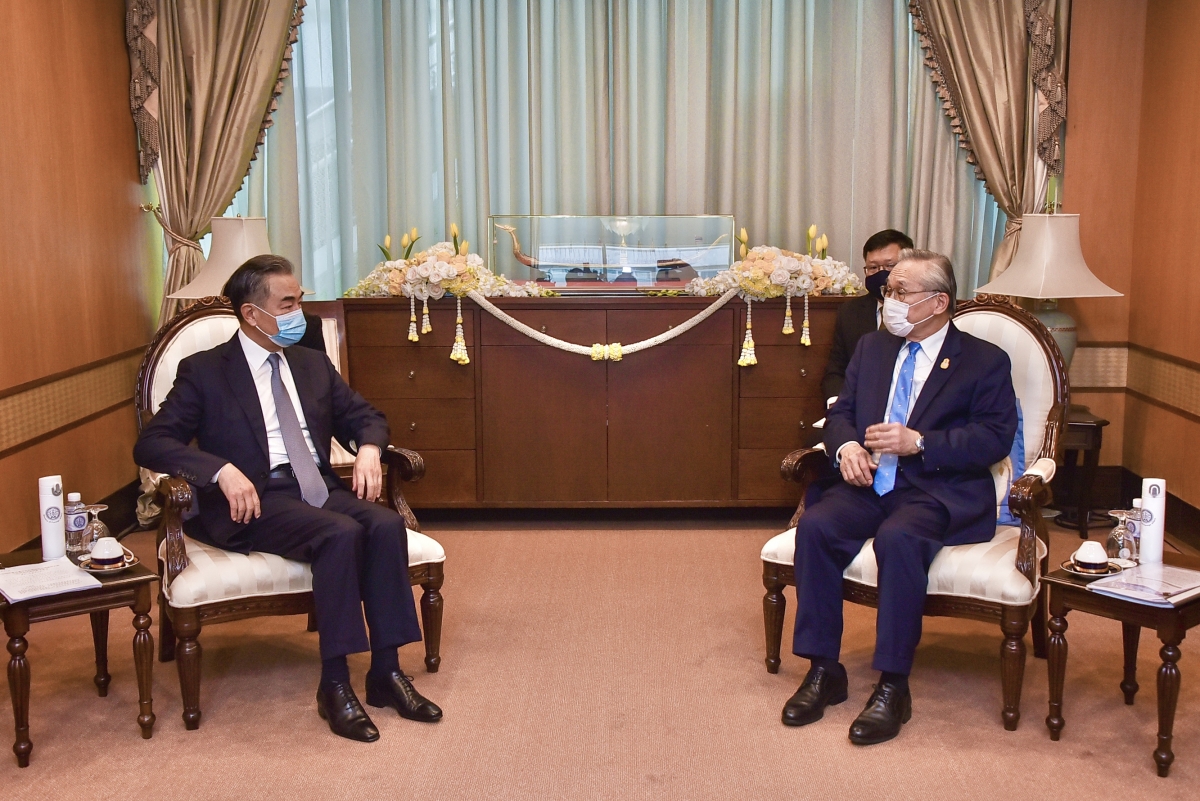
Chinese Foreign Minister Wang Yi visited Thailand in October, when the Covid-19 situation began improving in his country and Thailand had been successful in effectively controlling the outbreak.
“This visit helped strengthen ties between Thailand and China, as well as push forward the development of a high-speed railway line that will connect the Eastern Economic Corridor with Guangdong, Hong Kong and Macau,” Don said. “The Thai and Chinese diplomats also discussed strategies to promote the transportation of Covid-19 vaccine to ensure comprehensive and impartial distribution among people of both countries.
“The lockdown measures imposed earlier this year have brought travel to a halt, but this does not mean all foreign policies will be put on hold too,” he said.
“We should view the lockdown as an opportunity to show foreign partners that Thailand’s efficient handling of the outbreak has resulted in fewer infections and high recovery rate. This will help make Thailand a medical and healthcare hub in the region as well as lead to cooperation in other aspects such as political, national security, trading and investment in countries that have been hit by the outbreak.”
The Foreign Ministry is committed to implementing the government’s 20-year national strategy based on security, sustainability, standard, status and synergy, he added.
“In terms of security, the ministry has been seeking cooperation from foreign superpowers and maintaining a balanced relationship with all parties to avoid creating an international conflict. We have also been working with Asean members to strengthen our negotiating power as well as boost regional collaboration to fight the Covid-19 outbreak,” said Don.
“As for sustainability, the ministry has been using diplomatic strategies to build economic links both regionally and globally by means such as promoting a multilateral cooperation in Mekong region, attracting investors in targeted industries to establish their facilities in Thailand, as well as promoting qualitative tourism with foreign partners by using food stability and health tourism to penetrate new markets.
“In the [international] standards aspect, the ministry has been working with related agencies in revising Thailand’s laws and regulations to be in compliance with international standards and obligations, which will help us achieve the United Nations’ Sustainable Development Goals [SGDs],” Don added. “In the past year, Thailand ranked first among Asean countries in terms of progress in fulfilling the UN SGDs.
“In terms of status, the ministry has presented Thailand’s success in Covid-19 prevention and healthcare management to international audiences and the Kingdom is now recognised as a responsible member of the global community. Thailand was also named ‘a champion of soft power diplomacy’,” he added.
“Lastly, in the synergy aspect, the ministry has gathered best practices in Covid-19 handling from foreign partners around the world and adapted it to Thailand’s situation. It has also collaborated with other countries in vaccine research and sharing of treatment plan and medical equipment.”
The foreign minister further added that Thai missions overseas are at the forefront of helping Thais stranded overseas during the Covid-19 outbreak.
“Furthermore, they will be the first ‘Thailand Team’ to be responsible for building international ties to revive Thailand’s economy once the situation improves,” he said.
National Police chief Pol General Suwat Jangyodsuk said on Wednesday that though police have some idea who might be trafficking migrants across the border, solid evidence is still necessary to make arrests.
Police will first focus on the traffickers instead of the actual illegal Myanmar migrants, because Thailand has to address the problem in a humanitarian manner, he said. As for Myanmar migrant workers, whether legal or illegal, they will need to obey official guidelines, he said.
Meanwhile, in an announcement on Tuesday night, the prime minister said any government official found to be involved in labour trafficking will be punished. However, he said, police need time to find evidence first.
Suwat said this problem has been continuing for a long time. “If we pour our resources in dealing with illegal migrants, the numbers will drop but not disappear. There are many limitations to our work, but this has become a priority. We will first focus on traffickers, especially those who use natural channels,” he said.
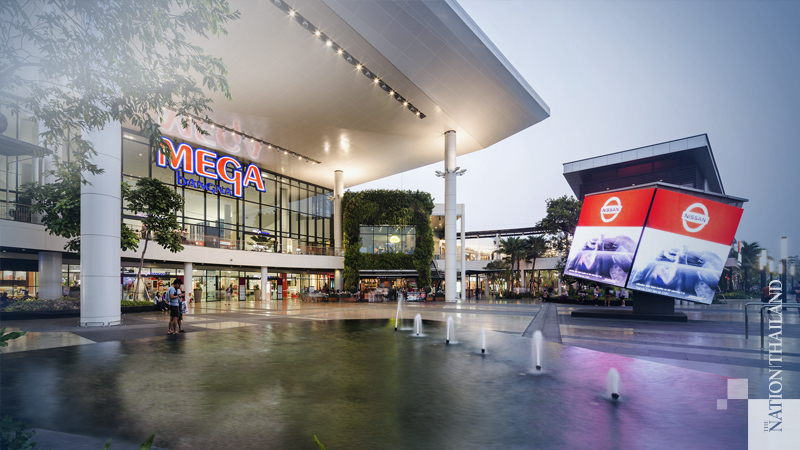
Mega Bangna complex announced on Wednesday that it is completely free of the risk of Covid-19 transmissions despite a recent patient visiting the shopping centre 10 days ago.
The complex announced on Facebook that Samut Prakan health officials explained that judging by the patient’s infection timeline, she was not at the transmission stage of the disease when she visited the mall.
The complex has, however, conducted a “big clean” in the premises to ensure the safety of visitors.
The authorities released a timeline of the patient’s movements on Tuesday after she tested positive for Covid-19. The timeline shows the 24-year-old Chachoengsao resident had travelled to her second home in Samut Prakan and visited Mega Bangna on December 13.
Samut Prakan province has been put under lockdown since Tuesday, though shopping malls remain open. Operators are required to screen every customer, who will also be encouraged to check in via the Thai Chana platform.
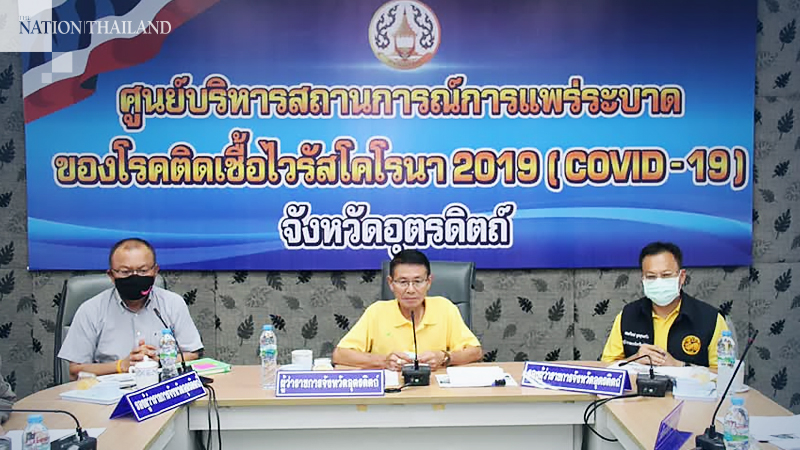
Uttaradit province has been hit by a second case of Covid-19 linked to last week’s outbreak in Samut Sakhon.
A female seafood vendor, 37, tested positive for the virus in the northern province on Wednesday, after another female seafood seller tested positive on Monday. The latest confirmed case lives in Nam Pat district, where she had a seafood stall.
The infected woman and her husband had visited Samut Sakhon province, 500 kilometres to the south, on December 14 and 15 to purchase seafood from wholesalers.
Uttaradit health officials have traced 11 close contacts of the infected woman, most of whom are her family members.
Despite seeing two cases in one week, Uttaradit authorities said they were not planning to lockdown the province. However, the market where the first infected woman sold seafood has been shut for seven days, while the neighbourhood around the home of the second case has been temporarily closed to visitors.
Meanwhile public New Year events have been banned in the province. Bars, pubs and restaurants are allowed to open as usual but under tightened Covid-19 restrictions.
Bangkokbiznews on Wednesday advised households to buy six items if a new lockdown is imposed to control fresh outbreaks of Covid-19.
The media outlet listed the following items to keep at home in case restrictions are tightened in the coming weeks:
Drinking water: Water is a basic necessity since failing to drink it for three successive days can be fatal. People are advised to buy a large pack of drinking water bottles from the supermarket.
Dried foods: Everyone should keep this item in storage at home while self-isolating. Dried foods can be consumed at home instead of ordering food online, so as to prevent spreading the virus to others.
Canned foods: Buying canned foods to cope with an emergency situation is a good idea, since they will last for a long time.
Chocolate: Flavonoid in chocolate can help relieve stress during the lockdown.
Beans: Beans can be consumed instead of meat as an important source of protein and a healthy diet option. Soybean is rich in protein, calcium, iron, magnesium, phosphorus and vitamin B.
Cereals: Cereals help fill the stomach, are easy to digest, and are affordably priced. Most importantly, family members of every age can eat cereals.
Covid-19 insurance policies: Bangkokbiznews recommends buying medical and other coverage against Covid-19. Policies with various different insurance plans and cheap premiums are available. People can buy up to two insurance policies per person.
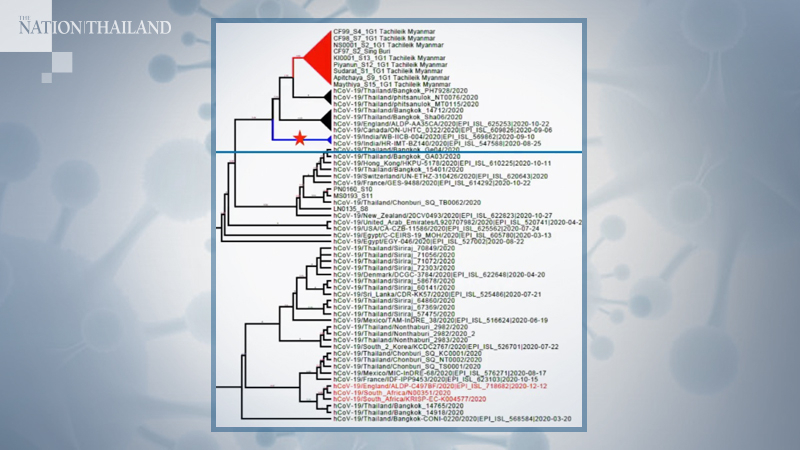
The Covid-19 strain responsible for the outbreak in Samut Sakhon matches the variant of the virus that is common in Myanmar and India, the Department of Medical Sciences said on Wednesday.
The department decoded the genetic sequence of Covid-19 from both Thai and Myanmar patients, and found a match between the two, said the department’s director-general Dr Supakit Sirilak.
Laboratory tests showed that the GH strain is responsible for the Samut Sakhon outbreak. This is the same strain behind the outbreak in Myanmar’s Shan state that recently spread to the Thai border districts of Mae Sai in Chiang Rai province and Mae Sot in Tak. The GH strain of Covid-19 has spread widely in India, from where it likely entered Myanmar’s Rakhine state before spreading to Thailand. It does not match the strain responsible for Covid-19 in Indonesia, Thailand’s trade and seafood partner to the south.
The GH strain was likely spread to Thailand by Myanmar migrant workers who crossed the border illegally at Mae Sot, said Supakit.
He added that most common variants of the Covid-19 virus seen in Thailand were the S strains from Europe, followed by the G, GH, and GR strains which have spread throughout the world, from the Middle East to Europe and the Americas.
The N501Y mutant Covid-19 spreading across Britain had so far not been detected in Thailand, but health authorities were keeping an eye out for this highly infectious strain, he said.
“We will continue to decode virus samples from time to time so that we can detect any unusual variants quickly,” said Dr Supakit.
Pathum Thani province announced on Wednesday that all public events, including concerts, boxing and cockfighting, will be cancelled until January 5 in a bid to curb the new wave of Covid-19 infections.
Those caught violating the order will face charges under the Communicable Disease Act and the emergency decree.
So far, three new Covid-19 cases have been found in the province.
Strict controls have been implemented in five provinces to curb infections, including Samut Sakhon, Samut Songkram, Samut Prakan, Chiang Mai and Suphan Buri.


 Kongcheep Tantravanich.