The number of Covid-19 cases crossed 14.6 million across Southeast Asia, with 21,650 new cases reported on Monday (December 20). New deaths are at 340, bringing accumulated Covid-19 deaths in Asean to 300,465.
The Indonesian government has removed the entry ban for travelers from China’s Hong Kong ahead of year-end holidays while putting Britain, Norway and Denmark into the travel ban list, citing increasing cases of the coronavirus Omicron variant in the three countries.
With the new decision, Indonesia now has a total of 13 countries on its travel ban list including South Africa, Bostwana, Namibia, Zimbabwe, Lesotho, Mozambique, Eswatini, Malawi, Angola and Zambia.
Meanwhile, Cambodia did not register a single Covid-19 fatality on Monday, the first time since the third wave broke out in February. Prime Minister Hun Sen attributed the success to the kingdom’s high vaccination coverage, saying that vaccines have protected the lives of Cambodian people.
Cambodia launched a Covid-19 vaccination drive on February 10, with China being the key vaccine supplier. Most of the jabs used in the country’s inoculation campaign are Sinovac and Sinopharm.
An outbreak at a U.S. military base in Japan is fueling concern about the omicron variant, months after the nation saw a record delta wave of infections ebb.
More than 180 people are part of the cluster at the U.S. military Camp Hansen on the island prefecture of Okinawa, Chief Cabinet Secretary Hirokazu Matsuno told reporters on Monday. Though it’s unclear how many, if any, of the infections were caused by the omicron variant as the military doesn’t genetically sequence its cases, concern is growing that the highly transmissible new variant is spreading as two people connected to the base have been confirmed to have it.
They are an American woman in her 50s who works at Camp Hansen and her Japanese husband, who is in his 60s, the Okinawa Times reported on Sunday. The couple lives outside of the military facility. About 60 people have been identified as their close contacts.
While infection control measures such as wearing masks are in place, Japanese officials requested further restrictions on activities inside and outside the base in order to alleviate the anxiety of the local residents, Matsuno said. People who violate the rules should be punished for the infractions, he said.
Those who are diagnosed with the virus are strictly isolated on the base and their close contacts are being traced jointly with the local government, Matsuno said.
The number of cases in Japan plunged to less than 100 a day, a 17-month low, in November from a daily peak of 25,000 during the summer, despite reopening the economy in October. Well over 77% of the population of 126 million is completely vaccinated, making Japan one of the most immunized developed countries in the world.
So far the nation has seen a total of 65 cases of omicron, and most were detected at the borders. When the new variant was first identified last month, Japan halted new entry by foreigners to stop its spread, one of the most aggressive reactions globally.
Prime Minister Fumio Kishida has pledged to expedite a rollout of vaccine booster shots for the most vulnerable people.
It’s not the first time American military bases helped the virus spread in Japan. Covid clusters emerged last year following Fourth of July celebrations when U.S. personnel visited off-base beach parties and drinking spots. The incidents led the local government to make several requests, including halting transfers of U.S. personnel to the southern island.
Okinawa is home to about half of the 54,000 U.S. personnel in Japan, and the heavy American presence has been a source of contention since the end of World War II.
The Biden administration is facing mounting pressure from lawmakers, aid groups and former officials to restart the flow of billions of dollars in aid and cash to Afghanistan, where a humanitarian crisis is growing increasingly perilous.
Last week, three former U.S. military commanders in Afghanistan and four former U.S. ambassadors to Kabul, along with other former senior officials, called on the administration to consider relaxing policies that froze the Afghan government’s foreign assets and cut off U.S. financial assistance that, along with other donor funding, once accounted for three-quarters of that nation’s revenue.
“What is needed is the courage to act,” the authors said in a statement published by the Atlantic Council. They noted United Nations estimates that only 5% of Afghanistan’s about 40 million residents have sufficient food as well as that 97% of the population will fall below the poverty line in the next 18 months, saying the United States has “a reputational interest and a moral obligation” to help save them.
In a separate letter last week to Secretary of State Antony Blinken and Treasury Secretary Janet Yellen, nearly 40 bipartisan members of Congress, including the Democratic chairs of the main national security committees in the House, also appealed to the administration to consider new steps.
“We don’t want to help the Taliban, but we don’t want to see Afghans starving in the winter either,” said Rep. Tom Malinowski, D-N.J., who helped to spearhead the effort. “We want the millions of Afghans who are not going to leave the country, but who are trying to defend the gains of the last 20 years, to know that the United States is still behind them.”
“If you want to help people survive the winter,” Malinowski said in an interview, “you can’t wait until spring.”
Long-standing sanctions against any dealings with the Taliban and a cash crunch have choked off commerce in a country suffering from the combined impact of lost income, spiraling prices for basic necessities and prolonged drought.
“There is no simple solution here,” said a senior administration official, one of several who spoke on the condition of anonymity to discuss internal policymaking. “Years of war and drought, on top of the Taliban’s forced takeover of the country and the absence of a functioning financial system have precipitated the severe humanitarian crisis we are witnessing now.”
“Reserves, salaries, [humanitarian] assistance or other tools will not be enough” to deal with “the systemic economic challenges Afghanistan is facing,” the official said.
Some steps have been taken, including the U.S. provision of more than $208 million in money for humanitarian aid, funneled through international agencies to avoid the Taliban. The Treasury Department issued licenses that eased sanctions to allow money flows for emergency food, medicine and shelter, and the transfer of cash remittances to non-sanctioned individuals in Afghanistan. The department also told foreign banks and governments they do not need to fear U.S. prosecution engaging in such activity.
The World Bank, following a decision by its U.S.-dominated board of governors, released $280 million from its otherwise-frozen Afghanistan Reconstruction Trust Fund last week, with part of the money designated to a U.N. program that directly pays salaries to health-care workers. Officials said the program soon may expand to include teachers and other civil servants, many of whom have not been paid for most of the year.
But those efforts have been largely piecemeal and don’t address the systemic problems of a nonfunctioning economy. Money remains the primary source of leverage to influence the new Afghan government; in addition to what the Biden administration says are legal impediments to opening the spigots, there is pressure from other lawmakers and some inside the administration to do less instead of more to rescue the Taliban from problems of its own making.
“The reason the economy is not working is because the Taliban deposed the government” and they’re “still working to figure out” how to run the economy, said a senior Treasury official who also spoke on the condition of anonymity. “There is more money moving into the economy than people think,” but large amounts are heading right back out, he added, citing a December U.N. estimate of $10 million a day.
The official said the people of Afghanistan “don’t have confidence” in the Taliban government, which is formed of militants with a bad track records of abusing human and civil rights, and so they are taking their money, “storing it in their house or moving it out of the country” to foreign banks.
The idea of returning to business as usual in Afghanistan is anathema to many, according to several people familiar with the internal deliberations. Since August, Taliban progress has ranged from little to none in meeting U.S. and international demands, including an end to providing safe haven for groups such as al-Qaida; inclusion of non-Taliban officials in the government; nationwide guarantees of full rights for minorities and women; and public school through grade 12 for girls as well as boys.
But a growing number of administration officials, particularly in the U.S. State Department, are pushing for more flexibility, with some arguing that the Taliban has been more cooperative in addressing international concerns than it is given credit for. The administration, these officials say, must decide whether it wants the government in power to fail or if it wants to use its influence in ways that help more Afghans survive.
Laurel Miller, a senior official for Afghanistan during the Obama and Trump administrations who is now at the independent International Crisis Group, voiced concerns similar to those expressed by a number of current officials who are reluctant to speak out publicly.
“I recognize that it’s very difficult, in the immediate aftermath of losing a war, to contemplate supporting a state that is run by your former enemies,” she said. “But the Afghan people need a state that functions, to at least a minimal degree. There is no way to entirely circumvent the Taliban if you’re going to prevent the continued collapse of the entire economy.”
Humanitarian organizations say that the foreign donor assistance they are distributing, in the form of food, shelter and medicine, will never be enough. And time is running out as Afghanistan’s basic institutions and infrastructure fall apart – including sanitation, electricity, transportation and other systems established over 20 years with U.S. funding and expertise.
“The urgency is not lining up with the severity of the economic collapse and the speed of the economic collapse,” said Amanda Catanzano, an official at the International Rescue Committee, which is providing cash assistance and other humanitarian aid in nine Afghan provinces.
One of the endangered institutions is Afghanistan’s Central Bank, established in the rewritten 2004 constitution and modeled on the U.S. Federal Reserve. Four of the Bank’s board members remain in Afghanistan; others are abroad.
Shah Mehrabi, a board member who also teaches at Montgomery College just outside Washington, has proposed that the Biden administration allow the limited, monitored release of about $150 million to $200 million a month from the bank’s overseas reserves. That is about half of what the Central Bank formerly sold monthly at auction, Mehrabi said, but enough to provide currency stability, allow continued individual bank withdrawals and pay for essential imports.
“The Central Bank remains intact, following the laws based on which it came into being – an autonomous entity, independent, with no intervention by the government at all as to how to conduct fiscal policy,” said Mehrabi, chairman of its audit committee.
When the Taliban entered Kabul in mid-August, Mehrabi said, he ordered all Central Bank reserves held in the vault at its headquarters to be counted. That $63 million in Afghan currency, U.S. dollars and gold since has been drawn down to circulate cash in the economy, allowing Afghans to withdraw up to $400 a week from their bank accounts, pay some salaries and purchase imports.
The reserves held overseas – totaling more than $10 billion, $7.1 billion of it held in the U.S. Federal Reserve – in normal times are constantly rolled over, as foreign currency is deposited from trade, portfolio investments and other sources, then auctioned off in international markets and used to inject liquidity and regulate markets at home.
With Afghanistan’s funds now frozen by the Biden administration and European banks, the Central Bank cannot perform any of those functions.
The auctions are conducted electronically, and auditors could monitor their use inside Afghanistan, Mehrabi said; if there was any Taliban misappropriation, “they can cut off the funds.”
The Biden administration says that releasing the money is far more complicated than it appears, even if the administration wanted to, because of existing sanctions on the Taliban as an organization and on individual militants.
For the moment, officials said, it is legally impossible. All of Afghanistan’s U.S. reserves are the subject of litigation by victims of the Sept. 11, 2001, al-Qaida attacks in this country and other terror victims who have won monetary judgments against the Taliban. While the money previously was off limits as property of the non-Taliban Afghan government, the equation changed when the Taliban itself became the government, the victims have argued since.
A federal court has attached the money. A hearing on the matter that had been scheduled for Dec. 3 was postponed until late January at the Justice Department’s request.
Even if courts deem the Taliban in charge of Afghanistan, no country has recognized it as the legitimate government. The Taliban remains a specially designated terrorist organization, and none of its officials would be recognized as having the legal right to sign for the government or receive a check, people familiar with the situation said.
Mehrabi said proposals for circumventing the Central Bank to inject money into Afghanistan – using the U.N. to distribute cash through the private banking system, for example – would create a “parallel institution” that would destroy the one that already exists.
The Treasury official countered that the Taliban has taken no steps to preserve the Bank. They “haven’t gotten control of the economy. The Central Bank has set no interest rate, capital controls or taxations,” the official said.
Ronald Neumann, who served as U.S. ambassador to Afghanistan during the George W. Bush administration and now heads the American Academy of Diplomacy, said leakage of aid funds to the Taliban could be minimized but probably not eliminated entirely.
“If you’re immobilized by the search for a perfect solution,” Neumann said, “a lot of people are going to die.”
Chinese tennis star Peng Shuai appeared in a new video on Sunday claiming that her allegations of sexual assault against a former senior Chinese official, which prompted international outcry over her apparent silencing, had been misunderstood and she remained “very free.”
“Ihave never said or written that anyone has sexually assaulted me. I have to stress this point,” Peng told a reporter from Singapore’s Lianhe Zaobao newspaper, in her first direct comments to journalists since she posted explosive claims on Chinese social media in November and disappeared from public view, reemerging only in carefully curated appearances amplified by Chinese state outlets.
In the short video interview, in which Peng appeared to laugh off the controversy, she referred to the contents of the statement as “a private matter.” “People seemed to have made a lot of misinterpretations,” she said, confirming for the first time the authenticity of the post last month on her Weibo profile.
Yet Sunday’s interview with a Chinese-language Singaporean outlet known for its pro-Beijing leanings failed to assuage concerns about Peng’s ability to speak freely in a country where authorities are known to extract confessions, often staged, from those who fall afoul of the state.
The World Tennis Association said in a statement Monday that “these appearances do not alleviate or address the WTA’s significant concerns about her well-being and ability to communicate without censorship or coercion.”
“We remain steadfast in our call for a full, fair and transparent investigation, without censorship, into her allegation of sexual assault, which is the issue that gave rise to our initial concern,” it said.
In Sunday’s video, Peng appears to give an impromptu interview to a reporter who had spotted her on the sidelines of a cross-country skiing event in Shanghai. Before the journalist greets her, Peng turns toward the reporter with a smile, readily answering questions. Peng appears confused when asked if she is free to come and go from her home in Beijing.
“Why would I be monitored? I’ve always been very free,” Peng said. Asked if she was indeed the author of an email in November – which Chinese state outlet CGTN said Peng had sent to the WTA, insisting that “everything is fine” – Peng said she had written the Chinese version of the message, which was later translated.
When asked about travel outside of China, Peng said she had no upcoming tournaments or plans to go abroad, adding that she has “nothing to prove.” “What would I do abroad? You tell me,” she said.
On Monday, a reporter with the state-run nationalist tabloid Global Times posted a video of Peng at the skiing event, chatting with Chinese basketball star Yao Ming.
Peng has not given interviews to any other international outlets and has not responded to messages sent to her official Weibo account. Queries to her sports agents went unanswered on Monday. The Tianjin Municipal Bureau of Sports, under which Peng trained, did not respond to a faxed request for an interview with Peng. The Women’s Tennis Association in Beijing said it could not make her available for an interview.
A post on Peng’s official Weibo page last month claimed that former vice minister Zhang Gaoli had pressured her into having sex with him, and that Peng had subsequently entered into a long-term affair with the senior official, who is four decades older than her. The post said Peng was angry at Zhang for insisting on keeping their affair a secret.
“I know I can’t say it all clearly, and that there’s no use in saying it,” the post said. “But I still want to say it.”
Peng’s allegations sent shock waves through China, where her original post was quickly censored and discussion of the rare public allegations against a top leader continue to be blocked on social media platforms. Zhang, who is retired, has not responded publicly to Peng’s accusations. China’s State Council Information Office has not responded to a request for an interview with Zhang or faxed questions about whether Chinese prosecutors would investigate the claims.
Outside of China, Peng’s case has raised questions about the ethics of doing business in the country, where authorities are accused of human rights abuses such as the mass detention of Uyghurs in Xinjiang and suppression of civil liberties in Hong Kong. The WTA earlier this month suspended its tournaments in mainland China and Hong Kong over concerns about Peng’s safety.
The tennis star’s allegations also galvanized calls for a diplomatic boycott of the Beijing Winter Olympics in February. A growing number of countries including the United States, Canada and the United Kingdom have said they will not send government representatives to the Games.
Four days before Christmas, as coronavirus cases spike and testing lines snake around city blocks, President Joe Biden on Tuesday will again attempt to persuade Americans to take protections to fend off the fast-spreading omicron variant.
But at a moment of great urgency – both for the nation’s health and the president’s standing – he has few new tools at his disposal, at least not politically palatable ones, and public health experts fear that exhausted Americans have tuned out their warnings.
Biden, who campaigned on a platform that some of the ravages of last year’s pandemic were preventable, is now faced with the challenge of explaining that omicron infections may be near-inevitable even in the vaccinated. The fast-moving variant accounted for nearly three-quarters of coronavirus cases in the past week, the Centers for Disease Control and Prevention said Monday. That astonishing advance has left some administration officials and experts frustrated with the government’s stay-the-course messaging, as well as its inability to ramp up the supply of rapid tests quickly enough to address demand.
Biden on Tuesday will strike a more dire tone than his earlier pleas to get vaccinated, having emphasized last week that unvaccinated Americans are facing “a winter of severe illness and death.” But White House press secretary Jen Psaki said Monday that the president’s speech is not “about locking the country down.”
Instead, he will announce a plan to set up testing sites across the country, partly modeled on the Federal Emergency Management Agency-run vaccination sites the administration deployed during its vaccination campaign, according to people familiar with the plans who spoke on the condition of anonymity because they were not authorized. The president will also detail steps to bolster hospitals’ capacity to treat patients as health officials expect them to be inundated in the coming weeks.
But Tuesday’s planned remarks and actions come “too late” for many Americans trying to navigate the new risks of omicron and make holiday plans, warned William Hanage, an epidemiologist at the Harvard T.H. Chan School of Public Health.
“It has been very, very strange watching the storm clouds gather . . . and for the preeminent body dealing with public health to have been so quiet,” Hanage added in an email, faulting Biden and the CDC for not offering new guidance on gatherings and quarantines after omicron’s emergence last month.
Confirmed infections in the United States have roughly doubled since early November, rising from about 74,000 cases on Nov. 8 to about 147,000 cases on Dec. 20, according to The Washington Post’s rolling seven-day average. The outbreak has been fueled by the rapid growth of the omicron variant, with cases multiplying at an unprecedented rate, as well as tens of thousands of infections linked to the older delta variant.
While many people experience only mild symptoms from omicron, and vaccine boosters appear to protect against severe illness, administration officials and allies are bracing for the new cases to swamp hospitals and health centers, many of which are already struggling with a siege of delta cases after two years of fighting the pandemic.
“It’s going to be a surge like we haven’t seen before, numbers that are completely out of control,” former White House adviser Andy Slavitt said on MSNBC on Monday.
Biden is expected to emphasize that while fully vaccinated Americans who have received their booster shot may still get infected by the more transmissible variant, they are likely to experience mild symptoms – a sharp change from earlier this year, when the administration said breakthrough infections were rare and the country was on the precipice of declaring freedom from the virus.
Biden also is set to tout efforts to broaden access to coronavirus tests, said people with knowledge of the remarks. The administration has struggled to explain testing shortages to Americans, including Psaki’s widely criticized sarcastic remark earlier this month. “Should we just send one to every American?” she said, when pressed why the administration has not made the at-home tests free and more widely available.
The president’s plan will focus on “ensuring that the health system has the supports and the resources that it needs to withstand and respond to a notable uptick in patients,” said a senior health official who spoke on the condition of anonymity to preview the remarks.
The new remarks come three weeks after Biden unveiled his initial plan to combat a winter surge of coronavirus cases, and administration officials say that they have rapidly mobilized to deal with the emerging omicron threat. For instance, the CDC organized a daily omicron-focused conference call with more than 250 health officials and leaders around the country, and set up a cross-state team to help investigate an early omicron outbreak at an anime convention
But as the omicron wave bears down on America, public health experts say that the Biden administration must improve its efforts in three core areas: persuading more Americans to get shots and wear masks, and making tests more available.
“We need to hear a clear strategy for how each of those tools will be re-energized through what’s going to be a really bumpy few months,” said Jason Schwartz, an associate professor of health policy at the Yale School of Public Health. “I’m skeptical about how much another presidential address, fact sheets and memorandums can really do at this point.”
In Europe, many nations have adopted new restrictions to stop the virus’s spread, even as those measures upend plans to celebrate Christmas and New Year’s. The Netherlands began a so-called “snap lockdown” on Sunday afternoon, shuttering nonessential stores, bars and restaurants until mid-January. Ireland adopted an 8 p.m. curfew, France closed nightclubs and banned New Year’s fireworks, and Germany barred unvaccinated people from entering nonessential stores. Meanwhile, Britain, which has seen omicron cases soar, has resisted implementing new restrictions ahead of the holidays.
Celine Gounder, an epidemiologist who advised Biden’s transition team on the pandemic response, said it’s critical that the president reframes how Americans understand the pandemic. Although cases are skyrocketing, she said that early evidence suggests vaccinated Americans who contract the virus are generally not becoming seriously ill.
“Refocusing on hospitalizations and deaths is really important in terms of a strategic shift,” she said, adding that it would reframe “all the things we need to be doing and where to emphasize, where to prioritize.”
Gounder, who remains in touch with administration officials, said there are other policy measures the president could announce, including invoking the Defense Production Act to expand testing, urging schools and business to improve ventilation and air filtration systems and reimposing mask mandates. But ultimately, she said the push for more vaccinations remains the most critical message.
“That is the fast forward button on the pandemic,” she said. “That’s how we get on the other side of this. That is how we rip off the Band-Aid and minimize the pain. I think that needs to be front and center.”
Inside the administration, health officials are collecting data on the severity of the omicron variant, compared to earlier lineages of the virus. But even if it turns out to be less severe, as officials hope, they warn hospitals are still likely to be overwhelmed because of the sheer number of cases, which will mean that a certain percentage of those become severe.
“This is exploding,” said one senior administration official on the condition of anonymity because they were not authorized to speak publicly. “Everyone is holding their breath to see what happens with severity.”
Administration officials also say they are running out of tactics to encourage holdouts to take protective steps, having tried social media campaigns, vaccination lotteries and other efforts to raise awareness of vaccines. While vaccinations and boosters appear to defang the most severe consequences of omicron, tens of millions of Americans continue to balk and getting vaccinated and fewer than one-third of fully vaccinated people have received booster shots.
Testing, meanwhile, can help identify and contain outbreaks, but rapid tests are in short supply and long lines are forming at test centers around the country. And while masks have been shown to reduce viral transmission, and the CDC has urged more than 90% of counties to require masks indoors, only a handful of states and cities, such as California, New York and Washington D.C., have so far reinstated mandates.
“The government can only solve so much,” said a senior health official who spoke on the condition of anonymity to discuss the government’s response. “If people don’t agree on the same set of facts – it’s hard to get people to do the things that we know will work.”
Public health experts counter that the White House could do more to inform the public. Yale’s Schwartz said he’s frustrated that administration officials have sidestepped questions at news conferences, such as whether the definition of “fully vaccinated” should be updated to reflect that many Americans have yet to obtain recommended boosters.
“It’s fair, I think, to ask our health officials to help explain why they land at a certain point . . . and what they’re keeping in mind as they think about changing it,” Schwartz said. “And that gets lost with this ritual refrain about ‘following the science, and it’s evolving.’ What frustrates me is I hear that invoked more and more frequently.”
White House officials have spent three weeks intensely sifting through data about omicron, seeking to understand the new variant without alarming Americans until more was known.
In a series of meetings in late November and early December, senior health officials were briefed on findings from South Africa that showed dramatic declines in protection from a two-dose regimen of Pfizer’s coronavirus vaccine, about two weeks before similar data was published last week, said two people with knowledge of the briefings.
White House officials who spoke on the condition of anonymity cautioned that the data drew on a limited study and said it would have been premature to publicize it before more was known. The findings align with a study released last week by Discovery Health, South Africa’s largest health insurer, which also concluded that omicron appears to cause less severe illness than prior virus variants.
Administration officials say they have rapidly mobilized to deal with the emerging omicron threat. For instance, the Centers for Disease Control and Prevention set up a daily omicron-focused conference call with more than 250 health officials and leaders around the country, and set up a cross-state team to help investigate an early omicron outbreak at an anime convention, said Ian Sams, a spokesperson for the Department of Health and Human Services.
Omicron poses only the latest messaging challenge in a series of such difficulties related to an evolving virus and science.
As a candidate, Biden blamed former president Donald Trump for mismanaging a pandemic that he called preventable. “If the president had done his job, had done his job from the beginning, all the people would still be alive,” Biden said at a town hall in September 2020.
Experts said the White House has also struggled to communicate why cases have continued to rise as new variants emerge. In a Los Angeles Times interview last week, Vice President Kamala Harris said “we didn’t see delta coming . . . we didn’t see omicron coming,” a statement the White House walked back amid criticism from public health experts that they had consistently warned about mutated forms of the virus.
Bruce Haynes, a crisis communications expert at Sard Verbinnen & Co., said that Biden’s team had repeated some of the same messaging mistakes, such as failing to share “simple, easy-to-understand messages that don’t challenge the broader public.”
For instance, Biden officials in May advised that masks were no longer necessary in many cases, with the president calling it a “great day” in a Rose Garden news conference – only to reinstate mask guidelines less than three months later. This fall, the White House and some of its top scientific officials publicly split over the need for widespread booster shots, with senior Food and Drug Administration officials and CDC advisers bristling at Biden’s eagerness to roll out a national booster campaign. The result was a muddled message that scientific experts blamed for hindering the takeup of boosters, which have been shown to shore up waning immunity and provide key protection against omicron.
“There are always three things that you look for in crisis communications – and a pandemic is the very definition of crisis communications – and that’s clarity, consistency and credibility,” said Haynes. “I think both administrations have struggled to do that.”
The death toll from Typhoon Rai that battered the Philippines this week has climbed to at least 144.
The typhoon swelled rivers and flooded low-lying areas while cutting through towns and villages, affecting more than 700,000 people, causing power outages, damaging buildings and houses in nine regions.
The death toll from Typhoon Rai that battered the Philippines this week has climbed to at least 144, local officials said on Sunday.
Bohol province in the central Philippines is the worst-hit with 72 deaths, while Negros Occidental reported 18, Cebu 16, Dinagat Islands 10, Southern Leyte six, among others.
The number of deaths is likely to rise as local officials gather data from the field.
The National Disaster Risk Reduction and Management Council (NDRRMC) has yet to update its death tally after saying on Saturday night it had received reports of 31 deaths in central and southern Philippines due to Rai.
Photo taken on Dec. 17, 2021 shows an airport damaged by Typhoon Rai in Surigao del Norte Province, the Philippines. (Philippine Coast Guard/Handout via Xinhua)
Communications are still down in typhoon-ravaged areas, making it difficult for the NDRRMC to contact its regional and provincial agencies.
Bohol Governor Arthur Yap said his province has tallied 72 deaths as reports trickle in from the field.
“Presently, communications are still down. The signal is intermittent,” Yap said, adding that the central Philippine province is still without electricity. He said it might take up to three weeks to restore power in the province.
Members of the Philippine Coast Guard rescue residents from the flood brought by typhoon Rai in Cagayan de Oro City, the Philippines, Dec. 16, 2021. (Philippine Coast Guard/Handout via Xinhua)
Yap appealed to fuel suppliers to triple the deliveries of gasoline and fuel, saying the province is dependent on generator sets.
He said the residents of some hardest-hit towns are asking for food and water. More chainsaws are also needed to clear fallen trees and debris. “Many of the smaller roads are still not passable,” he added.
On Sunday, the police posted a video about rescuing 26 people, including nine minors and nine elderly, trapped on a tree for hours in Negros Occidental province.
President Rodrigo Duterte has ordered the speedy delivery of food, water, and necessary items such as tents and tarps to the typhoon victims after visiting the affected areas by aircraft.
He also ordered the military and the Philippine Coast Guard to send boats and ships to augment the immediate delivery of needed supplies.
The military will send medical teams onboard two Navy ships to augment the health personnel in Siargao and Dinagat Islands, Cabinet Secretary Karlo Nograles said.
Typhoon Rai made landfall on the Siargao Island on Thursday afternoon. It was blowing maximum winds of 195 km per hour and with gusts of up to 240 km per hour when it slammed into the island in Surigao del Norte province.
The typhoon swelled rivers and flooded low-lying areas while cutting through towns and villages in the central Philippines and the northern Mindanao in the southern part of the country.
The NDRRMC said Rai affected more than 700,000 people in nine regions, caused power outages, damaged buildings and houses in these areas. The government is still assessing the typhoon’s damage to crops and infrastructure.
Aerial photo taken on Dec. 17, 2021 shows the devastation caused by Typhoon Rai in Surigao del Norte Province, the Philippines. (Philippine Coast Guard/Handout via Xinhua)
The Philippines is one of the most disaster-prone countries in the world, mainly due to its location along the Pacific Ring of Fire and Pacific typhoon belt. On average, this archipelagic country experiences 20 typhoons every year, some of which are intense and destructive.
The World Bank said natural disasters have killed 33,000 Filipinos in the past 30 years, affecting 120 million people.
Aerial photo taken on Dec. 17, 2021 shows the devastation caused by Typhoon Rai in Surigao del Norte Province, the Philippines. (Philippine Coast Guard/Handout via Xinhua)
A total of 12 people were killed in floods caused by torrential rain in northern Iraq, governor of Erbil province Omed Khoshnaw said Sunday.
The torrents swept 15 areas in Erbil, a total of 2,509 homes and 867 civilian cars were damaged by the floods, Khoshnaw said in a press conference in Erbil, the capital of Iraq’s semi-autonomous Kurdistan region.
“The material damage is estimated at 21 billion Iraqi dinars (approximately 15 million U.S. dollars), in addition to significant damage to agricultural lands, sewage networks, streets, and sidewalks,” Khoshnaw said.
Moreover, Khoshnaw stressed that Erbil provincial government decided to cancel official New Year celebrations to mourn for the victims of the torrential rain.
On Thursday and Friday, heavy rainfalls hit the country’s northern Kurdish region, including Erbil, some 375 km north of Baghdad.
The disastrous heavy rain came at a time when Iraq was suffering from a drought.
People clean a house after flash floods in Erbil, northern Iraq, on Dec. 17, 2021. (Photo by Dalshad Al-Daloo/Xinhua)
Vehicles are seen damaged in flash floods in Erbil, northern Iraq, on Dec. 17, 2021. (Photo by Dalshad Al-Daloo/Xinhua)
Vehicles are seen damaged in flash floods in Erbil, northern Iraq, on Dec. 17, 2021. (Photo by Dalshad Al-Daloo/Xinhua)
A bulldozer clears debris on a street after flash floods in Erbil, northern Iraq, on Dec. 17, 2021. (Photo by Dalshad Al-Daloo/Xinhua)
People are seen in an area hit by flash floods in Erbil, northern Iraq, on Dec. 17, 2021. (Photo by Dalshad Al-Daloo/Xinhua)
The number of Covid-19 cases crossed 14.58 million across Southeast Asia, with 23,980 new cases reported on Sunday (December 19). New deaths are at 349, bringing accumulated Covid-19 deaths in Asean to 300,123.
The Philippines’ Department of Health (DOH) reported 203 new Covid-19 infections on Sunday, the lowest since May 23, 2020. However, the DOH said that the low case report is due to the suspension of the operations of four laboratories on December 17 and the failure of 41 laboratories to submit data. Total number of confirmed cases in the country is now at 2,837,577.
Meanwhile, Cambodia’s Prime Minister Hun Sen reiterated his public calls for the Kingdom not to panic after a second case of the Covid-19 variant Omicron was found on December 17. An Iranian man, aged 25, who travelled to Cambodia from Kenya tested positive on arrival at the airport.
He said that instead of panicking the public must follow the preventive measures against Covid-19 in order for Cambodia to avoid future lockdowns.
The Netherlands imposed a snap lockdown starting Sunday. Officials in Ireland imposed a nightly curfew from Monday. France banned New Years Eve fireworks.
Other European countries, including France and Germany, imposed new travel restrictions. Israel has urged people to work from home when possible and is weighing tightened travel restrictions to and from the United States, among other countries.
But in Australia – once dubbed the “Hermit Kingdom” for the way it sealed its international borders against the virus – officials in the country’s most populous areas have loosened nearly all restrictions in recent days, despite case numbers soaring to fresh records.
New Zealand, too, has been loosening restrictions. The country’s prime minister, Jacinda Ardern, is set to celebrate her pandemic-delayed wedding next month with dozens of guests and a performance by the singer Lorde, the New Zealand Herald reported.
While some nations are reimposing coronavirus restrictions including lockdowns in the face of the highly transmissible omicron variant, others are loosening up – even as case numbers spike.
In Australia, which reopened its mostly shut border in November, experts have questioned the merits of ending preventive measures such as mask-wearing indoors just as case numbers are touching local records. The last time restrictions were eased, the borders were closed to international arrivals and the virus had been all but eliminated in the community.
Even as some community restrictions lift in New Zealand, its border remains mostly closed, and international arrivals spend two weeks in hotel quarantine, which has kept the number of confirmed cases of the omicron variant to about a dozen, all detected before they could spread.
Health officials in Australia’s New South Wales state, home to Sydney, lifted a raft of restrictions Dec. 15, including those around mask-wearing and proof of vaccination. Until then, unvaccinated people had effectively been in lockdown – unable to dine out, go to the gym or shop for anything other than essential goods.
That’s as at least 97 coronavirus cases were linked to a Taylor Swift-themed dance party on Dec. 10 in Sydney, and some 600 people are in isolation as close contacts. More than 200 people contracted the virus following a recent nightclub outbreak in Newcastle.
Disease modelers say Australia’s most populous state could record as many as 25,000 cases a day by the end of January – the same number recorded across Britain on Friday, where surging case numbers have seen London’s mayor declare a “major incident” to help the city’s hospitals cope. Australian officials have cited the data from researchers as a reason for people to exercise self-restraint, limiting their activities over the holiday season.
The president of the Australian Medical Association, Omar Khorshid, said Saturday that loosening restrictions such as mask-wearing while cases are rising sharply is “bizarre timing.” More than 10,000 people have contracted the virus in New South Wales in the past five days.
“Hospitalizations lag behind infections quite significantly by a week or even two weeks; it’s too late once we actually see a sharp rise in hospitalizations,” Khorshid said.
Government officials have argued that vaccinations and boosters are the way to keep cases down. About 77 percent of Australians are fully vaccinated, according to Johns Hopkins University data.
“We’re ready for this. We planned to live with the virus, we didn’t plan to remain shut in,” Australian Prime Minister Scott Morrison told reporters on Saturday.
The World Health Organization issued a grim weekend prediction that with cases rising so rapidly, hospitals in many places could “become quickly overwhelmed.” The omicron variant has been reported in 89 countries, and the number of cases is doubling in 1½ to three days in areas with community transmission, the organization said Saturday.
The United States has responded by introducing travel bans for a number of African countries, and additional pre-departure testing requirements for arrivals into the country, as well as encouraging Americans to get booster shots.
Across Europe, where omicron is poised to become the dominant variant, nations are moving to reimpose tougher measures to stem infections as the new variant spreads at lightning speed across the continent.
In the Netherlands, Prime Minister Mark Rutte said that all nonessential stores, bars and restaurants will be closed until Jan. 14, starting Sunday. Schools and universities will shut until Jan. 9.
France announced Thursday that it was banning tourists from Britain, while Germany said on Saturday that it will impose quarantine on all travelers from Britain starting at midnight on Monday and require a negative coronavirus test for entry into the country.
Britain has reimposed mask requirements indoors and ordered people to show proof of vaccination or a recent negative coronavirus test when going to nightclubs and large events. Prime Minister Boris Johnson has talked about a “tidal wave” of new cases.
Officials are reportedly preparing draft rules that, if introduced, would ban indoor gatherings in England for two weeks after Christmas, with pubs and restaurants limited to outdoor table service, according to The Times newspaper.
Ireland’s Department of Health said on Sunday that omicron had become the country’s dominant variant in just two weeks.
Israel has renewed a temporary ban on foreign visitors and is considering adding the United States, among other countries, to its “red list” of high-risk places. Israeli citizens and residents returning from countries on the red list must first enter a government-run quarantine hotel to await a negative PCR test and then undergo a seven-day home quarantine. Official permission is also required to travel to red-listed countries.
Scientists say many questions about omicron remain unanswered, including how effective existing vaccines are against it and whether it causes more or less severe illness. Their concern is that even in places like Australia or Denmark, a highly vaccinated, wealthy northern European country, the virus is about to sprint out of control.
“The right thing to do right now is try and flatten that curve a little bit, because we don’t know what proportion of people who get omicron are going to end up in hospital,” said the Australian Medical Association’s Khorshid. “It seems more mild, but if you end up with tens of thousands of people every day getting infected … even if a small proportion end up in hospital, that could still overwhelm the system.”
At least 97 people who attended a Taylor Swift-themed party in Sydney last week have tested positive for the coronavirus, authorities said, adding that its likely some of the revelers were infected with the omicron variant.
The news comes as New South Wales relaxes many public health restrictions and Australia doubles down on its plan to “live with the virus” – even as omicron spreads around the world, prompting new restrictions and even lockdowns in some countries.
The event, dubbed “On Repeat: Taylor Swift Red Party,” took place Dec. 10 at the Metro Theatre in Sydney, a live music venue with a capacity of 1,100 people, according to the Sydney Morning Herald. It was billed as a celebration of the rerelease of Taylor Swift’s 2012 album “Red.”
On Thursday, public health authorities in New South Wales said in a statement that of the at least 97 confirmed cases of covid-19 that were tied to the party, “it is likely some of these cases have the Omicron variant of concern.” It advised everyone who attended, as well as their close contacts, to get tested for the coronavirus and self-isolate for a week, under the state’s public health guidelines for exposure.
NSW Health said it was reaching out to 600 people who attended the event and checked in via a contact tracing app to tell them they should test and isolate. The health department added that people who attended but did not check in with the app should do the same.
Cases in New South Wales are on the rise, with the state reporting 11,590 in the week ending Saturday evening, compared with 2,841 the week before. More than 93 percent of people in New South Wales who are 16 or older are fully vaccinated.
On a Facebook page for the event, organizers warned attendees on Tuesday that a person who tested positive for the coronavirus attended, saying they found out through “comments on our social media.”
“We know this (is) a scary time for all and we want to continue to do all that we can to create safe events for everyone as the world moves forward and learns to live with Covid in the community,” wrote the organizers, who said they were based in Adelaide and “were not on site on the night.”
Some users who attended the party reported their positive coronavirus diagnoses in the comments. “Such a fun night but soooo many positive cases from this night hope everyone is okay,” said one user.
Before the outbreak, event organizers said on Facebook that another Taylor Swift-themed event was planned for Jan. 7.
The Taylor Swift party was not the only event sparking mass isolations in New South Wales last week amid loosening restrictions. In nearby Newcastle, NSW Health said Friday that anyone present in three different hotels on Saturday “should monitor for symptoms and get tested immediately and isolate, if they (are) present.”
Even as state authorities double down on gradual reopening measures – including by scrapping a rule this week that only the fully vaccinated can attend restaurants, cafes and other venues – NSW Health announced Thursday that a music festival due to take place Saturday was ordered to shut down due to the risks from “the ongoing spread of COVID-19 in the Newcastle area, where the majority of a record number of cases are the Omicron variant of concern.”

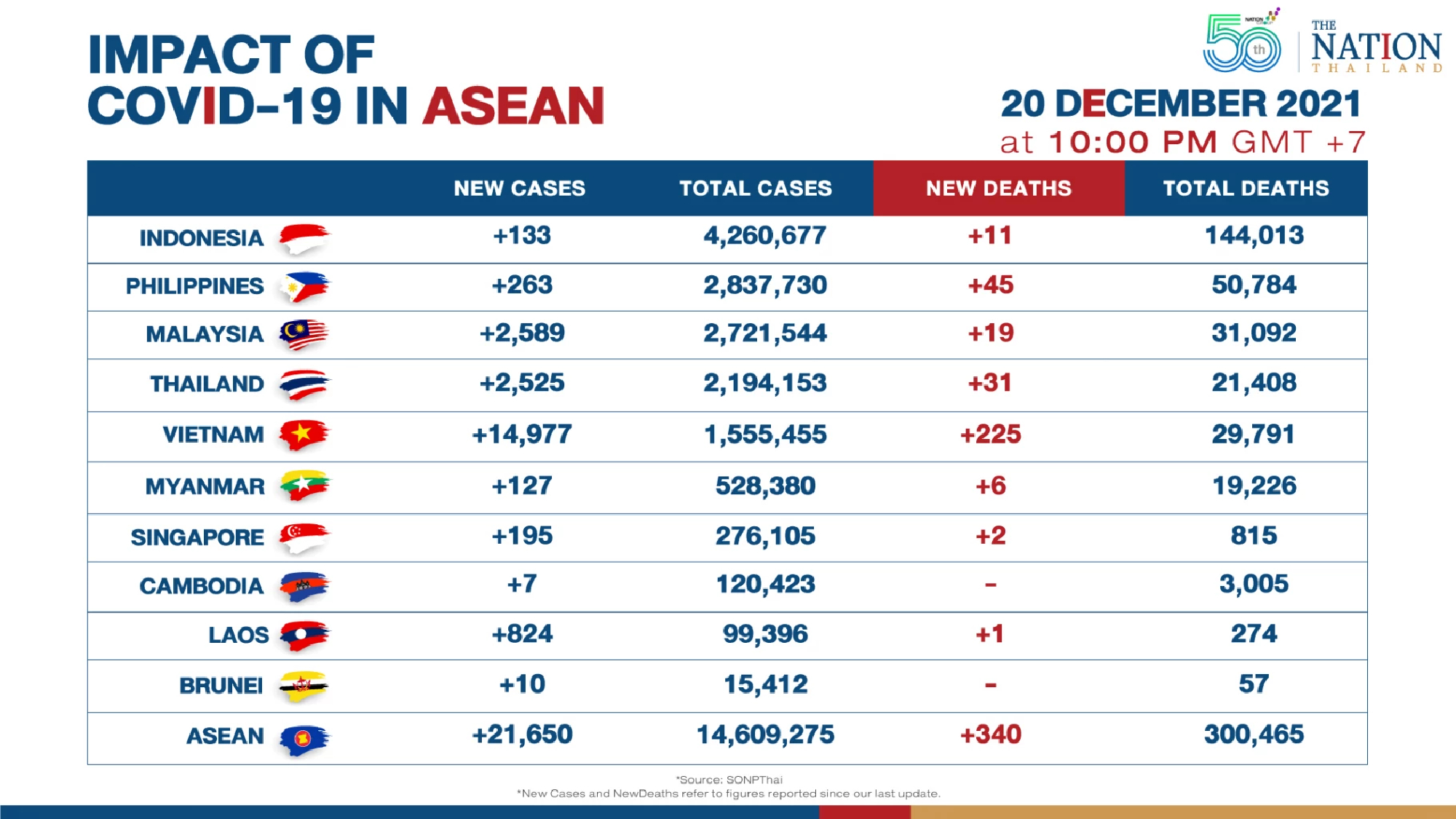
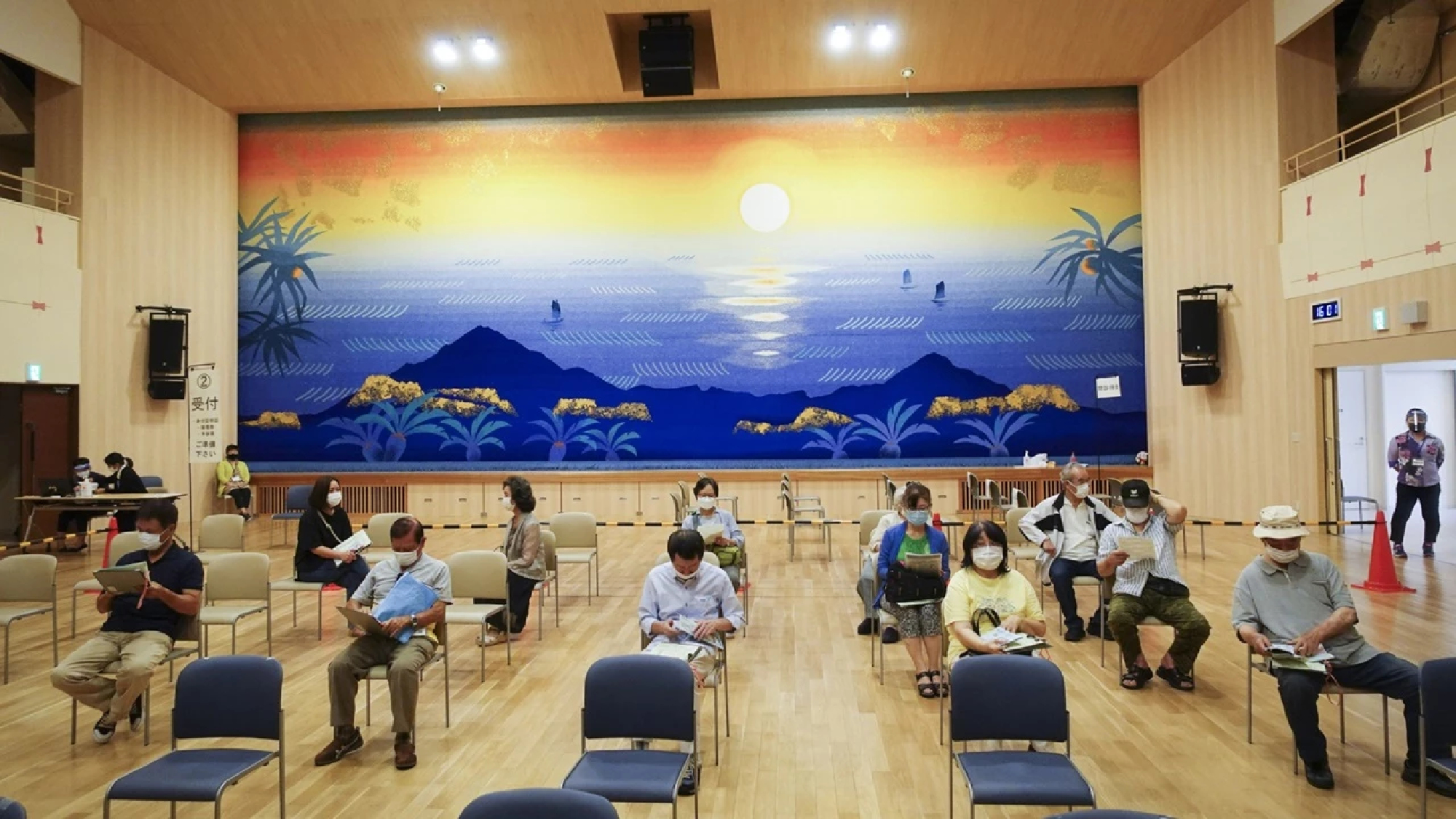
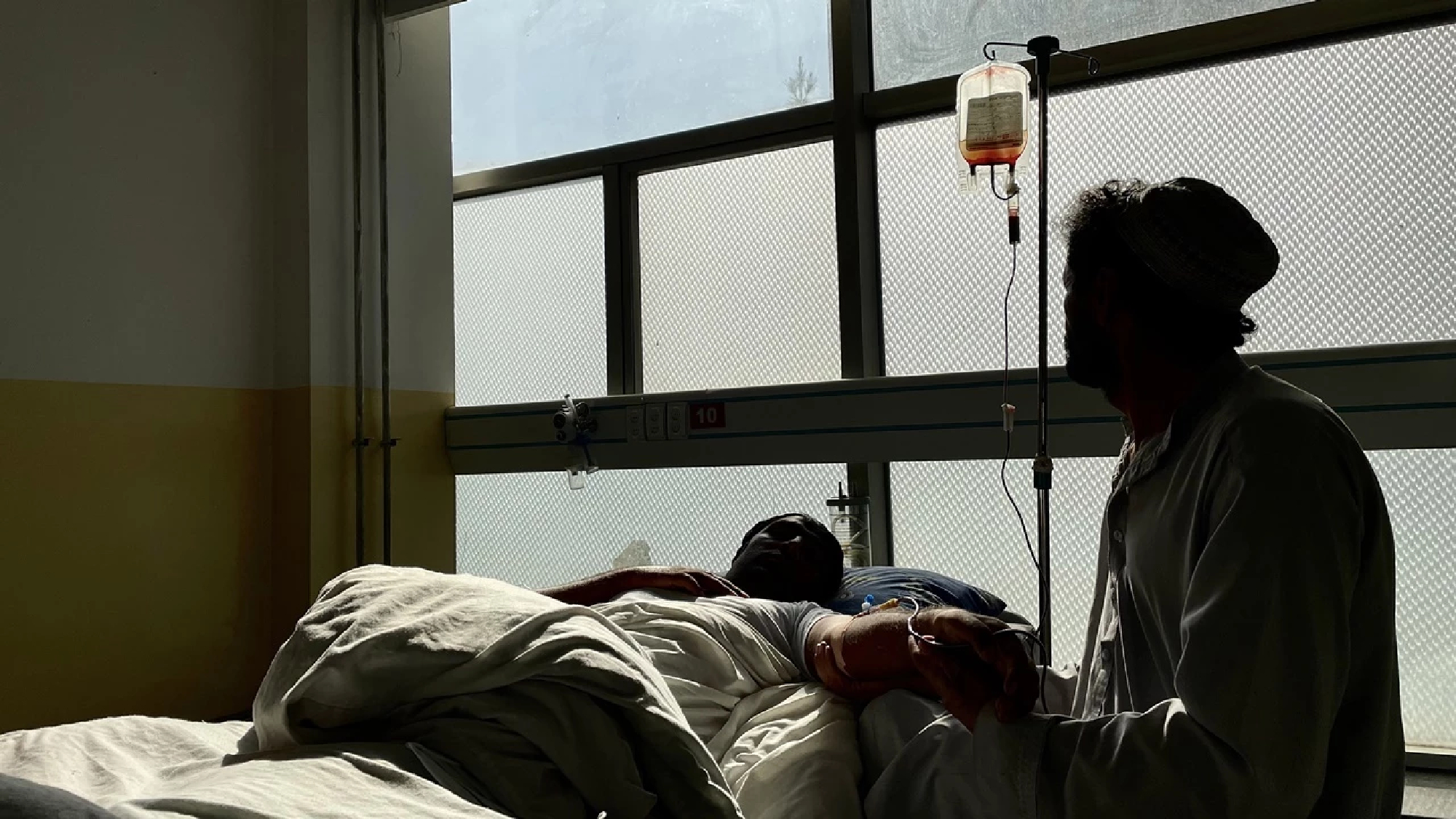

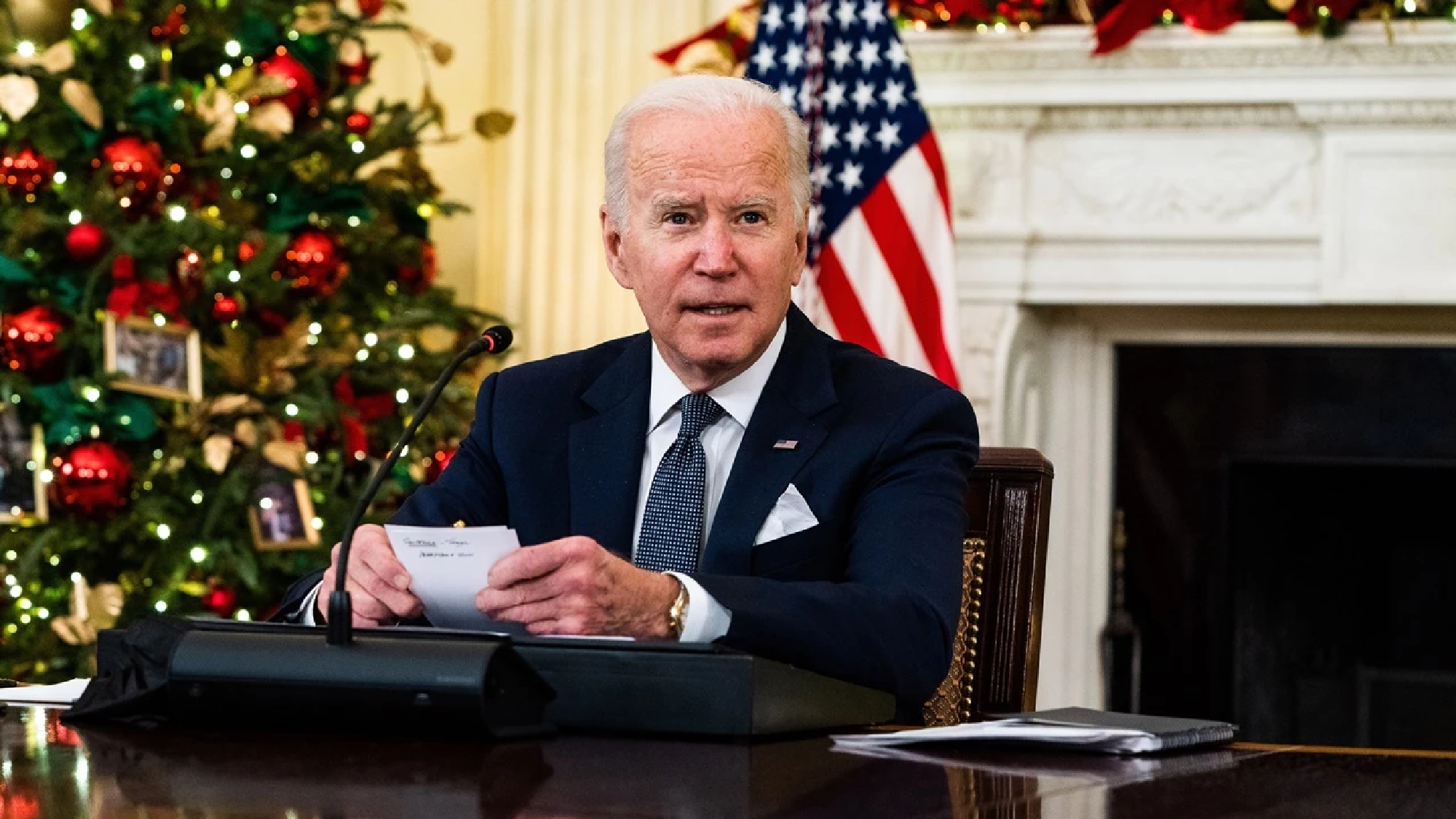

 Photo taken on Dec. 17, 2021 shows an airport damaged by Typhoon Rai in Surigao del Norte Province, the Philippines. (Philippine Coast Guard/Handout via Xinhua)
 Members of the Philippine Coast Guard rescue residents from the flood brought by typhoon Rai in Cagayan de Oro City, the Philippines, Dec. 16, 2021. (Philippine Coast Guard/Handout via Xinhua)
 Aerial photo taken on Dec. 17, 2021 shows the devastation caused by Typhoon Rai in Surigao del Norte Province, the Philippines. (Philippine Coast Guard/Handout via Xinhua)
 Aerial photo taken on Dec. 17, 2021 shows the devastation caused by Typhoon Rai in Surigao del Norte Province, the Philippines. (Philippine Coast Guard/Handout via Xinhua)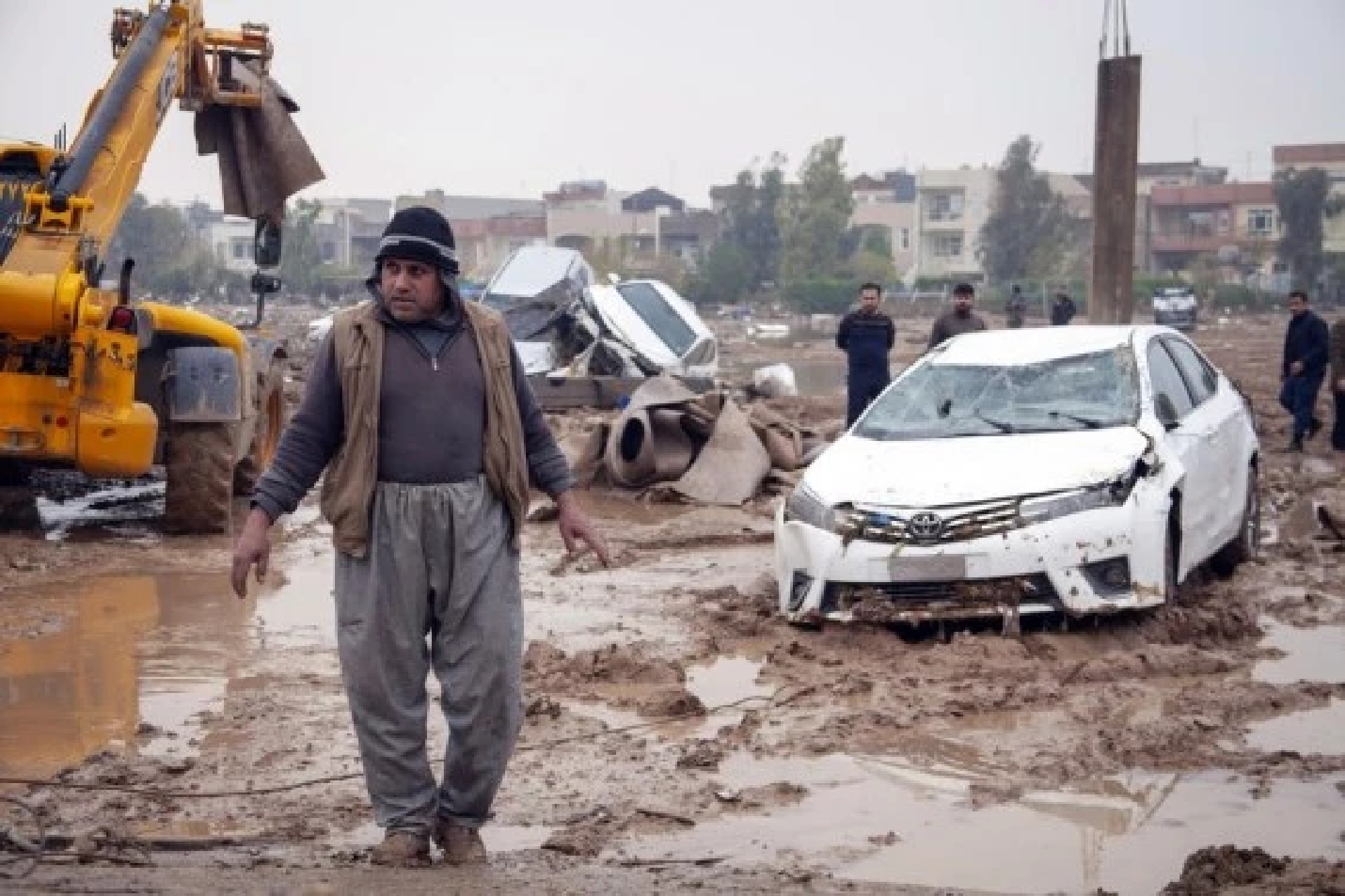
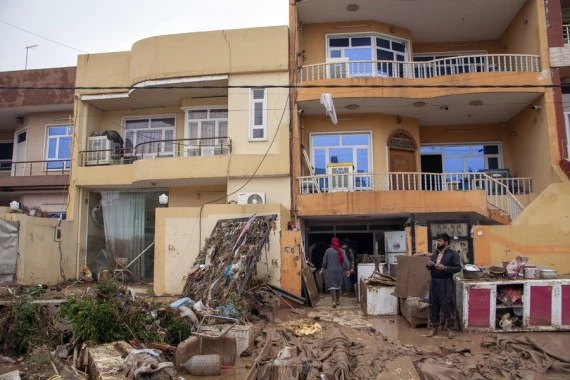 People clean a house after flash floods in Erbil, northern Iraq, on Dec. 17, 2021. (Photo by Dalshad Al-Daloo/Xinhua)
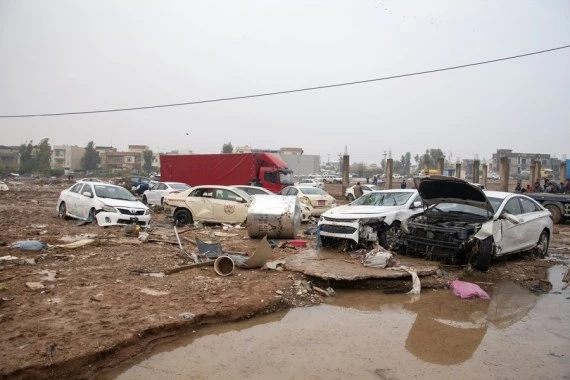 Vehicles are seen damaged in flash floods in Erbil, northern Iraq, on Dec. 17, 2021. (Photo by Dalshad Al-Daloo/Xinhua)
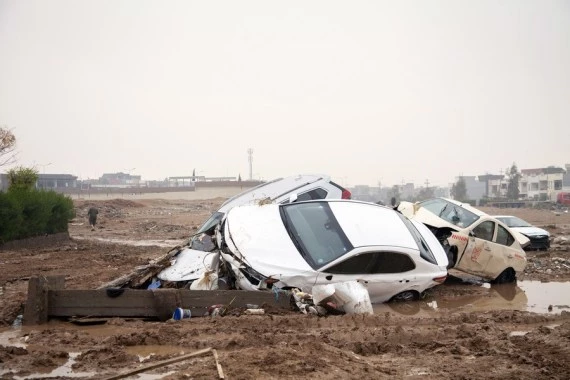 Vehicles are seen damaged in flash floods in Erbil, northern Iraq, on Dec. 17, 2021. (Photo by Dalshad Al-Daloo/Xinhua)
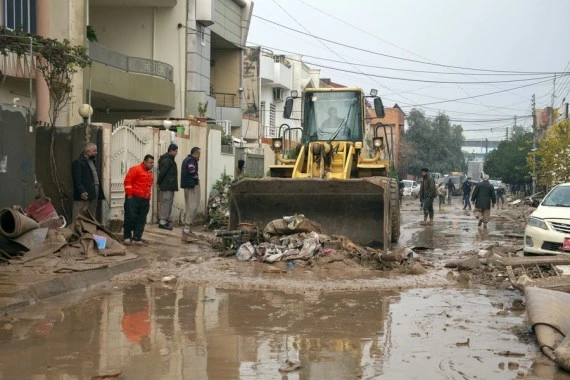 A bulldozer clears debris on a street after flash floods in Erbil, northern Iraq, on Dec. 17, 2021. (Photo by Dalshad Al-Daloo/Xinhua)
 People are seen in an area hit by flash floods in Erbil, northern Iraq, on Dec. 17, 2021. (Photo by Dalshad Al-Daloo/Xinhua)
 SootinClaimon.Com