Global debt rose by 28 percentage points to 256 percent of GDP in 2020, the largest one-year debt surge since World War II, according to the IMF.
Global debt rose to a record 226 trillion U.S. dollars in 2020 as the world was hit by the COVID-19 pandemic and a deep recession, the International Monetary Fund (IMF) said on Wednesday.
Global debt rose by 28 percentage points to 256 percent of gross domestic product (GDP) in 2020, the largest one-year debt surge since World War II, Vitor Gaspar, director of the IMF’s Fiscal Affairs Department, wrote in a blog with his colleagues, citing figures from the IMF’s latest Global Debt Database.
Debt increases are particularly striking in advanced economies, where public debt rose from around 70 percent of GDP in 2007 to 124 percent of GDP in 2020. Meanwhile, private debt rose at a more moderate pace from 164 to 178 percent of GDP in the same period, according to the IMF.
The IMF officials noted that a crucial challenge for policymakers is to “strike the right mix of fiscal and monetary policies in an environment of high debt and rising inflation,” as the debt surge amplifies vulnerabilities.
Photo taken on March 19, 2020 shows U.S. dollar banknotes in Washington D.C., the United States. (Xinhua/Liu Jie)
“The risks will be magnified if global interest rates rise faster than expected and growth falters. A significant tightening of financial conditions would heighten the pressure on the most highly indebted governments, households, and firms,” they said.
The IMF officials suggested that some countries, especially those with high gross financing needs or exposure to exchange rate volatility, may need to adjust faster to preserve market confidence and prevent more disruptive fiscal distress.
In addition, the pandemic and the global financing divide demand strong, effective international cooperation and support to developing countries, they noted.
The IMF officials’ warning came as the U.S. Federal Reserve is expected to announce later Wednesday that the central bank will accelerate tapering asset purchases and start raising interest rates in 2022, which could push up global borrowing costs in the years to come.
The Fed began last month to reduce its monthly asset purchase program of 120 billion U.S. dollars by 15 billion dollars. At this pace, the Fed would end its asset purchases by June next year. But some Fed officials and economists have urged the central bank to accelerate the pace of tapering to give more leeway to raise rates sooner amid inflation pressures.
More than half of the economists in a Bloomberg survey released Monday expected the Fed to double the pace of tapering to 30 billion dollars a month, starting in January and wrapping up in March.
United States Secretary of State Antony Blinken has cancelled his visit to Thailand scheduled on Thursday after a reporter travelling with his delegation contracted Covid-19, the US Embassy in Bangkok said on its Facebook page on Wednesday.
“Secretary of State Antony J Blinken spoke today with Thai Deputy Prime Minister and Foreign Minister Don Pramudwinai. The secretary expressed his deep regret to the foreign minister that he would not be able to visit Bangkok this week,” the post said, quoting an announcement by the State Department.
“He explained that in order to mitigate the risk of the spread of Covid-19 and to prioritise the health and safety of the US travelling party and those they would otherwise come into contact with, the secretary would be returning to Washington, DC out of an abundance of caution.
“The secretary extended an invitation for the foreign minister to visit Washington, DC at the earliest opportunity and noted that he looked forward to travelling to Thailand as soon as possible. They affirmed that they would use the upcoming engagements to further deepen the US-Thai alliance,” the announcement said.
Reuters reported earlier on Wednesday that Blinken had cut short his trip to Southeast Asia due to a Covid-19 case among his party. The positive case was confirmed on Wednesday while Blinken was in Malaysia. He was in Indonesia the previous two days.
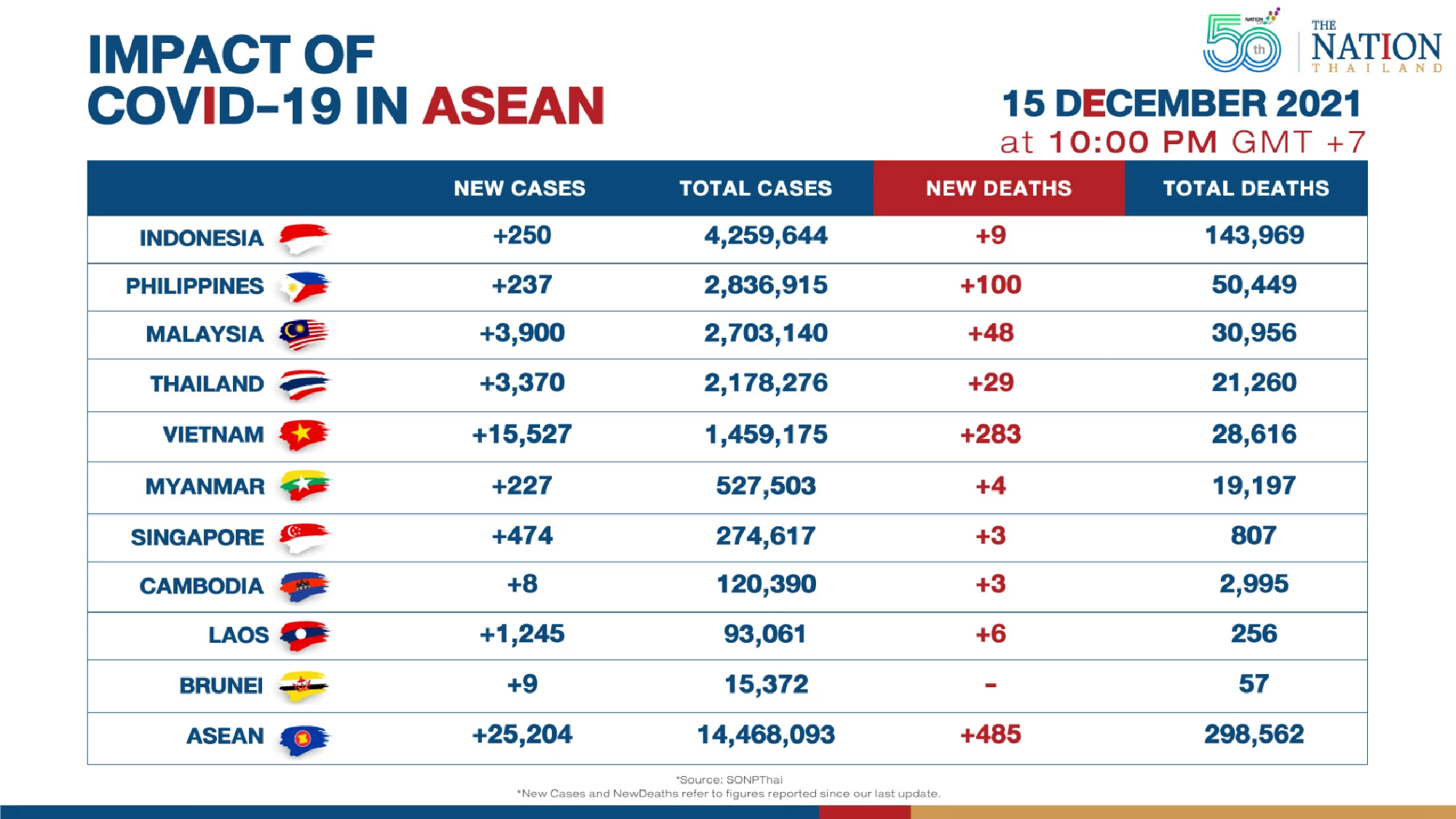
The number of Covid-19 cases crossed 14.46 million across Southeast Asia, with 25,204 new cases reported on Wednesday (December 15). New deaths are at 485, bringing accumulated Covid-19 deaths in Asean to 298,562.
Philippines’s Department of Health advised on Wednesday all passengers on two airlines, which brought a Filipino and a Nigerian on separate flights to the country and who were later found positive for the Omicron variant of the coronavirus, to check themselves for symptoms of Covid-19.
The 48-year-old returning overseas Filipino had a cough and a cold when he flew back from Japan on December 1 on Philippine Airlines flight PR 0427. The 37-year-old Nigerian arrived from his home country on November 30 aboard Oman Air flight WY 843. They are the Philippines’ first two detected cases of the Omicron variant.
Meanwhile, Vietnam’s National Institute for Hygiene and Epidemiology has issued a notification on the expiry extension of a further seven batches of Pfizer/BioNTech Covid-19 vaccines to be distributed to local health authorities throughout the country. These batches will be usable for an additional three months compared to the expiry dates on the packaging/labels, according to the notice.
MOSCOW – Russia announced it had won Chinese support for its demand of new security guarantees from the United States after a warm 90-minute video conference on Wednesday between President Vladimir Putin and Chinas Xi Jinping.
Putin also said he would be attending the Opening Ceremonies of the Beijing Olympics and meet Xi in person, underscoring deepening the Sino-Russia cooperation after Britain, Canada and Australia joined a U.S. diplomatic boycott of the Games.
The meeting was marked contrast to when President Joe Biden spoke to Putin in a similar video conference eight days earlier and threatened tough sanctions on Russia in case of new military aggression against Ukraine.
Russian presidential aide Yuri Ushakov said that Putin spelled out his concerns about a NATO threat to Russia and that Xi supported the demand for written security guarantees.
Russia’s Foreign Ministry last week published its demands, including that NATO would not expand eastward and would not station weapons in Ukraine that could threaten Russia. NATO has repeatedly ruled out a Russian veto over which countries can join the alliance.
Putin told Xi he expected negotiations with the United States on security guarantees to begin immediately, according to Ushakov.
Russia’s military buildup on Ukraine’s borders, the second in a year, has NATO leaders alarmed that Putin may be planning a major attack. The United States has threatened sanctions that could see Russia’s financial system isolated and its economy hit in the event of Russian military escalation.
It was against a background of these threats that Putin extolled the “deep historical traditions of friendship and mutual understanding between the Russian and Chinese people,” saying relations between Moscow and Beijing were closer than they had ever been and they were “constantly in contact.”
Referring to his attendance of the Games, he added that “we have always supported each other on issues of international sports cooperation, including in rejecting any attempts to politicize sports and the Olympic movement,” Putin said. “I have no doubt that the upcoming Winter Olympic Games will be held on the highest level. China knows how to do it.”
Xi, for his part, praised Putin for supporting China’s core interests and standing against efforts by outsiders to “to drive a wedge between our countries.”
Calling Putin his “dear old friend,” Xi said he was looking forward to welcoming Putin to Beijing in February and said he hoped the two countries would “face the future hand in hand” and welcome “a new chapter” in China-Russia relations in the post-pandemic period, Chinese state television reported.
The video meeting signaled to Washington that Russia could rely on its strong relations with China should the West impose tough new financial and economic sanctions in the event of an attack on Ukraine.
Putin and Xi discussed the need for independent infrastructure to ensure continuing financial transactions and trade between Russia and China, according to Ushakov – an apparent response to Washington’s threat that if Russia attacks, new sanctions would isolate Russia financially.
They also took a dig at Biden’s recently concluded democracy summit that Russia and China were not invited to. Ushakov quoted Xi as saying that the negative impact of the summit was obvious, and that it created new global divisions.
He added that Putin “stressed together with Xi Jinping that all this is highly counterproductive, especially amid today’s challenging international situation.”
Xi said China and Russia relations had “withstood various trials and demonstrated new vitality” despite global turbulence, according to Chinese state television.
He said the two countries had shouldered the responsibilities of major powers and showed the world “the correct meaning of democracy and human rights” as guardians of “multilateralism, fairness and justice on the international stage,” Chinese state television reported.
During the meeting, Xi also hailed his party’s recent passage of a historical resolution that paves the way for him to take on an unprecedented third term. “Our goal is ambitious and simple . . . to let all Chinese people live a good life.” Russia last year passed a constitutional amendment that also gave Putin additional terms as president.
Moscow and Beijing have been working together for some years to counter what they see as Washington’s global dominance. Russia vetoed a U.N. Security Council Resolution on Monday to treat climate change as a global threat that could lead to conflict. China abstained and India also voted against the motion co-sponsored by Ireland and Niger.
“A new model of cooperation has been formed between our countries, based, among other things, on the basis of noninterference in internal affairs and respect for each other’s interests,” Putin said in opening remarks before the two leaders held a closed meeting.
He said the Sino-Russian “responsible joint approach to solving urgent world problems has become a significant factor in stability in international relations.”
This past year has seen increasing military cooperation between China and Russia, with a joint military exercise, Zapad-Interaction, in northwest China in August and the two navies participating in naval exercises in the Sea of Japan (also known as the East Sea) in October, followed by their first joint naval patrol.
The omicron variant infects around 70 times faster than delta and the original Covid-19 strain, though the severity of illness is likely to be much lower, according to a University of Hong Kong study that adds weight to the early on-ground observations from South African doctors.
The supercharged speed of omicron’s spread in the human bronchus was found 24 hours following infection, according to a Wednesday statement from the university. The study, conducted by a team of researchers led by Michael Chan Chi-wai, found that the newest variant of concern replicated less efficiently — more than 10 times lower — in the human lung tissue than the original strain which may signal “lower severity of disease.”
The study, which suggests that omicron jumps faster from one person to another but doesn’t damage lung tissues as much as its predecessor strains did, is currently under peer review for publication in a scientific journal. Bloomberg didn’t have access to the entire study.
With scientists racing to determine how transmissible, virulent and evasive omicron is — it has already traveled to at least 77 nations within three weeks of being first detected in southern Africa — the new research out of Hong Kong may add ballast to descriptions by some physicians that most infections have so far been mostly mild and not requiring hospitalizations.
Many researchers are now watching if the most mutated coronavirus variant will crowd out other strains and pave way for the pandemic to slowly ebb away as an endemic where the world learns to live with the pathogen.
Early observations have shown that most patients don’t need oxygen or intensive treatment for the illness but many public health experts and bodies, including the World Health Organization, have urged caution. Many breakthrough and re-infection cases have been found along with infection in young people with no significant risk factors.
Countries across the world have reacted with urgency and wariness, erecting travel barriers amid widespread fears that omicron will prompt new surge in infections and add to the burden of hospitals.
Even if omicron is conclusively proved to be less severe, its wildfire spread can stretch and challenge health facilities around the world. The Hong Kong university’s study also warns against taking the new variant lightly.
“By infecting many more people, a very infectious virus may cause more severe disease and death even though the virus itself may be less pathogenic,” Chan, the study’s lead author, said in the statement. Given that the omicron variant can partially escape immunity from vaccines and past infection, “the overall threat from omicron variant is likely to be very significant.”
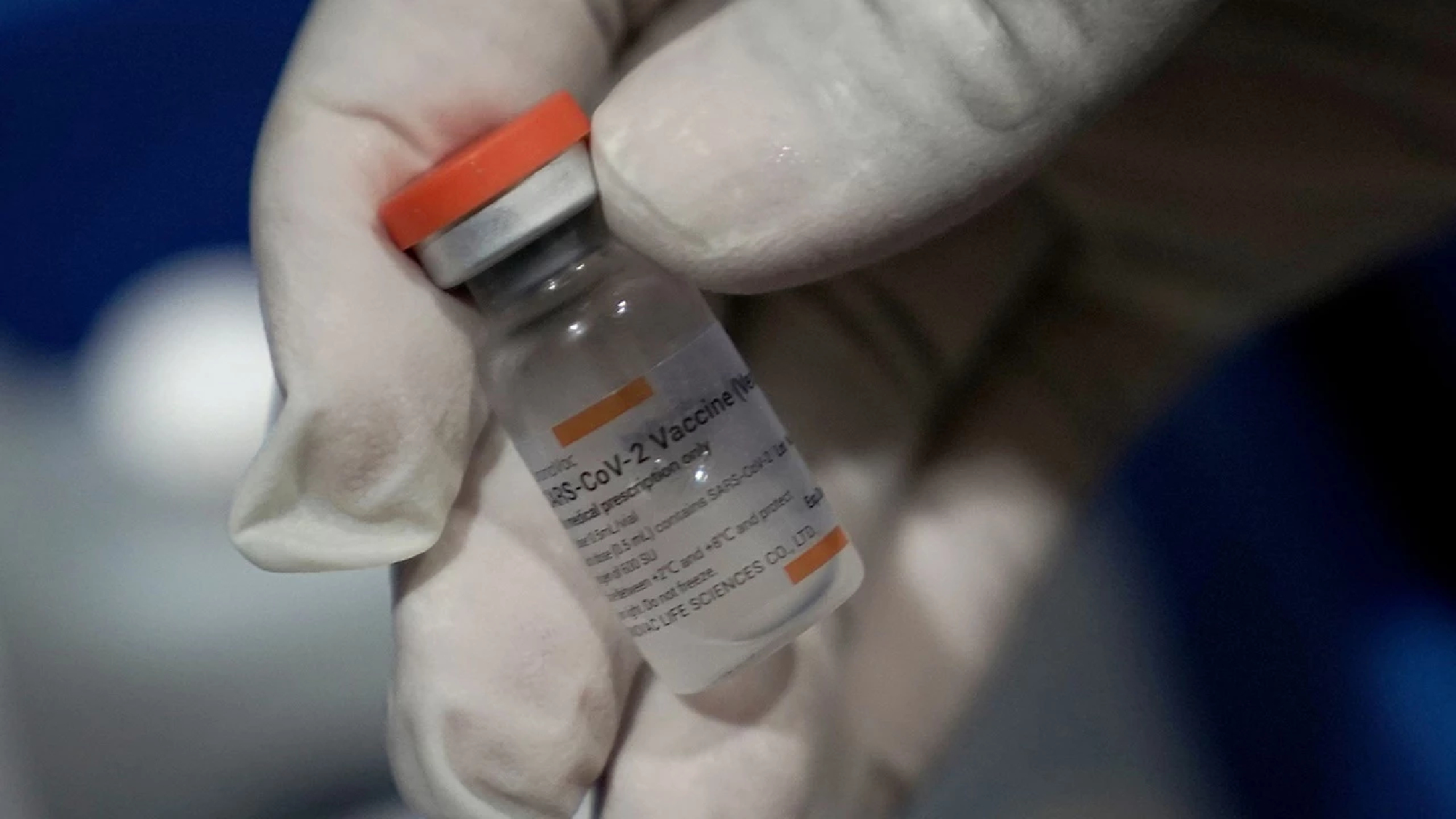
The vaccine made by Sinovac Biotech, one of the most widely used in the world, doesnt provide sufficient antibodies in two doses to neutralize the omicron variant and boosters will likely be needed to improve protection, initial lab findings showed.
While the first two studies to be released on the Chinese shot and omicron diverged on how much the vaccine’s immune response is degraded, they both indicated the standard two-dose course would not be enough, raising uncertainty over a shot relied on by millions of people in China and the developing world to protect against Covid-19.
Among a group of 25 people vaccinated with two Coronavac doses, none showed sufficient antibodies in their blood serum to neutralize the omicron variant, said a statement from a team of researchers at the University of Hong Kong released late Tuesday night.
The Beijing-based company then released its own findings on Wednesday, saying that seven of 20 people — 35% — who received two doses in its study showed sufficient antibodies to neutralize omicron.
The picture improved somewhat when a booster shot was added into the mix, with Sinovac’s lab results showing that among a group of 48 people who had received three doses, 45 of them, or 94%, had sufficient antibodies to neutralize omicron, the company said. It didn’t elaborate on details of its study or whether findings were going to be published in a scientific journal.
The study sizes were small and differences in the age and health profiles of the subjects potentially account for the differences in findings.
While much is still unknown about how Sinovac’s shot reacts to omicron — including how T cells, the immune system’s weapon against virus-infected cells, will respond — the initial results are a blow to those who have received the 2.3 billion doses of Coronavac shipped out, mostly in China and the developing world.
With omicron seen to be at least four times as transmissible as the delta variant in a Japan study, the prospect of having to accelerate booster campaigns or even re-vaccinate with a more omicron-specific shot will set back the world’s efforts to exit the pandemic.
Led by Kwok-Yung Yuen, the highly respected professor in infectious diseases, the study at the University of Hong Kong of 50 people has been accepted for publication in the medical journal Clinical Infectious Diseases and is available online as a pre-print.
It also looked at the other vaccine available in Hong Kong, the messenger RNA shot developed by Pfizer Inc. and BioNTech SE. Of 25 people who had received two doses of that vaccine, five had neutralizing ability against the new variant, the scientists said.
That’s in line with findings released last week by the companies, who said a third shot would be sufficient to protect against omicron.
The HKU team did not study people who had received three doses of the Sinovac vaccine.
If Sinovac is found in more conclusive studies to be ineffective against omicron, China, which has managed to insulate the vast majority of its people from Covid-19 with closed borders and strict containment measures, faces the biggest threat from the new variant, said experts.
The government has given out 2.6 billion homegrown shots — many of them Coronavac — to its population of 1.4 billion people, but now faces the prospect of having to develop new vaccines before it can shift away from its current isolationist stance.
Among other countries using Coronavac, previous infection waves would have conferred some natural immunity that will help ensure “no major impact” from omicron, said Benjamin Cowling, a professor of epidemiology at the University of Hong Kong.
But the populations in mainland China and Hong Kong have experienced no large-scale infection before, leaving them vulnerable.
“The Chinese authorities have worked hard to have a high vaccination rate across the country but the mutability of the virus means that the impact of those efforts has been significantly reduced,” said Nicholas Thomas, an associate professor at the City University of Hong Kong who has edited several books on foreign policy and public health.
“The two-fold challenge now facing China is how to ensure that their population is again protected from omicron and any future mutations, plus managing the flows of goods and people over their borders when the rest of the world is moving to live with the virus,” he said.
The country has detected two omicron cases so far in returning travelers, with one of them being discovered over two weeks after he entered China.
The Hong Kong University researchers advised members of the public to get a third vaccine dose as soon as possible, while awaiting the next generation of shots. Sinovac, meanwhile, is conducting more research to evaluate the impact of omicron on its vaccine, a company representative said.
Antibodies, which the researchers studied, are one important arm of the immune response that protect people from infection. The other arm of the immune response is cell mediated immunity — known as T-cell response — which can protect people from serious illness and death.
KUALA LUMPUR, Malaysia – Secretary of State Antony Blinken cut short his trip to Southeast Asia on Wednesday after a member of the press corps accompanying him on his visits tested positive for the coronavirus.
Blinken dropped a slate of planned meetings with government officials in Thailand from his swing through the region, which included stops in Indonesia and Malaysia.
The omicron variant of the virus is spreading rapidly across the globe, disrupting business and international travel. The victims now include Blinken’s first official visit to Southeast Asia, where he has hoped to counter Chinese influence in the strategic and economically dynamic region.
“We learned this morning, through our routine PCR testing, that a member of our traveling press pool tested positive for COVID-19 upon arrival in Kuala Lumpur,” State Department spokesman Ned Price said in statement.
The journalist had tested negative in Blinken’s previous stop in Jakarta but, after testing positive in Kuala Lumpur, began a quarantine for at least 10 days before returning to the United States.
“The individual who tested positive will remain in isolation, and we will continue to adhere to and go beyond CDC guidance, including with our rigorous testing protocol, for the remaining traveling party,” Price said.
Price said Blinken expressed his “deep regret” to the foreign minister of Thailand that “he would not be able to visit Bangkok this week.”
“He explained that, in order to mitigate the risk of the spread of covid-19 and to prioritize the health and safety of the U.S. traveling party and those they would otherwise come into contact with, the secretary would be returning to Washington, D.C. out of an abundance of caution.”
In a statement, Price said Blinken and his “senior staff” tested negative, leaving open the possibility that other members of his crew tested positive.
The highly contagious omicron, which is quickly overtaking delta as the predominant variant in the pandemic, is spreading amid a flurry of travel ahead of the holiday season.
Among Blinken’s traveling entourage, the prospect of testing positive for the virus and having to remain in Southeast Asia for a 10-day quarantine loomed large.
Instead of resting overnight in Bangkok on Wednesday and meeting with Thai officials in the morning, the State Department said, Blinken would do a quick layover in Thailand for logistical reasons and then make refueling stops in Guam and Hawaii.
A key focus of Blinken’s trip has been criticizing China’s aggressive behavior in the South China Sea and working with U.S. partners to counter anti-democratic practices and corruption in the region. Blinken flew to the region following Biden’s democracy summit in Washington.
The Biden administration is facing renewed questions about its global coronavirus strategy, with international infections climbing and the new omicron variant poised to tear across the world.
Advocates are urging the United States to follow through on President Joe Biden’s seven-month-old pledge to ensure that countries waive intellectual property protections on coronavirus vaccines and share them with the developing world – a push they say has stalled in diplomatic meetings in Switzerland.
“I see very slow progress and reluctance” from the United States, said Hu Yuan Qiong, a Geneva-based legal and policy adviser for Doctors Without Borders, who has been monitoring the talks. “We really anticipate they could do more proactively in the negotiations.”
Others are demanding details behind a plan to boost global vaccine manufacturing, complaining that the White House has yet to clarify the proposal’s objectives and strategy since unveiling it last month.
“Emergence of the Omicron variant, which experts fear may make current vaccines less effective, has provided a cruel reminder that the world does not have the time to wait,” advocacy groups Partners in Health, Public Citizen and Prep4All wrote in a letter Monday to senior administration officials, which was shared with The Washington Post.
Pressure has mounted on the United States in part because global efforts to beat vaccine hoarding and inequality have struggled. Covax, an initiative backed by the World Health Organization that was designed to pool money to ensure vaccine supply for poorer nations, initially aimed to donate 2 billion doses by the end of 2021. It is now racing to deliver a far-diminished target of 800 million doses.
In interviews, Biden administration officials defended their global strategy, saying they are working to speed vaccine technologies to the developing world and citing donations and commitments that vastly outpace those of other nations – efforts verified by independent trackers.
“As the President has said, the virus knows no borders, and it is going to require every country and to step up and take bold, urgent action to stop the spread of covid-19 and save lives,” said Kevin Munoz, a White House spokesman. “We call on every leader to bring the same urgency, ambition, and scale to the table as we fight covid-19 across the globe.”
But on Capitol Hill, Democrats insisted that the White House still needs to specify how it would address logistical challenges that have slowed vaccinations in developing countries and led some to turn vaccine donations away.
“The Biden administration commitment to vaccinate 70 percent of the world’s population by September 2022 is a worthy goal, but the longer we take to get there, more people will needlessly die and increase the risk of a new variant,” Sen. Edward J. Markey (D-Mass.) said in a statement.
More than 600,000 people are being infected and more than 7,000 people are dying every day from coronavirus around the world, according to a seven-day rolling average compiled by Johns Hopkins University. While most of the cases appear driven by the delta variant, health officials warn that the new omicron variant is spreading rapidly and appears to evade some immunity conferred by prior infections or vaccination, although it may cause less-severe infections.
As a result, global leaders are projecting a new surge of omicron-linked cases. Less than 8 percent of the population in Africa has been fully vaccinated, according to the University of Oxford’s Our World in Data project.
“The global community is playing variant roulette at this point, and the Biden administration is not being big enough, bold enough, fast enough,” said Zain Rizvi, research director at Public Citizen.
The United States has pledged to donate more than 1.1 billion vaccine doses to nations in need – a total nearly 10 times more than the 120 million doses pledged by France, the next-highest country, according to donations monitored by the Duke Global Health Innovation Center. Altogether, the White House has committed more than $1.6 billion toward global vaccine efforts, including last week’s announcement of a new $315 million initiative overseen by the U.S. Agency for International Development.
Biden officials also pointed to targeted initiatives in dozens of nations around the world, such as USAID helping deploy ultracold freezer trucks to safely transport shots in Bangladesh, or experts from the Centers for Disease Control and Prevention training workers in Belize to administer shots. Meanwhile, the U.S. trade office has held more than 50 public and private meetings since May in an attempt to reach international consensus around waiving intellectual property protections for vaccines, an official said.
Policy experts commended the Biden administration for its efforts but said the United States has a unique responsibility as poorer nations reel from the pandemic.
“The problem is that doing more is not the same as doing enough,” said Krishna Udayakumar, the director of the Duke Global Health Innovation Center. “We can either be complacent, because we’re doing more than others, or we can recognize that this pandemic is very unlikely to end without even stronger U.S. leadership.”
For instance, Udayakumar and others faulted the U.S. reliance on “charity donations” to patch vaccination gaps in other countries. About one-quarter of the 1.1 billion doses previously pledged by the United States have been shipped, according to Udayakumar’s center, and some of the global donations have arrived too near their expiration dates to be useful.
“Countries need predictable and reliable supply. Having to plan at short notice and ensure uptake of doses with short shelf lives exponentially magnifies the logistical burden on health systems that are already stretched,” African officials and Covax warned in a joint statement last month.
“Donations are neither reliable nor sustainable. Most pledges have yet to fully come through,” said Sangeeta Shashikant, legal adviser at the Third World Network, an advocacy organization that focuses on developing nations.
Instead, experts said the United States should focus on expanding vaccine manufacturing – but impose guardrails to avoid previous mistakes. Advocates on Monday called on the Biden administration to pursue a government-owned, contractor-operated manufacturing model, arguing that relying on outside companies to produce vaccines in bulk had previously failed, and left developing nations waiting for shots that never came. They also urged the White House not to overly rely on existing vaccine manufacturers such as Pfizer and Moderna, saying the companies have delivered “far too few doses, far too slowly, and sometimes only under onerous terms” to low- and middle-income countries.
“Preserve public control over the facility, giving the government the freedom to make critical decisions about operations, manufacturing partners and technology,” Partners in Health, Public Citizen and Prep4All wrote.
Meanwhile, outside experts and some Democrats continue to press Biden officials to ensure that the World Trade Organization will waive certain coronavirus-related intellectual property protections for the duration of the pandemic.
The so-called TRIPS waiver – which has been sought for more than a year by India, South Africa and other developing countries, but opposed by the European Union and the pharmaceutical industry – was set to be hotly contested at a planned WTO meeting in November. But the high-level event between the world’s trade ministers was postponed indefinitely following the public discovery of the omicron variant, fueling frustration that diplomats are not moving fast enough to expedite a waiver.
“We have been trapped in this pandemic for two years, with a severe inequity of access to vaccines and access to other medical tools,” said Hu of Doctors Without Borders. “Omicron should be a wake-up call for all the trade ministers in all countries.”
The top trade officials from the United States, E.U., India and South Africa did speak Saturday about a path toward resolving their differences over waiving intellectual property protections for coronavirus vaccines and therapies, the Washington Trade Daily newsletter first reported and an official with knowledge of the talks confirmed.
Biden publicly embraced the waiver in May amid pressure from members of the Congressional Progressive Caucus and other liberals, who insisted that the president stick to a campaign promise. But administration officials privately acknowledge that a waiver would not solve the pandemic’s immediate needs, given the months it would take to set up new factories and begin producing vaccine doses, a position echoed by experts including Udayakumar.
Meanwhile, the E.U. has refused to commit to waiving the intellectual property protections, warning that the proposal by developing countries would backfire by antagonizing the drug industry that has rapidly generated coronavirus vaccines and therapies.
“The EU has engaged very actively with other WTO members to build a compromise,” Miriam García Ferrer, an E.U. spokeswoman, said in a statement. “The full waiving of patent and other rights under the TRIPS Agreement, as proposed by India and South Africa, would not in itself help reaching the objective of the widest and timely distribution of COVID-19 vaccines.”
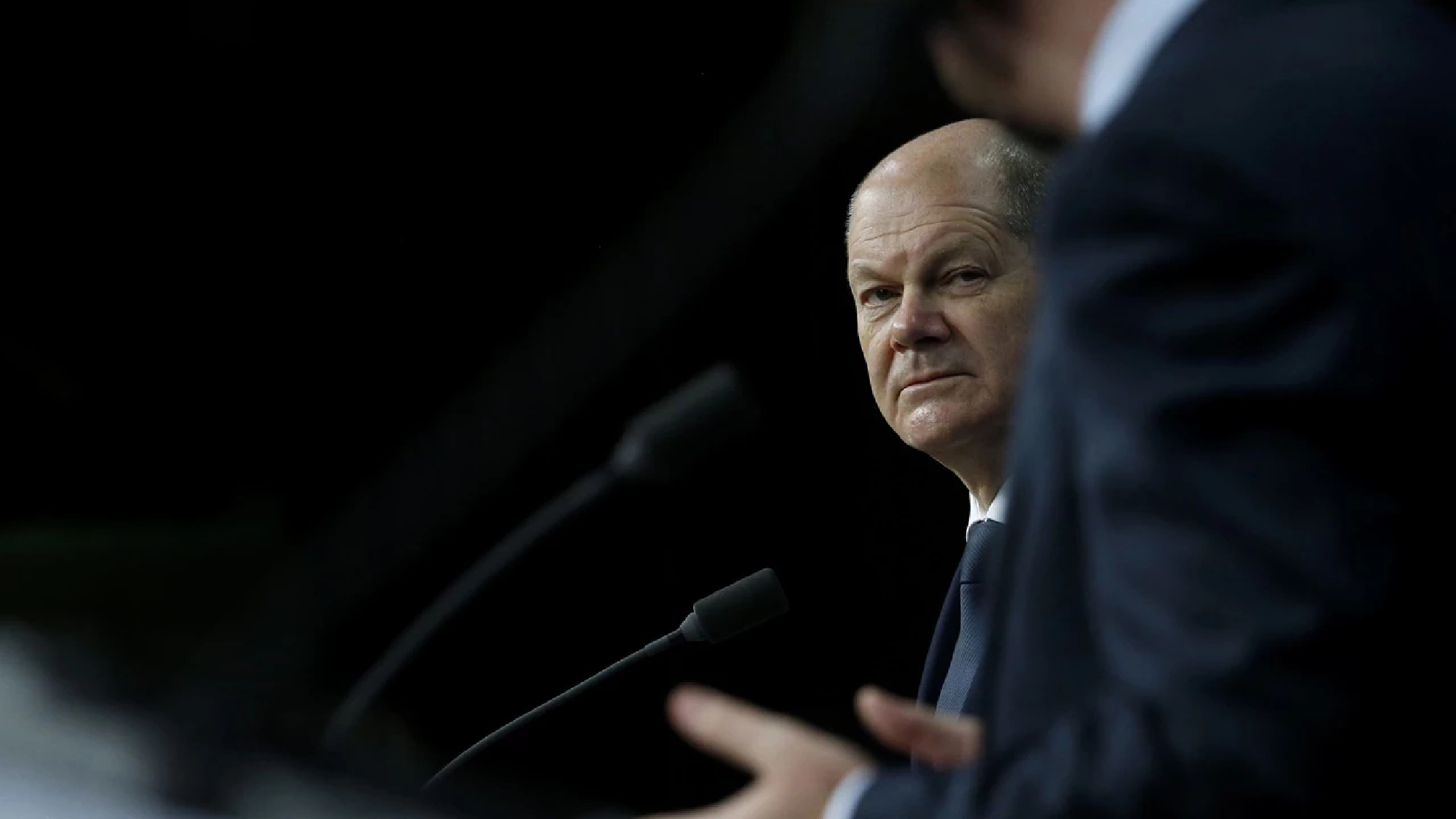
German Chancellor Olaf Scholz said extremist opposition to vaccines and other measures to contain Covid-19 pose a risk to democratic society, with the threat underscored by authorities foiling an alleged assassination plot in the eastern state of Saxony.
Police on Wednesday conducted a set of raids to investigate allegations of plans to kill officials over lockdown measures. While Scholz — who succeeded Angela Merkel last week — didn’t specifically refer to the police action in and around Dresden, he’s taken a firm stance on anti-vaccine protesters.
“A small, extremist minority in our country has turned against our society, our democracy, our community and state,” Scholz told Bundestag lawmakers on Wednesday in his first address to parliament.
The new chancellor insisted a large majority of citizens support measures to stem the pandemic, reinforcing his plea for Germans to get fully vaccinated and receive booster shots.
Germany’s latest bout of coronavirus infections has been attributed to lagging vaccination rates, with more than 13 million adults not inoculated. Plans to make shots compulsory risks inciting further opposition, and authorities have warned that the threat of violence is on the rise.
Early on Wednesday, police raided homes and other premises in the area around the state capital as part of a probe into six people suspected of having discussed plans to murder the Saxony Premier Michael Kretschmer and other officials, the state’s Central Police Office said in a statement.
Police said the five men and a woman, who oppose the vaccination program and lockdown measures, had communicated over a Telegram chat group and in person about plans. The raid turned up crossbows and other weapons that are being examined.
Saxony has the lowest vaccination rate among Germany’s 16 states, and defiance to pandemic measures there has been particularly fierce. Only 59.1% of state residents are fully vaccinated, well below the national average of 69.8%, according to Germany’s Robert Koch Institute.
German politicians roundly condemned a group of protesters brandishing torches outside the home of Saxony’s health minister, Petra Koepping, on Dec. 3.
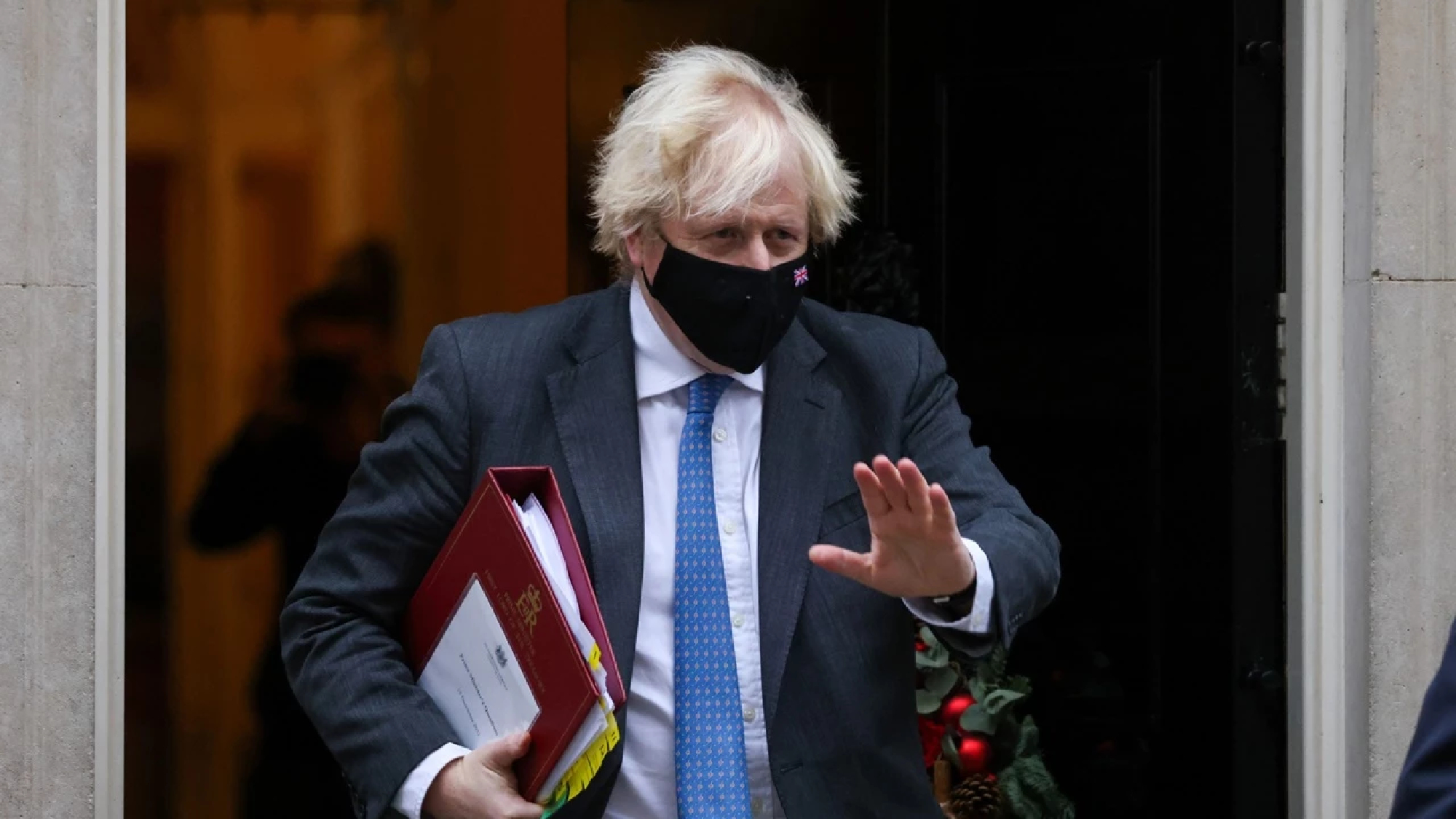
Boris Johnson is being squeezed from both sides of the argument over how to tackle a “staggering” surge in Covid-19 omicron infections — and that could have dangerous implications for the U.K.
The prime minister suffered the biggest Conservative rebellion of his tenure late Tuesday, as 100 members of Parliament opposed his strategy for clamping down on the new coronavirus variant. Many accused Johnson of going too far, too soon when so much still remains unknown about the new variant.
At the same time, warnings are growing that the sheer number of infections expected — Health Secretary Sajid Javid told Parliament that scientists have never seen Covid-19 spread so fast — mean the National Health Service is again at risk of being overwhelmed unless ministers take tougher action.
There were almost 60,000 new confirmed Covid-19 cases in the U.K. on Tuesday, though the number of daily omicron infections was estimated to be 200,000 as of Monday, with the rate doubling every two to three days.
“It’s probably the most significant threat we’ve had since the start of the pandemic,” U.K. Health Security Agency Chief Executive Officer Jenny Harries told the House of Commons Transport Committee on Wednesday. “The numbers that we see on data over the next few days will be quite staggering compared to the rate of growth that we’ve seen in cases for previous variants.”
Measures brought in with the help of opposition votes on Tuesday include Covid passes to gain entry to nightclubs and other venues, an expansion of mandatory mask-wearing, and compulsory vaccination for NHS workers.
Johnson’s Tories “won’t vote for basic public health measures,” Labour Party leader Keir Starmer told the House of Commons on Wednesday. “If it wasn’t for Labour votes, his government wouldn’t have been able to introduce vital health measures we need to save lives and protect the NHS.”
With Johnson’s party making clear where it stands on Covid restrictions, the prime minister could find his options limited even if the pandemic demands it. The government may find previous steps it has taken — closing hospitality venues, limiting the size of gatherings or even lockdowns — off the table.
Johnson’s spokesman, Max Blain, told reporters on Wednesday “there are no plans to go beyond what Parliament voted for yesterday.”
The measures many Tories objected to — including Covid passes to gain entry into nightclubs and face coverings in public spaces — are mild compared to other European countries. Austria was in lockdown until Sunday, while France has shut down nightclubs for four weeks. Germany’s new chancellor, Olaf Scholz, has backed the introduction of mandatory vaccinations.
Johnson would potentially face a more serious fallout, and possibly even a leadership challenge, if he tries to make MPs support new curbs in future.
Johnson will be wary of taking additional action, especially over Christmas after the disruption last year. In addition to the measures voted through on Tuesday, the government is primarily relying on a program of vaccine boosters to get the country through the crisis.
But with omicron infections doubling in less than two days in parts of the country, and its severity and ability to evade vaccines still unclear, there are already calls from doctors for the government to take more action.
“The fact that we are much more immune than we were generally means that the virus will appear to be much less severe,” Graham Medley, a member of the government’s Scientific Advisory Group for Emergencies, told BBC radio. “But the numbers of infections means that even though individually we’re at less risk, at a population level the number of people ending up in hospital could get very large.”
One option for Johnson could be to take the approach of Scotland’s First Minister Nicola Sturgeon, who issued guidance on Tuesday to limit household mixing over Christmas. Doing so would avoid the risk of another parliamentary rebellion, though Johnson would still likely face the wrath of some Tories when they return from the holiday period in January.
Defending the government’s approach during the morning media round on Wednesday, Transport Secretary Grant Shapps said ministers are trying to make a “judgment” about how far to go and how quickly.
“The one thing we know about coronavirus is it’s typically better to act sooner,” he told LBC Radio. Still, “No one wants to curtail freedoms.”

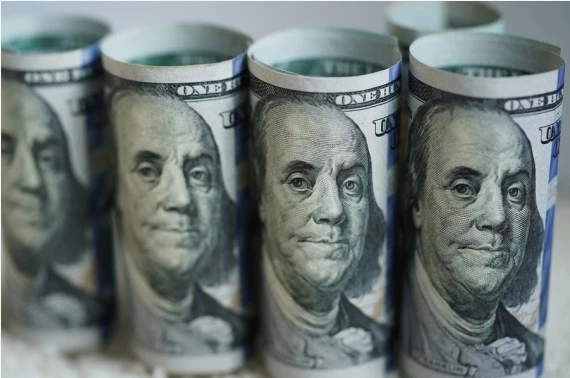 Photo taken on March 19, 2020 shows U.S. dollar banknotes in Washington D.C., the United States. (Xinhua/Liu Jie)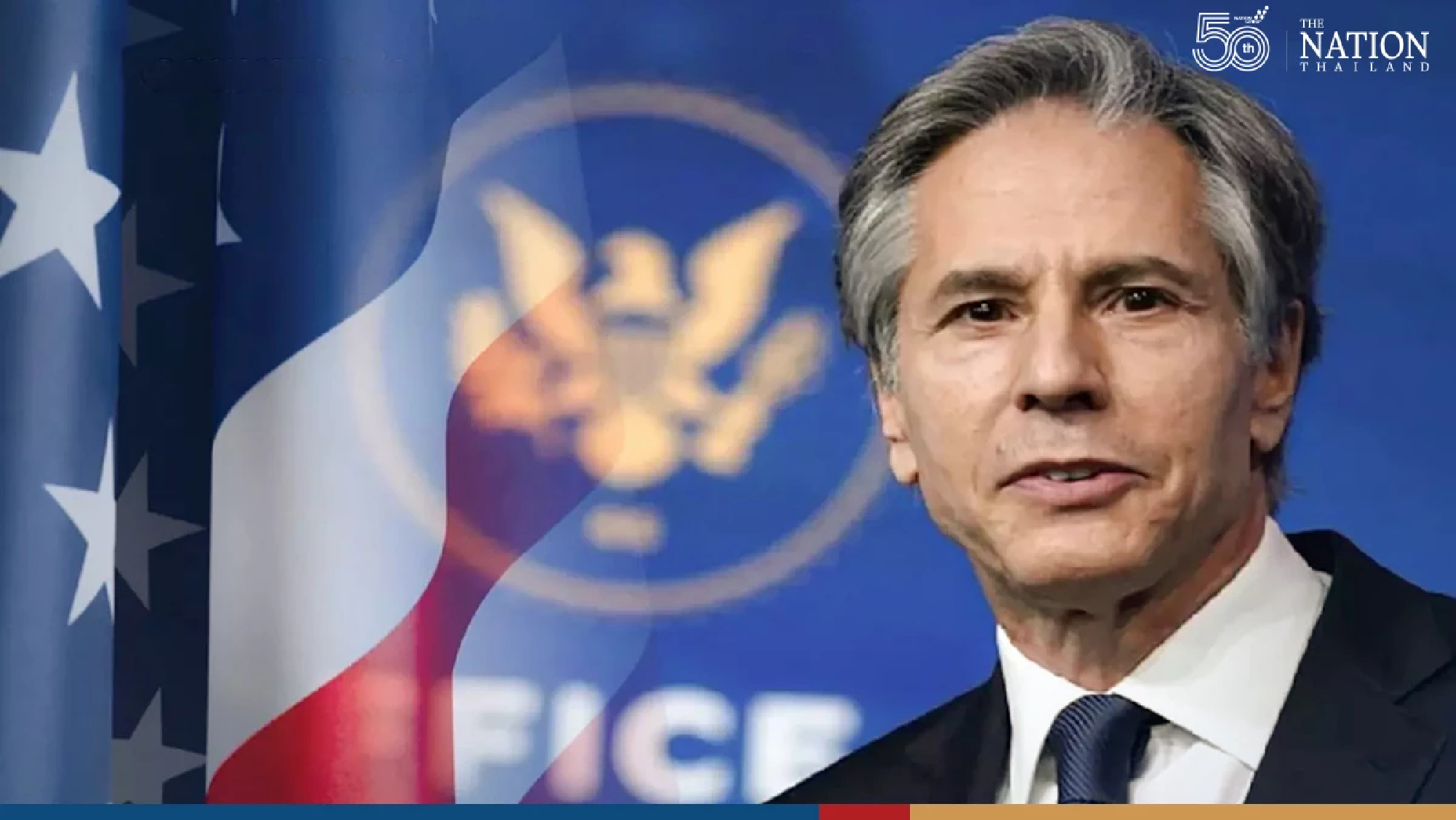

 SootinClaimon.Com