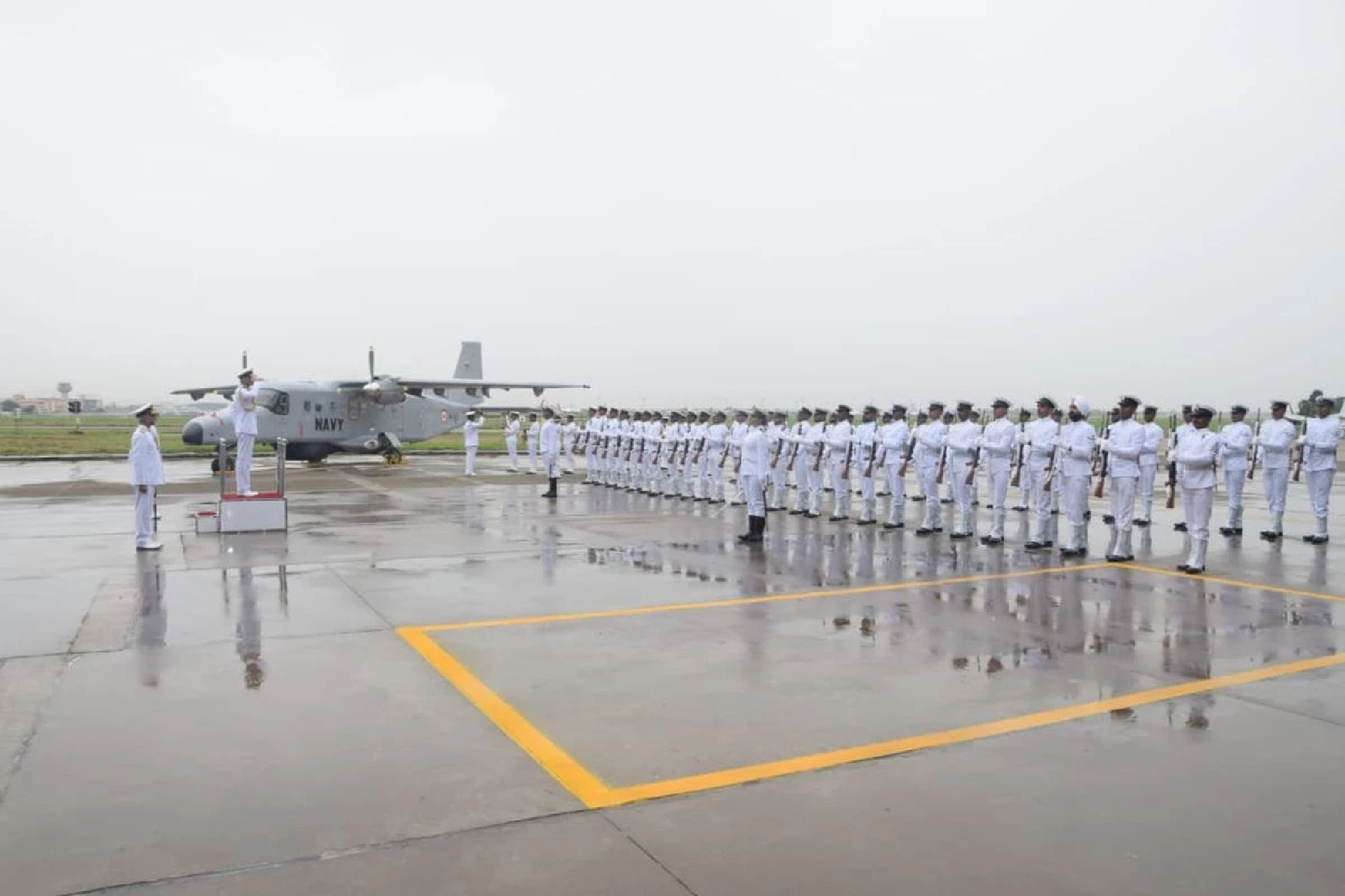
On the occasion of its 75th Independence Day, India will hand over the maritime surveillance aircraft Dornier 228 to Sri Lanka on a gratis basis for two years.
The aircraft is being lent to Sri Lank for two years until a plane manufactured for the neighbouring country is ready. The aircraft comes as a sequel to a bilateral dialogue that took place on January 9, 2018, in New Delhi when the Sri Lankan government sought the possibility of obtaining two Dornier Reconnaissance Aircraft from India.
The Dornier 228 will be handed over in a ceremony at the Indian High Commission in Colombo on Monday (August 15). Present will be Sri Lankan President Ranil Wickremesinghe and Indian High Commissioner Gopal Baglay.
The aircraft will be handed over by Indian Navy Vice Chief Vice Admiral Satish N Ghormade to his Sri Lankan counterpart.
The handing over of the aircraft comes one day before the Chinese ship “Yuan Wang 5” docks at the port of Hambantota for a week.
Sri Lanka’s Foreign Affairs Minister confirmed that the Chinese vessel, widely believed to be a spy ship, has been given clearance to arrive at Hambantota Port on Tuesday.
Hambantota port, located around 250km from Colombo was built with high-interest Chinese loans. The Sri Lankan government struggled to repay the debt they had taken from China following which the port was handed over to the Chinese on a 99-year lease.
“Having considered all material in place, the clearance to the Embassy of the People’s Republic of China was conveyed for the deferred arrival of the vessel from August 16-22,” the Sri Lankan Foreign Ministry said in a statement.
The Indian Naval Dornier (INDO – 228) is basically a Short Take-Off and Landing (STOL), multirole light transport aircraft used by the Indian Navy for electronic warfare missions, maritime surveillance, disaster relief and other work with a turboprop twin-engine, produced since 1981.
The Sri Lankan Air Force intends to employ the Dornier aircraft specifically to conduct Maritime and Coastal Surveillance Operations within the Exclusive Economic Zone (EEZ), Search and Rescue Operations (SAR), Casualty Evacuation (CASEVAC) and Maritime Pollution Monitoring and Control within Sri Lankan Search and Rescue Region (SRR) to attain SLAF ultimate vision of “Ensuring the National Security through Effective Employment of Airpower” within Sri Lankan Airspace.
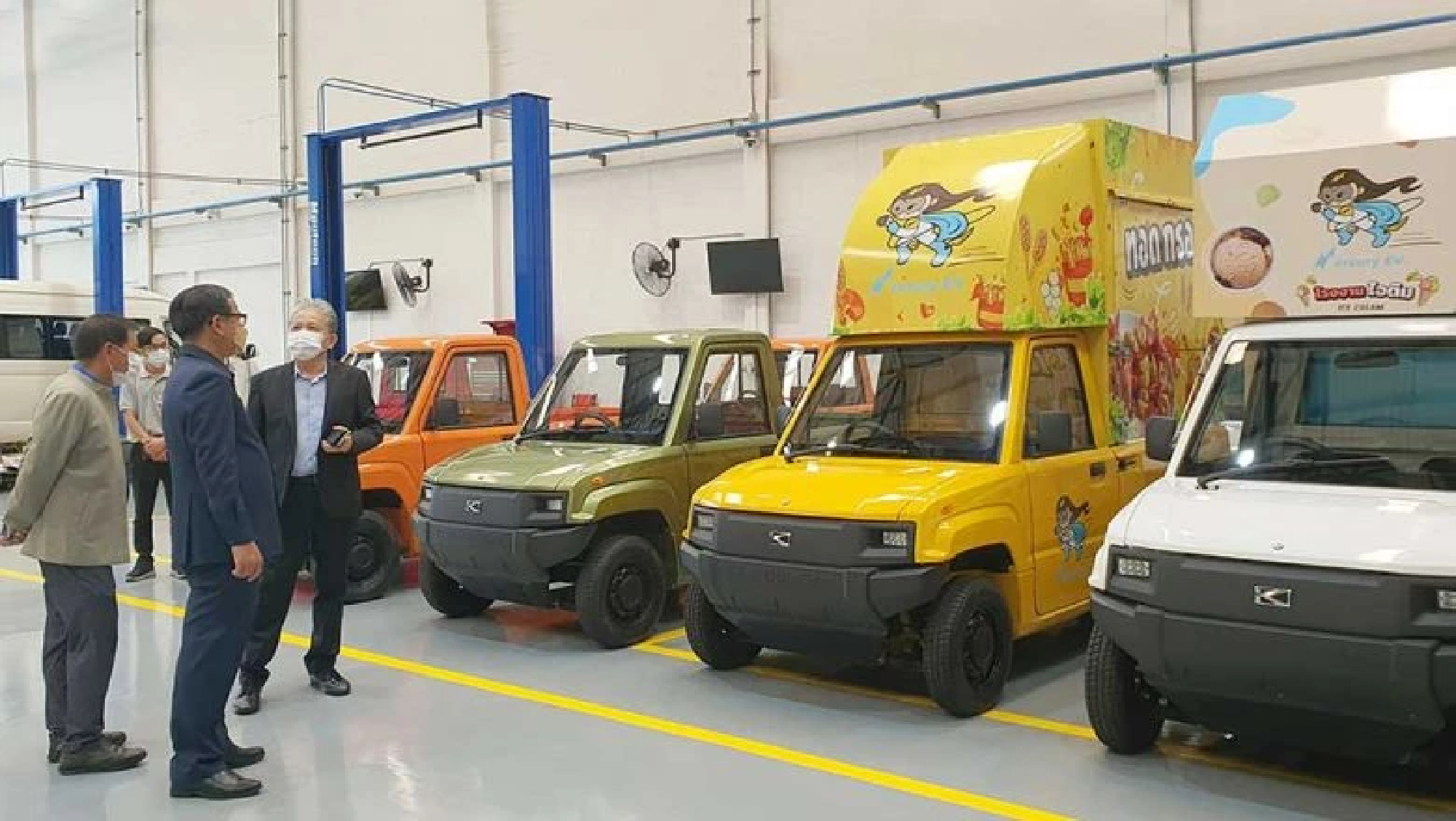
Thailand’s SNC Former PCL plans to set up a high-tech training institute in Cambodia to help develop human resources and raise the neighbouring country’s competitiveness in attracting foreign investment.
The plan was made known during a visit by the Cambodian Ambassador to Thailand Ouk Sorphorn, who led a group of delegates to 23 of SNC’s factories in Rayong on Saturday.
Original equipment manufacturer SNC, which was established in 1994, makes parts for branded air conditioners, home appliances and cars in Thailand and other Asian countries.
“We welcome the project to establish a high-tech training institute which would play an important role in the Cambodian economy as it’s in line with our Industrial Development Plan 2015-2025.
“The plan has the potential to help us achieve our vision to become an upper middle-income country by 2030 and a high-income country by 2050,” said Sorphorn.
SNC founder and CEO Somchai Thaisa-nguanvorakul said his company has studied many areas from waste management to renewable energy in Cambodia.
“Now, [we] aim to establish a state-of-the-art standard technology institute to train Cambodian youth in the field of equipment and electronics manufacturing to support future investments in our company’s market expansion,” he said.
Speaking to the press last week, the Industry, Science, Technology and Innovation Ministry’s secretary of state Heng Sokkung said Cambodia was looking to establish three science, technology and innovation parks by 2025.
The objective is to attract investors, businesspeople and individuals with innovative ideas to contribute to the development of Cambodia’s digital economy.
“These parks are very important in mobilising domestic and foreign investments. Currently, domestic investment is steadily increasing, especially in the fields of science, technology and innovation.
“We expect that with the creation of these parks, it will help drive Cambodia’s economic growth even further,” he said, adding that Singapore, Thailand and Vietnam have set up such parks many years ago.
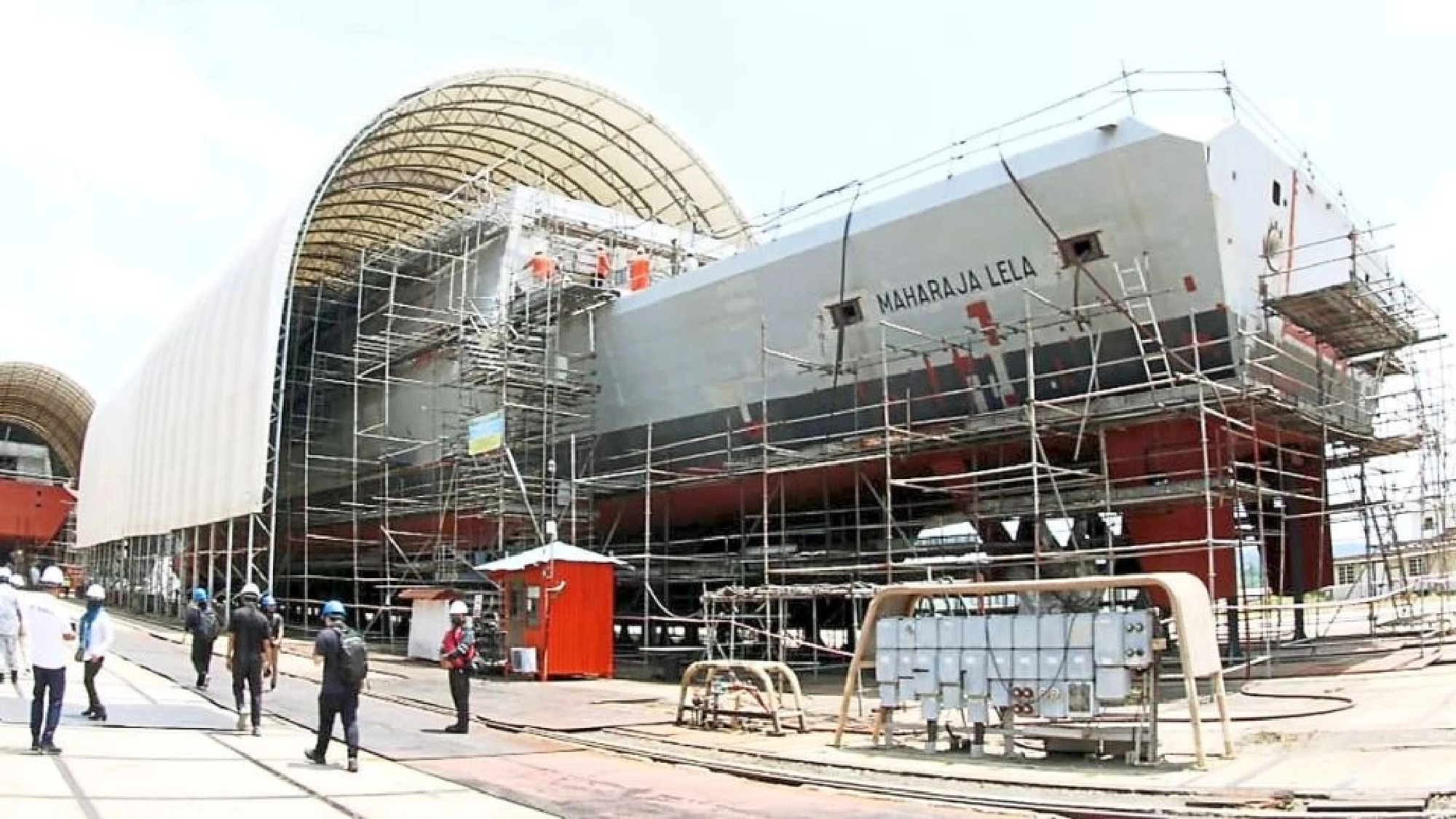
The six littoral combat ships were supposed to be delivered in stages, with the last one scheduled for 2023, but today, not a single ship is ready.
When Royal Malaysian Navy (RMN) Chief Admiral Tan Sri Abdul Aziz Jaafar was about to retire after serving for 40 years, he was offered the plum job as the executive deputy chairman/managing director of Boustead Heavy Industries Corporation (BHIC).
The highly respected career officer did not have to think twice.
He said no to the tempting offer, which would have included a remuneration of over RM80,000 a month and other perks.
“I refused. I was offered to take over from (Tan Sri Ahmad Ramli Mohd Nor). I refused and I said no. I did not want to go and eat my (word/decisions earlier),” he told the Public Accounts Committee (PAC).
It was clear from the testimony by Abdul Aziz, 66, that he made the decision because many of the actions by Boustead Naval Shipyard (BNS), a unit of BHIC, was allegedly against the interest of the navy.
Ahmad Ramli, a former navy chief, is one of the two names implicated and mentioned repeatedly in the PAC report on the RM9bil littoral combat ships (LCS) scandal.
The other is Anuar Murad, a former navy captain, whose name was mentioned 23 times in the PAC report.
He was the BNS’ LCS programme director.
In the 247-page report, Abdul Aziz said he had written 10 letters, including to the then prime minister Datuk Seri Najib Razak and then Defence Minister Datuk Seri Dr Ahmad Zahid Hamidi, as well as to the Chief Secretary to the Government and the secretaries-general of the Defence Ministry and the Treasury.
None of them, he said, bothered about his incessant protests.
Abdul Aziz’s main grievance was RMN’s objection to the design of the ships as he felt the navy, as the end user, should have a say but his views were ignored by the contractor, BHIC, which was supposed to build the six LCS.
The six LCS are supposed to be delivered in stages, with the last one scheduled for 2023, but today, not a single ship is ready and RM6bil has been paid to BNS.
In his testimony before the PAC in 2021, Abdul Aziz said RMN fought a “losing battle, right from the start” with “Boustead (BNS) given the leeway to choose what was right for themselves”.
The core of the dispute is that RMN had wanted the Sigma design of the LCS by a Dutch firm and the combat management system (CMS) from a French firm but following intense lobbying, BNS had opted for the Gowind design and the SETIS CMS – both from France.
Abdul Aziz said he felt “very dejected” as it was claimed then that Ahmad Zahid had agreed to Gowind-SETIS but he had not seen any letter from the then minister expressing preference for Gowind-SETIS.
Ahmad Zahid is said to have earlier agreed to the Sigma design.
“The French design was not a proven design while Sigma was already operational in Indonesia, Morocco and a few other countries,” he said, adding there was also a lost opportunity as the builder had wanted to make Malaysia its hub.
The Gowind design is by France’s Naval Group, formerly DCNS, which had also built the controversial Scorpene submarines in 2002 for Malaysia.
Abdul Aziz said: “We had bad experiences with the French, especially with the submarines. I did not want to tell the government that we have been cheated but short of saying it, there was some element there. If anybody were to be in my position, I say you must be ready.”
Although he felt “something gravely wrong” from the beginning, Abdul Aziz did not issue any statements externally but declared that the PAC was the best opportunity to say, “I have registered my greatest disappointment to everyone that was supposed to be listening to me”.
“If I were to build a house, if I say I want that, you will get it done. Betul atau tidak? (Right or not?) The fact that happened (was) the other way around, jelas menunjukkan bahawa tidak telus, (it just shows that it’s not transparent,” he said.
In his testimony, Abdul Aziz also asked to be put on record that he had called for an investigation into Contraves Advanced Devices Sdn Bhd (CAD) – one of the two companies appointed by BNS as main contractors for the LCS project. The other is Contraves Electrodynamics Sdn Bhd (CED), in which BNS has 51% stake with the foreign Rheinmetall Group having the other 49%.
The testimony by Abdul Aziz is serious as he has a shiny 41-year journey as a naval officer, including seven-and-a-half years as RMN chief.
He was enlisted into the RMN in 1974 soon after graduating from the Royal Military College in Sungai Besi.
Among the milestones Abdul Aziz had achieved were serving on board nine operational ships at sea, including commanding three of them.
He was also part of a commissioning crew for four RMN ships – the fast-attack craft KD Paus at the Hong Leong-Lurssen Shipyard in Butterworth, Penang, in 1976; the multipurpose command and support ship KD Seri Indera Sakti at Bremen Vulkan Shipyard in Bremen, Germany, in 1980; the corvette KD Kasturi at HDW Shipyard in Kiel, Germany, in 1984, and the missile corvette KD Laksamana Muhammad Amin at Fincantieri Shipyard in La Spezia, Italy, in 1999.
On page 80 of the PAC report, in an apparent reference to Ahmad Ramli, Abdul Aziz said there were many proposals made by the navy regarding 17 main management systems – 10 were agreed and seven disagreed by BNS.
“So I said ‘My God.’ Short of telling him, ‘Being an ex-navy, beliau ini (this person), you are not helping the navy at all,” he said.
Low-cost carrier (LCC) airlines in Southeast Asia are regaining momentum after having struggled with a decline in passenger numbers due to the novel coronavirus pandemic.
The recovery of the LCCs will likely affect the business strategies of many Japanese and Japanese-affiliated companies, which place importance on the Southeast Asian markets.
Entry regulations eased Don Mueang International Airport in the north of Bangkok serves as a major hub for LCCs, which operate short-distance routes within Asia.
“Thanks to the low prices of LCCs, I can visit my hometown more frequently than before,” said a 41-year-old company employee returning to the Thai capital from southern Thailand.
Southeast Asian economies rely heavily on the tourism industry. Following the easing of coronavirus-related entry restrictions, many LCCs in the region announced a major step-up in-flight service.
New airlines are making inroads in the market, too. In Indonesia last year, Super Air Jet began operating several routes, including one that connects Jakarta and Bali Island. The company aims to lure young people — dubbed the “millennial generation” — to local resorts. In Malaysia, meanwhile, plans are afoot to launch a new LCC in the near future.
Strategy shift Many major airlines in Southeast Asia are government-affiliated, which has impacted their business efficiency. From the 2000s, LCCs, buoyed by economic growth in the region, began offering lower airfares.
Many LCCs have increased their presence in areas where flying serves as a crucial means of mobility. During the pandemic, Southeast Asia, like regions all over the world, saw a sharp decline in passenger numbers, leading to disastrous business results. One LCC — a joint venture between Thailand and Singapore — was forced into liquidation.
A number of LCCs have rewritten their respective business strategies. In January, AirAsia, a pioneering LCC based in Malaysia, changed the name of its holding company to Capital A. The holding company now directs much of its energy to digital service fields, such as ride-hailing services and food delivery. Tony Fernandes, who heads the holding company, said in a statement that AirAsia is “no longer a mere airline firm.”
In related moves, Vietjet Air of Vietnam has bolstered its cargo flight service, and Nok Air of Thailand has upgraded its services across the board to help distinguish it from rivals.
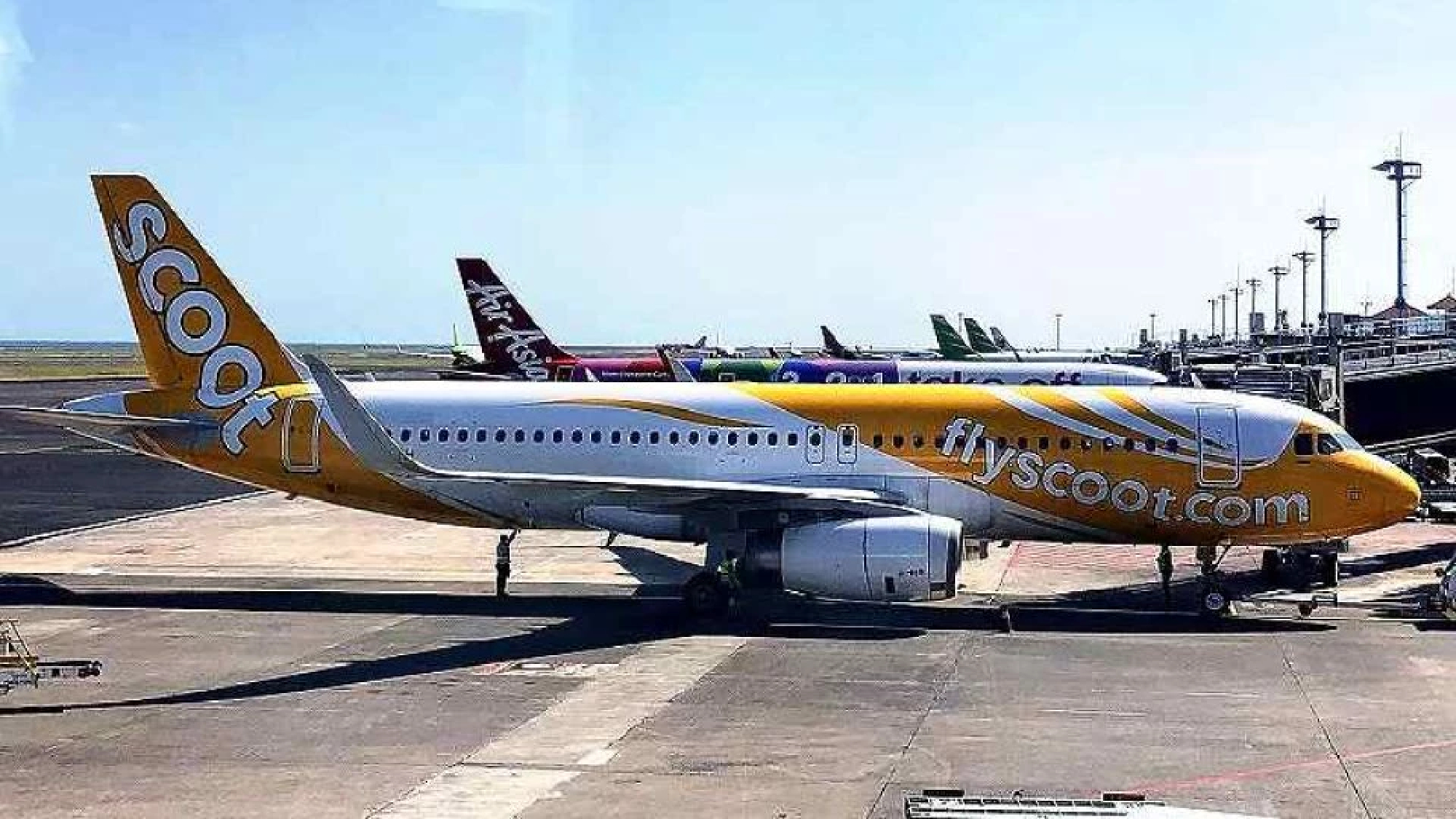
Fierce competition Scoot of Singapore and Cebu Pacific Air of the Philippines have introduced larger planes and increased flights on their mid- and long-distance routes. Such moves will likely affect the business strategies of Japanese rival firms.
In the latter half of the next fiscal year, ANA Holdings will begin operating a new subsidiary airline, Air Japan Co., which will offer higher-level services than ANA group firm Peach Aviation Ltd. Both subsidiary airlines are eyeing Southeast Asian service routes.
Among group companies of Japan Airlines Co., Zipair Tokyo operates services between Narita Airport and Thailand, as well as Singapore.
Competition among LCCs is set to become increasingly fierce. An official of a Japanese LCC expressed a sense of urgency, saying, “Unless [Japanese LCCs] demonstrate advantages peculiar to Japan, such as high-quality services, it will be difficult for them to differentiate themselves [from foreign rivals].”
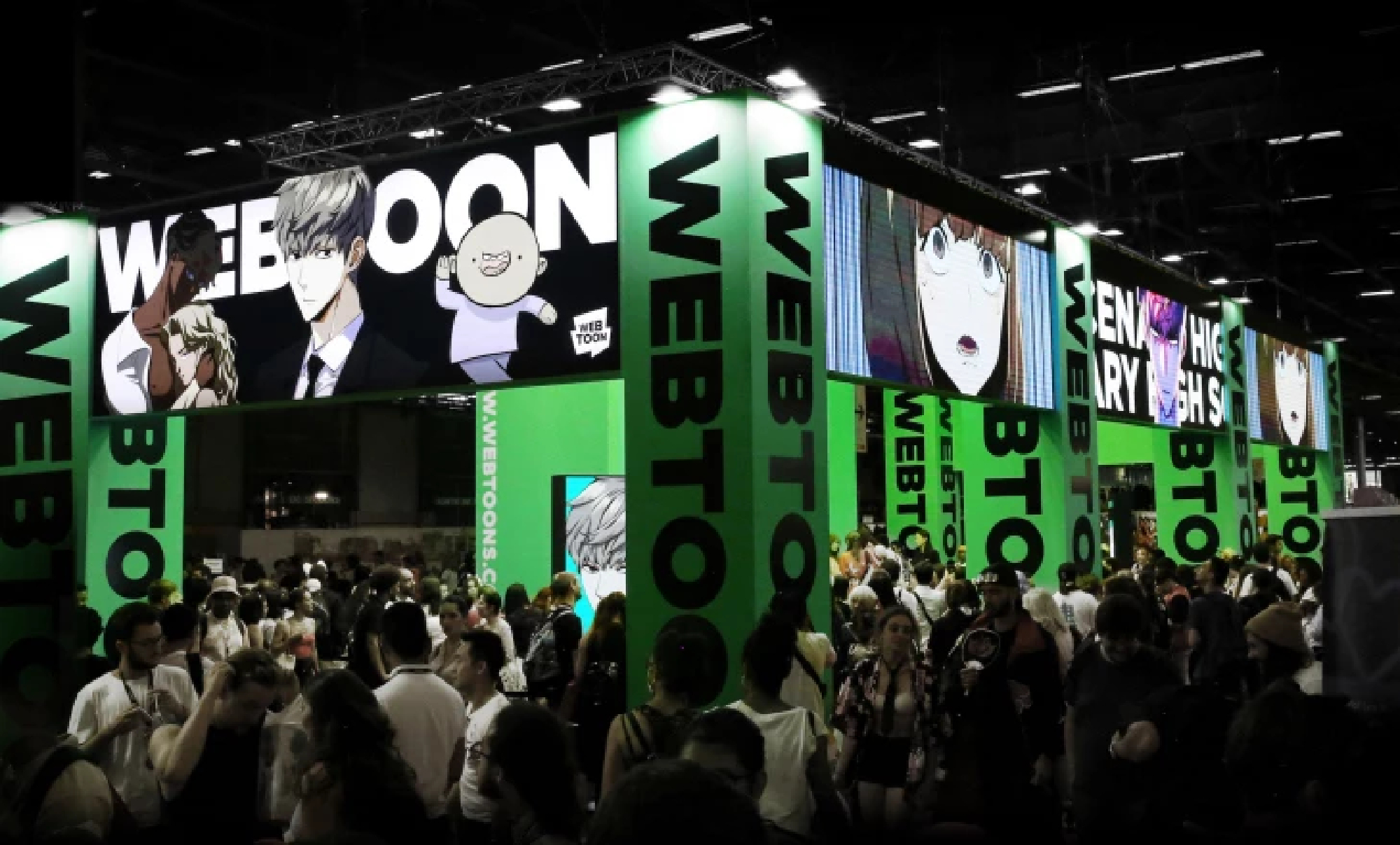
In August 2002, the online portal site Daum created a category called “Webtoon” on its platform. Following Daum, South Korea’s largest online portal and search engine Naver launched a similar platform in 2005.
Twenty years after its conception, South Korean webtoons have emerged as a strong multiuse source that creates enormous economic value not only in the country but also globally. Domestically, it has become an industry worth 1.053 trillion won ($810 million) in 2020 in terms of sales, up 64.6 per cent from 2019 and exceeding the 1 trillion won mark for the first time.
Globally, the webtoon market size is projected to reach $26.2 billion by 2028, up from $3.6 billion in 2021, according to market research firm Proficient Market Insights in May.
“Webtoons have become a very important source that can create many other content products in line with ‘one-source, multi-use content consumption methods,” Sung Dong-Kyoo, a media communications professor at Chung-Ang University, told The Korea Herald on Thursday.
A trend of webtoons being adapted into globally popular TV dramas is palpable, with a long list of Korean dramas that gained popularity during the COVID-19 pandemic. They include “Itaewon Class” (2020), “Sweet Home” (2020), “D.P.” (2020), “Hellbound” (2021), “Yumi‘s Cells” (2021) and “Work Later, Drink Now” (2021).
“Webtoon IPs [intellectual properties] are the easiest source for creating other content because they are just like a storyboard. It’s easy to turn them into video content,” Han Chang-wan, a professor at Sejong University, said on Wednesday. “Now the way we consume content has changed entirely.”
First movers
Broadening the spectrum away from the local market, Korean webtoon companies have begun thriving noticeably worldwide.
Eight domestic webtoon platforms have entered the overseas market and 5,500 translated Korean webtoon works as of 2020, according to the Korea Creative Content Agency.
Naver Webtoon, which expanded out of Korea in 2014, now takes the No 1 position among webtoon platforms in 100 countries including the US, Canada, Japan and France. It offers content in 10 languages around the world, and its monthly active users reach 82 million – 75 per cent of whom are foreign users.
More importantly, Korean webtoon companies have developed unique ecosystems in the countries they have made forays into. For instance, “Lore Olympus” on Naver Webtoon’s English platform has recently been given the best webcomic award from the Will Eisner Comic Industry Awards, marking the first such achievement for a webtoon on a Korean platform.
“It is very meaningful that webtoons and web novels made by global creators spread throughout the world on platforms made in Korea, and it is encouraging to witness Korean companies becoming first movers rather than fast followers,” Sung added.
Hurdles ahead
While webtoons are enjoying an era of growth, there are many hurdles to overcome, experts said.
Considered an offshoot of the comic book industry, webtoon platforms are still struggling to be recognised as a distinct industry on their own.
“Webtoons play a role in the broader literary world and make up a de facto industry just based on sheer size, but institutionalisation and promotion policies are facing an uphill battle,” Seo Bum-kang, the head of the Korea Webtoon Industry Association, said on Thursday.
Seo added that the government and the National Assembly should give webtoons independent industry status and foster small and medium platforms and content companies to establish an ecosystem to promote the creation of a greater variety of webtoons.
According to professor Han, Korean webtoons, which suddenly find themselves in the spotlight, are going through a transition period amid a wave of globalisation that neither writers nor readers are ready for.
“The variety of webtoon genres have shrunk somehow, as readers only see what they want and writers only create what readers like. Now, most of the topics are about school life, school gangs, fantasy romance or romantic comedy,” Han noted. “These genres might not appeal to a global audience, and because of that we need more diversity of genres.”
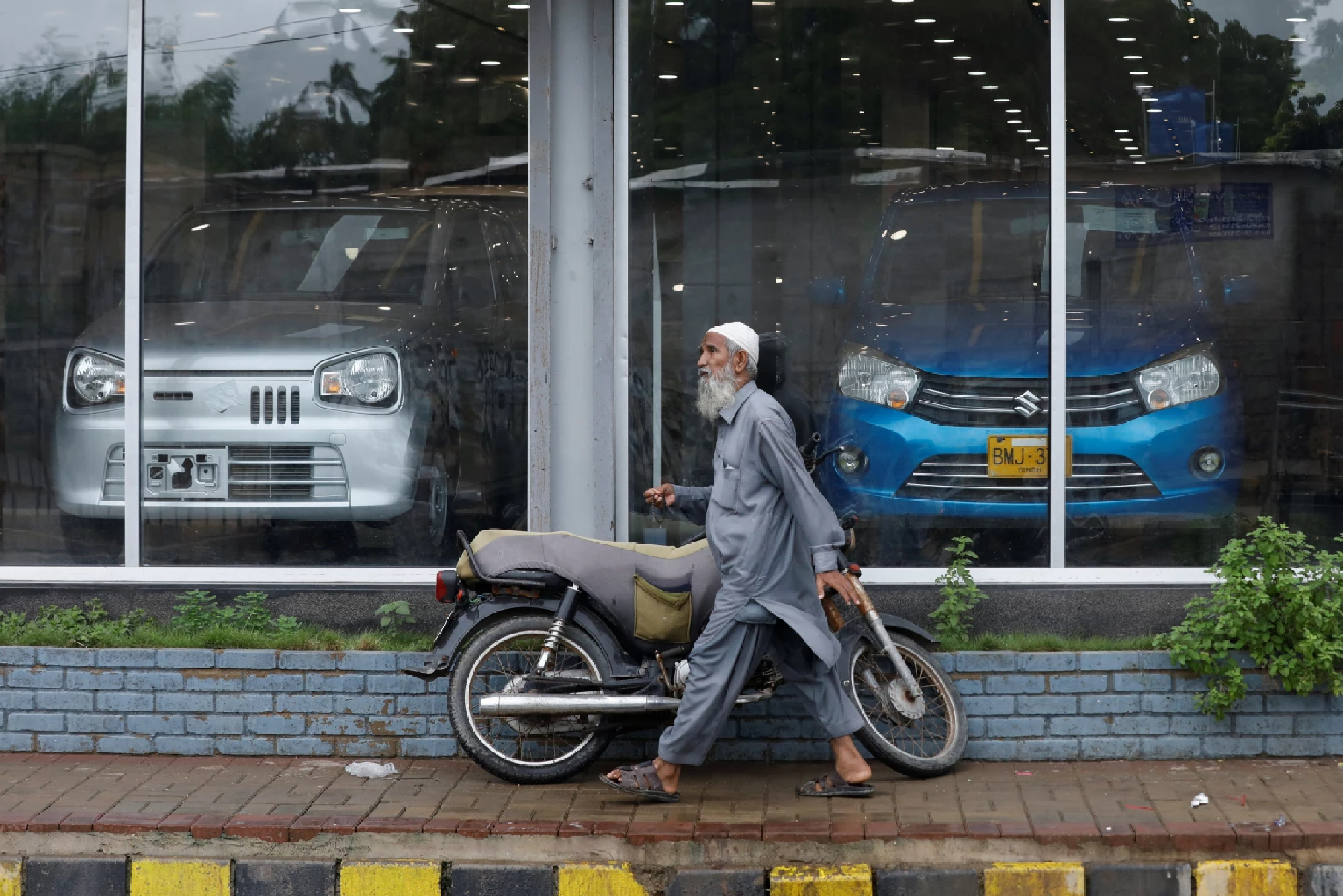
The structure of Pakistan’s economy has drastically changed since its inception in 1947 with industry and then services sectors dominating the economy, says a finance ministry report released on Saturday.
The report gives a glimpse of the country’s 75-year economic journey, with all major economic indicators seeing massive changes over the period.
At the time of independence in 1947, Pakistan inherited only 34 industrial units out of the 921 in undivided India.
The nominal GDP rose from $3 billion in 1950 to $383 billion in 2022, while GDP growth was recorded at 5.97 per cent in 2022 compared to 1.8 per cent in 1950. Per capita income jumped from $86 in 1950 to $1,798 in 2022.
Tax revenues rose from 31 million rupees to 6,126.1 billion rupees from 1950-2022, while agriculture accounted for 59.9 per cent of the total GDP in 1949-50.
In the agriculture sector, the production of wheat increased from 3.35 million tonnes in 1958 to 29.4 million tonnes in 2022, rice from 0.69 million tonnes to 9.32 million tonnes, maize from 0.36 million tonnes to 10.64 million tonnes, sugarcane from 5.53 million tonnes to 88.65 million tonnes, cotton from 1.16 million bales to 8.33 million bales and water availability from 63.9 million acre-feet to 131 million acre-feet.
On the external side, remittances sent by Pakistanis working abroad jumped from $0.14 billion in the fiscal year 1973 to $31.2 billion in fiscal 2022, exports from $162 million in fiscal 1950 to $31.8 billion in fiscal 2022, and imports from $276 million in fiscal 1950 to $80.2 billion in fiscal 2022.
Finance Minister Miftah Ismail said the dearth of resources to meet local needs after independence was not a secret as India refused to give due share of its wealth to Pakistan soon after its birth.
The severely disrupted country’s economic system along with the settlement of refugees were major challenges faced by the newly born country, he said but added that Pakistan’s economy quickly revitalised with the hard work and determination of its people.
He said a country with a population of 30 million in 1947 could not feed its population and had to import most of its food requirements, adding that local agriculture production has risen significantly today.
Ismail said Pakistan constructed both large and small dams like Tarbela and Mangla, which increased the water storage and availability to 131 million acre-feet in 2022 from 63.9 million acre-feet in 1965-66, adding that it helped in achieving sustainable agriculture sector growth.
He said Pakistan emerged as one of the leading exporters of textiles, pharmaceutical goods and food-related items and economic policies of the successive governments have promoted industry, agriculture and services sectors.
The perseverance of its people made Pakistan the world’s 24th largest economy in terms of purchasing power parity and 44th in terms of nominal GDP, the finance minister said.
Federal Secretary Ministry of Finance Hamed Yaqoob Sheikh said the 75-year journey of Pakistan was a story of economic, political, social and regional events that have shaped the country that we live in today.
He said several boom-bust cycles, political crises and geo-strategic challenges have guided the country’s policies and programmes.
He said Pakistan was ranked among the 50 leading economies of the world with a GDP amounting to $383 billion, adding that it also established its vibrant banking system that supported economic development over the years.
Despite having to deal with her own disability, Zhao Yuan has succeeded in carving out a career in e-commerce and has helped more than 2,000 other disabled people sell agricultural products.
The 50-year-old was born in the Jianghua Yao autonomous county in Hunan province.
Before being diagnosed with rheumatoid arthritis at the age of 24, Zhao was a dance teacher. Arthritis is a condition that causes permanent damage to the joints, especially the fingers, wrists, feet and ankles.
Eventually confined to a wheelchair, she had to leave her teaching post and began to make a living in business.
She opened a hotel in her mountain hometown and used some of her earnings to help pay for the school and college fees of 13 poor students.
“There are people who have helped me, and I want to repay them by doing good things for others,” Zhao said.
In 2017, she set up an offline sales platform called Sanhao Xiansheng – or “good and fresh” – which mainly sold goods produced by Zhao’s disabled friends.
Due to the pandemic, however, Sanhao Xiansheng stopped making money, so Zhao turned to online sales instead.
She became a livestream host on social media platforms, promoting goods like brown sugar, sweet potato flour and honey that her friends made, by telling stories about them.
“This is handmade brown sugar. Although the woman who makes it only has one leg, she grows over 333 hectares of sugar cane, and her business provides work for about 100 local residents,” Zhao explained during one livestream session on June 26, which she shot at a villager’s home in Longhui county.
That day, after introducing the products and telling stories for six hours, Zhao checked on the sales and concluded that two of the products – sweet potato powder and honey – were selling well. “Next time, I will spend more time introducing them,” she said.
Zhao said that she always checks the quality of the products herself before promoting them. “Before selling anything, I inspect the products. Otherwise, I wouldn’t be able to ensure they’re fit to sell,” she said.
Although travelling is inconvenient, Zhao has been all over Hunan checking produce and teaching the producers how they can sell online.
In 2020, she sold 50,000 kilograms of oranges and other agricultural produce, with sales topping 2 million yuan ($298,600).
Zhao said that everything she sells comes from 55 agricultural centres around the province run by the disabled, which employ more than 2,000 people. She has also hired 57 hosts, all of whom are disabled.
With her career flourishing, Zhao has set up the Hunan Sanhao Xiansheng Agricultural Science and Technology Development Co, of which she is now chair.
“We are planning to train another 1,000 hosts,” she said, adding that she hopes they will also be able to experience their personal and social value through work, just the way she did.
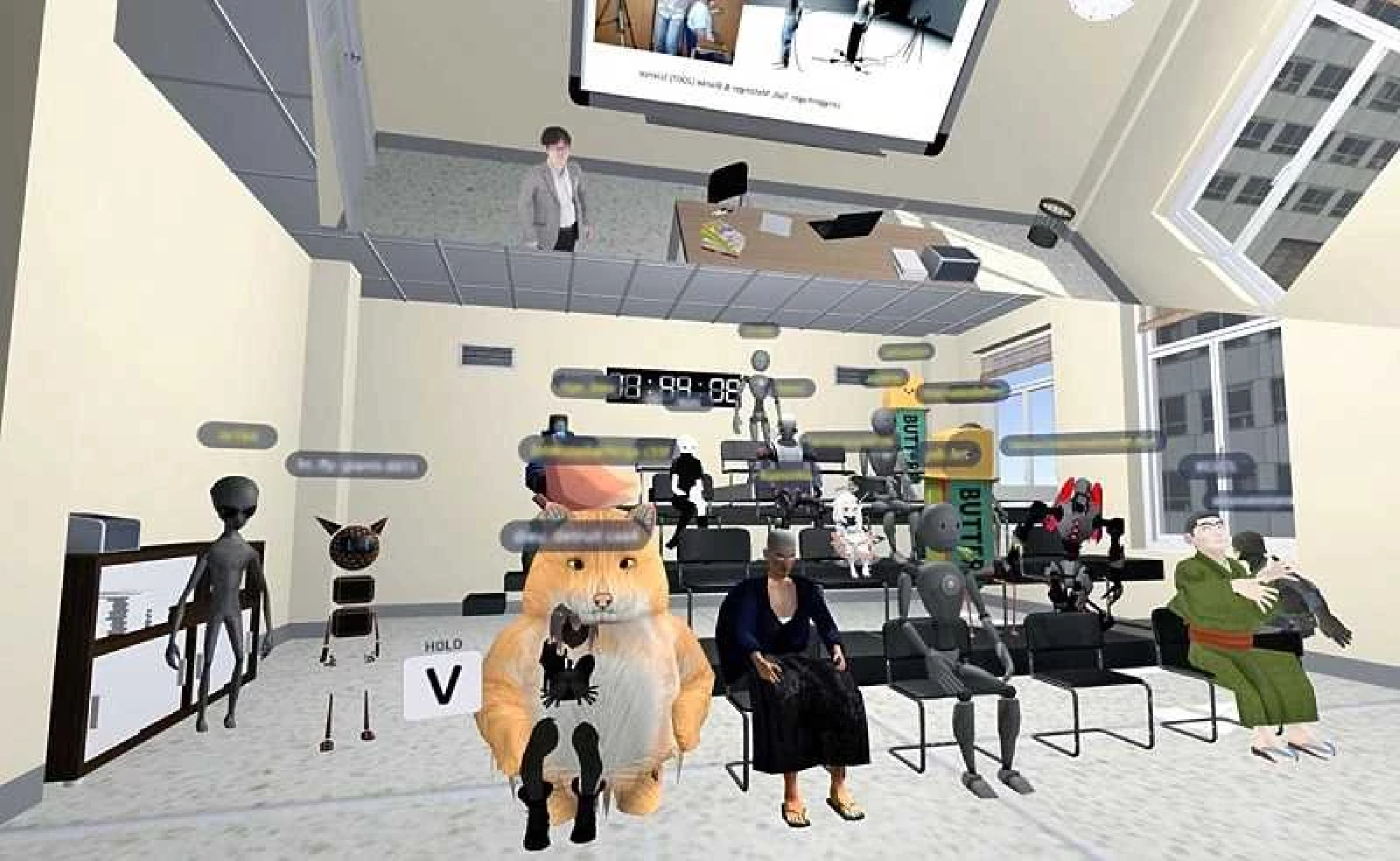
The University of Tokyo is scheduled to open a Metaverse School of Engineering in September. In the metaverse virtual reality space on the internet, members of the public, such as junior and senior high school students and working adults, will be able to attend lectures and events.
The metaverse school aims to foster human resources in digital technology fields and increase the number of female junior and senior high school students who aspire to work in engineering and information technology fields.
The university said it is aiming to attract over 100,000 participants.
In the metaverse, users can participate regardless of location. By utilizing this feature, the university plans to build a system in which as many people as possible can learn engineering and information technology through lectures and events.
On Sept. 23, the metaverse school will hold an opening ceremony in a virtual replica of the university’s Yasuda Auditorium. Guests and university teaching staff will attend the ceremony using their avatars, digital depictions of themselves.
For junior and senior high school students, the metaverse school will offer free lectures in which they can learn about digital technologies and entrepreneurship. Laboratory tours and exchange events will also be held.
In addition, the metaverse school will proactively provide information about the careers of women who studied in the real-world Faculty of Engineering in order to encourage female student interest in the fields.
For employees of companies that support the metaverse project, the metaverse school is scheduled to offer lectures by experts regarding artificial intelligence and next-generation telecommunications technologies.
Prof. Takao Someya, an expert on semiconductor engineering who serves as the dean of the metaverse school, said, “I want to foster human resources who can resolve various social tasks with digital technologies and increase their numbers to an unimaginable level.”
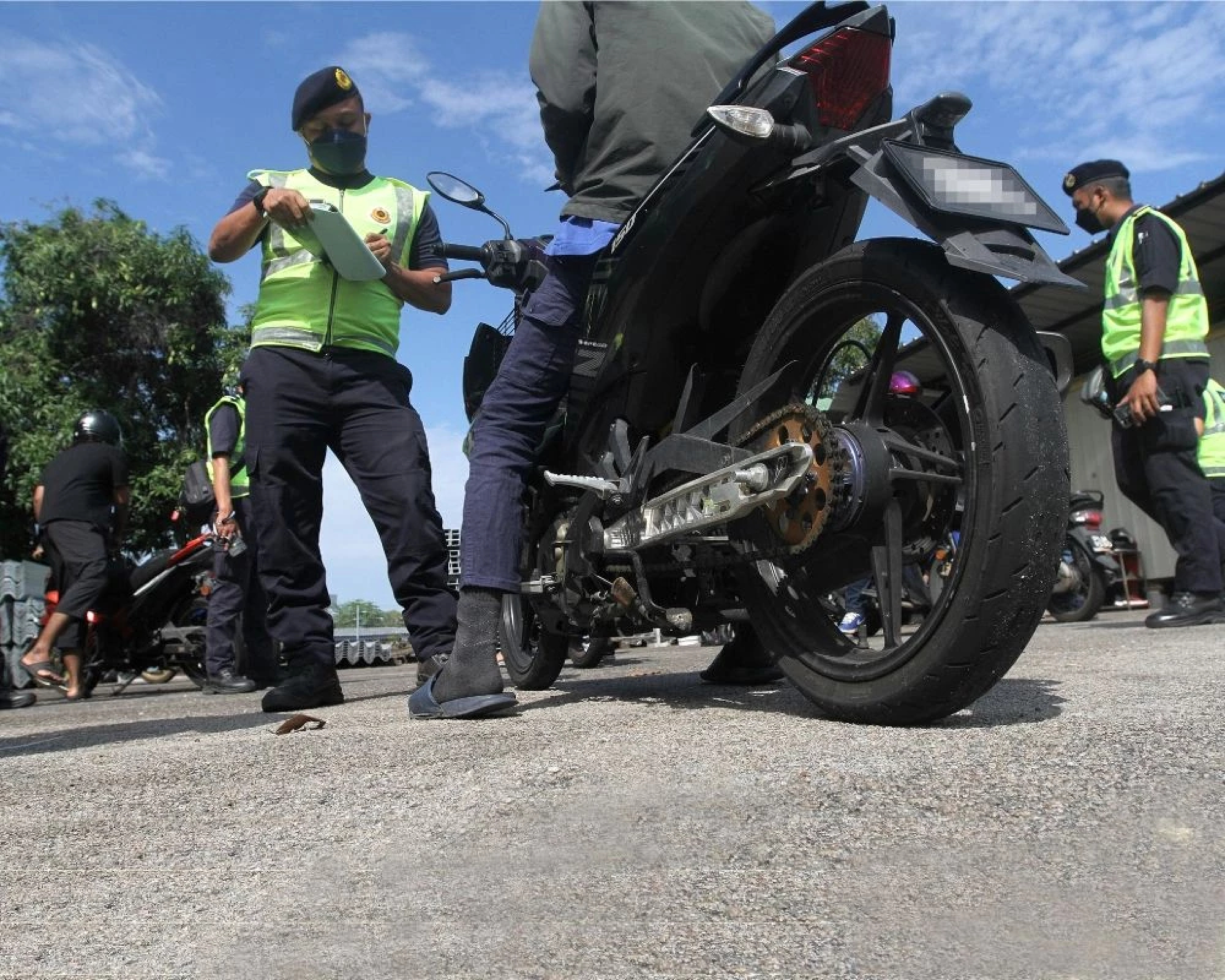
To ensure the safety of all road users, the police will continue their blitz against illegal racers nationwide, says Inspector-General of Police Acryl Sani Abdullah Sani.
Stressing that operations against illegal racers are not seasonal, the nation’s top cop said they were conducted by the Traffic Investigation and Enforcement Department (JSPT) on a weekly basis, especially during weekends.
“Such enforcement operations are led by the respective state and district JSPT chiefs with the goal of nabbing the wrongdoers and ensuring the safety of all road users,” he told The Star yesterday.
The operations were conducted after the JSPT identified the hotspots for such races, he said.
“Information on the races are obtained through intelligence gathering and from the public as well,” he added.
One of the main challenges faced by the police was the higher risk posed by the illegal racers, Acryl Sani said.
“They are becoming more brazen not only when carrying out their stunts, but also when they are trying to escape the authorities.
“In turn, they are endangering not only themselves but the enforcement personnel and other road users as well.
“Despite the danger, the police are committed to safeguarding the safety of the public,” he said.
Recently, the Transport Ministry proposed amendments to Section 42 of the Road Transport Act 1987, which would lead to stiffer penalties for illegal racers.
Action would also be taken against spectators and parents who allow their children under the age of 18 to join illegal racing activities.
On the proposed amendments, Acryl Sani said the Royal Malaysia Police fully supported laws that would be used to effectively curb illegal racing.
“We welcome efforts to amend and improve existing laws aimed at curbing illegal racing,” he said.
“We hope that the amendments proposed by the Transport Ministry will have a positive impact during implementation. We need a holistic legislative approach to seriously curb illegal racing,” Acryl Sani added.
Illegal racing, which mainly involved underaged riders, not only impacted the racers but also their parents and other road users, he said.
Under the proposed amendments, the racers could face a minimum fine of RM5,000 and jail time too.
The current minimum fine is RM300.
Transport Ministry secretary-general Datuk Isham Ishak said that under the proposed amendments, workshop operators who provided motorcycle modification services for illegal racing purposes would also be punished.
He said the amendments would likely be tabled in the first Dewan Rakyat meeting next year.
Human-elephant conflicts are increasing due to “competition for resources” with around 500 people in the country dying in elephant attacks and 100 jumbos “killed in retaliation” annually.
Union Environment Minister Bhupender Yadav said this while addressing an event to mark the World Elephant Day at the Periyar National Park and Wildlife Sanctuary in Kerala. The minister said India has emerged a pioneer in elephant conservation and managing human-elephant conflicts is the major focus of the government.
“With competition for resources, (the number of) human-animal conflicts are increasing, and it is very unfortunate that around 500 people are killed in elephant attacks and 100 jumbos are killed in retaliation annually,” Yadav said.
“Managing human-elephant conflict is the major focus of the government. The Narendra Modi government has increased the ex-gratia amount for families of those killed in elephant attacks from Rs 2 lakh to Rs 5 lakh.
“To find a long-term solution, we are revisiting the elephant corridors of the country and have finished more than 50 per cent of the task involving key stakeholders,” he said.
According to government data presented in Parliament last month, 1,578 people have died in elephant attacks in the country in the last three years.
The government said 222 elephants have died due to electrocution, 45 in train accidents, 29 due to poaching and 11 died due to poisoning during this period.
Yadav said India has done remarkably well in elephant conservation despite challenges.
The country has 29,964 jumbos, according to the latest elephant census in 2017.
“India continues to be a leader in elephant conservation. It has the largest and most stable population of asian elephants. In fact, more than 60 percent of the wild asian elephants are in India,” the minister said.
Asia News Network: The Nation (Thailand), The Korea Herald, The Straits Times (Singapore), China Daily, Jakarta Post, The Star and Sin Chew Daily (Malaysia), The Statesman (India), Philippine Daily Inquirer, Yomiuri Shimbun and The Japan News, Gogo Mongolia, Dawn (Pakistan), The Island (Sri Lanka), Kuensel (Bhutan), Kathmandu Post (Nepal), Daily Star (Bangladesh), Eleven Media (Myanmar), the Phnom Penh Post and Rasmei Kampuchea (Cambodia), The Borneo Bulletin (Brunei), Vietnam News, and Vientiane Times (Laos).











![[India] 500 tusker deaths annually points to man-animal conflict](https://media.nationthailand.com/uploads/images/md/2022/08/riICgDuMzSZa8O5vE7fy.webp?x-image-process=style/lg)
 SootinClaimon.Com