The governments of Laos and Brunei Darussalam have agreed to enhance economic, trade and investment cooperation, the Lao Ministry of Foreign Affairs said in a press statement.
The agreement was reached at the third meeting of the Joint Commission for Bilateral Cooperation between the two countries held in Brunei Darussalam, which was co-chaired by Lao Deputy Prime Minister and Minister of Foreign Affairs, Mr Saleumxay Kommasith, and Second Minister of Foreign Affairs of Brunei Darussalam Dato Erywan Pehin Yusof.
The meeting took place to further strengthen the friendly relations and cooperation between Laos and Brunei.
The two sides agreed to further strengthen bilateral relations, including in the fields of human resource development, air transport, and women’s cooperation.
The two countries also agreed to encourage industry, economic, and trade investment cooperation as well as encourage cooperation in agriculture, especially the possibility of trading in rice and other agricultural produce.
The two sides agreed that future cooperation should be broad and cover multiple areas, with the aim of making cooperation more efficient and effective in order to bring real benefits to the people of Laos and Brunei. In 2023, the two countries agreed to jointly organise various important events to celebrate the 30th anniversary of the establishment of Laos-Brunei diplomatic relations (July 27, 1993-July 27, 2023).
In previous years, the government of Brunei has supported Laos’ hosting of the 9th Asia Europe Meeting (ASEM-9) Summit in 2012 and the Association of Southeast Asian Nations Summits in Vientiane in 2004 and 2016, as well as human resource development, the building of schools, and sports development.
Asia News Network: The Nation (Thailand), The Korea Herald, The Straits Times (Singapore), China Daily, Jakarta Post, The Star and Sin Chew Daily (Malaysia), The Statesman (India), Philippine Daily Inquirer, Yomiuri Shimbun and The Japan News, Gogo Mongolia, Dawn (Pakistan), The Island (Sri Lanka), Kuensel (Bhutan), Kathmandu Post (Nepal), Daily Star (Bangladesh), Eleven Media (Myanmar), the Phnom Penh Post and Rasmei Kampuchea (Cambodia), The Borneo Bulletin (Brunei), Vietnam News, and Vientiane Times (Laos).
Since Việt Nam officially joined UN peacekeeping forces in 2014, it has successfully deployed over 500 personnel on peacekeeping missions and to the UN headquarters.
HÀ NỘI – Việt Nam is ready to take part in more UN peacekeeping operations in the future, Deputy Minister of National Defence Sen. Lt. Gen. Hoàng Xuân Chiến said to UN Resident Coordinator in Vietnam Pauline Tamesis in Hà Nội on August 12.
Chiến praised the cooperation and assistance provided by the UN and its agencies, especially the UN Resident Coordinator Office, when Việt Nam served as the ASEAN Chair in 2020 and a non-permanent member of the UN Security Council during 2020 – 2021.
He thanked the UN and relevant agencies for working closely with Việt Nam to successfully carry out many war aftermath settlement activities, particularly programmes and projects on addressing unexploded ordnance and toxic chemicals, which brought positive outcomes.
The official said he hoped the UN would continue coordinating with the Defence Ministry in war aftermath settlement through financial and technical aid, capacity building, experience sharing, and database building.
Since Việt Nam officially joined UN peacekeeping forces in 2014, it has successfully deployed over 500 personnel on peacekeeping missions and to the UN headquarters. It is also the first country in Southeast Asia to implement three training courses on heavy engineering equipment, under the Việt Nam-UN-Japan trilateral partnership programme, which received strong evaluations from UN leaders.
The country has maintained a rate of female participation in peacekeeping operations that is higher than the average and pledges to maintain and increase this rate to over 20 per cent by 2025, according to Chiến.
Việt Nam would further engage in UN peacekeeping operations, including sending personnel on more missions and diversifying participation forms, he noted, adding that police would also be deployed on operations.
The official asked the UN to continue supporting Việt Nam’s commitments and political resolve to join peacekeeping operations, and create favourable conditions to further enhance cooperation in this regard.
Tamesis applauded Việt Nam’s efforts, especially its military and police forces, in containing the COVID-19 pandemic.
The UN would assist the Vietnamese Government and people in securing the best possible post-pandemic socio-economic recovery and meet healthcare-related demand, she said.
The official said she recently had the honour of signing the Strategic Framework for Sustainable Development Cooperation with the Vietnamese Government, describing it as a very important document that outlines the UN’s strategy and assistance priorities for the country in the next five years. The document also underlines the UN’s role in helping Việt Nam recover after the pandemic and ensuring that no one is left behind.
The Resident Coordinator spoke highly of Việt Nam’s achievements in joining UN peacekeeping operations, including the high rate of female participation, noting the UN pledges to continue assistance in this field.
The UN also highly valued Việt Nam sending police officers on peacekeeping operations, including three to the mission in South Sudan and one to the Police Division in New York, Tamesis added. – VNS
Asia News Network: The Nation (Thailand), The Korea Herald, The Straits Times (Singapore), China Daily, Jakarta Post, The Star and Sin Chew Daily (Malaysia), The Statesman (India), Philippine Daily Inquirer, Yomiuri Shimbun and The Japan News, Gogo Mongolia, Dawn (Pakistan), The Island (Sri Lanka), Kuensel (Bhutan), Kathmandu Post (Nepal), Daily Star (Bangladesh), Eleven Media (Myanmar), the Phnom Penh Post and Rasmei Kampuchea (Cambodia), The Borneo Bulletin (Brunei), Vietnam News, and Vientiane Times (Laos).
UN fully supports S.Korea’s every effort to resume dialogue with N. Korea, says Guterres
The South Korean President and the UN chief had a “candid” discussion on the North Korean nuclear issue and shared their view that the country’s development of missile and nuclear weapons posed a “major challenge” to regional and world peace.
South Korean President Yoon Suk-yeol and UN Secretary-General Antonio Guterres had a luncheon meeting that lasted for 2 hours and 20 minutes on Friday in Seoul, the South Korean presidential office said.
Both sides discussed the North Korean nuclear issue and other major global issues, including the regional situation, climate change and the Sustainable Development Goals, during the in-person meeting at the presidential office in Yongsan, central Seoul.
Candid discussion on N. Korea
Yoon and Guterres “exchanged candid views on the history and controversial points of the North Korean nuclear issue,” the South Korean presidential office said in a press statement.
The two leaders “shared their view that the advancement of North Korea’s nuclear and missile programs pose a major challenge to the Nuclear Non-Proliferation Treaty (NPT) system as well as peace in Northeast Asia and in the world.”
“Secretary-General Guterres expressed his view on the situation in North Korea based on his visit to North Korea in 1999 and said that he would continue to support our government’s efforts to resolve the North Korean nuclear issue,” according to the presidential office.
During the meeting, Yoon also discussed concrete ways to advance cooperation between South Korea and the UN with other senior UN officials in charge of development, peace building and climate change.
Guterres was accompanied by UN Undersecretary-General and High Representative for Disarmament Affairs Izumi Nakamitsu, Assistant Secretary-General for Europe, Central Asia and the Americas Miroslav Jenca, and Special Adviser to the Secretary-General on Climate Action Selwin Hart, among others.
Ganbold Baasanjav, head of the East and North-East Asia Office at the UN Economic and Social Commission for Asia and the Pacific, also attended the meeting.
Yoon also said his government would fulfill its responsibilities and role worthy of its global status in the fields of climate change, international development cooperation, peacebuilding and human rights.
The South Korean president explained that the government “values solidarity and cooperation to maintain international order based on universal values and norms.”
In return, Guterres said he looks forward that the South Korean government and the UN will strengthen cooperation in the areas of international peace and security, human rights, development and climate change.
Against that backdrop, Guterres asked Yoon to attend the UN General Assembly in New York in the middle of next month.
“I thank President Yoon Suk-yeol for his kind invitation and the rich discussions on non-proliferation, the denuclearization of the Korean Peninsula & climate action,” the UN chief said Friday on his official Twitter. “The Republic of Korea‘s strong commitments are a solid contribution to peace among nations & peace with nature.”
South Korean Foreign Minister Park Jin (right) holds talks with UN Secretary-General Antonio Guterres during their meeting at the foreign ministry in Seoul on Friday. (Yonhap) South Korean Foreign Minister Park Jin (right) holds talks with UN Secretary-General Antonio Guterres during their meeting at the foreign ministry in Seoul on Friday. (Yonhap)
S. Korea calls for UN support
The UN chief also met South Korean Foreign Minister Park Jin on Friday afternoon.
Park and Guterres discussed the situation on the Korean Peninsula and in the region, global issues such as the war in Ukraine and the upcoming 77th UN General Assembly, South Korea’s Foreign Ministry said.
During the meeting, Park pointed out that the “international community including the UN need to be united and send a clear message that they do not tolerate North Korea’s nuclear development.” The South Korean foreign minister also called for the UN to “provide continuous support to come up with effective countermeasures against the North Korea nuclear issue.”
In response, Guterres reaffirmed his support for the Yoon Suk-yeol government’s efforts to establish sustainable peace on the Korean Peninsula, according to South Korea’s Foreign Ministry.
“Everything that can be done to launch a process of dialogue aiming at denuclearization … will be very much welcome and you will have the full support of the United Nations,” Guterres said in his opening remark.
In his remark, the UN chief underlined that he was very impressed with South Korea’s strong commitment to “do everything for full, verifiable and irreversible denuclearization of the Korean Peninsula.”
During the meeting, Park also said the government seeks to strengthen its partnership and cooperation with the UN as the country moves forward toward the “global pivotal state.”
Park said the South Korean government intends to “play a more proactive role in defending the fundamental values of the UN Charter as a global pivotal state which contributes to freedom, peace and prosperity,” according to Foreign Ministry.
South Korea is currently a member of the UN Economic and Social Council and Human Rights Council. The country plans to bid for its third non-permanent membership of the United Nations Security Council for the 2024-25 period.
In response,Guterres called for the South Korean government to continue to contribute to protecting and developing multilateralism, underscoring the importance of international cooperation in the areas of climate change, humanitarian aid, international peace and security and others, according to the Foreign Ministry.
The UN chief arrived in South Korea on Thursday afternoon for a two-day trip on the third leg of his tour to three Asian countries including Japan and Mongolia. Guterres’ visit to South Korea marks the first time in four years since the 2018 PyeongChang Winter Olympics.
By By Ji Da-gyum
Asia News Network: The Nation (Thailand), The Korea Herald, The Straits Times (Singapore), China Daily, Jakarta Post, The Star and Sin Chew Daily (Malaysia), The Statesman (India), Philippine Daily Inquirer, Yomiuri Shimbun and The Japan News, Gogo Mongolia, Dawn (Pakistan), The Island (Sri Lanka), Kuensel (Bhutan), Kathmandu Post (Nepal), Daily Star (Bangladesh), Eleven Media (Myanmar), the Phnom Penh Post and Rasmei Kampuchea (Cambodia), The Borneo Bulletin (Brunei), Vietnam News, and Vientiane Times (Laos).
The approval rating for the Cabinet of Prime Minister Fumio Kishida plunged to an all-time low of 51% directly after a Cabinet reshuffle, according to the Yomiuri Shimbun nationwide opinion survey. This made for a 6 point drop from the previous survey.
According to an emergency public opinion poll conducted by The Yomiuri Shimbun on Wednesday and Thursday, the disapproval rate for the Cabinet hit a record high of 34%, up from 32% in the previous survey conducted on Aug. 5 to 7.
However, when compared to average approval ratings of cabinets led by the Liberal Democratic Party in recent years, support for the Kishida Cabinet remains high, given that the average approval rating was 56% for the Junichiro Koizumi cabinets; 47% for the first Shinzo Abe Cabinet; 38% for the Yasuo Fukuda Cabinet; 26% for the Taro Aso Cabinet; 53% for Abe’s second term as prime minister; and 48% the Yoshihide Suga Cabinet.
With regard to Kishida’s request that his new Cabinet members personally inspect and review their links to the Family Federation for World Peace and Unification — widely known as the Unification Church — 36% thought Kishida’s request was an adequate response, while 55% said it wasn’t.
The survey showed that voters remain critical of links between the Unification Church and political parties such as the LDP.
Forty-five percent said they support the Cabinet reshuffle as a whole, while 34% said they do not.
When asked to rate the appointment of Taro Kono as the digital minister, 63% said they support the move and 21% said they do not. Regarding the appointment of Koichi Hagiuda as the chairperson of the LDP’s Policy Research Council, 32% said they support it and 40% said they do not.
Asked how long they would like Kishida to continue as prime minister, 45% said “until September 2024, when the LDP president’s term expires,” down from 52% in the July survey, followed by “as long as possible” at 21%, down from 27% in the last survey, and “about a year” at 19%, up from 12%.
The percentage of those who said they would like to see Kishida replaced immediately accounted for 10% of respondents, compared to 6% in the previous survey.
The results showed a downward trend in the number of respondents who want the administration to continue long-term.
When asked which party they supported, 35% of respondents chose the LDP, down from 38% in the previous survey, marking the lowest percentage since the Kishida Cabinet was formed. 37% of independent voters chose the LDP compared to 36% in the previous survey.
Support for the opposition parties remained virtually unchanged, with 6% choosing the Constitutional Democratic Party of Japan and 5% the Nippon Ishin no Kai (Japan Innovation Party). 37% of respondents described themselves as independent voters, up from 36% in the previous survey.
Unusual drop in support
The drop in support for the Kishida Cabinet following the reshuffle is unusual given that reshuffles typically raise people’s expectations for the Cabinet.
In the 17 previous Cabinet reshuffles since the first Koizumi Cabinet, including reshuffles for cabinets led by the now-defunct Democratic Party of Japan, the approval rating fell immediately after a Cabinet reshuffle on three occasions, remained unchanged twice and rose on 12 occasions.
During Abe’s second stint as prime minister, there was only one drop in six reshuffles of the cabinets.
The survey was conducted by calling 770 households and 1,605 users of mobile phones using random digit dialing. All respondents were eligible voters age 18 or older. A total of 1,095 respondents gave valid answers, with 448 valid answers on landline phones and 647 on mobile phones.
Asia News Network: The Nation (Thailand), The Korea Herald, The Straits Times (Singapore), China Daily, Jakarta Post, The Star and Sin Chew Daily (Malaysia), The Statesman (India), Philippine Daily Inquirer, Yomiuri Shimbun and The Japan News, Gogo Mongolia, Dawn (Pakistan), The Island (Sri Lanka), Kuensel (Bhutan), Kathmandu Post (Nepal), Daily Star (Bangladesh), Eleven Media (Myanmar), the Phnom Penh Post and Rasmei Kampuchea (Cambodia), The Borneo Bulletin (Brunei), Vietnam News, and Vientiane Times (Laos).
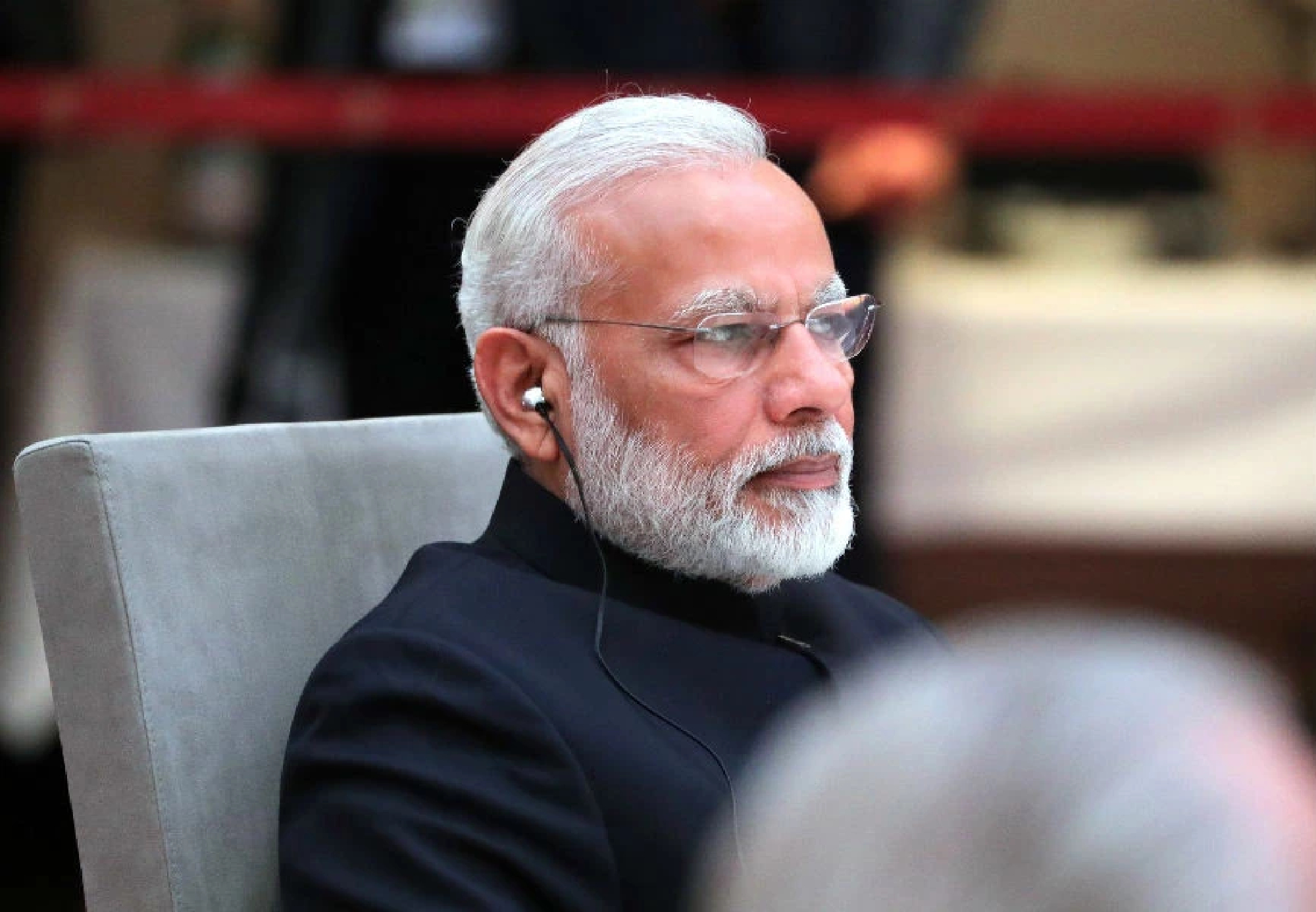
On the occasion of World Elephant Day, Indian Prime Minister Narendra Modi on Friday lauded the efforts of elephant conservationists.
Modi expressed happiness at the rise in the country’s elephant reserves in the last eight years.
In a series of tweets, Modi said, “On #WorldElephantDay, reiterating our commitment to protect the elephant. You would be happy to know that India houses about 60% of all Asian elephants. The number of elephant reserves has risen in the last 8 years. I also laud all those involved in protecting elephants.”
“The successes in elephant conservation must be viewed in context of the larger efforts underway in India to minimise human-animal conflict, and integrating local communities and their traditional wisdom in furthering environmental consciousness,” the premier added.
The Statesman
Asia News Network
Asia News Network: The Nation (Thailand), The Korea Herald, The Straits Times (Singapore), China Daily, The Jakarta Post, The Star and Sin Chew Daily (Malaysia), The Statesman (India), Philippine Daily Inquirer, Yomiuri Shimbun and The Japan News, Gogo Mongolia, Dawn (Pakistan), The Island (Sri Lanka), Kuensel (Bhutan), Kathmandu Post (Nepal), Daily Star (Bangladesh), Eleven Media (Myanmar), The Phnom Penh Post and Rasmei Kampuchea (Cambodia), The Borneo Bulletin (Brunei), Vietnam News, and Vientiane Times (Laos).
Malaysia is clamping down on the lucrative but poorly regulated beauty industry and its growing army of fake medical practitioners.
Medical groups and beauticians have welcomed the move to stamp out the quacks, who are exploiting the beauty boom by offering illegal dental and aesthetic procedures and courses.
“Currently, we don’t have a law to regulate the beauty industry when it is growing rapidly, and people are earning handsomely from it,” said Deputy Trade and Consumer Minister Rosol Wahid.
“We are discussing with the MOH [Ministry of Health] to see what procedures the beauty parlours can offer and what they can’t.”
Rosol said non-invasive beauty procedures will fall under the purview of her ministry but added that ascertaining whether a procedure is invasive or not is not easy.
Public concern in Malaysia is growing over the abundance of beauticians offering aesthetic and dental services such as braces and veneer procedures, whitening drip and platelet-rich plasma therapy.
Botched cases have been reported where patients were either scarred for life or even died as a result of the procedures.
Some beauticians also offer short training courses in these procedures.
In July, The Star reported that for RM1,000 to RM3,000 (8,000-24,000 baht), anyone could take a short course in installing braces and veneers and performing whitening procedures, with a certificate and starter kit at the end of the training.
Rosol confirmed action could be taken against those who provide illegal short medical courses as the certificates issued are invalid.
Meanwhile, Malaysian Medical Association president Dr Koh Kar Chai called for a full investigation into fake practitioners.
“The authorities should come down strongly on these [unqualified] practitioners and trainers,” he said.
Koh said once the regulation is in place, the government should also organise public awareness programmes to educate the public, especially in identifying unlicensed or uncertified beauty centres.
Malaysian Dental Association president Dr Lim Chiew Wooi said going after the trainers of illegal practitioners is crucial in stamping out illegal dental practices.
“When unqualified trainers train people, it’s like the blind leading the blind. We should not allow people to provide training that can harm others,” he said.
Malaysian Society of Aesthetic Medicine president Dr Chin Shih Choon agreed with the regulation move.
“Medical procedures can only be done by medical doctors. Unqualified practitioners cannot administer injections, perform thread lifting, laser treatments and other surgeries,” Dr Chin said.
“During the previous engagement between the stakeholders, some of them portrayed lasers as harmless but we told them no, they are dangerous and could harm others.”
Dr Chin said medical aesthetic practitioners took years to earn the licence needed to perform aesthetic procedures.
Only about 300 doctors in the field of aesthetics and beauty treatment are accredited by the Health Ministry.
The Star
Asia News Network
Asia News Network: The Nation (Thailand), The Korea Herald, The Straits Times (Singapore), China Daily, The Jakarta Post, The Star and Sin Chew Daily (Malaysia), The Statesman (India), Philippine Daily Inquirer, Yomiuri Shimbun and The Japan News, Gogo Mongolia, Dawn (Pakistan), The Island (Sri Lanka), Kuensel (Bhutan), Kathmandu Post (Nepal), Daily Star (Bangladesh), Eleven Media (Myanmar), The Phnom Penh Post and Rasmei Kampuchea (Cambodia), The Borneo Bulletin (Brunei), Vietnam News, and Vientiane Times (Laos).
The Chinese planes cost more money to operate than they brought in, and Nepal Airlines was racking up losses dangerously.
Abatch of Chinese aircraft that Nepal had imported with high hopes of flying on unserved sectors and earning revenue for the ailing Nepal Airlines Corporation have been sitting on the ground for more than two years and gathering rust, just as the Ministry of Finance has started paying back interest on the loans for the planes.
For the national flag carrier which has a hard time balancing its books even in the best of times, the jinxed planes have been like something stuck in its throat that it cannot spit out or swallow, to use a local idiom.
The Chinese planes, the first of which arrived in 2014, cost more money to operate than they brought in, and Nepal Airlines was racking up losses dangerously. In July 2020, the corporation’s board had had enough, and decided to put them in deep storage.
The five condemned planes—three 17-seater Y12e aircraft and two 56-seater MA60 aircraft—are parked at the remote parking bay on the eastern side of Tribhuvan International Airport in Kathmandu. Another one crashed in Nepalgunj and is unflyable.
Photos of the aircraft obtained by the Post show that the tail section of the Y12e is covered in moss. There is corrosion appearing on the metal surfaces and components of the aircraft.
“These planes are susceptible to corrosion,” said a senior Nepal Airlines captain who wished to remain anonymous.
As corrosion weakens the structural integrity of metal aircraft and its parts, it could lead to expensive repairs and significant safety hazards.
“No one has seen what condition the planes are in,” he said. “No one knows for how many years the planes will remain grounded.”
Some private airline officials say that the parked planes have not complied with long-term storage procedures. That ultimately will reduce the value of the planes.
In November 2012, Nepal Airlines signed a commercial agreement with Aviation Industry Corporation of China (AVIC), a Chinese government undertaking, to procure six aircraft—two MA60 and four Y12e.
In order to sweeten the deal, China provided grant and concessional loan assistance worth 408 million Chinese yuan which is equivalent to Rs6.67 billion.
Out of the total aid money, a grant worth 180 million yuan (Rs2.94 billion) went to pay for one MA60 and one Y12e aircraft. The other aircraft were bought for 228 million yuan (Rs3.72 billion) with a soft loan provided by China’s EXIM Bank.
The Y12e is a twin-engine turboprop utility aircraft built by Harbin Aircraft Industry Group, previously Harbin Aircraft Manufacturing Corporation.
The MA60 is a turboprop-powered airliner produced by China’s Xi’an Aircraft Industrial Corporation. Both manufacturers are subsidiaries of AVIC.
The Nepal government has to pay annual interest at the rate of 1.5 percent and a service charge and management expenses amounting to 0.4 percent of the overall loan amount taken by the Ministry of Finance as per the agreement.
The ministry, in turn, would charge Nepal Airlines annual interest at the rate of 1.75 percent on the disbursed loan amount.
As per the November 2012 agreement, China had given a seven-year grace period under which Nepal Airlines would not have to pay interest and instalment payments.
The payback period of the loan is 20 years or by March 21, 2034. The planes have completed the seven-year grace period privilege.
“We have sent two instalments, including the interest on the loans, to China’s EXIM Bank, the lender,” said Hira Neupane, spokesperson for the Public Debt Management Office under the Finance Ministry, which deals with the country’s debt management.
The first quarterly instalment of 10.9 million yuan (Rs205.67 million) was sent in September 2021 while the second instalment was sent in March, said Neupane.
The government has started repaying the lender, but Nepal Airlines has no plans to put the aircraft back in the skies or sell or lease them.
The accumulated losses on the five Chinese planes have already crossed Rs2 billion.
Before the planes were grounded, the total accumulated losses of these planes were Rs1.9 billion, nearly half of the cost of the planes.
With the planes grounded, the operating costs have dropped for Nepal Airlines, but it has to pay insurance premiums for the aircraft and parts.
Cash-strapped Nepal Airlines will have to fork out more to repay the interest for the Chinese planes that it bought in 2014, as the seven-year grace period has ended. The corporation has been defaulting on other loans it had taken to buy Airbus planes for years due to a cash crunch.
“We haven’t paid the instalments nor the interest to the government as we have grounded the Chinese planes,” said Archana Khadka, spokesperson for the national flag carrier.
“As we have been directed by the Finance Ministry to manage the planes, we have decided to lease them all.”
A committee of Nepal Airlines has already prepared the lease rate.
In December 2020, five months after the board of directors unanimously decided to stop flying the Chinese planes, the national flag carrier headed by Dim Prasad Poudel submitted four options to the Civil Aviation Ministry to get rid of the Chinese aircraft in its fleet.
The first option was to ask the aircraft manufacturers to buy back the planes by evaluating their existing worthiness.
The second option presented by the flag carrier was to lease out the planes to interested Nepali operators on a long- or short-term basis.
The third alternative was to auction off the planes through a global competitive bidding process.
The fourth option was to look for Chinese or international companies or banks interested in buying or leasing them.
The third alternative was to auction off the planes through a global competitive bidding process.
The fourth option was to look for Chinese or international companies or banks interested in buying or leasing them.
“We decided to lease them, and we have completed the preparations too,” said Khadka.
But matching words with action is something else. Confusion reigns at Nepal Airlines because of management tussles and frequent changes of the chief, officials say.
“When we were in the final stages of approving the lease rate to lease the Chinese planes, Poudel landed in trouble as the union padlocked the office charging that he intended to privatise Nepal Airlines,” said a senior official at the corporation.
Poudel, who had been appointed by the KP Sharma Oli administration, was sacked by the then tourism minister Prem Ale. But the Supreme Court reinstated Poudel to the post. Ale then appointed Ubaraj Adhikari as executive chairman, reviving the dual executive power system that had plagued Nepal Airlines for the last two decades.
Adhikari was in turn removed from the post by the Cabinet in June, but he was reinstated by the court.
Newly appointed Tourism Minister Jeevan Ram Shrestha sacked Adhikari for a second time.
“It looks like Nepal Airlines is a puppet. Its chief is changing frequently—five changes in a year. That’s a disaster,” said a former captain of Nepal Airlines.
After Adhikari was appointed, he overturned Poudel’s decision to lease the Chinese planes. A committee was formed to put the planes back in the air.
“The committee never presented the report,” said spokesperson Khadka. “Now again, we are expediting the process to lease the planes.”
Nepal Airlines officials say things are so topsy-turvy at the company that there is no environment to work. “Politics had ruined the flag carrier for decades. It’s still on the same track. Nothing can change here.”
The Chinese planes have been a financial disaster for Nepal Airlines right from the beginning.
One Y12e was damaged beyond repair while one of the two MA60 aircraft has been cannibalised for parts.
In 2014, marking the beginning of what was supposed to be a new era for Nepal Airlines after acquiring the planes, it had even changed its classic red and blue stripes livery, opting for a more modern design.
But these planes never brought happiness and money, said officials.
“So far I know, the two MA60s have flown together in the Nepali skies only once,” said a senior captain at the corporation. “The rest is history.”
Sangam Prasain
The Kathmandu Post
Asia News Network
Asia News Network: The Nation (Thailand), The Korea Herald, The Straits Times (Singapore), China Daily, The Jakarta Post, The Star and Sin Chew Daily (Malaysia), The Statesman (India), Philippine Daily Inquirer, Yomiuri Shimbun and The Japan News, Gogo Mongolia, Dawn (Pakistan), The Island (Sri Lanka), Kuensel (Bhutan), Kathmandu Post (Nepal), Daily Star (Bangladesh), Eleven Media (Myanmar), The Phnom Penh Post and Rasmei Kampuchea (Cambodia), The Borneo Bulletin (Brunei), Vietnam News, and Vientiane Times (Laos).
According to statistics, some 95 per cent of the country’s 379,605 basement or semi-basement residences can be found in Seoul.
Seoul is banning subterranean living spaces after a series of deaths due to flooding. Over the last three days of downpour, a child and three adults drowned in their semi-basement homes, known as “banjiha.”
Seoul announced Wednesday that in the next two decades, it would phase out all forms of underground residences that are home to about 5 percent of all families in the city.
Mayor Oh Se-hun said in a press release that banjiha homes were “residential structures that threaten the safety of their occupants” and that they needed to be abolished.
“This is going to be a long-term project for improving the safety of homes across the city,” he said.
But for many of the banjiha dwellers, leaving is not an option.
Sohn Mal-nyeon, 77, has been living in her two-room basement unit in Seoul’s southern central Dongjak since her daughter, now 51, was a toddler. Two months ago, her husband moved to a nursing home in Namyangju, about an hour’s drive away, leaving her to live by herself.
She said that on the first night of the downpour, the local community service center called and asked her to spend the night there with some of her neighbors who had to flee their homes.
“I didn’t go. I was trying to keep the flooding out using a bucket and a mop,” she said.
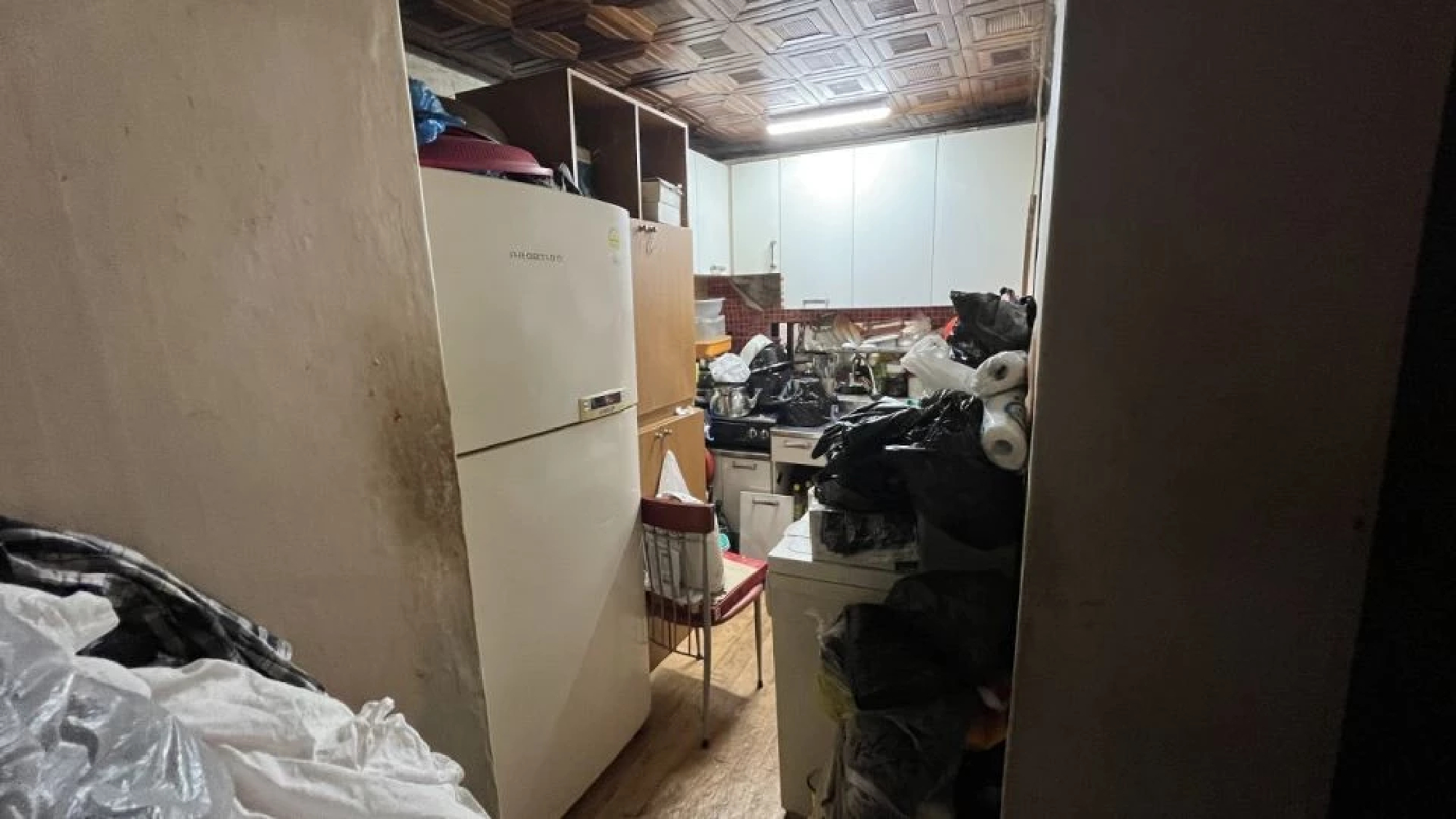
But the water pouring in from the windows of her kitchen and bathroom — the only windows — eventually filled up to her knees. The murky, blackened water smelled, she said.
“It’s probably from a sewage overflow. I can’t seem to get the smell out,” she said. “The power is back but my refrigerator broke down. All the food is spoiled. The floor and furniture are still wet. I don’t think I can use them again.”
She said she was staying in the building’s attic for the time being.
On the Seoul mayor’s plan to phase out banjiha homes, like the one she lives in, she said she didn’t think it was going to happen. “Well, what do you expect people to do? They live here because it’s cheaper, you know,” she said.
Sohn goes down the stairs leading to the entrance of her basement home. Piled up against the wall are wet household goods damaged by the rain. (Kim Arin/The Korea Herald)
Another banjiha resident in the same neighbourhood, asking to be quoted only by her family name, Baek, said her “whole life is already here.”
Although she was aware of the dangers, she “wouldn’t know where to go,” she said.
In Dongjak, one of the districts to suffer a heavier blow from the rain, a woman in her 50s with a mental disability was unable to escape her flooding underground home in time and later found dead on Tuesday.
Underground homes are very common in the capital, more than anywhere else. According to statistics, some 95 percent of the country’s 379,605 basement or semi-basement residences can be found in Seoul.
People Power 21, a civic group based in Seoul, pointed out in a statement Thursday that the metrogovernment office’s past attempts to regulate “unlivable” residences, including banjiha, had repeatedly fallen through.
In 2012, after the laws were amended to bar additional construction of banjiha homes, tens of thousands were still newly built due to loopholes in surveillance, the group said.
“The recent flooding deaths were a familiar disaster that could have been prevented if Seoul had taken the steps that it had proposed in the past.”
Sohn said water poured in through the windows of her bathroom and kitchen. At one point, the water was up to her knees, she said. (Kim Arin/The Korea Herald)
Chang Dukjin, a professor of sociology at Seoul National University, told The Korea Herald that doing away with banjiha is “a step in the right direction, in that we are raising the minimum standard of living.”
“But the challenging part would be to figure out the practicalities of budget for helping the residents relocate, providing them with alternative housing options.”
The minor Justice Party on Thursday said the deaths among vulnerable residents make a case for expanding public housing in the country’s expensive capital. “Our government is obligated to come up with more housing that meets the basic standards of safety and prohibit ones that don’t,” the party said.
President Yoon Suk-yeol on Wednesday called for arranging state-owned housing for a 70-something woman who lost her two daughters in their 40s and a school-age granddaughter in banjiha flooding. The family drowned in their home in Gwanak in the early hours of Tuesday as they waited for help. After visiting the family’s flooded home on Tuesday, Yoon told a Cabinet meeting that “never again should we allow preventable tragedies.”
Kim Arin
The Korea Herald
Asia News Network
Asia News Network: The Nation (Thailand), The Korea Herald, The Straits Times (Singapore), China Daily, The Jakarta Post, The Star and Sin Chew Daily (Malaysia), The Statesman (India), Philippine Daily Inquirer, Yomiuri Shimbun and The Japan News, Gogo Mongolia, Dawn (Pakistan), The Island (Sri Lanka), Kuensel (Bhutan), Kathmandu Post (Nepal), Daily Star (Bangladesh), Eleven Media (Myanmar), The Phnom Penh Post and Rasmei Kampuchea (Cambodia), The Borneo Bulletin (Brunei), Vietnam News, and Vientiane Times (Laos).
Productivity will not be affected despite the reduction in working hours that will be enforced from next month, Malaysian labour unions claim.
“It will benefit the workers for sure as they can avoid being overworked,” said Malaysian Trades Union Congress (MTUC) president Effendy Abdul Ghani.
“The reduction also means they have more time to rest and generally improve their condition,” he said, adding that this would enhance the quality of their work.
He refuted claims that a company’s output would be less with the reduction in working hours, and cited Singapore as an example.
“Singapore is a great example. Despite having only a 44-hour work week, it has proven itself as an economic powerhouse not only in the region but also internationally.
“Therefore, MTUC supports reducing the working hours to safeguard the welfare of Malaysian workers,” he said when contacted.
The government has announced amendments to the Employment Act, which will see weekly working hours reduced from 48 to 45 hours, with effect from September 1.
MTUC called on the public to report companies that do not comply with the new rule to the Labour Department or the Human Resources Ministry.
“The companies have been made aware of the reduction of working hours, so there should not be any issue about implementing it,” said Effendy.
National Union of Transport Equipment & Allied Industries Workers general secretary N Gopal Kishnam said the move was commendable and long overdue, as other countries had already reduced their working hours.
However, he said there were concerns that employers could push for working hours above what was stipulated by dangling the carrot of overtime.
Malaysian Employers Federation president Syed Hussain Syed Husman said the new regulation would affect companies that operate round-the-clock.
These included those in the manufacturing and services sectors such as hotels and resorts that run their business on a continuous basis, he added.
Syed Hussain said the current shift cycle was possible as the maximum hours of work were 48 hours per week.
“With the reduction to 45 hours per week, it is no longer possible to run fully per week without incurring overtime (OT) payment.
“Employers will incur the extra cost of at least three hours of OT if they run their operations for 48 hours work per week as per their current operational requirements.
“If employers are not willing to incur the cost of at least three hours of OT per week, or if they do not have the financial capacity to absorb the cost, they need to reduce [their business hours] to 45 hours,” he said.
He added that the implementation of the new rule must be done smoothly by having discussions between workers and employers.
He also suggested that companies embrace new technology to modernise their operations to reduce the impact of the new rule.
Malaysian Human Resources Association president Zarina Ismail concurred, saying employers should adopt automation to maintain their productivity.
“Employers should be ready to move into IR4.0 [the Fourth Industrial Revolution] … to deal with the lack of workers if reduced working hours may affect their companies’ output,” she said.
While the reduction of working hours would benefit the workers, she said certain sectors were bound to set daily targets, so planning was necessary.
“Businesses are still recovering from the pandemic and it is important for them to have proper financial planning and at the same time comply with the newly amended law,” added Zarina.
The Star
Asia News Network
Asia News Network: The Nation (Thailand), The Korea Herald, The Straits Times (Singapore), China Daily, Jakarta Post, The Star and Sin Chew Daily (Malaysia), The Statesman (India), Philippine Daily Inquirer, Yomiuri Shimbun and The Japan News, Gogo Mongolia, Dawn (Pakistan), The Island (Sri Lanka), Kuensel (Bhutan), Kathmandu Post (Nepal), Daily Star (Bangladesh), Eleven Media (Myanmar), The Phnom Penh Post and Rasmei Kampuchea (Cambodia), The Borneo Bulletin (Brunei), Vietnam News, and Vientiane Times (Laos).
A total of 1.02 million tonnes of goods have been transported via the Laos-China Railway since it became operational eight months ago, Xinhua reported on Wednesday.
The value of these goods was about 9.14 billion yuan (47.92 billion baht).
The customs department of Kunming, the capital of southwest China’s Yunnan province, said on Tuesday that it handled 1,996 international freight trains on the rail link during the period.
Zhang Xianzhou, manager of an international logistics company based in Xishuangbanna Dai Autonomous Prefecture, Yunnan, was quoted as saying that the variety of the company’s imports and exports had increased after the launch of the railway service.
The company’s business volume increased, while customs clearance time was significantly reduced, Zhang said.
Kunming customs said it had rolled out a series of efforts to guarantee the efficient operation of international freight trains on the Laos-China Railway. These measures include optimising supervision measures and improving port functions.
Being part of the China-initiated Belt and Road Initiative (BRI) – a global transport infrastructure network – the Laos-China Railway is an important gateway between Southeast Asian counties and China and beyond.
Chanthone Sitthixay, the chairman of Vientiane Logistics Park Co, based in the Lao capital of Vientiane, said he was optimistic the railway’s cost-effective services would support Laos’ efforts to become a new important supply chain hub.
The logistics park and its Thanaleng Dry Port, which contain extensions of the Laos-China and Laos-Thailand rail links, have registered increases in the volume of transport services.
Over the first five months of the year, as many as 13,000 containers passed through the dry port and most of them were transported by the railways.
China, Thailand, Malaysia and Singapore are shipping goods through the route.
The president of Thailand’s Kaocharoen Train Transport Co, Ltd Panya Paputsaro, told the Vientiane Times recently that it now takes less time to export goods to China and costs have been cut considerably.
Through the railways and the China-Europe rail network, the cost of exporting goods from Thailand to Europe has been cut by as much as 40 per cent compared to transport by sea, Panya said.
Vientiane Times
Asia News Network
Asia News Network: The Nation (Thailand), The Korea Herald, The Straits Times (Singapore), China Daily, Jakarta Post, The Star and Sin Chew Daily (Malaysia), The Statesman (India), Philippine Daily Inquirer, Yomiuri Shimbun and The Japan News, Gogo Mongolia, Dawn (Pakistan), The Island (Sri Lanka), Kuensel (Bhutan), Kathmandu Post (Nepal), Daily Star (Bangladesh), Eleven Media (Myanmar), The Phnom Penh Post and Rasmei Kampuchea (Cambodia), The Borneo Bulletin (Brunei), Vietnam News, and Vientiane Times (Laos).




 South Korean Foreign Minister Park Jin (right) holds talks with UN Secretary-General Antonio Guterres during their meeting at the foreign ministry in Seoul on Friday. (Yonhap) South Korean Foreign Minister Park Jin (right) holds talks with UN Secretary-General Antonio Guterres during their meeting at the foreign ministry in Seoul on Friday. (Yonhap)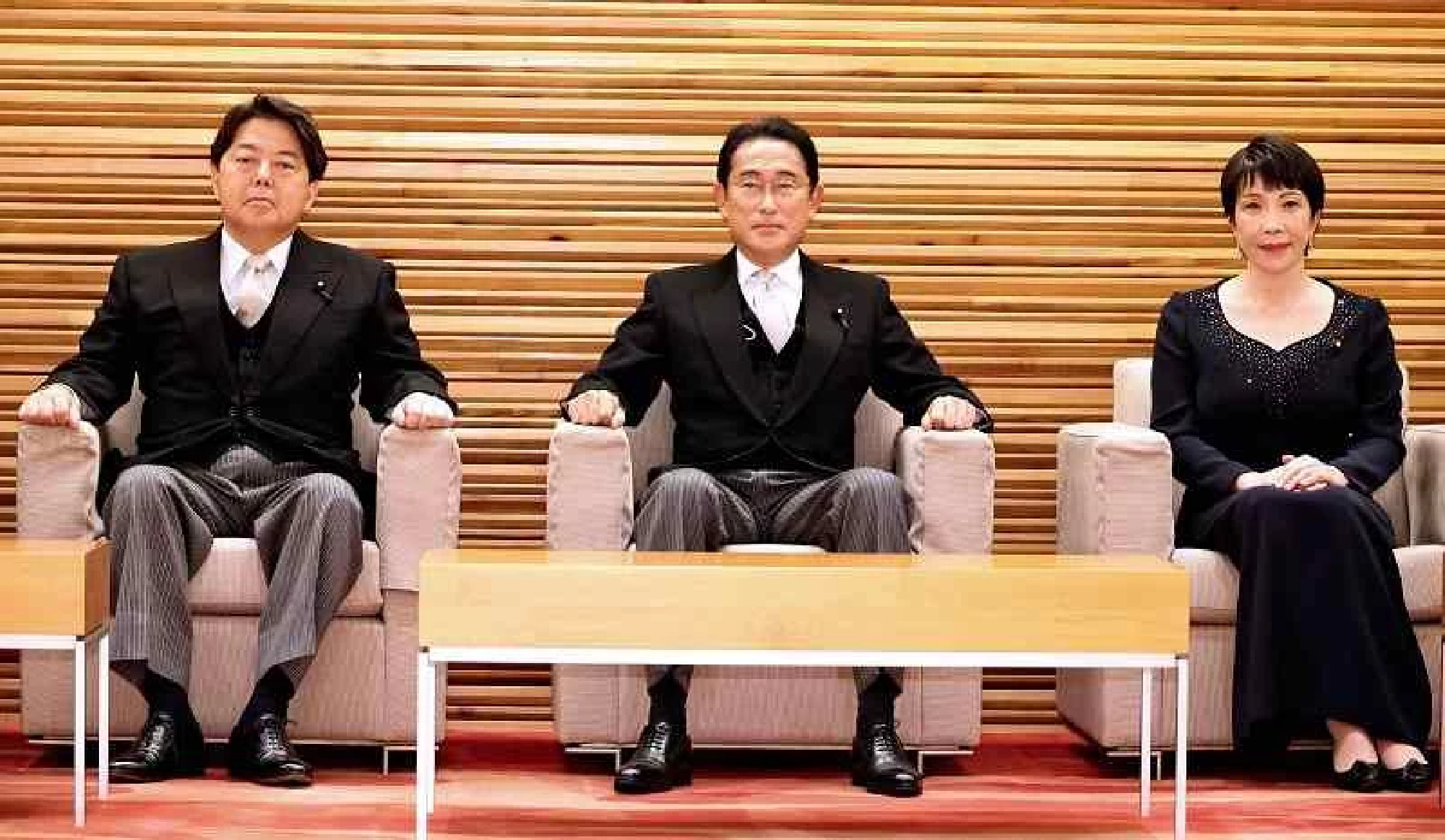



 Sohn goes down the stairs leading to the entrance of her basement home. Piled up against the wall are wet household goods damaged by the rain. (Kim Arin/The Korea Herald)
 Sohn said water poured in through the windows of her bathroom and kitchen. At one point, the water was up to her knees, she said. (Kim Arin/The Korea Herald)

 SootinClaimon.Com