The 6.1 magnitude quake that struck around 11:00 pm on July 21 at Kengtung caused damages in southern Shan State, according to locals.
The quake affected not only in Taunggyi, Nyangshwe, Kalaw and Pekon townships in Taunggyi District but also in Loilem, Panglong, Mongkai, Laikha, Kehsi and Langkho townships in Loilem District.
In Kengtung, the wall of a staff housing room inside the compound of No.4 Basic Education High School collapsed but no one was injured. In some places, it was reported that the TVs fell off the shelf and broke and the brick walls of the houses were slightly damaged.
Some brick walls collapsed in Naungfa Village, Katfa Village Tract on Kengtung-Mongla.
A moderate earthquake of magnitude 5.3 Richter Scale with its epicenter inside Myanmar (about 20 miles east-northeast of Kengtung ), latitude 21.34°N, longitude 99.91°E, depth 6 kilometers, about 21 miles east-northeast of Kengtung seismological observatory was recorded at 11:10 pm on July 21, 2022, according to the Department of Meteorology and Hydrology (DMH).
A strong earthquake of magnitude 6.1 Richter Scale with its epicenter inside Myanmar (about 17 miles east of Kengtung), latitude 21.26°N, longitude 99.86°E, depth 8 kilometers, about 18 miles east of Kengtung seismological observatory was recorded at 11:37 pm on July 21, 2022, announced the DMH.
Asia News Network: The Nation (Thailand), The Korea Herald, The Straits Times (Singapore), China Daily, Jakarta Post, The Star and Sin Chew Daily (Malaysia), The Statesman (India), Philippine Daily Inquirer, Yomiuri Shimbun and The Japan News, Gogo Mongolia, Dawn (Pakistan), The Island (Sri Lanka), Kuensel (Bhutan), Kathmandu Post (Nepal), Daily Star (Bangladesh), Eleven Media (Myanmar), the Phnom Penh Post and Rasmei Kampuchea (Cambodia), The Borneo Bulletin (Brunei), Vietnam News, and Vientiane Times (Laos).
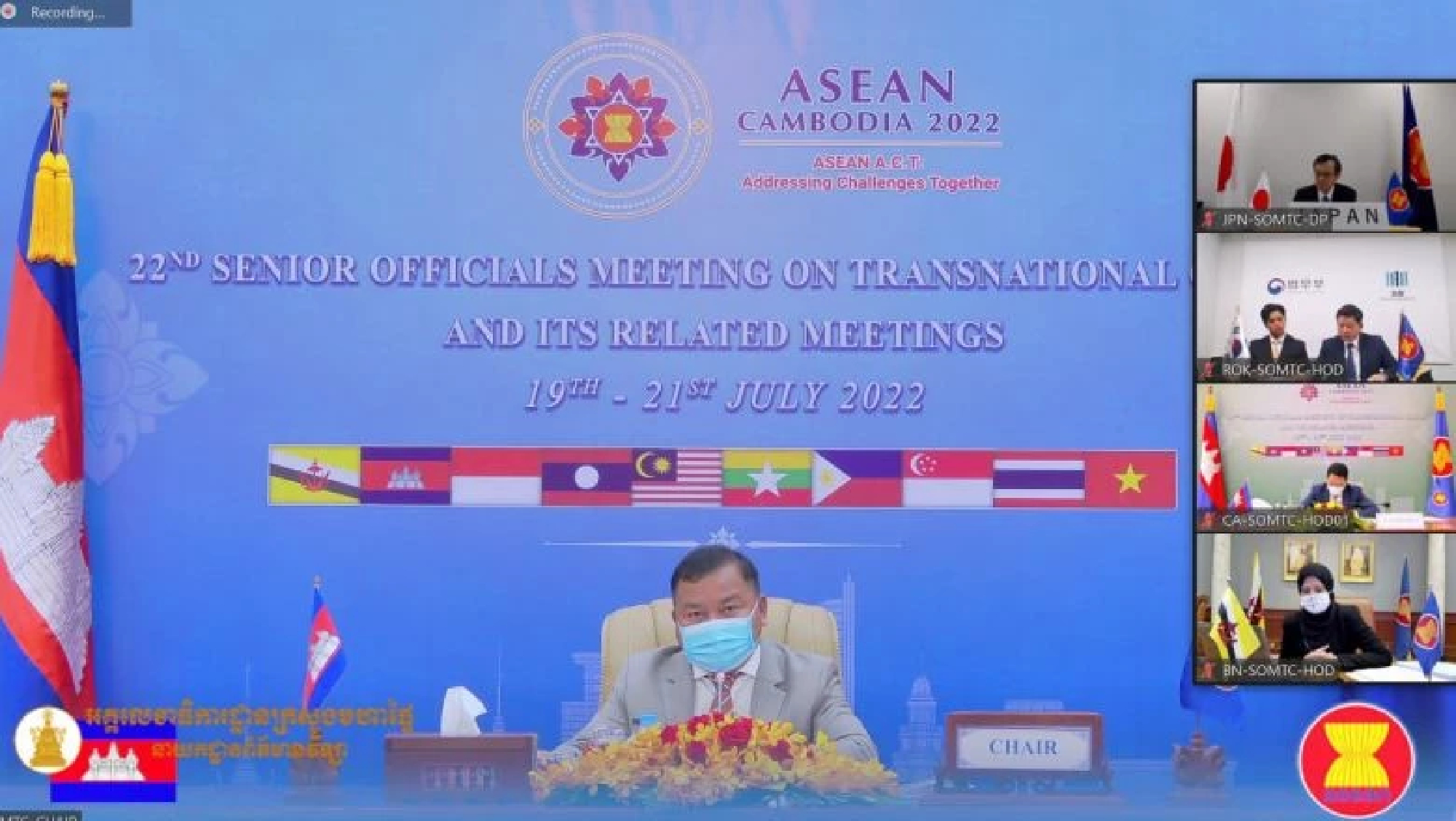
ASEAN senior officials in charge of transnational crimes reported an increase in transnational crimes for the region despite travel restrictions having been tightened to control the spread of Covid-19.
The increase in transnational crimes in the region was discussed during the 22nd ASEAN Senior Officials Meeting on Transnational Crime (SOMTC) and other related meetings held for three days from July 19-21 via video conference.
The Ministry of Interior said in a press statement on the outcomes of the SOMTC meeting on July 21 that the types of crimes that had increased included drug trafficking, cross border removal, human trafficking, cyber crimes, money laundering and other international economic crimes.
“All of these crimes are key to the agendas of senior law enforcement officials of ASEAN member states, which discussed finding common solutions for effectively preventing and combating them to achieve security, development and prosperity for the whole ASEAN region,” the statement said.
The 22nd SOMTC was led by Por Pheak, secretary-general of the Ministry of Interior and Chairman of the Transnational Crime Task Force.
Pheak also led the 19th ASEAN-plus-three Senior Officials Meeting on Transnational Crime within the China-Japan-South Korea Dialogue. During the meeting, ASEAN senior officials and those of the “plus-three” countries had exchanged ideas and raised new initiatives aimed at promoting cooperation among law enforcement officials in ASEAN countries and the three dialogue countries.
Also, Pheak led another meeting of the SOMTC plus Dialogue Partner Consultation which consists of Canada, China, Japan, South Korea, India, New Zealand, Australia, the EU and the US. They reviewed previous cooperation and existing cooperation documents and discussed the way forward to strengthen cooperation.
By Ry Sochan
Asia News Network: The Nation (Thailand), The Korea Herald, The Straits Times (Singapore), China Daily, Jakarta Post, The Star and Sin Chew Daily (Malaysia), The Statesman (India), Philippine Daily Inquirer, Yomiuri Shimbun and The Japan News, Gogo Mongolia, Dawn (Pakistan), The Island (Sri Lanka), Kuensel (Bhutan), Kathmandu Post (Nepal), Daily Star (Bangladesh), Eleven Media (Myanmar), the Phnom Penh Post and Rasmei Kampuchea (Cambodia), The Borneo Bulletin (Brunei), Vietnam News, and Vientiane Times (Laos).
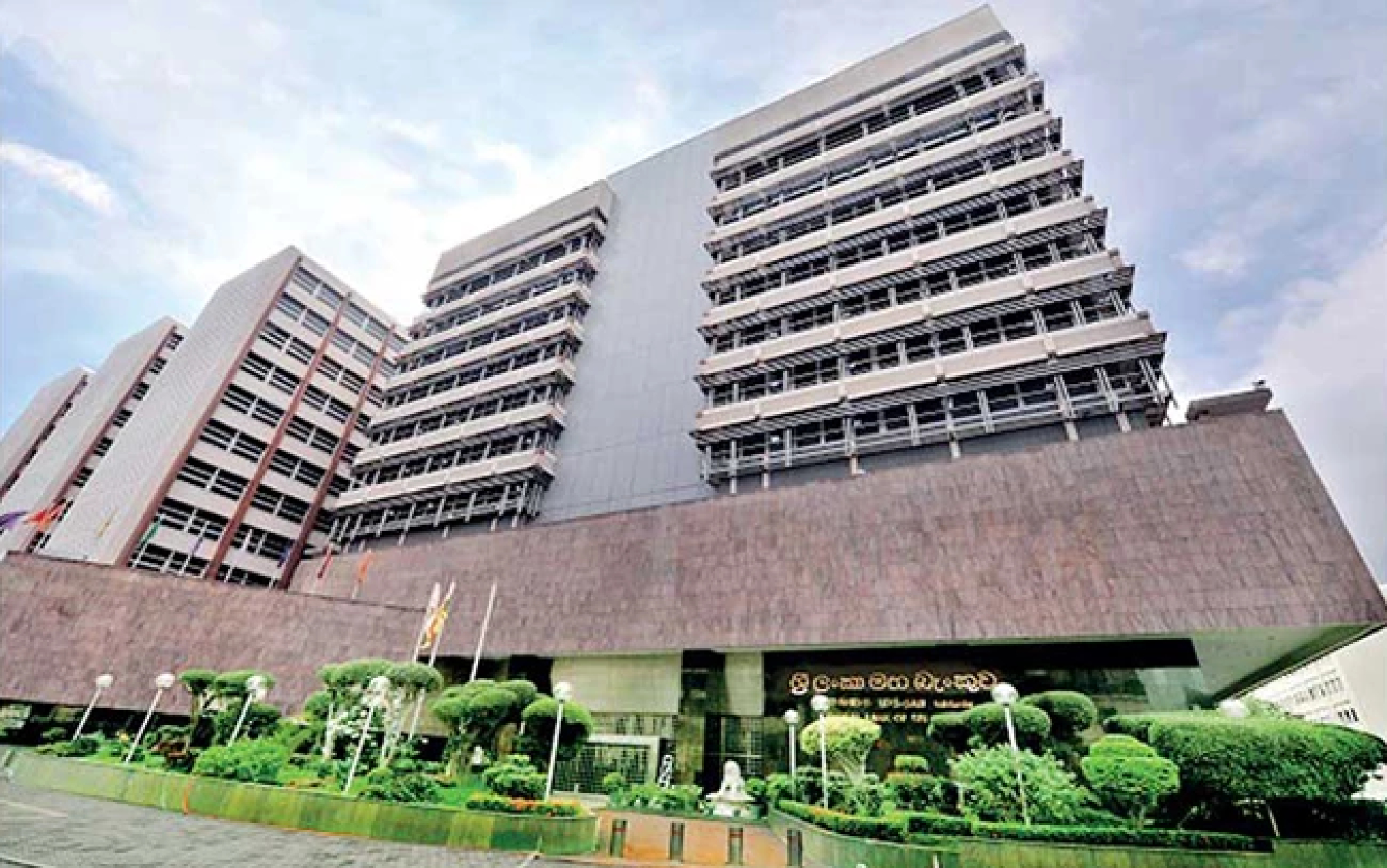
Headline inflation, as measured by the year-on-year (Y-o-Y) change in the National Consumer Price Index, increased to 58.9% in June 2022 from 45.3% in May 2022, the Central Bank announced yesterday.
“This increase in Y-o-Y inflation was driven by the monthly increases of both Food and Non-Food categories. Accordingly, Food inflation (Y-o-Y) increased to 75.8% in June 2022 from 58.0% in May 2022, while Non-Food inflation (Y-o-Y) increased to 43.6% in June 2022 from 34.2% in May 2022,” the CBSL said.
Within the Food category, prices of rice, vegetables, fresh fish, sugar, milk powder and dried fish recorded increases during the month. Further, within the Non-Food category, increases were observed in prices of Transport (petrol, diesel and bus fare), Furnishing, Household Equipment and Routine Household Maintenance, and Restaurants and Hotels subcategories during the month.Meanwhile, annual average inflation rose to 20.8% in June 2022 from 16.3% in May 2022.
Asia News Network: The Nation (Thailand), The Korea Herald, The Straits Times (Singapore), China Daily, Jakarta Post, The Star and Sin Chew Daily (Malaysia), The Statesman (India), Philippine Daily Inquirer, Yomiuri Shimbun and The Japan News, Gogo Mongolia, Dawn (Pakistan), The Island (Sri Lanka), Kuensel (Bhutan), Kathmandu Post (Nepal), Daily Star (Bangladesh), Eleven Media (Myanmar), the Phnom Penh Post and Rasmei Kampuchea (Cambodia), The Borneo Bulletin (Brunei), Vietnam News, and Vientiane Times (Laos).
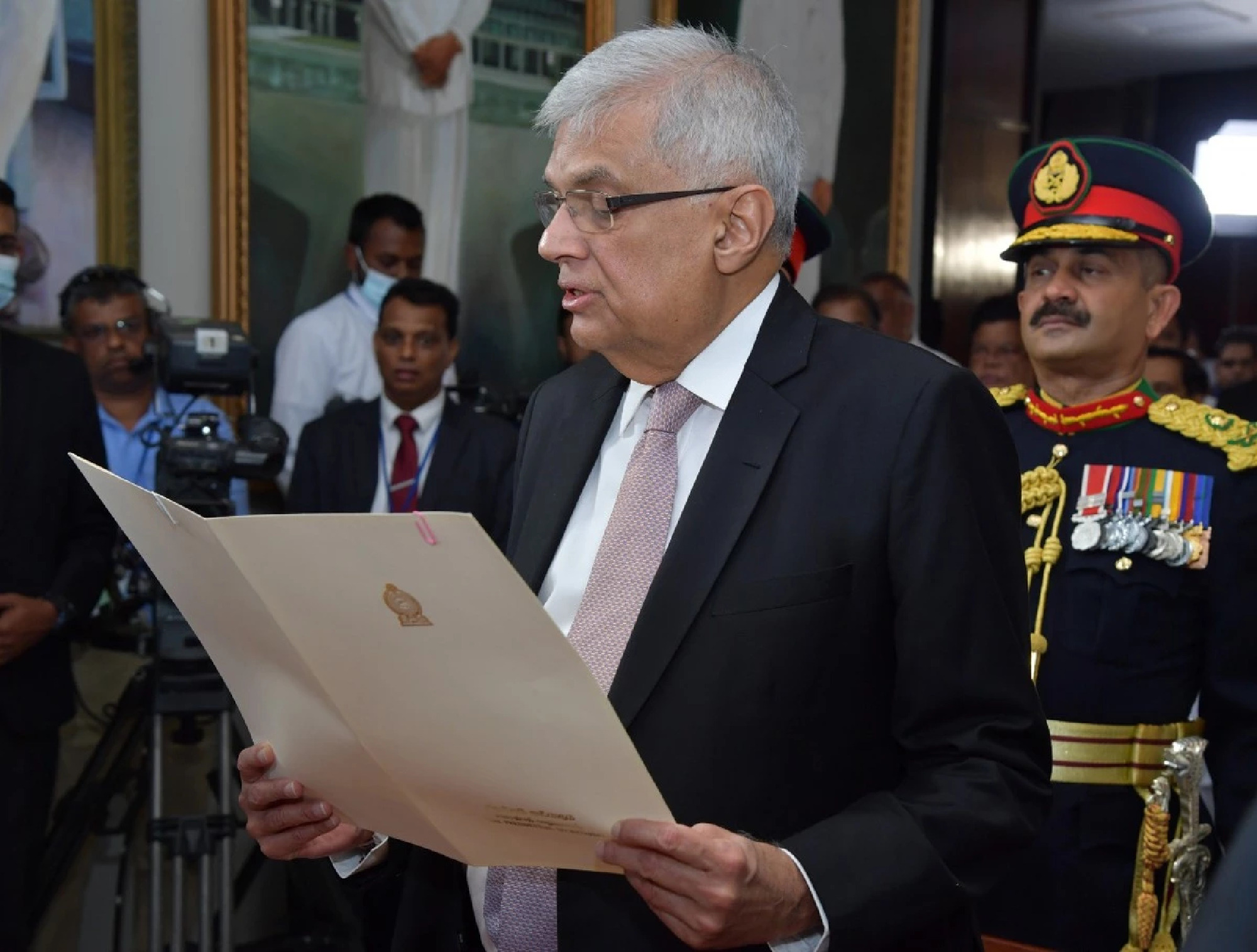
BEIJING — President Xi Jinping sent a congratulatory message on Friday to Ranil Wickremesinghe on his election as president of the Democratic Socialist Republic of Sri Lanka.
In his message, Xi pointed out that China and Sri Lanka are each other’s traditional friendly neighbors. Since the establishment of diplomatic ties 65 years ago, the two countries have always promoted the development of bilateral relations on the basis of mutual respect, equality and mutual benefit, and set an example of friendly interactions and mutually beneficial cooperation between large and small countries, he said.
Since the onset of the COVID-19 pandemic, China and Sri Lanka have stood together and helped each other, with their traditional friendship further enhanced, Xi said.
Xi stressed that he believes, under the leadership of President Wickremesinghe, Sri Lanka will surely overcome temporary difficulties and push forward the process of economic and social recovery.
Xi said he attaches great importance to the development of China-Sri Lanka relations and would like to provide support and assistance as his capacity allows to President Wickremesinghe and the Sri Lankan people.
The Chinese president said that he hopes the two sides will carry forward their traditional friendship, consolidate political mutual trust and continuously push forward the strategic cooperative partnership featuring sincere mutual assistance and enduring friendship.
Asia News Network: The Nation (Thailand), The Korea Herald, The Straits Times (Singapore), China Daily, Jakarta Post, The Star and Sin Chew Daily (Malaysia), The Statesman (India), Philippine Daily Inquirer, Yomiuri Shimbun and The Japan News, Gogo Mongolia, Dawn (Pakistan), The Island (Sri Lanka), Kuensel (Bhutan), Kathmandu Post (Nepal), Daily Star (Bangladesh), Eleven Media (Myanmar), the Phnom Penh Post and Rasmei Kampuchea (Cambodia), The Borneo Bulletin (Brunei), Vietnam News, and Vientiane Times (Laos).
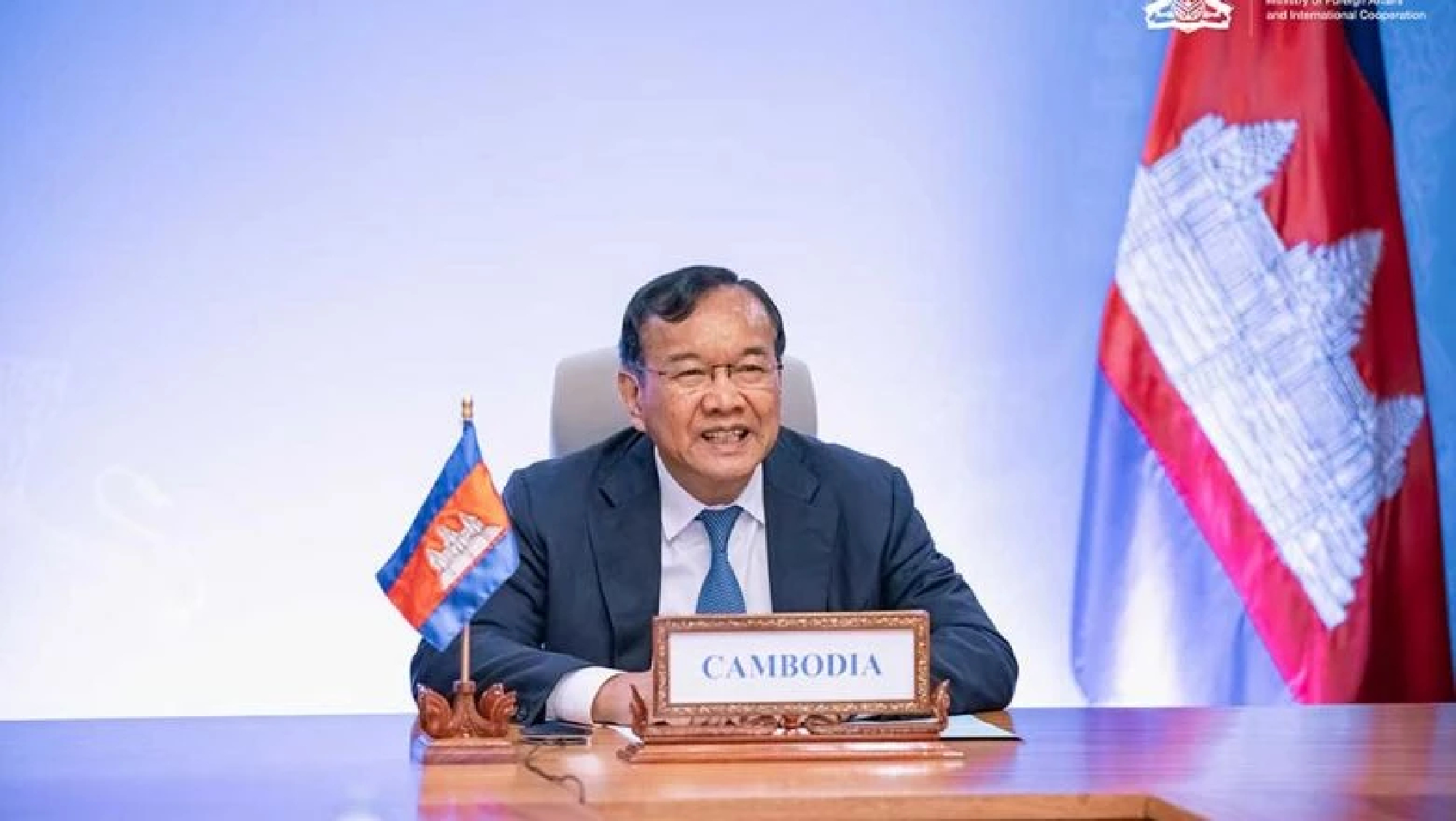
Senior General Min Aung Hlaing, chairman of Myanmar’s State Administration Council (SAC), promised Cambodian foreign minister and Asean special envoy Prak Sokhonn that there is a strong possibility that he will have the opportunity to meet Aung San Suu Kyi in the future, the minister said.
According to the Ministry of Foreign Affairs and International Cooperation, Sokhonn paid his second visit to Myanmar from June 29 to July 3, when he met the military leader to follow up on progress on the Asean Five-Point Consensus (5PC), which was adopted last year to seek a resolution to the ongoing crisis in the predominantly Buddhist country.
Sokhonn asked to meet with Suu Kyi, as in his view she is one of the most important political actors in Myanmar and her inclusion would advance inclusive dialogue.
Despite consistent requests, Sokhonn was unable to meet with her.
“There are some legal procedures that we must respect, but I received a promise from [Min Aung Hlaing] himself that I will likely meet with [Suu Kyi] in the future,” Sokhonn said.
The special envoy made the statement at a July 21 videoconference event “Special Discussion: An Update on Asean’s Efforts in Myanmar”. The event was hosted by the Asean Studies Centre at the ISEAS – Yusof Ishak Institute.
Sokhonn said one part of his mandate is that he must meet with all parties concerned to enable the start of political dialogue. Since his first visit to Myanmar, he has searched for ways and means to advance that goal.
He recalled that his first visit in March gave him a better understanding of the situation on the ground and a chance to address many operational challenges about the delivery of humanitarian assistance.
He said his second mission enabled him to take appropriate steps to advance progress in three priority areas of the implementation of the 5PC, among them cessation of violence, delivery of humanitarian assistance to people in need, and the creation of a conducive environment for inclusive dialogue with political trust among all parties concerned.
In terms of humanitarian assistance, Sokhonn said more common ground was found to push forward its delivery.
“This is an area where I see possible progress because humanitarian assistance work is by nature not a political issue and has little or no political implications,” he said.
On the cessation of violence, Sokhonn reiterated calls from Prime Minister Hun Sen to the SAC to exercise the utmost restraint and to avoid disproportionate responses. He also urged the Ethnic Armed Organisations (EAO) and other parties to adhere to principles of non-violence.
Sokhonn said that based on discussions with Senior General Min Aung Hlaing, other armed groups must take their share of responsibility for the violence. However, all of the parties he met with assured him that they were against violence in any form and called for an end to the killing of civilians.
On his latest visit, Sokhonn met with seven EAOs, and seven parties that won seats in the 2020 election.
“They called on me to seek a political solution,” he said.
Sokhonn admitted that this would be an over-expectation, as he is a mediator and not a direct participant.
“What we can do is help put the brakes on the violence and urge all stakeholders to not push the country into a full-blown civil war that may trigger region-wide instability,” he added.
He urged the SAC to explore ways to work with UN secretary-general special envoy on Myanmar Noeleen Heyzer to enhance synergy between Asean and the UN, as was agreed by the Asean foreign ministers last February.
Choi Shing Kwok, director and chief executive officer of the ISEAS – Yusof Ishak Institute, said that as Asean chair, Cambodia has been in the hot seat, receiving both solicited and unsolicited advice as well as critique from many quarters as it plays a critical role in engaging with all stakeholders in Myanmar and tries to achieve consensus on an Asean response to the humanitarian crisis that “we all know is happening now in Myanmar”.
Earlier this year, South Korea had two young figures sitting atop rival political parties as the living embodiment of their commitment to introducing new blood. A few months and two major elections later, their place in the country’s partisan politics seems increasingly tempestuous.
Lee Jun-seok, chairman of the ruling People Power Party, saw his membership suspended by the party’s ethics committee earlier this month after allegations surrounding sexual bribery emerged.
Over at the liberal Democratic Party of Korea, Park Ji-hyun was denied candidacy registration for the party’s leadership race after being in charge as a co-chair for the past three months.
The change in standings for these two young politicians comes as parties switch gears. South Korea elected a new president in March and heads of local governments and council members in June. With two major elections over, normalcy is being resumed.
“Thanks to Park and Lee, voters in their 20s and 30s showed more interest in the elections. With the way the major parties are treating them now, however, young people will become more disaffected by politics,” said political science professor Yoon Jong-bin at Myongji University.
Except for their relatively young age – Lee is 37 and Park is 26 – the two have little in common and what brought the sudden turn in their political fortunes is also very different.
For Lee, it was the sexual bribery accusation, which police are currently investigating.
As for Park, she launched a leadership bid despite failing to meet one of the qualifications required for someone to run — being a fee-paying party member for at least six months.
As the youngest to ever be elected a major party leader, Lee has spoken out on issues that address the concerns of young male voters. He is widely credited for their recent support of the conservative party.
Park Ji-hyun
Park, who was until late last year an activist, is accredited for reaching young women voters during the presidential and local elections.
“Both Lee Jun-seok and Park Ji-hyun were played as part of a political card game during the presidential election to attract voters,” political commentator Hwang Tae-soon told The Korea Herald.
“While the need for young politicians and a generational shift is there, it is natural that those spearheading change, like Lee and Park, will face backlash,” he said.
As major political parties appear to distance themselves from young politicians they once put on the frontline during the election cycle, it is highlighting the lack of youth political representation in the country, professor Yoon said.
“Compared to Europe, where there are leaders and prime ministers in their 40s, South Korean politicians are usually in their 60s and 70s. It still feels very conservative and undemocratic in terms of youth political representation.”
In South Korea, younger lawmakers, those aged below 40, account for just 4.3 per cent, the lowest youth representation among the Organisation for Economic Co-operation and Development member states, according to a 2021 report from the National Assembly Research Service.
The figure fails to represent the number of voters in the same age group, which accounted for 33.8 per cent of the voting population during South Korea’s 21st general election, the report noted.
A decade ago, communicating with people from other countries without worrying about language differences was difficult to imagine. This has now changed thanks to improving artificial intelligence-based translation technologies.
Highly accurate free app “Saikin no Ukruraina josei o taihen shinpai shiteimasu.”
“I am very concerned about the recent situation in Ukraine.”
I spoke the former voice message in Japanese to VoiceTra, a speech translation application on my smartphone. In about three seconds, I received the latter voice message in English.
VoiceTra was developed by the National Institute of Information and Communications Technology (NICT), which is under the supervision of the Internal Affairs and Communications Ministry.
When you speak easy-to-understand Japanese clearly in a relatively quiet environment, the system can accurately perform “consecutive interpretation,” a sentence-by-sentence translation of a language. The system can be used free of charge together with text translation software TexTra.
As Japan is receiving more and more foreign visitors and workers, NICT has been developing multilingual translation technologies in earnest since 2014. Its accuracy has rapidly increased since 2017 when AI was introduced into the system.
Google’s innovation Technology for machine translation emerged in the 1950s. During the U.S.-Soviet Cold War, the United States conducted research to translate Russian into English. However, the accuracy of the translations was poor even after making the machine learn grammar, and the project failed. Around the 1990s, a technology called “statistical machine translation” emerged. The system tries to find the most statistically probable translation based on a sequence of words, but its uses were limited.
Google made a breakthrough in 2016 by announcing the introduction of an AI-based technology called “neural machine translation” (NMT). The technology uses artificial neural networks that mimic the human brain and nerve cells to select necessary words from a large amount of data and compose them appropriately. Until then, translations between Japanese and other languages that have different grammatical structures felt unnatural. The NMT solved the problem and dramatically improved the quality of translations. The system continues to be improved day by day through accumulating data.
An initial NMT model scored more than 900 out of 990 in the TOEIC English test, a level that shows an appropriate communication level, said Prof. Masaru Yamada at Rikkyo University, a specialist of translation studies. He added, “Now, it has reached a level too high for TOEIC to evaluate.”
Focus on Asian languages To differ from products by Google and other foreign companies, NICT’s VoiceTra and TexTra put special emphasis on languages used in Asian countries and specialized fields such as finance and patents. They support 31 languages, including Khmer, Nepali, and Mongolian.
The government aims to achieve “simultaneous interpretation” by the Osaka-Kansai Expo in 2025. The technology enables real-time interpretation of speech based on contexts, a step up from sentence-by-sentence consecutive interpretation.
Kiyotaka Uchimoto, director of the Universal Communication Research Institute at NICT, says that the current ultimate goal is to realize simultaneous interpretation between multiple languages for business conferences.
There are still many challenges even with consecutive interpretations. A ministry official said that to improve accuracy in simultaneous interpretation, it is necessary to develop technologies that can infer subjects often omitted in Japanese sentences and anticipate contexts of speech.
Pocketalk, a best-selling translation device in Japan by Pocketalk Corp. in Tokyo, combines translation engines by NICT, Google, and other companies with each other to support 82 languages. The product is increasingly used in the medical field in addition to travel and language learning.
Earphones, glasses Portable translation devices are the most common on the market. Pocketalk, for example, is a palm-sized terminal about 10 centimetres long and six centimetres wide. The size of such devices can be reduced as technology improves. Google and Chinese information technology companies have also been developing and releasing earphone-type and glasses-type “wearable” translators. Consumers’ options are expanding and convenience is increasing.
The market of machine translation is expected to grow, intensifying development competition.
“Understanding someone who speaks a different language … can be a real challenge. Let’s see what happens when we take our advancements in translation and transcription and deliver them in your line of sight,” Google CEO Sundar Pichai told the audience at an event in May when introducing a prototype of a glasses-type translator.
Tobishima Corp., a construction company in Tokyo, developed a glasses-type translator with a display screen for one eye and has already put it into use at construction sites. The company said that the device has proved very helpful in communicating with foreign employees who do not understand Japanese well.
A Tobishima employee said, “The device can translate technical terms in the construction field, too. In addition, as translations are displayed on the screen, there is no problem even when it is used in a noisy environment.”
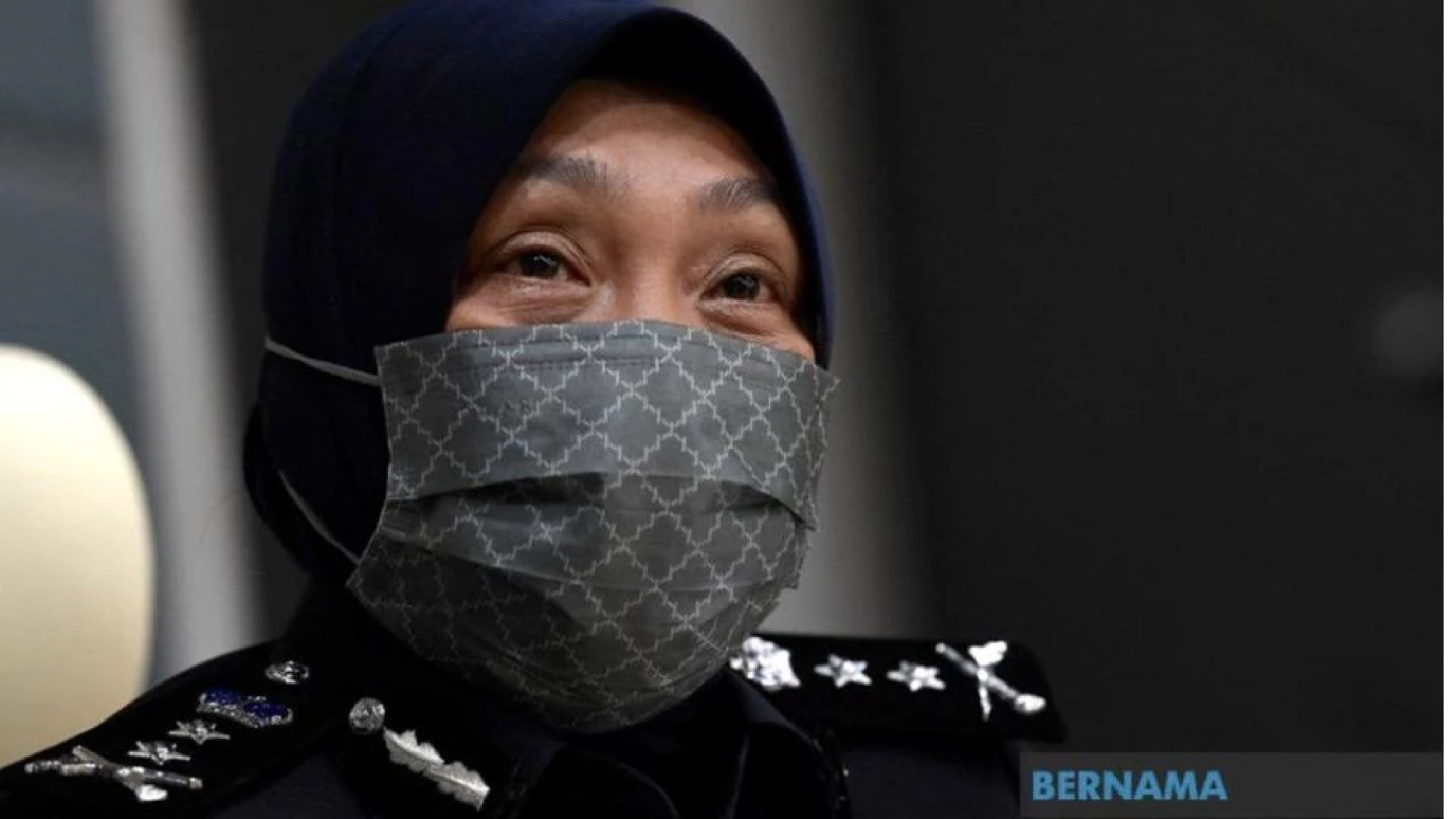
Although Thailand has allowed the use or smoking of cannabis (ganja), Malaysians visiting the kingdom are prohibited from returning with the substance, says Deputy Comm Datuk Surina Saad.
The Perlis police chief said police would take action against any individual bringing in cannabis into Malaysia even if included a little in cakes or other foodstuff and drinks.
“We don’t have the power to prevent anyone from touring the neighbouring country and taking cannabis there but legal action can be taken under the Dangerous Drugs Act 1952 if returning with cannabis or under the influence of the drug,” she told reporters, here, Thursday (July 21).
She was earlier asked about the action of a number of Malaysians who entered Thailand not just to tour the kingdom but also to take the opportunity of trying out ganja while there.
“Personally, I advise Malaysians not to try taking ganja while in Thailand although it is allowed there as the habit of smoking it can be detrimental to health,” she added.
Surina said she had also asked the agencies at the border to increase inspections to ensure that no one would bring into Malaysia any psychoactive drug such as cannabis, although no such cases had been reported so far.
“Police will not hesitate to act against any individual violating the law, including the drug laws,” she added.
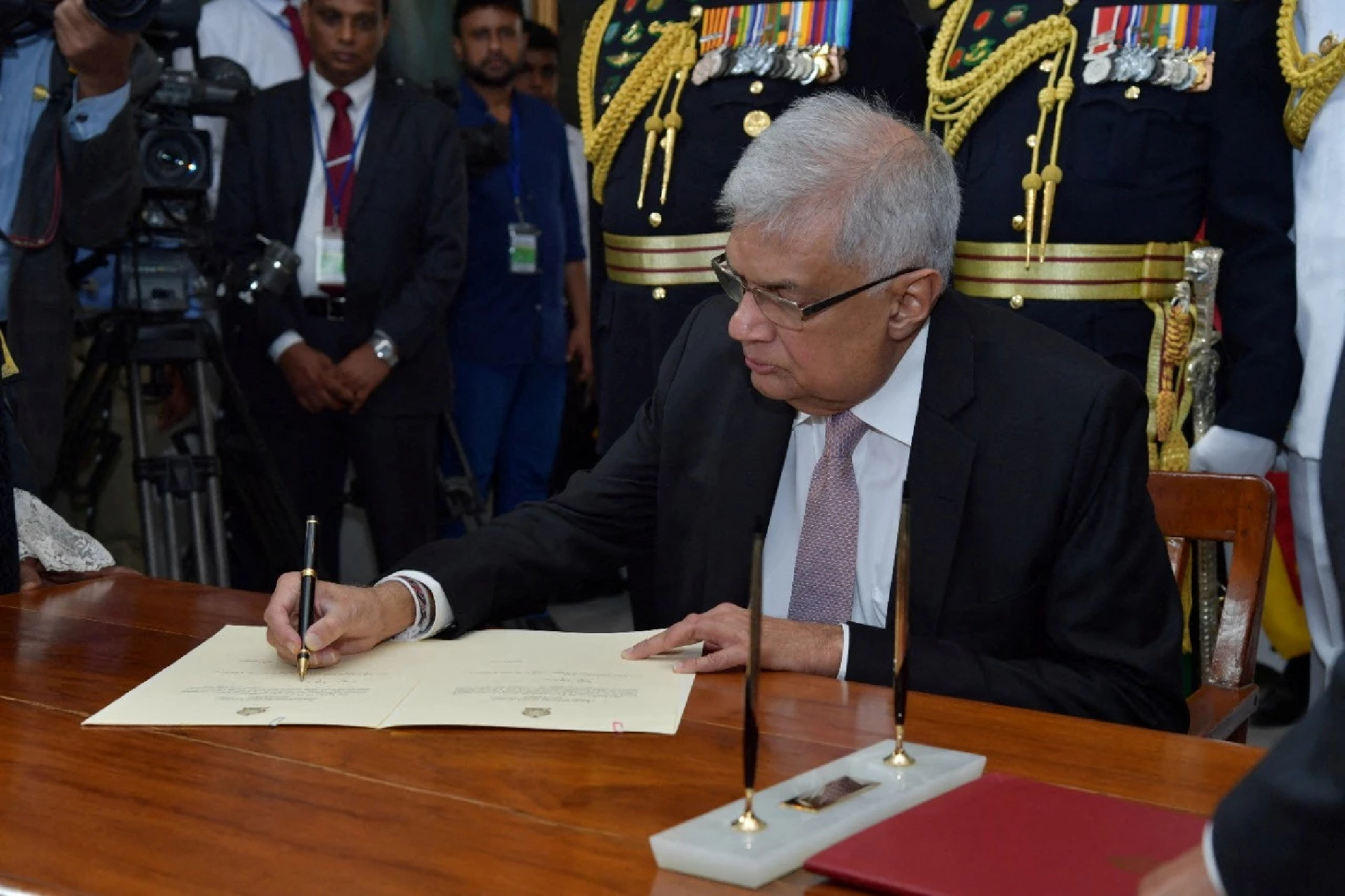
“Lucky” is how most Sri Lankans describe their new president Ranil Wickremesinghe, for his extraordinary record of popping up as a state leader when citizens, analysts and his fellow politicians least expect it.
The veteran politician, who could not win his own parliamentary seat in the 2020 elections, managed to still get Sri Lanka’s most powerful job on Wednesday
“Presidency was always on Ranil’s bucket list,” said a politician close to him but who is now in another party.
Wickremesinghe became Sri Lanka’s president when 134 of 223 parliamentarians voted for him to replace a former president on the run.
Gotabaya Rajapaksa — perhaps the only man Sri Lankans loathe more than Wickremesinghe today — fled to Singapore on July 15 to escape angry protesters who blame his economic mismanagement for Sri Lanka’s acute fuel, medicine and food shortages.
Wickremesinghe, 73, who once called politics “a blood sport like boxing” and one that needed as much stamina as in a marathon, faces his toughest moment yet.
He must now steer the island nation out of a benumbing economic crisis when his popularity is at its lowest.
Born to a wealthy press baron and schooled in the prestigious Royal College, the urbane lawyer won his first parliamentary election in 1977 with the United National Party. He became prime minister for the first time in 1993 in sombre circumstances: the assassination of his predecessor Ranasinghe Premadasa.
In his next 45 years as a ruling or opposition leader, Wickremesinghe was known as erudite but arrogant, and rich but relatively uncorrupt. He prioritised geopolitical friendships with the United States and India, market-friendly economic policies, and peace talks with Tamil separatists.
“Ranil’s political weapon is opportunism. He lies shrewdly in wait, to swoop in when it’s the right time,” said a Colombo analyst who did not want to be named.
For instance, Wickremesinghe joined forces with rival politician Maithripala Sirisena in 2015 to oust the Rajapaksas in an anti-corruption campaign.
And as Sri Lanka careened towards bankruptcy this year, he made rousing speeches against the Rajapaksa government’s missteps.
But when prime minister Mahinda Rajapaksa quit, Wickremesinghe accepted then president Gotabaya Rajapaksa’s offer of prime ministership.
The fleeing Rajapaksa also appointed now-ally Wickremesinghe as acting president two months later.
The man who once promised to abolish the presidency proceeded to impose a state of emergency in Sri Lanka.
Calling the new president “a ruthless pragmatist” unlike the populist Rajapaksas, protester Chameera Dedduwage said he was concerned about “the prosecution of leading members of the people’s struggle”.
Former central bank governor WA Wijewardena approved of Wickremesinghe’s “liberal approach to policy reforms”, and previous attempts to make the central bank independent. But his decisions during Sri Lanka’s massive crisis like “asking for favours from countries like India and USA”, planning to print rupees to pay salaries and getting small fertiliser shipments from India, were “like peanuts” and not promising, added Wijewardena.
Economist Ahilan Kadirgamar said that Wickremesinghe’s “inability to empathise with people and their needs” might make him “push for austerity and public spending cuts that will hurt millions of already struggling” Sri Lankans.
Japan’s NTT Group is set to kick off full-scale operations of a nationwide series of small stores featuring an unmanned payment system that allows customers to shop with their smartphones.
The system is intended for use at Japanese shops located inside companies for employees there, locations at hospitals and schools as well as at stores in rural areas where the workforce is in decline.
NTT Group aims to have the system set up at 200 stores nationwide by fiscal 2024. A subsidiary of NTT East Corp will provide the service.
Shoppers enter the store after scanning the QR code on their smartphones at the entrance. After selecting items for purchase, the smartphone camera is used to read the barcode of the product, and the customer pays via credit card or through e-money services that have been set up in advance.
Via this system, stores can reduce the number of staffers working at cash registers and focus manpower on stocking shelves and keeping stores clean.
Requiring fewer staffers makes it easy to operate during later nighttime hours, times for which it’s difficult to find manpower.
Because customers use their smartphones to make payments, the system does not require the installation of special self-checkout registers, making it easier for small stores to take advantage of the system.
The group is already providing the system to seven shops.
An NTT store for employees has transitioned to unmanned operations with the system having reduced the number of staffers, allowing it to extend business hours. Consequently, sales have increased and profits have improved significantly.
Based on the purchasing data of customers, artificial intelligence can analyse such factors as the number of items in stock and the weather, and advise the store on the appropriate amount of items to order.
It is also expected to send notifications on which items are selling well — something that could likely lead to a reduction of food loss — as the number of discarded unsold items can be reduced.
Unmanned stores are expanding, driven by the growing need for non-contact services because of the novel coronavirus pandemic.
FamilyMart Co, a major convenience store chain, has partnered with Japan Post Group to open stores within post offices nationwide, and East Japan Railway Co has also introduced unmanned shops at its station buildings.
NTT Group is focusing on expanding its business for corporate customers by utilising its expertise in the telecommunications business, as its fixed-line phone business is shrinking amid the growth of mobile phones and a declining population.


 .
.
 Park Ji-hyun





 SootinClaimon.Com