President Phúc urges deepening Vietnam-UK strategic partnership
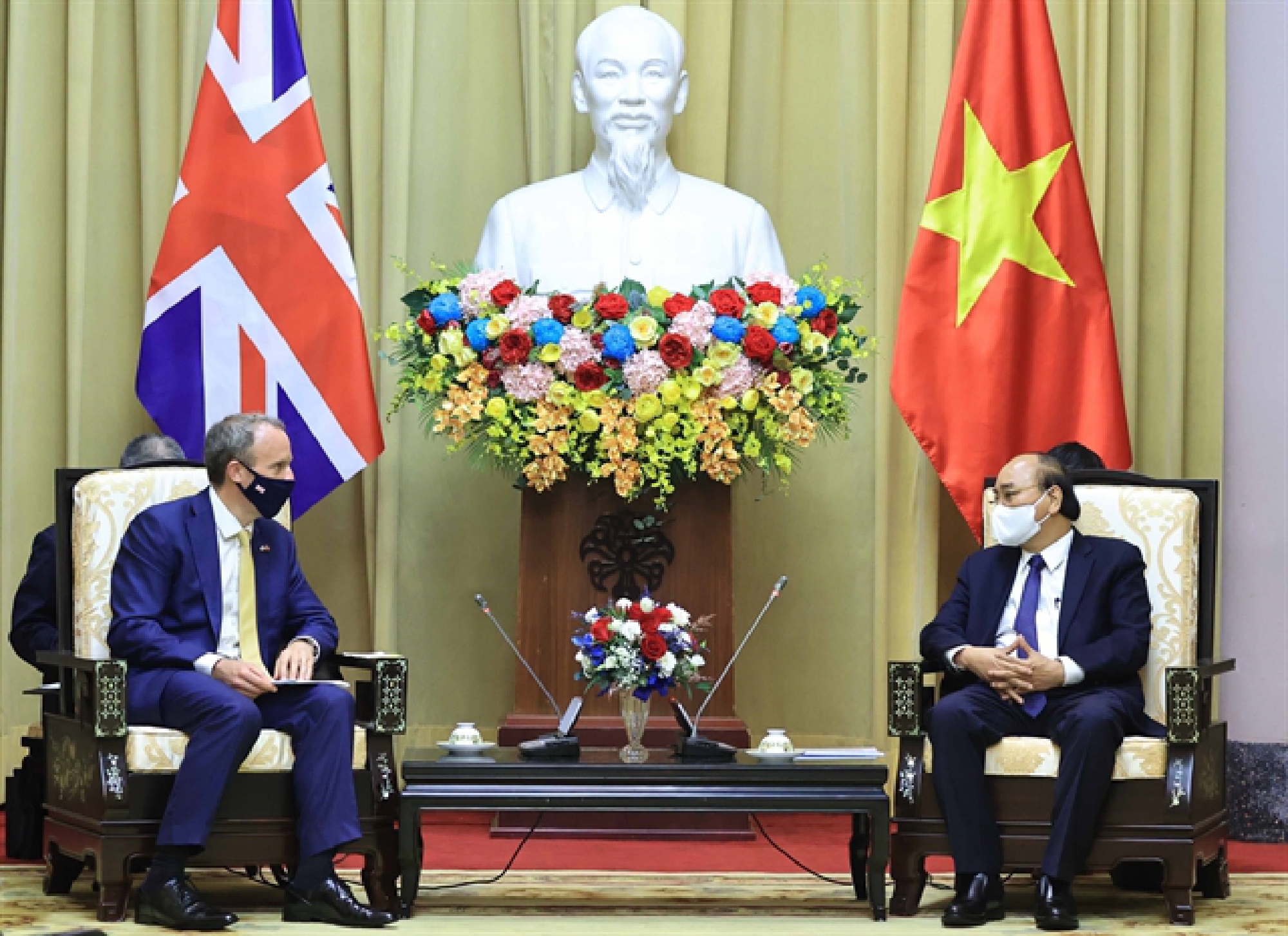
HÀ NỘI — President Nguyễn Xuân Phúc has urged Việt Nam and the UK to continue deepening their bilateral strategic partnership to meet the interests of the two countries and contribute to regional and world peace, stability and cooperation.
The President was speaking during a reception for First Secretary of State and Secretary of State for Foreign, Commonwealth and Development Affairs of the UK Dominic Raab in Hà Nội on Tuesday, during his official visit to Việt Nam.
He said the two sides should give priority to the effective implementation of the UK-Việt Nam Free Trade Agreement (UKVFTA) towards creating breakthroughs in trade and investment cooperation, affirming that Việt Nam will create all possible conditions for UK businesses to invest in potential fields such as banking, insurance, financial services, digital services and renewable energy.
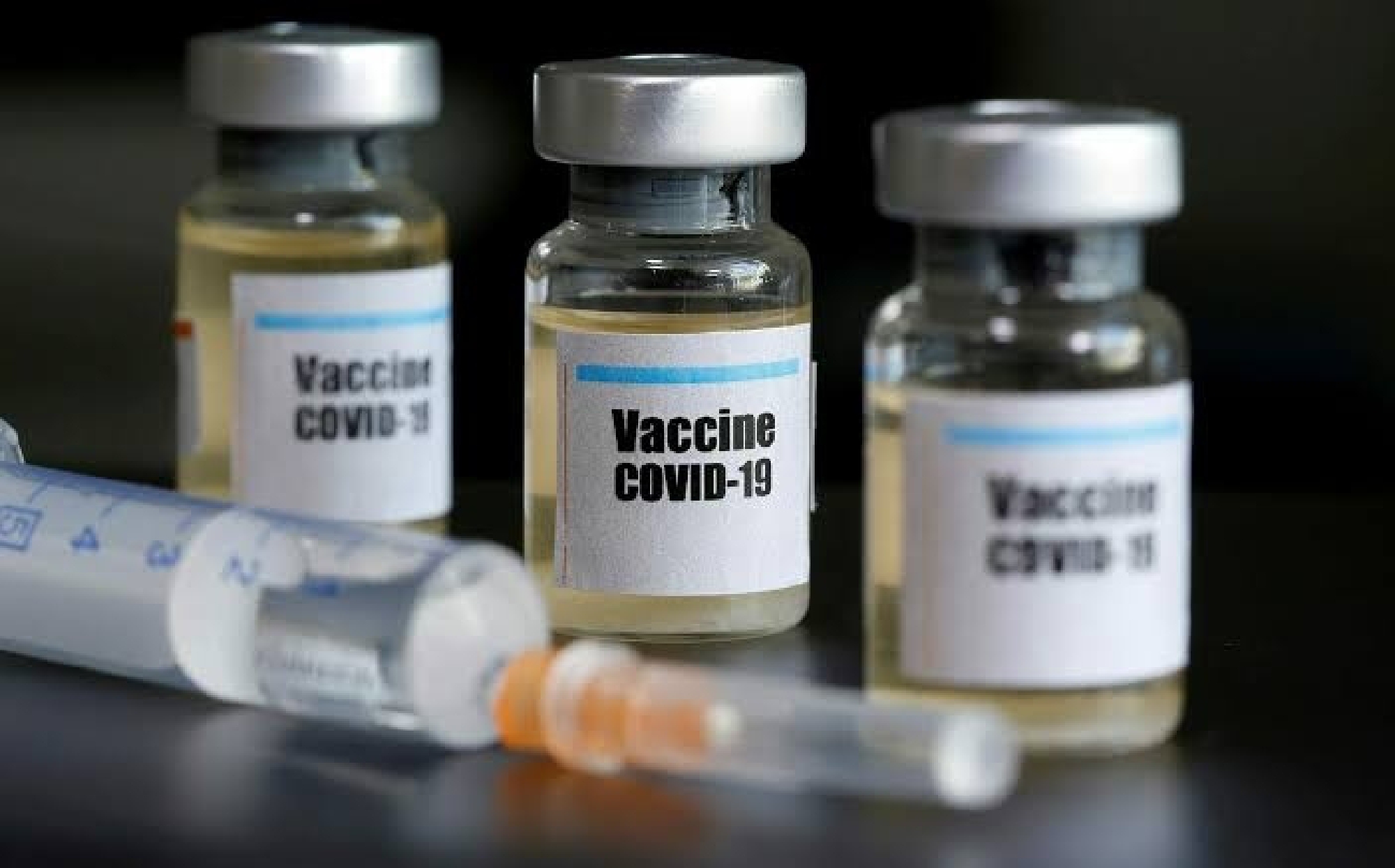
Phúc hailed the UK as a leading country in Europe and the world in researching, developing and administering COVID-19 vaccines, and asked the UK to help Việt Nam access vaccine supply and production technology.
Secretary of State Raab underlined that the UK attaches importance to developing relations with Việt Nam as the UK is adjusting its policy towards the Indo-Pacific region post Brexit. He informed President Phúc that he had discussed with Vietnamese foreign minister Bùi Thanh Sơn the measures to implement the content of the bilateral strategic partnership, with a focus on the resumption of delegation exchange, cooperation mechanisms and orientations for coordination to optimise opportunities brought by the UKVFTA.
The official said he was impressed by Việt Nam’s achievements in controlling COVID-19, and said the UK is ready to contribute vaccines as part of global efforts to control the pandemic, including providing vaccines to friendly countries and strategic partners like Việt Nam.
He thanked Việt Nam, with its rising role in the region, for actively backing the UK in promoting its cooperation with ASEAN and negotiating on joining the Comprehensive and Progressive Agreement for Trans-Pacific Partnership (CPTPP).
The two sides agreed to work closely at important multilateral forums in 2021 such as the UN Security Council, ASEM and the 26th UN Climate Change Conference of the Parties (COP26).
President Phuc spoke highly of the UK’s role and contribution to peace, security, and maritime freedom in the region and the world.
The UK official affirmed the importance of ensuring maritime and navigation freedom, security and peace in the East Sea, and emphasised compliance to international law, including the 1982 UN Convention on the Law of the Sea (UNCLOS 1982). — VNS
Bomb blast occurs near Tamwe’s administrative office
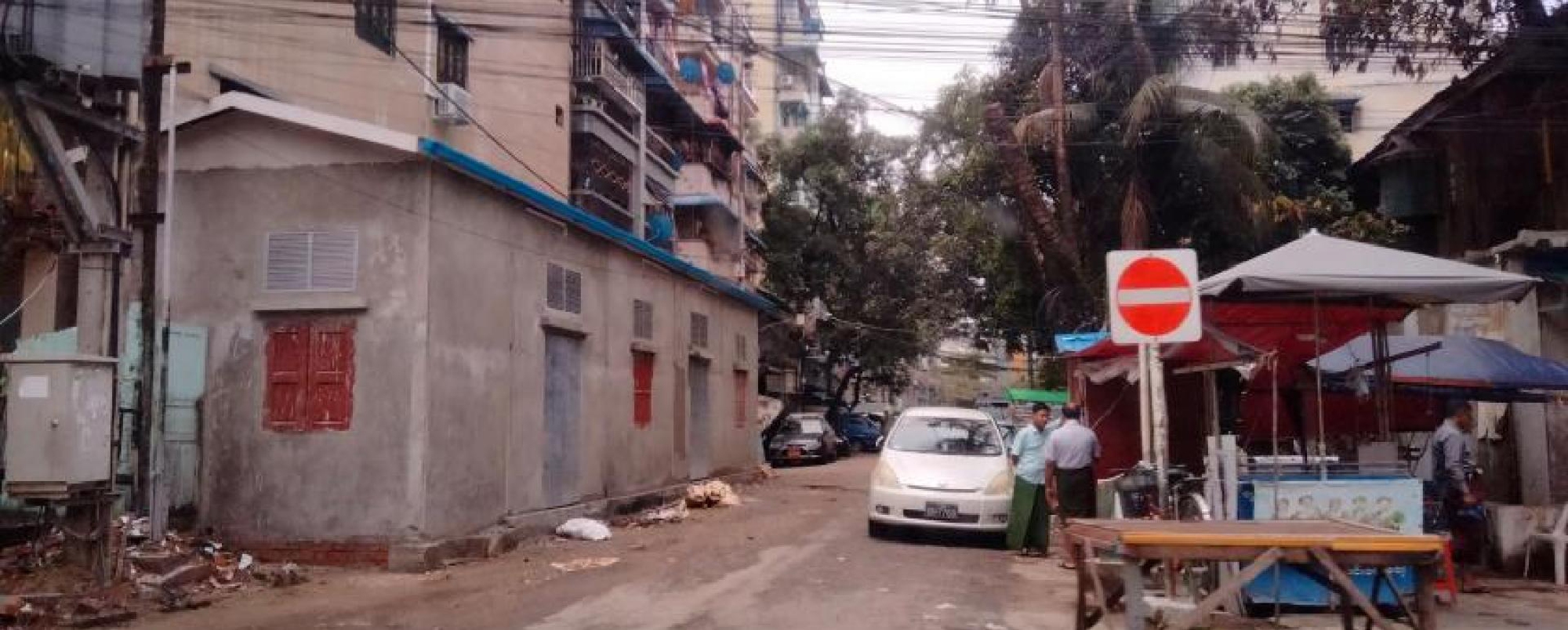
YANGON – Explosions occurred at near administrative office in Maukone ward in Tamwe Township, Yangon Region, at night of June 21st.
“Blast occurred at an office over 8:30 pm on Monday. There was no injury. An office is renovated because it was on fire recently. Now, explosion occurs again at a newly building,” said neighbourhood resident.
After explosion, the security members carried out the checks by blocking the streets.
Similarly, bomb blasts occurred in several townships in Yangon Region at a signal day of June 19th.
Moreover, blast occurred at an administrative office in Ngamoeyeik Ward, Thingangyun Township at about 6pm on June 18th and then serial explosions occurred near Yoneshae and 113 Bus stops and City Mart since the noon of June 18th.
On the same day, two explosions had occurred on Banyadala Road in Tamwe Township causing some casualties.
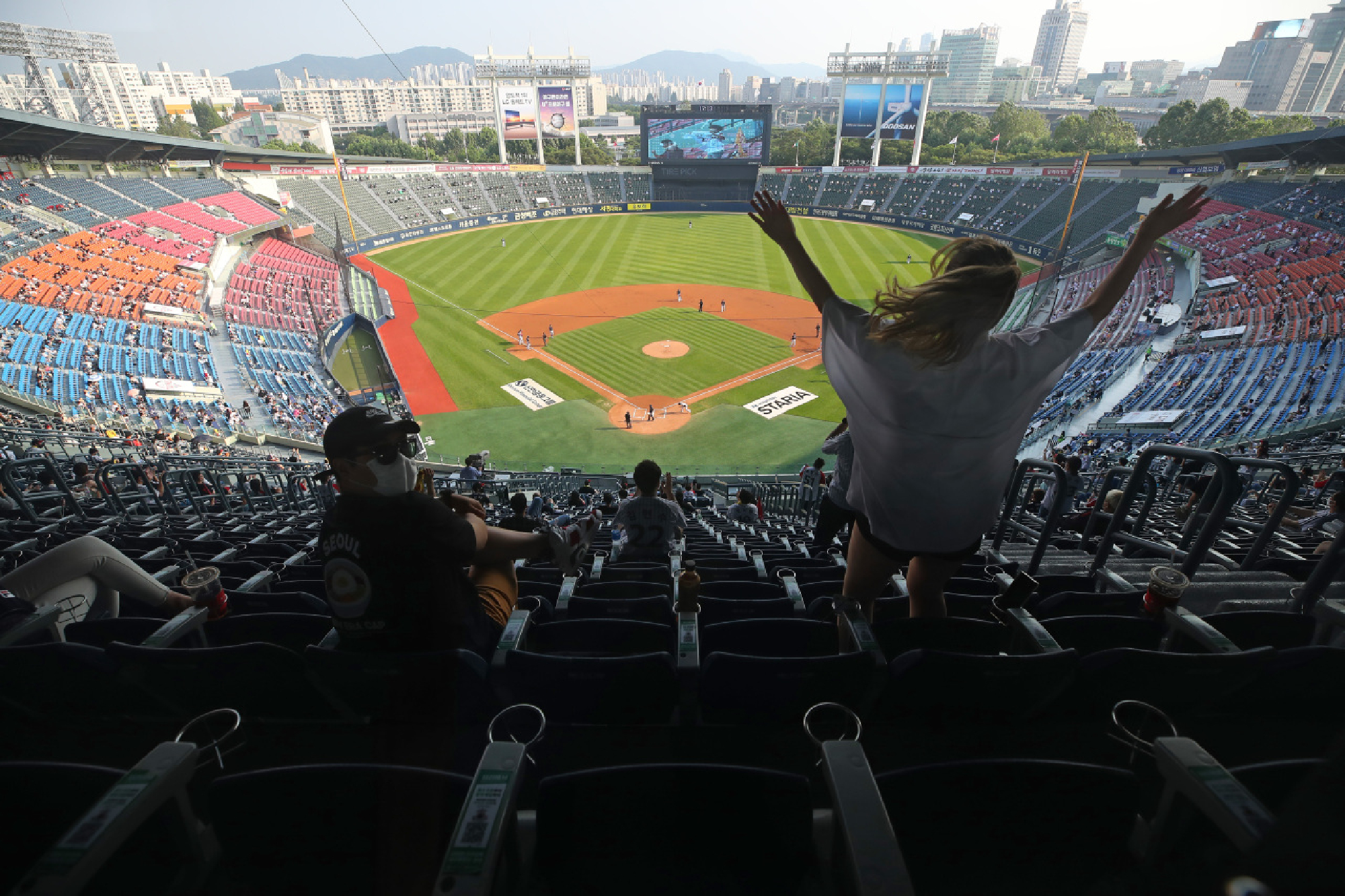
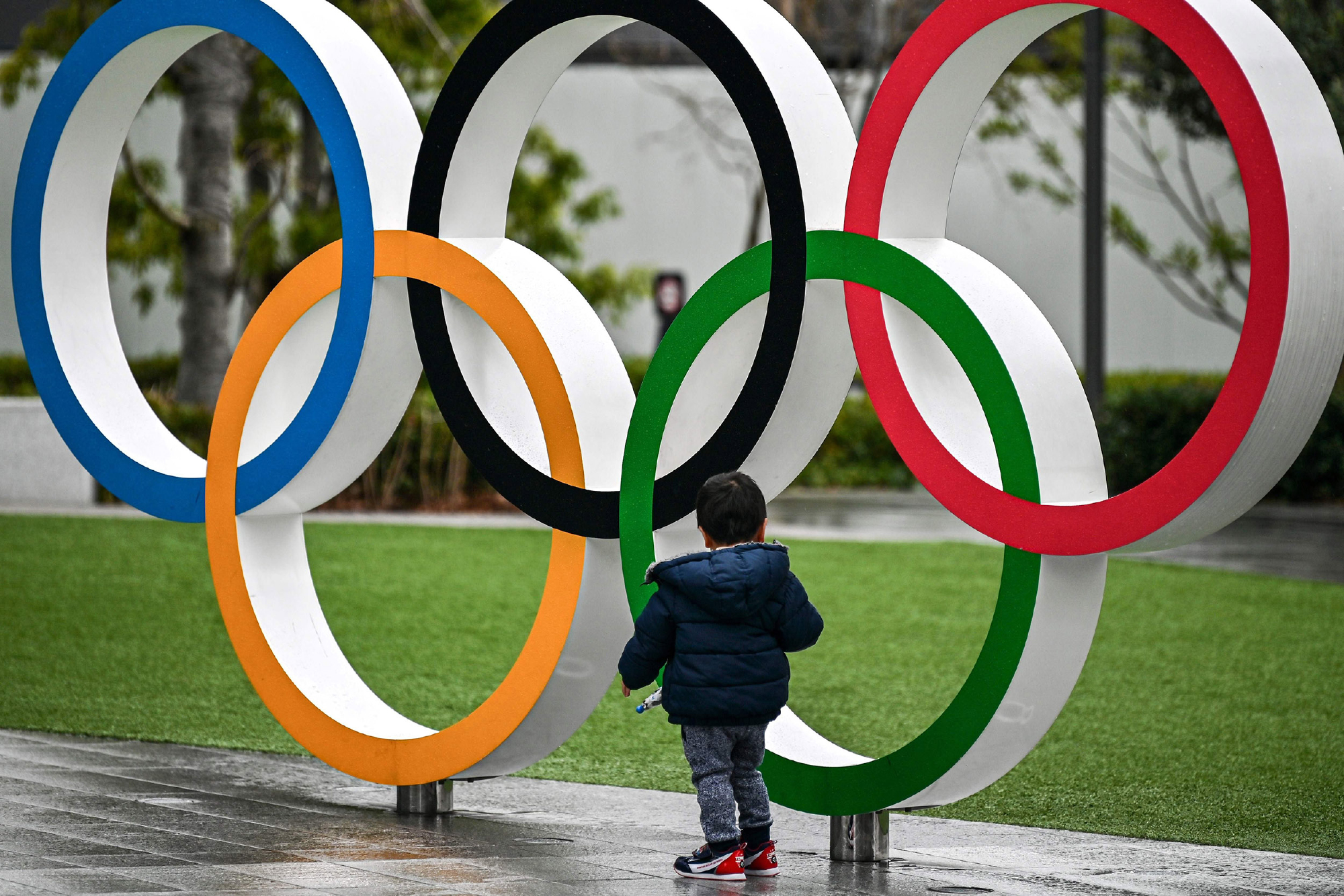
The Tokyo Games organizing committee on Wednesday released its spectator-based COVID-19 control guidelines, which include a ban on consuming, selling or bringing alcohol into Olympic venues.
In consideration of one of the Games’ sponsors, Asahi Breweries Ltd., the Tokyo Organizing Committee of the Olympic and Paralympic Games studied an option to allow alcohol consumption under certain conditions. However, committee chief Seiko Hashimoto told reporters that such a ban “was a decision, based on expert advice, made to prevent infections.”
Hashimoto said the committee held talks with Asahi, which was planning to sell alcoholic beverages at the venues, and got its consent.
Alcohol will not be served even to those who purchased tickets for stadium suites or have meals included with admission.
The guidelines stipulate that spectators cannot enter stadiums with a temperature of 37.5 C or higher in two checks. The rules also ask spectators not eat or drink in groups at venues and that they return home directly after events. Fans should also keep their ticket stubs or admission data for at least 14 days.
Those who refuse to comply with those rules will be refused entry or removed from venues.
When the organizing committee held a liaison conference with local governments prior to the press conference, leaders brought up the issue of virus control among spectators during night events, and the committee pledged to determine its policy by July 11, when emergency-level priority measures are scheduled to end.
Following the meeting, Chiba Gov. Toshihito Kumagai and Saitama Gov. Motohiro Ono announced separately at their government buildings that they urged the committee not to have spectators at events that start after 9 p.m.
“As long as there is no dramatic improvement in the situation as far as infections, we are more than likely going to have no choice but to restrict spectators for events after 9 p.m.,” Kumagai said.
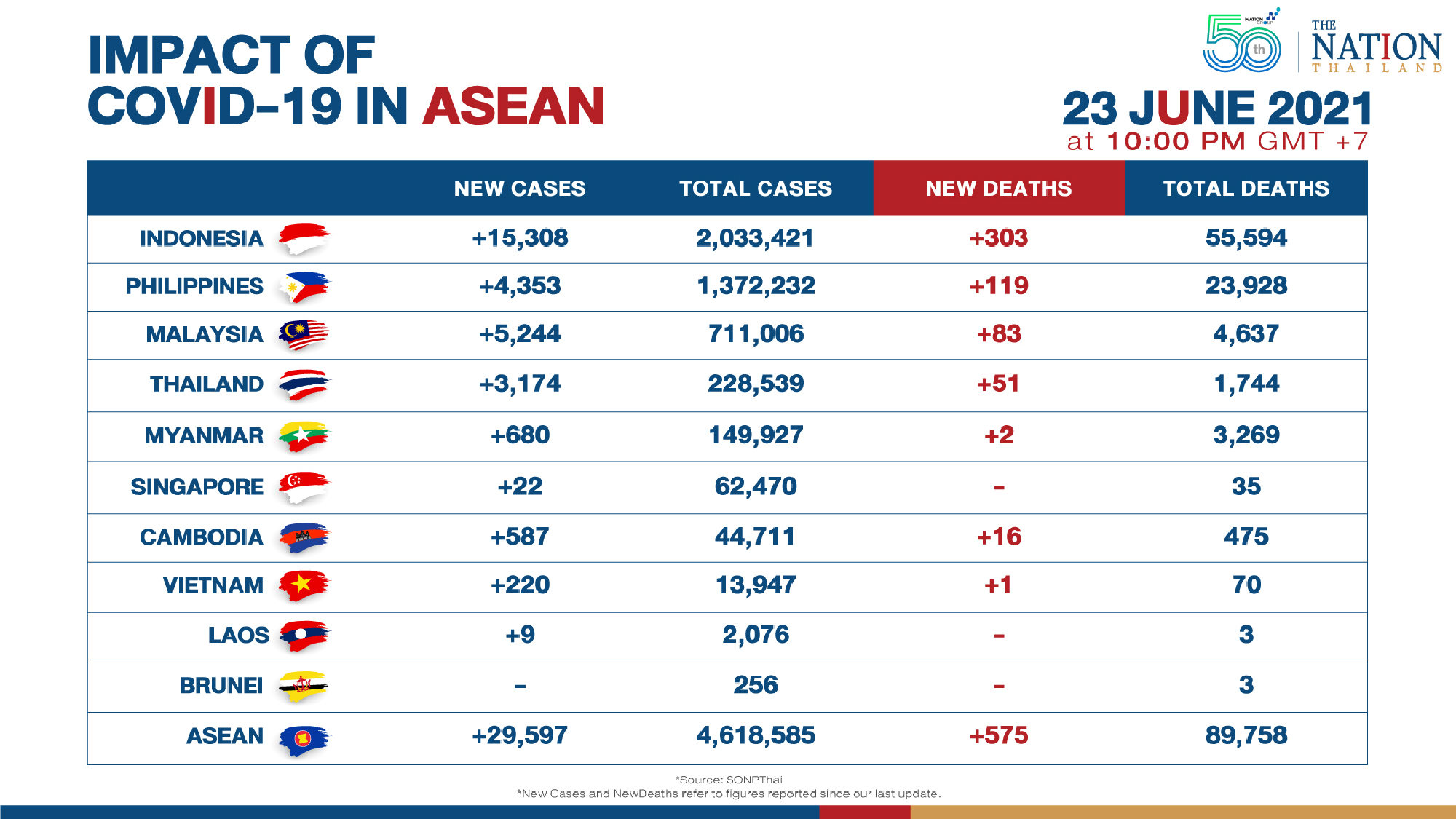
The number of Covid-19 cases in Southeast Asia crossed 4.61 million, with 29,597 new cases reported on Wednesday, higher than Tuesday’s tally of 27,720, while new deaths were put at 575, increasing from Tuesday’s 527 and taking total Covid-19 deaths in Asean to 89,758.
Indonesia postponed the reopening of its top tourist destination Bali to the third quarter after the Delta variant of the coronavirus was found among its locals. The government also ordered all businesses in the red zones to close before 8pm unless they had the necessity to remain open until later, while company offices were instructed to allow at least 3/4th of their staff to work from home. Religious gatherings have also been prohibited.
Several areas of Jakarta’s business districts will be under curfew from 9pm to 4am.
Meanwhile, Malaysia’s Public Health Ministry urged people not to share an internet post saying a man had died a day after he got the Covid-19 jab because he ate durian. The ministry said there is no evidence of death after eating durian linked to vaccine recipients and that people are not prohibited from eating the fruit before getting vaccinated.
Chip giant GlobalFoundries to build new $5.4 billion plant in Singapore, add 1,000 high-value jobs
SINGAPORE – Semiconductor manufacturer GlobalFoundries is increasing its production capacity in Singapore with a hefty US$4 billion (S$5.4 billion) investment.
The addition of a new fab, or manufacturing plant, here comes amid a global chip shortage and is expected to add around 1,000 jobs, the firm said on Tuesday (June 22).
About 95 per cent of these jobs will be high-value roles such as equipment technicians, process technicians, and engineers.
GlobalFoundries’ investment is in partnership with the Singapore Economic Development Board (EDB) and co-investments from customers.
Its investment commitment here is among the largest in recent years, with the Republic attracting investments from multinational companies in the electronics, chemicals, and pharmaceutical industries.
The new fab, which is under construction, will be located in its existing Woodlands campus and is expected to start production in January 2023. It is slated to reach full capacity by early 2024.
The fully automated fab will have about 250,000 sq ft of cleanroom space and add about one-third wafer production capacity to the company’s Singapore operations, bringing its capacity to about 1.5 million wafers per year.
Singapore accounts for about one-third of GlobalFoundries’ revenue and serves about 200 customers worldwide. The manufacturer has about 4,800 employees here, around a third of its global headcount.
Its chief executive Tom Caulfield said: “Our new facility in Singapore will support fast-growing end-markets in the automotive, 5G mobility and secure device segments with long-term customer agreements already in place.”
Its expansion in Singapore comes alongside planned investments of over US$1 billion each in manufacturing sites in Germany and the United States, he noted in a virtual press conference on Tuesday.
The US$6 billion committed over the next few years is on top of its planned US$1.4 billion investment in 2021 to raise output at its factories.
The firm is accelerating its investments around the world to meet the challenge of the global chip shortage, Dr Caulfield said, adding that he expects that supply will still be outpaced by demand in the next five to eight years.
It is expanding first in Singapore as the factory here has been around for longest and is at full capacity, he said.
GlobalFoundries has five wafer fabs here and has committed $12 billion in fixed asset investments since its acquisition of Chartered Semiconductors in 2010.
Chip giant GlobalFoundries to build new $5.4 billion plant in Singapore, add 1,000 high-value jobs
Mr Ang Kay Chai, senior vice-president and head of global operations at GlobalFoundries, also highlighted the importance of supply security for its operations and said the company will have duplicate technologies produced in its fabs in different locations more often moving forward.
The chipmaker’s efforts to expand capacity come as the global chip shortage continues, with supply outstripped by demand and prices for consumer goods going up as a result. Automakers and consumer electronics manufacturers have been hit, leading to delays in production and higher prices.
The virtual groundbreaking ceremony for GlobalFoundries’ new Singapore fab on Tuesday was witnessed by Transport Minister and Minister-in-charge of Trade Relations S. Iswaran and Mubadala Investment Company managing director and group CEO Khaldoon Khalifa Al Mubarak, among others.
GlobalFoundries is owned by Mubadala Investment Company, the Abu Dhabi state investor.
EDB chairman Beh Swan Gin said that the semiconductor industry is a key pillar of Singapore’s manufacturing sector, and GlobalFoundries’ new fab investment is testament to the Republic’s attractiveness as a global node for advanced manufacturing and innovation.
“It will help GlobalFoundries’ customers to strengthen the resilience of their supply chains, and also add to the vibrancy of our economy through the creation of good jobs for Singaporeans and business opportunities for our local enterprises,” he added.
Mr Iswaran said that on top of adding 1,000 jobs, GlobalFoundries’ expansion will also contribute many more employment opportunities through the supporting ecosystem of suppliers, contractors and service providers. The investment also brings Singapore closer to achieving its goal of growing the manufacturing sector by 50 per cent by 2030, he added.
“GlobalFoundries’ continued growth in Singapore also builds on the strong bilateral relationship between Singapore and Abu Dhabi,” he noted, adding that the United Arab Emirates remains Singapore’s top trading and investment partner in the Middle East despite the Covid-19 pandemic.
Addressing a question on the company’s possible initial public offering, which could value the manufacturer at US$30 billion, Dr Caulfield said he had no comment.
He added that the firm is “heads down focused” on growing and creating the capacity its customers require.
Indian Olympic body criticizes Tokyo committee over restrictions on athletes
NEW DELHI — The Indian Olympic Association has sent a written protest to the Tokyo Organizing Committee of the Olympic and Paralympic Games, saying that placing strict regulations on athletes from India and its neighboring countries to prevent the spread of the coronavirus is “unfair and discriminatory,” several Indian media organizations have reported.
The organizing committee has indicated that it will ask athletes from the regions where the Indian, or Delta, coronavirus variant is prevalent not to engage in practices with Olympians and Paralympians from other countries and regions for the first three days after entering Japan.
The Indian side has expressed concern that such restrictions will affect the athletes in terms of preparing for their events and even their meals.
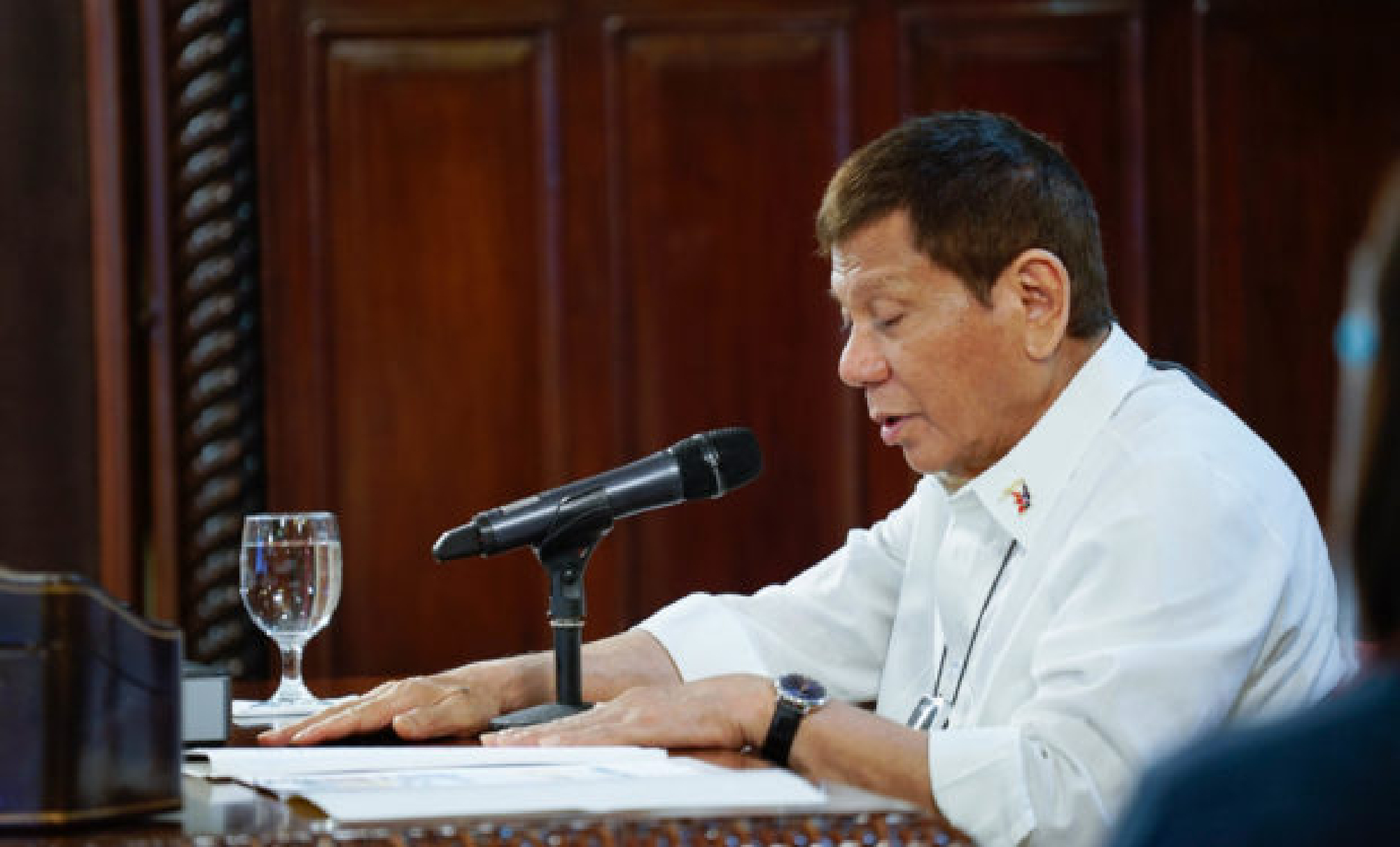
MANILA, Philippines — After telling Filipinos not to be choosy about which COVID-19 vaccines to take, President Rodrigo Duterte is now threatening to arrest and jail people who refuse to get inoculated despite the relatively small number of shots that are available in the country.
“Don’t get me wrong. There is a crisis being faced in this country. There is a national emergency. If you don’t want to be vaccinated, I will have you arrested. And the vaccine will be injected into your butt,” he said during his weekly national television address on Monday.
There was no explanation for what triggered the sudden threat, considering that many officials, particularly outside Metropolitan Manila, had been appealing for more vaccines and many inoculations had to be stopped due to shortages.
Duterte’s remarks came as the country’s vaccine supply was still far from catching up with demand three months since the government rolled out its mass immunization drive against COVID-19.As of June 20, health authorities had fully vaccinated nearly 2.2 million people, making slow progress toward their target to immunize up to 70 million of the country’s 110 million population.
“I am just exasperated by, you know, Filipinos not heeding the government. Us here, we want nothing more but the good of the country,” the President said.
He called those who refuse to be vaccinated “jerks,” “sons of a whore” and a “nuisance” who can spread the virus.
“Those of you who don’t want to be vaccinated, I will give you the vaccine for pigs — ivermectin,” he said.
Roque explanation
Presidential spokesperson Harry Roque on Tuesday said Duterte’s warnings were meant to emphasize what the state could do during a public health emergency.
“It is clear from Philippine and American jurisprudence that compulsory vaccination can be implemented. But it must have a legal basis,” he said, citing a 1936 Supreme Court ruling that upheld a penalty against a doctor who did not inoculate his twin daughters against smallpox according to the prescribed method at that time.
Both Roque and Justice Secretary Menardo Guevarra said there was still a need for a law that would impose penalties on those who refuse to be vaccinated.
“As a lawyer, [the President] knows that not getting vaccinated is a legal choice,” Guevarra told reporters, noting that some of the vaccines were actually still in the trial phase.
“I believe that the President merely used strong words to drive home the need for us to get vaccinated and reach herd immunity as soon as possible,” he said.
Guevarra said the refusal to be inoculated was not tantamount to violating public health protocols being implemented by the government.
“Getting vaccinated is not mandatory, but complying with health protocols is mandatory,” he pointed out.
Roque cited United States jurisprudence, which the Philippine justice system often relies upon, saying that individual rights “may at times, under the pressure of great dangers, be subjected to such restraint to be enforced by reasonable regulations as the safety of the general public may demand.”
Police power
Using the state’s police power to force people to get vaccinated would violate an individual’s rights, but this would be done to protect a greater interest, which is public health and public safety, he said.
Several senators criticized the President for making threats instead of encouraging people to get vaccinated and increasing the supply.
According to Sen. Nancy Binay, vaccine hesitancy is not the biggest problem in the vaccine rollout.
“Vaccine supply is the biggest problem, so we need to address that,” she said in a television interview on Tuesday.
She cited reports that residents in Manila had lined up at vaccination centers as early as dawn to ensure they get their jabs.
Use of threats
In a Zoom interview with reporters, Sen. Francis Pangilinan said threats of arrest and incarceration are not effective tools to convince people to get vaccinated.
“If every government policy that was carried out through threats proved to be effective, then by now we would be in a better situation,” he said.
Sen. Risa Hontiveros said there was no need to terrorize the people into taking the shots “if only the country has a steady and ample supply of vaccine that is safe, effective and appropriate to their condition.”
She said the Duterte administration failed to get citizens to trust vaccination as the best antidote against COVID-19.
“We have spent more than a year under a state of national emergency. The administration has been afforded with resources to increase the public’s confidence toward a safe, potent, and effective vaccine. Sadly, this was not done,” Hontiveros said.
Health advocates believe immunization should remain “voluntary” rather than mandatory.
“Coercion as is the case when arrests are to be made should be the absolute last resort when measures that have not yet been exhausted do exist,” said health systems expert Dr. Albert Domingo.
Former government public health adviser Dr. Tony Leachon said the government must instead focus on addressing hesitancy, which is driven by lack of awareness, perceived adverse events after immunization and lack of available vaccines that people prefer.
Confused, undecided
He said “verbal invectives” could offend people who are both confused and undecided about whether to get inoculated or not.
Domingo quoted international health law professor Lawrence Gostin in saying that mandatory vaccination could be “lawful and ethical” but this was in the context of inoculating healthcare workers, in which immunization is seen as part of their duty.
He said that while it is within the state’s police power to impose measures that would protect public health, “this is [also] the perfect opportunity for the government’s pandemic advisers to demonstrate ‘solid science’ as a solution to vaccine hesitancy.”
Others question mandating vaccination at this time because the available shots worldwide had only been granted emergency use authorization, instead of a full license that comes after the completion of all the steps in vaccine development.
—WITH REPORTS FROM MARLON RAMOS, MELVIN GASCON, MARICAR CINCO, AND INQUIRER RESEARCH
Published : June 23, 2021
By : Leila B. Salaverria/Philippine Daily Inquirer/ANN
Rich countries hoarding Covid-19 vaccines, imposing conditions on supply: Momen
Bangladeshs Foreign Minister AK Abdul Momen expressed disappointment over rich countries behaviour in terms of supplying Covid-19 vaccines, saying they are hoarding vaccines and stipulating conditions for supply to other countries.
“Our prime minister said Covid-19 vaccines should be a public good. Unfortunately, rich countries are hoarding vaccines. They have several times more vaccines than they need. Vaccines are expiring,” he said without naming any country or the conditions.
“Those countries promised vaccines but are not supplying it. Before giving [the vaccines], they are asking for this or that in in return. Nothing should be tied to vaccines” Momen told reporters today at the foreign ministry after his return from a weeklong visit to the US.
During his visit, he had attended two UN events — one on the Myanmar situation and the other on least developed countries (LDCs) — and held a number of bilateral meetings with senior UN officials.
Bangladesh is desperately seeking vaccines from various countries including the US, China, Russia, UK, Australia and Canada following India’s halt of vaccine export in February, after Serum Institute of India’s supply of only seven million of the 30 million AstraZeneca vaccines contracted with Bangladesh.
Bangladesh then reached out to other countries. China has donated 1.1 million Sinopharm vaccines, while Bangladesh received 106,000 doses of Pfizer/BioNTech’s Covid-19 vaccine. Bangladesh also signed a deal with China for vaccine import and is in the final stages of a deal with Russia.
Some 15 lakh Bangladeshis who had received the first dose of the AstraZeneca vaccine are waiting for the second dose but unsure of when the country would get more doses of that particular vaccine.
Two weeks ago, the foreign ministry said Bangladesh would receive 1 million 800 AstraZeneca vaccines through Covax, but did not confirm the time of arrival.
Momen said the US Secretary of State Antony Blinken has written a letter to him recently, assuring vaccine supply following requests from the Bangladesh government and the Bangladeshi community for AstraZeneca vaccine.
He said Blinken said they will consider Bangladesh’s case, but did not mention the amount and time. The US basically wants to give the vaccine under the Covax facility, but Bangladesh said they can also supply vaccines on a bilateral basis.
“The good news is that the US government is positive about Bangladesh,” Momen said after the Biden administration announced the distribution list for 55 million of the 80 million doses of The US’s own vaccine supply which the president pledged to allocate by the end of June.
Of that, 16 million will come to Asia, including Bangladesh.
Last week, the G7 summit promised distribution of 1 billion vaccines globally by next year. Momen said the rich countries are making promises but are not delivering yet.
Referring to his attending the UN event on the Myanmar crisis, Momen said Bangladesh’s focus is Rohingya repatriation but Myanmar has not kept its promise of creating conducive conditions for Rohingya refugees to return.
“However, our friends, who speak of human rights and appreciate us for hosting the Rohingyas, are increasing their business with Myanmar. Their business with Myanmar has increased up to 15 percent,” he said.
“We raised such double standards at the UN,” he said.
Referring to the UN General Assembly resolution on Myanmar, Momen said Bangladesh wants restoration of democracy in Myanmar but also Rohingya repatriation. However, the developed countries did not include the repatriation issue in the resolution, which is why Bangladesh abstained from voting.
The Bangladeshi diaspora in New York requested the foreign minister to ensure their security when they visit Bangladesh, speed up the process of issuing dual citizenship and frame a policy so that their children can legally repatriate money that they get by selling their parental properties in Bangladesh.
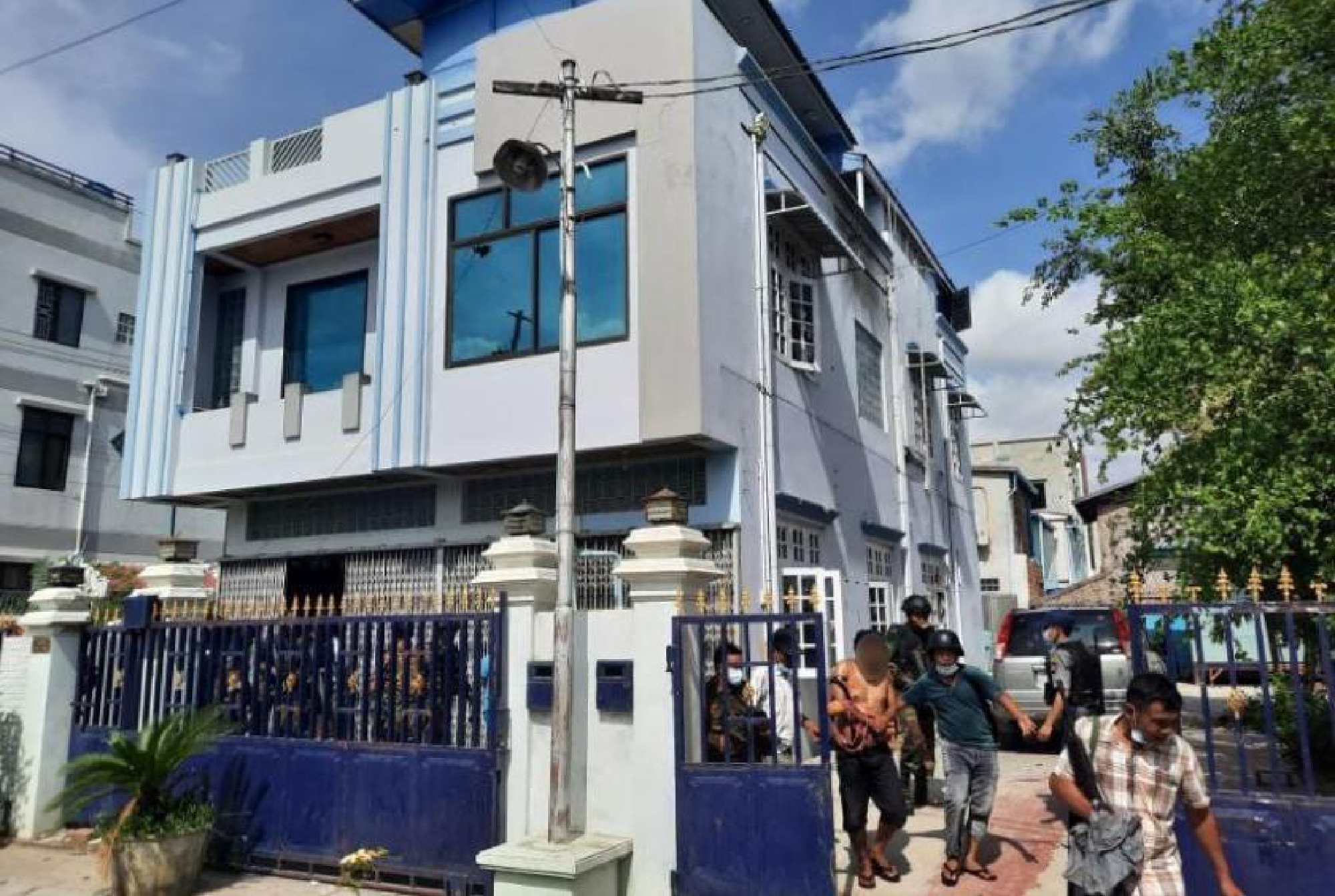
A shootout occurred this morning in Chanmyathazi Township, Mandalay Region, according to neighbourhood residents.
The clash started after security forces searched and raided a house near the corner of 111th Street and 54th Street in Htondon Ward, Chanmyathazi Township.
“Earlier, armed men in plainclothes came. They were wearing bulletproof vests. After the shootout started, many more military trucks arrived. We heard gunfire for a long time,” said a resident near Manawhari Street in the township.
The scene of the shootout was a location of PDF (People’s Defence Force) members, they said in their Facebook post. Some security forces were severely wounded and some PDF members died.
In connection with the incident, the information team of the State Administration Council issued a press release today saying that eight people died and eight others were arrested together with some homemade bombs, grenades and small weapons.
In its Viber group, the information team answered the media questions: “Acting on information that some terrorists had arrived in Mandalay city with arms and ammunition to carry out bomb attacks, security forces serving regional security duties in Chanmyathazi Township went to and searched a house at the corner of 54th Street and 111th Street at about 7.30 am. As the terrorists there attacked them with grenades and small guns, they had to counterattack. In the shootout, some security troops were seriously wounded, four of the terrorist group killed, either others arrested and some homemade bombs, grenades and small weapons seized.”
The press release also said a white Pajero (still under scrutiny) attacked the security forces with small weapons on 53rd Street and ran away. When the security forces chased them, their car hit the transformer in the corner of 56th and 110th Streets. The dead bodies of four terrorists on board and the car were seized.
The information team said further information would be released.
Korea meets first vaccine target: 13 million people get one dose
But in face of troubling variant, country may be rewarding itself with easing too early, experts warn.
Korea reached its COVID-19 vaccine target for the first half of the year on Tuesday, with 13 million adults inoculated with at least one dose, according to Korea Disease Control and Prevention Agency statistics, more than three months since its vaccination campaign kicked off on Feb. 26.
“About a quarter of Koreans had one dose of a vaccine as of today,” the agency’s senior official Kim Ki-nam told a news briefing. Tuesday’s feat brings Korea closer to the goal of having 70 percent of its population vaccinated with at least one shot by the end of September, and eventually to herd immunity later in the winter, he added.
Having cleared the vaccination goal, the Ministry of Health and Welfare also announced further relaxations in the country’s COVID-19 measures within the country and at the border from July, the details of which will be unveiled on Sunday. But as variant-driven outbreaks trouble countries with higher vaccination rates, some experts disapprove of easing restriction too early.
Son Young-rae, the ministry’s spokesperson, told reporters Tuesday that from next month, quarantine exemptions will also be extended to fully vaccinated travelers from countries where the delta variant is dominant.
“The vaccines seem to work very well against the alpha variant, which is why the UK is not considered high-risk,” he said. “There’s not much evidence to suggest the delta variant is more resistant to existing vaccines, either.”
Every month the government assesses the COVID-19 risks in each country and region, Son said, and whether travel restrictions should be expanded to protect Korea from variants will depend on emerging information. Travelers from South Africa, where the vaccine-evasive beta variant is prevalent, will still be subject to quarantine upon arrival regardless of their vaccination status, for instance.
Dr. Paik Soon-young, emeritus professor of virology at Catholic University of Korea, said health authorities “may be underestimating the price Korea will pay by deeming the risks associated with the delta variant to be comparable to the alpha variant.”
“There’s reason to be more cautious,” he said. Paik said data from the UK suggested the delta variant may be even more transmissible — by 40 to 60 percent — than the alpha variant, which is already thought to have higher transmissibility than the existing forms of the virus. Not only that, the risk of hospitalization with the delta variant was double that of the alpha variant.
Korea was probably failing to catch up with the highly contagious variant, too. The delta variant has already been traced to several community outbreaks over the month, the latest one involving a police officer in Incheon that left at least 58 infected. Currently the delta variant accounts for less than 10 percent of 1,964 variant cases reported here, but the figure was “likely to be vastly undercounted,” Paik said.
Infectious disease professor Dr. Kim Woo-joo of Korea University argued against dropping restrictions based on first-dose vaccination rates, saying the eased rules coming into force in July was “too soon, when only 6 percent of Korea’s population is fully vaccinated.”
“The UK is way ahead of Korea in terms of vaccinations, and still struggling to stop the delta variant from running rampant,” he said. The UK delayed lockdown easing by four weeks on Tuesday amid rising cases of the delta variant.
“The focus should be on the second dose,” he said, citing new Public Health England data that showed the vaccines offered significant protection against the delta variant only after two full doses.

 Chip giant GlobalFoundries to build new $5.4 billion plant in Singapore, add 1,000 high-value jobs