Philippines will be among last in Asia to achieve herd immunity – UK think tank #SootinClaimon.Com

#SootinClaimon.Com : ขอบคุณแหล่งข้อมูล : หนังสือพิมพ์ The Nation.

https://www.nationthailand.com/international/40002306

Philippines will be among last in Asia to achieve herd immunity – UK think tank


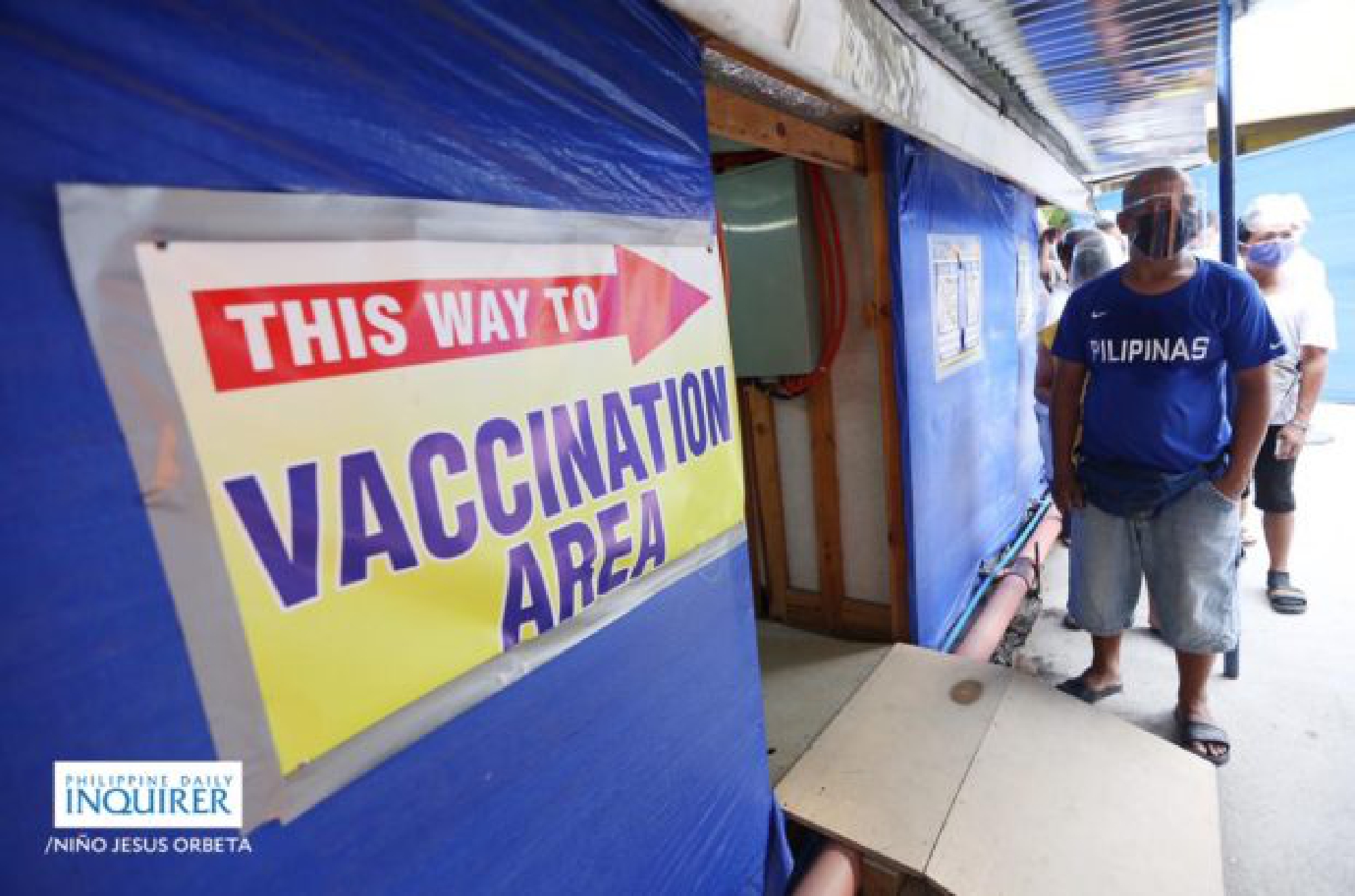
MANILA, Philippines — A think tank said on Monday that most Asian countries could achieve herd immunity — including from the more contagious Delta variant of COVID-19 — by next year, except for the Philippines and Vietnam where mass vaccination lagged behind their neighbors’ vaccine rollout.
Philippines will be among last in Asia to achieve herd immunity – UK think tank

In a report on “vaccination rates [in] emerging Asia” posted on its website on Monday, the United Kingdom-based Pantheon Macroeconomics said herd immunity could be achieved if 85 percent of populations were vaccinated, taking into consideration the emergence of the Delta variant first detected in India in February.

At the current pace of vaccinations in emerging Asian economies including India, Indonesia, Thailand and Vietnam, the organization said the Philippines would be among the last to reach herd immunity.

“The relatively slow pace of vaccination in the Philippines implies that early 2023 probably is the best the archipelago can hope for,” said the report by Miguel Chanco, senior Asia economist of Pantheon Macroeconomics.

Rollout update

The Department of Health’s vaccine rollout update on Monday showed 8,407,342 doses had been administered as of June 20.

The number of first doses administered reached 6,253,400, and the number of vaccinees who have completed their second dose was 2,153,942 as of Sunday night.

Mass vaccination has been going on for four months now and has covered more priority groups apart from medical front-liners, the elderly and those with comorbidities.

The government targets to vaccinate 70 million Filipinos by year-end.

Regional outlook

Elsewhere in the region, Pantheon Macroeconomics said Vietnam “likely will be a victim of its own

success, as its much-lauded ‘zero COVID-19’ stance means that protection from previous infection is close to zero, which doesn’t mix well with its regionally sluggish jab rollout.”

Pantheon Macroeconomics’ estimates showed immunity against the Delta variant could be achieved in India as early as the third quarter of this year.

The think tank said Thailand will reach herd immunity by the second quarter of 2022, and Indonesia in the third quarter of that year.

“The daily rate of vaccination has picked up noticeably in the region since the middle of last month, suggesting that the supply issues these developing countries are facing finally are being smoothed out,” the report said.

“Large parts of emerging Asia can now realistically hope to achieve some semblance of herd immunity before the middle of next year—even if the threshold is higher to contain the Delta variant—assuming they are at least able to sustain the current rate of vaccination,” the report said.

Published : June 22, 2021

By : Ben O. de Vera/Philippine Daily Inquirer/ANN
Hong Kong to cut quarantine time for vaccinated travelers #SootinClaimon.Com

#SootinClaimon.Com : ขอบคุณแหล่งข้อมูล : หนังสือพิมพ์ The Nation.

https://www.nationthailand.com/international/40002305

Hong Kong to cut quarantine time for vaccinated travelers


HONG KONG – The Hong Kong Special Administrative Region government said on Monday that it would shorten the quarantine period for vaccinated people arriving in the city to seven days from 14 days provided travelers show sufficient antibodies against the coronavirus.

Hong Kong to cut quarantine time for vaccinated travelers

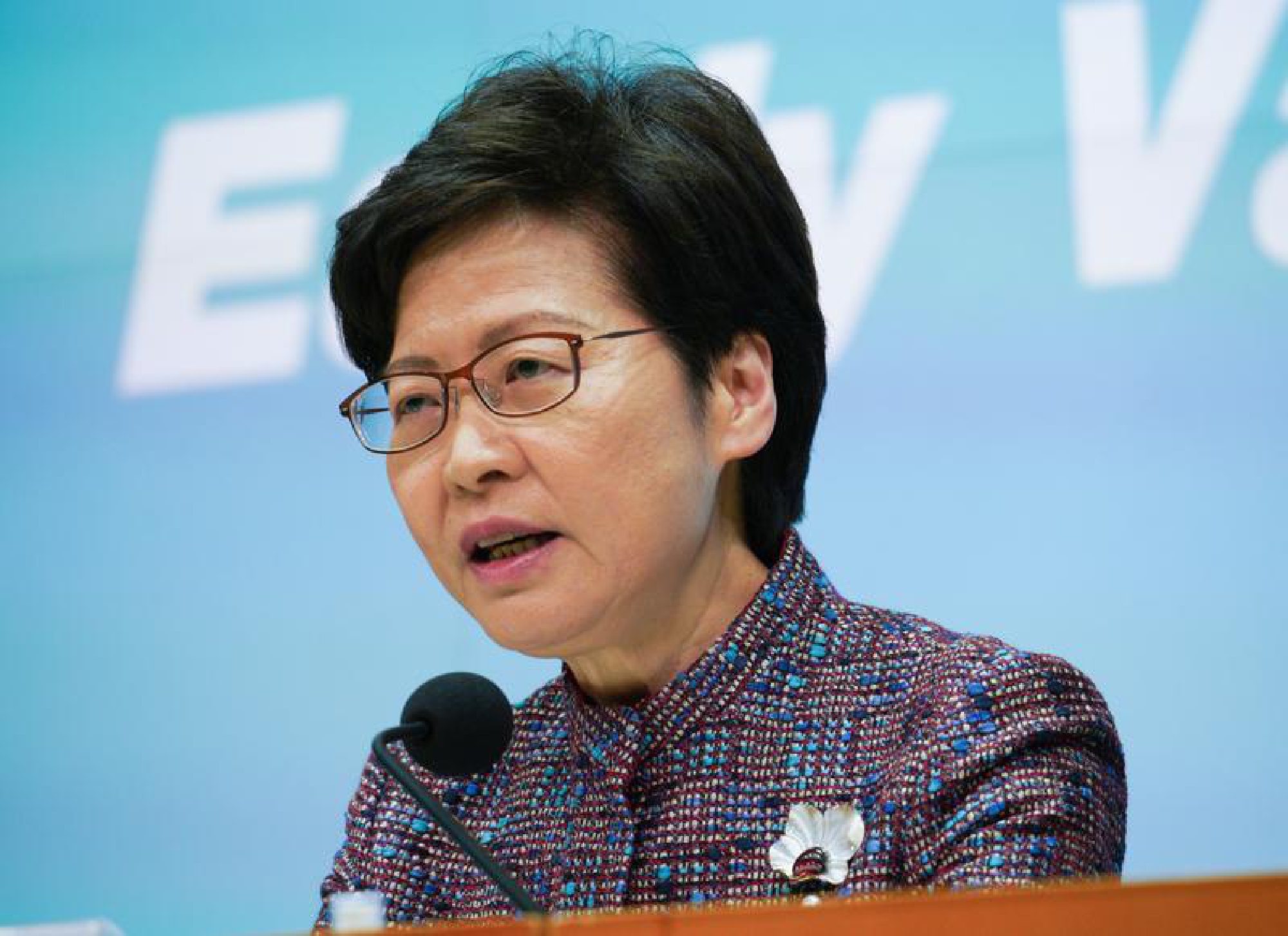
The program is expected to be rolled out in two phases, with returning Hong Kong residents to be included on June 30 and non-residents a month later, Chief Executive Carrie Lam Cheng Yuet-ngor said at a briefing on Monday.

The new measures were only applicable to people who have logged 14 days following their second vaccination dose, she added.

In addition to being fully vaccinated, people will need to undergo two nucleic acid tests during quarantine followed by more tests 12, 16 and 19 days after arriving, according to a government statement.

Lam didn’t say which places might be excluded from the plan, but the statement later outlined that only so-called Group A1 and A2 specified places would miss out. The “extremely high-risk” category currently includes India, Nepal, Pakistan, Brazil, the Philippines and South Africa. Ireland and Indonesia are A2.

While many parts of the world have opened up again fairly quickly, Hong Kong has pursued a cautious approach after effectively wiping out COVID-19. Others in the Asia Pacific region have acted similarly, aiming for “Covid Zero” at the expense of reopening borders. 

If Hong Kong’s latest quarantine plan proceeds, it would be the first of these places to allow vaccinated tourists to enter. The financial hub has some of the toughest quarantine rules globally with residents mandated to stay for up to 21 days in hotels after arriving.

Hong Kong reported three imported COVID-19 cases on Monday, two from the United Kingdom and one from Indonesia, as the city marked the 14th day of no local infections.

The city “is well equipped to allow persons arriving at Hong Kong who are fully vaccinated and possess positive serology antibody test results,” a government spokesman was quoted as saying in Monday’s statement. “Meanwhile, as Hong Kong is an international metropolis, many of our citizens have genuine needs to travel around the world.”

Serology testing will also be a requirement for quarantine exemptions for senior executives of major listed companies.

Asked if unvaccinated children would qualify for shorter quarantines, Lam said the government will study how to apply rules to those who cannot access COVID-19 shots. Only children aged 12 and above are eligible for vaccinations in Hong Kong. We “will come up with a response,” Lam said.

ADVERTISEMENT

The move to reduce the quarantine duration comes as the government tries to incentivize more of its 7.5 million population to get COVID-19 vaccinations. As of Sunday, 1,940,405 residents have taken at least the first vaccine shot, or less than 30 percent of the city’s eligible population.

Lam said HKSAR officials were also discussing with their Macao SAR counterparts about facilitating cross-border travel by shortening quarantine periods or providing exemptions. She added that the two sides have agreed with the basic requirements for travelers such as vaccination, testing and quota booking, as well as a circuit breaker in case of a new outbreak.

Lam also said the Come2hk program, which allows Guangdong residents to enter the HKSAR without being quarantined and was originally scheduled for mid-May, will resume after Guangdong authorities fully contained the outbreaks in the province.

Lam said she will also submit suggestions on larger-scale cross-border travel to other parts of the mainland to the central government for consideration.

Speaking at the same press conference, Secretary for Food and Health Sophia Chan Siu-chee said some social distancing measures including will be eased from June 24 for vaccinated residents.

Up to four people will be allowed per table at bars and night clubs, while eight people can sit together at party rooms and karaoke lounges, Chan said.

HKSAR authorities have over the past month urged businesses and financial institutions to encourage vaccinations and urged them to grant employees a day off for each jab.

Many corporates have unveiled incentives and rewards for vaccinations. The city has largely controlled the virus with around 11,800 infections and 210 deaths.

With inputs from Agencies

Published : June 22, 2021

By : Wang Zhan/China Daily/ANN

“Well done India” : PM Modi #SootinClaimon.Com

#SootinClaimon.Com : ขอบคุณแหล่งข้อมูล : หนังสือพิมพ์ The Nation.

https://www.nationthailand.com/international/40002304

“Well done India”: PM Modi


More than 80 lakh vaccine doses were administered across the country till Monday evening on the first day of the revised guidelines for Covid-19 vaccination coming into effect, the Union Health Ministry said.

“Well done India”: PM Modi

It is the highest number of doses administered in a day since the vaccination drive started on 16 January. India’s cumulative Covid-19 vaccination coverage is now nearly 28.7 crore.
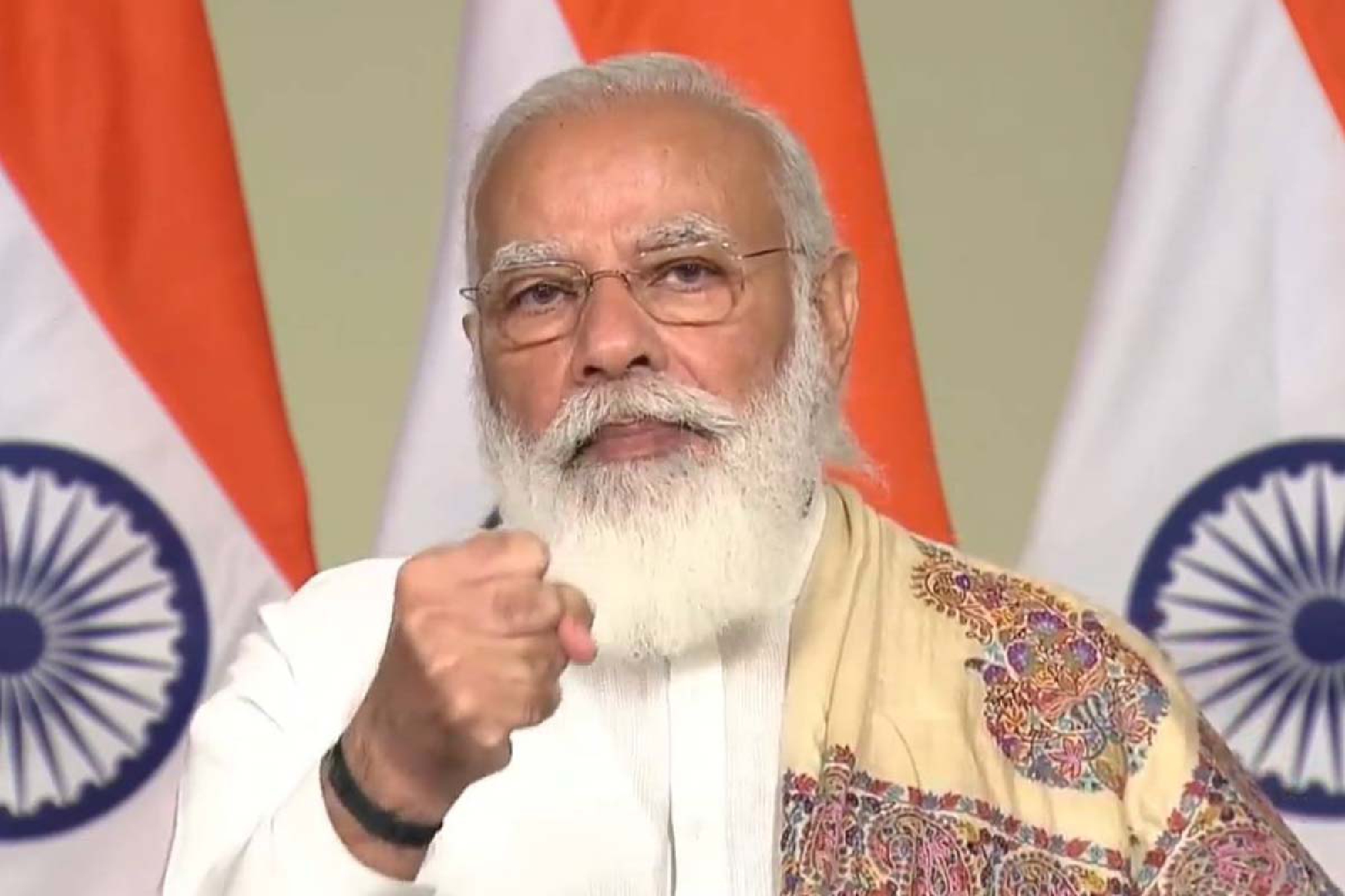
“Central Government is beginning the ‘Free Vaccination For All campaign’ for every Indian from today. The biggest beneficiary of this phase of India’s vaccination drive shall be the poor, the middle class and the youth of the country. All of us should pledge to get ourselves vaccinated. Together we will defeat Covid-19,” Prime Minister Narendra Modi said.
According to the revised guidelines, vaccine doses provided free of cost by the Centre will be allocated to states and UTs based on criteria such as population, disease burden and the progress of vaccination, and all above the age of 18 will be eligible for the free jabs. Any wastage of vaccine will affect the allocation negatively, they said.
The Centre will now procure 75 percent of the vaccines being produced by the manufacturers in the country.

The biggest beneficiary of this phase of India’s vaccination drive shall be the poor, the middle class and the youth of the country, he said in a message posted on Twitter.

“Today’s record-breaking vaccination numbers are gladdening. Vaccine remains our strongest weapon to fight Covid-19. Well done India,”he tweeted.

Published : June 22, 2021

By : The Statesman/ANN

Indonesia passes 2 million cases amid record daily rise #SootinClaimon.Com

#SootinClaimon.Com : ขอบคุณแหล่งข้อมูล : หนังสือพิมพ์ The Nation.

https://www.nationthailand.com/international/40002303

Indonesia passes 2 million cases amid record daily rise


Health authorities reported 14,536 new COVID-19 cases on Monday, the highest daily rise since the pandemic hit the country last year, as Indonesia passed the 2 million confirmed cases mark. 

Indonesia passes 2 million cases amid record daily rise

The national COVID-19 task force also reported 294 new deaths from COVID-19 on the same day, taking the total to 54,956. Meanwhile, a total of 1.8 million patients have recovered. 

According to the official count, the number of active cases has risen by 5,009 to 147,728. 

Jakarta recorded the highest single-day jump in the archipelago on Monday with 5,014 additional cases. Significant surges were also reported in Central Java and West Java with 3,252 and 2,719 cases, respectively. 

The country has seen surges of COVID-19 cases in several regions of the country. The rising case numbers have occurred in the weeks following increased mobility during the Idul Fitri holidays.
 
Authorities also suspect that transmission was likely exacerbated by the more transmissible Delta variant, which has been detected in Jakarta, Central Java and East Java. 

While regions have been attempting various measures to curb the spread of the virus, the government has no plans for another round of large-scale social restrictions (PSBB), let alone full lockdowns, and instead insists on implementing the more lenient micro-scale public activity restrictions (PPKM Mikro). 

On Monday, Coordinating Economic Minister Airlangga Hartarto announced several tighter restrictions under the PPKM Mikro aimed at reducing people’s mobility, to curb the virus transmission, such as reducing the number of people allowed to work from offices and limiting restaurant operating hours to 8 p.m. (kuk)

Published : June 22, 2021

By : The Jakarta Post/ANN

[Vietnam] Every citizen to have QR Code by 2025 in an effort to develop digital Government #SootinClaimon.Com

#SootinClaimon.Com : ขอบคุณแหล่งข้อมูล : หนังสือพิมพ์ The Nation.

https://www.nationthailand.com/international/40002266

[Vietnam] Every citizen to have QR Code by 2025 in an effort to develop digital Government


HÀ NỘI — Every citizen in Việt Nam will have a digital identity with a QR Code by 2025 in an effort to promote the development of digital Government.

[Vietnam] Every citizen to have QR Code by 2025 in an effort to develop digital Government

This will enable citizens, enterprises and other organisations to participate in the operation of Government agencies to improve transparency and service quality as well as improving social values.

This was a key point in the e-Government development strategy towards building a digital Government in the 2021-25 period approved early this week.

The strategy aimed to complete the development targets of e-Government by the end of this year to serve the formation of digital Government by 2025.

As mentioned in the strategy, e-Government included online meetings, paperless document processing, contactless administrative procedures and cashless payments.

Digital Government was a broader definiton, which included e-Government with safe operation in the digital environment, ability to provide new services, ability to optimise resources and the ability to lead the national digital transformation and effectively handle big issues in socio-economic management and development.

Digital Government was developed to let citizens, enterprises and other organisations participate in an appropriate way in the operation of Government agencies and interact to enhance transparency, improve service quality and together handle problems.

In comparision, e-Government set targets of better serve citizens and enterprises.

Minister of Information and Communications Nguyễn Mạnh Hùng said that the targets for forming e-Government would be basically completed in 2021 with the focus on enabling the provision of all public services at level 4. Level 4 is the highest level of online public services which allows users to fill and submit forms and pay fees online.

By 2025, digital Government would be formed, which would enable the provision of Government services round-the-clock following demand while new services would be provided based on the open database.

To promote the formation of the digital Government, the strategy set targets of completing the legal environment, developing the national digital infrastructure, the national digital platform, the national data and national apps together with ensuring network security and safety.

Accordingly, policies would be put forward so that Việt Nam could be in the list of the top 50 countries in terms of digital Government development by the United Nations by 2025 and in the top 30 by 2030.

Specifically, the strategy targeted that every citizen would have a digital identity with a QR Code and own a smartphone. Every household would have a digital address and could access broadband internet.

Each citizen would have a digital health record, while medical examination and treatment facilities could provide remote examination and treatment and allow cashless payments and electronic prescriptions.

Each student would have a digital record of their studies, schools allow cashless payments and provide digital learning materials. Each farmer will have the ability to access, exploit and use the digital platform for agriculture, reducing the dependence on intermediary stages from production to distribution. — VNS

Published : June 21, 2021

By : Viet Nam News/ANN

Singapore F&B outlets gear up for mandatory regular Covid-19 tests for staff #SootinClaimon.Com

#SootinClaimon.Com : ขอบคุณแหล่งข้อมูล : หนังสือพิมพ์ The Nation.

https://www.nationthailand.com/international/40002265

Singapore F&B outlets gear up for mandatory regular Covid-19 tests for staff

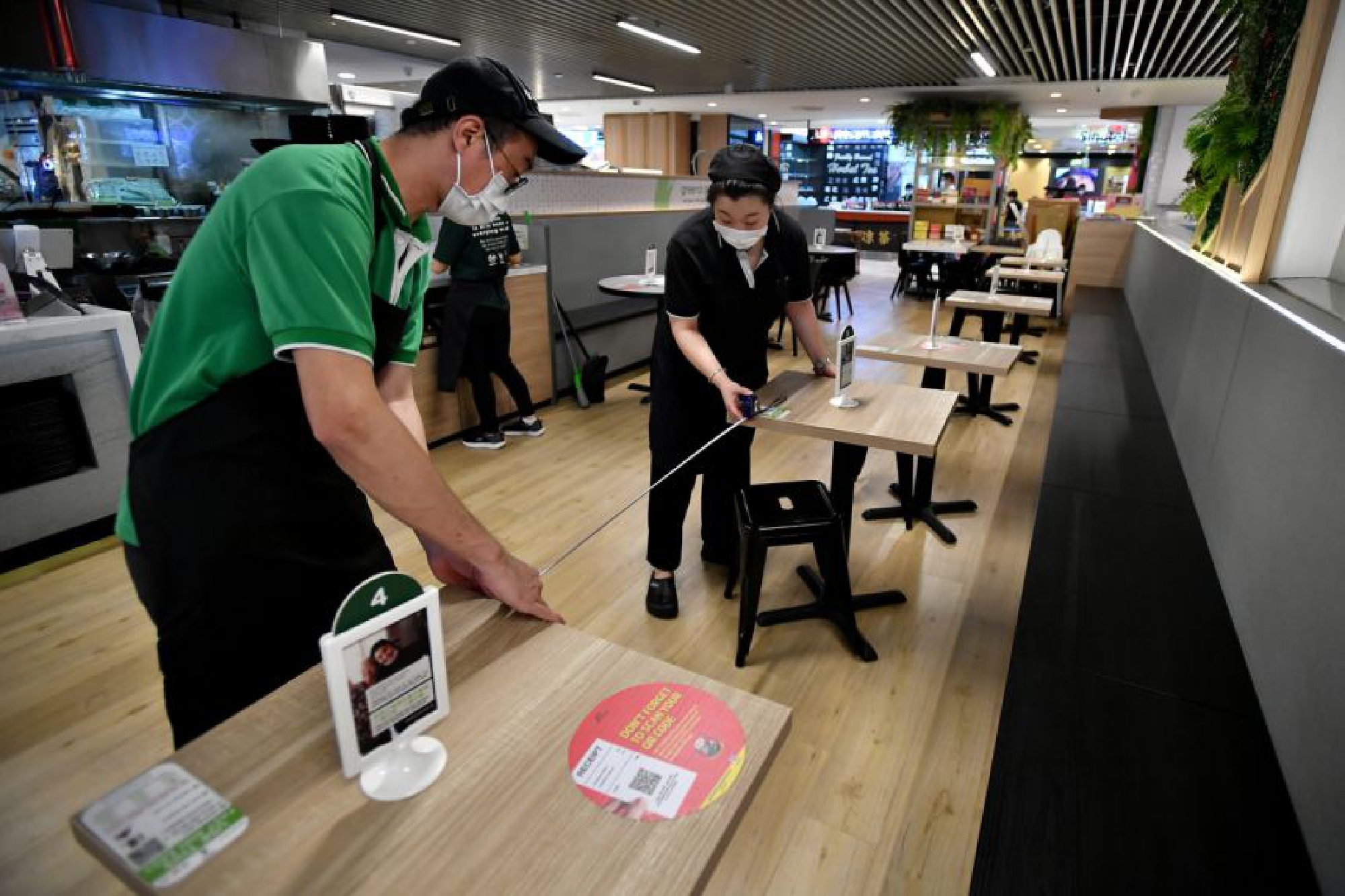
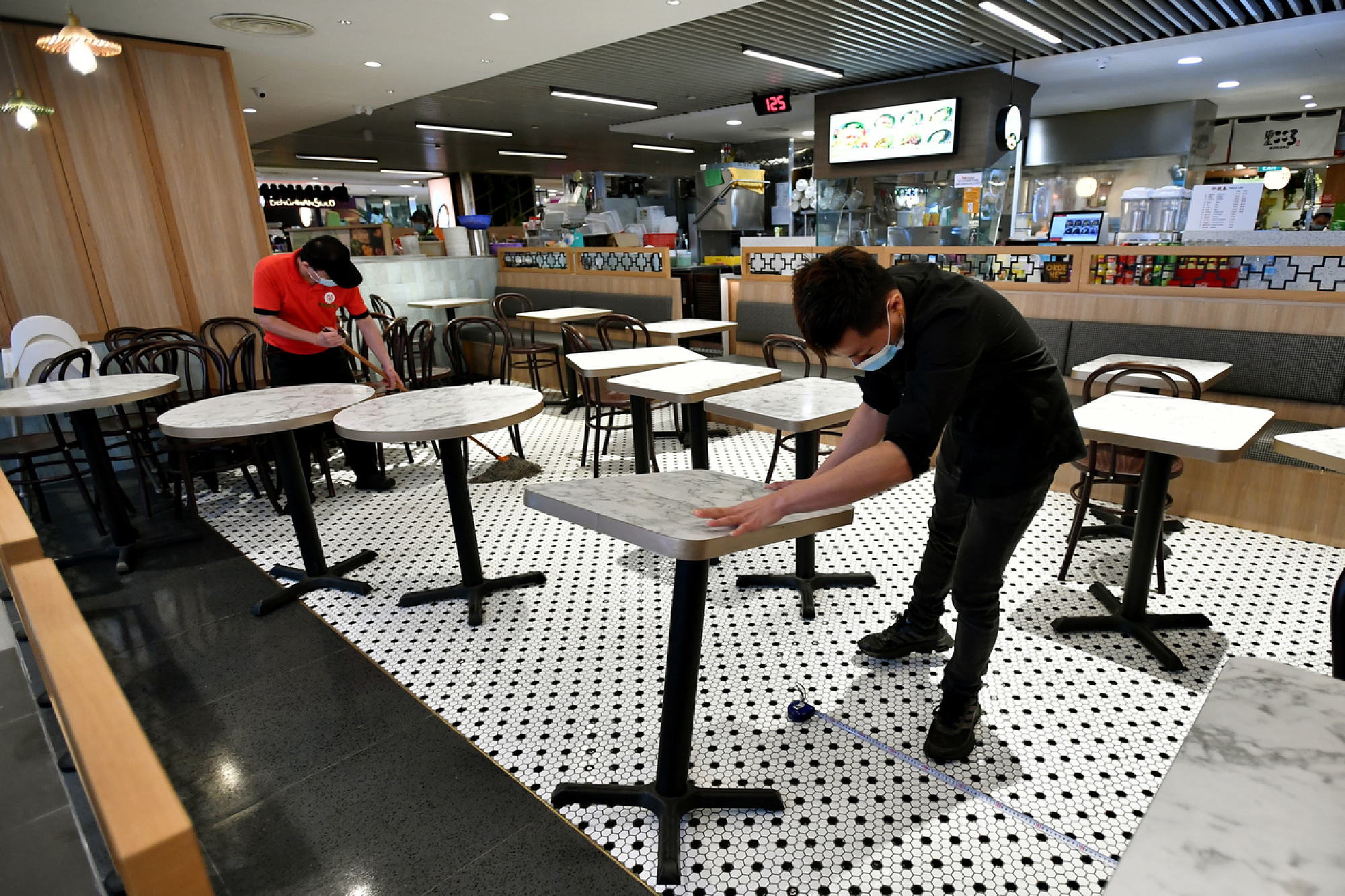
SINGAPORE – Dine-in food and beverage (F&B) establishments are making arrangements for their staff to get tested for Covid-19 regularly, with some sending their employees for training to learn how to administer tests.

Singapore F&B outlets gear up for mandatory regular Covid-19 tests for staff

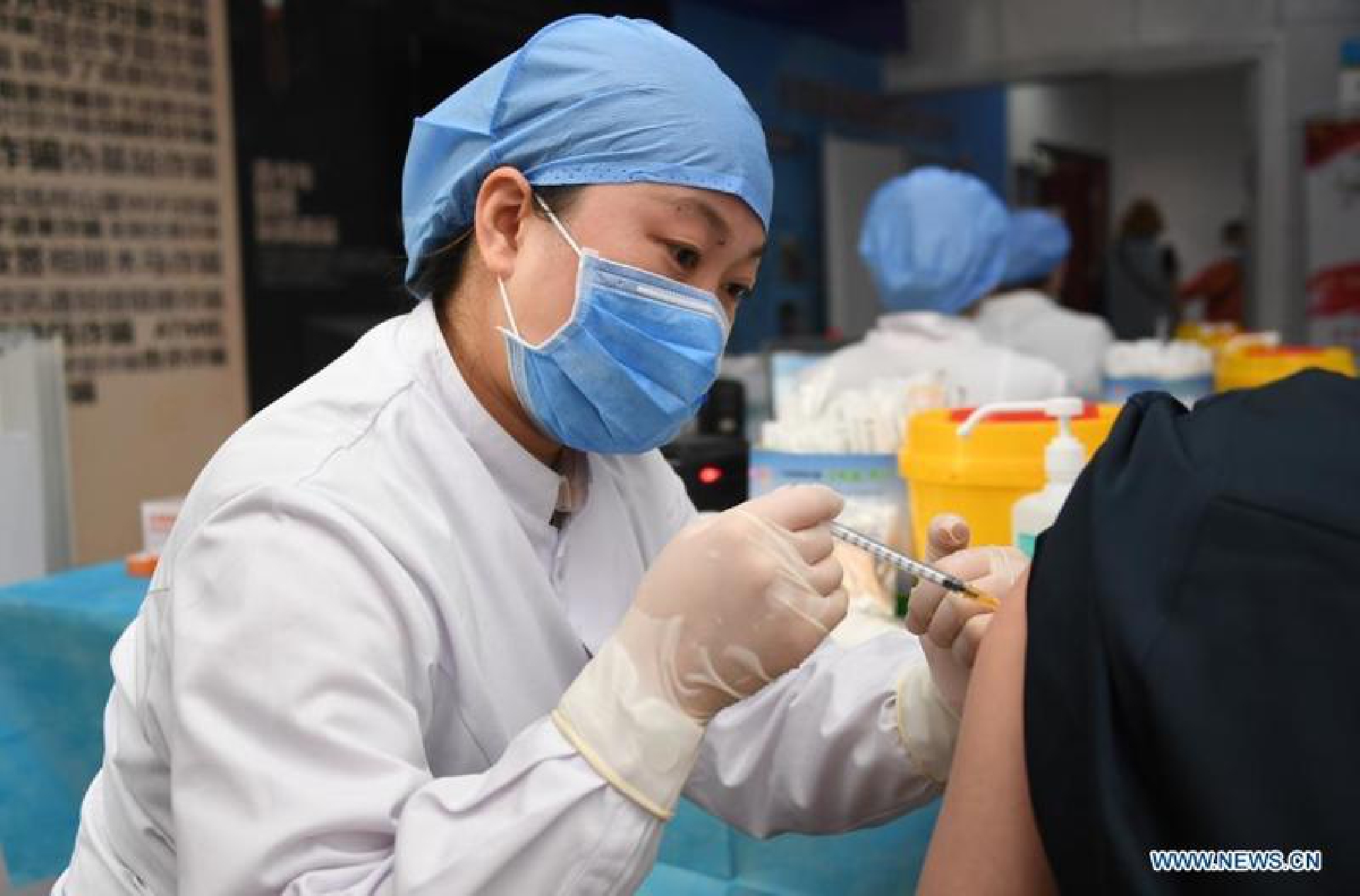
While F&B players expect that the testing requirement will add to operational costs, they are taking steps such as sourcing test kits to adhere to the new measure.

This comes as dining in at F&B outlets resumes from Monday (June 21) with a group size limit of two.

Regular fast and easy testing (FET) will be mandatory from around mid-July for staff in higher-risk settings such as dine-in F&B establishments, gyms and fitness studios, as well as in personal care services such as facial services and spas, where clients are unmasked, the Ministry of Health (MOH) announced last Friday.

Some larger F&B operators will be starting their testing regime earlier.

A spokesman for fast-food chain McDonald’s said its employees will be sent for training and it will begin to receive test kits this week. It plans to kick-start regular testing on June 28.

A spokesman for Tung Lok Group said one of its in-house trainers has completed the training to supervise antigen rapid test (ART) self-swabs, with the rest of its staff scheduled to undergo training on Monday.

The restaurant group will implement regular testing once its staff are properly trained and it has received its test kits, he added.

“If this testing is what it takes to keep our restaurants open and give customers peace of mind stepping into our dining spaces, we definitely welcome it,” he said.

MOH said last Friday that some F&B establishments have sent their employees for training and are ready to implement regular testing on Monday.

It noted that more quick test centres will be progressively set up, with one each in Tekka and Yishun to be operational from Monday. These will support small businesses that are unable to organise supervised self-swabs on their own, the ministry added.

The Straits Times has contacted MOH for more details on the training programme.

The McDonald’s spokesman said that while the chain supports the move to test F&B staff regularly, especially as vaccination coverage is not yet widespread, the testing regime is an operational challenge, given that its staff work in shifts and many of them are part-timers.

It is looking at how it can systemically administer tests as well as track and report results, and is encouraging its staff to get vaccinated.

“We would also appreciate clarity on how long this mandatory FET is expected to last, as having to get tested regularly in the longer term could discourage people from working in the F&B industry, which at the moment is already facing manpower challenges,” the spokesman said, adding that there are also concerns about bearing the extra cost of tests amid rising costs and slowing business in the F&B industry.

Singapore F&B outlets gear up for mandatory regular Covid-19 tests for staffSingapore F&B outlets gear up for mandatory regular Covid-19 tests for staff

Mr Victor Tay, chairman of White Restaurant, said it will be training its staff to administer ARTs on their own to reduce time wasted in travelling to and waiting at quick test centres.

“However, at the moment we are still unsure if our staff are receptive to doing it themselves,” he said.

He pointed out that testing the restaurant chain’s 150 front-line staff every two weeks will bring about a substantial additional cost, especially with the reduction in revenue amid higher delivery costs.

“F&B operators will no doubt be concerned about the cost of the test kits over a period of time, especially chain restaurants where staff headcounts are huge,” he said.

A spokesman for restaurant chain Crystal Jade said it has plans to facilitate the testing regime and has contacted the authorities for details on the testing procedures.

“In the meantime, we are sourcing quotes from different suppliers of test kits, as we are looking at making bulk purchases for our front-line staff – over 500 of them – and we need to ensure we have a consistent supply of test kits,” the spokesman said.

Similarly, Greek restaurant Bakalaki’s general manager George Kokkinis is waiting for further guidelines from the authorities on how testing operations should be carried out.

ADVERTISEMENT

He added that the restaurant will be sending its staff to the quick test centres until they are trained to do self-swabs.

Mr Gunawan Hadi, acting general manager of Spanish fine dining restaurant Alma by Juan Amador, said six of its customer-facing service staff will be getting tested first by the end of this month, with the rest of its 15 employees to get tested from July.

The restaurant is waiting for more information from MOH on the provision of test kits.

“The testing requirement is a good initiative, as dining in is considered a higher-risk activity. While operating costs will be higher, this is the right thing to do,” he said.

Published : June 21, 2021

By : Choo Yun Ting and Goh Ruoxue/The Straits Times/ANN

Myanmar’s Ministry of Foreign Affairs objects to UNs ruling #SootinClaimon.Com

#SootinClaimon.Com : ขอบคุณแหล่งข้อมูล : หนังสือพิมพ์ The Nation.

https://www.nationthailand.com/international/40002264

Myanmar’s Ministry of Foreign Affairs objects to UNs ruling


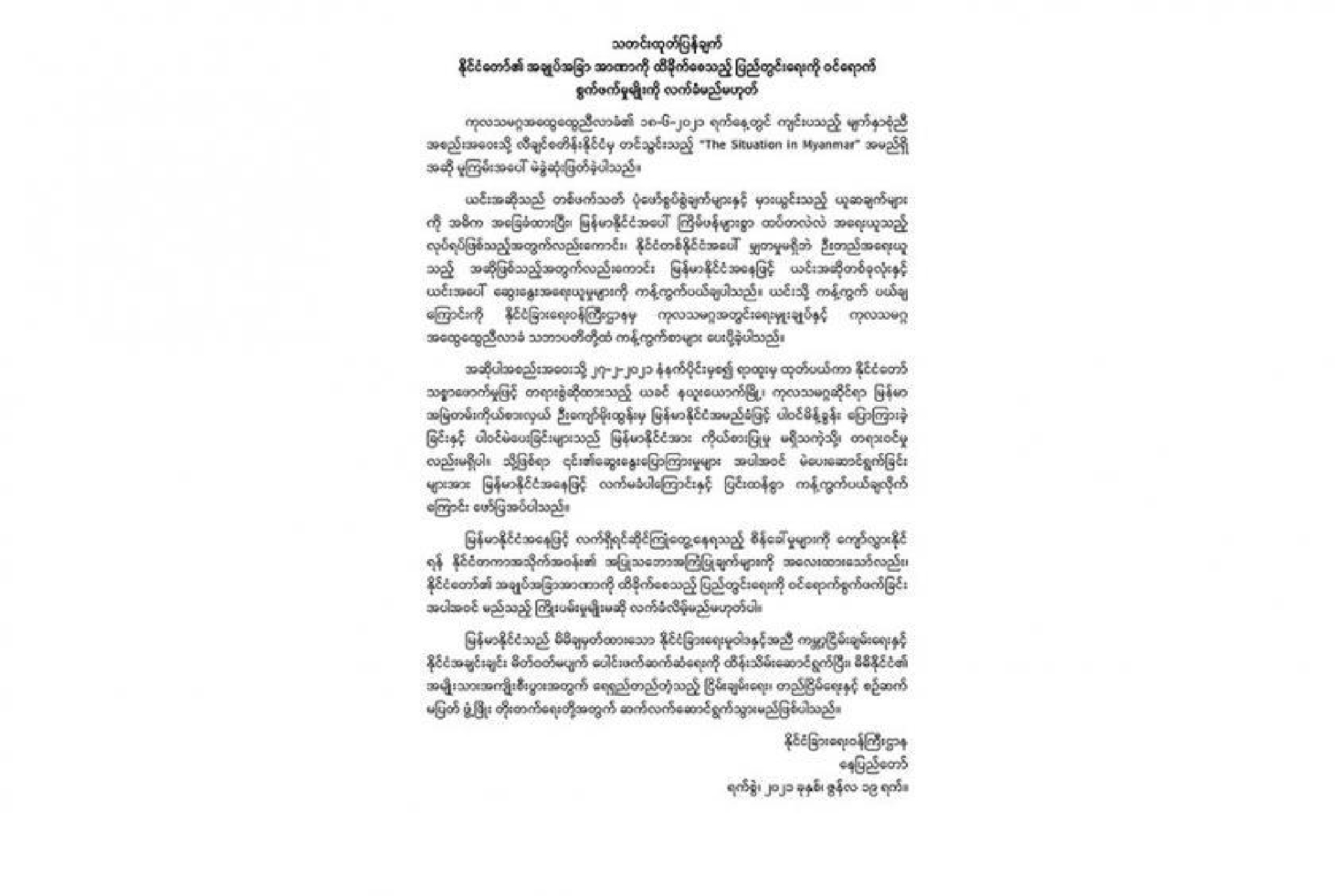
The Ministry of Foreign Affairs issued a statement on June 19 objecting to the The Situation In Myanmar discussion at the United Nations General Assembly on June 18.

Myanmar’s Ministry of Foreign Affairs objects to UNs ruling

The statement objected to the one-sided portrayals and accusations to the matter put forward by Lichenstein, calling the subsequent decision by the UN “unjust”.

The MOFA had also sent letters objecting to it to the UN Secretary General as well as the General Assembly Speaker.

The statement also rejects and condemns U Kyaw Moe Tun as he does not repersent Myanmar and his participation in the assembly as well as voting is illegal while also saying that while Myanmar appreciates the input from the international community in efforts to overcome the current turmoil, it cannot accept any actions that interferes with internal affairs and the nation’s sovereignty.

It also says that Myanmar will continue to observe good relations with the international community as per its policies while working towards for the interests of the nation such as everlasting peace and continuing development.

Published : June 21, 2021

By : Eleven Media/ANN

Korea to ease social distancing from July on vaccine progress #SootinClaimon.Com

#SootinClaimon.Com : ขอบคุณแหล่งข้อมูล : หนังสือพิมพ์ The Nation.

https://www.nationthailand.com/international/40002263

Korea to ease social distancing from July on vaccine progress


With a quarter of its population vaccinated with one dose of a COVID-19 vaccine, Korea says it is ready to allow more mingling and less mask-wearing in the summer.

Korea to ease social distancing from July on vaccine progress

“The current guidance fails to take into account the improvements in our pandemic situation — vaccines are rolling out at an increasing pace, our health care systems can handle far more patients at a time now compared to a year ago, and new cases are down,” Minister of Health and Welfare Kwon Deok-cheol said at Sunday’s news briefing.

“Before the end of June, vaccinations for older and vulnerable age groups would be more or less complete,” he said. “As threats of the pandemic subside, it’s time we move on to a sustainable form of social distancing.”

For the remainder of this month through the majority of July, vaccination efforts will focus on delivering first doses to those 60 to 74 years old, and second doses to first-dose recipients who are due to receive them. As the vaccine schedule goes by age, people in their late 50s will become eligible in the last week of July.

The most sweeping change under the new guidance is relaxations on social gathering restrictions. For about half a year since the winter wave, groups of no more than four people could gather for private purposes.

Under the new guidance, the “rule of four” will not be in effect unless more than 1,000 cases are logged a day for a sustained period of time. For 500-something daily cases, up to eight people can congregate. There’s no limit on how many people can meet up when there are less than 500 cases a day.

Concerts, festivals and sporting events can host up to 5,000 people at a time, but droplet-generating activities such as singing and cheering are discouraged. For protests, the rules are stricter, with crowd sizes of 50 to 500 permitted depending on the case rates.

Facilities that are considered to be at high risk of contagion, such as bathhouses, nightclubs, escort bars and karaoke lounges, can operate full-time as long as the number of cases occurring per day stays below 1,000. Once it exceeds the threshold of 1,000 cases a day, they can only open until 10 p.m.

“The core idea is that more will be left up to individuals, businesses and other entities to follow recommended safety precautions, but they would also take on greater responsibility,” the minister said.

People who are semi-vaccinated, meaning two weeks have elapsed since taking just one of the two prescribed doses, no longer need to wear masks outdoors. The capacity and gathering limits don’t apply to them either. For instance, they are counted out from the maximum number of people public spaces like cafes and restaurants can entertain at a time.

Once two weeks have past since the second dose, people are considered fully vaccinated, after which point even wider-ranging waivers from social distancing are granted. On top of being exempt from post-travel quarantine, they may also be able to take their masks off in places like movie theaters where maintaining a safe distance from another person is difficult.

Dr. Paik Soon-young, a virologist at Catholic University of Korea, urged vigilance from people who aren’t vaccinated yet or only half-vaccinated even as relaxed guidance comes into effect.

“We’re not quite done vaccinating older populations in the summer,” he said. “50-somethings are still waiting for their shots. People in their 60s to early 70s, who are offered the AstraZeneca vaccine, need to wait until late August or September before they can get their second dose and attain maximum protection.

“Your immunization isn’t complete until the second dose is administered.”

Schools are reopening in full for in-person classes in the fall semester, because by September 70 percent of Korea will be at least partially vaccinated, per the vaccine plan. Field trips and other hands-on exercises such as sports and music will resume normally after a year and a half of virtual learning, according to the Ministry of Education.

But as Korea is only extending vaccinations to people aged 18 years and older, children will need to observe health precautions closely once they’re back in classrooms, said pediatric infectious disease specialist Dr. Eun Byung-wook at Nowon Eulji University Hospital in northern Seoul.

“As children younger than 18 cannot be vaccinated, they would need to keep wearing face masks and practice other safety steps possibly until early next year at the least when vaccines might become available to them,” he said. “Although children tend not to fall seriously sick from the existing versions of the virus, the impact of new variants on them is not yet fully understood.”

Korea’s COVID-19 vaccination program kicked off on Feb. 26 and took over three months to reach the milestone of 13 million people — or about 25 percent of the population — having first doses last week, according to Korea Disease Control and Prevention Agency data.

As of the latest count at midnight on Saturday, the number of people vaccinated with at least one dose rose to more than 14 million. The number of people who are fully vaccinated stood at 4 million, representing 7 percent of the population.

Over the past week, Korea recorded an average of 471 new cases of COVID-19 a day, down from 520 the week prior. The pandemic has so far sickened at least 141,621 people and claimed 2,002 lives in Korea.

Published : June 21, 2021

By : Kim Arin/The Korea Herald/ANN

China administers 1 billion COVID-19 vaccine doses #SootinClaimon.Com

#SootinClaimon.Com : ขอบคุณแหล่งข้อมูล : หนังสือพิมพ์ The Nation.

https://www.nationthailand.com/international/40002262

China administers 1 billion COVID-19 vaccine doses


BEIJING – More than 1 billion doses of COVID-19 vaccines had been administered in China by Saturday, as the country is pushing ahead with the largest vaccination drive in the history of New China.

China administers 1 billion COVID-19 vaccine doses

It took the country just five days to hit its most recent 100-million dose increase, according to daily updates by the National Health Commission (NHC).

China accelerated its pace of free COVID-19 vaccinations for the whole nation since late March. It took China 25 days to climb from 100 million doses to 200 million doses, 16 days to increase from 200 million to 300 million, and six days from 800 million to 900 million.

A total of 21 COVID-19 vaccines have entered clinical trials in China since last year. So far, four vaccines have been granted conditional marketing approval and three have been authorized for emergency use within the country.

China’s nationwide vaccination campaign is open to people aged over 18. The country has approved the emergency use of domestic inactivated vaccines on people aged 3 to 17. Detailed policies will be formulated for the inoculation of this age group based on the specific COVID-19 situation.

At least 70 percent of the target population in China is expected to be vaccinated against COVID-19 by the end of this year, according to Zeng Yixin, deputy head of the NHC.

The large-scale vaccination campaign carried out across China has shown that Chinese COVID-19 vaccines are safe, said Zeng, noting that the incidence rates of common side effects and abnormal reactions caused by the COVID-19 vaccines were both below the average figures reported by various vaccines included in the country’s regular vaccination plans in 2019.

ADVERTISEMENT

Published : June 21, 2021

By : China Daily/ANN

2021 Silk Road Week opens in Hangzhou #SootinClaimon.Com

#SootinClaimon.Com : ขอบคุณแหล่งข้อมูล : หนังสือพิมพ์ The Nation.

https://www.nationthailand.com/international/40002240

2021 Silk Road Week opens in Hangzhou


To strengthen international cultural exchanges and promote the spread of Silk Road culture, 2021 Silk Road Week held its opening ceremony at China National Silk Museum in Hangzhou, Zhejiang province, on June 18.

2021 Silk Road Week opens in Hangzhou

Guests included officials from National Cultural Heritage Administration, the People’s Government of Zhejiang Province, UNESCO Beijing Office, Consulate General in Shanghai of various countries, and experts from relevant cultural and museum institutions and universities from all across the country.

Themed Cultural Diversity and Sustainable Development, 2021 Silk Road Week will hold varied activities in conjunction with institutions from home and abroad until June 24. Activities such as Silk Road Museum Curator Forum, Seminar for Silk Road Curators, Annual Meeting of Chinese Association of Dunhuang and Turfan Studies, and several exhibitions such as Textile Archaeology in 100 Years, and Silk Road on Silk Scarves will be organized in Hangzhou.

In addition to the series of events in Hangzhou, institutions from home and abroad will successively carry out cultural relics poster relay, grotto temple exploration live broadcast, heritage lighting up the Silk Road, Silk Road culture entering the campuses, “winning a ticket to China” and other activities.

Guan Qiang, deputy director of the National Cultural Heritage Administration, attended the ceremony and delivered a speech. He said that during the 2021 Silk Road Week, with the help of new technology and new platform, the Silk Road Digital Museum jointly built by many countries enriches the channels and means of cultural exhibition and dissemination of the Silk Road, realizes the exhibition of human civilization across time and space, and promotes the international exchange and sharing of cultural resources.

ADVERTISEMENT

Shahbaz Khan, representative of UNESCO Beijing Office, delivered a speech at the ceremony, congratulating the Silk Road Week 2021. He said that the Silk Road is known as the greatest road in human history. The 2021 Silk Road Week is a classic case of enhancing mutual understanding and understanding among people of all countries.

Published : June 20, 2021

By : China Daily / ANN