Bangladesh first in South Asia for secondary education

#SootinClaimon.Com : ขอบคุณแหล่งข้อมูล : หนังสือพิมพ์ The Nation.

https://www.nationthailand.com/international/40017762


Bangladesh has the lowest proportion of youths aged between 15 and 24 without secondary education level skills in South Asia, found a recent study.
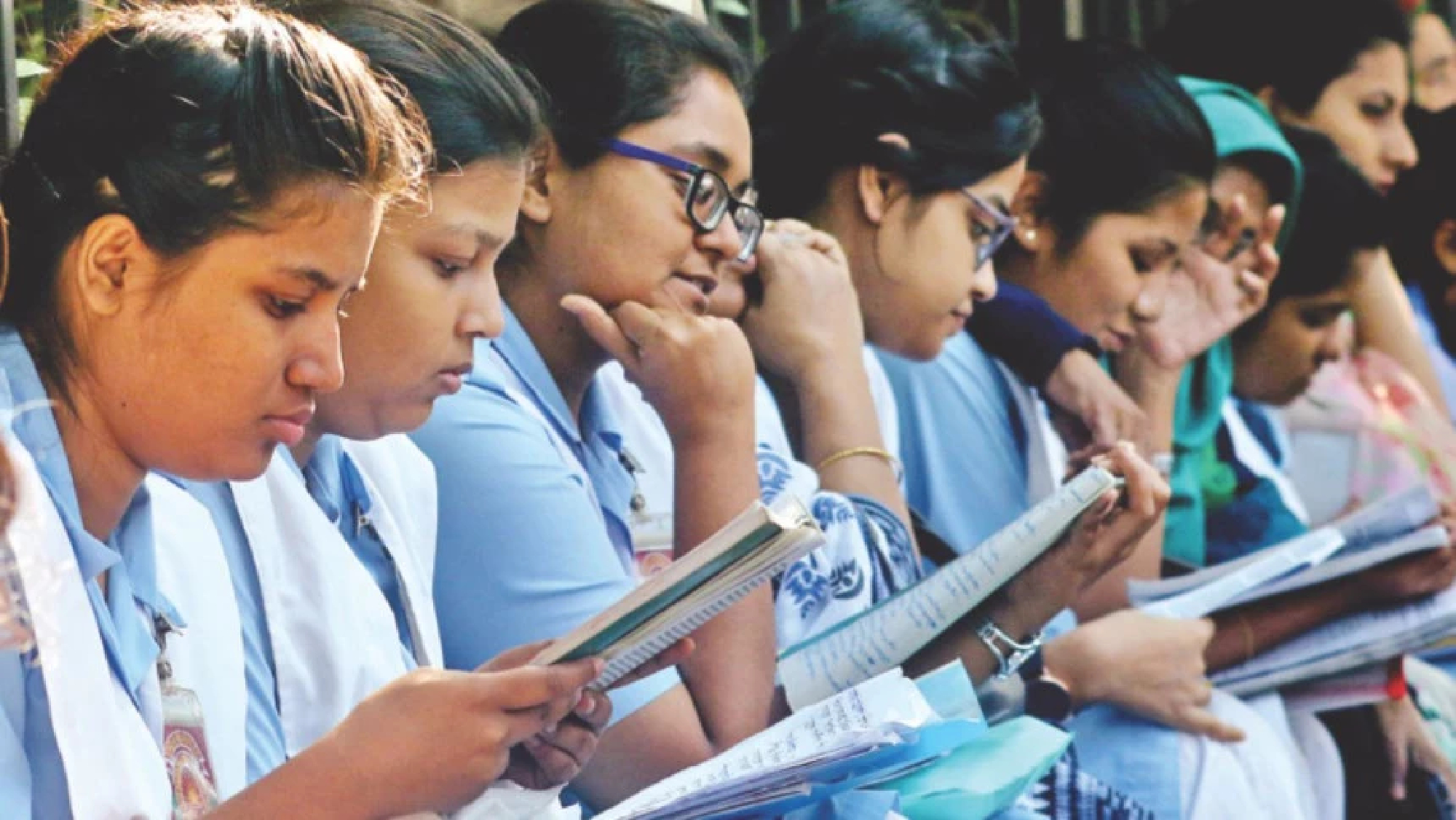
Bangladesh first in South Asia for secondary education

Secondary education level skills represent traditional reading and maths skills typically associated with in-school learning

About 58 per cent of the youths in Bangladesh do not have such skills, according to the World Skills Clock.

The World Skills Clock is a collaboration between Unicef, the Education Commission, GenU and World Data Lab. It is an interactive web tool to visualise the scale of the global learning and skills crisis now and in the future.

Unicef and the Education Commission launched the clock alongside the unveiling of a new report published ahead of World Youth Skills Day today.

As many as 93.3 per cent of the youths in Afghanistan are without secondary education level skills, followed by Bhutan (89 per cent), Pakistan (84.5 per cent), Nepal (81.7 per cent), India (73 per cent) and Sri Lanka (61.5 per cent).

However, Bangladeshi youths aged between 15-24 lag behind Bhutan, India and Sri Lanka in digital skills.

Digital skills refer to the ability to use and understand technology and is measured by the proportion of youth who can perform basic computer-related activities, including copying or moving a file or folder, using copy and paste tools to duplicate or move information within a document, sending e-mails with attached files and transferring files between a computer and other devices.

About 85 per cent of the youths in Bangladesh do not have digital skills.

Only Afghanistan (99 per cent), Nepal (87.4 per cent) and Pakistan (90.2 per cent) in South Asia have a higher proportion of youths without digital skills.

Meanwhile, nearly three-quarters of the youths in 92 countries, including Bangladesh, are off-track to acquiring the skills needed for employment, according to the report “Recovering learning: Are children and youth on track in skills development?”.

High rates of out-of-school young people and low attainment of secondary-level skills are to blame, the report.

As a result, countries around the world are facing a skills crisis.

“An inspired, skilled generation of children and young people is critical for prosperity, progression, and the success of societies and economies. Yet, the majority of children and young people across the world have been failed by their education systems, leaving them uneducated, uninspired, and unskilled — the perfect storm for unproductivity,” said Robert Jenkins, Unicef’s director of education.

Investment in cost-effective, proven solutions to fast-track learning and skills development for today’s generation and future generations is urgently needed to address this crisis, he added.

To give young people the best chance to succeed and recover learning losses due to the pandemic, holistic support is needed, said Liesbet Steer, executive director of the Education Commission, a global initiative encouraging greater progress on Sustainable Development Goal 4: ensuring inclusive and quality education and promoting lifelong learning for all.

“But we can’t recover what we don’t measure. We need to know where children and youth are in building the range of skills they need and monitor their progress.”

Subsequently, the Education Commission, Unicef and partners are working to address critical data gaps. And the World Skills Clock is part of the initiative, Steer said.

It will help track progress on and raise awareness around youth skills attainment around the world such that urgent action can be taken to prepare this generation to thrive in the future, Steer added.

The Daily Star

Asia News Network

Asia News Network: The Nation (Thailand), The Korea Herald, The Straits Times (Singapore), China Daily,  Jakarta Post, The Star and Sin Chew Daily (Malaysia), The Statesman (India), Philippine Daily Inquirer, Yomiuri Shimbun and The Japan News, Gogo Mongolia,  Dawn (Pakistan),  The Island (Sri Lanka), Kuensel (Bhutan), Kathmandu Post (Nepal), Daily Star (Bangladesh), Eleven Media (Myanmar), the Phnom Penh Post and Rasmei Kampuchea (Cambodia), The Borneo Bulletin (Brunei), Vietnam News, and Vientiane Times (Laos).

Published : July 15, 2022

By : The Daily Star

Doctors warn of post-Covid infections in skull, jaw and face

#SootinClaimon.Com : ขอบคุณแหล่งข้อมูล : หนังสือพิมพ์ The Nation.

https://www.nationthailand.com/international/40017731


A dozen patients suffering from bone infections in the skull, jaw and face with unknown causes have been reported at Cho Ray Hospital in Ho Chi Minh City in the past two months. Osteomyelitis occurs in patients with a history of Covid-19.

Doctors warn of post-Covid infections in skull, jaw and face

PTH, 60, a woman who contracted Covid-19 last December, started having headaches in February. Her left eye became swollen, and she underwent sinus surgery at a private hospital in Cu Chi district.

Three months later, her condition worsened when her face swelled up and pus leaked into her forehead and upper jaw. She was transferred to Cho Ray Hospital for treatment.

Doctors at the hospital said she had necrosis of the palatine bone and decided to perform surgery to remove the necrotic bone.

A similar case was a 63-year-old male patient living in Khanh Hoa province who had Covid-19 in December 2021. By February 2022, the patient had developed headaches and swollen eyes.

When the patient was transferred to Cho Ray Hospital, he had necrosis in the frontal skull, nasal cavity, and palatine bone. The doctors removed the entire necrotic bone and the abscess and treated him with antibiotics and antifungal drugs.

Dr Tran Anh Bich, deputy head of the Faculty of Otolaryngology, Cho Ray Hospital, said that in the past two months, the unit had recorded 11 other cases, including necrosis of the skull and maxillofacial bone, as well as inflammation and abnormal sinuses.

The patients were admitted to the hospital with headaches, nasal congestion, and swelling of the face and eyes; all had a history of Covid-19 (Delta strain).

Approximately 50 per cent of these patients had diabetes. Two of the 11 patients died.

“The patients previously had surgery, their health was stable, and they asked to be discharged, but then their condition deteriorated quickly, and we couldn’t handle it in time,” Bich said.

Tran Minh Truong, former deputy director of Cho Ray Hospital, said the cases were very strange, adding that necrosis of the skull and jaw bones, and severe sinuses, were serious and spread fast.

Although it is impossible to conclude that Covid-19 causes the inflammation of the jaw, skull, and face, doctors have found a relationship between the disease and the Delta variant.

“We think a lot about the possibility of embolism for patients with Covid-19, in which the Delta variant can cause hypercoagulability and embolism,” Truong said.

He noted that from May 2021 to May 2022, there were 80 reports in India, China, the US and some other Asian countries of pneumonia cases, bone marrow and skull necrosis, and sinusitis related to Covid-19, similar to the cases at Cho Ray.

Doctors recommend that patients, after being infected with Covid-19, who have symptoms within six to eight months of prolonged headache, sinusitis, swelling of the face, skull and jaw, consider a CT scan to find the cause.

Viet Nam News

Asia News Network

Asia News Network: The Nation (Thailand), The Korea Herald, The Straits Times (Singapore), China Daily,  Jakarta Post, The Star and Sin Chew Daily (Malaysia), The Statesman (India), Philippine Daily Inquirer, Yomiuri Shimbun and The Japan News, Gogo Mongolia,  Dawn (Pakistan),  The Island (Sri Lanka), Kuensel (Bhutan), Kathmandu Post (Nepal), Daily Star (Bangladesh), Eleven Media (Myanmar), the Phnom Penh Post and Rasmei Kampuchea (Cambodia), The Borneo Bulletin (Brunei), Vietnam News, and Vientiane Times (Laos).

Published : July 14, 2022

By : Reuters

Luang Prabang is top favourite with Thai tourists

#SootinClaimon.Com : ขอบคุณแหล่งข้อมูล : หนังสือพิมพ์ The Nation.

https://www.nationthailand.com/international/40017721


The town of Luang Prabang, which is renowned for Unesco’s listing of its old quarter as a world heritage site, has seen 90 per cent of room reservations made by Thai visitors since Laos lifted all entry restrictions in May.

Luang Prabang is top favourite with Thai tourists

President of the Luang Prabang Hotel and Guesthouse Association,Toun Sisouphanthavong, said hotels and guesthouses have been almost fully booked due to the large number of Thai visitors coming to Luang Prabang since the government lifted travel restrictions after the Covid-19 outbreak subsided.

However, fewer people are arriving from Europe, the Republic of Korea, China and other countries because travel is still difficult and people are dealing with an economic downturn.

This week, the city is hosting a boat festival to celebrate the start of Buddhist Lent, in a bid to attract both Lao and foreign visitors.

Since the Laos-China Railway became operational, more people from Thailand and other countries have come to Laos to experience a new mode of travel through the country.

There are also more flights coming into Laos, easing air travel and bringing in more tourists.

However, Toun urged Laos-China Railway authorities to set up an online booking system, as this would make it much easier for people to plan their travels in Laos.

One problem is that many people, as well as tour groups, have booked hotel rooms but are unable to get to Luang Prabang because they can’t get a train ticket to travel as soon as they arrive in Laos.

Toun said it should be possible to buy a seat on a train more than two days in advance of travel, as is currently the case.

The Luang Prabang Tourism Department said more than 67,000 domestic visitors visited the town in the first three months of this year, an increase of 74 per cent compared to the same period last year.

In anticipation of an influx of visitors following the lifting of travel restrictions, tourism operators have refurbished or upgraded several popular tourist attractions, while the services provided by hospitality staff have been improved.

Luang Prabang is one of the most well-known provinces in Laos and is a top tourist draw because of its old temples, scenic attractions and rural landscapes.

The city recently received a second Asean Clean Tourism Standard award following an assessment of compliance with Asean tourism standards. It was judged to have achieved almost 93 per cent of the criteria set under Asean clean tourism standards.

Tad Kuang Xi waterfall in Luang Prabang province also received an Asean Sustainable Tourism Award in January.

Luang Prabang is top favourite with Thai tourists

Published : July 14, 2022

By : Vientiane Times

N. Korea officially recognizes independence of 2 separatist regions in Ukraine

#SootinClaimon.Com : ขอบคุณแหล่งข้อมูล : หนังสือพิมพ์ The Nation.

https://www.nationthailand.com/international/40017714


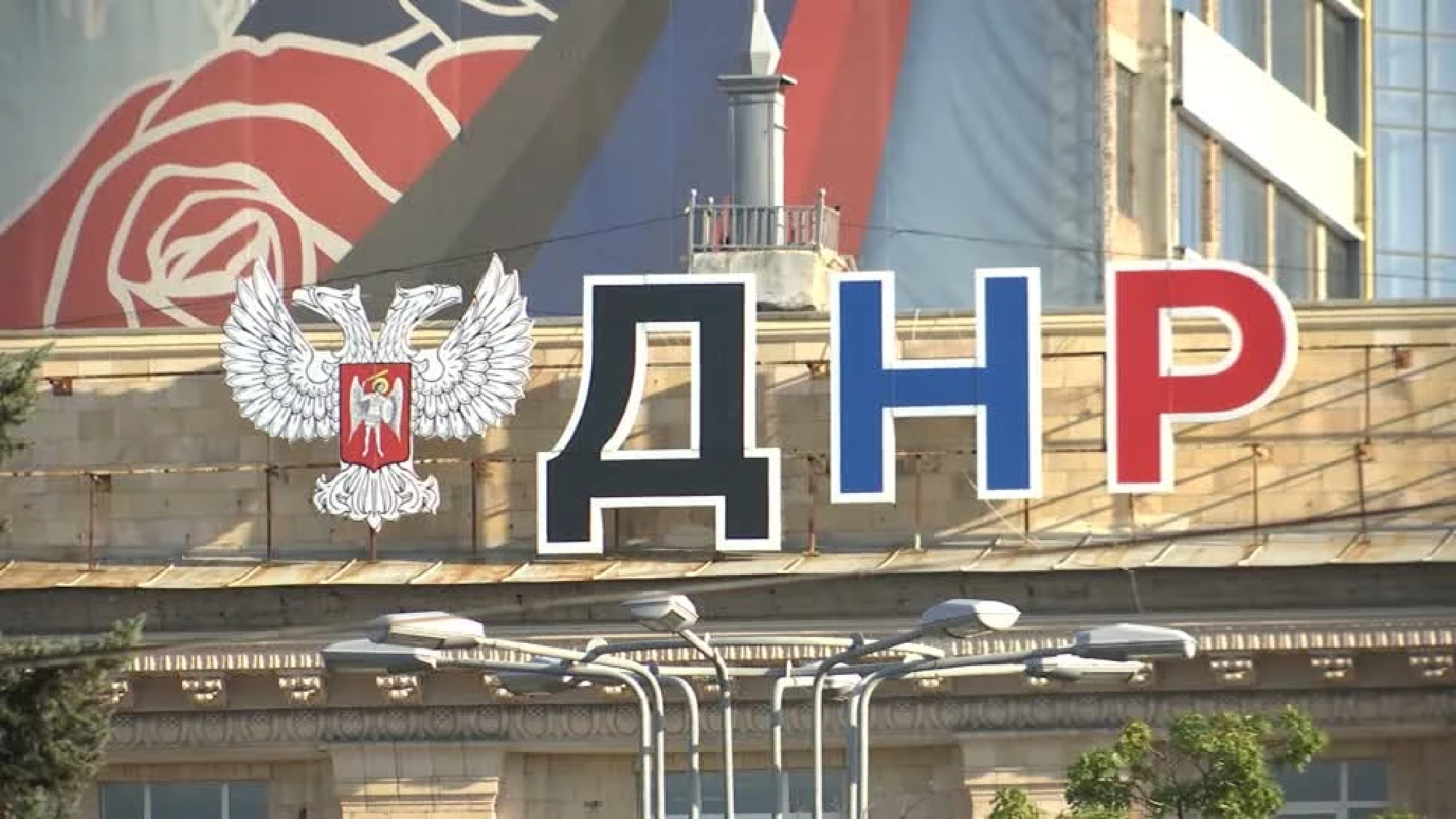
North Korea has formally recognized the independence of two pro-Russian separatist “people’s republics” in eastern Ukraine, becoming the world’s third nation to do so, according to the North’s state media Thursday.

N. Korea officially recognizes independence of 2 separatist regions in Ukraine

The North’s Foreign Minister Choe Son-hui sent letters to her counterparts in the Donetsk People’s Republic and the Luhansk People’s Republic the previous day and recognized the entities, the official Korean Central News Agency (KCNA) said. Russia and Syria have already backed their independence.

“In the letters, she informed them that the DPRK government decided to recognize the independence of the People’s Republic of Donetsk and the People’s Republic of Lugansk and expressed the will to develop the state-to-state relations with those countries in the idea of independence, peace and friendship,” it said in an English-language article. DPRK stands for the North’s official name, the Democratic People’s Republic of Korea.

Earlier, Ukraine announced it severed diplomatic ties with North Korea over the move to recognize the separatist regions.

The North has recently stressed its close ties with Russia despite international condemnation of its invasion of Ukraine. Pyongyang has previously blamed the Ukraine crisis on the “hegemonic policy” of the United States and the West.

In a post on his Telegram channel, DPR leader Denis Pushilin said he hoped for “fruitful cooperation” and increased trade with North Korea, an isolated, nuclear-armed state more than 4,000 miles (6,500 km) away.

The DPR’s Embassy in Moscow posted a photo on its Telegram channel of a ceremony in which North Korea’s ambassador to Moscow, Sin Hong-Chol, handed a certificate of recognition to DPR envoy Olga Makeyeva.

North Korea’s Embassy in Moscow confirmed it had recognized the independence of both entities on Wednesday, Russia’s TASS news agency later reported.

Ukraine immediately severed relations with Pyongyang over the move.

But the recognition was welcomed by some Donetsk residents living in the self-proclaimed “republic.”

“Of course I’m happy,” said Olga, who declined to give her surname. “Let more countries recognize us, so that everybody knows we’re here.”

Anastasia, who also declined to give her surname, told Reuters the more countries that recognize the entities, the fewer chances Kyiv had of recapturing control of territory seized by the Russian-backed separatists and Russian armed forces. “Step by step we are joining the world stage,” she said.

Russia, which has backed the regions since 2014, recognized them on the eve of its invasion of Ukraine in a move condemned by Kyiv and the West as illegal.

Russia justified its decision to launch the war, which it calls a “special military operation,” by saying it was protecting Russian speakers who live there from “genocide.”

Kyiv and the West have dismissed these assertions as a pretext for waging war and seizing swathes of Ukraine’s territory.

North Korea previously expressed support for Russia’s annexation of Crimea in 2014.

The Kerea Herald And Reuters

Asia News Network

N. Korea officially recognizes independence of 2 separatist regions in Ukraine

Published : July 14, 2022

By : The Korea Herald

$16m donations received in a week for Cambodia demining

#SootinClaimon.Com : ขอบคุณแหล่งข้อมูล : หนังสือพิมพ์ The Nation.

https://www.nationthailand.com/international/40017690


More than US$16 million (580 million baht) have been raised towards a Cambodian demining initiative announced by Prime Minister Hun Sen

$16m donations received in a week for Cambodia demining

More than US$16 million (580 million baht) have been raised towards a Cambodian demining initiative announced by Prime Minister Hun Sen.

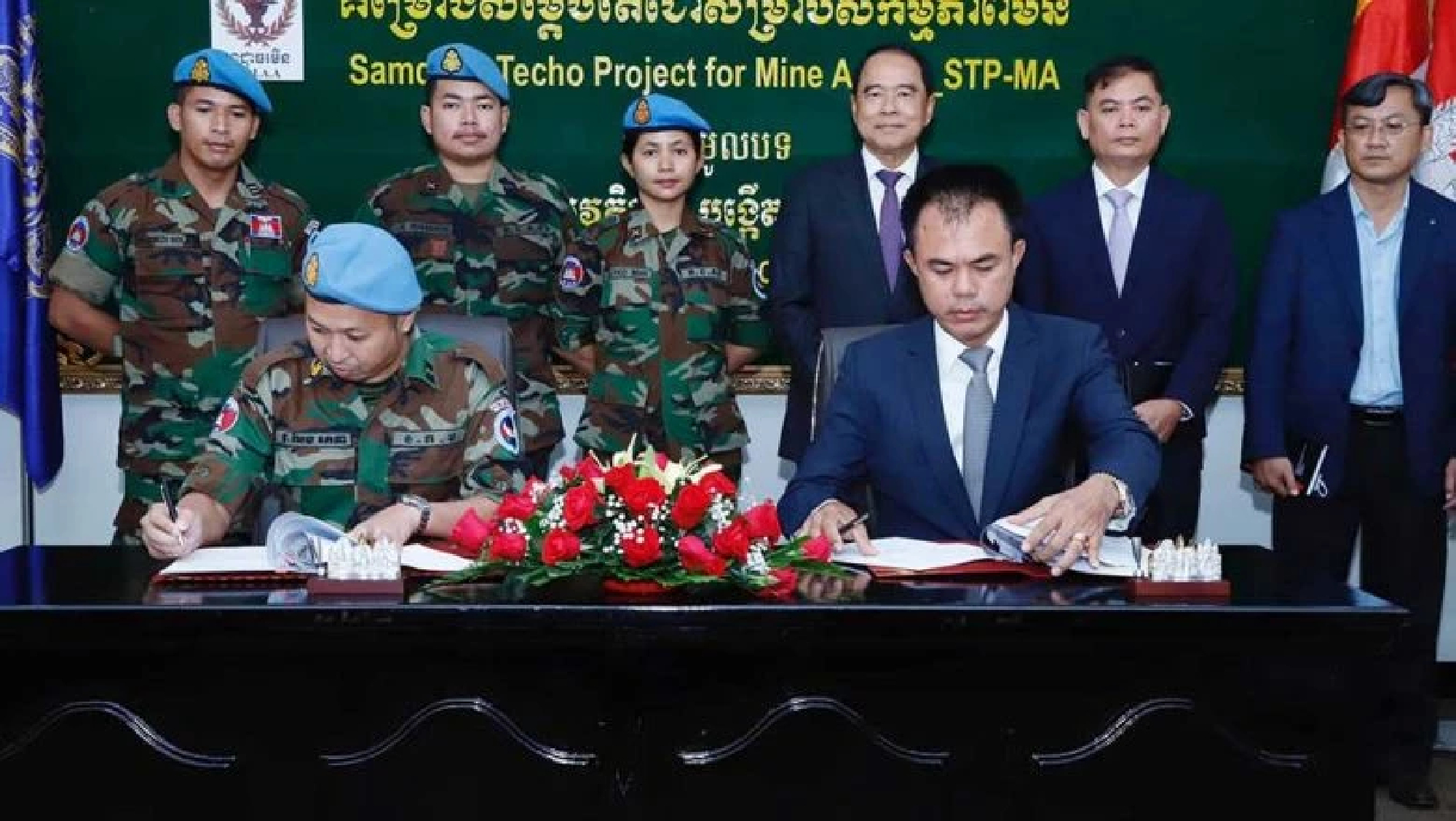
The PM launched on July 4 the “Samdech Techo Project for Mine Action” under the slogan “Providing Safe Ground, Creating Smiles”.

Seng Tieng, secretary of state at the Council of Ministers, said on July 12 that donors were continuing to contribute.

“As of July 11, we have received more than $16 million and more than 200 million riel [1.8 million baht]. This shows a great love for the nation,” he added.

The Cambodian Mine Action and Victim Assistance Authority (CMAA) and the National Centre for Peacekeeping Forces, Mines and Explosive Remnants of War Clearance (NPMEC) on July 11 co-signed a contract to demine Tbong Khmum province and decided that the province will be completely demined within six months under the project.

Ly Thuch, senior minister and first vice-president of the CMAA, said that the contract was signed with the permission of the prime minister. The first stage would begin soon.

“We will declare Tbong Khmum province mine-free in six months. Having signed this contract, the NPMEC is due to begin demining Memot district on July 15. The district has 90 minefields which cover some 398 hectares,” he said.

He also said that a force of 176 troops had been detailed to demine the province. The first stage would last for 90 days, as would the second.

“This is the first step towards declaring Tbong Khmum mine-free. It is a historic achievement for the mine action sector of Cambodia,” he said.

He added that to end the presence of landmines in the province, the government would spend more than $760,000.

“In addition to the demining work in Tbong Khmum province, our team is also working with a team from the Royal Cambodian Armed forces (RCAF) to assess the minefields of Odong and Thpong districts in Kampong Speu province. We plan to begin this demining operation soon,” he said.

In the coming days, the CMAA will work with the Cambodian Mine Action Centre (CMAC), and the RCAF to implement the project.

“The support of their resources offers the CMAA the possibility of deploying more of its forces to clear more landmines and hit our goals,” Thuch said.

Cambodia has demined more than 2,400 square kilometres, although nearly 2,000sqkm of minefields remain.

Thuch estimated that Cambodia needed a further $90 million to clear all landmines.

The Phnom Penh Post

Asia News Network

Asia News Network: The Nation (Thailand), The Korea Herald, The Straits Times (Singapore), China Daily,  Jakarta Post, The Star and Sin Chew Daily (Malaysia), The Statesman (India), Philippine Daily Inquirer, Yomiuri Shimbun and The Japan News, Gogo Mongolia,  Dawn (Pakistan),  The Island (Sri Lanka), Kuensel (Bhutan), Kathmandu Post (Nepal), Daily Star (Bangladesh), Eleven Media (Myanmar), the Phnom Penh Post and Rasmei Kampuchea (Cambodia), The Borneo Bulletin (Brunei), Vietnam News, and Vientiane Times (Laos).

Published : July 13, 2022

By : The Phnom Penh Post

Decades of population control work paying off for Vietnam

#SootinClaimon.Com : ขอบคุณแหล่งข้อมูล : หนังสือพิมพ์ The Nation.

https://www.nationthailand.com/international/40017686


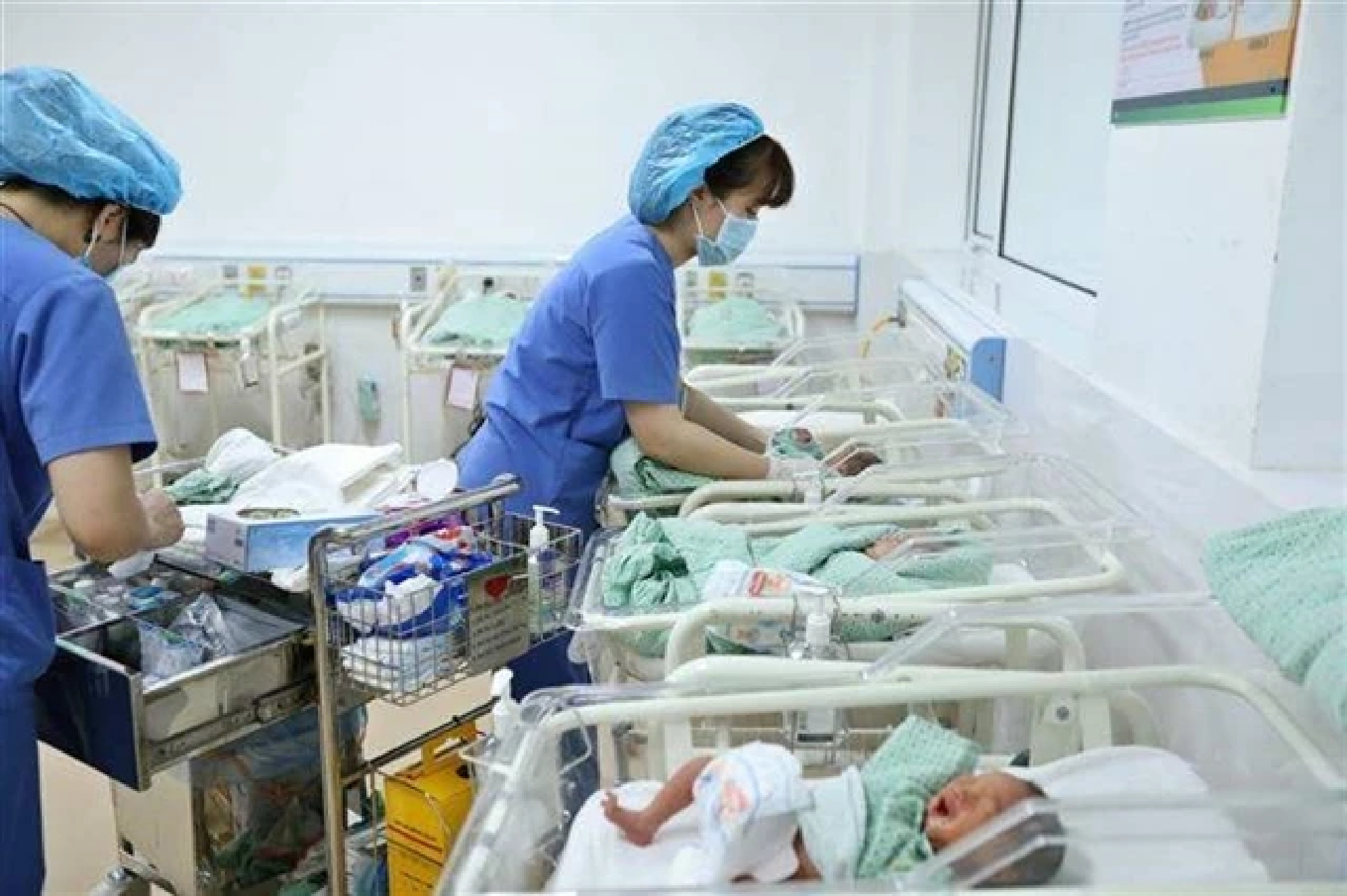
Vietnam has successfully controlled the rapid population growth, maintained a reasonable population size, and kept the total replacement fertility rate for nearly 15 years, as results of population work over the past six decades reveal.

Decades of population control work paying off for Vietnam

Notably, the average life expectancy of Vietnamese people increased by 33.7 years, from 40 in 1960 to 73.7 in 2020. The rates of malnutrition and child mortality have decreased by two-thirds, while maternal mortality rate dropped by three quarters.

The success in population control and family planning tasks over the past 60 years has helped Vietnam achieve and complete ahead of schedule the Millennium Development Goals about improving maternal health and reducing mortality rate among children.

In 1999, Vietnam received the United Nations Population Award.

The country entered the golden age of population structure in 2007, which peaked in 2020, with the working-age population accounting for about 70 per cent of the total population. This phase is expected to last about 30-40 years.

However, the population work is facing both opportunities and challenges.

Vietnam is experiencing a significant disparity in birth rates among regions, affecting its rapid and sustainable development. Meanwhile, gender imbalance at birth has appeared since the early years of the 21st century and increasingly spread in both urban and rural areas, with the sex ratio being at over 110 male births for every 100 female births from 2006 to present.

Vietnam is at the golden age of population structure and the country’s socio-economy will face difficulties if it fails to tap this opportunity, particularly when the “golden” population will become “old” population after 2035.

The average life expectancy of Vietnamese people has increased, but the number of years living a healthy life is lower than in many countries. Elderly people face the burden of “double diseases” and often suffer from chronic diseases. On average, each elderly person has three diseases, facing the risk of disability due to the ageing process and high treatment costs and long-term treatment and care.

According to the UN’s World Population Prospects, the global human population will reach 8 billion in mid-November 2022. To celebrate World Population Day this year, the UN Population Fund (UNFPA) has chosen the theme “A world of 8 billion: Towards a resilient future for all – Harnessing opportunities and ensuring rights and choices for all”.

As the world population reaches 8 billion, it will pose many urgent challenges that will have an impact on many generations.

Climate changes, conflicts and Covid-19 pandemic are all issues that have caused unequal impacts on vulnerable groups of the population.

Globally millions of people still live in poverty, lack nutrition and do not have access to healthcare services or qualified education programmes.

As such, the UNFPA is calling on countries, including Vietnam, to invest in human and physical capital for inclusive, productive societies that uphold human and reproductive rights. Only then can we tackle the enormous challenges facing our planet and create a world where health, dignity and education are rights and realities, not privileges and empty promises.

Viet Nam News

Asia News Network

Asia News Network: The Nation (Thailand), The Korea Herald, The Straits Times (Singapore), China Daily,  Jakarta Post, The Star and Sin Chew Daily (Malaysia), The Statesman (India), Philippine Daily Inquirer, Yomiuri Shimbun and The Japan News, Gogo Mongolia,  Dawn (Pakistan),  The Island (Sri Lanka), Kuensel (Bhutan), Kathmandu Post (Nepal), Daily Star (Bangladesh), Eleven Media (Myanmar), the Phnom Penh Post and Rasmei Kampuchea (Cambodia), The Borneo Bulletin (Brunei), Vietnam News, and Vientiane Times (Laos).

Published : July 13, 2022

By : Vietnam News

Farnborough airshow likely to boost Malaysia’s aerospace industry

#SootinClaimon.Com : ขอบคุณแหล่งข้อมูล : หนังสือพิมพ์ The Nation.

https://www.nationthailand.com/international/40017685


The Farnborough International Airshow (FIA) in Hampshire, England, will serve as a platform to take Malaysia’s aerospace industry to pre-pandemic levels and beyond, generating growth for a strong revival.

Farnborough airshow likely to boost Malaysia’s aerospace industry

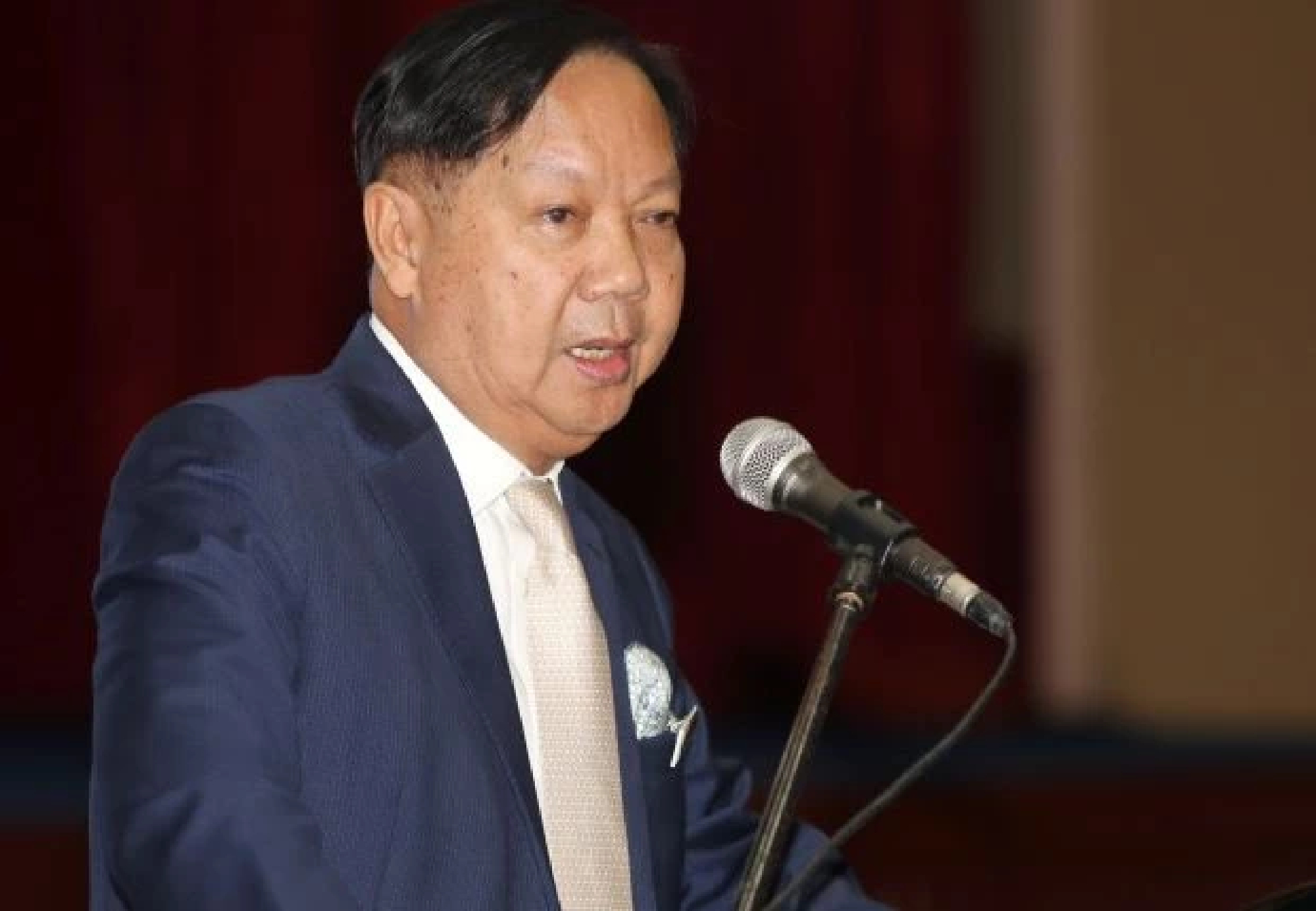
Malaysia’s External Trade Development Corp (Matrade) chairman Halim Mohammad, who will lead a mission, said the country’s aerospace industry sees encouraging prospects for business and operations this year as the Covid-19 pandemic is expected to enter the endemic stage.

“The aerospace industry is a strategic sector and it augurs well for the government’s 12th Malaysia Plan to focus on the high-value sector,” he said.

Matrade has been participating in the FIA bi-annual exhibition since 2014 and hopes its participation at FIA 2022 from July 18-22 will to speed up the recovery of Malaysia’s industry following a slowdown in aerospace exports in recent years.

The FIA is attended by aerospace giants such as Airbus, Boeing, Embraer and Bombardier.

The goal of attending the FIA is to demonstrate Malaysia’s aerospace ecosystem while fostering industrial ties with original equipment manufacturers and tier 1 and tier 2 suppliers from across the world.

A total of 14 Malaysian companies and three government agencies will take part in the five-day event under the Malaysia Pavilion.

The aim is to promote Malaysia as Southeast Asia’s aerospace industry hub and explore opportunities for technology development as well as partnerships with foreign companies to enhance Malaysian companies’ capabilities.

“The industry has created jobs for more than 27,500 highly skilled workers. Malaysia’s expertise and strength in the aerospace industry revolve around maintenance, repair and operation services, and manufacturing of aero-structures as well as engine components,” said Halim.

Malaysia’s exports of aerospace parts and components totalled RM5.79 billion (47.3 billion baht) in 2021. The major export markets were France, China and the United Kingdom.

The Star

Asia News Network

Asia News Network: The Nation (Thailand), The Korea Herald, The Straits Times (Singapore), China Daily,  Jakarta Post, The Star and Sin Chew Daily (Malaysia), The Statesman (India), Philippine Daily Inquirer, Yomiuri Shimbun and The Japan News, Gogo Mongolia,  Dawn (Pakistan),  The Island (Sri Lanka), Kuensel (Bhutan), Kathmandu Post (Nepal), Daily Star (Bangladesh), Eleven Media (Myanmar), the Phnom Penh Post and Rasmei Kampuchea (Cambodia), The Borneo Bulletin (Brunei), Vietnam News, and Vientiane Times (Laos).

Published : July 13, 2022

By : The Star

Hyundai Motor to build first local factory in 29 years

#SootinClaimon.Com : ขอบคุณแหล่งข้อมูล : หนังสือพิมพ์ The Nation.

https://www.nationthailand.com/international/40017675


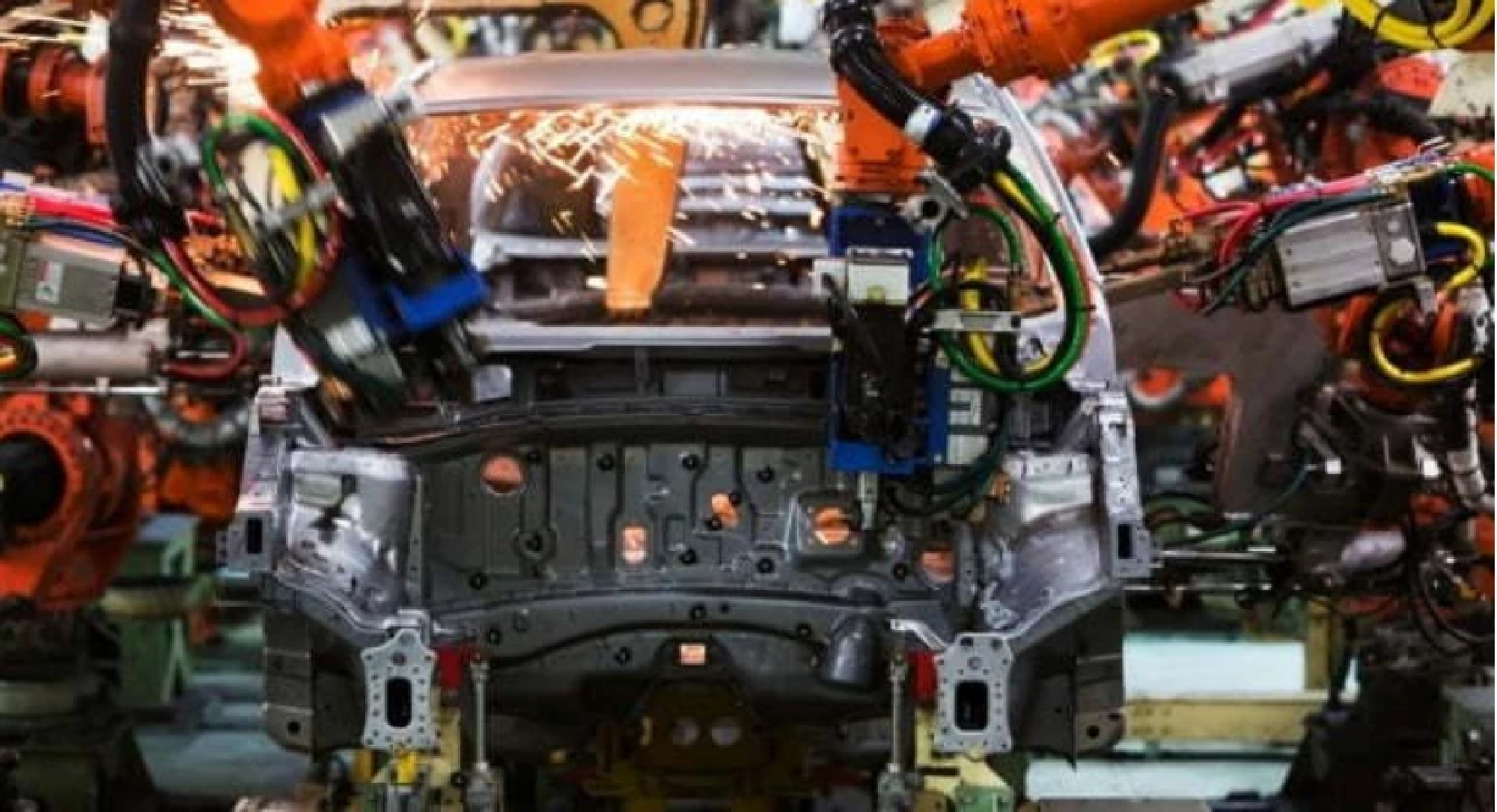
Hyundai Motor will build an electric vehicle production factory in South Korea by 2025, making it the carmaker’s first investment in expanding its local manufacturing capacity in 29 years.

Hyundai Motor to build first local factory in 29 years

The envisioned factory will be first-ever EV-dedicated manufacturing facility here, the company said. The plan was a part of a labour-management agreement to secure jobs for its workers, according to the union.

The carmaker said it aims to break ground next year while existing facilities that are old and outdated at domestic plants will be renovated as well. 

Hyundai Motor currently runs 10 factories worldwide in eight locations, while three of the plants are in Ulsan, Asan, South Chungcheong Proince, and Jeonju, North Jeolla Province.

The plans for the new factory comes as Hyundai in May announced a 63 trillion won ($47 billion) investment blueprint for developing Hyundai Motor, Kia and Hyundai Mobis’ domestic businesses by 2025. The location of the new facility is not decided, according to the carmaker.

Hyundai Motor’s first EV factory in Korea will play the role of a global EV production base, along with the EV factory in the US that has also targeted at a 2025 launch, the company said. Kia’s soon-to-be established Purpose Built Vehicle manufacturing facility inside AutoLand Hwaseong, its Hwaseong plant in Gyeonggi Province, is also expected to boost local EV production. 

Building an EV-dedicated factory was a major demand from the labour union, as employees feared less assembly work and unstable job security amid the automaker’s shift toward future mobility, including EVs.
Also, for the first time in 10 years, the carmaker agreed to add more jobs to the manufacturing sector, in response to the labour union’s demand to hire more workers at the Ulsan plant which has struggled with an ageing workforce and a short of hands. 

According to the union, one-fourth of unionized workers, or 12,600 of them, are expected to retire between 2022 and 2026. Some 3,000 senior workers on the manufacturing line have left the company each year and it is the company’s responsibility to guarantee workers’ employment, they argued.

Currently, Hyundai Motor Group converts subcontracted workers to regular positions at manufacturing plants. 

Details on the size of the new recruitment will be discussed by November and the carmaker will start hiring in the first half of next year.

“There are both external and internal risks, but the company made a decision that can allow both labour and management to coexist, based on the future of domestic plants and job stability,” said a company official. 

Last month, about 70 per cent of the Korean Metal Workers’ Union’s Hyundai Motor branch, which falls under the Korean Confederation of Trade Union, voted in support of a walkout as wage talks continued to fail. 

The carmaker’s labour union, which represents 40,958 members, has held a total of 15 rounds of negotiations since May. Major sticking points included an increase in monthly pay, incentives and a retirement age extension, among other issues.

The Korea Herald

Asia News Network

Asia News Network: The Nation (Thailand), The Korea Herald, The Straits Times (Singapore), China Daily,  Jakarta Post, The Star and Sin Chew Daily (Malaysia), The Statesman (India), Philippine Daily Inquirer, Yomiuri Shimbun and The Japan News, Gogo Mongolia,  Dawn (Pakistan),  The Island (Sri Lanka), Kuensel (Bhutan), Kathmandu Post (Nepal), Daily Star (Bangladesh), Eleven Media (Myanmar), the Phnom Penh Post and Rasmei Kampuchea (Cambodia), The Borneo Bulletin (Brunei), Vietnam News, and Vientiane Times (Laos).

Published : July 13, 2022

By : The Korea Herald

Sri Lanka crisis: Rise and fall of Rajapaksa’s ‘Political’ dynasty

#SootinClaimon.Com : ขอบคุณแหล่งข้อมูล : หนังสือพิมพ์ The Nation.

https://www.nationthailand.com/international/40017674


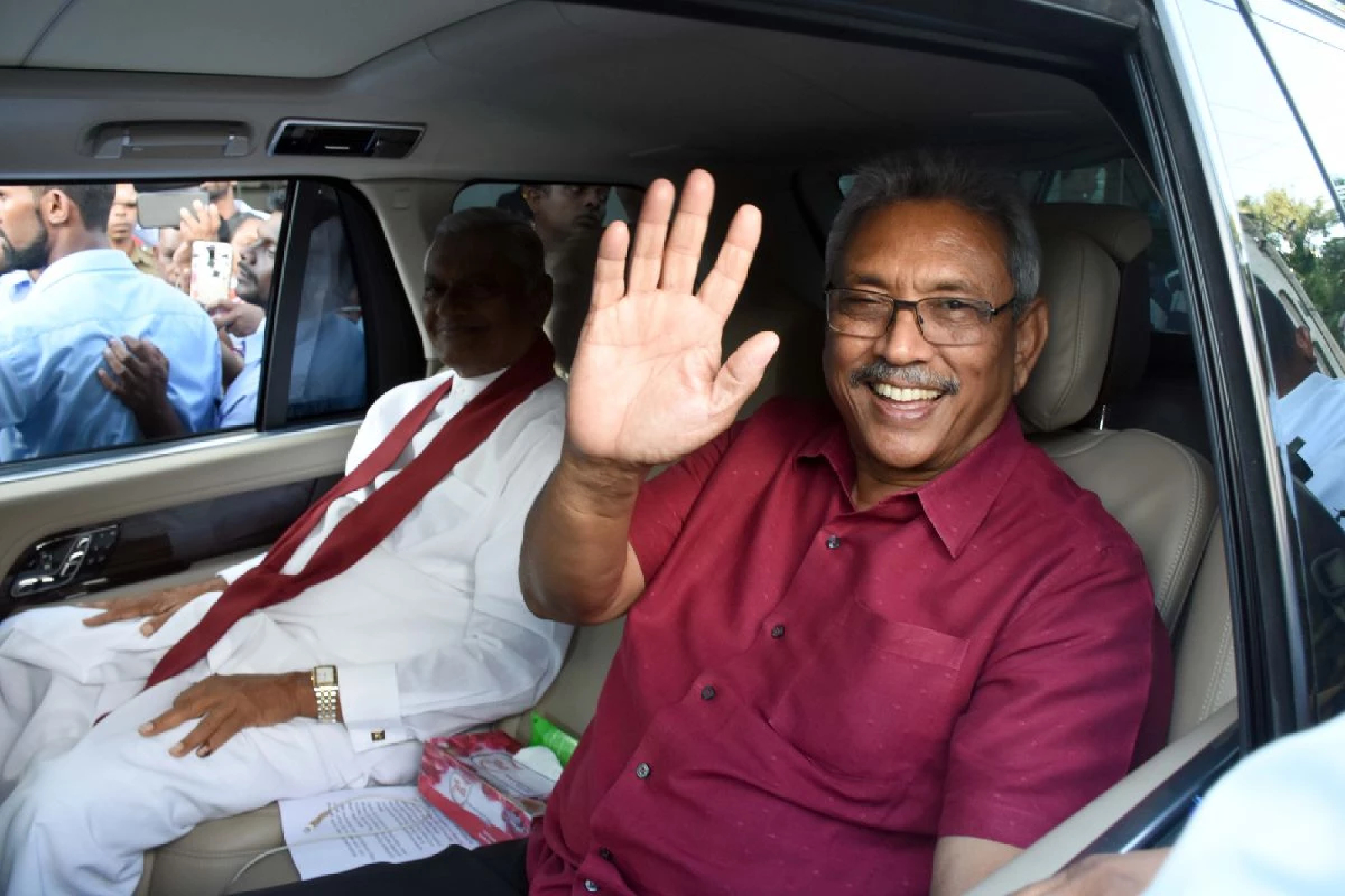
During the mass protest on fateful Saturday morning when almost everyone in Sri Lanka was on the roads against the regime blaming it for putting the country in massive economic turmoil, one thing that connected the country was the angst against a single name that ended with ‘Rajapaksa’.

Sri Lanka crisis: Rise and fall of Rajapaksa’s ‘Political’ dynasty

When the mighty team of this small cricketing nation was taking on Australia at ‘Gall’ city, known most for its beautiful, grand and historic cricket stadium the crowd outside cheered not for its team which won the game but for the way they pushed out the mightiest of all ‘Rajapaksas’, the Gotabaya Rajapaksa, the president of Sri lanka into hiding.

When the world was watching on the television how ‘Go Gotta Go’ narrative was gaining grounds ‘Rajapaksas’ were looking for the place to hide and flee.

It was impossible till a while ago, to imagine the humiliating confrontation that Gottabaya faced on Tuesday with airport immigration staff when he was stopped to fly by the very staff which was serving the regime. While the matchless decibels of crowd outside the airport cheering over the news may not be the beginning of any good news for Sri Lanka to come out of recent crisis, can this be counted as the beginning of fall of the mighty ‘Rajapakas’, the first political family of this nation of over 2 crore people.

Rise of Rajapaksas:-

If we look back, one can find, the Rajapaksa family has dominated Sri Lanka’s politics for over two decades, and in recent years, it has increasingly run the government as a family business.

The family patriarch, Don Alwin Rajapaksa, co-founder of Sri Lanka Freedom Party (SLFP) was a lawmaker in the 1950s and ’60s. Senior Rajapakasa’s sons Chaminda, Mahinda, and Gotabaya followed in their father’s footsteps.

But it was Mahinda Rajapaksa, his son, who helped cement the family’s ascent to prominence, rising to become prime minister and then a two-term presidency from 2005 to 2015.

The rise to power of Mahinda Rajapaksa began in 2004, when he was appointed Prime Minister during the presidency of Chandrika Kumaratunga Bandaranaike.

After winning presidential election in 2005, he made the decision to launch an all-out war in the north and east against the LTTE. His brother Gotabaya, who had earlier served in the Sri Lankan Army, played the key role of Defence Secretary.

Mahinda Rajapaksa, during his tenure as a President ended the country’s three-decade civil war by quashing the Tamil Tigers’ insurgency through brutal military force.

He accomplished this in a campaign that led to accusations of widespread human rights abuses. His brother Gotabaya Rajapaksa served as his powerful defence secretary.

In the Sinhalese south, the majority population of Sinhala-Buddhist community looked towards Rajapaksas as god-like figures for freeing them from the terror that the LTTE had unleashed on them.

Mahinda won a second term as President, and had the Constitution amended to remove the two-term bar. He was confident that he would be president for life.

Gotabaya continued as Mahinda’s Defence Secretary, became a parallel power centre, wielding influence by spreading fear.

He had given his office a royal touch where his throne-like chair placed at a level above those of his visitors. Dozens of people who were known critics of the government were abducted.

In around 2009-10, Rajapaksas gave free reign to the Bodu Bala Sena, a Buddhist extremist group that triggered several incidents of anti-Muslim violence.

Their youngest brother Basil was minister in charge of economic development and controlled all investments in Sri Lanka when Chamal, the eldest, was Speaker.

At that particular time, according to the analysts, as many as 40 Rajapaksas held one or another office, and between them, controlled most of the government’s finances and under their grip, freedoms suffered.

Downfall of Rajapaksas:-

Mahinda remained in office until 2015 when he lost to the opposition after his Cabinet colleague Maithripala Sirisena joined hands with rival Wickremesinghe.

However, they bided their time and launched the Sri Lanka Podujana Peramuna (SLPP or People’s Front) in 2016 as the party of the people, mainly appealing to the majority Sinhala-Buddhist community.

But as the economic burden increased, public anger began focusing on the Rajapaksa family as there was no explanation for the financial collapse.

Reeling under skyrocketing costs of living, protests began islandwide, demanding essentials. The world’s attention was drawn to a novel protest at the iconic seafront esplanade known as Galle Face. There, young men and women declared a protest site and dubbed it ‘GotaGoHome’ village. Peaceful protests were held there continuously for a month.

The increasing protest and its scale showed that the Rajapaksas were no longer the popular political family that they once were. The calls for collective resignations were demanded for forensic audits, recovery of stolen assets and legal action against Rajapaksas made people feel that Rajapaksas are responsible for the island’s state of bankruptcy.

With long queues of people making beeline daily for average daily essentials, such as fuel, gas, medical and food supplies, infuriated over the same, the country gradually turned into a protest ground.

Since April 3, four Rajapaksas have resigned from their posts under tremendous public pressure. It was evident that the family was on the backfoot.

Mahinda Rajapaksa, once among the most loved Sri Lankan politicians, no longer remained the same. Later in his last attempt, Mahinda convened a meeting with his acolyte Johnston Fernando at his official residence Temple Trees on May 9. They spoke passionately about meeting with force and claimed they would not run away in fear. Soon, goons emerged from the prime minister’s compound, some bearing poles.

They attacked the protestors at Galle Face, flattening the temporary huts and beating people up which became the turning point and in just couple of hours, Rajapaksa loyalists’ homes were burnt to cinders.

Those who loved him and looked towards Mahinda have turned against him. Not just the protesters, even his own supporters had turned protesters.

The Statesman

Asia News Network

Asia News Network: The Nation (Thailand), The Korea Herald, The Straits Times (Singapore), China Daily,  Jakarta Post, The Star and Sin Chew Daily (Malaysia), The Statesman (India), Philippine Daily Inquirer, Yomiuri Shimbun and The Japan News, Gogo Mongolia,  Dawn (Pakistan),  The Island (Sri Lanka), Kuensel (Bhutan), Kathmandu Post (Nepal), Daily Star (Bangladesh), Eleven Media (Myanmar), the Phnom Penh Post and Rasmei Kampuchea (Cambodia), The Borneo Bulletin (Brunei), Vietnam News, and Vientiane Times (Laos).

Published : July 13, 2022

By : The Statesman

Ex-Sri Lankan finance minister’s escape attempt thwarted at airport

#SootinClaimon.Com : ขอบคุณแหล่งข้อมูล : หนังสือพิมพ์ The Nation.

https://www.nationthailand.com/international/40017643


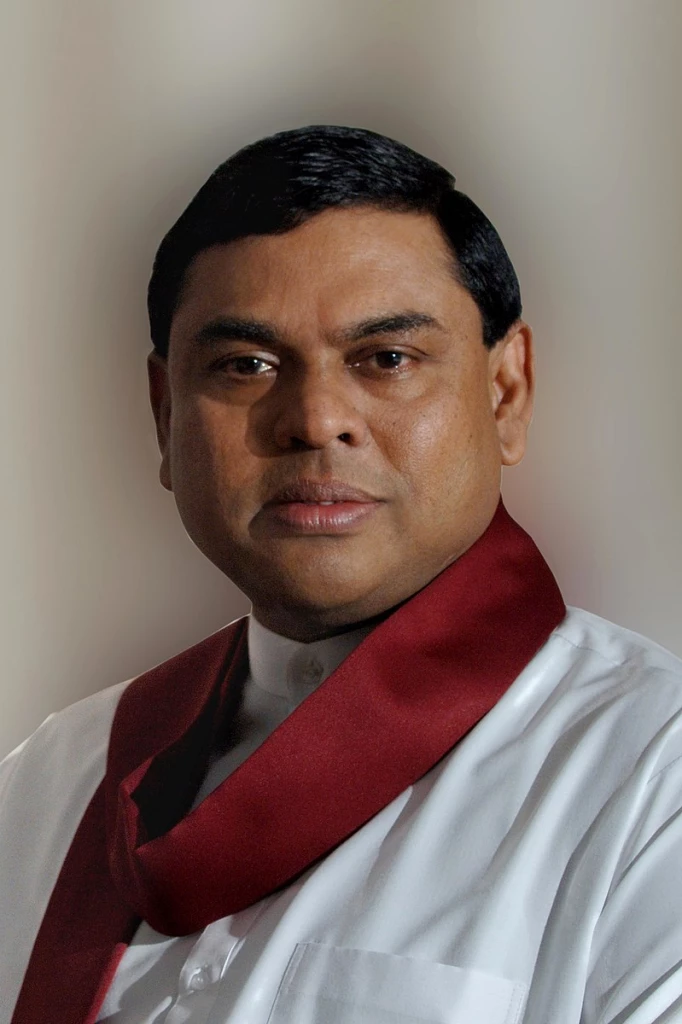
Sri Lanka’s former finance minister Basil Rajapaksa, the youngest brother of President Gotabaya Rajapaksa, was stopped from boarding a flight to Dubai on Monday evening, local media reported.

Ex-Sri Lankan finance minister’s escape attempt thwarted at airport

Basil reportedly tried to leave Sri Lanka amid the ongoing economic crisis in the country but airport officials refused to let him leave the country following the protests by passengers, Daily Mirror reported. Upon officials’ refusal, Basil had to return without being able to proceed, the report added.

This development comes a day after Parliament speaker Mahinda Yapa Abeywardena clarified that Gotabaya Rajapaksa is still in the country, soon after reports emerged that the president has left the island nation.

Sri Lankan President Rajapaksa, who announced his resignation last Saturday, was earlier said to have fled and was in a third country.

“President of Sri Lanka Gotabaya Rajapaksa is still in the country, I made a mistake in the [BBC] interview,” Abeywardena told ANI in a telephone call.

When asked further about the whereabouts of Sri Lankan Prime Minister Ranil Wickremesinghe and the president, the speaker said both of them are still in the country.

The development comes after thousands of people stormed into the President’s House in Fort on Saturday. Dramatic photographs were taken in PM’s official residence where protesters were seen playing carrom board, sleeping on the sofa, enjoying in park premises and preparing food for dinner.

Prime Minister Ranil Wickremesinghe also announced he was stepping down amid the ongoing protests. However, the protesters who are occupying the PM and president’s homes have clarified that they will continue occupying the premises until the two resign.

The worsening economic situation in the country has led to increasing tensions and over the last few weeks, there were reports of several confrontations between individuals and members of the police force and the armed forces at fuel stations where thousands of desperate members of the public have queued for hours and sometimes days.

Ex-Sri Lankan finance minister’s escape attempt thwarted at airport

Sri Lanka is suffering its worst economic crisis since gaining independence in 1948, which comes on the heels of successive waves of Covid-19, threatening to undo years of progress.

The oil supply shortage has forced schools and government offices to close until further notice. Reduced domestic agricultural production, lack of foreign exchange reserves, and local currency depreciation have fuelled the shortages.

The economic crisis will push families into hunger and poverty – some for the first time – adding to the half a million people who the World Bank estimates have fallen below the poverty line because of the pandemic.

The Statesman

Asia News Network

Asia News Network: The Nation (Thailand), The Korea Herald, The Straits Times (Singapore), China Daily,  Jakarta Post, The Star and Sin Chew Daily (Malaysia), The Statesman (India), Philippine Daily Inquirer, Yomiuri Shimbun and The Japan News, Gogo Mongolia,  Dawn (Pakistan),  The Island (Sri Lanka), Kuensel (Bhutan), Kathmandu Post (Nepal), Daily Star (Bangladesh), Eleven Media (Myanmar), the Phnom Penh Post and Rasmei Kampuchea (Cambodia), The Borneo Bulletin (Brunei), Vietnam News, and Vientiane Times (Laos).

Published : July 12, 2022

By : The Statesman