Japan PM determined to ‘drastically strengthen’ defence capabilities

#SootinClaimon.Com : ขอบคุณแหล่งข้อมูล : หนังสือพิมพ์ The Nation.

https://www.nationthailand.com/international/40017640


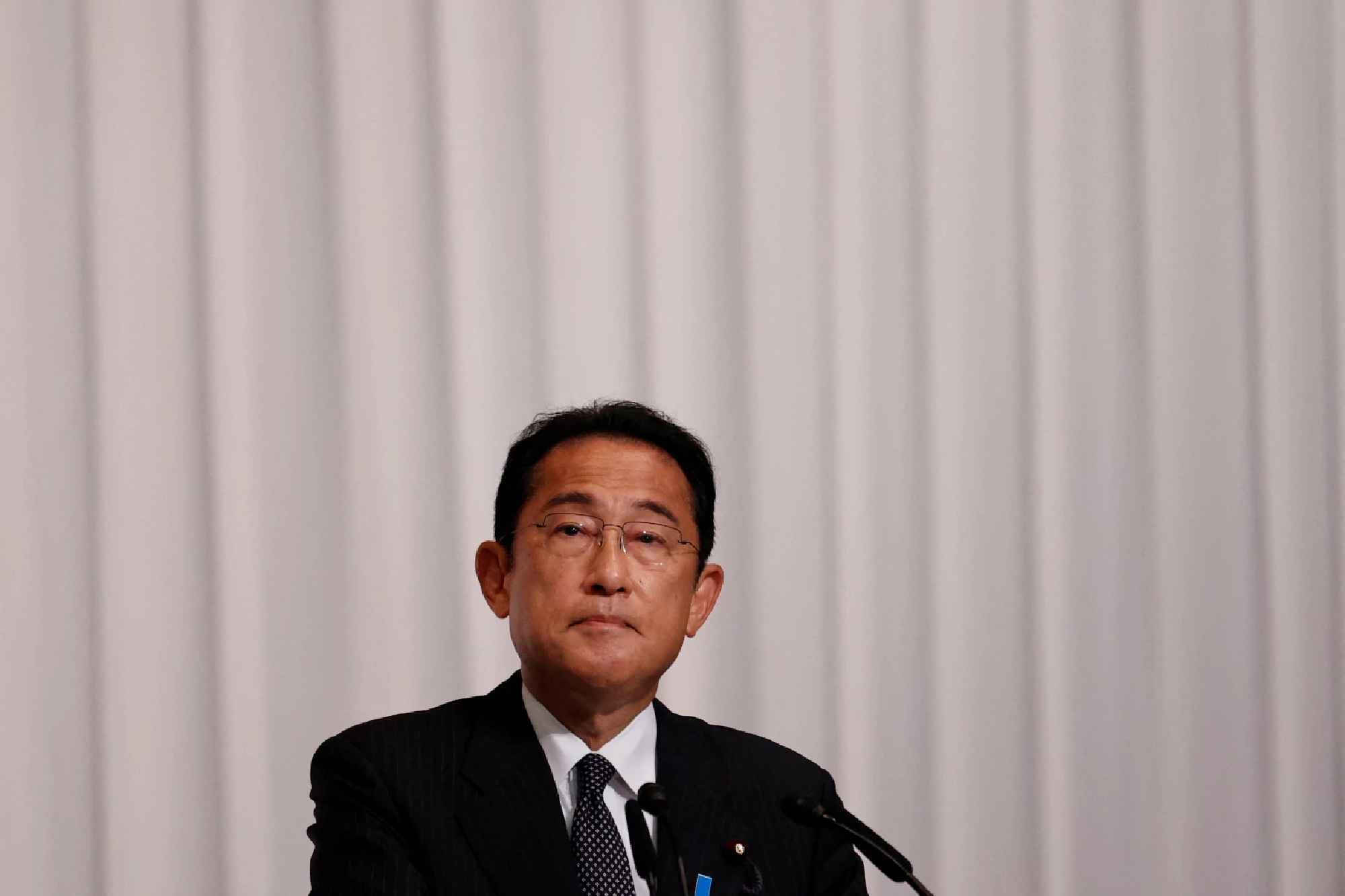
After winning an overwhelming victory in Sunday’s upper house election, Prime Minister Fumio Kishida now faces the two difficult challenges of “drastically strengthening” the country’s defence capabilities and addressing rising prices.
Japan PM determined to ‘drastically strengthen’ defence capabilities

Resolving crises in emergencies requires the politics of “decisions and execution” – which Kishida himself promised as a Liberal Democratic Party (LDP) election pledge – rather than the “careful driving” approach he has taken so far.

High-stakes effort

“We have a mountain of really big issues. Each of them is quite important and I will stake my political life on efforts to tackle them,” Kishida told a press conference on Monday, in a show of strong determination.

Kishida’s leadership will be tested on the issue of reinforcing defence capabilities, discussion of which had been led by former Prime Minister Shinzo Abe before his assassination. In the election campaign, the LDP promised to increase Japan’s defence budget to the necessary level within the next five years, taking the example of Nato, whose member states must spend at least 2 per cent of their GDP on defence each year.

Before the election, Kishida was cautious on the issue, saying, “I don’t think we should start with numbers.” However, he emphasised on Sunday that he would enhance Japan’s defence capabilities with the 2 per cent figure in mind. “As for what numerical goals we will set this year, we have to make efforts to unveil them as quickly as possible,” Kishida added.

By the end of this year, the government will revise three key documents: the National Security Strategy, the National Defence Programme Guidelines and the Mid-term Defence Programme. Along with those revisions, the government is expected to decide on a broad framework of budget increases and defence equipment outlays for the next five years, even though it will be difficult to make arrangements on specific issues.

Japan’s total defence spending for the fiscal 2022 budget is ¥5.4 trillion (1.3 trillion baht), or 0.96 per cent of GDP. Given that 2 per cent of current GDP would amount to about ¥11 trillion, discussing how to secure funding for such spending is unavoidable. Abe proposed issuing additional government bonds to fund the spending, while the LDP’s coalition partner Komeito is cautious about the proposal. Potential funding measures other than the issuance of government bonds are increasing taxes or cutting other spending, such as social security, but both of those options will inevitably trigger opposition from the public.

Including the “counterattack” capabilities that the government is considering possessing, deciding which areas should be given budget priority is also a difficult issue, because it is necessary not only to enhance fighter jets, drones, ships and other equipment but also to address issues such as shortages of live ammunition and renovating Self-Defence Forces facilities.

Rising prices

Addressing rising prices is another urgent issue that requires drastic measures going beyond expectations of administrative institutions to be taken under Kishida’s leadership, according to a close aide.

Kishida will hold a meeting of a response headquarters that he chairs this week to discuss how to use about ¥5.5 trillion in reserve funds. However, it is unclear whether the government can propose measures that will achieve sufficient results to ease dissatisfaction among the public.

Asked at the press conference why people are dissatisfied with government measures, Kishida said: “Prices are increasing, so it is natural that people do not say the government measures are satisfactory.”

He added, “Since prices continue to rise, sustaining pay increases is essential.” But there is no clear road map to achieve pay rises that keep ahead of rising prices.

On Covid-19, the United States and many European countries are now imposing few restrictions on people’s activities despite cases increasing. Japan’s PM is “taking a careful approach to normal times”. Forcing restaurants to shorten their business hours or impose other restrictions could further affect the economy, the government says, though border restrictions for tourists are still in place.

The Japan News

Asia News Network

Asia News Network: The Nation (Thailand), The Korea Herald, The Straits Times (Singapore), China Daily,  Jakarta Post, The Star and Sin Chew Daily (Malaysia), The Statesman (India), Philippine Daily Inquirer, Yomiuri Shimbun and The Japan News, Gogo Mongolia,  Dawn (Pakistan),  The Island (Sri Lanka), Kuensel (Bhutan), Kathmandu Post (Nepal), Daily Star (Bangladesh), Eleven Media (Myanmar), the Phnom Penh Post and Rasmei Kampuchea (Cambodia), The Borneo Bulletin (Brunei), Vietnam News, and Vientiane Times (Laos).

Published : July 12, 2022

By : The Japan News

Taste the ice creams in shapes of China’s cultural relics

#SootinClaimon.Com : ขอบคุณแหล่งข้อมูล : หนังสือพิมพ์ The Nation.

https://www.nationthailand.com/international/40017631


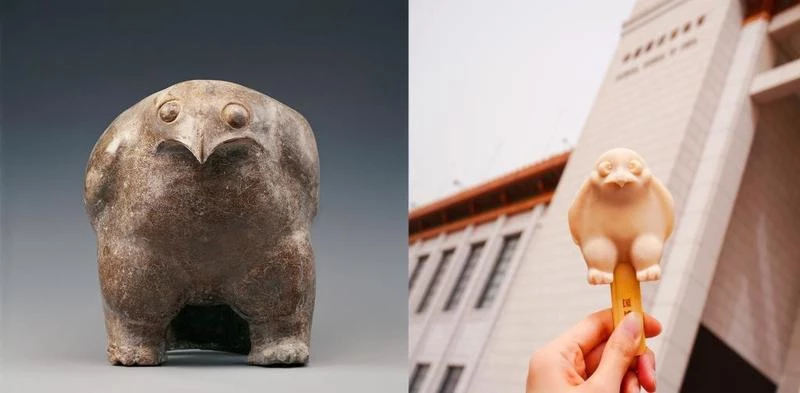
Inspired by China’s cultural relics, the National Museum of China has launched a variety of creative food products in recent years. Those products featuring different shapes of cultural relics have been designed in an attempt to arouse people’s interests in exhibits of museums.

Taste the ice creams in shapes of China's cultural relics

With its precursor, the Preparatory Office of the National Museum of History, established in July 1912, the NMC was formed in 2003 as a result of the merger of the National Museum of Chinese History and the National Museum of Chinese Revolution, both on the east side of Tian’anmen Square.

 Eagle-shaped Pottery Ding vessel displayed at the National Museum of China in Beijing, capital of China, and an eagle-shaped ice cream barEagle-shaped Pottery Ding vessel displayed at the National Museum of China in Beijing, capital of China, and an eagle-shaped ice cream bar

Square vessel with four rams displayed at the National Museum of China in Beijing, capital of China, and an ice cream bar shaped like the vesselSquare vessel with four rams displayed at the National Museum of China in Beijing, capital of China, and an ice cream bar shaped like the vessel

 Jade Ruyi, a traditional Chinese ornamental object for luck, displayed at the National Museum of China in Beijing, capital of China, and mooncakes with the same Ruyi patternJade Ruyi, a traditional Chinese ornamental object for luck, displayed at the National Museum of China in Beijing, capital of China, and mooncakes with the same Ruyi pattern

 Bronze Rhino-shaped Zun (wine vessel) displayed at the National Museum of China in Beijing, capital of China, and a Rhino-shaped ice cream barBronze Rhino-shaped Zun (wine vessel) displayed at the National Museum of China in Beijing, capital of China, and a Rhino-shaped ice cream bar
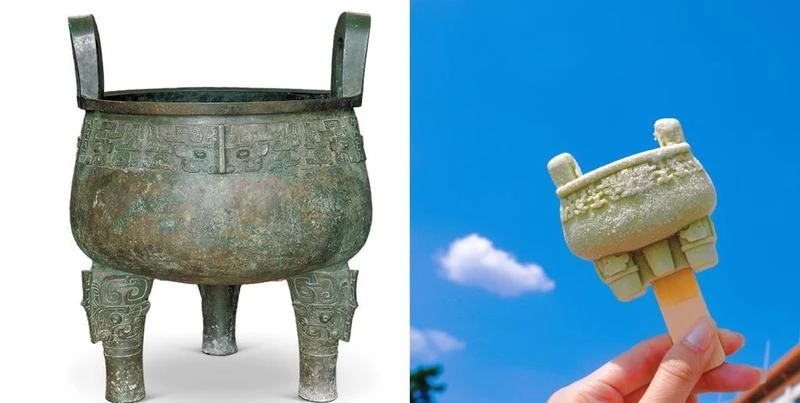
Yu cauldron displayed at the National Museum of China in Beijing, capital of China, and an ice cream bar shaped like the cauldronYu cauldron displayed at the National Museum of China in Beijing, capital of China, and an ice cream bar shaped like the cauldron

China Daily

Asia News Network

Asia News Network: The Nation (Thailand), The Korea Herald, The Straits Times (Singapore), China Daily,  Jakarta Post, The Star and Sin Chew Daily (Malaysia), The Statesman (India), Philippine Daily Inquirer, Yomiuri Shimbun and The Japan News, Gogo Mongolia,  Dawn (Pakistan),  The Island (Sri Lanka), Kuensel (Bhutan), Kathmandu Post (Nepal), Daily Star (Bangladesh), Eleven Media (Myanmar), the Phnom Penh Post and Rasmei Kampuchea (Cambodia), The Borneo Bulletin (Brunei), Vietnam News, and Vientiane Times (Laos).

Published : July 12, 2022

By : China Daily

South Korean convenience stores make forays into Malaysia

#SootinClaimon.Com : ขอบคุณแหล่งข้อมูล : หนังสือพิมพ์ The Nation.

https://www.nationthailand.com/international/40017630


South Korean convenience stores are actively making forays into Malaysia, a lucrative market based on growing local demand for consumer goods and convenience stores, along with the Malaysian public’s great interest in Korean food.

South Korean convenience stores make forays into Malaysia

Korean convenience store chain GS25 said Monday it has partnered with Malaysian retail giant KK Group to open the first GS25 store in Malaysia next year. The two agreed to expand to 500 locations in five years.

According to a report from GS25, Malaysia’s annual growth rate for consumer goods is 17 per cent, while its convenience store business is showing 10 per cent growth on average.

“Among Southeast Asian countries, Malaysia has the most advanced system for operating convenience stores and the greatest need to boost the business,” a GS25 official said.

GS25 will receive royalty payments for licensing the brand to KK Group, which will be in charge of local operations.

The Korean firm plans to launch local food products and pass on know-how in making and distributing fresh food including ready-made meals. It will provide meal kits that come with fresh ingredients paired with recipes and food products popular in Korea.

“We will offer food delivery service and other parcel deliveries with the cheapest rates like we do in Korea,” the company said.

Malaysia is the third overseas market for GS25 to enter after it launched stores in Vietnam in 2018 and Mongolia in 2021.

CU, another Korean convenience store chain, recently announced the opening of its 100th convenience store in Perak, northwestern Malaysia. Its first store opened in Kuala Lumpur last year. The 198-square-meter store aims to become a landmark in the local community, according to the company.

The chain operator originally aimed to open 50 branches in a year, but ultimately doubled that number. As a first in the industry for a Korean chain, CU operated 300 overseas locations.

In partnership with Mycu Retail, a subsidiary under Malaysia-based Mynews Holdings, CU currently operates branches in Kuala Lumpur, Johor Bahru, Melaka, Pulau Pinang and other major cities there. The company plans to expand its foothold to the eastern region, including Borneo, the third-largest island in the world, and to open more than 500 stores within five years.

“CU convenience stores are proving very popular in Malaysia. During the grand opening of the first branch, there was a 100-meter queue outside and 1,000-3,000 customers visited per day,” the company said.

CU’s Korean food products account for more than 60 per cent of total food sales at its Malaysian branches, which include local Malaysian food. In particular, around 4,000 tteokbokki (spicy Korean rice cakes) products are sold a day, topping the list for sales.

South Korean convenience stores make forays into Malaysia

E-mart24, a convenience store chain under Korean retail giant Shinsegae, launched its 20th store at Mitsui Outlet Park near Kuala Lumpur International Airport.

Last year, the company joined hands with United Frontiers Holdings, a Malaysian retail group, and have set up shops featuring unique interior designs with motifs inspired by the scenery and gardens of Kuala Lumpur. The company looks to open 10 more stores for a total of 30 by the end of this year.

E-mart24’s top-selling Korean snacks in its Malaysian stores account for 70 per cent of its total sales there.

Byun Hye-jin

The Korea Herald

Asia News Network

Asia News Network: The Nation (Thailand), The Korea Herald, The Straits Times (Singapore), China Daily,  Jakarta Post, The Star and Sin Chew Daily (Malaysia), The Statesman (India), Philippine Daily Inquirer, Yomiuri Shimbun and The Japan News, Gogo Mongolia,  Dawn (Pakistan),  The Island (Sri Lanka), Kuensel (Bhutan), Kathmandu Post (Nepal), Daily Star (Bangladesh), Eleven Media (Myanmar), the Phnom Penh Post and Rasmei Kampuchea (Cambodia), The Borneo Bulletin (Brunei), Vietnam News, and Vientiane Times (Laos).

Published : July 12, 2022

By : The Korea Herald

Hun Sen : Cambodia sees rapid population growth

#SootinClaimon.Com : ขอบคุณแหล่งข้อมูล : หนังสือพิมพ์ The Nation.

https://www.nationthailand.com/international/40017628


Cambodia’s population growth rate in the past two decades has remained roughly 40-50 per cent faster than the global average, as the UN projects that eight billion people will live on the Earth in November this year, according to Prime Minister Hun Sen.

Hun Sen : Cambodia sees rapid population growth

Hun Sen made the remark in a letter celebrating the 33rd World Population Day, held with the theme of “A World of eight billion people towards a resilient future to seize a chance to ensure rights for all”.

“The UN projected that the numbers of the global population will rise to eight billion in November this year, meaning the world has made incredible strides in reducing poverty and improving healthcare. Maternity and infant mortality rates are declining and people are living longer and healthier lives,” he said.

He added that according to the UN, the Earth’s population had risen at a rate of one per cent a year, while Cambodia had grown at 1.4 per cent each year from 2008 through 2019.

Citing the latest general census, the premier said the Cambodian population was 15.6 million in 2019 – an annual growth rate of 1.4 per cent when measured against the 2008 census result of 13.4 million. Earlier growth had been even higher, running at 1.5 per cent from 1998.

“The increase in the number of the Cambodian people over the last two decades was attributed to declining mortality rates and a rise in life expectancy. The census shows a remarkable decrease in maternity mortality rate, from 410 persons per 100,000 births in 2008 to 170 in 2014 and just 141 in 2019,” it said.

The life expectancies of the Cambodian people had also risen steadily. In 1998, the figures were 54 years for men and 58 for women. By 2008, the figures were 61 and 64. Evidence of vast improvements to the nation was evidenced by 2019’s figures – 74.3 years for men and 76.8 for women.

Hun Sen said these successes came from joint efforts by the government and its partner organisations to improve and develop the public health sector. In addition, Cambodia had a unique population where 36 per cent of the population was of reproductive ages, 20 to 36 years old.

“When we consider a forum of 8,000 million people, we have to remind the world that humanity is not separated when the number of members increases or decreases. Every individual must share their ingenuity, kindness, leadership, labour, creativity and hearts with every other member of the global family,” he said.

He said that issues associated with such a high population would need to be dealt with through the timely introduction of carefully crafted policies and measures to mitigate negative impacts, adding that Cambodia is still on track to become an upper-middle income country by 2030 and a high-income country by 2050.

Published : July 12, 2022

By : The Phnom Penh Post

Details of Abe shooter’s troubled past emerge

#SootinClaimon.Com : ขอบคุณแหล่งข้อมูล : หนังสือพิมพ์ The Nation.

https://www.nationthailand.com/international/40017597


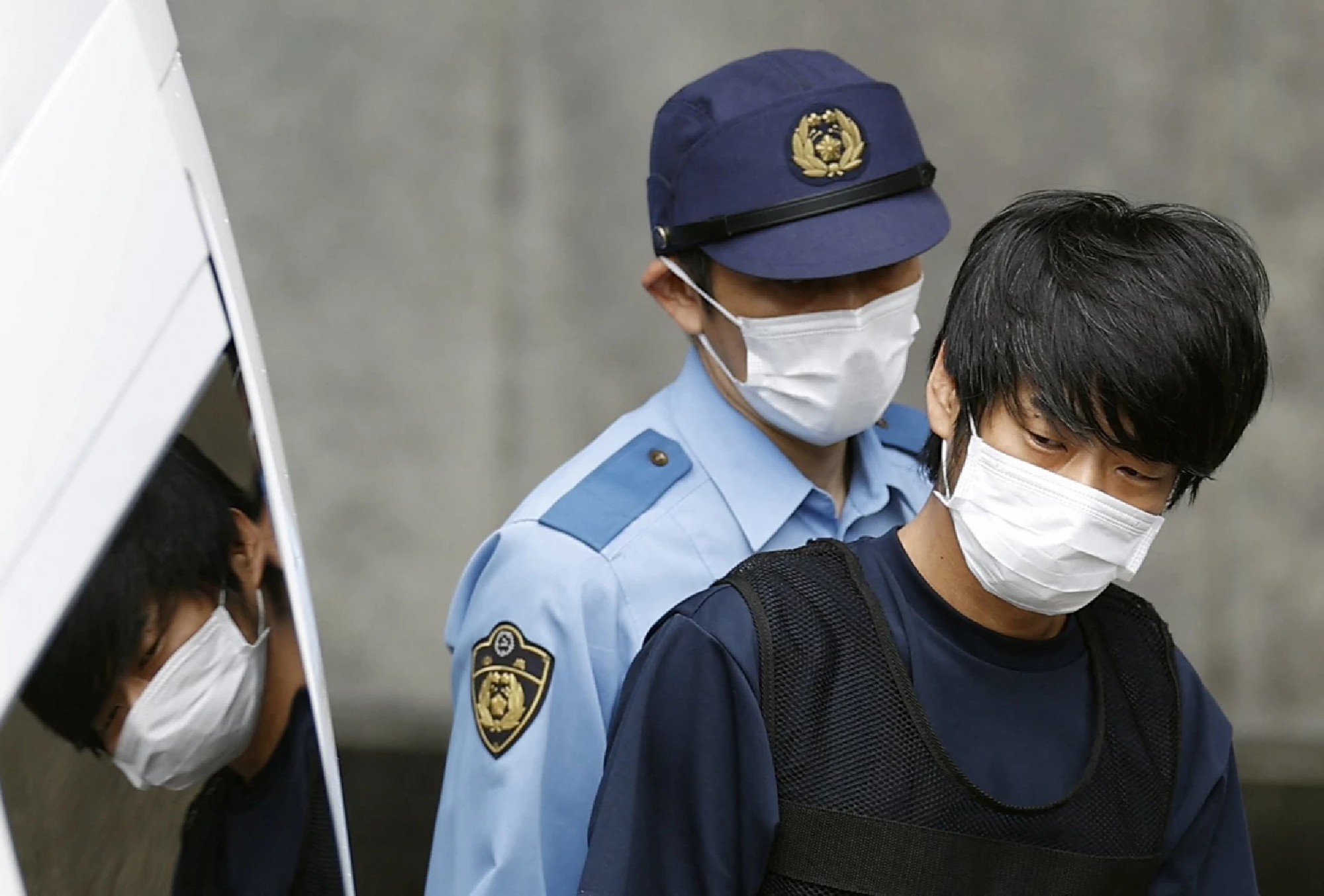
The suspect in the fatal attack on former prime minister Shinzo Abe had quit his job at a factory in Kyoto Prefecture in May after repeatedly causing problems, sources said.

Details of Abe shooter’s troubled past emerge

Tetsuya Yamagami, a 41-year-old former member of the Maritime Self-Defence Force, was arrested on Friday after shooting Abe during a speech in Nara City. Police seized several weapons, including a handmade gun, found at his apartment. Several residents said that they had heard suspicious metallic sounds coming from his place.

“He did cause some problems, but I never would have imagined he would cause such an incident,” a man in charge of the factory where Yamagami used to work told reporters on Saturday.

According to the man’s explanation, Yamagami worked at the factory as a temp from October 2020 until May 15 this year. He commuted to the location by car from the city and worked from 8am to 5pm, moving goods in a warehouse with a forklift truck.

Initially, Yamagami reportedly did his job well and was highly regarded.

Around the spring of 2021, however, he is said to have begun talking back to his seniors when told to work as instructed, saying such things as, “If you’re going to talk like that, you should do it yourself.”

Yamagami is also said to have started arguing with truck drivers from other companies over how to carry cargo. He rarely spoke with his co-workers and often ate lunch alone in his car.

From March of this year, he often took time off as well as unexcused absences.

In April, he said he wanted to quit as he was “not feeling well”, and he then took leave, before finally quitting on May 15. He reportedly said he had not decided what he would do next for work.

He graduated from a prefectural high school, one of the high-ranked schools in Nara Prefecture. Regarding his future, he wrote, “I don’t know” in his graduation photo album.

One of his former classmates said that Yamagami was a good-natured and kind-hearted person, and that it was hard to believe he really caused the attack.

After graduating from high school in 1999, Yamagami served in the Maritime Self-Defence Force from 2002 to 2005. He is believed to have received gun training at that time.

Over 10 years ago, he lived with his mother, an elder brother and a younger sister in a rented house in Nara City. According to the landlord, they sometimes failed to pay rent for months at a time. “They appeared to be in financial difficulties,” the landlord said. By that time, Yamagami’s father is believed to have had passed away.

At the time of the incident, Yamagami was living alone in an apartment in the city, about 3 kilometres from the scene of the attack, and had no interaction with neighbours.

Several neighbouring residents said about a month ago they started to hear the sounds of what seemed to be a saw cutting something and the sound of metal from the suspect’s room.

A resident who had passed by him a few days before the incident, said, “He looked as if he was deep in thought and blind to his surroundings. I felt that he might be troubled in some way.”

On the day of the attack, Yamagami travelled by train from Shin-Omiya Station near his home to Yamato-Saidaiji Station near the crime scene. He is believed to have ridden on the train with a homemade gun.

The Japan News

Asia News Network

Asia News Network: The Nation (Thailand), The Korea Herald, The Straits Times (Singapore), China Daily,  Jakarta Post, The Star and Sin Chew Daily (Malaysia), The Statesman (India), Philippine Daily Inquirer, Yomiuri Shimbun and The Japan News, Gogo Mongolia,  Dawn (Pakistan),  The Island (Sri Lanka), Kuensel (Bhutan), Kathmandu Post (Nepal), Daily Star (Bangladesh), Eleven Media (Myanmar), The Phnom Penh Post and Rasmei Kampuchea (Cambodia), The Borneo Bulletin (Brunei), Vietnam News, and Vientiane Times (Laos).

Published : July 11, 2022

By : The Japan News

Cambodia plants another 30,000 palm seeds on Lao border

#SootinClaimon.Com : ขอบคุณแหล่งข้อมูล : หนังสือพิมพ์ The Nation.

https://www.nationthailand.com/international/40017595


A Cambodian initiative to plant palm seeds along the country’s border with Laos aims to preserve territorial integrity and benefit future generations by teaching them about their national identity.

Cambodia plants another 30,000 palm seeds on Lao border

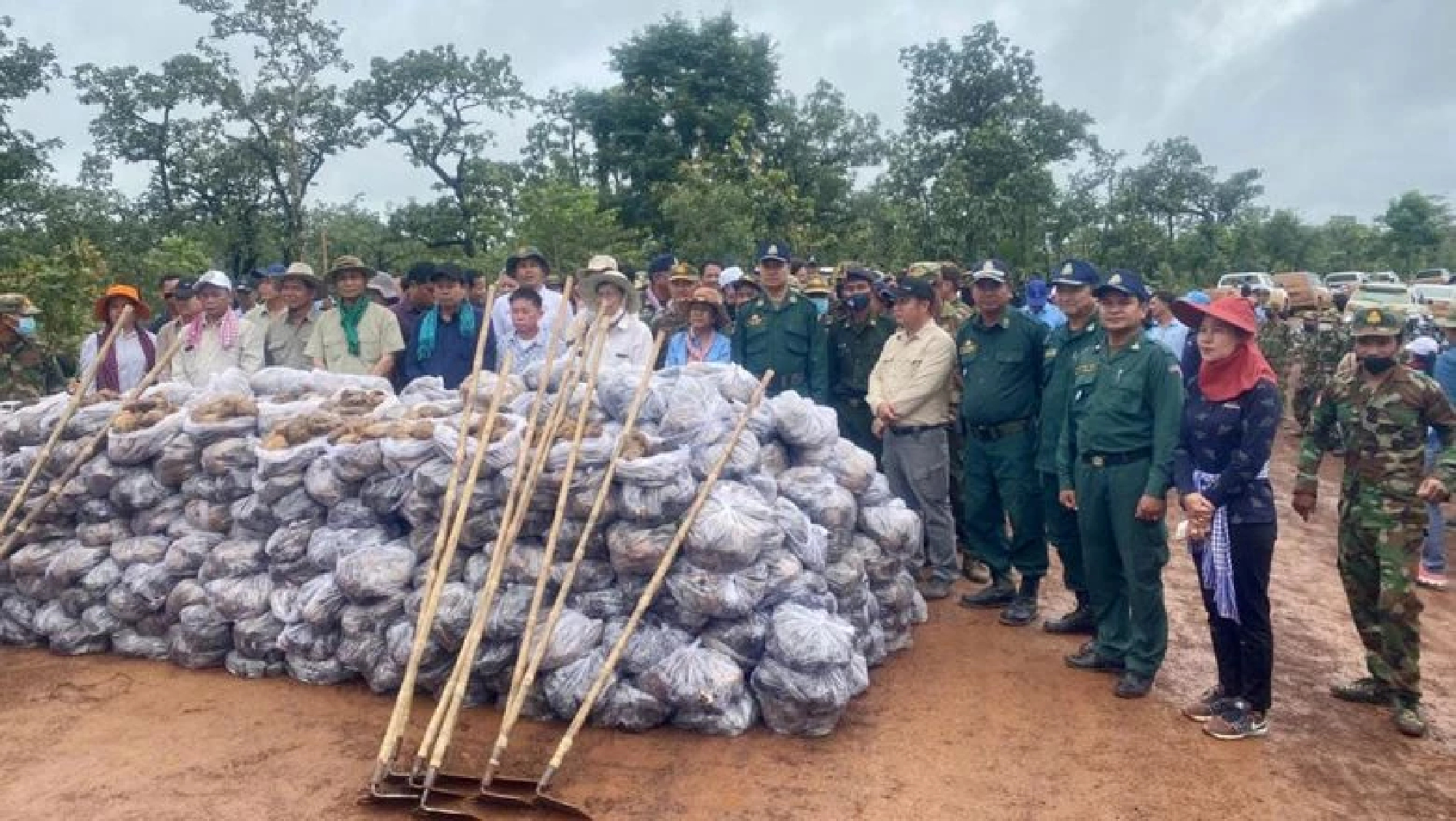
The governor of Stung Treng province, Svay Sam Eang, on July 9 led officials and youth groups on the mission.
“The palm tree is a plant that has provided many benefits to the Cambodian people since ancient times. It is also a symbol representing the soul of the Cambodian people and how they have distinguished their territory from ancient times until the present,” he said.

The provincial information department director, Ouk Theavy, said that since 2016, more than 200,000 palm seeds had been planted, and the sixth planting season on July 9 used 30,000 seeds.

He said Stung Treng does not have as many palm trees as Takeo and Kampong Speu provinces, but after many border posts had been placed along the border, provincial authorities had initiated planting operations.

“Since we began in 2016, the seedlings have grown to about 40 per cent of their eventually full height. Some seeds have grown very well. Generally, it takes seven to 10 years to establish a productive tree,” he said.

He said the province had a programme to inspire and organise a day of tree planting every year. By planting saplings in natural areas, they would regenerate the beauty of several decaying areas.

According to Theavy, more than 250km of the province borders Laos. Provincial authorities had planted on about 100km of them.

Theavy said 11,500 seeds were planted in 2016, 10,000 in 2017, 25,000 in 2018, 30,000 in 2019, 10,000 in 2021 and 30,000 this year, taking the total to 206,500.

The sixth planting season took place along a 10km area of the border.

Lay Samean

The Phnom Penh Post

Asia News Network

Asia News Network: The Nation (Thailand), The Korea Herald, The Straits Times (Singapore), China Daily,  Jakarta Post, The Star and Sin Chew Daily (Malaysia), The Statesman (India), Philippine Daily Inquirer, Yomiuri Shimbun and The Japan News, Gogo Mongolia,  Dawn (Pakistan),  The Island (Sri Lanka), Kuensel (Bhutan), Kathmandu Post (Nepal), Daily Star (Bangladesh), Eleven Media (Myanmar), The Phnom Penh Post and Rasmei Kampuchea (Cambodia), The Borneo Bulletin (Brunei), Vietnam News, and Vientiane Times (Laos).

Published : July 11, 2022

By : The Phnom Penh Post

Blinken vows to keep US pressure on Myanmar regime

#SootinClaimon.Com : ขอบคุณแหล่งข้อมูล : หนังสือพิมพ์ The Nation.

https://www.nationthailand.com/international/40017593


US Secretary of State Antony Blinken on Sunday vowed to continue pressing the Myanmar junta to cease its violent repression and return to a path of democracy.

Blinken vows to keep US pressure on Myanmar regime

“We will continue to look for ways that we can – and other countries can – effectively put pressure on the regime to move back to the democratic path, and we’re doing that on a regular basis,” Blinken said in Bangkok, during his first official trip to Thailand shortly after attending the Group of 20 (G20) foreign ministers’ meeting in Indonesia’s Bali.

He also called on Asean to hold the Myanmar regime, which ousted the civilian government last year, accountable and for China to support Myanmar’s return to democracy.

“I think it’s also incumbent upon China and in China’s interest to see Burma move back to the path that it was on that it was so violently disrupted from by the coup,” he said, referring to Myanmar by its former name.

Blinken was originally scheduled to visit Thailand in December last year but had to call it off after a member of his travelling party tested positive for Covid-19.

On this trip, he also met Prime Minister Prayut Chan-o-cha to discuss issues such as post-pandemic economic recovery, cooperation related to climate change and the Asia-Pacific Economic Cooperation meetings that Thailand is hosting in November.

While both countries are long-standing treaty allies, Thailand – like much of Southeast Asia – has tried to stay neutral amid intensifying Sino-US rivalry.

Blinken’s trip to Thailand comes within a week of a similar visit by Chinese Foreign Minister Wang Yi, who managed to get Bangkok to pledge to complete the much-delayed Thai-Chinese high-speed railway by 2028. This will link Thailand to China via a newly opened rail system in Laos and open a faster overland conduit of goods and people.

The top US diplomat held about five hours of talks with Wang in Bali on Saturday after the G20 meeting, addressing issues such as human rights, Taiwan and Hong Kong.

Blinken, who had joined some of his G20 counterparts in condemning Russia’s invasion of Ukraine, reportedly urged Beijing to distance itself from the Kremlin during his talks with Wang.

“Despite the complexities of our relationship, I can say with some confidence that our delegations found today’s discussions useful, candid and constructive,” Blinken said after speaking to his Chinese counterpart.

Tan Hui Yee

The Straits Times

Asia News Network

Asia News Network: The Nation (Thailand), The Korea Herald, The Straits Times (Singapore), China Daily,  Jakarta Post, The Star and Sin Chew Daily (Malaysia), The Statesman (India), Philippine Daily Inquirer, Yomiuri Shimbun and The Japan News, Gogo Mongolia,  Dawn (Pakistan),  The Island (Sri Lanka), Kuensel (Bhutan), Kathmandu Post (Nepal), Daily Star (Bangladesh), Eleven Media (Myanmar), The Phnom Penh Post and Rasmei Kampuchea (Cambodia), The Borneo Bulletin (Brunei), Vietnam News, and Vientiane Times (Laos).

Published : July 11, 2022

By : The Straits Times

Only 6.3% of Korea’s board members are women: survey

#SootinClaimon.Com : ขอบคุณแหล่งข้อมูล : หนังสือพิมพ์ The Nation.

https://www.nationthailand.com/international/40017586


Women occupied only about 6.3 per cent of corporate board positions at South Korea’s 353 largest companies in the first quarter this year, according to a survey released by corporate tracker Leaders’ Index on Sunday.

Only 6.3% of Korea’s board members are women: survey

The survey shows there are still fewer than a thousand women in executive positions, with 914 among a total of 14,418 board members in the latest survey, even though the female proportion was on the rise for three consecutive years.

Samsung Electronics, the nation’s largest company, may have the largest number of female executives, but the figure still stood at only 6.5 per cent, barely above the national average, according to its annual sustainability report issued on June 30. In its 2011 report, the tech giant had pledged to raise female board representation to 10 per cent by 2021.

Figures at other major companies were even lower.

Hyundai Motor, LG Electronics and Posco Holdings marked 4.0, 3.8 and 2.9 per cent, respectively, while at SK Hynix and LG Display, just 2.5 per cent of their board members were women.

They lag far behind their global rivals.

Women makeup 35.5 per cent of the board at Meta, formerly known as Facebook, while Apple and Intel had 23 per cent and 20.7 per cent representation, respectively. The figure for Taiwan’s TSMC, Samsung’s archrival in the foundry market, was 10 per cent.

South Korea ranked last in the Economist’s Glass-Ceiling Index Survey of 29 OECD members in March.

More women are expected to take board positions as the revised Financial Investment Services and Capital Markets Act is projected to enter into effect next month. The law bans companies with more than 2 trillion won ($1.54 billion) in total assets from having all-male boards.

Lim Jae-Seong

The Korea Herald

Asia News Network

Asia News Network: The Nation (Thailand), The Korea Herald, The Straits Times (Singapore), China Daily,  Jakarta Post, The Star and Sin Chew Daily (Malaysia), The Statesman (India), Philippine Daily Inquirer, Yomiuri Shimbun and The Japan News, Gogo Mongolia,  Dawn (Pakistan),  The Island (Sri Lanka), Kuensel (Bhutan), Kathmandu Post (Nepal), Daily Star (Bangladesh), Eleven Media (Myanmar), The Phnom Penh Post and Rasmei Kampuchea (Cambodia), The Borneo Bulletin (Brunei), Vietnam News, and Vientiane Times (Laos).

Published : July 11, 2022

By : The Korea Herald

Plastic trash-for-rice program feeds residents, makes bricks for Philippines

#SootinClaimon.Com : ขอบคุณแหล่งข้อมูล : หนังสือพิมพ์ The Nation.

https://www.nationthailand.com/international/40017585


The idea of exchanging a kilogram of plastic waste for the same amount of rice has caught on among folks in Angeles City, allowing the city government to hit two birds with one stone.

Plastic trash-for-rice program feeds residents, makes bricks for Philippines

The program, originally an anti-hunger plan for the poor in this city, has gathered a whopping 720,003 kilograms of trash and fed most residents of all 33 villages on weekdays with rice rations since it was started in January this year.

The swap plan, dubbed “Walang Plastikan: Plastic Palit Bigas” was a brainchild of Mayor Carmelo “Pogi” Lazatin Jr.

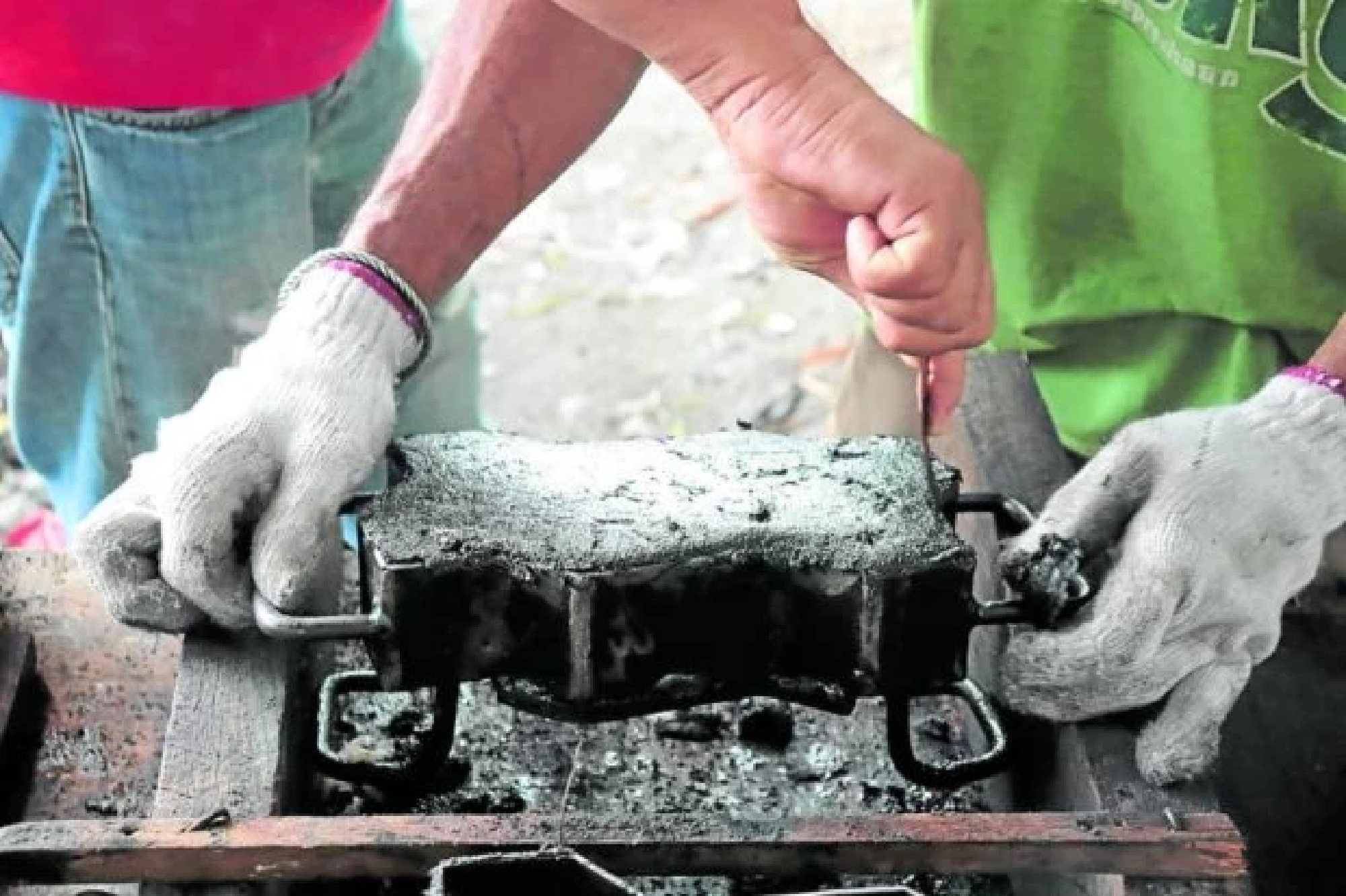
According to Irish Calaguas, Lazatin’s adviser, City Engineer Donato Dizon, along with his staff and the environmental management system office, gave the plastics new life by mixing these into concrete bricks.

All of the plastic materials — wrappers, bags, bottles, plates, forks and spoons, straws, monobloc chairs and tables, and containers, among others — will be used to make bricks for the infrastructure projects of the city government, Calaguas said by phone on Saturday.

Incentives for villages

The bricks can be used as pavers on sidewalks or gardens, he added.

Dizon’s team has made at least 120 bricks as of Saturday, Calaguas said.

Calaguas said Lazatin had ordered the purchase of machines that could safely and efficiently recycle the plastic trash.

Before the program was started in January, the city collected around 200 tons of garbage every weekday, Calaguas said, citing records from the city engineer’s office. But with the project, garbage collection has dropped to around 193 tons.

Calaguas said the city gathered around 7 tons of plastics every weekday through the “redemption trucks” and a “redemption booth” at the City Hall. The city government collects trash only on weekdays.

To reach the households, two redemption trucks make the rounds of the city’s 33 villages from Mondays through Fridays, according to the city engineer’s executive assistant Reina Manuel. One truck carries a good variety of rice stock, while another tail from behind to collect the plastic materials, Manuel said.

Lazatin also put up a redemption booth at the City Hall in June, which is open from Monday to Thursday from 8 a.m. to 5 p.m.

Calaguas said, to further encourage participation, giveaways, like rice cookers, were awarded to villages with the highest collection rates.

Barangays Anunas, Malabanias, Pampang, Sta. Teresita and Cuayan have high collection rates in the pioneering plastic-to-rice exchange program.

But since June, Calaguas said the city government required villagers to show identification cards after nonresidents tried to avail of the swap plan. Junk shops were also discouraged from joining the program.

Philippine Daily Inquirer

Asia News Network

Asia News Network: The Nation (Thailand), The Korea Herald, The Straits Times (Singapore), China Daily,  Jakarta Post, The Star and Sin Chew Daily (Malaysia), The Statesman (India), Philippine Daily Inquirer, Yomiuri Shimbun and The Japan News, Gogo Mongolia,  Dawn (Pakistan),  The Island (Sri Lanka), Kuensel (Bhutan), Kathmandu Post (Nepal), Daily Star (Bangladesh), Eleven Media (Myanmar), The Phnom Penh Post and Rasmei Kampuchea (Cambodia), The Borneo Bulletin (Brunei), Vietnam News, and Vientiane Times (Laos).

Published : July 11, 2022

By : Philippine Daily Inquirer

Plant trees for a greener future, advises Cambodia’s King Norodom

#SootinClaimon.Com : ขอบคุณแหล่งข้อมูล : หนังสือพิมพ์ The Nation.

https://www.nationthailand.com/international/40017563


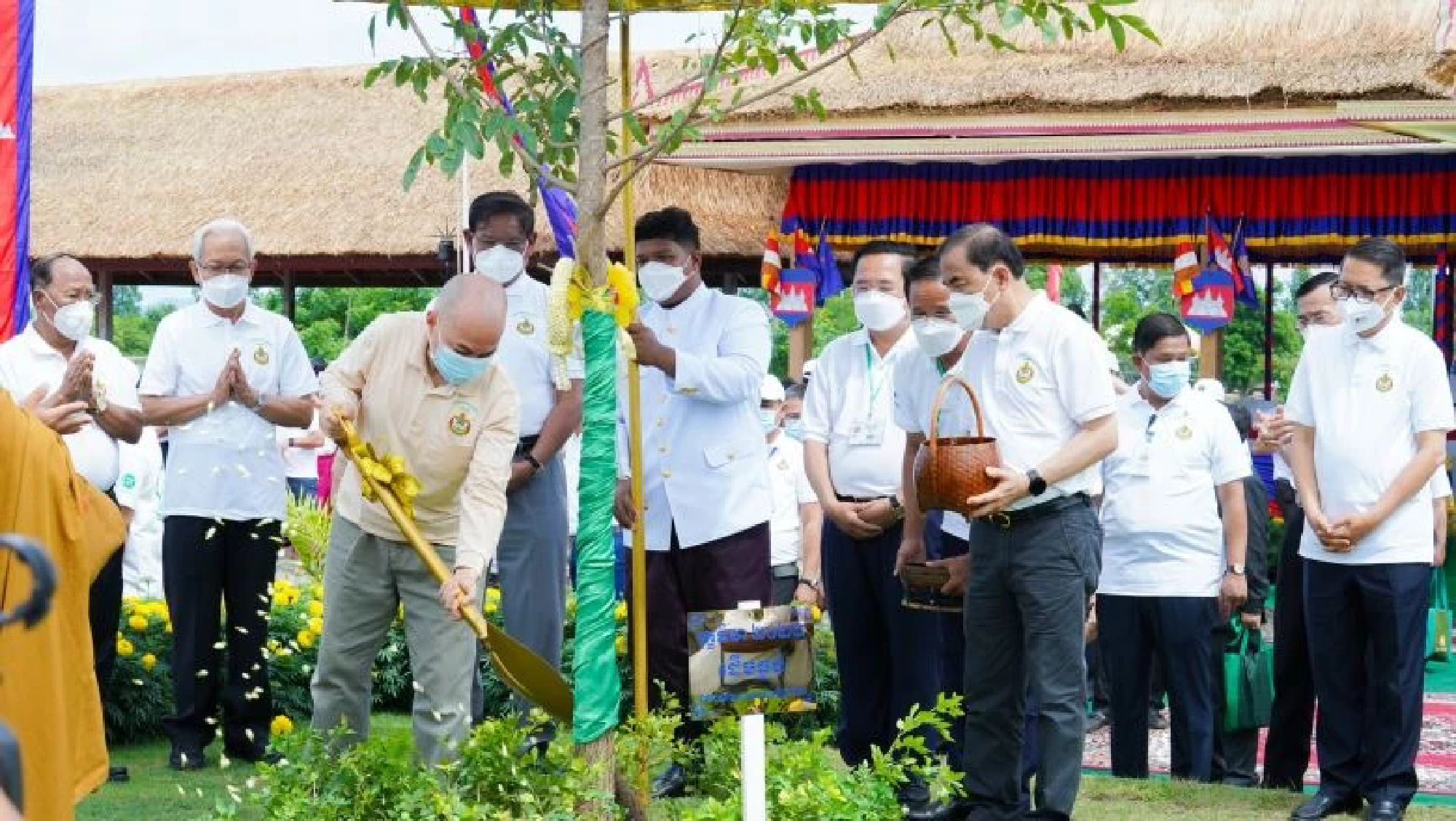
The public should plant trees for the sake of the environment, as a green investment and as a buffer against climate change, King Norodom Sihamoni said on Saturday.

Plant trees for a greener future, advises Cambodia’s King Norodom

The King made this remark while delivering a speech at an event marking National Arbour Day, or Royal Tree Planting Day, held in the Snoeung commune of Battambang province’s Banan district.

His Majesty noted that National Arbour Day has been celebrated since the Sangkum Reastr Niyum era between 1953-1970, under the late King Norodom Sihanouk.

The King asked monks, local officials and the general public to plant as many of each type of tree as possible – especially the ubiquitous Asian palmyra palm (Borassus flabellifer) – at pagodas, parks and public places, the outdoor spots known locally as “romeak’ni-yakthan”, along roads, streams, rivers and levees, and around villages and farms.

The trees will not only absorb carbon dioxide and be a bastion against climate change, but also offer shelter for people and animals as well as protection against strong winds, and in the end provide construction material, firewood, and fertiliser for the soil, the King explained.

He also asked the public to act responsibly and remain vigilant to wildfires, and refrain from and prevent logging, deforestation and land clearing as well as illegal wildlife snaring and hunting. His Majesty called for reduced reliance on forestry assets, and agriculture that optimally exploits the given land conditions.

“We together should initiate new ideas and make traditions out of them. A wedded couple should plant a memorial tree on the grounds where they married, in a forest, or in a park,” the King said, likening the act to a green investment with multiple benefits for mankind, wildlife and the planet.

The Phnom Penh Post

Asia News Network

Asia News Network: The Nation (Thailand), The Korea Herald, The Straits Times (Singapore), China Daily,  Jakarta Post, The Star and Sin Chew Daily (Malaysia), The Statesman (India), Philippine Daily Inquirer, Yomiuri Shimbun and The Japan News, Gogo Mongolia,  Dawn (Pakistan),  The Island (Sri Lanka), Kuensel (Bhutan), Kathmandu Post (Nepal), Daily Star (Bangladesh), Eleven Media (Myanmar), The Phnom Penh Post and Rasmei Kampuchea (Cambodia), The Borneo Bulletin (Brunei), Vietnam News, and Vientiane Times (Laos).

Published : July 10, 2022

By : The Phnom Penh Post