Singapore unlikely to meet criteria for air travel bubble with Hong Kong: Ong Ye Kung
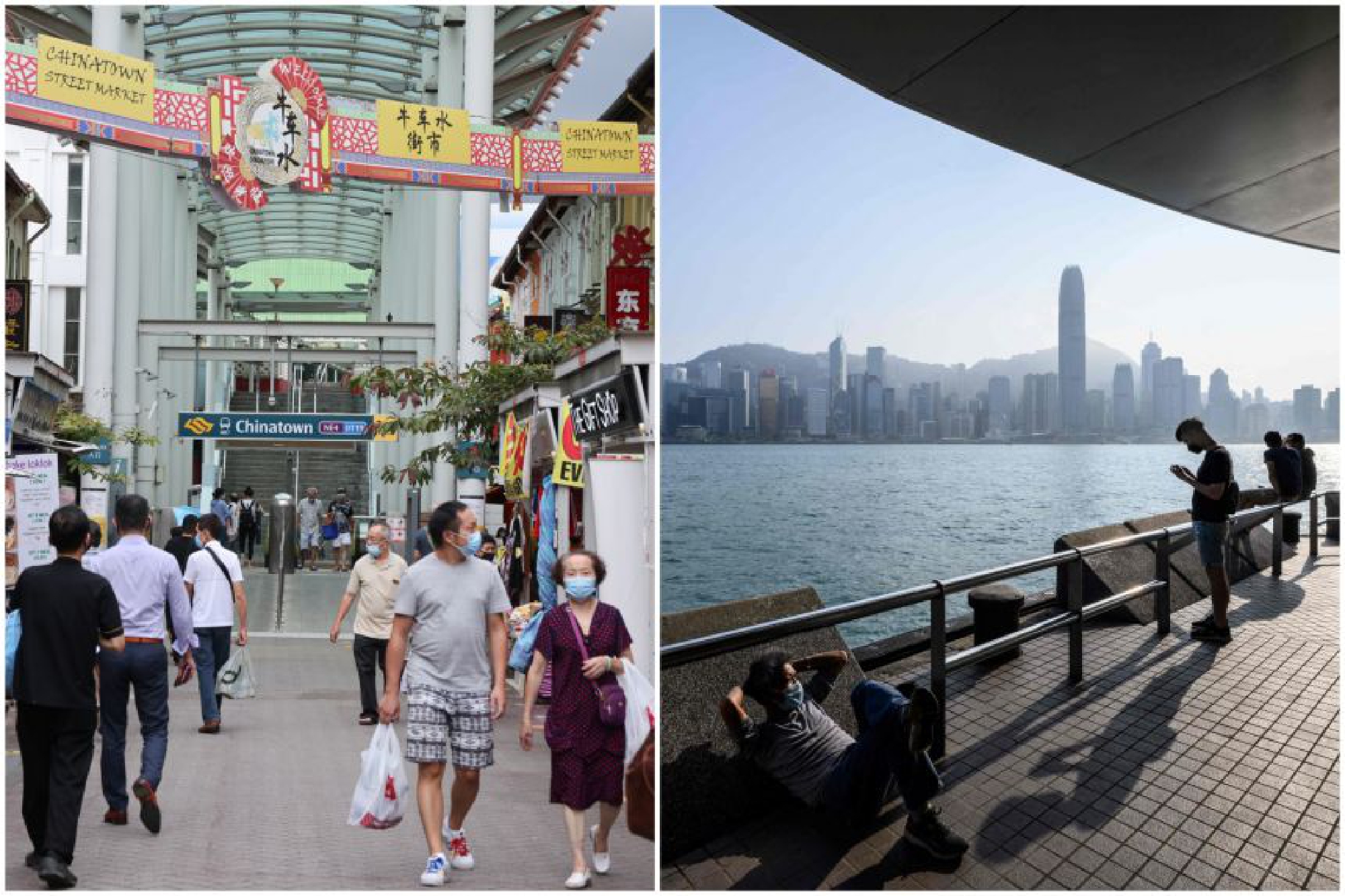
SINGAPORE – The air travel bubble to allow for quarantine-free travel between Singapore and Hong Kong is likely to be delayed yet again, given the rising number of Covid-19 community cases in Singapore.
Transport Minister Ong Ye Kung on Friday (May 14) said: “It is very likely that Singapore will not be able to meet the resumption criteria.
“What we will do now is to closely monitor the numbers the next few days to review the start date, and early next week, we will make a decision and an announcement.”
The bubble was slated to take off on May 26, six months after its initial planned launch in November last year. It was deferred by both parties due to the worsening Covid-19 situation in Hong Kong.
Both cities had agreed that the air travel bubble will be suspended when the seven-day moving average of the unlinked community cases in either Singapore or Hong Kong increases to above five.
There have been 15 unlinked Covid-19 cases in Singapore in the past week. This works out to a moving average of about two cases a day, which is still below the threshold to trigger a pause in the travel bubble.
Mr Ong, who was speaking at a virtual press conference held by the task force combating the pandemic, said he had briefed Hong Kong’s Secretary for Commerce and Economic Development Edward Yau on Friday morning about the Covid-19 situation in Singapore.
He said that both cities are strongly committed to the bubble, but have to start it safely. They would also respect the resumption mechanisms that both sides had agreed on.
Mr Ong said that Hong Kong is a “very safe region” now, with daily Covid-19 cases ranging between zero and two.
Earlier this week, both cities had expressed optimism that the bubble could still take flight.
On Wednesday, Mr Yau noted that the seven-day moving average of unlinked cases in both cities was below the threshold of five that would trigger a pause in the arrangement.
Singapore’s Transport Ministry the same day said that Hong Kong was “recording very low or zero daily cases currently”, adding that it will continue to monitor the Covid-19 situation in both cities.
BEIJING – The lander carrying Chinas first Mars rover has successfully touched down on the red planet early Saturday morning Beijing Time.
It is the first time China has landed a probe on a planet other than Earth.
Tianwen 1, consisting of an orbiter, a lander and a rover, was launched from the Wenchang Spacecraft Launch Site on the coast of southern China’s island province of Hainan on July 23, 2020. It was the first step in China’s planetary exploration of the solar system, with the aim of completing orbiting, landing and roving on the red planet in one mission.
The name Tianwen, meaning Questions to Heaven, comes from a poem written by the ancient Chinese poet Qu Yuan (about 340-278 BC). China’s first Mars rover is named Zhurong after the god of fire in ancient Chinese mythology, which echoes with the Chinese name of the red planet: Huoxing (the planet of fire).
The spacecraft entered the Mars orbit in February after a journey of nearly seven months through space, and spent more than two months surveying potential landing sites.
In the early hours of Saturday, the spacecraft began to descend from its parking orbit, and the entry capsule enclosing the lander and rover separated from the orbiter at about 4 am.
After flying for approximately three hours, the entry capsule hurtled toward the red planet and entered the Mars atmosphere at an altitude of 125 km, initiating the riskiest phase of the whole mission.
First, the specially designed aerodynamic shape of the entry capsule decelerated with the friction of the Martian atmosphere. When the velocity of the spacecraft was lowered from 4.8 km per second to about 460 meters per second, a huge parachute covering an area of about 200 square meters was unfurled to continue reducing the velocity to less than 100 meters per second.
The parachute and the outer shield of the spacecraft were then jettisoned, exposing the lander and rover, and the retrorocket on the lander was fired to further slow the speed of the craft to almost zero.
At about 100 meters above the Martian surface, the craft hovered to identify obstacles and measured the slopes of the surface. Avoiding the obstacles, it selected a relatively flat area and descended slowly, touching down safely with its four buffer legs.
The craft’s plummet through the Martian atmosphere, lasting about nine minutes, was extremely complicated with no ground control, and had to be performed by the spacecraft autonomously, said Geng Yan, an official at the Lunar Exploration and Space Program Center of the CNSA.
“Each step had only one chance, and the actions were closely linked. If there had been any flaw, the landing would have failed,” said Geng.
Recognize Myanmar unity gov’t before it’s ‘too late’, nations urged
MANILA, Philippines — Myanmar’s pro-democracy unity government stressed the need for Southeast Asian leaders and the international community to immediately officially recognize it as the “sole legitimate” representative of the people of Myanmar, warning that delays in doing so could lead to a civil war and make way for “more atrocities.”
“We are saying to our Asean (Association of Southeast Asian Nations) leaders that it’s their responsibility and duty not only recognize us but embrace us, endorse us, congratulate us, and engage us, cooperate with us to end this reign of terror in [the] Asian continent,” Dr. Sasa, international envoy for the National Unity Government (NUG), told journalists from across 12 countries in Asia in an online press briefing Friday.
“The more they delay, there will be more crime[s] against humanity happening. There will more atrocities happen[ing]. So many, many more bloodbaths [for] weeks, months, are coming if they do not recognize us as the government of Myanmar and engage with us, cooperate with us,” he added.
The NUG, which was formed in April, is composed of ousted lawmakers — many of whom are from Aung San Suu Kyi’s National League for Democracy party.
End ‘reign of terror’
“We appeal to Asean and the international community to engage with the NUG as the sole legitimate representative and government of the people. It is vitally important that the international community officially recognizes the NUG as soon as possible in order to help end the junta’s reign of terror,” the NUG official said.
If delays in the recognition of NUG as the legitimate government of Myanmar continue, chances for a “full blow of civil war” become “bigger and bigger,” he cautioned.
“Once this civil war blow becomes unstoppable, if our Asean leaders say ‘Oh, we will recognize you as the government, [it would be] too late. Unfortunately, the time is not [on] our side,” he said.
“We have no time now. That’s why we’re asking to do it quickly, immediately, as soon as possible. That is the only way to peace. That is the only way to stop this violence, that’s the only way to stability in the region in Asia,” he added.
Pro-democracy protests have been filling the streets of Myanmar since the military took power last February 1, with junta forces cracking down on protesters.
According to Dr. Sasa, around 800 civilians have been killed, at least 52 are children.
Meanwhile, some 5,000 civilians have been detained with roughly 4,000 still under detention, he added.
“The duty of the military is to defend and protect its people. However, under the command of Min Aung Hlaing, the supposed guardians of our nation are doing precisely the opposite of their duty,” he said.
“The duty of the military is to defend and protect its people. However, under the command of Min Aung Hlaing, the supposed guardians of our nation are doing precisely the opposite of their duty,” he added.
Myanmar’s military seized power against the democratically elected government of Suu Kyi, who was detained along with other leaders of her National League for Democracy party in early morning raids on February 1.
The coup followed a landslide win for Suu Kyi’s party in the Nov. 8 elections in 2020, a result the military has refused to accept citing unsubstantiated allegations of fraud.
But Dr. Sasa maintained that the elections were “free and fair.”
“The people of Myanmar have chosen us, democratically, in a free and fair election, which was recognized by the whole world,” he said.
“They have voted to end the military dictatorship once and for all. Now is the time for the international community to uphold the will of the people of Myanmar by recognizing the people’s democratically elected National Unity Government as the sole legitimate government representing the people of Myanmar,” he added.
Korea to have new social distancing rules from July: New PM
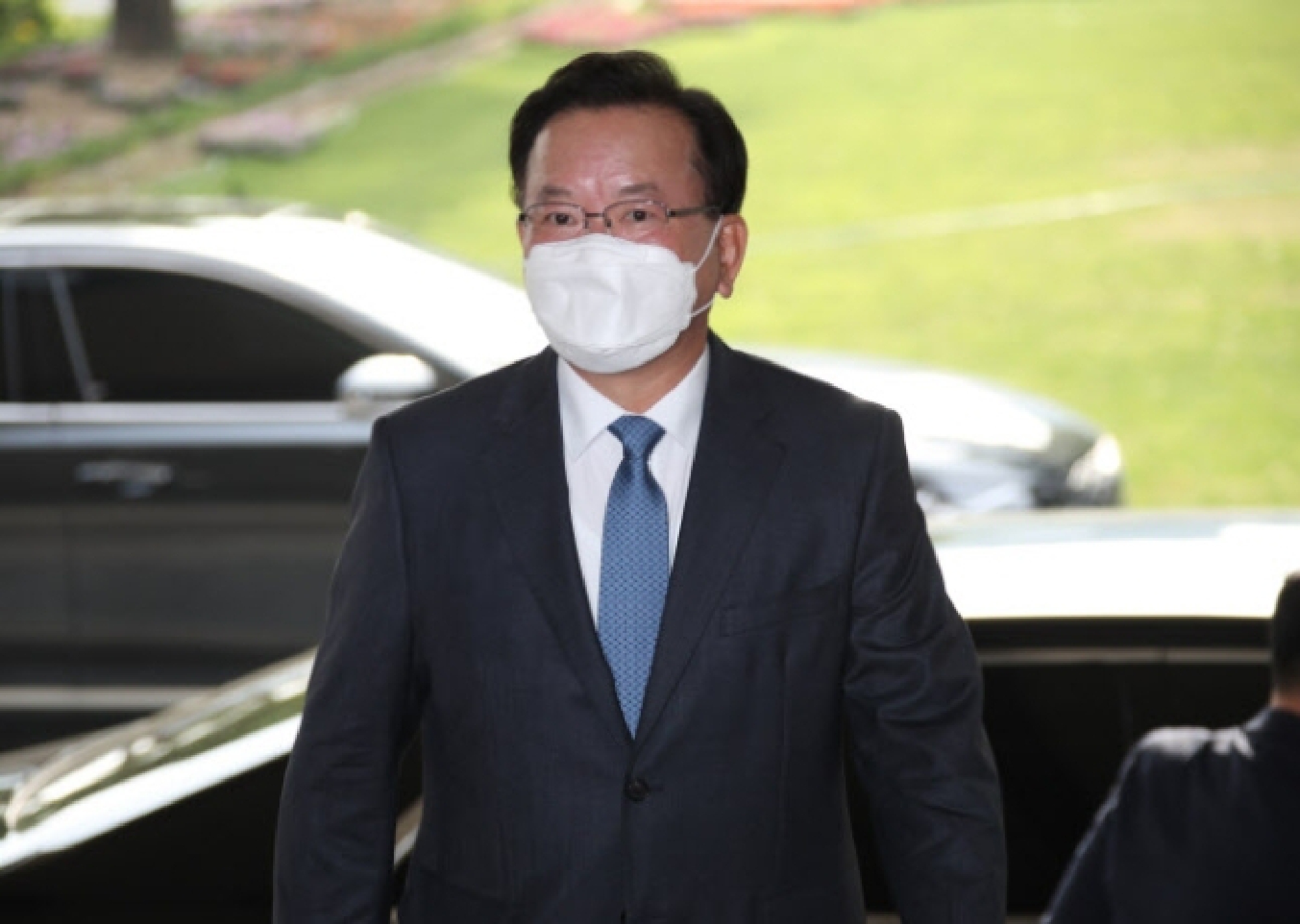
New Prime Minister Kim Boo-kyum said on his first day of work that the nation would have new social distancing rules from July if the coronavirus situation stabilizes.
Kim, who took office Friday, presided over a meeting of the Central Disaster and Safety Countermeasures Headquarters held at the Seoul Government Complex.
“We will do our best to ensure that more than 13 million people complete their first vaccinations without a hitch in the first half,” Kim said.
He added that the government would prevent the spread of infections by supporting and encouraging quarantine rules in the field rather than the current method of mechanically raising social distancing levels and restricting businesses.
If the pandemic stabilizes by the first half of the year, “We will switch to a new distancing system from July so that we can take a step closer to quarantine and daily harmony,” he added.
Earlier on Thursday, the National Assembly passed a motion to appoint Prime Minister Kim with 168 votes in favor, 5 against, 1 abstention and 2 invalid votes. President Moon Jae-in approved the appointment at 7 a.m. on Friday. His predecessor, Chung Sye-kyun, stepped down last month to prepare to run in next year’s presidential election.
He told reporters on his way to work that “I know that the fight against the infectious disease, COVID-19, is hard and many people are tired. I think we should go back to the spirit of all coming together to find the original state of Korea.”
Kim stressed “integration,” saying, “If we had an atmosphere that we (solve problems) with each other’s own strength in the course of this difficult fight, we should be together now.”
“This difficulty can only be overcome if we are all together. In that sense, I will become a Prime Minister who aims to integrate thoroughly.”
VN, Thai PMs to work together to overcome pandemic challenges
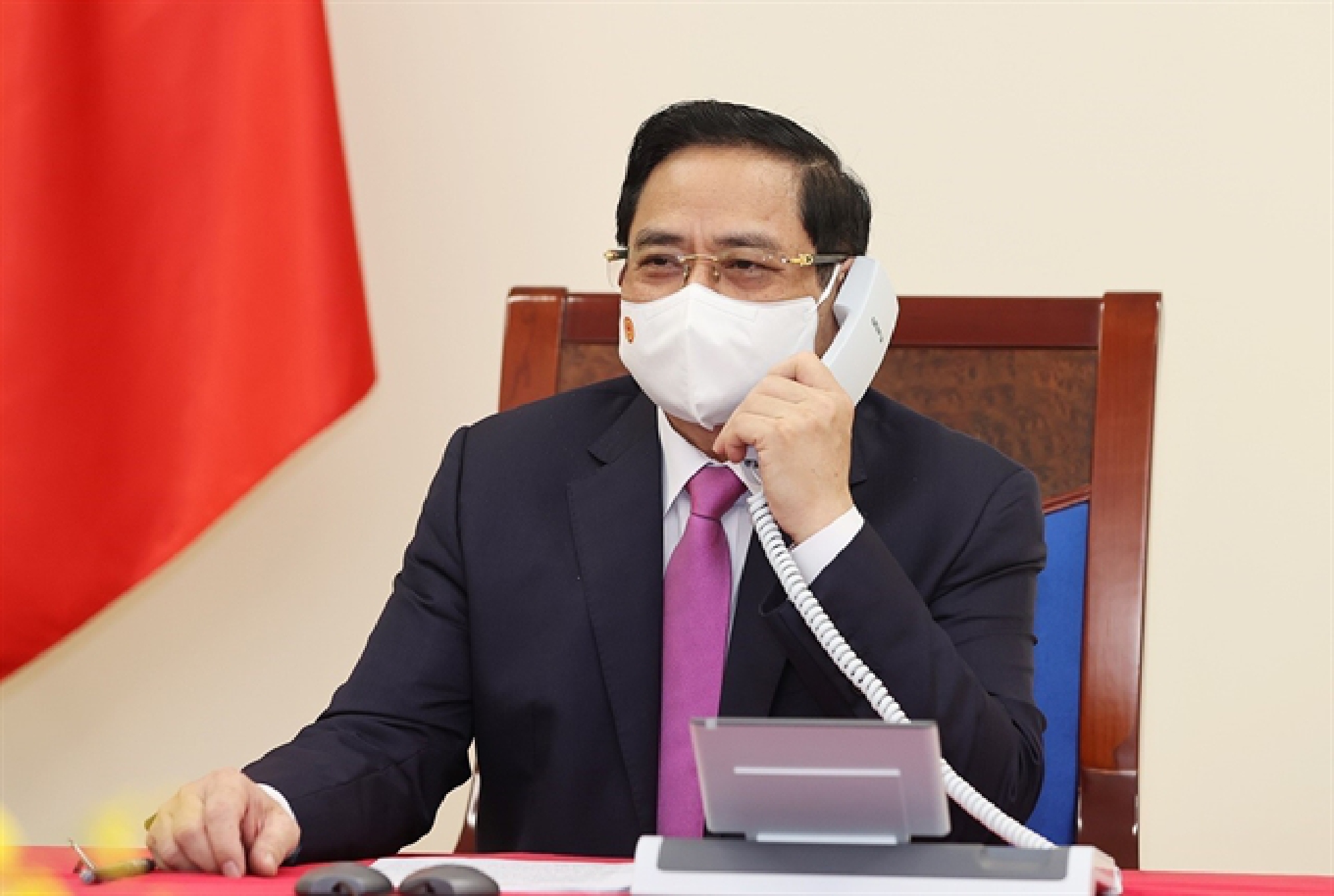
HÀ NỘI — Vietnamese Prime Minister Phạm Minh Chính held a phone conversation with his Thai counterpart Prayut Chan-o-cha on Wednesday night to discuss various aspects of bilateral co-operation, including facilitation of travel protocols between the two countries.
Thai PM Prayut Chan-o-cha sent his best regards and best wishes to Vietnamese Party General Secretary Nguyễn Phú Trọng and President Nguyễn Xuân Phúc, and congratulated PM Chính on his election to the post and invited the Vietnamese PM to visit Thailand.
The Thai leader praised Việt Nam’s competent handling of the COVID-19 pandemic along with socio-economic development, successful fulfilment of its role as Chair of the Association of the Southeast Asian Nations (ASEAN) in 2020 as well as as a non-permanent member of the United Nations Security Council – especially as the President of the council in April this year, and the country’s role in regional and international affairs.
He said Thailand holds in high regards relations with Việt Nam and wants to promote the partnership between the two countries.
PM Chính thanked Thai PM for sending congratulatory messages, conveyed greetings from Party General Secretary Trọng and President Phúc to the King, Queen and Prime Minister of Thailand and reaffirmed his willingness to work closely with Prime Minister Prayut Chan-o-cha to expand bilateral ties.
The two Prime Ministers requested agencies to organise activities commemorating the 45th anniversary of the establishment of diplomatic relations between Việt Nam and Thailand in 2021, maintain and promote effective bilateral co-operation mechanisms, including the organisation of the 4th Việt Nam-Thailand joint cabinet meeting at an appropriate time, early signing the Action Plan to implement the Việt Nam-Thailand Enhanced Strategic Partnership for 2021-25 and striving to bring bilateral trade to US$25 billion by 2025.
PM Chính said Việt Nam would facilitate and encourage Thai businesses to do business in Việt Nam, especially in fields with high potentials such as energy, tourism, hi-tech agriculture, supporting industries for the auto industry, and digital technology.
The Thai PM agreed with Chính’s proposal on strengthening the direct exchange mechanism between two countries’ ministers in a flexible manner to address difficulties and ensure effective economic, trade and investment ties.
The two PMs also discussed how to resolve problems faced by enterprises of the two countries due to the ongoing COVID-19 pandemic.
They agreed to facilitate the negotiations of priority travel mechanisms between the two countries and co-operation in ensuring safe and effective access to vaccine supplies, in a bid for sustainable post-pandemic socio-economic recovery.
Regarding regional and international co-operation, they agreed to boost mutual support in multilateral mechanisms such as the United Nations, ASEAN, APEC (Asia-Pacific Economic Cooperation forum), and to promote transport connectivity and sustainable development in the Greater Mekong Subregion.
The Vietnamese PM asked Thailand to back Việt Nam’s in its bid to be the host country of the ASEAN Regional Center on Public Health Emergencies and Emerging Diseases (ACPHEED).
The two leaders shared the importance of strengthening solidarity and maintaining ASEAN’s stance on the South China Sea (known in Việt Nam as the East Sea) issue, as well as holding negotiations to achieve an effective and substantive Code of Conduct in the South China Sea (COC) in line with international law, including the 1982 United Nations Convention on the Law of the Sea.
Regarding the situation in Myanmar, they affirmed ASEAN’s central role in supporting Myanmar to overcome current challenges and agreed to work with ASEAN and member states to promote the implementation of the Chairman’s Statement on the ASEAN Leaders’ Meeting held on April 24.
PM Chính emphasised that, as members of ASEAN, in the face of complex COVID-19 developments, we need to build realistic and in-depth co-operation to bring prosperous and happy lives to the people.
PM Chính invited the Thai leader to visit Việt Nam at a suitable time and Thai PM Prayut Chan-o-cha accepted the invitation. — VNS
N501Y mutation accounts for 73% of new infections in Japan
Patients infected with coronavirus variants that have the N501Y mutation account for more than 70% of newly confirmed cases nationwide, the health ministry has announced.
Arandom sampling survey was conducted on 14,751 cases around the country during the week through May 2. A total of 10,780 patients, or 73%, were positive for the N501Y mutation, which is considered to be highly contagious.
The N501Y mutation was found in more than 70% of newly infected COVID-19 patients in 27 prefectures, but was confirmed in fewer than 50% of patients in 11 prefectures, mainly in the Tohoku region and the northern part of the Kanto region.
The N501Y mutation is replacing the original virus nationwide, said a COVID-19 advisory board of the Health, Labor and Welfare Ministry.
An estimate by the National Institute of Infectious Diseases on the risk of the N501Y mutation was presented at a Wednesday meeting of the advisory board. It said patients infected with the mutant virus are estimated to be at 40% greater risk of severe symptoms than those infected with the original virus. Among those aged 40-64, the risk was said to be 66% greater.
“The medical care system must be strengthened, given the possibility that the risk of severe disease due to the mutant virus is increasing,” the board said.
Infections have almost stopped rising or have leveled off, and are not spreading nationwide, according to the board. However, there are large regional differences. New cases continue to increase in prefectures such as Aichi and Fukuoka, which were recently added to the ongoing state of emergency, and the burden on the medical system is increasing.
■ Surge in Indian variant
Also Wednesday, the National Institute of Infectious Diseases raised the alert level for another variant, known as the Indian variant, to the same level as the N501Y mutation, which includes the British variant. The Indian variant is believed to be responsible for the outbreak in India. It is said to be more contagious than the original form of the virus and may reduce the effectiveness of vaccines and drugs.
The health ministry plans to strengthen its nationwide monitoring system by starting a random sampling survey for the Indian variant.
As of Monday, 66 Indian variant cases had been found at airports, and four elsewhere in the country, Health, Labor and Welfare Minister Norihisa Tamura told a House of Representatives committee on Wednesday. The number has tripled in the two weeks since April 26, when 20 people had been confirmed to be infected with the Indian variant at airports and one person elsewhere in the country.
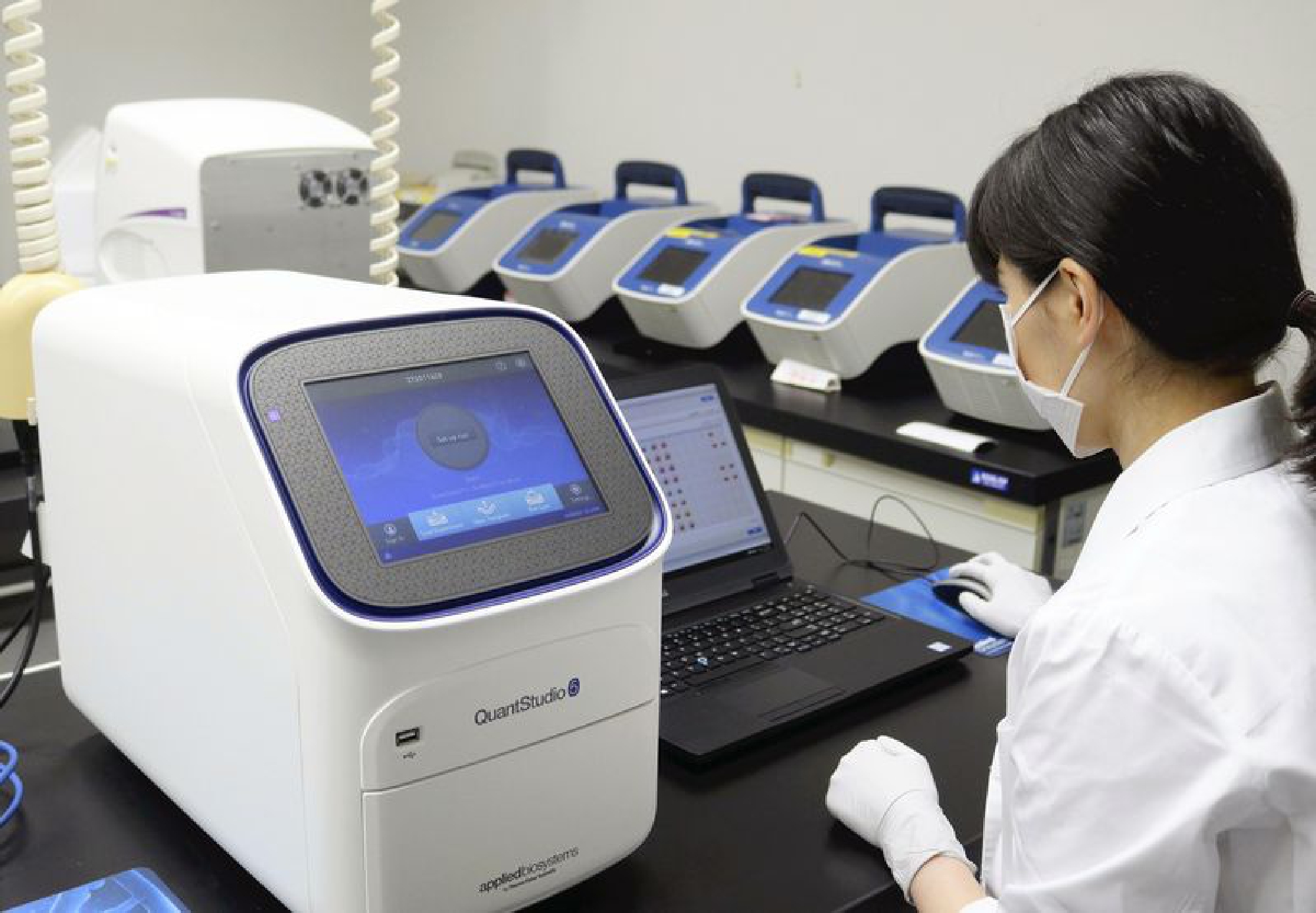
[Singapore] Businesses gear up for compulsory TraceTogether check-ins from May 17
SINGAPORE – Hair salon Tresses Studio in Ghim Moh and many other businesses are set for customers to check in using only TraceTogether when it becomes compulsory for contact tracing from Monday (May 17).
The salon has already installed a SafeEntry Gateway Box, a new device that allows visitors to do a SafeEntry check-in at the entrance by tapping the TraceTogether token or a phone app against the box.
This is ahead of the June 15 deadline for more public venues to have the gateway system in place as another way for visitors to check in besides scanning QR codes with the TraceTogether app or scanning the token.
Tresses Studio director Kenny Chew said staff training was not an issue for the gateway box: “You just bring your gadget near (the box to check-in). It’s very easy.”
Many businesses and industry associations told The Straits Times they are ready as well.
The Association of Small and Medium Enterprises (Asme) noted that about 80 per cent of the 80 firms it has received feedback from said they were ready for TraceTogether-only SafeEntry check-ins.
The rest are either getting prepared or are not ready yet, said the association, which represents about 8,000 small- and medium-sized businesses.
Ms Louisa Lee, Asme’s vice-president for communications, said many firms are already using the SafeEntry QR code for checking in, such as using the Singpass app or a phone’s camera to scan the codes.
“So, we don’t foresee many having problems with the transition (to TraceTogether check-ins only), as the same QR code will work,” said Ms Lee.
She added that some firms have faced technical or administrative issues, such as having problems updating the QR code for a business premises after moving.
Ms Lee added that these companies could also be small outfits that may not need to have SafeEntry check-ins.
The Hair and Cosmetology Association Singapore, which has about 300 members, said some had issues applying for the gateway but these have since been addressed.
The Singapore Hotel Association, which has 160 hotels, said no members had reported any technical hitches that could not be resolved.
The Restaurant Association of Singapore has contacted its more than 500 members to advise them on how they can get help to train staff on using the free SafeEntry (Business) app, which can stand in for the SafeEntry Gateway box, as well as applying for and setting up the box itself.
Singpass, phone camera and identity card check-ins will no longer be supported when compulsory TraceTogether check-ins start on Monday, but some exceptions can be made for scanning ID cards, such as when a visitor’s phone has run out of battery.
The Government said last Tuesday that it was moving the start date ahead of the previously announced June 1.
The Hair and Cosmetology Association Singapore said the April notice that set the June 1 initial start date gave members a “sufficient grace period to apply online for the new SafeEntry Gateway device”.
Outlets can get one free gateway box but can appeal for more.
UOB said there are SafeEntry Gateways at almost all of its premises, including main office buildings and all bank branches.
It also noted that an increasing number of visitors and employees have used TraceTogether to check in and out at its premises over the past few months.
“Given this trend, we expect a smooth transition to TraceTogether-only SafeEntry check-ins from May 17,” UOB added.
DBS and OCBC banks said they are also ready.
Tresses Studio’s Mr Chew said some customers are still not using TraceTogether to check in, citing concerns about being tracked.
“But they’re willing to switch over when the time comes,” he added.
Some customers are worried that the gateway does not record a check-in on the TraceTogether app.
“(With a record), if anything happens, they can remember where they’ve been to,” he said, pointing to jitters over places Covid-19 patients visit that customers may have also gone to.
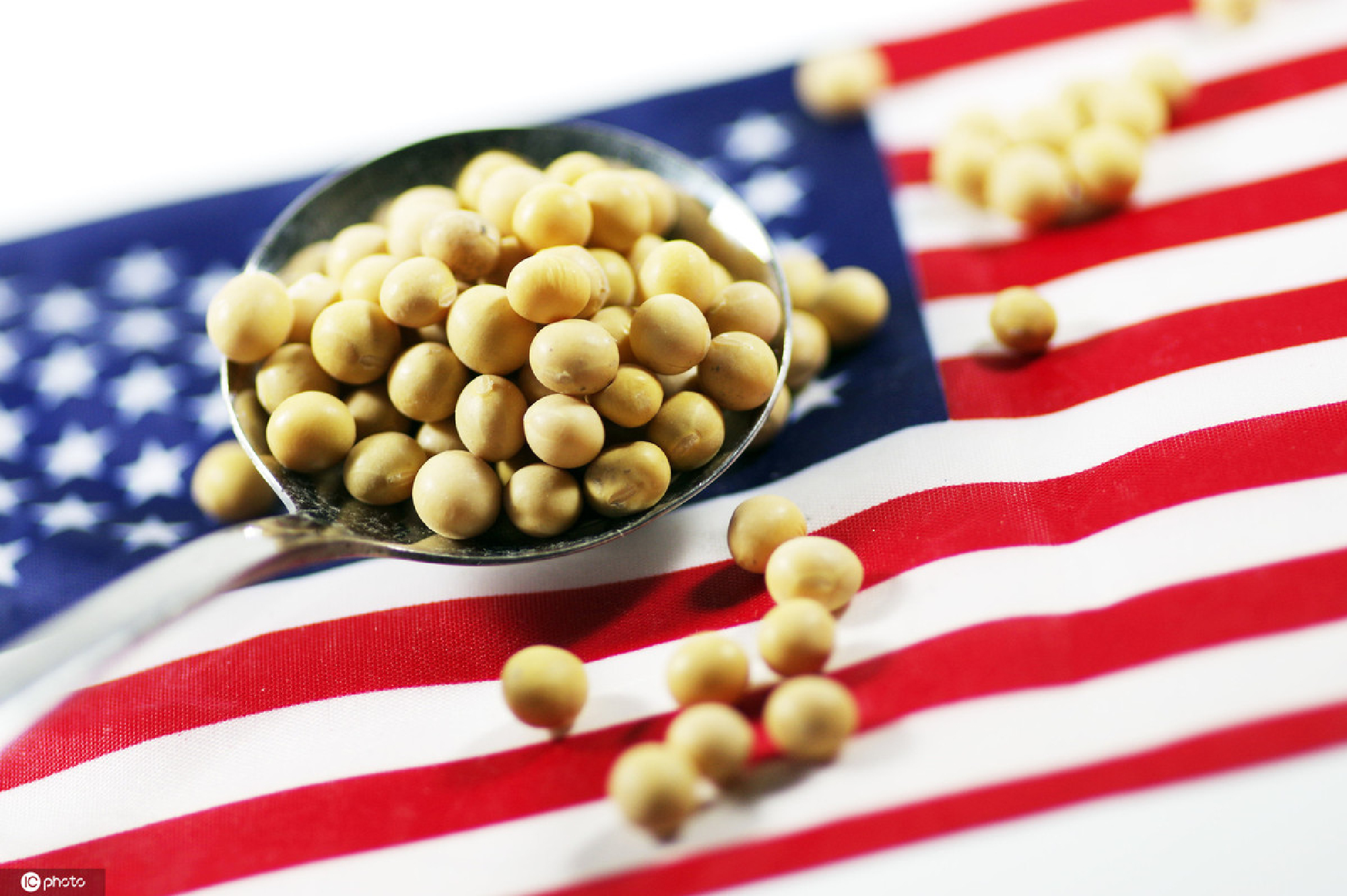
US goods exports to China rebounded strongly in 2020-growing by nearly 18 percent-propelled by the Asian countrys market openings, tariff exclusions and early recovery from the pandemic, the US-China Business Council said on Wednesday.
But US services exports to China, which include travel, education and financial services, declined 3 percent in 2019, the first time in more than a decade that the category has fallen, a clear indicator that strained relations between the two countries took a toll on cross-border exchanges.
Notably, US trade with the rest of the world contracted by 15 percent, according to the USCBC, a trade association representing more than 200 US companies doing business in China.
“Combined exports of goods and services to China still supported nearly 1 million US jobs in 2019, the most recent year for which data are available,” the USCBC said in the 2021 State Export Report.
“These exports mean support for American businesses and families, which could not be more important right now,” said USCBC President Craig Allen.
“Ultimately, though, the best remedy for boosting trade and creating more US jobs is for both the United States and China to permanently remove tariffs,” Allen said.
Ministry of Commerce spokesman Gao Feng said China’s stance is clear: Increasing tariffs unilaterally is not in the interests of China, the US or the rest of the world.
The essence of China-US economic and trade relations is mutual benefit and win-win results, he said at a news conference in Beijing on Thursday.
The two sides should resolve each other’s legitimate concerns through dialogue and consultation on the basis of mutual respect and equal treatment, he added.
Gao denied the claims made in a Wall Street Journal report that China was considering changing the head of its side in the China-US comprehensive economic dialogue.
The annual report, which chronicles each US state’s trade with China over the past decade and details how many jobs that exports supported, offers a clear clue on how soured relations, including the lingering trade war, have impacted trade between the world’s top two economies along with job creation in the US.
For example, the strained relations between the two countries, a slowdown in visa processing and a decline in the number of Chinese students and visitors in the United States crimped exports of services to China even before COVID-19 led to a pause for the travel industry.
Visiting Chinese students have been a significant boost to university revenues across the US. For three states-California, New York and Massachusetts-these students contribute more than $1 billion in tuition, fees and local spending, according to the report.
But in 2019, exports of education-related travel alone fell by about 3 percent, or $422 million, negatively affecting school budgets across the United States.
While most data in the report were updated to 2020, those for services lag by a year and do not include the COVID-19 pandemic’s effects.
Overall, China fell from the US’ third- to fourth-largest services export market, but it has remained the fastest-growing destination over the past decade, as it has been for US goods exports.
Since 2011, US services exports to China have more than doubled, registering the highest average annual growth rate of 11.6 percent, the report said.
By comparison, the top two markets of the United Kingdom and Canada grew by an average of less than 4 percent over the last 10 years, it said. Ireland now takes the third spot in US service export growth.
With regard to exports of goods, China remained the third-largest goods export market of the US in 2020, following Canada and Mexico.
“The stark contrast between the growth in exports to China and that to the rest of the United States’ top trading partners in 2020 can largely be attributed to China’s tariff exclusions and early economic recovery post-COVID-19,” the USCBC said in the report.
It said that China’s tariff-exclusion process, which began in March 2020, facilitated a more normal flow of goods from the US.
The tariff exclusion, together with efforts by China to further open its markets and increased market demand following its robust recovery from the pandemic, helped to stoke US exports, according to Allen.
In 2019, the US exported just under $105 billion in goods to China. Last year, that number jumped to $123 billion, the second-highest total in a decade.
The USCBC said exports to China benefit nearly all US states and industries, with many states also generating “substantial economic value” from exports of services.
In late October, US Congressman Rick Larsen, who is from the Pacific Northwest state, said of the trade war’s impact on his constituents: “When the US-China relationship sneezes, Washington state gets a cold.”
Asked to comment on the lawmaker’s remarks, the USCBC’s Allen said Congress regulates tariffs under the US Constitution.
“The tariffs kill jobs, kill productivity and are bad for the American economy and … they should be removed, and we’re hopeful that Congress people who see their job numbers in their states will support the administration” in the negotiating process with China on market access and getting rid of those tariffs, Allen told China Daily.
The phase-one trade deal that Beijing and Washington signed on Jan 15, 2020, does not eliminate many of the tariffs already put in place by both sides, including the 25 percent import taxes on $250 billion in Chinese goods that started in 2018.
“We continue to urge both governments to fully implement the agreement, to fast-track to future negotiations, and to address the remaining barriers and also to remove or draw down as much as possible the tariffs,” Allen said.
He also said China has made “significant progress” in implementing the phase-one deal in terms of trade and regulatory changes, resulting in “tangible benefits” for US business.
Indonesia sends oxygen concentrators to India to help in its Covid-19 relief efforts
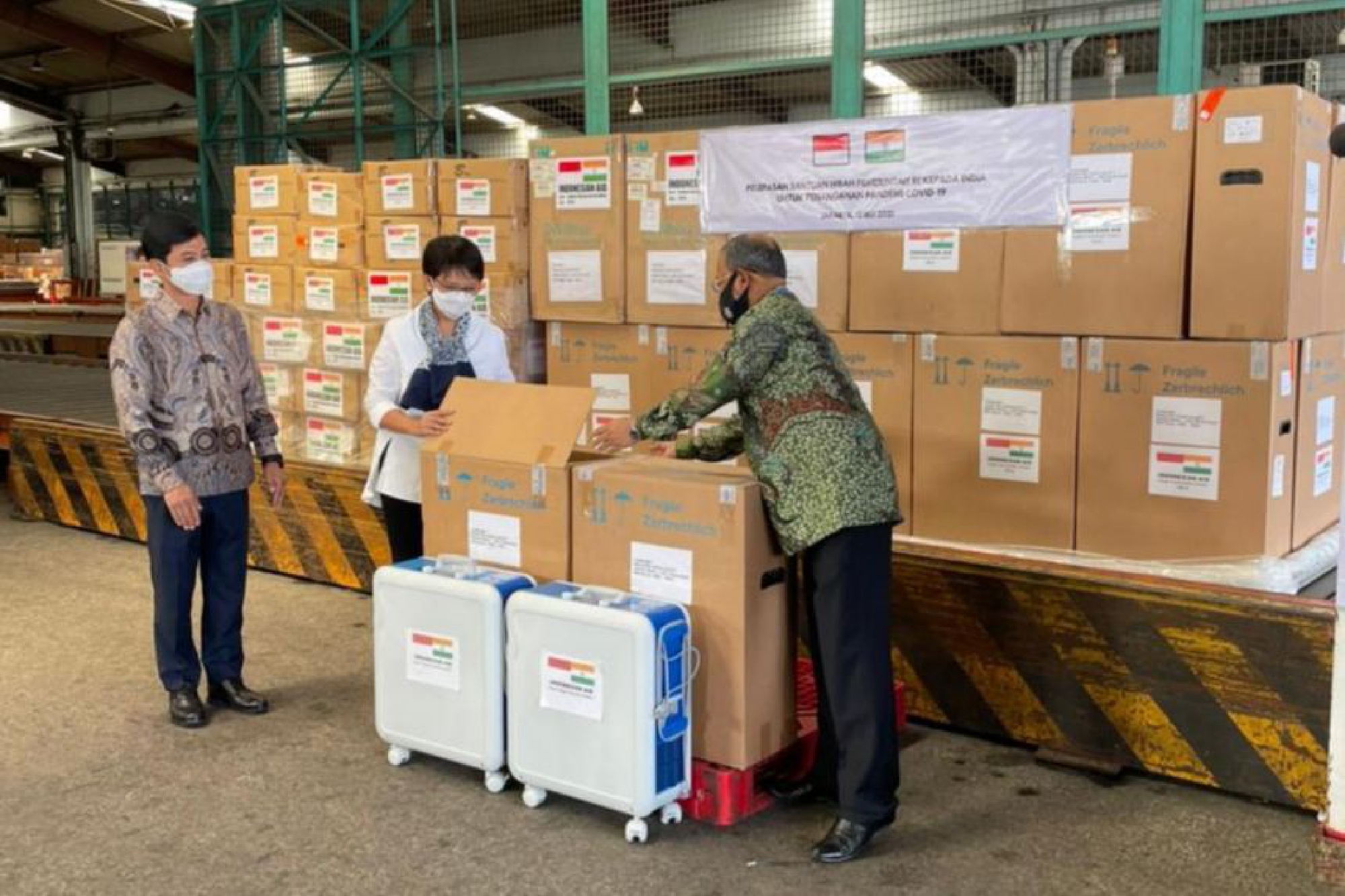
JAKARTA – Indonesia has sent 200 oxygen concentrators to India, which is grappling with a devastating second wave of Covid-19 infections.
Indonesian Foreign Minister Retno Marsudi said that the humanitarian assistance is an expression of Indonesia’s solidarity with India – a close, long-time friend and strategic partner – in its battle against the pandemic.
She noted that throughout the pandemic, India had facilitated the delivery of much-needed medical supplies to Indonesia and supported the procurement of vaccines under the multilateral Covax facility.
Under Covax, Indonesia has received 6.41 million doses of the ready-to-use vaccines made by British-Swedish drugmaker AstraZeneca in its India-based production facility.
“Indonesia is always grateful for India’s support during this pandemic. Now is the time to show our support,” Ms Retno said at the send-off ceremony for the aid on Wednesday (May 12) at Soekarno-Hatta International Airport.
“Indonesia will stand with India in this difficult time, and we are committed to sharing the burden with the Indian people. After all, a friend in need is a friend indeed,” she said.
The Indian Ambassador to Indonesia, Mr Manoj Kumar Bharti, was present to accept the aid at the ceremony.
India reported 348,421 fresh Covid-19 cases on Wednesday , and deaths surged to a daily record of 4,205. The total number of infections has risen to more than 23 million, with a quarter million fatalities. International health experts have warned that a variant of the coronavirus in the world’s second most populous country is cause for global concern.
On Monday, the Indonesian business community, along with Indian companies operating in Indonesia, sent 1,400 oxygen cylinders to India. Another 2,000 cylinders are scheduled to be dispatched next month.
Indonesia has joined more than a dozen of countries, including Singapore, Britain, France, Germany, the US and Saudi Arabia, which have delivered oxygen and oxygen-related equipment as India continues to struggle to come to grips with the health crisis.
Mr Bharti on Tuesday expressed gratitude for the assistance from Indonesia, which he described as “India’s closest maritime neighbour”.
“I would like to thank the government of Indonesia for the timely assistance extended to India in its headlong fight against this pandemic and express my appreciation for the requisite timely coordination done by all its ministries, particularly the Foreign Ministry, the Industry Ministry and Ministry of Health, towards this end,” Mr Bharti said.
“I’m confident that together, this pandemic can be overcome sooner rather than later,” he added.
As at March 22, India has supplied 60.4 million vaccine doses to 76 countries, including those in Asia, Africa, America and the Caribbean, through different platforms including grants in aid, gifts, commercially and through the World Health Organisation’s Covax facility, the envoy noted.
Australia, Laos agree on large-scale Covid vaccination support
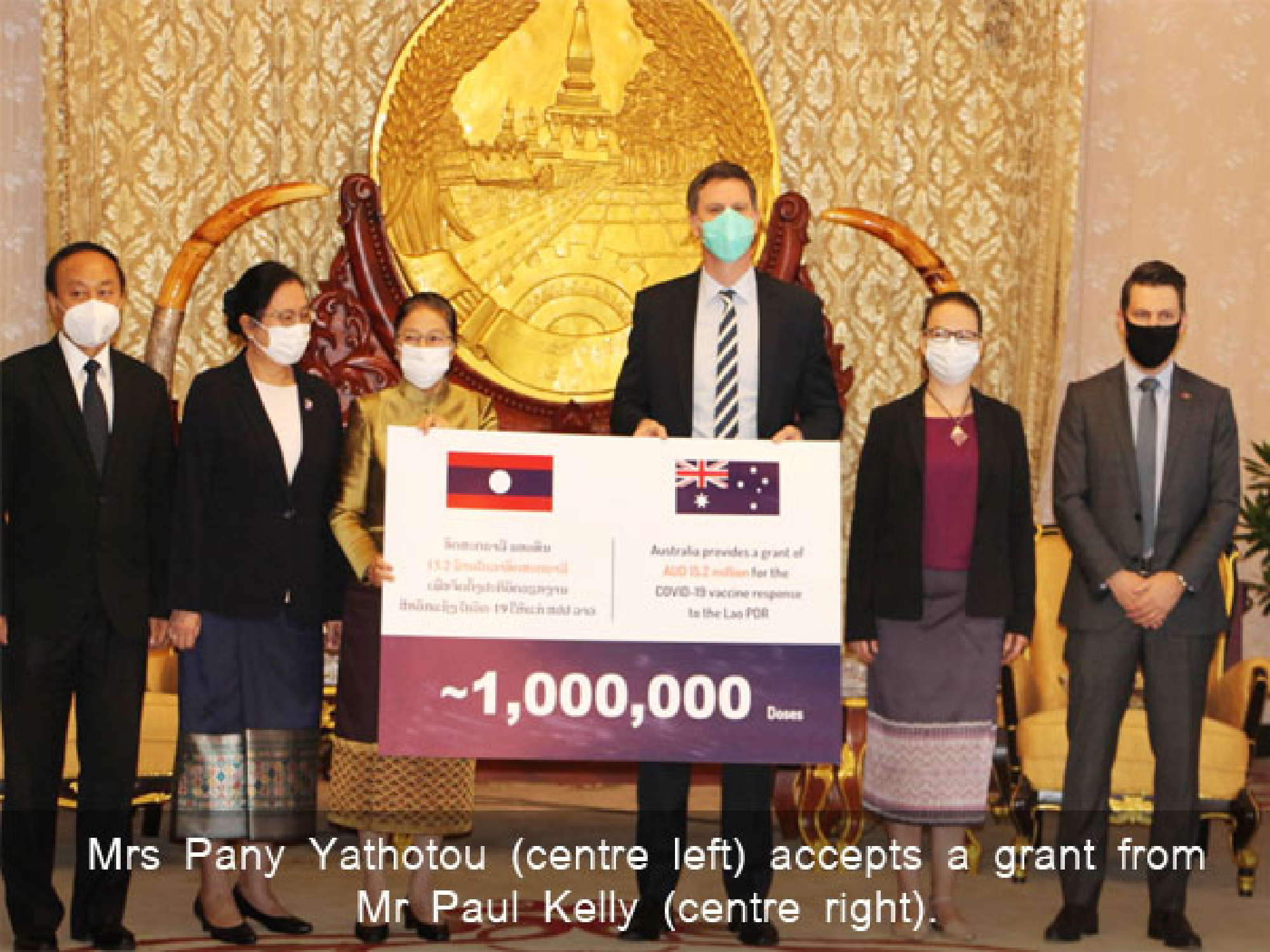
Australia and Laos on Wednesday announced that Australia will provide a grant of AUD15.2 million for the rollout of safe and effective Covid-19 vaccines in Laos.
Australia’s grant will provide about 1 million doses in addition to other critical support such as training health professionals to safely administer the vaccines and access to some of Australia’s leading health regulatory institutions, according to a press release from the Australian Embassy to Laos. This contribution will assist the Lao government to significantly increase the proportion of citizens that are to be safely vaccinated.
Vice President Mrs Pany Yathotou on Wednesday accepted the grant from Australian Ambassador to Laos Mr Paul Kelly, in the presence of senior ministry officials and invited guests. Although Laos has avoided serious health impacts from the pandemic, widespread vaccination remains critical to prevent future outbreaks and rebuild social and economic activity in Laos and the region. “As a neighbour and good development partner of Laos, we are pleased to be able to support the people of Laos in a time of need. Ensuring Laos has access to safe and effective vaccines is a major and immediate priority for the Australian government,” Ambassador Kelly said. “We recognise that no one is safe until everyone is safe. Our support will vaccinate hundreds of thousands of Lao people as well as support longer term health security. Australia has been a long-standing and trusted partner for Laos over the past 69 years.” Laos highly values Australia’s assistance in various sectors including this vaccination support, Mrs Pany said. This significant contribution will assist the government to ensure the successful rollout of safe and effective vaccines to the vulnerable and help Laos recover from the impact of the pandemic, she added. While the majority of Australia’s support will be used to purchase vaccines, the package will also assist with the distribution and administration of vaccines as well as support a public information campaign to ensure Lao people have access to clear information about vaccination, in Lao and ethnic languages, in partnership with the Lao government and concerned authorities. Australia’s vaccine support package is in addition to the AUD4.8 million of development assistance for the Covid-19 response that Australia is delivering. Australia has also made a significant contribution to the multilateral COVAX facility, which will cover vaccination for more than 20 percent of Laos for free, the Australian Embassy reported. The current announcement builds on Australia’s AUD80 million commitments to the COVAX Facility Advance Market Commitment, which is designed to help developing countries access Covid-19 vaccines to meet the needs of their highest risk populations. Australia will support equitable access to safe and effective vaccines in Laos through multilateral and regional initiatives to finance, assess, deliver and monitor vaccines. The support for vaccines is in addition to Australia’s ongoing development assistance for Laos’ Covid-19 response and economic recovery. Australia is committed to supporting Laos to have equitable access to safe and affordable vaccines.

![[Singapore] Businesses gear up for compulsory TraceTogether check-ins from May 17](https://media.nationthailand.com/uploads/images/md/2021/05/fqeD60P79Cl6a37KV7az.jpg?x-image-process=style/lg)