Chinese firms go all out to meet global vaccine demand #SootinClaimon.Com

#SootinClaimon.Com : ขอบคุณแหล่งข้อมูล : หนังสือพิมพ์ The Nation.

https://www.nationthailand.com/international/40000827

Chinese firms go all out to meet global vaccine demand


Experts: Country expected to play greater role in virus fight, economic recovery
Chinese firms go all out to meet global vaccine demand

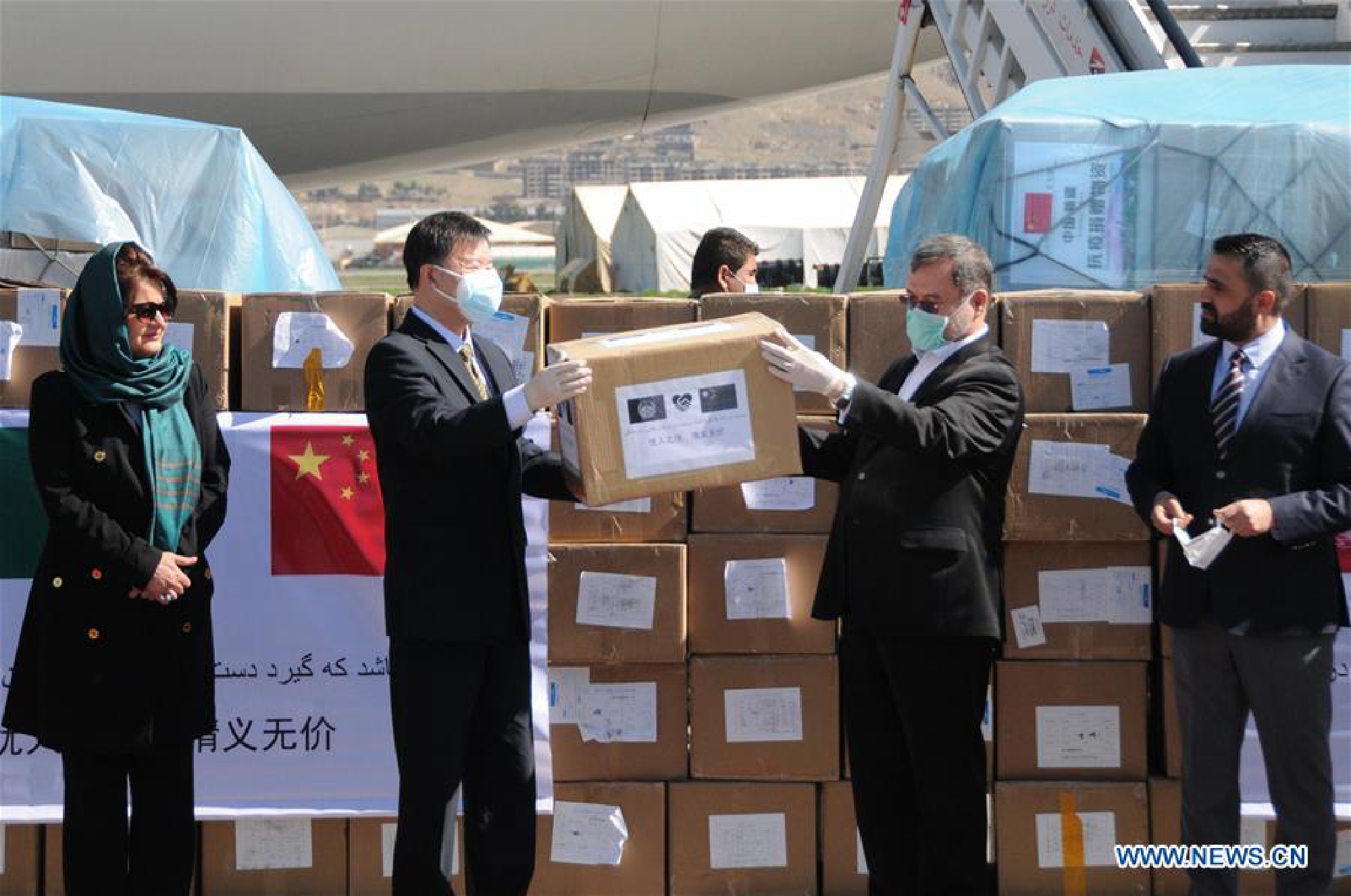
Chinese vaccine makers have been stepping up efforts to improve the manufacturing and equitable use of COVID-19 vaccines around the world by offering expertise, technical assistance and production licensing to countries that hope to have access to high-quality and affordable vaccines.

Regarding the vaccines as a public good rather than merely a commercial product, their assistance to countries in dire need of COVID-19 vaccines will contribute to stabilizing international industrial and supply chains and therefore propel global economic recovery even as the virus still ravages the world, according to experts.

Sinovac Biotech Ltd said it has cooperated with countries such as Brazil, Indonesia, Turkey, Malaysia and Egypt to locally manufacture its widely sought-after CoronaVac vaccine.

It also plans to launch such operations in 10 additional countries in order to enhance the global vaccine supply. It did not reveal the names of those countries or other details.

Sinopharm, another Chinese COVID-19 vaccine maker, has authorized partners in countries such as Serbia and the United Arab Emirates to produce its vaccines locally. The company is in talks with counterparts in Argentina to localize vaccine manufacturing there.

The UAE has already started distribution of the Hayat-Vax vaccines, a joint collaboration between Sinopharm and its G42. Hayat means “life” in Arabic.

Egypt also said it will start locally producing the Sinovac vaccine in June.

“To rein in the COVID-19 pandemic, the biggest challenge is to ensure sufficient supply of vaccines to all countries,” said Pearson Liu, senior brand director and spokesman for Sinovac.

Feng Duojia, chairman of the China Association for Vaccines, said that localized production of the vaccines could significantly improve the quantity and efficiency of the vaccine supply while reducing costs, as well as boosting local vaccine industries and improving public health systems.

China-developed vaccines, which have shown reliable results and safety despite doubts over their quality in some quarters, are expected to play a greater role in the fight against the pandemic, he said.

The World Health Organization approved the emergency use of a COVID-19 vaccine from Sinopharm on Friday, making it the sixth vaccine whose safety, effectiveness and quality were validated by the WHO. The vaccine also became the first created by a developing country to win WHO backing.

Sinovac’s CoronaVac is also under the WHO’s final-stage assessment for emergency use approval.

Zhou Mi, a senior researcher at the Chinese Academy of International Trade and Economic Cooperation in Beijing, said countries without adequate access to COVID-19 vaccines are often severely stricken developing countries that have become even more vulnerable on the global value chain.

“Without external help to get sufficient inoculation rates to resume normal economic activities, those countries are likely to suffer deeper economic and social losses,” he said.

While a few countries have banned vaccine material exports, efforts by Chinese vaccine makers to improve global vaccine distribution are greatly significant to pandemic control and economic recovery, he added.

Timely and universal access to COVID-19 vaccinations will make the difference between promptly ending the pandemic and placing the world economy on a resilient recovery trajectory, or losing many more years of growth, development and opportunities, according to United Nations Chief Economist Elliott Harris.

Zhang Jianping, director-general of the Beijing-based China Center for Regional Economic Cooperation, said the world economy could return to a normal growth path only through efficient control of the pandemic, for which vaccination is the most important and cost-effective tool.

“A developing country itself, China has been faithful to its commitment to building a community with a shared future for humanity,” he said.

“Efforts by Chinese companies, from exporting medical protective gear to vaccine manufacturing licensing, have greatly contributed to the control of the pandemic, the resumption of international trade and the world economic recovery.”

Published : May 13, 2021

By : LIU ZHIHUA and ZHONG NAN/China Daily/ANN
World’s third Climate Clock arrives in South Korea #SootinClaimon.Com

#SootinClaimon.Com : ขอบคุณแหล่งข้อมูล : หนังสือพิมพ์ The Nation.

https://www.nationthailand.com/international/40000826

World’s third Climate Clock arrives in South Korea

Herald Corp. installs Climate Clock on roof of Seoul headquarters to raise awareness about climate crisis

World’s third Climate Clock arrives in South Korea

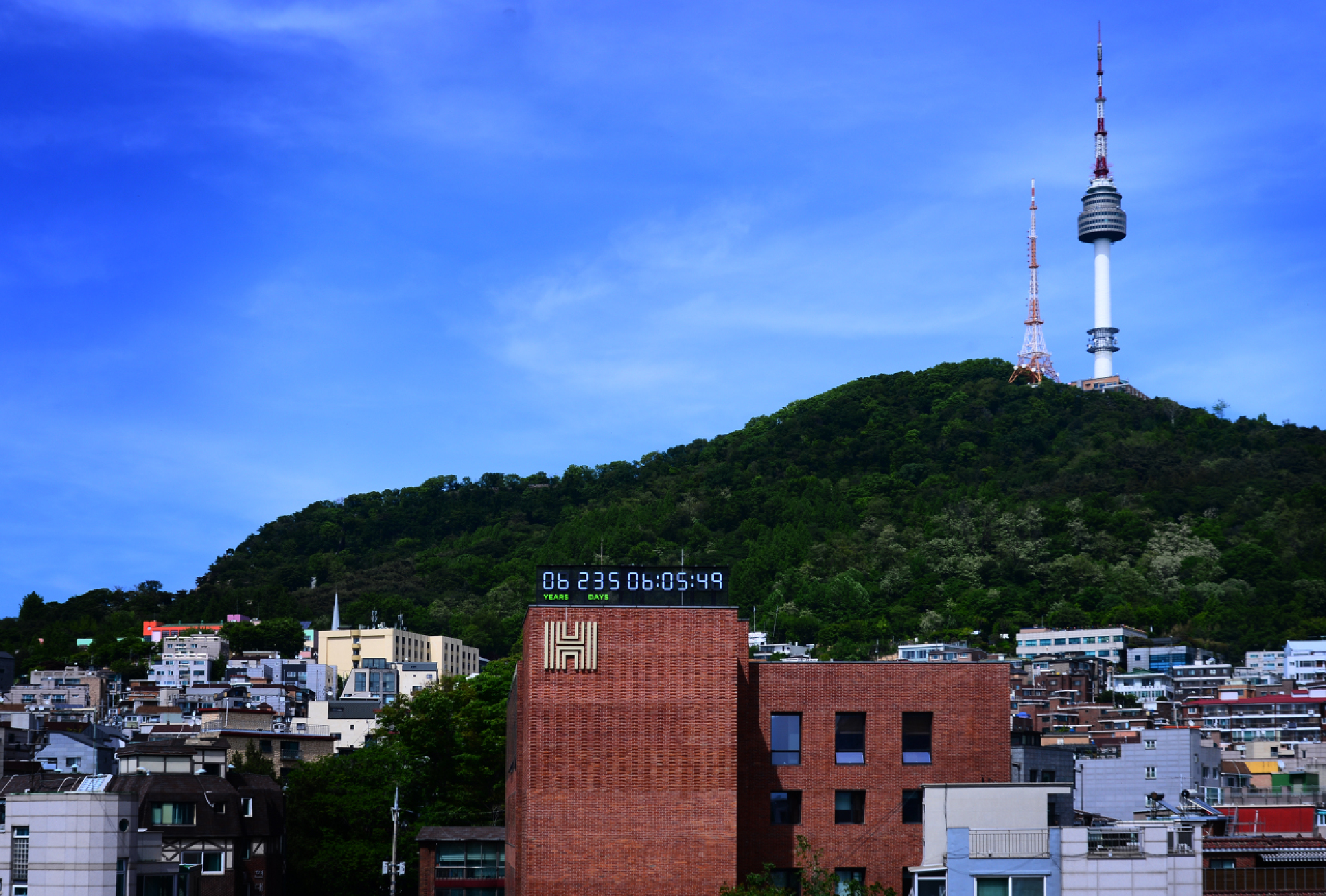
At a glance, the series of numbers — six years, 235 days, six hours, four minutes and 55 seconds — makes little sense.

But they are arguably the most important numbers for humanity. They represent the time we have left until the Earth’s deadline: the “point of no return” in the climate crisis.

The monument-sized Climate Clock showing the numbers was unveiled Thursday on the roof of the Herald Corp. headquarters in Seoul, sending a chilling warning that the Earth is racing toward catastrophe.

The digital clock, which is 8.5 meters wide and 1.8 meters long, is the first permanent Climate Clock in Asia and the third in the world. The first was set up in Berlin in 2019 and the second in New York in 2020. 

World’s third Climate Clock arrives in South KoreaWorld’s third Climate Clock arrives in South Korea
With South Korea’s landmark N Seoul Tower in the background, the Climate Clock in Seoul shows that as of Thursday the Earth had about six years, 235 days, six hours, four minutes and 55 seconds before global warming reaches irreversible levels, based on current emission rates.

Created by artists Gan Golan and Andrew Boyd, the Climate Clock counts down how much time is left before we deplete the Earth’s carbon budget — that is, the amount of carbon dioxide we can still release into the atmosphere while limiting global warming to 1.5 degrees Celsius above preindustrial levels.

According to scientists, keeping the world from warming by more than 1.5 degrees Celsius from preindustrial levels is crucial if we are to avoid the catastrophic impact of climate change — rising sea levels, flooding, droughts, extreme heat waves, wildfires and other disasters.

“Grounded in the latest climate science, the Climate Clock tells us what we need to do by when,” Boyd told The Korea Herald. “In short, we need to build a 100 percent renewable-powered future in less than seven years.”

The numbers on the Climate Clock are based on the amount of global carbon emissions as well as the amount of the world’s energy supplied from renewable sources, currently at 12 percent and slowly rising. The data comes from the Mercator Research Institute on Global Commons and Climate Change, and from One World in Data, respectively.

The arrival of the Climate Clock is part of the Herald Corp.’s campaign to address the climate emergency, which the company sees as the defining challenge of our time.

Through the campaign, Herald Corp., which owns two of Korea’s major newspapers, The Korea Herald and The Herald Business, seeks to draw attention to the climate crisis and remind Koreans that the Earth has a deadline, it said. 

World’s third Climate Clock arrives in South KoreaWorld’s third Climate Clock arrives in South Korea
The Climate Clock’s co-creators welcomed its presence in Seoul.

“After too many years where governments and major media platforms did not take the climate crisis seriously enough, it is incredibly heartening to partner with Herald Corp., who are making the climate emergency a priority focus of their reporting and advocacy,” Boyd said.

“Media companies and organizations such as The Korea Herald play an indispensable role in highlighting the urgency of the climate crisis as well as the many solution pathways, particularly the rapid deployment of renewable energy, available to address it,” he added.

The installation of the Climate Clock comes at a critical point for the global efforts to combat the climate crisis.

This year is marked by significant political events, including the P4G summit — Partnering for Green Growth and the Global Goals 2030 — to be held in Seoul on May 30-31, as well as the UN Climate Change Conference, also known as COP26, set for Glasgow on Nov. 1-12.

“We hope the Seoul Climate Clock will serve as a lightning rod for South Korea’s climate movement and raise the country-wide emission-reduction targets that South Korea brings to the COP26 UN Climate Summit in Glasgow, Scotland later this year,” said co-creator Golan.

“With luck, Seoul’s Climate Clock will not only spark momentum nationally, but also encourage other key countries in East Asia to raise their climate ambitions,” he added. 

The Climate Clock project, which involves a team of artists, scientists, engineers, designers and activists from around the globe, is an open-source project presenting a “critical window” for internationally-coordinated action to reduce emissions and avert climate disaster.

According to the founders, the Climate Clocks — some small, others large — are being built temporarily or permanently at homes, schools and public spaces all over the world from Sydney to Istanbul. Another monumental clock is set to be unveiled in Rome in May at the earliest.

The creators said they had previously made a small-sized climate clock for Greta Thunberg, the teenage activist from Sweden, before her appearance at the United Nations Climate Action Summit in 2019.

In an effort to contribute to achieving climate equity and justice, the Climate Clock team charges licensing fees to for-profit organizations, municipalities and governments that want to set up the clocks. The funds are spent on activists seeking to bring the Climate Clocks to their cities, according to the organization.

For individuals hoping to make their own watches or portable clocks, free kits are available on its website.

Published : May 13, 2021

By : Ock Hyun-ju/The Korea Herald/ANN

UNICEF reveals UK hogs mountain of surplus vaccines while poor nations are crying out for help #SootinClaimon.Com

#SootinClaimon.Com : ขอบคุณแหล่งข้อมูล : หนังสือพิมพ์ The Nation.

https://www.nationthailand.com/international/40000825

UNICEF reveals UK hogs mountain of surplus vaccines while poor nations are crying out for help


While Sri Lanka is stuggling to procure 600,000 AstraZeneca doses needed for the second jab, the UNICEF yesterday (12) reported that the United Kingdom had a massive surplus of vaccines.

UNICEF reveals UK hogs mountain of surplus vaccines while poor nations are crying out for help

UNICEF said that the UK should give away a fifth of its Covid vaccines to help poorer countries protect their citizens. The British media reported that the UK has ordered 517million doses though it required around 160m to vaccinate all adults and give them booster jabs in the autumn, as planned.

Analysis by the UK arm of the United Nations Children’s Fund asserted that the country could have enough leftover doses to fully vaccinate 50m people – the population of Spain or South Korea.

And if all the vaccines currently in trials are approved this would soar to 115m, it said – almost double the population of South Africa.

Campaigners warned hogging vaccines and allowing the virus to continue spreading elsewhere would raise the risk of a new variant emerging and coming back to wreak havoc in Britain.

UNICEF said Britain could share 20 per cent of its current supply and still hit its goal of offering every adult a vaccine by the end of July. It claimed the UK could reach the target by July 9 and sharing the doses would only push it back by 10 days. 

‘Unless the UK urgently starts sharing its available doses to ensure others around the world are protected from the virus, the UK will not be safe from Covid,’ said UNICEF UK’s Joanna Rea. 

Two thirds of adults in the UK have now had at least one vaccine dose and almost 18million are fully vaccinated. Real-world data suggests the jabs prevent eight to nine out of 10 severe Covid cases, almost all deaths and also slash transmission of the virus by half

UNICEF estimated that Britain could give away 20 per cent of its projected available stock and still meet its target to give all adults their first dose of vaccine by the end of July.

But it is not clear how many vaccines the UK is currently sitting on because of commercial agreements to keep the figures private. 

The only data provided is the number of doses of each jab that have been dished out — 28.5million of AstraZeneca, 19.5m of Pfizer and 100,000 of Moderna.

The charity warned that the success of the vaccination programme in the UK could be ‘reversed’ if supply is not shared.

Concerns have been raised that while the virus rages in other parts of the world there is more chance for new variants to emerge.

And experts have suggested that new variants could potentially escape the protection afforded by the vaccines.

UNICEF UK called on the Government and other G7 countries – Canada, France, Germany, Italy, Japan and the US – to start sharing vaccines through Covax from June. 

Ms Rea said: ‘The UK has done a fantastic job in rolling out Covid vaccines to more than half of its adult population and we should all be proud of what has been achieved.

‘However, we can’t ignore that the UK and other G7 countries have purchased over a third of the world’s vaccine supply, despite making up only 13 per cent of the global population – and we risk leaving low-income countries behind.

‘Unless the UK urgently starts sharing its available doses to ensure others around the world are protected from the virus, the UK will not be safe from Covid-19.

‘Our vaccine rollout success could be reversed and the NHS could be fighting another wave of the virus due to deadly mutations.’

On Monday Professor Chris Whitty, chief medical officer for England, said the way to prevent or minimise the number of new variants is to ‘get on top of’ the pandemic globally.

And the World Health Organization said there was a ‘shocking disparity’ in access to Covid vaccines between rich and poor countries.

WHO director general Dr Tedros Adhanom Ghebreyesus told a press briefing: ‘The shocking global disparity in access to Covid vaccines remains one of the biggest risks to ending the pandemic.

‘High and upper-middle income countries represent 53 per cent of the world’s population, but have received 83 per cent of the world’s vaccines.

‘By contrast, low and lower-middle income countries account for 47 per cent of the world’s population, but have received just 17 per cent of the world’s vaccines.’

He added: ‘How quickly we end the Covid pandemic and how many sisters and brothers we lose along on the way, depends on how quickly and how fairly we vaccinate a significant proportion of the population and how consistently we all follow proven public health measures.’

Published : May 13, 2021

By : The Island/ANN

Chinas Sinovac Covid-19 vaccine found highly effective in real world study #SootinClaimon.Com

#SootinClaimon.Com : ขอบคุณแหล่งข้อมูล : หนังสือพิมพ์ The Nation.

https://www.nationthailand.com/international/40000795

Chinas Sinovac Covid-19 vaccine found highly effective in real world study


JAKARTA (BLOOMBERG) – Sinovac Biotech Ltds vaccine is wiping out Covid-19 among health workers in Indonesia, an encouraging sign for the dozens of developing countries reliant on the controversial Chinese shot, which performed far worse than Western vaccines in clinical trials.

Chinas Sinovac Covid-19 vaccine found highly effective in real world study

Indonesia tracked 25,374 health workers in capital city Jakarta for 28 days after they received their second dose and found that the vaccine protected 100 per cent of them from death and 96 per cent from hospitalisation as soon as seven days after, said Health Minister Budi Gunadi Sadikin in an interview on Tuesday (May 11). The workers were tracked until late February.

Mr Sadikin also said that 94 per cent of the workers had been protected against infection – an extraordinary result that goes beyond what was measured in the shot’s numerous clinical trials – though it’s unclear if the workers were uniformly screened to detect asymptomatic carriers.

“We see a very, very drastic drop,” in hospitalisations and deaths among medical workers, Mr Sadikin said.

It’s not known what strain of the coronavirus Sinovac’s shot worked against in Indonesia, but the country has not flagged any major outbreaks driven by variants of concern.

The data adds to signs out of Brazil that the Sinovac shot is more effective than it proved in the testing phase, which was beset by divergent efficacy rates and questions over data transparency. Results from its biggest Phase 3 trial in Brazil put the shot known as CoronaVac’s efficacy at just above 50 per cent, the lowest among all first-generation Covid-19 vaccines.

A spokesman for Sinovac in Beijing said the company cannot comment on the Indonesian study until it acquires more details.

In a separate interview with Bloomberg on Tuesday, Sinovac’s chief executive officer Yin Weidong defended the disparity in clinical data around the shot, and said there was growing evidence CoronaVac is performing better when applied in the real world.

But the real-world examples also show that the Sinovac shot’s ability to quell outbreaks requires the vast majority of people to be vaccinated, a scenario that developing countries with poor health infrastructure and limited access to shots cannot reach quickly.

In the Indonesian health worker study, and another in a Brazilian town of 45,000 people called Serrana, nearly 100 per cent of people studied were fully vaccinated, with serious illness and deaths dropping after they were inoculated.

In contrast, Chile saw a resurgent outbreak after vaccinating over a third of the population of 19 million – one of the fastest rates in the world, but not fast enough to stop the spread of the aggressive variant sweeping Latin America.

“The earliest group of people vaccinated in Chile are old people. Fewer than 15 million doses given to Chile means only 7 million people can get our shots. That equals to only 36 per cent of a population of 19 million,” said Mr Yin.

“It’s normal that the country sees a resurgence of infections as social activities increase among the younger people who are mainly not inoculated.”

Among people vaccinated with CoronaVac in Chile, 89 per cent were protected from serious Covid-19 that requires intensive care, said Mr Yin.

The vaccine’s protection is likely to vary from place to place due to virus variants, but Sinovac’s shot appears to be holding up well against the new mutations of concern, he said.

A key question for all Covid-19 vaccines is whether they can prevent or deter actual transmission of the virus. Mr Yin said on Tuesday that Sinovac does not yet know if its shot – a traditional inactivated vaccine – can stop or reduce the virus from being contracted in the first place, but the fact it is preventing serious illness and death is more important.

The mRNA shot developed by BioNTech SE and Pfizer Inc. has been shown to be over 90 per cent effective in preventing transmission in Israel.

While non-mRNA vaccines are unlikely to be that effective in preventing transmission, the growing body of evidence that Sinovac’s shot works is a boon to China’s mission of supplying the developing world in a bid to increase its influence and standing.

It’s also somewhat of a vindication amid criticism that Chinese vaccine developers disclosed less data and were less transparent about severe adverse events compared with Western companies.

“The results from real world application and the scientific data we have from clinical trials will allow the world to judge our vaccine comprehensively,” said Mr Yin.

“We encourage our partners and governments in countries where our vaccine is being used to release such data as soon as possible.”

Indonesia was one of the earliest countries to place its bets on a Chinese vaccine. In January, President Joko Widodo became the first major world leader to receive the Sinovac shot in a bid to quell scepticism at home and abroad. Since then, South-east Asia’s largest economy has administered more than 22 million doses, mostly Sinovac, as it seeks to reach herd immunity for its 270-million strong population by year-end.

“The minimum efficacy rate should be above 50 per cent, so beyond that, the best vaccine is the one you can get as soon as possible, as every shot given can prevent deaths,” Health Minister Sadikin said.

“It isn’t only about getting the highest efficacy rate, but inoculating people quickly.”

While neighbouring Malaysia and Thailand are seeing a resurgence in cases, Indonesia’s rate of new infections and deaths has stabilised since a January peak. But with its massive population still mostly unprotected, the upcoming Eid holiday could cause cases to rebound by as much as 60 ;per cent as people gather with family and travel home despite government restrictions, Mr Sadikin warned.

Associate professor Helen Petousis-Harris, a vaccinologist at the University of Auckland, said the ability of vaccines to control a disease can be higher in the real world than when measured in clinical trials. 

“In my experience, we often fail to predict the overall impact of vaccines, something that can only be seen in the real world after widespread use,” she said. “Reducing the bulk of disease is not only essential to save lives but also to reduce the chances of problematic variants appearing.”

Published : May 12, 2021

By : The Straits Times / ANN

First 2 COVID-19 India variant cases in Philippines confirmed #SootinClaimon.Com

#SootinClaimon.Com : ขอบคุณแหล่งข้อมูล : หนังสือพิมพ์ The Nation.

https://www.nationthailand.com/international/40000786

First 2 COVID-19 India variant cases in Philippines confirmed


MANILA, Philippines — The Department of Health (DOH) confirmed the country’s first two cases of the India variant of the COVID-19 virus on Tuesday, the same day that the World Health Organization (WHO) declared the variant “a global concern.”

First 2 COVID-19 India variant cases in Philippines confirmed

The WHO expressed concern that the B.1.617.2 variant, which first originated in India, is more transmissible, with mutations that easily allow the virus to get past the human body’s immune system.

The B.1.617.2 variant is the fourth to be designated as being of global concern and requiring heightened tracking and analysis. The others are those first detected in Britain, South Africa and Brazil.

‘Immediately quarantined’

In an online briefing, Health Undersecretary Maria Rosario Vergeire said the Philippine Genome Center (PGC) had detected the B.1.617.2 variant in two seafarers with no known history of travel to India. Samples from their positive COVID-19 swab tests were sequenced as part of the DOH’s strengthened biosurveillance procedures, Vergeire said.

The first case is a 37-year-old male returning overseas Filipino from Oman who arrived in the Philippines on April 10 and was tested on April 15, said Dr. Alethea de Guzman, director of the DOH’s Epidemiology Bureau.

The second case is a 58-year-old Filipino male who came from the United Arab Emirates. He arrived in the Philippines on April 19 and was found positive for the virus on April 24.

The two have since recovered and are back in their home provinces in the Soccsksargen and Bicol regions, respectively, De Guzman said.

Their second RT-PCR tests had yielded negative results, she noted.

No close contacts were identified since both men were “immediately quarantined upon arrival,” De Guzman said, adding that those who sat near the two individuals on the plane back to the Philippines had tested negative for the virus.

The DOH was also verifying if all passengers potentially exposed to the two patients were able to complete their mandatory quarantine period of 14 days, she said.

Lowest since March 17

Also on Tuesday, the DOH logged 4,734 new cases, the lowest since March 17 when the country recorded 4,387 new cases. But the health agency said the relatively low count could be due to the failure of 12 laboratories to submit their data on time.

The latest figure brought the country’s total case count to 1,113,547. In its daily case bulletin, the DOH said there were 56,752 active cases or currently sick individuals. Majority, or 93.4 percent of cases, were mild, 2.2 percent were asymptomatic, 1.4 percent were in critical condition, 1.8 percent had severe symptoms and 1.17 percent were moderate cases.

Another 7,837 patients have recovered, pushing the total number of survivors to 1,038,175. But with 59 more people succumbing to the disease, the death toll now stood at 18,620.

Measures

Measures are being put in place to prevent the spread of the India variant of the virus, Malacañang said on Tuesday, including a travel ban on all arrivals from India and its neighboring countries of Pakistan, Nepal, Sri Lanka and Bangladesh.

The Philippines has imposed a ban on travelers from India from April 29 to May 14.

All travelers arriving in the country are also required to undergo a 14-day quarantine, 10 days of which should be in a facility, said presidential spokesperson Harry Roque.

“We will continue to improve [the country’s health-care facilities] whether or not there is a new India variant. It is cheaper for the country to invest in [them] than to shut down our economy,” Roque said.

Action came ‘so late’

But former National Task Force adviser Dr. Tony Leachon faulted the government for acting “so late” and being “extremely weak on border controls,” as he noted the first two cases of the more transmissible India variant among ROFs.

The government showed “no vision of the future, no sense of urgency,” when it failed to ban foreign travelers sooner just like it (failed to do) last year, Leachon said Tuesday, referring to the belated ban on incoming travelers from Wuhan, China, where the first case of COVID-19 was reported.

But for Dr. Edsel Salvana, a member of the DOH Technical Advisory Group, the detection of the first two India variant cases in the country “shows that our enhanced biosurveillance is working and [that] it helps to keep track of variant introductions into the country.”

“No system is perfect and we have to constantly tweak our measures … Ultimately, even if these variants make it in, proper adherence to public health standards will keep them from spreading. Let’s all stick to the plan, get our vaccines and look forward to better days when we can finally take these masks off safely,” Salvana said.

Samples for sequencing

Vergeire said only two of the five passengers from India who arrived in the country and tested positive for the virus prior to the imposition of the travel ban had met the criteria for whole genome sequencing.

One tested positive for a lineage which is not a variant of concern or a variant of investigation, while the fifth sample is still up for sequencing.

PGC Executive Director Cynthia Saloma also said that the genome center will immediately sequence the samples of the rescued seafarers from the MV Athens Bridge who had tested positive for the virus, since the ship has a known travel history to India.

Dr. Rontgene Solante, who is also member of the Infectious Diseases Society of America, said the Centers for Disease Control and Prevention (CDC) “considers” the India variant as one of the multiple factors driving the worst surge of infection in India.

According to the CDC website, a variant of concern shows evidence of an “increase in transmissibility, more severe disease (e.g., increased hospitalizations or deaths), significant reduction in neutralization by antibodies generated during previous infection or vaccination, reduced effectiveness of treatments or vaccines, or diagnostic detection failures.”

—With a report from Reuters

Published : May 12, 2021

By : Leila B. Salaverria/Maricar Cinco/Patricia Denise M. Chiu/Philippine Daily Inquirer/ANN

S. Korea reports largest job growth in almost 7 years in April #SootinClaimon.Com

#SootinClaimon.Com : ขอบคุณแหล่งข้อมูล : หนังสือพิมพ์ The Nation.

https://www.nationthailand.com/international/40000785

S. Korea reports largest job growth in almost 7 years in April


South Korea reported the largest job growth in almost seven years in April in the latest sign that the job market is recovering from a yearlong slump caused by the pandemic, data showed Wednesday.

S. Korea reports largest job growth in almost 7 years in April

The number of employed people reached 27.2 million last month, 652,000 more than a year earlier, according to the data compiled by Statistics Korea.

It marked the largest on-year increase since August 2014, when the number of employed people rose 670,000.

The April reading also marked the second straight month of the country reporting job additions. In March, the number of working people increased by 314,000 from a year earlier, the first job growth in 13 months.

The COVID-19 pandemic has dealt a severe blow to the job market, with the country reporting job losses for the 12th straight month in February.

“Amid an economic recovery, increased activities following relaxed social distancing rules and a low base effect helped create more jobs,” Jeong Dong-myeong, a senior official handling the issue at Statistics Korea, told reporters.

Finance Minister Hong Nam-ki said recovery momentum in the job market has become more “evident.”

The improved jobs data came as the South Korean economy is on a recovery track on the back of robust exports.

President Moon Jae-in said Monday the government will make efforts to prompt Asia’s fourth-largest economy to grow at least 4 percent this year. Last year, the Korean economy contracted 1 percent amid the COVID-19 pandemic.

The number of unemployed people came to 1.15 million last month, down 25,000 from the previous year.

The country’s jobless rate fell 0.2 percentage point on-year to 4 percent last month. But the unemployment rate for young adults — those aged between 15 and 29 — still stayed higher as the rate rose 0.7 percentage point on-year to 10 percent in April.

The number of non-economically active people or those who have no willingness to work, declined for the second straight month. The number of such people fell 324,000 on-year to 16.7 million last month, the largest on-year decline in seven years.

Despite overall job growth, the service sector, hit hard by the pandemic, still suffered a slump in employment last month. But a severe erosion in jobs eased amid relaxed distancing rules.

The wholesale and retail sector reported a fall of 182,000 jobs last month, and the arts, sports and leisure service segment lost 11,000. But the accommodation and food service segment reported the first job addition since February 2020, with an on-year gain of 61,000 jobs last month.

The manufacturing sector, a backbone of the country’s economy, added 9,000 positions in April, marking the first job growth in 14 months.

The social welfare segment gained 224,000 jobs and the public administration sector added 80,000 posts last month on the back of state-backed job programs.

Temporary jobs also gained ground in April, with the number of temporary workers rising 379,000 on-year and jobs for day laborers increasing 38,000.

Experts said the job market is improving, but it may take a longer time for the country to witness a full-fledged recovery, given slumps in the in-person service sector.

“The number of employed people has yet to recover to pre-pandemic levels. The segments providing face-to-face services and vulnerable people are facing extended difficulties,” the finance ministry said.

The government said the number of employed people is expected to grow 150,000 this year.

In February, the Bank of Korea forecast the number of hired people to grow 80,000 this year, down from its earlier estimate of an increase of 130,000. (Yonhap)

Published : May 12, 2021

By : The Korea Herald/ANN

Report: China still priority market for US firms #SootinClaimon.Com

#SootinClaimon.Com : ขอบคุณแหล่งข้อมูล : หนังสือพิมพ์ The Nation.

https://www.nationthailand.com/international/40000784

Report: China still priority market for US firms


China remains a priority market for companies from the United States, and wholesale decoupling of the US and Chinese economies is in neither countrys economic interest, according to a business report released on Tuesday by the American Chamber of Commerce in China.

Report: China still priority market for US firms

The group, representing US-based companies and often called AmCham China, called on China and the US to cooperate in areas of global common interest and identify opportunities to strengthen global public health infrastructure in 2021, so that the world is better prepared for the next public health crisis, according the 23rd edition of the “American Business in China White Paper”.

In the meantime, the report said that the two countries should cultivate conditions to promote two-way foreign direct investment and trade, and help the global economy recover from COVID-19, reduce greenhouse gas emissions and combat climate change.

They should also involve the business community and leverage their technology, expertise and experience in future public health and climate change initiatives, the document suggested.

In last year’s white paper, AmCham China noted that 2019 had been a turbulent year due to the imposition of bilateral tariffs and deteriorating bilateral relations.

The white paper said that the events of 2020 only served to compound those trends, while COVID-19 created a new set of challenges. A majority of AmCham China’s member companies reported that US-China bilateral tensions had become the top challenge to doing business in China.

“We hope that any effort to rebuild a healthy working relationship between the US and China enables the two sides to identify areas of global benefit to humankind and define common purpose in these areas,” said Greg Gilligan, chairman of AmCham China.

“Of particular relevance are climate change and global public health,” he said.

China is a priority market for over two-thirds of AmCham China’s member companies, and its surveys indicate that nearly 85 percent are not considering relocating manufacturing or sourcing from the Chinese market, according to the report.

“In order to be globally successful, the US companies need to be competitive in the Chinese market,” he added.

AmCham China is a nonprofit, nongovernmental organization whose membership comprises 4,000 individuals from 900 companies, including Coca-Cola, Pfizer, Qualcomm, Honeywell, Walmart and Dell Technologies, operating across China.

Sun Fuquan, vice-president of the Beijing-based Chinese Academy of Science and Technology for Development, said that US enterprises continue to see business opportunities in China not only in areas such as the “going global” campaign of Chinese companies and growth in domestic consumption, but also in new areas such as the country’s adoption of leading-edge digital technologies.

“China is not only the critical growth engine but also an innovation hub for our global business portfolio,” said Farrell Wang, managing director of Consumer Health at Johnson & Johnson China, a New Jersey-headquartered multinational company.

With the largest population, a rising middle income group and consumption upgrades, China will remain a vast market for foreign companies, he said.

Also on Tuesday, Foreign Ministry spokeswoman Hua Chunying said China has never set restrictions on specific countries or companies.

“Unlike some countries, we don’t abuse the concept of national security and adopt protectionist and discriminatory practices against certain countries and companies,” she said.

Under the current circumstances, China’s successful hosting of the first China International Consumer Products Expo demonstrates the country’s firm determination to further promote high-level opening up. China welcomes companies from other countries, including US companies, to continue to seek opportunities for development and cooperation in its market, she added.

China’s trade with the US rose 50.3 percent year-on-year to 1.44 trillion yuan ($224.2 billion) in the first four months of this year, according to the General Administration of Customs.

Published : May 12, 2021

By : Zhong Nan/China Daily/ANN

India’s Covid situation nothing short of heartbreaking: Kamala Harris #SootinClaimon.Com

#SootinClaimon.Com : ขอบคุณแหล่งข้อมูล : หนังสือพิมพ์ The Nation.

https://www.nationthailand.com/international/40000783

India’s Covid situation nothing short of heartbreaking: Kamala Harris


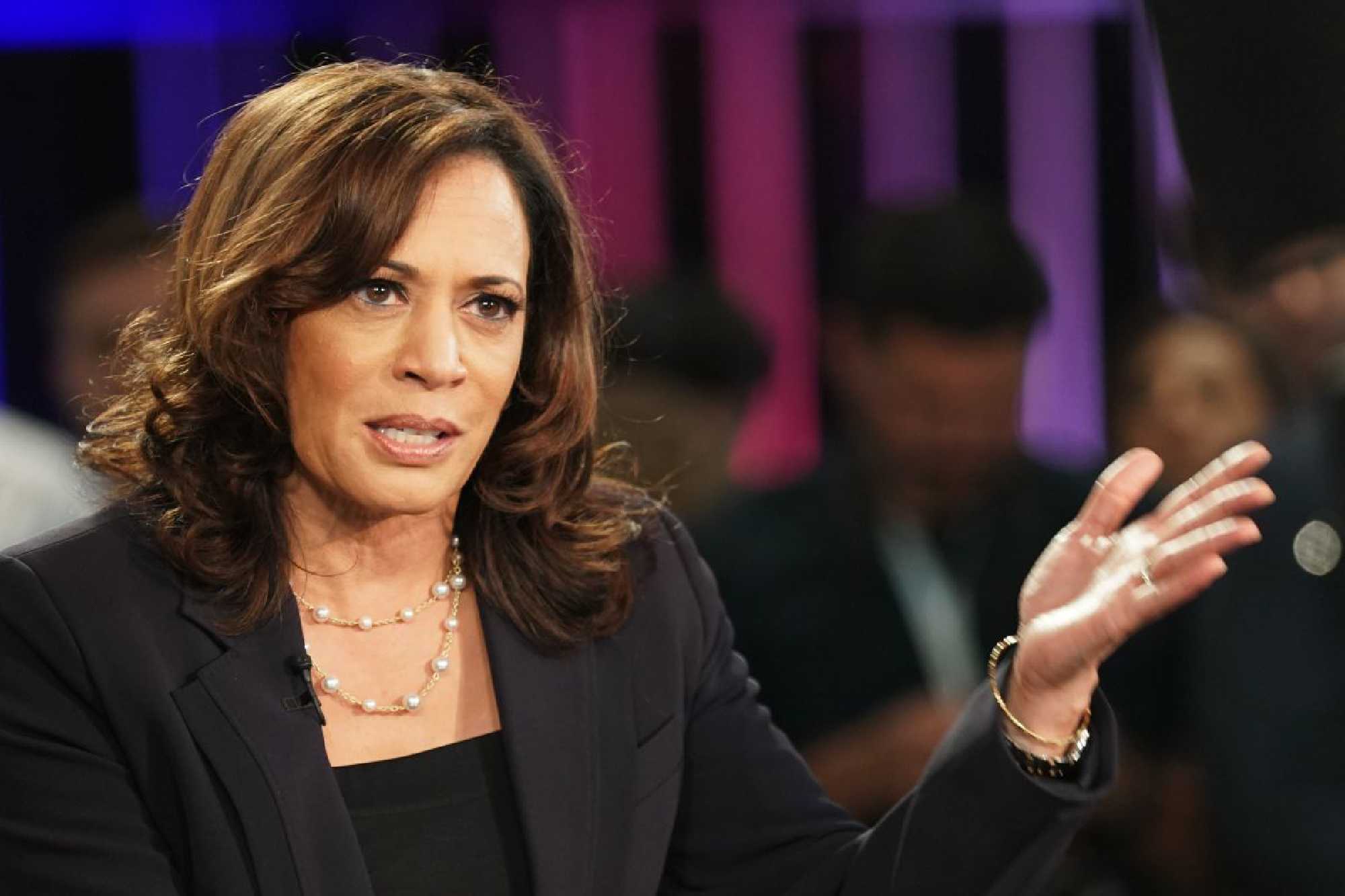
In an address to the Indian diaspora in the US, Vice President Kamala Harris lamented over the deteriorating Covidd-19 situation India, saying it was “nothing short of heartbreaking”.

India’s Covid situation nothing short of heartbreaking: Kamala Harris

“Generations of my family come from India. My mother (Shyamala Gopalan) was born and raised in India. And I have family members who live in India today. The welfare of India is critically important to the US,” Harris said in her pre-recorded message played at a diaspora event hosted by the State Department’s Bureau of South and Central Asian Affairs (SCA) on Friday.

“The surge of Covid-19 infections and deaths in India is nothing short of heartbreaking. To those of you who have lost loved ones, I send my deepest condolences. As soon as the dire nature of the situation became apparent, our administration took action.

“On Monday, April 26, President Joe Biden spoke with the Prime Minister (Narendra Modi) to offer our support. By Friday, April 30, US military members and civilians were delivering relief on the ground.

“Already, we have delivered refillable oxygen cylinders, with more to come. We have delivered oxygen concentrators, with more to come. We have delivered N95 masks, and have more ready to send. We have delivered doses of Remdesivir to treat Covid patients.

“At the beginning of the pandemic, when our hospital beds were stretched, India sent assistance. And today, we are determined to help India in its hour of need.”

“We do this as friends of India, as members of the Asian Quad, and as part of the global community. I believe that if we continue to work together, across nations and sectors, we will all get through this,” the Vice President added.

In her address, she also acknowledged diaspora groups like Indiaspora and the American India Foundation that “have built bridges between the US and India”.

“And this past year, you have provided vital contributions to Covid-19 relief efforts.”

Harris’ remarks come as India is battling the devastating second wave of the pandemic that have triggered record number of new Covid-19 cases and deaths, leading to a shortage in oxygen supplies across the country, including in the national capital of New Delhi.

On Sunday, India reported 4,03,738 new cases, which took the overall tally to 2,22,96,414, the second highest in the world after the US.

Meanwhile, the country’s death toll, currently the third largest after the us and Brazil, increased to 2,42,362.

Sunday’s figure is the fifth highest since India crossed the four-lakh-mark of new Covid cases, while over 3,000 casualties have been reported for the last 11 days.

Published : May 12, 2021

By : The Statesman/ANN

Captain severely sick at sea rescued, fishing boat sinks in Thai waters #SootinClaimon.Com

#SootinClaimon.Com : ขอบคุณแหล่งข้อมูล : หนังสือพิมพ์ The Nation.

https://www.nationthailand.com/international/40000782

Captain severely sick at sea rescued, fishing boat sinks in Thai waters


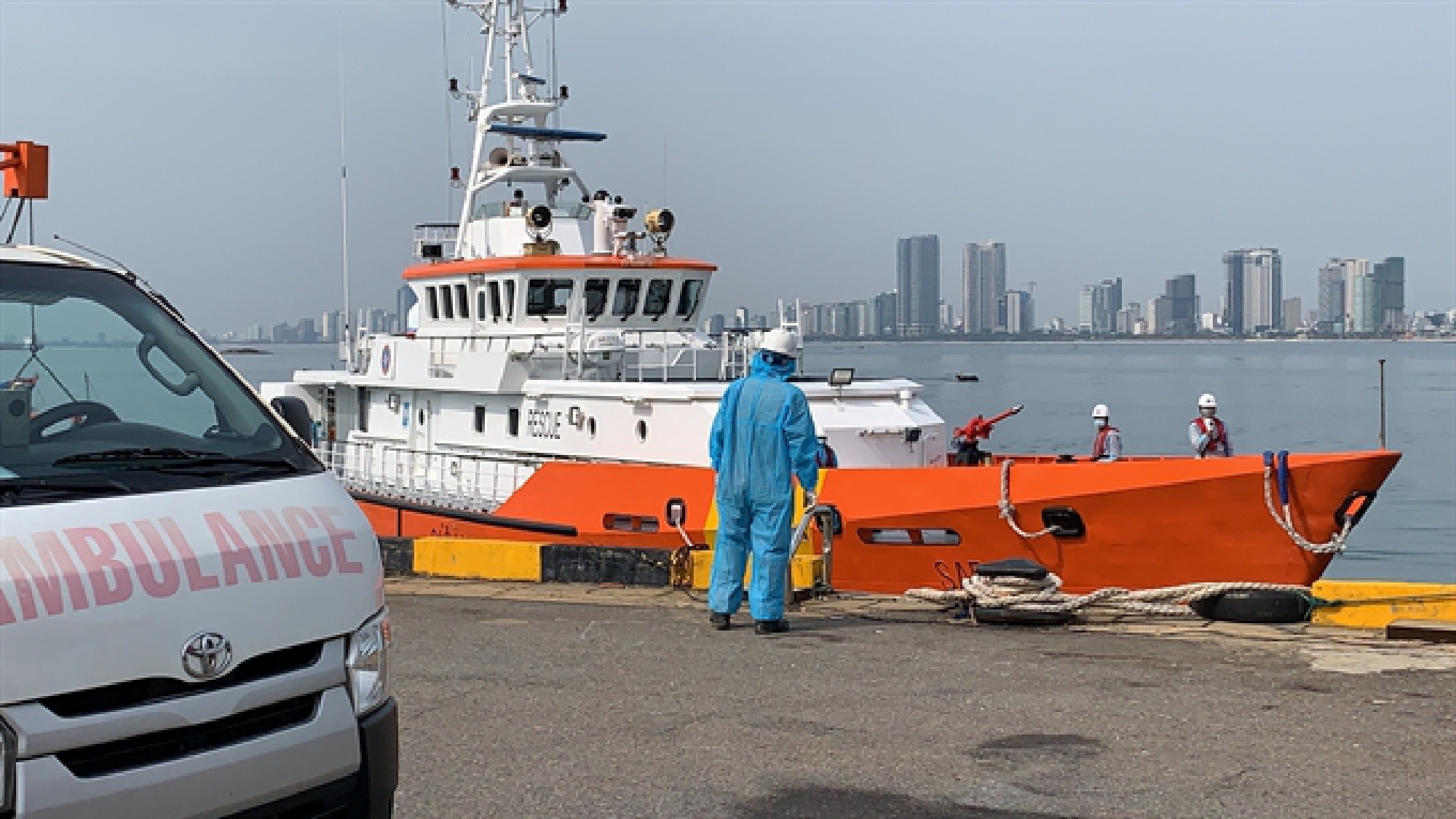
ĐÀ NẴNG — A rescue team from the Marine Search and Rescue Centre Region II in central Đà Nẵng has successfully brought a captain to shore for treatment.

Captain severely sick at sea rescued, fishing boat sinks in Thai waters

At 6pm on Monday, while working on the boat in southern water off Hoàng Sa (Spratly) archipelago, captain Bùi Ngọc Dung, 46, residing in Quảng Nam Province’s Núi Thành District suddenly suffered severe abdominal pain.

Recognising that he was in critical condition, the boat’s sailors sent a request for emergency rescue to the centre.

After receiving a distress signal, the centre instructed the ship to return to the mainland. At the same times, it dispatched SAR 412 as a rescue ship, with two doctors on board.

SAR 412 reached the ship’s location at 2am on Tuesday, provided medical care and bring the stricken sailor to the mainland for treatment.

Fishing boat sinks

In related news, the Vietnam Embassy in Thailand is helping five Vietnamese fishermen who were rescued by Thai fishermen while drifting at sea due to an accident.

Two of the five fishermen are being treated at Rayong Provincial hospital for injuries sustained in the accident.

The accident happened on the morning of May 7 when the gas tank of a squid fishing boat from Kiên Giang Province exploded while it was anchored in waters bordering Thailand and Cambodia. The boat sank after the explosion.

The five fishermen drifted at sea until they were rescued at 2pm on the same day.

One of the two injured fishermen suffered severe gas burns and the other was injured in the leg. Doctors said the two could be discharged within two weeks.

The remaining three fishermen are at the Rayong province police headquarters, waiting for COVID-19 testing.

The police of Rayong province will work with the provincial Immigration Department to hand over the fishermen to the Vietnamese Embassy to bring them back home.

The Vietnamese embassy in Thailand has contacted the owner of the boat and the fishermen’s family to bring them home soon. — VNS

Published : May 12, 2021

By : Viet Nam News/ANN

Moon, entering final year, pledges last-ditch efforts to revive NK diplomacy #SootinClaimon.Com

#SootinClaimon.Com : ขอบคุณแหล่งข้อมูล : หนังสือพิมพ์ The Nation.

https://www.nationthailand.com/international/40000748

Moon, entering final year, pledges last-ditch efforts to revive NK diplomacy


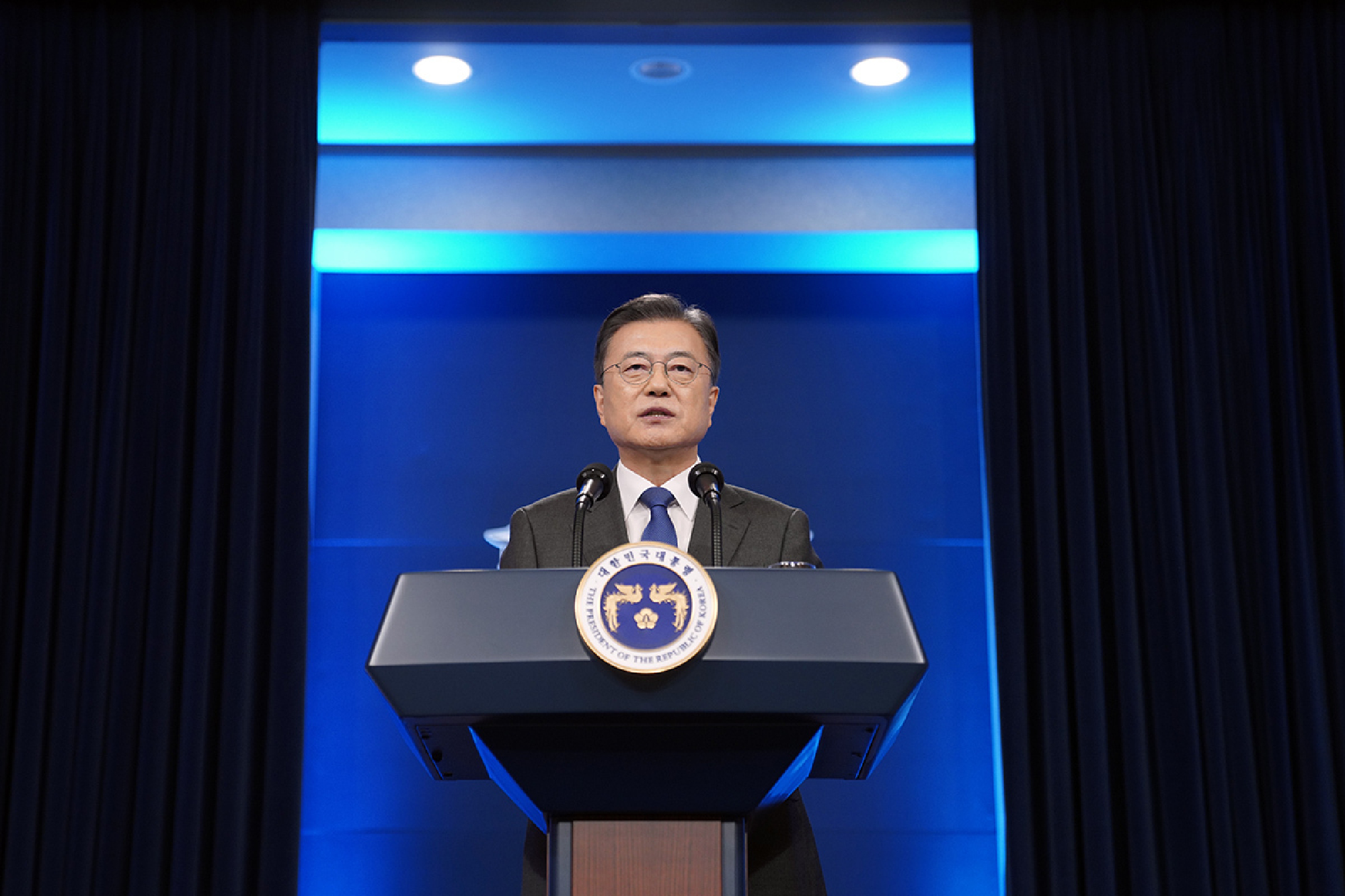
President Moon Jae-in on Monday said he would not be pressed by time in reviving the collapsed diplomacy with North Korea but pledged last-ditch efforts to make a breakthrough in the remaining year of his presidency.

Moon, entering final year, pledges last-ditch efforts to revive NK diplomacy

“If there is a will, there is a way. It is the aspiration of 80 million Koreans to end the era of confrontation and conflict on the Korean Peninsula and usher in an era of peace and prosperity,” the president said in a speech marking his fourth year in office. His term ends on May 10, 2022.

“The time for long deliberations is coming to an end. It is time to take action.”

The remark comes as the president is set to hold a crucial summit with US President Joe Biden in Washington on May 21. North Korea, among other things, is expected to top the agenda during their first face-to-face meeting.

Despite earlier speculations that the two governments may have some discrepancies in dealing with the North Korea issue, Washington’s new policy direction seems to align with Seoul’s strategy as it aims to seek a more practical and gradual approach by building upon the Singapore Declaration in 2018.

Moon also welcomed the new US strategy as the result of close consultations between the two governments, pinning high hopes on next week’s summit talks in reviving diplomacy between the two Koreas and the US and North Korea.

“I’ll not be pressed by time or becoming impatient during the remainder of my term. However, if there is an opportunity to restart the clock of peace and advance the peace process on the Korean Peninsula, I’ll do everything I can,” he said.

“I look forward to North Korea responding positively. I hope that we will be able to build peace and move toward prosperity together. We have seen clear potential for issues to be solved diplomatically.”

He also called for the people’s cooperation in creating a peaceful mood on the Korean Peninsula, warning of stern actions against illegal activities that violate inter-Korean agreements and current laws. He was referring to the continued sending of anti-Pyongyang propaganda leaflets to North Korea by some civic groups, which has led to vehement protests from North Korea.

During the 20-minute speech and a brief press conference that followed, the president recounted his eventful four years as president. He thanked the people for coming together when facing a crisis, from North Korea’s nuclear threats in the early days of his tenure in 2017 to the ongoing COVID-19 pandemic.

Asked what he regrets the most over the past four years, the president picked his government’s failed housing policy.

“There is no excuse. I failed to achieve the goal of containing housing prices and was slapped with a harsh punishment in the by-elections,” he said. “We will do a thorough review of the current policies, making adjustments to better reflect the market situations, especially reducing burdens for first-time home buyers.”

He also hinted at a more flexible approach to using his pardoning power amid growing calls for clemency for Samsung Electronics Vice Chairman Lee Jae-yong who is serving jail time on bribery charges.

“Amid the fierce competition in the chip industry, it’s a time for us to further strengthen our competitiveness. At the same time, I cannot help but consider fairness, past cases and the people’s consensus,” he said. “Granting a pardon is the president’s discretion but I cannot wield the power on my own will. I’ll fully listen to what people say.”

He seemed still cautious about granting a pardon to the imprisoned former presidents Park Geun-hye and Lee Myung-bak, citing divided public opinions.

Published : May 11, 2021

By : Lee Ji-yoon/The Korea Herald/ANN