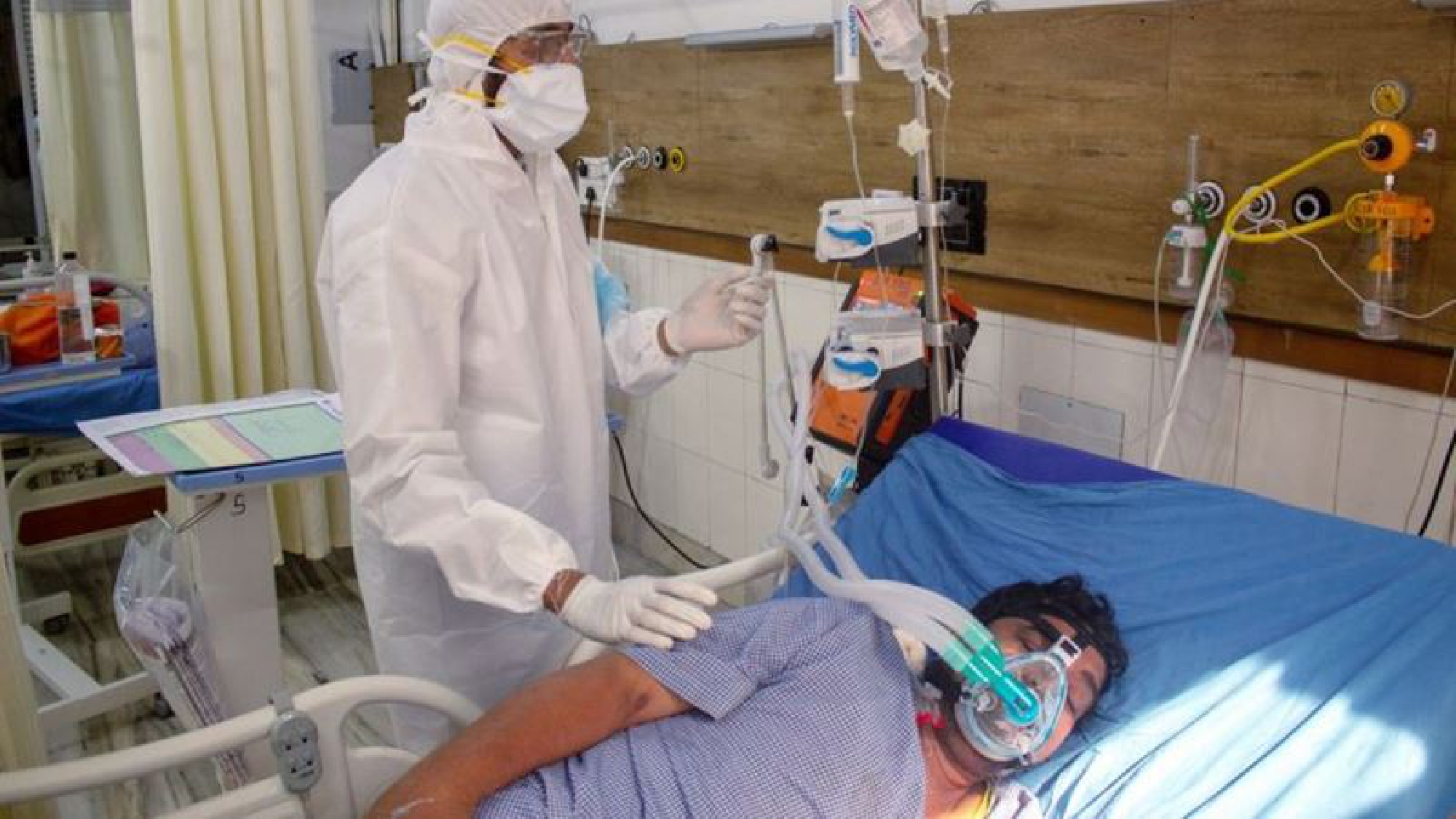
[India] Railway deploys Covid care coaches in UP, MP, Maharashtra and Delhi
As the country is battling the scourge of the current second wave of Covid, the Ministry of Railways is deploying a no-holds-barred approach by re-mobilising its initiative of Covid Care Isolation Coaches, already devised during the initial wave of Covid 19 with add-on conveniences.
As a measure of preparedness, Covid Care coaches have been readied to serve as an additional health care facility for the isolation of Covid patients with mild symptoms. These coaches have now been additionally fitted with conveniences viz. coolers, jute-mats to cater to the current hot weather conditions.
In this regard, the State Govts have been advised on the Modalities& Standard Operating Procedure (SOP) in place and the availability of Covid care coaches. Nearly 4000 Covid Care Coaches with 64000 beds have positioned at various railway stations in the country, some of which have already served the isolation needs of patients in the first wave of Covid.
The position of isolation coaches in the high- Covid-afflicted zones are as under:
In Delhi, 50 coaches (with 800 beds) are deployed at Shakurbasti station (4 patients are currently admitted & 25 coaches (with 400 beds) are made available at Anand Vihar Terminal.
At Nandurbar (Maharashtra), 21 coaches (with 378 beds) are positioned and currently, 55 patients are admitted at this facility. At Bhopal station, 20 coaches have been positioned. 50 Coaches have been readied for deployment in Punjab and 20 coaches positioned for deployment in Jabalpur.
On the demand of State Governments, these isolation centres will cater to the needs of patients with mild and moderate symptoms (as directed to these facilities by State Health Authorities). The Railways takes all efforts to provide catering arrangements to these patients and maintain hygiene in these coaches.
The State Governments’ utilisation of the Isolation Coaches will be made available through updates from time to time.
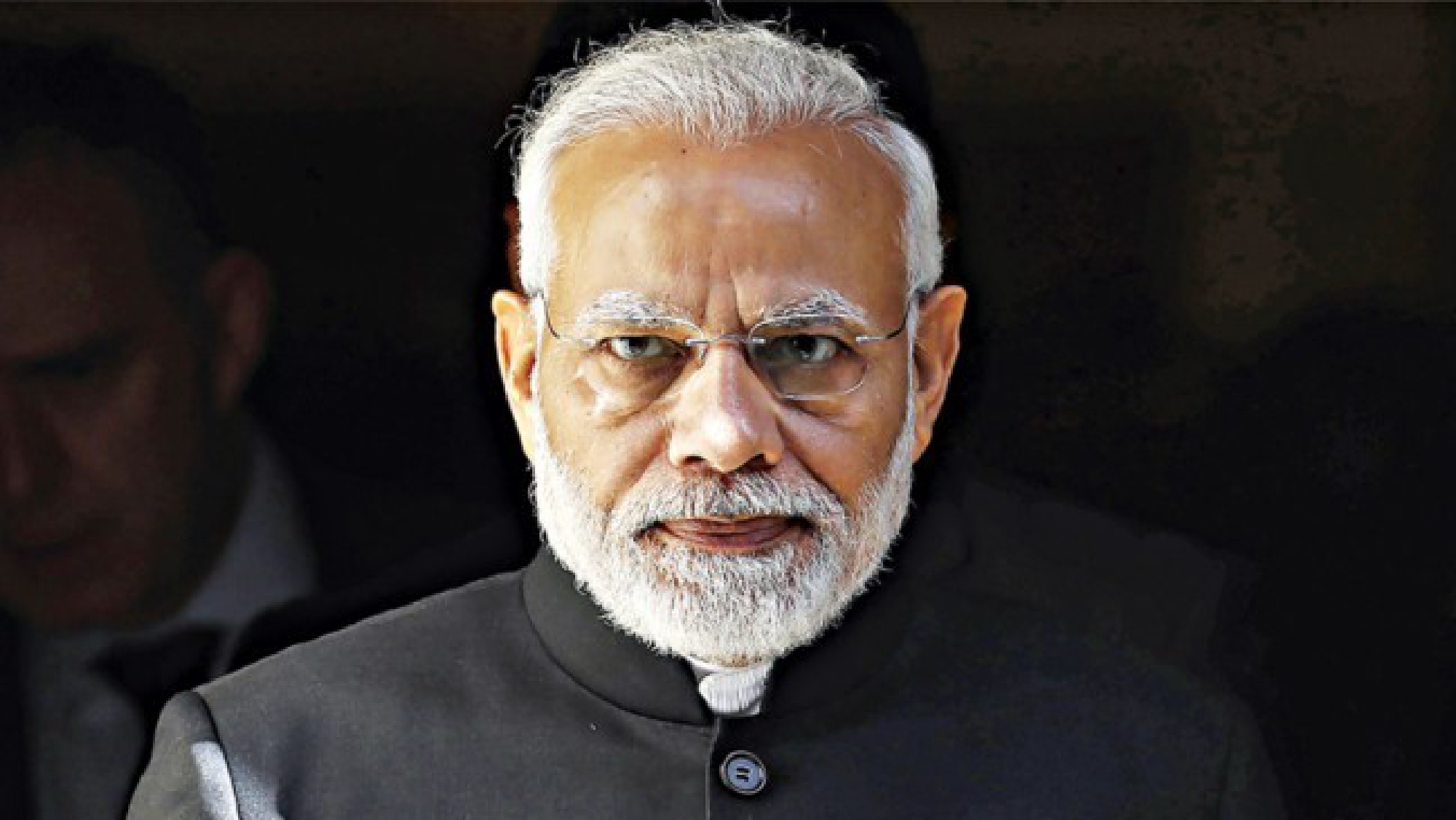
Prime Minister Narendra Modi urged all citizens to be vaccinated and exercise caution, saying the “storm” of infections had shaken India, as the country set a new global record of the most number of Covid-19 infections in a day.
The United States said it was deeply concerned by the massive surge in cases in India and would rapidly send aid.
The European Commission has activated its EU Civil Protection Mechanism and is seeking to send oxygen and medicine to India after receiving a request from Delhi.
“Alarmed by the epidemiological situation in India. We are ready to support,” Commission President Ursula von der Leyen wrote on Twitter.
Britain said yesterday it was sending life-saving medical equipment to India.
“Vital medical equipment, including hundreds of oxygen concentrators and ventilators, is now on its way from the UK to India to support efforts to prevent the tragic loss of life from this terrible virus,” Prime Minister Boris Johnson said in a statement.
German Chancellor Angela Merkel said earlier yesterday her government was preparing emergency aid for India.
The vast nation of 1.3 billion people recorded 349,691 fresh infections and 2,767 deaths yesterday — the highest since the start of the pandemic.
Hospitals in Delhi and across the country are turning away patients after running out of medical oxygen and beds.
“We were confident, our spirits were up after successfully tackling the first wave, but this storm has shaken the nation,” Modi said in a radio address.
His government has faced criticism that it let its guard down earlier this year, allowed big religious and political gatherings to take place when India’s cases fell to below 10,000 a day and did not plan for boosted healthcare systems.
Hospitals and doctors have put out urgent notices saying they are unable to cope with the rush of patients.
Outside a Sikh temple in Ghaziabad city on the outskirts of Delhi, the street resembled an emergency ward of a hospital, but crammed with cars carrying Covid-19 patients gasping for breath as they were hooked up to hand held oxygen tanks.
Elsewhere, people were arranging stretchers and oxygen cylinders outside hospitals as they desperately pleaded for authorities to take patients in, Reuters photographers said.
“Every day, it the same situation, we are left with two hours of oxygen, we only get assurances from the authorities,” one doctor said on television.
Delhi’s Chief Minister Arvind Kejriwal extended a lockdown in the capital that had been due to end today for a week. Covid-19 is killing one person every four minutes in the city.
Epidemiologists and virologists say more infectious variants of the virus, including an Indian one known as B.1.6.1.7, have fuelled the ferocious surge.
Doctors at New Delhi’s All India Institute of Medical Sciences have found that one patient is now infecting up to nine in 10 contacts, compared with up to four last year.
Meanwhile, the first case of the Indian variant of Covid-19 has been confirmed in Switzerland, the Federal Office for Public Health (BAG) said, as other countries introduce travel bans to contain its spread.
Greece has also detected a case of the Indian Covid-19 variant, authorities said.
Italy banned arrivals from India, apart from Italian residents, Health Minister Roberto Speranza said yesterday. “We can’t let our guard down” ahead of a limited reopening set to begin across Italy today, he added.
DEATHS SOAR
India has recorded a total of 16.96 million infections and 192,311 coronavirus deaths, after 2,767 more died overnight, health ministry data showed.
In the last month alone, daily cases have gone up eight times and deaths by 10 times. Health experts say the death count is probably far higher.
“Our hearts go out to the Indian people in the midst of the horrific Covid-19 outbreak,” US Secretary of State Anthony Blinken said on Twitter.
“We are working closely with our partners in the Indian government, and we will rapidly deploy additional support to the people of India and India’s health care heroes.”
The United States has faced criticism in India for its export controls on raw materials for vaccines put in place via the Defense Production Act and an associated export embargo in February.
The Serum Institute of India (SII), the world’s biggest vaccine maker, this month urged President Joe Biden to lift the block on exports of raw materials that is hurting its production of AstraZeneca shots.
Others such as US Congressman Raja Krishnamoorthi urged the Biden administration to release unused vaccines to India.
“When people in India and elsewhere desperately need help, we can’t let vaccines sit in a warehouse, we need to get them where they’ll save lives,” he said.
The surge in India is expected to peak in mid-May with the daily count of infections reaching half a million, the Indian Express said, citing an internal government assessment.
The coronavirus has killed at least 3,101,568 people since the outbreak emerged in China in December 2019, according to a tally from official sources compiled by AFP yesterday.
S. Korea secures additional Pfizer vaccines for 20m people
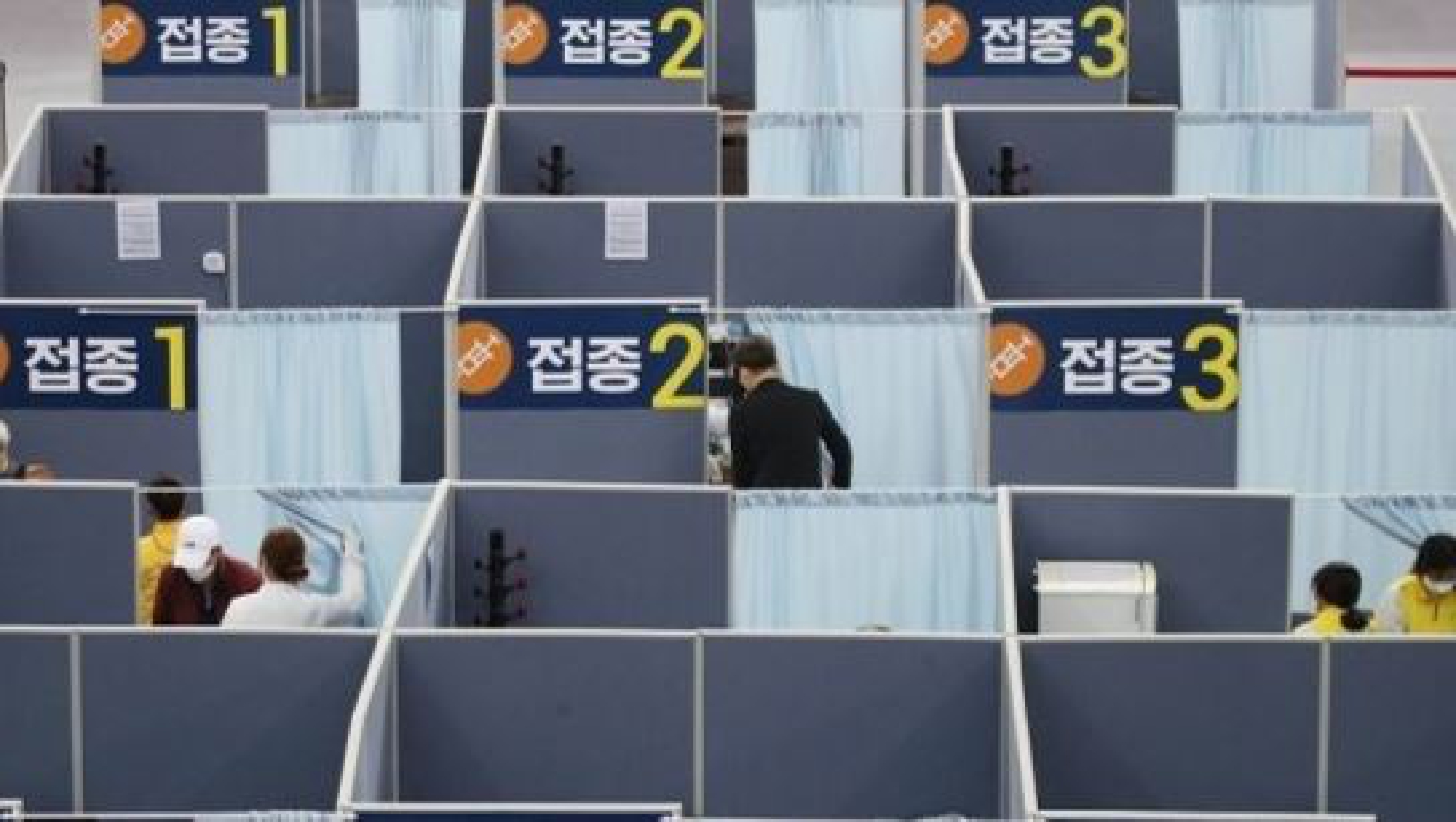
South Korea said Saturday it has signed a deal with US pharmaceutical giant Pfizer Inc. to import additional Pfizer vaccine doses for 20 million people.
The deal came after South Korean health minister Kwon Deok-cheol held two video conferences with his Pfizer counterpart on April 9 and 23.
“The additional deal would allow South Korea to receive coronavirus vaccines more stably,” Kwon said in a news conference at the government complex building in Seoul.
South Korea is set to receive Pfizer vaccine doses for 3.5 million people by the end of June. Additional Pfizer vaccines for 29.5 million people are scheduled to be supplied to South Korea in phases, beginning in July.
The latest deal raised the total number of COVID-19 vaccine doses from the World Health Organization’s global vaccine COVAX Facility project and pharmaceutical companies to an amount enough to inoculate 99 million people, an amount that is 2.75 times of the 36 million that is needed to achieve herd immunity here.
The pharmaceutical companies are AstraZeneca, Pfizer, Moderna, Johnson & Johnson’s Janssen and Novavax.
South Korean health authorities aim to achieve herd immunity by November. The country started its inoculation campaign in late February. (Yonhap)
Tokyo emergency closure to target all retailers under state of emergency
The Tokyo metropolitan government plans to implement stricter discretionary measures by requesting not only large facilities but also small and midsize establishments to temporarily close under the state of emergency.
The stricter measures reflect the metropolitan government’s intent to stave off another wave of infections.
Under the special measures law against new strains of influenza, the metropolitan government will request restaurants and other establishments that serve alcoholic beverages to close once the state of emergency goes into effect.
Although commercial facilities with a combined floor space of 1,000 square meters or less will not be mandated to close under the law, the metropolitan government is expected to urge cooperation and offer “support money” payouts to businesses that fully comply.
As for other measures against the coronavirus, the metropolitan government will call on trade associations to turn off neon signs and store lights in shopping areas after 8 p.m., although the streetlights themselves will be left on.
The Tokyo Metropolitan Board of Education has decided that classes at public high schools and other schools will be conducted entirely online on school days during the state of emergency.
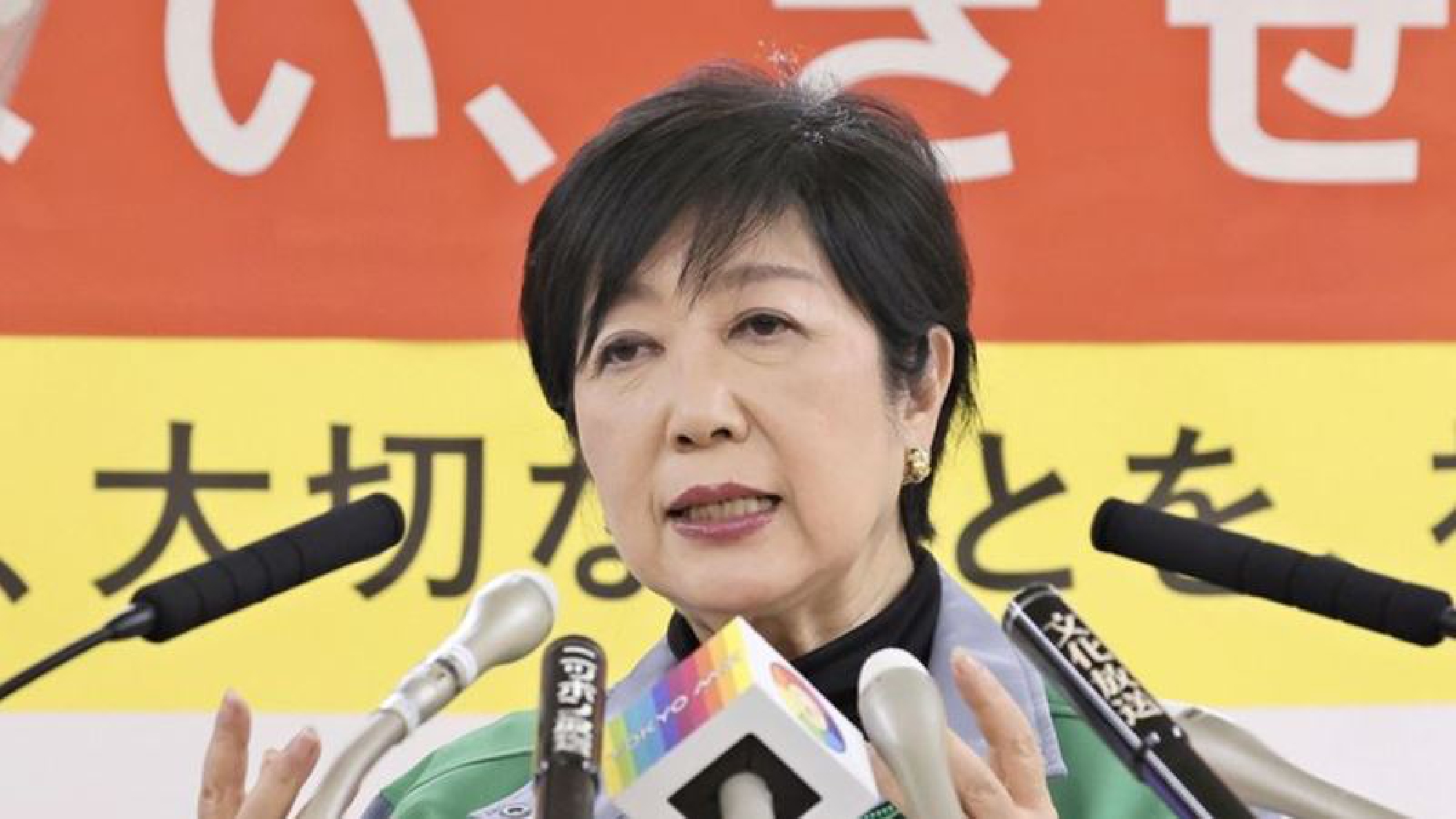
At an emergency press conference on Friday night, Tokyo Gov. Yuriko Koike pointed to the first state of emergency from April to May last year, during which the number of new infections in the capital dropped to two cases per day.
“We’re now in a critical situation. I implore everyone to stay home during this 17-day period, to ensure that we thoroughly curb the flow of people.”
But at another press conference held earlier on Friday afternoon, Koike stopped short of addressing the timeline for a potential lifting or extension of the new state of emergency, saying: “That’s a decision for the central government to make. Once a decision has been made, our job is to do all we can to see that it’s followed through.”
IAF engaged to transport cryogenic oxygen tanks from Singapore, informs MHA
Dozens of COVID patients have died due to the shortage of medical oxygen with the latest incident being reported from the Jaipur Golden Hospital in Delhi where 25 people died on Friday night due to a shortage of medical oxygen.
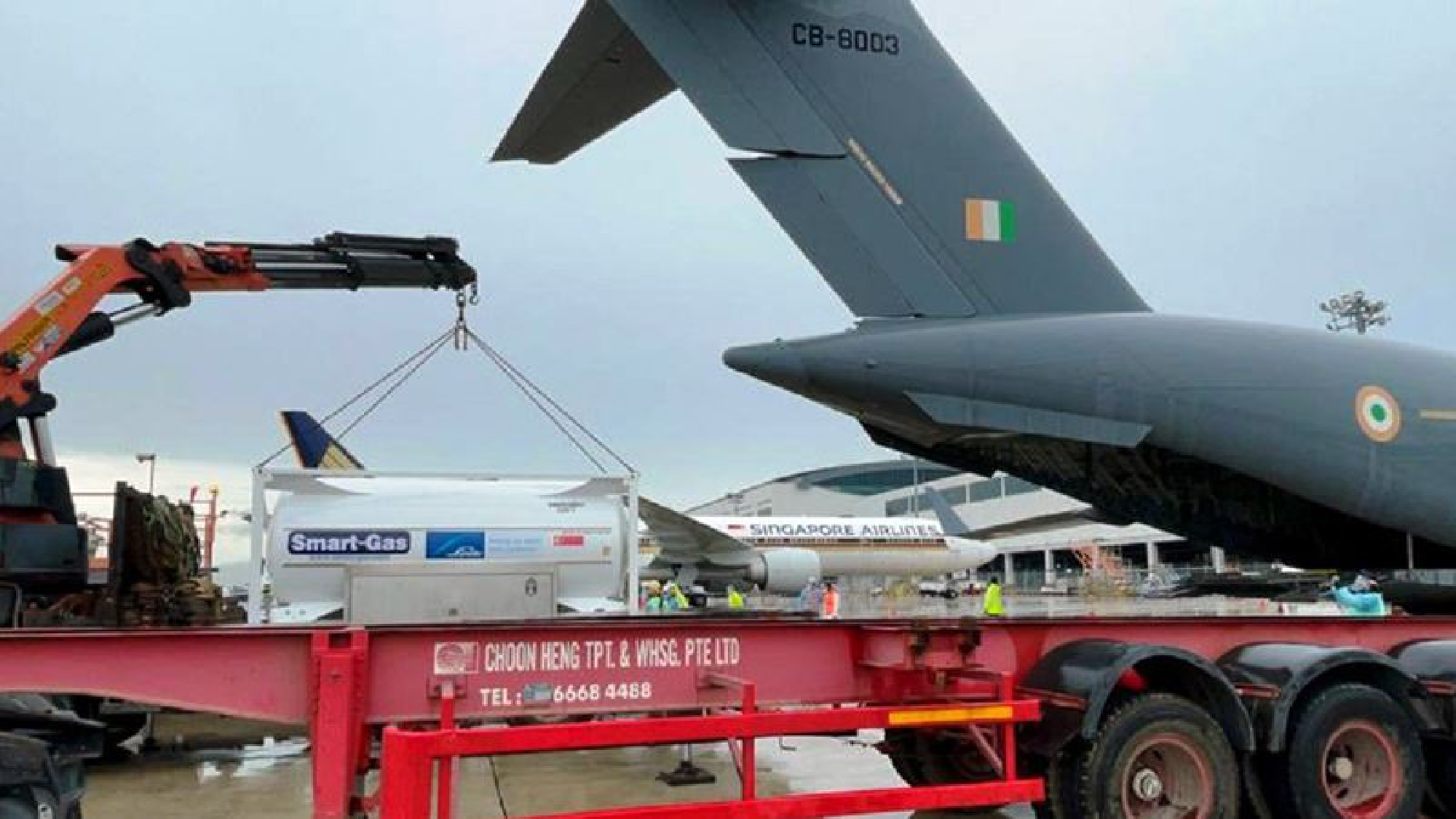
The Ministry of Home Affairs (MHA) on Saturday informed that it has engaged the Indian Air Force (IAF) to coordinate the lifting of high capacity tankers from abroad by IAF aircraft for the movement of Oxygen in view of its severe shortage in the country.
The MHA posted a tweet on its Twitter handle which says, “MHA is coordinating lifting of high capacity tankers from abroad by IAF aircraft for movement of O2, reqd due to current surge in COVID-19 cases in the country. Here Liquid O2 containers can be seen being loaded at Changi Airport, Singapore, today.”
Dozens of COVID patients have died due to the shortage of medical oxygen with the latest incident being reported from the Jaipur Golden Hospital in Delhi where 25 people died on Friday night due to a shortage of medical oxygen.
According to the sources, a C-17 Indian Air Force aircraft will reach the Panagarh airbase by Saturday, 24 April evening carrying four containers of cryogenic oxygen tanks. The C-17 aircraft departed at 2 am from the Hindon Air Base and reached the Changi International Airport in Singapore at around 7:45 am.
The German Embassy in India has also announced that the private German company Linder together with Tata would airlift 24 oxygen transport tanks to India to scale up transport capacity of medical oxygen to COVID hotspots in the country as hospitals across India have been putting out SOS calls on social media to seek medical oxygen for the critical patients.
The IAF is using its entire transport fleet to ensure that the turnaround time of oxygen supply is cut by half by airlifting large container trucks one way.
Burned out, numb, helpless: India doctors bear grim witness to unfolding Covid-19 tragedy
BANGALORE/NEW DELHI – In Rajkot, a small town in Gujarat, a local newspaper devoted eight of its 20 pages to the obituaries of 285 people who died of Covid-19 last week.
“Three of them were my patients,” said Dr Vivek Jivani, an intensive care specialist in a private hospital in Rajkot, one of the worst affected towns in the pandemic’s second wave. To endure the powerlessness and anxiety, he makes time for a 10-minute prayer every morning.
“People are dying because of circumstances I cannot control, but still, every time a patient dies on my watch, I tell myself, try harder for the next person,” said Dr Jivani, 30, during his so-called lunch break when he was responding to missed calls.
When The Straits Times spoke to medical professionals across the country witnessing and working through the devastating second wave of Covid-19, the words that came up repeatedly were: overwhelmed, angry, sleepy, hungry, burned out, afraid, numb, helpless and – most of all – tired.
Dr Jalil Parkar, a pulmonologist at Lilavati Hospital in Mumbai, said that unlike during the first wave, doctors were now familiar with the nature of Covid-19. This time, however, “the humongous volume, the mutations, the sheer speed of deterioration in a breathless patient, the tremendous fear all around, and our own limited resources are killing us”.
He referred to this second wave as “World War II” – deadlier and even more preventable than the first.
When infections plateaued in December, politicians, citizens and medical professionals relaxed. Abandoning masks and social distancing, crowds thronged political rallies, month-long religious festivals and lavish weddings. These “covidiots” set the coronavirus rampaging throughout the country, Dr Parkar said.
India now records about 347,000 new infections every day. Its creaking healthcare system is on its knees. Over 2,500 people are dying every day.
The national capital, New Delhi, is the worst affected, registering 24,331 cases and 348 deaths on Friday (April 23). Sick people and their relatives are scrambling for hospital beds and life-saving drugs.
At Indraprastha Apollo Hospital in Delhi, Dr S. Chatterjee, an internal medicine physician, said he is physically and mentally exhausted. Dr Chatterjee, 56, works an average of 18 hours a day. He has 90 Covid-19 patients under his care and scores of others on video consultation, leaving little time for sleep or meals. Four hours is the most he has slept each day in the last 10 days.
“Delhi has the best infrastructure possible. To think Delhi can be going through this is unbelievable,” Dr Chatterjee said.
For a week now, Rajkot’s Dr Jivani too has been inundated with “200 to 300 calls a day” about bed availability or where to get remdesivir, an anti-viral drug used to treat critical Covid-19 patients that is so scarce now, it is selling for six times its price on the black market.
During the first wave, healthcare workers worried about contracting the coronavirus, but this time, they struggle to provide the best treatment under unprecedented challenges.
Given depleting oxygen reserves, Dr Rajendra Prasad, a neuro and spine surgeon at Indraprastha Apollo Hospital in Delhi, said doctors face the impossible choice of deciding which critical patient is more in need of oxygen. “Which are the cases to prioritise? Who is critical and who is bad? These are not situations we have ever faced in our careers,” he said.
He is one of the many specialists and surgeons in the country today who have had to quickly master the multidisciplinary approach that a pandemic demands.
Even those who have been in actual war-like situations feel unprepared. Dr Reshma Tewari, the head of critical care at Artemis hospital in Gurgaon, who worked in an army hospital in 1999, when India fought Pakistan in Kashmir, said: “A lot of casualties came in at that time… Now every hospital is in the same (war-like) situation.”
Every morning, she and other doctors have an oxygen audit to ensure enough supply.
With 30 years of experience, “I’m not someone who gets depressed easily. But I am feeling low. I can fight on one front, but it is difficult to fight on two fronts”, she added.
More patients now show symptoms of breathlessness and rapidly falling oxygen saturation than in the first wave, said experts. Faced with a tidal wave, most hospitals are admitting only those with severe symptoms and comorbidities, and sending the others home. Still, space is tight.
“We have lost all sense of proportion and balance, having to turn down patients we know are critically ill, and won’t make it without access to a hospital,” said Dr Vivek Shenoy, a senior intensivist in Bangalore’s Rajshekhar Hospital.
His institution has only 25 critical care beds, and each critical patient stays for an average of 10 days. “There is just no turnover of beds,” he said.
Thrown into a Covid-19 ward as soon as he passed his postgraduate exams, a 26-year-old doctor in Chennai, who did not want to be named, said he had been prepared for the medical and equipment challenges, but not the political ones.
The administrative head of his hospital had instructed all the staff to admit people with acute respiratory distress but with no Covid-19 test results to the non-Covid-19 wards to “show fewer Covid deaths”.
“If a patient dies of bronchial pneumonia or respiratory failure, ideally we have to consider them as Covid-19 deaths, but this is not being done,” said the disillusioned Chennai doctor.
In the eastern city of Kolkata in West Bengal, Dr Kunal Sarkar, director and head of cardiac surgery at Medica Super Speciality Hospital, said his staff had to handle climbing infections in the backdrop of politicians holding crowded public meetings in a multi-phase state election. “It’s not often that you feel like a 51/2-feet person standing against a 100-feet wave,” said Dr Sarkar.
Most doctors said they did not share their anxieties or fears with their family, to protect them. In many ways, safety protocols had left them as isolated as the patients they were treating.
Dr Shakti V (not her real name), a general medicine doctor in one of Chennai’s biggest state hospitals, recalled an elderly couple who were admitted in the Covid-19 block. The wife, 65, was in the critical care unit and the husband, 70, in the regular Covid-19 ward.
“Every day when I went on my rounds, the old man would beg to see his wife. We don’t usually allow anyone into Covid ICUs, but I got permission and took him in a wheelchair to the ICU window. He would watch her for a few hours every day. One day, when she got worse, he broke down, saying she was his only family.”
The story seemed to be moving towards a tragic end, but the couple recovered. They even blessed Dr Shakti’s team as their “children from god”.
For Dr Shakti, it was a miracle that gave her hope amid interminable trauma.
BANGKOK – Myanmars junta chief, Senior General Min Aung Hlaing, has agreed to let an Asean delegation visit the country as well as provide humanitarian assistance, after meeting leaders of the bloc at a special summit in Jakarta.
Singapore Prime Minister Lee Hsien Loong, speaking after the meeting to discuss Myanmar’s crisis on Saturday (April 24), said the military chief, who staged a coup on Feb 1, had told the regional leaders at the meeting “he was not opposed to Asean playing a constructive role or an Asean delegation visit or humanitarian assistance, and that they would move forward and engage with Asean in a constructive way”.
Mr Lee said he now expects Asean to put together a delegation as well as work out details of the humanitarian aid.
He added: “There is a long way forward, because it is one thing to say you will cease violence and release political prisoners, it is another thing to get it done.
“To have an inclusive discussion in order to reach a political resolution, it is even harder still, but at least there is some steps forward which we can take.”
The Jakarta meeting was the first in-person meeting of Asean leaders since the outbreak of the Covid-19 pandemic.
The involvement of Gen Min Aung Hlaing at the summit sparked strong condemnation from Myanmar’s National Unity Government (NUG), which was formed by ousted lawmakers together with their allies on April 16 and stakes its claim as the legitimate representative of Myanmar.
Myanmar State Counsellor Aung San Suu Kyi and President Win Myint, who have been detained since the coup, retain their positions in the NUG.
Singapore’s call for the violence to cease and political prisoners to be released was echoed by several leaders at the summit, including Malaysian Prime Minister Muhyiddin Yassin and Indonesia President Joko Widodo.
As at Friday (April 23), 745 people have been killed by the junta and over 3,300 imprisoned, according to the Assistance Association for Political Prisoners. Local reports say scores more have been abducted by security forces.
Myanmar, Asean’s poorest country, was already struggling to cope with the Covid-19 pandemic before the Feb 1 coup and the political crisis has only deepened the desperation. The United Nations World Food Programme warned on Thursday that up to 3.4 million more people – especially those in urban centres – will be hungry within the next six months.
Heightened conflict between Myanmar’s military and ethnic armed groups that have pledged support for the anti-coup movement has also swelled the number of displaced villagers, raising the likelihood that Myanmar’s immediate neighbours could see a flood of refugees on their doorstep.
China, which borders Myanmar, had urged the Asean meeting to be “conducive to fending off external interference” – in apparent reference to countries, like the United States, which have imposed sanctions on the Myanmar military and its business entities, as well as calls by the Myanmar people for foreign military intervention.
PM Lee said: “The resolution has to be among the people of Myanmar and the government of Myanmar, the elected parties as well as the Tatmadaw (the armed forces).
“The armed forces are a key institution in Myanmar and you cannot just say we put them out of the picture and then we carry on without them. It is not possible. The society will split, and the remaining system cannot function. So that is for Myanmar to decide.”
Asean, which takes decisions by consensus and is constrained by a policy of non-interference, had previously not been able to muster a tangible response beyond calls to de-escalate the situation in Myanmar.
The crisis was seen as the biggest test of Asean’s relevance in recent years.
The heads of governments of Laos, Thailand and the Philippines skipped the summit.
The most conspicuous absence was that of Thai Prime Minister Prayut Chan-o-cha, who Gen Min Aung Hlaing wrote to shortly after the coup to reportedly ask for help in supporting democracy. Mr Prayut, himself a former army chief who staged a coup in 2014, cited the need to handle Thailand’s Covid-19 outbreak as a reason for not attending the summit.
But the United Nations envoy on Myanmar, Ms Christine Schraner Burgener, who has been unable to enter Myanmar since the coup, was able to hold discussions with senior regional officials like Singapore Foreign Minister Vivian Balakrishnan on the sidelines of the summit.
Indonesian Navy says missing KRI Nanggala 402 sank
KRI Nanggala 402 submarine that went missing off Bali with 53 people aboard earlier this week has “sunk,” the Indonesian Navy said Saturday.
The Indonesian Navy’s chief of staff Adm. Yudo Margono said a search party had recovered fragments from the KRI Nanggala 402 including items from inside the vessel, whose oxygen reserves were already believed to have run out.
Warships, planes and hundreds of military personnel have been searching for the stricken vessel. Authorities had said the German-built craft was equipped with enough oxygen for only three days after losing power.
That deadline passed early Saturday.
“We have raised the status from submiss to subsunk,” Yudo told reporters, adding that the retrieved items could not have come from another vessel. “
(The items) would not have come outside the submarine if there was no external pressure or without damage to its torpedo launcher.”
Navy officials displayed several items including a piece of its torpedo system and a bottle of grease used to lubricate a submarine’s periscope.
They also found a prayer mat commonly used by Muslims. Indonesia is the world’s most populous Islamic nation.
Margono said the hunt for the submarine — and sailors — would continue, but warned that deep waters made the recovery effort “very risky and difficult”.
“We don’t know about the victims’ condition because we haven’t found any of them. So we can’t speculate,” he said in response to questions about the possibility of survivors.
“But with the (discovery) of these items, you can make your own conclusion.”
Search efforts for the KRI Nanggala-402 had been ongoing for several days while oxygen supply in the vessel was feared to have run out earlier Saturday.
The military said Saturday it has recovered debris from a submarine that went missing with 53 crew off the coast of Bali, including components and items from inside the stricken vessel.
Earlier, searchers have recovered debris believed to be from the missing submarine.
Yudo earlier said a scan had detected the submarine at 850 metres (2,788 feet), well beyond its survivable limits. The submarine, which disappeared as it prepared to conduct a torpedo drill, is designed to withstand a depth of up to 500 metres (1,640 ft).
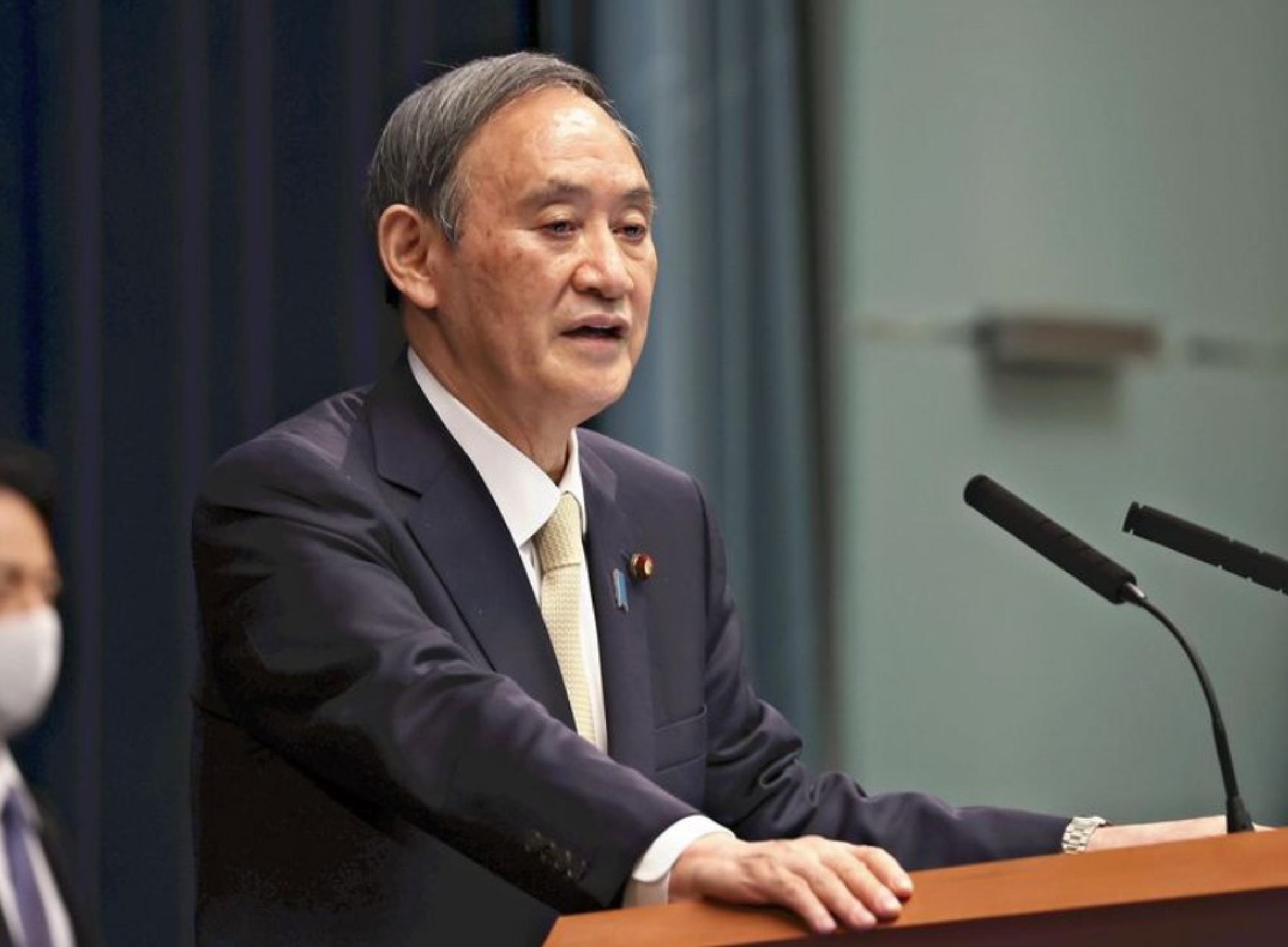
Suga apologizes for declaring another state of emergency in Japan
Prime Minister Yoshihide Suga on Friday apologized for the decision to declare a state of emergency in four prefectures — Tokyo, Osaka, Kyoto and Hyogo — in response to another surge in novel coronavirus infections.
“Isincerely apologize for causing trouble to many people again,” Suga said at a press conference at the Prime Minister’s Office on Friday evening.
“We will work to ensure that each municipality completes two doses of the vaccine by the end of July,” Suga said, referring to the vaccination of people aged 65 and older.
The prime minister also expressed his intention to allow dentists to administer vaccine injections to secure enough personnel for inoculations. “To ensure that as many people as possible receive the vaccinations promptly, we are prepared to do everything we can,” he said.
South Korea grants conditional approval to COVID-19 self-test kits
COVID-19 self-test kits will hit stores in South Korea this month for the first time as the country looks to increase its virus testing capacity amid a continued resurgence in the number of new cases detected each day.
The Ministry of Food and Drug Safety said Friday that it had granted temporary use approval for two COVID-19 self-test kits, one made by SD Biosensor and the other by Humasis. The move will bring the self-test kits to local pharmacies and online stores by end of April or early May for people to purchase without prescriptions.
The two self-test kits provide results within 15 minutes and have been touted by many, including Seoul Mayor Oh Se-hoon, as a means to bolster Korea’s fight against the pandemic.
The temporary approval is valid for three months, and SD Biosensor and Humasis are required to submit additional clinical trial data during that time to gain official approval.
SD Biosensor’s self-test kit earned expert-use approval in Korea in November and is already in use in seven European countries. Humasis’ self-test kit earned local approval last month and is being used in three European countries.
The Drug Safety Ministry warned that the two approved self-test kits are only “supplementary tools” and that a final diagnosis of COVID-19 must be determined by doctors using preemptive polymerase chain reaction tests.
A person with symptoms of COVID-19 should prioritize receiving a PCR test, the ministry said, adding that self-test kits should only be used when no other means are available. Self-test kits are deemed less accurate than PCR tests and can yield false positive or false negative results.
“The most important thing to note is that people with COVID-19 symptoms must receive PCR tests whether they used the self-test kits or not,” the ministry said in a statement.
“People should also strictly abide by quarantine rules from the Korea Disease Control and Prevention Agency, like wearing face masks, regardless of the results of the self-test kit.”
The introduction of the two self-test kits is in line with the Korean government’s efforts to increase its COVID-19 testing capacity in light of a continued surge in the number of new daily cases.
The country on Friday announced 797 new COVID-19 cases confirmed the previous day — 758 locally transmitted and 39 imported from overseas — raising the cumulative total to 117,458 cases. Korea also added three more deaths, raising the total number of deaths from COVID-19 to 1,811.
“The curve of daily addition from the third virus wave is a little different from the curve we see today,” said senior Health Ministry official Yoon Tae-ho in a daily press briefing Friday.
The average number of daily new cases per week has risen steadily over the past three weeks, from 559 cases to 625 cases and 640 cases. A continued rise in these numbers could eventually burden medical workers and institutions, Yoon said.
The daily case counts have risen along with the continued discovery of infection clusters and untraceable cases. In response, the authorities have decided to maintain the current social distancing rules until May 2, while placing more restrictions on entertainment establishments.
At the moment, the Greater Seoul communities of Seoul, Incheon and Gyeonggi Province are under Level 2 social distancing rules and the rest of the country is under Level 1.5 rules, although some municipalities are enforcing Level 2 rules on their own. Private gatherings of five or more people are prohibited across the country.
As a large portion of the new cases are occurring in the capital region, the authorities announced Friday that they would allow new social distancing rules to be applied in North Gyeongsang Province for two weeks starting Monday, ahead of their official nationwide launch on an unspecified date.
The new system is a four-tier social distancing plan with more detailed virus control guidelines, as opposed to the current one with five levels.
Korea has also continued its vaccination efforts, with the total number of people vaccinated surpassing 2 million Thursday, about two months after the nationwide campaign kicked off in late February.
The KDCA said Friday that 2,035,549 people, or 3.91 percent of the total population, had received their first COVID-19 shots, with 130,615 people having done so in the past 24 hours.
Of those people, 1,194,718 have received shots of the AstraZeneca vaccine, while the other 840,831 people have received jabs from Pfizer. Close to 80,000 people have received two doses thus far, up 18,528 from a day earlier.
The authorities are looking to inoculate 3 million people by the end of April and 12 million by the end of June, with the goal of achieving herd immunity by November. The country now runs 204 injection centers across the country but is looking to raise the figure to 264 by next week.
The Korean government previously told its people that the country had secured enough vaccines for 79 million people this year, but global vaccine shortage woes have placed that schedule in doubt.
The government had sought to sign a “vaccine swap” agreement with the United States, but US President Joe Biden said Wednesday that “we don’t have enough to be confident to send it abroad now.” The US Department of State stressed that Washington would prioritize vaccination efforts in the US.
Korea is also looking into possibly bringing over the Sputnik V vaccine from Russia to increase the supply here. But safety concerns surround Sputnik V, and President Moon Jae-in has ordered a review of the data.

![[India] Railway deploys Covid care coaches in UP, MP, Maharashtra and Delhi](https://media.nationthailand.com/uploads/images/md/2021/04/SmTLUkFBjh2OkbPSF16Q.jpg?x-image-process=style/lg)