Researchers develop world’s first climate recovery map
Agroup of researchers at Yonsei University have found that even if the concentration level of greenhouse gases in the atmosphere is reduced to that of the pre-industrial era, it will be difficult to restore the climate’s condition to its original state.
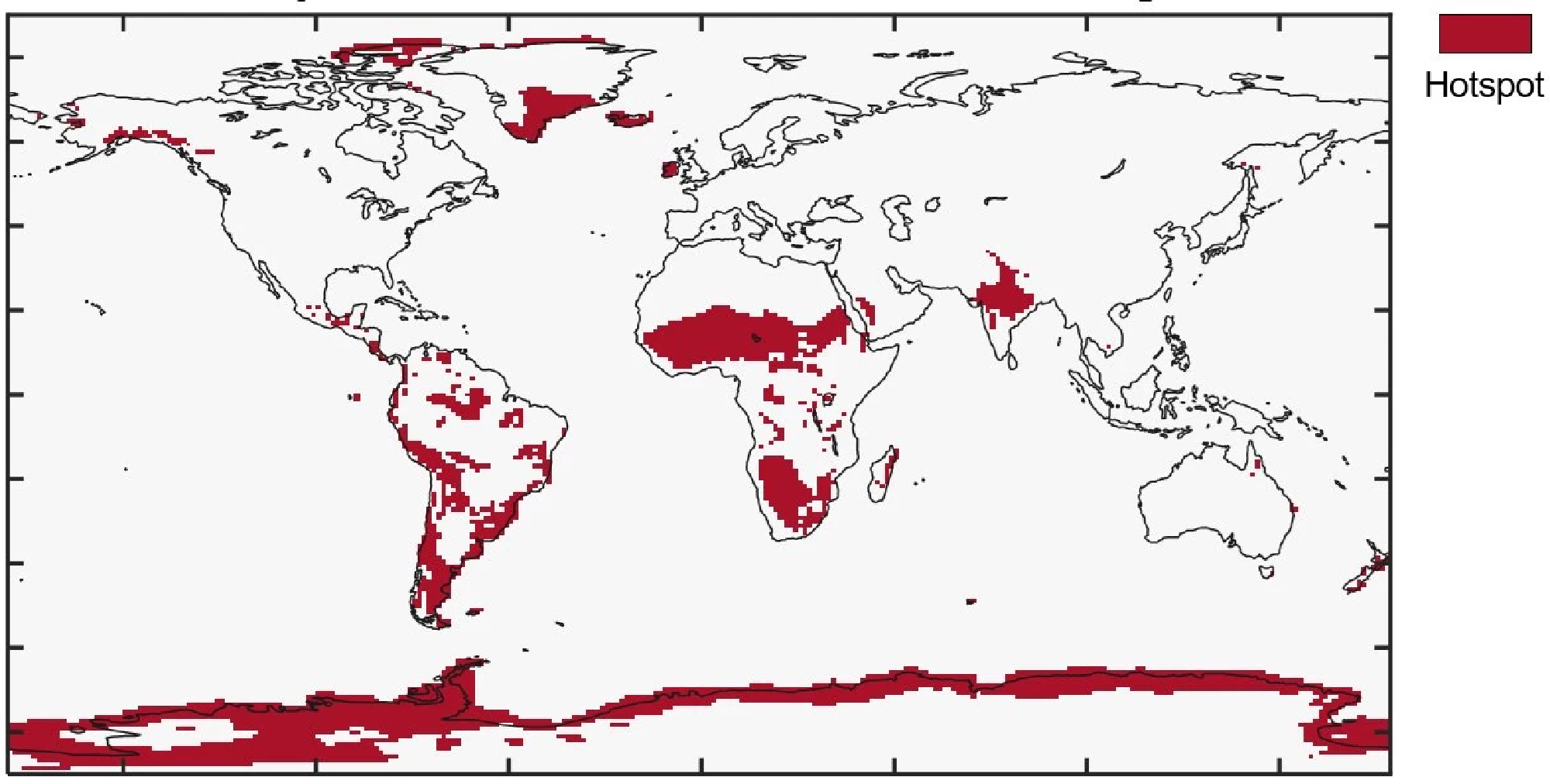
According to Yonsei University on Friday, an in-house research team led by atmospheric sciences professor An Soon-il developed the world’s first climate recovery map, which is designed to illustrate possible improvements in global surface temperatures and precipitation with reduced greenhouse gas emissions by region over a timespan of centuries.
The researchers used an Earth system model with the idealized scenario of removing carbon dioxide emissions to pre-industrial levels.
Despite the decreased amount of CO2 emissions, the study projected that 89 percent of global areas would experience irreversible changes in surface temperature, while 58 percent will experience irreversible changes in precipitation. The results showed that African and South American regions will inevitably face a climate crisis, whereas North American, European and East Asian areas’ climate could improve in the future.
“These findings show that reducing greenhouse gases in most parts of the world does not restore the climate to its original condition, and even if greenhouse gases are removed from the atmosphere, their impact will remain for the long term,” said Kim Soong-ki, the first author of the study.
“The difference between the climate improvability levels of developing countries and developed countries is significant, which indicates the potential damage to developing countries from greenhouse gas emissions is very large,” he added.
The researchers marked the areas that are forecast to have the lowest level of climate improvability as “hot spots.” Most of the hot spots fell on developing countries across the world.
An, the study’s corresponding author, stressed the need for stronger policies to reduce more greenhouse gas emissions.
“Achieving zero carbon dioxide emissions, the goal of the Paris Agreement, is not the complete solution to the climate problem,” An said.
The study was published in the journal Nature Climate Change with open access on Thursday.
By Kan Hyeong-woo
Asia News Network: The Nation (Thailand), The Korea Herald, The Straits Times (Singapore), China Daily, Jakarta Post, The Star and Sin Chew Daily (Malaysia), The Statesman (India), Philippine Daily Inquirer, Yomiuri Shimbun and The Japan News, Gogo Mongolia, Dawn (Pakistan), The Island (Sri Lanka), Kuensel (Bhutan), Kathmandu Post (Nepal), Daily Star (Bangladesh), Eleven Media (Myanmar), the Phnom Penh Post and Rasmei Kampuchea (Cambodia), The Borneo Bulletin (Brunei), Vietnam News, and Vientiane Times (Laos).
Malaysia is rolling out a new visa scheme to attract foreign tycoons and wealthy businessmen to invest and boost the national economy.
The Malaysia Premium Visa Programme is expected to attract at least 1,000 foreigners in its first year, which the government expects will add 200 million ringgit (1.62 billion baht) to the national coffers, with 1 billion ringgit in deposits.
Launching on October 1, this “residence by investment” programme is modelled on the Golden Visa initiatives introduced by countries such as Singapore, Portugal and Thailand.
Home Minister Hamzah Zainudin, who announced the visa scheme this week, said the government had received proposals and suggestions to introduce a programme to allow applicants to study, work and conduct business here.
He said the scheme differed from Malaysia My Second Home (MM2H) initiatives, which bar foreigners from work or study.
“The premium visa programme will spur economic growth, generate income and open up more job opportunities. We are confident it will attract global tycoons and wealthy businessmen to not just reside in Malaysia but to also invest and run their businesses here,” he told a press conference.
Hamzah said the programme would not pose a threat to the country’s security and sovereignty as there were conditions to be met by foreign applicants, adding that the number of Premium and MM2H visa holders would not exceed 1 per cent of the national population.
He added that holders would not be eligible for Malaysian citizenship.
The premium programme is open to foreign businesspeople and tycoons, except from countries with which Malaysia has no diplomatic relations.
The premium visa programme has 15 conditions, including proof of offshore income of at least 40,000 ringgit per month or 480,000 ringgit per year.
Applicants must also have 1 million ringgit in fixed deposits and pay a one-off participation fee of 200,000 ringgit for the principal holder and 100,000 ringgit for each dependent.
Participants can list their spouses, children, parents, and in-laws as dependents and will be allowed to bring in their maids. They will have to show proof of good behaviour, pass a police check, and get their health checked.
Hamzah expressed confidence the programme would attract more foreign direct investment into the country and strengthen the ringgit.
He said the businesses the participants could be involved in were as per the sectors listed by the International Trade and Industry Ministry as well as the Economic
The Star
Asia News Network
Asia News Network: The Nation (Thailand), The Korea Herald, The Straits Times (Singapore), China Daily, The Jakarta Post, The Star and Sin Chew Daily (Malaysia), The Statesman (India), Philippine Daily Inquirer, Yomiuri Shimbun and The Japan News, Gogo Mongolia, Dawn (Pakistan), The Island (Sri Lanka), Kuensel (Bhutan), Kathmandu Post (Nepal), Daily Star (Bangladesh), Eleven Media (Myanmar), The Phnom Penh Post and Rasmei Kampuchea (Cambodia), The Borneo Bulletin (Brunei), Vietnam News, and Vientiane Times (Laos).
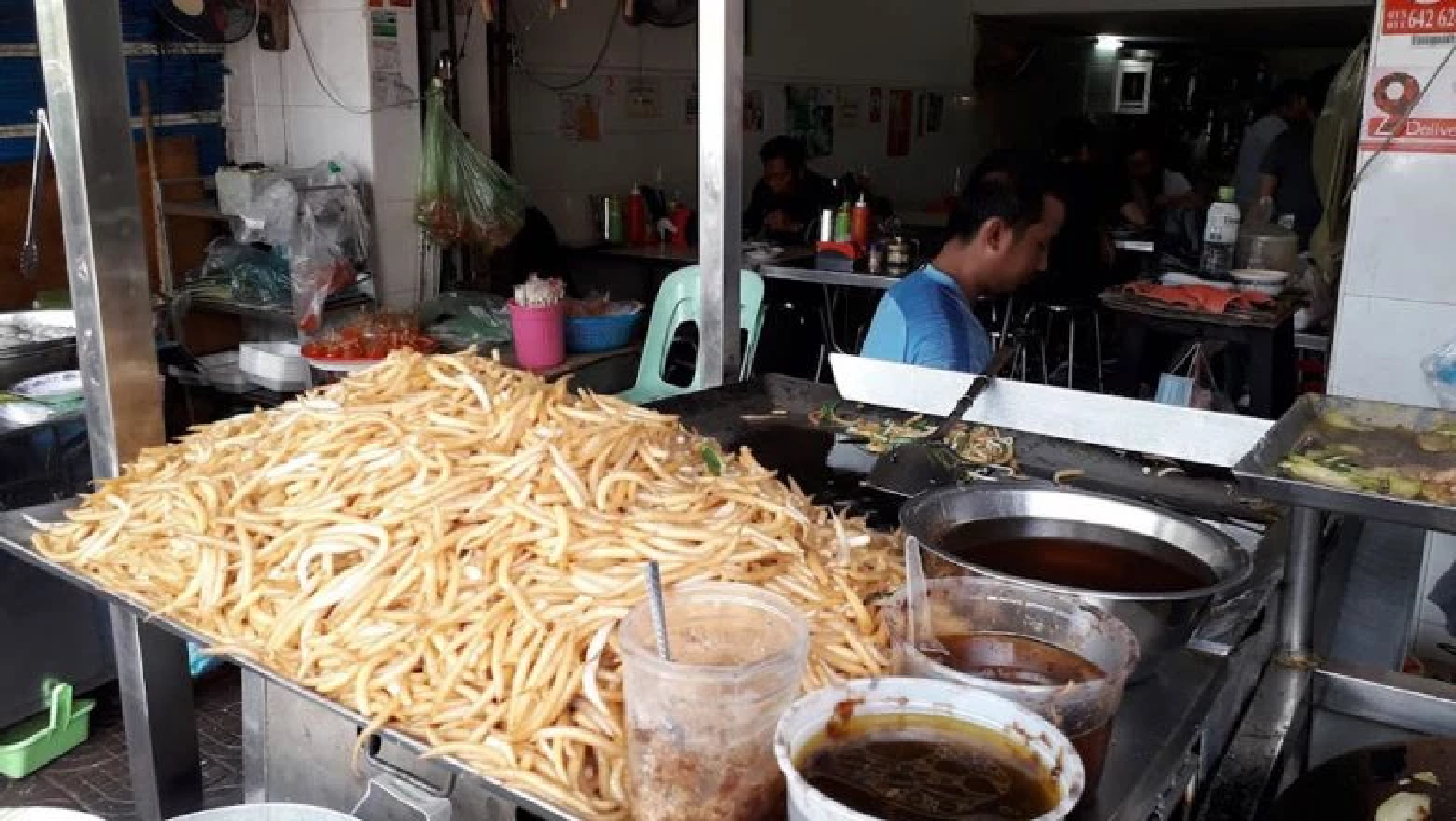
Last week, global broadcaster CNN selected its 50 best Asian street foods, with “lort cha” – stir-fried pin noodle wildly popular among ordinary Cambodians – making the cut.
Lort cha, commonly known as silver-needle noodles in other countries in Asia, has gained wide currency among people from all walks of life and can be found almost anywhere. In general, the noodles are short and fried in a pan along with garlic, cabbage and cauliflower – commonly served with beef or pork, fried egg and fish sauce.
Chhay Sivlin, president of the Cambodia Association of Travel Agents, said CNN’s selection of lort cha as one of the best Asian street foods would be an opportunity for Cambodians to promote a unique dining experience to visitors.
He said that in general, when tourists visit a new country, they want to taste the most popular cuisine. Sivlin suggested that people working in the hospitality and tourism industries look to promote other tasty Khmer dishes.
Some of the Kingdom’s most well-known foodie sensations include the coconut smoothness of a fish amok, the uniqueness of Cambodian noodles and the peppery sensation of beef lok lak.
In three other ASEAN countries, CNN selected iced coffee, banh mi and pho from Vietnam; nam khao and grilled rice cakes (khao jee) from Laos; and curry noodle soup (khao soi), pork sausages (Isan pork sausages) and crab omelettes from Thailand.
Asia News Network: The Nation (Thailand), The Korea Herald, The Straits Times (Singapore), China Daily, Jakarta Post, The Star and Sin Chew Daily (Malaysia), The Statesman (India), Philippine Daily Inquirer, Yomiuri Shimbun and The Japan News, Gogo Mongolia, Dawn (Pakistan), The Island (Sri Lanka), Kuensel (Bhutan), Kathmandu Post (Nepal), Daily Star (Bangladesh), Eleven Media (Myanmar), The Phnom Penh Post and Rasmei Kampuchea (Cambodia), The Borneo Bulletin (Brunei), Vietnam News, and Vientiane Times (Laos).
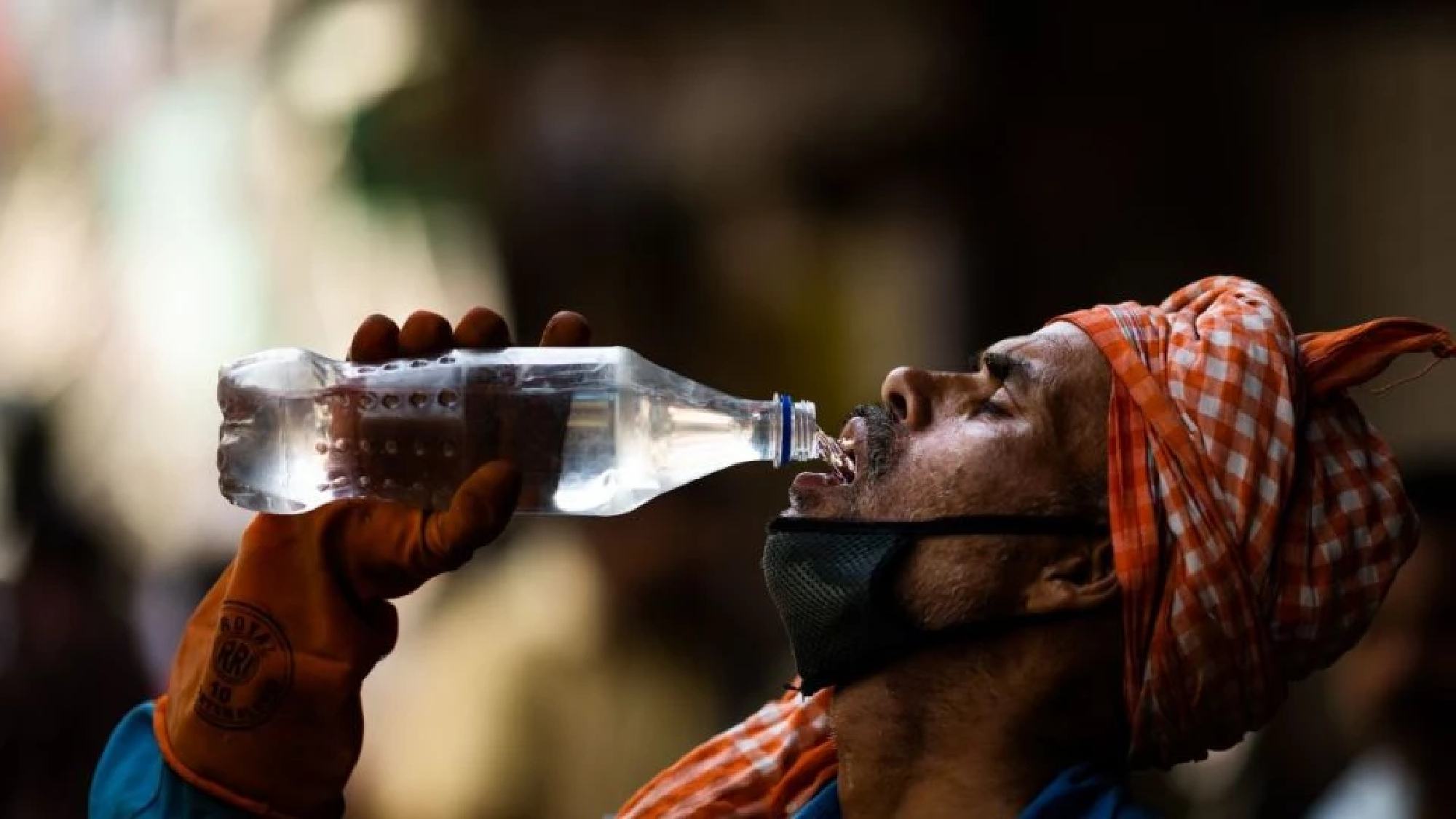
Water is the primary necessity of life. The rising scarcity of fresh drinking water and health consciousness has helped companies to establish a strong water supply industry in India.
According to the Trade Promotion Council of India, the packaged drinking water bottle market in India is estimated at $24 billion in 2019 and is expected to reach $60 billion by the end of 2023.
On the other hand, India ranks among the top 10 bottled water consumers in the world. According to reports by research and analysis firm Statista, currently, India’s annual bottled water consumption amounts to 23,605 million litres, reaching 27,444.7 million litres by 2026.
Since the water business in India has a bright future, its growth has severe and hidden negative impacts on humans and the environment.
If you think it costs only Rs 20 a litre, then you are very wrong.
The data presents the dark story behind the water business and the huge cost that our environment is paying for this. Let’s see how:
Depletion of groundwater
The main source of water treatment plants is groundwater since it is free. Due to no legal framework on groundwater, the person who owns the ground owns the water.
Licensed vendors or companies just drill a hole in the ground and get water for their business leading to a fall in water level in that particular area.
According to a report by DownToEarth magazine, Coca-Cola’s bottling plant is located in drought-prone Kala Dera near Jaipur. It extracts 5 lakh litres of water every day at 14 paise per 1,000 litres. It is just the story of one particular plant.
With a large number of players entering the business, water treatment plants have also grown manifold. There are more than 6,000 licensed water bottling setups under the Bureau of Indian Standards (BIS) and 5,735 licensed packaged drinking water brands across India as per several reports.
The list does not include the unlicensed and unauthorized water packaging units, pointing out to the seriousness of groundwater depletion by vendors and companies involved in the business.
Contribution to creating a drought-prone area
Drought Early Warning System (DEWS), real-time drought-monitoring platform data suggests that India’s 21.06 per cent land region is facing drought-like situations.
Amid climate change and change in precipitation pattern water treatment plants are add-on factors to it. As water treatment plants extract around a million litre per day, giving no time to revive or recharge the groundwater.
Contribution to plastic production
The water business industry is not only harming groundwater but also our environment. This industry has a high demand for PET (Polyethylene Terephthalate) containers.
According to PETnology India, a website providing information about plastic, the consumption of PET bottles was 1.1 million tons (2020), and the consumption of recycled PET was 0.99 million tons (2020) in India.
It further mentions that almost 5 lakh tons of these were used for bottled water (18%) and fruit drinks (28%) containers.
Contribution to pollution
We all know how plastic affects our environment. According to Indian Beverage Association data, 79 per cent of PET or plastic is used for packaged drinking water.
Last year, replying to a question in the Lower House of Parliament, Minister of State for Environment Ashwini Choubey said that more than 34 lakh tons of plastic waste was generated in 2019-20 and 30.59 lakh tons in 2018-19, doubled from 15.89 lakh tons in 2015-16.
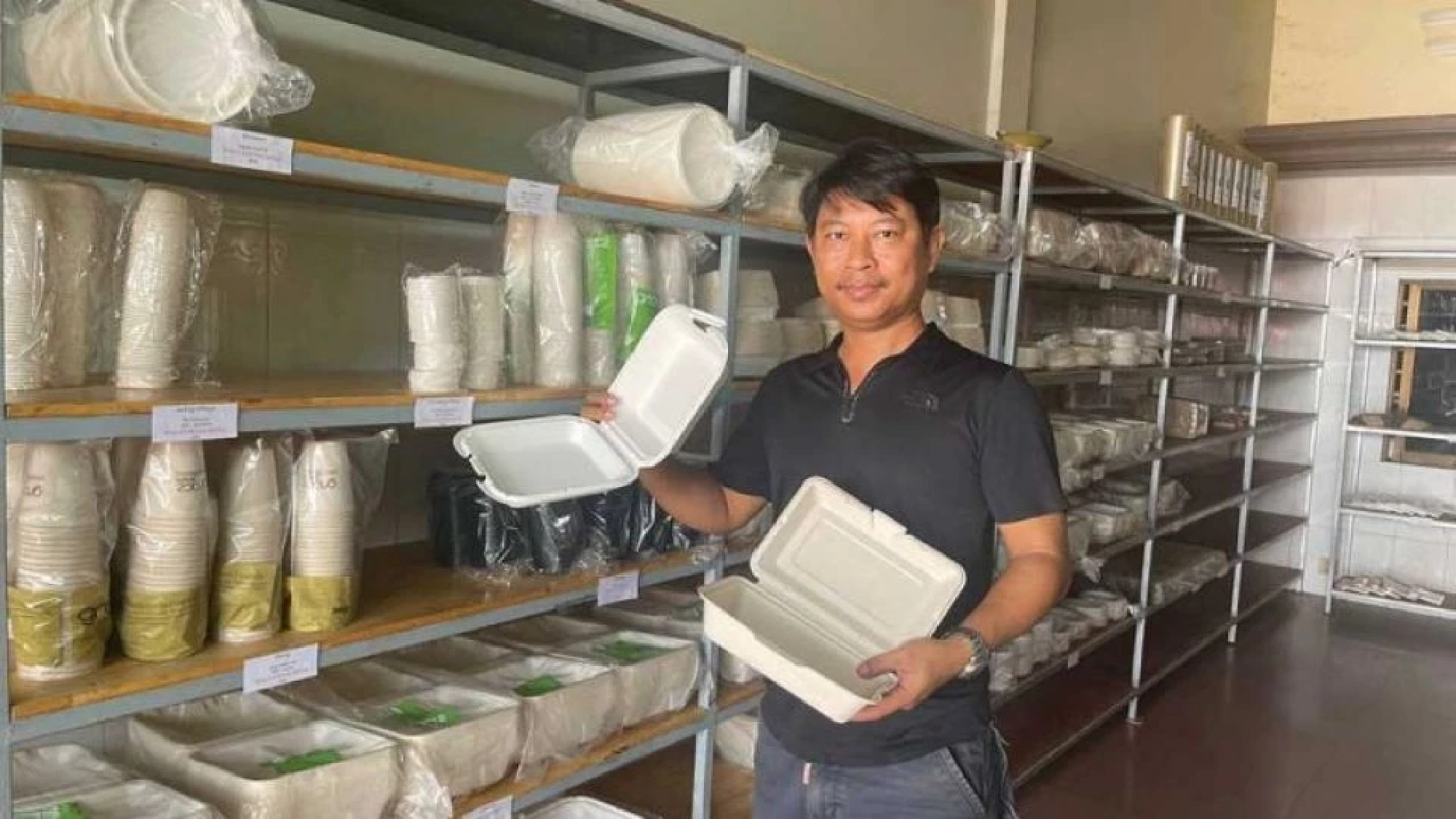
The shift from selling plastic to natural products had definitely affected his business, said 42-year-old Namg Kinine, but he accepted the losses.
Namg Kinine used to be a successful retailer and wholesaler of plastic plates, cutlery and cups, and one pleased to see his business grow.
But he had a change of heart after seeing plastic rubbish dumped almost everywhere he went when travelling the country – even at ecotourism sites.
Seeing that some people did not respect the environment, Kinine, based in Siem Reap town, started to rethink his business model.
Adhering to the “If you want to change the world, start with yourself” quote attributed to Mahatma Gandhi, Kinine decided to end his business selling plastic products – which had been in operation since 2015 – and switch to only natural products.
“I had been selling plastic products since 2015. But since January this year, I began focusing on using only natural products as I see too much plastic on the streets,” said the 42-year-old.
The shift from selling plastic to natural products had definitely affected his business, he acknowledged, but he accepted the losses.
“Natural products are more expensive than the plastic version. In general, it is mostly foreigners who embrace the move to using natural products, while just a small number of Cambodians do so as they can be twice or three times the price,” Kinine said.
He is the owner of the KH Ecopack, which sells imported products such as paper and rice straws, environmentally friendly food takeaway packaging, bags and cutlery, mostly made from sugarcane pulp known as bagasse.
He acknowledged that generally, such eco products were not 100 per cent natural as a small amount of plastic was mixed in during production to make them stronger but still biodegradable.
Neth Pheaktra, secretary of state and spokesman at the Ministry of Environment, said that Cambodia produces more than four million tonnes of waste per year, and more than 10,000 tonnes a day, according to a report.
In Phnom Penh alone, between 2,700 to 3,000 tonnes of rubbish is produced per day, with 60 to 65 per cent of this organic waste that could be processed into compost or used in other ways.
More than 20 per cent of the waste is plastic.
“We support and encourage more investment into managing and preventing plastic use. The government has issued sub-decrees and regulations on management, particularly the use of plastic bags in supermarkets, in which we have prohibited the import of plastic bags with a thickness of more than 0.03mm by imposing additional taxes.
“We encourage investment in bioplastic production, and in educating people to change their behaviour, in which we apply the 4R principles of ‘reuse, reduce, recycle and reject’,” Pheaktra said.
Sandy Coten, who runs Only One Planet Cambodia, a social enterprise that imports and distributes biodegradable food packaging and reusable home products, believes that there is a market for environmentally friendly products.
She said many people were interested in reducing single-use plastic, with her regularly getting calls and being asked questions.
“The problem is the big difference in price between plastic and eco products. Plastic is toxic to humans and the environment, but it is cheap. It is produced in massive quantities, which drives down the price.”
“When a company starts production of a new product, prices are naturally higher – the cost of equipment and materials, for example, that might not be widely available.
“So any company in Cambodia wanting to produce an eco-product needs to look long term and work to make prices competitive while maintaining quality,” Coten told The Post.
She said she faced complaints about cost all the time, and felt the government could take a very easy first step of making proven and certified eco products VAT exempt.
“In order for this to work, the Ministry of Health or Ministry of Commerce should have a certifying body that examines certifications for granting such exemptions.
“There are many products being sold as ‘biodegradable’ in Cambodia now that are really not, and you could see that clearly through certification.
“I would very happily provide sales information to the tax department if they could give some sort of tax incentive to restaurants and businesses that use eco products and promote places that are eco friendly. I have started doing this,” Coten said.
In response, Kim Sopheak, a spokesman at the Ministry of the Economy and Finance, said biodegradable products made from paper were subject to a seven per cent import tariff, while imported bamboo-based and other products were at 15 per cent because they were completed products.
“Non-paper-based products are subject to a tariff of up to 15 per cent and another special tax because this is in line with plastic products on the tariff list. This complies with ASEAN and global standards. Plastic bags also pay 15 per cent for imported products and 10 per cent special tax.
“A proposed reduction in tariffs on biodegradable products is not likely possible as these products also contain microplastics. If we were to decrease the tariff on them, it would also entail lowering the tariff for plastic-based products, which are environmentally unfriendly, while the world is banning and reducing the use of plastic,” Sopheak told The Post.
The 22-year-old founder of the Ladies Circles project, Man Erafasyra, is actively working towards a healthier environment, recycling plastic bags into useful items with the participation of women in the community to generate income.
Erafasyra said that while natural products were still not common in the market, she encouraged businesspeople to focus on helping the environment as Ladies Circles did.
“Some small vendors cannot afford to not rely on plastic products, so Ladies Circles was created to clean up the plastic bags and recycle them into useful products,” she told The Post.
Ministry of Environment spokesman Pheaktra said the production of bioplastic products using natural raw materials was encouraging and called for further investment to provide other options instead of relying on plastic.
“We urge people to change their attitudes, reduce their consumption of plastics and use alternative products made from natural materials.
“The use of single-use products such as straws has already reduced in restaurants, for example, by replacing them with straws made from paper or bamboo,” he said.
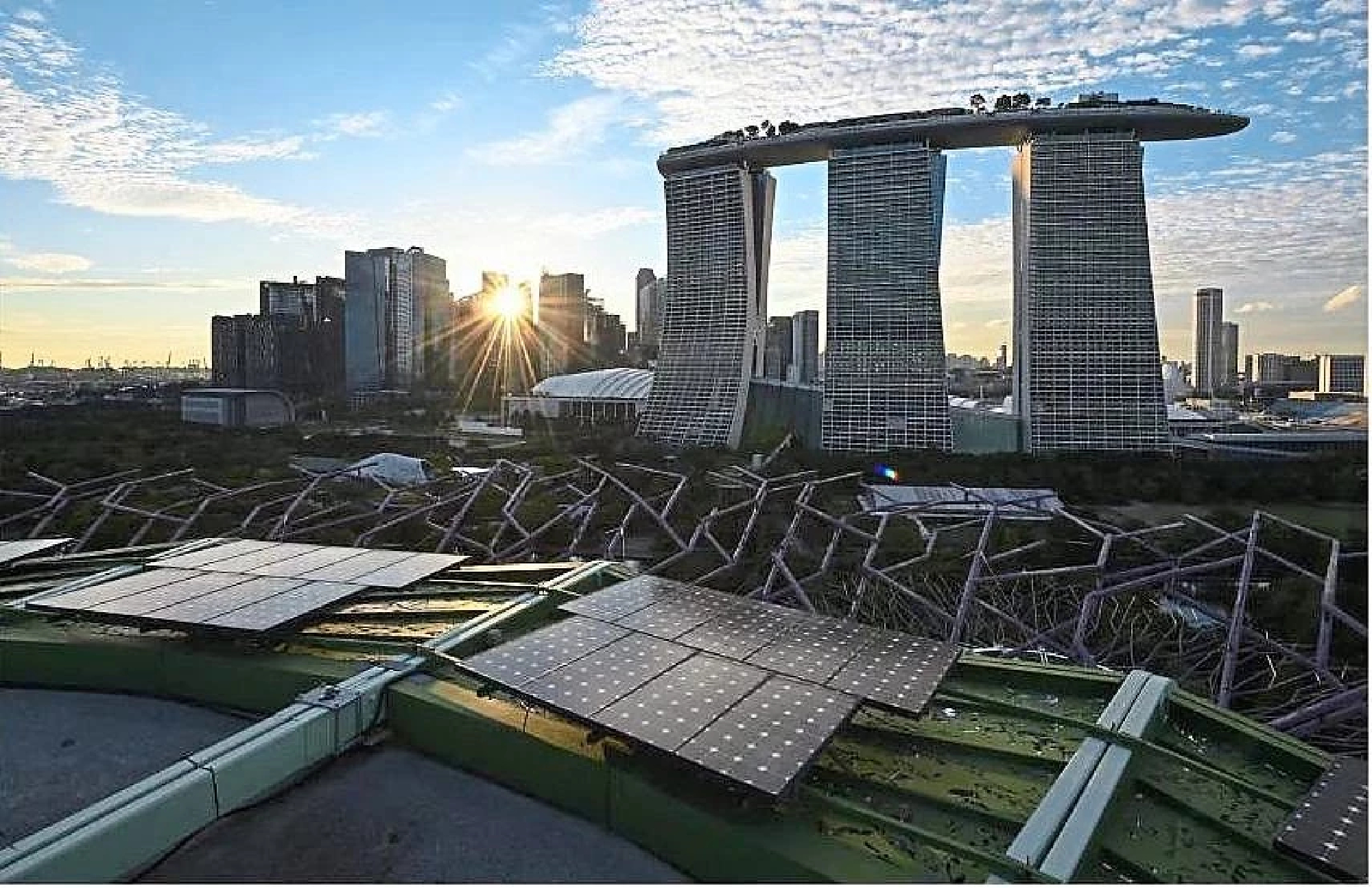
Singapore will have its first hydrogen-ready power facility Keppel Sakra Cogen Plant, following a final investment decision by Keppel Infrastructure Holdings Ltd, via its wholly-owned unit Keppel Energy, to develop the 600MW state-of-the-art, combined cycle gas turbine (CCGT) power plant.
Keppel Infrastructure is a wholly-owned unit of Keppel Corporation, a Singapore flagship multinational company providing solutions for sustainable urbanisation.
In a statement issued on its website, Keppel Infrastructure said the total investment for the plant, expected to be completed in the first half of 2026, is estimated to be about S$750 million. It will be built on Jurong Island’s Sakra sector.
To run initially on natural gas as primary fuel, the plant is also designed to operate on fuels with 30 per cent hydrogen content and has the capability of shifting to run entirely on hydrogen, it said.
In addition, as a CCGT power plant, it will be able to produce steam for use in industrial processes for the energy and chemicals customers on Jurong Island, it said.
“This advanced CCGT will be the most efficient among the operating fleet in Singapore and will be able to save up to 220,000 tons per year of CO2 compared to Singapore’s average operating efficiency for equivalent power generated.
This translates to taking about 47,000 cars off the road per year, Keppel Infrastructure, one of Singapore’s electricity retailers, said.
With the energy sector accounting for almost 40 per cent of Singapore’s carbon emissions, the company said decarbonising electricity generation is at the core of the global climate change effort and one of the key features of Singapore’s Green Plan.
Meanwhile, Energy Market Authority (EMA) chief executive Ngiam Shih Chun said Singapore’s electricity demand is projected to grow with increasing electrification and economic growth.
As such, Ngiam said the EMA welcomes investments by the private sector to bring in best-in-class technologies in power generation.
“Being hydrogen-ready, this power plant by Keppel will contribute towards greater efficiency and lower carbon emissions. This will support Singapore’s transition to a more sustainable energy future while ensuring the security and reliability of electricity supply to consumers,” Ngiam said.
The High Court here sentenced Rosmah Mansor to 10 years’ jail on each of three corruption charges involving a RM1.25bil hybrid solar project for 369 rural schools in Sarawak.
Judge Mohamed Zaini Mazlan also ordered that the prison time run concurrently from the date of judgment, which means that the former prime minister’s wife faces 10 years in jail.
He also fined her RM970mil, in default 30 years in jail, if she fails to pay.
The court allowed a stay of execution on the sentence pending an appeal to the Court of Appeal.
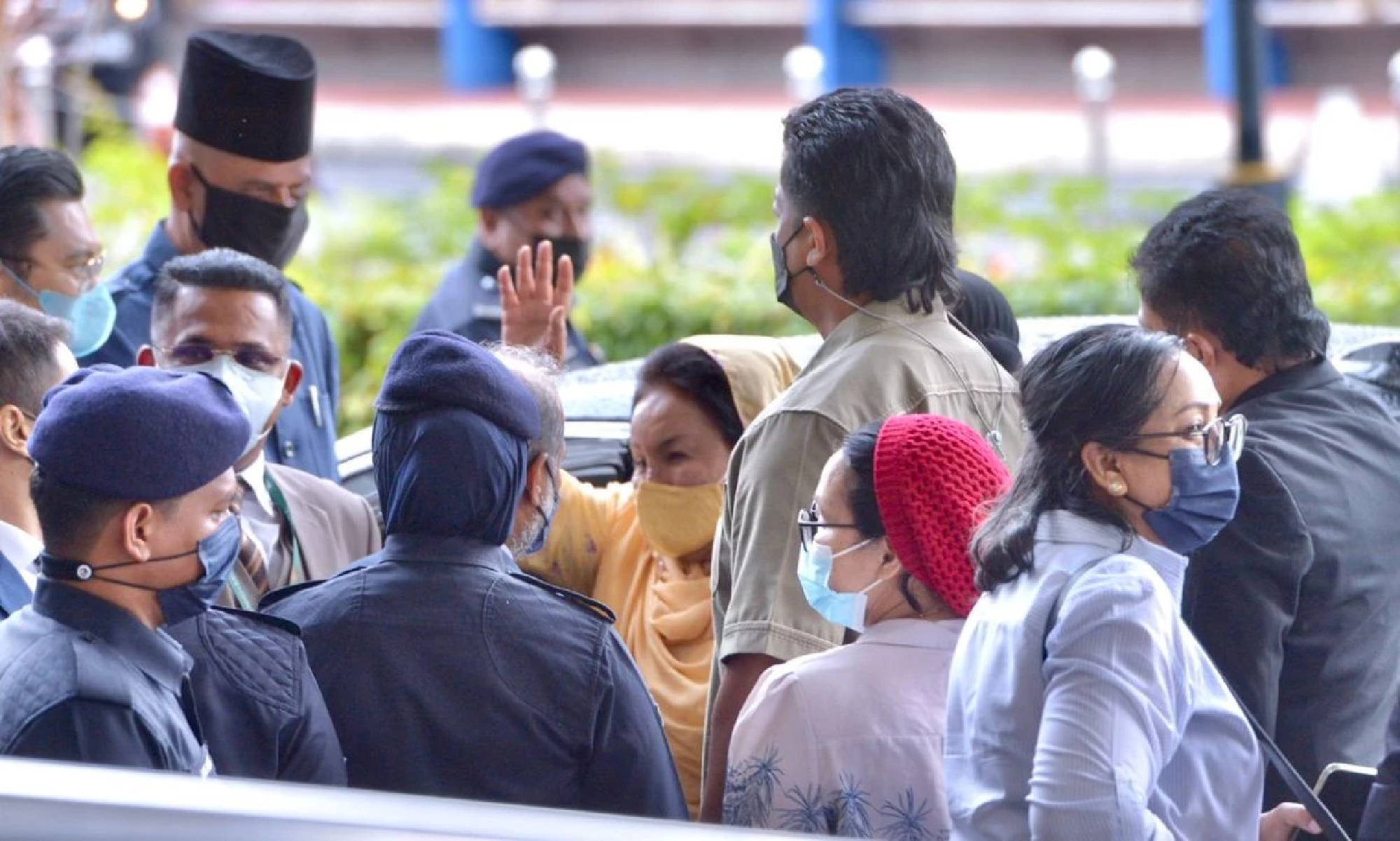
Rosmah Mansor, the wife of former prime minister Najib Razak, arrived in court on Thursday to hear the verdict on charges against her of seeking bribes in exchange for government contracts, just days after her husband was jailed for corruption.
Rosmah, 70, who has drawn criticism over her extravagant lifestyle, is facing three counts of soliciting and receiving bribes involving funds amounting to 194 million ringgit ($48.09 million) to help a company secure a government project. She has consistently denied wrongdoing.
Najib was voted out in a 2018 election, amid widespread public anger at government corruption and allegations that more than a billion dollars in 1MDB funds had been transferred into his personal accounts.
The Imperial Household Agency plans to use social media to provide accurate information about the Imperial family in the wake of erroneous reports regarding the former Princess Mako’s marriage, according to the agency.
In its budget request for the next fiscal year, the agency has included three additional positions, including the newly created post of counsellor, as part of its efforts to improve the distribution of information on the Imperial family.
Using social media is expected to be one of the measures taken to stem the spread of misinformation.
The agency requested an increase of one counsellor and two staff members in its Grand Steward’s Secretariat. Currently, the secretariat’s Press and Public Relations Office, which is part of the General Affairs Division at the agency, provides information on its website.
Misinformation about the marriage of Mako Komuro, 30, the eldest daughter of Crown Prince Akishino and Crown Princess Kiko, was circulated in weekly magazines and on social media, highlighting the lack of proper publicity by the agency.
Under the new system, the agency intends to use social media to proactively send out correct information on the Imperial family. It has yet to decide which social media sites it plans to use.
“We have received comments from members of the Imperial family that we need to proactively provide correct information and convey a more accurate picture to the public,” a senior official of the agency said.
Dr Bernadette Madrid, a children’s rights crusader from the Philippines, was named one of the four laureates of the prestigious Ramon Magsaysay Awards, considered to be Asia’s Nobel Prize.
In a virtual ceremony on Wednesday, the Manila-based Ramon Magsaysay Award Foundation cited Dr Madrid, 64, for her work with the Child Protection Network Foundation.
The non-governmental organisation has helped more than 149,000 abused children and women across 61 provinces and 10 cities, providing them with medical, legal and psychosocial care since 2002.
The paediatrician also heads the Child Protection Unit of the state-run Philippine General Hospital, the first facility in the country to provide mental health services to abused children and women. To date, the unit has helped 27,600 children.
The Ramon Magsaysay award is named after the seventh Filipino president, a former automobile mechanic who was venerated for the servant leadership that earned him the moniker Champion of the Masses.
Past winners include Singapore’s former deputy prime minister Goh Keng Swee and Malaysia’s former chief justice Suffian Hashim.
The other 2022 Magsaysay Awardees included Dr Sotheara Chhim, a psychiatrist who survived the Khmer Rouge regime that left around two million Cambodians dead due to overwork, starvation and mass executions in the late 1970s.
Dr Chhim, 54, now heads the Transcultural Psychosocial Organization (TPO), which leads efforts to treat Khmer Rogue survivors left traumatised by the genocide.
He helped develop a way to diagnose “baksbat” or “broken courage”, a post-traumatic syndrome exhibited by Cambodians that includes symptoms of fear, passivity and avoidance.
TPO promotes more clinical awareness of this syndrome so that Cambodian sufferers can be better assessed for trauma and treated.
Japanese ophthalmologist Tadashi Hattori, 58, received the award for providing free eye surgeries in rural parts of Vietnam. He first visited Hanoi in 2002 and found that cataract blindness was prevalent in the country, where eye specialists and facilities were limited.
Dr Hattori donated medical equipment to Hanoi and has done numerous medical missions to Vietnam to give free eye treatments, train local doctors and donate to hospitals.
The last Magsaysay Awardee was French environmental activist and filmmaker Gary Bencheghib, who was recognised for helping clean up Indonesia’s polluted waters.
His family moved to Bali when he was just nine years old, and he quickly discovered that the supposed picture-perfect tourist destination was bogged down by plastic waste. This started his advocacy to build kayaks made out of discarded plastic bottles to raise awareness about marine plastic pollution.
In 2017, Bencheghib’s team made a documentary series as they kayaked around the Citarum River, said to be one of the most polluted rivers in the world.
This got the attention of Indonesian President Joko Widodo, prompting the government to launch a seven-year rehabilitation program for the Citarum River.
All four Magsaysay laureates will be flown to Manila for the in-person awarding ceremony on Nov 30. The award comes with a cash prize, which was US$50,000 (S$69,900) in past years.
The government plans to attract 900,000 foreign visitors this year which is expected to generate more than US$218 million, according to a Statistical Report on Tourism.
The outlook for the tourism industry is positive following the reopening of the country to international tourists on May 9.
As a result, the number of tourist arrivals has increased significantly in recent months, giving a boost to the supply of foreign currency, which is urgently needed to buy imported goods.
More than 35,980 tourists visited Laos in May and the figure rose to more than 171,800 in June, according to the report, which was issued by the Tourism Development Department of the Ministry of Information, Culture and Tourism.
Of the total 211,898 foreign tourist arrivals in Laos in the first six months of this year, more than 60 per cent came from Thailand, 30 per cent came from Vietnam and the rest came from other Asia-Pacific countries.
The full operation of the Laos-China Railway and the draws of scenic Vangvieng, the Luang Prabang World Heritage Site and the low value of the kip are among the main attractions for visitors from neighbouring countries.
But high-end tourists from Europe, the US, South Korea, China and Japan are not yet returning in significant numbers.
In Europe, the Russia-Ukraine conflict has had knock-on effects that are contributing to an economic downturn and inflation, while in China continuing Covid-19 restriction measures are preventing people from travelling. Other issues relating to flight connections to Laos are also hindering the speedy recovery of tourism and the service industry.
Tourism is one of six important priorities for the country’s socio-economic development.
In light of this, the Ministry of Information, Culture and Tourism has developed the Lao Tourism Development Strategic Plan for 2021-2025, which aligns with the government’s policy to promote the country’s natural, cultural, historical and agricultural attractions to bolster ‘green tourism’ and its sustainability.
Tourism has been severely affected by the Covid-19 pandemic, which was reflected in the drop in the number of tourist arrivals, while the revenue generated from tourism fell sharply in 2021 compared to 2020.
With the reopening of Laos, the service and hospitality sector has started to recover, but very slowly.
To compensate for the loss in revenue from foreign tourists, the government has been trying to promote domestic tourism by launching Lao-Visit-Laos Campaign in a bid to encourage Lao people to travel around the country.
However, given the current economic situation and rising prices, it is difficult to target local tourists as a key driver of service industry recovery.
Laos is largely a destination for long-distance tourists who also visit neighbouring countries such as Thailand, Vietnam and Cambodia.
Therefore, the number of tourists coming to Laos depends on various factors, such as the convenience of transportation, ease of departure and arrival, the diversity and quality of tourism products, and safety and security.
Vientiane Times
Asia News Network
Asia News Network: The Nation (Thailand), The Korea Herald, The Straits Times (Singapore), China Daily, The Jakarta Post, The Star and Sin Chew Daily (Malaysia), The Statesman (India), Philippine Daily Inquirer, Yomiuri Shimbun and The Japan News, Gogo Mongolia, Dawn (Pakistan), The Island (Sri Lanka), Kuensel (Bhutan), Kathmandu Post (Nepal), Daily Star (Bangladesh), Eleven Media (Myanmar), The Phnom Penh Post and Rasmei Kampuchea (Cambodia), The Borneo Bulletin (Brunei), Vietnam News, and Vientiane Times (Laos).










 SootinClaimon.Com