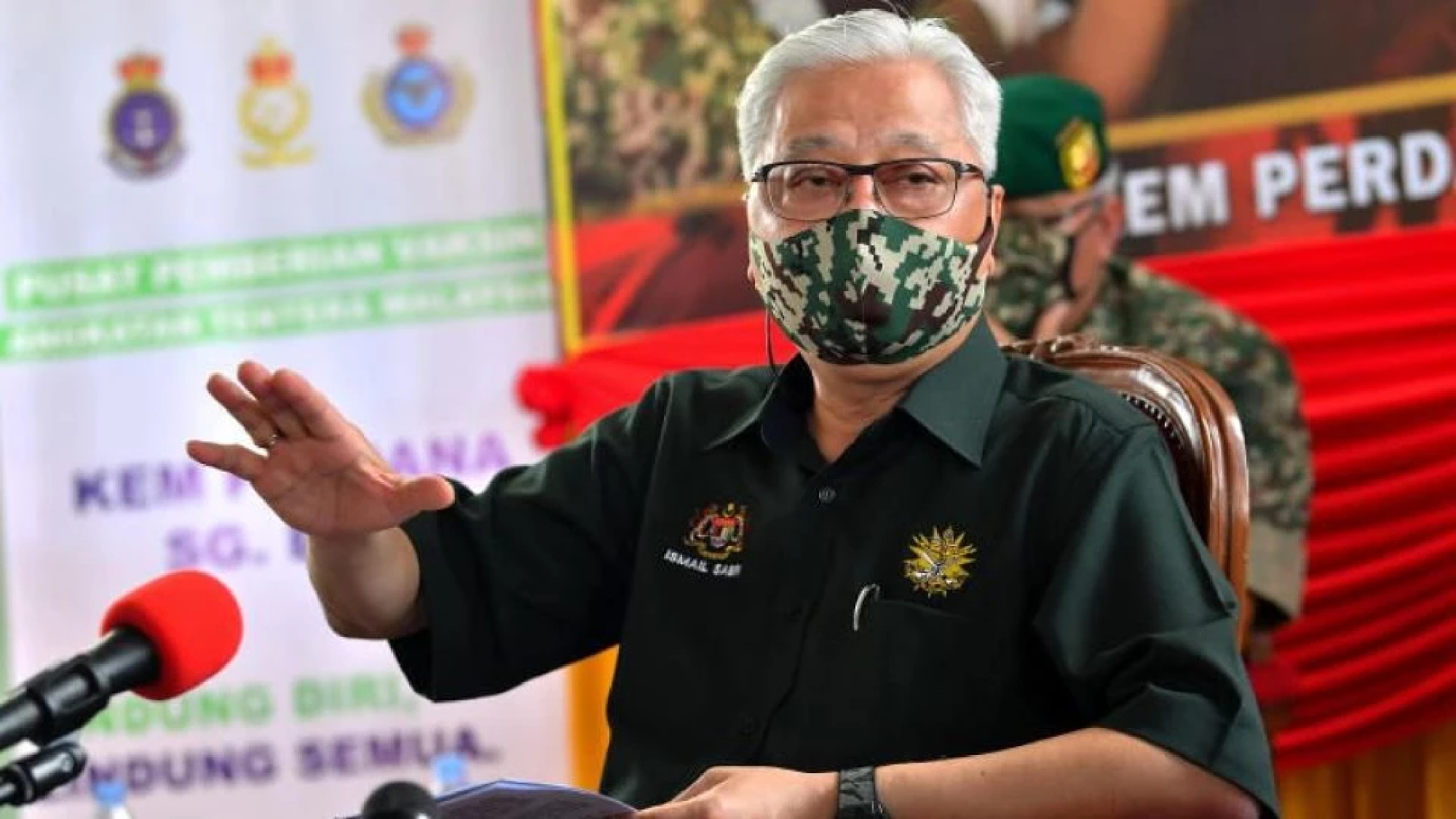
Malaysia hopes to speed up the revival of the terminated High-Speed Railway (HSR) project with Singapore at the earliest date, says Prime Minister Ismail Sabri Yaakob.
He said currently Transport Minister Wee Ka Siong is in discussions with his Singaporean counterpart S. Iswaran on the matter.
During a question-answer session with several representatives of the foreign media and Bernama here, Monday, the Prime Minister said that if the project is revived, it would involve some changes including to the terms and conditions.
“It is an ongoing discussion. If possible we want it to be speeded up because Malaysia also has plans to establish HSR between Kuala Lumpur and Bangkok.
“If can, we want to link Bangkok-KL and KL-Singapore,” he said.
He envisaged that the rail line could go up to China, as China and Thailand were also in the process of building high-speed train lines.
Asked if reviving the project is a priority of his administration, Ismail Sabri said: “Not to say priority, since the planning is already there, right from the start, right from BN (Barisan Nasional)’s time, planning is completed, only stopped for a while”.
As the cost of raw materials has been going up, Malaysia may consider reducing the size of the stations to keep in check the overall cost of the project.
Last Nov 29, Singapore Prime Minister Lee Hsien Loong was reported saying the republic is open to any new proposal from Malaysia on the Kuala Lumpur-Singapore HSR project, though both countries earlier had agreed to terminate the project.
Malaysia and Singapore inked bilateral agreements for the HSR project on 13 Dec 2016. The 350km railway line was to be completed in 2026, reducing the travel time between both destinations to 90 minutes.
However, the project was put on the back burner in September 2018 with both sides agreeing to shelf the bilateral project worth RM110bil until 31 Dec 2020.
On 1 Jan 2021, Malaysia and Singapore jointly announced the termination of the HSR project, as there was no agreement reached on the changes proposed by Malaysia and the fact that the agreement expired on Dec 31, 2020.
In March 2021, Malaysia announced it had paid SG$102.8mil to Singapore for the cost incurred by the republic for the development of HSR and the delays involved.
On another matter, the Prime Minister said the government is looking into the need for a third link between Johor and Singapore in the effort to reduce the congestion at the Johor Causeway and the Second Link (Linkedua).
“It is still at the planning stages; we will see if there is a need for it,” he said.
The Star
Asia News Network
Asia News Network: The Nation (Thailand), The Korea Herald, The Straits Times (Singapore), China Daily, Jakarta Post, The Star and Sin Chew Daily (Malaysia), The Statesman (India), Philippine Daily Inquirer, Yomiuri Shimbun and The Japan News, Gogo Mongolia, Dawn (Pakistan), The Island (Sri Lanka), Kuensel (Bhutan), Kathmandu Post (Nepal), Daily Star (Bangladesh), Eleven Media (Myanmar), The Phnom Penh Post and Rasmei Kampuchea (Cambodia), The Borneo Bulletin (Brunei), Vietnam News, and Vientiane Times (Laos).
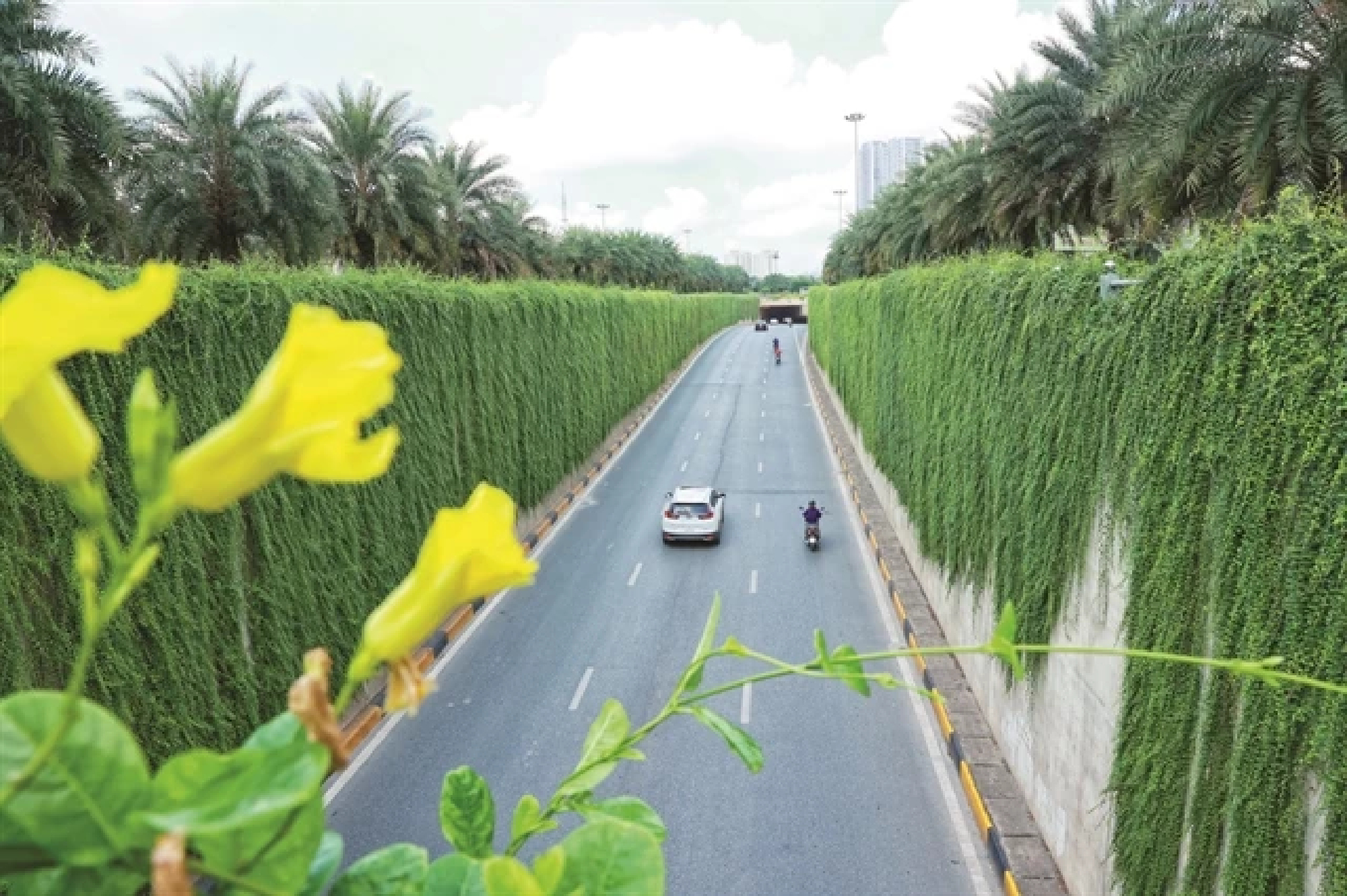
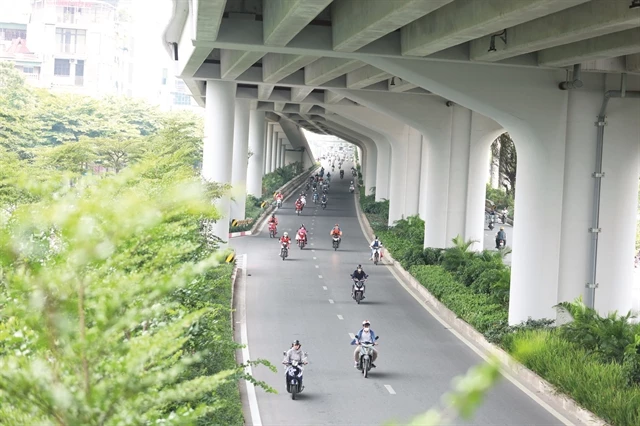
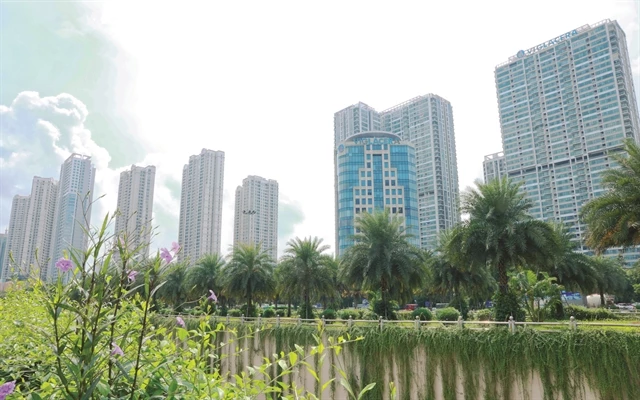
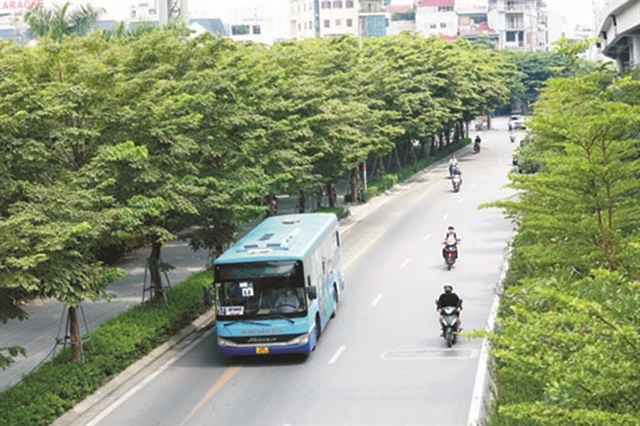
The city of Hanoi wants to plant more trees along its urban roads and has set a goal of 250,000 this year. This initiative is aimed at helping the government achieve its ambition to plant one billion trees between 2021-2025.
Pham Van Dong, Vo Chi Cong, Van Cao, Hoang Quoc Viet, and Thang Long Boulevard are some of the streets in Hanoi that now have a greener look due to the addition of trees.
Numerous environmentalists have supported the efforts to increase tree coverage in Hanoi’s metropolitan core and other areas. In addition to considerably aiding in environmental conservation and improving people’s quality of life, a city’s cultural and tourism qualities will be enhanced by the growth of its tree population.
However, as of now, government units are the only ones responsible for the planting, protection and maintenance of trees, environmentalists have said.
It is essential that every citizen join together to plant new trees and maintain the health of the ones that are already there, so that the trees can mature into a robust barrier that protects the environment.
The city can’t become fully eco-friendly until every resident takes personal responsibility for protecting the environment, experts have said.
Viet Nam News
Asia News Network
Asia News Network: The Nation (Thailand), The Korea Herald, The Straits Times (Singapore), China Daily, Jakarta Post, The Star and Sin Chew Daily (Malaysia), The Statesman (India), Philippine Daily Inquirer, Yomiuri Shimbun and The Japan News, Gogo Mongolia, Dawn (Pakistan), The Island (Sri Lanka), Kuensel (Bhutan), Kathmandu Post (Nepal), Daily Star (Bangladesh), Eleven Media (Myanmar), The Phnom Penh Post and Rasmei Kampuchea (Cambodia), The Borneo Bulletin (Brunei), Vietnam News, and Vientiane Times (Laos).
When food delivery platforms first emerged, they were hailed as an innovation that would bring convenience to our everyday lives. Suddenly, with just a few taps on their phone, epicures could have the world’s cuisine delivered to their doorsteps.
Small restaurant owners got access to a much wider pool of customers. People got jobs as delivery riders. Delivery start-ups were the darlings of the capital markets, receiving massive investment.
But after a decade of living with food-delivery apps, South Koreans are starting to question whether they have made us happier.
Kim Seung-june, 32, said doubts were roused by his recent experience.
Preparing for a housewarming party, he browsed the Baedal Minjok app for fried chicken and bossam, a Korean pork dish. The two dishes from two different restaurants had a combined price of 50,000 won (1,380 baht), but the delivery charges accounted for almost a quarter of that – 10,000 won.
“I ended up picking up the food from restaurants myself. I knew the delivery fee was soaring, but this was too much,” he said.
Surveys indicate Korean customers are losing their appetite for food delivery for this and other reasons.
A poll by the Seoul Institute in March found that 52 per cent of Seoul citizens who did not use delivery services in the first quarter of this year cited rising food and delivery costs.
The average cost for food delivery in Seoul in May rose about 12 per cent from March, said the National Council of Consumer Organisations. The cost of delivering a meal for a single person shot up by more than 40 per cent.
Restaurant owners are also complaining about the rise in fees they pay on orders received via delivery platforms.
“Delivery only makes small profits. Orders for a single serving generate hardly any profit margin,” said Kim Sung-hwan, who runs a small American-Chinese restaurant in Mapo-gu, Seoul. He said he would stop using delivery services if he had enough direct orders from customers.
Oh Eung-kyung, who opened a dessert cafe in Seongbuk district last November, said one-third of what customers pay via delivery apps goes to the platforms.
“During the first three months of opening, I only charged customers 2,000 won for each delivery. With that, the profits were not even enough to pay for the labour I put in,” she said. Oh added that she delivers coffee to locations close to her store to save costs.
What customers pay for delivery fees doesn’t cover the cost of hiring a rider. Restaurant owners usually shoulder part of the actual delivery costs in order to attract more customers, on top of paying commissions to the platform for each order placed through the app.
So are delivery platforms raking in profits after hiking fees and commissions? Not really.
Woowa Brothers, the operator of Baedal Minjok, posted 2 trillion won (53.7 billion baht) in revenue in 2021, nearly doubling its 2020 revenue as the prolonged Covid-19 pandemic pushed up demand for food deliveries. But its operating loss soared nearly sevenfold to 75.7 billion won over the same period.
Coupang Eats logged 3.5 billion in operating losses in 2021. Unlisted Yogiyo is not required to disclose earnings but its profit structure closely resembles that of its competitors.
The food delivery market has grown rapidly since the Covid-19 pandemic started. According to Statistics Korea, the food delivery market last year was worth 25.7 trillion won, 2.6 times bigger than in 2019.
Announcing its 2021 earnings in late March, Baedal Minjok said the loss resulted from outsourcing – mainly the expenses it paid to riders for delivery fees. It spent some 574 billion won on outsourcing last year, a huge jump from 181 billion won in 2020.
Increased competition among platforms has created a vicious circle.
The increase in delivery costs was driven by the introduction of single-meal delivery service by Baedal Minjok and Coupang Eats. Handling just one order at a time, riders could deliver individual orders more swiftly, compared to bundled deliveries which see them pick up multiple foods at once and deliver them to multiple locations.
The platforms scurried to recruit delivery agents needed for the new service by granting rewards and incentives, resulting in a huge increase in related costs.
So has the rise of food delivery apps made the lives of delivery workers better?
Pay and conditions have certainly improved, but even here there is still widespread dissatisfaction. Trade unions say that delivery workers are among the least protected workers in the economy. Working mostly on-demand as gig workers, riders are entitled to few if any of the work-related benefits ordinary workers get. Their plea for better protection has sparked debate in South Korea about the protection of workers in the gig economy.
Baedal Minjok and Coupang Eats, after a long tussle with delivery unionists over working conditions such as no insurance coverage for traffic accidents, have decided to hire full-time delivery workers. Unionists are now demanding an increase in the portion of the delivery fee that goes into riders’ pockets per order fulfilled.
The Korea Herald
Asia News Network
Asia News Network: The Nation (Thailand), The Korea Herald, The Straits Times (Singapore), China Daily, The Jakarta Post, The Star and Sin Chew Daily (Malaysia), The Statesman (India), Philippine Daily Inquirer, Yomiuri Shimbun and The Japan News, Gogo Mongolia, Dawn (Pakistan), The Island (Sri Lanka), Kuensel (Bhutan), Kathmandu Post (Nepal), Daily Star (Bangladesh), Eleven Media (Myanmar), The Phnom Penh Post and Rasmei Kampuchea (Cambodia), The Borneo Bulletin (Brunei), Vietnam News, and Vientiane Times (Laos).
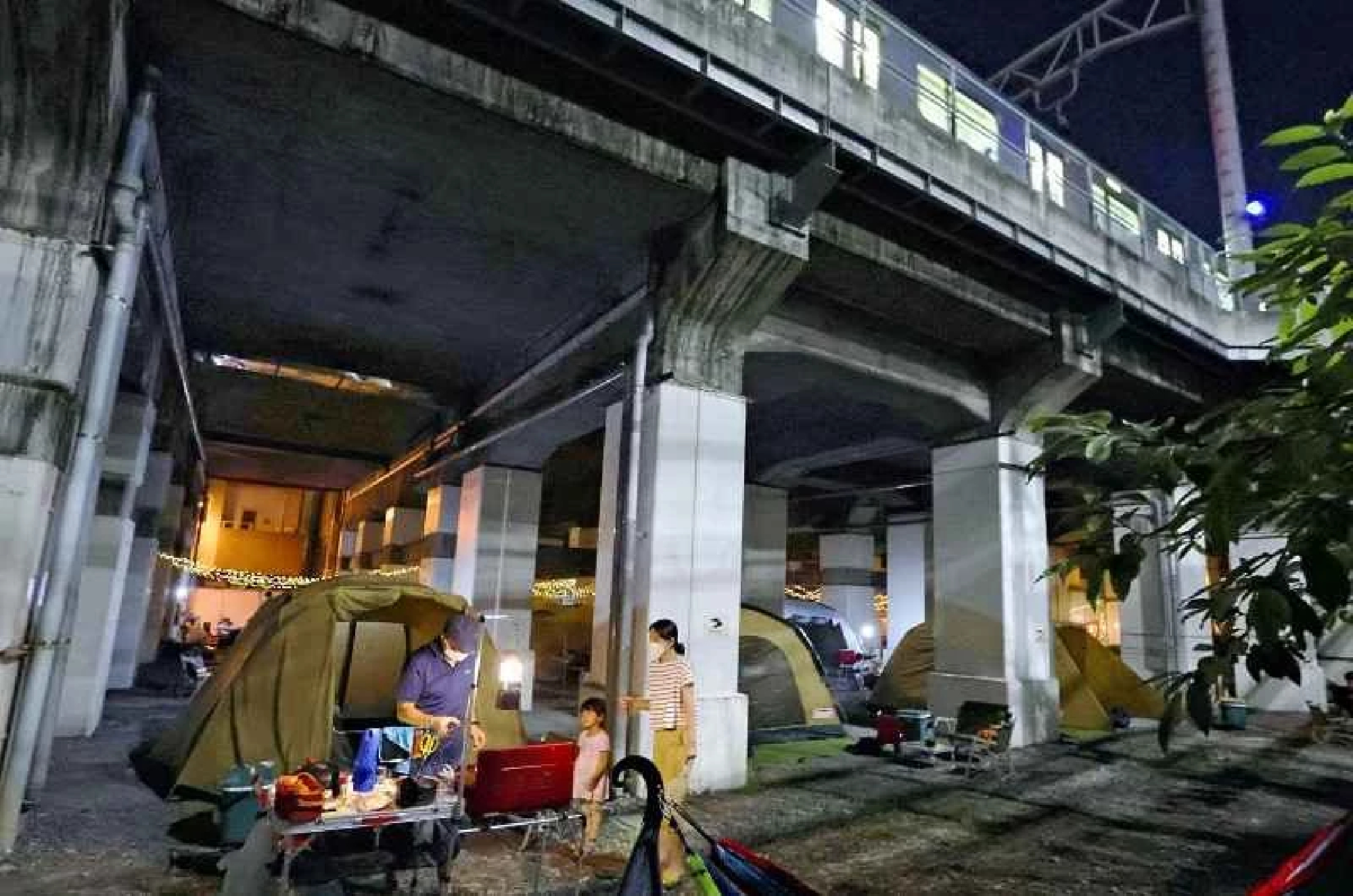
An arm of Japanese rail firm JR East has created a fast-track way for wannabe campers in Tokyo to get a taste of the outdoors life.
JR East Urban Development Corp., which mainly manages land under elevated railway tracks, has established a pop-up camping site near JR Akihabara Station in the capital’s Taito Ward to help people experience the activity, which has grown in popularity amid the coronavirus pandemic.
At the site, which opened on Aug. 13 and is running until Aug. 24, staffers offer help and advice on such topics as setting up tents and packing them away. Visitors also can cook using gas burners and even stay overnight.
“We want people to enjoy both camping and walking around central Tokyo,” a staff member said.
Fees to use the site start from ¥2,000. According to the company, reservations to use the site have been almost fully booked.
The Japan News
Asia News Network
Asia News Network: The Nation (Thailand), The Korea Herald, The Straits Times (Singapore), China Daily, Jakarta Post, The Star and Sin Chew Daily (Malaysia), The Statesman (India), Philippine Daily Inquirer, Yomiuri Shimbun and The Japan News, Gogo Mongolia, Dawn (Pakistan), The Island (Sri Lanka), Kuensel (Bhutan), Kathmandu Post (Nepal), Daily Star (Bangladesh), Eleven Media (Myanmar), The Phnom Penh Post and Rasmei Kampuchea (Cambodia), The Borneo Bulletin (Brunei), Vietnam News, and Vientiane Times (Laos).
Police want the kid gloves to come off when dealing with negligent parents after data shows that failing to monitor their young children properly could have led to over 200 accidental deaths yearly.
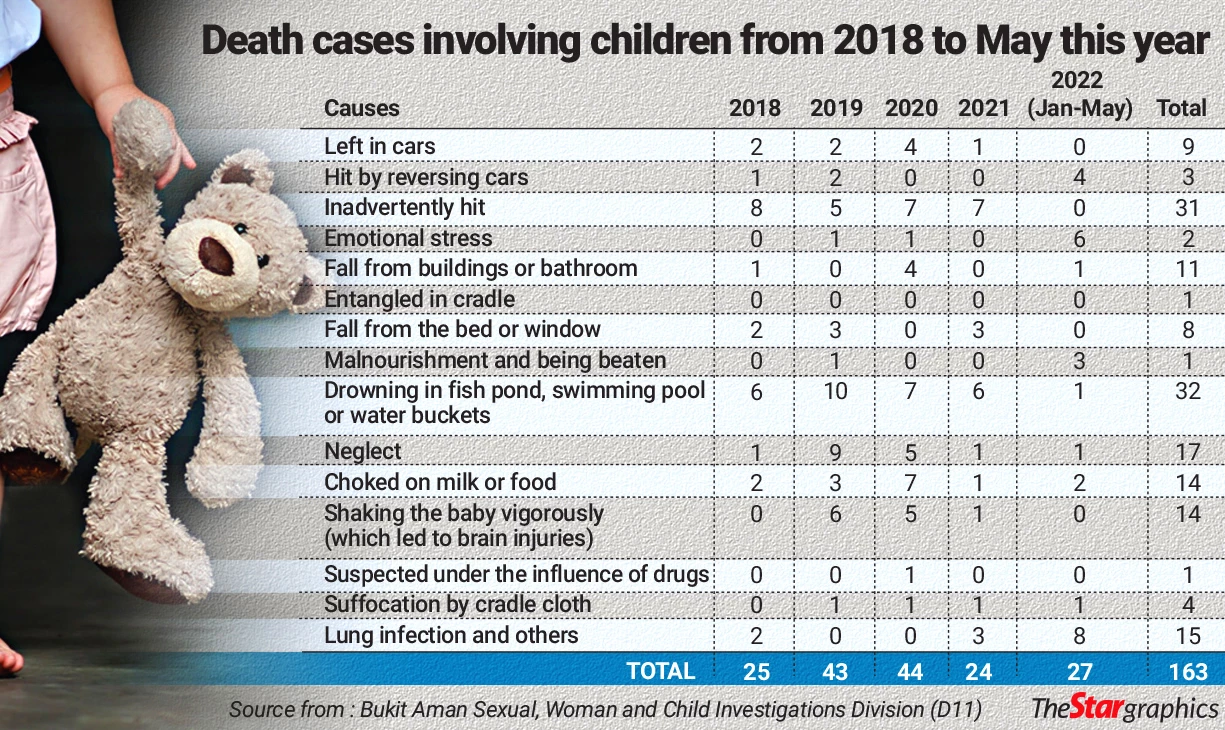
Cases of such parental neglect include allowing their underage children to drive, leaving them alone at home or inside vehicles, and neglecting to oversee their activities until these result in drowning during bathing, falling inside fish ponds or getting entangled in cradles.
Some even accidentally hit their children while reversing their cars.
Data shared by the Bukit Aman Sexual, Women and Child Investigations Division (D11) showed that there were 163 deaths involving children between 2018 and May this year that could partly have been due to the parents’ negligence. The numbers do not include those involving fatal accidents by unlicensed underage drivers.
D11 principal assistant director Asst Comm Siti Kamsiah Hassan said she believed that negligent parents should at least face some form of punishment.
“For me, punishment should be given at the bare minimum, at least, to serve as a lesson and to ensure that this does not recur,” she said.
ACP Siti Kamsiah told The Star that 38% of such cases were classified as “No Further Action” or NFA for various reasons, while 43% saw the legal guardian of the children involved being charged. The rest are still under investigation.
“The deputy public prosecutor (DPP) would have their reasons (not to pursue action). They would have to think of the implications, for example, if the father is the family’s breadwinner and having him sentenced to jail would only worsen the family situation,” she said.
To a question whether such “leeway” could be why cases of parental negligence continued to persist, ACP Siti Kamsiah disagreed, adding that she believed more awareness needed to be given to childcare.
“Parents sometimes take for granted that it is safe to leave their children at home but fail to look into other aspects, such as whether there is a grille (on the windows or balconies) or if the gap between the grille is too wide,” she said.
After seeing the promising effect in a case where a parent was held responsible for his child’s involvement in mat lajak activities, Bukit Aman Traffic Investigation and Enforcement Department principal assistant director (enforcement) Supt Dr Bakri Zainal Abidin hoped similar action would also be taken against those who allowed their children to drive without licences.
Police statistics showed that Malaysia recorded 8,484 accidents involving unlicensed teenage drivers and motorcyclists between 2018 and March this year. Of this total, 2,617 cases have resulted in either fatal accidents or serious injuries.
“There was a mosquito bike case (mat lajak) in Selangor where we decided to take action against the parent under the Child Act 2001. When the news broke, we could see that the number of cases in the state dropped by 50% because parents feared the jail sentence and the hefty fines.
“So, we want the DPP to impose stern punishment (on parents who allow their children to drive without licences) so that this can serve as a lesson to the community. Otherwise, we will face such menace (underage driving) forever,” he said.
So far, underage drivers and those who allow minors to drive their vehicles would only be issued with compounds.
Malaysian Institute of Road Safety Research chairman Assoc Prof Dr Wong Shaw Voon said imposing punishment on parents would show the government’s seriousness in handling the issue of unlicensed driving.
“We should start charging the parents.
“Of course, the judge may impose RM300 or RM2,000, but it will still send a powerful message.
“This will encourage parents to be careful and to take full charge of the vehicles that they possess,” he said, adding that some even allowed their children to use their vehicles to school.
He said parents should be given equal punishment in cases where their children caused harm to others due to underage driving.
“We have to ensure that if an underage child drives without a licence and someone gets killed (as a result), the parents should be given maximum sentences too.
“For example, Section 41 of the Road Transport Act states that one can be imprisoned. So, we need to look at our laws to ensure that parents too can be jailed; otherwise, they won’t be scared.
Aliza Shah
The Star
Asia News Network
Asia News Network: The Nation (Thailand), The Korea Herald, The Straits Times (Singapore), China Daily, Jakarta Post, The Star and Sin Chew Daily (Malaysia), The Statesman (India), Philippine Daily Inquirer, Yomiuri Shimbun and The Japan News, Gogo Mongolia, Dawn (Pakistan), The Island (Sri Lanka), Kuensel (Bhutan), Kathmandu Post (Nepal), Daily Star (Bangladesh), Eleven Media (Myanmar), The Phnom Penh Post and Rasmei Kampuchea (Cambodia), The Borneo Bulletin (Brunei), Vietnam News, and Vientiane Times (Laos).
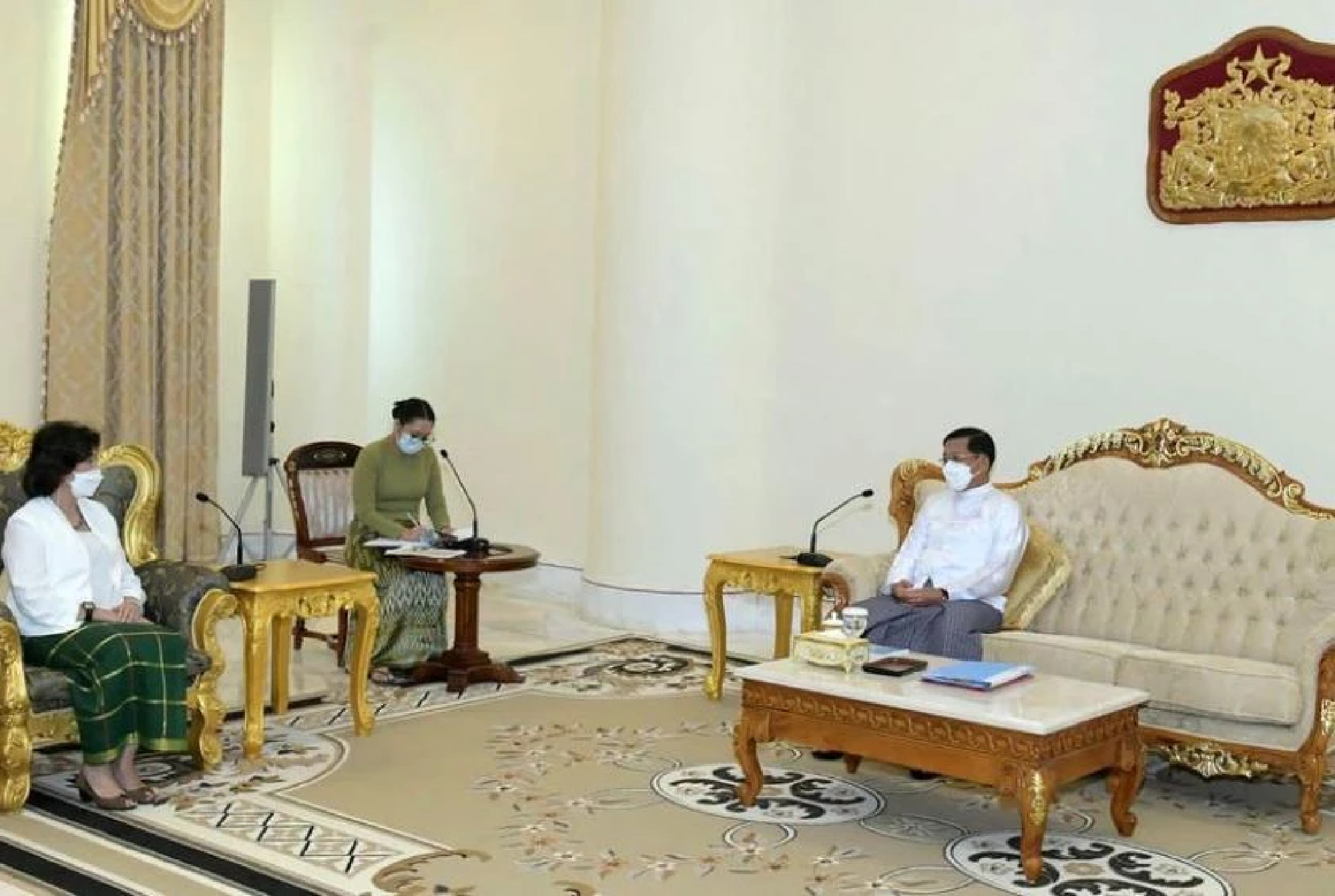
Chairman of the State Administration Council (SAC) Senior General Min Aung Hlaing has dismissed the allegations that the Tatmadaw (military) burned down the homes of civilians in Myanmar.
In meeting with the SAC chairman in Nay Pyi Taw on August 17, Noeleen Heyzer, Special Envoy of the United Nations Secretary-General on Myanmar, said she had no mandate to make any decision but to point out and discuss the development of Myanmar. The purpose of visiting Myanmar was to convey the message of the Secretary-General and make two specific requests: to halt the aerial bombing and to stop burning the villages and houses of the people, she added.
In response, Senior General Min Aung Hlaing gave a reply, which was included in a statement on their detailed discussions released by the SAC information team on August 19.
“We are just targeting the location of the insurgents who attack security forces and countering them. We will never initiate the attack if there is no attack on us. And there is no government and country in the world that accepts armed attacks. I categorically rejected the allegation of burning the villages and houses of the people. The Tatmadaw always protects the people of Myanmar. The Tatmadaw has been providing relief services to the people whenever they are hit by natural disasters,” the Senior General said in his reply.
As an example, he pointed out that with the permission of the government, the Nippon Foundation had provided assistance to refugees in Myanmar. And there are also other organizations which had provided assistance to them.
He further said: “It is common sense that we would never burn and destroy the houses of the people for whom we are responsible to protect. Therefore, I totally deny the alleged burning of villages.”
Eleven Media
Asia News Network
Asia News Network: The Nation (Thailand), The Korea Herald, The Straits Times (Singapore), China Daily, Jakarta Post, The Star and Sin Chew Daily (Malaysia), The Statesman (India), Philippine Daily Inquirer, Yomiuri Shimbun and The Japan News, Gogo Mongolia, Dawn (Pakistan), The Island (Sri Lanka), Kuensel (Bhutan), Kathmandu Post (Nepal), Daily Star (Bangladesh), Eleven Media (Myanmar), The Phnom Penh Post and Rasmei Kampuchea (Cambodia), The Borneo Bulletin (Brunei), Vietnam News, and Vientiane Times (Laos).
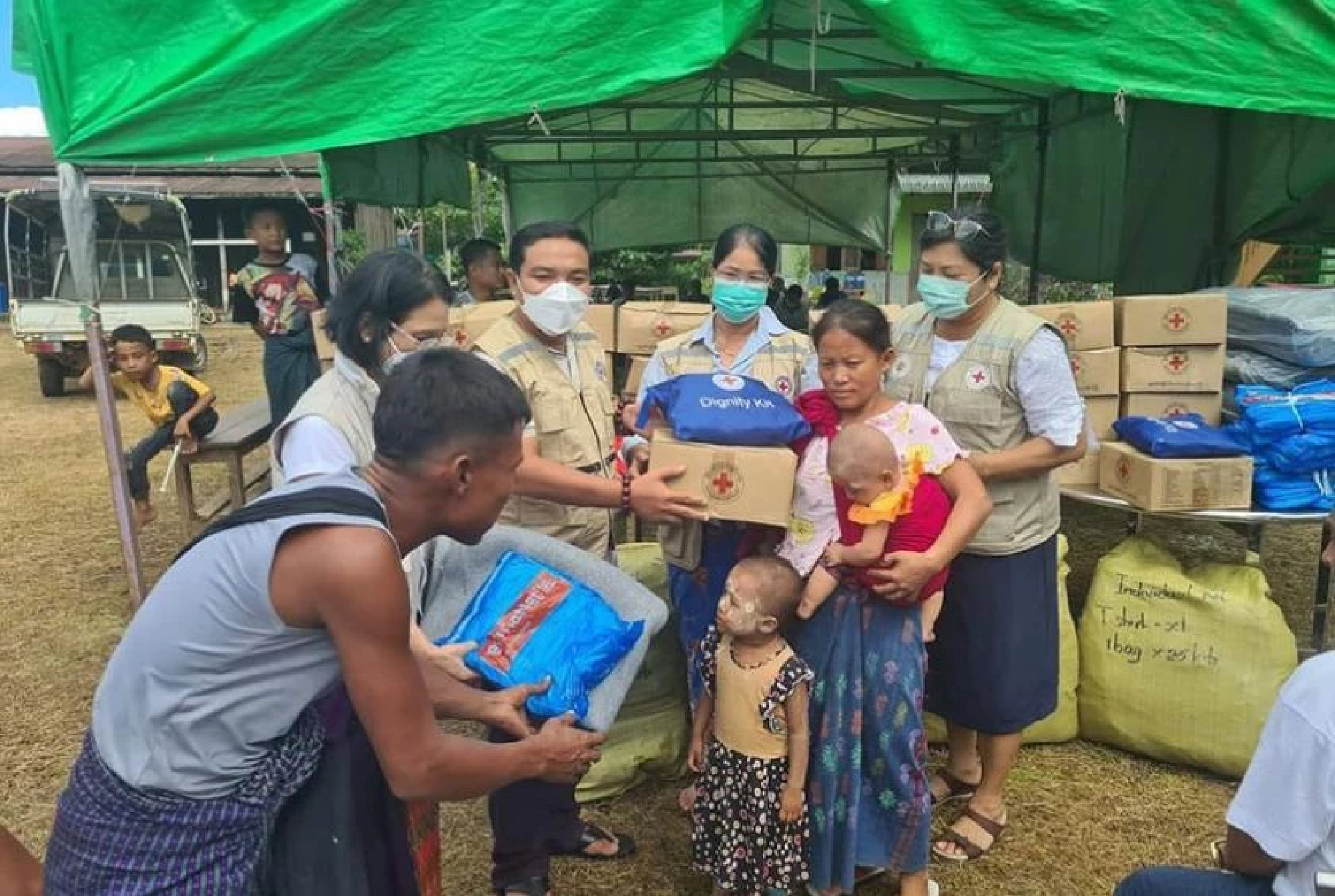
The United Nations Office for the Coordination of Humanitarian Affairs (OCHA Myanmar) announced that there have been more than 1.2 million internally displaced persons ( IDPs ) in Myanmar since February 1, 2021, including more than 900,000 people who fled their homes.
Fighting continues in several states and regions across Myanmar, resulting in civilian casualties and displacement. The OCHA Myanmar stated that the fighting that has intensified since the end of July, especially in Hpakant Township of Kachin State, is worrying.
At least 300 houses were burnt down and about 500 households were affected by the attacks in Se Zin Village, Hpakant Township. So far, more than 2,000 people from Se Zin village have fled their homes, seeking refuge in six displacement sites in Tar Ma Hkan and Haung Pa villages in Hpakant Township. However, this number is expected to increase as many others could not leave and were trapped inside the village, the statement said.
The OCHA has been engaging with the relevant stakeholders to ensure humanitarian access and delivery of assistance to the newly displaced people in Hpakant Township with some support already reaching those in need through local partners, it said.
Nationwide, 1,249,600 people are now displaced nationwide according to UN figures as of 8 August, including 903,000 who remain displaced as a result of conflict and insecurity since the February 2021 military takeover, it said.
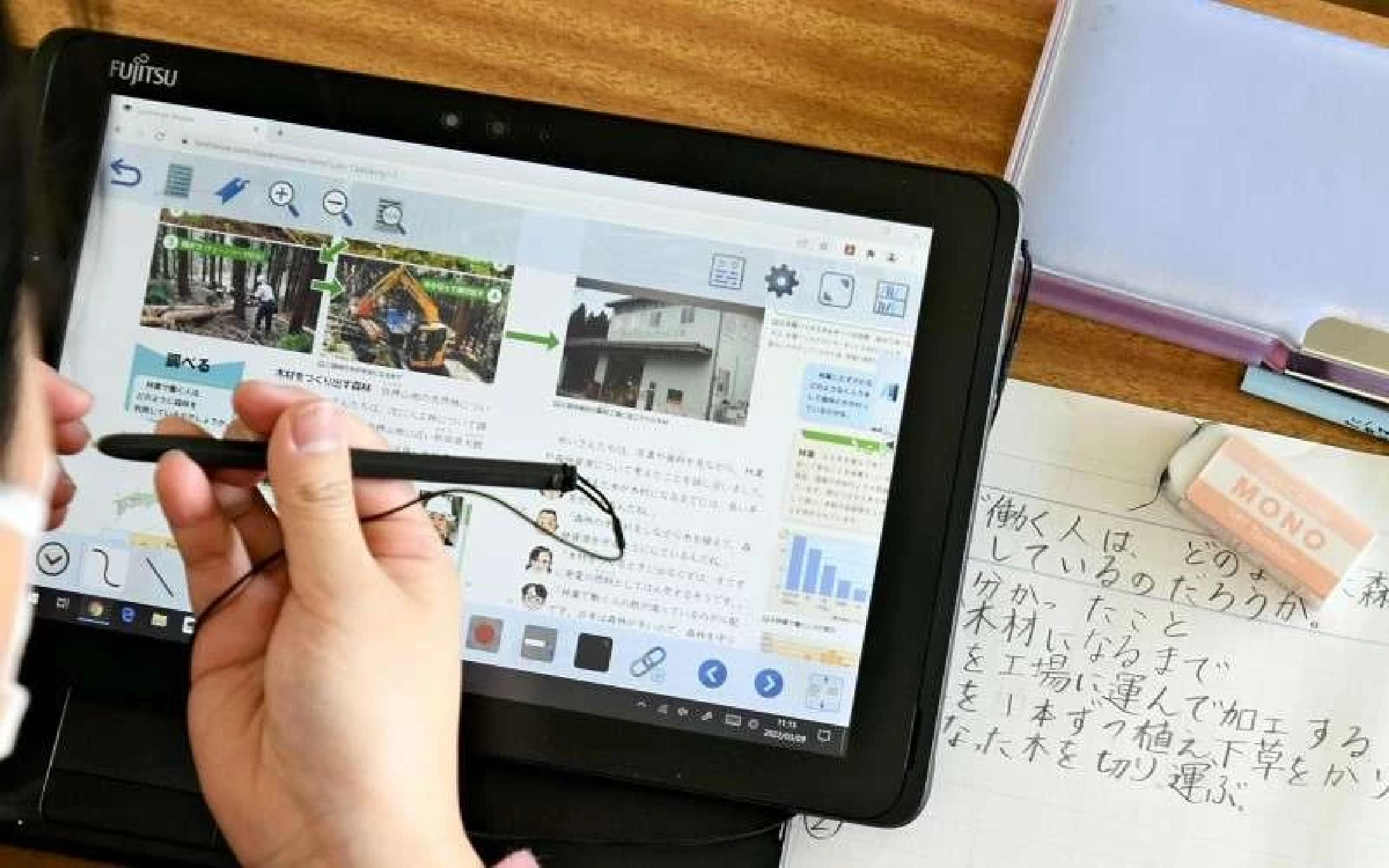
Japan’s Education, Culture, Sports, Science and Technology Ministry is planning to use both digital and printed textbooks in elementary and junior high schools from the 2024 school year.
The ministry originally planned to fully introduce digital textbooks from 2024, but now intends to distribute printed textbooks for each subject, and limit the use of digital textbooks to English alone. Acknowledging the view that paper textbooks provide a strong foundation in traditional learning, the ministry has decided to initially introduce digital textbooks for the English language, including features such as text-to-speech.
The plan will be presented next week at a meeting of the Central Council for Education’s working group on digital textbooks, with the expectation that all elementary and junior high schools will be able to use digital English textbooks from 2024.
The ministry has made these digital textbooks available to some schools as part of a pilot project and learned that there is a great demand for the text-to-speech function.
The digital textbook campaign is part of the ministry’s Global and Innovation Gateway for All (GIGA) concept.
Though some working group members focused on the benefits of the high-tech books — such as being able to learn through repeatedly listening to audio recordings – several others strongly emphasised the importance of paper textbooks, saying such books “are also important” and that they “should be used in combination” with digital devices.
Communication-related issues may arise following the introduction of digital textbooks. When the ministry asked teachers — with multiple responses possible — to flag inconveniences with digital textbooks, 48.6% said, “it’s necessary to deal with screen freezes and error messages”.
In light of such feedback, the ministry intends to maintain the use of paper textbooks while gradually expanding the use of digital textbooks.
The Japan News
Asia News Network
Asia News Network: The Nation (Thailand), The Korea Herald, The Straits Times (Singapore), China Daily, The Jakarta Post, The Star and Sin Chew Daily (Malaysia), The Statesman (India), Philippine Daily Inquirer, Yomiuri Shimbun and The Japan News, Gogo Mongolia, Dawn (Pakistan), The Island (Sri Lanka), Kuensel (Bhutan), Kathmandu Post (Nepal), Daily Star (Bangladesh), Eleven Media (Myanmar), The Phnom Penh Post and Rasmei Kampuchea (Cambodia), The Borneo Bulletin (Brunei), Vietnam News, and Vientiane Times (Laos).
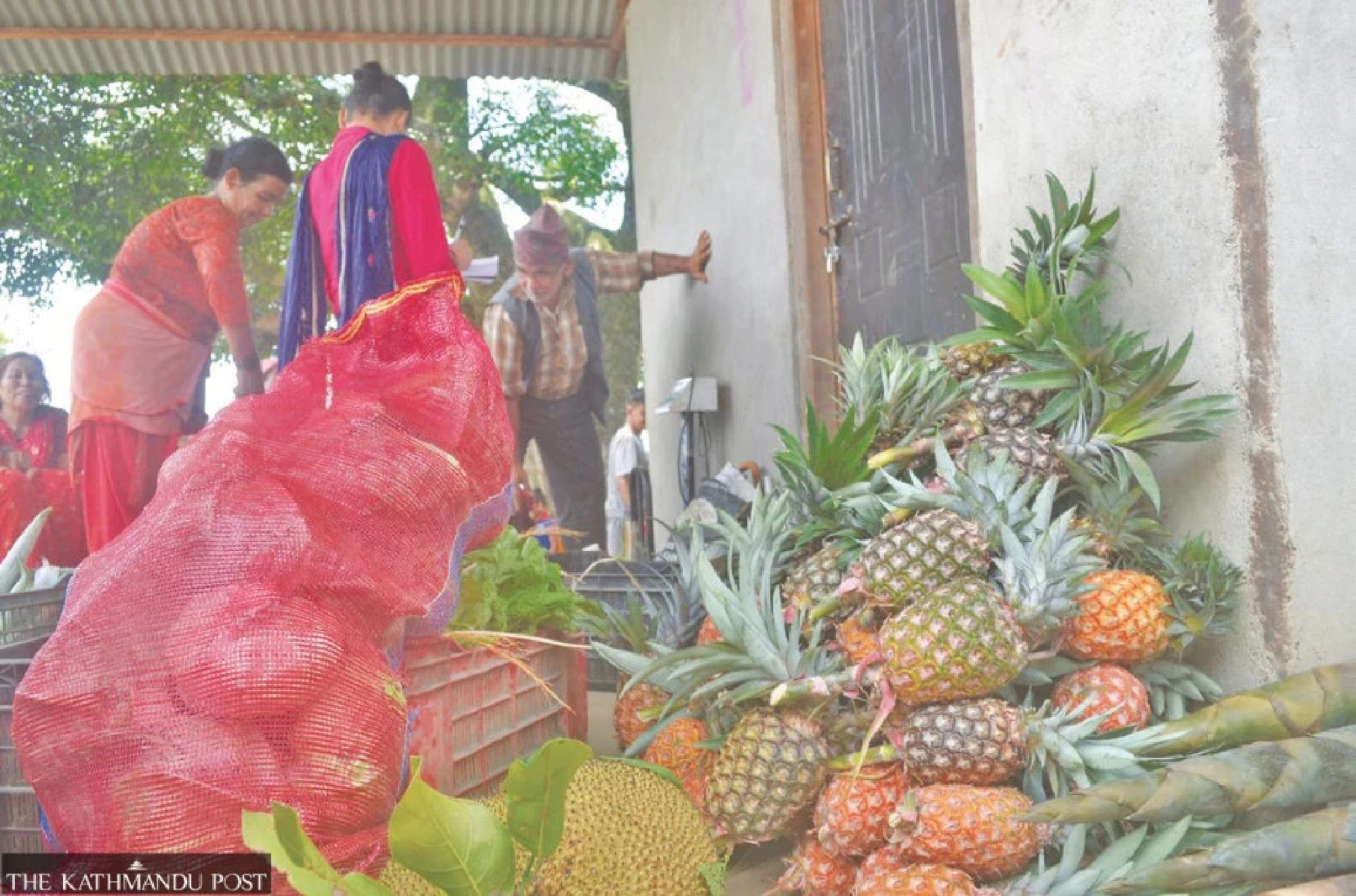
Market access has been a major hurdle for farmers in Nepal, and sometimes they have to watch helplessly as their vegetables worth millions rot in the fields for lack of buyers. But not farmers in Gulmi: they have no such problem because a barter store comes to their villages.
Paicho Pasal, which operates a chain of barter stores, takes agricultural and forest products from the farmers and gives them daily essentials in exchange. They bring food products such as sugar, cooking oil and salt and garments to the villages, which they swap for farm products.
If the farmers don’t want to barter, the shops also pay cash.
“Paicho Pasal also invests in farmers,” said Keshav Neupane, its chief operating officer. “We provide technical service too. We help farmers to test the soil and provide quality seeds.”
The shop makes pickles, jam and other products from the organic produce collected from farmers. “We sell them in the domestic market and also export them,” said Neupane.
Ram Bahadur Nepali’s field is covered with cauliflowers, and he is not worried about their sale. Nepali of Basad in Rurukshetra Rural Municipality-5 has cultivated vegetables targeting the upcoming festivals.
“They will be ready for harvest during the Teej and Dashain festivals,” he said. Nepali switched to commercial vegetable farming after growing maize for several years.
“I earned extra money by planting turnip and coriander along with cauliflower,” he said. Nepali claims he makes Rs500,000 annually.
Paicho Pasal has been a boon for many farmers. “Small farmers can exchange their produce for daily necessities such as salt, oil, soap and food items,” Nepali said.
“We don’t have to worry about the market as Paicho collects our vegetables.”
Him Lal Puri from Bamgha has been a vegetable farmer for four decades and remembers having a hard time selling his vegetables whenever he had a bumper harvest.
“We had to carry our produce to markets in Ulli Khola and Khaireni Bazaar spending hours,” said Puri, who owns a 5-ropani farm.
“I sell vegetables worth Rs200,000 annually. The only expense is buying seeds.”
Until two years ago, Puri ploughed his fields using oxen. Now he uses a mini tiller. “The rise in our income has enabled us to use technology. We are also investing in our children’s education,” he said.
More than 150 households in Bamgha are engaged in commercial vegetable farming, according to Chet Narayan Shrestha, chairman of the Smart Agriculture Village Programme, an initiative of the provincial government to assist farmers.
“Paicho Pasal alone has been buying vegetables worth Rs20 million annually,” Shrestha said.
Paicho Pasal has motivated the villagers in commercial vegetable farming since 2014.
Earlier, farmers were engaged in traditional farming. Output was low and they could sell their products only when they had an abundant harvest. Modern technology has helped them to increase their production.
Iman Singh Rana of Chhatrakot Rural Municipality-2, Pallikot uses modern technology in farming. Rana has built 14 permanent tunnels or greenhouses made of plastic and bamboo.
“I have cultivated tomatoes on 10 ropanis,” said Rana. “In the same tunnels, I have also planted beans and cucumbers.”
Rana spent two decades of his youth as a welder in India. He started vegetable farming around seven years ago. “The income from farming has been better than what I used to make in India,” he said.
Rana has hired two farm hands to help him. “Besides one daily meal, I pay them Rs12,000 each a month,” he said. According to Rana, he makes a profit of Rs600,000 yearly.
Rana’s home is a collection centre for vegetables produced by local farmers. “We collect vegetables twice a week,” he said. “Then Paicho takes them away.”
Thulapokhara at Chhatrakot-1 is a vegetable production centre. Around 500 households in the area are involved in vegetable farming, according to local residents.
Bhuwan Kharal, 29, is among the highest earners in the area. “I produce vegetables worth Rs5 million annually,” said Kharal.
Chhatrakot Rural Municipality has prioritised the use of modern technology, according to Kharal. Every household has built plastic tunnels and uses mulching techniques.
Kharal grows vegetables on 80 ropanis. “Besides this, I am about to start a vegetable farm on 400 ropanis at Argheli in Palpa district,” he said.
“While tomatoes and chillies used to be produced in large quantities in the past, red turnip, cucumber, cauliflower and cabbage are also produced these days,” he added.
Kharal, who has a bachelor’s degree in education, had once made up his mind to go abroad to earn more. “But when I saw my elder brother flourishing on the farm, I changed my mind,” he said.
Paicho provides technical assistance to farmers, according to Kharal. “Technicians from Paicho visit us regularly,” he said.
Kharal produces 80 tonnes of tomatoes, 30 tonnes of chillies, 20 tonnes of cauliflowers and 10 tonnes of red turnips annually.
Farmers in many districts still rely on rainwater for irrigation. “We need irrigation facilities,” said Kharal.
According to Paicho, it has mobilised 16 technicians, including a graduate in agriculture, with different areas of expertise to assist the farmers across the district.
“Our technicians help farmers at every stage from planting to harvesting,” said Dhruba Neupane, managing director of Paicho Pasal.
“We have signed contracts with farmers to buy their produce since market access is equally important. We run a collection centre in every village. The farmers are paid instantly.”
Farmers in Gulmi produce vegetables worth Rs230 million every year, according to Navaraj Bhandari, chief of the Agriculture Knowledge Centre in the district.
Commercial vegetable farming is done on 960 hectares. The 5,000 tunnels or greenhouses cover an area of 30 hectares. Chhatrakot, Rurukshetra, Satyawati, Chandrakot and Kaligandaki rural municipalities, and Resunga and Musikot municipalities are pocket areas for vegetables.
While vegetables worth Rs127.5 million are sold in other districts, crops worth Rs102.5 million are consumed locally.
“Around 11,503 tonnes of vegetables are produced in the district every year,” said Bhandari. “There are 49,965 commercial vegetable farmers.”
Kathmandu Post Asia News Network Asia News Network: The Nation (Thailand), The Korea Herald, The Straits Times (Singapore), China Daily, The Jakarta Post, The Star and Sin Chew Daily (Malaysia), The Statesman (India), Philippine Daily Inquirer, Yomiuri Shimbun and The Japan News, Gogo Mongolia, Dawn (Pakistan), The Island (Sri Lanka), Kuensel (Bhutan), Kathmandu Post (Nepal), Daily Star (Bangladesh), Eleven Media (Myanmar), The Phnom Penh Post and Rasmei Kampuchea (Cambodia), The Borneo Bulletin (Brunei), Vietnam News, and Vientiane Times (Laos).
North Korea’s main Rodong Sinmun newspaper carried a series of articles last week advising how to act in times of flooding, with one of the directions saying, “Do not eat dirty food washed away in flood waters.”
The articles were carried from Wednesday to Friday to advise people about what to and not to do in times of typhoon, lightning and flooding, as a series of heavy downpours have battered the Korean Peninsula in recent weeks.
Noticeable among them was the advice to stay away from dirty food.
That illustrates the food shortages the destitute North has been suffering for decades even as the regime has pushed strongly for the development of nuclear weapons and long-range missiles.
Other advice includes staying away from a street if water is ankle-deep because people can fall in just 15-centimetre-deep water and going up onto the roof when water fills up buildings.
The Korea Herald
Asia News Network
Asia News Network: The Nation (Thailand), The Korea Herald, The Straits Times (Singapore), China Daily, The Jakarta Post, The Star and Sin Chew Daily (Malaysia), The Statesman (India), Philippine Daily Inquirer, Yomiuri Shimbun and The Japan News, Gogo Mongolia, Dawn (Pakistan), The Island (Sri Lanka), Kuensel (Bhutan), Kathmandu Post (Nepal), Daily Star (Bangladesh), Eleven Media (Myanmar), The Phnom Penh Post and Rasmei Kampuchea (Cambodia), The Borneo Bulletin (Brunei), Vietnam News, and Vientiane Times (Laos).




 SootinClaimon.Com