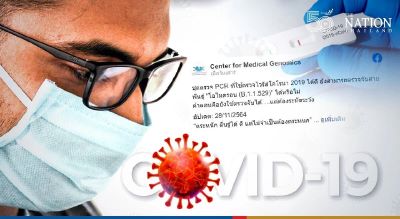
Some polymerase chain reaction (PCR) test kits may unable to detect the Omicron Covid-19 variant as the virus may have a growth advantage, Ramathibodi Hospital Centre for Medical Genomics said on its Facebook page on Saturday.
The World Health Organisation (WHO) recently announced that the latest Omicron variant is among variants of concern similar to the Delta strain.
Meanwhile, an African scientist has uploaded 115 samples of Omicron genetic code on GISAID coronavirus database in a bid to enable other scientists worldwide to conduct researches.
The centre explained that it has conducted a test using 115 Omicron samples and PCR test kits approved by WHO via the Nextclade programme.
“We found that some PCR test kits may give weakly positive or false negative as the virus may have a growth advantage,” the centre said.
The centre also advised Covid-19 test centres to use PCR test kits which able to detect the Omicron variant.
Chula’s Pharmaceutical Science Has Developed a User-friendly and Rapid Test Kit to Keep People Away from COVID-19.
Chula Pharmaceutical Science helps increase public confidence to keep COVID-19 at bay with their new test kit to verify the safety and efficacy of hand sanitizers and alcohol-based gel and spray products.
Since the onset of the Covid-19 pandemic, many are now accustomed with the New Normal lifestyle in which require social distancing, frequent hand washing, and sanitizing with hand sanitizer and alcohol sprays to clean their hands and belongings. But how can we be sure that the products we use are safe for our health and effective in cleaning and disinfecting?
Asst. Prof. Dr. Supakarn Chamni, Department of Pharmacognosy and Pharmaceutical Botany, Faculty of Pharmaceutical Science, Chulalongkorn University, explained the problems of hand-sanitizing gel and spray products as appeared in the media and reported from the Smart Buy Testing Center, The Foundation for Consumers.
“Sixty-seven percent of the products surveyed have alcohol concentration lower than 70% by volume, which is not adequate for killing germs. Moreover, these products were found to be contaminated with harmful chemicals that could irritate the respiratory tract, and if it gets into the eyes, can cause blindness.”
Based on such concerns, Asst. Prof. Dr. Supakarn has developed the Q-E-S-T 3-in-1 Alcohol Test Kit to enable the public to check the standards and safety of alcohol and sanitizing products by themselves.
Is Your Alcohol Sanitiser Safe and Effective? “This test can analyze both the type and concentration of alcohol to confirm the effectiveness of its cleaning and disinfection property to reduce the risk of spreading the COVID-19 virus.”
Get to Know the different types of alcohol Alcohol has antimicrobial properties against viruses, bacteria, and fungi, by killing or stopping the growth of the microbes and can therefore be used to clean and disinfect the skin and various surfaces.
There are different types of alcohol depending on their chemical structures: Ethanol and isopropanol are the alcohol types used for human consumption. Ethanol is the alcohol found in liquor. It can be used both externally and orally. It costs the highest compared to other types of alcohol. Isopropanol is for external use only, such as for cleaning wounds. Methanol is an alcohol used in the fuel industry. It is a solvent in the paint industry and a precursor in the plastics industry.
All three types of alcohol have similar characteristics. They are all clear, colorless liquid that evaporate easily and is flammable. The only difference is the smell.
“Isopropanol used to clean wounds has a pungent smell, while ethanol and methanol have a mild scent. Therefore, it is difficult to distinguish them olfactorily,” Asst. Prof. Dr. Supakarn warned about the potential danger should unscrupulous manufacturers mix methanol in with hand sanitizing alcohol.
Methanol poisoning and symptoms Methanol is highly toxic to humans, and should not be inhaled, let it come in contact with the skin, or, under no circumstances, ingested. Those working with methanol need to wear masks and gloves for protection.
Exposure to more than 40 mg/kg of methanol or inhalation of more than 200 ppm per day can lead to nausea, vomiting, respiratory problems, bronchitis, and even blindness, and death.
Asst. Prof. Dr. Supakarn cited incidents in foreign countries as a warning of the dangers of methanol. “In 2020, there was a reported 1,000 deaths from methanol-contaminated alcohol in countries such as Iran, Russia, and Mexico, and data from the US Centers for Disease Control and Prevention (US CDC) showed 15 people in Arizona and New Mexico accidentally ingested alcohol-based hand sanitizer – four were dead, and three went blind.”
Basic alcohol test you can do yourself “Alcohol-based hand sanitizers have become essential items to prevent the spread of COVID-19. Therefore, consumers must be able to check the efficacy and safety of the products themselves,” Asst. Prof. Dr. Supakarn said.
“The Q-E-S-T 3-in-1 Alcohol Test Kit can test both pure alcohol and alcohol-based gel and liquid products, or even products with added colors and scents. The chemicals used for testing are safe, and have been certified by the National Institute of Metrology (Thailand).”
Is Your Alcohol Sanitiser Safe and Effective?
The test kit can detect all three types of alcohol: ethanol, isopropanol, or methanol, and can specify the ethanol concentration in the range of 30-90 percent (±10 percent) by volume (v/v) within three to five minutes.
“The test is simple to use. Measure one ml. of the alcohol sample into the provided container. Then add five drops of the first solution which is an alkaline solution, and add one drop of the second solution that is green. Close the cap, shake well, and observe the color change at the three-minute mark to interpret the result according to the color chart,” Asst. Prof. Dr. Supakarn explained.
Ethanol is displayed in orange, but if the result is yellow, it means that it is methanol. Isopropanol is displayed in gradients.
Is Your Alcohol Sanitiser Safe and Effective?
For ethanol concentration analysis, read the result at the 3-minutes mark. If 80% v/v ethanol is present, an orange precipitate will form. With 70% v/v ethanol, the solution will become orange, and if there is less than 70% ethanol v/v, the solution will be brown, or greenish-brown.
Is Your Alcohol Sanitiser Safe and Effective?
“Quality alcohol can kill germs. The test result should be orange,” Asst. Prof. Dr. Supakarn reminded us.
How to store alcohol over a long period Alcohol is a volatile substance at room temperature, so, care should be taken when storing and choosing the right container.
“Putting alcohol in a wide-mouth pump bottle will allow the alcohol to evaporate more easily than a spray bottle. Alcohol should be stored in a container with a tight lid. Do not leave the lid open or leave it in the sun for a long time. Once opened, or repacked into other containers, the expiration date changes.”
The duration of use depends on the environment. Asst. Prof. Dr. Supakarn suggested that “if you put (the alcohol) in a bag and stay in an air-conditioned office, it will last about six months. If it is placed outside the building, it will last three months. Do not put alcohol in the car, because alcohol can evaporate, and permeate the cabin, and could spark if exposed to a lighter or a charging port. This can be dangerous.”
Use alcohol safely, and stay away from diseases Asst. Prof. Dr. Supakarn reiterated the guidelines for safe use of alcohol that “every time after touching public objects, you should sanitize your hands with hand sanitizers with 70% v/v ethanol by rubbing the sanitizer evenly over all areas of the fingers, palms, and wrists for at least 30 seconds.”
“If you touch the alcohol, and it’s no longer cold to the touch, or if the alcohol has abnormal characteristics such as stratification, coagulation, sedimentation, or discoloration, don’t use it.”
Finally, Asst. Prof. Dr. Supakarn advised consumers to purchase alcohol sanitizing gel and spray from reputable sources, with a label indicating the registered number, and expiration date. And if you are not sure of the product’s efficacy, you can also check it with the Q-E-S-T 3-in-1 Alcohol Test Kit.
“If the tested product has ethanol alcohol content of less than 70%, or methanol is found, you can send the tested sample for confirmation to the Bureau of Cosmetics and Hazardous Substances, Department of Medical Sciences, Ministry of Public Health,” Asst. Prof. Dr. Supakarn said.
Q-E-S-T 3-in-1 Alcohol Test Kit is available at Osotsala, Faculty of Pharmacy, Chulalongkorn University, Tel. 0-2218-8428-9. (A test kit is priced at 200 baht containing 10 tests).
A year after coronavirus vaccines dangled visions of an end to the pandemic, science has delivered inspiring results again: two antiviral pills that dramatically reduce the risk of hospitalization and death.
The notion that a fearsome infection could soon be treatable with a handful of pills is an exhilarating idea nearly two years into a pandemic that has killed more than 5 million people, at least 770,000 in the United States. But experts – who are thrilled about the prospect of two powerful new medicines – worry that enthusiasm for the idea of treatments may distract from their limitations and the necessity of preventing illness in the first place.
If regulators deem the five-day treatment courses from Pfizer and Merck and its partner Ridgeback Biotherapeutics safe and effective in coming weeks, as most people expect, the drugs could make getting sick far less scary. The United States has already prepurchased millions of treatments. The good news arrives like an echo of last year, when two remarkably effective vaccines were authorized in the middle of the holiday season as a winter surge in new cases loomed.
But these treatments alone aren’t likely to close the book on the coronavirus. Instead, they will be a valuable addition to an armamentarium that the world is going to have to keep building and maintaining long term: vaccines, booster shots, more antiviral pills, virus-fighting antibodies engineered to stick around in people’s bodies and fast-turnaround testing linked to treatment options.
“It’s a huge part of the toolbox; if we can move everything upstream, instead of trying to treat hospitalized patients with late-stage severe disease,” said David Boulware, an infectious-disease physician at the University of Minnesota Medical School. “I’m an optimist. Six months from now, I think things are going to be great.”
Drugs that can be taken at home to keep mildly sick people from ending up in the hospital will be a turning point. But a major lesson of the pandemic has been that around each corner are more corners.
Remember, the vaccines were better than anyone expected. But more people in the United States, where vaccines are plentiful, have died of covid-19 in 2021, after shots became available, than in the year before.
Antivirals, too, will be powerful but won’t be a get-out-of-jail-free card by themselves.
Initially, they will be available to people at increased risk of severe illness due to age or other factors. People will need to recognize their symptoms early, get tested and start treatments right away.
The drugs are good, but not perfect: Merck and Ridgeback’s molnupiravir slashed hospitalization and death by half in a clinical trial, but that means some people still ended up in the hospital. Pfizer’s Paxlovid reduced hospitalizations and death by an impressive 89%, but must be taken within days of symptoms.
And scientists have learned not to underestimate the virus. As soon as treatments become widespread, scientists will be watching for signs of resistance.
“There’s always a sense of optimism with a new strategy that comes along, and I’m optimistic, too, that this is one additional thing that is going to help in our fight against this disease,” said Erica Johnson, chair of the Infectious Disease Board of the American Board of Internal Medicine and a physician at the Johns Hopkins Bayview Medical Center. “But I’m also cautious that it is just a single strategy, and it really only works if all the other strategies are healthy and working, too.”
– – –
Virus-fighting strategies, not silver bullets
Carl Dieffenbach, director of the Division of AIDS at the National Institutes of Health, has spent decades battling a different virus, overseeing a $1 billion global research portfolio focused on HIV. Although the long quest for a vaccine has been unsuccessful so far, the disease has been transformed by treatments and prevention strategies. Now, he is trying to apply some of that thinking to covid-19.
No one is willing to outline a minimum threshold of treatments needed against a virus that has been so continually surprising, but when pressed, Dieffenbach says that coronavirus treatments that will soon be reviewed by regulators are “a good start” – not the end.
It’s important to build an arsenal of drugs that use different techniques to stop the virus. One class of drugs can block the coronavirus from entering cells, as monoclonal antibodies already in use are designed to do. Another class could interfere with proteases, enzymes that the virus uses to process its proteins – like Pfizer’s drug. Yet a third could interfere with a different enzyme the virus uses to make copies of itself, like Merck and Ridgeback’s molnupiravir.
Dieffenbach thinks all three angles of attack will be needed, as well as backups for each strategy and cocktails that combine them, to avoid allowing the virus to sneak past the protection given by any individual treatment.
“Six [treatments] at a minimum. Nine would be better. Twelve would be even better,” Dieffenbach said. “We need the companies to make the drugs at scale, as available as aspirin and Tylenol – metric kilotons.”
Both Pfizer and Merck have begun scaling up their pills before they have received a regulatory green light. Pfizer plans to make 50 million treatment courses in 2022. Merck projects having 10 million treatment courses ready by the end of this year, and more in 2022. The United States has prepurchased about 3.1 million treatment courses from Merck and 10 million from Pfizer.
The question now on many scientists’ mind is how the virus will respond as those drugs go into widespread use. Akiko Iwasaki, an immunologist at Yale University School of Medicine, sees combinations of drugs as the future – particularly for people with compromised immune systems who can have covid-19 infections that simmer for weeks or months, allowing the virus to mutate.
“If we have a combination, an antiviral cocktail, it might protect against the emergence of these mutations,” Iwasaki said.
Iwasaki and colleagues recently reported a preprint case study of a woman in her 70s whose cancer had weakened her immune system. The patient was sick for six months with a persistent covid-19 infection, and during her treatment received a course of remdesivir, an intravenous antiviral medication. At first, her fever resolved and levels of the virus dropped – until a mutation that gave the virus resistance to remdesivir allowed it to surge back.
In this case, the resistant virus that was able to thrive in the presence of remdesivir wasn’t going to take over the world – it was less adept at multiplying than the original strain. But the case illustrates the risk of new variants arising after treatment.
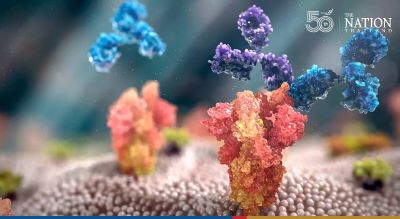
To protect immunocompromised people, other companies – including AstraZeneca and Adagio Therapeutics – are trying another angle of attack: laboratory-brewed monoclonal antibodies that have been engineered to stick around in the blood for a long time, on the idea that they could provide a shot of long-term protection, similar to a vaccine. Regeneron recently released data showing that its monoclonal antibody cocktail, currently authorized as a treatment for people infected or recently exposed, remains about 80% effective against symptomatic infections eight months later, bolstering the case for its drug as a preventive for people who don’t respond well to vaccines.
“For us, vaccination has been the jailbreaker, it has allowed us to live life normally,” said Hugh Montgomery, a professor of intensive care medicine at University College London leading a trial of the AstraZeneca drug, which has been submitted to U.S. regulators for emergency authorization. “My sister, who has breast cancer and has just got 18 weeks of chemotherapy and can’t mount an antibody response to the vaccine – as we’ve lifted our lockdown, she’s become a prisoner in her house.”
Instead of one drug or one solution, there will probably be treatment niches – and the market opportunity isn’t a one-time flare; it’s what pharmaceutical executives call “durable.”
On a recent earnings call, Pfizer chief executive Albert Bourla said that he saw a years-long market for antiviral pills. As long as the world needs vaccines, it will also need treatments.
“As long as you have covid around, you will have a need to vaccinate and protect and then you will have a need to treat and save lives,” Bourla said.
– – –
A revolution outside the medicine cabinet
For covid-19 treatments to change the world, the world may also have to change.
Alongside medical tools, Dieffenbach is calling for a societal shift – a new normal in which people with respiratory symptoms test as soon as symptoms appear and start drugs within three to five days.
“What I’m advocating for is a fundamental change in approach,” Dieffenbach said. “In the future, we don’t require people to go to the doctor if they’re feeling sick to get tested. There’s a rapid test you do at home. People are motivated to get a prescription, or already have a prescription so they can start taking it right away. That’s where we’re going to have to get to.”
Even as experts anticipate the arrival of lifesaving drugs, they worry. Will people use the existence of medicines as an excuse to avoid vaccination or boosters? Will people who could clearly benefit – those who have avoided the vaccines – seek out testing at the first sign of a sore throat and get access to drugs quickly enough?
Doctors are hopeful that people will realize that avoiding sickness altogether is the best option. Boulware said one colleague puts it this way: syphilis is treatable with penicillin. But it is far better to not get it in the first place.
“It’s almost like applying the correct tool for the task at hand. Treatments are going to play a back up role to vaccines,” said Rajesh Gandhi, an infectious diseases physician at Massachusetts General Hospital.
The existence of treatments could also trigger the start of a philosophical discussion on how to deal with sickness itself. Pre-covid, people hopped on flights and went to school and work with runny noses and coughs. If people go back to old habits, it may be hard to identify and treat people early enough in their illness.
“I don’t think we’re going back to just ignoring people who are sick,” said Larry Corey, a virologist and past president of the Fred Hutchinson Cancer Research Center in Seattle. “Coming to school or coming to work and just assuming that no matter what, it’s not going to hurt you.”
Six-months follow-up of prevention trial showed 83% reduced risk of symptomatic Covid-19, with no severe disease or deaths with AZD7442 Separate treatment trial showed 88 per cent reduced risk of severe Covid-19 or death when treated within three days of symptom onset
New data from the AZD7442 Covid-19 PROVENT prevention and TACKLE outpatient treatment Phase III trials both showed robust efficacy from a one-time intramuscular (IM) dose of the long-acting antibody (LAAB) combination.
In an analysis of the ongoing PROVENT trial evaluating a median six months of participant follow-up, one 300mg IM dose of AZD7442 reduced the risk of developing symptomatic Covid-19 compared to placebo by 83 per cent.
About 2 per cent of the global population is considered at increased risk of an inadequate response to a Covid-19 vaccine. This includes people with blood cancers or other cancers being treated with chemotherapy, patients on dialysis, those taking medications after an organ transplant or who are taking immunosuppressive drugs for conditions including multiple sclerosis and rheumatoid arthritis.
The AZD7442 PROVENT trial is the first Phase III trial prospectively designed to evaluate a monoclonal antibody for pre-exposure prophylaxis of symptomatic Covid-19, with targeted inclusion of high-risk and immunocompromised participants. More than 75 per cent of PROVENT participants at baseline had co-morbidities that put them at high risk for severe Covid-19 if they were to become infected, including people who are immunocompromised and may have a reduced immune response to vaccination.
There were no cases of severe Covid-19 or Covid-19-related deaths in those treated with AZD7442 at either the primary or six-month analyses. In the placebo arm, there were two additional cases of severe Covid-19 at the six-month assessment, for a total of five cases of severe Covid-19 and two Covid-related deaths.
An exploratory analysis of the TACKLE outpatient treatment trial, in patients with mild-to-moderate Covid-19, showed that one 600mg IM dose of AZD7442 reduced the risk of developing severe Covid-19 or death (from any cause) by 88 per cent compared to placebo in patients who had been symptomatic for three days or less at the time of treatment.
A total of 90 per cent of participants enrolled in TACKLE were from populations at high risk of progression to severe Covid-19 if they became infected, including those with co-morbidities.
In both PROVENT and TACKLE, AZD7442 was generally well tolerated. No new safety issues were identified in the six-month analysis of PROVENT.
Hugh Montgomery, Professor of Intensive Care Medicine at University College London, UK and AZD7442 principal investigator, said: “These compelling results give me confidence that this long-acting antibody combination can provide my vulnerable patients with the long-lasting protection they urgently need to finally return to their everyday lives. Importantly, six months of protection was maintained despite the surge of the Delta variant among these high-risk participants who may not respond adequately to vaccination.”
Mene Pangalos, Executive Vice President, BioPharmaceuticals R&D, AstraZeneca, said: “AZD7442 is the only long-acting antibody with Phase III data to demonstrate benefit in both pre-exposure prophylaxis and treatment of Covid-19 with one dose. These new data add to the growing body of evidence supporting AZD7442’s potential to make a significant difference in the prevention and treatment of Covid-19. We are progressing regulatory filings around the world and look forward to providing an important new option against SARS-CoV-2 as quickly as possible.”
Full results from PROVENT and TACKLE will be submitted for publication in a peer-reviewed medical journal and presented at a forthcoming medical meeting.
On October 5, the Company announced that it had submitted a request to the US Food and Drug Administration for Emergency Use Authorisation for AZD7442 for prophylaxis of Covid-19.
AstraZeneca has agreed to supply the US Government with 700,000 doses of AZD7442 if granted an Emergency Use Authorization by the FDA, and has agreements to supply to other countries.
Thailand is facing severe population challenges. According to the Office of the National Economic and Social Development Council (NESDC), the share of the elderly population will reach approximately 30% of the total population in 2037. This is partly due to the declining fertility rate, which has been below the replacement level for three decades and will continue to decrease. In 2020, the number of new births fell to 587,368 people—the first time Thailand has recorded annual births of fewer than 600,000. Moreover, the issue of population quality is no less, if not more, important than that of demographic structure. These critical issues will have significant implications for Thailands economy and society in the long run.
On October 19, 2021, Kenan Foundation Asia facilitated the Remodeling Demographic Structure Towards Sustainable and Inclusive Society policy forum under the “Smart Family Planning for Women” project, in collaboration with Ministry of Public Health partners with Kenan Foundation Asia and Organon (Thailand) Ltd.
During the forum, experts from the government, academic, and civil society sectors identified key gaps in smart family policy to pave the way for measures to shape the demographic structure, improve the population quality, and build smart families. This then led to the Policy Declaration Ceremony under the same project on November 18th, where relevant agencies shared their visions and jointly built a collaborative network to drive Thailand’s population policy.
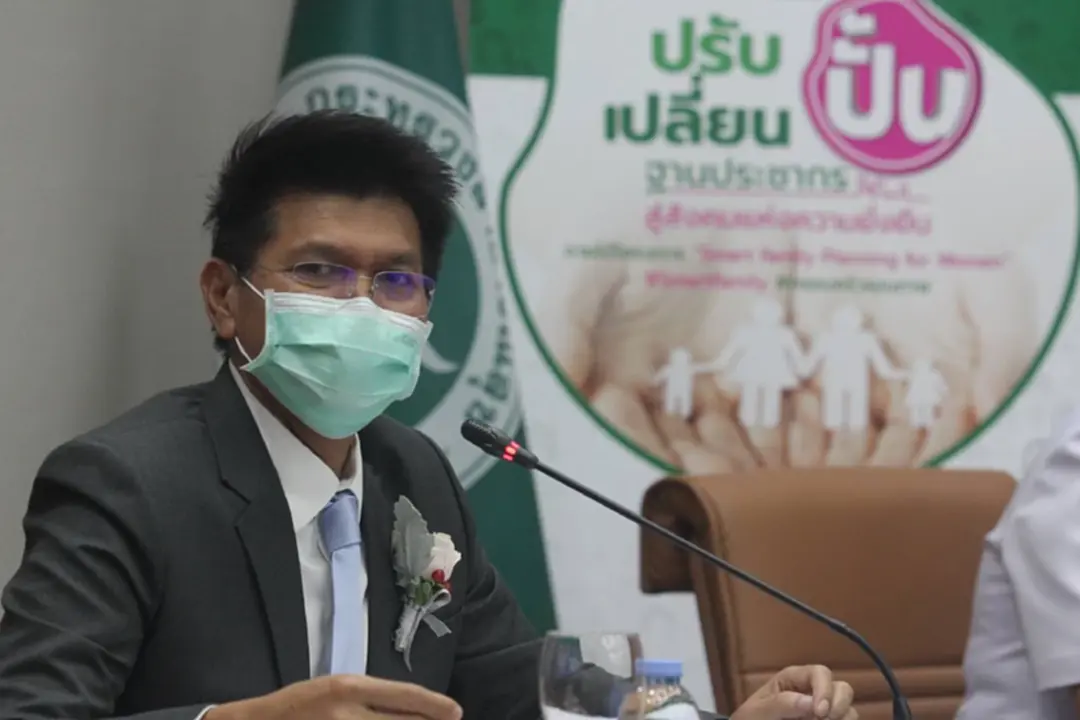
Dr. Satit Pitutecha, Deputy Minister of Public Health delivered an opening speech for the ceremony, in which he expressed his vision and a strong intention to drive population policy towards a sustainable and inclusive society in Thailand. He also expressed the determination to enhance the country’s efforts to develop smart families and shape the demographic structure. “The key to moving Thailand forward is to develop the capacity of our people, which will have broad-based impacts on our economic and social development in the near future. Every one of us here might have different roles and responsibilities, but we all aim for the same goal—namely, to build smart families towards a sustainable society. I could not agree more that cross-sector collaobration is vital to ensuring the efficiency and sustainability of our mission.”
Ministry of Public Health partners with Kenan Foundation Asia and Organon Thailand to remodel demographic structure towards sustainable and inclusive society
Based on the previous policy forum, demographic restructuring and population quality enhancing towards a sustainable economy and society require the following actions:
Transformation of the education to foster lifelong learning and promote resilience in handling global changes and disruptions
Appointment of a host agency to execute the policy and build a sense of unity among multi-sector stakeholders
Increasing of awareness, accessibility, and affordability to education, social, and health services
Adoption of the life course approach as a basis for policymaking, with consideration of the multi-stage life and expansion of the life course concept beyond that of traditional families
These key topics served as a framework for the declaration ceremony, in which representatives from government, third-sector organizations and agencies shared their visions. Participating organizations/agencies included the Ministry of Social Development and Human Security, the Ministry of Labour, the Ministry of Public Health, the Ministry of Culture, Ministry of Finance, Ministry of Interior, Ministry of Higher Education, Science, Research and Innovation, the Foundation of Thai Gerontology Research and Development Institute, the National Human Rights Commission of Thailand, and UN Women.
Dr. Suwannachai Wattanayingcharoenchai, Director-General of the Department of Health, remarked that, “The challenges and urgency in dealing with demographic and population changes, including the growing number of elderly people, declining birth rates, increasing mortality rates, and concerns over the quality of life and economic stability amid the COVID-19 crisis, make it necessary for us to speed up our work on smart family planning and reproductive health to increase fertility rates in Thailand. Nonetheless, we need to consider both the demographic structure and the quality aspect of the population to ensure sustainable development.”
Mr. Koen C. Kruijtbosch, Managing Director at Organon (Thailand) Ltd., indicated that “the ceremony was an excellent opportunity for views, expertise, and experiences to be exchanged between key stakeholders in the government, civil society, international development, and private sectors, which would lead to cross-sector collaboration and integration to accelerate the execution of population policy through smart family planning for Thai women and Thailand’s sustainability. This event marks a powerful beginning that will help guide collaborative and sustainable practices for driving the policy continually in the future.”
Mr. Piyabutr Cholvijarn, President and Vice Chairman of Kenan Foundation Asia, emphasized that “the unbalanced demographic structure, with the declining birth rates and increasing elderly proportion, will certainly affect the overall economic and social development. While prevention of such effects can be done through smart family planning that fosters quality births and quality lives for people of all ages, comprehensive collaboration of all key stakeholders to address the issues is vital to sustainable economic and social development.”
The good intentions and generous support clearly visible at the ceremony will lead to a capable and collaborative network for driving initiatives to build smart families and remodel the demographic structure towards a resilient economy and society.
As Covid-19 makes a comeback in Europe, one study offers a reminder that simple measures like mask-wearing and hand-washing help to ward off the disease.
Donning a face mask more than halves the risk of getting Covid, according to a review of eight studies published in the British Medical Journal. So does hand-washing. Physical distancing, meantime, cuts the risk by a quarter.
The findings come amid evidence that vaccination efforts weren’t enough to prevent a resurgence as temperatures drop and people crowd indoors, forcing countries including Austria and the Netherlands to introduce curbs.
“It is likely that further control of the Covid-19 pandemic depends not only on high vaccination coverage and its effectiveness but also on ongoing adherence to effective and sustainable public-health measures,” authors including Stella Talic, the study’s lead researcher and an epidemiologist at Monash University in Melbourne, said in the paper.
The scientists struggled to evaluate the public-health measures and said they couldn’t assess other efforts such as quarantines, lockdowns and school closures because studies were too disparate. They called for more research, saying their findings were limited by a lack of reliable and comparable data.
An accompanying editorial in the BMJ said funding on public-health measures accounts for just 4% of global Covid research.
“Considering the central importance of public health and social measures for pandemic control, the uncertainties and controversies around their effects, and the immense research effort being put into vaccine and drug development, this lack of investment in public health measures is puzzling,” Paul Glasziou, the director of the Institute for Evidence-Based Healthcare at Australia’s Bond University, wrote in the editorial with scientists from the U.K. and Norway.
Glasziou and his colleagues also sought to explain the researchers’ hand-washing finding — a surprising conclusion considering coronavirus transmission in mostly airborne. The results may reflect how people who wash hands frequently tend to take other steps as well.
“It is likely that hand-washing is a marker for several protective behaviors such as avoiding crowds, distancing, and mask wearing,” they said.
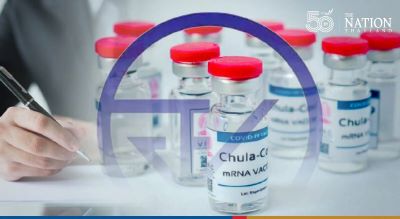
The ChulaCov-19 mRNA vaccine is now entering its phase 3 trial in Thailand, the Vaccine Research Centre, Faculty of Medicine, Chulalongkorn University, announced on Thursday.
If all goes according to plan, the centre will accept volunteers towards the end of the year and submit documents in mid-2022 for emergency registration of the vaccine with the Food and Drug Administration (FDA).
After phase 2 human inoculation trials, ChulaCov-19 was found to have a higher incidence of antibodies compared to other mRNA vaccines, while immunisation was even higher if the vaccine was administered in large quantities.
At the same time, it was found to stimulate twice as much T cells as the Pfizer vaccine and protect against the Alpha, Beta and Delta strains.
Recipients were found to have some side effects after the second injection, such as a slight fever, but there were no serious side effects such as blood clots.
A Chula research team has developed a screening strip kit to detect the early stage of chronic kidney disease (CKD) that’s easy to use, yields quick results, increasing the chance of being cured for patients, and helping to cut over 10 billion baht of the ever-increasing annual healthcare costs for CKD patients.
The CKD screening strip kits are expected to be released early next year.
CKD poses as a silent threat that chips away at the patients’ quality of life. Each year, 17 percent of the Thai population, or eight million people are diagnosed with kidney disease, most of whom are asymptomatic. So, they do not seek medical attention and carry on with their damaging behavior to worsen the kidneys’ poor condition.
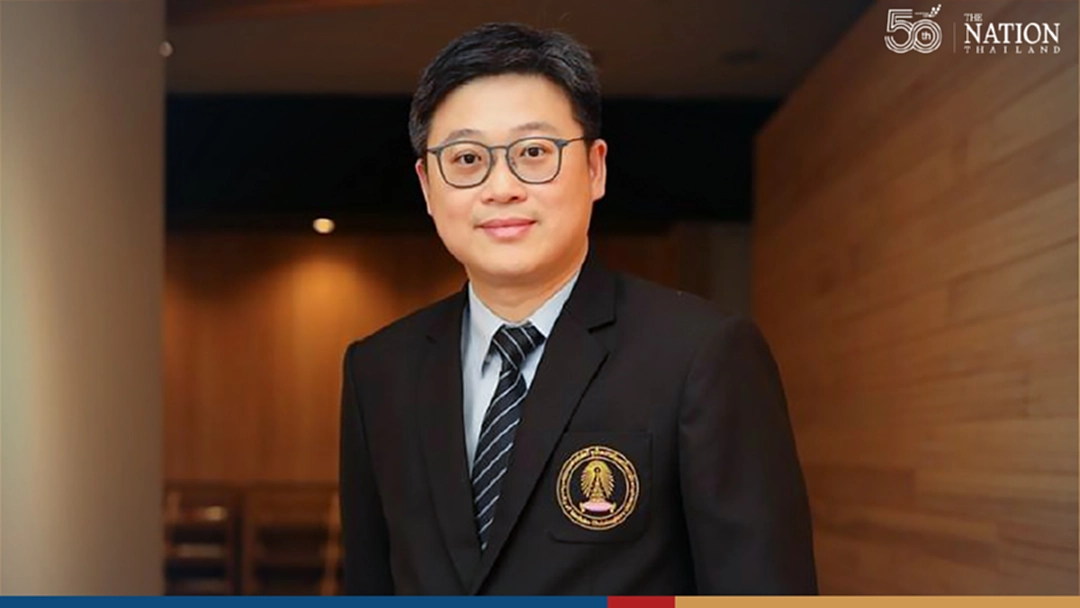
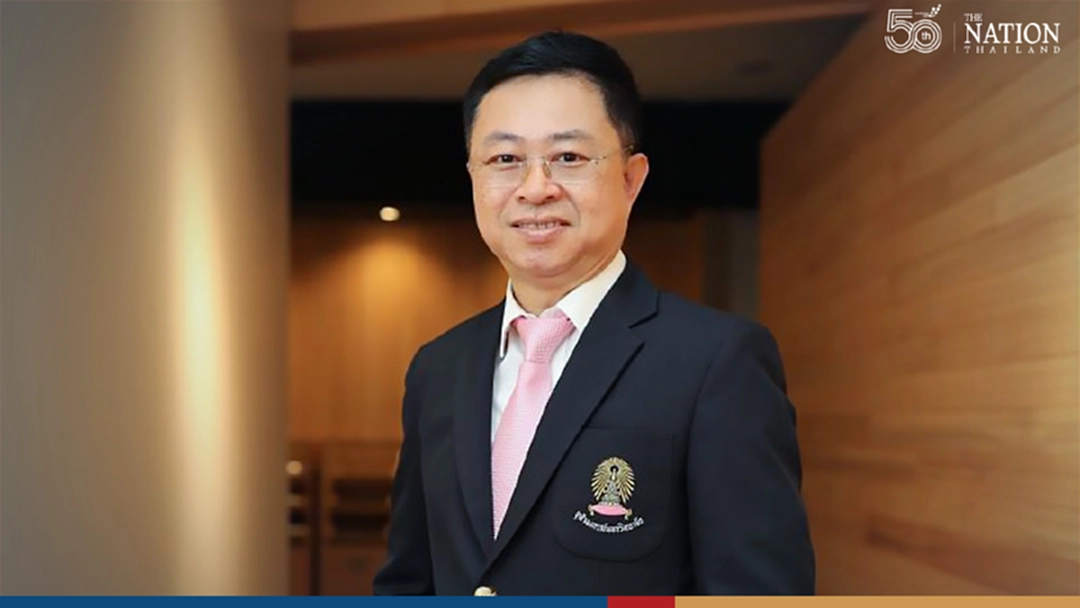
“By the time the body shows the typical symptoms of CKD, like fatigue, lack of energy, and swelling, the patient would have already entered the acute stage, in which only 30 percent of the kidneys are functioning. Therefore, the disease must be detected at the early stage to slow down the degeneration of the kidneys, and to give the patient a better chance to be cured,” Assoc. Prof. Dr. Nattachai Srisawat, Department of Internal Medicine, Faculty of Medicine, Chulalongkorn University, explained the possibility of reducing the number of CKD patients in Thailand.
Chronic Kidney Disease is Curable if Detected Early – Chula’s User-friendly CKD Screening Strips with Results in 15 minutes!
According to Assoc. Prof. Dr. Nattachai, at present, the National Health Security Office (NHSO) has spent around 10 billion baht to enable patients to undergo both hemodialysis and peritoneal dialysis. This budget is expected to increase by 500 million baht annually because of the steady increase in the number of kidney disease patients. (Each person has an average cost of 200,000 baht/year). If no measures are taken to stop this upward trend of CKD, there will be shortages of the budget and medical treatment. With research funding from the Health Systems Research Institute (HSRI), Assoc. Prof. Dr. Nattachai, in collaboration with Assoc. Prof. Dr. Kittinan Komolpis, the Institute of Biotechnology and Genetic Engineering, Chulalongkorn University, developed an “innovative self-screening strip kit for an early stage of CKD,” so patients can perform the test by themselves.
Chronic Kidney Disease is Curable if Detected Early – Chula’s User-friendly CKD Screening Strips with Results in 15 minutes!
“If there is a test kit that is easily accessible, it will raise patients’ awareness about kidney disease, so that they can receive treatment early on without having to wait until they get to the acute stage that requires dialysis. If the test kit is adopted by the government, they will be able to reduce the budget used to aid dialysis patients.”
CKD screening strips – user-friendly with quick results Generally, there are two methods of CKD screening: blood tests that take a long time and require the patients to travel to the hospital and a urine test for protein, and not the urine microalbumin test, which is more specific to CKD. Though the hospitals do perform urine microalbumin tests, lab results can only be read by medical personnel.
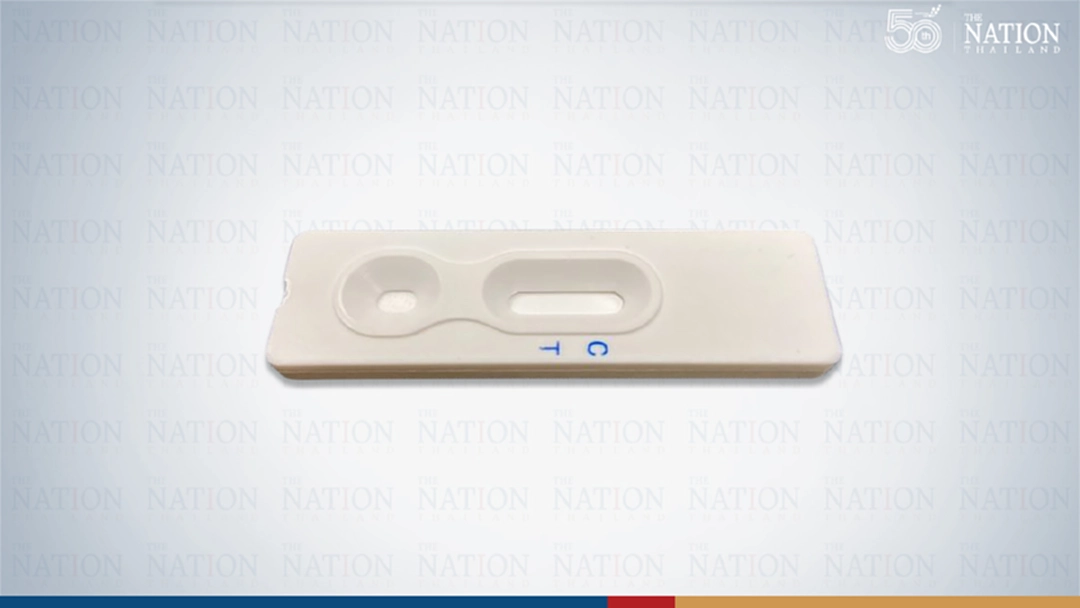
Chronic Kidney Disease is Curable if Detected Early – Chula’s User-friendly CKD Screening Strips with Results in 15 minutes! “The innovative screening strips for early-stage CKD screens for microalbuminuria, the clearest indicator of CKD.”
“Patients can perform the screening tests and read the results themselves at home. The painless screening from urine is as simple as a pregnancy test that’s available in the market. The urine can be collected in the morning after one wakes up or before breakfast. Only three drops of urine are needed on the test strip. Wait 15 minutes. If one bar shows, the microalbumin is abnormal, and two bars mean the microalbumin value is within the normal range,” Assoc. Prof. Dr. Nattachai explained.
Chronic Kidney Disease is Curable if Detected Early – Chula’s User-friendly CKD Screening Strips with Results in 15 minutes!
Based on the trials with CKD patients and people without CKD, the strips had a sensitivity of 86 percent, specificity of 94 percent, and an accuracy of 87 percent. The research findings have been published in a medical journal, and the screening strips will soon be tested in the community with approximately 2,500 patients.
Who are the CKD screening strips for? Though CKD remains latent in its initial stage, the groups of people who should take screening tests are those suffering from diseases or physical conditions that may affect kidney function, such as diabetes, high blood pressure, and the elderly over 60.
“These groups of people should be tested at least once a year to keep informed of the kidney function and find a way to deal with it promptly,” Assoc. Prof. Dr. Nattachai suggested. Apart from the above high-risk groups, teenagers and working-age people can’t be careless, especially if they are not mindful eaters. “Some people may have hidden conditions of CKD. So, they should also get tested given a chance. Normally, as people get older, their kidney function also declines.”
Behavior modification – the key to kidneys care Assoc. Prof. Dr. Nattachai suggests that when diagnosed with CKD, the first thing people should do is to undergo more tests to check the stage of their kidney function with a thorough blood test and urine test. More importantly, patients have to modify their behavior. “Major behavioral modification is dietary adjustments. Avoid sugary, salty foods, and red meat. If you want to eat protein, opt for protein from egg whites or fish instead. Exercise along with diet control is also necessary,” Assoc. Prof. Dr. Nattachai suggested. “If you don’t have kidney disease, the best prevention is to adjust your eating habits as well. Avoid salty foods, because your kidneys have to work harder to flush out the sodium. If the kidneys are unable to excrete salt, it can lead to swelling, and high blood pressure which results in the deterioration of the kidneys.” Assoc. Prof. Dr. Nattachai also added that “healthy people who want to consume fish sauce should not take more than three teaspoons or one tablespoon per day. The fish sauce that is advertised as having low sodium is not recommended for CKD patients, because low-sodium fish sauce is often high in potassium which is not good for kidney function either. You should also check to see if the brand of low-sodium fish sauce is also low in potassium. “People who might wish to take whey protein have to be selective as well. Even for healthy people, consuming a lot of whey protein can cause an excess that makes the kidneys work harder as well.” Chronic Kidney Disease is Curable if Detected Early – Chula’s User-friendly CKD Screening Strips with Results in 15 minutes!Currently, the CKD screening strip kit is in the process of being registered with the Food and Drug Administration (FDA), and if approved by the end of this year, it can be released early next year. The price of the strips will be comparable to the products available in the market. In the future, the research team will look for ways to increase the local production capacity for the test substance used to detect urine microalbumin, to reduce production costs, which will bring down the price of the strip test.
“Though the test kits are intended for home use, we hope this test will be included in the National Health Security system and made available to everybody, including people in rural and remote areas who may have CKD, but do not have any symptoms, so that they gain easier access to screening without having to travel long distances to the hospital,” Assoc. Prof. Dr. Nattachai concluded.
Washing hands frequently offers far more protection than wearing gloves, expert virologist Dr Yong Poovorawan advised on Tuesday.
In his Facebook post, Dr Yong said many people have been wearing gloves to protect themselves against the Covid-19 virus. However, he said, his experience in labs shows that gloves protect the wearer, not other persons the wearer may come in contact with.
For instance, he said, serving staff in restaurants wear gloves for a long time and touch many items without washing their hands, which does little to curb the spread of the virus.
He said people should wear gloves when they are shopping and discard them as soon as they are done.
However, he iterated, washing hands frequently is the best way to protect yourself and curb the spread of Covid-19.
The Public Health Ministry on Monday explained the differences between Merck’s Molnupiravir and Pfizer’s Paxilovid pills, both of which help reduce severe symptoms and death from Covid-19. The aim is to make these drugs widely available in Thailand by early next year.
Dr Atthasit Srisubat, a consultant with the ministry’s Medical Department, said both drugs work on reducing the viral load in the body, though Paxilovid has to be used in combination with another antiviral drug, Ritonavir, for maximum efficiency.
Here are some details about both Covid-19 drugs:
Molnupiravir
Taken orally to treat influenza symptoms
Has proved to be effective against many types of coronavirus
Research shows that the drug reduces the risk of hospitalisation by 50 per cent and death by 100 per cent
Dosage is four 200mg Molnupiravir tabs taken twice a day for five days
Paxilovid
Pfizer has announced that the drug taken together with Ritonavir is up to 89 per cent effective in reducing the risk of hospital admission and death
To be taken orally twice a day for five days
Paxilovid inhibits the action of protease enzyme and blocks the creation of protein
“The ministry is set to propose the purchase of Molnupiravir at this week’s Cabinet meeting and will meet Pfizer representatives on Friday to discuss the purchase of Paxilovid. Both drugs should be registered and be available by December or January,” Dr Atthasit said.


 Is Your Alcohol Sanitiser Safe and Effective?
 Is Your Alcohol Sanitiser Safe and Effective?
 Is Your Alcohol Sanitiser Safe and Effective?
 Is Your Alcohol Sanitiser Safe and Effective?
 Is Your Alcohol Sanitiser Safe and Effective?

 Ministry of Public Health partners with Kenan Foundation Asia and Organon Thailand to remodel demographic structure towards sustainable and inclusive society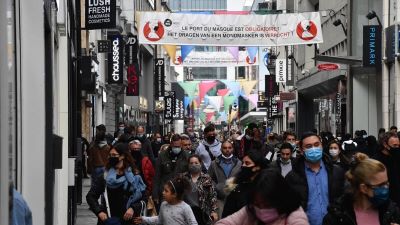

 Chronic Kidney Disease is Curable if Detected Early – Chula’s User-friendly CKD Screening Strips with Results in 15 minutes!
 Chronic Kidney Disease is Curable if Detected Early – Chula’s User-friendly CKD Screening Strips with Results in 15 minutes!
 Chronic Kidney Disease is Curable if Detected Early – Chula’s User-friendly CKD Screening Strips with Results in 15 minutes! “The innovative screening strips for early-stage CKD screens for microalbuminuria, the clearest indicator of CKD.”
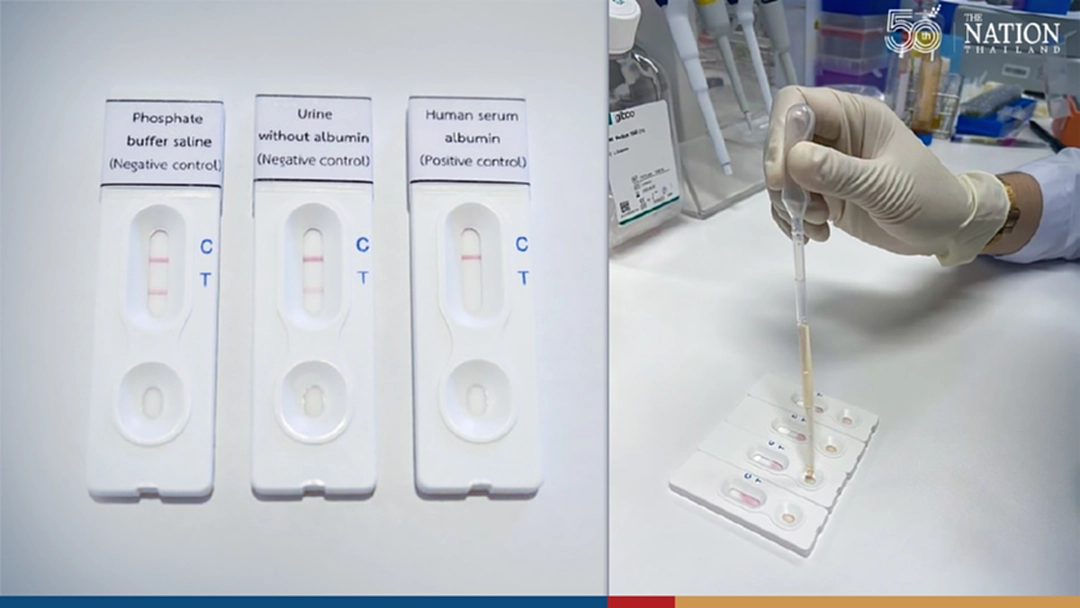 Chronic Kidney Disease is Curable if Detected Early – Chula’s User-friendly CKD Screening Strips with Results in 15 minutes!
 Chronic Kidney Disease is Curable if Detected Early – Chula’s User-friendly CKD Screening Strips with Results in 15 minutes!Currently, the CKD screening strip kit is in the process of being registered with the Food and Drug Administration (FDA), and if approved by the end of this year, it can be released early next year. The price of the strips will be comparable to the products available in the market. In the future, the research team will look for ways to increase the local production capacity for the test substance used to detect urine microalbumin, to reduce production costs, which will bring down the price of the strip test.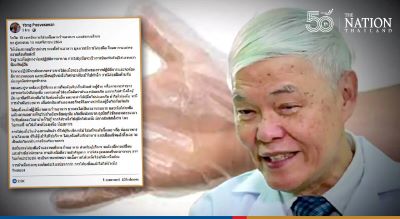
 Washing hands often offers more protection, says top virologist
 SootinClaimon.Com