As part of the newly launched Every Day is Mind Day campaign, UNICEF Thailand is releasing two mental health toolkits on its website for young people and caregivers in Thailand to help them take care of their mental well-being and support their loved ones.
Jointly developed by UNICEF and the Department of Mental Health (DMH), the toolkits are a collection of introductory resources on mental health and offer practical tips and simple steps for understanding your emotions, building self-awareness, creating safe spaces, practising self-care, supporting your loved ones and seeking professional help if needed. Every piece of advice is a reminder that they are not alone when facing mental health challenges.
“The COVID-19 pandemic is affecting the mental health of a generation of young people in Thailand, leaving many feeling afraid, lonely and worried about their future and their loved ones,” said Kyungsun Kim, UNICEF Representative for Thailand. “We hope young people and their caregivers can use our Every Day is Mind Day toolkits to learn about things they can do every day to look after themselves and, when they feel ready, to start having conversations with each other about mental health. The more we all talk about it, the less stigma there will be about sharing our feelings and challenges.”
The toolkits, designed in two versions for young people and caregivers, are available for download in Thai and English on the UNICEF Thailand website. UNICEF is encouraging young people, caregivers and education practitioners to download the toolkits and share them with their friends and networks.
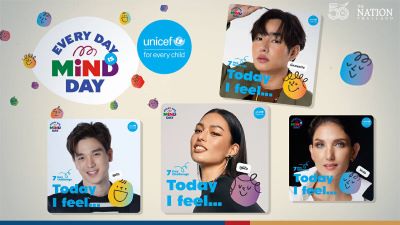
Celebrities including Palitchoke “Peck” Ayanaputra, Sirinya “Cindy” Winsiri, Kitsakorn “TongTong the Star” Kanogtorn, Suppasit “Mew” Jongcheveevat and newly crowned Miss Universe Thailand Anchilee Scott-Kemmis are also participating in the 7-day challenge on Instagram by sharing their everyday emotions with Every Day is Mind Day filters to kickstart conversations on mental well-being and promote access to mental health resources and services.
New UNICEF data in the State of the World’s Children report shows that at least 1 in 7 children around the world have been directly affected by lockdowns and warns that they could suffer from the impact of COVID-19 on their mental well-being for years to come. Even before the pandemic, an estimated 1 in 7 adolescents aged 10-19 were living with a diagnosed mental disorder globally.
In Thailand, 22 per cent of adolescents are experiencing high levels of stress, 31 per cent are at risk of depression and 22 per cent are at risk of committing suicide, according to a DMH Mental Health Check-In platform which collected data of about 192,000 adolescents from January 1, 2020 to October 31, 2021.
It is well known that the proportion of children in the population has been reducing in number while the proportion of the elderly has been increasing.
Remarkably, a lot of older adults living at home have shown signs of aging changes derived from the stress of not being able to go outdoors due to COVID-19 or due to their own health problems.
For example, an elderly father may often repeat the same questions. He used to take care of the family dogs when his son or daughter had to travel out of town. He knew how to set up the dog feeders, keep the cages clean and so on. But one day the child comes home to find the house in a mess, and blames his father, who insists that he did not do anything wrong.
The child feels that something is different about his father. What’s wrong with him? The mobile phone that the father had always used fluently, whether to watch YouTube or listen to music, is now left unused. Are these just usual changes in older people or is he sick? Many aspects of his life, however, are still normal. He is still able to drive out to do his groceries, but has started storing a lot of the same groceries. Normally he would buy one large pack of instant noodles at a time, now two packs are in the storage room.
This occurs because there has been no one with him for almost two months. The long term employee hired to care for him asked to leave to take care of her mother who has contracted Covid. So the father has to be alone with his dogs and has to bear many burdens. The house is thus not as tidy as before. What do we do? Shall we wait and see or does he now need a doctor? In the meantime, let’s try to find out a little more whether he has Alzheimer’s disease or not.
Alzheimer’s disease and dementia
Alzheimer’s disease is caused by the degeneration of brain cells. The damage begins in a part of the brain (the Hippocampus) that is responsible for recording details of everyday life. Some memories are well recorded and can be remembered later. Alzheimer’s patients gradually lose the ability to record and store new memories in the brain. Patients’ retention of personal events become gradually more impaired. Some information is well recalled, such as that about money and objects they love, while some are completely lost, such as forgetting an appointment with a relative who they have had no contact with for a long time.
In addition to forgetting, there can also be some other changes, such as incorrectly calling the name of an object or getting lost in familiar areas. Some patients can become disorientated about where they are and why they are there. The brain’s ability deteriorates more and more until it affects normal living. Such elderly people become unable to live independently or safely, both in their work and personal lives. That means they have dementia.
Dementia is a broad term referring to a group of people with lack of mental capacities or their cognitive ability declines to the level that affects their life as mentioned above. Dementia and Alzheimer’s disease are not interchangeable terms. To help us understand this better, let’s compare dementia to mangoes and Alzheimer’s to a variety of mangoes. That is, Alzheimer’s is a type of dementia.
In addition to Alzheimer’s, dementia has many other causes, and one of the most important is vascular dementia, which has the same risk factors as stroke and heart disease. After a stroke, the risk of dementia will increase. Care is needed to avoid risk factors for cardiovascular disease, including high blood pressure, diabetes, hyperlipidemia, smoking and obesity. The control of these factors can help prevent dementia from vascular problems.
Each of the six following symptoms can be an early warning sign of dementia:
1. Failure to do familiar things, such as normal routines that used to be easy to do, but suddenly become difficult, in spite of having them done for 20 years. What used to take only 30 minutes now takes two hours and is still not complete, because of confusion, circular thinking, no problem solving and inability to manage.
2. Language problems. The patients want to start off by naming things, but need to try to explain the details of those objects instead. For example, “Please help turn on the movie box.” (unable to call it a TV) and asking for “a long handle that puts the dust together” when asking for a broom.
3. Problems with learning new things and retaining information. As an example, they can normally understand how to use new appliances like a phone, washing machine or TV, within 4-5 times of explanation, but with dementia, they can’t even after 30 times of explanation. New information from the past few years starts to fade. Their old memories are still with them in the meantime but the problem is their new memories (recent memory loss), such as forgetting the recent appointment with children for a holiday trip. When it’s time, the older person has not packed yet, and does not know what to pack, all the time claiming that no appointment has been made or to not have known about it.
4. Trouble using hands. Normally people write or type on their computer keyboard with their hands. Many use hands to make several kinds of dumplings such as sticky rice dumplings wrapped in banana leaves or bamboo leaves and pork or shrimp dumplings. But suddenly the older adult cannot seem to do that as well as before or seems to have lost the ability altogether. They lose motor skills, despite them still having normal strength.
Another problem of aging people is getting lost. They one day make a wrong turn on the way back to the house where they have lived for 50 years. When asked where they are going, they reply that they are going home. They don’t know that this is not the way home and continue walking around.
5. Lack of concentration. Many seniors can’t keep doing the same thing for a long time and have to stop or change because they lose their concentration. They can’t remember what they have just been doing.
6. Inappropriate behavior. They suddenly do not know how to behave in public places, such as in an ordination ceremony, making merits, or temple fairs, which causes misbehavior.
Three stages of dementia
Stage 1: Having trouble with memory and some aspects of living, but still being able to take good care of yourself.
Stage 2: Loss of self-care skills, such as not taking a shower, not brushing teeth, not knowing how to brush or using a toothpaste-like cream to brush teeth.
Stage 3: Forgetting people around you, such as your own child, and being confused that the child is someone else, such as your sister or mother. Later, you will know yourself less, can’t even remember your own name and don’t know who you are.
Most common symptoms of Alzheimer’s disease include loss of language, direction, use of hands, as well as short-term memory, visuospatial, and general knowledge etc.
The World Health Organization (WHO) has launched guidelines on the risk reduction of cognitive decline and dementia as following:
1. Physical activity. All types of movements and exercises can strengthen functions of the brain, heart, bone, muscle and reduce the risk of chronic diseases, depression and dementia symptoms.
2. Tobacco cessation. Tobacco is a major risk factor of coronary artery disease, as well as respiratory illnesses. Heart problems can also affect the brain.
3. Nutritional awareness. A diet consisting mainly of fruits, vegetables and fish is recommended, especially local food that is easy to find. However, try to maintain a balanced diet consisting of the five food groups.
4. Abstain from drinking alcohol. This is because alcohol has detrimental effects on the brain.
5. Boosting brain power. Frequently do activities that strengthen brain functions.
6. Social activities. A systematic review and meta-analysis study indicates that loneliness and social isolation is associated with dementia.
7. Proper weight control. Obesity leads to many serious diseases. Middle-aged obesity is a major contributor to non-communicable diseases (NCDs).
8. Management of high blood pressure. High blood pressure has effects on both the coronary arteries (vessels that feed blood for heart muscle) and the cerebral vessels (vessels that feed blood to brain) . A problem with blood flow can cause dementia.
9. Management of diabetes symptoms. Studies have shown that diabetes in the elderly creates a high risk of dementia, but there is no clear reason why people with diabetes have a higher incidence of dementia than those without diabetes.
10. Dealing with blood lipid levels. Thickening of the blood vessels from fat deposits would cause the heart to work poorly or increase risks of stroke or cerebral ischemia which can lead to dementia.
11. Management of depression. Depression itself may decrease the brain’s ability. Despite that there is no clear link between depression and dementia, according to a study published in the World Alzheimer’s Report 2014, people with depressive disorder were twice more likely to suffer from dementia than the general population.
12. Hearing loss management. Hearing words incorrectly causes communication difficulties. Elderly people with hearing problems will begin to isolate from society and feel loneliness which affects mental health and leads to dementia.
So, what can we do? What level of brain degeneration would be classified as “Alzheimer’s”? How to live with Alzheimer’s in the family and community? Please continue in the next issue.
By Assistant Professor Sirintorn Chansirikanjana, MD. Faculty of Medicine Ramathibodi Hospital, Mahidol University
On Monday, ZP Therapeutics, a division of Zuellig Pharma, a leading healthcare services provider in Asia, is ready to deliver the first shipment of 560,000 doses of COVID-19 Vaccine Moderna to the Government Pharmaceutical Organization (GPO) for distribution to the Private Hospital Association in an effort to increase access to alternative vaccines for the people of Thailand.
Ms. Sunaiyanaa Kidkasetpaisal, General Manager at ZP Therapeutics, Zuellig Pharma Thailand, stated, “The company is pleased to announce that we are ready to deliver the first batch of 560,000 doses of COVID-19 Vaccine Moderna as previously stated.
The remaining of the 1.9 million doses will continue to be delivered until the end of 2021 as informed by Moderna. The other 6.8 million doses are expected to be handed over in the first quarter of 2022. ZP Therapeutics draws upon our unparalleled commercialisation capabilities, expertise, and experience to support the Thai government and private healthcare institutions in advancing national efforts for COVID-19 vaccination programmes.”
ZP Therapeutics Ready to Deliver the First Shipment of COVID-19 Vaccine Moderna to Increase Vaccine Access in Thailand Ms. Pucknalin Bulakul, Chief Executive of Zuellig Pharma Thailand, said, “We will draw upon our capabilities and expertise in storage and distribution of pharmaceutical products and vaccines, leveraging on our cutting-edge technologies in supply chain and cold-chain logistics. This is to ensure the quality of the COVID-19 Vaccine Moderna, which needs to be stored at the controlled temperature of -20°C during transportation to hospitals and vaccination sites. We put our efforts to accelerate the vaccine distribution to various areas across the country.”
Ms. Sirikul Matevelungsun, Deputy Managing Director, Government Pharmaceutical Organization, said, “The Government Pharmaceutical Organization is appointed as the government agency for the procurement of alternative vaccines to increase vaccine access for Thai people. We would like to thank the Private Hospital Association and Zuellig Pharma for their support in pushing forward for the availability of the vaccines. After the vaccines undergo all the necessary quality inspection and testing, Zuellig Pharma will then distribute the vaccines to private hospitals according to the portion of the pre-ordered quota.”
ZP Therapeutics Ready to Deliver the First Shipment of COVID-19 Vaccine Moderna to Increase Vaccine Access in Thailand
“Since the beginning of the COVID-19 pandemic, the Government Pharmaceutical Organization has committed to performing all relevant missions in securing the supply and procurement of medicines, vaccines, medical devices and protection equipment. We support the country’s public health system to reduce infection and mortality rates, in an effort to drive the economy forward,” said the Deputy Managing Director.
Dr. Chalerm Harnphanich, Chairman of The Private Hospital Association, added, “The Association had previously notified each hospital on the preparation of vaccination services for those who have made the bookings. We will continue working closely with the Government Pharmaceutical Organization and ZP Therapeutics to follow up on the next batch of delivery to ensure that we bring adequate supply of the vaccines to the people of Thailand as soon as possible. The COVID-19 Vaccine Moderna is a highly sought-after alternative vaccine. According to clinical trials, two-dose primary series of the vaccine showed up to 94% efficacy in preventing symptomatic COVID-19 infection in adults. Results from real-world effectiveness demonstrated the vaccine reduces risk of infection by 91% for fully vaccinated people, with recent studies showing the vaccine to remain effective against the Delta variant.”
ZP Therapeutics Ready to Deliver the First Shipment of COVID-19 Vaccine Moderna to Increase Vaccine Access in Thailand
For more information, please contact Zuellig Pharma.
UNICEF launches a nationwide campaign to normalise and address mental health challenges with young people and caregivers.
UNICEF is launching its Every Day is Mind Day campaign nationwide to normalise conversations about mental health for young people aged 10-24 and caregivers in Thailand. The three-month campaign is led by celebrity influencers discussing their everyday emotions and steps they take to cope and will kickstart honest conversations on mental health awareness and how to help yourself and loved ones.
The campaign features unique augmented reality filters to encourage sharing everyday emotions on social media, as well as partnerships and Facebook Live talks with social media influencers, mental health experts, private sector, educational networks and youth-led organisations.
“Young people are left feeling afraid, lonely, anxious and concerned for their future in the second year of Covid-19, but far too many do not have the tools to cope with their feelings and do not seek help because of the stigma around mental health challenges,” said Kyungsun Kim, UNICEF Representative for Thailand. “Our campaign Every Day is Mind Day is an opportunity for young people and caregivers to talk openly, learn how to cope and get professional help as well as support their loved ones – because mental health is just as critical as physical health.”
A UNICEF-led survey conducted last year found that 7 in 10 children and young people reported poorer mental health due to the impact of Covid-19 on their lives. But they fear burdening others with their problems and lack the knowledge and access to services to seek support. According to the Department of Mental Health’s Child and Adolescent Mental Health Rajanagarindra Institute, there are only 200 psychiatrists specialising in child and adolescent mental health in Thailand for an adolescent population of 8.7 million.
To help improve mental health literacy, the campaign’s downloadable toolkits will inform young people and caregivers about mental well-being, tips for coping with complicated feelings and ways to support others.
The campaign follows the recent release of UNICEF’s flagship report The State of the World’s Children 2021. The report finds that at least 1 in 7 children around the world have been directly affected by lockdowns and warns that they could suffer from the impact of Covid-19 on their mental health and well-being for years to come. Last year’s The Sound of Happiness campaign by UNICEF, the Department of Mental Health and JOOX encouraged children and young people in Thailand to speak up about their mental health challenges and seek support.
“UNICEF is determined to help end stigma and improve access to and investment in mental health information and services, through working with the government, civil society, private sector and young people now and in the years to come,” said Kim.
ZP Therapeutics, a division of Zuellig Pharma and the official partner of Moderna in Thailand, confirms that the first shipment of 560,000 doses of COVID-19 Vaccine Moderna will arrive in Thailand within 5 November 2021, based on the latest schedule provided by Moderna. We had already put into place all measures to pick up and deliver the batch to Thailand as soon as they are made available to us.
The company is also on track per the confirmation provided by Moderna to deliver the remaining of the 1.9 million doses of COVID-19 Vaccine Moderna to Thailand within the fourth quarter of 2021. The other 6.8 million doses are still expected to be delivered in the first quarter of 2022.
To ensure that we bring adequate and consistent supply of vaccines to the people of Thailand, ZP Therapeutics has submitted the documents to register Moderna’s US manufacturing site with Thailand’s Food and Drug Administration (FDA) on top of the currently approved manufacturing site on 20 October 2021. As of now, the documents are being considered by the FDA. We are working closely with the FDA for a smooth registration process and will provide further updates in due course.
ZP Therapeutics remains committed to supporting the government of Thailand in achieving their mass COVID-19 vaccination goals by providing COVID-19 Vaccine Moderna to the people of Thailand.
WASHINGTON – Millions more people in the United States will soon be able to receive an extra dose of any coronavirus vaccine, regardless of their initial vaccination – a flexibility that comes along with the authorization Wednesday of the Moderna and Johnson & Johnson booster shots by federal regulators.
The decision by the Food and Drug Administration paves the way for boosters of all three authorized shots to be available to a wide swath of the U.S. population and promises to ease the logistics of the booster campaign for pharmacies and clinics offering vaccines.
The action, arriving as the U.S. death toll from the pandemic exceeds 729,000 and tens of millions of Americans have yet to get their first shot against the virus, largely fulfills the Biden administration’s controversial pledge this summer that booster shots would be widely available. That move drew criticism because it leaped ahead of decisions by scientific agencies and triggered a fierce debate about whether those extra shots were warranted now, and for whom.
The Johnson & Johnson booster Wednesday was authorized for anyone 18 and over – a broad eligibility criteria reflecting the lower protection of the initial single-shot regimen when compared with other coronavirus vaccines. The booster may be administered at least 2 months after the first shot.
The Moderna booster, a half-dose of the original shot, was cleared for people 65 and older, or adults at risk of severe illness or complications because of underlying medical conditions or exposure on the job. It can be used at least 6 months after the second shot of the two-dose Moderna regimen.
That means someone who received the Johnson & Johnson product can get a booster dose with Moderna or Pfizer-BioNTech, as long as the person is 18 or older, meeting the criteria to get a booster. And someone who has been fully vaccinated with Moderna can get a booster with Johnson & Johnson or Pfizer, if they are older than 65 or older, or at high risk.
The FDA did not recommend any particular combination of vaccines and boosters – or even whether it would be better to stick with the original vaccine or switch to a different one. In a call with reporters, top agency officials said they did not have the data to make those specific judgments.
Acting FDA Commissioner Janet Woodcock said she “would expect many will continue to get the same series they have already received.” But Peter Marks, director of the agency’s Center for Biologics Evaluation and Research, added that some people or their doctors may choose a different booster, either because a product is easier to get, or because of potential side effects or reactions.
Both said a discussion Thursday by the Centers for Disease Control and Prevention’s Advisory Committee on Immunization Practices will probably provide more detailed information. The CDC’s immunization advisers are likely to recommend that people try to get a booster of the same vaccine as their initial series, but allow for mixing and matching, according to federal health officials.
Only 15 million Americans were initially vaccinated with Johnson & Johnson shots, which arrived later and were further delayed by an investigation of a rare adverse event and manufacturing problems. About 70 million Americans are fully vaccinated with Moderna, according to the CDC.
The booster shots could start to be given by the end of the week, pending a meeting of CDC advisers and a decision by the agency’s director, Rochelle Walensky. Last month, a third shot of the Pfizer-BioNTech vaccine became available for the same at-risk population included in Moderna’s authorization.
Nearly 11 million people have received a booster or an additional dose of a vaccine because they are immunocompromised.
The companies have presented data in support of their boosters, including at an expert advisory committee meeting last week. Results from a National Institutes of Health study that tested all the possible combinations of primary vaccinations and boosters informed the decision on mixing different types of vaccine.
The NIH study showed that all combinations of authorized vaccines triggered a rise in virus-fighting antibodies. But the NIH data was limited, tracking doses in just 50 people per combination and following them only for a short time and measuring just one component of their immune response. It used a full dose of the Moderna vaccine, not the half-dose that will be offered as a booster.
Several scientists who worked on the NIH “mix-and-match” study said it should not be used to recommend one combination over another because of limitations of the research. But it may be used that way, particularly for people who received the initial single-shot Johnson & Johnson regimen. The study found that people who initially received a Johnson & Johnson vaccine had the lowest boost to their antibodies from getting a second shot of the same vaccine – and had much higher antibody levels with either messenger RNA vaccine as a booster.
“It’s really hard to say we have to look at the bigger picture” when the preliminary antibody data appear so persuasive, said John Beigel, associate director for clinical research in the Division of Microbiology and Infectious Diseases at the National Institute of Allergy and Infectious Diseases. But he cautioned that a number of other variables could emerge. Antibodies after the Johnson & Johnson vaccination could take longer to peak, for example. The available data compared antibody levels only two weeks after vaccination.
“Our study is designed to say: If [booster doses] mix, do you get a good immune response? And I think regardless of the mix you get a good response,” Beigel said.
Nirav Shah, president of the Association of State and Territorial Health Officials, said the ability to use boosters regardless of what shot a person initially received would aid in the outreach effort for boosters.
“If the FDA were to authorize mixing and matching, the ability to provide boosters on the ground at the state and local level would be greatly enhanced,” Shah, who is also director of Maine’s Center for Disease Control and Prevention, said ahead of the FDA decision. “We have advocated for such a policy, and we would uniformly support a policy move by the FDA.”
He said the data from NIH supports the immunological benefit of mixing and matching, and at the very least, showed no perceptible harm or drawback. He said the Moderna and Johnson & Johnson vaccines were given widely in remote or rural areas where the ultracold storage required for the Pfizer-BioNTech shot proved difficult.
Because Moderna and Johnson & Johnson boosters had yet to be authorized, there are “clusters where vaccine immunity has waned over time,” he said. Shah said officials are hearing from residents of those rural areas who want to know more about boosters for Johnson & Johnson and Moderna “because there has been less public discussion of those vaccines than Pfizer.”
The ability to mix and match boosters means that “when our teams are going into a community or a nursing facility to provide boosters, being able to carry one vaccine and give it to all who are eligible speeds up the process,” Shah said.
But opening the door to any combination makes some public health leaders nervous – particularly if people at low risk for severe illness from covid start taking different doses without clear guidance on what is recommended. One reason FDA advisers have pushed back against broadly authorizing boosters for anyone who received an initial immunization is that the benefits and risks of booster shots vary by age and demographics.
How someone views a booster could be influenced by the specter of rare adverse events. For example, the FDA has said that analyses of the Johnson & Johnson vaccine suggest an increased risk of a rare type of blood clot, especially for women 18 to 49 years old. For Moderna, data has indicated an increased risk, though rare, for inflammatory heart conditions such as myocarditis for men under 40 and particularly for those 18 through 24, the FDA said. Rare cases of myocarditis have also been reported in people who received the Pfizer-BioNTech vaccine.
The FDA officials Wednesday stressed that the government will take steps to educate the public and providers to minimize confusion about the boosters. And they acknowledged that boosters will essentially be provided on an honor system – if people say they are eligible for a booster, they are likely to get one.
“Many Americans are taking matters into their own hands. . . . People are getting boosters or mixing different products through their primary care providers or by not revealing what they got before,” Ofer Levy, director of the precision vaccines program at Boston Children’s Hospital said at last week’s FDA advisory committee meeting. “So I think it’s a matter of some urgency for FDA to help sort out what is admittedly a complicated and challenging scenario. But we can’t hide from it. And I do think we need to give guidance to the public.”
The outsize attention to boosters could also distract from the more urgent need to emphasize delivering first dose to unvaccinated people, some health experts worry.
“We are worried that boosters will distract from the primary vaccination push,” said Marcus Plescia, chief medical officer of the Association of State and Territorial Health Officials. “That is really more important in terms of controlling the pandemic.”
During the news briefing call, the FDA officials were asked why the agency authorized a half-dose of the Moderna booster for use with another initial vaccination, considering the NIH “mix and match” study involved a full dose. Marks responded that the agency was confident the half-dose would provide an adequate response.
Action on vaccines will continue to be intense in coming weeks. The FDA is scheduled to meet with its outside advisers Tuesday to discuss the Pfizer-BioNTech vaccine for children 5 to 11, with an emergency authorization expected by early next month.
And federal regulators are seriously considering authorizing booster shots for people as young as 40, according to two federal officials familiar with the plans. That action would not occur until after the pediatric vaccine is authorized, said the officials, who spoke on the condition of anonymity because they were not authorized to discuss the issue.
Senior federal health officials have been eager to lower the eligibility age for booster shots because of concerns that some middle-aged people are becoming ill with covid-19 despite being fully vaccinated. Israeli data suggests that extra shots can help prevent serious illness among that population.
Asked about reducing the eligibility age during the news briefing, Woodcock said officials are monitoring breakthrough infections in vaccinated people of various age groups. She said the agency would take “appropriate action to protect the public should it be necessary.”
The Bill & Melinda Gates Foundation said millions of courses of Merck & Co.s promising pill for Covid-19 could begin to reach lower-income nations early next year as the charity kicks in as much as $120 million to widen global access to the therapy.
The funds will help spur generic-drug manufacturers, some of which have indicated they could produce as many as 10 million treatments a month, according to Trevor Mundel, president of the global-health division at the Gates foundation. While regulatory hurdles and other challenges need to be resolved, those drugmakers could start shipments in the first quarter, he said.
“Could there be twists in that plot, and could there be delays, yes, but that’s what we’ve got to aim for,” Mundel said in an interview. “There’s a lot of capacity out there, but it’s a question of when they actually commit to that.”
The drug’s progress has been accompanied by concerns that lower-income nations struggling to obtain vaccines could be left behind once again when it comes to therapies. The foundation is calling on other donors to devote resources to accelerating the rollout of Merck’s experimental molnupiravir to poorer nations if it’s approved.
The production potential won’t be realized without incentives and guarantees in place, Mundel said. Manufacturers are uncertain of the level of demand for the therapy, who will pay for it and how much production to allocate, he said, “so we want to get them off the sidelines and actually into action.”
Merck itself expects to produce 10 million courses by the end of the year, and substantially more should become available in 2022.
The drugmaker has taken steps to ensure countries around the world can get its medicine, including licensing the medication to generic-drug firms. Merck and partner Ridgeback Biotherapeutics LP last week sought U.S. emergency use authorization, and the treatment is set for U.S. Food and Drug Administration committee review next month.
Still, health advocates are calling for further action to broaden availability of Covid drugs, including increased testing in lower-income nations to detect cases in the first days of infection, when the drugs could be most effective.
Some wealthy and middle-income nations like Australia, Singapore, Malaysia and Thailand have already followed the U.S. and secured the drug or started talks to obtain it. Meanwhile, a global initiative to deploy treatments is at risk of running into the same problems the Covax vaccine distribution effort has faced, according to an independent report commissioned by the World Health Organization.
The Gates organization aims to significantly reduce the time it takes for new drugs to arrive in low-income regions after they become available in wealthier markets. That gap, it said, can be at least 12 months. Some of the latest funding includes $2.4 million in grants to help speed generic companies’ applications to the WHO for manufacturing pre-qualification.
The foundation highlighted its move in 2017 to establish a volume guarantee with two generic suppliers to bring HIV therapies to lower-income countries. That work was carried out in coordination with the U.S. President’s Emergency Plan for AIDS Relief, or PEPFAR, and the Global Fund to Fight AIDS, Tuberculosis and Malaria.
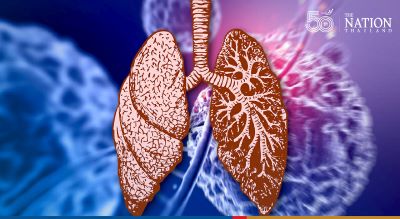
The global (and largest) lung health conference opened with not one but at least three major scientific announcements. The 52nd Union World Conference on Lung Health was marked with the announcement of three major scientific developments that can potentially impact the global response to tuberculosis (TB), the worlds second deadliest infectious disease after Covid-19.
Researchers from the University of Cape Town in South Africa announced results from their study of TB-positive people carried out in the specially constructed Respiratory Aerosol Sampling Chamber which suggest that coughing, thought previously to be the main means of spreading TB, might not be the primary driver of TB transmission. Instead, tidal, or regular breathing may be a far more significant contributor to the aerosolization of Mycobacterium tuberculosis bacteria.
Lead author of the study, Ryan Dinkele of the University of Cape Town, said that if tidal breathing is a primary driver, or even as important as cough in TB transmission, then symptomatic screening for TB-transmitters may not be useful in slowing the spread of the disease.
“The current approach, which relies on the testing and treatment of passively identified individuals may not be a reliable response to preventing transmission, as it depends on people feeling sick enough to seek treatment,” said Dinkele. “It may also shed light onto why constructing transmission chains is so challenging in high TB burden settings.”
Jayne Sutherland of London School of Hygiene and Tropical Medicine, reported interim results of the study of a new finger-stick blood test- Xpert-MTB-Host Response-Prototype- developed by Cepheid. The prototype was trialled in a prospective, multi-site study across Gambia, Uganda, South Africa and Vietnam.
Finger-stick blood test can detect TB in less than an hour. It uses finger-stick blood, rather than sputum, which reduces biohazard risk and increases likelihood of diagnosis in individuals who cannot readily produce sputum, such as children and people living with HIV.
The device is the first to meet the WHO target product profile for a triage test for TB, regardless of HIV status or geographical location. The development of a fast and accurate, non-sputum-based point-of-care triage test for TB would have a major impact on combating the TB burden worldwide.
Caroline Williams, of the University of Leicester, reported on the use of masks to see if bacteria could be detected on the mask and therefore could potentially be used to detect infectiousness earlier than with sputum. Face-mask sampling could detect viable bacteria and those patients with higher levels on their mask correlated with increased infectiousness determined by new infections in their close contacts.
The Union Ambassador, actress Claire Forlani, stressed that meaningful involvement of the affected communities was crucial to fighting infections like TB and Covid-19. However, the coronavirus pandemic has highlighted the absence of interest and care from those communities most affected by the virus.
“Is it any wonder that vaccine inequity is front and center,” said Forlani. “The failure to deliver Covid-19 vaccines to low- and middle-income countries and to end tuberculosis are two sides of the same coin – a devaluation of human life in poor countries.”
Paediatric TB doctor Uvi Naidoo described his experience of surviving TB a few years ago and two bouts of Covid-19 in 2020.
Ten years earlier, It took a little over three years of treatment until he was cured of multidrug-resistant TB (MDR-TB), but not without sustaining numerous life-threatening complications. Ten years later, Naidoo acquired severe Covid-19 twice from patients he treated within the past year.
“While admitted for Covid-19, I saw patients’ demise from Covid-19, medical colleagues break down from sheer emotional and physical fatigue and watched my whole family admitted to intensive care unit (ICU) for Covid-19 management, losing my dear father,” shared Naidoo.
“We’ve all been humbled. There have been far too many gaps for too long and too many continue to suffer. From the political realm to basic sciences and clinical bedside, it is high time we all show we care. It is time to roll up our sleeves in service to those that really need us.”
The conference takes place against the backdrop of ongoing Covid-19 vaccine inequity, with the pandemic continuing to impact the delivery of TB services in many low- and middle-income countries. Findings from the recently released Global TB Report 2021 show that pandemic has reversed years of progress in providing essential TB services and reducing TB disease burden, putting global TB targets further off-track. The most obvious impact on TB is a large global drop in the number of people newly diagnosed with TB. The number of people newly diagnosed with TB fell from 7.1 million in 2019 to 5.8 million in 2020- a fall of 18%. 16 countries accounted for 93% of this global reduction of 1.3 million, with India (41%), Indonesia (14%) and the Philippines (12%) topping the list. All these three countries are TB high burden nations worldwide.
Reduced access to TB diagnosis and treatment has resulted in an increase in TB deaths in 2020. There were 1.3 million TB deaths among HIV-negative people (up from 1.2 million in 2019) and an additional 214,000 among HIV-positive people (up from 209,000 in 2019).
Other impacts include a 15% reduction in the number of people provided with treatment for drug-resistant TB, a 21% reduction in the number of people given TB preventive treatment and a fall in global spending on TB diagnostic, treatment and prevention services between 2019 and 2020.
The pandemic has refocused attention on how infectious diseases transmit from person to person and has catalysed innovations in sampling and diagnostics. The disruption to TB services during the pandemic has simply highlighted just how important it will be going forward that testing for and treating TB are made simpler and easier to access, as well as, TB prevention does not slip off the radar.
The government’s plan to legalise electronic cigarettes has been slammed by a medical alliance, which points out that cigarettes of any sort are major contributors to non-communicable diseases (NCD).
The digital economy and society minister had proposed the legalisation of e-cigarettes to the Cabinet on September 28.
Dr Wannee Nithiyanan, president of the Thai NCD Alliance, said all smoking devices, be they cigarettes, rolling tobacco, e-cigarettes, pipes or hookahs, expose smokers to not just nicotine but also thousands of toxins and at least 70 carcinogens.
She said smokers are at risk of developing at least five key diseases, namely cardiovascular disorders, diabetes, chronic respiratory disease, cancer and mental health problems.
She added that chronic diseases require continuous treatment and can be expensive in the long run, affecting work performance, health and quality of the life. They are also a burden on the family and the country.
According to World Health Organisation statistics, 398,860 deaths or 74 per cent of total fatalities in Thailand in 2018 were from NCDs.
Expert virologist Dr Yong Poovorawan confirmed on Monday that the new anti-viral drug Molnupiravir can reduce the risk of hospitalisation and death within five days of developing a Covid-19 infection.
In a Facebook post, the expert from Chulalongkorn University said the drug can also prevent the spread of Covid-19 as it provides protection after a five-day course.
He added that the cost of the drug should drop once the five Indian companies that have been given rights start producing it. Dr Yong said that once this drug, developed by pharmaceutical giant Merck, is widely available, Covid-19 will become just another respiratory disease.
The Public Health Ministry is negotiating the procurement of Molnupiravir and other drugs for the treatment of Covid-19, while the Thai Food and Drug Administration plans to register it by the end of this month or by early November.



 ZP Therapeutics Ready to Deliver the First Shipment of COVID-19 Vaccine Moderna to Increase Vaccine Access in Thailand
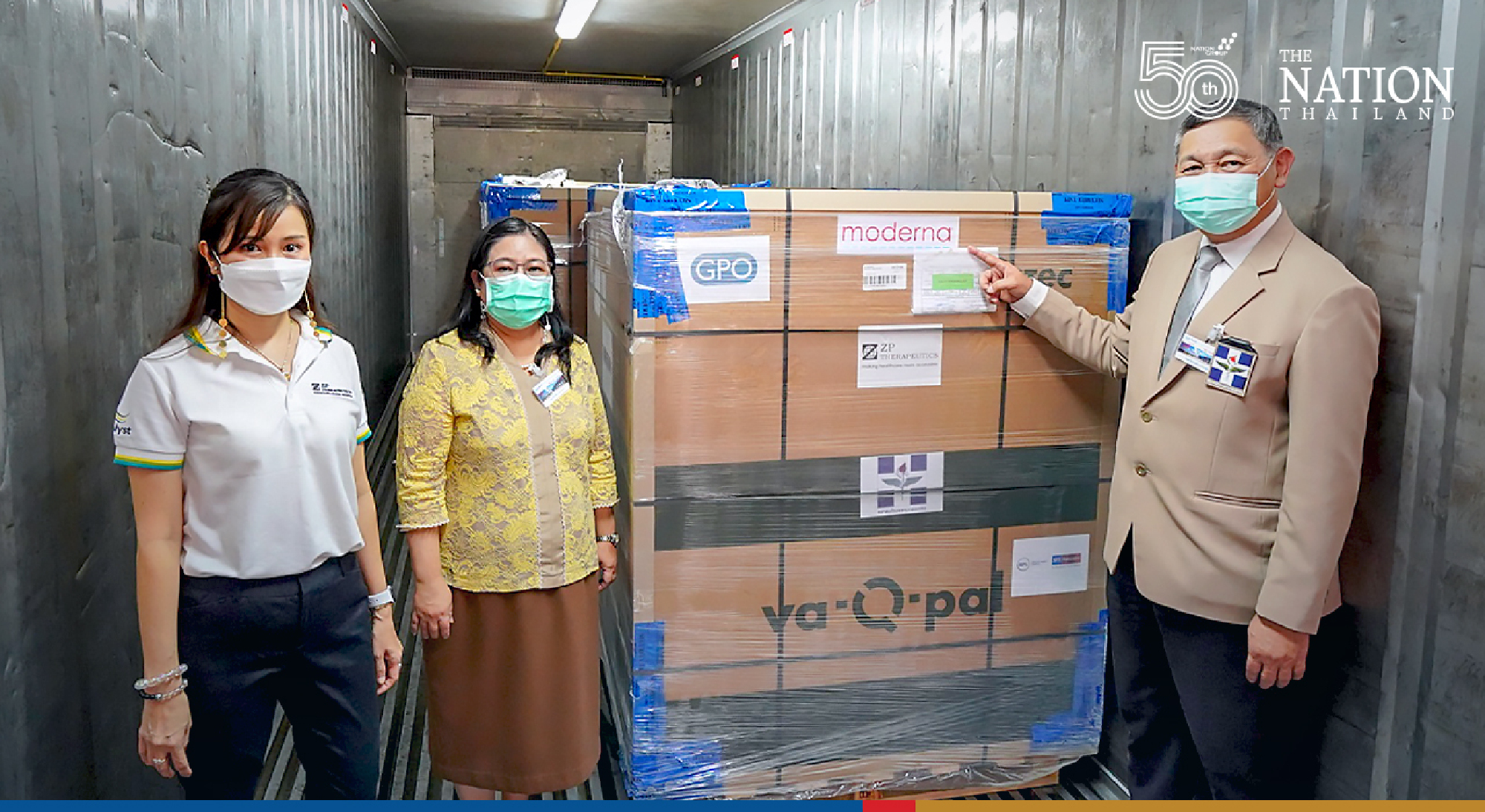 ZP Therapeutics Ready to Deliver the First Shipment of COVID-19 Vaccine Moderna to Increase Vaccine Access in Thailand
 ZP Therapeutics Ready to Deliver the First Shipment of COVID-19 Vaccine Moderna to Increase Vaccine Access in Thailand



 SootinClaimon.Com