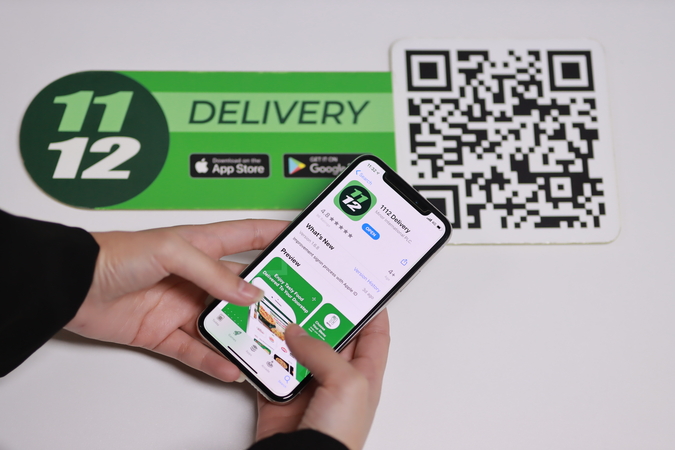
The Minor Food Group has announced its new 1112 Delivery Application for restaurant food now covers every region including metropolitan Bangkok until late (2am)
.Until the end of November, the app offers free delivery for the first eight kilometres when spending over Bt400. New customers will also receive a Bt100 discount when spending over Bt300.
The app enables customers to communicate with employees via messaging or calls, and also track their deliveries. It covers Minor Group outlets including The Pizza Company, Bonchon Chicken, Burger King, Swensen’s, Sizzler, Dairy Queen and The Coffee Club, while also collaborating with other brands such as S&P and BreadTalk.
Customers can choose to pay by cash, credit or debit card. Currently, the 1112 delivery application is available in all regions in Thailand, with service hours from 7am until 2 am every day in Bangkok and metropolitan areas.
There are also monthly special promotions at chain restaurants, as well as plans to launch a loyalty programme to collect points to exchange for various benefits, products and services from Minor Group.
BTS Group picked as DJSI component for third consecutive year
Nov 16. 2020
By THE NATION
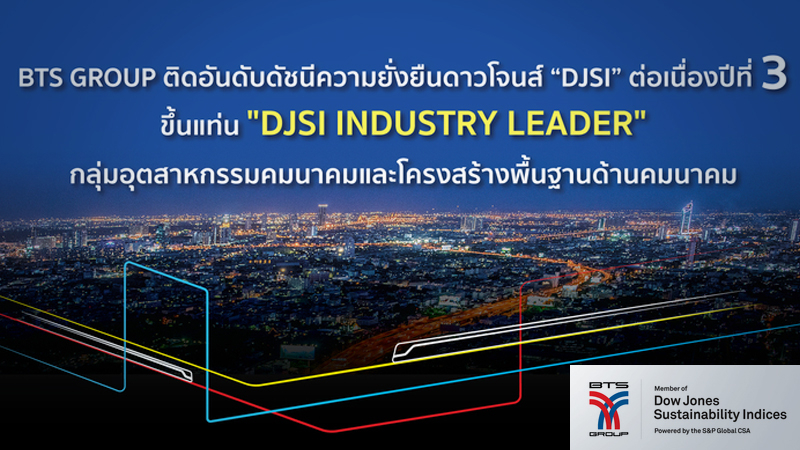
BTS Group has been selected as an index component of the Dow Jones Sustainability Indices (DJSI) 2020 in the DJSI Emerging Markets for the third consecutive year, BTS Group Holdings Pcl (BTS Group) revealed.
BTS Group is the only Thai rail transportation company ranked amongst world class DJSI Indices members, the company said.
According to this year’s evaluated performances, BTS Group becomes “DJSI Industry Leader” for transportation and transportation infrastructure Industry.
“This is a proud achievement of the company and Thailand, which has been acknowledged as world class. This demonstrates the strong commitment of the BTS Group to management disciplines during the challenging period and our sustainable business practices,” the company said.
The DJSI, a collaboration between S&P Global and SAM, are a family of indices evaluating the sustainability performance of corporations, broadly recognised worldwide. “The evaluation aims to ensure companies’ commitment to management disciplines, which have been demonstrated in our prudent financial and investment practices, sustainable management policies and viable business progression, covering all three sustainable dimensions — economics, social and environmental — as well as responsibility for all stakeholders.
Meanwhile, on November 11, BTS Group was selected by the Stock Exchange of Thailand to be a member of Thailand Sustainability Investment List for the second time in the service category. “This reflects the commitment of BTS Group to operate and place importance to create sustainable business as well as focus on responsibility for the environment, society and governance,” the company said.
The Export-Import Bank of Thailand (EXIM Thailand) forecasts Thai export growth as high as 4 per cent in 2021, as global trade and economy recovers from a low base of -10 per cent. However, export growth may not return to 2019 levels due to ongoing Covid-19 restrictions around the world, cautioned the bank’s president Pisit Serewiwattana.
The International Monetary Fund projects that less than one-third (60) of 195 economies around the globe will record 2021 GDP higher than or equal to that in 2019. Of those fast-recovering economies, nine are among Thailand’s top 20 export markets – China, Malaysia, Indonesia, Cambodia, Laos, Myanmar, Vietnam, South Korea and Taiwan. Major Thai exports to these markets include industrial products like plastic resin, refined oil, chemicals, cosmetics, soap and skincare products, and agricultural goods such as fresh fruits, rubber, sugar, tapioca products and beverages.
Pisit said the key factor propelling the Thai economy and exports in 2021 would be the ability of local businesses to adapt to the new, post-Covid operating conditions. These would be characterised by improving domestic and tourism demand driven by government stimulus.
The latest Thai export figures, for September, show a 3.9 per cent contraction – the lowest in five months. Thai exports in the first nine months of 2020 contracted by 7.3 per cent, lower than those of several peer countries including Japan, South Korea, Singapore and India.
Pisit predicted that Joe Biden’s election as US president would see an easing of the US-China trade war, promotion of clean energy, hikes for corporate and personal income tax, and a rise in the minimum wage. This should encourage more relocation of investment bases from the US.
EXIM Thailand is now aiming to become a “sustainable bank”, with a focus on responsible financial and business management, social and environmental risk management, organisation-wide risk management, and good governance for sustainable banking development. The bank is tasked with supporting exports and investment, particularly in new frontiers, to get Thailand out of the middle-income trap. It is also mandated to boost SMEs’ access to financing and knowledge via the bank’s EXIM Excellence Academy (EXAC). Recently, the bank developed the Thailand Export Readiness Assessment & Knowledge Management (TERAK) system to assess, analyse, process and prepare reports and offer support services to entrepreneurs. It also supports environmentally friendly and renewable energy projects for balanced and sustainable development. In the long term, the bank aims to help Thai entrepreneurs develop higher value-added and innovative products and adapt to the rapidly changing business environment, so that businesses can grow firmly and sustainably with long-term competitive advantages in the global market.
MEA provides tree-trimming course to staff for safety and better landscaping
Nov 14. 2020
By THE NATION
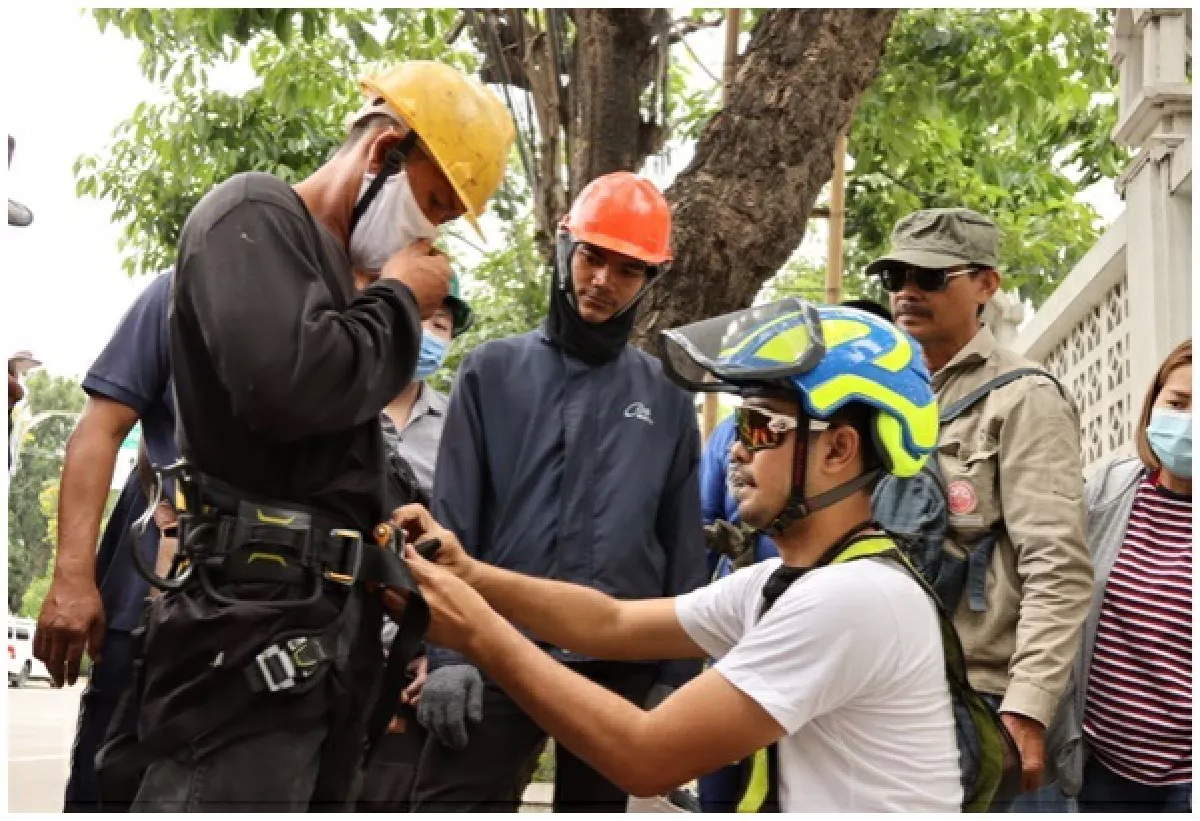
The Metropolitan Electricity Authority (MEA) organised a tree-trimming course from November 11-13 at its Sam Sen headquarters in Bangkok.
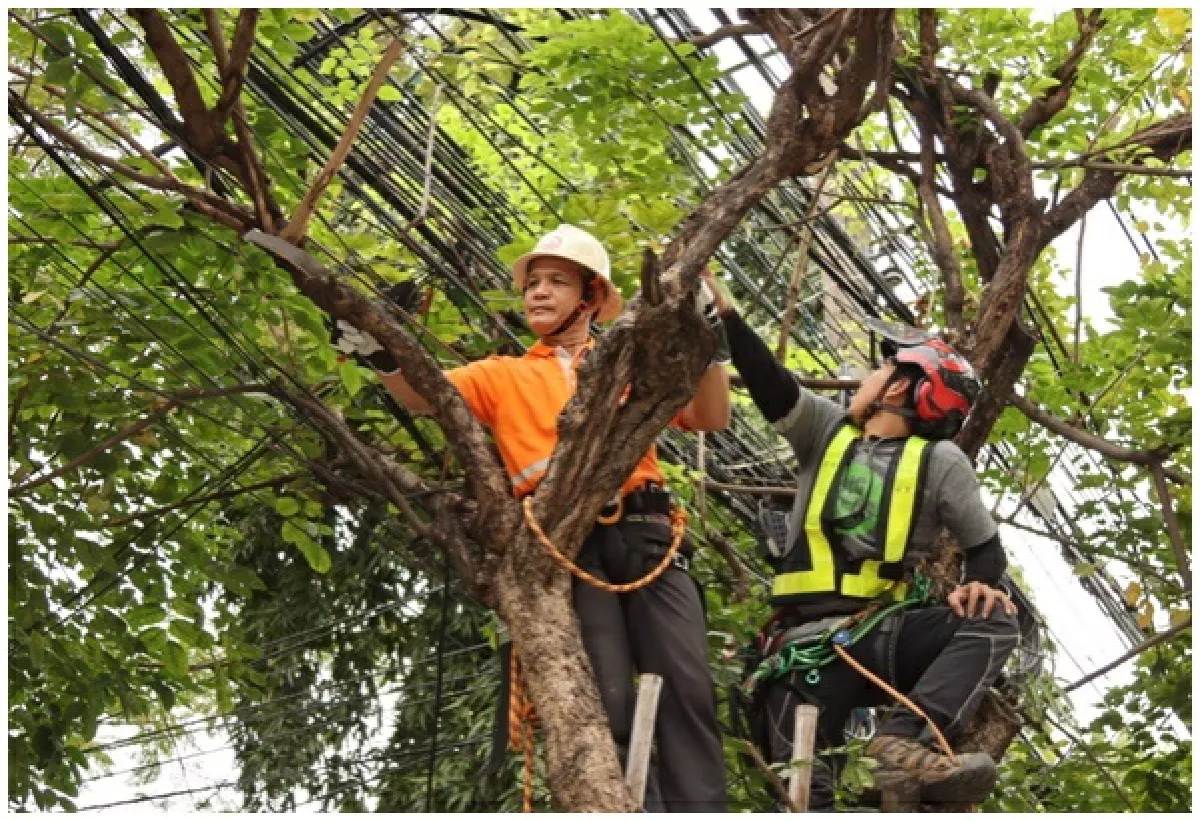
The MEA wanted its staff and contractors to improve their skills in tree trimming and maintenance as well as promote personnel and public safety while working on big trees.
“The programme was a collaboration between the MEA, the Faculty of Forestry at Kasetsart University and the Big Tree Network, which sent experts to give lectures on tree trimming and maintenance, tree risk assessment, as well as uses of ladder and safety equipment,” said Chanvet Yuwachit, deputy MEA governor.
“Participants also practised using an aerial vehicle to trim tree branches along powerlines while maintaining safety standards to prevent electric shocks and branches falling off that could pose a threat to pedestrians and property.
“We expect that the training course would enable workers to work on trees in city areas and near powerlines according to the arboriculture principle, which would improve the landscape and reduce the risk of tree branches damaging powerlines or causing blackout in the areas,” he added.
“This course is a part of the MEA’s efforts in promoting work safety and power stability in city areas,” Chanvet said.
Siam Commercial Bank (SCB) is supporting adoption of the Revenue Department’s new e-Withholding Tax system for businesses by waiving its e-Withholding Tax service fees next year for businesses who apply between now and March 31, 2021.
The e-Withholding Tax system is designed to boost convenience and cut costs of the tax withholding process for businesses.
The new online process will also help eliminate operational errors that are part and parcel of paper-based processes while increasing transparency and efficiency.
SCB will act as an intermediary for the Revenue Department by deducting withholding tax on behalf of businesses, helping them to reduce or eliminate time-consuming preparation of documents needed for paper tax filing.
The Revenue Department introduced the e-witholding tax system earlier this year in partnership with 11 banks. The 11 participating banks are SCB, Krungthai, Kasikornbank, the Bank for Agricultural and Agricultural Cooperatives, Bangkok Bank, Mizuho Bank (Bangkok branch), Krungsri, Sumitomo Mitsui Banking Corporation, Standard Chartered (Thai), TMB and the Land and Houses Bank.
Charoen Pokphand Foods (CPF) has registered Bt7.475 billion net profit in the third quarter of 2020, a 23 per cent increase from the same period last year. The income boosted 9-month earnings to Bt19.614 billion, up 36 per cent year on year. Earnings before interest, tax, depreciation and amortisation (EBITDA) jumped 87 per cent on year to Bt61.658 billion, the highest-ever in the company’s history.
Prasit Boondoungprasert, CEO of CPF, attributed the improved performance to an African Swine Fever (ASF) outbreak which led to pork shortages and boosted pork prices above last year’s level, as well as greater profitability of the aquaculture business in Thailand following adjustments in marketing strategies and business model.
Prasit said that CPF expected earnings growth to be sustained next year, due to business and capacity expansion in several countries. Pork prices may soften from this year’s level but would remain high, he added.
Meanwhile, CPF is set to start realising profits from its swine business in China, which is under the acquisition process following approval of minor shareholders in late August.
GSB wins Best Retail Bank of the Year award for fifth consecutive year
Nov 13. 2020
By THE NATION
Government Savings Bank (GSB) was named “Best Retail Bank of the Year 2020” and the “Best Bank in Deposit Aspect” after voting by attendants of the Money Expo this year.
The event is being held at Central Festival Hat Yai in Songkhla province until November 15.
The voting was organised by Money and Banking magazine and Suan Dusit Poll of Suan Dusit Rajabhat University.
The bank won the Best Retail Bank of the Year title for the fifth consecutive year. Most of the respondents said they chose GSB for its stability and attractive interest rates and other benefits.
“This year, GSB is focusing on becoming a social bank that promotes the savings habit as well as grants Thai people access to funding sources to help maximise their income potential,” said the bank. “We are proud to be an important part in developing the country’s grass roots economy and improving people’s quality of life.”
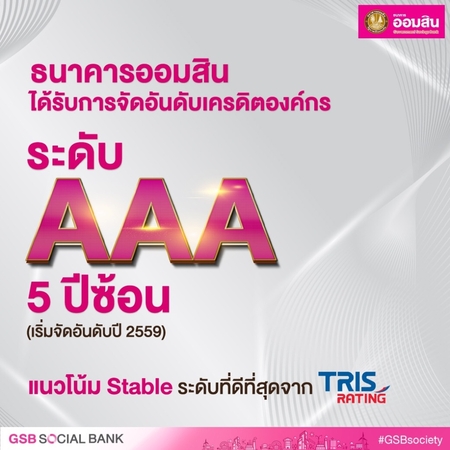
Earlier this week, GSB was rated “AAA” by TRIS Rating for the fifth year running. The country’s biggest state-owned lender was handed the highest credit status along with a “stable” outlook in Tris Rating’s latest report.
Industrial power producer BGrimm Power Plc (BGrim) reported a net profit of Bt1.24 billion in the third quarter, up 13 per cent from the previous quarter, the company said in a press statement.The continued increase in BGrim’s generation capacity, a sharp 28 per cent rebound in industrial power demand from the second quarter and continuous power plant optimisation have become key drivers to the rise in profitability, Chief Executive Officer Preeyanart Soontornwata said.
Earnings before interest, taxes, depreciation and amortisation (EBITDA) “soared with a high margin of 30.4 per cent in the quarter, while the company’s financial position was solid with more than Bt20 billion in cash on hand”, the statement said.
However, BGrim’s pursuit of “natural hedge” by borrowing in foreign currencies to curtail income risk has resulted in an unrealised foreign exchange loss of Bt310 million in the third quarter, due to the baht depreciation against the US dollar, it said.
But such items are regarded as accounting expenses that do not affect cash flow but has nevertheless depressed BGrim’s net profit in the quarter to Bt859 million, Bt501 million of which is attributed to the parent company.
For the rest of the year, BGrim expects to see its electricity sales to industrial customers continue to show an upward swing.
The amount of electricity sold to industrial customers had already bottomed out in May this year and there has been a significant recovery since then, the statement said.
Sale volumes have largely returned to normal levels in September and October.
BGrim’s projects under construction have made significant headway, the firm noted.
Ray Power’s 39-megawatt solar power project in Cambodia and the Bo Thong Wind Farm 1&2 project with an installed capacity of 16 MW are moving towards commercial start-up sometime between the fourth quarter of 2020 and first quarter of 2021.
In addition, BGrim is proceeding with seven other co-generation facilities with a combined capacity of 980 MW, which are scheduled to come on line commercially between 2022 and 2023, according to the plan.
BGrim also aims meet its targeted power sales of 7.2 gigawatts by 2025, the statement added.
GSB handed triple-A credit status for fifth year in a row
Nov 11. 2020
By The Nation
The Government Savings Bank (GSB) has been rated “AAA” by TRIS Rating for the fifth year running. The country’s biggest state-owned lender was handed the highest credit status along with a “stable” outlook in Tris Rating’s latest report.
The rating reflects GSB’s legal status as a specialised financial institution (SFI) which is integrally linked with the government and plays a critical public policy role.
GSB offers new loans – for homebuyers and businesses
Nov 11. 2020
By THE NATION
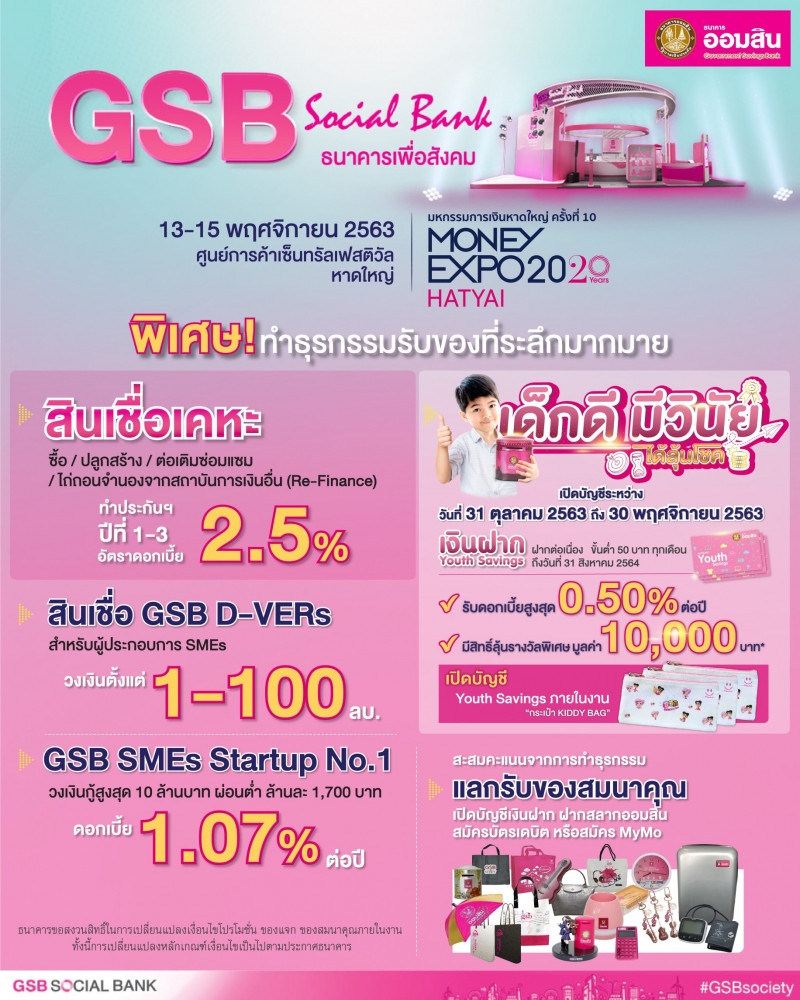
The Government Savings Bank (GSB) will launch two loans – the GSB Housing Loan for homebuyers and GSB D-VERs for businesses at Money Expo 2020 to be held at Central Festival Hat Yai in Songkhla November 13-15, bank president Withai Ratanakorn said.
“The GSB Housing Loan is targeted at those who wish to buy, build, renovate or refinance their homes from other institutes,” he said. “Borrowers can buy life insurance and use it as collateral for the loan. The campaign offers 2.5 per cent interest in the first three years, after which the interest will be at a minimum retail rate [MRR] of -1.5 per cent. [GSB’s MRR is currently 6.425 per cent].
“The GSB D-VERs loan is designed to be a rotational fund for businesses to invest in fixed assets or refinance their property from other institutes,” Withai said. “Loans start from Bt1 million and go up to a maximum Bt100 million. Borrowers of less than Bt20 million can buy life insurance and use it as collateral and receive an interest of 3.99 per cent in the first year and 4.99 per cent in the second year.”
In case the borrowers use their assets as collateral at 100 per cent of the loan amount, they will receive an interest rate from the third year of +0.75 of the minimum overdraft rate [MOR] or minimum loan rate [MLR]. The bank’s current MOR is 5.995 per cent and MLR 6.15 per cent. Borrowers who use assets worth over 30 per cent of the loan as collateral will receive an interest rate of MOR or MLR at +1.25.
“GSB is also offering the ‘SMEs Start-up No1’ loan in celebration its 107th anniversary. Business owners with innovative ideas and strong business plans can apply for a maximum Bt10-million loan and buy life insurance as collateral,” added Withai. “Alternately, they can use assets worth more than half of the loan amount and receive 1.07 per cent interest in the first year and then MRR of +1.5 per cent interest throughout the contract.”
For more information, contact GSB booths at the expo or Call Center 1115.

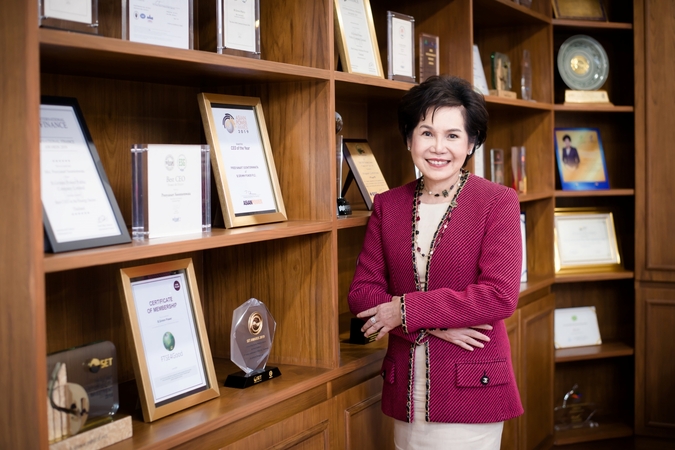
 Pisit Serewiwattana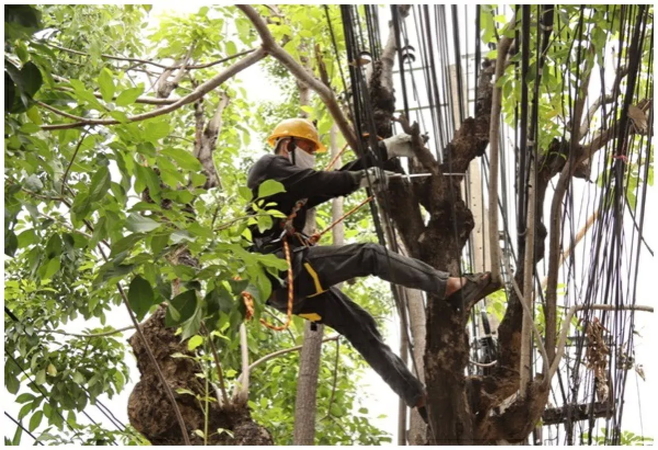


 SootinClaimon.Com