mu Space gets BOI investment incentives to compete in global space industry #SootinClaimon.Com

#SootinClaimon.Com : ขอบคุณแหล่งข้อมูล : หนังสือพิมพ์ The Nation.

https://www.nationthailand.com/biz-moves/30404249

mu Space gets BOI investment incentives to compete in global space industry

Mar 29. 2021
By The Nation

Satellite and space technology company mu Space and Advanced Technology Co Ltd has secured Board of Investment (BOI) investment promotion privileges to compete in the international space technology market.

mu Space is granted A1 level of investment promotion incentives and privileges, the highest rank of any eligible incentives, with the manufacturing of its small satellite components in a category of high technology industry; manufacture or repair of aircraft, or aerospace devices and equipment section.

The company said its investment plan focuses on two aspects — machinery, and research and development.

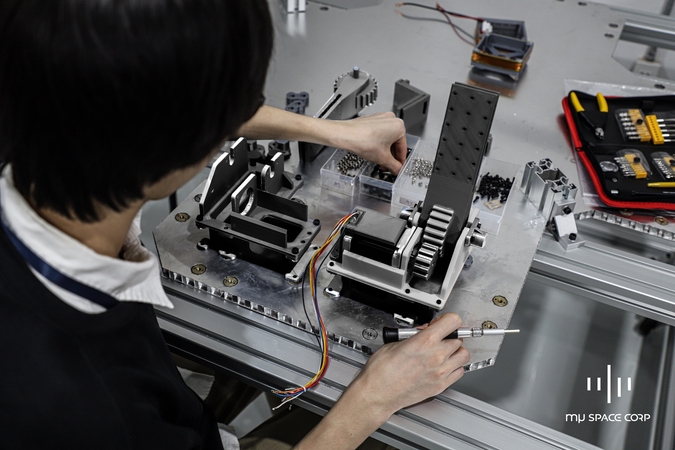
The main objective of mu Space’s investment in machinery is to serve the manufacturing process. These machines include raw materials and equipment both domestically and internationally made, such as 3D printer or additive manufacturing, CNC machine, robotic Arms, Attitude Control Test Bed, Air bearing, helmholtz cage, and sun simulator. For investments in R&D and spacecraft engineering systems, the company plans to impart knowledge on satellites and space technology.

mu Space founder and CEO,Varayuth 'James' YenbamroongVarayuth ‘James’ Yenbamroong, said: “Innovations that blend technology and art need the use of knowledge on real science, engineering, and fundamental thinking that our team has implemented earnestly.”

The CEO strongly views the company’s young team members as mu Space’s strength.

“We have a group of young-generation personnel that have high capability. Thailand also has the advantages of natural resources and energy as well as existing infrastructure from heavy industry like automotive manufacturing.”

mu space is granted BOI incentives and privileges including eight years of exemption from corporate income tax, exemption of import duties on machinery, exemption of import duties on raw materials used in R&D, exemption of import duties on raw materials used in production of export, as well as merit on decentralisation which is a 50 per cent reduction of income tax for another 5 years, along with other privileges that are not tax-related.

“Our plan in the next 3-5 years is generating thousands of highly paid jobs, offering higher payments for talents in the new technology circle, and boosting more trading within the community. We hope to eventually establish a high technology ecosystem that attracts people’s attention and interest in technology,” says James.

Key groups of mu space’s clients are private companies such as telecommunications and internet service providers, state enterprises such as space and defence agencies, heavy industry, and other aerospace companies.

“We are the first mover in Asean and often compared with other players in Europe, the US, and Australia. What we have already invested will begin to take off within the next 3-5 years”, added the CEO.

mu space team is currently developing Space Internet Data Center. The company is also expanding its operations to a new factory (size M), which is 10 times bigger than its original one and helps increase production capacity. The company is planning to launch its self-developed satellite and space technology at mu space’s technology day event. This satellite will have its first actual test launch into space and will be ready for service within 2021, the company said.
UNDP and Japan partner to aid vulnerable groups hit hard by Covid-19 in Thailand #SootinClaimon.Com

#SootinClaimon.Com : ขอบคุณแหล่งข้อมูล : หนังสือพิมพ์ The Nation.

https://www.nationthailand.com/biz-moves/30404153

UNDP and Japan partner to aid vulnerable groups hit hard by Covid-19 in Thailand

Mar 26. 2021

By THE NATION

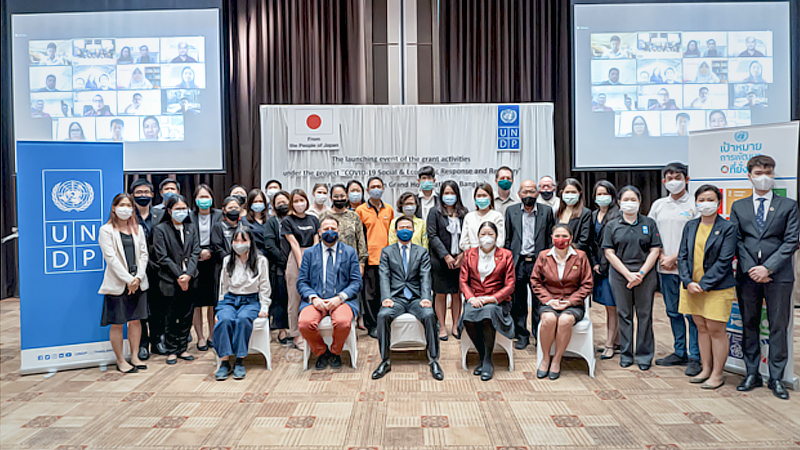
The UN Development Program (UNDP) with support from the government of Japan has offered grants to vulnerable groups suffering from socio-economic impacts as a result of the Covid-19 pandemic in Thailand.

The outbreak of the pandemic has caused significant disruption to the Thai economy, resulting in one of the most severe economic downturns ever faced in the history of the country. Although stimulus packages have been put in place by the Thai government to restructure the economy, the crisis has widespread repercussions on individuals.

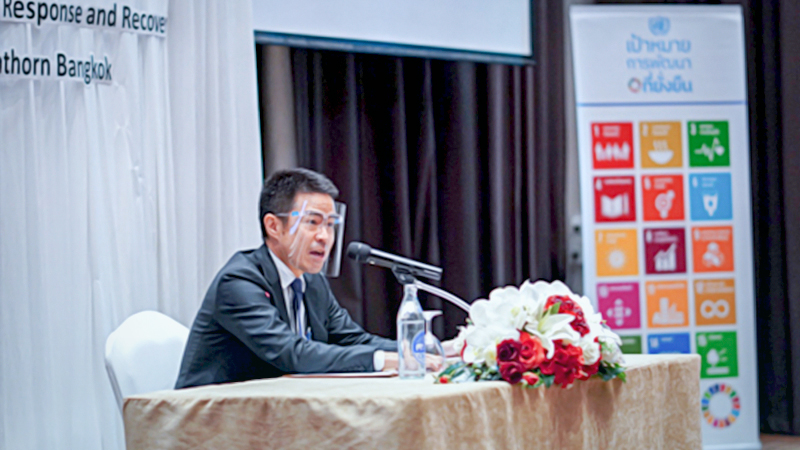
The Covid-19 Social and Economic Response and Recovery project was developed in alignment with the World Health Organization’s “Covid-19 Strategic Preparedness and Response Plan”, the United Nations Partnership Framework (2017-21) and the UNDP Country Programme for Thailand (2017-21).

Following a national call for grant submissions and a competitive process, a selection committee consisting of representatives from the Ministry of Social Development and Human Security, the Office of the National Economic and Social Development Council, Chiang Mai University, Prince of Songkla University and UN Women, awarded 24 non-governmental organisations and civic society organisations across Thailand. The grants amount to US$1 million and are funded by the Japanese government.

Fumihiko Goto, Counsellor and Deputy Permanent Representative to ESCAP, Embassy of Japan in Bangkok.

Fumihiko Goto, Counsellor and Deputy Permanent Representative to ESCAP, Embassy of Japan in Bangkok.

“To fight against Covid-19, Thailand and Japan are facing the same challenges in securing vaccines for our citizens, balancing between containing the pandemic and promoting economic recovery,” said Fumihiko Goto, counsellor and deputy permanent representative to ESCAP, Embassy of Japan in Bangkok. “Despite the common challenges we are facing, I am pleased and proud that we could start a new page of cooperation with our local partners in Thailand with help from our longstanding partner, the United Nations Development Program in Thailand.”

The 24 selected projects receive US$10,000 to $50,000 each and will need to be implemented between January to June 2021. Grant activities will target approximately 16,000 direct and 100,000 indirect beneficiaries across the country, will promote gender-sensitive economic empowerment interventions, improve access to basic services, ensure food security targeting the most vulnerable groups, including youth, people with disability, ethnic minorities, the LGBTI community, victims of gender-based violence, including low-income groups.

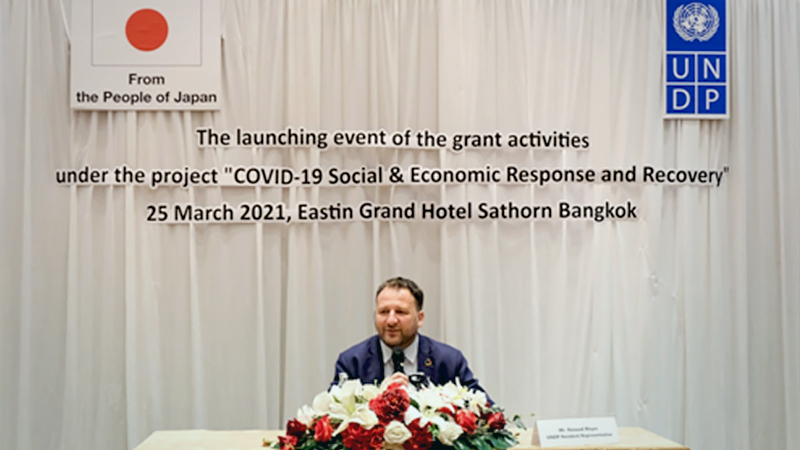
Renaud Meyer, Resident Representative of UNDP in Thailand delivered remarks at the launch event.

Renaud Meyer, Resident Representative of UNDP in Thailand delivered remarks at the launch event.

“Thanks to the generous contribution of Japan, the UNDP is able to further strengthen our contribution to Thailand’s response to the pandemic. These grants are empowering Thai civil society to provide assistance to vulnerable communities impacted by Covid-19 and address some of the acute socio-economic impacts of the pandemic. We are grateful to our government partners and other members of the selection committee for their collaboration at effectively ensuring no one is left behind in the country’s recovery,” said Renaud Meyer, resident representative of UNDP in Thailand.

Under this grant programme, activities implemented to support Thailand’s Covid-19 recovery include an employment programme through digital skills training for people with disability, community-led social protection services for sex workers, innovative sustainable highland agriculture system practices for stateless people, and career counselling for young social entrepreneurs.

Grants issued under this project will reach up to 100,000 vulnerable individuals to mitigate the pandemic’s socio-economic impact in different geographical areas throughout Thailand, contributing to the achievement of the United Nations’ 2030 Sustainable Development Agenda, UNDP said.

Thais can go without cash for up to 8 days as digital payment usage rises: Visa #SootinClaimon.Com

#SootinClaimon.Com : ขอบคุณแหล่งข้อมูล : หนังสือพิมพ์ The Nation.

https://www.nationthailand.com/biz-moves/30404110

Thais can go without cash for up to 8 days as digital payment usage rises: Visa

Mar 25. 2021Suripong Tantiyanon - Visa Thailand Suripong Tantiyanon – Visa Thailand

By THE NATION

More than four in five Thais (82 per cent) have tried going cashless, on average succeeding at living for more than a week (8 days) without using cash, the Visa Consumer Payment Attitudes study showed on Wednesday.

The pandemic has also prompted non-users to choose contactless payments over cash, with these payments being most used among first-timers at 26 per cent, followed by contactless cards (23 per cent) and QR code (21 per cent).

“Over recent years there has been a steady increase in people using digital payments, and the events of the past year have only accelerated the progress,” Visa Thailand country manager Suripong Tantiyanon said.

“This is evident throughout the world and here in Thailand. We believe these consumer preferences are not temporary and are here to stay.”

According to the study, the top three benefits of a cashless society are it helps in restricting the spread of infection (61 per cent), it means no more queues at banks (60 per cent) and it enables people to track financial records easily (59 per cent).

When it comes to awareness, Thai consumers are most familiar with QR code payments (94 per cent), followed by mobile contactless payments (92 per cent) and contactless cards (89 per cent). In terms of usage, mobile contactless payment is the most used among all types of contactless payments at 45 per cent, followed by QR code (42 per cent) and contactless card (41 per cent).

Thais believe the pandemic has accelerated the time it will take for the country to become a cashless society with payment innovation playing an increasingly important role in people’s daily lives.

In the current circumstances, they believe a cashless society could be a possibility by 2026, whereas before the pandemic respondents thought this wouldn’t be possible until 2030, the study showed.

“This year will be a year of recovery despite the persistence of uncertainty. It is essential for businesses to ensure they are prepared to meet changing consumer demands as they become more familiar with alternative payment methods,” Suripong added.

MEA signs pact to study waste-to-energy power project #SootinClaimon.Com

#SootinClaimon.Com : ขอบคุณแหล่งข้อมูล : หนังสือพิมพ์ The Nation.

https://www.nationthailand.com/biz-moves/30404036

MEA signs pact to study waste-to-energy power project

Mar 23. 2021

By The Nation

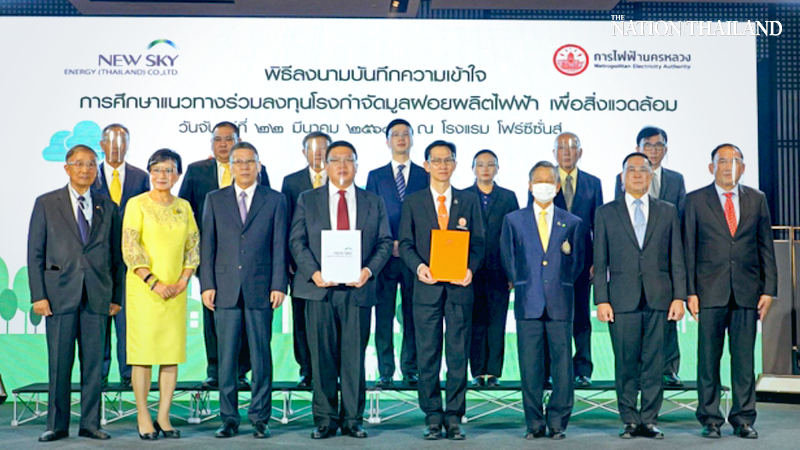
The Metropolitan Electricity Authority and New Sky Energy (Thailand) have signed a memorandum of understanding (MoU) to study the option of building a waste-to-energy plant.

The plant, to be built as part of a Thailand-China cooperation, is part of a micro-grid pilot project that aims to expand alternative energy usage in metropolitan areas as well as promote environmental protection.

The MoU was signed by MEA governor Kirapat Jiamset and New Sky Energy (Thailand)’s chief executive officer He Ning. Also present at the ceremony were Parliament President Chuan Leekpai; Wang Li Ping, China’s minister-counsellor for economics and commercial affairs; Deputy Education Minister Kalaya Sophonpanich; and deputy Bangkok governor Pol Lt-General Sophon Phisutthiwong.

Kirapat said MEA aimed to deliver electricity effectively to serve rising demands, coupled with responsibility to society and the environment.

New Sky Energy (Thailand), meanwhile, is already operating waste-incineration plants in Thailand.

This cooperation aims to study the possibility of developing a micro-grid system in areas near the incineration plant, so communities nearby do not need to rely on the main power grid.

Generating power from waste will also help boost the country’s electricity security. This cooperation comes under the policies of the Interior and Energy ministries and is also part of the MEA’s Smart Grid system.

New Sky Energy has been operating the 500 tonnes per day Nong Khaem Solid Waste Disposal Centre in cooperation with the Bangkok Metropolitan Administration (BMA) since 2016 and has signed a deal with the BMA to develop incineration plants with a capacity of at least 1,000 tonnes per day. The new plants are at Nong Khaem and Onnut, which should be able to provide energy to the main system by 2024.

This collaboration is part of China’s move to promote strategic partnerships with Asean countries in the Greater Mekong sub-region.

New oral Covid-19 vaccine candidate ‘produces antibodies after a single dose’ #SootinClaimon.Com

#SootinClaimon.Com : ขอบคุณแหล่งข้อมูล : หนังสือพิมพ์ The Nation.

https://www.nationthailand.com/biz-moves/30404023

New oral Covid-19 vaccine candidate ‘produces antibodies after a single dose’

Mar 23. 2021

By THE NATION

Premas Biotech, an Indian developer of novel biotherapeutic and vaccine candidates, on Tuesday announced the development of an oral Covid-19 vaccine that has shown efficacy after a single dose, in conjunction with Nasdaq-listed Oramed Pharmaceuticals Inc.

Accelerating the vaccine’s path to market, Premas, Oramed and other shareholders have formed Oravax Medical Inc, which has received exclusive licences from Oramed and Premas to develop oral Covid-19 vaccines.

After a single dose of the Oravax Covid-19 capsule, efficacy was evident through antibody production in a pilot animal study.

Oravax’s vaccine promoted both systemic immunity through Immunoglobulin G (IgG), the most common antibody in blood and bodily fluids that protects against viral infections, and Immunoglobulin A (IgA) which protects the respiratory and gastrointestinal tracts against infection.

Premas’ protein-based VLP (virus-like particle) vaccine candidate creates triple protection against the Sars CoV-2 virus Spike, Membrane, and Envelope targets, the company said.

The vaccine candidate is also safe, efficacious and well tolerated at normal to high doses, and generated high titres of neutralising antibodies. The VLP is manufactured using Premas’ proprietary D-Crypt platform, which is highly scalable and can be manufactured on large scales.

Premas Biotech co-founder and managing director, Dr. Prabuddha Kundu, said: “An oral Covid-19 vaccine that harnesses and combines the true potential of the two platforms, Premas’ D-Crypt technology platform with Oramed’s world-leading oral protein delivery platform POD, is an excellent example of a true collaboration and can rapidly advance into late-stage clinical trials.

“Oramed’s experience and success in conducting Phase 2 and 3 oral protein trials positions our programme very favourably in the race to find an effective oral Covid-19 vaccine that can be administered by anyone anywhere. We are looking forward to sharing clinical data soon.”

“We are very excited about our oral vaccine candidate’s potential to help end the pandemic,” said Nadav Kidron, CEO of Oramed.

“An oral Covid-19 vaccine would eliminate several barriers to rapid, widescale distribution, enabling people to take the vaccine themselves at home. While ease of administration is critical today to accelerate inoculation rates, an oral vaccine could become even more valuable in the likely case that a Covid-19 vaccine may be required annually or biannually like the standard flu shot,” Kidron said.

EEC joins hands with Huawei to prepare Thailand for digital future #SootinClaimon.Com

#SootinClaimon.Com : ขอบคุณแหล่งข้อมูล : หนังสือพิมพ์ The Nation.

https://www.nationthailand.com/biz-moves/30403886

EEC joins hands with Huawei to prepare Thailand for digital future

Mar 19. 2021

By THE NATION

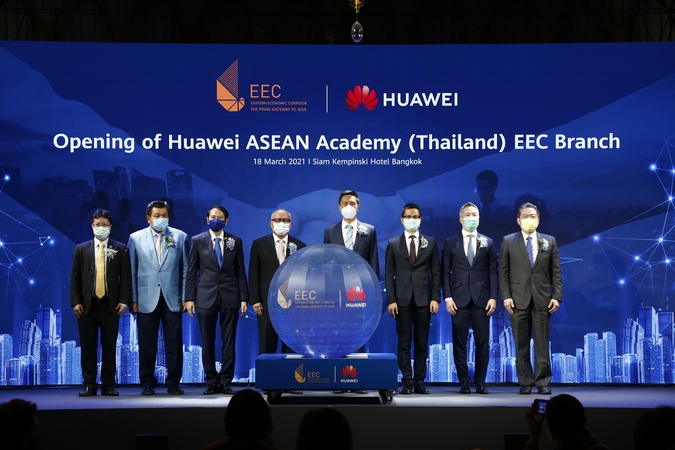
The Eastern Economic Corridor Office (EECO) and Huawei signed a memorandum of understanding that aims to make Thailand a digital hub of the region besides producing a digital workforce to meet the country’s emerging needs. The digital talent collaboration in conjunction with Huawei Asean Academy (Thailand) EEC branch aims to groom 30,000 digital workers within the next three years.

The MoU signing ceremony was witnessed by Supattanapong Punmeechaow, Deputy Prime Minister for Economy and Minister of Energy, and Yang Xin, chargé d’affaires of the Embassy of China in Thailand, at Siam Kempinski Hotel in Bangkok.

Supattanapong Punmeechaow, DPM and Energy Minister

Supattanapong Punmeechaow, DPM and Energy Minister

Kanit Sangsubhan, EECO secretary-general and Abel Deng, CEO of Huawei Technologies (Thailand), signed the MoU.

“I am grateful to the EEC for cooperating with Huawei to contribute significantly to Thailand’s digital economy,” Supattanapong said.

“In addition to the MoU signing, I would also like to congratulate on the opening of the Huawei Asean Academy (Thailand) EEC branch in Chonburi. The four cooperation frameworks comprise: creating a knowledge base, experts and platforms; building an ecosystem that facilitates digital development; organising trainings to improve digital and 5G capacities; building a certification programme to create a standard for the target industries. This will significantly enable Thailand to move forward to Thailand 4.0,” the deputy PM said.

Kanit Sangsubhan, Secretary General of EEC Office

Kanit Sangsubhan, Secretary General of EEC Office

Yang said: “Despite the impact of the Covid-19 pandemic and the global economic downturn, we are very pleased to see that high-tech-led cooperation in digital economy and innovation is increasingly becoming an important new highlight of China-Thailand cooperation. In this process, Huawei has been deeply involved in Thailand for many years. It has made every effort to promote Thailand to become the first country in Southeast Asia to have commercial 5G services. Today, the Huawei Asean Academy (Thailand) EEC branch is officially established. We believe it will help cultivate more talented personnel in communications technology management and professional techniques in Thailand, help Thailand become a data centre in Southeast Asia, and create a new model of China-Thailand digital economy cooperation.”

In collaboration with Huawei, EEC aims to organise digital development courses for students and IT-related workers to train 6,000 people within 2021 and 30,000 in 2024.

“Today marks another key milestone in our efforts,” Kanit said. “The collaboration between EEC and Huawei through the Huawei Asean Academy (Thailand) EEC branch is going to combine forces which I believe would lead to digital transformation in all industries not only in Thailand but also in Asean to another level.”

Abel Deng, Huawei Thailand CEO

Abel Deng, Huawei Thailand CEO

Abel Deng, CEO of Huawei Thailand, thanked the EECO, adding, “Huawei believes that the key to drive digital development lies in an upskilled talent foundation. We will proactively enable Thailand to become the Asean digital hub through this MoU and the Huawei Asean Academy (Thailand) EEC branch. Together with the EECO, Burapha University, all our stakeholders and friends in the EEC, we are committed to fulfilling our mission of ‘Grow in Thailand, Contribute to Thailand’ by being a technology-leading and trusted ICT partner, proactive digital transformation enabler, and continuous social value contributor, bringing digital to every person, home and organisation, for a fully connected, intelligent Thailand!”

The MoU is seen as an important milestone for digital talent development in the EEC to support the use of 5G technology.

In 2020, Huawei helped organise digital training for government, enterprises, SMEs and startups for over 16,000 people.

Google launches phase 2 of project for Thai SMEs, economic recovery #SootinClaimon.Com

#SootinClaimon.Com : ขอบคุณแหล่งข้อมูล : หนังสือพิมพ์ The Nation.

https://www.nationthailand.com/biz-moves/30403581

Google launches phase 2 of project for Thai SMEs, economic recovery

Mar 11. 2021

By THE NATION

Google Thailand and the Commerce Ministry today launched phase two of their “Saphan Digital” project to boost equal access to the digital economy and services for all Thais.

The project aims to equip local businesses, NGOs and individuals with much-needed digital tools and skills. It was joined by two new partners – Baker McKenzie and Kasikornbank – who will share knowledge and experiences on legal issues and provide essential tools and financial support to SMEs, said Google.

Phase two of Saphan Digital will also feature the Startup School – a series of free, hands-on virtual courses for start-up founders and their teams who are looking for more tools and skills to pivot and scale their businesses. Interested start-ups can register for Startup School now.

Google also unveiled two new initiatives in partnership with the Tourism Authority of Thailand (TAT) to support the country’s economic recovery. The first is “River Street View”, in partnership with Bangkok Riviera. Starting today, everyone can explore the scenery of temples, riverside communities, and bridges as seen from a boat at their fingertips. Meanwhile, the Tiew Roo Thai project with the Department of Fine Arts is showcasing cultural tourism through different perspectives of YouTube creators Bie The Ska, Point of View and I Roam Alone.

The Saphan Digital programme had trained over 8,000 small and medium-sized enterprises (SMEs) and individuals within the last six months, which has led to over 2,000 new websites created, said Apichaya Taechamahapun, head of Google Customer Solutions Thailand.

“For Saphan Digital Phase 2, there will be a total of 41 on-demand training courses available for SMEs and individuals who wish to enhance their digital skills free of charge. We set an ambitious goal to train 100,000 SMEs and individuals through phase two of Saphan Digital,” she added.

The Aspen Tree teams up with Muang Thai Life Assurance to offer ‘Elite Health’ programme #SootinClaimon.Com

#SootinClaimon.Com : ขอบคุณแหล่งข้อมูล : หนังสือพิมพ์ The Nation.

https://www.nationthailand.com/biz-moves/30403520

The Aspen Tree teams up with Muang Thai Life Assurance to offer ‘Elite Health’ programme

Mar 10. 2021

By THE NATION

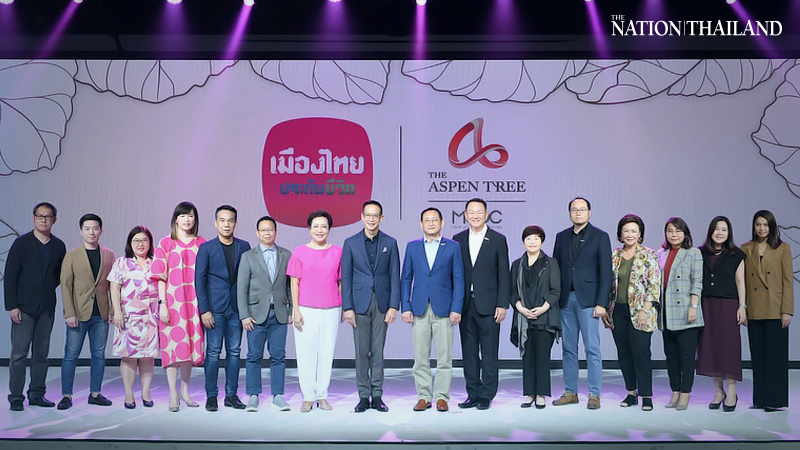
The Aspen Tree, a residential community with lifetime care by Magnolia Quality Development Corporation Limited (MQDC), has joined forces with Muang Thai Life Assurance to offer “Elite Health” coverage for serious illnesses, common and infectious diseases, and accidents, the company said in a press release.

Residents will be able to enjoy instant coverage of up to Bt20 million per year after signing the contract during construction of the project, rising to Bt40 million/year once the project is completed and leasehold transferred. Coverage lasts up to 99 years of age to ensure “quality living at Thailand’s first holistic lifetime care and full-service community for older adults”, the statement said.

MQDC chief executice Visit Malaisirirat said The Aspen Tree is the country’s first and Asean’s “finest healthy living community with holistic lifetime care”. It’s a community for residents with long-term plans to ensure a healthy, fulfilling life ahead, complete with residences, facilities and service for residents 50 years and over, he said, adding that the project is part of The Forestias, a forested neighbourhood spanning 398 rai in Bang Na.

The Aspen Tree offers a full spectrum of services and preventive care combined with a health & wellness programme suitable for older adults that help promote physical, mental and brain health, the company said.

“In keeping with the focus on elderly, The Aspen Tree has collaborated with its world-class partner Baycrest Global Solutions, a global leader in residential living, healthcare, research, innovation and education, that has cared for older adults in Toronto, Canada, for over 100 years. Certified healthcare specialists ensure a high standard of care and services for older adults,” it said.

“Security is another key focus of The Aspen Tree. A high-tech security system covers all areas of the project to assure residents of their safety. The car-free community also dedicates 60 per cent of its common areas to beautiful green spaces. Residents can safely enjoy these lush gardens in a walkable district that reduces the risk of car accidents,” the statement said, adding that under The Aspen Tree’s “Ageing-in-Place” concept, residents can freely and safely enjoy their homes and surroundings, connected with nature and the community and with access to comprehensive healthcare.

“The Aspen Tree started construction in January 2020 and is set to be completed in the third quarter of 2023. The project focuses on lifetime care for residents to live happily and free from worry. To achieve this goal, The Aspen Tree is extremely proud to partner with Muang Thai Life Assurance as a leading Thai life and health insurance company,” Malaisirirat said.

Muang Thai President and CEO Sara Lamsam said the company is “delighted to partner with the project to deliver a unique experience for The Aspen Tree customers, with the Elite Health insurance plan offering superior coverage guaranteed by the Product of the Year Awards 2020”.

“It provides coverage for critical illnesses, general diseases and epidemics including accidents. It covers OPD benefits, including cancer treatment, MRI or CT scans. It also provides coverage for hospitalisation in an ICU room for up to 365 days according to the actual amount, and the coverage area is only in Thailand,” Sara said.

Apart from receiving the Elite Health insurance plan, The Aspen Tree customers are also entitled to “MTL Smile Service, Beyond Normal Coverage”, services that are designed to meet the needs of all lifestyles through service innovation and technologies including the MTL Click Application and MTL Health Buddy, the press statement said. Customers can also apply for Muang Thai Smile Club membership to receive privileges and participate in exclusive activities and campaigns, it added.

Huawei Technologies wins special PM’s award for its contribution to Thailand #SootinClaimon.Com

#SootinClaimon.Com : ขอบคุณแหล่งข้อมูล : หนังสือพิมพ์ The Nation.

https://www.nationthailand.com/biz-moves/30403488

Huawei Technologies wins special PM’s award for its contribution to Thailand

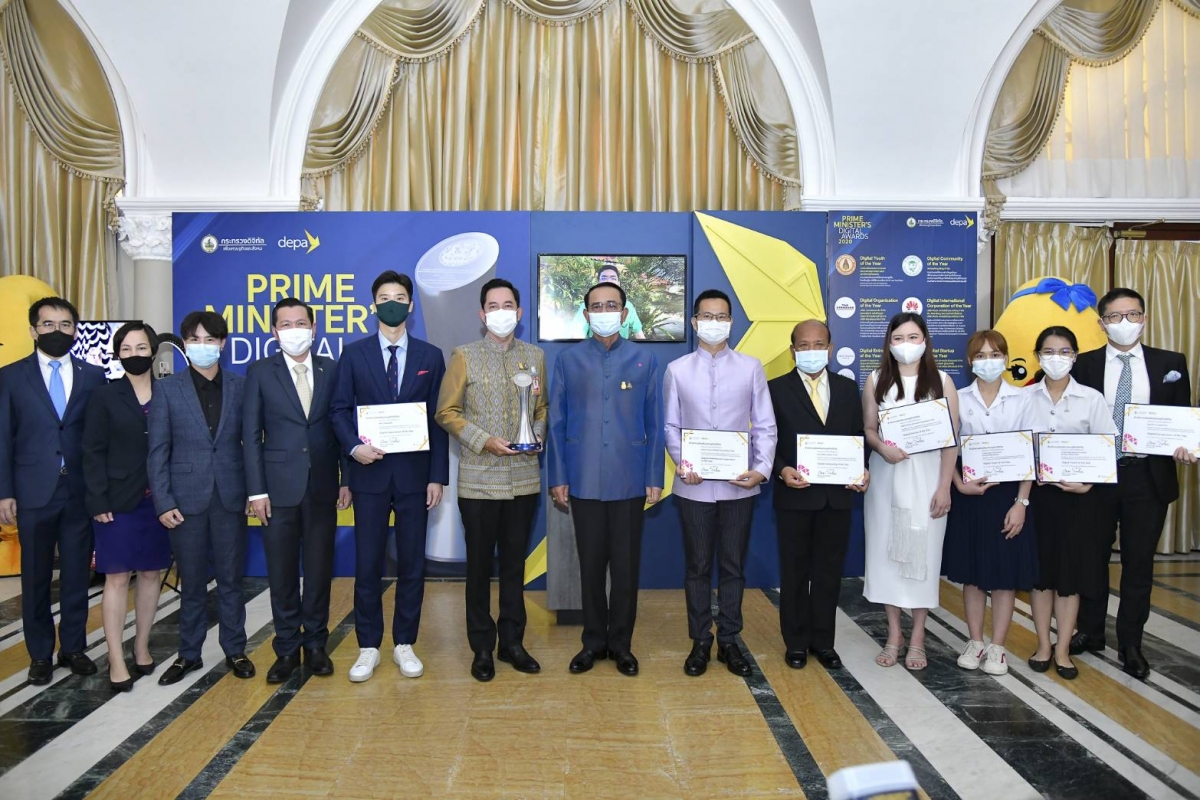
Mar 09. 2021Huawei Technologies (Thailand) CEO Abel Deng accepts the PM’s award from Prime Minister Prayut Chan-o-cha in a ceremony at Government House recently.Huawei Technologies (Thailand) CEO Abel Deng accepts the PM’s award from Prime Minister Prayut Chan-o-cha in a ceremony at Government House recently.

By THE NATION

Huawei Technologies (Thailand) was recently granted the prime minister’s award in the “Digital International Corporation of the Year” category for its contribution to Thai society since it arrived 21 years ago. It is the only private firm to win this award.

Abel Deng, CEO of Huawei Technologies (Thailand), accepted the award from Prime Minister Prayut Chan-o-cha. Also present at the ceremony was Nuttapon Nimmanphatcharin, president/CEO of Digital Economy Promotion Agency (Depa).

While handing out the awards, Prayut commended the younger generation for applying digital technology creatively and leveraging innovation to create new businesses.

He added that the government places importance on 5G and artificial intelligence (AI) to help push Thailand forward, and hoped that university students will be inspired to use digital technology to create new business opportunities for the country.

“The PM’s Digital Awards recognise organisations whose products and solutions help drive digital technology and innovation development. The criteria for this distinction include excellence in development of digital technology that supports enterprises, services and society; application of digital technology that drives the economy, society, culture and security for Thais; an investment that creates jobs in Thailand; social and environmental development that support the local and international economy. Huawei received the highest scores,” Nuttapon said.

“Recently, Thailand’s first 5G Ecosystem Innovation Centre [5G EIC] was launched at Depa’s office, thanks to a collaboration between the Digital Economy and Society Ministry, Depa and Huawei. Our partnership with Huawei and our ability to leverage on 5G technology gives us an edge in enhancing our business competitiveness,” he added.

“At Huawei, we value long-term partnerships. We are committed to collaborating with customers and partners to help keep Thailand at the forefront of the digital age. With the mission of ‘Grow in Thailand, Contribute to Thailand’, Huawei reinforces its commitment to helping the country move forward to Thailand 4.0 and become a digital hub in the Asia Pacific region,” Deng said after receiving the award.

The success factors for Huawei’s success are:

For digital economy:

• Open Lab Bangkok: One-stop support to provide solutions for IoT, Big Data, and cloud computing, a verification platform, and ICT training services for customers and ICT industry entrepreneurs in Thailand and Southeast Asia

• 5G EEC Testbed: Established the first 5G Test Bed in Kasetsart University’s, Sri Racha campus.

• Thailand 5G Ecosystem Innovation Centre: Jointly established by Depa and Digital Economy and Society Ministry, the centre serves as a sandbox for SMEs, start-ups, developers, educational institutions to develop the digital innovations for 5G applications and services, incubate local digital talents and upgrade digital skills.

For social advancement

• AI solutions for state hospitals: AI-powered software was provided to Ramathibodi and Siriraj hospitals to help diagnose Covid-19 faster and boost efficiency in using 5G technology.

• Huawei Telemedicine Video Conference Solution for Public Health Ministry: Real-time teleconferencing system to help medical staff work without the risk of infection, like doctors conducting remote online consultations, and patients diagnosed, treated and monitored through their own smart devices.

• Unmanned 5G vehicles: Contactless delivery of medical goods within the hospital to reduce infection risks of frontline workers.

For human capital development:

• Huawei Asean Academy: Partnering with local businesses, technical and engineering schools to “produce 100,000 digital and tech-related workers within five years”.

• 5G courses: Topics such as 5G trends, commercial plans, 5G standards, use cases, business model ideas, etc, to promote multi-dimensional thinking

Huawei has also announced that more projects will be organised later this year to help Thailand strengthen its 5G ecosystem.

JKN to introduce Thailand’s first hemp-based health products #SootinClaimon.Com

#SootinClaimon.Com : ขอบคุณแหล่งข้อมูล : หนังสือพิมพ์ The Nation.

https://www.nationthailand.com/biz-moves/30403475

JKN to introduce Thailand’s first hemp-based health products

Mar 09. 2021

By The Nation

Anne Jakkrajutatip, Chief Executive Officer and the Managing Director of JKN Global Media Plc, is developing food supplements and healthy drinks made from hemp following the Thai government’s recent announcement in regulating hemp. JKN will partner with a renowned manufacturer DOD Biotech Plc to produce 10 hemp-based products. 

“JKN plans to introduce ten hemp-based products that include a variety of food supplements, instant tea, and coffee. They will be made available exclusively on digital TV channels and all JKN Shopping online platforms.” added Anne Jakrajutatip. In the past, JKN has been developing various food supplement brands such as C-Tria, Olig Fiber, V-Allin, and Fish Caps, in addition to a hair serum product called Hair Now. JKN’s expertise is in marketing and understanding consumer needs.

In addition, “JKN is partnered with DOD as the manufacturer and DOD is currently the only public listed company that has been approved by Thailand’s FDA. With JKN marketing expertise and distribution process, we would be able to maximize the market value of hemp products and secure sustainable growth in the future,” she said.

In anticipation of rising demands for hemp-related products in Thailand, JKN aims to become the one-stop manufacturer and distributor of health products made from hemp.