SET, Egat sign MoU to study Thailand’s potential in wholesale of electricity
Sep 29. 2020
By The Nation
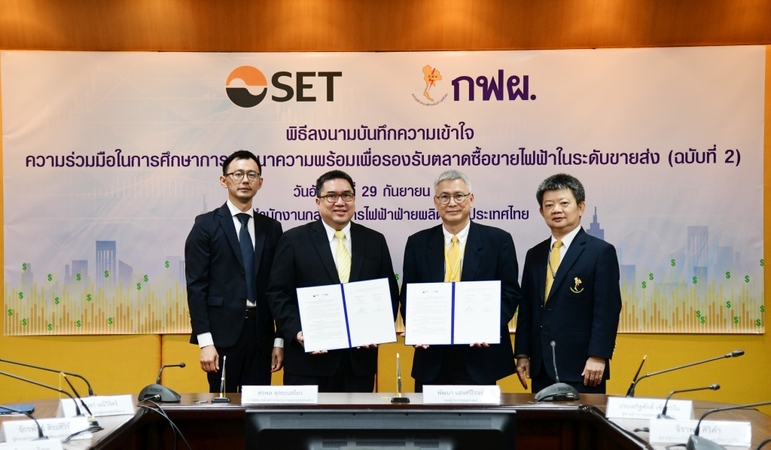
The Stock Exchange of Thailand (SET) and the Electricity Generating Authority of Thailand (Egat) signed a second memorandum of understanding (MoU) on Tuesday to jointly study Thailand’s potential to establish a wholesale electricity market.
The study, which will take six months, will focus on the trend of electricity business, appropriate format of electricity trading market in Thailand and the role financial markets play in the electricity business.
Patana Sangsriroujana, Egat deputy governor for strategy, said the agency saw an opportunity in the wholesale electricity market, and that initially, it will set up a day-ahead market and an intraday market.
Egat will also draw up electricity trading rules for markets, while SEC will advise it on the development of a trading system.
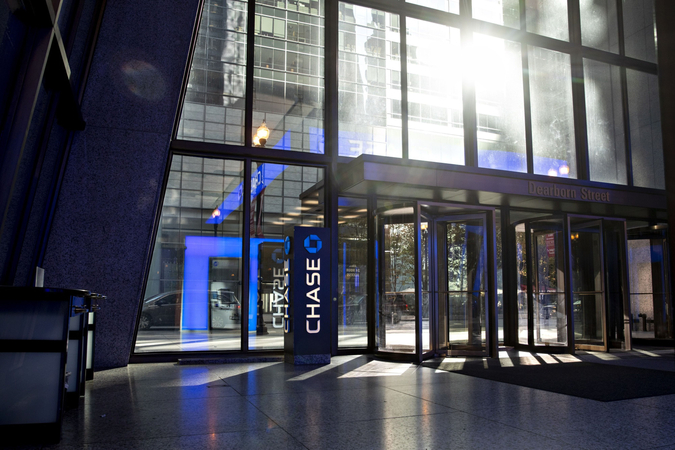
By Syndication Washington Post, Bloomberg · Matt Robinson, Tom Schoenberg · BUSINESS JPMorgan Chase & Co. admitted wrongdoing and agreed to pay more than $920 million to resolve U.S. authorities’ claims of market manipulation in the bank’s trading of metals futures and Treasury securities over an eight-year period, the largest sanction ever tied to the illegal practice known as spoofing.
The New York-based lender will pay the biggest monetary penalty ever imposed by the CFTC, including a $436.4 million fine, $311.7 million in restitution and more than $172 million in disgorgement, according to a statement from the Commodity Futures Trading Commission. The CFTC said its order will recognize and offset restitution and disgorgement payments made to the Department of Justice and Securities and Exchange Commission.
The accord ends a criminal investigation of the bank that has led to a half dozen employees being charged for allegedly rigging the price of gold and silver futures for more than eight years. Two have entered guilty pleas, and four others are awaiting trial.
The JPMorgan penalty far exceeds previous spoofing-related fines levied against banks, and is the toughest sanction imposed in the Justice Department’s years-long crackdown on spoofing. The bank entered into a deferred prosecution agreement with the Justice Department as part of the settlement, according to the CFTC.
A JPMorgan spokesman had no immediate comment.
Spoofing typically involves flooding derivatives markets with orders that traders don’t intend to execute to trick others into moving prices in a desired direction. The practice has become a focus for prosecutors and regulators in recent years after lawmakers specifically prohibited it in 2010. While submitting and canceling orders isn’t illegal, it is unlawful as part of a strategy intended to dupe other traders.
More than two dozen individuals and firms have been sanctioned by the Justice Department or the CFTC, including day traders operating out of their bedrooms, sophisticated high-frequency trading shops and big banks such as Bank of America Corp. and Deutsche Bank AG.
The Justice Department took a much more aggressive tack with JPMorgan by alleging that the bank hosted an eight-year market manipulation conspiracy with its precious metals desk as a criminal racketeering operation.
While other suspected market cheats have been charged with specific spoofing and manipulation offenses, the Justice Department accused JPMorgan metals traders under the 1970 Racketeer Influenced and Corrupt Organizations Act — a criminal law more commonly applied to Mafia cases than global bank probes.
RICO allows for prosecutors to charge multiple criminal acts involving a group of people in the same case as long as they were part of the same enterprise. The Justice Department said the conspiracy on the JPMorgan metals desk ran from March 2008 to August 2016. The two former metals traders for the bank who have pleaded guilty to fraud charges are cooperating with authorities.
The highest-level individual charged is Michael Nowak, a veteran gold trader who remained active as the global head of JPMorgan’s precious metals desk until he was indicted under seal in August 2019 along with two others. A former JPMorgan salesman who worked with hedge fund clients was later added to the case.
In 2015, JPMorgan pleaded guilty to felony antitrust charges along with several other global banks that paid penalties and admitted to conspiring to rig the price of U.S. dollars and euros. The bank agreed to pay $550 million, but it and other global lenders in the accord felt little lasting hit from markets or customers, undercutting investor fears that a guilty plea would devastate their business.
Shortly after Nowak and other traders were charged under RICO, JPMorgan learned it was the focus of a separate but related criminal investigation into trading of Treasury securities and futures, according to a person familiar with the matter.
By Special To The Washington Post · Joanna Lewis · WORLD, ASIA-PACIFIC CHINA-ANALYSIS
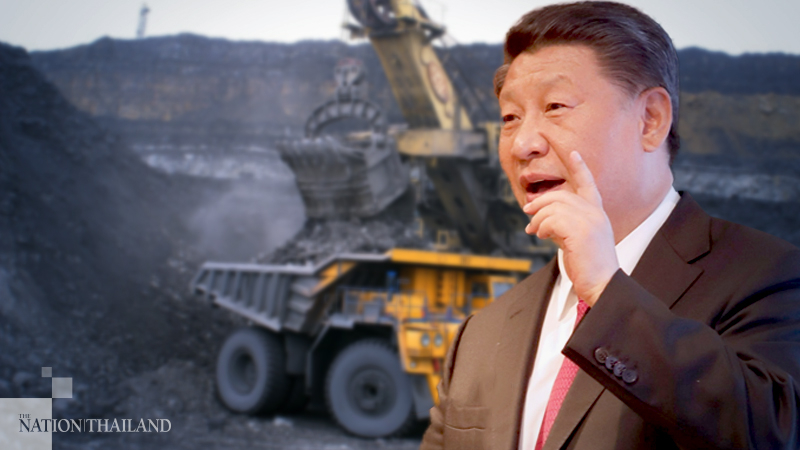
China’s President Xi Jinping announced new climate targets during his Sept. 22 address to the U.N. General Assembly, including the nation’s plan to achieve carbon neutrality before 2060.
China’s international climate leadership seems to be in direct conflict with Beijing’s continued promotion of fossil fuel projects at home and abroad, however – so why did Xi make this announcement? Here’s what you need to know about its political and scientific implications.
– The timing of China’s announcement is strategic
It’s a big year for the 2015 Paris agreement – by year-end 2020, countries are supposed to submit their second round of “Nationally Determined Contributions” (NDCs), as well as their long-term strategies. Current NDCs target the 2025-2030 time frame, while long-term strategies target mid-century goals. Both are self-designed pledges tailored to each country’s circumstances.
Xi’s announcement suggests that, administratively, China expects to fulfill both 2020 requirements on time, a goal few other countries will probably meet. China is also on track to achieve its original Paris goals ahead of schedule. This lends some new credibility to China’s claim to climate leadership.
China is finalizing its 14th Five-Year Plan, which analysts anticipate will include new climate and energy targets for 2021-2025 that build upon those in previous Five-Year Plans. Since the Paris agreement has minimal enforcement mechanisms, it essentially relies on domestic policy to back up the goals pledged internationally. The 2020 Paris agreement deadline coincides with China’s domestic planning horizon, effectively giving the international community a look under the hood to understand how China plans to meet its international goals.
– External politics may factor into China’s plans
Making this announcement before the U.S. election could be a sign that China anticipates scaled-up U.S. pressure and demands on climate action if Democratic nominee Joe Biden wins in November. A new U.S. NDC would come sometime in 2021 at the earliest, so an early announcement from China would preclude the possibility of another round of coordinated U.S.-China climate targets, giving Beijing more autonomy this time.
The announcement may also appease the European Union. The EU has been increasing bilateral engagement with China in an attempt to fill the void left by the United States, which has dramatically reduced cooperation with China on energy and climate over the past four years. During a mid-September leader’s summit, the EU urged China to “to strengthen its climate commitments in terms of peaking carbon dioxide emissions and setting the goal of climate neutrality domestically,” and agreed to launch a new high-level dialogue in advance of the COP 26 major international climate summit, which has been postponed until November 2021.
China faces an uphill battle to reduce its carbon emissions
Beijing relies on high-level climate and energy goals to compel local governments to act. National targets become provincial targets, which become municipal-level targets, and so on – and meeting these targets affects the evaluation of local officials.
Sometimes this can create perverse incentives, such as the time people were left without heat in the winter so provinces would not violate national coal heating restrictions. But on the whole, targets are important levers in what is still primarily a top-down political system. Without stringent climate targets, local governments under pressure to stimulate the economy after the covid-19 slowdown will face few constraints on energy demand or infrastructure approvals.
Despite calls for a green recovery, China’s post-outbreak stimulus focuses primarily on promoting high-carbon energy and infrastructure projects. China has an estimated 249.6 gigawatts of coal power capacity under construction or in the planning stages – more than the entire coal capacity of the United States (246.2 GW) or India (229 GW).
This includes 40.8 GW of new coal capacity proposed in the first-half of 2020 alone, of which 17 GW is already permitted for construction. Despite rampant overcapacity and low utilization rates in existing plants, as well as record low prices for the renewable energy technologies that China leads the world in deploying, pressure to boost GDP figures combined with antiquated pricing mechanisms means that officials are pushing through approvals for projects that make little economic sense.
China has also played a prominent role in supporting coal-fired plants elsewhere. Increasingly, China has become the lender of last resort as countries such as Japan and South Korea join other countries and multilateral banks in restricting overseas coal investments. Studies have found that the majority of China’s overseas energy investment is going to finance coal plants, and these plants tend to use less efficient technology than the plants they are building at home.
Increasingly, however, China is under pressure to undertake more dramatic changes in its domestic and overseas coal activities – the EU, for example, urged that Beijing place a moratorium on building new plants at home and abroad, and Biden has vowed to make similar demands if elected.
What does this mean for the global climate?
The Climate Action Tracker estimates that China’s pledge of climate neutrality by 2060 could reduce global temperature by about 0.2 to 0.3°C by the end of the century – that would be the single biggest reduction ever estimated by this European modeling tool, which translates country pledges into climate impacts. As the world’s largest carbon emitter and energy consumer, China transitioning away from a carbon-based energy system would have a huge global impact.
Of course, there are all sorts of methodological issues with making estimates of the impact of climate goals on global temperature – especially China’s goals, which as my research has shown, tend to operate with their own set of metrics and assumptions. And there are many ways to interpret what carbon neutrality might actually mean for China.
Ultimately, having a long-term goal for carbon neutrality is only meaningful today if it influences action now. For China, phasing out fossil fuel use in key sectors – and keeping the economy growing – will require far more ambitious measures. Meanwhile, making this pledge buys China some increased leverage in the climate negotiations, and perhaps even some global goodwill at a time of mounting concern over China’s actions at home and abroad.
– – –
Lewis is provost’s distinguished associate professor of energy and environment and director of the Science, Technology and International Affairs Program at Georgetown University. She is the author of “Green Innovation in China: China’s Wind Power Industry and the Global Transition to a Low-Carbon Economy” (Columbia University Press, 2015).
By Syndication Washington Post, Bloomberg · Sarah Ponczek · BUSINESS The end-of-month rebound in global equities faded as investors weighed prospects for fiscal stimulus in the U.S. and the outlook for the coronavirus pandemic. Oil tumbled on concern slow growth will limit demand.
The S&P 500 Index slumped, with more than two stocks falling for every one that advanced, after talks on expanding aid ended for the day with plans to resume discussions tomorrow. Data showing New York City’s rate of positive tests rose above 3% for the first time in months weighed on sentiment.
Oil fell toward $39 a barrel in New York. Treasurys were little changed, while the dollar weakened.
With the pandemic’s global death toll exceeding 1 million and virus cases on the upswing in many locales, investors are pinning hopes on a $2.2 trillion stimulus proposal by Democrats to help support economic growth. End-of-month and end-of-quarter portfolio rebalancing could also be exacerbating market moves as September comes to a close.
“A lot of the fiscal stimulus conversation is driving the markets here in the near-term,” said Brent Schutte, chief investment strategist at Northwestern Mutual Wealth Management. At the same time, there “has been a fear that you’d have a resurgence in cases in the fall and some people have chosen to take their money and sit on the sidelines.”
The negotiations between the Trump administration and congressional Democrats are reaching a critical juncture this week. House Speaker Nancy Pelosi and Treasury Secretary Steven Mnuchin spoke Tuesday morning for 50 minutes and are set to speak again Wednesday.
Markets are also girding for the first presidential debate Tuesday, and traders have pushed up overnight implied volatilities on Mexico’s peso in anticipation of price swings.
Elsewhere, Banks led broad-based declines in the Stoxx Europe 600 index. The MSCI AC Asia Pacific Index was little changed as South Korean shares advanced, while Hong Kong stocks fell. Nippon Telegraph & Telephone Corp. announced plans to turn its wireless carrier unit NTT Docomo Inc. into a wholly owned subsidiary in a $40 billion buyout. NTT Docomo shares surged by their limit at the close in Tokyo.
These are the main moves in markets:
Stocks
– The S&P 500 Index fell 0.5% as of 4 p.m. EDT.
– The Stoxx Europe 600 Index dipped 0.5%.
– The MSCI Asia Pacific Index was little changed.
Currencies
– The Bloomberg Dollar Spot Index declined 0.3%.
– Sterling rose 0.2% to $1.2866.
– The Japanese yen weakened 0.2% to 105.67 per dollar.
Bonds
– The yield on 10-year Treasurys fell less than one basis point to 0.65%.
– Germany’s 10-year yield dipped two basis points to -0.55%.
– Britain’s 10-year yield decreased two basis points to 0.18%.
– Italy’s 10-year yield declined three basis points to 0.85%.
Commodities
– West Texas Intermediate crude tumbled 3.8% to $39.04 a barrel.
Thai household debt rose to 80.1 per cent of gross domestic product in the first quarter of this year, up from 50.4 per cent in 2009, according to a study.
The high debt has adversely impacted economic growth while the Covid-19 outbreak has made it more challenging to solve the household debt problem and they have the potential to delay economic recovery, said the study by researchers at Bank of Thailand (BOT)’s Puey Ungphakorn Institute for Economic Research.
Over the past 10 years, more people are bearing a debt burden and the size of the debt has increased from Bt70,000 to Bt128,000 each (median value), according to the study released at BOT Symposium 2020 on Monday.
The share of bad debt/non-performing loans has decreased from 22 per cent to 16 per cent, which is considered still high. The median value of bad debt was Bt 65,000, up from Bt35,000 previously.
The study also found it astonishing that debtors who had started borrowing money at a young age continued to bear the burden even after retirement.
About 60 per cent of people aged 29 to 30 years old have debt. Among them, 25 per cent were in the bad-debt category. Pensioners still have debt, with median value of Bt70,000 to Bt80,000 per debtor.
Researchers believe the first-car scheme launched in 2011 was a major factor in the rising debt of urban residents. Farm subsidies, such as debt moratorium to support farmers also resulted in rising debt among people upcountry.
This suggested that a moratorium could not solve the debt issue.
The Covid-19 outbreak has worsened the situation and many are unable to service their debt.
Of the large number of people who had applied for financial aid under the central bank’s scheme between April and June, 71 per cent asked for temporary suspension of debt payment, 26 per cent demanded reduction of debt instalments and 3 per cent applied for debt restructuring as they were no longer able to repay the debt.
Those who applied for debt relief were concentrated in the lower-northeastern region covering Nakhon Ratchasima, Buri Ram, Surin, Si Sa Ket and Ubon Ratchathani provinces. About 40 to 60 per cent of applicants were personal loan borrowers followed by mortgages, while most of those in Bangkok and vicinity provinces, the South and upper North applied for restructuring of their bad debts or non-performing loans (NPLs).
Non-bank lenders represent a large share of debtors asking for debt relief. Most of the debts are hire-purchase loans. Should the coronavirus linger on, non-bank lenders would have high risk stemming from debt default, the researchers said. Each has debt of about Bt500,000.
In July when some financial aid expired, the study found that 2.1 million debtors exited the scheme, and they represented about 36.7 per cent of total debtors who received debt relief.
The study called for urgent actions to solve the rising household debt.
One proposal is to amend the bankruptcy law that will allow debtors to file for court protection and then they can start their lives anew after three years of the debt payment process, in the same manner as corporates currently applying for bankruptcy protection.
Reopening the country to foreign tourists would also boost economic activities, which could help many debtors as rising income would increase their debt payment capacity, the study said. But it will come with the risk of a new wave of virus infections, so the reopening for tourism must be managed carefully, the study said.
Concerned parties may need to apply different solutions for debtors in different regions, the study suggested.
The study is based on information collected from the National Credit Bureau Co, whose data base covers 23.1 million retail borrowers with combined debt of Bt 11.9 trillion, representing 88.3 per cent of the total household debt, and data from Bank for Agriculture and Agricultural Cooperatives.
The Cabinet on Tuesday approved the public debt management plan proposed by the Finance Ministry for fiscal year 2021 (October 2021 to September 2021), Government Spokesman Anucha Burapachaisri said.
The Finance Ministry’s Public Debt Management Office plans to borrow Bt1.3 trillion and manage existing debt totalling Bt387.5 billion.
The ministry said facilitating recovery of the economy hard hit by the Covid-19 pandemic and financial aid packages to support affected people and corporations had resulted in large budget deficits. The government also wants to borrow more to boost economic activities and its cash flow.
Should the government go ahead with the borrowing plan, public debt will jump to 57.23 per cent of gross domestic product, close to the sustainable level of 60 per cent of GDP. As of July 31, public debt stood at Bt7.6 trillion, or equivalent to 47.04 per cent of GDP, according to the Public Debt Management Office.
In related development, the Cabinet also approved a Bt1.51-trillion spending plan for 44 state enterprises for fiscal 2021.
Combined with other state enterprises’ spending, the expenditure of all 52 state enterprises would be Bt1.55 trillion of which capital spending is Bt432 billion. The capital spending is expected to boost economic growth, said Rachada Dhnadirek, deputy government spokeswoman.
The Cabinet agreed to increase the budget for the Bangkok-Nong Khai high-speed rail line, Phase 1, by another 12 billion.
The Cabinet also approved the setting up of a subsidiary to manage State Railway of Thailand (SRT)’s assets. The company is expected to earn more than Bt600 billion in 30 years, clearing all debts and making a profit.
The Cabinet agreed to revise the credit limit and draft an employment agreement and contract for rail, electrical and mechanical systems including purchase of trains and organising training of personnel, a complete version of the cooperation project between Thailand and China in developing a high-speed rail system to connect regions Bangkok – Nong Khai (Phase 1 Bangkok – Nakhon Ratchasima), deputy government spokeswoman Traisuree Taisaranakul said.
The budget has been increased from Bt38.55 billion on August 29, 2017, to Bt50.63 billion, including 7 per cent VAT, or an increase of Bt12.08 billion.
The increased budget covers:
1. Relocation of high-speed rail system works overlaid within the scope of construction works for Bt7.03 billion, which is the procurement of machinery and equipment for infrastructure maintenance, EMU facility, track welding and long track storage base.
2. Changing the EMU vehicle model from CRG2G (Hexie Hao) to CR Series (Fuxing Hao), a new model with better technology and performance, which increases the cost by Bt2.53 billion.
3. Modification from a ballast track to a ballastless track in the section between Bang Sue Station and Don Mueang Station, Ayutthaya station, Saraburi station, Pak Chong station, Nakhon Ratchasima station and inside the tunnel for easy maintenance and reducing future maintenance costs. It also maintains the image and scenery as well as tackkes pollution caused by road maintenance. The cost of changing the road structure will amount to Bt2.22 billion
4. Other expenses such as guarantee fee from defect from 1 to 2 years according to the regulations, operating fees and other expenses totalling Bt284.39 million.
The Cabinet also approved the setting up of a subsidiary company — Railway Asset Development Co Ltd — of the SRT to manage its assets, with a registered capital of Bt200 million, with approval for SRT to borrow Bt200 million as capital as well. The SRT will take responsibility for repaying the loan principal, interest and expenses, and the Ministry of Finance will be the loan guarantor, including considering the appropriate borrowing methods, conditions and details.
The Board of Investment (BoI) is planning to come up with several schemes to woo investors and help those affected by the Covid-19 outbreak, BoI secretary-general Duangjai Asawachintachit said on Tuesday.
She added that BoI will propose next month that its board consider adding clinical study as a new type of medical equipment business that can enjoy tax privileges. She said clinical study is one of the fundamentals of the medical equipment industry.
Applications for BoI tax support in the production of medical equipment has surged after it began offering certain additional benefits to investors in April.
The BoI offered these extra benefits to those who are committed to investing within this year and plan to sell more than 50 per cent of their products domestically.
Between May and August this year, BoI has received applications for investment worth Bt13 billion in the production of medical equipment.
The BoI will also propose the launching of measures to help investors retain their employees during the ongoing crisis.
BoI will also revise its smart-visa policy, making it easier to woo more foreign talent to work in Thailand.
Thailand’s smart-visa programme was launched to woo skilled workers, investors, executives and start-up entrepreneurs to work in targeted industries here.
The government’s Centre for Economic Situation Administration on September 16 approved in principle amendments to the criteria of granting smart visa to foreigners in a bid to woo more investment.
The value of the projects applying for BoI support during the first half of this year was Bt158 billion, down 17 per cent year on year. Duangjai believes investment will improve next year as Thailand’s economy has bottomed out.
EconSep 30. 2020Deputy government spokesperson Ratchada Thanadirek
By The Nation
The Cabinet on Tuesday approved the Industry Ministry’s proposal to develop a smart park worth Bt2.37 billion in Rayong province, deputy government spokesperson Ratchada Thanadirek said.
The park will occupy 1,383 rai, 621 rai of which will be allocated for the industrial zone, 150 rai for the commercial zone, 373.35 rai for utilities and infrastructure, and 238.32 rai for the green buffer zone.
The park aims to woo advanced industries, such as robotics, aviation, digital and medical businesses.
She added the construction of the park’s infrastructure will take three years to complete, and it should be fully occupied within four years of completion.
The park is expected to generate a cash flow of Bt1.34 billion per year.
Shares in the cosmetics sector rose after dropping by 30 per cent year on year, but experts believe the boost is short-term from the news of the country reopening.
On Tuesday, the share price of Beauty Community (BEAUTY) rose by 14.78 per cent to Bt1.32 per share, Do Day Dream (DDD) rose by 6.81 per cent to Bt18.80 per share and Karmart (KAMART) rose by 11 per cent to Bt3.22 per share. However, the share prices of the three companies still contracted by 30 per cent from the end of last year.
BEAUTY’s net profit in the first six months of the year fell to Bt101.04 million from Bt116.32 billion in the same period of the previous year.
KAMART’s net profit over six months was Bt55.58 million, down 59.4 per cent year on year, while DDD’s net profit was Bt37.19 billion after facing losses for four consecutive quarters.
Tareetip Wongsaengpaiboon, senior president at Kasikorn Securities, said the share price of the three companies rose in response to the news of the government’s move to allow tourists to enter the country.
She explained that DDD and BEAUTY get more revenue from tourists than KAMART, but these companies still lack positive sentiment to boost their performance although they have adjusted their business strategy. So, it is necessary to see the number of tourists coming in after reopening the country.
“These companies need stronger positive sentiment, so we cannot advise investors during this time,” she said.
Recently, the Centre for Covid-19 Situation Administration agreed to allow six more groups of tourists to enter Thailand. Separately, an AirAsia flight carrying a group of 150 tourists from China’s city of Guangzhou will land in Phuket on October 8, while a Thai Smile Airways flight carrying another group of 126 flies to Bangkok on October 25.
On November 1, 120 tourists from Scandinavia and other European countries will arrive in Bangkok on a Thai Airways flight. These tourists will spend their first 14 days at alternative state quarantine sites in Chonburi, Buri Ram and Phuket.
Napon Jaisan, an asset analyst at Bualuang Securities, said if Bt23 million dividends from financial assets and Bt86 million net profit from fair value measurement are excluded, DDD would show a Bt44-million loss in the second quarter of this year compared to a Bt23-million profit in the same period of the previous year.
“Although DDD’s sales in the second quarter of this year were affected by the Covid-19 outbreak, Kuron sales were not affected by the said crisis, so it is considered a good decision that DDD acquired Kuron because it helped diversify the company’s risks,” he said.
“We expect DDD’s second-quarter performance to be its worst this year, but we advise investors to wait and watch because it is necessary to see a recovery in cosmetics demand and the tourism sector after reopening the country.”
An analyst at Tisco Securities expected BEAUTY to report Bt68 million in losses this year before rebounding with a Bt122-million net profit next year, adding that more than 28 per cent of the company’s revenue came from foreign countries, especially China.





 BoI secretary-general Duangjai Asawachintachit
 Deputy government spokesperson Ratchada Thanadirek


