Samsung to focus on immersive marketing, catering to Gen MZ
TUESDAY, DECEMBER 20, 2022
Nongluck Ajanapanya
Thai Samsung Electronics (TSE) is planning a more intense and immersive marketing campaign aimed at Generation MZ starting next year, TSE’s corporate marketing director Paramee Thongcharoen said on Tuesday.
In an exclusive interview, Paramee said that three out four people in the Asia Pacific by 2025 would be Gen MZ. The acronym stands for Generation Y or Millennial (1981-1996) and Generation Z (born after 1996).
She believes that as Gen MZ will constitute the majority of the population, they will tend to set new social trends. They have the purchasing power to purchase a wide range of products and are willing to pay more for brands that support their life goals.
Marketing campaigns from now on should focus on them, she believes.
However, the most difficult aspect of communicating with this generation is that their tastes change quickly and constantly. So, Samsung must accelerate to keep up with the changes, Paramee noted.
According to Samsung’s research, Gen MZ will value brands that can provide innovative technology with unique design to improve their overall well-being and restore a sense of freedom, energy, and excitement.
Meanwhile, Generation MZ is not afraid to express their views on social, political, and environmental issues. Therefore, they will gravitate towards brands that are proactive and supportive of their position.
Furthermore, because Gen MZ values self-expression, they prefer to buy items that can be personalised and customised. Besides, they are loyal to the brand that consistently gives something positive back to society, such as sustainability, the environment, or work-life innovation.
Paramee said that considering the characteristics of Gen MZ, Samsung’s marketing plans must be more immersive so that the group can engage with and experience Samsung’s products.
She cited several Samsung marketing campaigns that were a huge success this year, including Flexperience, the largest event for Gen MZ at Siam Square in downtown Bangkok, Samsung’s young sports talents empowering female amateur tennis players, and Samsung Innovative Camp.
“Samsung will continue to do things like this next year, but bigger and better,” she said. “We are also in discussions with our partners to improve the efficiency of the campaigns.”
Furthermore, Samsung has promised to invest in their human capital with several supportive programme and working environment that meet the need of the Gen MZ workforce as well.
Paramee said the company would continue to improve their real-time tracking and monitoring system in order to get feedback from Gen MZ and adapt the plan to best suit them, as well as eliminate plans that will not be effective.
Thai AirAsia expects to achieve 90% of pre-Covid business next year
TUESDAY, DECEMBER 20, 2022
Budget airline Thai AirAsia is confident that its business will continue to improve next year because of increasing foreign arrivals and the possibility of China relaxing its travel rules.
Thai AirAsia CEO Santisuk Klongchaiya said the prospects for robust business next year were already reflected in the rebound in passenger numbers and aircraft utilisation rate this year.
Santisuk expressed confidence that Thai AirAsia would fly 10 million passengers this year, thanks to the strong market for domestic flights. Last year, the airline flew only 2.93 million passengers, he said.
As the tourism sector has started to revive, Thai AirAsia’s aircraft utilization rate last month rose to 12 hours, the CEO added.
He said Thai AirAsia expected seat occupancy would reach 81% by the end of this year.
Thai AirAsia has a 32% share of the domestic market.
The budget airline believes its flights and passengers would return to pre-Covid levels next year because of the strong domestic passenger market and return of foreign tourists, he said.
Thai AirAsia has the biggest fleet among low-cost airlines in the country with 53 planes and it is confident that China would start relaxing its travel restrictions in the first quarter of next year.
Once China reopens its country to foreign tourists and allows its people to travel outside the country, Thai AirAsia would deploy 10 of its planes that are now grounded, Santisuk added.
He said Thai AirAsia has changed its strategy not to depend on a particular market and has opened routes to India, South Asia and Asean nations as well as a route from Don Mueang to Fukuoka, Japan this year.
“Next year, we’ll open new routes to Nepal, Pakistan, and other cities in India. This gives us the confidence that the volume of our passengers next year will reach about 90% of the pre-Covid level,” Santisuk said.
One of the latest routes is Don Mueang-Taipei, which has four flights per week. Flights can now be booked via airasia Super App, the CEO added.
PTTEP sells off its Angola operations to Somoil Bloco
MONDAY, DECEMBER 19, 2022
PTT Exploration and Production (PTTEP) has informed the Stock Exchange of Thailand that it is selling off its operations in Angola.
PTTEP CEO Montri Rawanchaikul said his company had informed SET on Friday that it has decided to sell all its investments in the deep offshore Block 17/06 in Angola to Somoil Bloco 17/06, a subsidiary of Sociedade Petrolifera Angolana.
The sale is being overseen by PTTEP (Angola) Corporation and will be completed by mid-next year, Montri said.
PTTEP’s Block 17/06 in the west of Angola is at development stage. Once the block has been sold off, all PTTEP’s operations in Angola will come to a halt in line with the company’s strategy, Montri added.
CPF to buy back 200 million shares in 3rd go at stabilising its stock price
SUNDAY, DECEMBER 18, 2022
Charoen Pokphand Foods (CPF)’s board of directors has resolved to buy back 200 million more shares for the third time in two years to prevent its stocks from falling.
The board announced that CPF will start buying back 200 million shares or 2.32% of its paid-up shares from Monday to June 18, and will pay no higher than 115% of the average closing price of the stock over five working days.
Between October 31 and December 13, the average price of CPF shares was 24.36 baht apiece.
The board said it has decided to carry out another round of buyback because it believes the stock market value is lower than the stock’s book value.
The board is also confident that the buyback will result in an increase in CPF’s return on equity (ROE) and earnings per share.
Before the board announced the latest round of buybacks, CPF’s stocks closed at 23.80 baht, marking a 6.67% drop year to date (YTD). The shares’ price vs EPS ratio is at 10.60 and price to book value ratio of 0.79, the board said.
CPF insists that it has enough cash to carry out the new round of buybacks. As of September 30, the CPF had 2.23 billion baht in cash and said it expects to receive another 9.5 billion baht in dividends from its subsidiaries in the fourth quarter for profits earned in the first half of this year.
Hence, the company said it is confident it will have enough cash to buy back shares.
CPF has bought back its shares twice before to stop its price from dropping in the fallout of the Covid-19 pandemic.
The first buyback was launched on March 13, 2020, when the company said it would buy back 400 million shares or 4.65% of all paid-up shares for 10 billion baht. The first buyback round lasted from April 1 to September 30.
CPF’s shares had dipped to the lowest in four years, below the resistance line of 20 baht to 18.70 baht per share on the day the board resolved to buy back the shares.
As of September 30, CPF had bought back 197.673 million shares or 2.30% worth 6.084 billion. The programme drove up CPF’s shares to gradually peak at 35.25 baht on July 20, 2020, before sliding back to 28 baht per share at the end of the programme.
Then on September 30, 2021, the board resolved to spend another 10 billion baht to buy back more shares from October 15 to April 14, 2022. During this period, CPF’s share price fluctuated in the 25.75 to 23.50 range.
Brokerage firm CGS-CIMB said the actual value of CPF’s shares was about 30.65 baht per share and recommended that people buy up to sell at a profit when the price rises to 33 baht.
Thai company with global ambitions targets net-zero emissions by 2042
SATURDAY, DECEMBER 17, 2022
Opal Varunsuda
Organic growth, with focus on research and development for sustainable expansion, are the key mantras of the SET-listed Eastern Polymer Group Plc (EPG) that aims for a global presence in niche segments.
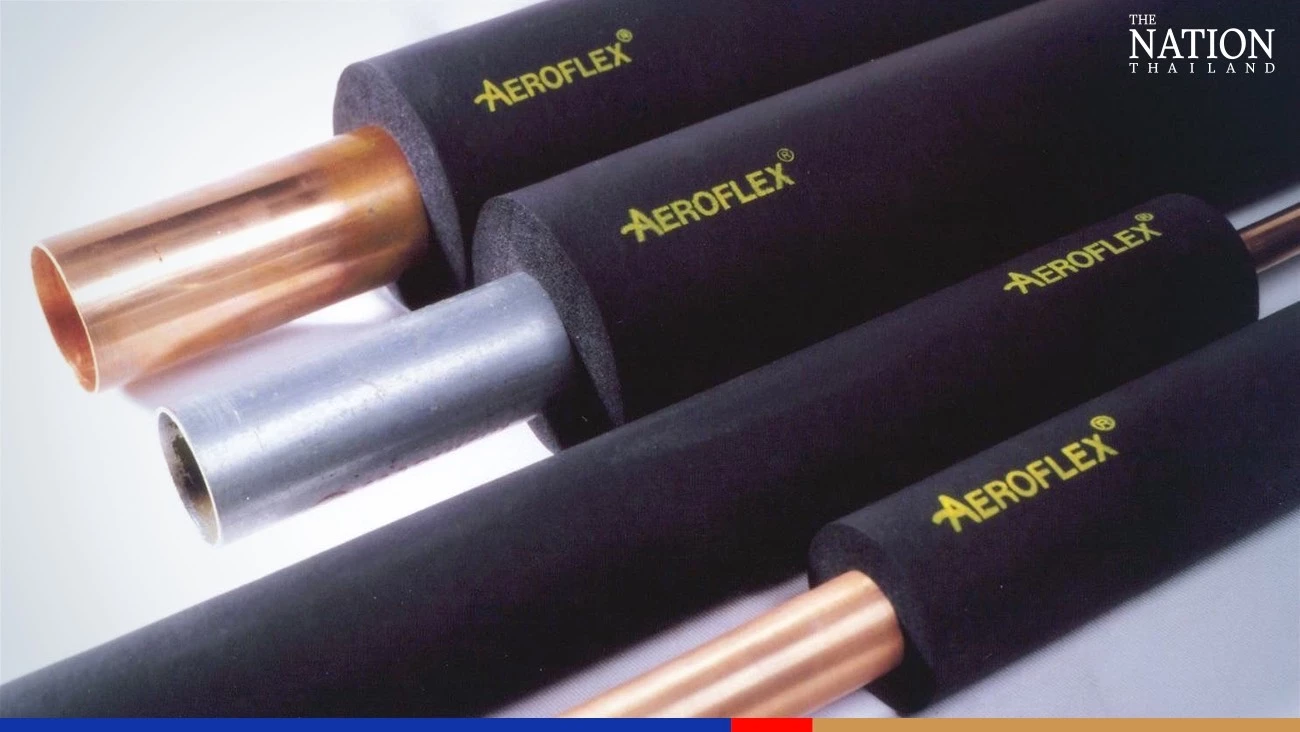
EPG focuses on investing in world-class, innovative businesses that make polymer and plastic products through its subsidiaries Aeroflex, which makes thermal insulation; Aeroklas, which makes parts and accessories for cars; and Eastern Polypack Co Ltd (EPP), which makes plastic and packaging.
Automotive parts and accessories were the biggest contributors to its revenue, accounting for 50.9% in the second quarter of fiscal year 2022-23 (July 22-Sep 22); insulation accounted for 29.7% and plastic and packaging for 19.3%.
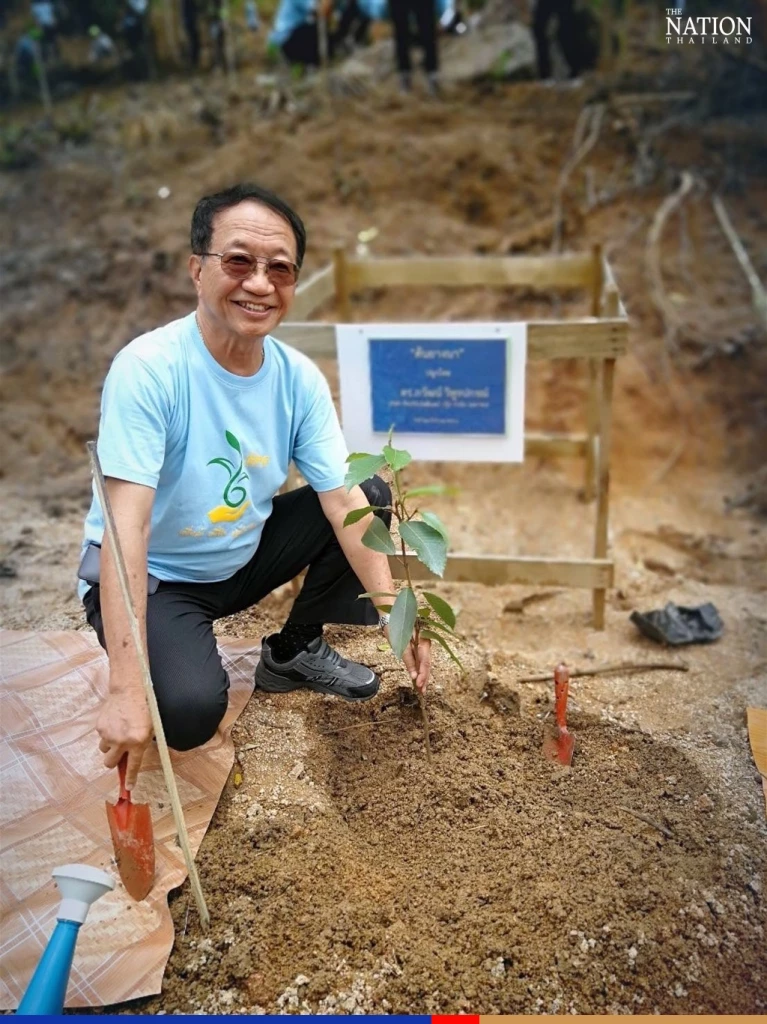
Pawat Vitoorapakorn, the CEO of EPG and Aeroflex Co LtdPawat Vitoorapakorn, the CEO of EPG and Aeroflex Co Ltd, is ambitious. He is not satisfied with dominance in the domestic market. He wants the companies’ products to gain worldwide recognition and his motto is: “The world is the market”.
“Our aggressive business strategies centre on NIN [network, innovation, niche] markets,” he says. “Aeroflex, for example, develops and sells only novel goods protected by legal patents to a niche market. Because of this, we can sell in large quantities in our specialised markets. Only a few manufacturers can compete with EPG globally,” he says.
Speaking of the company’s history, Pawat says: “The Vitoorapakorn family founded Eastern Polymer Group Public Company Limited in 1978. Thermal insulation, vehicle and accessories, plastic and packaging, and R&D are the primary businesses. In 2014, we changed our name to Holding Company and listed on the Stock Exchange of Thailand, raising 2.8 billion baht after having begun with an investment of 1 million baht.
EPG is now investing in domestic and foreign enterprises, focusing on polymer and plastic processing, with revenues from three major industries.”
Aeroflex has factories in both Thailand and the United States. They also work together in China and India. In the second quarter of 2022-23, 76% of Aeroflex’s sales came from outside the country, while only 24% were from Thailand. America, Asia, and the Middle East make up the main international markets, says Pawat.
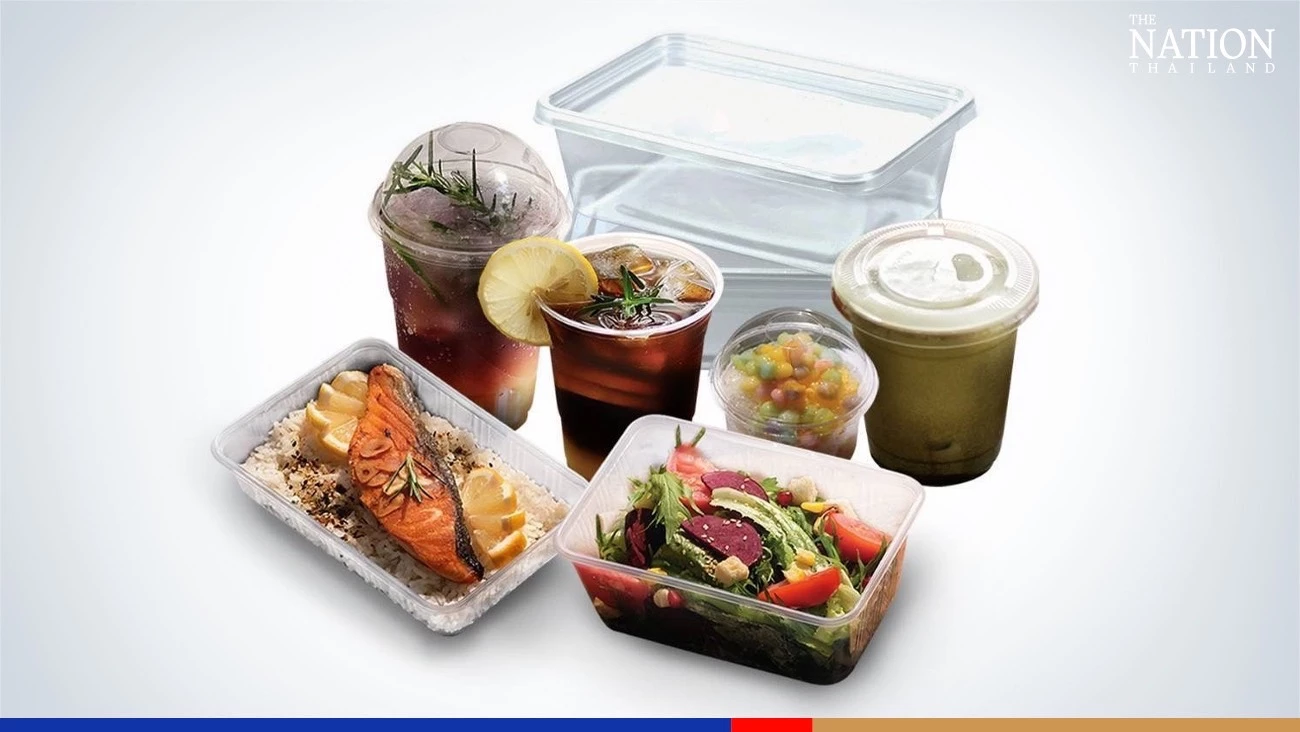
Eastern Polypack manufactures and distributes disposable plastic food and beverage containers, cups, plates, and bowls under the EPP brand
Aeroklas Co Ltd designs and develops patented vehicle parts and accessories. Aeroklas’ car components and accessories are used to decorate and improve the efficiency of pickup trucks. Aeroklas distributes the brand domestically and internationally.
Eastern Polypack manufactures and distributes disposable plastic food and beverage containers, cups, plates, and bowls under the EPP brand. EPP is a premium brand in the food and beverage industry, he says, adding, the company introduced “eici” last year to expand into non-premium products.
“During the pandemic, the company experienced the same difficulties as other industries because our customers were impacted. Fortunately, we had another business opportunity with Eastern Polypack, which sells food containers. They became the pandemic’s demand-pull delivery food business. As a result, our company did not suffer much of an impact,” he says.
Pawat said that in fiscal year 2022–2023, EPG expects to increase revenue by 12–15%, with a gross margin of 29–32%. He added that the group is focusing on a strategy to achieve sustainable growth in four areas:
▪️ Create organic growth from the core business with technological readiness and highly efficient production capacity that create innovative products to achieve continuity in the new S-curve and to expand the market domestically and internationally to increase market share. ▪️ Build joint venture investments. ▪️ Increase the budget allocated to R&D to develop a new business era in the future. ▪️ Set the long-term aim of achieving “net-zero” greenhouse gas emissions by 2042.
EPG is also committed to its vision of long-term growth by adhering to the motto “Contribution to a better society”. EPG adheres to its commitment of “Creating a World in Harmony with Technology and Innovation”, says Pawat.
“Energy consumption is a fundamental need for business operations, and energy activity generates greenhouse gases. So Aeroflex has set a long-term goal of net zero by 2042,” he says. “Proactive energy conservation measures have been implemented to improve the organisation’s energy efficiency, including a solar rooftop, resulting in total power capacity of 18 megawatts and the ability to absorb 13,500 tons of CO2, saving about 70 million baht per year,” he added.
Thai and Singaporean firms form JV to produce batteries for electric vehicles
FRIDAY, DECEMBER 16, 2022
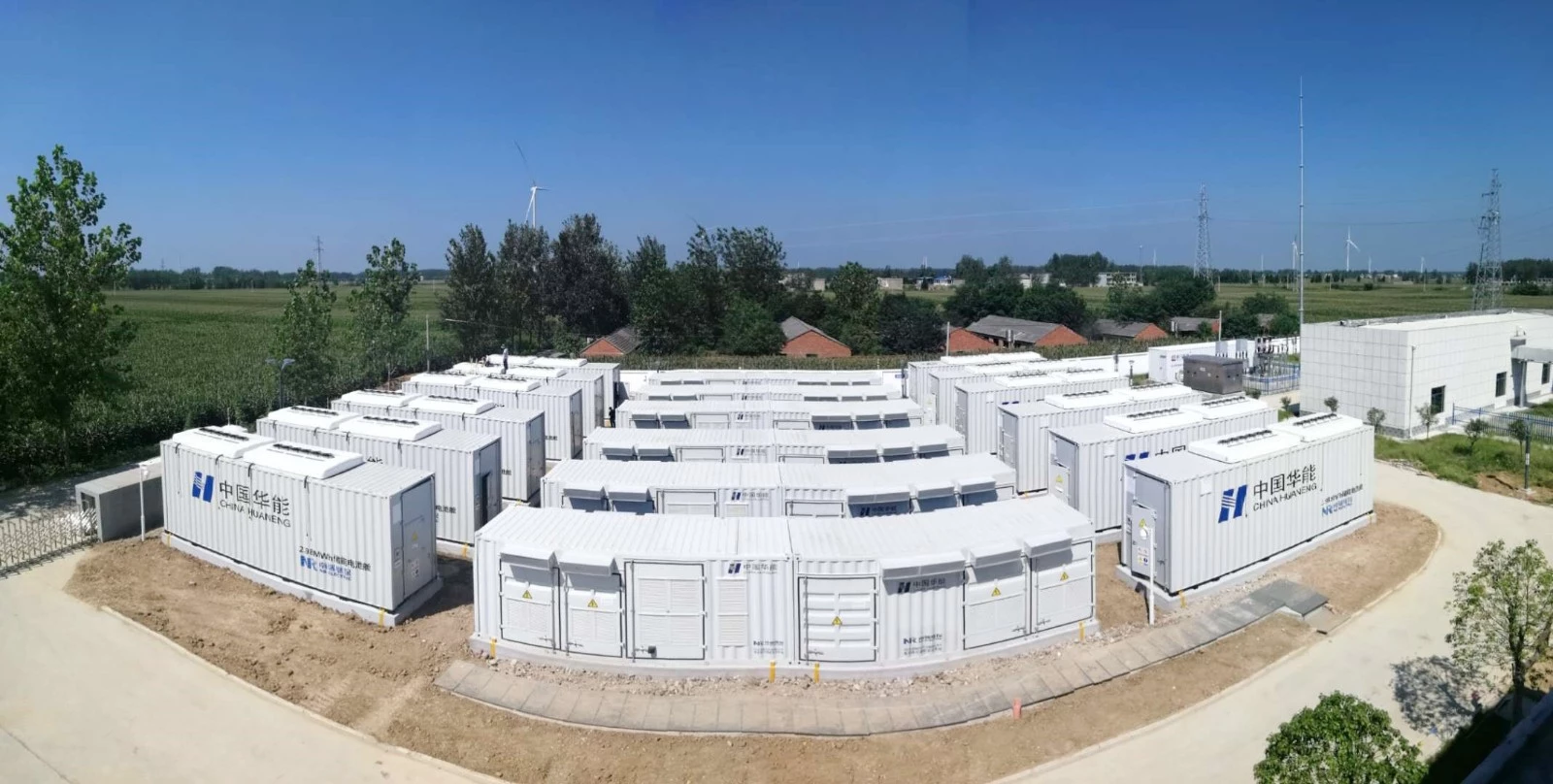
Nuovo Plus, a joint venture between Arun Plus and Global Power Synergy Plc, is forming a joint venture with Gotion Singapore to build a battery plant to supply electric vehicles and energy storage systems, the company announced.
The joint venture, NV Gotion, will have authorised capital of almost 600 million baht, with 51% from Nuovo Plus and 49% from Gotion, Nuovo Plus said in a press release.
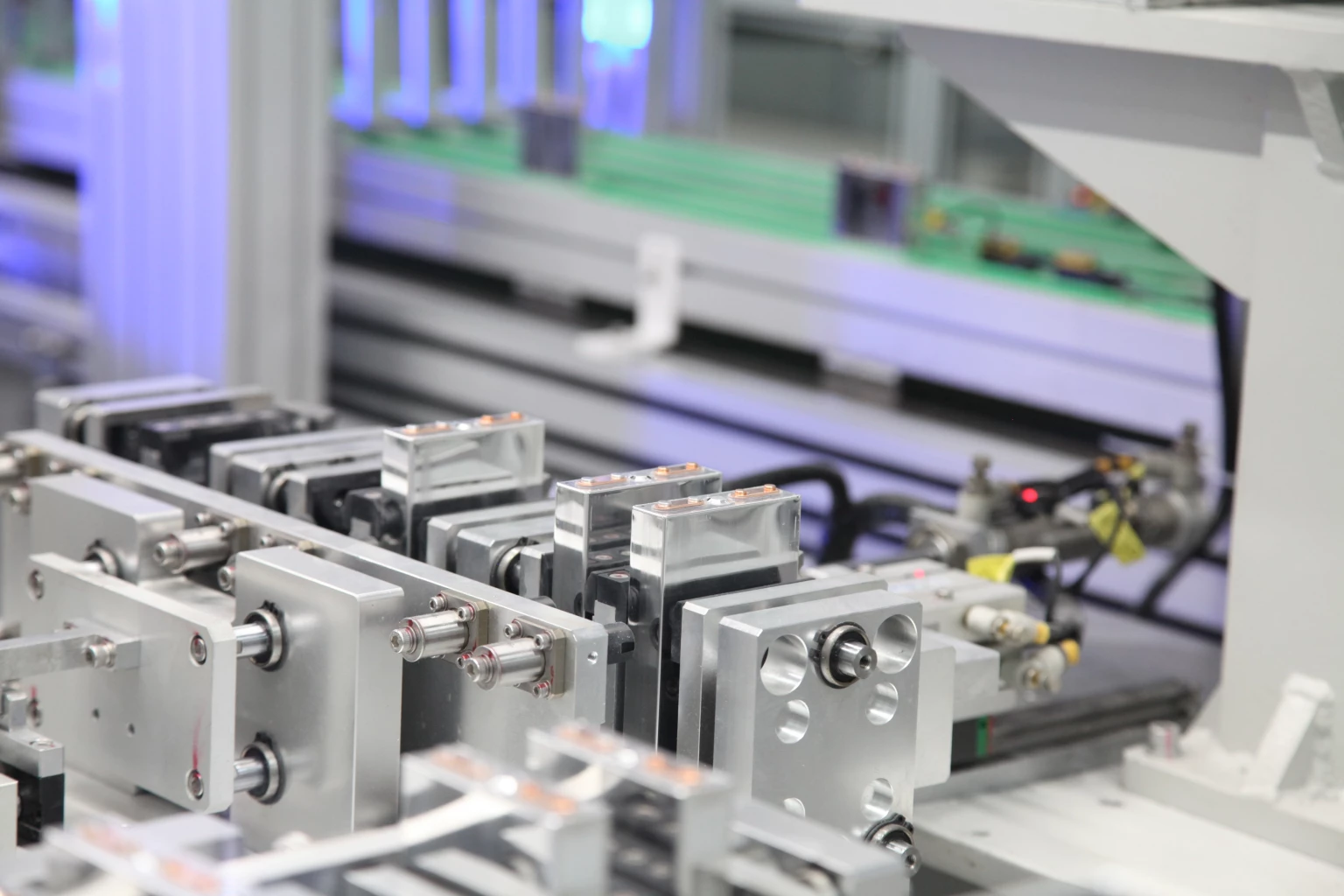
NV Gotion will import components, and assemble and distribute battery modules and packs for energy storage systems and electric vehicles, the press release said. Its initial production capacity will be 1 GWh a year, which will double to 2 GWh per year by 2025.
Nuovo Plus is a joint venture between Arun Plus and Global Power Synergy.
Buranin Rattanasombat, Chief New Business and Infrastructure Officer, PTT Public Company Limited and Chairman of the Board of Nuovo Plus Company Limited revealed that creating an ecosystem of renewable energy and electric vehicle depends primarily on the production of batteries for energy storage and electric vehicles (EV).
This joint venture establishes NV Gotion company which specializes in the energy storage and EV Value Chain — upstream to downstream — in accordance with the future energy business of PTT Group’s strategy.
NV Gotion will be capable of providing industrial sectors with one-stop service and international standard batteries not only in Thailand but across Asean by combining the knowledge of Nuovo Plus and Gotion in the fields of research and development (R&D), competitive production potential, technical service from experts. Thus, NV Gotion is going to construct a 2 GWh battery plant in the Eastern Economic Corridor (EEC). By the fourth quarter of 2023, the plant plans to develop and provide high-quality lithium-ion batteries to the market so that boosting competitiveness through innovation and technology could ensure Thailand’s Net Zero goal.
Li Zhen, Chairman of Gotion High-tech Co., Ltd. highlighted the significance of the joint venture with PTT and expectations for the future.
Gotion believes that the cooperation will aid in the company’s international growth and accelerate the new energy development of PTT Group. Resulting in win-win situation and laying a solid foundation for further collaboration in the future.
The quality of products is the key to the joint venture’s success. It is intended that both parties can leverage their respective strengths, and make their advantages complement one another.
” To advance product technology, enhance the functionality of products, and enhance services, thus, we must collaborate. Promoting application is the soul of the development of the joint venture. In order to help Thailand’s automotive industry become more globally competitive, NV Gotion will support the Thai government to create a green economy and transform Thai automobiles. Gotion High-tech and PTT Group, with NV Gotion as the platform, will make the most of the first-class technology, high-quality products, and advanced management to support the success of electric vehicles equipped with NV Gotion batteries in Southeast Asia and beyond,” Li said.
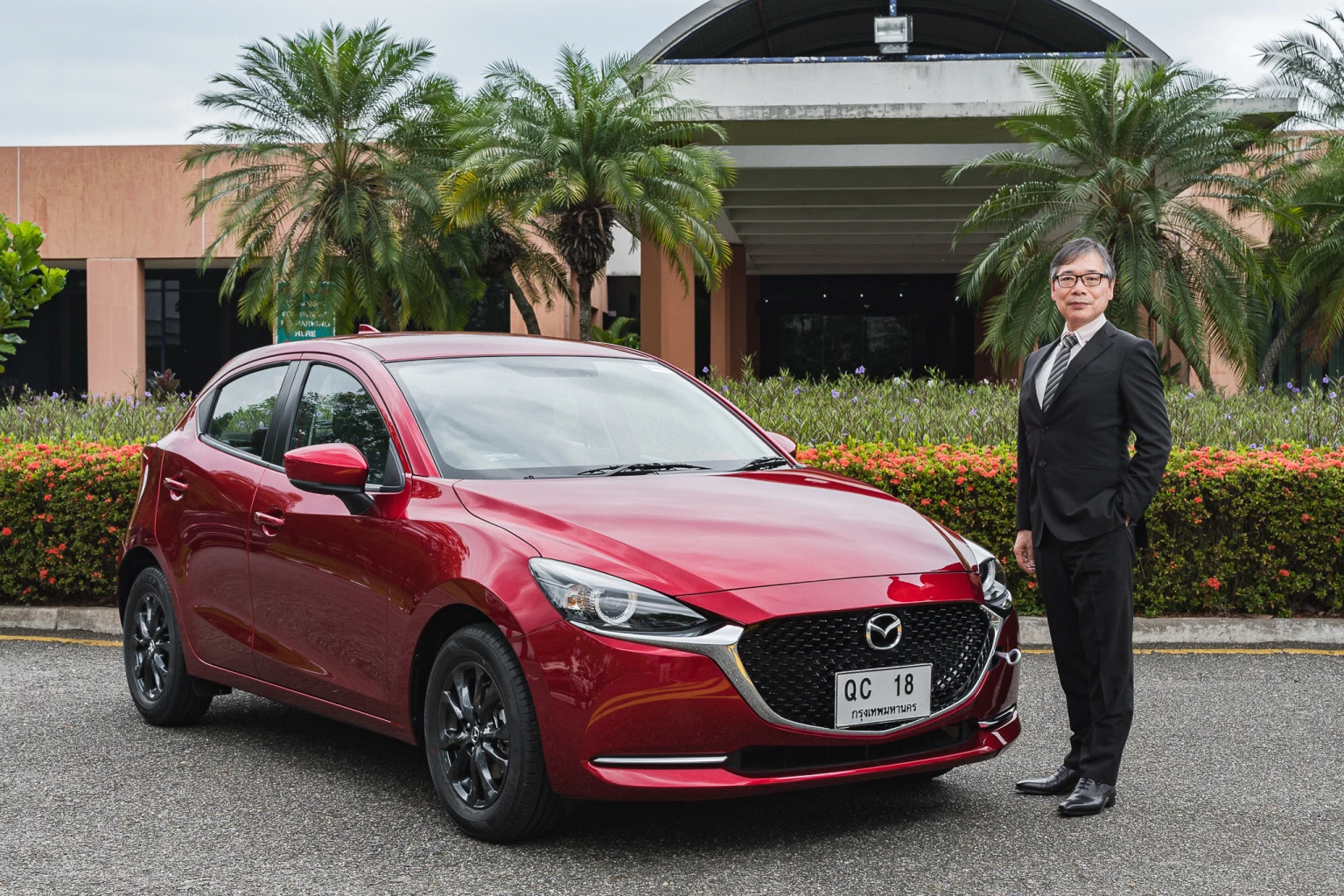
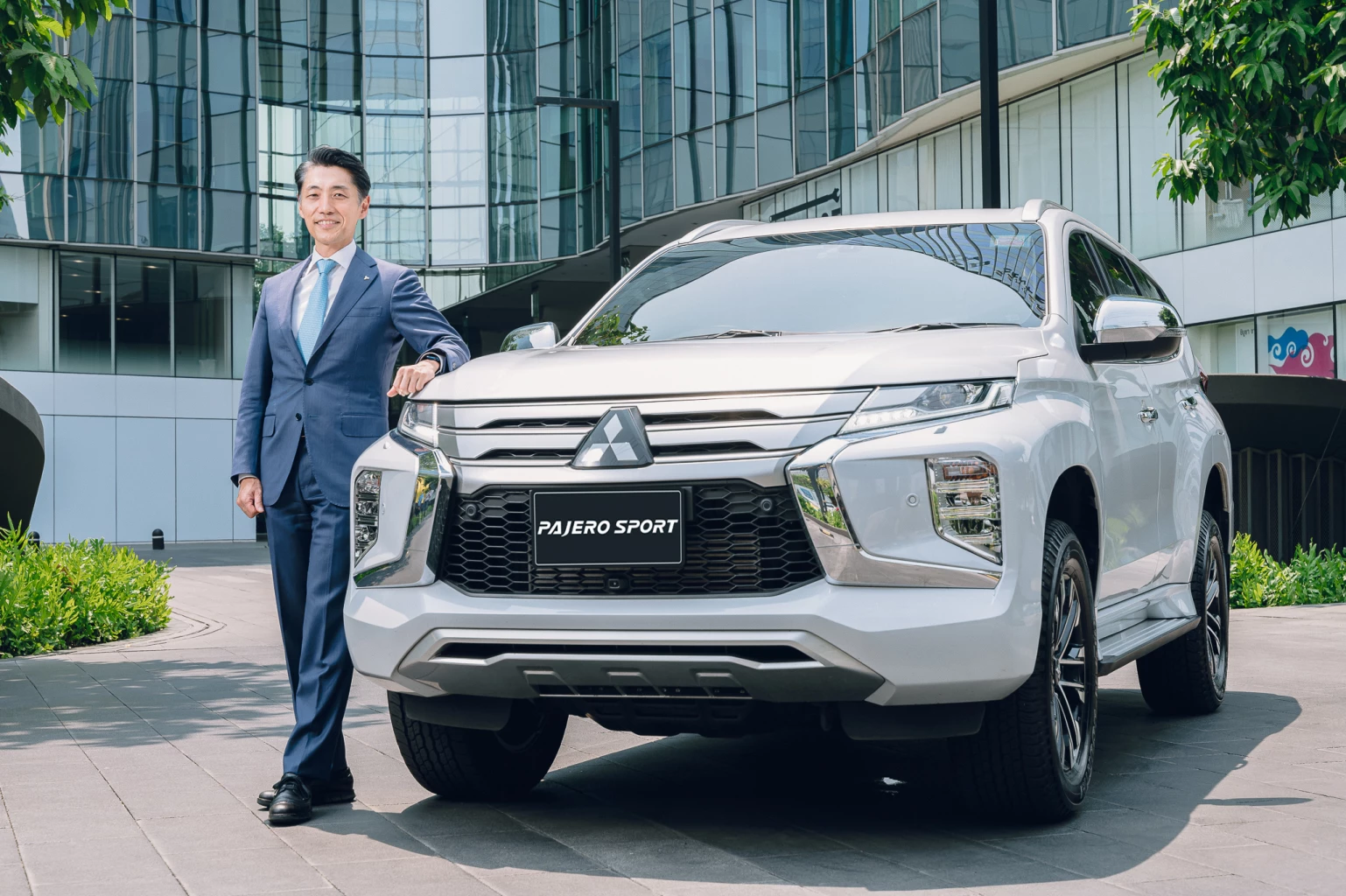
What makes quality a necessity? Unlock the keys to success with Isuzu, Mazda, Mitsubishi, and Toyota Execs
FRIDAY, DECEMBER 16, 2022
Quality is vital to a company navigating its way to success, especially for a car manufacturer whose product quality embodies its customers’ safety, convenience, and overall experiences.
This is why NielsenIQ Automotive Team, the expert of customer experience studies and auto industry data analysis, have decided to delve deeper into the secrets behind some of the most successful automotive manufacturers in Thailand namely Isuzu, Mazda, Mitsubishi, and Toyota. We want to find out just what these producers are doing differently to ensure they stay ahead of the competition in this fiercely competitive industry and how they see the future of the automotive industry.
Consumer needs for quality in the Thai automotive market have never stopped evolving.
The three crucial aspects found in every quality product or service are operational efficiency, consumer confidence, and value for money. It is no surprise that quality control in the automotive industry has evolved with changing times. In the view of the four executives, the following key factors have contributed to the transformation:
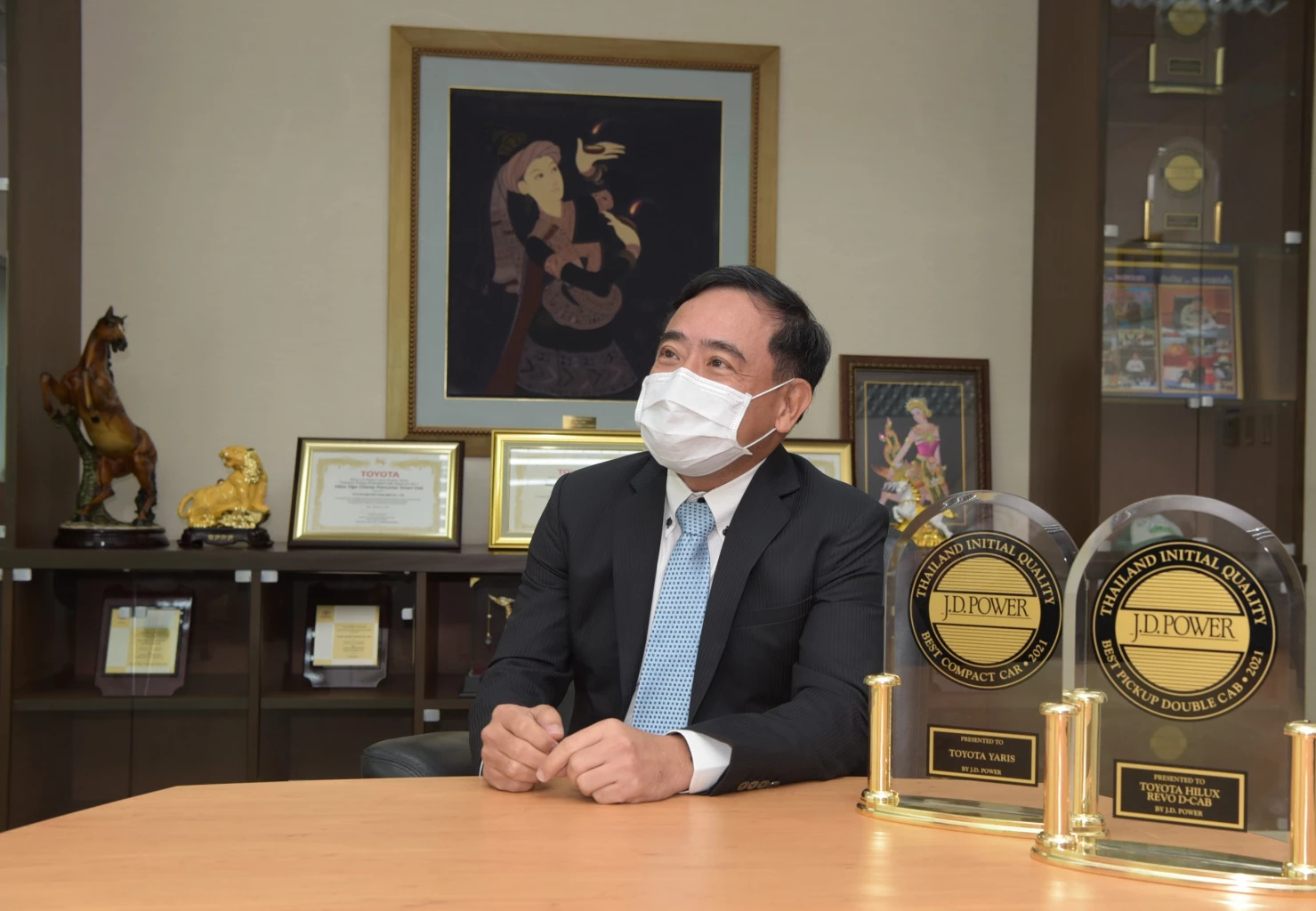
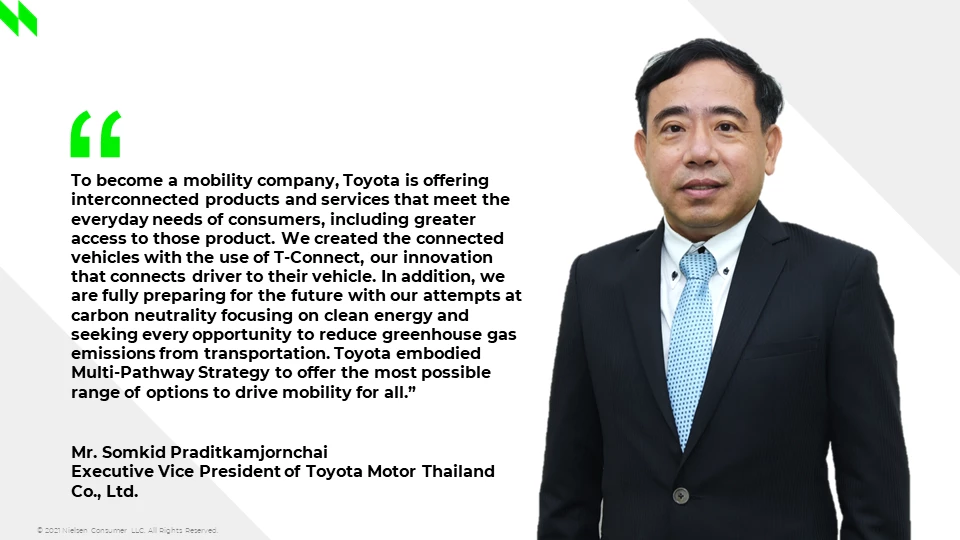
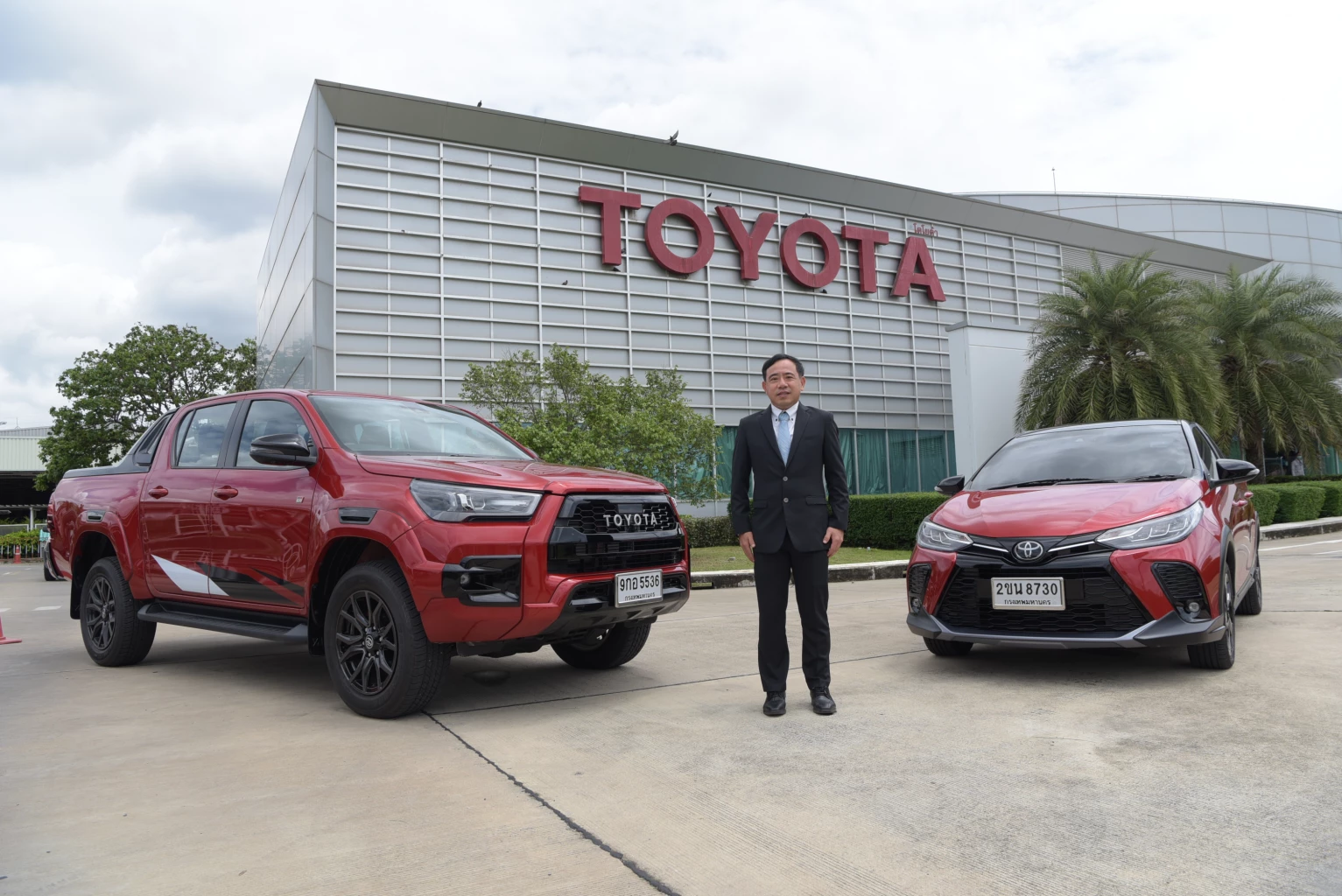
Technology & Connectivity: Consumer needs for quality have evolved with technological innovation and the advancement of connectivity, explains Mr. Somkid Praditkamjornchai, Executive Vice President of Toyota Motor Thailand Co., Ltd. As new technologies emerge car manufacturers have to incorporate them to improve their vehicles’ performance. However, this does not mean that manufacturers can lose sight of the vehicles’ basic requirements, such as a smooth ride, comfortable seating, engine quality, reliability, no car noises, or component excellence. Indeed, manufacturers must ensure that the quality of these factors are maintained while understanding that consumers are now taking more notice of the technologies on offer from their products than ever before.
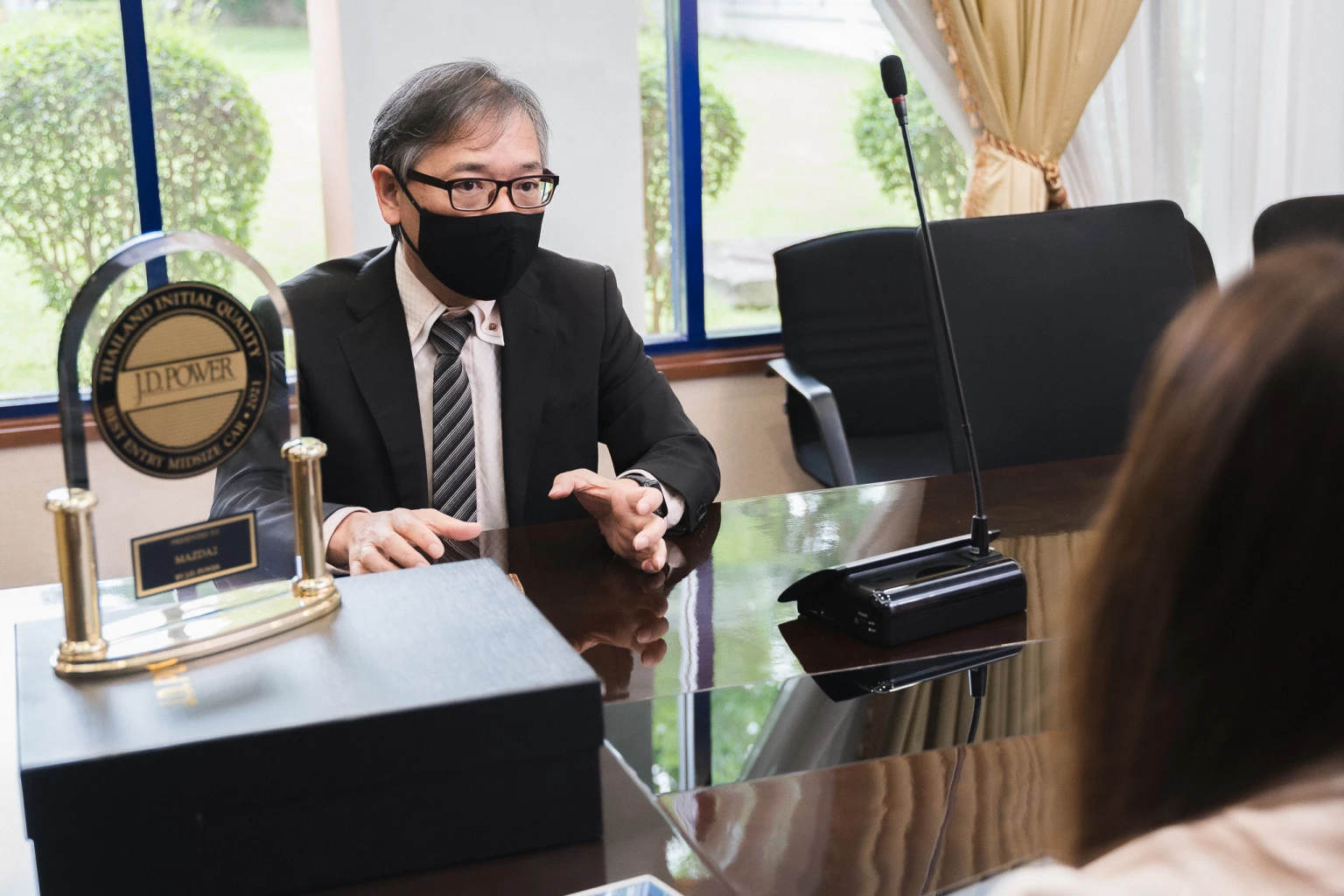
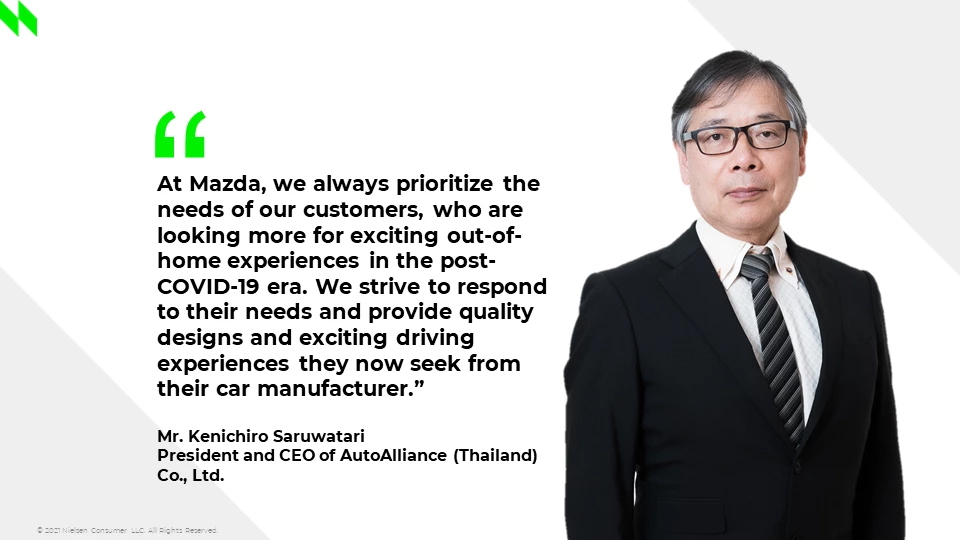
At the same time, Mr. Kenichiro Saruwatari, President and CEO of AutoAlliance (Thailand) Co., Ltd., believes that continuous development of new communications technology features will have a lasting effect on quality assurance and that manufacturers also place connectivity at the heart of their technological advancements.
Trends, Government Regulations & Social Issues: In Saruwatari’s opinion, society’s increasing environmental awareness has made electric vehicles more and more desirable to consumers. Manufacturers need to respond to this trend. Meanwhile, different government regulations around the world, including carbon neutrality and net zero emissions goal, also play an integral part in setting the stage. He cites the example of Japan, where there are more road accidents involving elderly people than younger generations from society, leading to automotive innovations aimed at addressing this social problem.
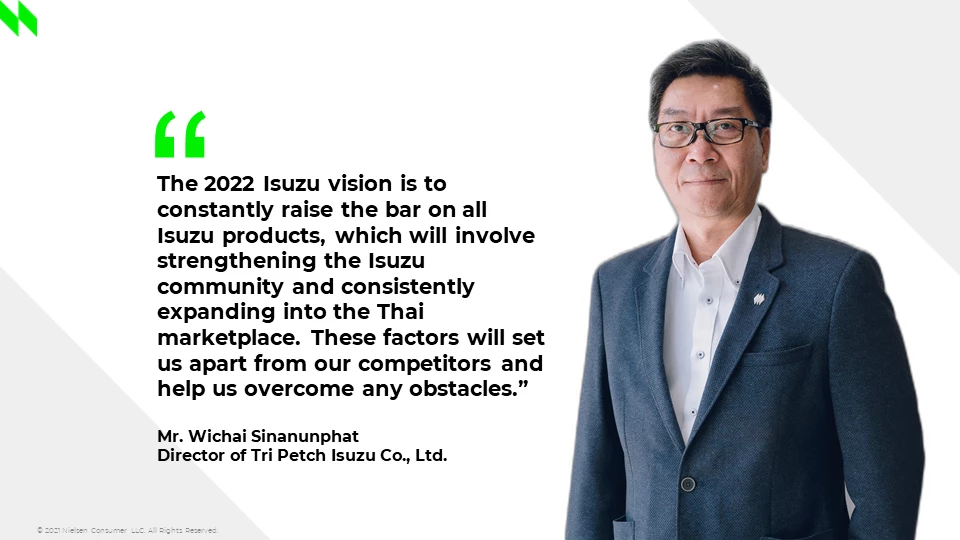
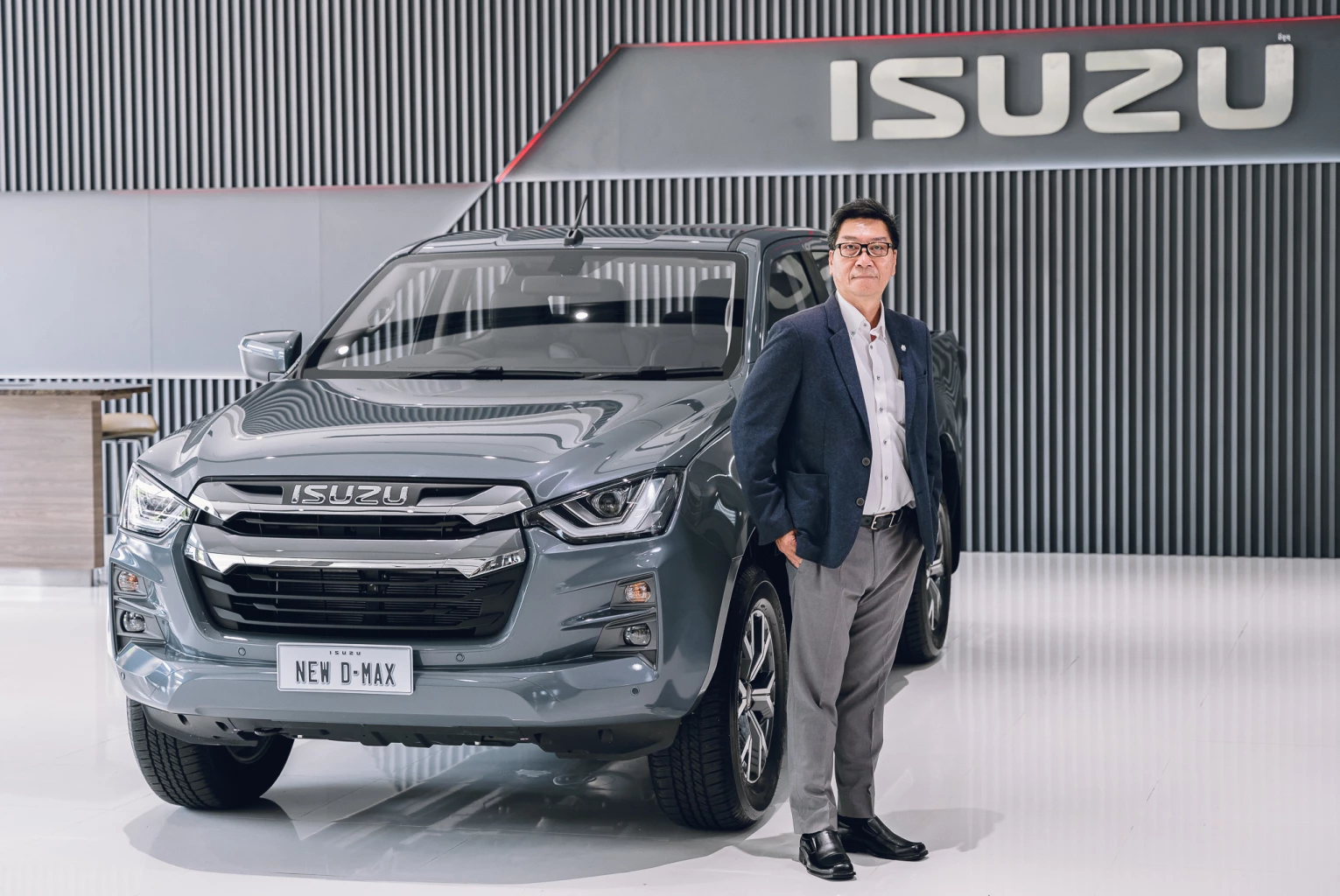
Emotional requirements: Consumers have higher expectations, so manufacturers must be careful to meet said needs, both in terms of everyday facility and the emotional benefits their products can offer. Examples of such include designing vehicles that are eye-catching, luxurious, and elegant as these can indicate a person’s good standing in society, as well as producing a sense of pride in its owner, according to Mr. Wichai Sinanunphat, Director of Tri Petch Isuzu Co., Ltd.
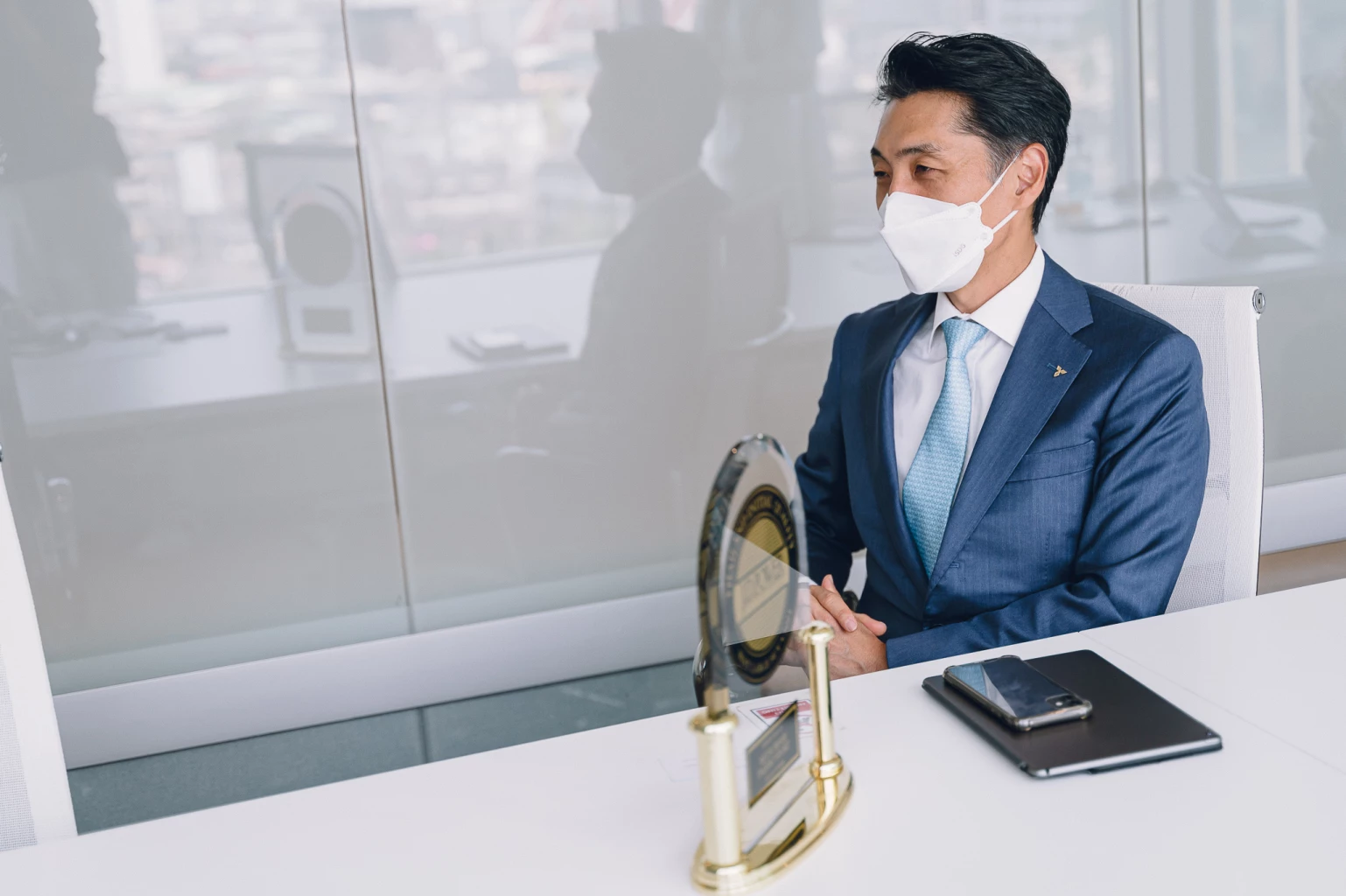
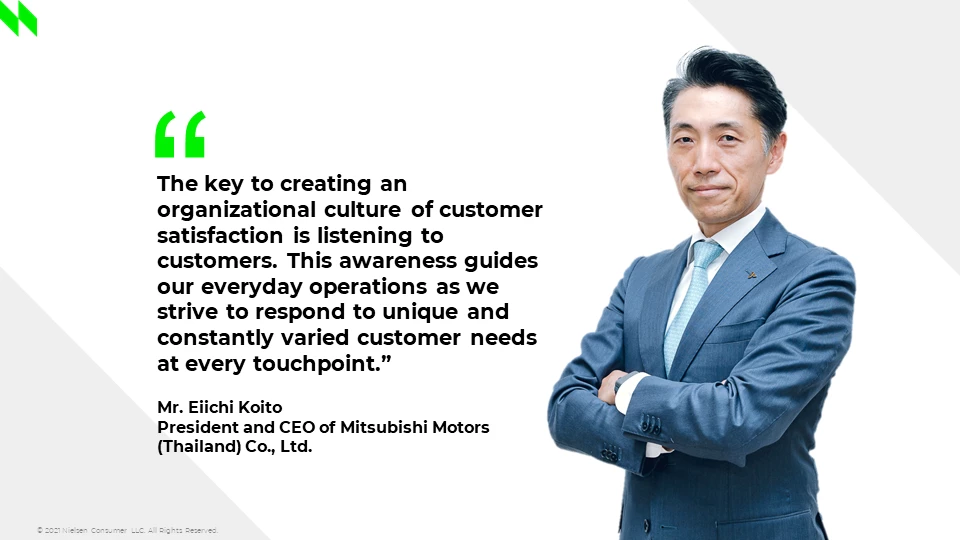
As consumer requirements are constantly changing, ensuring that the company has its ears open to the ‘customer voice’ is essential to Mr. Eiichi Koito, President and CEO of Mitsubishi Motors (Thailand) Co., Ltd. He also remarks that it is not merely the passing of time that is influencing the ever-changing consumer needs, it is also the automotive market differences in each country and segment that result in unique requirements. Organizations must therefore keep a close eye on their customers to analyse how those needs are changing and how they can be effective in meeting them as this information will prove vital to success. The speed at which a company can process such information is another critical aspect, which is why Mitsubishi has provided special training to staff to ensure a company culture built around maintaining high levels of customer satisfaction.
Quality control challenges in the eyes of Manufacturers
All four executives agree that ‘quality control’ is a challenging objective, particularly when it comes to the latest innovations or technologies. Manufacturers must have a clear understanding of the direction that any potential progress could take the company – be that in terms of processes, components, suppliers, or new products – including how quality and customer satisfaction could be affected.
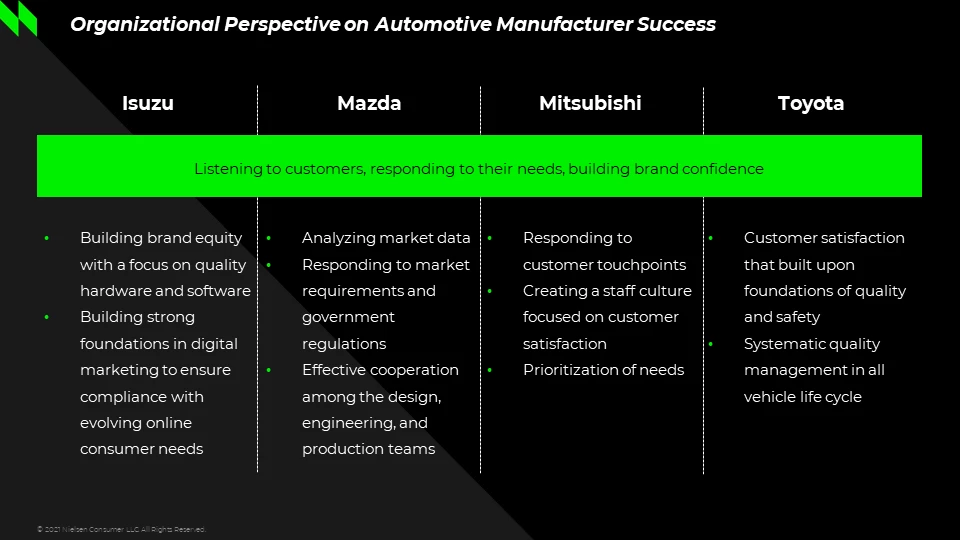
Isuzu takes responsibility for quality assurance throughout the process, from design and manufacturing to product delivery and after-sales care. As a result, their customers trust in the brand. Mazda is another shining light in this regard, having multiple teams – including designers, engineers, and quality controllers – working collaboratively for optimal operational efficiency. They also quickly identify and address any issues that arise.
Meanwhile, Mitsubishi believes that the diverse and varied needs of their customers pose an intriguing challenge. By focusing on shared points of importance to both themselves and their customers, they take on the most pressing issues first, creating vehicle models with their own unique selling points.
Finally, Toyota has a range of standards and procedures to guarantee ‘safety and quality’ to their customers, including adherence to safety and quality principles and the use of customer-centric change management and other techniques designed to reduce problems faced by their customers. The success of such a method is heavily reliant on the executive closely monitoring day-to-day operations.
These key factors underpin automotive manufacturer success
Despite each of the organizations having their own individual policies or concepts, it is clear that they share a belief in listening to consumer opinion to inform the design of their vehicles, resulting in greater customer confidence in their brands. The executives of these four successful businesses have outlined the following key factors to automotive manufacturer success:
All four executives are in agreement that the automotive market is in a rebound phase and that it is starting to expand once again following the COVID-19 pandemic. Consumers are beginning to expand their own horizons, whether in terms of professional lives, tourism, or even camping. However, as Mr. Somkit and Mr. Wirachai remark that there remain some very challenging obstacles for automakers, including high costs, especially for metal, and a lack of access to semi-conductors. The current precarious supply chain requires careful attention moving forward. Meanwhile, many economies are still recovering from the effects of the pandemic. Additionally, higher fuel prices are significantly impacting consumer demand for vehicles, making it difficult for manufacturers to make accurate predictions for this year’s sales figures.
Despite these volatile factors, the automotive market seems to be heading in the right direction. For car makers, placing a greater importance on consumer voice, teamwork, efficient manufacturing process, and product safety ensure the highest quality can be maintained. This is not exclusive to the motor vehicle industry but instead should be seen as a mantra to guide producers from all industries as they strive to stay ahead of the competition.
Receiving the winning titles for past initial quality award is a source of pride for these executives and a testament to their organizations’ utmost attention to customer voice. They reflect the dedication to quality shown by these outstanding automobile manufacturers.
AURA sees glittering future for its Thong Ma Ngern Pai gold shops
THURSDAY, DECEMBER 15, 2022
Nongluck Ajanapanya
Aurora Design Plc (AURA), one of Thailand’s leading gold and diamond jewellery retailers, is expanding its consignment business under its Thong Ma Ngern Pai (Gold Comes, Money Goes) brand of shops.
The move comes after it became the first gold jeweller to list on the Stock Exchange of Thailand (SET) last month. The decision to roll out more shops was driven by expanding demand in the consignment sector, AURA chief marketing officer Anipat Srirungthum explained on Thursday.
Thong Ma Ngern Pai brand is a retailer that also allows customers to temporarily exchange jewellery for cash to boost their liquidity.
Anipat said this business was previously only a supplement to its Aurora and Seng Heng gold shops but had now become a core focus.
The expansion is part of the company’s rebranding from an antique traditional family jewellers to a modern trendy gold store for people of all ages.
Anipat said Thong Ma Ngern Pai differed from its competitors thanks to its high credit limit, no need for a guarantor, instant cash, low monthly interest rate of 1.25%, more than 200 standardised branches nationwide, and easy access via its own app.
“I dare to say that no other gold shop offers such a high credit limit with such a low interest rate,” he said.
Asked why Aurora Design is so confident about making the consignment business its new flagship, Anipat highlighted the critical role digitisation.
“We are a data-driven organisation. Data helps us with accuracy of checking and tracking as well as ensuring security against errors and scams on a proper economy of scale. It also helps us understand our customers’ pain points and the solutions we can offer them.”
Aniwat explained that the Thong Ma Ngern Pai brand was created to help customers easily access financial sources at a legal interest rate and with greater convenience. After more than three years of testing, the service showed promising prospects.
Revenue is growing at least 45% per year and there are over 130,000 users of Thong Ma Ngern Pai services.
AURA plans to expand the current network of 266 stores to 409 by 2024, boosting revenue to 3.7 billion baht.
Aniwat said the brand will also collaborate with other businesses to improve user experience and engagement. The company has partnered with CJ MORE, Line BK, and Kasikorn Bank.
CP teams up with Toyota, Hyundai, and MG to promote sustainability in transportation industry
THURSDAY, DECEMBER 15, 2022
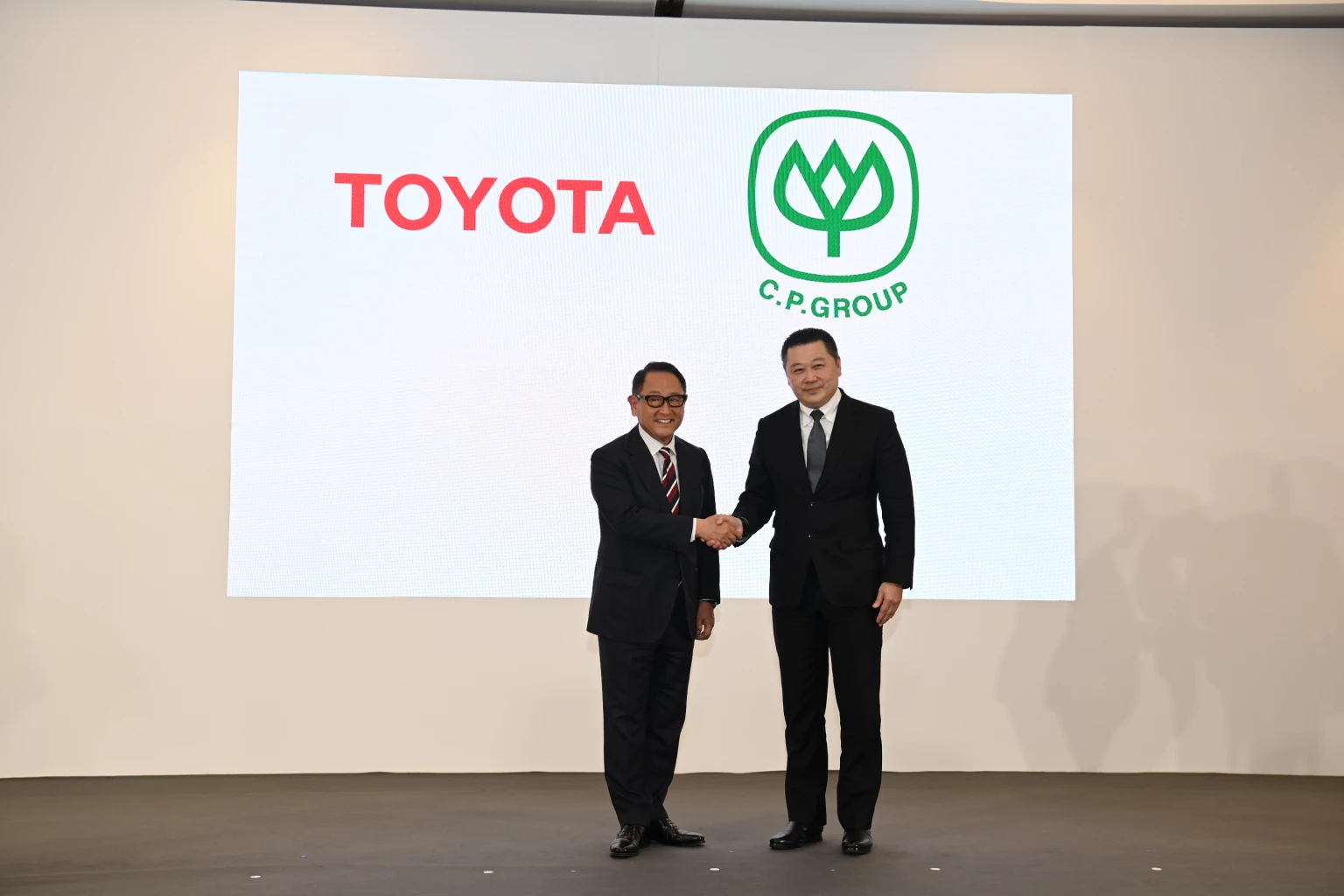
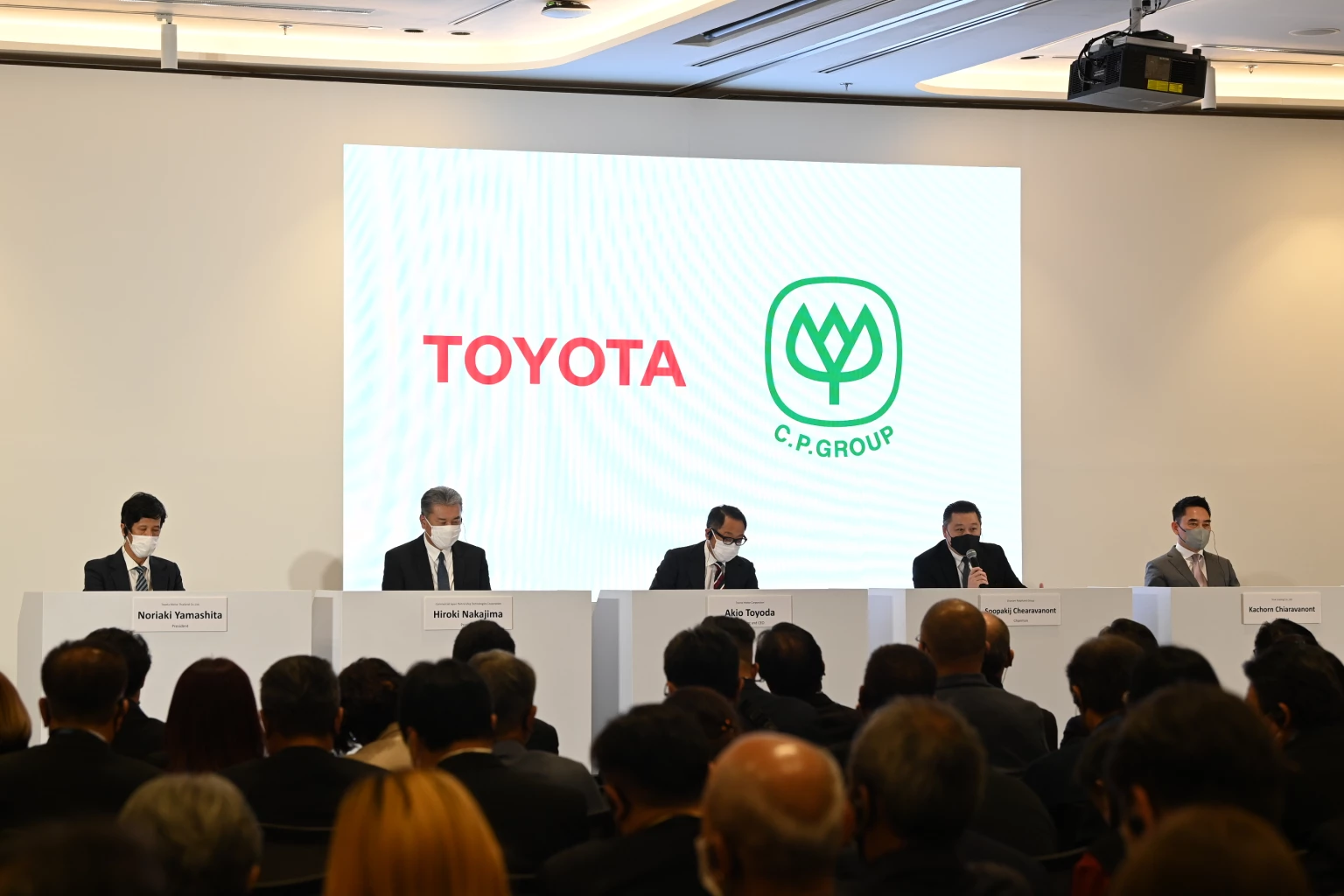
To form an alliance of global forces in the transportation sector to push for carbon neutrality, Toyota and Thailand’s Charoan Pokpand Group (CP) have agreed to work together and they welcome other manufacturers with similar objectives because they believe that working together will move the aim closer to realization.
Akio Toyoda, Chairman of Toyota Motor Corporation, Mr. Hiroki Nakajima, President of Commercial Japan Partnership Technologies, Mr. Noriaki Yamashita, President of Toyota Motor Thailand, together with Mr. Soopakij Chearavanont, Chairman of Charoen Pokphand Group and Mr. Kachorn Chiaravanont, President of True Leasing Co., Ltd. went on the stage recently to unveil the cooperation on the occasion of Toyota’s 60th anniversary of business operations in Thailand at the Queen Sirikit National Convention Center.
The collaboration in lowering global warming is open to businesses from every industry, according to both parties’ announcements. Currently, CP also collaborates with renowned automakers from other nations, such as MG from England and Hyundai Motor Company from South Korea.
Toyoda also highlighted the importance of the private sector for Thailand to achieve carbon neutrality by 2050 and net zero by 2065. CP and Toyota have jointly announced the open partnership cooperation to achieve the carbon neutrality goal in Thailand, whilst inviting companies from all sectors who share the same goal to jointly help reduce global warming.
“I believe that this joint initiative utilizing the strengths and existing resources of both companies will lead to the acceptance and create change in society both in Thailand and at the global scale. Both companies which are concerned about Thailand and the world agree to work together and take action today,” Mr. Toyoda said.
In addition, Toyota is ready to share the CASE technology because the environmental issues are not for competing about, but rather a motive to cooperate and codevelop technologies.
“We have to start today with what we have and work together. The fact that CP has partners besides Toyota in the automotive industry is good; we look forward to collaborating with other parties under this project. We strive to make each year better than the year before, so that we can witness concrete results.
The reason why I initiated the project in Thailand first is because I have always wanted to repay my gratitude towards Thailand. We will bring in environmentally friendly vehicles and we are open to allies from China and South Korea to jointly make the world a better place. I hope that the project will happen soon and that we can expand to other countries in the future,” he added.
Dhanin Chearavanont, Senior Chairman of CP Group, said earlier that “What President Toyoda and I have in common is the desire to repay Thailand. I am pleased that both companies have the opportunity to collaborate towards carbon neutrality especially in Thailand and we welcome allies from all sectors to join the alliance to achieve this goal.”
Soopakij Chearavanont, Chairman of CP Group said at the press conference that this collaboration was founded on the mutual environmental goal aiming to be carbon neutral by 2030 and net zero by 2050. Currently, CP has several ongoing joint studies with global automotive players such as Hyundai Motor Company from South Korea and is conducting electric vehicle (EV) tests with Hyundai Glovis in our logistic business, and also collaborating with MG from England and Foton from China to find sustainable transportation solutions.
The Chairman of CP added that CP’s intention to cooperate with Toyota is to do good things for the society, the world, and Thailand. Not only are our goals aligned with Toyota, but the Chairman also appreciates Toyota’s openness to partnerships with other automotive players to achieve carbon goals faster.
Mr. Kachorn Chiaravanont, President of True Leasing Co., Ltd., said that CP has been a partner with Toyota for more than 20 years since 1998. Toyota has joined hands with CP to help the Thai people in times of crisis, such as the flood situation and is always regarded as good friends.
For this cooperation with Toyota, CP has assigned True Leasing to study ways to reduce carbon dioxide emissions. Since both parties have agreed that the transportation sector is very important and the alliance should be open to partners from both public and private sectors to achieve the goal. CP’s policy to become a Carbon Neutral organization by 2030 and achieve the Zero Carbon goal by 2050 is aligned with Toyota’s direction.
The CP Sustainability Report states that CP has projects related to sustainability and to reduce carbon emissions such as reducing energy consumption through energy saving projects, reforestation, using solar and wind energy.
CP is also working with government sectors such as the Greenhouse Gas Organization to try to achieve the goal of becoming a Carbon Neutral organization by 2030 and achieving the Zero Carbon goal by 2050. Although challenging, CP is determined to succeed and ready to open up to partners to achieve the sustainability goals.
CP and Toyota will also explore social implementation via True Leasing in the following three areas. With these actions being linked with each other, the two companies will proceed with what can be done today to consistently reduce CO2 emissions throughout the entire supply chain.
There are three main collaboration areas: 1. Study on hydrogen production using biogas derived from farm waste in Thailand. (Specifically in Special Economic Zones) 2. The use of fuel cell electric vehicles (FCEV) in True Leasing’s activities (Providing a variety of approaches such as BEV and FCEV based on travel distance and payload) and 3. Studying effective transport collaboration using connectivity technology to optimize True Leasing’s delivery routes.
Toyota also plans to begin considering the participation of Hino Motors, Ltd and its group companies in the Commercial Japan Partnership Technologies Corporation (CJPT), which includes ISUZU Motors Limited, SUZUKI Motor Corporation, DAIHATSU Motor Co., Ltd. and TOYOTA).
CJPT was established with the purpose to help solve the challenges faced in the transport sector and achieve carbon neutrality through the dissemination of the CASE technology. Furthermore, as carbon neutrality should be tackled by all people and industries, CP and Toyota are willing to welcome any partners who share the same view towards carbon neutrality.
C.P. Group launches second annual corporate Human Rights Report on Human Rights Day
THURSDAY, DECEMBER 15, 2022
Charoen Pokphand Group publishes its second annual Human Rights Report, developed based on the United Nations Guiding Principles Reporting Framework (UNGPRF). The report is officially released on December 10th, the Human Rights Day. By publishing the report, the Group seeks to emphasize transparency in its business operations and respect for human rights within the Group’s businesses and throughout its value chain.
Mr Suphachai Chearavanont, Chief Executive Officer of C.P. Group, states that Charoen Pokphand Group is committed to conducting business ethically and with respect to human rights. This Human Rights Report presents the Group’s commitments and goals in line with the 3 Benefits Principle of putting the needs of the country and the people ahead of the Group’s business interests.
“Today, Charoen Pokphand Group employs more than 450,000 people across 21 countries and economies. As the Group continues to grow, it becomes ever more important that the protection and promotion of human rights is embedded within corporate culture, so as to ensure that employees at all levels of our business recognize and mitigate human rights risks which exist within our value chain. This year’s human rights report is our second, representing our continued dedication to enhancing and developing our ability to manage human rights issues within our operations and value chain, as well as our efforts to work with our peers and other stakeholders to enact local and even global transformations,” said Mr Suphachai.
Furthermore, Charoen Pokphand Group has reviewed and updated existing and announced new policies regarding human rights issues, such as: Human Rights and Labor Practices; Migrant Workers Recruitment; Diversity, Equity, and Inclusion; Discrimination and Harassment Prevention; Personal Data Protection; and more.
In addition, the report explains the measures the Group has taken against the increased risks of cyber threats, including both digital and physical security. To protect against these risks and complex digital threats, the Group established the Cybersecurity Center of Excellence to act as the center of digital security operations. This allows for a more comprehensive management of risks and threats, while also developing and disseminating best practices for all the Group’s subsidiary businesses and supply chain.
The report also emphasizes the importance of working with stakeholders to address global issues and drive respect for human rights within local communities, groups, and all stakeholders throughout the supply chain. By listening to diverse ideas and voices, the Group is able to promote human rights in more effective ways, driving change in cooperation with both local and international stakeholders.
The Group reports all its efforts, clearly and transparently, in this year’s Human Rights Report. This reinforces the Group’s commitment to respecting human rights in the move towards sustainable and stable growth for society, communities, and all stakeholders.


 Once China reopens its country to foreign tourists and allows its people to travel outside the country, Thai AirAsia would deploy 10 of its planes that are now grounded, Santisuk added.


 Pawat Vitoorapakorn, the CEO of EPG and Aeroflex Co LtdPawat Vitoorapakorn, the CEO of EPG and Aeroflex Co Ltd, is ambitious. He is not satisfied with dominance in the domestic market. He wants the companies’ products to gain worldwide recognition and his motto is: “The world is the market”.
 Speaking of the company’s history, Pawat says: “The Vitoorapakorn family founded Eastern Polymer Group Public Company Limited in 1978. Thermal insulation, vehicle and accessories, plastic and packaging, and R&D are the primary businesses. In 2014, we changed our name to Holding Company and listed on the Stock Exchange of Thailand, raising 2.8 billion baht after having begun with an investment of 1 million baht.
 Eastern Polypack manufactures and distributes disposable plastic food and beverage containers, cups, plates, and bowls under the EPP brand







 SootinClaimon.Com