Qantas culls flights while European carriers quit Italy #ศาสตร์เกษตรดินปุ๋ย

#ศาสตร์เกษตรดินปุ๋ย : ขอบคุณแหล่งข้อมูล : หนังสือพิมพ์ The Nation

https://www.nationthailand.com/business/30383807?utm_source=category&utm_medium=internal_referral

Qantas culls flights while European carriers quit Italy

Mar 11. 2020
A Boeing 737-838 aircraft operated by Qantas approaches to land at Sydney Airport in Sydney, Australia, on Feb. 21, 2019. MUST CREDIT: Bloomberg photo by Brendon Thorne.

A Boeing 737-838 aircraft operated by Qantas approaches to land at Sydney Airport in Sydney, Australia, on Feb. 21, 2019. MUST CREDIT: Bloomberg photo by Brendon Thorne.
By Syndication The Washington Post, Bloomberg · Angus Whitley, Christopher Jasper

Airlines from Australia to Scandinavia stepped up capacity cuts as the coronavirus numbed demand and Italy locked down internal travel.

Qantas cut almost a quarter of international services for six months, grounded most of its giant A380 jets and slashed management pay. Air France-KLM said its main Paris-based arm will cancel 3,600 flights this month, while Finnair Oyj will eliminate 2,400 short-haul services in April.

Discount specialist Norwegian Air Shuttle meanwhile said it will cut 3,000 flights through mid-June, including some trans-Atlantic trips, and temporarily lay off a “significant” proportion of employees, among them flying crew members, ground staff and office personnel.

Italy’s imposition of a ban on travel between provinces led Ryanair Holdings to ground all services to, from and within the country starting later this week until April 8. IAG’s British Airways scrapped all flights to Italy on Tuesday and suspended operations to four airports in the north through April 4.

Qantas’s biggest reductions are in Asia, where the Australian airline’s capacity is now down 31% from a year earlier, it said Tuesday. The carrier also cut services to the U.S. and the U.K., or put smaller planes onto existing routes. Eight of Qantas’s 12 Airbus SE A380s will be grounded until mid-September.

The overhaul, one of the most dramatic responses to the outbreak by any airline, is accompanied by wide-ranging cost cuts. Qantas’s group executive managers and board members will take a 30% pay cut for the rest of the fiscal year through June. Chief Executive Officer Alan Joyce won’t be paid at all.

“In the past fortnight we’ve seen a sharp drop in bookings on our international network,” Joyce said in the statement. “We expect lower demand to continue for the next several months.”

Air France-KLM will cut long-haul capacity by about 13% this month out of both Paris and Amsterdam, while the French arm will slash capacity by a quarter in Europe and 17% on domestic routes.

The reductions at Finnair amount to 20% of its European traffic and follow the earlier cancellation of 1,400 flights. The virus has been especially disruptive for the carrier after it built Helsinki into a hub for travel to east Asia, utilizing the shortest flight times from anywhere in Europe.

At Norwegian, which has already been shrinking its network after struggling with a debt pile, the flight cuts amount to 15% of total capacity, according to a statement.

The discount operator and rivals including Wizz Air Holdings Plc were among airlines canceling flights to Italy amid the escalating crisis there. Budapest-based Wizz also said it will also suspend services from London Luton to Tel Aviv until March 23, citing Israel’s announcement of a 14-day quarantine period for all arrivals.

Qantas shares tumbled in early trading before rebounding as successive governments announced stimulus measures to cushion the economic impact of the virus, closing 7.2% higher. Air France-KLM was priced up 5.1% in Paris as of 12:26 p.m., and Finnair was up 5.3%.

The viral outbreak will cost global airlines as much as $113 billion in lost passenger revenue this year, the International Air Transport Association said last week. Only a couple of weeks earlier, IATA had expected a $30 billion hit.

Speaking to reporters on a call, Joyce said Qantas could make yet more cuts to services. “We can go a lot deeper,” he said.

He said Qantas has also asked Airbus for more time to confirm an order for as many as 12 A350-1000 jets for ultra-long-haul services from Sydney to London and New York.

The Sydney-based company is asking all employees to take paid or unpaid leave as fewer planes take to the air. Qantas also scrapped a stock buyback to save A$150 million in cash. Analysts at Jefferies International described the measures as “significant but appropriate.”

“We know we can ride this out,” Joyce said on the call. “Not all airlines in the world will.”

– – –

Bloomberg’s Phil Serafino, Andrew Noël and Charlotte Ryan contributed to this report.

CPN responds to tenant’s complaint to The Nation: We have issued several measures to deal with Covid-19 situation #ศาสตร์เกษตรดินปุ๋ย

#ศาสตร์เกษตรดินปุ๋ย : ขอบคุณแหล่งข้อมูล : หนังสือพิมพ์ The Nation

https://www.nationthailand.com/business/30383795?utm_source=category&utm_medium=internal_referral

CPN responds to tenant’s complaint to The Nation: We have issued several measures to deal with Covid-19 situation

Mar 11. 2020
Fewer customers shop at department stores in Bangkok due to coronavirus fears. NationPhoto

Fewer customers shop at department stores in Bangkok due to coronavirus fears. NationPhoto
By The Nation

A tenant has complained to The Nation that department store tenants are facing financial burdens stemming from low sales as much fewer customers and tourists visit their shops amid fears over Covid-19. She said she asked for a temporary reduction in the cost of rent but received a cold response from the landlord.

She said her landlords range from CPN and Emporium to KP Development. Her office has raised concerns about the low number of customers and asked for a rebate/discount on the rent for a couple of months.

According to her, “they said it is not their problem if tenants don’t have enough money to pay rent”. They added: “We have many potential tenants who can take over if you cannot pay as our contract does not state that we need to give you a discount if there is an economical problem or the government does not support you. Why should we cut our profits just to help you?”

“How can the landlord only think of profits and not care for local businesses with fellow Thai employees?” the tenant asked. “I have 66 employees, all above 40 years old. I give the landlords three to six months of rental deposit. On top of that, since 2019, they have changed our lease to yearly and said it’s normal so they can increase rents every year if the economy is bad. We spend a lot on renovating our business premises. Why is this normal practice here? At first they let you sign a contract of two to three years, after they know you have renovated the place nicely, they change the lease contract to yearly, with a 15-20 per cent rent increase,” she complained.

“For example, Central Lad Phrao with not a lot of residences around charges the exact same rent as an Emporium Tower office. Close to Bt400,000 for a space less than 188sqm,” she claimed.

“Will the government come up with some help for retailers and offices? There are many businesses closing down as of today and many people are losing their jobs. My purpose to come here [to The Nation] is to ensure jobs are not lost,” she added.

The Nation passed on her complaint to the one of the landlords, Central Pattana (CPN).

CPN replied that it has issued numerous measures to deal with the Covid-19 situation for people renting shops at its department stores.

“We have discussed the issue with related persons for designing a plan to tackle the virus situation, and are also updating renters about the situation periodically,” a company statement said.

CPN has also organised several campaigns to stimulate public spending at its department stores, according to the statement.

In addition, the company is regularly cleaning and sterilising its department stores nationwide to boost customer confidence. “We have ordered relevant staff to sterilise numerous points every hour,” it pointed out.

CPN also screens its employees for Covid-19 infections, and is informing people on safety at its department stores, the statement said.

The tenants can contact 02-021-9999 or the department stores’ offices for further information regarding rent issues and other support, it added.

Meanwhile, real estate economist Samma Kitsin suggested that the two sides, landlords and tenants, should together find a way out during the current crisis.

“I do not think the landlords would benefit if small shop owners shut their shops or booths at the department stores. We have seen 20-30 per cent of shop owners having to close in some community malls, resulting in landlords themselves having business difficulties,” he said.

Companies have campaigned against sick pay for years #ศาสตร์เกษตรดินปุ๋ย

#ศาสตร์เกษตรดินปุ๋ย : ขอบคุณแหล่งข้อมูล : หนังสือพิมพ์ The Nation

https://www.nationthailand.com/business/30383800?utm_source=category&utm_medium=internal_referral

Companies have campaigned against sick pay for years

Mar 10. 2020
Marty Flynn, 29, who has worked for six restaurants in 10 years, poses for a portrait at his home in Orlando, Florida, on Monday, March 9, 2020. As the threat of the Coronavirus spreads, Flynn, like many workers, is concerned about the implications of having no paid sick leave. MUST CREDIT: Photo for The Washington Post by Charlotte Kesl

Marty Flynn, 29, who has worked for six restaurants in 10 years, poses for a portrait at his home in Orlando, Florida, on Monday, March 9, 2020. As the threat of the Coronavirus spreads, Flynn, like many workers, is concerned about the implications of having no paid sick leave. MUST CREDIT: Photo for The Washington Post by Charlotte Kesl
By The Washington Post · Abha Bhattarai, Peter Whoriskey · NATIONAL, BUSINESS, CAREER-WORKPLACE

Marty Flynn knows Orlando’s restaurants. The son of a bartender is 29 and has already worked at six. Chili’s. Bahama Breeze. Crave. Johnnie’s Hideaway. The Meatball Stoppe.

Now he’s a sushi chef.

“Every restaurant I’ve worked at, it’s been the same: No sick leave,” Flynn said, just like it was with his mom, the bartender. “I remember being home alone as a kid because I was sick and she couldn’t take time off. You just have to work through it unless you’re dying.”

As the coronavirus spreads across the United States, major U.S. companies and business groups have put out hand sanitizer and discussed precautions they are taking to keep sick workers away from customers. The Centers for Disease Control and Prevention has advised employers to “ensure that your sick leave policies are flexible and consistent with public health guidance.”

Although most Americans say businesses should offer sick pay, at least a dozen states, including Florida and much of the Southeast, have passed legislation since 2011 to block efforts to require medical leave. Even in liberal-leaning states that have passed sick pay requirements, some companies sidestep the requirement by counting their workers not as employees, but as contractors.

In Orlando, for example, voters overwhelmingly approved a measure that would have guaranteed that Flynn and thousands of other service workers in the tourist magnet would get sick pay. But in 2013, according to Florida news reports, business lobbyists for Walt Disney World, Darden Restaurants and the Florida Chamber of Commerce pushed state officials to overrule the Orlando mandate.

Stopping Orlando’s sick pay requirement, then-Gov. Rick Scott, a Republican, said at the time, was “essential to ensuring a business-friendly environment.”

Organizers of the measure said they were stunned.

“I never thought they would put up such a big fight over something so small,” said Stephanie Porta, one of the leaders of the ballot initiative. “They were so dug in on ‘You can’t tell businesses what to do.’ But if workers had more protections right now, the coronavirus outbreak would look much different.”

Even with confirmed U.S. cases of the novel coronavirus rising to more than 500 on Monday, much of the opposition to the Orlando sick pay mandate remains committed to blocking such measures.

Scott is now a U.S. senator, and in a statement Monday, his office said “businesses should have the ability to make the best decisions for their employees.”

A representative of the Florida Chamber of Commerce, Edie Ousley, said the organization is “confident employers will do the right thing . . . without government getting in the middle of something that should be left to the private sector.”

Representatives of Walt Disney World did not respond to a request for comment.

But at Darden Restaurants, the company that owns Olive Garden and LongHorn Steakhouse, managers announced Monday that they would be offering employees as much as 40 hours of paid sick leave annually. The benefit had been under consideration, officials said, but Darden moved quickly because of the coronavirus threat.

“As we continue to make investments in our employees, we strengthen our greatest competitive edge – because when our team members win, our guests win,” Darden president and chief executive Gene Lee said in announcing the new benefit.

– – –

White House advisers on Monday presented President Donald Trump with measures aimed at halting the economic disruptions caused by the coronavirus. Among the remedies they discussed was paid sick leave.

Across the country, efforts to contain the coronavirus are complicated by the legions of low-wage workers who lack sick pay and often feel compelled to show up even when they’re showing symptoms. Experts have a name for the phenomenon: “contagious presenteeism.”

For years, these workers say, they’ve just muddled through.

In Detroit, Katie Muncy knew when she got bronchitis last year that there was no way she could afford to call in sick to her job loading catered meals onto airplanes. Instead, she took Robitussin and showed up to her job for 2 1/2 months with the respiratory infection.

“I went in every day,” said Muncy, 39, who has two teenage children. “I was constantly wiping everything down, washing my hands, sanitizing things because I didn’t want anyone else to get sick.”

She eventually caught the flu and took a couple of days off without pay. But it was tough: Bills went unpaid, her family did without milk and fresh produce for a month, and she began relying on the local food bank for meat.

“Honestly I try not to go to work ill, but I really don’t feel like I have a choice,” she said. “If I want to put meals on the table, I have to suck it up and go.”

In Allentown, Pennsylvania, nursing-home worker Christine Talley, 63, came down with a week-long cold in December but decided she had to work anyway, calling out bingo for the home’s 65 residents and wheeling them to art class. She’d used up her vacation and doesn’t get dedicated sick time, so Talley tried to ignore the sneezing, coughing and runny nose. She washed her hands obsessively and wore a mask.

“Getting sick just throws a monkey wrench in your plans,” said Talley, who worked as nurse for 25 years.

And in Miami, Frank, who asked to be identified by his middle name because he fears retribution at work, spends each shift helping hundreds of international travelers make their way through customs checks. Last month he tried to work while he had the flu and pneumonia – and ultimately ended up in the hospital for a week. He was behind on rent for his studio apartment that month.

“When I don’t make enough money, I struggle to pay my bills,” he said.

Now as the coronavirus spreads, he is increasingly worried about his health. He doesn’t usually have time to wash his hands more than twice a day and has begun wearing a mask during to work, even though managers have asked him not to, saying it scares travelers.

“They don’t train us. They don’t tell us what we should be doing to protect ourselves or passengers,” he said. “I worry about it all the time. We still have big flights: 400 people coming from France, 300 people from Spain, planes from Italy and the U.K. We just have to hope that none of us gets the coronavirus so we don’t get other people sick.”

– – –

For years, the difficulties of working without sick pay have received a smattering of attention, but with the coronavirus outbreak, the question of sick pay has risen to national prominence.

Today, about 24% of U.S. workers lack access to sick pay, according to the Bureau of Labor Statistics, or more than 30 million people. Many of them are low-wage workers whose jobs involve working closely with the public – restaurant and retail workers, health-care aides – and this could conceivably make them virus “super spreaders.”

“If employers are providing hand sanitizer and cleaning their offices but they still have workers come in because they can’t take a day away from work when they’re sick, that’s simply not sufficient,” said Sarah Fleisch Fink, vice president of policy at the National Partnership for Women and Families, an advocacy that has campaigned for sick pay requirements.

The same geographic polarization apparent in presidential elections arises as well in debates over sick pay: Some states, most in the Northeast and West Coast, are requiring sick pay. Many other states, most in the South, are heading in the opposite direction: They are passing legislation explicitly forbidding any such mandates.

Since 2011, 13 states and the District of Columbia have required employers to offer sick pay, according to the National Conference of State Legislatures: Arizona, California, Connecticut, Maryland, Massachusetts, Maine, Michigan, Nevada, New Jersey, Oregon, Rhode Island, Vermont and Washington.

Over the same period, more than dozen other states have passed legislation forbidding any such mandates, even if the people of a city or county want the requirement. Those states include: Arkansas, Florida, Iowa, Kentucky, Louisiana, Mississippi, Missouri, North Carolina, Ohio, Oklahoma, South Carolina, Tennessee and Wisconsin.

In Wisconsin, for example, Milwaukee voters approved a measure requiring that workers receive sick pay, but state leaders led by then-Gov. Scott Walker, a Republican, passed legislation overruling the local measure.

“This law gives employers the flexibility they need to put people back to work, and that makes Wisconsin a more attractive place to do business,” Walker said at the time. A spokesman for Walker declined to comment Monday. (Walker was succeeded by Democrat Tony Evers last year.)

For Milwaukee workers such as Tracy Jones, 52, who at the time was a factory machine operator and didn’t have sick pay, the reversal was “inhumane.”

One day, she recalled, she stayed on the line despite what turned out to be a blood clot in her leg.

“I didn’t want to lose the day’s pay, and I didn’t want to lose my spot,” she said.

When the mandate was undone by state officials she said, “I was so livid. The people had spoken.”

– – –

Even when states mandate sick pay, however, many workers can remain without it. Companies that hire people as “contractors” rather than as “employees” say they are not obliged to offer sick pay.

Take, for example, Jordan Anderson, 44, an Instacart shopper in Portland, Oregon, where the state requires employers to offer sick pay. Although Anderson works 40 to 50 hours a week picking up groceries and other items for Instacart customers, she isn’t entitled to paid sick leave.

In fact, Anderson can’t remember the last time she took a day off: not when she had the flu, or a pulled muscle in her back, or the several times a month she has debilitating migraines. More than once, she has vomited in the parking lot in the middle of a shift, then walked back into the supermarket to resume picking out groceries and delivering them to customers’ homes.

“If I don’t work, I don’t get paid,” said Anderson. “So far it’s been like, good luck out there and try not to get sick while you’re at it.”

Anderson figures she has to make at least $60 a day to cover monthly expenses and pay rent on her one-bedroom apartment, which she moved into last summer after a year of sleeping on friends’ couches and in her car.

“I shouldn’t be puking next to my car and going inside, washing my hands and doing somebody’s grocery shopping,” she said. “But I am because I don’t have a choice.”

Now with the rise of coronavirus cases, customers sometimes ask her to wear rubber gloves while she shops, or to leave groceries in the garage. She says Instacart sent workers a note a couple of weeks ago urging them to wash their hands and stay home if they’re sick. The company is also recommending that shoppers who have recently traveled abroad to countries such as China and Italy, or live with someone who has, stop working for 14 days.

A spokeswoman for the San Francisco-based company said it is working with local and national authorities to monitor the coronavirus outbreak.

“I don’t think anybody working this job full time – and there are a lot of us – would definitely stay home because of a cough,” Anderson said.

– – –

Last week, Sen. Patty Murray, D-Wash., and Rep. Rosa DeLauro, D-Conn., introduced legislation to provide paid sick days immediately to workers. The legislation would require employers to allow workers to accrue seven days of paid sick leave and to provide an additional 14 days available immediately in the event of any public health emergency.

And on Sunday, House Speaker Nancy Pelosi, D-Calif., and Senate Minority Leader Chuck Schumer, D-N.Y., said any coronavirus economic stimulus plan from the administration should include, among other things, sick leave.

“We are demanding that the administration prioritize the health and safety of American workers and their families over corporate interests,” the Democrats said.

As federal lawmakers consider sick-pay measures, the argument in favor is buttressed by research from economist Nicolas Ziebarth at Cornell University and his colleagues.

Using two independent data sets on flu outbreaks – one from Google and the other from the CDC – the researchers showed that in both cases, places that imposed sick pay mandates reduced flu cases by about 10% or more.

The researchers found that workers who obtained sick-pay coverage through the mandates took two or fewer days of sick pay annually, and that the economic costs of the regulation are fairly small: the equivalent of about 21 cents per hour worked.

Based on the research, Ziebarth said, mandated sick pay “would definitely slow down the spread of the disease, which is crucial in these times.”

For now, amid the mounting toll of coronavirus, some business groups say they are willing at least to talk.

“We’re talking with our members and elected officials about how to help employees and restaurants address this unprecedented crisis,” Sean Kennedy, executive vice president, public affairs, at the National Restaurant Association said in a statement.

The American Health Care Association said its nursing homes “face low reimbursement rates and slim operating margins, sometimes making it challenging to offer paid sick leave as well as overtime to other employees, or hire an agency who have to cover for those sick employees.”

The National Retail Federation, an industry lobbying group, told its members last week that “sick leave policies need to be flexible” and that “it may be necessary to develop an emergency sick leave policy.”

But for Flynn, the Orlando sushi chef, the idea that companies will agree to such mandates seems unlikely. The restaurants he’s known, after all, have long paid lip service to public health while also demanding employees show up for work even if they’re not feeling well.

“They have these signs up in every restaurant I’ve ever worked – ‘Send Sick Employees Home Now,’ ” Flynn said. “But it’s so hypocritical. I’ve never worked at a restaurant that didn’t encourage you to come in no matter what. They’d rather you come in sick than be short a person. It’s exactly opposite of what health officials are asking.”

Fears of corporate debt bomb grow as coronavirus outbreak worsens #ศาสตร์เกษตรดินปุ๋ย

#ศาสตร์เกษตรดินปุ๋ย : ขอบคุณแหล่งข้อมูล : หนังสือพิมพ์ The Nation

https://www.nationthailand.com/business/30383796?utm_source=category&utm_medium=internal_referral

Fears of corporate debt bomb grow as coronavirus outbreak worsens

Mar 10. 2020
By The Washington Post · David J. Lynch · BUSINESS, US-GLOBAL-MARKETS 

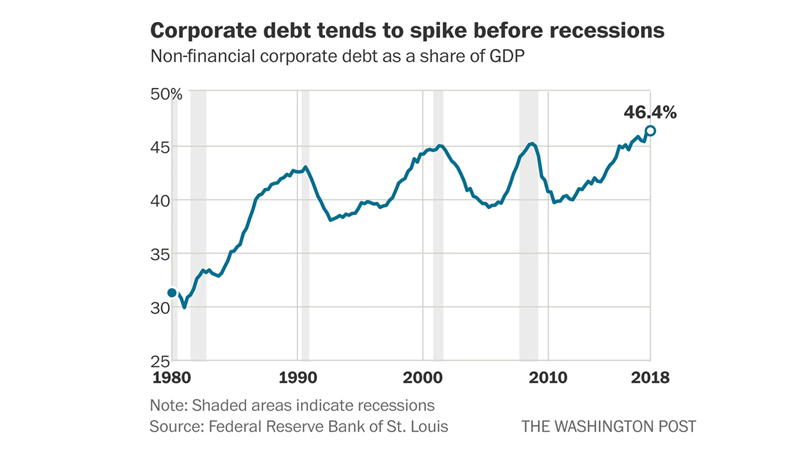
The coronavirus panic could threaten a $10 trillion mountain of corporate debt, unleashing a cycle of layoffs and business spending cuts that would hit the economy just as some analysts are warning of a recession.

Financial markets already are showing major signs of stress. Investors are demanding higher interest payments in return for lending to less creditworthy companies; some businesses are delaying their planned bond sales while they wait for Wall Street to settle down; and ratings agencies are moving toward downgrading some corporate borrowers.

The mammoth debt bulge includes a dramatic increase in borrowing by the lowest quality investment grade firms — those rated just one level above “junk.” More than $1 trillion in “leveraged loans,” a type of risky bank lending to debt-laden companies, is a second potential flash point.

Watchdogs including the Federal Reserve have warned for years that excessive borrowing by corporations, including some with subpar credit ratings, might eventually blow a hole in the U.S. economy. Now, as Wall Street wrestles with a global epidemic, the debt alarms show how investors are reassessing risks they overlooked during the long economic expansion.

“It is a big concern,” said Ruchir Sharma, chief global strategist for Morgan Stanley. “We’re dealing with the unknown. But given the enormous increase in leverage, the system is fragile and vulnerable.”

Energy companies that have borrowed heavily in recent years may be the first to suffer, due to the oil price war between Saudi Arabia and Russia. Falling oil prices, while good news for consumers, may reach levels that will make it impossible for companies in the U.S. shale industry to cover their costs.

On Monday, investors battered some energy companies that have big outstanding obligations. Shares of Halliburton, which has more than doubled its total debt to $11.5 billion since 2012 despite sliding revenues and earnings, lost 38 percent of their value.

The oilfield services company last week raised $1 billion by selling investors 10-year bonds paying interest of 2.9 percent. Halliburton said it plans to use the proceeds to pay off existing debt. Over the next six years, it faces $3.8 billion in debt payments.

Today’s debt woes originated in the months that followed the September 2008 Lehman Brothers collapse.

In response, the Federal Reserve cut its benchmark lending rate to zero and kept it at or near historic lows for a decade. The aim was to heal a wounded economy, but the era of easy money bred excesses that only now are coming into view.

Access to low-cost credit helped many companies grow and hire. But it also enabled some that weren’t profitable to survive by repeatedly refinancing their debt. These “zombie” firms, which do not earn enough to cover their interest payments, account for one in every six publicly-traded U.S. companies, according to Sharma.

Roughly half of the total debt of nonfinancial companies is rated “BBB,” just slightly better than junk or high-yield debt. Companies such as Ebay and Martin Marietta have sold bonds this month to investors with such ratings.

Using a broad measure of business liabilities, the ratio of debt to assets is at its highest in 20 years, according to the Fed. One potential trouble spot lies in the rapid growth of “leveraged loans,” made by top banks such as Goldman Sachs and JPMorgan to scores of cash-short companies.

Until recently, such loans typically were made to companies that were not already deeply in debt. But in the past two years, the biggest borrowers were the nation’s most indebted companies, according to the Federal Reserve. In the first half of last year, roughly 40 percent of leveraged loans went to companies with a debt-to-earnings ratio of six-to-one or greater.

Businesses have been able to bear their extraordinary debt burden only because borrowing costs have been historically low. If that changes for any reason, cash-strapped companies would likely resort to layoffs and slash their spending on new factories and equipment in order to conserve funds for interest payments.

The danger now is that the economy’s sudden stop — with conferences and other public events cancelled; travel discouraged; and consumers staying home — will cut revenue for many companies and make it harder for them to repay their creditors.

Even before the full effects of the coronavirus hit the U.S., analysts were cutting their earnings forecasts. As of Feb. 28, more than twice as many companies in the S&P 500 index had issued negative guidance on their first-quarter earnings as had issued upbeat assessments, according to Factset, a financial data company.

At the same time, nervous investors are becoming pickier about which borrowers they fund, cutting off the flow of cheap money to companies that need it to stay alive.

“It’s a pandemic of fear that’s spreading faster than the virus,” said Ed Yardeni, head of an eponymous research firm.

In recent days, signs of bond market stress have been multiplying. After years of barely distinguishing between good credit risks and bad, investors are growing more discerning.

The “spread” or additional yield that investors demand to hold junk bonds compared to risk-free U.S. treasuries has increased by more than 2 percentage points since mid-February — roughly four times the increase investors required from more creditworthy borrowers, according to Bloomberg Barclays data.

Fearing the higher interest charges — and hoping for additional Fed rate cuts — some corporate borrowers have delayed issuing debt.

New corporate bond issues were falling even before the coronavirus upset Wall Street in the past few weeks. In January, U.S. corporations sold $63.4 billion worth of bonds to investors, down more than 10 percent from the same period one year earlier, according to the Federal Reserve.

“Corporate bond issuance has petered out quite a bit,” said Kathy Bostjancic, U.S. financial market economist at Oxford Economics. “There were a few days last week we didn’t have any…There’s just so much fear.”

Ratings agencies, including S&P Global Ratings, also are scrutinizing corporate borrowers for evidence of weakness. On Monday, S&P Global placed Ryman Hospitality Properties, which owns hotels and resorts including the Gaylord Opryland, on a negative watch, citing “significant coronavirus-related cancellations.”

If the economic outlook darkens quickly, a large number of borrowers might become “fallen angels,” downgraded from the lowest investment grade into the speculative junk market. Along with higher borrowing costs, some of them might struggle to find creditors since many pension plans, insurers and mutual funds are permitted to buy only investment-grade securities.

“We’ve had so many years of cheap and easy money with little differentiation in credit quality,” said Sonja Gibbs, managing director with the Institute of International Finance. “What happens if you start seeing downgrades?”

To be sure, the current bond market turmoil is not yet as severe as that experienced during some previous recessions, Sharma said. Overall financial conditions are about as tight as they were during the 2011 European debt and currency crisis, though not yet as bad as during the global financial crisis, according to Deutsche Bank Securities.

“The likelihood that we’ll have a full blown liquidity crisis is pretty limited,” said Michael Stritch, chief investment officer for BMO Wealth Management. “The banking sector is much less leveraged than in the past, so that’s a positive in terms of credit availability.”

Still, with investors expecting the Fed to return its key lending rate to zero in the next few months, some Fed officials are calling for the central bank to take additional extraordinary actions. Eric Rosengren, president of the Federal Reserve Bank of Boston, said on March 6 the Fed should consider buying assets other than government securities to buttress the economy.

Rosengren didn’t offer any specifics, but acknowledged that Congress would need to authorize any Fed purchase of stocks or corporate bonds.

Corporate debt excesses are not limited to the United States. Corporate zombies also roam the European Union and Japan, where borrowing costs have been low for years and are now negative. In a 2018 study of 14 advanced economies, the Bank of International Settlements said the share of zombie firms had risen from 2 percent in the 1980s to 12 percent in 2016.

The International Monetary Fund and the Fed have warned about reckless corporate borrowing for several years. In a global downturn that was half as severe as the 2009 crisis, corporations in eight major economies, including the U.S., China and Japan, might be unable to repay $19 trillion worth of debt — nearly 40 percent of the global total, according to the IMF’s most recent global financial stability report.

“These debt levels truly are troublesome, any way you measure them within the U.S., China and Europe. But you need some kind of catalyst to get people to worry about it,” said Gibbs. “This kind of position we find ourselves in is the type of catalyst that can create a contagion.”

AOT invites King Power for talks on Don Mueang duty-free counter concession #ศาสตร์เกษตรดินปุ๋ย

#ศาสตร์เกษตรดินปุ๋ย : ขอบคุณแหล่งข้อมูล : หนังสือพิมพ์ The Nation

https://www.nationthailand.com/business/30383753?utm_source=category&utm_medium=internal_referral

AOT invites King Power for talks on Don Mueang duty-free counter concession

Mar 10. 2020
By THE NATION

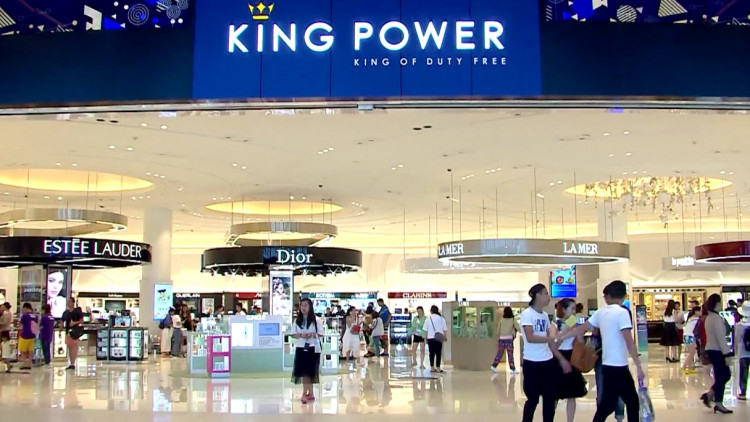
Airports of Thailand (AOT) is preparing to negotiate with King Power after no other contractors made bids for the concession to run a duty-free pick-up counter service at Don Mueang International Airport, AOT president Nitinai Sirismatthakarn said.

AOT had twice opened bids for the project — in November-December 2018 and January 20-31, 2020. On both occasions, only King Power Development Co Ltd submitted bids. “This indicates that no other contractors are interested in the project,” he said. “AOT’s board of directors therefore agreed to cancel the bidding process and use specific identification as the selection method instead. We have invited King Power for negotiations, and if their financial proposals meet AOT’s expectations they will undertake the project, which will run from October 1, 2022 to December 31, 2032.”

According to AOT’s schedule, King Power will have to submit its project proposal by Wednesday (March 11), technical proposal by Thursday (March 12) and financial proposal by Friday (March 13).

Nitinai added that AOT expected the Covid-19 situation to be resolved by April and that it would affect both number of passengers and revenue.

“We estimate that overall passenger arrivals and revenue in 2020 will drop by at least 10 per cent,” he said. “The outbreak also has affected the opening of Midfield Satellite 1 Building, which was scheduled to finish in April and open in November. Due to the current situation, the building might not be finished before April next year as we are still awaiting construction materials to be shipped from China,” he said.

Aon sees $30 billion takeover as answer to age of volatility #ศาสตร์เกษตรดินปุ๋ย

#ศาสตร์เกษตรดินปุ๋ย : ขอบคุณแหล่งข้อมูล : หนังสือพิมพ์ The Nation

https://www.nationthailand.com/business/30383736?utm_source=category&utm_medium=internal_referral

Aon sees $30 billion takeover as answer to age of volatility

Mar 10. 2020
By Syndication Washington Post, Bloomberg · Katherine Chiglinsky · BUSINESS, US-GLOBAL-MARKETS
Aon agreed to buy Willis Towers Watson in an almost $30 billion transaction, creating the world’s biggest insurance brokerage and adding a raft of experts on everything from climate change to cybersecurity.

The all-stock deal, the largest ever for the industry, will combine the second- and third-largest brokers and comes almost exactly a year after previous talks between the two companies broke down.

Insurance brokers have been seeking ways to scale up their businesses advising corporate clients on new and evolving threats. Marsh & McLennan Cos., which will be supplanted as the biggest brokerage when Aon’s deal is completed, said its purchase of Jardine Lloyd Thompson Group Plc for $5.7 billion last year was a bet on the “age of risk.”

“When you think about what’s going on with clients, volatility in the world is increasing,” Aon Chief Executive Officer Greg Case said in a phone interview. “All the traditional risks, just the traditional basket, is actually bigger than ever before and then now you’ve got all the non-traditional stuff kicking in.”

Case and Chief Financial Officer Christa Davies will lead the combined company, according to a statement Monday.

Brokerages, which help connect businesses looking for coverage with insurers, have been aggressively merging to diversify, boost commissions and serve customers who increasingly want to deal with fewer intermediaries. Willis Towers was itself formed in 2016 in an $8.9 billion merger.

Willis Towers investors will receive 1.08 Aon shares for each of their shares, with existing Aon investors owning about 63% of the company once the deal is completed. Willis Towers shareholders will get about $231.99 a share in stock. That’s 16% higher than the company’s closing price on Friday.

“This isn’t about bigger,” Case said in a call Monday with analysts. “This is about better.”

Last year, Aon and Willis Towers pulled the plug on a proposed combination less than 24 hours after preliminary talks leaked. A Bloomberg News report thrust the discussions into the public, making it difficult for Aon to move forward because it was still refining the terms of its offer, people familiar with the matter said at the time.

Irish regulations forced the disclosure of early-stage talks last year. Aon said at the time that it reserved the right within 12 months to set aside its announcement that it wasn’t intending to pursue a deal. While Aon was restricted from reaching out to Willis Towers for at least a year, the target was free to approach its pursuer, according to a person familiar with the matter.

The deal will add to earnings in the first full year of the combination, and provide annual pretax synergies and cost reductions of about $800 million by the third year, according to the statement. Willis Towers CEO John Haley will become executive chairman.

“Although expense synergies make the deal financially attractive, both companies’ management teams described the ability to better address client needs as the primary rationale,” analysts at Keefe, Bruyette & Woods said in a note.

Both companies expect the deal to be completed in the first half of 2021 after securing regulatory approvals. Aon’s Case said he was optimistic about the company’s chances of obtaining all key approvals. Marsh & McLennan and JLT ended up agreeing to sell an aerospace business as part of the European Commission’s review of their deal last year.

“We view the proposed transaction as highly complementary,” said Case of Aon, which plans to keep its operating headquarters in London. “It’s a very, very competitive industry and we’re confident that we’re going to be able to obtain the necessary approvals.”

The risk of a global economic slowdown caused by the coronavirus didn’t phase Case. The deal, he argued, was beneficial for the company in the long run and only proved how both Aon and Willis Towers need to be able to help clients navigate an increasingly tumultuous environment.

“The world’s a difficult and complex place,” Case said on the analysts’ call. “But in times of turmoil, listen, who better than us? This is what our mission’s about, to help clients address challenges.”

Approval of CP-Tesco deal subject to scrutiny for ‘market monopoly’ #ศาสตร์เกษตรดินปุ๋ย

#ศาสตร์เกษตรดินปุ๋ย : ขอบคุณแหล่งข้อมูล : หนังสือพิมพ์ The Nation

https://www.nationthailand.com/business/30383708?utm_source=category&utm_medium=internal_referral

Approval of CP-Tesco deal subject to scrutiny for ‘market monopoly’

Mar 10. 2020
By Wichit Chaitrong
The Nation

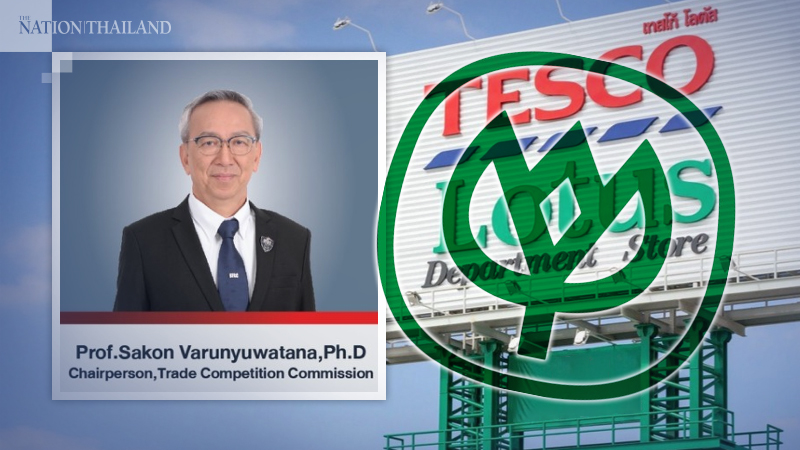
The Bt332.6-billion mega deal between UK-based Tesco and Thai conglomerate C P Group will be subject to scrutiny as to whether it would lead to a retail market monopoly before it can be approved by the Trade Competition Commission, Sakon Varanyuwatana, chairperson of the anti-trust commission, told the Nation on Monday (March 9).

“We are waiting for the parties involved to submit details of the deal , under which Chareon Pokphand Group will acquire all of Tesco Asia,” Sakon said.

His comment came after announcements of the deal by Tesco and the CP Group.

He said the commission had closely monitored reports on its progress but refrained from making comment as it could affect ongoing negotiations and the stock prices of both parties.

Now that the deal has been publicly announced, the commission expects both Tesco and CP to provide details of the arrangement and seek approval from the commission, he said.

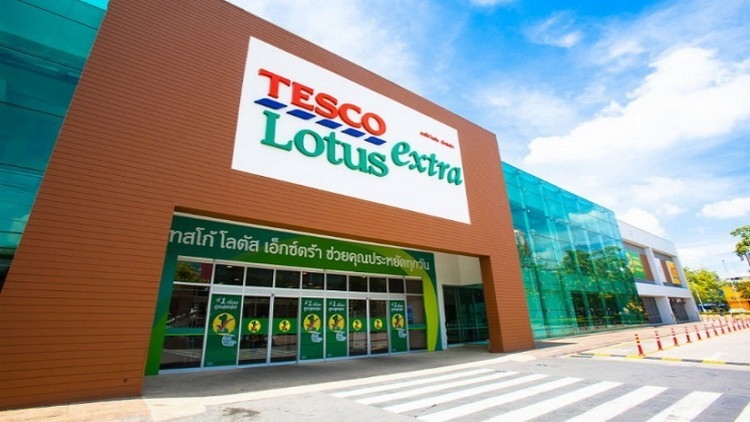
Given CP All already operates 7-eleven convenient stores nationwide, it might amount to a market monopoly and power over other retail store chains if it also acquired the Tesco Lotus brand, Sakon explained.

Tesco announced on Monday (March 9 ) sale of its business in Thailand and Malaysia to CP Group in a deal worth $10.6 billion (Bt332.6 billion).

Reports from Charoen Pokphand Group indicated that Charoen Pokphand Holding will acquire 40 per cent of Tesco Asia’s business in the two countries, its subsidiary CP All Public Company 40 per cent, with Charoen Pokphan Foods (CPF) Public Company holding the balance of 20 per cent via its wholly-owned subsidiary CP Merchandising Co.

CPAll and CPF informed the Stock Exchange of Thailand of their investment in Tesco Asia on Monday.  Charoen Pokphand Holding is not a listed company.

Expanding CPF takes 20% of Tesco Asia Group #ศาสตร์เกษตรดินปุ๋ย

#ศาสตร์เกษตรดินปุ๋ย : ขอบคุณแหล่งข้อมูล : หนังสือพิมพ์ The Nation

https://www.nationthailand.com/business/30383703?utm_source=category&utm_medium=internal_referral

Expanding CPF takes 20% of Tesco Asia Group

Mar 09. 2020
Prasit Boondoungprasert, Chief Executive Officer

Prasit Boondoungprasert, Chief Executive Officer
By The Nation

The board of dorectors of Charoen Pokphand Foods Public Company Limited (CPF) has approved an investment by its wholly-owned subsidiary CP Merchandising Co Ltd (CPM) to acquire up to 20 per cent of the total issued shares in Tesco Asia Group – a leading retailer under Tesco Lotus brand in Thailand and Malaysia, with CPM’s investment in the holding company setting up a Tesco Asia Group’s investment transaction worth approximately US$1,500 million or Bt47.99 billion.

Prasit Boondoungprasert, Chief Executive Officer, said that CPF’s investment in Tesco Asia is aimed to further strengthen its value chain in term of distribution channels in Thailand and Malaysia and enhancing the range of consumer options in this space. CPF is planning to modernise its distribution channels of meat products to better suit consumers’ behaviour. CPF is confident that the investment presents exciting opportunities for enhancing Thai and Malaysian consumer experiences in an already highly competitive sector.

This joint investment will boost sales of both Tesco and CPF. Given the fact that Tesco Asia has been enjoying the strong operating results consistently, coupled with its highly experienced management and operating teams capable of adapting to changing business and market environment, CPF firmly believe that this investment with Tesco Asia will further enhance the already impressive operating results.

It should be noted that the investment is subject to the full satisfaction of conditions precedent, including obtaining the resolution of shareholders’ meeting of Tesco UK approving the sale of shares in Tesco Asia Group, the approval of the Office of the Trade Competition Commission (where an application for approval is to be submitted) and the approval of the Ministry of Domestic Trade and Consumers Affairs of Malaysia in respect of the relevant transaction in Malaysia. The transaction is expected to be concluded by the end of 2020.

CP Group set to buy Tesco’s Thai, Malaysian businesses in deal valued at over Bt332 billion #ศาสตร์เกษตรดินปุ๋ย

#ศาสตร์เกษตรดินปุ๋ย : ขอบคุณแหล่งข้อมูล : หนังสือพิมพ์ The Nation

https://www.nationthailand.com/business/30383698?utm_source=category&utm_medium=internal_referral

CP Group set to buy Tesco’s Thai, Malaysian businesses in deal valued at over Bt332 billion

Mar 09. 2020
By The Nation

Tesco announced today (March 9) that it has entered into a conditional agreement with a combination of CP Group entities – CP Retail Development, Charoen Pokphand Holding, CP All and CP

Merchandising – to sell its business in Thailand and Malaysia in a deal valued at $10.6 billion (Bt332.6 billion). The move is aimed at simplifying the Tesco Group, enabling a stronger focus on its retail businesses in the UK and Ireland and in Central Europe.

“The disposal allows Tesco Group to further ‘de-risk’ the business by reducing indebtedness through a significant pension contribution of £2.5 billion [Bt102.3 billion]. The consideration payable to Tesco pursuant to the disposal represents an enterprise value of $10.6 billion on a cash and debt-free basis, representing an EV/EBITDA multiple of 12.5×2,” the company said in a press statement.

Under the terms of the disposal, net cash proceeds are expected to be $10.3 billion before tax and other transaction costs.

“The disposal is conditional on, inter alia, the approval of Tesco shareholders at a general meeting of the company’s shareholders. The disposal is also subject to customary regulatory approvals in Thailand and Malaysia. A circular containing further details of the disposal and a notice convening a general meeting will be sent to Tesco shareholders as soon as practicable. It is also expected that shortly after completion, a separate general meeting will be convened to seek shareholder approval for the return of proceeds and associated share consolidation. A separate circular will be sent to shareholders containing further details on these,” the statement added.

Over the last four years Tesco’s performance has significantly improved, in particular within the UK, its largest and most important market, but also across the wider group. In October 2019, Tesco announced that it had met or exceeded the targets it had set against each of its six key strategic drivers, and that all elements of its turnaround plan had been executed successfully

The group’s balance sheet is now stronger, with total indebtedness reduced by £7 billion since the financial year end 2014/15. This has been driven by strong business performance, the release of £1.7 billion of value from the property portfolio, and selective asset disposals, including of the Korean business in 2015. In addition, the group has completed the merger with Booker, combining the largest wholesale food business in the UK, the statement said.

“It is from this strengthened position that the board decided to respond to the expressions of interest it received for Tesco Thailand and Tesco Malaysia. Tesco’s Asian operations have been an important part of the group for many years and constitute an exceptionally high-quality business, with market leading positions in two key markets of Thailand and Malaysia. Given the high value that could be received for Tesco Thailand and Tesco Malaysia, the board concluded that it would be in shareholders’ best interests to conduct a strategic review to determine the best option for continued value creation. The conclusion of this strategic review led the board subsequently to launch a competitive process to evaluate potential value creation through a disposal,” the company said.

“The group received multiple offers for the Asia business and the board has unanimously concluded that the offer by CP Group to acquire the business for an enterprise value of £8.2 billion on a cash and debt free basis should be recommended to shareholders. The board believes the disposal will realise a significantly higher value than could be generated from Tesco’s continued ownership and investment. It will also enable the group to return significant proceeds to shareholders,” the firm added.

Tesco began operating in Thailand in 1998 through Ek-Chai, which operates under the name “Tesco Lotus”, a network of stores comprising various formats across Tesco Thailand as well as an online shopping platform and third-party applications such as Lazada and Happy Fresh.

Tesco Lotus generated approximately £4.1 billion in revenue in the financial year ended February 23, 2019. It operates a network of almost 2,000 stores in Thailand and serves more than 13 million customers each week, according to company statistics.

JPMorgan sees ‘early signs’ of stress on credit and funding #ศาสตร์เกษตรดินปุ๋ย

#ศาสตร์เกษตรดินปุ๋ย : ขอบคุณแหล่งข้อมูล : หนังสือพิมพ์ The Nation

https://www.nationthailand.com/business/30383666?utm_source=category&utm_medium=internal_referral

JPMorgan sees ‘early signs’ of stress on credit and funding

Mar 09. 2020
File photo/ Syndication Washington Post, Bloomberg

File photo/ Syndication Washington Post, Bloomberg
By Syndication Washington Post, Bloomberg · Joanna Ossinger · BUSINESS, US-GLOBAL-MARKETS 

The fallout from the global spread of coronavirus may be starting to affect credit and funding markets, according to JPMorgan Chase & Co.

Supply-chain disruptions and demand shock from the virus fallout could already be causing cash-flow problems for businesses, JPMorgan strategist Nikolaos Panigirtzoglou wrote in a note Friday. That’s probably even more true for smaller companies and those in sectors like travel and lodging, he said.

“If these shifts in credit and funding markets are sustained over the coming weeks and months, especially in the issuance space, credit channels might start amplifying the economic fallout from the covid-19 crisis,” Panigirtzoglou said. Unless “credit support by central banks and/or governments is broad, fast and direct, we note credit markets are facing an increased risk of the cycle turning with a lot more downgrades or even defaults over the coming months.”

Credit markets suffered their worst day in a decade on Friday amid fears that coronavirus will hurt corporate income and stymie some companies’ ability to repay their debt. Travel- and leisure-related companies were hit, while energy-company bonds and loans fell further into distress. A derivatives index that measures the perceived risk of corporate credit surged by the most since at least 2011 and in Europe the cost of insuring senior financial debt skyrocketed.

Market concerns about ratings downgrades and companies dropping to junk status are justified by a look at credit fundamentals, the JPMorgan report said. The median net-debt-to-Ebitda ratio for companies in JPMorgan’s high-grade and high-yield companies in the U.S. and Europe has risen steeply in the past decade and is now higher than in the previous two cycles in 2007/2008 and 2001/2002, it said.

“Companies are currently much more vulnerable to a decline in incomes and/or a rise in corporate bond spreads and yields than in the previous two recessions,” Panigirtzoglou wrote. “This is especially true for U.S. credit and for Euro high yield given the absence there of the backstop from the European Central Bank’s corporate bond program that solely benefits Euro high grade.”

There are some signs of stress in Yankee issuance as well, the report said, noting it tends to be more sensitive to funding concerns because non-U.S. companies can find it harder to raise dollar funding relative to domestic U.S. companies in periods of stress.

It’s also the case that credit appears most vulnerable to an economic downturn, according to the note, using an analysis which looks at the historical behavior of various asset classes around past U.S. recessions, particularly the move from the pre-recession peak to the trough during the event.

“Rate markets are now implying that something that looks like a U.S. recession is almost a certainty and have become even more disconnected from risky asset classes,” Panigirtzoglou wrote. “U.S. credit seems to be still most vulnerable to U.S. recession risks followed by U.S. equities.”