Orders were placed for a total of 31,896 vehicles during the 43rd Bangkok International Motor Show which ended on Sunday, the organisers said.
Jaturon Komolmit, chief of operations of the Grand Prix International that organised the show at Bitec Bangna, said bookings increased by 14.4 per cent compared to the 2021 motor show.
He said a total of 2,040 motorcycles were also booked during the show, an increase of 2 per cent.
More than 1.5 million visitors attended the show which opened on March 23.
He said the top 10 brands of booked vehicles were:
Toyota: 5,128 vehicles
Honda: 3,019
Mazda: 2,906
Isuzu: 2,594
Mitsubishi: 2,553
MG: 2,324
Suzuki: 2,204
Mercedes-Benz: 2,102
Ford: 1,797
Nissan: 1,620
Jaturon said Covid-19 did not affect vehicle sales, which means Thais had not lost their purchasing power but the buyers had simply waited for the right timing.
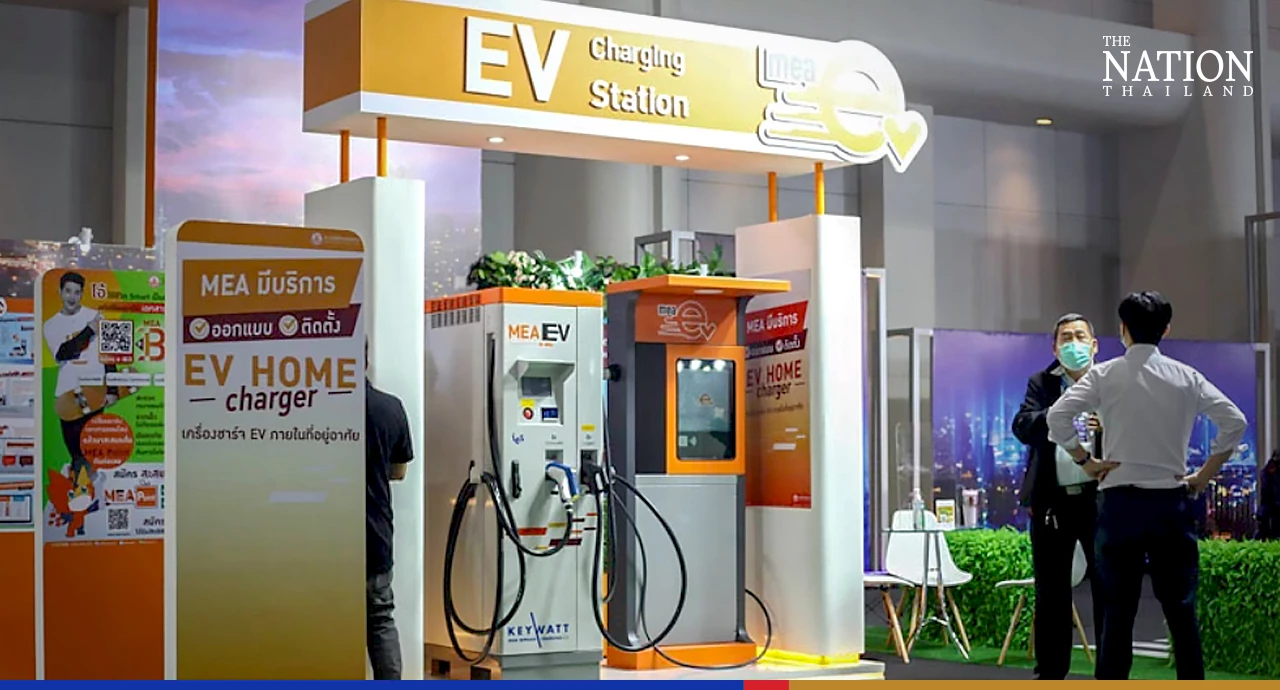
He said the motor show this year attached more importance to electric vehicles with 20 models on show. He said the subsidy programme of the government boosted bookings of EV vehicles to about 10 per cent of the total.
Huawei has unveiled a country business strategy aimed at forging Thailand’s 5G leadership in Asean.
The Chinese tech giant is deeply involved in the construction of 2G, 3G, 4G, and 5G in Thailand, one of its largest markets.
“In 2022, we hope to drive 5G population coverage to 70 per cent, 5G penetration rate to 20 per cent from the current 10 per cent,” Huawei Thailand CEO Abel Deng said on Friday.
The tech firm would introduce 5G hospitals, 5G ambulances, and AI-assisted solutions in 20 hospitals.
Huawei also build 5G benchmark networks in several Thai cities and deploy 5G at 100 Eastern Economic Corridor factories, including five car-making plants, Deng said. The infrastructure would help support Thailand as this year’s Asia-Pacific Economic Cooperation (Apec) host, he added.
Deng said Huawei Cloud planned to release 80+ new cloud-based services to boost digital transition by banks, SMEs and online media providers this year.
Meanwhile it would continue to support the Government Cloud Service and improve data security under an agreement signed recently with the Digital Economy and Society Ministry.
Deng added the tech firm was also helping Thailand to meet its goal of carbon neutrality by 2050, having launched its Asia Pacific Digital Power Regional Headquarters in Bangkok last year.
Meanwhile the Huawei Cloud Partner Network expects to increase its members from 300 to 500 while the Huawei Cloud Spark Programme was empowering more than 2,000 developers and 300 start-ups every year.
“Our net profits increased by 75.9 per cent year on year. Profit growth has made the company more productive and risk-resilient,” Deng added.
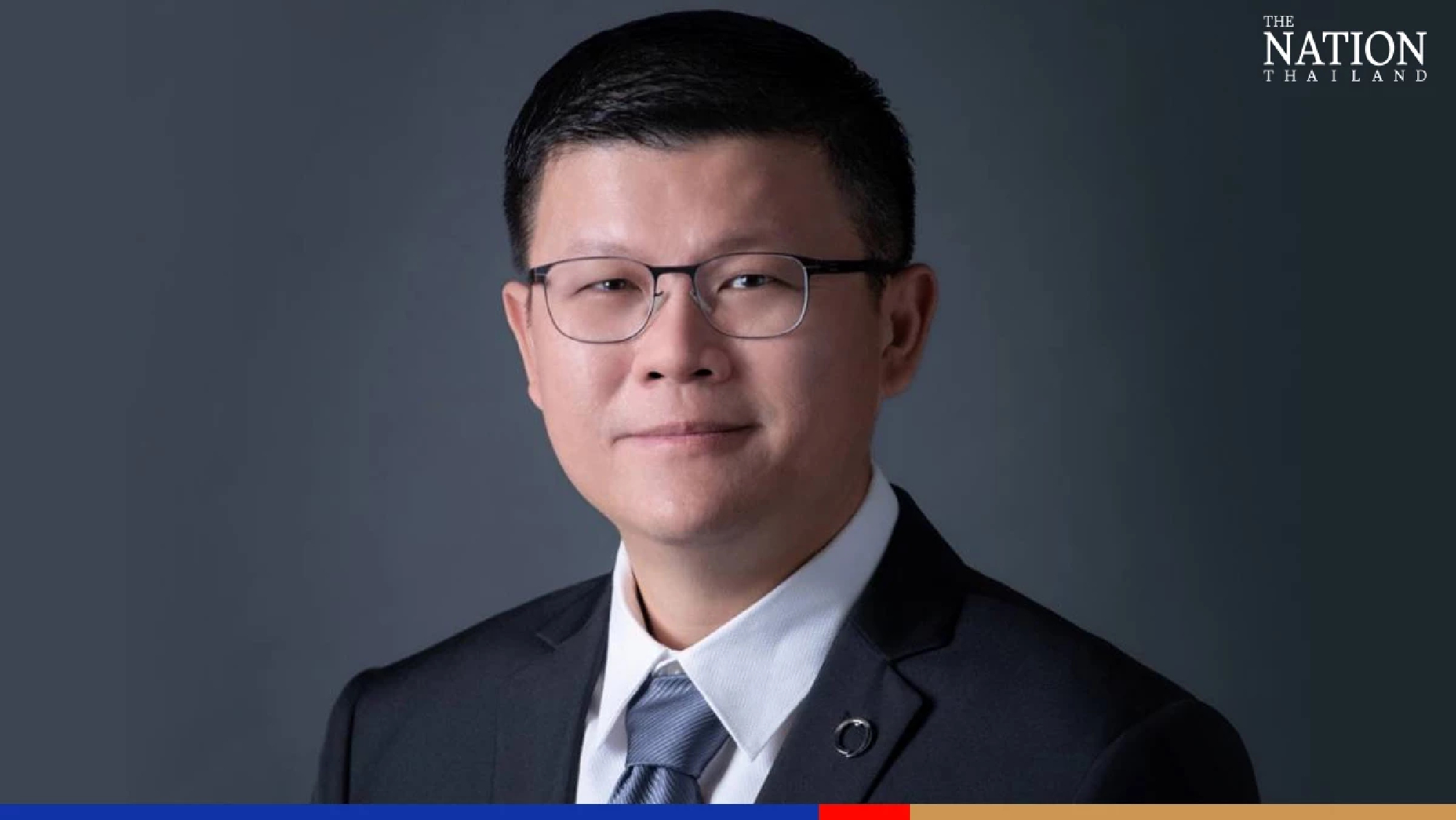
Siam Commercial Bank (SCB) appointed new CEO Kris Chantanotoke to oversee the strengthening of its financial business and ensure sustainable growth. Kris steps in from August 1 onwards.
SCB chair Vichit Suraphongchai said the appointment aims to ensure the company will achieve its target of becoming a regional financial group with good corporate governance in line with its “Mothership” strategy.
The appointment has been approved by the Bank of Thailand.
He said Kris was suitable for the job thanks to his experience and reputation in the finance, banking, sustainable management and insurance areas. Also, he said, as a new generation leader, Kris is armed with the vision to apply technologies to create changes in the business.
“Kris will bring knowledge and experience to help SCB become a better bank, as well as create sustainable growth for the company,” he said.
Kris will replace Arthid Nanthawithaya, who will step down as SCB CEO on July 31 but will continue as CEO of SCBX.
Vichit said the three SCB presidents – Sarut Ruttanaporn, Apiphan Charoenanusorn and Arak Sutivong – will also step down on July 31. They are currently CEOs of Card X, Auto X and SCB Securities, respectively.
“This change in top management aims to upgrade the organisation to becoming a regional financial technology group that can meet the new needs of consumers and can compete with world-class competitors,” he concluded.
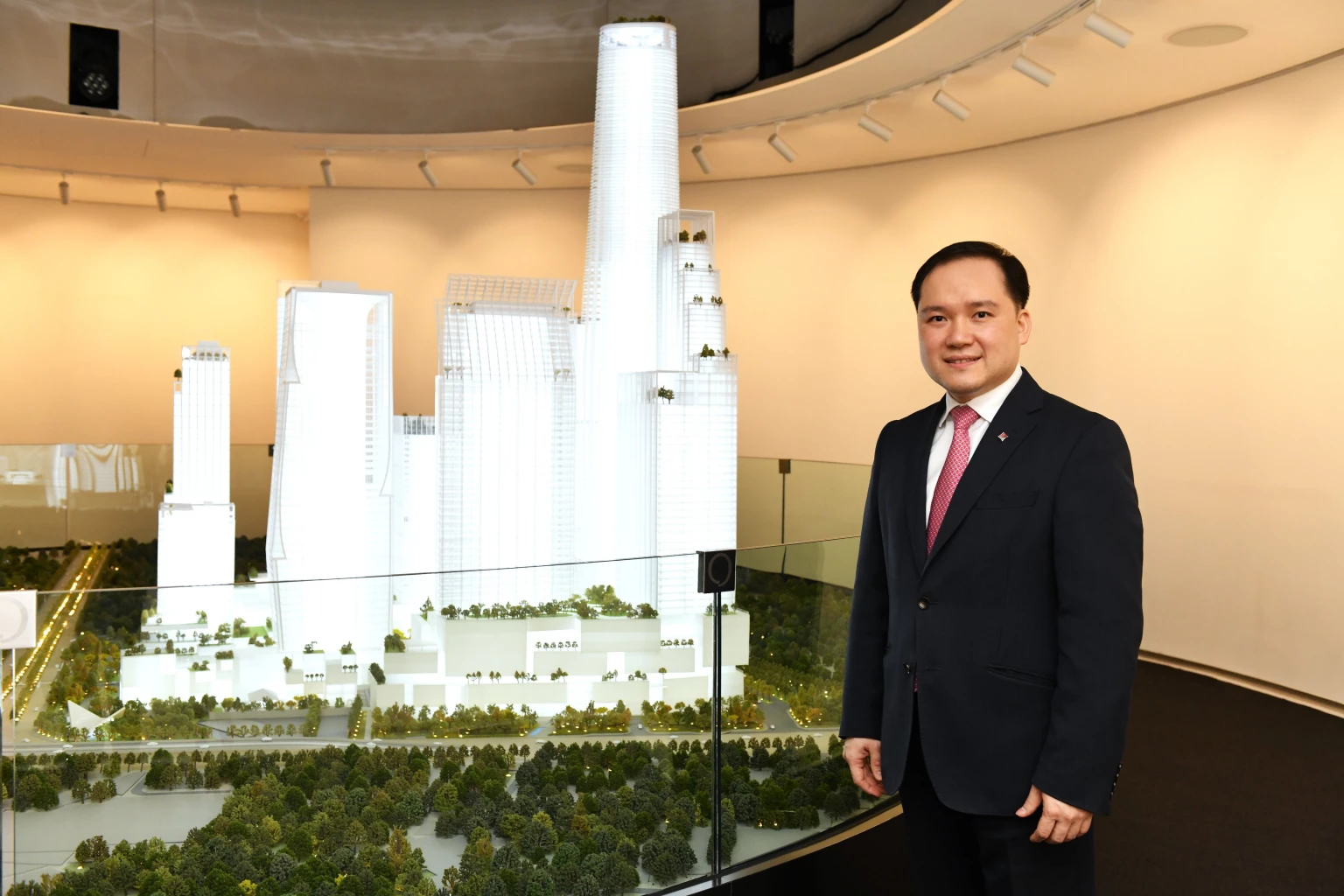
Lim Hua Tiong commented that the mission of leading the development of One Bangkok until its completion is in line with Bangkok’s post-pandemic recovery strategy.
One Bangkok Co., Ltd., a joint venture between TCC Assets (Thailand) Co., Ltd. and Frasers Property Holdings (Thailand) Co., Ltd. announced Lim Hua Tiong as new Chief Executive Officer (CEO) – Development, One Bangkok, effective from 1 April 2022.
He will succeed Soon Su Lin, who assumes the role of CEO of Frasers Property Singapore.
Lim brings to this role a wealth of leadership experience, a strong business acumen and expertise in leading high-performing teams. He will remain CEO of Frasers Property Vietnam, a role he has held since May 2019.
Prior to joining Frasers Property, Hua Tiong held senior management positions in well-established real estate companies in Vietnam and Singapore for almost two decades, with a focus on township and high-end developments.
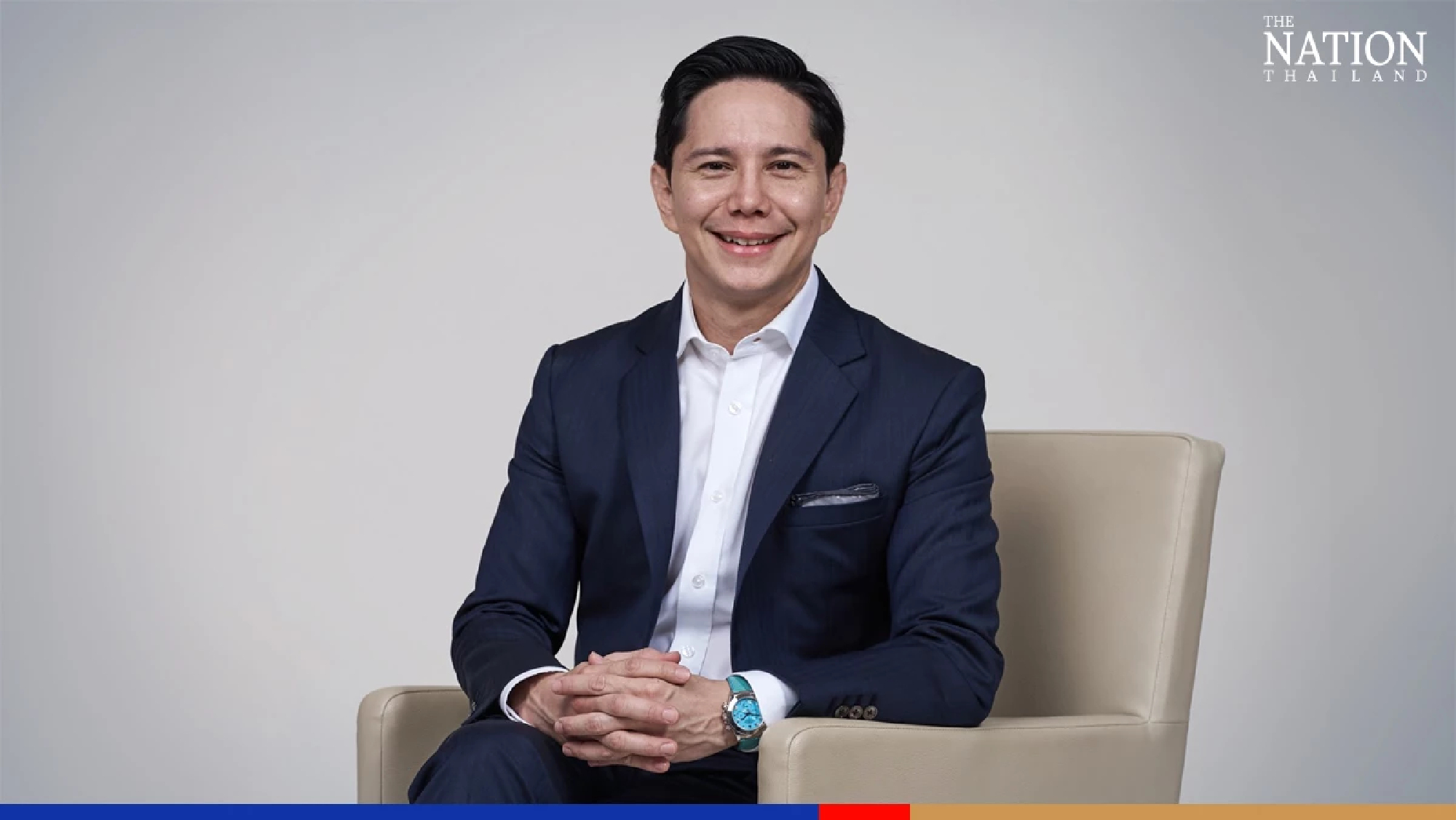
Mr. Panote Sirivadhanabhakdi, Group Chief Executive Officer of Frasers Property Limited
Frasers Property Group CEO Panote Sirivadhanabhakdi said Hua Tiong has broad experience and expertise in all aspects of real estate development, particularly in real estate investments, financing and managing mixed development projects.
“I’m confident Hua Tiong will lead the One Bangkok team well as we progress to the next phase of our journey to bring to life our vision of a fully integrated district that will revolutionise the way we experience the city and become an iconic global landmark befitting of Thailand’s standing on the world stage,” he said.
“I would also like to express my sincere appreciation to Su Lin for her strong leadership, dedication, and significant contributions to achieving several key milestones for One Bangkok over the past six years. I look forward to working closely with her to strengthen our Singapore business,” he added.
Hua Tiong commented that the mission of leading the development of One Bangkok until its completion is in line with Bangkok’s post-pandemic recovery strategy.
As a highly resilient megacity with robust urban infrastructure and the country’s economic engine, he said Bangkok is well-placed to recover quickly.
“We believe that the opening of One Bangkok in the fourth quarter of 2023 as a world-class centrepiece for quality hospitality, residences, workspace, art and culture, and retail experiences will play a key role in reviving the dynamism of Bangkok and Thailand, attracting investors, business, and leisure travellers from around the world,” he said.
He added that the mixed-use development of a large-scale and integrated project like One Bangkok requires the synergistic power of smart, motivated, and creative people from across different disciplines.
“My role will be to build on Su Lin’s legacy and continue to strengthen, empower, inspire, and connect all associates, encouraging close collaboration and interpersonal bonds between all team members towards our common goal,” Hua Tiong added.
Hua Tiong holds a Bachelor of Accounting degree from the University of Malaya and is a member of the Malaysia Institute of Accountants. He is also a graduate from the Management Acceleration Programme at INSEAD Business School in France.
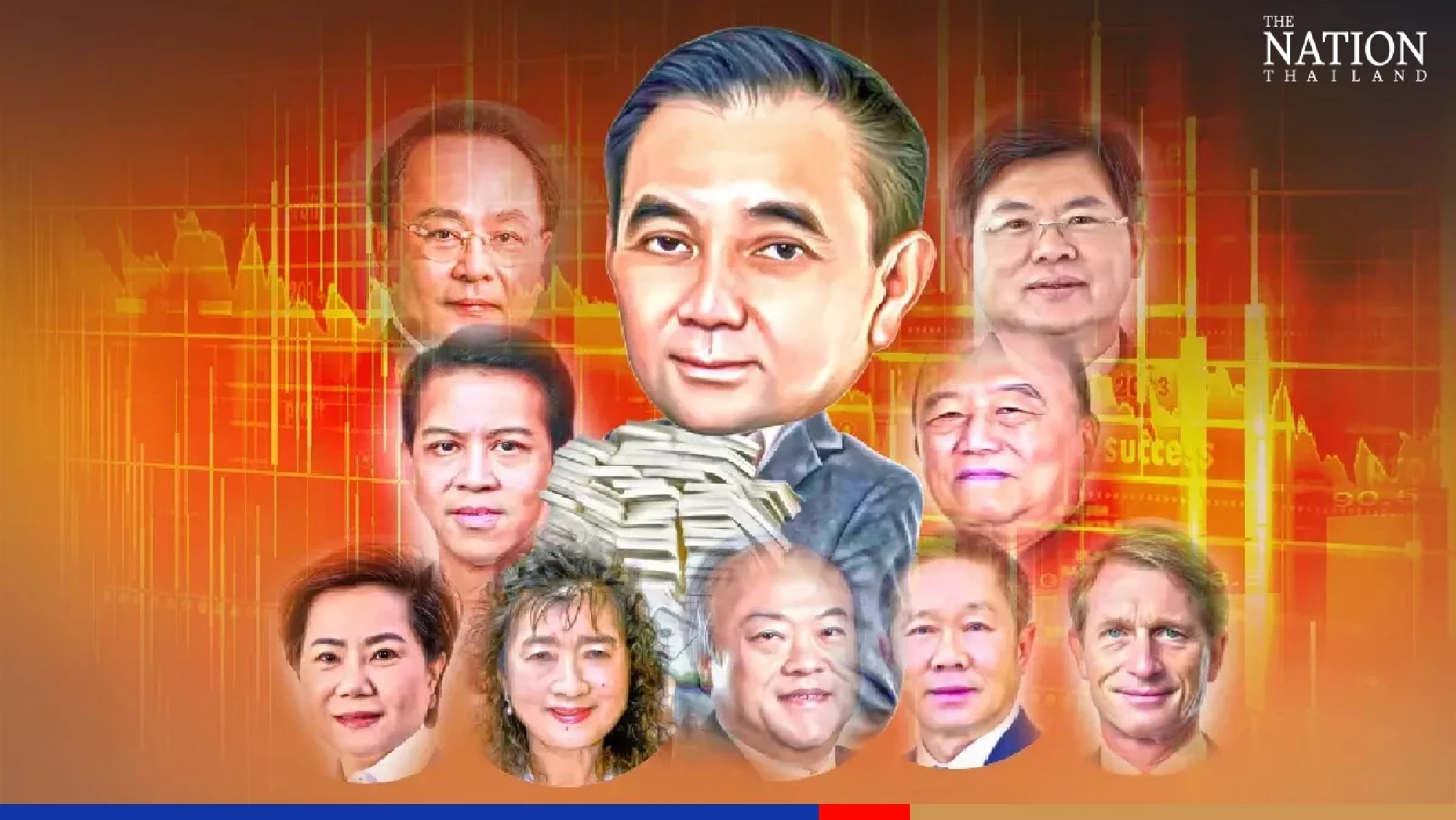
The chief executive officer of Gulf Energy Development Plc, Sarath Ratanavandi, earned THB1.835 billion in dividends from his company, and an estimated total of THB3.79 billion, making him the highest dividend earner last year.
Sarath holds a 35 per cent stake in Gulf Energy Development and topped the list of shareholders who were the biggest earners of dividends in the country.
Sarath owns 4,171,077,797 shares, a 35.55 per cent stake, in the SET-listed company. The company declared a dividend of THB0.44 per share, amounting to THB1.835 billion for Sarath, up 15.79 per cent over the previous year.
When added to the dividends paid to his wife and three subsidiary firms, which hold Gulf shares, Sarath is estimated to have received dividends totalling THB3.79 billion last year.
They include earnings from Gulf’s shareholding in Intuch Holdings. Sarath will receive THB1.129 billion as his 35 per cent share of the THB3.79 billion dividend paid by Intuch to Gulf, taking the total dividends he received individually to THB2.964 billion.
The other nine top dividend earners are:
Anant Asavabhokhin — THB1.43 billion in dividends for the 2,860,000,047 shares he owns in Land And Houses.
Thongma Vijitpongpun — THB1.265 billion in dividends from Pruksa Holding Co.
Niti Osathannugrah — THB1.132 billion in dividends from the Niti portfolio that holds shares in 10 major corporations.
Prasert Prasarttong-Osoth — THB918 million in dividends from Bangkok Dusit Medical Service and Nonthavej Hospital.
Keeree Kanjanapas — THB818 million in dividends from BTS Holdings.
Natchamai Thanombooncharoen — THB399 million in dividends from Carabao Group.
Daonapha and Chuchart Phetamphai — THB266.04 million in dividends from Muangthai Capital
Harald Link — THB261.37 million in dividends from B.Grimm of Bangkok.
Centara Hotels & Resorts (Centara), Thailand’s leading hotel operator, has revealed its expansion plans and strategic direction, including multiple new hotels, fresh destinations and new brand concepts.
The growth will help the group reach its long-term goal of becoming a top-100 global hotel operator within five years, Centara said. The vision will see it reach a total of 200 hotels and resorts by 2026, up from 88 properties at present, and with approximately half of that growth coming from destinations outside Thailand.
Centara has announced its intention to open eight new hotels and resorts this year. These properties will span Thailand, with openings in Bangkok, Korat and Ubon; and international destinations including, Laos, Oman and Qatar.
The group added that a core component of its growth strategy would be through collaboration with a strong development partner, specifically to launch new projects within Thailand, under both existing and new brands, and commencing this year.
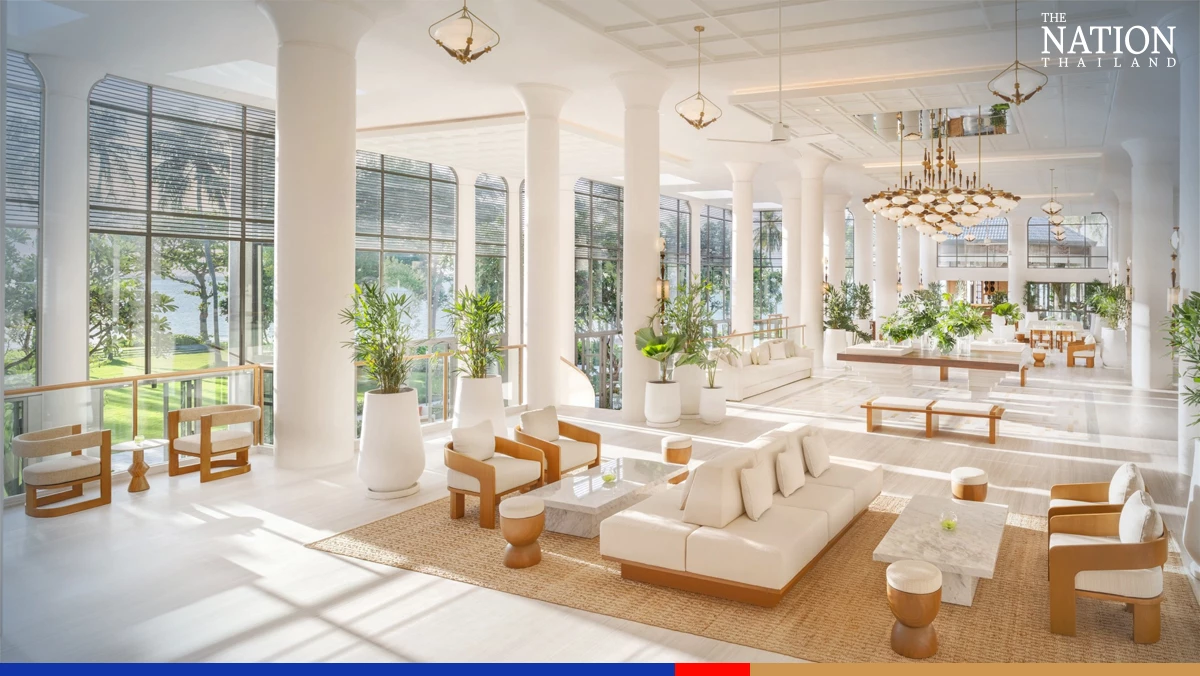
The luxurious Centara Reserve concept, which was launched in December last year with the debut of Centara Reserve Samui, will be enhanced with additional property in Krabi, and the group is also considering projects in up-and-coming Thai markets such as Koh Lanta and Cha-Am.
Centara is also exploring a new opportunity in the Medical Wellness segment with an established operator from Europe, and Koh Tao and Samui are the potential locations under discussion.
Centara Reserve Samui
Internationally, Centara said it has been given the green light to develop two new upscale resorts in the Maldives, following successful Environmental Impact Assessments for three idyllic islands in the Indian Ocean. These resorts are slated to open in 2024 and 2025, doubling Centara’s presence in the Maldives to four properties.
In Japan, a landmark high-rise hotel is currently under construction in Osaka, a joint venture between Centara, Taisei Corporation and Kanden Realty & Development, which will start welcoming guests in mid-2023, and in Vietnam, COSI Phu Yen Hotel is scheduled to open in 2023, marking this affordable lifestyle concept’s first location outside Thailand, Centara said.
“Centara’s international growth focus will be centred on Southeast Asia, the Indian Ocean, Japan, China, and the Middle East primarily, including Saudi Arabia following the recent normalisation of the country’s diplomatic relations with Thailand,” the company said, adding that the group is also considering options in Europe.
Centara Reserve Samui
Centara will evolve its business strategy to focus on emerging trends and market dynamics in the coming years, such as experiential travel and “workations”.
It also foresees a strong rebound in international long-haul and leisure business in Thailand, due to the country’s reopening strategy and vaccination programme.
“However, the remaining restrictions need to be removed imminently for the required potential to be reached,” the company said.
At an operational level, Centara will continue to invest in the latest technology following its recent overhaul of its technology architecture.
The group recently revamped its entire website, booking, property management and reservation platforms and is currently concluding the rollout of its industry-leading Customer Relationship Management solution.
The group is also focusing on talent development through effective staff training programmes and is further emphasising its focus on sustainable solutions, with a target of reducing energy and water usage by 20 per cent within 10 years and certifying 100 per cent of its portfolio with respected environmental accreditation bodies by 2025.
Centara Reserve Samui
“As the world emerges from the global pandemic and travel restrictions start to ease, we are highly optimistic that the hospitality industry will rebound rapidly,” said Centara CEO Thirayuth Chirathivat.
Despite the challenges of the last two years, he said Centara can reflect on its performance with pride.
“With multiple new hotels and resorts set to open in many dynamic markets, both in Thailand and overseas, including innovative brands, this is an exciting time for our company as we strive to become a top-100 global hotel operator,” he added.
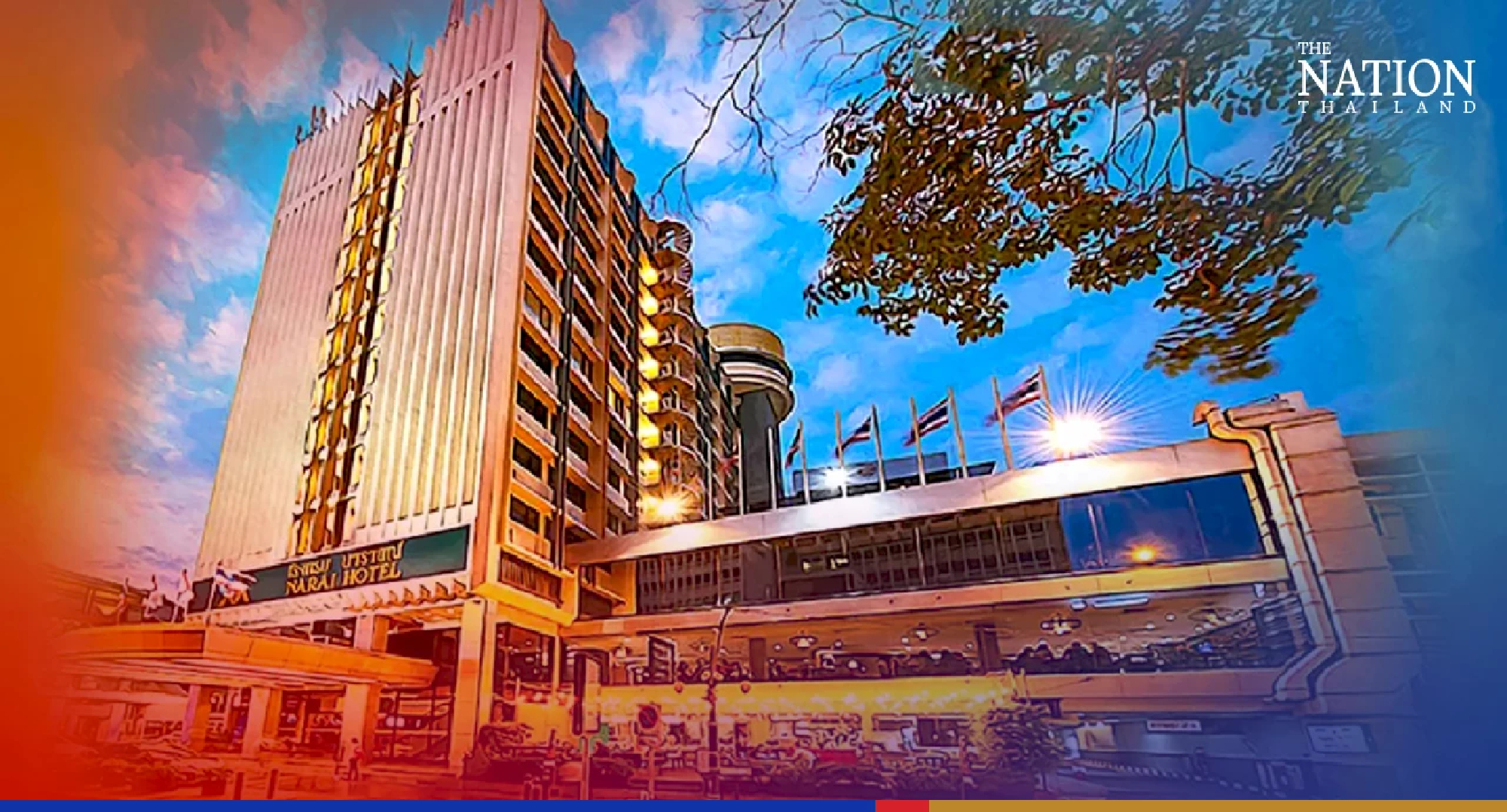
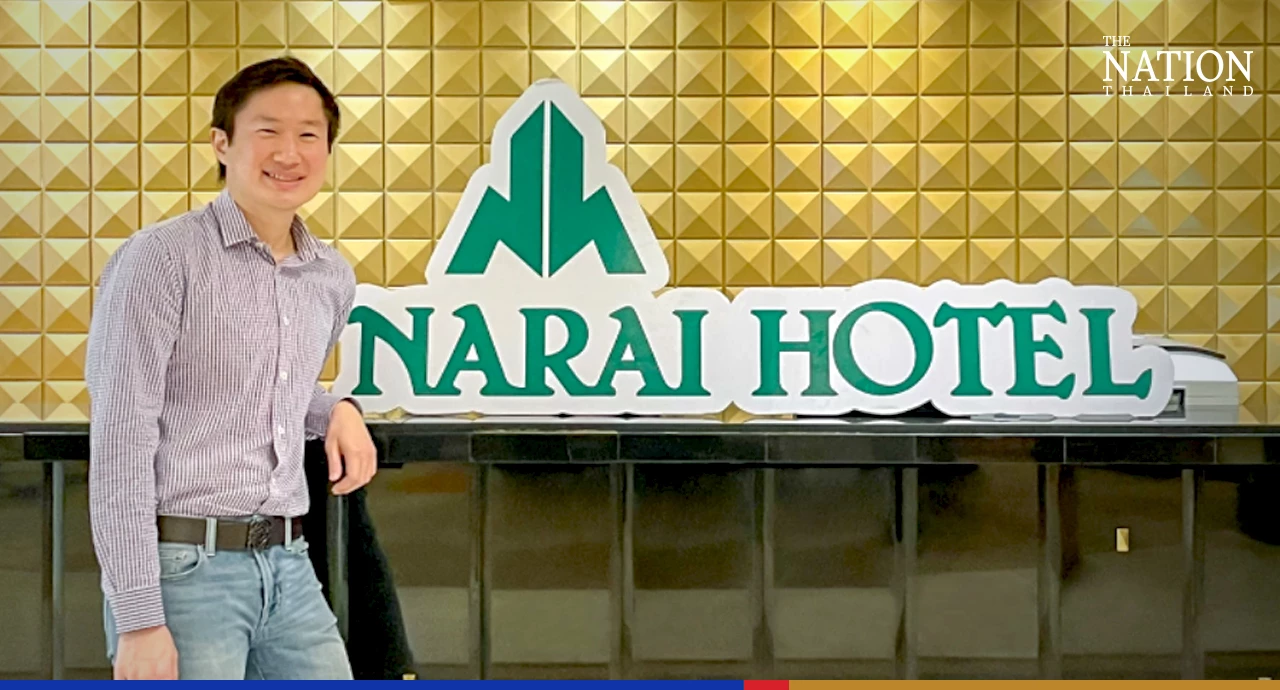
Narai Hospitality Group announced it would demolish its iconic Narai Hotel and the adjacent Triple Two Hotel in Bangkok’s Silom area in mid-2022 to build two new hotels with a budget of 10 billion baht on the 6-rai plot.
The four-star Narai Hotel had closed its doors since February 18 after 54 years in operation. When it opened in 1968, its 500 rooms made it one of the capital’s first massive hotels.
“The upcoming hotels will provide Silom with a new landmark, expected to open by 2026,” said group president Nathee Nithivasin.
“The two new hotels include the ‘new look’ 200-room Narai Hotel to be managed by the group’s foreign partners that feature entry level luxury four- to five-star services, and a 100-to-150-room six-star luxury hotel with full services comparable to international brands such as the Mandarin Oriental or Four Seasons.”
The new hotels will have a 7,000 square metre park between them and be linked by a canal and several walkways.
The park will be open to the general public too and serve as the city’s green lung.
“We had been planning this since 2017 but had to postpone it due to the Covid-19 situation,” said Nathee. “The group will use the latest technology in building demolition to minimise the impact on surrounding communities.
“The new hotels will also use a modern foundation system that is stronger and can accommodate future renovations, unlike the old Narai Hotel building, which was not flexible for adjustments.”
Room rates for the new Narai will average 5,000 baht per night. The old Narai Hotel rates were 1,000 to 2,000 baht per night for group tours.
Meanwhile, the room rate for the new six-star hotel will be at the same level as Mandarin Oriental or Four Seasons.
Narai Hospitality Group is also planning to renovate its Holiday Inn Mai Khao Beach Resort in Phuket, which was opened 10 years ago and now requires a makeover.
A subsidiary of the PTT Exploration and Production has won a bid to survey for oil and gas in a new block in Malaysia’s sea, PTTEP said on Wednesday.
PTTEP’s chief executive officer, Montri Rawanchaikul, said the company’s subsidiary, PTTEP HK Offshore Ltd, and its Malaysian partner, SapuraOMV Upstream, have signed a production-sharing contract with Petronas. The joint venture was awarded the right to survey in Block SB412, northwest of Sabah state.
Montri said the joint venture won the Malaysia Bid Round 2021 to win the right to carry out the survey and now PTTEP has had 12 survey contracts in Malaysia.
The Block SB412 has an area of 15,914 square kilometres. Montri said the initial geological study showed that the plot has high crude oil potential and crude has been found in nearby blocks.
Montri added that the nearby area has the infrastructure to support an oil refinery.
He said PTTEP HK Offshore will be the operator under the contract and it holds a 60 per cent stake in the joint venture, while SapuraOMV holds 40 per cent.
Other oil survey blocks in Malaysia which the PTTEP has won the right to survey include SK405B, SK410B, SK348, and PM407.
Montri said the crude oil surveys in Malaysia are being carried out under the “Coming Home” strategy, under which PTTEP will shift its focus to do more surveys for crude oil in Southeast Asia.
Singha Estate Plc on Monday unveiled the company’s ambitious 2022 business direction, aiming to nearly double year-on-year (YoY) growth to a new high of 13.4 billion baht. The company aims to achieve this through well-diversified portfolios, as well as collaborating with strategic partners to strengthen its four core businesses.
Singha Estate also announced its vision to grow at 25 per cent compounded annual growth rate within five years by exploring new business opportunities that respond to mega-trends and complement the synergy across existing businesses and enhancing strategic partner collaboration.
Thitima Rungkwansiriroj, chief executive officer of Singha Estate Plc, said the company’s strategies during the past two years have been aimed at diversifying investment across all four core and connected businesses.
She was confident that negative sentiments, such as Covid-19, the Russia-Ukraine conflict and inflation, would not affect the company’s operations.
“In 2022, we continue to be even stronger, both in terms of revenue and financial stability, through projects in the pipeline, joint-venture projects, as well as having a long-term lease of premium assets with S Prime Growth Leasehold Real Estate Investment Trust [SPRIME],” she said.
“We expect 2022 revenue to nearly double YoY, from THB7.74 billion to THB13.4 billion.”
Around 25 per cent of total revenue will be generated from the residential business, 8 per cent from commercial business, 4 per cent will come from the industrial estate and other businesses, while 63 per cent will come from the hospitality business, she said.
Around 50 per cent of revenue in the residential business is expected from the transfer of two ready-to-move-in condominium projects — The Esse at Singha Complex and The Esse Asoke, and the luxury housing project Santiburi the Residences — whose backlog is at THB2.6 billion. The company expects to realise around 70 per cent of the backlog as revenue this year.
In addition, Singha Estate plans to launch another housing project, worth 2.9 billion baht, located in the Patthanakarn area by the second half of this year. The new project’s revenue is expected to be recognised within 2022.
In commercial business, it will officially launch S Oasis, the new premium office building with retail spaces in Lat Phrao district, having approximately 55,700 square metres of total space. Singha Estate expects around 50 per cent occupancy rate in the year of the launch.
The company also plans to relaunch S Metro, a prime office building in Bangkok’s Phrom Phong area.
The hospitality business has seen exponential growth since last year and is expected to grow 88 per cent, generating revenue of THB8.5 billion, she said. It would make the company the No. 2 hotel operator in terms of revenue.
A well-diversified strategy allowed the company to have properties in the key travel destinations around many regions of the world, particularly in the world’s major growth engines such as the UK and the Maldives, she said.
There is upside growth potential if the tourism and hospitality business pick up later in the year, Thitima added.
In addition, the company has continued to develop and renovate high potential properties through asset rotation, upgrading services and offerings to cater to more diverse targets. For example, adding pool villa-type accommodation in the Maldives properties to respond to the demand of guests from the Middle East, she explained.
The average daily rate has increased to v10-20 per cent and once all renovation is completed, the company expects a 40 per cent increase in profit.
The industrial estate business is ready to start realising income for the first time in 2022 through sales and land transfer after the company invested and developed the land, utility system, and infrastructure last year. Singha Estate expects to transfer 15 per cent of the 992 rai (158.72 hectares) of the total area of the industrial estate.
During the past years, Singha Estate has forged several partnerships to enhance investment capability and project development across all business portfolios.
For example, the partnership with Hong Kong Land for higher outreach to potential foreign buyers in the ultimate-luxury condominium project The Esse Sukhumvit 36, valued at 5.9 billion baht, and the joint venture project with Wai Eco World Developer to develop 80 luxury villas at SO/ Maldives, the newest addition to the two existing resorts at Crossroads Maldives.
Also, Singha Estate plans a long-term lease agreement of three premium office buildings and retail space with SPRIME.
The move will uplift SPRIME to No. 1 position in Office Real Estate Investment Trust.
Since the end of 2021, Singha Estate has invested in the industrial estate and infrastructure business and holds a 30 per cent ownership of B.Grimm Power (Angthong) 1 Limited, operating a 123MW combined cycle co-generation power plant. In 2022, the company will be able to realise revenue from the first full-year performance.
The company has two joint venture projects in B.Grimm Power (Angthong province) 2 Limited and B.Grimm Power (Angthong) 3 Limited, to operate the cycle co-generation power plant with a total of 280MW, which is expected to start commercial operation in 2023.
Thitima said the company’s vision and business direction in the next five years will leverage the strength of the four well-established business pillars to create an internal synergy, leading to new business opportunities that strengthen its business portfolio and meet market demands.
The independent financial advisers of True Corporation and Total Access Communication (DTAC) have advised shareholders to vote in support of the merger of the two telecom companies next month.
The Kiatnakin Phatra Financial Group, advisers to True, and the Tisco Financial Group, which is advising DTAC, issued their assessment report in support of the merger.
Both advisers urged shareholders of the two public companies to back the merger during the general assemblies of shareholders on April 4.
Kiatnakin Phatra said in its report that the merger would benefit True shareholders due to increased gains from investments in future technologies and from a larger base of customers, increase in work efficiency and reduction in operation costs.
Kiatnakin Phatra added that the merger is aimed at restructuring the business and building the telecom company into a comprehensive technology organisation amid rapid change in technology, so that True and its telecom network would remain competitive.
Kiatnakin Phatra said in the report that a suitable share-swap ratio should be one True share for a 0.59714 to 0.62643 share in the new company.
Tisco said in its report that DTAC has a good reason and reasonable need to merge with True because the merger would help increase business potential and long-term growth.
The Tisco report said DTAC would stand to gain from the merger so the plan is reasonable.
Tisco told the shareholders that a DTAC share should be exchanged for 6.13444 shares in the new company.
Meanwhile, the KTBST SEC, an analyst firm, said in its report that the supportive views of the advisers would help push the deal forward and get a positive response from the market.
The KTBST SEC said DTAC’s profit is expected to grow 13 per cent to 17 per cent from 2021 to 2026 while True’s profit is expected to grow exponentially by 54 per cent to 157 per cent from 2022 to 2026.


 Jaturon said Covid-19 did not affect vehicle sales, which means Thais had not lost their purchasing power but the buyers had simply waited for the right timing.
 Mr. Panote Sirivadhanabhakdi, Group Chief Executive Officer of Frasers Property Limited


 Centara Reserve Samui
 Centara Reserve Samui
 Centara Reserve Samui