วันที่ 29 ม.ค. 2563 ข่าวเศรษฐกิจ-ธุรกิจ #ศาสตร์เกษตรดินปุ๋ย

#ศาสตร์เกษตรดินปุ๋ย : ขอบคุณแหล่งข้อมูล : หนังสือพิมพ์โพสต์ทูเดย์

https://www.posttoday.com/economy

'SENA'ออกหุ้นกู้ 1,700 ล้านบาท ขายสถาบัน-กองทุน รองรับขยายธุรกิจอสังหาฯ

‘SENA’ออกหุ้นกู้ 1,700 ล้านบาท ขายสถาบัน-กองทุน รองรับขยายธุรกิจอสังหาฯ

‘SENA’ ยื่นกลต.เตรียมออกหุ้นกู้วงเงินไม่เกิน 1,700 ล้านบาท เสนอขายสถาบันฯ – กองทุน 3-5 ก.พ. 2563 นี้ ระดมทุนเพื่อเสริมสถานะการเงินให้มีความเข้มแข็ง ขยายฐานธุรกิจ

วันที่ 29 ม.ค. 2563 เวลา 19:17 น.

ข่าวเศรษฐกิจ-ธุรกิจ

สั่งสอบ 6,104 โรงงานทั่วประเทศ เสี่ยงปล่อยฝุ่น PM2.5 เกินมาตรฐาน

สั่งสอบ 6,104 โรงงานทั่วประเทศ เสี่ยงปล่อยฝุ่น PM2.5 เกินมาตรฐาน

“สุริยะ” ลงพื้นที่ตรวจสอบสถานการณ์ฝุ่น PM2.5 สั่งเจ้าหน้าที่ตรวจสอบโรงงานสุ่มเสี่ยงปล่อยฝุ่น ล็อคเป้าโรงงานใช้พลังงานจากหม้อน้ำและหม้อต้ม กว่า 1.3 หมื่นเครื่องทั่วประเทศ

วันที่ 29 ม.ค. 2563 เวลา 19:00 น.

ข่าวเศรษฐกิจ-ธุรกิจ

เตือนร้านค้า!! ห้ามกักตุนขายเกินราคา 'หน้ากากอนามัย'โทษสูงสุดติกคุก7 ปี

เตือนร้านค้า!! ห้ามกักตุนขายเกินราคา ‘หน้ากากอนามัย’โทษสูงสุดติกคุก7 ปี

“จุรินทร์” สั่งพาณิชย์จังหวัดทั่วประเทศ ตรวจสอบการจำหน่ายหน้ากากอนามัย ป้องกันการฉวยโอกาสขึ้นราคา กักตุนสินค้าหวังกำไร กระทบประชาชน พร้อมหารือผู้ผลิตเพิ่มออเดอร์ รองรับความต้องการ

วันที่ 29 ม.ค. 2563 เวลา 18:29 น.

ข่าวเศรษฐกิจ-ธุรกิจ

ข่าวดีคนใช้รถ!! พรุ่งนี้น้ำมันลดราคาทุกชนิด 60 สต.

ข่าวดีคนใช้รถ!! พรุ่งนี้น้ำมันลดราคาทุกชนิด 60 สต.

PTT Station และบางจาก ประกาศ ปรับลดราคาขายปลีกน้ำมันทุกชนิดลง 0.60 บาทต่อลิตร ยกเว้น แก๊สโซฮอล์อี 85 ปรับลดลง 0.40 บาทต่อลิตร มีผล 30 ม.ค. 2563 เวลา 05.00 น. เป็นต้นไป โดยราคาขายปลีกจะเป็นดังนี้ เบนซิน 95 อยู่ที่ 33.06 แก๊สโซฮอล์ 95 อยู่ที่ 25.65 บาทต่อลิตร แก๊สโซฮอล์ อี20 อยู่ที่ 22.64 บาทต่อลิตร แก๊สโซฮอล์91อยู่ที่ 25.38 บาทต่อลิตร แก๊สโซฮอล์อี 85 อยู่ที่ 19.04 บาทต่อลิตร ดีเซล อยู่ที่ 26.49 บาทต่อลิตร ดีเซล B10 อยู่ที่ 24.49 บาทต่อลิตร ดีเซล B20 อยู่ที่ 23.49 บาทต่อลิตร ดีเซลพรีเมี่ยม อยู่ที่ 30.34 บาทต่อลิตร โดยราคาขายปลีกข้างต้นยังไม่รวมภาษีบำรุงกรุงเทพมหานคร

วันที่ 29 ม.ค. 2563 เวลา 16:42 น.

ข่าวเศรษฐกิจ-ธุรกิจ

รัฐบาลเดินหน้าสร้างสมดุลปาล์มน้ำมันครบวงจร จ่อขึ้นทะเบียนเกษตรกรคุมพื้นที่ปลูก

รัฐบาลเดินหน้าสร้างสมดุลปาล์มน้ำมันครบวงจร จ่อขึ้นทะเบียนเกษตรกรคุมพื้นที่ปลูก

‘ประวิตร’ นำทีมพลังงานลงพื้นที่ จ.กระบี่ ขับเคลื่อนนโยบาย B10ครบวงจรคุมลักลอบ-เตรียมขึ้นทะเบียนเกษตรกรผลักดัน ‘ปาล์มคุณภาพ’อย่างยั่งยืน

วันที่ 29 ม.ค. 2563 เวลา 16:20 น.

ข่าวเศรษฐกิจ-ธุรกิจ

ลุ้นนักลงทุนหนีอู่ฮั่นย้ายฐานมาไทย ห่วงกำลังซื้อในประเทศลดกระทบภาคการผลิต

ลุ้นนักลงทุนหนีอู่ฮั่นย้ายฐานมาไทย ห่วงกำลังซื้อในประเทศลดกระทบภาคการผลิต

สศอ. เชื่อปมไวรัสโคโรนาส่งผลดีระยะยาว โยกนักลงทุนต่างชาติย้ายฐานผลิตมาไทยบางอุตสาหกรรม แต่ยังห่วงกระทบเชื่อมั่นคนไทย ฉุดกำลังซื้อลดลง ขณะที่ดัชนีผลผลิตภาคอุตฯ เดือนธ.ค.มีทิศทางดีขึ้น คาดปี’63 ขยายตัว 2.5%

วันที่ 29 ม.ค. 2563 เวลา 13:22 น.

ข่าวเศรษฐกิจ-ธุรกิจ

หอการค้าฯมั่นใจ!!รัฐบาลคุมสถานการณ์ไวรัสโคโรนาได้

หอการค้าฯมั่นใจ!!รัฐบาลคุมสถานการณ์ไวรัสโคโรนาได้

หอการค้าไทย แนะภาครัฐแจกชุดอุปกรณ์สกัดการแพร่กระจายเชื้อไรรัส กลุ่มเด็ก-ผู้สูงอายุ พร้อมตั้งศูนย์กลางให้ข่าวที่ถูกต้อง ย้ำประชาชนต้องมีสติ ไม่ตื่นตระหนก ให้ความร่วมมือกับมาตรการัฐ

วันที่ 29 ม.ค. 2563 เวลา 11:40 น.

ข่าวเศรษฐกิจ-ธุรกิจ

วันที่ 28 ม.ค. 2563 ข่าวเศรษฐกิจ-ธุรกิจ #ศาสตร์เกษตรดินปุ๋ย

#ศาสตร์เกษตรดินปุ๋ย : ขอบคุณแหล่งข้อมูล : หนังสือพิมพ์โพสต์ทูเดย์

https://www.posttoday.com/economy

บินไทย-ไทยสมายล์แจงมาตรการป้องกันไวรัสโคโรนา

บินไทย-ไทยสมายล์แจงมาตรการป้องกันไวรัสโคโรนา

การบินไทย-ไทยสมายล์แจงมาตรการป้องกันการแพร่ระบาดของไวรัสโคโรนาสายพันธุ์ใหม่ คัดกรองผู้โดยสาร-ฆ่าเชื้อบนเครื่องบิน

วันที่ 28 ม.ค. 2563 เวลา 20:47 น.

ข่าวเศรษฐกิจ-ธุรกิจ

'แอร์เอเชีย'ต้อนรับฝูงบินใหม่ แอร์บัส A321neo ประเดิมดอนเมือง-เชียงใหม่ เชียงราย หาดใหญ่

‘แอร์เอเชีย’ต้อนรับฝูงบินใหม่ แอร์บัส A321neo ประเดิมดอนเมือง-เชียงใหม่ เชียงราย หาดใหญ่

‘แอร์เอเชีย’ เริ่มให้บริการเครื่องบินรุ่นใหม่ แอร์บัส A321neo ครั้งเเรกในประเทศไทย ชูจุดขายที่นั่งเเบบใหม่ พร้อมจุดชาร์ต USB ทุกที่นั่ง

วันที่ 28 ม.ค. 2563 เวลา 18:15 น.

ข่าวเศรษฐกิจ-ธุรกิจ

รัฐบาลไฟเขียวเดินหน้าลงทุน รถไฟฟ้าสายสีส้ม 1.4 แสนล้าน เปิดใช้จริงปี'66

รัฐบาลไฟเขียวเดินหน้าลงทุน รถไฟฟ้าสายสีส้ม 1.4 แสนล้าน เปิดใช้จริงปี’66

ครม.เคาะร่วมทุนรถไฟฟ้าสายสีส้มตะวันตก 1.4 แสนล้าน เปิดประมูล PPP Net Cost เดือนต.ค.นี้ คาดรองรับผู้โดยสาร วันละ 4 แสนคน

วันที่ 28 ม.ค. 2563 เวลา 17:24 น.

ข่าวเศรษฐกิจ-ธุรกิจ

คนเมือง อดทน 2 ปีครึ่ง ปิด บีทีเอส'สะพานตากสิน'จัดรถรับส่งชั่วคราวป้าย 'สุรศักดิ์'

คนเมือง อดทน 2 ปีครึ่ง ปิด บีทีเอส’สะพานตากสิน’จัดรถรับส่งชั่วคราวป้าย ‘สุรศักดิ์’

บีทีเอส เตรียมแผนปรับปรุงสถานีสะพานตากสิน หลังอีไอเอสอบผ่าน คาดใช้เวลา 30 เดือนแล้วเสร็จ พร้อมจัดรถรับส่งผู้โดยสาร อำนวยความสะดวกจาก สะพานตากสิน-สุรศักดิ์ ระหว่างการก่อสร้าง

วันที่ 28 ม.ค. 2563 เวลา 16:43 น.

ข่าวเศรษฐกิจ-ธุรกิจ

พรุ่งนี้ค่อยแวะปั๊ม! ดีเซลลดราคา 30 สต. ส่วนเบนซิน-โซฮอล์คงเดิม

พรุ่งนี้ค่อยแวะปั๊ม! ดีเซลลดราคา 30 สต. ส่วนเบนซิน-โซฮอล์คงเดิม

PTT Station และบางจากประกาศปรับลดราคาขายปลีกน้ำมันกลุ่มดีเซลทุกชนิดลดลง 0.30 บาทต่อลิตร ส่วนกลุ่มเบนซินและแก๊สโซฮอลล์คงเดิม มีผล 29 ม.ค. 2563 เวลา 05.00 น. เป็นต้นไป โดยราคาขายปลีกจะเป็นดังนี้ เบนซิน95 อยู่ที่ 33.66 บาทต่อลิตร แก๊สโซฮอล์ 95 อยู่ที่ 26.25 บาทต่อลิตร แก๊สโซฮอล์อี20 อยู่ที่ 23.24 บาทต่อลิตร แก๊สโซฮอล์ 91 อยู่ที่ 25.98 บาทต่อลิตร แก๊สโซฮอล์อี 85 อยู่ที่ 19.44 บาทต่อลิตร ดีเซลอยู่ที่ 27.09 บาทต่อลิตร ดีเซล-B10อยู่ที่ 25.09 บาทต่อลิตร ดีเซลB20 อยู่ที่ 24.09 บาทต่อลิตร ดีเซลพรีเมี่ยมอยู่ที่ 30.94 บาทต่อลิตร โดยราคาขายปลีกข้างต้นยังไม่รวมภาษีบำรุงกรุงเทพมหานค

วันที่ 28 ม.ค. 2563 เวลา 16:33 น.

ข่าวเศรษฐกิจ-ธุรกิจ

'สนธิรัตน์' ลั่นเปิดประมูลโรงไฟฟ้าชุมชนเดือนก.พ. ย้ำไม่มีเรียกเงินใต้โต๊ะ

‘สนธิรัตน์’ ลั่นเปิดประมูลโรงไฟฟ้าชุมชนเดือนก.พ. ย้ำไม่มีเรียกเงินใต้โต๊ะ

พลังงาน เดินหน้าโรงไฟฟ้าชุมชน 700 เมกะวัตต์ ตามโรดแมป พร้อมเปิดรับยื่นก.พ.นี้ เตือนระวังแก๊งต้มตุ๋นเรียกเงินอ้างวิ่งเต้นรัฐมนตรี ใครมีเบาะแสแจ้งตรงโล๊ะโครงการทิ้งทันที

วันที่ 28 ม.ค. 2563 เวลา 14:42 น.

ข่าวเศรษฐกิจ-ธุรกิจ

ปตท.จัดทีมสแกนโรงงานอุตสาหกรรมชวนใช้ก๊าซฯพลังงาสะอาด หวังร่วมลดฝุ่น PM 2.5

ปตท.จัดทีมสแกนโรงงานอุตสาหกรรมชวนใช้ก๊าซฯพลังงาสะอาด หวังร่วมลดฝุ่น PM 2.5

ปตท.บริการตรวจสภาพเครื่องจักรในโรงงานเขตกทม.และปริมณฑล จูงใจปรับปรุงประสิทธิภาพการเผาไหม้เชื้อเพลิง สนับสนุนปรับเปลี่ยนใช้พลังงานสะอาด ตั้งแต่วันนี้ ถึง 31 มีนาคม 2563

วันที่ 28 ม.ค. 2563 เวลา 13:08 น.

ข่าวเศรษฐกิจ-ธุรกิจ

"เถ้าแก่น้อย" มั่นใจออเดอร์จีนยังไม่กระทบ เหตุไวรัสโคโรนา

“เถ้าแก่น้อย” มั่นใจออเดอร์จีนยังไม่กระทบ เหตุไวรัสโคโรนา

เถ้าแก่น้อย ฟู๊ดแอนด์มาร์เก็ตติ้ง หรือ TKN ยันตัวแทนจำหน่ายในจีนยังไม่เลื่อนกำหนดรับสินค้า หลังเกิดเหตุแพร่ระบาดไวรัสโคโรนา เชื่อมั่นรัฐบาลจีนควบคุมสถานการณ์ได้ แต่หากยังรุนแรงเตรียมพร้อมคลอดแผนรับมือระยะยาว

วันที่ 28 ม.ค. 2563 เวลา 12:51 น.

ข่าวเศรษฐกิจ-ธุรกิจ

'SENA'เปิดแผน ปี2020 ผนึกพันธมิตรขยายพอร์ตแนวราบ ตั้งธงรายได้แตะ1.06 หมื่นล้าน

‘SENA’เปิดแผน ปี2020 ผนึกพันธมิตรขยายพอร์ตแนวราบ ตั้งธงรายได้แตะ1.06 หมื่นล้าน

‘SENA’วางหมากปี 2020 เปิด 10 โครงการใหม่ มูลค่ารวม 7,500 ล้านบาท แจงแผนร่วมทุนต่อยอดธุรกิจเพื่อนซี้สุด สตรอง “ฮันคิว ฮันชิน” ขยายพอร์ต “แนบราบ” บุกตลาดครั้งแรก ปักเป้ายอดขาย 11,500 ล้านบาท และยอดโอน 10,600 ล้านบาท

วันที่ 28 ม.ค. 2563 เวลา 11:12 น.

ข่าวเศรษฐกิจ-ธุรกิจ

ราคาที่ดินรถไฟฟ้า5สายพุ่งไม่หยุด

ราคาที่ดินรถไฟฟ้า5สายพุ่งไม่หยุด

REIC รายงานดัชนีราคาที่ดินเปล่าก่อนการพัฒนา ไตรมาส 4 ปี 2562 ในกรุงเทพฯ-ปริมณฑล ปรับเพิ่มขึ้น 27.6%

วันที่ 28 ม.ค. 2563 เวลา 08:12 น.

ข่าวเศรษฐกิจ-ธุรกิจ

วันที่ 27 ม.ค. 2563 ข่าวเศรษฐกิจ-ธุรกิจ #ศาสตร์เกษตรดินปุ๋ย

#ศาสตร์เกษตรดินปุ๋ย : ขอบคุณแหล่งข้อมูล : หนังสือพิมพ์โพสต์ทูเดย์

https://www.posttoday.com/economy

กสอ.ปั้นหลักสูตรสร้างเกษตรแปรรูปSMEsต้นแบบ50ราย

กสอ.ปั้นหลักสูตรสร้างเกษตรแปรรูปSMEsต้นแบบ50ราย

กสอ. จัดหลักสูตรสร้างไอดอลอุตสาหกรรมเกษตรแปรรูป? ?คัด SMEs 50 ราย ติวเข้ม?

วันที่ 27 ม.ค. 2563 เวลา 19:37 น.

ข่าวเศรษฐกิจ-ธุรกิจ

สภาอุตฯเปิดสำนักงานใหม่โชว์ไฮเทคนวตกรรม

สภาอุตฯเปิดสำนักงานใหม่โชว์ไฮเทคนวตกรรม

นายกรัฐมนตรีเป็นประธานเปิดสำนักงานใหม่ ส.อ.ท. โชว์ “Smart Office & Smart Service” ด้วยนวัตกรรมและเทคโนโลยี

วันที่ 27 ม.ค. 2563 เวลา 17:10 น.

ข่าวเศรษฐกิจ-ธุรกิจ

"จุรินทร์" ส่อเลื่อนไปจีนขายผลไม้หวั่นไวรัสมรณะ

“จุรินทร์” ส่อเลื่อนไปจีนขายผลไม้หวั่นไวรัสมรณะ

กระทรวงพาณิชย์ออกโรง พร้อมให้ความร่วมมือสาธารณสุขด้านหน้ากากอนามัย

วันที่ 27 ม.ค. 2563 เวลา 17:04 น.

ข่าวเศรษฐกิจ-ธุรกิจ

EA เจ้าแรกในโลก ใช้เทคโนโลยีนวัตกรรมผลิตต้นแบบ ‘สารเปลี่ยนสถานะ’ จากน้ำมันปาล์ม 

EA เจ้าแรกในโลก ใช้เทคโนโลยีนวัตกรรมผลิตต้นแบบ ‘สารเปลี่ยนสถานะ’ จากน้ำมันปาล์ม 

ตั้งเป้าผลิต 130 ตัน/วัน ภายในปี 63 พร้อมเปิดตัวแอปพลิเคชันบนบล็อกเชน สำหรับอุตสาหกรรมปาล์มครั้งแรกในโลก

วันที่ 27 ม.ค. 2563 เวลา 15:54 น.

ข่าวเศรษฐกิจ-ธุรกิจ

ประมูล5จี 16 ก.พ.นี้ เงินสะพัดศก.1.7แสนล้านบาท

ประมูล5จี 16 ก.พ.นี้ เงินสะพัดศก.1.7แสนล้านบาท

กสทช. รับลูกสมคิดเร่งลงทุน เปิดประมูลคลื่นความถี่ 5 จี วันที่ 16 ก.พ. นี้

วันที่ 27 ม.ค. 2563 เวลา 14:34 น.

ข่าวเศรษฐกิจ-ธุรกิจ

คิดเชิงกลยุทธ์ "สมศักดิ์ โพธิ์ใบกุล" ดีลเลอร์รถยนต์ 5 แบรนด์ยักษ์

คิดเชิงกลยุทธ์ “สมศักดิ์ โพธิ์ใบกุล” ดีลเลอร์รถยนต์ 5 แบรนด์ยักษ์

ปรับตัวธุรกิจยุคดิสรัปท์ รับพฤติกรรมลูกค้ายุคใหม่ สั่งซื้อรถผ่านระบบออนไลน์พุ่ง โฟกัส “เซอร์วิส มายด์” เปิดเกมรักษาลูกค้าเก่าขยายกลุ่มเป้าหมายใหม่ บริหารเสี่ยงธุรกิจ

วันที่ 27 ม.ค. 2563 เวลา 13:58 น.

ข่าวเศรษฐกิจ-ธุรกิจ

มหาวิทยาลัยรังสิตคาดเศรษฐกิจอ่วมครึ่งปีแรกโต 1.8-2.4%

มหาวิทยาลัยรังสิตคาดเศรษฐกิจอ่วมครึ่งปีแรกโต 1.8-2.4%

ศูนย์วิจัยเศรษฐกิจและธุรกิจ มหาวิทยาลัยรังสิต โรคไข้หวัดสายพันธุ์ใหม่โคโรนาทำธุรกิจท่องเที่ยวไทยทรุด 1.2 แสนล้าน

วันที่ 27 ม.ค. 2563 เวลา 07:41 น.

ข่าวเศรษฐกิจ-ธุรกิจ

มาตรการรับมือฝุ่นพิษไม่มีอะไรใหม่...ต้องรู้ต้นตอก่อนแก้ปัญหา

มาตรการรับมือฝุ่นพิษไม่มีอะไรใหม่…ต้องรู้ต้นตอก่อนแก้ปัญหา

โดย ดร.ธนิต โสรัตน์ รองประธานสภานายจ้างผู้ประกอบการค้าและอุตสาหกรรมไทย

วันที่ 27 ม.ค. 2563 เวลา 07:07 น.

คอลัมนิสต์เศรษฐกิจ-ธุรกิจ

Home prices in 20- U.S. cities post largest gain in nine months #ศาสตร์เกษตรดินปุ๋ย

#ศาสตร์เกษตรดินปุ๋ย : ขอบคุณแหล่งข้อมูล : หนังสือพิมพ์ The Nation

https://www.nationthailand.com/property/30381215?utm_source=category&utm_medium=internal_referral

Home prices in 20- U.S. cities post largest gain in nine months

Jan 29. 2020
By Syndication Washington Post, Bloomberg · Vince Golle · NATIONAL, BUSINESS 

Home prices in 20 U.S. cities rose in November at the fastest pace in nine months against a backdrop of stronger demand and lean housing inventory.

The S&P CoreLogic Case-Shiller index of property values increased 2.6% from the same month the previous year, data released Tuesday showed. The median forecast in a Bloomberg survey of economists called for a 2.4% annual advance. Home prices climbed 0.5% from the previous month – also topping forecasts – matching the October increase for the best back-to-back gains since early 2018.

– – –

– Further home-price appreciation is likely amid stronger sales and a limited number of available properties. Demand strengthened in the second half of 2019 as a drop in mortgage rates and faster income growth led to improved affordability.

– All 20 cities in the index showed year-over-year home-price gains, led by Phoenix; Charlotte, North Carolina; and Tampa, Florida. A broader national index of home prices was up 3.5% from a year earlier, the most since April.

– The figures follow recently released data showing firmer sales and limited supply. Purchases of previously owned homes rose in December to the strongest pace in almost two years, while the number of properties for sale dropped to an all-time low. Despite easing in December, the average sales pace of new homes in the fourth quarter was the fastest of the expansion.

– – –

– Prices increased from the previous month in all 20 cities, led by Charlotte, Boston and Seattle.

– The FHFA — which derives its data from mortgages that conform to Fannie Mae and Freddie Mac limits — reported that prices in November rose 4.9% from a year earlier, marking a slowdown from the previous month.

Frasers Property marks successful year at AGM #ศาสตร์เกษตรดินปุ๋ย

#ศาสตร์เกษตรดินปุ๋ย : ขอบคุณแหล่งข้อมูล : หนังสือพิมพ์ The Nation

https://www.nationthailand.com/property/30381190?utm_source=category&utm_medium=internal_referral

Frasers Property marks successful year at AGM

Jan 28. 2020
Seen at the annual meeting are, from left: 

1 Panote Sirivadhanabhakdi, member of the board of directors
2 Chali Sophonpanich, member of the board of directors
3 Assoc Prof Tithiphan Chuerboonchai, member of the board of directors
4 Chotiphat Bijananda, member of the board of directors
5 Chainoi Puankosoom, chairman
6 Chatchaval Jiaravanon, member of the board of directors
7 Uten Lohachitpitaks, member of the board of directors
8 Sopon Racharaksa, president

Seen at the annual meeting are, from left:  1 Panote Sirivadhanabhakdi, member of the board of directors 2 Chali Sophonpanich, member of the board of directors 3 Assoc Prof Tithiphan Chuerboonchai, member of the board of directors 4 Chotiphat Bijananda, member of the board of directors 5 Chainoi Puankosoom, chairman 6 Chatchaval Jiaravanon, member of the board of directors 7 Uten Lohachitpitaks, member of the board of directors 8 Sopon Racharaksa, president
By The Nation

Frasers Property (Thailand) Public Company Limited (FPT), a provider of integrated real estate platforms, held its Annual General Meeting of shareholders (AGM) on January 24, 2020.

FPT announced a highly successful performance last year with growth in consolidated revenue and consolidated net profit of 56 per cent year on year to Bt21,545 million and 62 per cent year on year to Bt3,484 million respectively.

Earnings per share last year almost tripled year on year to Bt0.96 with dividend of Bt0.46/share.

All matters proposed at the AGM for shareholders’ approvals, as set out in the company’s notice of meeting dated December 24, 2019, were approved by the requisite majority of votes.

Starbucks closes half its China stores during virus outbreak #ศาสตร์เกษตรดินปุ๋ย

#ศาสตร์เกษตรดินปุ๋ย : ขอบคุณแหล่งข้อมูล : หนังสือพิมพ์ The Nation

https://www.nationthailand.com/business/30381218?utm_source=category&utm_medium=internal_referral

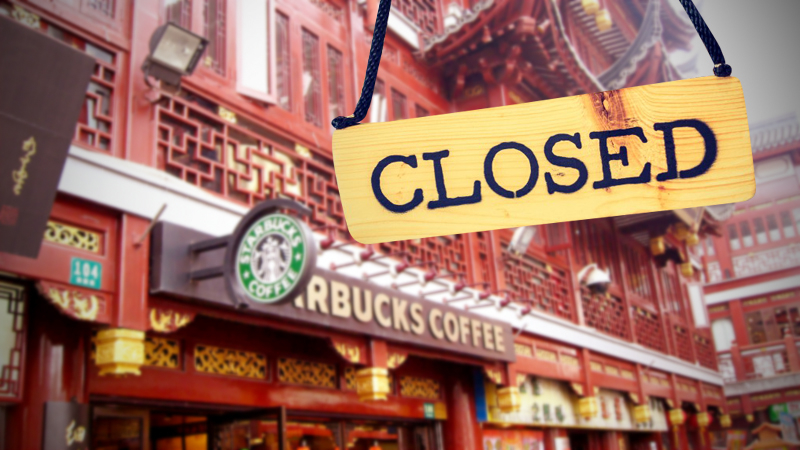
Starbucks closes half its China stores during virus outbreak

Jan 29. 2020
By Syndication Washington Post, Bloomberg · Leslie Patton · BUSINESS, WORLD, ASIA-PACIFIC

Starbucks Corp. has closed more than 2,000 locations in mainland China because of a viral outbreak that has killed more than 100 people and disrupted daily life in the coffee chain’s most important growth market.

The news cast gloom over what otherwise would have been an upbeat earnings report. Same-store sales, an important gauge of success for restaurant chains, rose 5% in the fiscal first quarter that ended Dec. 29, outpacing the 4.6% average estimate compiled by Consensus Metrix.

The company maintained its 2020 forecast but said it doesn’t include the impact of temporarily closing so many stores because it can’t yet calculate it.

“We will be transparent with all stakeholders in communicating how we are responding to these extraordinary circumstances and the implications for our near-term business results,” Chief Executive Officer Kevin Johnson said in a statement. He also reaffirmed the company’s commitment to China.

On a call with analysts, Johnson said Starbucks had planned to raise its financial projections for the year, but changed course as measures to prevent the spread of coronavirus intensified.

Starbucks shares reversed an initial gain in late trading, falling as much 1.4% to $87.40 as of 4:57 p.m in New York. The stock has been mostly flat in 2020 after jumping almost 37% last year.

McDonald’s Corp. and Yum China Holdings Inc., which operates Pizza Hut and KFC in the country, have also announced restaurant closures in areas near the center of the outbreak. Starbucks, however, appears to be carrying out a broader suspension of activities than its counterparts.

China and the U.S. are the most important markets for Starbucks as the Seattle-based chain seeks to recapture its rapid growth of past years. The results show the strategy is paying off — with higher customer traffic in the two nations particularly encouraging.

The coronavirus, of course, will be the wild card in whether Starbucks can maintain its pace. The company is expanding aggressively there, with global store growth of 6% in the quarter led by China, where the chain has more than 4,000 locations. Starbucks said it couldn’t “reasonably” estimate the impact of the coronavirus, but expects the outbreak to “materially affect” fiscal second-quarter and full-year results.

Operating margin expanded in the quarter to 17.2%, compared with 15.3% a year ago. While higher sales and supply-chain savings helped, the company is still facing higher wage and employee benefits costs.

Britain to allow some Huawei equipment in 5G networks, resisting U.S. pressure #ศาสตร์เกษตรดินปุ๋ย

#ศาสตร์เกษตรดินปุ๋ย : ขอบคุณแหล่งข้อมูล : หนังสือพิมพ์ The Nation

https://www.nationthailand.com/business/30381216?utm_source=category&utm_medium=internal_referral

Britain to allow some Huawei equipment in 5G networks, resisting U.S. pressure

Jan 29. 2020
By The Washington Post · William Booth, Jeanne Whalen, Ellen Nakashima 

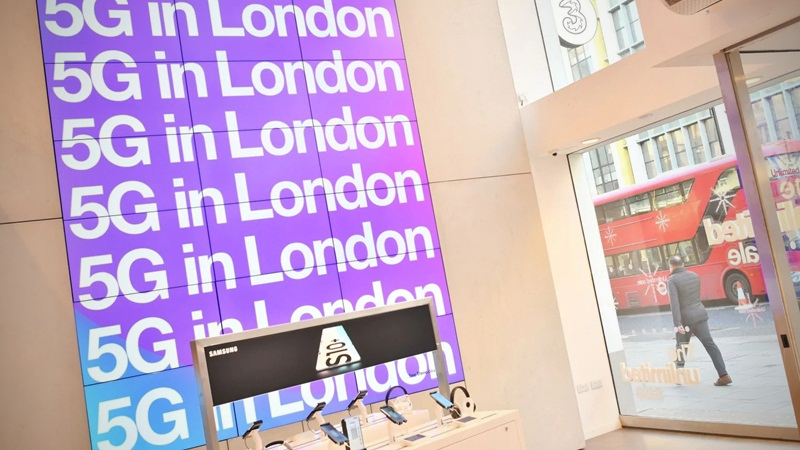
LONDON – The British government on Tuesday handed the U.S. government a major defeat in its months-long campaign against the Chinese tech giant Huawei by agreeing to use Huawei equipment in part of its telecommunications network.

The decision marked a rare split between the transatlantic allies and a blow to Washington as it battles China for dominance over the installation of the new communications technology known as 5G.

The United States has put Huawei at the forefront of that battle, arguing that installing the company’s telecommunications equipment would leave allied countries vulnerable to Chinese espionage.

China critics in the United States quickly panned the announcement and warned that sit could damage U.S.-U.K. trade relations.

“This decision has the potential to jeopardize US-UK intelligence sharing agreements and could greatly complicate a US-UK free trade agreement,” Sen. Lindsey Graham, R-S.C., said in a tweet. “I hope the British government will reconsider its decision.”

“America has never been weaker,” said Sen. Chris Murphy, D-Conn. “We have never had less influence. Not even our closest ally, Britain, with a Trump soulmate in Downing Street, listens to us anymore.”

British officials portrayed those reactions as overwrought. They noted that the decision limits Huawei’s market share of Britain’s “non-core” 5G network to 35%, labels it a “high risk” vendor and bars the use of its equipment in “core” parts of the network, including intelligence, military and nuclear sites.

“We have looked at the issue of how to maintain network security and resilience over many months and in great technical detail,” Foreign Secretary Dominic Raab said. “We would never take decisions that threaten our national security or the security of our Five Eyes partners,” a reference to the intelligence sharing consortium that includes Britain, the United States, Australia, Canada and New Zealand.

Other British government officials scoffed at suggestions that Washington might reduce intelligence-sharing with its key ally because of security concerns with Huawei in the 5G network.

“There is absolutely no reason” for the United States to lessen intelligence-sharing “because this [decision] upholds the security of our 5G network,” said one who requested anonymity to discuss intelligence matters, adding that intelligence is exchanged on separate, highly secure systems. “So there is absolutely no reason why intelligence-sharing should be called into question by this decision.”

Still, the British decision shows the challenges the Trump administration faces as it asks countries to pick a side in the battle over Huawei. Germany, Brazil and other nations are still deciding how and whether to use Huawei equipment in the super-fast 5G wireless networks they are building.

“I worry the U.K. decision could potentially be a preview of other decisions around the world,” said Kelly Magsamen, a former Pentagon official who also served on the National Security Council during the Obama and George W. Bush administrations.

Sen. Mark Warner, D-Va., a former communications executive, suggested in a statement that the decision shows the need for the U.S. and its allies to work together “to build more diverse and secure telecommunication options.”

Huawei is the world’s leading provider of 5G equipment. The other major providers are Finland’s Nokia and Sweden’s Ericsson. There are no major U.S.-based providers.

Prime Minister Boris Johnson chaired the meeting of Britain’s National Security Council, where the plan was approved. The British government will now seek to legislate the proposals through Parliament. It is possible that the House of Commons could amend Johnson’s plan – loosening or strengthening Huawei’s hand. But after a landslide win in last month’s general election for Johnson and his Conservative Party, the government can count on parliamentary approval for most of its proposals.

Huawei, which has dismissed U.S. security concerns as unfounded, described Britain’s announcement Tuesday as a win.

“This evidence-based decision will result in a more advanced, more secure and more cost-effective telecoms infrastructure that is fit for the future. It gives the U.K. access to world-leading technology and ensures a competitive market,” Huawei Vice President Victor Zhang said in a statement.

In a telephone call after the decision was announced, Trump and Johnson “underlined the importance of like-minded countries working together to diversify the market and break the dominance of a small number of companies,” a Downing Street spokesman said via email.

The U.K. decision follows months of pressure from U.S. officials. Secretary of State Mike Pompeo tweeted Sunday that Britain had a “momentous decision ahead on 5G.” On Friday, Trump called Johnson to talk about Huawei.

And in meetings in London this month, top national-security and State Department officials warned that the U.S. would have to reassess whether Britain could sufficiently protect shared intelligence if it let Huawei into its 5G network. The British press quoted the officials saying that using Huawei gear would be “nothing short of madness.”

Major U.K. telecommunications companies such as British Telecom already use Huawei gear in their 3G and 4G networks, and Britain does not want to fall behind in the 5G world.

“The British public deserve to have access to the best possible technology,” Johnson said in a BBC interview earlier this month. “On the other hand, let’s be clear. I don’t want, as the U.K. prime minister, to put in any infrastructure that is going to prejudice our national security or our ability to cooperate with Five Eyes intelligence partners.”

Foreign minister Raab said the lack of a wide choice of providers played a part in the decision. “Currently, the U.K. faces a choice of only three major players to supply key parts of our telecoms networks,” he said. “It is a market failure that must be addressed,” he said, adding that the U.K. planned to support new technology that could help diversify the market.

“It is essential that we are never again in a position of having such limited choices when deploying such important new technologies,” Raab said.

The coming super-fast 5G networks are expected to power the “Internet of things,” enabling industrial, transport and everyday devices to be connected, to “talk” to one another and to share data constantly, powering future technologies such as driverless cars and smart household appliances.

The U.S. has taken several steps to try to isolate Huawei. Last year it banned the sale of some U.S. technology to Huawei. It has also blocked the Chinese company from installing telecom equipment in the United States.

Japan and Australia effectively also have banned Huawei from their 5G networks.

Facebook will now show you exactly how it stalks you – even when you’re not using Facebook #ศาสตร์เกษตรดินปุ๋ย

#ศาสตร์เกษตรดินปุ๋ย : ขอบคุณแหล่งข้อมูล : หนังสือพิมพ์ The Nation

https://www.nationthailand.com/business/30381214?utm_source=category&utm_medium=internal_referral

Facebook will now show you exactly how it stalks you – even when you’re not using Facebook

Jan 29. 2020
This page, buried behind lots of settings menus, is the product of a promise CEO Mark Zuckerberg made during the height of the 2018 Cambridge Analytica scandal to provide ways we can

This page, buried behind lots of settings menus, is the product of a promise CEO Mark Zuckerberg made during the height of the 2018 Cambridge Analytica scandal to provide ways we can “clear the history” in our accounts. File Photo of Zuckerberg/ Credit : Syndication Washington Post, Bloomberg
By The Washington Post · Geoffrey A. Fowler · BUSINESS, TECHNOLOGY

Ever suspect the Facebook app is listening to you? What we now know is even creepier.

Facebook is giving us a new way to glimpse just how much it knows about us: On Tuesday, the social network made a long-delayed “Off-Facebook Activity” tracker available to its 2 billion members. It shows Facebook and sister apps Instagram and Messenger don’t need a microphone to target you with those eerily specific ads and posts – they’re all up in your business countless other ways.

Even with Facebook closed on my phone, the social network gets notified when I use the Peet’s Coffee app. It knows when I read the website of presidential candidate Pete Buttigieg or view articles from The Atlantic. Facebook knows when I click on my Home Depot shopping cart and when I open the Ring app to answer my video doorbell. It uses all this information from my not-on-Facebook, real-world life to shape the messages I see from businesses and politicians alike.

You can see how Facebook is stalking you, too. The “Off-Facebook Activity” tracker will show you 180 days’ worth of the data Facebook collects about you from the many organizations and advertisers in cahoots with it. This page, buried behind lots of settings menus, is the product of a promise CEO Mark Zuckerberg made during the height of the 2018 Cambridge Analytica scandal to provide ways we can “clear the history” in our accounts.

Facebook’s new tool isn’t nearly as useful as your web browser’s clear-history button – it doesn’t let you reset your entire relationship with Facebook. But along with the transparency, it does give you a way to unlink some of its surveillance from your Facebook account.

You might be shocked or at least a little embarrassed by what you find in there. My Washington Post colleagues found Facebook knew about a visit to sperm-measurement service, log-ins to medical insurance and even the website to register for the Equifax breach settlement. Even when your phone is entirely off, businesses can upload information about you making an in-store purchase. One colleague found 974 apps and websites shared his activity.

There’s not necessarily a new privacy violation here. Facebook has been partnering with websites, apps and stores to track and target customers for years. And it’s hardly alone. Lots of companies send information about us to ad and data firms. Think of it more as a reminder that we’re all living in a reality TV program where the cameras are always on.

Anyone who’s concerned about the power Facebook has to manipulate people and shape elections should care about how it tracks us. It’s easy to forget in the constant barrage of Zuckerberg’s privacy apologies and fines, but here’s the reality: Facebook keeps gathering more and more data about us, with few laws restricting how it can use it.

Rivals such as Google don’t offer anything comparable to the “Off-Facebook Activity” page.

“Despite how commonplace this activity is across the internet, we believe it’s important to help people understand why they’re seeing the ads they see and to give them control over how their data is used, regardless of the services they use,” says Facebook spokesman Jay Nancarrow.

But hold the applause: Laws such as this year’s California Consumer Privacy Act require companies to let us know exactly what data they’ve collected about us.

Regardless, I’ll take Facebook’s new tool as a win for us. It offers an opportunity to see in ugly detail how Facebook’s advertising surveillance system actually works. Chances are, it’s not at all like you think.

If all of this sounds confusing, it’s not your fault. A Pew survey published in 2019 found 74 percent of American Facebook members were unaware the social network builds a dossier on each of us to target ads. Facebook makes its surveillance systems so convoluted and, frankly, boring that we’re less likely to object. I’m not letting that stop me.

Here’s the big picture: Everybody’s experience on Facebook and Instagram is different. Your feed might be filled with stories about luxury real estate and ads from Mike Bloomberg, while mine might be NASCAR and Donald Trump commercials. That’s because Facebook’s software uses the data it gathers about us to tailor what it shows us. Facebook also lets advertisers target messages to the people the data suggests might be most receptive – or, in the case of political advertisers, easily swayed.

Facebook uses some data to put you into “interest” categories, such as people who live in Washington, D.C., and are into cats. You can see the boxes Facebook has put you in by looking under its “ad preferences” menus.

A part of this is easy to understand. Facebook obviously knows who your friends are, what you “like,” and what and where you post. You entered that information yourself.

But there’s also a world of information Facebook gathers that you didn’t volunteer to the social network – and probably didn’t know was being collected.

How does Facebook get this info? The social network provides partners tracking software they embed in apps, websites, loyalty cards and other systems. According to research by the Electronic Frontier Foundation, Facebook has so-called tracker pixels or cookie-sharing code on about 30 percent of the top 10,000 websites.

Facebook’s surveillance is hard to avoid. It doesn’t require you to click “like” or use a “log-in with Facebook” button. You don’t necessarily have to be logged in to the Facebook app or website on your phone – companies can report other identifying information to Facebook, which will marry up the activity to your account after the fact.

Your off-Facebook activity isn’t exposed to your friends; they won’t see it in the News Feed. The social network also doesn’t pass your personal information back to businesses – they just get the chance to target ads to people with Facebook accounts who triggered the trackers. A company could, for example, ask Facebook to show ads to people who looked at a certain style of shoe. (Off-Facebook activity doesn’t contribute to Facebook’s dossier of your ad “interests,” but the social network might use it to suggest groups, events or Marketplace items to buy.)

Thanks to the “Off-Facebook Activity” tool, I now know that Home Depot told Facebook when I visited its online store, viewed an item or added an item to a shopping cart. The Atlantic shared the pages I viewed and devices I used, which it says inform its distribution strategy and help it target campaigns. The Washington Post says it stopped using the Facebook tracking pixel, along with some other social-networking trackers, on content pages as of Oct. 24.

The Buttigieg campaign says it used the Facebook tracking pixel to target ads at people who have visited its website or engaged with its donation link. Peet’s Coffee didn’t respond to my questions.

Ring, which is owned by Amazon, let Facebook know when I installed or opened its app. Spokeswoman Yassi Shahmiri says Ring uses the information to “optimize our marketing campaigns on Facebook,” including advertising less to people who already own the product.

But is that a good reason to share information about my doorbell with Facebook? Shahmiri says Ring doesn’t share specific camera data, such as a motion detected at your door. But Ring does ping Facebook when I open the app, which is almost always when there’s someone at my door. Guess I was foolish to presume what happens on my doorstep stays between me and Ring. (Amazon CEO Jeff Bezos owns The Washington Post, but I review all tech with the same critical eye.)

Facebook says it puts limits on the information organizations can share with it. For example, they’re not supposed to pass along health and financial information. But it’s unclear how well Facebook polices this. Using forensic software, I found Facebook tracker code on the website for an HIV drug. Nancarrow, the Facebook spokesman, says that “a health site with a Facebook Pixel does not mean that they are sharing sensitive medical information with Facebook.”

Don’t businesses worry we’ll find this to be oversharing? Most probably never thought we’d find out. Facebook says companies are required to provide us “robust notice” that they’re sending data about our activity to the social network. But I found very few explained this tracking in clear terms.

Facebook wants to paint surveillance as totally normal. Zuckerberg often says people want to see “relevant” ads. I wonder whom he’s asking. About 81 percent “of the public say that the potential risks they face because of data collection by companies outweigh the benefits,” according to Pew.

You can do a few things to fight back against Facebook’s surveillance, some of which haven’t been available before.

The new “Off-Facebook Activity” page includes ways to ask Facebook to cut it out. From that page, click on “Clear History” to tell Facebook remove that data from your account.

After you’ve done that, you still need to inform Facebook you want them to stop adding this data to your profile in the future. On the same “Off-Facebook Activity” page, look for another option to “Manage Future Activity.” (To find it, you may first have to click “More Options” – sorry, I know they’re not making this easy.) Click that, and then click the additional button labeled “Manage Future Activity,” and then toggle off the button next to “Future Off-Facebook Activity.”

An important caveat: Turning off your off-Facebook activity will mean losing access to apps and websites you’ve used Facebook to login to in the past. (Aside from privacy concerns, there are also security reasons why Facebook logins are a bad idea.)

While we’re adjusting things, I also recommend changing one other bad Facebook default setting. Under the settings menu, go to “Your Ad Preferences” (click here to go directly). Under the heading “Ad settings,” look for “Ads based on data from partners.” Make sure it is set to “Not allowed.”

Now I have to share a bummer: Changing these settings doesn’t actually stop Facebook from collecting data about you from other businesses. Facebook will just “disconnect” it from your profile, to use the social network’s carefully chosen word. Mostly they’re just promising they’ll no longer use it to target you with ads on Facebook and Instagram – which means you’ll be less likely to be manipulated based on your data. (Facebook has separately said that starting this summer we will be able to adjust a setting to see fewer political and social issue ads on Facebook and Instagram.)

So what can you do if you don’t want Facebook collecting all this data about you in the first place? That requires more hand-to-hand combat.

On your computer, use a web browser that fights trackers, like Mozilla’s Firefox. Or go even further by adding an ad or tracking-blocking extension to your browser, such as the EFF’s Privacy Badger. My account tallied much less off-Facebook activity than most of my colleagues because I use Firefox along with Mozilla’s Facebook Container add-on, which prevents Facebook’s software from connecting with other sites.

In smartphone apps, where tracking is also increasingly common, tracking even is harder to stop. A few services, such as Disconnect’s Privacy Pro, scan app activity and block tracker traffic, but they may also interfere with the way apps function.

Or there’s the ultimate fix: Say farewell to Facebook and Instagram forever, and close your accounts. So far, though, that’s not a choice most people have been willing to make.

New Amazon-Arlington solar farm on pace to fulfill renewable pledges #ศาสตร์เกษตรดินปุ๋ย

#ศาสตร์เกษตรดินปุ๋ย : ขอบคุณแหล่งข้อมูล : หนังสือพิมพ์ The Nation

https://www.nationthailand.com/business/30381209?utm_source=category&utm_medium=internal_referral

New Amazon-Arlington solar farm on pace to fulfill renewable pledges

Jan 29. 2020
By The Washington Post · Patricia Sullivan 

Amazon and Arlington County have agreed to buy all the electricity generated from a new Dominion Energy solar power farm, a major step toward fulfilling their promises to rely fully on renewable energy in the coming decade.

The agreement, which Amazon has signed and the Arlington County Board approved by a 5-to-0 vote Tuesday night, would name a 1,500-acre site near the North Carolina border the “Amazon Arlington Solar Farm Virginia.” Beginning in 2022, the farm will be capable of generating about 250 million kilowatt-hours per year, according to Dominion officials.

Amazon will buy about 68 percent of the energy, and Arlington will buy about 32 percent, which equals 83 percent of the electricity used by the county government for its buildings, streetlights, traffic signals, water pumping stations and wastewater treatment.

Amazon is building an East Coast headquarters in the Arlington neighborhood of Crystal City, and the county and the retail giant have pledged to cooperate on issues from affordable housing to infrastructure to the environment. (Amazon founder and chief executive Jeff Bezos owns The Washington Post.)

Dominion will build, own and operate the shared site in Pittsylvania County, said Dianne Corsello, the utility’s director of business development. There will be no charge to other ratepayers. Arlington officials said the project entails no upfront cost from them and should be revenue neutral.

The power generated at the new site, which is now farmland, will go into the regional grid. Arlington and Amazon will get renewable energy credits for their share of the power. The county has been buying similar credits equal to 30 percent of its energy needs. When the new agreement takes effect, Arlington will end those purchases, which cost about $30,000 per year.

“All these kinds of agreements and purchases make solar more viable for everybody,” said Libby Garvey, the County Board chair. “The next step [for Arlington] is going carbon neutral by 2050, and this gives us some breathing room.”

Although the property had earlier been described as “treeless,” between 10 to 15 percent of the land does have trees of varying sizes on it, Corsello said. She told the board Tuesday that Dominion will seek to minimize tree-clearing as the land is developed.

The revelation was not enough to thwart the deal. Garvey called it a “hiccup,” and said if the county wants to be innovative, it has to be willing to accept mistakes. She then asked Corsello to save any “big, beautiful trees” on the property.

The county’s goal is to use 100 percent renewable energy for government functions by 2025 and have county residents and businesses achieve that goal by 2035. The agreement approved Tuesdaygets it much of the way there.

A “bigger reach,” Garvey said, is carbon neutrality – which means the county would not release more carbon into the atmosphere (through gas emissions, for example) than it replaces with carbon-consuming products (such as trees).

Virginia’s state government recently purchased a significant amount of energy, mostly from solar farms, from Dominion, which Gov. Ralph Northam (D) called the largest such contract negotiated by any state.

That deal says state agencies will get 30 percent of their electricity from renewable sources by 2022. Fairfax County is also moving to buy energy from contractors that would install solar panels on more than 100 county buildings, part of an effort that aims to remove protections against competition given to Dominion.

Amazon said its portion of the deal will power the tech giant’s new headquarters along with other Amazon-owned operations across the commonwealth, including Whole Foods Markets and fulfillment centers. It already has agreements in place with Dominion to buy solar energy on Virginia’s Eastern Shore in Accomack, as well as in nine other locations in Virginia. It has 84 renewable energy projects that are projected to deliver more than 5.5 million megawatt hours of renewable energy annually globally. The company has said its aim is to be net-zero in carbon emissions by 2040.

The Arlington agreement has been in the works since last fall, said John Morrill, the county’s energy manager. The price Arlington will pay for the power is 3.35 cents per kilowatt-hour; the county government would have to cover any differential between that price and what the hourly wholesale power price is.

“Fluctuations in the wholesale price of electricity may cause some months to have net savings and other months to have net expenses,” Morrill wrote in a report to the County Board, which assured them the financial risk was small. “Over the course of a year, these are expected to offset each other and be neutral in the aggregate.”

Samsung launches new AI laundry appliances #ศาสตร์เกษตรดินปุ๋ย

#ศาสตร์เกษตรดินปุ๋ย : ขอบคุณแหล่งข้อมูล : หนังสือพิมพ์ The Nation

https://www.nationthailand.com/business/30381208?utm_source=category&utm_medium=internal_referral

Samsung launches new AI laundry appliances

Jan 29. 2020
(Samsung Electronics Co.-Yonhap)

(Samsung Electronics Co.-Yonhap)
By The Korea Herald/ANN

Samsung Electronics Co. on Wednesday launched new laundry appliances with upgraded artificial intelligence features for the South Korean market.

The tech giant unveiled its Grande AI range of washing machines and dryers — part of the company’s Project Prism, which aims to reflect consumers’ lifestyles and offer personalized products.

Samsung’s first Project Prism product was Bespoke, a customizable refrigerator launched last year.

The new washers and dryers come with an upgraded self-learning ability offering customized washing and drying, according to Samsung.

Samsung said its “all-in-one” function allows consumers to control their dryer through their washer.

The latest products can also remember frequently used wash or drying modes and propose optimal settings. Based on the washing machine’s settings, the AI can automatically set up the best dryer cycle, the company added.

Samsung said its AI learned from more than 12 million laundry cycles and will get smarter as consumers provide it with their laundry routines.

The new washing machines can also detect the volume and weight of clothes and determine the level of soiling, and the dryers are equipped with bigger compressors and heat exchangers, providing upgraded drying performance, according to Samsung.

With its AI, Samsung claimed that it only takes 36 minutes to wash and dry a batch of shirts.

The Grande AI washers are priced between 1.84 million won ($1,565) and 1.94 million won depending on colors and options, while the dryers will sell for between 1.89 million won and 1.99 million won in South Korea. (Yonhap)