With more than 808 million views, luk thung singer Monkaen Kaenkoon became last year’s most-streamed artist in Thailand, followed by Blackpink with 743 million streams.
The all-girl K-pop band maintained its No 2 spot thanks to the popularity of its Thai member, Lalisa “Lisa” Manoban.
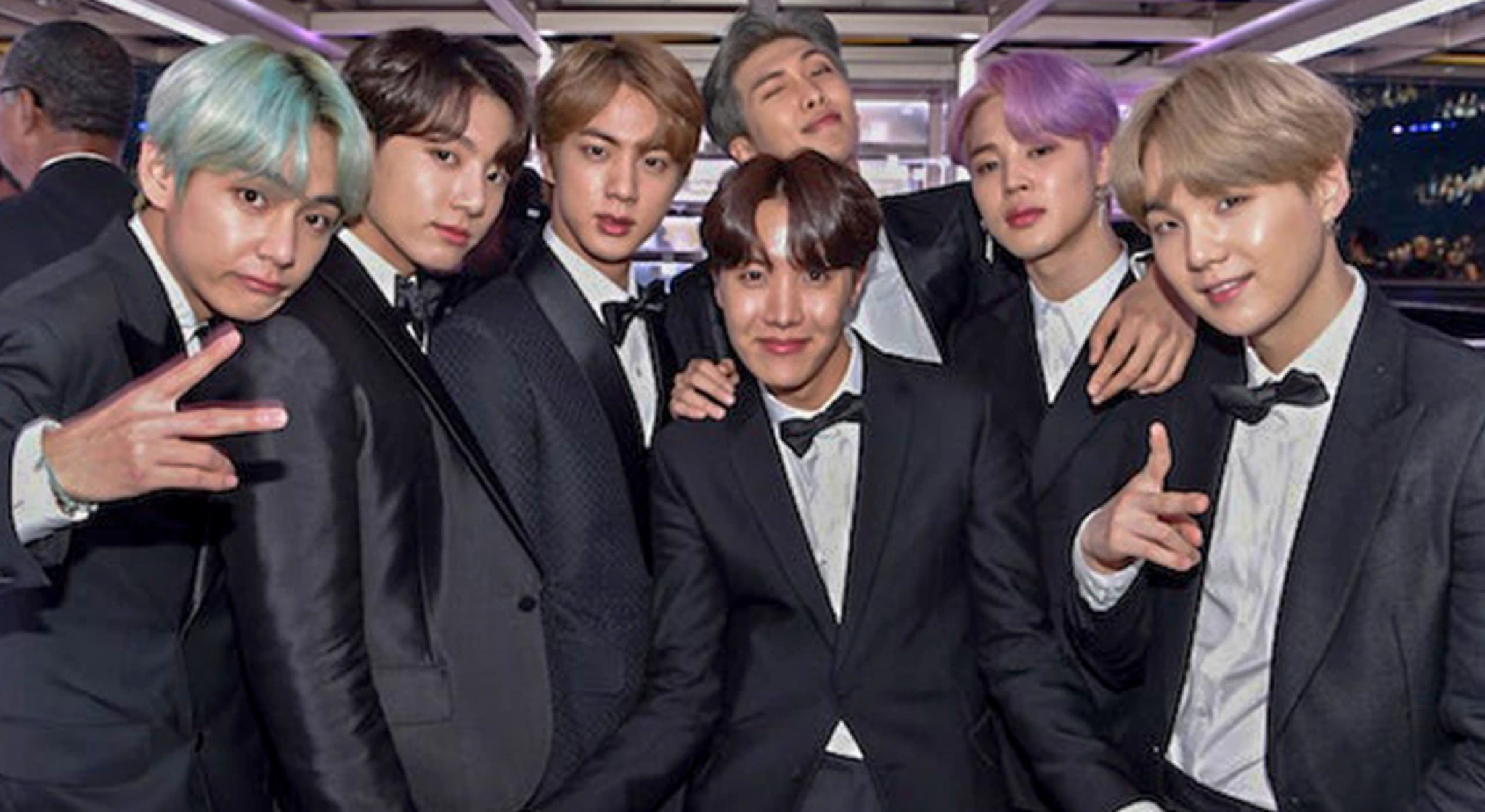
BTS, another K-pop band, came in fifth with 508 million streams.
Last year also proved to be very successful for Thai rappers and hip-hop artists, with rapper Illslick coming in third with 673 million streams and Saran fourth with 545 million streams.
Rappers Youngohm took seventh place with 429 million streams followed by Sprite with 416 million streams and F.Hero with 397 million streams.
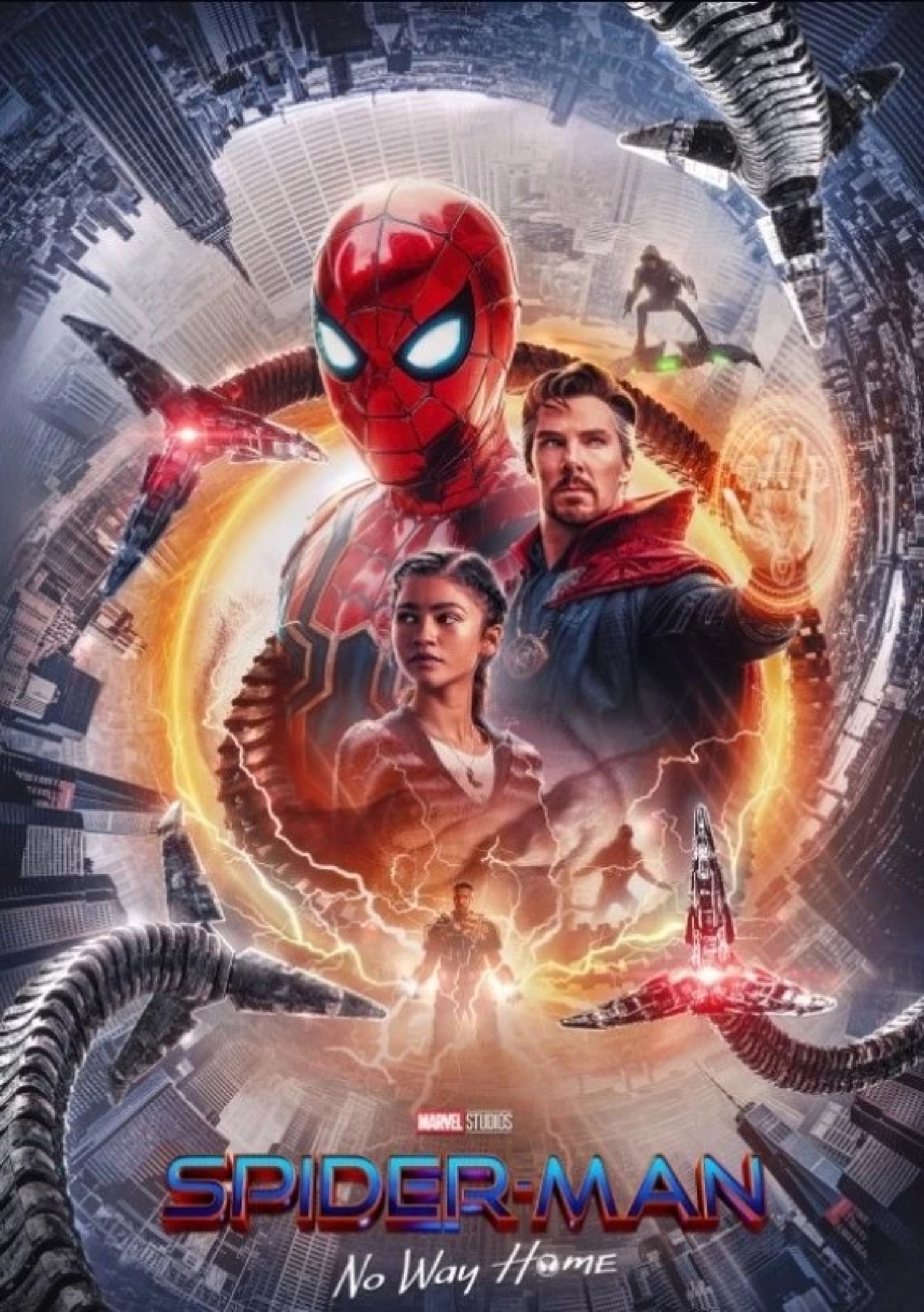
Despite the pandemic, the film has taken in a spectacular worldwide gross of 1.37 billion dollars, passing 2018s “Black Panther” to become the 12th highest grossing film of all-time.
“Spider-Man: No Way Home” took the top spot at the North American box office for the third weekend in a row with a three-day estimate of 52.7 million dollars, according to studio figures released by measurement firm Comscore on Sunday.
The superhero film, co-produced by Columbia Pictures and Marvel Studios and distributed by Sony Pictures Releasing, has grossed 609.89 million dollars in the United States and Canada through Sunday, making it the 10th highest grossing film of all-time in North America.
Based on the Marvel Comics character Spider-Man, the latest film in the Marvel Cinematic Universe is the sequel to 2017’s “Spider-Man: Homecoming” and 2019’s “Spider-Man: Far From Home.” Directed by Jon Watts, it is the third Tom Holland-led Spider-Man film.
“Spider-man has been a powerhouse and is still performing like a champ,” commented senior media analyst Paul Dergarabedian at Comscore in an email to Xinhua.
Last weekend, “Spider-Man: No Way Home” became the top grossing film of 2021 worldwide, surpassing Chinese war epic “The Battle at Lake Changjin.” “Spider-Man: No Way Home” took in 78.3 million dollars at the international box office this weekend in 61 markets for an overseas cume of 759 million dollars.
Despite the pandemic, the film has taken in a spectacular worldwide gross of 1.37 billion dollars, passing 2018’s “Black Panther” to become the 12th highest grossing film of all-time.
Thai K-pop star Lalisa “Lisa” Manoban from South Korea’s famed BlackPink band ranked first place in TC Chandler’s international List of 100 Most Beautiful Faces of 2021. Lisa has already appeared on the list six times.
The other BlackPink members were also featured on the list. Rosé was ranked 17th, Jisoo 26th and Jennie 30th.
Meanwhile, another Thai K-pop star Chonnasorn “Sorn” Sajakul, from CLC, who has appeared on the list thrice, was ranked 28th.
Thai actor Urassaya Sperbund, who made it to the list five times, was ranked 54th.
TC Candler has been publishing the list since 1990.
According to TC Candler, the top ten most beautiful faces for 2021 are:
1. K-pop star Lisa from Blackpink 2. Norwegian blogger Emilie Nereng 3. American model Halima Aden 4. Filipino actress Ivana Alawi 5. K-pop star Nancy from Momoland 6. Israeli model Yael Shelbia 7. K-pop star Tzuyu from Twice 8. Indonesian singer-actress Lyodra Ginting 9. American model Jasmine Tookes 10. South Korean actress-singer Nana (Im Jin-ah).
Three members of K-pop juggernaut BTS have been infected with the coronavirus, according to their management agency – the latest celebrities to announce they tested positive amid the global spread of the omicron variant.
The septet returned this month to South Korea from the United States, where it had its first concerts since the beginning of the pandemic.
RM, 27, and Jin, 29, tested positive for the virus Saturday evening, the Big Hit Music agency said in a statement. Another member, Suga, 28, was diagnosed Friday, a day after returning from the United States, according to the agency.
All three had been in quarantine after returning from the United States and had not come in contact with any other members of the group.
RM, Jin and Suga join a growing list of entertainers, athletes and politicians who have announced they tested positive for the coronavirus in recent months, wreaking havoc on sporting events and live performances.
The list includes singer Charlie Puth, tennis star Rafael Nadal and late-night host Andy Cohen – as well as Democratic Sens. Elizabeth Warren of Massachusetts and Cory Booker of New Jersey.
Big Hit Music said all three BTS members who tested positive received their second dose of a coronavirus vaccine in August.
RM and Suga did not exhibit any symptoms, while Jin showed a light fever and flu-like symptoms. They are self-isolating at home as per the country’s health guidelines, the agency said.
The South Korean pop group endorsed coronavirus vaccination during a speech in September at the United Nations. In November, the group traveled to Los Angeles in November to stage concerts and perform at the American Music Awards.
Earlier this month, Big Hit Music announced that the band members are taking an “extended period of rest,” citing the need to get “reinspired and recharge with creative energy.”
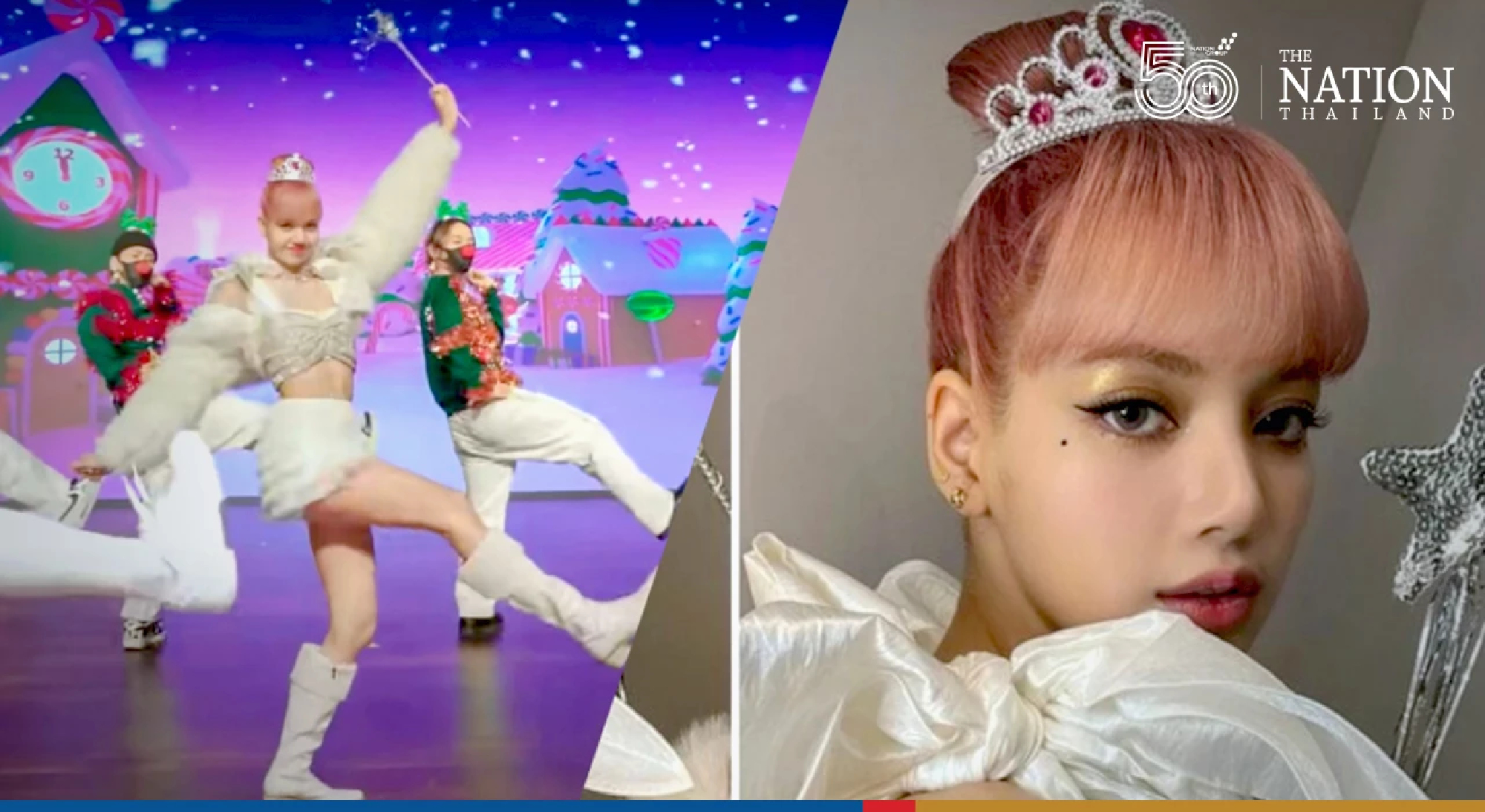
K-pop star Lalisa “Lisa” Manoban surprised her “Blinks” (BlackPink fans) by releasing a Christmas version of her solo single “Money” on Saturday.
The “Money Dance Performance (Christmas Ver) for Blinks”, featuring Lalisa in a snow queen costume, was released on the Lilifilm Official YouTube channel and rose to No 1 almost immediately.
As of press time, the clip had been viewed more than 4 million times.
Credit: YouTube channel Lilifilm Official, Lalisa’s official Instagram and Twitter accounts (lalalalisa_m)
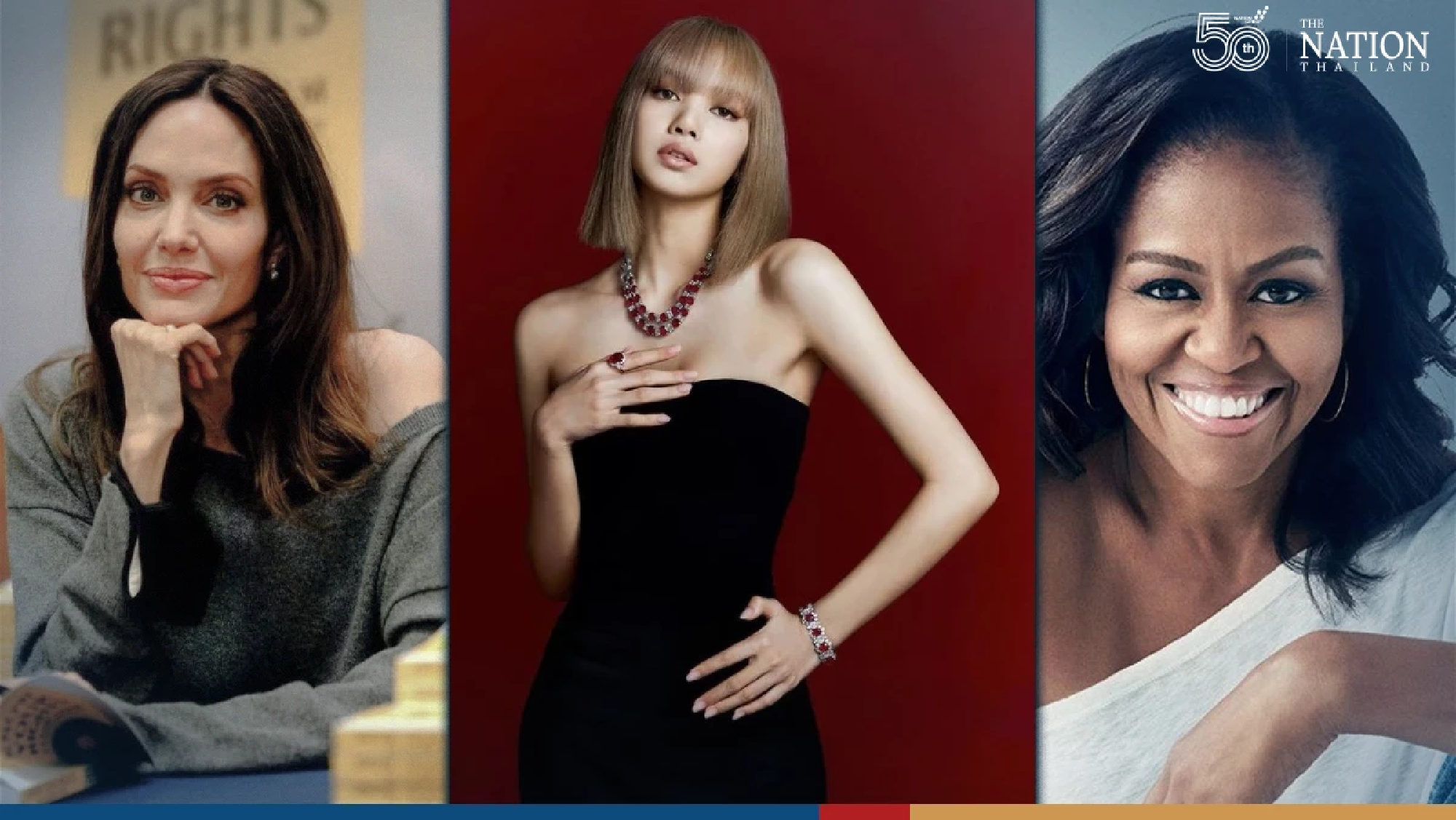
Blackpink’s only Thai member, Lalisa “Lisa” Manoban, was found to be the 17th most admired person in the world in 2021 in a survey conducted by YouGov, a UK-based agency that collects public opinion.
Lisa, a rapper, singer and dancer based in South Korea, is part of the K-pop girl group Blackpink which is managed by YG Entertainment.
The 24-year-old’s latest music video for the song “Lalisa” became a sensational hit in Thailand, especially since it showcased the country’s heritage.
The list is topped by former US first lady Michelle Obama, followed by Hollywood superstar Angelina Jolie, UK’s Queen Elizabeth, talk show host Oprah Winfrey and actor Scarlett Johannson. Lisa is the only K-pop star on this list.
NEW LONDON, Mo. – Just before midnight, six hours into his 10-hour Twitch live stream, Tyler Steinkamps rage begins to erupt.
He’s just scarfed down a dinner of cold chicken fingers over the sink during a three-minute ad break and raced back to his computer, where he is playing the “battle arena” game “League of Legends” as 28,762 people watch.
His face is broadcast onto the screen, alongside convulsions of neon warfare and a raucous chat box overflowing with 280 messages a minute. An anonymous audience is demanding his attention and unloading on him for every mistake. He has four hours of on-camera time to go.
“It’s going to be a terrible day,” he tells a Washington Post reporter before turning back to his screen to read one chat message aloud: ” ‘Does “League” make y’all depressed?’ Yeah, it does.”
As “loltyler1,” his Twitch audience expects him to be tirelessly brash and dominant. But Tyler is trapped in a losing streak, and he’s been reeling from too little sleep. He dies in an in-game brawl and snaps: “I’m so over this s—.” Another 282 messages blast in.
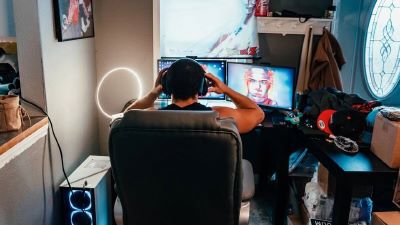
At 26, Tyler is a millionaire and one of the internet’s most popular streamers. For 50 hours a week, he broadcasts himself playing video games from his cramped living room in his 900-person Missouri hometown to 4.6 million followers, watching from around the world.
He earns more than $200,000 a month in Twitch ads and viewer subscriptions. Sponsorships with Nike and Doritos, contracts with giant esports teams, fan donations and merchandise sales have earned him millions more.
When he dropped out of college to stream, Tyler cast himself as an alpha among dweebs, known for crude banter and wild gameplay. To a generation raised by the internet, he became bigger than a rock star: Fans pay him every month for access and intimacy, which he provides in great amounts, allowing nearly every day of his life – from his virtual battles to his most personal real-world moments – to be dissected and criticized.
Streamers like Tyler form the backbone of tech giants’ “creator economy,” and with their lives on permanent display, they’ve pioneered a raw form of entertainment. While Instagram and TikTok value viral perfection, Twitch fans flock to more unpolished streamers; no one can stay perfect on a 10-hour marathon. (Twitch was bought in 2014 for nearly $1 billion by Amazon, whose founder, Jeff Bezos, owns The Washington Post.)
But the punishing need to stay relevant in a supersaturated market is also fueling severe burnout. After five years of building an unapologetically aggressive persona for an audience of mostly young men, Tyler is exhausted by the expectations of an unforgiving crowd. Tyler, whose father is Black, has endured years of personal insults and sometimes explicitly racist abuse. And as his online world has grown, his real one has shrunk dramatically. Tyler has millions of fans but no friends; before spending a recent day with a Post reporter, no one besides his girlfriend and family had visited his house in several years.
“There are just eyes on you, always on you,” he said. “Kids grew up watching me for 10 hours a day. It feels like it’s been my whole life.”
Twitch officials acknowledge that many streamers suffer from burnout and harassment: The company recently hosted a “Creator Burnout” workshop and offers mental health guides for concerns about addiction and self-harm. “We recognize that while creating content is an incredibly rewarding creative experience, a public life online comes with its own pressures and challenges,” a Twitch spokesperson said.
But Tyler is one of the few to see tangible rewards from his Twitch career. When hackers in October published a vast haul of internal Twitch data, they exposed the site’s brutal economy: Though more than 7 million people stream on Twitch every month, only the top 3,000 – less than 0.1 percent – made more than the typical American household earning $67,000 a year. The vast majority earned next to nothing, streaming to empty chat rooms, waiting for a single person to come watch.
Tyler, meanwhile, has brought in more than $2.5 million from the site since August 2019, according to the leaked data, making him Twitch’s 15th highest-paid streamer around the world.
As Twitch’s viewership exploded last year – up 67 percent to more than 1 trillion minutes watched – Tyler gathered an intense fan base seeking community and escape across a fractured internet. But as a gig worker for a media empire, even a successful streamer like Tyler has a livelihood that’s inherently unstable – without insurance, unions, sick days, retirement funds or hope for a sustainable career.
Many people see popular streamers as modern-day success stories, paid only to be themselves, said Brooke Erin Duffy, an associate professor at Cornell University who interviewed influencers for her new book, “Platforms and Cultural Production.” But that “myth of glamour” obscures a reality of extraordinary pressure, she said – the grueling systems of online metrics, the incessant demands of followers, the invisible burden of personal attacks.
“These companies have tremendous power and are reaping tremendous rewards from the creator economy, but they don’t provide the mechanisms of support that a traditional workplace would,” Duffy said. “The job is profoundly individualized and precarious. The fact is, it’s all on you.”
– – –
Growing up in Missouri, Tyler loved to entertain, showing off in front of the camera at his first birthday party. When his mother got their first computer from Rent-a-Center, the 5-year-old would stand behind her while she played Minesweeper, helping her find the bombs.
She’d had him at 17. Tyler never knew his dad, but his mom introduced him once when he was very young, worried Tyler might regret never having seen his face. In the winters, they’d heat their trailer with the oven or scrounge quarters to pay for gas.
Tyler spent hours in the school gym and in the sprawling fantasy worlds of “Diablo” and “RuneScape,” developing an all-consuming competitive streak. He’d duel into the night with his brother over video games, hugging the computer to quiet the sound.
At Central Methodist University, where he played football, he started streaming from his dorm room so his “RuneScape” buddies could watch his screen while he played. Then on Christmas 2015, his grandmother gave him a $50 Best Buy gift card, which he used to buy a webcam. His face has been on the stream ever since.
On Twitch, Tyler said, he multiplied his personality by 20: an over-the-top meathead who didn’t take himself too seriously, a stranger who joked like a friend. His teammates pounded on the door for him to come hang out, but Tyler never relented. “I would just sit inside,” he said, “perfecting my craft.”
His audience grew until finally he made $52 in a week – enough, he reasoned, to live on, if he ate $10 worth of rice and potatoes each week. In the summer before his last year of college, he sat in his mom’s duplex and told her he’d be dropping out to stream. He would have been the family’s first to graduate. She told him it was OK, he said, “but you could see the tears.”
When he moved back home, Tyler’s mom, Christina Lutz, could tell something weird was happening. She’d go to work as an elementary school secretary, making $14,000 a year, and come home to hear her son had made $700 sitting in front of a computer all day. “I could not understand why people were paying him. I still don’t,” she said.
Tyler specialized in “League,” a dazzlingly intricate game notorious for its split-second strategy. Through day-long grinds, he became one of the game’s most tactical and irritating entertainers; upset by his partners, he often killed himself to boost the enemy. When the game’s leaders banned him as a “genuine jerk” in 2016, it only boosted his bad-boy image. His numbers soared.
His fans, Tyler said, were typically guys from the United States and Western Europe looking for somewhere they could belong, a place they could share their excitement, make inside jokes and be around friends 10 hours a day. Tyler always gave people what they wanted, which was to laugh at him, so he began venturing into the absurd – cooking, singing, performing as a clown. Unbanned two years later, he returned to the game only slightly chastened, hawking a line of tank tops and phone cases labeled “REFORMED.”
His streams were free, but thousands of fans paid $5 to $25 a month to subscribe, removing ads and granting them some in-chat status symbols, like the ability to post images of Tyler’s face. Many also donated a few bucks to emblazon a message across the stream – typically some jab Tyler couldn’t ignore.
Some of it was lighthearted, slamming how he flipped pancakes during a breakfast-making stream, but Tyler shared everything, and everything could be weaponized. Viewers made fun of the shape of his head, spewed racist insults, ridiculed growing up in a trailer park, how he lived now, how he’d become “addicted” to the stream.
Tyler joked right back, but the balance was clear: The viewers knew so much about Tyler, and he knew nothing about them. And for all the hours he’d be streaming, there would be nowhere for him to hide.
– – –
Tyler wakes up that Tuesday morning in October like usual, chasing five hours of sleep with a fluorescent bottle of “Blood Rush,” a caffeinated pre-workout drink sold in a powder tub with his screaming face on the label. He has only a few hours until his stream begins.
He lives beneath a highway billboard two hours from St. Louis and rents a run-down house from his stepdad. The place is cluttered with junk: unopened boxes from fans, Tyler1 figurines. On his nightstand sit bottles of Adderall pills he’s taken for attention-deficit/hyperactivity disorder since he was in first grade.
He leaves only to lift weights at the YMCA, then comes home to his desk, with his “Dragon Ball Z” posters and a Walmart keyboard; he’s superstitious about using anything else. Around 4:45 p.m. it’s time. He starts his stream with some thumping hype music and summons a primal scream. Thousands are already waiting. “HES HERE HES HERE HES HERE,” one viewer writes, 12 seconds in.
Tyler always begins with a story spinning himself as superhuman, but on this day he also follows it with a truth: His brain is “frying” from not enough sleep. On his last stream, he’d told fans that for several years he’d been waking up in the middle of the night, gasping for air.
“Look at me,” he says with a stage laugh, flexing his biceps, lightening the mood. “If I wasn’t this big, would you be watching?”
Tyler always boasted of his focus and endurance amid a stream’s chaotic overload, his eyes darting between relentless messages as he shouted over the bruising soundscape of digital war. In the past, he’d take month-long breaks to ease his throat and rest his brain. But he is a celebrity now, and that means he has sponsorship requirements to fulfill, events to attend, corporate contracts to uphold. His latest Twitch deal includes a performance quota; he streams 200 hours a month.
He must play constantly to hold on to his top rank in each “League” season, which he typically ends with a 40-hour marathon. He allows himself to eat only during the commercial-length breaks between games, which can last 30 minutes or more. He forces himself not to yawn, because yawning means boredom. Bored viewers go somewhere else.
Some days he doesn’t have the energy to become the amped-up warrior his crowd expects. He tries to fake it, he said, but he can’t always “come alive.” “If you take one day off, they’re like, ‘Where were you, bro? How could you?’ ” he said. “So I don’t miss days. Ever.”
When he stops streaming in the hours before sunrise, he’s often too drained to speak, peeling off his headset, rubbing his face with his palms. On off days, he rests his throat, going entire weekends without saying a word, lying in bed watching 10-minute YouTube movie recaps on his phone.
He still enjoys the thrill of competing, sparring with hecklers, captivating a crowd. But he sometimes looks in the mirror at the rings under his eyes and thinks about how blissful it must be to work in a cubicle, free to sit silently, do nothing, think.
He’s feeling more anxiety than ever and more obsessed about control, getting worked up if his headset feels off, his chair sits weird, his mouse is moved even an inch. “How bad is it going to get?” he said. “In five years, am I going to not function if my right shoelace is tighter than my left?”
– – –
But there is too much on the line to quit.
There’s his YouTube channel, where his streams are cut into clips for 2.7 million followers and a fortune in extra pay. There’s the $300,000 a year he makes from his merchandise line, run by a small team in Ohio. And there’s the onslaught of big branding deals: Tyler’s manager doesn’t consider anything under $20,000, even if it’s just a few minutes promoting something on stream.
A vast professional class of agents, coaches and brand consultants has multiplied to monetize his work. But unlike more established industries, Tyler and other streamers have few means of personal support: no producers, supervisors, mentors or human resources counselors; no one telling them to slow down.
Tyler has Ismail, his 30-year-old manager in Germany, who spoke on the condition that his last name not be mentioned due to fear of harassment. Tyler hired him as his editor, agent, booker and lead negotiator after a “hype montage” he made went viral in 2016; they’ve met only once, at a Twitch convention in San Diego in 2019.
Tyler estimates he’s made more than $5 million over the past few years, but he has no credit card, financial adviser or clear sense of how to spend it. His rare splurge this year was on a $170,000 Acura NSX sports car, which he keeps in a big tool shed.
Tyler helps fund his stepdad’s roadside fireworks stand and pays his mom $70,000 a year to bring him dinner every evening: calzones or Salisbury steak or chicken and rice. She quit her old job but still feels torn: “Is your kid supposed to take care of you and pay your income?” When people ask, she tells them she’s a personal chef, but doesn’t mention it’s for her son.
Tyler’s fans discuss his life and swap memes across Discord, Reddit and TikTok, sending him gifts like handwritten letters or a sketch of his face. But scorned followers have lashed out, demanding to know why they were ignored. One night, two fans left a note on his doorstep with their phone numbers alongside a menacing gift: a tombstone bench inscribed, “Your spirit lives within me.”
Tyler and his girlfriend, a fellow streamer named Macaiyla Edwards, have also had police officers with rifles swarm their home, forcing them to the ground, after an online harasser falsely reported they were holding a baby hostage. Such “swatting” attacks have led to multiple deaths; the couple suspects the caller wanted violence live on stream. No one has been charged. (The local sheriff’s office declined to comment.)
The cruelest attacks always come “from someone who watched a lot, because they know you so well,” Ismail said. “They’re watching to hate you.”
– – –
Macaiyla eats Mexican takeout on the couch that night as Tyler streams a few steps away. The two go to the gym together and try to decompress, but most nights end like this, with Tyler feverishly clicking his mouse, shouting into the screen. “I fall asleep to him screaming sometimes,” she says. He has three hours left to stream.
Raunchy and combative, Macaiyla built her own fan base, with an esports company contract and 450,000 followers across Twitch and Instagram.
But many fans come for Tyler, and have since they met on Twitch in 2016, their bickering romance playing out on stream nearly every day since. Roughly 200,000 people watched one of their dates this summer, and a popular video on Tyler’s fan subreddit shows his scowl melting after she swoops in for a kiss. “I’ve never seen him smile like that,” one fan wrote. “Imagine being happy,” another said.
Macaiyla expects to earn up to $200,000 this year, but she dreams of doing something real, like building houses or going back to work at a convenience store. “I don’t care if I lose all my followers tomorrow. It doesn’t mean anything,” she said. “I miss people. The human interaction. Seeing the emotion in their face.”
Many of her friends have burned out, worried a day off could lose them followers to the endless scroll of streamers eager to take their place. She’s seen people stress for years over daily viewership, sliding into depression as their hopes of success fade.
But she wants to get married soon, move to a big city and start a family with three to five kids. She thinks they can manage it all by slightly paring back their streaming: maybe eight hours, instead of 10.
Tyler hates change and says he’s content to stay in rural Missouri forever. He dreads leaving the house and sulked through a video-blogged vacation this summer at a Dominican resort. Living his normal life, but “not streaming, with the camera off: That would be a vacation,” he said.
Macaiyla feels guilty about the advantage she’s gained in Tyler’s shadow, but the money is too good to quit. She knows how many 20-somethings have graduated with college debt for dead-end jobs they hate.
“People out there are getting covid to work and they barely make what I make,” she said. “Why wouldn’t I feel guilty?”
That night, she retreats to her streaming room, a windowless corner of the basement draped in fake greenery and rainbow-colored lights. Her fans revel in trashing her, and though she fights back, she is outnumbered: In less than a minute of the four-hour stream, she is called Tyler’s maid, “f—ing dumb” and told, “Imagine looking like you and demanding respect.”
She said she’s desensitized, that it’s all part of the show. But sometimes she wonders whether it’s worth sharing all those hours with people who still don’t understand her life.
“They feel entitled to know so much … and they don’t know anything,” she said. “They have this idea in their heads of what you are, and that’s just not you.”
As night slips into morning, nine hours in, Tyler accidentally hits “Stop Streaming.” He starts the next broadcast a few seconds later in a screaming fury, the camera recording him as he scrolls through his old Twitch videos, all of them 10-hours-plus, obsessed with this new 9-hour stain. “It’s like a tic,” he says, slumping in his chair, face glowing. “Just f— it, man. Maybe I just need to retire.”
He streams for another hour, then checks how viewers reacted on social media, walks to his bed and collapses. It’s 3 a.m., and the house is finally quiet. His next stream starts in 13 hours.
Thailand came in third among countries with the highest video gaming on any device, according to the Statista survey conducted in July.
Before the arrival of the digital era, most Thai children said they wanted to be soldiers or policemen when they grew up.
Now most of them want to become e-sports players, as the internet plays a very important role in many people’s lives.
The survey, covering internet users aged between 16 and 64, found that 85 per cent of the global population that is hooked up to the internet play games on at least one device. The Philippines topped the list, with a gaming penetration of 97 per cent.
Indonesia came in second with 94.3 per cent, while Japan, Ireland and Belgium came in as the bottom three with a gaming reach of less than 75 per cent.
After a year marked by the nations immunization effort – from early scrambles to get appointments for shots against the coronavirus, campaigns meant to incentivize holdouts, and now a push for boosters – Merriam-Webster determined “vaccine” is the word of the year for 2021.
Searches for the word “vaccine” increased by 601 percent this year at Merriam-Webster.com, according to the dictionary company, which chooses its word of the year based on lookup data. The winning word seems fitting – a year ago, Merriam-Webster announced that “pandemic” was the word of the year for 2020.
Interest in the word “vaccine” has been up since the coronavirus pandemic began – according to Merriam-Webster, lookups for the word surged 1,048 percent from 2019 to 2021.
The growing interest in this year’s word is layered, said Peter Sokolowski, Merriam-Webster’s editor at large.
“The biggest science event of the year quickly became the biggest political debate in our country, and the word at the center of both stories is vaccine,” Sokolowski said in a statement. “Few words can express so much about one moment in time.”
The word, he said, was “at the center of debates about personal choice, political affiliation, professional regulations, school safety, healthcare inequity.”
The lookup volume for the word was high when coronavirus vaccines were first developed and rolled out across the country – but also increased amid debates around vaccination mandates.
Searches were up at the start of the year as news emerged about the various vaccines and their levels of efficacy. As state and federal vaccine mandates became a cultural and political flash point over the summer, search interest “increased dramatically,” Merriam-Webster said. Interest in the word kept pace through the rest of the year, driven by President Joe Biden’s sweeping vaccine mandates for federal workers and businesses, then by the availability of the coronavirus vaccines for children, and as reports grew about vaccine boosters.
Earlier this year, the dictionary expanded its own definition of “vaccine,” updating it to include the role of messenger RNA technology in the development of shots. The pandemic has required a refresh of the lexicon in many ways – Merriam-Webster recently added “ghost kitchen” and “curbside delivery” to its dictionary.
The dictionary said its other top lookups for 2021 included “insurrection,” following the attack at the U.S. Capitol on Jan. 6.
Earlier this month, the British company that publishes the Oxford English Dictionary named “vax” as the 2021 word of the year.
Collins Dictionary, based in Scotland, earlier this month said “NFT,” the abbreviation for “non-fungible token,” was chosen as its word of the year.
Launch years for any video game console are typically slow. The pandemic exacerbated this. And yet, the PlayStation 5 and Xbox series machines both ended 2021 on strong notes, with much more exciting titles in the coming year.
Any drought of releases was alleviated thanks to generous backward-compatible support for last-generation console games, many developers opted instead to spit-shine their older games with new technology, sometimes bringing transformative changes, like in the case of Sony’s “Ghost of Tsushima” or Square Enix’s “Final Fantasy VII Remake.
For the first time in probably the history of the two competitors, the two brands are taking wildly different approaches to how they service players, how they deliver content and what kind of experiences they offer.
Earlier November, we passed the anniversary of both launches. I have owned both consoles since October 2020. After having played dozens of games, new and old, across both machines for the last year, here’s a one-year review of my experience in the now-current generation of console games.
– – –
PlayStation 5
No need to mince words: The PlayStation 5 had a better year than Xbox when it came to new games. I have to agree with Sony Interactive Entertainment CEO Jim Ryan when he called the PS5′s launch lineup the best in the company’s history. This claim is backed up by the launch release of “Demon’s Souls” and “Marvel’s Spider-Man: Miles Morales.”
Later in the year, I would find Insomniac Games’s “Ratchet and Clank: Rift Apart” to be a rare perfect video game, and the first real indication of a true leap in visual presentation with the newest generation of consoles. Housemarque’s “Returnal” was a bold reimagination of classic arcade shooters pioneered by the likes of Eugene Jarvis and other leading game developers of the 1980s. Sony made sure that its first-party offerings felt robust in the PS5′s first year, and it delivered before summer ended.
The PS5′s first year was also supported by enhanced versions of PlayStation 4 games, notably “Final Fantasy VII Remake” and “Ghost of Tsushima,” both of which offered transformative upgrades to their visual presentation, all pretty enough for players to feel justified in being a first-year PS5 owner.
Sadly, this momentum didn’t hold up for the rest of the year, as Guerrilla Games tried but just couldn’t release the highly anticipated “Horizon Forbidden West” in time. And a relatively empty schedule moving forward may open your eyes to the reality that, for now, the PS5 is very much a “PS4 enhanced edition.”
During the PS3 and PS4 years, Sony stubbornly did not create new machines to work with old software. This finally changed with the PS5, which allowed for just about the entire PS4 catalogue (one of the best in the history of games) to be available via backward compatibility. This allowed developers to use 2021 as a gap year of sorts to either work on long-awaited projects or fill release schedules and quarterly reports with PS5 editions of older games.
The PS5 still took some time to get used to this reality. In October, Sony finally updated the PS5 user interface to help players distinguish between the PS5 or PS4 versions of games. For reasons not known to the consumer, the PS5 can’t simply update a game to the current generation, unlike how PC or Xbox machines work. Instead, the PS5 version of a game needs to be downloaded anew as a separate file, rather than simply updating the existing PS4 game on your hard drive. While the PS5 has finally made the distinction between the versions easier, it’s still a logistical headache to have to wrangle two different files of the exact same game. It’s a clear signal that Sony has not prioritized upgrading games to its newest system as much as its competitor
The PS5′s DualSense controllers are also turning out to be less of a first-party gimmick than initially feared. Third-party studios often seem to adapt its rumble and adaptive trigger features for the PS5 onto their multiplatform games, as well as full-court support from all of Sony’s first-party teams. While I don’t enjoy these features (the vibrations and triggers both hurt my hands after more than a half-hour of use), they are often well received by critics, and celebrated and desired from players. The PS5 can sometimes feel like the luxury item Sony positions it to be, thanks to the controller, the console design and the catalogue of first-party games.
The PlayStation brand has found itself in an interesting position, somewhat akin to Nintendo, as the PS5 is almost wholly dependent on the strength of its upcoming exclusives, particularly the upcoming “God of War” sequel. Insomniac Games is quickly positioning itself as the crown jewel of Sony’s stable of developers, supporting the PS5′s first year with three titles, including their upgraded and remastered original Spider-Man game. Given that pedigree, it’ll be a safe bet the studio’s upcoming Spider-Man sequel and new Wolverine title will be massive hits. At least for the next two years, the PS5 seems to be a safe investment.
And if you’re anything like me, the PS5 already justified its entry fee thanks to the strength of its launch year titles. “Demon’s Souls” alone justified the PS5 at launch. For me, it was only going to get better, and it has.
– – –
Xbox Series X and Series S
The PS5 has the better games for now, and that’s probably the most important thing. But the Xbox experience is objectively better.
While Sony plays catch-up in the ability to boast an evergreen catalogue of games (and Nintendo doesn’t even try), Microsoft stands as the only major player making big investments in consistency throughout the generations – and, specifically, making sure your investment into the Xbox ecosystem doesn’t depreciate. Just last week, Xbox announced more than 70 original Xbox and Xbox 360 games would be added to its catalogue of hundreds of others, all backward compatible and many seeing performance boosts. While this came with the sad news that Xbox had reached the limit of its backward compatibility program (due to technological and legal reasons), this still gives the latest Xbox consoles the largest multigenerational library on the market today.
The value of being an early Xbox Series X|S owner only started to be delivered in November 2021, with the release of the near-perfect racing game, “Forza Horizon 5.” “Halo Infinite” releases early December, but its multiplayer is available now, and players of the beta test flights came away with universal praise that the series is back and better than ever. I’ve also played the campaign in a preview period, and I’m confident “Halo Infinite” is well on its way to recapturing the magic of the franchise’s first games. Both brands play to the historic strengths of Xbox: Pristinely polished games primed for multiplayer and strong online communities.
The allure of the Halo brand can’t be understated. It not only launched the original Xbox 20 years ago from an upstart to a real contender in the games industry, but also helped grow the Xbox 360′s market share for years. With last week’s announcement of “Halo Infinite” multiplayer being free and available weeks ahead of the game’s full launch, I’ve already had friends who never considered an Xbox in the past year finally start looking for one. It’s the double-barreled value of “Halo Infinite” along with a host of Microsoft-supported technical upgrades to games, like automatic high-dynamic range colors, frame performance boosts and free cloud data storage across consoles, PC and smartphone platforms.
Xbox Games Pass also continues to be a huge value proposition for many. Personally, I either already own the games I’d want on the subscription service, or I’d probably never be interested in the games at all. But checking every month or so to see if there are any new titles worth visiting has been a fun ritual, and it also guarantees I get to try out any first-party games at launch at no additional cost. Considering the stable of studios Microsoft acquired through its titanic acquisition of Bethesda Softworks, there’s going to be a long future of being able to try out high-quality, high-budget games for a low monthly cost.
But facts are facts, and far more times than any other console, my Xbox Series machines were usually in sleep mode until just recently. Revisiting older experiences has been great, but new experiences hold my attention more intensely and for longer periods. I often use the Xbox consoles as a repository for many multiplatform games, whether that’s “Destiny 2,” “Fortnite” or one of the many open-world titles by Ubisoft I still enjoy. But those are often one- to two-hour jaunts, once or twice a week, compared with the hundreds of hours I spent on “Demon’s Souls” or even the Nintendo Switch.
The release of “Forza Horizon 5” really turned things around, as the Xbox has now become my daily driver for games. Thanks to the Xbox’s signature Quick Resume feature, it’s easy to hop on a quick, five-minute race on Forza, and then return to grinding out progression on “Halo Infinite,” or even take a break to revisit the backward-compatible Dead Space trilogy from the Xbox 360 era. And there’s no confusion between console versions here. If an older Xbox game has upgrades on the newer consoles, you will have the latest version of the game, no further installs required. If the PS5 feels like a luxury item on the hardware front, the Xbox, with Smart Delivery, Quick Resume and a much more intuitive user interface, feel luxurious on the software level.
The Xbox took a long time to prove itself this generation, and it’s only begun to stand on its own two feet. The PS5 started 2021 with momentum, but the Xbox is finally catching up.
– – –
Final verdict
I would recommend the PS5 if your favorite genres include third-person, narrative-heavy, action-adventure games. Sony’s first-party output has left little doubt that it’s the brand’s core strength as the quality of these games often ranges from good to excellent. Xbox lacks these experiences outside of the ones provided by third parties.
But if you’re the kind of player who mostly plays multiplatform games like the Call of Duty series, sports games or “Fortnite,” it’s easy to recommend Xbox as having the more robust feature set. You’re still going to get future big releases like “Elden Ring,” and Xbox has found its runway when it comes to releasing exclusive titles. Future titles in series like Doom, Elder Scrolls and Fallout will be a boon for the console’s health once those teams finish their work, thanks to Xbox’s acquisition of Bethesda Softworks.
Regardless of your preference, both PlayStation and Xbox consoles had an overall better year than the launch years of their predecessors, the PS4 and Xbox One. Xbox is finally regaining its footing this generation, and PlayStation did not take for granted the momentum it had coming off the PS4 and its excellent run. There’s actually never been a better time to be a console player.
Now if only more people can get their hands on either one.








 SootinClaimon.Com