Mideast in Pictures: Dogs get new haircut in Israel on Intl Dog Day
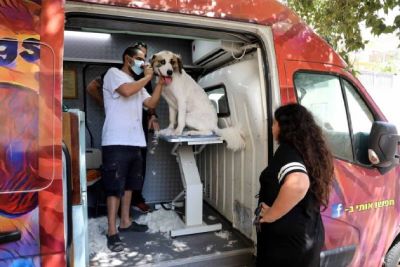
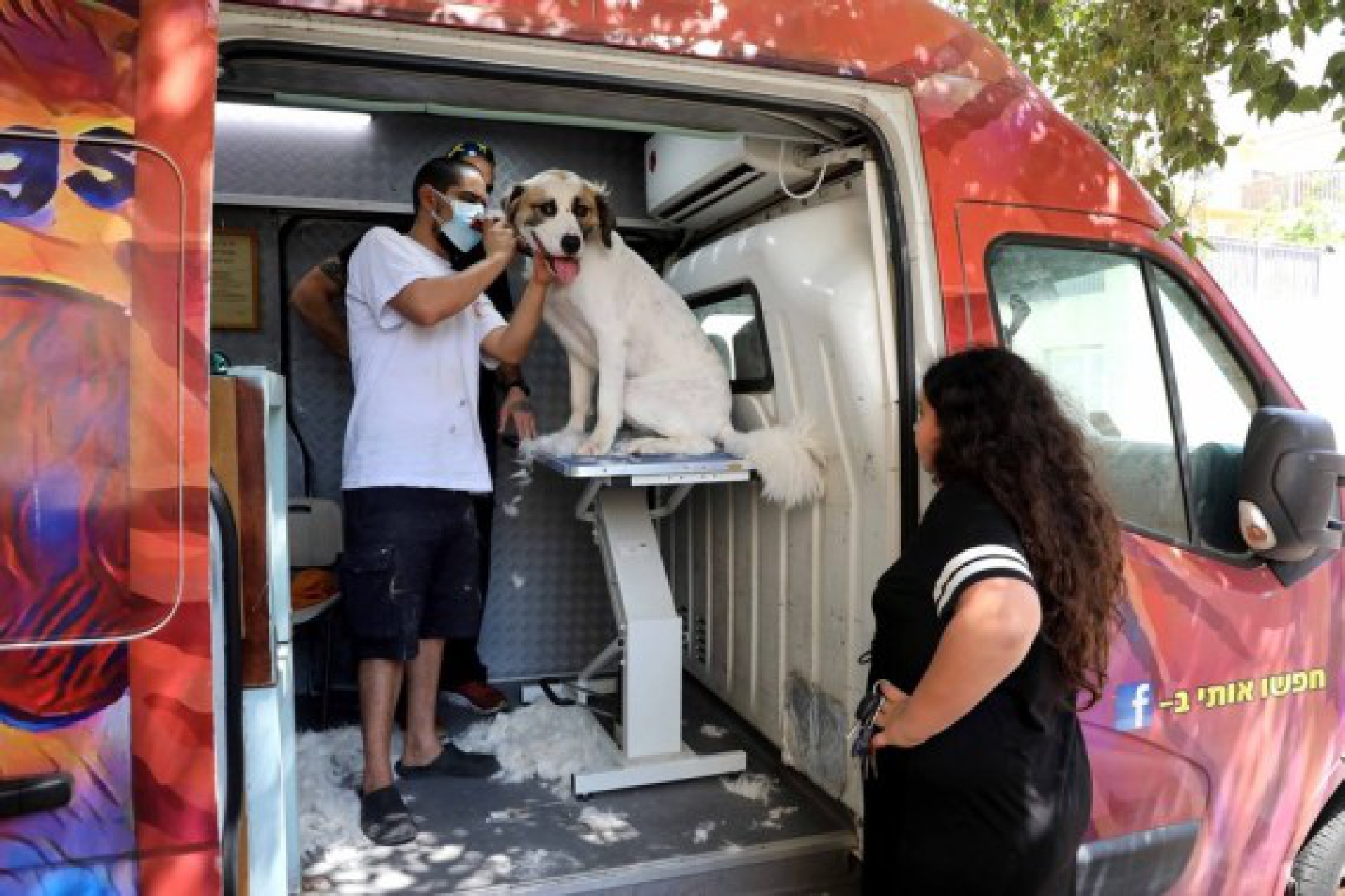
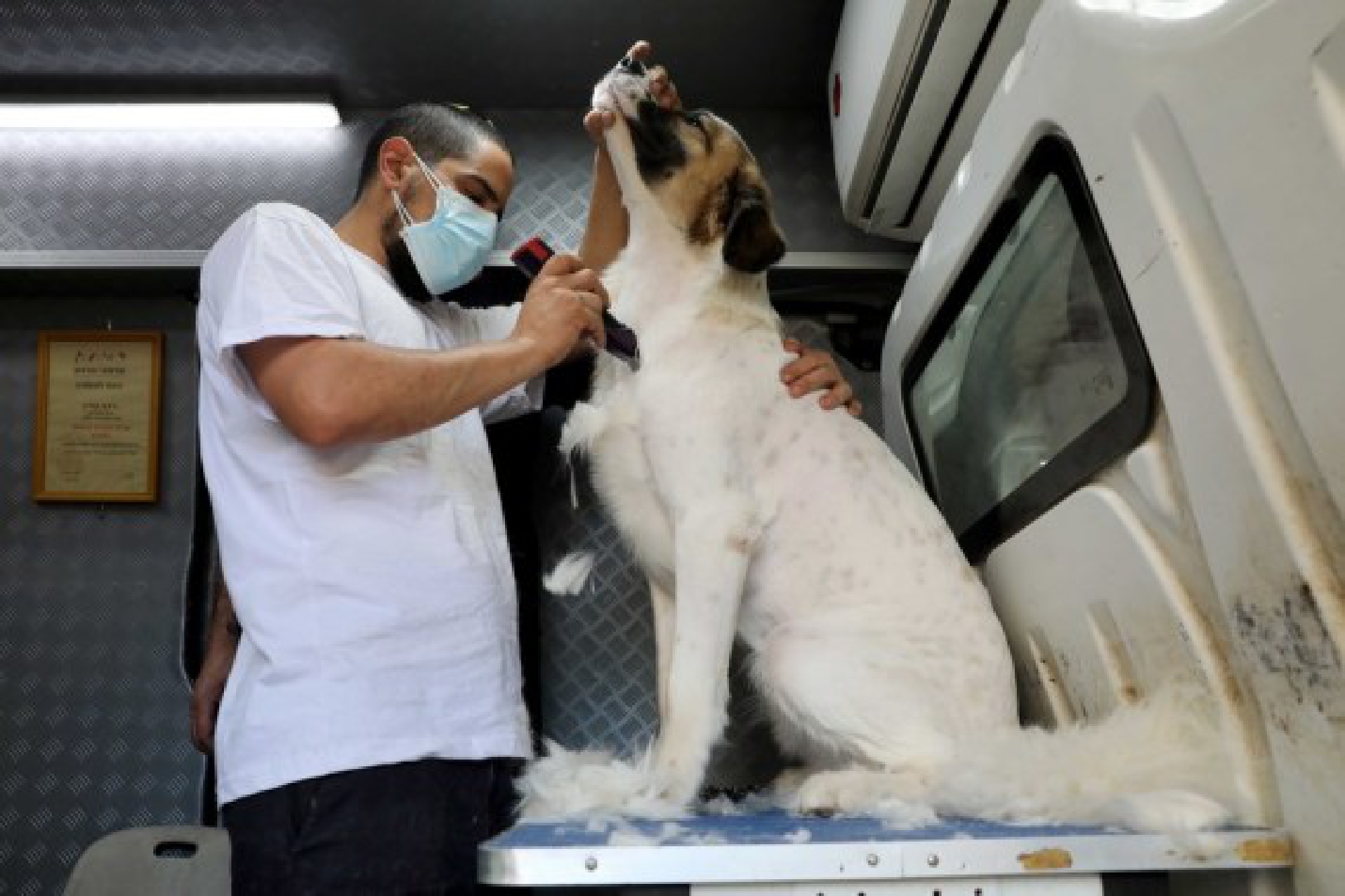
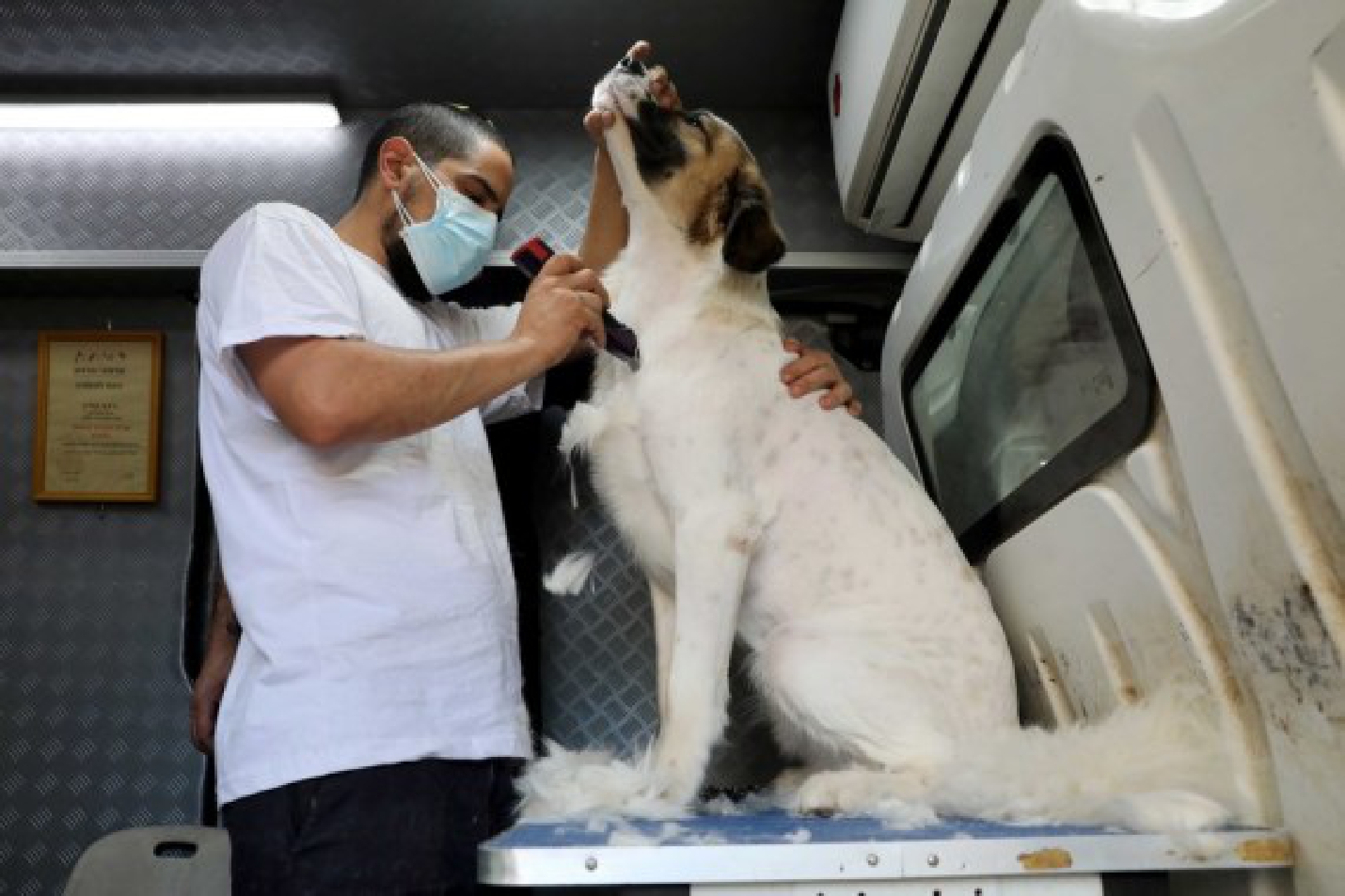
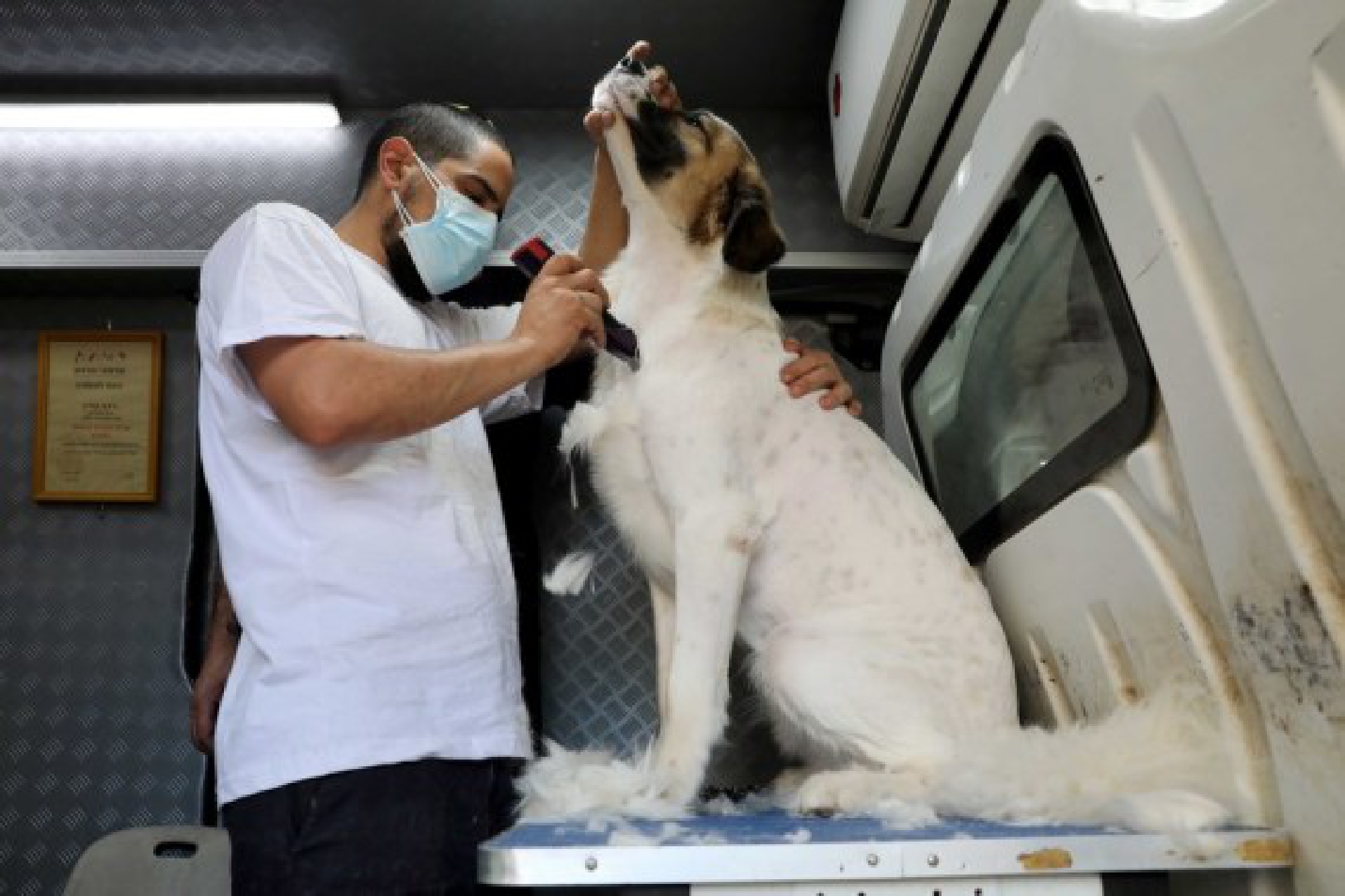
On the occasion of International Dog Day on Thursday, a dog barber was busy trimming the hair of pet dogs in his mobile barber shop in central Israeli city of Modiin.
People often say that a dog is a man’s best friend. The International Dog Day is observed annually on Aug. 26 and helps people recognize the importance of dogs and how they impact our lives.
ADVERTISEMENTx
A dog barber trims the hair of a pet dog in his mobile barber shop in central Israeli city of Modiin, Aug. 26, 2021.
A dog barber trims the hair of a pet dog in his mobile barber shop in central Israeli city of Modiin, Aug. 26, 2021.
A dog barber trims the hair of a pet dog in his mobile barber shop in central Israeli city of Modiin, Aug. 26, 2021.
A dog barber trims the hair of a pet dog in his mobile barber shop in central Israeli city of Modiin, Aug. 26, 2021.
Two dog barbers trim the hair of a pet dog in a mobile barber shop in central Israeli city of Modiin, Aug. 26, 2021.
Two dog barbers trim the hair of a pet dog in a mobile barber shop in central Israeli city of Modiin, Aug. 26, 2021.
Mideast in Pictures: Dogs get new haircut in Israel on Intl Dog Day
A dog barber trims the hair of a pet dog in his mobile barber shop in central Israeli city of Modiin, Aug. 26, 2021.
A Prince of Songkla University (PSU) research team is conducting trials on the use of kratom (Mitragyna speciosa) to treat drug addicts.
Kratom was removed from Thailand’s list of banned narcotics on August 24.
Prof Dr Somchai Sriwiriyajan, chief of the university’s Department of Pharmacology under the Faculty of Science, said the team has been studying the use of kratom for a long time, and the lifting of the ban is helping speed up the study.
The team is studying kratom extract to see if it can be used to ease withdrawal symptoms of people addicted to opioids like heroin and morphine. Normally, the chemical methadone is used to treat withdrawal symptoms and this drug is imported.
Somchai said research shows that kratom can effectively help people give up drugs. PSU is currently trying out the extract’s efficacy on lab rats before it moves on to human trials. The professor said he hopes the final product will meet clinical standards and gets approved by the Thai Food and Drug Administration.
Thai researchers develop world’s first Covid-19 sweat test
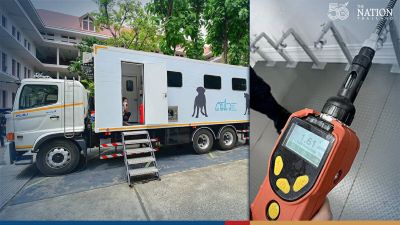
Thai researchers have tapped the abilities of sniffer dogs to create what is thought to be the world’s first sweat test for Covid-19.
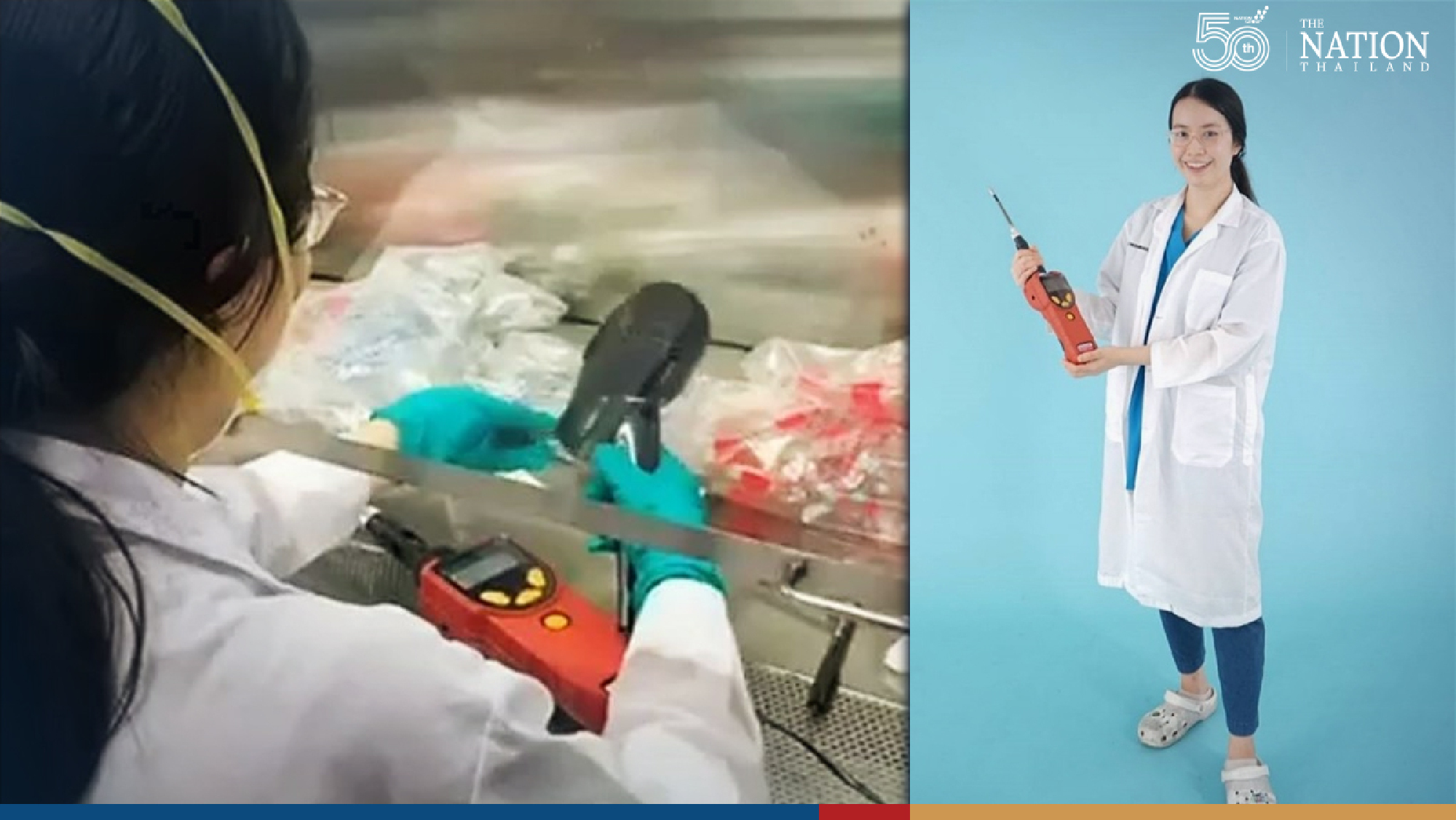
Created by Chulalongkorn University, the quick and easy-to-use portable test device detects scents in sweat that signal infection. Each sample takes only 15 minutes to collect and provides results in 30 seconds, said a Chula press release. The sweat test is already being used in community screening, it added.
The new test is based on the success of the “Covid-19 Sniffer Dogs” project, a collaboration between Chula and Chevron. The university said the “Portable Sweat Test for Covid-19 Detection” would supplement the army of sniffer dogs in accelerating and expanding community screening. “We took [Covid-positive] samples that the dogs found and searched for specific substances they could detect,” said Asst Professor Chadin Kulsing, from Chula’s Chemistry Department, where the test was developed.
“From the samples, we found that people infected with Covid-19 secrete very distinct chemicals. So we used this finding to develop a device to detect the specific odours produced by certain bacteria in the sweat of Covid-19 patients.” Chadin added that this was the first time Covid-19 has been detected via these chemicals.
Thai researchers develop world’s first Covid-19 sweat test
ADVERTISEMENTx
How does body odour prove viral infection? Human sweat can have more than 100 unique odours, from deodorants and bacteria that feed on sweat and other skin secretions. “In people infected with Covid-19, the bacteria react to the virus and produce distinct odours unique to Covid-19 infection,” Chadin explained.
To develop the portable sweat test device, he took a commercially available portable toxic-chemical analyser and fitted it with a filter to detect the virus. The test kit consists of a cotton swab and a glass vial. The cotton swab is placed in the armpit for about 15 minutes, then placed in the glass vile which is sterilised with UV rays.
“The technician then draws an appropriate amount of the sample using a suction hose, and pressurises it in the analyser to check the results,” explained Chadin. The advantage of this method is that it can be adapted to detect variants of the virus through their unique sweat signatures.
“The equipment should be able to handle the variable chemicals with just a change of filter,” Chadin added. In field tests on 2,000 people, the sweat test performed on par with the PCR (Polymerase Chain Reaction) test with 95 per cent sensitivity and 98 per cent specificity.
However, Chadin advises that people who test positive in the sweat test should get a PCR test for confirmation. The portable sweat test device is still in the research and development phase, with Chula and the Department of Disease Control collaborating on field tests in communities. Chadin said the test was being used for proactive screening in communities with emerging clusters.
“We are also working with Sniffer Dogs Mobile Units to take over from the canines during their rest period,” he added.
Thai researchers develop world’s first Covid-19 sweat test
Locally made Covid-19 test kit ready for FDA approval
The locally-made “COVYD-19 Ab Test Kit” is ready and was submitted for Thai Food and Drug Administration (FDA) approval on Thursday. This kit is believed to match the standards set by the World Health Organisation (WHO) and is said to be easy to use as well as provide fast, accurate results.
The Thai Khu Fah Facebook page announced on Thursday that the new Covid-19 test kits developed by the National Centre for Genetic Engineering and Biotechnology will be used in research institutes to determine the level of immunity before and after vaccination.
The kit indicates the level of antibodies available against Covid-19 and requires a reading machine that is available in laboratories and general hospitals.
“Conducting immunity tests at the population level is key to effective vaccine management, frontline personnel management and to determine what measures should be implemented for public health,” the post read.
Toddlers must also be jabbed to boost herd immunity, advises virologist
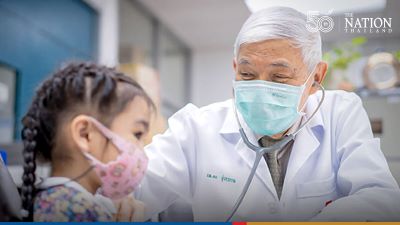
Chulalongkorn University’s virology specialist Dr Yong Poovorawan on Wednesday suggested that Covid-19 jabs be provided to children aged three and above in a bid to create herd immunity.
“Even though children may not develop severe symptoms, they should not be virus carriers,” he said.
Separately, he said the Sinovac-AstraZeneca cocktail dose provided as much immunity as two AstraZeneca doses, citing a study on 70 to 80 people.
Also, he said, the Sinovac-AstraZeneca cocktail can be administered within a three-week interval compared to the eight or 10-week interval for two AstraZeneca doses.
ADVERTISEMENTx
Dr Yong added that 190 of the 500 medical staff who had received an AstraZeneca booster after getting two Sinovac jabs had 100 times more antibodies than they did with two Sinovac jabs.
He said that the 190 medics may be almost 100 per cent protected against the Covid-19 Delta variant but not against the Beta variant.
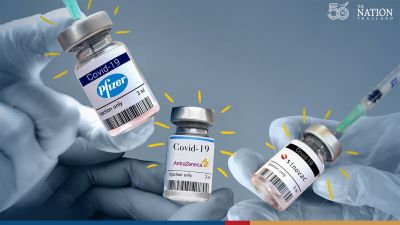
He added that compared to Sinovac, Pfizer and Moderna vaccines provide 17 times more immunity and AstraZeneca nine times more immunity.
Thailand will use five formulas to vaccinate different target groups against Covid-19, the Public Ministry revealed on Wednesday.
For the general population – adults aged over 18, the elderly, the chronically ill and women more than 3 months pregnant – 2 formulas will be used. The main formula will be a shot of Sinovac followed by a shot of AstraZeneca vaccine 3 weeks apart. Those who have already had their first dose of AstraZeneca will receive a second dose of the same vaccine 12 weeks later.
Children aged 12-18 with chronic health conditions and women more than 3 months pregnant will receive 2 shots of Pfizer vaccine, 3 weeks apart.
Frontline health workers will be vaccinated with one of 5 formulas:
– Those who have had two doses of Sinovac or Sinopharm will get a booster shot of Pfizer or AstraZeneca.
– Those who have had one dose of Sinovac, Sinopharm or AstraZeneca will get a second dose of Pfizer after a period determined by the brand of the first shot.
– A first dose of Sinovac and followed by AstraZeneca, 3 weeks apart (cross-vaccination formula).
– Two doses of Pfizer, 3 weeks apart.
– Two doses of AstraZeneca, 12 weeks apart.
Pfizer vaccine will be distributed to the 13 provinces in the Dark Red zone of high infections, the ministry said.
Meanwhile, the 12 million doses of Sinovac in the August-September procurement plan will arrive in time for cross-vaccination with AstraZeneca, it added.
Data showed side effects after cross-vaccination did not vary with different brands, said Dr Chawetsan Namwat, director for emergency health hazards and diseases.
Clinical trials show ChulaCov19 vaccine boosts immunity against Covid and variants
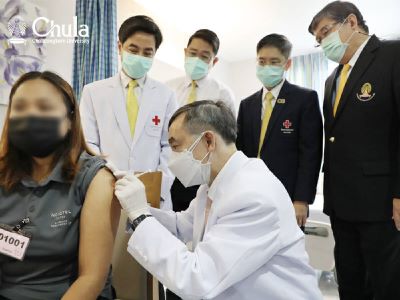
Clinical trials for the Thai “ChulaCov19” mRNA vaccine have been a success as healthy volunteers to whom it was administered are found to have good immunity after they have been vaccinated.
Chulalongkorn Memorial Hospital, Thai Red Cross Society, and the Vaccine Research Centre, Faculty of Medicine, Chulalongkorn University held a press conference to report on the progress of the locally made vaccine.
The volunteers’ antibodies have been greatly boosted to prevent the original strain of the virus, and four other variants, namely Alpha, Beta, Gamma, and Delta, they said. Manufacturing and preparation for registration to be used in an emergency are underway.
Professor Suttipong Wacharasindhu, director of Chulalongkorn Memorial Hospital, the Thai Red Cross Society, and Dean of the Faculty of Medicine, Chulalongkorn University said: “It is gratifying that the development of ChulaCov19 vaccine is advancing as planned and gaining the public’s confidence in the safety of the testing process.”
ChulaCov19 vaccine was designed and developed by a team of Thai researchers working in collaboration with Pennsylvania University’s Professor Drew Weissman, a physician-scientist who too wants to make the mRNA vaccine technology more accessible to people, especially in countries with moderate and low incomes.
ADVERTISEMENTx
The good news from the Phase 1 clinical trial is that the subjects, after having received the second injection for seven days, showed mild to moderate side-effects, localised pain in the injected arm, fatigue, fever, and chills, but the symptoms improved within one to three days on average. Also, it was found that ChulaCov19 could boost high antibodies immunity against the original strain of the virus, Suttipong said.
In addition, the vaccine can inhibit all four mutated strains: Alpha, Beta, Gamma, and Delta by more than 80 per cent, while boosting T-cell immunity which helps to eliminate and control the pathogen in the cells of infected people as well, he added.
Vaccine temperature endurance tests showed that ChulaCov19 could be stored at 2-8 degrees Celsius refrigeration for as long as three months and can also be kept at room temperature of 25 degrees Celsius for two weeks. This makes the vaccine much easier to store than other types of mRNA Covid-19 vaccines.
Four new subspecies of Covid-19’s Delta variant have been found in samples analysed by Ramathibodi Hospital, health officials reported on Tuesday.
The new subspecies were found among more than 2,000 new cases sampled randomly from around the country, said Department of Medical Sciences chief Dr Supakit Sirilak.
The AY.4 (B.1.617.2.4) subspecies was found in Pathum Thani (4 cases), Buri Ram (1 case), Kamphaeng Phet (1 case), Chiang Mai (1 case), Samut Prakan (1 case), and Chonburi (1 case).
The AY.6 (B.1.617.2.6) subspecies was found in Bangkok (1 case).
The AY.10 (B.1.617.2.10) subspecies was found in Bangkok (1 case).
And the AY.12 (B.1.617.2.15) subspecies was found in Bangkok’s Phaya Thai district (1 case) and Surat Thani (2 cases).
All four subspecies have been recorded previously in other countries, including Britain, Spain, Denmark and the United States.
Dr Wasun Chantratita, head of Mahidol University’s Centre for Medical Genomics, said the new subspecies underlined the need for prevention via disease controls and vaccination.
Thailand logged 17,165 new Covid-19 cases on Tuesday, the fewest since July 30, with a death toll of 226.
20 million AZ doses needed to reopen country, health expert says
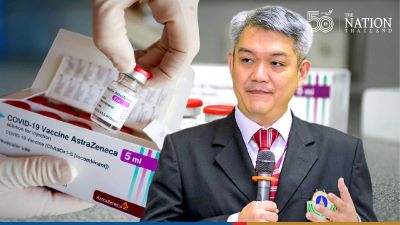
Another 20 million doses of AstraZeneca vaccine are needed before Thailand can safely reopen, a health expert said on Monday.
Thailand can safely reopen, a health expert said on Monday.
Dr Vijj Kasemsup, a community-based health programme expert at Ramathibodi Hospital, Mahidol University, said 10 million AstraZeneca doses were required in both September and October to prevent deaths in vulnerable elderly, pregnant and chronically ill people. He warned of a crisis if the uncertainty over vaccine supplies continued through the next two months.
Thailand’s vaccination rollout has been hit by shortages after AstraZeneca said it could only deliver 5-6 million doses per month. The government is reportedly considering whether to block exports from Siam Bioscence, the local company tasked with manufacturing AstraZeneca for the region.
Academics say current data indicates infections will fall among all groups next month.
Meanwhile, millions of Pfizer-BioNTech vaccine doses are due for delivery at the end of September, with another 5 million set to arrive in October, and 30 million in total by the end of this year. This should relieve pressure on the government, Dr Vijj said, adding that getting early vaccination is essential to saving Thai people’s lives.
He also urged the government to use its authority to limit exports of AstraZeneca vaccine produced by Siam Bioscience. Vijj hoped AstraZeneca would agree to cap exports from Thailand, saying the company had received benefits from the Thai government.
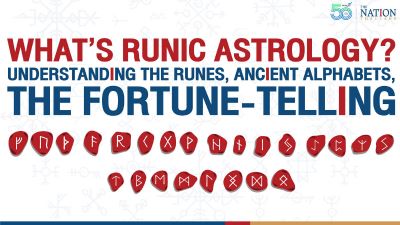
What’s Runic ? Understanding The Runes, Ancient Alphabets, The Fortune-Telling
When it comes to faith, we cannot blame other people’s beliefs. Some people may have had horoscopes through palmistry, or tarot card reading before but today we will take a look at “The Runes” by Nuntarat Chompusang (runic.me), translated by Nattawadee Ngamsom.
Many people may have heard Runes, ancient alphabets from movies such as Harry Potter, a study of Ancient Runes or Wanda and Vision, Witch Runes as the most powerful magic in Marvel Cinematic Universe (MCU) but to talk about Runes in terms of prophecy or fortune telling would be more interesting.
Runes is a word derived from the word runar, meaning whisper or a secret in myths of Northern Europe. Based on the Hávamál, a collection of Old Norse poems from the Viking age which was published during the 9th century.
ADVERTISEMENTx
It is believed that “Odin”, the Norse God, the one-eyed All-Father. He hanged himself in Yggdrasil, the tree of life, for nine days and nine nights in order to gain knowledge of other worlds and be able to understand the runes. Then discovered the world’s runic alphabet traditionally holds 24 letters, called Elder Futhark. This image of the origin of the runes, also recorded in The Hanged Man, which we often see in the Rider-Weight tarot deck.
What’s Runic ? Understanding The Runes, Ancient Alphabets, The Fortune-Telling
From archaeological evidence, over 3,000 runes have been found on stone, wood and metal plates in Scandinavia, suggesting that runes flourished in northern Europe since BC among the Germanic tribes extending to the Scandinavian, as well as Wales and England.
In ancient times, runes were engraved on branches, stones, weapons, letters, artwork, jewelry, places, or even tombstones for forecasting use. It is a protective amulet and used in ceremonies with the belief that each letter has its own meaning and magical power.
What’s Runic ? Understanding The Runes, Ancient Alphabets, The Fortune-Telling
The 24 letters of the Elder Futhark runic alphabet are divided into 3 sets of 8 letters each, known as “Aetts”
The first set is called Freya’s Aett, also known as Frey’s Aett, the runes of the goddess Freya and Frey, both of whom are known as the gods of fertility: Fehu, Uruz, Thurisaz, Ansuz, Raido, Kenaz, Gebo and Wunjo
The second set, called Hagal’s Aett, the runes of Heimdall, the watchman of the gods: Hagalaz, Nauthiz, Isa, Jera, Eihwaz, Perthro, Algiz and Sowilo.
The third set, called Tyr’s Aett, the runes of Tiwaz, god of war: Tiwez, Berkana, Ehwaz, Mannaz, Laguz, Inguz, Dagaz and Othila.
The 24 Elder Futhark set runes mentioned above were evolving over time due to topography and functionality, such as The Younger Futhark and Anglo-Saxon Futhark.
Runes have evolved over a long period of time and disappeared when Christianity came as those who use runes would be accused of heresy, until after the 18th century runes began to be used again. Especially using Elder Futhark Runes for prophecy.
Reference: The Beginner’s guide to runes divination

 Mideast in Pictures: Dogs get new haircut in Israel on Intl Dog Day
 Thai researchers develop world’s first Covid-19 sweat test
 Thai researchers develop world’s first Covid-19 sweat test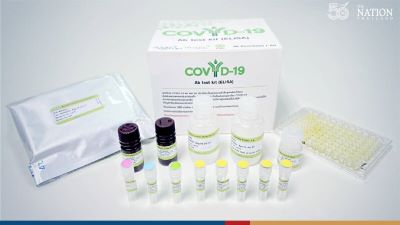
 What’s Runic ? Understanding The Runes, Ancient Alphabets, The Fortune-Telling
 What’s Runic ? Understanding The Runes, Ancient Alphabets, The Fortune-Telling
 SootinClaimon.Com