Twitter penalizes Trump Jr. for posting hydroxychloroquine misinformation #ศาสตร์เกษตรดินปุ๋ย

#ศาสตร์เกษตรดินปุ๋ย : ขอบคุณแหล่งข้อมูล : หนังสือพิมพ์ The Nation.

Twitter penalizes Trump Jr. for posting hydroxychloroquine misinformation

Jul 29. 2020
By The Washington Post · Rachel Lerman, Katie Shepherd, Taylor Telford · NATIONAL, BUSINESS, TECHNOLOGY, POLITICS 

Twitter on Tuesday penalized Donald Trump Jr. for posting misinformation about hydroxychloroquine, the social media giant said, underlining the tough stance it has taken in policing misleading posts from high-profile users, including President Donald Trump, in recent months.

Twitter said that it ordered the president’s son to delete the misleading tweet and that it would “limit some account functionality for 12 hours.” Trump Jr. can still direct-message followers using his account, but he cannot tweet, retweet or like other tweets during the 12-hour restriction.

Trump Jr.’s deleted tweet now shows a notice that says, “This Tweet is no longer available because it violated the Twitter Rules.”

The tweet, which featured a viral video showing a group of doctors making misleading and false claims about the coronavirus pandemic, was directly tweeted by Trump Jr.’s account. That contrasts with his father, who retweeted multiple tweets from others showing clips of the same video to his 84.2 million followers Monday night.

Twitter removed the videos, deleting several of the tweets that President Trump shared, and added a note to its trending topics warning about the potential risks of hydroxychloroquine use.

“Tweets with the video are in violation of our covid-19 misinformation policy,” Liz Kelley, a spokeswoman for Twitter, told The Washington Post.

Donald Trump Jr. spokesman Andy Surabian said the restriction was “further proof that Big Tech is intent on killing free expression online and is another instance of them committing election interference to stifle Republican voices.” The White House did not respond to a request for comment.

Trump addressed the video at his press briefing Tuesday afternoon and reiterated his support for hydroxychloroquine.

“There was a group of doctors yesterday, a large group, that were put on the internet and for some reason the internet wanted to take them down and took them off,” he said. “…I don’t know why, I think they’re very respected doctors.” He added of Twitter, Facebook and other companies that removed the video, “maybe they had a good reason, maybe they didn’t, I dont know.”

It’s the first time Trump Jr. has had his tweeting privileges removed by the company, although Rudy Giuliani, a fellow surrogate for the president, had his account temporarily locked in March for tweeting misinformation about hydroxychloroquine. Trump Jr. retweeted a tweet from his father’s reelection campaign earlier this year that Twitter labeled as violating its policy on manipulated media.

President Trump has not faced the same tweeting lockout, but Twitter has attached warning labels to five of his tweets in the past two months for running up against the site’s rules.

Trump shared clips from the video – which claims that masks and shutdowns are not needed to stop the spread of the virus – as he shared 14 tweets over half an hour defending the use of hydroxychloroquine, an antimalarial drug that the president has repeatedly promoted, and attacking Anthony Fauci, the nation’s top infectious-diseases expert.

On Monday evening, Facebook scrubbed from its site the same viral video after more than 14 million people watched it. Facebook was still removing posts of the video Tuesday morning. YouTube said it also removed the video.

Social media companies have been cracking down on Trump and other politicians as the election nears, drawing attacks from the president and his supporters. After Twitter added fact-check labels to two of Trump’s misleading tweets about mail-in ballots in May, the president signed an executive order directing federal resources to consider rethinking a law that shields internet companies from liability. That law, Section 230, protects social media companies from being liable for nearly anything users post on their sites.

But Twitter didn’t back down and labeled three more of Trump’s tweets in the following weeks for violating its policies on manipulated media, inciting violence and abusive behavior.

Facebook left the same Trump posts untouched, prompting a massive backlash from civil rights advocates and others. Prominent advertisers began boycotting the company and calling for it to better police hate speech. Eventually, Facebook chief executive Mark Zuckerberg said the company would start labeling posts from anyone, including politicians, that violated its policies but that it deemed newsworthy enough to leave online. The newsworthiness label has not yet been applied to any of Trump’s posts.

Republican politicians and conservative supporters of Trump have accused the companies, without convincing evidence, of censoring conservative voices and showing bias against Republicans. The social media companies have consistently denied the allegations. Some prominent Republicans and conservative pundits called on supporters this summer to follow them to a newer social media site, Parler, which claims to be a haven for free speech online, although it still has rules.

Kelli Ward, the chair of the Arizona Republican Party, also had her account restricted after tweeting the video, Twitter confirmed. The Arizona party tweeted about the decision, calling it “Election interference!” to restrict Ward’s account.

The issue of alleged bias is almost certain to come up Wednesday when the chief executives of Facebook, Google, Apple and Amazon are scheduled to testify before a congressional committee about antitrust concerns.

Trump’s decision to share Monday’s misleading video about hydroxychloroquine comes amid mounting criticism, from opponents and allies alike, over his handling of a pandemic that has now killed at least 145,000 people in the United States. The president spent months obstinately denying the severity of the crisis, refusing to wear a mask in public, blaming the rise of case numbers on testing and campaigning against governors’ shutdown orders. In recent weeks, however, Trump has occasionally changed tack, donning a mask in public for the first time earlier this month and deciding to cancel the Republican National Convention events set to take place in Jacksonville, Fla.

But Monday, the president again turned to promoting a drug that the Food and Drug Administration warns carries significant health risks, and portraying the widely accepted scientific consensus on its use as an attack on his reelection campaign.

The video Trump shared Monday night showed a collection of doctors speaking in favor of treating covid-19 patients with the antimalarial drug. The clip focused on the testimony of a woman named Stella Immanuel, who received a medical license in Texas in November, according to state records. Immanuel did not return a request for comment.

Immanuel says she previously worked as a doctor in Nigeria and calls herself a “deliverance minister” who is “God’s battle ax and weapon of war.” She has given sermons attacking liberal values and promoting conspiracy theories including, in her words, “the gay agenda, secular humanism, Illuminati and the demonic new world order.” Another doctor shown in the video, a noted Trump supporter, called Immanuel a “warrior.”

“You don’t need a mask,” Immanuel claimed in the video, contradicting the widely accepted medical advice that has been promoted even by the White House coronavirus task force and Trump himself. She repeatedly called studies questioning the safety and effectiveness of hydroxychloroquine “fake science.”

“We don’t need to be locked down,” she continued, despite evidence that stay-at-home orders have helped curb the spread of the virus. “America, there is a cure for covid.”

There is no known cure for the novel coronavirus or the disease it causes, according to the Centers for Disease Control and Prevention and the World Health Organization. Multiple studies have disputed claims that antimalarial and antiviral drugs such as hydroxychloroquine, azithromycin and chloroquine can help treat or even prevent the coronavirus. Last month, the FDA revoked an emergency approval that allowed doctors to prescribe hydroxychloroquine to covid-19 patients even though the treatment was untested.

Still, Trump has repeatedly promoted the drugs. White House trade adviser Peter Navarro and Giuliani, Trump’s personal lawyer, took to Fox News this month to urge the FDA to issue a new emergency approval for the drug after a study, widely panned by scientists as flawed, showed some effectiveness from early use of the medication.

The controversial video was promoted across social media platforms earlier Monday by the conservative site Breitbart News, a political group called the Tea Party Patriots, and a recently formed coalition of advocates calling themselves America’s Frontline Doctors. Neither Breitbart nor the organizers behind the event responded to The Post’s requests for comment.

America’s Frontline Doctors has a website that appears to be just 12 days old. That site links to the Twitter account of the group’s founder, Simone Gold, a Trump-supporting doctor based in Los Angeles. The group claims to consist of several doctors who appear to be licensed in California, Georgia and Texas.

Different versions of the clip were shared Monday by Breitbart, which covered the group’s news conference, and the Tea Party Patriots, which had reportedly organized the summit.

Monday’s viral video prompted thousands of posts spreading false information about the pandemic. The first tweet the president shared, which included the clip, suggested that hydroxychloroquine was being maligned in a ploy to discredit Trump and harm his reelection bid.

“WOW!! Doctor calls out what should be the biggest scandal in modern American history,” said the now-deleted tweet shared by Trump. “The suppression of #Hydroxychloroquine by Fauci & the Democrats to perpetuate Covid deaths to hurt Trump.”

Four Tech Giants Gird For Tough Hearing in House Antitrust Probe #ศาสตร์เกษตรดินปุ๋ย

#ศาสตร์เกษตรดินปุ๋ย : ขอบคุณแหล่งข้อมูล : หนังสือพิมพ์ The Nation.

Four Tech Giants Gird For Tough Hearing in House Antitrust Probe

Jul 28. 2020

By Syndication The Washington Post, Bloomberg · Ben Brody 

Chief executives from four of the biggest U.S. technology companies will face a moment of reckoning Wednesday in an extraordinary joint appearance before Congress that will air bipartisan concerns that they are using their dominance to crush rivals at the expense of consumers.

The House antitrust subcommittee will hear testimony livestreamed from Amazon.com’s Jeff Bezos, Facebook’s Mark Zuckerberg, Sundar Pichai of Google’s parent company Alphabet Inc. and Apple’s Tim Cook as part of its yearlong inquiry into technology industry competition. The panel is armed with more than a million pages of internal company documents gathered as part of its probe.

Rep. David Cicilline of Rhode Island, the panel’s Democratic chairman, wanted to hear from the CEOs together as he concludes his investigation into whether the companies are squashing smaller rivals and foreclosing competition. In a coup for Cicilline, the session will mark the first time these tech leaders will appear before lawmakers together. It’s also Bezos’s debut on the witness stand.

The participation of all four CEOs — who command enterprises with a combined value of nearly $5 trillion — signals the degree of pressure they’re facing from an American public increasingly outraged by the industry’s inability to police itself. They’ll likely face questions about whether they’ve done enough to contain privacy breaches, election misinformation and the spread of racist and violent content.

“They will not be able to simply run out the clock or duck by giving general or evasive answers,” said William Kovacic, a former member of the Federal Trade Commission who is now a professor at George Washington University.

Republicans will likely air concerns shared by President Donald Trump that the companies hold an anti-conservative bias. Bezos has become a Trump target over his ownership of the Washington Post, which has closely covered the administration’s foibles.

The hearing comes as the coronavirus pandemic leaves millions of homebound workers, parents and teachers more reliant than ever on the companies’ online platforms to earn a living, buy groceries, stay connected and educate their children. And the remote video hearing may diminish some of the spectacle, depriving lawmakers of the opportunity to berate the executives in person while also potentially creating hiccups as participants fumble with their mute buttons.

The companies face a variety of complaints about their business practices, from charges that Amazon abuses its power over the third-party merchants that sell on its site to allegations that Facebook acquires companies to eliminate potential rivals. Critics have claimed that Google’s dominance of search and online advertising allows it to preference its own products and squeeze publishers. And some app makers contend that Apple uses its grip on high-end devices to force apps into its payment system, extracing high fees in the process and deciding which ones survive.

The companies, all of which are expected to announce earnings the day after the hearing, have also gone on acquisitions sprees this year, waving off watchdog scrutiny. They all declined to, or didn’t return requests for, comment.

Here’s a look at how the hearing may break down by witness:

– Amazon’s Jeff Bezos: Market player or umpire, or both? The world’s richest man is making his debut before Congress, giving lawmakers a fresh target. Bezos should expect a tough grilling from Cicilline, who holds up the e-commerce behemoth as the prime example of how Big Tech firms use their size to prioritize their own commercial interests over customers’ needs.

Cicilline has also questioned whether an Amazon lawyer told the truth in previous testimony. During a hearing last year, Cicilline slammed Amazon for undermining third-party sellers. He pressed a company lawyer, Nate Sutton, about the relationship, prompting Sutton to deny that Amazon uses individual seller data to launch competing goods.

Subsequent media reports contended that company employees did just that, causing Cicilline to suggest that Sutton may have been untruthful. He said Bezos needed to appear to clear up the matter.

Amazon faces antitrust probes by the FTC, California and the European Union, which are all looking at the company’s role as a marketplace, Bloomberg has reported.

Cicilline’s staffers include Lina Khan, who helped provide the intellectual underpinning of a movement for revamped competition enforcement with her legal scholarship on Amazon.

– Facebook’s Mark Zuckerberg: Protecting free speech or digital ad business? The CEO who’s arguably provoked the greatest amount of outrage among both parties’ lawmakers, Zuckerberg has been a frequent visitor to Capitol Hill in recent years.

He gave two days of testimony on the company’s privacy practices in 2018 as part of the Cambridge Analytica scandal, in which a U.K. political consultancy with ties to Trump’s presidential campaign harvested data on millions of the site’s users without their knowledge. Last year, he faced skeptical lawmakers about the company’s digital currency, Libra.

Now Zuckerberg is grappling with an ongoing advertiser boycott led by civil rights groups because of what they say are his failures to tackle racism, discrimination, voter suppression and election misinformation on his platform. Cicilline has called Facebook’s policy of allowing politicians to post advertisements that are demonstrably false “a business decision,” rather than a move to protect free speech. Facebook last week started adding voting information labels to posts about the 2020 U.S. election, including those shared by Trump and Democratic candidate Joe Biden.

Democrats may ask about Zuckerberg’s meetings with Trump and whether his hands-off approach to misleading content is designed to appease the White House, which has vowed to punish social-media companies for their supposed anti-conservative bias.

Facebook is the subject of federal antitrust probes by the Justice Department and FTC, which share jurisdiction for enforcement of competition laws but rarely double-up on targets. It’s also under investigation by 45 state attorneys general. Critics have focused on how the company extracts user data to power its advertising operation, as well as its acquisition strategy.

Congress also has been asking questions about Zuckerberg’s purchases of Instagram and WhatsApp, as well as whether Facebook’s treatment of apps it didn’t buy, including Vine, Snapchat, FourSquare and TikTok, were efforts to squelch competition.

In response, Zuckerberg is preparing to argue that hindering American technological innovation only helps China, that Facebook faces threats from companies including TikTok and that the success of properties it acquired was the result of its investment.Although Zuckerberg has previously faced lawmakers, his testimony on Wednesday will be his first focused on antitrust.

– Google’s Sundar Pichai: Staring down a DOJ antitrust lawsuit. While Bezos and Zuckerberg may draw the most rhetorical fireworks, Pichai may be facing the most immediate danger with Attorney General William Barr weeks away from filing a Justice Department antitrust lawsuit against Google for its dominance in the digital advertising market.

The company is also being investigated by a 48-state coalition led by Texas Attorney General Ken Paxton, who is also focusing on digital ads. Other states are looking into the company’s dominance of online search and its mobile operating system. Some of them could also join the Justice Department case.

Google has argued that regulators should establish a broad definition of the ads market, including television. The company also has pointed to the insurgent challenge from Amazon for digital ad spending.

Google is also facing criticism for the way it collects data and how it handles disinformation on services like YouTube. Google’s $2.1 billion deal for device-maker Fitbit Inc. is undergoing an extended antitrust review, a takeover seen as a test for regulators.

Although Pichai previously testified before the Judiciary Committee in 2018 over anti-conservative bias, he may be best remembered in Congress for the empty chair behind the “Google” nameplate when he angered lawmakers earlier that year by skipping a Senate Intelligence Committee hearing on foreign election meddling.

– Apple’s Tim Cook: Master of deflection amid App Store probe. Of all the CEOs, Tim Cook has been the most successful in deflecting scrutiny from Washington. He’s forged strong relationships with the White House, appeared on business councils with Trump and pushed the company’s trade interests. Apple has largely avoided conservatives’ accusations over liberal bias. Cook has also dodged the kind of criticism that Democrats have launched against Zuckerberg for courting Republicans.

While it has stayed out of the political crossfire, Apple is the subject of a Justice Department antitrust probe for rules that require many app makers to use the company’s payment system, Bloomberg has reported. App makers such as Spotify Technology SA are raising red flags, particularly in Europe, with complaints about the fees Apple charges on its App Store, especially when the company has competing offerings.

Apple defended the fees it charges developers who sell software and services through its App Store, saying recently that the 30% cut is standard industry practice and “is similar in magnitude to the commission rates charged by many other app stores and digital content marketplaces.”

Cook previously testified in 2013 about Apple’s payment of taxes, although he hasn’t appeared before Congress during the backlash to tech power that has grown during Trump’s presidency.

Zuckerberg to tell Congress Facebook’s success is patriotic #ศาสตร์เกษตรดินปุ๋ย

#ศาสตร์เกษตรดินปุ๋ย : ขอบคุณแหล่งข้อมูล : หนังสือพิมพ์ The Nation.

Zuckerberg to tell Congress Facebook’s success is patriotic

Jul 27. 2020Mark Zuckerberg, chief executive officer and founder of Facebook Inc., in Munich on Feb. 15, 2020. CREDIT: Bloomberg photo by Michaela Handrek-Rehle.Mark Zuckerberg, chief executive officer and founder of Facebook Inc., in Munich on Feb. 15, 2020. CREDIT: Bloomberg photo by Michaela Handrek-Rehle.

By Syndication Washington Post, Bloomberg · Sarah Frier · NATIONAL, BUSINESS, TECHNOLOGY, POLITICS, CONGRESS 

Facebook Chief Executive Officer Mark Zuckerberg is prepared with what he sees as a compelling argument for lawmakers ready to grill him on antitrust issues: hindering American technological innovation only helps China.

Zuckerberg plans to portray his company as an American success story in a competitive and unpredictable market, now threatened by the rise of Chinese social media apps around the world — and increasingly, at home, with the popularity of TikTok, according to people familiar with the matter, who asked not to be identified because the CEO’s remarks aren’t yet public.

The Facebook CEO is scheduled to testify at a hearing of the House antitrust subcommittee with CEOs from Amazon.com, Google and Apple. The hearing, postponed from Monday, has been rescheduled for July 29 at noon Washington time. Facebook’s second-quarter earnings, which were scheduled for that day, have been pushed to Thursday.

Congressional investigators have collected thousands of internal Facebook documents to figure out the reasoning behind the company’s acquisitions of Instagram and WhatsApp and understand Zuckerberg’s thinking about competitors.

Zuckerberg plans to say the success of those properties under Facebook wasn’t inevitable. Instagram, in particular, had only 13 employees and no revenue when Facebook acquired the company in 2012 — though it was quickly becoming the most popular mobile photo-sharing app.

The broader argument the CEO plans to make is that any weakening of U.S. companies will cede territory to Chinese companies abroad, particularly in high-growth markets like India. Zuckerberg made a similar argument at a 2019 hearing about Libra, the now-renamed cryptocurrency. “China is moving quickly to launch a similar idea in the coming months,” he warned. “If America doesn’t innovate, our financial leadership is not guaranteed.” Later that year, he said that it was important not to let China set the rules for the internet in the rest of the world, arguing that the country’s values aren’t democratic.

Zuckerberg tried for years to woo China’s leaders so he could bring Facebook services to the country. After that failed, he embraced this line of thinking.

The argument may appeal to U.S. President Donald Trump, who has increased U.S. tensions with China through trade policy. Recently, Trump warned he may ban TikTok, a social media app owned by China-based ByteDance Ltd.

Big tech goes on shopping spree, brushing off antitrust scrutiny #ศาสตร์เกษตรดินปุ๋ย

#ศาสตร์เกษตรดินปุ๋ย : ขอบคุณแหล่งข้อมูล : หนังสือพิมพ์ The Nation.

Big tech goes on shopping spree, brushing off antitrust scrutiny

Jul 27. 2020 Zoox self-driving car is operated outside the company's headquarters in Foster City, Calif., on May 27, 2020. MUST CREDIT: Bloomberg photo by Michael Short.

Zoox self-driving car is operated outside the company’s headquarters in Foster City, Calif., on May 27, 2020. MUST CREDIT: Bloomberg photo by Michael Short.

By Syndication Washington Post, Bloomberg · David McLaughlin · NATIONAL, BUSINESS, TECHNOLOGY, POLITICS, COURTSLAW, US-GLOBAL-MARKETS

The biggest U.S. technology companies have gone on a buying spree this year, waving off intense scrutiny from competition watchdogs and critics who say they’ve bolstered their power by snatching up nascent rivals.

 The number of acquisitions by the five largest companies — Amazon.com, Apple, Alphabet’s Google, Facebook and Microsoft — came at the fastest pace through June since 2015, according to data compiled by Bloomberg.

Tech deals are accelerating even in the face of stepped-up antitrust scrutiny under the Trump administration. Federal officials are investigating Google, Facebook, Apple and Amazon for antitrust violations, and the Justice Department under Attorney General Willliam Barr is expected to file a monopolization case against Google in the coming weeks. Google and Facebook are also contending with investigations by state attorneys general.

A House panel is also conducting an inquiry into the state of competition in the technology sector and the CEOs of Amazon, Facebook, Google and Apple are all slated to testify at a virtual hearing Wednesday.

Through June 30, the five companies announced 27 deals, according to Bloomberg data, up 29% from the same period last year, when they did 21 deals.

The speeding up of tech deals could give ammunition to economists, lawyers and lawmakers who warn that the tech companies have used their abundant cash to gain leverage over existing competitors and increase already high market shares.

“Until there’s some enforcement in this area, companies are likely to think they can get away with it, and if they can get away it, they’re likely to try,” said New York University law professor Scott Hemphill, who has written about deals that eliminate emerging competitors.

An even bigger worry is that the tech companies are potentially choking off competition by acquiring firms that, while small, could one day emerge as robust rivals. After all, the tech giants were all startups once.

This year’s transactions include Facebook’s $400 million purchase of Giphy, a library of video clips and animated images; Amazon’s pending bid for autonomous vehicle startup Zoox; and Apple’s acquisition of weather app Dark Sky. Values weren’t disclosed in most cases, making it impossible to know precisely how much money the companies are spending. Amazon, for example, agreed to pay more than $1 billion for Zoox, according to The Information, but didn’t disclose terms to investors.

“Their regular practice is to vacuum up everybody in their space that could have emerged as a rival or may have been an alternative in some fashion,” said Northeastern University economist John Kwoka, who studies merger enforcement.

Amazon said its deal volume as a percentage of revenue is low compared to that of many other companies and noted that it’s primarily growing the business internally, rather than through acquisitions. Spokespeople for the other companies declined to comment.

In February, the FTC said it would look back at tech deals by the five companies that closed between 2010 and 2019, but weren’t reviewed because they fell below the thresholds for reporting transactions.

Many tech deals have flown under the radar with slim or no review by competition regulators around the world, often because target companies have little or no revenue.

Big Tech is even buying amid a world economy ravaged by the coronavirus pandemic. While global economic output is expected to shrink by 4.9% this year and bankruptcies and job losses are tearing through industries, tech companies are enjoying surging traffic and sales. Collectively, the five companies are sitting on more than $450 billion in cash and short-term investments, positioning them to snap up targets that may be battered by the recession.

The power imbalance between the small startup and the big incumbent tech platforms “is multiplied in our current situation,” said Alex Petros, a policy counsel at Public Knowledge, which advocates for tougher regulation to improve competition. “It’s an opportunity for the platforms to entrench their dominant position.”

The increased attention contrasts with the mostly laissez-faire attitude that U.S. competition watchdogs showed toward the tech companies’ past mergers. Out of hundreds of transactions in the past decade, says Kwoka, only one has been challenged: Google’s acquisition of flight-search software company ITA Software. The Justice Department approved the deal after Google agreed to a set of conditions.

Apple told investors in the spring that it planned to plow ahead with acquisitions.

“We purchased companies on a very regular basis,” Chief Financial Officer Luca Maestri said on the company’s earnings call in April. “We’re always looking for ways to accelerate our product roadmaps or fill gaps in our portfolio both on the hardware side, on the software side, on the services side. So we will continue to do that.”

It’s a similar story in the European Union, where most of the tech giants’ deals fall under the revenue threshold for mandatory review by the European competition authority. The EU has never reviewed an Amazon deal, and it didn’t review Facebook’s 2012 acquisition of Instagram, though it did approve the 2014 WhatsApp takeover.

With tech deals getting waved through and others avoiding scrutiny entirely, calls are mounting for a new approach to reviewing them, possibly by lowering thresholds triggering investigations.

While most of the takeovers by the big tech companies are harmless, just one acquisition of a promising startup can strangle future competition that benefits consumers, said NYU’s Hemphill. “It only takes a few bad deals that, if permitted, can wreak enormous harm,” he said.

The takeovers could be cast in a more benign light. The tech companies say that acquisitions are a way to broaden their reach by acquiring talent, developing new products and entering new markets. They also create incentives to build startups by providing founders a way to cash out of their companies.

Antitrust experts are weighing those factors in the case of Facebook’s acquisition of Instagram, which was approved by the FTC: Did the resources and know-how of the social media giant make Instagram what it is today? Or would it have exploded in popularity no matter what, and emerge as a Facebook rival?

The purchases also prevent other companies from getting their hands on promising ideas. Zoox, the driverless vehicle startup, isn’t a direct threat to Amazon as an online retail rival, but it could have become part of another company that competes with Amazon, said Public Knowledge’s Petros. Apple is shutting down the Dark Sky app for Google Android phones.

Amazon said that Zoox operates in a highly competitive market with large and small companies developing autonomous vehicle technology. Combining Amazon with Zoox will help the startup become a more effective competitor, Amazon said.

Another worry is that the dominant tech companies could use acquired firms to increase their leverage over rivals. That could be the case with Facebook’s acquisition of Giphy, said David Dinielli, a senior adviser at the Omidyar Network who co-authored a paper outlining an antitrust case against the company. Facebook could make it harder for rivals to use the library or cut off access entirely, he said.

Facebook said in May that developers will continue to have the same access to Giphy.

“I’d love to see super-strong, vibrant competitors going at each other, really aggressively competing on quality, but we just don’t have that right now,” said Petros. “So the competition we have to protect is a lot of potential future competition.”

Hanna hammering South Texas, hard hit by coronavirus, with flooding rains #ศาสตร์เกษตรดินปุ๋ย

#ศาสตร์เกษตรดินปุ๋ย : ขอบคุณแหล่งข้อมูล : หนังสือพิมพ์ The Nation.

Hanna hammering South Texas, hard hit by coronavirus, with flooding rains

Jul 27. 2020

By The Washington Post · Matthew Cappucci, Jason Samenow, Andrew Freedman · NATIONAL, SCIENCE-ENVIRONMENT · 

The season’s first Atlantic hurricane made landfall in South Texas on Saturday evening, unleashing strong winds, flooding rainfall, an inundating storm surge and several tornadoes after rapidly intensifying early this weekend. On Sunday evening, Hanna continued its march southwest as a tropical depression, slipping into Mexico while still lashing the Rio Grande Valley with prolific rainfall.

Meanwhile, meteorologists are cautiously watching another brewing system in the Atlantic that could become problematic by late in the week.

Hanna has unloaded more than 15 inches of rain in parts of South Texas, resulting in serious flash flooding, and totals may exceed 18 inches in some areas before rain ends late Sunday or Monday.

The direct strike by Hanna comes at a time when Texas is grappling with a spike in coronavirus cases. Counties in coastal South Texas have seen some of the sharpest increases in coronavirus cases in the state. The overlapping pandemic and hurricane complicated decisions on the implementation and operation of storm shelters and the response of government agencies.

In Cameron County, which includes the city of Brownsville, cumulative coronavirus cases climbed from 3,854 on July 12 to 7,846 on July 25, according to the Texas Department of State Health Services, climbing by about 300 per day during that two-week period. Hidalgo County, which includes McAllen, has the third-highest total of covid-19 fatalities in Texas, with 456 as of Saturday.

Nearly 175,000 customers in the state were without power Sunday evening, mostly in the south, according to PowerOutage.us.

“Hurricane Hanna dealt a heavy blow to our system,” tweeted the Magic Valley Electric Cooperative, which serves far South Texas. “We are ready to rebuild but cannot do so until it is safe for many areas in the Valley. Members should be prepared for prolonged outages.”

The storm underwent a bout of rapid intensification into Saturday, strengthening into a high-end Category 1 hurricane as it drew near the Texas Coast. Hanna made landfall at 5 p.m. Saturday on South Padre Island with sustained winds of 90 mph near its eye.

On Saturday evening, an offshore weather station at Rincon Del San Jose, Texas, reported a wind gust to 103 mph, while another east of Port Mansfield measured an 87 mph gust. The strong winds helped propel a storm surge toward the coast, with water levels reaching about three feet above normal in Matagorda Bay and 3.8 feet higher than usual in Port Lavaca.

Rainfall amounts have been extreme, with radar estimating in excess of 15 inches in a few areas between Brownsville and Port Mansfield (amounts exceeding 20 inches are not out of the question). Numerous flash flood warnings were in effect through Sunday evening as torrential rain bands pivoted through the region.

The city of Mission, about 60 miles northwest of Brownsville in Hidalgo County, reported “widespread flash flooding” and was under a flash flood emergency early Sunday, the most severe flood alert. Numerous water rescues were reported.

A flash flood emergency was also declared for McAllen, a city of about 145,000, with the NWS in Brownsville instructing residents of these areas to stay home and off roadways.

While the bulk of the rain had fallen as of Sunday evening, Mission warned residents of yet another wave and advised them to stay home.

A local state of disaster was declared in Hidalgo County ahead of the storm, in anticipation of “catastrophic flooding.” The National Weather Service placed the region in a “high risk” zone for excessive rainfall.

Conditions will improve gradually over South Texas late Sunday into Monday, but meteorologists will again be busy tracking a new threat gelling over the tropical east Atlantic. That tropical wave, located about 1,000 miles west-southwest of Cabo Verde, will probably become Tropical Storm Isaias as it churns west toward the Lesser Antilles.

At 4 p.m. Central time Sunday, the center of Hanna was 35 miles west-southwest of Monterrey, Mexico, heading west-southwest at 9 mph. It was officially downgraded from a tropical storm to a depression.

Hanna will continue to weaken rapidly as it moves farther away from the lukewarm waters of the gulf, stripped of its life-giving oceanic elixir, disintegrating entirely by Monday or Tuesday.

Until then, gusty winds and heavy rainfall still are anticipated, with 2 to 4 inches of rain per hour possible in some of the heaviest downpours in South Texas.

On Sunday afternoon, the heaviest rain straddled the Texas-Mexico border from McAllen and to the west and northwest where flash flood warnings remained in effect.

Two tornadoes may accompany any heavier elements of rainfall. Radar depicted numerous mesocyclones – or areas of rotation within downpours – that could produce tornadoes. A tornado watch is in effect for South Texas through 10 p.m. Central time.

In Brownsville, winds will slacken during the evening hours Sunday, abating into the overnight and becoming calm with only scattered thunderstorms to start the workweek.

When Hanna formed on Thursday evening, it demolished the record for the Atlantic’s earliest “H” storm since bookkeeping began, edging out Tropical Storm Harvey in 2005, which formed Aug. 3. This year’s record-busy start to the season has already featured the earliest “C,” “E,” “F” and “G” storms on record – Cristobal, Edouard, Fay, and Gonzalo.

Hanna formed as a “homegrown” system, taking advantage of anomalously warm water temperatures in the Gulf of Mexico and strengthening speedily between Thursday and its landfall Saturday.

If it had lurked over the gulf’s warm waters for another day, the hurricane’s intensity would probably have been significantly higher and impacts even more severe.

The storm surge was expected to range between three and five feet in many areas along the southeastern Texas coast. It appears the storm surge in the hardest-hit areas peaked between three and four feet.

Hanna’s track took it through areas of comparatively low population density, the eye skirting south of Corpus Christi and north of Brownsville.

The hyperactive start to the 2020 Atlantic hurricane season looks to continue, with another tropical system already beginning to come together a thousand miles west of the African coast. The National Hurricane Center has estimated a 90 percent chance that the system will develop into a tropical depression – the precursor to a tropical storm – in the coming five days.

When Gonzalo briefly flared up and drifted west last week, its shower and thunderstorm activity helped impart greater moisture to the upper atmosphere. That will prevent dry air from choking off the upcoming system as it tries to develop, paving the way for it to move west and intensify. Data suggests the system could be one to watch for the Lesser Antilles, Bahamas, and, perhaps, the Southeastern United States – but confidence is extremely low considering no storm has yet formed.

Gonzalo, meanwhile, collapsed before reaching the Leeward Islands.

Hurricane Douglas poised to hit Hawaii with damaging winds and flooding #ศาสตร์เกษตรดินปุ๋ย

#ศาสตร์เกษตรดินปุ๋ย : ขอบคุณแหล่งข้อมูล : หนังสือพิมพ์ The Nation.

Hurricane Douglas poised to hit Hawaii with damaging winds and flooding

Jul 27. 2020

By The Washington Post · Ian Livingston, Andrew Freedman · NATIONAL, SCIENCE-ENVIRONMENT 

Hurricane Douglas was moving perilously close to the shores of Hawaii on Sunday and may make landfall in one or more of the islands by Monday morning. Damaging winds, flooding from heavy rains, as well as pounding surf and a coastal storm surge are likely across the entire island chain.

The worst effects are expected to be across Kauai, Maui and Oahu as the storm’s center moves west-northwest on a possible collision course with the state. The National Weather Service warned Sunday morning that the wind threat to Maui and Kauai, in particular, have increased from previous forecasts.

By Sunday night Eastern time, Douglas was forecast to be sitting just north of Oahu as a hurricane with sustained winds of 80 to 85 mph. If it makes landfall there or on another Hawaii island as a hurricane, it would become the third storm to do so in the modern history of the state.

“Douglas will pass dangerously close to, or over, the islands today and tonight, bringing a triple threat of hazards, including but not limited to damaging winds, flooding rainfall, and dangerously high surf, especially along east facing shores.” wrote the Central Pacific Hurricane Center (CPHC) in an advisory late-morning Hawaii time.

As of 8 p.m. Eastern time, Douglas was about 100 miles due east from Honolulu and 50 miles north of Maui.

Hurricane warnings were up for Kauai, Maui and Oahu. 

The storm had weakened slightly Sunday morning, with peak winds down to 85 mph, but remained a Category 1 hurricane. Some additional slow weakening is predicted as the storm passes near or over the Hawaiian Islands, the Hurricane Center said.

No hurricane on record has passed along Douglas’ current course. If Douglas makes landfall on Oahu, it will be the first hurricane recorded to have done so.

In a Saturday news conference, Hawaii Gov. David Ige, a Democrat, pledged “an all-of-government response.” 

Even if the storm weakens more, Douglas could inflict “quite a lot of damage,” Chris Brenchley, director of the CPHC, said.

As is the case with Tropical Storm Hanna in Texas, Hurricane Douglas is striking a state that has been seeing a growing number of coronavirus cases. Saturday was the third day in a row with record-high covid-19 cases, according to the Honolulu-Star Advertiser. State labs have suspended testing during the storm, with services expected to return early week.

Honolulu, located on Oahu, is opening 13 evacuation centers, the paper reported. City officials have taken covid-19 precautions, such as providing for social distancing. The Hawaii Convention Center is among locations being used. It can hold up to 1,600 people with covid-19 precautions in place.

Douglas is a relatively small storm, but its expected proximity to the islands means they all will be affected. As of Sunday morning, hurricane-force winds extended up to 35 miles from the center, and tropical-storm-force winds were found as far as 105 miles from the center.

“A combination of higher than predicted water levels, storm surge, and warning-level surf will lead to significant beach erosion,” the National Weather Service Honolulu wrote.

Large waves have been crashing into the northern shores of the island chain in recent days. Waves will build Sunday, along with deadly rip currents. As the center passes, NWS is warning of a damaging storm surge up to three feet above the normal high-tide level. The greatest storm-surge risk should tend to be focused on the northeast shores of Oahu and the eastern half of Kauai.

Onshore in Oahu, where the storm is forecast to pass just miles away, strong-to-destructive winds are anticipated islandwide. The worst wind impacts probably focus on the northern and leeward parts of the island. Honolulu is expecting sustained winds of 35 to 45 mph, with gusts to around 60 mph. Northern parts of the island could see wind gusts around 80 mph, along with torrential rainfall and dangerous flash flooding.

The Weather Service forecast office in Honolulu warned of “life-threatening” high winds in many areas closest to the predicted position of the storm center.

Widespread wind damage is possible in areas that are closer to the storm center. The mountainous terrain could create localized areas of enhanced winds because of wind-tunnel-like effects of mountain passes.

While the storm will pass relatively quickly, rainfall totals of five to 10 inches are a good bet in the hardest-hit spots, and some locations may reach 15 inches or more. Torrential rain is likely to lead to flash flooding, as well as flooded rivers and tributaries.

Hawaii’s location near cooler sea-surface temperatures has historically protected it from anything but the rare hurricane strike. There have been only two hurricane landfalls there in modern times; Category 1 Hurricane Dot in 1959 and Category 4 Iniki, which caused widespread damage on Kauai in 1992.

Human-caused global warming is helping to increase water temperatures and slightly shift storm tracks, which studies show could bring increased hurricane threats to Hawaii moving forward.

Leveraging Digital Connectivity in Post-COVID ‘New Normal’ #ศาสตร์เกษตรดินปุ๋ย

#ศาสตร์เกษตรดินปุ๋ย : ขอบคุณแหล่งข้อมูล : หนังสือพิมพ์ The Nation.

Leveraging Digital Connectivity in Post-COVID ‘New Normal’

Jul 24. 2020Dennis Xiao

President of Carrier Business Group, Huawei Asia PacificDennis Xiao President of Carrier Business Group, Huawei Asia Pacific


COVID-19 has irreversibly and indiscriminately impacted all of us and forever changed the world we live in. Social distancing has placed many of us in a position with much greater dependence on technology, and new health techniques have shone a light on the power of 5G, Cloud and artificial intelligence. ICT technology has played an important role in the fight against the pandemic, and it will definitely be a continuing factor in economic recovery with a new normal that better understands the value of ubiquitous digital connectivity.

In some cases, proactive and cooperative initiatives have enabled governments and operators to aggressively build out telecom infrastructure before and during COVID-19, and by doing so, easily absorb this increase in demand on infrastructure. Elsewhere, complex decision processes have paralyzed digital infrastructure investment, leaving countries in a pinch during the pandemic. 

Huawei AI-assisted diagnosis platform supporting the fight against pandemic

According to OpenVault’s Broadband Insights Report for the first quarter of 2020, as a result of social distancing practices, average broadband consumption has increased by 47 percent to 402.5GB, from 273.5GB during the same time last year. Most of this is attributable to an increase in online video consumption, however, the pandemic has given rise to new consumer behavior that includes increased use of delivery apps, more frequent and immersive video conferencing, and a greater dependence on e-Education and work-from-home solutions. While these systems have existed for years, the uptick in usage in the last few months has brought them to the forefront and even post-pandemic, usage levels are expected to remain high. 

Globally, several countries have moved forward with very aggressive policies to address critical voice and data communication during the pandemic. Ireland, for instance, has released temporary extra radio spectrum to provide additional capacity, and allowed free upgrades to unlimited bandwidth, eliminated fair usage policies, and applied zero-rating to healthcare and education resource websites. In Italy, all communication operators must strive for the immediate increase in fixed network average bandwidth per customer of at least 30%, and encourage users at home to use fixed network services so as to not congest mobile networks.

Huawei Telemedicine Video Conference solution powers remote consultation

and diagnosis supporting the fight against COVID-19 and protect frontline healthcare workers

In our region, the Cambodia government offered temporary 5G licenses for crucial services. Specifically, 5G healthcare enables healthcare professionals to conduct remote treatment of patients and consultation with experts around the world. This type of agile policing has a direct impact on Cambodia’s ability to handle a major crisis while also protecting human lives and minimizing economic damage.

Thailand, which is striving to become the region’s digital technology leader, has also taken a very aggressive approach on both mobile and fixed broadband development. In order to stimulate the 5G development and alleviate some of the investment required for operators, the Thai government has introduced flexible payment terms that allow 700 MHz and 2600 MHz licenses to be paid over a ten year period. In addition to long-term planning well underway, Thailand has also been proactive during the pandemic to accommodate the needs of users dealing with social distancing and financial uncertainty with additional support for users that includes upgrades of FTTH services to 100Mbps and xDSL services to maximum capacity. Driven by its strong digital vision, policies like this have allowed the country to easily accommodate the change in digital dynamics brought on by COVID-19 and these early investments will also better position the economy for faster recovery post-pandemic.

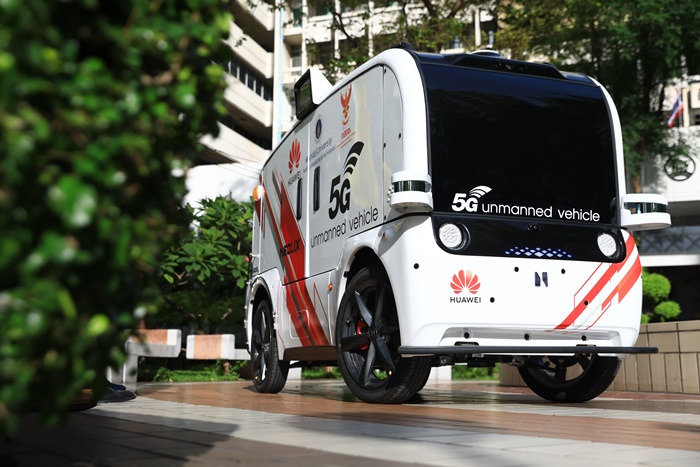
Huawei unmanned 5G vehicle in Thailand hospital

From a wider perspective, ASEAN is expected to be one of the biggest, if not the biggest, economic entities in Asia. Many countries are vying for the pole position in digital transformation, and while the title is still up for grabs, 5G will help all nations in ASEAN move from predominantly 2C focused mobile broadband business models to 2B. This will be paramount for digital transformation in many vertical industries including healthcare, hospitality, manufacturing, logistics and more. Proactive policies that accelerate deployment and adoption of digital services are key to moving the economy ahead and ensuring continued reliable operation even in the face of adversity.

Like electricity 100 years ago, ICT is extending to every industry on a large scale and becoming a key enabler of social development. The digital infrastructure of the future needs to be agile enough to accommodate new applications and behaviors while being robust enough to serve as a reliable digital platform for the economy even when unpredictable situations arise.  A strong ICT vision, guided by strategic planning and practical collaboration, can help us in the immediate fight against COVID-19, but more importantly it will open the doorway to our digital future as businesses look to rebuild in the face of a new normal.

About the author:

Mr. Xiao Zhendong (Dennis)

President, Carrier Business Group, Huawei Asia Pacific
Mr. Dennis Xiao is the President of Carrier Business Group, Asia Pacific region of Huawei Technologies. In his current capacity, he is responsible for the overall carrier business and strategic management of the company in the Asia Pacific Region. Mr. Xiao has more than 20 years of experience in the telecommunications industry. Since joining Huawei in 1999, Mr. Xiao has served various managerial positions including the company’s Belarus Country General Manager and President of Southeast Asia Carrier Business Group.

Twitter CEO apologizes for hack, confirms some private messages were accessed #ศาสตร์เกษตรดินปุ๋ย

#ศาสตร์เกษตรดินปุ๋ย : ขอบคุณแหล่งข้อมูล : หนังสือพิมพ์ The Nation.

Twitter CEO apologizes for hack, confirms some private messages were accessed

Jul 24. 2020

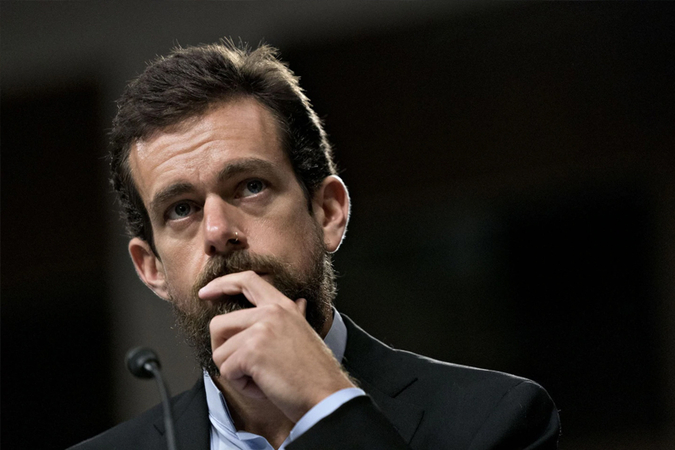
Jack Dorsey apologized for the company's security breach on an earnings conference call with analysts. (Andrew Harrer/Bloomberg)

Jack Dorsey apologized for the company’s security breach on an earnings conference call with analysts. (Andrew Harrer/Bloomberg)

By The Washington Post · Rachel Lerman · NATIONAL, BUSINESS, TECHNOLOGY 

Twitter CEO Jack Dorsey said Thursday the company “fell behind” in some of its security restrictions that led to the hack of prominent users including former president Barack Obama and Tesla chief executive Elon Musk on the social media site last week.

“Last week was a really tough week for all of us at Twitter, and we feel terrible about the security incident that negatively affected the people we serve and their trust in us,” Dorsey said in prepared remarks on an earnings call. “Security doesn’t have an end point. It’s a constant iteration to stay steps ahead of adversaries. We fell behind, both in our protections against social engineering of our employees and restrictions on our internal tools.”

Dorsey apologized while announcing the company’s second-quarter earnings, which showed Twitter users have increased during the pandemic, but advertising revenue has fallen.

Twitter confirmed this week that hackers accessed 130 accounts on the site, and sent tweets — many of them advertising a bitcoin scam — from 45 of those accounts. Hackers were able to view the private messages of 36 accounts, including the account of one elected official in the Netherlands. The company doesn’t believe any other former or current elected officials’ direct messages were accessed.

Hackers took control of many high-profile Twitter accounts last week in an apparent attempt to make money by advertising a fake bitcoin deal. Twitter deleted the tweets as they popped up, and eventually shut off tweets from all verified accounts and locked down accounts that tried to change passwords while it worked to regain control. Most accounts have now been restored to their owners, the company said.

The FBI is investigating the breach, and Dorsey said the company will “go above and beyond” in working with law enforcement. Hackers were able to get access to the accounts after the “manipulation” of a few Twitter employees, the company has said. Armed with employee credentials, the hackers were able to access Twitter’s internal systems that have some control over accounts.

Twitter reported it now has 186 million daily users, up 34% from the second quarter last year. But revenue fell 19% to $683 million during the quarter, as advertisers pull back during the coronavirus pandemic and some brands paused social media advertising during the Black Lives Matter protest.

Twitter is looking into other ways to bring in money, including a possible subscription model, Dorsey said. He offered few details on what consumers would potentially pay for, saying only that the company was in “the very, very early phases of exploring.”

“We have a really high bar for when we would ask consumers to pay for aspects of Twitter,” he said on the call. Speculation over a possible subscription business surfaced earlier this month after a Twitter job posting mentioned a subscription product.

Twitter stock climbed more than 8% during midmorning trading Thursday.

Twitter cryptocurrency scam echoes previous schemes on YouTube #ศาสตร์เกษตรดินปุ๋ย

#ศาสตร์เกษตรดินปุ๋ย : ขอบคุณแหล่งข้อมูล : หนังสือพิมพ์ The Nation.

Twitter cryptocurrency scam echoes previous schemes on YouTube

Jul 24. 2020

By Syndication Washington Post, Bloomberg · William Turton · BUSINESS, TECHNOLOGY, COURTSLAW, PERSONAL-FINANCE 

The bitcoin scam that hackers deployed while breaking into the Twitter Inc. accounts of political leaders and business titans last week closely resembles similar schemes used previously on YouTube.

In the July 15 Twitter attack, hackers hijacked accounts belonging to Barack Obama, Elon Musk, Joe Biden and Jeff Bezos and asked their followers to send Bitcoins to their crypto wallet with a promise to double the amount. In a matter of hours, the hackers had accrued more than $100,000.

But before compromising those accounts, the hackers targeted the Twitter accounts of popular cryptocurrency exchanges, such as Coinbase Inc., Gemini Trust Company LLC and Binance Holdings Ltd. In this case, the attackers tweeted a link to a website dubbed “CryptoForHealth,” which also promised to double donations made to a crypto wallet.

The move caught the attention of computer security researchers, who say similar scams were perpetrated in recent months on Google’s YouTube. One of the researchers, who like his colleagues requested anonymity because he isn’t authorized to speak publicly, said it isn’t yet clear who was behind the Twitter hack but said that the YouTube scams appeared coordinated.

The earlier attacks make clear that stealing user accounts to perpetrate cryptocurrency scams isn’t a problem unique to Twitter. The possibility that the incidents are connected may give investigators additional ways to identify the perpetrators, people familiar with the scams say. In online forums, several people have claimed to know the identity of the person behind the CryptoForHealth websites.

One website used as part of the apparent YouTube scams, “btc-gemini.info,” looks almost identical to the “CryptoForHealth” site. Beyond the visual similarities, the sites share technical details, such as IP addresses and website code, according to a Bloomberg review of the data.

The links between the schemes on Twitter and YouTube aren’t definitive, according to the researchers and Bloomberg’s analysis. But at the very least, it shows how easily they can be duplicated, they said.

Alex Joseph, a YouTube spokesman, said the company takes account security seriously by automatically protecting users and notifying them when suspicious activity is detected. “If a user has reason to believe their account was compromised,” he said, “they can notify us to secure the account and regain control.”

YouTube declined to address whether the alleged crypto scams on its site were related to the Twitter hack. On Tuesday, Apple co-founder Steve Wozniak filed a lawsuit in state court In California alleging that YouTube has for months allowed scammers to use his name and likeness as part of a phony Bitcoin giveaway.

In the alleged YouTube scams, a hacker typically gained control of an account and made it look like an official page of a cryptocurrency exchange or celebrity. Taking over a YouTube account with an already established following lets the hackers reach a wide audience. That was the same goal with last week’s Twitter hack, which hijacked accounts with tens of millions of followers.

After gaining control of an account, the hacker typically live streams an interview with the likes of Bill Gates and runs information about the fake cryptocurrency giveaway alongside it. The alleged scam has been used with video interviews of the Winklevoss twins (who founded popular cryptocurrency exchange Gemini), and Vitalik Buterin, the creator of the Ethereum cryptocurrency.

In June, cybersecurity blog BleepingComputer reported three YouTube accounts were hijacked to run a crypto giveaway scam, this time live streaming an interview with Tesla Inc. Chief Executive Officer Elon Musk next to fake information about the scam. In this instance, the perpetrator raked in more than $150,000.

The live streams tend to attract a large audience for the alleged scams before they’re detected by YouTube. In some instances, the perpetrators skip stealing an account altogether and simply purchase YouTube ads promoting the alleged scam.

The cryptocurrency company Ripple Labs Inc. filed a lawsuit in April against YouTube over the so-called “giveaway” swindle. “For every scam, giveaway, fake conspiracy that is taken down, multiple more pop up nearly immediately,” the company wrote in a blog post. “The reality is that big technology and media companies need to take responsibility and be held accountable for protecting consumers.”

In one case, a YouTube user with 282,000 subscribers was hacked and had his account edited to appear as if it was representing the “Ripple Foundation,” according to the lawsuit. The attackers then began posting videos from the hacked account promoting the cryptocurrency scam. The user, Mesa Sean, who makes videos of himself playing videogames, didn’t respond to a request for comment.

According to the lawsuit, YouTube accounts with hundreds of thousands of followers are targeted with email phishing attacks, where hackers trick the account owner into giving up their password. Ripple estimates that hundreds of thousands of dollars worth of Ripple cryptocurrency have been stolen as part of the illicit operations.

The string of high-profile scams makes it harder for cryptocurrency companies to persuade consumers that their operations are secure.

“Last week’s Twitter hack is just the latest dramatic example of an ongoing and widespread problem with social media platforms – malicious scams on Twitter, YouTube, Medium, Instagram and others have proliferated for years with no real solution,” Ripple Chief Executive Officer Brad Garlinghouse said in a statement.

In a motion to dismiss Ripple’s lawsuit filed on Monday, lawyers for YouTube said it’s not liable for the scams under Section 230 of the Communications Decency Act, which shields platforms from potentially illegal activity by users.

U.S. hatches plan to build quantum network that might be unhackable #ศาสตร์เกษตรดินปุ๋ย

#ศาสตร์เกษตรดินปุ๋ย : ขอบคุณแหล่งข้อมูล : หนังสือพิมพ์ The Nation.

U.S. hatches plan to build quantum network that might be unhackable

Jul 24. 2020

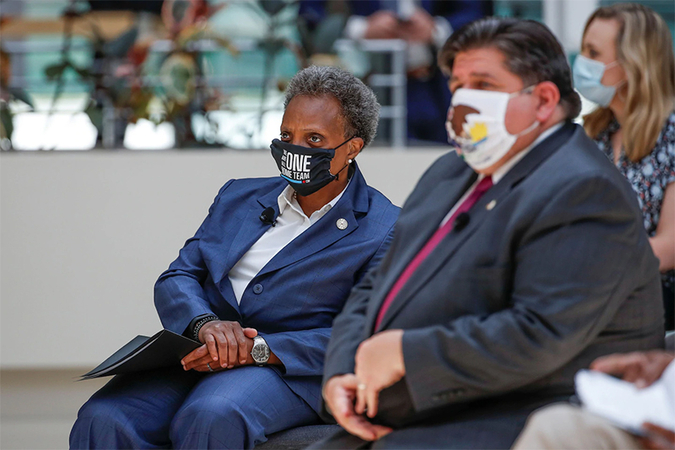
Chicago Mayor Lori Lightfoot and Illinois Gov. J.B. Pritzker at the announcement of the quantum Internet project on Thursday. (Kamil Krzaczynski/Reuters)

Chicago Mayor Lori Lightfoot and Illinois Gov. J.B. Pritzker at the announcement of the quantum Internet project on Thursday. (Kamil Krzaczynski/Reuters)

By The Washington Post · Jeanne Whalen · NATIONAL, TECHNOLOGY 

U.S. officials and scientists unveiled a plan Thursday to pursue what they called one of the most important technological frontiers of the 21st century: building a quantum Internet.

Speaking in Chicago, one of the main hubs of the work, they set goals for forging what they called a second Internet – one that would function alongside the globe’s existing networks, using the laws of quantum mechanics to share information more securely and to connect a new generation of computers and sensors.

Quantum technology seeks to harness the distinct properties of atoms, photons and electrons to build more-powerful computers and other tools for processing information. A quantum network relies on photons exhibiting a quantum state known as entanglement, which allows them to share information over long distances without having a physical connection.

David Awschalom, a professor at the University of Chicago’s Pritzker School of Molecular Engineering and senior scientist at Argonne National Laboratory, called the network project a pillar of the nation’s quantum-research program.

“It’s the birth of a new technology. It’s becoming a global competition. Every major country on Earth has launched a quantum program . . . because it is becoming clearer and clearer there will be big impacts,” he said in an interview.

China, the United States’ top technology rival, is investing heavily in quantum technology, a field that could transform information processing and confer big economic and national-security advantages to countries that dominate it.

The Department of Energy and its 17 national labs will form the backbone of the project.

How exactly the work will be funded was not clear. The Energy Department did not announce a funding figure for the project Thursday. Speaking to reporters, Paul Dabbar, undersecretary for science at the Energy Department, said the federal government invests about $500 to $700 million a year in quantum information technology, suggesting some of that money would fund the new network.

In an interview, Dabbar said there probably would be further funding announcements for the project in the future.

Panagiotis Spentzouris, head of quantum science at the Chicago-area Fermi National Accelerator Laboratory, or Fermilab, said in an interview that more resources, and a clearer project structure, will be needed to carry out the blueprint published Thursday.

The 38-page document lays out research priorities and milestones to aim for, but it does not assign detailed tasks to particular parties.

Initial users of a quantum network could include national-security agencies, financial institutions and health-care companies seeking to send data more securely, researchers said.

The networks promise to be more secure – some say unhackable – because of the nature of photons and other quantum bits, known as qubits. Any attempt to observe or disrupt these particles would automatically alter their state and destroy the information being transmitted, scientists say.

A quantum network could also be used to connect various quantum computers with each other, helping boost their total computing power. Quantum computers are still at an early stage of development and not yet as powerful as classical computers, but connecting them could help accelerate their use for solving complex problems such as finding new pharmaceuticals or new high-tech materials, Awschalom said.

Consumers might also tap into the quantum network to buy products with less risk of their credit card details being hacked, or to send and receive sensitive personal information such as health records or Social Security numbers, Spentzouris said. It is possible that consumers could surf seamlessly among the Internet and quantum networks as they make purchases and send information, without necessarily knowing that they are switching platforms, he said.

In a sign of the potential economic rewards that quantum technology could bring, Illinois Gov. J.B. Pritzker and Chicago Mayor Lori Lightfoot, both Democrats, spoke at the announcement Thursday, expressing hope that there would benefit the city’s tech community.

Universities and labs in the region have established the Chicago Quantum Exchange to accelerate innovation and economic development.

Pieces of the network are up and running at national labs. In the Chicago area, Argonne National Laboratory has built a 52-mile quantum network that soon will connect to nearby Fermilab, to establish an 80-mile test bed.

In New York, Stony Brook University and Brookhaven National Lab have built another 80-mile quantum network.

The plan is to slowly connect these local networks nationwide, using fiber-optic cable, satellites and drones fitted with quantum-communication hardware, Spentzouris said.

A key piece of hardware called a quantum repeater still needs to be developed, to amplify a quantum network’s signal over long distances, researcher said.

Awschalom said the country needs to do more to educate a new generation of quantum engineers. “When you ask tech companies what is their number one concern with quantum information technology, the number one concern by far is the workforce,” he said. Companies will ask him, “Where are we going to hire a thousand quantum engineers?”