Pfizer, BioNTech ask FDA to authorize vaccine for children 5 to 11 #SootinClaimon.Com

#SootinClaimon.Com : ขอบคุณแหล่งข้อมูล : หนังสือพิมพ์ The Nation.

https://www.nationthailand.com/life/40007200


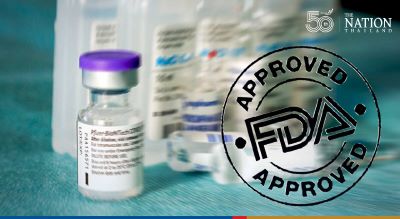
U.S. pharmaceutical firm Pfizer and its German partner, BioNTech, have asked the Food and Drug Administration to authorize their coronavirus vaccine for emergency use for children 5 to 11 years old, the companies announced Thursday.
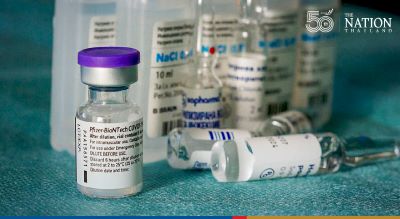
An estimated 28 million children in the United States would be eligible for the shots if regulators give the green light – a process expected to take several weeks. The coronavirus vaccine would be the first available in this country for children younger than 12 years old.

An FDA advisory committee is scheduled to meet Oct. 26 to discuss Pfizer-BioNTech’s pediatric vaccine. Officials have said its authorization could occur between Halloween and Thanksgiving.

ADVERTISEMENT

“With new cases in children in the U.S. continuing to be at a high level, this submission is an important step in our ongoing effort against covid-19,” Pfizer said in a tweet. Pfizer and BioNTech submitted initial data to the FDA last month for a regimen of two 10-microgram doses in children – one-third the amount given to older patients.

The companies expect to have top-line immunity and safety data for children 2 to 4 years old this fall and, shortly thereafter, results for children 6 months to 2 years old. It is anticipated shots for the youngest children will become available in 2022.

The two-dose vaccine, which delivers immune-provoking instructions to human cells via molecules called mRNA, is approved by the FDA for people 16 and up. Pfizer-BioNTech’s vaccine is also available to 12- to 15-year-olds under emergency use authorization. Certain people, including those 65 and older, are also eligible for immunity-boosting third shots.

Jeff Zients, the White House coronavirus response coordinator, called the pediatric vaccine filing “an important development.”

Zients, appearing Thursday on CNN, said the country has the supply to quickly distribute the shots once the FDA and the Centers for Disease Control and Prevention give the go-ahead. He said the Biden administration is working with states to make it easy for parents to immunize their children by setting up convenient times and places to administer the shots, including pediatricians’ offices.

The authorization procedure “can seem long and arduous, but it really is an important process” to evaluate the benefits and risk of vaccination, said physician Lee Savio Beers, president of the American Academy of Pediatrics, which has urged the FDA to prioritize coronavirus vaccines for children amid the surge in infections from the delta variant.

Many parents have been anxiously awaiting the coronavirus vaccine for young children, in some cases imploring pediatricians for the shots: “There are the folks saying, ‘Please, please, please give my kid the vaccine. Drop one on the floor. Don’t tell anybody,’ ” Christoph Diasio, a pediatrician in Southern Pines, N.C., told The Washington Post last month.

Beers said she empathized with young children’s caregivers, for whom this wait has felt interminable.

“As a pediatrician and a mother, I understand the feeling of urgency around having a safe and effective vaccine authorized for children,” Beers said. The FDA is moving at an “appropriate” speed to regulate pediatric vaccines, she said.

Still, other parents and caregivers have expressed reluctance to vaccinate their children. Only about a third of parents who have children 5 to 11 say they would vaccinate their kids as soon as possible, a recent Kaiser Family Foundation report found.

“Families should feel confident that if there’s a vaccine that’s been authorized as safe and effective, it really is safe and effective,” Beers said.

With the nationwide resumption of in-person schooling this fall, infections have risen among children, especially in regions where vaccination rates are low. In Tennessee, where only 17 percent of adolescents 12 to 17 are vaccinated, pediatric cases spiked to their highest levels yet in early September, The Post reported Monday.

Data from the American Academy of Pediatrics show that more than 5.7 million children have been infected with the coronavirus since the pandemic began. Schools can take steps to help protect children by having everyone wear masks, encouraging frequent hand-washing and improving ventilation, Beers said.

And, until a vaccine is authorized for children, “adolescents and adults can help protect the little ones around them” by getting immunized, she said. The more people who are vaccinated in a community, the harder it is for the coronavirus to spread to children.

Published : October 08, 2021

By : The Washington Post
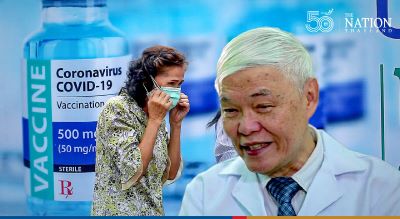
Former Covid patients should still get a jab, advises top virologist


People who have recovered from Covid-19 should receive at least one jab to boost their immunity, Chulalongkorn University virology specialist Dr Yong Poovorawan said in a Facebook post on Thursday.

He also said former patients should get either a viral vector vaccine like AstraZeneca or an mRNA one such as Pfizer or Moderna.

“People are likely to get infected again three months after recovery, so they should get a jab one month after testing positive,” he added.

ADVERTISEMENT

Related stories:

Citing a study conducted in Italy, Yong said former Covid-19 patients are likely to be protected from the infection for a year.

However, he said, “we still advise them to get at least one jab in a bid to boost their immunity”.

Published : October 07, 2021

By : THE NATION

Johnson & Johnson seeks emergency authorization for coronavirus booster #SootinClaimon.Com

#SootinClaimon.Com : ขอบคุณแหล่งข้อมูล : หนังสือพิมพ์ The Nation.

https://www.nationthailand.com/life/40007092


WASHINGTON – Johnson & Johnson asked the Food and Drug Administration on Tuesday to grant emergency use authorization for a booster dose of its single-shot coronavirus vaccine, making it the final vaccine used in the United States for which permission is being sought for an extra shot.

The action is part of an effort by Biden administration officials to provide increased protection against covid-19, the disease caused by the coronavirus, which has claimed more than 700,000 lives in the United States.

The filing came as a top FDA official said updated data might make a strong case that everyone 18 and older should be eligible for boosters – but added that the agency will have to see whether its outside advisory committee agrees. The FDA plans to meet Oct. 14 and 15 with its vaccine advisory committee to discuss boosters for the Moderna and Johnson & Johnson vaccines, respectively.

ADVERTISEMENT

Peter Marks, director of the Center for Biologics Evaluation and Research, also said on a webinar the FDA hoped to have “a harmonized approach” to boosters for all three coronavirus vaccines being used in the United States – and to make the eligibility standards simpler for people to understand.

In its submission to the FDA, Johnson & Johnson is asking the agency “to look at our data and agree with us that we have enough data to support a boost” for people 18 and older, said Mathai Mammen, global head of research and development for the Janssen Pharmaceuticals division of Johnson & Johnson.

Based on the data, Mammen said in an interview, the company believes the best immune response occurs when a booster is administered at least six months after vaccination. But he said the company was not formally recommending one interval over another. Instead, the FDA and its outside advisers will determine the appropriate interval between the initial vaccination and the booster, he said.

The company, in a statement issued Tuesday, said the data packet for the FDA includes recent results from a Phase 3 trial in the United States that found an extra shot given about two months after the primary dose provided 94% protection against moderate to severe covid-19, up from 73% for the first shot. Protection was 100% two weeks after the booster was administered. The booster provided a three- to fourfold increase in antibodies, according to the data.

Johnson & Johnson said it also submitted data to the FDA showing that when the booster was administered at least six months after the initial shot, antibody levels increased ninefold one week after the extra shot and 12-fold four weeks after the booster.

The advisers will also review data from the National Institutes of Health about “mixing and matching” boosters – using different brands from the initial shots. Officials have made clear they think boosters are needed to counter waning immunity caused by the delta variant of the virus, or by the passage of time, or by some combination.

The FDA has authorized a booster for people who received the Pfizer-BioNTech two-shot regimen. The extra dose is cleared for use at least six months after the second shot for people 65 and older and for those with underlying medical conditions or occupational exposure that raises their risk of severe covid-19. Biden administration officials had indicated in mid-August that they favored a broader approach, making anyone 18 and older eligible for boosters. But the FDA’s advisory committee balked.

If the advisers do not endorse a broad authorization for people 18 and older in next week’s meetings, the FDA’s fallback position might be to authorize boosters for people 40 and up, and for younger people with medical conditions, jobs or living situations that make them more vulnerable to covid-19, according to people familiar with the FDA’s thinking who spoke on the condition of anonymity because they did not have authorization to discuss internal plans.

Since the Johnson & Johnson shot was cleared by the FDA in February, 14.8 million people in the United States have received the vaccine, according to the Centers for Disease Control and Prevention. About 102 million people have gotten the two-dose regimen for Pfizer-BioNTech, and 69 million for Moderna, according to the CDC.

Published : October 06, 2021

By : The Washington Post

The Finest Woman’s Perfumes To Delight Your Senses #SootinClaimon.Com

#SootinClaimon.Com : ขอบคุณแหล่งข้อมูล : หนังสือพิมพ์ The Nation.

https://www.nationthailand.com/life/40006913


As a woman, the best perfume is all it takes to complete your look and decide the mood or the occasion but finding the perfect perfume for you can be a challenge and how do you know which will be your new go-to?

Here’s the lists of the perfumes that everyone has been raving about

Jo Malone London Peony & Blush Suede Cologne

Peony & Blush Suede, the essence of charm. Peonies in voluptuous bloom, exquisitely fragile. Flirtatious with the juicy bite of red apple and the opulence of jasmine, rose and gillyflower. Mingling with the sensuality of soft, blush suede. Luxurious and seductive.

GUCCI Bloom Gocce di Fiori Eau de Toilette

ADVERTISEMENT

Ethereal and soft like raindrops that fall in Spring, GUCCI Bloom Gocce di Fiori brings a sense of rebirth to the world of Gucci Bloom, a light, fresh version of the original Bloom scent. Delicately perfumes the skin, the fragrance is reflected in its Italian name ‘Gocce di Fiori’, meaning flower drops.

The Finest Woman’s Perfumes To Delight Your SensesThe Finest Woman’s Perfumes To Delight Your Senses


Marc Jacobs Daisy Eau de Toilette

Let the sunshine in with Daisy Marc Jacobs, a fragrance that transports you to a place where positive meets playful. Radiant and charming, Daisy is a sparkling floral bouquet capturing the vintage edge of violet. The bottle is a luxurious block of weighted, clear glass. Classic lines with soft, rounded edges – the embodiment of femininity. The smooth surfaces and curved edges fit into the shape of the hand in a way that is pure and sensuous.

ADVERTISEMENT

The Finest Woman’s Perfumes To Delight Your SensesThe Finest Woman’s Perfumes To Delight Your Senses
VIKTOR&ROLF Flowerbomb Bloom EDT Perfume

As an explosion of floral sensations, Flowerbomb enchants the world. Transport yourself or a loved one to a world of floral fantasy. Be engulfed by the addictive floral notes and immerse your senses with the warm woody undertones as the diamond grenade bottle erupts into a whirlwind of sweet sensations, transporting you to a world of floral fantasy.

ADVERTISEMENT

The Finest Woman’s Perfumes To Delight Your SensesThe Finest Woman’s Perfumes To Delight Your Senses
Giorgio Armani Si EDP

Sì is the tribute to modern femininity, an irresistible combination of grace, strength & independence of spirit. Giorgio Armani Si EDP, creates for the modern woman who’s strong yet feminine, sophisticated yet charismatic, intense and soft all at once. She embodies the very essence of chic Italian elegance and style.

The Finest Woman’s Perfumes To Delight Your SensesThe Finest Woman’s Perfumes To Delight Your Senses
Published : October 01, 2021

Lung doctors join forces to give breath to pulmonary fibrosis patients #SootinClaimon.Com

#SootinClaimon.Com : ขอบคุณแหล่งข้อมูล : หนังสือพิมพ์ The Nation.

https://www.nationthailand.com/life/40006634


The Thoracic Society of Thailand under Royal Patronage, together with the Interstitial Lung Disease and Lung Disease from Occupational and Environmental Diseases (ILD assembly), organized a ‘Fill Up The Air’ live seminar on the ILDs Facebook page to improve awareness and understanding of Fibrotic-ILD (Fibrotic-Interstitial Lung Disease), a rare disease that has become more difficult to detect as a result of COVID-19 during screening, diagnosis and treatment. COVID-19 patients with severely damaged lungs may find their symptoms develop into pulmonary fibrosis which has a high risk of death if not treated early.

Assoc. Prof. Nitipatana Chierakul, President of Thoracic Society of Thailand under Royal Patronage, said, “Fibrotic-ILD is a rare disease that causes tissue inflammation in the lungs. There have been challenges in screening and diagnosis because symptoms are similar to other lung and respiratory diseases. Medical professionals are more familiar with chronic obstructive pulmonary disease (COPD) in men, congestive heart failure in women, tuberculosis, lung cancer and heart disease. However, the coronavirus outbreak presents even more challenges for doctors and patients because of COVID-19-like symptoms, such as shortness of breath, a dry cough and lung inflammation. But for doctors to make a more accurate diagnosis there needs to be a better understanding of the disease and its symptoms by patients. Tell-tale signs of pulmonary fibrosis include consistent coughing or shortness of breath over an extended period, for example more than two months, especially in non-smokers. Doctors should be looking more carefully at any anomalies or abnormality in lung X-rays, and listen for abnormal breathing sounds at the base of both lungs. They should listen carefully for sounds similar to Velcro being pulled apart, and numb fingers when exercising.
 

During Covid-19 pulmonary fibrosis patients have been additional impacted as they have been unable to attend hospital or had appointments cancelled or postponed, affecting their treatment whether it is access to medication, physical therapy sessions, or receiving oxygen therapy. At times they’ve received pills only by mail, and there has been a shortage of oxygen. The pressure on the healthcare system has also resulted in some patients being diagnosed too late as lung X-rays and biopsy tests take longer to arrange and this has an impact on diagnosis.

Additionally, the lungs are the main organ that COVID-19 will attack, and around 30-50% of all patients develop pneumonia that requires medical attention. Of these, after recovery, one in ten thousand or less may develop pulmonary fibrosis similar to Fibrotic-ILD, which can cause chronic problems. It interferes with the patient’s daily life and is a burden on the family and society.
 

ADVERTISEMENT

Assoc. Prof. Kamon Kawkitinarong, President of the Subcommittee on Interstitial Lung Diseases and Lung Diseases from Work and Environment, said: “Pulmonary fibrosis is a rare disease but is more common in Western countries where the prevalence of the disease is 90-100 people per 100,000 people, but in Thailand no official data is available. However, data from the IPF Registry Project shows there are 131 patients. Inflammation of the lungs is caused by breathing in both organic and inorganic pollutants, as well as internal factors. For example, autoimmune dysfunction may cause inflammation in the lungs. Physical examination history, along with high-resolution computed tomography (HRCT), can be used by doctors to evaluate patient condition. Pulmonary fibrosis has the potential to increase in severity. Invasive type, or PF-ILD (Progressive Phenotype ILD), causes fibrosis or scars around the alveoli and bronchioles. This makes it harder for oxygen to pass through the lungs and bloodstream. The patient will be short of breath and lacking oxygen, the organs will not function fully. Lung scars will not heal back to normal lung tissue condition, meaning that after being diagnosed with pulmonary fibrosis, patients need to visit the doctor regularly to closely monitor the spread of the disease.

The COVID-19 outbreak has affected access to treatment so an official LINE account called ‘Clear Lung’ (O2LUNG) has been set up to help people self-monitor. Patients can record abnormal symptoms and send them to the doctor without having to come to the hospital, while doctors can also publish useful information.”

Assoc. Prof. Chanchai Sittipunt, Vice President of Thoracic Society of Thailand under Royal Patronage, said, “Invasive pulmonary fibrosis is more severe than many cancers. Patients will continue to suffer loss of lung function, increased breathing difficulty and ultimately death when their lungs fail to function or they have a respiratory failure. When comparing the 5-year survival rate of various cancers, around 20% of lung cancer patients survive, 35% of idiopathic pulmonary fibrosis patients survive, 60% of colon cancer patients, 85% of breast cancer 85%, and 87£+% of prostate cancer patients are able to survive. Delayed treatment can significantly increase the mortality rate. For example, if treatment is delayed by one year there is a mortality rate of 8%. However, when delayed for up to two years this rises to 18%, and up to four years sees it rise to 27%. Delaying treatment longer than four years has a mortality rate of 32%.


Currently, there is targeted therapy anti-fibrotic drug approved to cover all three conditions: idiopathic pulmonary fibrosis; pulmonary fibrosis from scleroderma; and invasive pulmonary fibrosis. These can slow the progression of the disease, reduce acute exacerbations, and reduce the number of deaths. Other types of treatment, such as oxygen therapy pulmonary rehabilitation, are used to help patients improve their quality of life. The best way to prevent pulmonary fibrosis is to wear a mask or protective gear if you are at risk and avoid infecting the lungs.”

Mr Anuwat Noreewong, a 78-year-old pulmonary fibrosis patient said, “Pulmonary fibrosis is characterized by extreme fatigue, frequent choking, and persistent coughing that can be so severe it leaves me unable to speak. The disease too a long time to diagnose and the symptoms got worse as the cause could not be found due to symptoms being similar to other diseases. It took me many years to get proper treatment. I am fortunate that my daughter did some research on the Internet and found an expert like doctor Amornpun Wongkarnjana and that’s why I’ve survived. I want to encourage people to be more aware of the disease and recognise the symptoms by themselves, especially during this time of COVID-19. If they believe they suffer from any of these common symptoms they should consult a doctor.”
 

Published : September 25, 2021

UNICEF provides oxygen concentrators to support Thailand’s fight against COVID-19 #SootinClaimon.Com

#SootinClaimon.Com : ขอบคุณแหล่งข้อมูล : หนังสือพิมพ์ The Nation.

https://www.nationthailand.com/life/40006572


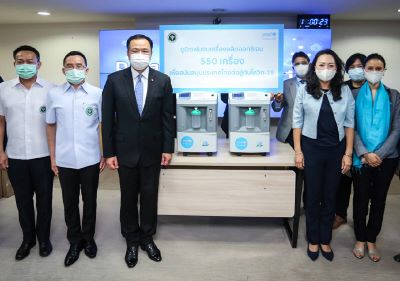
BANGKOK, 23 September 2021 – UNICEF continues its emergency support to Thailand’s COVID-19 response by providing 550 life-saving oxygen concentrators to help treat patients with respiratory diseases.

As COVID-19 cases continue to surge across the country, oxygen concentrators will help COVID-19 patients breathe when they cannot do so on their own. To increase patients’ access to the life-saving gas during this critical time and in the long term, oxygen concentrators worth 17 million baht (US$520,000) are being delivered to hospitals and field hospitals in severely affected areas.

“Responding to this COVID-19 surge requires providing life-saving supplies and equipment, including oxygen support. We all must continue ramping up our collective and immediate efforts to help treat patients and support the most vulnerable,” said Kyungsun Kim, UNICEF Representative for Thailand. “Together with our donors and partners, UNICEF is doing everything we can to deliver support to frontline workers to help save lives and minimize the COVID-19 impact on children and families.”

UNICEF’s emergency support to the COVID-19 response in Thailand so far also includes:

Reaching more than 275,000 disadvantaged children and adults with 607,000 hygiene supplies, including soap, hand sanitizer, alcohol spray, disinfectant and child and adult-size face masks.

Reaching 8,360 vulnerable children including children without parental care, urban poor children and migrant children, with Magic Box and Bag sets of books, toys, learning materials and parental guides to help keep young children learning while at home.

Supporting the establishment of a response system in communities, including community isolation and community childcare centres, as well as mobilizing and training volunteers to track new cases and provide COVID-19 testing, care and mental health support as well as facilitate referrals to health and child protection services in Klongtoey, urban poor communities, migrant communities and at construction sites.

Developing guidelines to support the authorities in minimizing family separation when implementing COVID-19 quarantine and isolation measures to ensure that children are not separated from parents or caregivers.

Supporting the establishment of Centre for Children #COVID-19, which provides appropriate and timely services for children affected by COVID-19, including promoting kinship and foster care for children without parental care.

Organizing training for frontline workers on providing psychosocial support to children to help them cope with grief and loss.

Supporting training of 8,000 community members, leaders and migrant workers in affected communities and at construction sites on COVID-19 prevention and self-care tips.

Distributing COVID-19 information booklets in Thai, Khmer and Myanmar languages to 180,000 children and adults in urban poor and migrant communities.


ADVERTISEMENT

Published : September 23, 2021

Vaccinated pregnant peoples protection passes to babies #SootinClaimon.Com

#SootinClaimon.Com : ขอบคุณแหล่งข้อมูล : หนังสือพิมพ์ The Nation.

https://www.nationthailand.com/life/40006526


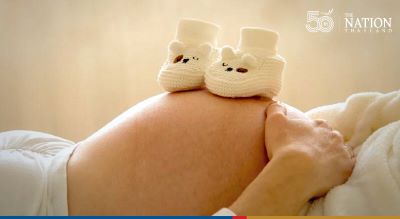
Pregnant people who get mRNA vaccines pass high levels of antibodies to their babies, according to a study published in American Journal of Obstetrics & Gynecology – Maternal Fetal Medicine on Wednesday.

The study — one of the first to measure antibody levels in umbilical cord blood to distinguish whether immunity is from infection or vaccines — found that 36 newborns tested at birth all had antibodies to protect against Covid-19 after their mothers were vaccinated with shots from Pfizer-BioNTech or Moderna.

“We didn’t anticipate that. We expected to see more variability,” said Ashley Roman, an obstetrician at NYU Langone Health System and co-author of the study.

The data could help encourage more people to get vaccinated during their pregnancies. Only 30% of pregnant people ages 18 to 49 are vaccinated, according to Centers for Disease Control and Prevention data from Sept. 11, despite growing evidence of prenatal vaccine safety. Given the study’s small sample size, the team is now looking at results from a larger group, as well as how long immunization lasts for infants after birth.

“We pushed this data out relatively early because it’s a unique finding and it has important implications for care,” Roman said. “Right now we’re recommending all pregnant women receive the vaccine for maternal benefit.”

Pfizer and BioNTech’s own study on how their shots affect pregnant people and their babies has been delayed due to slow enrollment, the Wall Street Journal reported Wednesday, citing researchers.

ADVERTISEMENT

Pfizer “stopped enrollment in the U.S. because of recommendations encouraging vaccination of pregnant women,” the drugmaker said in an emailed statement to Bloomberg. It’s looking at sites in countries that don’t advise pregnant people to get shots for possible study sites, according to the statement.

The researchers studied cord blood of 36 fully vaccinated people to look for antibodies to spike protein, which appears after vaccination or getting sick from Covid, and to nucleocapsid protein, which is only present after getting Covid. Prior studies focused on antibodies to the spike protein.

Among the 36 samples the researchers looked at, 31 tested negative for antibodies to the nucleocapsid protein. In other words, 31 pregnant people developed immunity from the vaccine. The other five weren’t tested for nucleocapsid protein, so the researchers can’t conclusively say the immunity was from the vaccine or from natural infection.

The findings show “very encouraging levels of antibody in cord blood,” said Linda Eckert, an obstetrics and gynecology professor at the University of Washington who wasn’t involved in the study. “This is another reason pregnant women should get vaccinated, as we are seeing more disease in younger infants and this is a proactive choice pregnant individuals can make to protect their infants.”

Published : September 23, 2021

FDA authorizes Pfizer-BioNTech coronavirus vaccine booster for older Americans and those at high risk of illness #SootinClaimon.Com

#SootinClaimon.Com : ขอบคุณแหล่งข้อมูล : หนังสือพิมพ์ The Nation.

https://www.nationthailand.com/life/40006522


WASHINGTON – The Food and Drug Administration on Wednesday authorized a Pfizer-BioNTech coronavirus booster shot for people 65 and older and adults at risk of severe illness, an effort to bolster protection for the most vulnerable Americans against the highly transmissible delta variant of the virus.

The agency said boosters should be made available to people 18 through 64 years of age at high risk of severe illness from the coronavirus and those “whose frequent institutional or occupational exposure” to the virus put them at high risk of serious complications of the disease caused by the virus.

The agency said the extra dose of the Pfizer-BioNTech vaccine should be administered six months after its standard two-shot regimen.

The FDA, in issuing the emergency clearance, took an approach similar to what was recommended Friday by the agency’s outside panel of vaccine experts. But the agency interpreted the advisory panel’s guidance broadly to cover a larger swath of people.

The FDA action is not the final step before the booster is made available. The Centers for Disease Control and Prevention and its advisers still must recommend in detail who should receive the shots.

The CDC’s Advisory Committee on Immunization Practices met Wednesday to hear data about the safety and effectiveness of a Pfizer-BioNTech booster, and it is expected to make a recommendation for its use when the committee meets Thursday. The decision will hinge in large part on which groups the advisers believe are most at risk of becoming seriously ill from covid-19, the illness caused by the coronavirus.

ADVERTISEMENT

The recommendation from the CDC advisory committee will almost certainly receive a quick endorsement from agency Director Rochelle Walensky. The shots are expected to be available as soon as this week at pharmacies and some doctors’ offices.

The FDA decision Wednesday will help frame the recommendation by the CDC advisory panel on who should get the boosters. The challenge for the CDC advisers “is to make a recommendation that is appropriate from the public health perspective and easy to communicate,” said William Schaffner, an infectious-disease professor at Vanderbilt University School of Medicine and a liaison member of the vaccine advisory panel.

The CDC advisers, in previous meetings, have expressed a strong inclination to prioritize boosters for groups who were among the first to be vaccinated, including front-line health-care workers, people in nursing homes and then the elderly.

Several CDC advisers reiterated Wednesday that the key goal of booster shots should be the prevention of serious disease, not prevention of mild infection.

But Beth Bell, a global health expert at the University of Washington, said the panel should consider the importance of protecting health-care employees from even mild infections because those illnesses would require time off work.

Bell acknowledged that the panel will not be able to address many outstanding questions about boosters, such as the ability to use a Pfizer booster for people who have been vaccinated with the Moderna or Johnson & Johnson products.

“I think it’s extremely important for us to be keeping in mind that . . . these are interim recommendations, and there may be data forthcoming in the near future which might change those recommendations,” she said Wednesday.

The federal action on boosters this week pertains only to Pfizer-BioNTech. Federal officials have suggested that clearance of booster shots for the Moderna and Johnson & Johnson vaccines could happen in a few weeks. An FDA official participating in the CDC advisers meeting, Doran Fink, said the FDA has no data on the safety and efficacy of giving a Pfizer booster to someone who received a different vaccine.

But limiting action to the Pfizer product poses immediate practical challenges for front-line immunization and health workers, issues that surfaced repeatedly during the CDC vaccine advisory committee meeting Wednesday. Nursing home residents and employees, for example, have received Pfizer and Moderna shots.

“In North Dakota, the vast majority [of long-term-care facilities] had a mixture of people that needed both Moderna and Pfizer,” said Molly Howell, director of North Dakota’s immunization program and a liaison member to the CDC panel. “I don’t know that it’s realistic to keep going back with different brands.”

In some states, hospital systems already have been considering or moving forward with boosters before the FDA and CDC decisions.

“Our hospitals here in Alaska and many hospitals in the country are really facing unprecedented choices and decisions about care and trying to weigh the risk-benefit of things like a booster shot versus, you know, waiting,” Anne Zink, Alaska’s chief medical officer, said in a recent interview.

Federal health officials have already authorized a third shot of Pfizer and Moderna vaccines for people with weakened immune systems, such as cancer patients and organ-transplant recipients.

Some Americans, regardless of their health status, have received extra doses by showing up at pharmacies, sometimes on the advice of their clinicians. Consumers are not required to get a prescription or a letter from their doctors for the third shot. More than 2.3 million people have received an additional dose since an extra shot was authorized for people with frail immune systems, according to the CDC.

Limited data from Israel and from one of the U.S. coronavirus vaccine monitoring systems shows there were fewer side effects after a third dose of mRNA vaccines compared with the second dose, according to a presentation to the CDC advisers by Helen Keipp Talbot, an infectious-disease expert at Vanderbilt University who chairs the advisers’ safety work group.

The Biden administration announced in mid-August that it hoped to make boosters for all three vaccines widely available beginning this week, pending sign-offs from the FDA and the CDC. But that announcement set off weeks of controversy as angry scientists complained the White House had gotten ahead of the agencies’ vaccine experts.

Ultimately, the heads of the CDC and the FDA told the White House that only the Pfizer-BioNTech booster could be cleared by this week. And last Friday, the FDA advisers declined to greenlight the Pfizer-BioNTech booster for all adults, saying there was a lack of robust safety data for younger adults. Several also argued that the two-shot regimen remains highly protective against serious illness, even though there are signs the efficacy of the vaccines may be waning somewhat against mild infections.

Booster shots have emerged as a hot topic as the delta variant has spread havoc in some areas, with intensive care units filling up with unvaccinated patients and a few hospitals rationing care. The pandemic’s death toll exceeds the 675,000 Americans killed by the 1918 influenza pandemic, according to data tracked by The Washington Post – although the population of the United States today is three times as large as in 1918.

At the same time, critics have pressed the Biden administration to wage a more vigorous campaign to get shots to countries that have not had access to vaccines, and for wealthier countries to forswear boosters until more people receive first shots. The administration, in an effort to show it can provide boosters to Americans and simultaneously offer shots to other nations, announced Wednesday that it has bought an additional 500 million doses to send overseas.

Published : September 23, 2021

Thailand holds off approving Sinopharm as safe for children #SootinClaimon.Com

#SootinClaimon.Com : ขอบคุณแหล่งข้อมูล : หนังสือพิมพ์ The Nation.

https://www.nationthailand.com/blogs/life/40006517


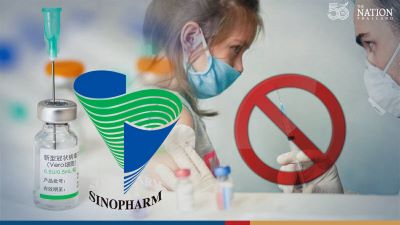
The Thai Food and Drug Administration (FDA) says it needs more data before approving Sinopharm vaccine for use in children.

FDA chief Paisan Dankhum said on Wednesday that information on the safety, quality and efficacy of the Chinese vaccine would be evaluated to decide whether it could be used to inoculate children aged 3 and up against Covid-19.

Sinopharm’s maker, Beijing Institute of Biological Products, insists the vaccine is safe for children aged 3 and over, citing data from a study published in the Lancet medical journal last week.

The Thai FDA has so far approved two vaccines – Pfizer and Moderna – as safe for use in children aged over 12. Thailand has already begun vaccinating children against Covid-19 in preparation for the reopening of schools next month.

The FDA said it will seek more data on Sinopharm from its importer, Biogenetech.

Published : September 22, 2021

Second dose of Johnson & Johnson vaccine increases protection against covid-19, maker says #SootinClaimon.Com

#SootinClaimon.Com : ขอบคุณแหล่งข้อมูล : หนังสือพิมพ์ The Nation.

https://wordpress.com/post/sootinclaimon.com


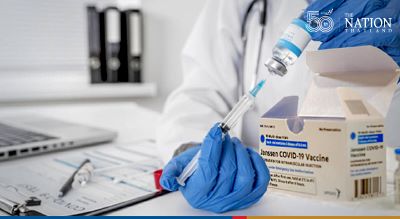
WASHINGTON – A second shot of the Johnson & Johnson vaccine boosts protection against symptomatic and severe covid-19, the disease caused by the coronavirus, the drug company announced early Tuesday.

Those booster shots also generated additional antibodies, molecules churned out by the immune system to help fight off infections.

“It’s very exciting news,” said Vanderbilt University Medical Center infectious-diseases and preventive medicine professor William Schaffner, though he cautioned not all the data have been seen and that information must be reviewed by the Food and Drug Administration before recommendations can be made.

“The people who received J & J have been a little concerned that they’ve been left in the shade, when it comes to repeat vaccination,” Schaffner said. These results, as presented, seem encouraging that those vaccine recipients might “expect a booster in their future.”

Under the FDA’s emergency use authorization, the Johnson & Johnson vaccine is given as a single dose, unlike the two shots required for full immunization with the Pfizer-BioNTech and Moderna mRNA vaccines.

Results published this summer indicate that the Johnson & Johnson vaccine generates lasting amounts of antibodies able to target the delta variant and other variants of concern. In June and July, when delta was ascendant, the effectiveness of the one-shot vaccine was 78% against observed covid-19, according to a report published Thursday that has not yet gone through peer review.

ADVERTISEMENT

A second dose, given 56 days after the first, further improves protection, the company said in a news release Tuesday. According to the company’s Ensemble 2 study, a Phase 3 randomized clinical trial, efficacy was 100% against severe or critical covid-19 when assessed at least two weeks after the booster. Efficacy against symptomatic disease in the United States was 94% and 75% globally.

“We now have generated evidence that a booster shot further increases protection against covid-19 and is expected to extend the duration of protection significantly,” Johnson & Johnson chief scientific officer Paul Stoffels said in a statement.

Full data from that trial was not released, the company said. It said it will be submitted for publication in months.

“This is good news and moves us closer to having an answer about the utility of boosters for the millions of Americans who received the J & J covid-19 vaccine,” said Lisa L. Maragakis, an infectious-disease epidemiologist at Johns Hopkins University School of Medicine. “Of course, we will need to wait to see the actual data and hear from both the FDA and CDC as they review it.”

Antibody levels, too, spiked after booster shots. People who received a Johnson & Johnson booster shot two months after vaccination had antibody levels four to six times higher, while the levels in people who had boosters at six months rose 12-fold in the following four weeks, the company said.

“An increase in antibodies is associated with two good features,” Schaffner said. First, this increase can lead to longer-lasting protection. Second, he said, “not only do you get more antibodies, but a wider display of antibodies,” which means an immunized person is likely to be better defended against a variety of variants.

Regulators would have to authorize Johnson & Johnson booster shots before the public could receive them. Health communication expert Scott Ratzan, co-founder of vaccine literacy initiative CONVINCE USA, said the results looked “promising” but regretted they were delivered by a news release. “Generally speaking, this is not the way we should be having vaccines approved and discussed,” said Ratzan, who was a vice president at Johnson & Johnson until 2013.

On Sunday, National Institute of Allergy and Infectious Diseases Director Anthony Fauci told NBC News that the FDA review of second Johnson & Johnson shots, as well as Moderna boosters, is “a couple to a few weeks away. . . . We’re working on that right now to get the data to the FDA so they can examine it and make a determination about the boosters for those people.”

Because it does not require a second appointment, the Johnson & Johnson vaccine had been sent to harder-to-reach communities soon after the shot became available. Nearly 15 million Americans received Johnson & Johnson doses, while about 166 million people have been fully vaccinated with the vaccines made by Pfizer-BioNTech and Moderna.

Published : September 22, 2021