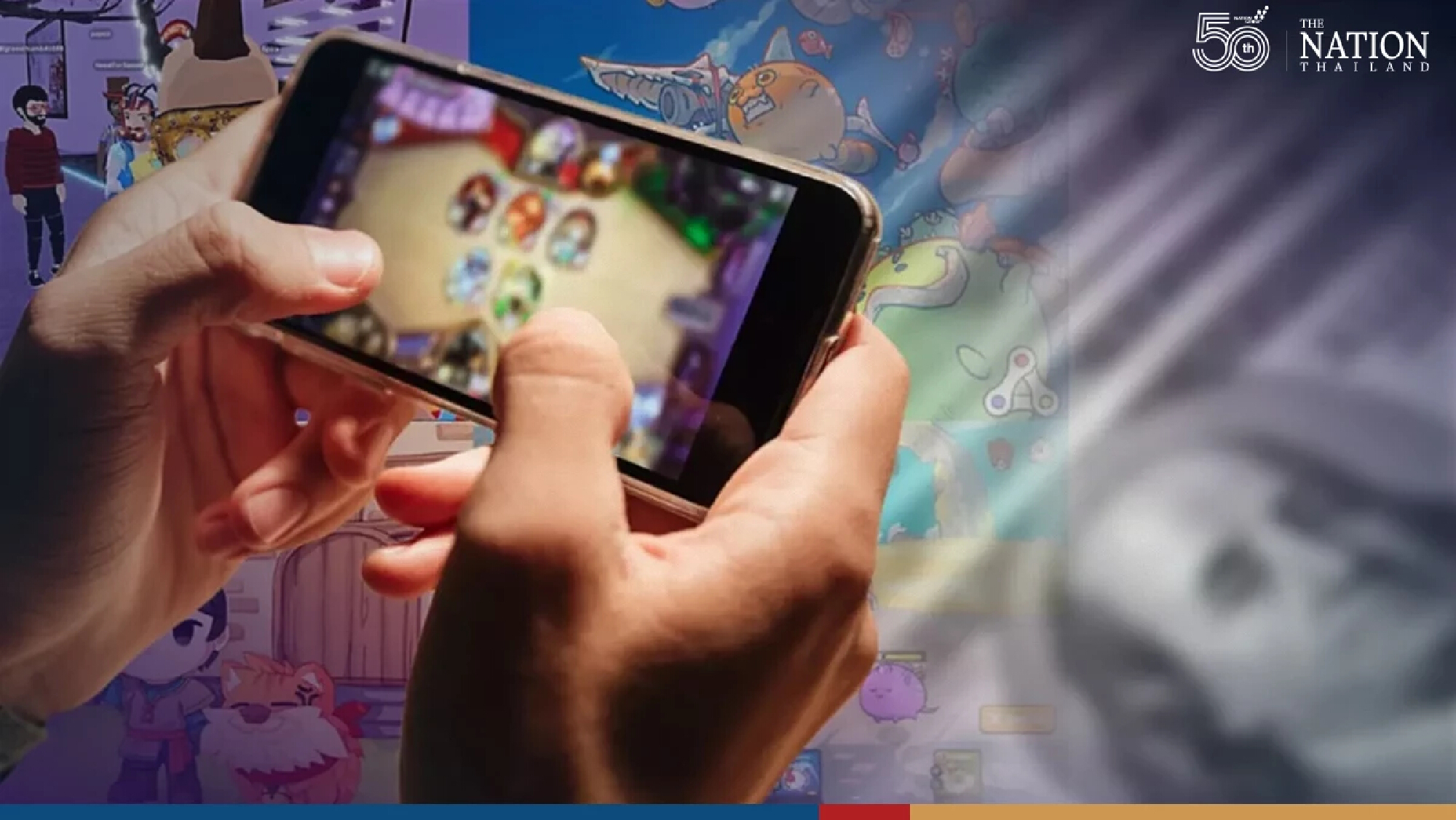
Thailand ranked fourth in the world after Japan, the United States and South Korea, respectively, as countries posting the most about gaming on Twitter in 2021, the social media platform reported in its @TwitterGaming 2021 Year in Review.
The report said throughout 2021 Twitter had seen more than 2.4 billion tweets on gaming, up 14 per cent year on year and a more than ten-fold increase from 2017.
The fourth quarter was also the biggest quarter for gaming conversation ever on Twitter.
A number of Asian countries are in the top communities for gaming as each earned a spot in the top 10 nations tweeting the most about gaming, including Japan (1st place), South Korea (3rd), Thailand (4th), the Philippines (6th), Indonesia (7th) and India (10th).
“The gaming community around the world came on Twitter to be part of the biggest moments in gaming in 2021, such as the return of in-person e-sports events and new game releases such as Halo Infinite,” the report said.
“2021 was also the year where NFTs [non-fungible tokens] took centre-stage as media coverage grew rapidly in news and stories on digital assets.”
In Thailand, Genshin Impact (@GenshinImpact) was the most tweeted game in 2021, followed by Garena Free Fire (@freefireth), League of Legends (@LeagueOfLegends), PUBG: BattleGrounds (@PUBG) and Identity V (@IdentityVJP). The most tweeted e-sport teams in Thailand last year were OG (@OGesports), T1 (@T1), Team Secret (@teamsecret), Sentinels (@Sentinels) and Gambit (@GambitEsports), respectively.
“As we continue adjusting to life in the middle of a pandemic, people are finding new ways to make connections with various communities, and one of them is through gaming,” said Maurizio Barbieri, head of sports and gaming partnerships for SEA and Greater China at Twitter.
“The growing conversations that happened around gaming on Twitter reflect the increasing attention from the public on Twitter about various games, e-sports teams, and gaming personalities,” Barbieri added.
Most of us are familiar with video games, but less well known is that you can also play games on the Blockchain network behind cryptocurrencies such as Bitcoin (BTC), Ethereum (ETH), and Dogecoin (DOGE).
So, what makes blockchain games special?
Many video games feature items that players can trade for real currency via a middleman system.
However, items in blockchain games have real value and can be directly traded between players.
How are items in blockchain games given value?
Three technologies allow players to trade valuable items freely:
Blockchain technology allows trading on the internet without a middleman while also being safe, transparent and reliable.
The smart-contract system allows developers to create blockchain financial applications or services including exchanges, loans, auctions, fundraising, etc.
Non-fungible tokens (NFTs) are a unique digital asset of differing value that can be tagged to collectibles, artworks, appliances, and in-game items.
An in-game item can be replaced by an NFT to make it unique. Rules on receiving and exchanging items in blockchain games are set by smart contract technology.
Meanwhile data including the number of items and smart contract conditions is stored transparently on the blockchain network for everyone to check.
The value of items is governed by different factors but usually depends on the item’s rarity and the game’s popularity.
Which games are popular worldwide?
1.CryptoKitties
Cryptokitties is a blockchain game developed on the Ethereum network.
Players use their ETH cryptocurrency to buy cats, which become digital assets as NFT. Players then breed cats to create new creatures with faces, colours and other features inherited from the parents. Players can collect the cats or put them up for auction.
Among the game’s highest valued cats is Nana Meanbutt, worth US$154,632 (over 5 million baht) according to Coinranking on July 2, 2021.
2. Axie Infinity
Axie Infinity published by Ubisoft has gained a strong following across the globe.
Inspired by Pokémon, the game sees players collect versions of the monster Axie, each with different traits and characteristics.
Players can then fight duels with their Axie NFTs or sell them on the market.
An Axie named Angel was sold for 300 ETH or about 4 million baht in November 2020.
3. Decentraland
Decentraland was developed on the Ethereum network with a currency called MANA coin.
Players edit their avatars and use MANA coins to buy in-game items or land. Players can also join conversations and activities with others.
According to the Business Times, the most expensive item on Decentraland is 16 acres of land bought by NFT investors Republic Realm for 1.295 million MANA coins or $913,228 (about 30 million baht).
4. Morning Moon Village
The first game created by Thailand’s Extend Interactive or x10, Morning Moon Village was developed on the Bitkub network and funded by Bitkub Ventures Co Ltd.
Players farm to receive rewards and go on adventures to find rare NFTs to use or sell on the market.
Mahidol University has made it a priority to conduct high-quality research to meet the needs of a rapidly changing world and respond to both Thailands and the worlds problems. Artificial Intelligence (AI) technology has become more prevalent in everyday life than ever.
As a significant application, AI technology is often used to facilitate the discovery of knowledge in large databases such as “Wikipedia”, a website-based free multilingual encyclopedia, hosted by the non-profit Wikimedia Foundation. Such a collaborative encyclopedia houses over 35 million articles, from which the AI technology can assist in automatically retrieving answers to natural-language questions. With such capability, users no longer have to waste time searching for the answers on their own.
WabiQA is a novel system for automatically answering questions in the Thai language utilizing the Thai Wikipedia articles as the knowledge source. The system was developed by a research team at the Faculty of Information and Communication Technology, Mahidol University (ICT Mahidol). WabiQA takes questions in the natural Thai language, such as “When was the Faculty of ICT, Mahidol University established?” as input, then displays the answer, e.g., “20 May 2009,” along with the specific document in which the answer is found. However, all answers must be in the (Thai language) Wikipedia database only.
WabiQA implements the BM25F-based retriever to identify articles on Wikipedia that are most likely to contain the answer or are related to a given question. Then, a Bi-Directional Long-Short Term Memory (BiLSTM) model is applied to read the Thai article and locate candidate answers. Lastly, the Attention layers are used as general answer predictors to quantify the confidence that the target text is the answer to the input question. The test result showed that the WabiQA was able to reduce search time by 97.81 percent. Furthermore, the research team also developed a prototype mobile application that aims to facilitate Thai users with visual impairments using voice-to-speech technology and an intelligent question-answer categorization.
Dr. Thanapon Noraset, the project advisor, said, “This research is a collaboration among the Faculty of ICT’s research team, students, and partners, that aims to develop artificial intelligence research and innovations, driven by the technological capabilities of the Thai people, to address difficult real-world problems. Personally, I am impressed by the ability of Mahidol students to conduct such world-class research. In this study, we applied advanced artificial intelligence technology to learn and understand the Thai context. Furthermore, this technology can also be used to perform an automated analysis of large and heterogeneous data composed in Thai, such as searching and summarizing social media opinions on products, events, or policies.”
This work was published in the Information Processing & Management Journal, a leading international academic journal ranked Quartile 1 (Q1) in Information Systems. Moreover, the WabiQA also won the first prize award from Thailand’s 21st National Software Contest 2019 (NSC) under the category “Question-Answering Program from Thai Wikipedia.” Currently, the research team is working to improve the WabiQA so that it is more effective and suitable for usage.
This research demonstrated the potential of advanced artificial intelligence in understanding questions and finding answers in the Thai language and revealed several potential future research directions and real-world applications. In particular, the research team would like to explore how to apply a similar approach to create an AI system that can answer questions for a specific domain, such as legal documents, official announcements, and insurance policies. Additionally, the research team wishes to investigate and develop unique strategies for utilizing data from multilingual sources. This should improve the system’s accuracy while also expanding its coverage in additional languages.
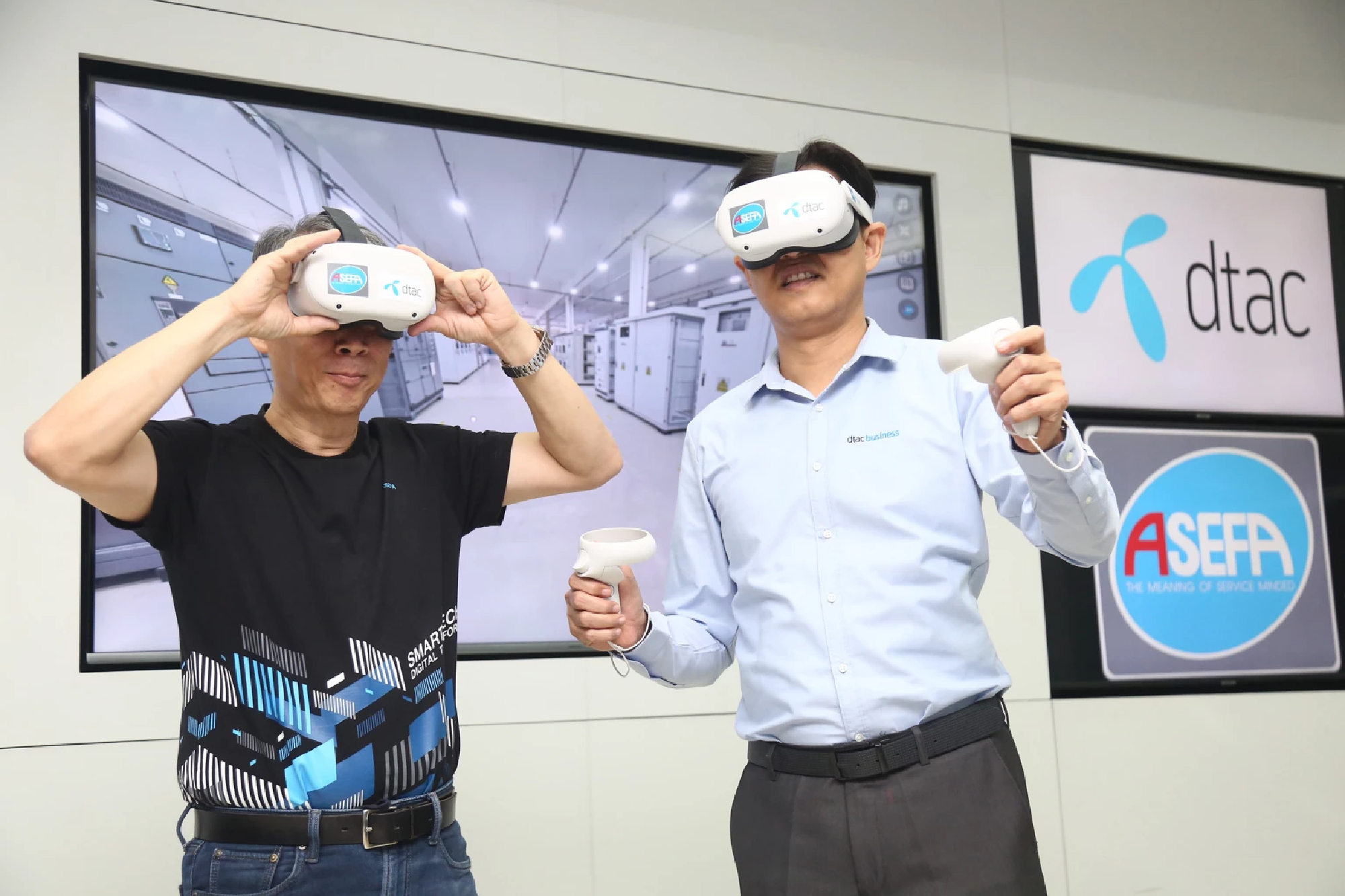
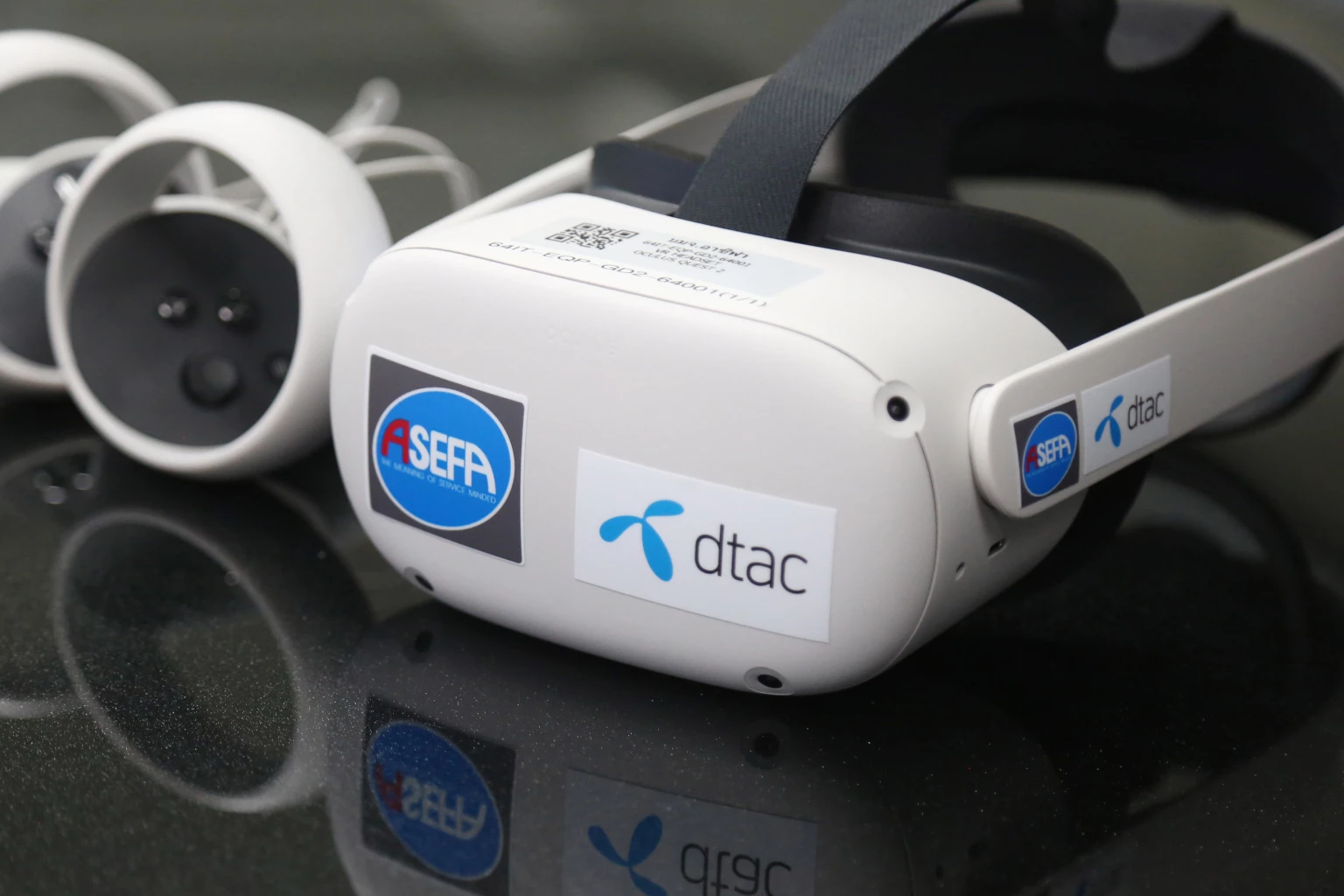
dtac has collaborated with Thai manufacturer ASEFA to launch virtual tours of the ASEFA factory for the very first time.
dtac has collaborated with Thai manufacturer ASEFA to launch virtual tours of the ASEFA factory for the very first time.
Leveraging the power of 5G, virtual reality (VR) and the Internet of Things (IoT), the project is an important prototype for medium-sized factories looking to tackle the challenges of a rapidly changing sector.
ASEFA, a leading manufacturer and provider of electrical switchboards for businesses and industries, is paving the way for how factories can carry out virtual tours safely and conveniently in the near future. Through VR headsets, these digital tours provide easy access to new and prospective customers, and ensure social distancing by eliminating the need for travel and in-person visits. Moreover, this collaboration with dtac also enhances security measures by introducing smart wireless surveillance systems with access to all areas of the premises.
Mr. Wichai Soontornvutikul, Executive Director of ASEFA PCL, said: “With this upgrade, we hope to see a 10% increase in visitors to the website and to the factory, expanding our reach to new audiences, including business owners and new-generation engineers familiar with the technology.”
Customers can also virtually visit the factory via a website, and ASEFA can support an average of 60 virtual visits per year.
The second component of ASEFA’s digital transformation into a smart factory involves an investment in 5G surveillance. Enhancing and modernizing the existing security system, 5G surveillance uses high-resolution imagery and high-volume wireless transmissions without requiring additional wiring. The improved system integrates facial recognition to provide contactless access control for employees and visitors, and alerts the company to any abnormalities, thereby delivering more efficient security.
Digital innovation is a priority for ASEFA. In addition to this project, the company has also established a new business division, the Innovation Group, for research & development work that seeks to enhance the capabilities of electric switchboards, respond to future usage needs, and differentiate ASEFA from its competitors. The Innovation Group will support the deployment of solar cells and embrace IoT for the improved monitoring and control of energy consumption.
With these industry-leading initiatives, and its alliance with dtac, ASEFA is an important use-case model for digital transformation in mid-range manufacturing, demonstrating how 5G and IoT can successfully be applied in a modern, state-of-the-art factory setting.
Mr. Krit Prapatsakdi, Head of Enterprise Sales Division at Total Access Communication PLC or dtac, said: “By bringing 5G technologies to support ASEFA’s digital transformation into a smart factory, we are raising the competitiveness of Thailand’s manufacturing industry, with the aim of attracting new investment to Thailand after the country reopens.”
The pandemic has led to increased investment within Thailand’s manufacturing sector, specifically for the creation of smart factories through IoT, artificial intelligence (AI) and other technologies. According to the Kasikorn Research Center, the Covid-19 pandemic will accelerate the growth of the smart factory solutions (SFS) business by 10%, due in large part to the needs of large manufacturers that wish to reduce their dependence on labor.
Smart factories can enable continuous production and minimize an overreliance on traditional business operations that are vulnerable to pandemics and other disruptions. Beyond the pandemic, smart factories can also create greater flexibility for business lines and production, thereby increasing factory competitiveness.
dtac believes that becoming a smart factory entails greater connectivity, data collection, data integration and analytics. The 5G dtac network on 26 GHz enables this through intelligent camera systems that transmit real-time data to the control room, as well as factory access control with facial recognition.
In addition, dtac understands the importance of smart surveillance and energy management in a smart-factory setting. Data from the Deloitte 2020 Resources Study found that more than 48% of respondents are interested in reducing costs by investing in energy management systems.
dtac is ready to bring its extensive global experience to more pioneering collaborations that leverage 5G and other technologies to both respond to the challenges of the pandemic, as well as position Thailand as a model for medium-sized smart factories elsewhere in the world.
“We aim to support an exciting new industrial environment that is not only digital but will also create new, sustainable, and profitable solutions for changing industry structures,” Mr Krit concluded.
The year 2021 will probably go down in the annals of space history as a turning point, a moment when ordinary citizens started leaving Earth on a regular basis.
Multiple crews lifted off on several different spacecraft, and for a brief moment this month, there were a record 19 people in the weightless environment of space – and eight of them were private citizens.
But for all the achievements of 2021 – which include a rover landing on Mars, a small drone called Ingenuity flying in that planet’s thin atmosphere and the launch of the James Webb Space telescope, the most powerful space telescope ever – 2022 could hold just as much promise, if not more.
If 2021 was the year of the private space tourist, 2022 could be marked by the first steps toward a return to the moon, as NASA and the growing space industry seek to maintain the momentum that has been building over the past several years in what has amounted to a renaissance of exploration.
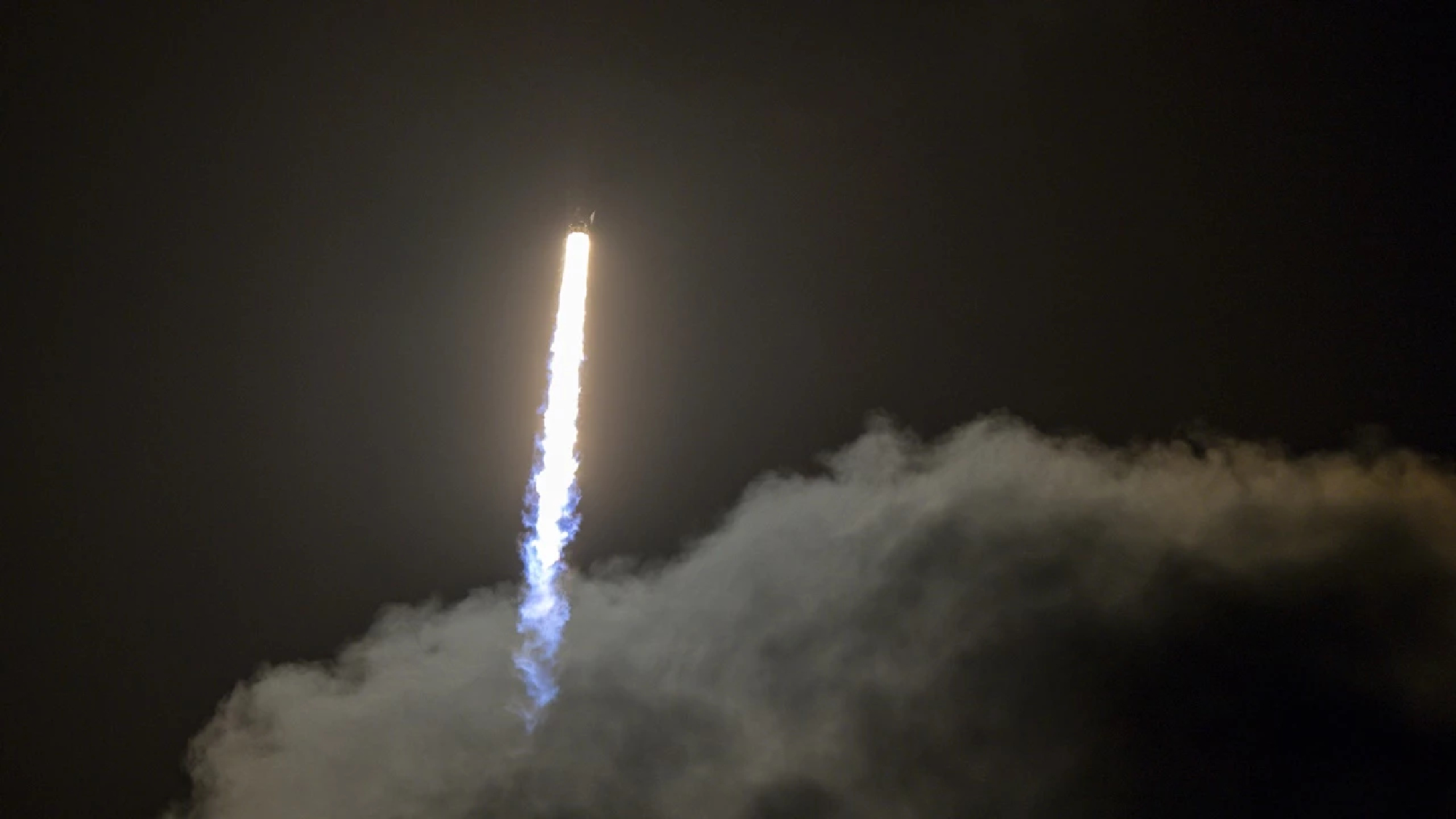
A pair of massive rockets, both more powerful than the Saturn V that flew the Apollo astronauts to the moon, are getting ready to fly in 2022. Those launches would mark the first significant steps in NASA’s Artemis program, which aims to return astronauts to the lunar surface by 2025 and create a campaign that would allow a permanent presence on and around the moon.
After years of development, and billions of dollars spent, NASA is finally gearing up to launch its Space Launch System rocket and Orion crew capsule, which are designed to return astronauts to the moon for the first time since Apollo. The first mission, known as Artemis I, is scheduled for March or April and would send Orion, without any crew on board, to orbit around the moon.
If all goes well, it would be followed by Artemis II, in May 2024, which would again send Orion to orbit the moon, but this time with astronauts on board. NASA hopes a crew would be able to land on the moon by 2025, but that would depend on the success of previous flight tests and SpaceX’s ability to get its Starship spacecraft up and running.
Over the past year, Elon Musk’s SpaceX has been moving feverishly toward the first orbital launch of Starship, the vehicle that won a $3 billion NASA contract this year to rendezvous with the Orion and transport NASA’s astronauts to the lunar surface.
Musk has said the company could attempt a launch in early 2022. Unlike the SLS, which would ditch its massive booster stage into the ocean after launch, Starship is designed to be fully reusable. After putting the Starship spacecraft into orbit, the Super Heavy booster would fly back to its launchpad where it would be caught by a pair of arms extended like chopsticks.
Earlier this year, the company attempted suborbital hops, where the spacecraft launched to an altitude of about six miles, belly flopped back to Earth horizontally, then righted itself and refired its engines before touching down.
Several of the landing attempts ended in fireballs. But in May, the company pulled off a successful landing, fueling Musk’s hope that the rocket could be used to transport people and cargo across the solar system.
“The overarching goal of Starship is to be able to transport enough tonnage to the moon and Mars,” he said in an interview with The Washington Post earlier this year. “And to have a self-sustaining base on the moon and ultimately a self-sustaining city on Mars.”
Ahead of an astronaut landing, NASA is planning to send science missions to the lunar surface. Those missions would also be carried out by contractors, hired by the space agency to deliver science experiments and technology demonstrations that NASA says would “help the agency study Earth’s nearest neighbor and prepare for human landing missions.”
The first would be by Intuitive Machines, a Houston-based company that is aiming to deliver science experiments in early 2022 and again later in the year. That second mission, to the south pole of the moon, would have a drill that would probe the lunar regolith for ice. Astrobotic, based in Pittsburgh, is also planning to deliver payloads to the lunar surface under the NASA contract.
Rocket Lab is also scheduled to launch a small satellite to the moon to serve as a precursor for human missions by testing the orbit for the space station, known as Gateway, that NASA hopes to send to the moon. Rocket Lab, which launches from its site in New Zealand, hopes to have its first launch from the United States in 2022 from the pad it uses at NASA’s facility on Wallops Island, on Virginia’s Eastern Shore.
It also plans to attempt to recover a booster next year. But unlike SpaceX, which flies the first stages of its rockets back to landing sites on the ground or ships at sea, Rocket Lab intends to catch its relatively small booster under a parachute with a helicopter.
2022 should also see the debut of a number of new rockets, including the United Launch Alliance’s Vulcan rocket, which would be used by the Pentagon to launch national security satellites. Relativity Space, which uses a 3-D printer to manufacture its rockets, plans to first launch of its Terran 1 vehicle from Cape Canaveral in the coming months as well.
Boeing also is looking to get back on track. 2021 was supposed to be the year it finally completed a test flight of its Starliner spacecraft, which is being designed to ferry NASA’s astronauts to and from the International Space Station. But once again it ran into trouble. At the end of 2019, the spacecraft suffered software problems, forcing the aviation behemoth to cut the test flight short. The spacecraft finally returned to the launchpad this summer, but never got off the ground.
This time, the company said the issue was hardware: 13 valves in the service module got stuck, forcing the company to bring the spacecraft back into its manufacturing facility. The company recently announced that it would have to swap out the service module. It’s now looking to attempt to launch again sometime in May. If that goes well, a launch with astronauts on board would follow.
The space station could see another new vehicle visit in 2022: Sierra Space’s Dream Chaser, a spaceplane that looks like a miniature version of the space shuttle. The company has been developing the winged vehicle for years with the hopes of one day flying astronauts. But for now, it has a contract from NASA to use it to deliver cargo and supplies to the space station. And it recently announced that it received a $1.4 billion investment that it said would help accelerate the program.
SpaceX’s Dragon spacecraft, which delivered two crews of astronauts to the space station in 2021, is slated to continue flying crews there in 2022. It also would fly at least one mission, chartered by Axiom Space, in which private astronauts who are paying $55 million apiece would spend a little more than a week on the station.
Jeff Bezos’ Blue Origin, which flew three trips to the edge of space in 2021, plans to fly six or more suborbital flights in 2022. (Bezos owns The Washington Post.) And Richard Branson’s Virgin Galactic is hoping to complete its test campaign and start offering commercial service on its suborbital spaceplane for paying space tourists.
While those flights go just past the edge of space to a few dozen miles high, NASA’s scientists and engineers will be focused on a far more distant destination, a million miles from Earth. There, the James Webb Space Telescope would begin to unfurl itself in delicate maneuvers after it was launched on Christmas Day on an Arianespace Ariane 5 rocket. NASA says there are 344 potential “single-point failures” and if anything goes wrong there is no way to send a repair crew.
But if it works, the telescope would be able to capture light from more than 13 billion years ago as the beginning of the formation of the universe.
The telescope has been called an Apollo moment for science and could start answering some of astronomy’s biggest questions about how the universe began.
“The whole point of this is to see the unseen universe,” John M. Grunsfeld, former head of science at NASA, recently told The Post. “James Webb will be able to see phenomena that Hubble can’t see, that ground-based telescopes can’t see. What are we going to discover that we had no idea was there?”
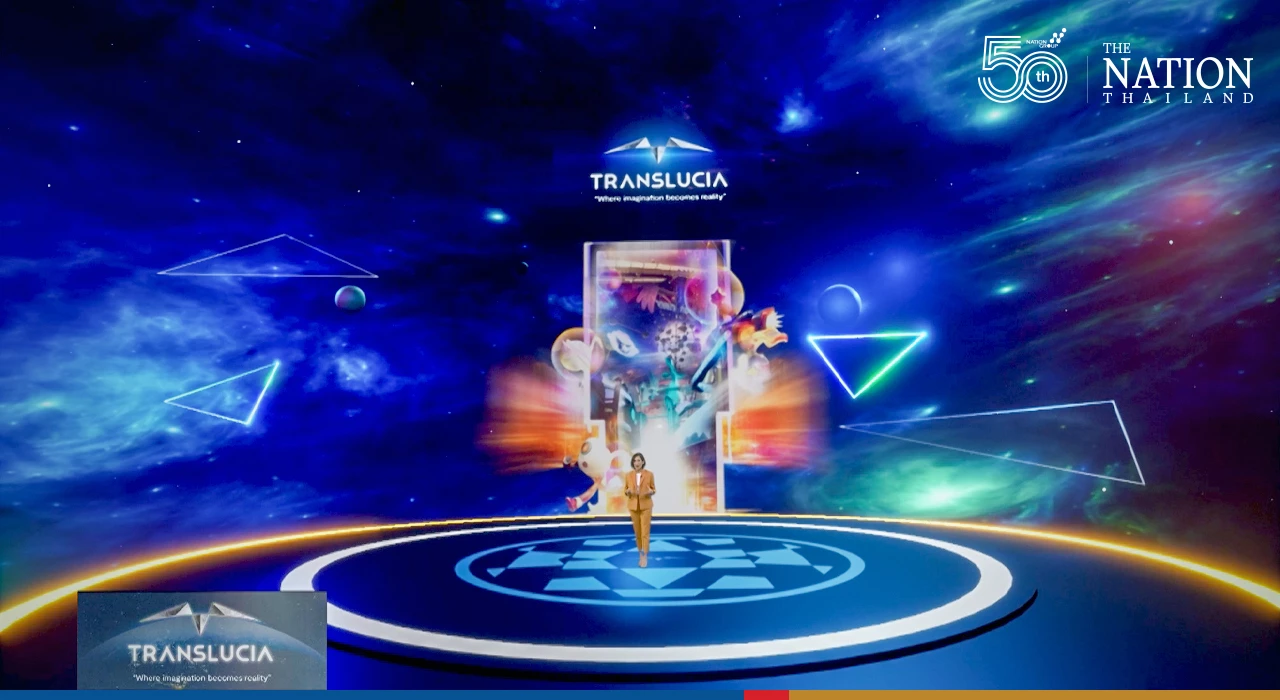
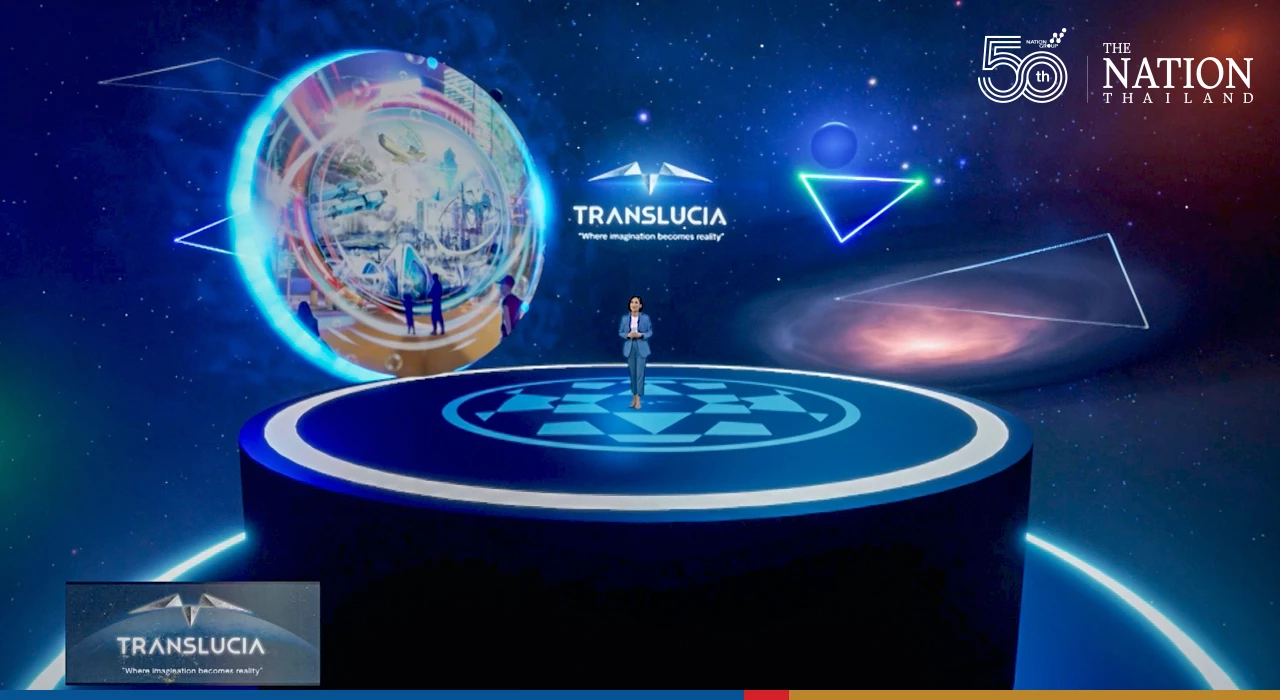
The Metaverse has unlimited potential to transform and disrupt every industry and human life, according to Metaverse Unlimited, Thailands first global online forum on the issue, organised by Translucia in Bangkok.
The new tech is expected to evolve changes impacting the pace of the economy, society, education, public health, and peace-making movement, said group of prominent futuristic world experts, including Cathy Hackl who is known as ‘The Godmother of Metaverse’, during the ‘Metaverse Unlimited’ forum held between December 15-16.
PP-Pat Pataranutaporn, a Thai Futurist and Graduate Research Assistant at MIT Media Lab, said the immersive potential of future tech can lead to where a single device can process, identify problems, find solutions, and produce a physical potion.
PP also suggests that artificial intelligence (AI) can help revolutionize education.
“Children can be taught by AI-generated historical figures, such as Albert Einstein and Harry Potter. The use of AI-generated characters would enhance motivation in online learning and offer students a tutor they have a connection to,” PP added.
Jeremy Bailenson, Founding Director of the Virtual Human Interaction Lab at Stanford University and a leading authority on virtual reality (VR) technology, said VR can positively lead to social development as it allows them to do things they can’t do in the real world.
“It changes the way you think about others,” Bailenson said, adding that VR is “a tool to help you rethink the world.”
David Bray, Principal at LeadDoAdapt Ventures and Distinguished Fellow at both the Stimson Centre and Atlantic Council, pointed out that Metaverse technology can be a tool to promote peace and solve social problems.
He added the Metaverse allows users to walk in another’s shoes and come to a greater understanding of issues facing people livings in different countries, such as inequalities, conflicts, and discrimination.
Cathy Hackl, Chief Metaverse Officer and CEO of The Futures Intelligent, said apart from online games, Metaverse can provide benefits in other forms of the entertainment industry, including branding and marketing, to push beyond the limits of the real world.
Hackl said the Metaverse should be a world for everyone, where all should play the role of builder, develop and effectively use.
“It is not just one technology, and it is not just one company,” she said, “In the Metaverse “no one should feel left behind.”
Speaking of the Metaverse in architecture, the future tech is also used in design to better serve residents’ demands. It also helps preserve cultural heritage, says Saenawee Chatameteewong, Co-founder & Computational Design Director of DesireSynthesis.
He explained that “man and machine” can co-author projects throughout the process from the beginning as the new tech allows the designer, homeowner, and constructor to walk through every detail of the house in the virtual world.
“Working within the Metaverse will lower the chance of misunderstanding between designer, homeowner and builder, leading to high efficiencies in managing project and cost control,” he said,
Saenawee added that he envisions a future where traditional craftsmanship can be encoded and preserved in the Metaverse, allowing future generations to better understand Thailand’s cultural history.
Shajay Bhooshan, Associate Director of Zaha Hadid Architects, stated the expanse of the Metaverse will allow architects to build sustainable, user-friendly buildings and cities that protect and enhance the physical world.
Bhooshan added that property developers can tap into the 3 billion-strong gaming community to promote responsible architecture and get people to rethink how they view cities.
Dr Karndee Leopairote, Executive Vice President at FutureTales Lab by Magnolia Quality Development Corporation (FutureTales Lab By MQDC) and Foresight Researcher at Metaverse Unlimited forum, said Dr Jwanwat Ahriyavraromp, CEO and Founder of T&B Media Global (Thailand) and Translucia Metaverse, envisions Translucia as the bridge between the real and virtual worlds.
She added that this vision could drive positive impacts that matter to all by balancing society and the business economy in line with Translucia’s initiative “At Translucia Metaverse, all imaginations will become true.”
Interested people can watch the online forum here.
BALTIMORE – NASAs revolutionary James Webb Space Telescope is hurtling away from Earth and toward deep space on a long-awaited, high-risk mission that, if successful, will look deeper into the cosmic past than any telescope before.
The Webb blasted off Christmas morning from the European Space Agency’s spaceport in Kourou, French Guiana, on South America’s northeast coast, and early reports from NASA suggest the mission is going swimmingly.
This is, however, an unusually difficult mission involving an extraordinarily complicated instrument, and in the coming days and weeks the telescope will have to transform itself through a series of hardware deployments, each of which is critical to the telescope’s ambitious astronomy.
Though relieved by the successful launch, NASA deputy administrator Pam Melroy acknowledged what everyone involved with the Webb knows: “We have some scary days ahead.”
That NASA chose to forge ahead with a Christmas launch was a sign of how seriously the agency and the global scientific community takes this $10 billion mission, the long-delayed successor to the Hubble Space Telescope. Officials had challenging discussions about launching on a holiday, and amid the rapid spread of the omicron coronavirus variant but decided to go on the first possible day, which after two technical problems and one weather delay turned out to be Dec. 25.
Melroy put a positive spin on it: “It’s not bad that it’s happening on Christmas Day, which should be a day of hope and inspiration.”
The telescope left Earth in a folded position, fully enveloped in the cone of Arianespace’s heavy-lift Ariane 5 rocket, which rolled to the launchpad Thursday. Less than half an hour after launch, it separated from the final booster and was traveling at 22,000 miles per hour, “flying on its own in coast phase,” as NASA put it.
Early reports indicated that everything was “nominal” – precisely the space-jargon term that the thousands of people who have worked on the mission were hoping to hear on launch day.
“It was a perfect ride to orbit,” announced Rob Navias, NASA’s launch commentator.
The separation from the final booster provided a stunning – and, for humanity, probably the final – view of the Webb. A camera on the upper stage of the rocket captured the rear end of the Webb receding, with the Earth on the right side of the frame. Then came a critical deployment – solar arrays jutting from the spacecraft, gleaming brilliantly in full sun and ensuring the telescope will have power out there in the void.
“There it is. There is your critical call. James Webb not only has legs, it has power,” Navias said. “Quite a Christmas present for the world’s astronomers.”
At a news conference in Kourou after the successful launch, NASA science chief Thomas Zurbuchen highlighted that image of the telescope receding into space: “For me that picture will be burned into my mind forever.”
The launch and the deployment of the solar arrays was greeted with cheers at the Space Telescope Science Institute in Baltimore, where officials, industry executives and a smattering of journalists gathered in the institute’s auditorium to watch events on a big screen. Upstairs, in the high-security Mission Operations Center – which took over the mission after the launch team in French Guiana concluded its task – the outcry of joy among the engineers and technicians was intense enough to send a rumble through the building.
“My feet have stopped tapping,” planetary astronomer Heidi Hammel, who could not bear to sit down during the launch, said in the institute cafeteria as the Webb flew through space. “It’s all calming down now, and I’m starting to breathe normally.”
More drama is coming, though.
“I want to hear that the covers open on the sun shield and then that the sun shield starts to deploy properly,” Hammel said. And then there’s the less-heralded “secondary mirror,” which has to protrude properly to bounce light from the telescope’s main mirror down through the center of the telescope.
“The secondary mirror has to deploy, otherwise there’s nothing,” Hammel said.
The launch date had been Dec. 18, but a technical mishap at the spaceport – a large clamp coming loose and jostling the telescope – required a four-day delay to ensure that nothing had been damaged. Another glitch with an essential cable delayed the launch for two days, to Dec. 24. Then came the one-day weather delay. Christmas morning dawned cloudy but without storms, and the launch proceeded without a hitch, at 9:20 a.m. local time in Kourou – 7:20 a.m. in Baltimore.
The predawn streets and elevated highways of Baltimore were empty, but by 6 a.m. the Space Telescope Science Institute was bustling. Some news media and scientists dropped out in recent days as the omicron variant spread, and so the hoopla was limited. Visitors were handed KN95 masks and told to take rapid coronavirus tests.
Saturday morning’s prelaunch event at the institute began with remarks by Webb team members, including representatives of Europe’s and Canada’s space agencies, partners in the mission. The speakers emphasized the telescope’s potential to answer fundamental questions about the history of the cosmos.
“Look farther, delve deeper and measure more precisely, and you’re bound to detect something new and wondrous,” said Kenneth Sembach, director of the telescope institute. “It is a gift to everyone who contemplates the vastness of the universe.”
Melroy echoed that: “When we see things with a new lens, we gain new knowledge and new perspectives that can change fundamentally how we see the universe and how we see ourselves.”
The rocket will send the telescope far beyond Earth’s gravity well, and into a gravitationally stable position known as L2, where the telescope will orbit the sun and remain roughly a million miles from Earth on the opposite side of our planet from the sun.
The journey to L2 will take about 29 days. Along the way, the Webb will undergo course corrections and a series of critically important deployments of its hardware, including a sun shield the size of a tennis court.
After the sun shield opens up, NASA will send a command from Earth to unfold 18 gold-plated, hexagonal mirrors, which together will function as a 21-meter light bucket, nearly three times the diameter of the Hubble’s mirror.
This is a novel design, driven by ambitious scientific objectives.
NASA and its partners must overcome 344 potential single point failures, according to an independent review board. That list began with launch, although the Ariane 5 has an excellent track record.
Zurbuchen, who was in French Guiana for the launch, said last month that the agency has tested the telescope and its instruments thoroughly.
“We’ve gone through every systematic analysis that we can think of,” he said.
The Webb, named for NASA’s administrator at the height of the 1960s Space Race, traces its scientific roots to the 1980s, and has been under development since the mid-1990s. It has struggled through multiple delays, and survived one congressional attempt to terminate the mission as its cost soared.
“It’s been a long road, as many of you know, to get where we are. Even so, we planned such a revolutionary telescope that it has stood the test of this time,” Hammel said Thursday during a NASA science webinar on the goals on the mission.
The Webb is an infrared telescope, capturing wavelengths outside the spectral range of the Hubble Space Telescope. With the sprawling sun shield protecting it from the sun’s heat, and with additional help from cooling devices, the Webb will take advantage of extremely cold temperatures, below minus-370 degrees Fahrenheit.
It is designed to see the oldest stars in the universe and scrutinize the formation of the earliest galaxies. It will also study the atmospheres of exoplanets that orbit stars in our galaxy.
It can even look at nearby neighbors, such as Jupiter – where scientists still want to know why the Great Red Spot on the planet is red, Hammel said. Two other targets are Jupiter’s intriguing moon Europa and Saturn’s moon Enceladus, both of which have geysers believed to signal the presence of subsurface oceans.
“If we can put our beam there and detect organics in this plume material that may give us clues to the habitability of subsurface oceans,” Hammel said.
It will take about six months for NASA and its partners to fully commission the telescope and begin delivering the promised images from deep space. In addition to the well-publicized challenges of deploying the sun shield and the mirrors, the spacecraft has to cool itself to extremely low temperatures. The individual mirrors can be adjusted to achieve the kind of resolution that should make the Webb roughly 100 times more powerful than the Hubble.
So a lot of work is still ahead – but Saturday was a giant leap for a telescope that at times looked like it might never get off the ground.
“Tens of thousands of people have committed over 20 years or more on a single project,” Matt Mountain, an astronomer who is part of the team that designed the telescope, said at the telescope institute just minutes before launch Saturday. “And why? Why have they committed this time? We solve incredibly hard problems. It’s part of the human spirit. We’re curious. We explore.”
Huawei offers leading Smart PV industry solution harnessing more than 30 years of expertise in digital information technology.
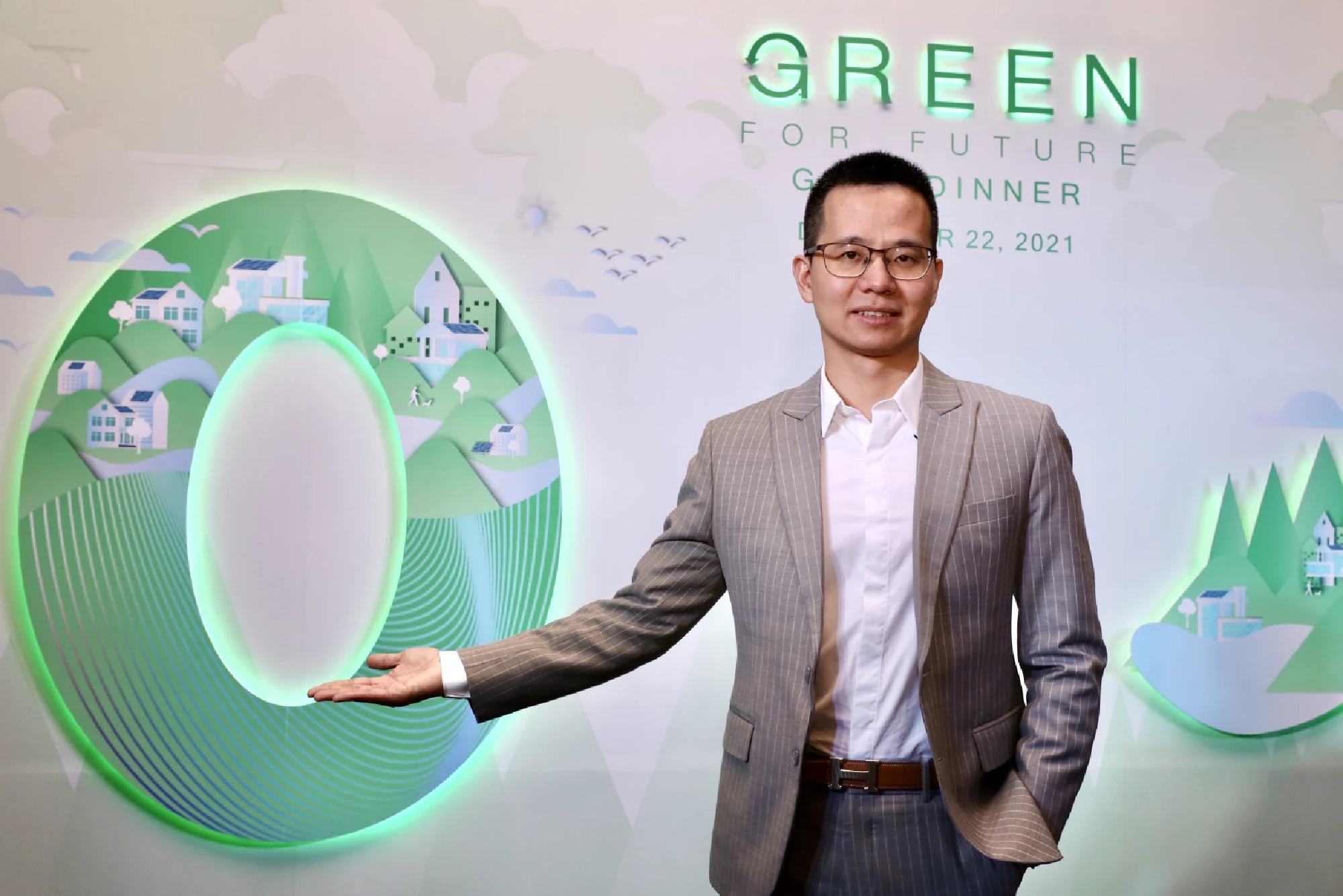
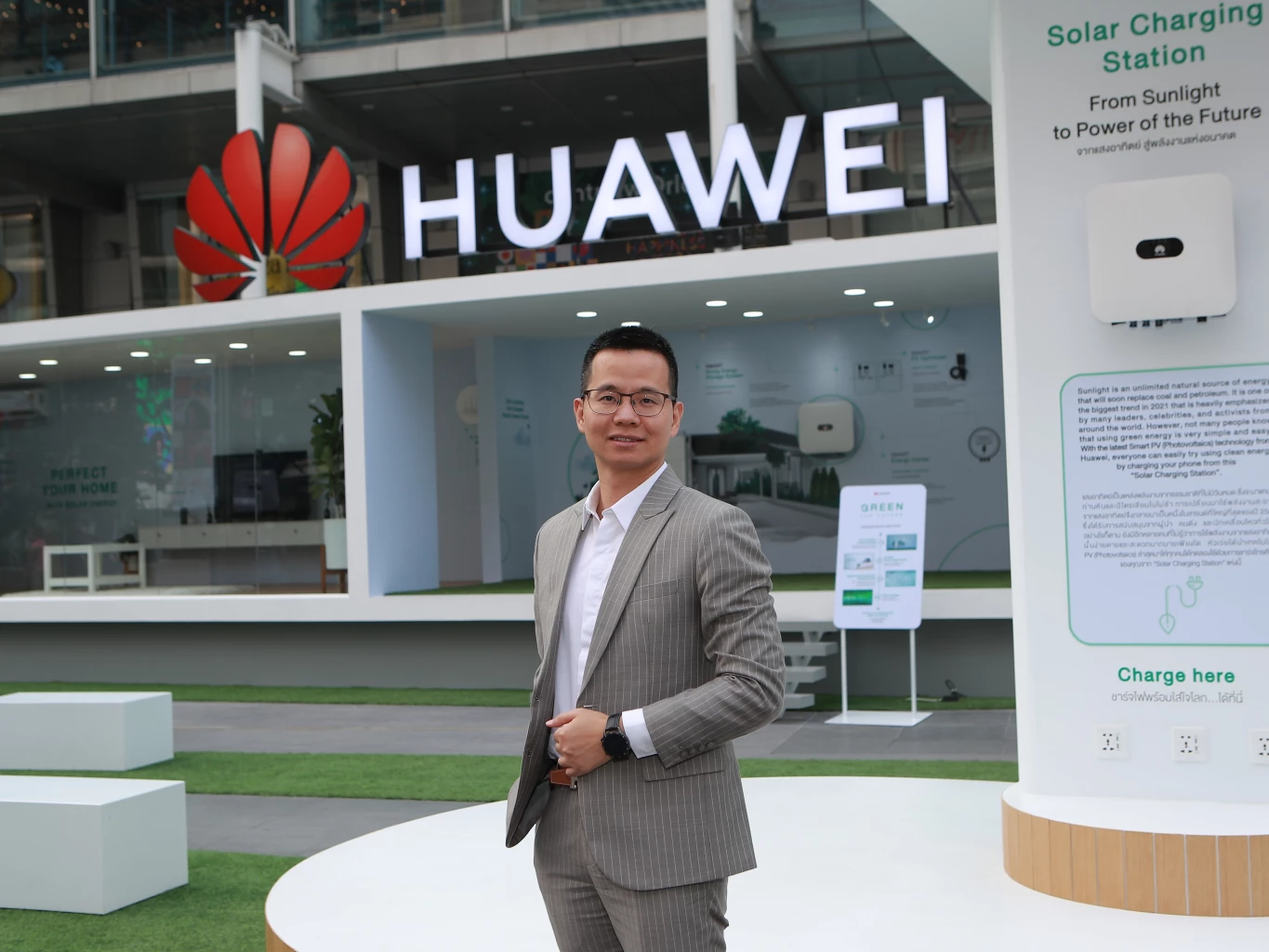
Huawei Digital Power is enabling the clean energy transition in Thailand at “Green for Future” event, with regards to the energy policy by the Ministry of Energy (Thailand), while unveiling its new Huawei FusionSolar Residential Smart PV (photovoltaics) solution to provide cost-efficient and eco-friendly residential power generation.
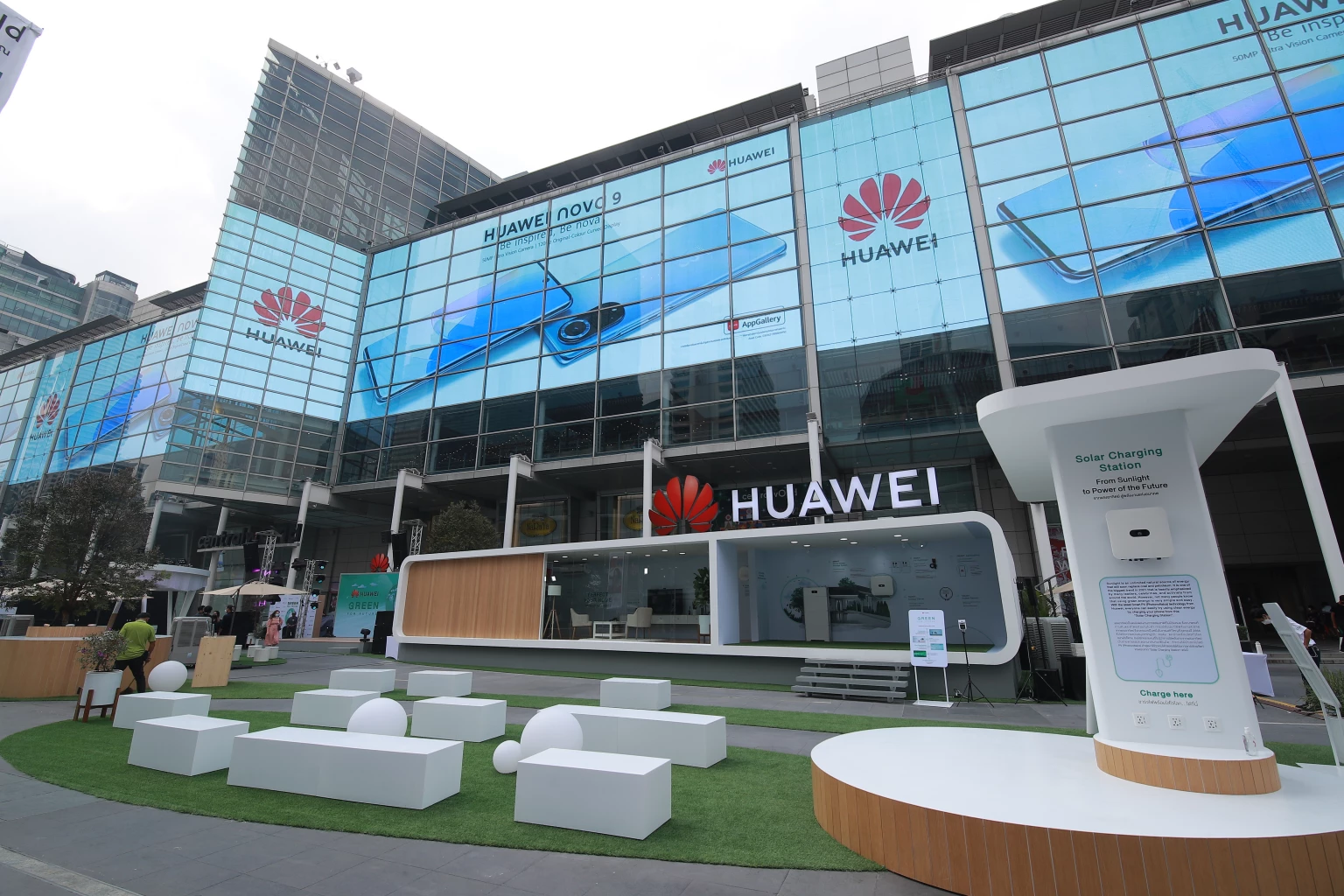
At United Nations Framework Convention on Climate Change Conference of the Parties: UNFCCC COP (COP26), Thailand has announced its commitment to the climate change issue as the main priority. Huawei Digital Power Business, Huawei Technologies (Thailand) Co., Ltd. complies to that commitment by hosting the “Green for Future” opening event at the Exhibition Stage in Central World, as well as the launch of the latest Huawei FusionSolar Residential Smart PV solution. The event is also in response to the Ministry’s policy to support clean residential energy production and usage.
Mr. Abel Deng, Chief Executive Officer of Huawei Technologies (Thailand) Co., Ltd., said at the collaborative launch that “Facing different uncertainties and opportunities, digitalization and low-carbonization are the two mostly embraced consensuses worldwide. According to UBS estimates, in the next ten years, global energy transition investment will reach 50 trillion USD. Thailand is ahead of many countries in both digitalization and low-carbonization, thanks to the expertise of MOE and Thai government who proposed the visionary 2050 carbon neutrality roadmap. Towards this inspiring goal, household photovoltaics play a crucial role and Thailand probably has the greatest potential to develop household green electricity, with more than 1,500 hours of sunshine annually, and over 80% of its households are single-built households. As a leading ICT partner and digital transformation enabler, we are committed to empowering Thailand as ASEAN’s Carbon Neutral Leader. With our leadership in world’s leading home green power solutions, Smart PV, Site power etc. We will work with governments and industry partners to make our planet a better place and bring digital to every person, home and organization for a fully connected, intelligent and low-carbon Thailand.”
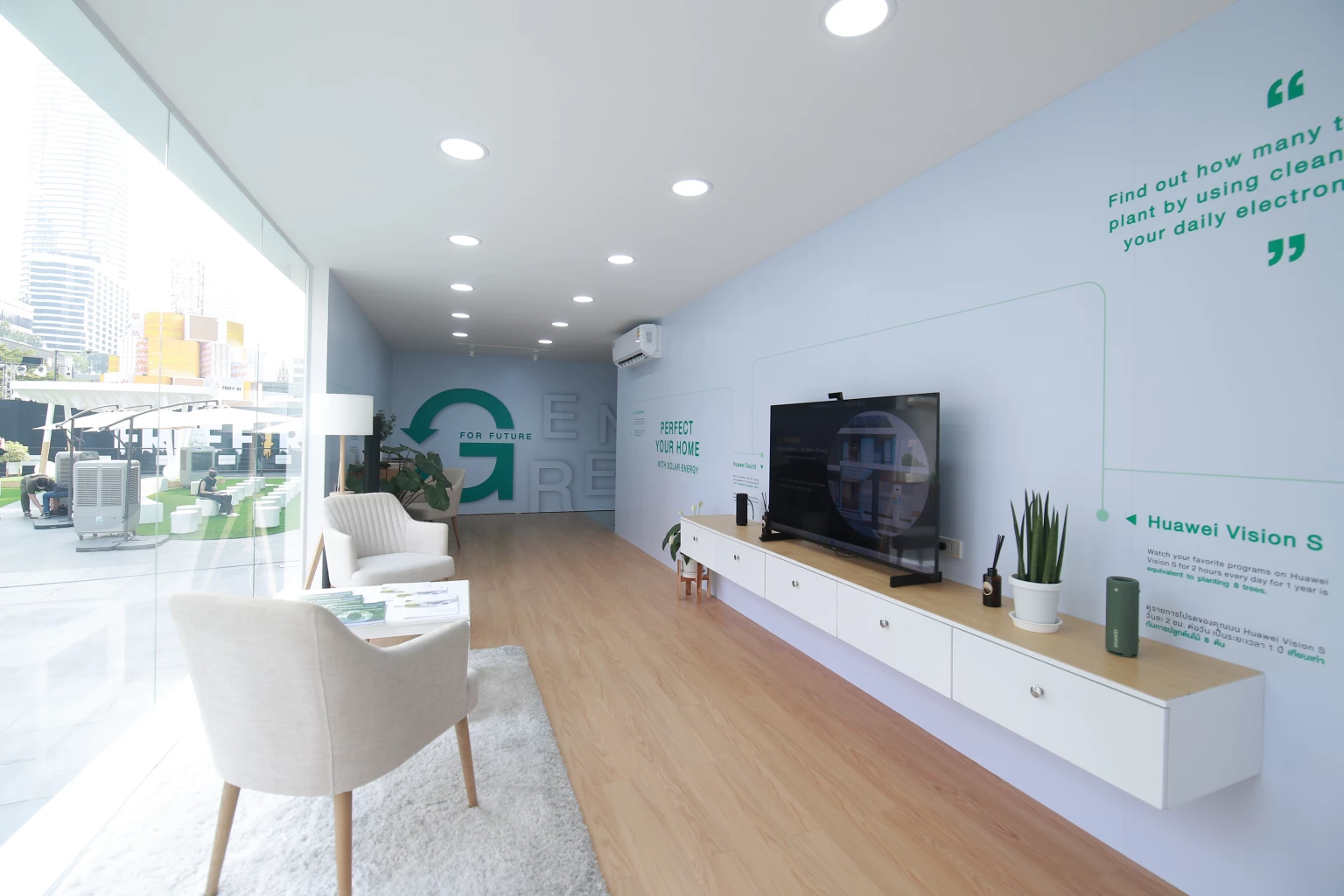
During the Opening Ceremony Gala Dinner, Mai Davika Hoorne also joined the event and was appointed by Huawei to be an official presenter for the solution in order to promote and build greater awareness of Huawei FusionSolar Residential Smart PV solution, for Thai households. The exhibition highlighting innovation and technology of digital power including Huawei FusionSolar Residential Smart PV solution will be also displayed to customers, partners and public, until December 25th, 2021, at Central World.
“The next-generation of Huawei FusionSolar Residential Smart PV solution launched today will turn household rooftops into a power plant to generate clean energy that families can enjoy at all times. Huawei integrates innovative technologies such as AI and Cloud to ensure its latest solution is highly efficient, safe, and reliable – meaning users no longer have to worry about power outages while enjoying an affordable and eco-friendly lifestyle that contributes to the transition towards sustainable energy. The solution is a part of Huawei Green Home which is the innovation of solar cells that help you store energy to consume in your house and help you reduce the emission of Carbon dioxide, absorbing solar power, and generating clean energy,” said Mr. Abel Deng.
He further highlighted the Huawei FusionSolar Residential Smart PV solution product suite’s four key devices:
• LUNA2000 String Energy Storage System (ESS) to store excess energy produced by the rooftop solar panels for uninterruptible power supply to use during day and nighttime at home
• SUN2000 Smart Energy Controller as the heart of the system to convert DC power from solar panels to AC power for household consumption
• A built-in Smart PV Optimizer Optimizer / Smart Module Controller to turn traditional modules into Smart PV modules
• FusionSolar Application enables users to control the renewable energy at their fingertips from anywhere, as well as monitor the power consumption.
Huawei offers leading Smart PV industry solution harnessing more than 30 years of expertise in digital information technology. Huawei integrates AI and Cloud with PV for optimal power generation, ensuring highly efficient, safe, and reliable performance with Smart O&M and Grid Supporting capabilities that build the foundation for solar power to become a main energy source for the future. In addition, Huawei has also launched a variety of advanced solutions for residential customers based on the ‘Optimal Electricity Cost and Active Safety’ concept. By improving the utilization of solar power, Huawei has helped to power millions of residents and hundreds of industries globally as Huawei believes that your everyday life can save the world and Huawei Green Home believes in Green for Future. And the company will continue to innovate and enable renewable energy to empower each individual, home, and organization.
WASHINGTON – Auto safety officials are probing Tesla over reports that video games came be activated on the front touch screens while the cars are being driven, according to an investigation summary posted online this week.
The National Highway Traffic Safety Administration opened the investigation, referred to as a preliminary evaluation, into an estimated 580,000 vehicles Tuesday. Officials expressed concerned that the features “may present a distraction to the driver.”
“This [evaluation] has been opened to evaluate the driver distraction potential of Tesla ‘Passenger Play’ while the vehicle is being driven,” the report said, referring to the name of the feature. Investigators “will evaluate aspects of the feature, including the frequency and use scenarios of Tesla ‘Passenger Play.'”
The office said the issue is present in Tesla Models 3, S, X and Y and that gameplay has been available to drivers since December 2020. Games range from solitaire to more advanced titles.
“Prior to this time, gameplay was enabled only when the vehicle was in Park,” the report said.
The probe brings a new measure of scrutiny to Tesla’s tech-packed cars, rooted in mounting safety concerns: that drivers making use of the features will take their eyes off the road and cause crashes or worse. The agency is also investigating the company’s Autopilot driver-assistance system over reports of a dozen crashes involving parked emergency vehicles while the system was activated. And NHTSA also over the summer began requiring companies such as Tesla and deployers of autonomous vehicles to report on crashes involving their systems within a day of learning of such incidents.
NHTSA’s statements on the video game issue tied back to the concerns about abuse of automated systems.
Tesla has two driving functions that minimize interaction from drivers, although they are supposed to be paying attention at all times. One, Autopilot, is in wide use to control cars primarily on highways, while so-called Full Self-Driving is in use by thousands of drivers in beta mode on city and residential streets.
The New York Times reported on Tesla drivers’ ability to play video games while driving earlier this month. Tesla did not immediately respond to a request for comment.
“NHTSA based its decision on reports that Tesla’s gameplay functionality is visible from the driver’s seat and can be enabled while driving the vehicle,” agency spokeswoman Lucia Sanchez said, while noting that “no commercially available motor vehicles today can drive themselves.”
Her comments reflected the prospect of increased scrutiny as Tesla pushes technology it dubs Full Self-Driving into the cabin, a driver-assistance feature that helps navigate the vehicles on city and residential streets with an attentive driver at all times.
“Certain advanced driving assistance features can promote safety by helping drivers avoid crashes and mitigate the severity of crashes that occur, but as with all technologies and equipment on motor vehicles, drivers must use them correctly and responsibly,” she said. “NHTSA is empowered with robust enforcement tools to protect the public, investigate potential safety issues, and we will act when we find evidence of noncompliance or an unreasonable risk to safety.”
Tesla has tried to make video games part of the vehicle experience, as CEO Elon Musk has sought to put some of the cars’ computing power toward immersive experiences. In a job posting for a games engineer on its website, the company boasts about its ambitions.
“Our goal is to set the bar for what video games in a car can be; much of this is uncharted territory having never been done before,” the company wrote.
Daisin is one of Thailands leading publicly-held aluminum vehicle parts manufacturers and in the Top Ten of production capacity in Thailand.
Daisin is one of Thailand’s leading publicly-held aluminum vehicle parts manufacturers and in the Top Ten of production capacity in Thailand. With a sales volume of approximately THB 6 billion per year, 52% of Daisin’s income comes from the motorcycle parts industry, 36% from the auto parts industry, and another 8% from parts production for other industries such as agricultural engines, and multipurpose engines.
For more than 42 years, Daisin has manufactured parts essential to both domestic and overseas customers, creating stability for the Thailand industrial sector by championing international quality standards.
Mr. Thanin Leegomonchai, President of Daisin Co., Ltd. stated, “As a manufacturer of auto parts for over 42 years leading up to the current COVID-19 crisis, we’ve now seen the importance of technology and automation that has led us to adapt with ‘Smart’ factories.”
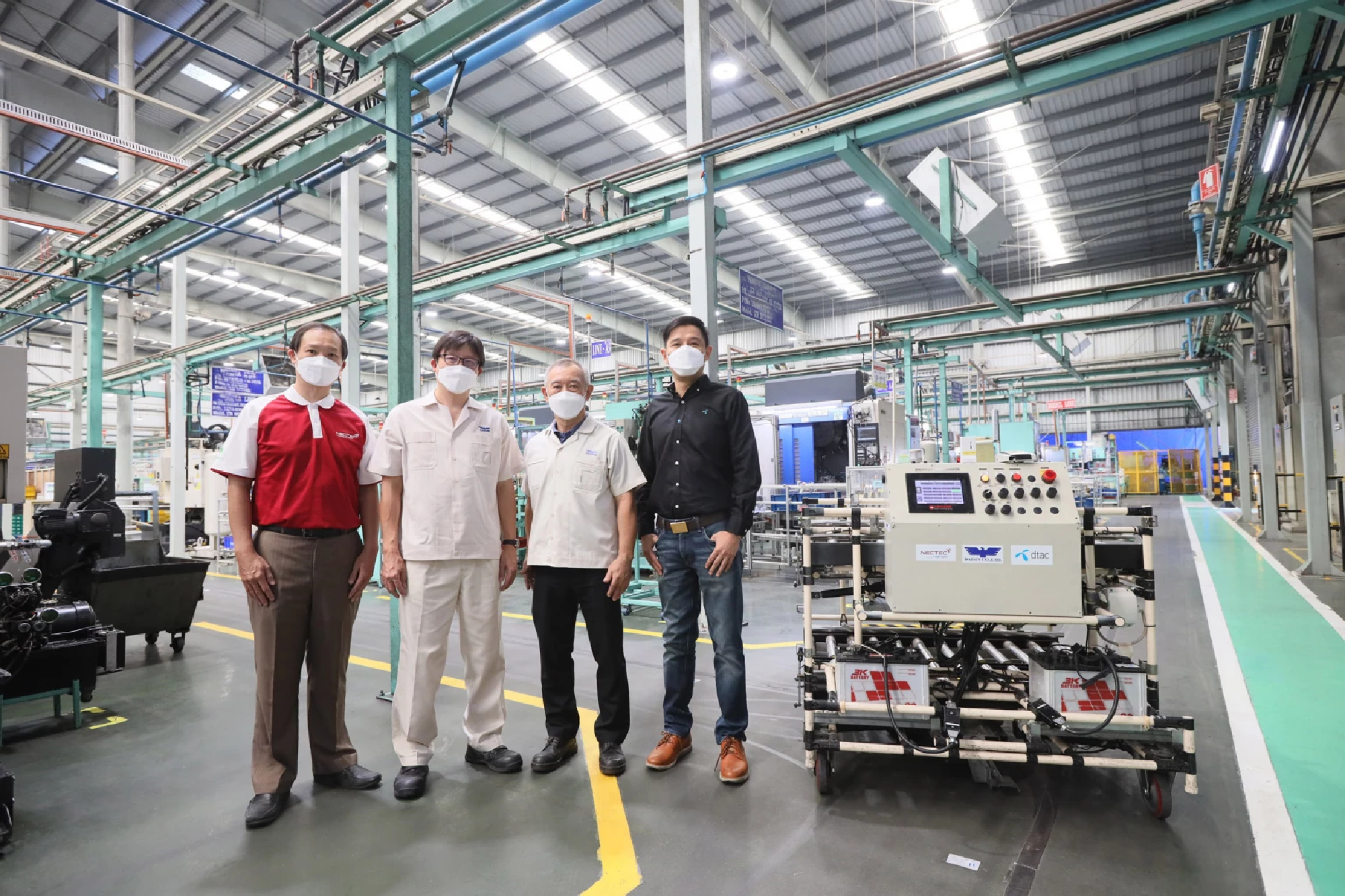
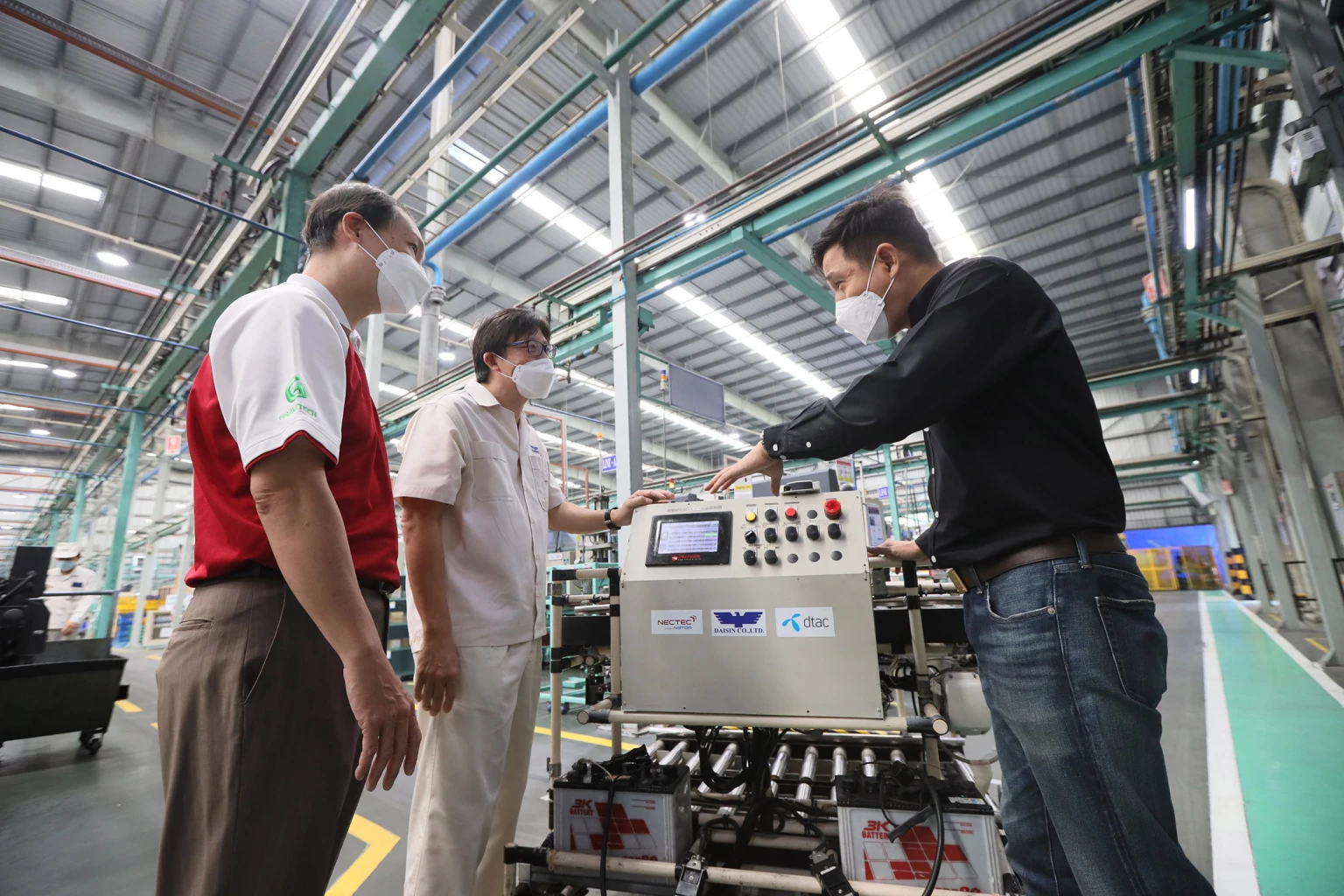
“This cooperation between NECTEC NSTDA and dtac is our first step in utilizing 5G to eliminate pain points in the manufacturing process. AGVs (Automated Guided Vehicles), can deliver parts during the production process, but cannot be accurately controlled. Specifically, keeping track of their location manually by staffs causes a loss of production time. This presents extra costs in transporting parts within the factory. It’s important to work this out because it can also present a danger from improper transportation”, Mr. Thanin said.
At the heart of the production process, Daisin has AGVs, or part transportation, that can be routed, then stopped by magnetic strips, but are limited to this activity. It has an adverse effect on production targets. If you want a real-time tracking system which increases map routing accuracy in delivery, the traditional AGV can no longer meet these production process requirements. This is especially true in the era of high competition with the need to reduce production-to-market times. Innovation will reduce costs, especially with accelerated production during the epidemic crisis when we need to make use the most of digital platforms and 5G.
Therefore, a 5G solution that can transmit and receive accurate data in real-time will meet the needs of smart factories with automatic controls and sensors using the Internet of Things (IoT) format. This can be developed to communicate with other IoTs and can send data to the cloud to provide data analytics, fully supporting Big Data in a digital environment. Daisin’s AGVs will have a dtac SIM installed to transmit 5G signals to the platform, precisely conveying parts to each production process. No time is wasted on surveillance tracking.
The location-tracking system used in this collaboration is the result of the LAI (Automatic Identification and Indication System) research team of NECTEC’s NSTDA, also known as the “UNAI”, or “Where are You” platform. This has been incorporated to send AGV’s current location and status information through dtac’s 5G network to the platform’s servers. An Internet of Things (IoT) network uses AGV electronic devices to link or transmit data via 5G. This enables the Daisin team to optimize the use of AGVs and to use the data to determine the number of cycles running in the production process via dtac’s 5G network.
Dr. Panita Pongpaibool, Deputy Executive Director at the National Electronics and Computer Technology Centre (NECTEC NSTDA) said, “We recognize the importance of 5G network technology as a potential tool to drive Thai industry to be more competitive. We see the country’s industrial sector as needing to adapt to the Industrial Age 4.0. Otherwise, it will not be possible to compete on the world stage. Digital technologies such as 5G, the Internet of Things, Big Data, and Artificial Intelligence must be introduced at the very beginning.”
“Entrepreneurs may not be confident in investing in technology, so NECTEC NSTDA joins with partners such as dtac to support operations to demonstrate the benefits and value of investing in technology. Hopefully, this will have an impact on factories in similar industries. For budgets used in conducting 5G use case trials for a smart factory, NECTEC NSTDA is supported by the Broadcasting and Telecommunications Research and Development Fund for Public Interest.”
Mr. Krit Prapatsakdi, Head of Enterprise Sales Division at Total Access Communication PLC or dtac said that according to data from Krungsri Research, in 2021-2022 domestic automotive production is expected to recover with an average increase of 3-4% per year, in line with the global automotive manufacturing industry.
This partnership with Daisin and NECTEC NSTDA is to further 5G technology to go beyond leveraging the use of existing production machinery systems through network leadership to using real-time data and developing it through the use of artificial intelligence. With the use of 5G technology to help manage huge amounts of data in analytics, this leads to innovation in business and economic development like never before. In this 5G use case, dtac has the opportunity to work with Daisin and NECTEC NSTDA in developing a prototype smart factory to facilitate the continued development of other factories in Thailand.









 At the heart of the production process, Daisin has AGVs, or part transportation, that can be routed, then stopped by magnetic strips, but are limited to this activity. It has an adverse effect on production targets. If you want a real-time tracking system which increases map routing accuracy in delivery, the traditional AGV can no longer meet these production process requirements. This is especially true in the era of high competition with the need to reduce production-to-market times. Innovation will reduce costs, especially with accelerated production during the epidemic crisis when we need to make use the most of digital platforms and 5G.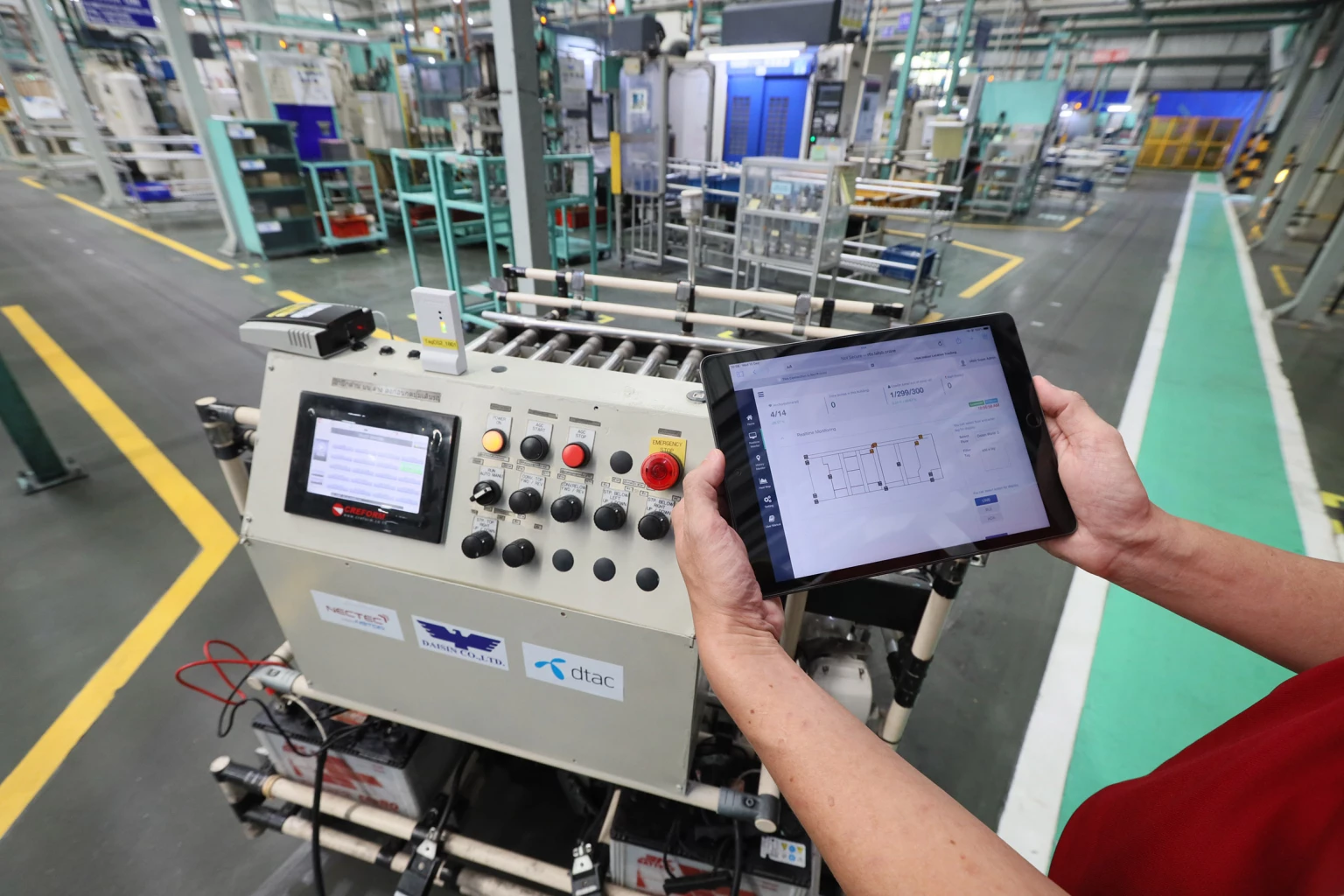
 SootinClaimon.Com