Baan Sapan: a tranquil northern vaccine for lockdown fever #ศาสตร์เกษตรดินปุ๋ย

#ศาสตร์เกษตรดินปุ๋ย : ขอบคุณแหล่งข้อมูล : หนังสือพิมพ์ The Nation.

Baan Sapan: a tranquil northern vaccine for lockdown fever

Jun 16. 2020

By Thanachai Sangchan
Special to The Nation

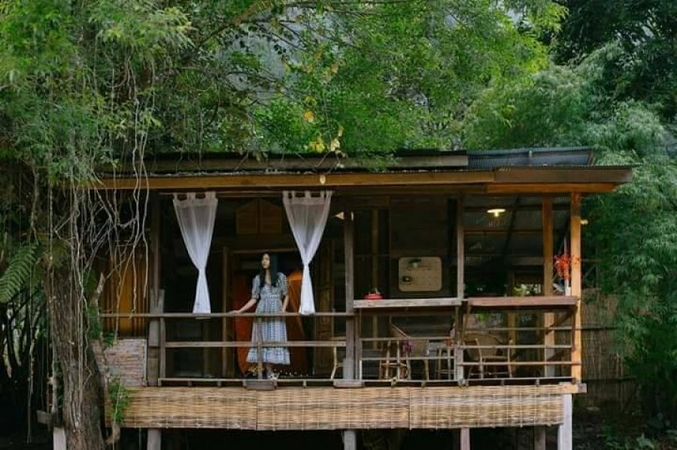
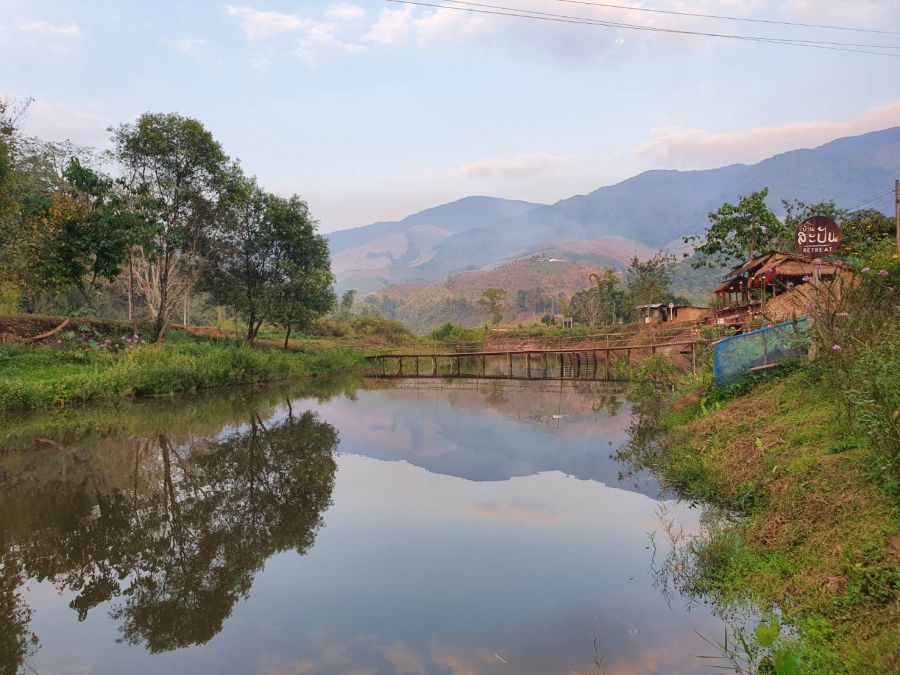
Caged like tigers in our homes for months, many of us are craving wide open spaces and natural surroundings. One powerful cure for lockdown fever is Baan Sapan in Nan province, a small village nestled in a forested northern valley of pure air and pristine rivers.

This area was once carpeted in cornfields, which damaged the ecosystem and sucked up natural resources. But the village has now turned to homestay-style tourism as a sustainable way of earning money, supplementing farming revenue while keeping its fascinating traditions alive.

The tranquil and secluded atmosphere is perfect for reading a book, or just tuning yourself to the natural rhythms of trees and river. Choose to sleep in a tent under the stars beside the river, and you will be sung to sleep by the wind and the splash of water on stones. Next thing you know, sunlight and the smell of coffee will be poking you out of your slumber.

There are more places to stay in the foothills, where the valley views are truly spectacular.

Buncha Ruenmanee, manager of the Baan Sapan Retreat, says the vistas are most beautiful in February, when the black sky is strewn with bright stars and visitors wake to the sight of mountains poking from blankets of mist.
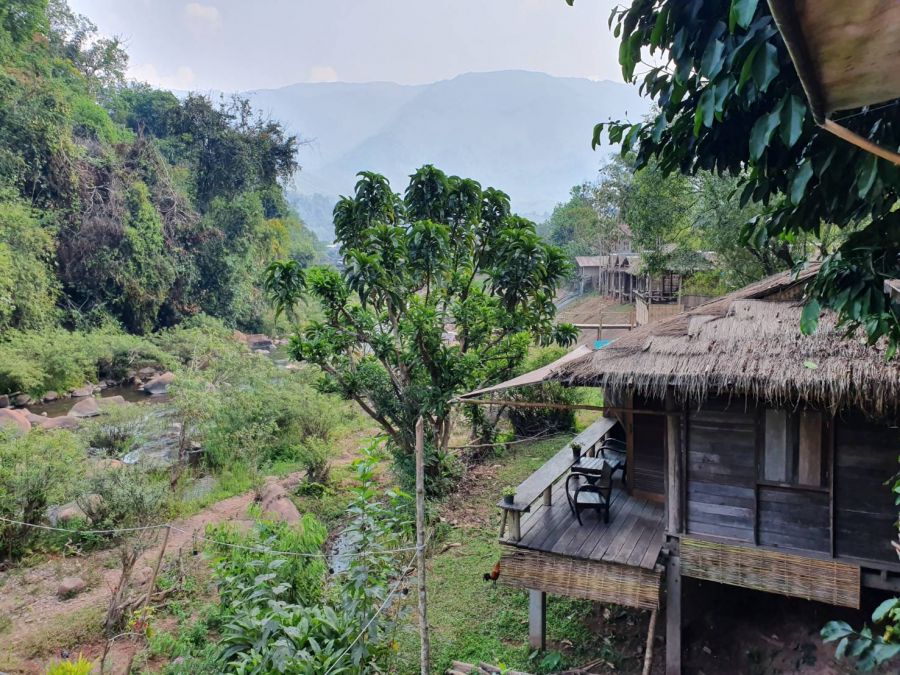
Between May and June, the valley is dyed bright green as the rainy season arrives in Thailand.

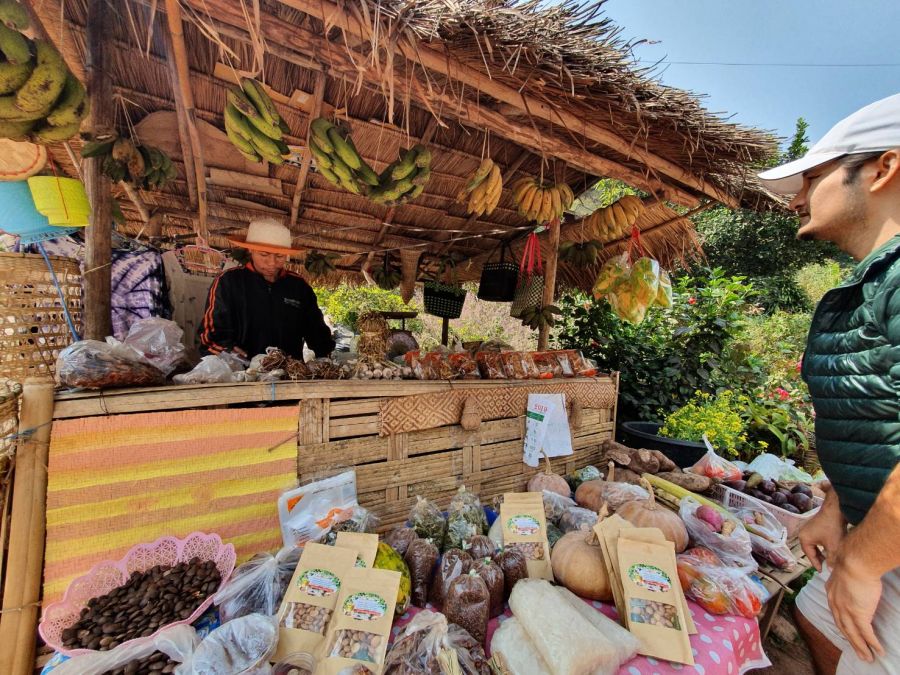
Amid this serene atmosphere, the village comes to life each morning on traditions that are centuries old. Locals gather at the market to choose meat, vegetables and fruit that traders bring in from the city. The shopping expedition is also a chance to swap the latest village gossip, which brings smiles and laughter all round.

This friendliness is a rare sight in Bangkok and other big cities, and the locals are generous enough to share it with travellers and passersby.

Villagers here see nature as the most important thing in their lives, while money is only secondary. The small tourism industry in the village allows new-generation residents to maintain that age-old harmony by staying in the village instead of leaving to work in a big city.

Methawat Bhuddhathadakul, the chief of Dong Phaya sub-district where Baan Sapan is located, says whole valleys in Nan province have been stripped of trees to make way for maize fields. An estimated 900,000 rai of forests had been felled for maize cultivation in 2010, but that destruction has accelerated in the past 10 years.

This commercial agriculture has taken a severe toll on natural resources. In the rainy season, soil once stabilised by tree roots is now being washed away into rivers and streams. In summer, forest fires shroud the valleys in a smog that chokes villagers and maize growers alike.

Locals are now collaborating with the government to solve these problems.

“The destruction of nature is not an individual problem but a problem for everyone,” said Methawat. “We must preserve the precious resources that nature gives us, so we can pass them on to our future generations.”

For those inspired to travel by this column, please don’t forget to stay on your guard against the Covid-19 virus.

Thai Vietjet announces 5 new routes with fares “as low as Bt5” #ศาสตร์เกษตรดินปุ๋ย

#ศาสตร์เกษตรดินปุ๋ย : ขอบคุณแหล่งข้อมูล : หนังสือพิมพ์ The Nation.

Thai Vietjet announces 5 new routes with fares “as low as Bt5”

Thailand

Jun 15. 2020

By The Nation

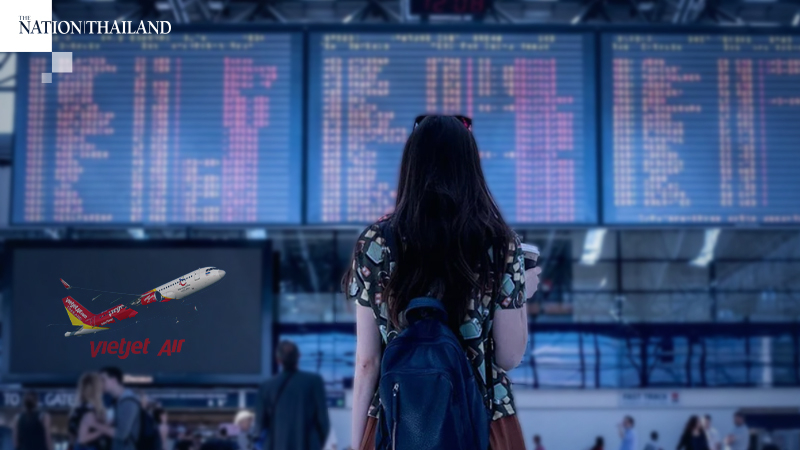
Viet jet has opened five new routes in Thailand connecting Bangkok (Suvarnabhumi) with the top tourism and cultural destinations of Hat Yai, Khon Kaen, Nakhon Si Thammarat, Ubon Ratchathani and Surat Thani, the airline announced today (June 15).

In celebration of the new routes, more than 500,000 promotional tickets priced from only Bt5 (excluding taxes and fees) are being given away for five days – from today until June 19 – between 12:00 and 14:00 via website http://www.vietjetair.com for travel from July 1 to December 31, 2020, the company said. 

The airline will also organise a lucky draw with a prize of  “5-month free travel with Thai Vietjet” for all customers booking tickets. Those interested can visit skyfun.vietjetair.com. 

The new routes now extend Thai Vietjet’s domestic flight network to 12, connecting 11 destinations in the country. 

Passengers have been advised to check the regulations and procedures of each destination city and airport for smooth entry and exit. 

Thai Vietjet has offered one-year complimentary travel to front line medical staff, including members of the government’s Centre for Covid-19 Situation Administration.

Governors told to get tourist attractions ready for phase 4 of lockdown easing #ศาสตร์เกษตรดินปุ๋ย

#ศาสตร์เกษตรดินปุ๋ย : ขอบคุณแหล่งข้อมูล : หนังสือพิมพ์ The Nation.

Governors told to get tourist attractions ready for phase 4 of lockdown easing

Jun 13. 2020

By The Nation

Ministry of Interior has instructed provincial governors nationwide to manage tourist attractions in preparation for the fourth phase of lockdown relaxation.

Chatchai Promlert, permanent secretary for Interior, said on Saturday (June 13) that after Prime Minister Prayut Chan-o-cha had ordered related authorities to manage beach attractions, the ministry has instructed provincial governors nationwide to manage their tourist attractions as follows:

1 Prepare tourist attractions, such as natural, community, and historical tourist attractions to welcome tourists with focus on managing tourism attractions to drive the economy and prevent the spread of Covid-19.

2 Arrangs areas in tourist attractions, such as stores, venues, rest and event areas, and parking space to enable people to maintain social distancing.

3 Manage traffic to reduce congestion.

4 Implement measures to contain the spread of Covid-19, such as maintaining cleanliness in tourism attractions and setting up hand sanitising checkpoints.

5 Urging entrepreneurs and tourists to use ThaiChana platform and creating awareness on the importance and benefits of using the app to enable the government to track Covid-19 patients.

Nan’s walking street comes alive again #ศาสตร์เกษตรดินปุ๋ย

#ศาสตร์เกษตรดินปุ๋ย : ขอบคุณแหล่งข้อมูล : หนังสือพิมพ์ The Nation.

Nan’s walking street comes alive again

Jun 13. 2020

By THE NATION

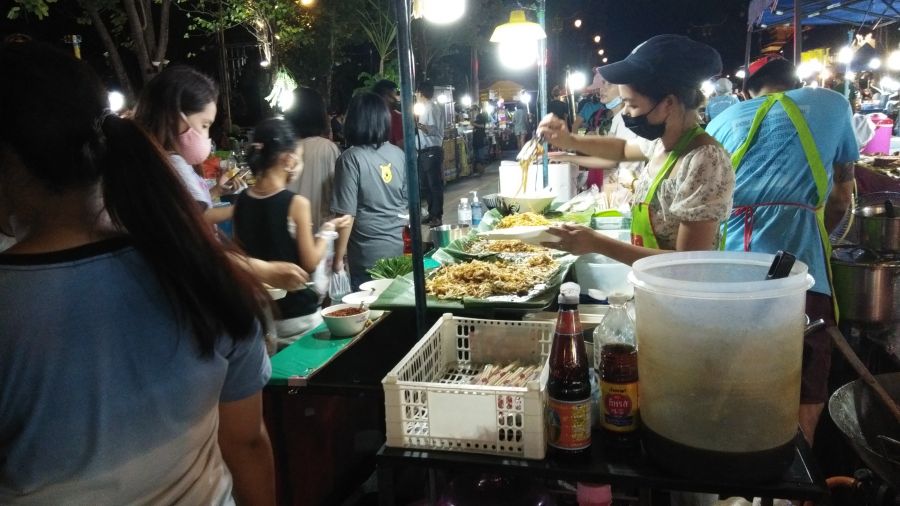
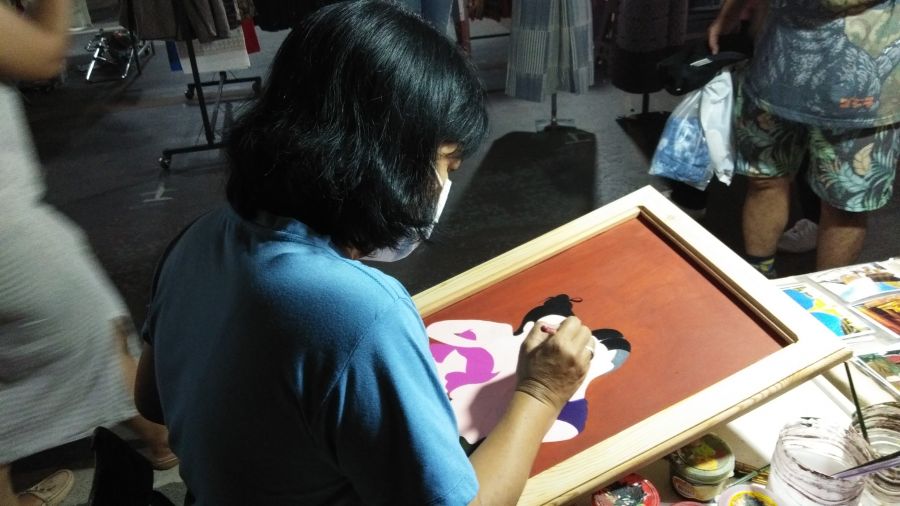
More than a thousand people flocked to Kuang Mueng Nan Walking Street in Nan province after it reopened on Friday (June 12).

The famous street was closed for over four months.

The walking street is located in Muang district, in front of a local tourist centre and near Phumin temple.

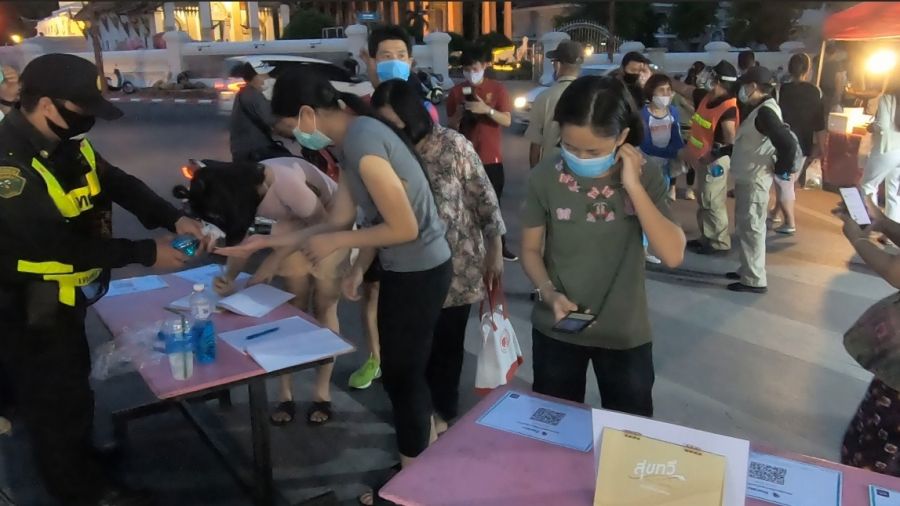
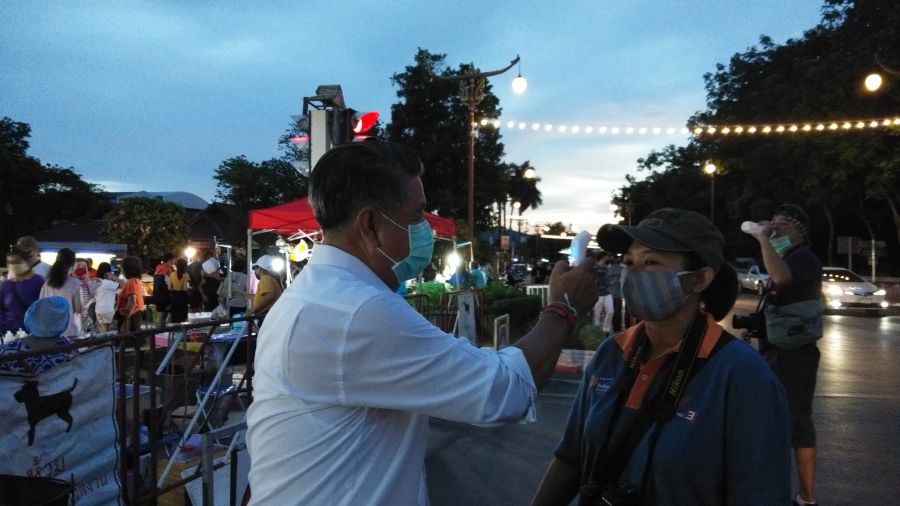
The temperature of visitors to the street must be checked and they must follow social distancing under the new rules.

Suraphon Thiansut, the mayor of Nan Municipality, said that visitors and sellers must wear medical or cloth masks all the time they were in Kuang Mueng Nan. Sellers must also wear gloves, he added.

Only two traders are allowed to sell in each specified area. Shops or stores situated near footpaths have been told to make adjustments to increase space available for walking and social distancing.

Myanmar launches survive, reopen, re-launch strategies for its tourism industry #ศาสตร์เกษตรดินปุ๋ย

#ศาสตร์เกษตรดินปุ๋ย : ขอบคุณแหล่งข้อมูล : หนังสือพิมพ์ The Nation.

Myanmar launches survive, reopen, re-launch strategies for its tourism industry

Jun 10. 2020(Photo credit: Myanmar Tourism Marketing)(Photo credit: Myanmar Tourism Marketing)
By THE NATION

Myanmar has designed a strategic roadmap for the recovery of its tourism sector, Minister for Hotels and Tourism U Ohn Maung announced on Tuesday (June 9).

“The tourism industry in the ‘new normal’ will operate in accordance with the ministry’s roadmap and in cooperation with related tourism organisations,” he said.

The Myanmar government has been working on a strategic recovery plan for the tourism industry since April and has come up with three phases.

In the first “survival” phase, the government relaxed taxes, reduced licence fees, postponed the collection of rents as well as provided loans for hotels and tourism businesses. The Hotels and Tourism Ministry also provided online training for tourism professionals and staff, discussed new destinations and assessed the tourism market.

The second “reopening” phase runs over three months – June, July and August – and involves the use of standard operating procedure for screening travellers and staff. The government will also promote domestic travel as local destinations have started re-opening this month.

The third phase, which will focus on re-launching the industry, will be implemented over six months to a year and will include new campaigns and long-term plans for reinventing Myanmar’s tourism. The government plans to create a “travel bubble” through bilateral agreements with Thailand, Cambodia, Laos and Vietnam once the countries reopen.

Myanmar is closed to international travellers until June 15, though Yangon airport remains open for domestic and relief flights.

“We need to start with domestic tourism before opening up to regional countries, followed by long-haul destinations once the Covid-19 crisis eases,” said May Myat Mon Win, chairperson of Myanmar Tourism Marketing.

Discovering the watery wonders of Thailand’s Emerald Triangle #ศาสตร์เกษตรดินปุ๋ย

#ศาสตร์เกษตรดินปุ๋ย : ขอบคุณแหล่งข้อมูล : หนังสือพิมพ์ The Nation.

https://www.nationthailand.com/travel/30389408?utm_source=category&utm_medium=internal_referral

Discovering the watery wonders of Thailand’s Emerald Triangle

Jun 11. 2020
By Komchai Tawabchai
Special to The Nation Thailand

If a waterfall plunges in the forest and no one is around to hear it, does it make a sound?

The old Zen riddle takes on new meaning in the heart of Thailand’s “Emerald Triangle”, where Phu Chong Na Yoi National Park sprawls 686 square kilometres in mountain lands that border Laos and Cambodia. This forest sanctuary in Ubon Ratchathani province is famous for its waterfalls, whose monsoon-swollen torrents plunge over cliffs between the lush deciduous forests that carpet these mountains.

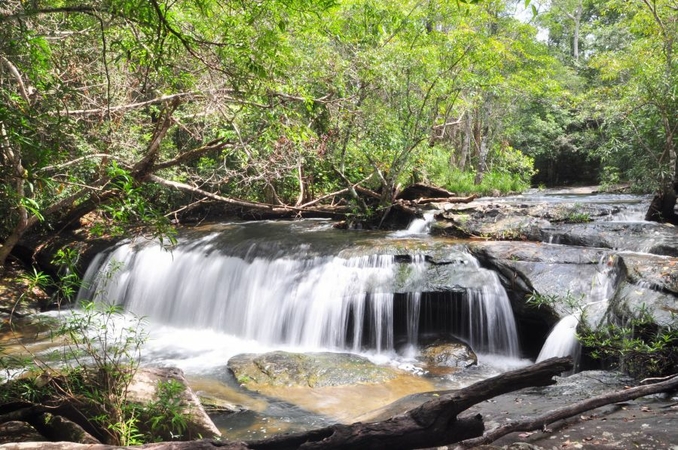
Among them is Kueng Mae Phong Waterfall, with a thundering cascade that is second only to the park’s giant, Huai Luang Waterfall, which crashes down from 30 metres over three rock steps into the turquoise pool at its feet.

Other watery wonders hidden in the dense forest are Nuanlaor Waterfall and Kaeng Sila Thip rapids. However, our expedition veers off the beaten track and into the deepest part of the forest, which few visitors ever see.

Our adventure starts from the renowned Kaeng Ka Lao rapids, famous for their clear water and opportunities to get wet.

The mud road taken was once used to transport timber out of the forest, in the days of wood-cutting concessions. Commercial logging came to an end after Phu Chong Na Yoi was enshrined as a national park in 1987. Tree-felling for profit has been banned here ever since.

The mud road winds through the forest for about 10 kilometres but is too rough for two-wheel-drive cars. Faced with the option of a four-wheel-drive or a motorcycle, I grab the latter and set off into the wilderness.

My first stop is the forest rangers’ office, which leaves me four more kilometres of even rougher riding till I reach my destination.

After battling for another eternity through the deep monsoon mud, I finally skid to a stop at the object of my quest. Kueng Mae Fong waterfall is neither big nor visually spectacular. But few people have seen this gem hidden in the heart of the forest, which gives me a special sense of accomplishment. And something else: As my ears and eyes are enfolded by the ribbon of blue unfurling from the cliff, a rare sense of intimacy with my surroundings descends. Until it’s time to go, and I crank the bike into a roar that drowns out everything, even the sound of the waterfall.

Three major Bangkok tourist attractions reopen #ศาสตร์เกษตรดินปุ๋ย

#ศาสตร์เกษตรดินปุ๋ย : ขอบคุณแหล่งข้อมูล : หนังสือพิมพ์ The Nation.

https://www.nationthailand.com/travel/30389191?utm_source=category&utm_medium=internal_referral

Three major Bangkok tourist attractions reopen

Jun 07. 2020
By The Nation

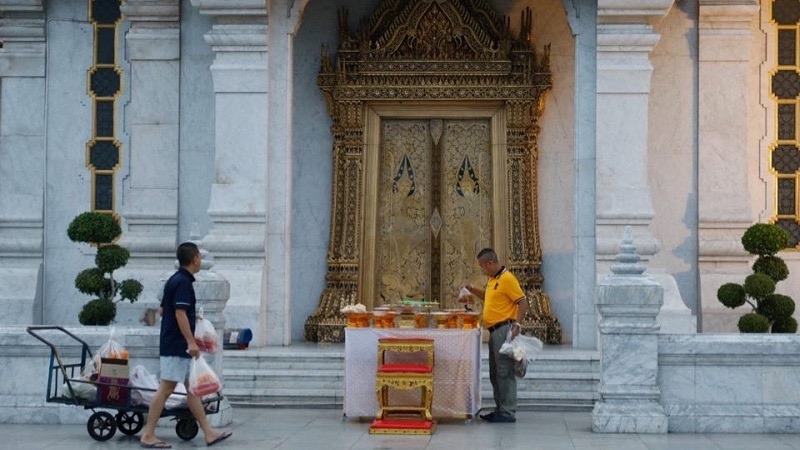
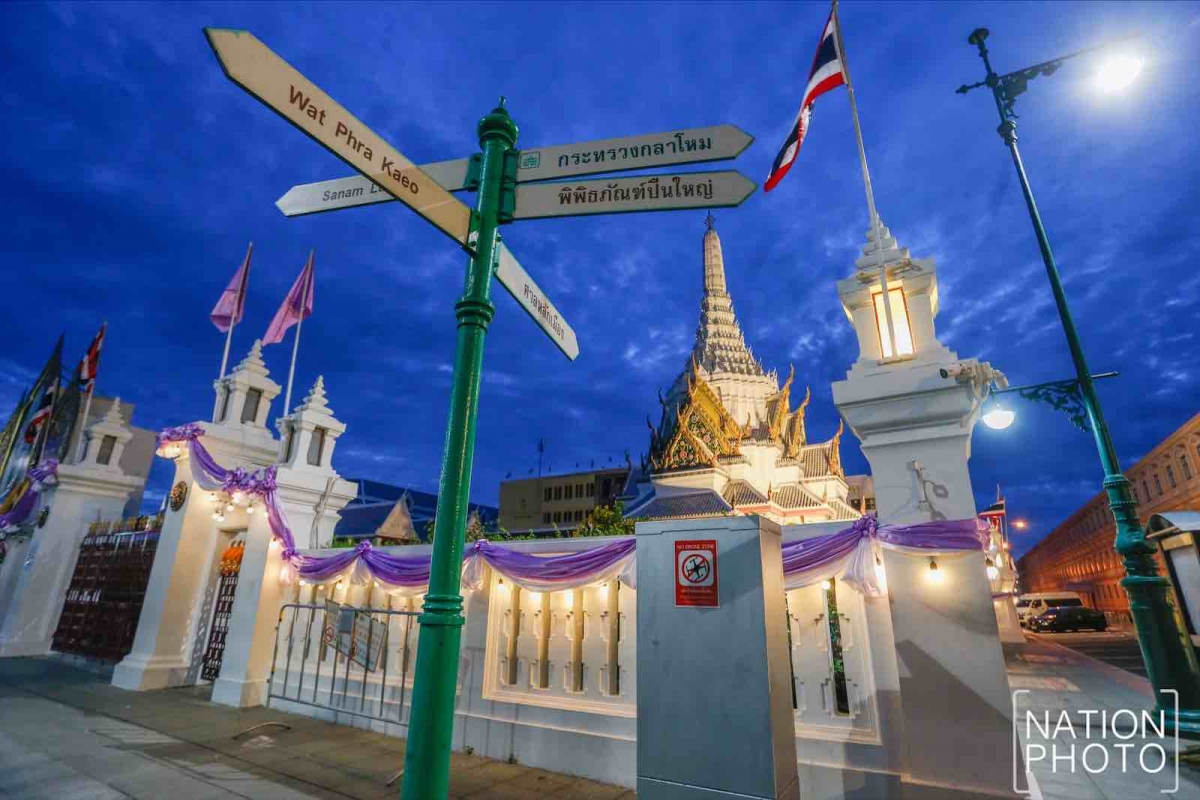
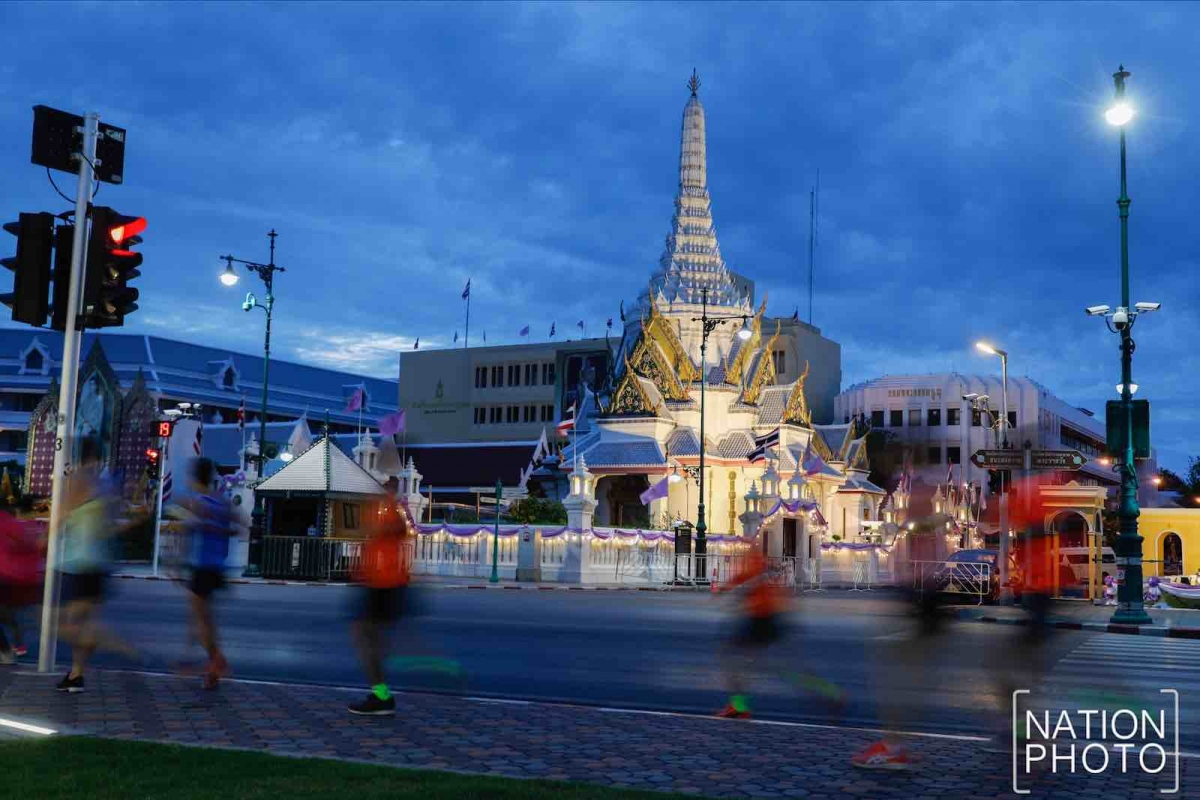
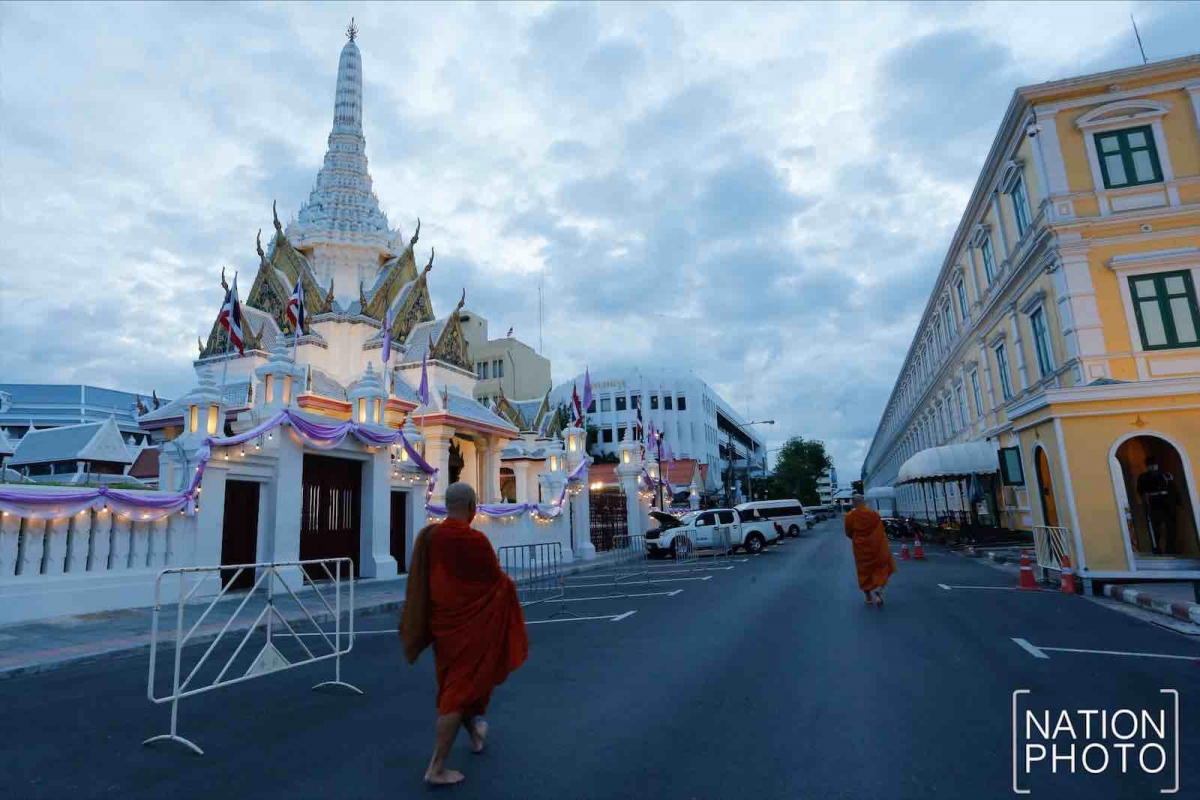
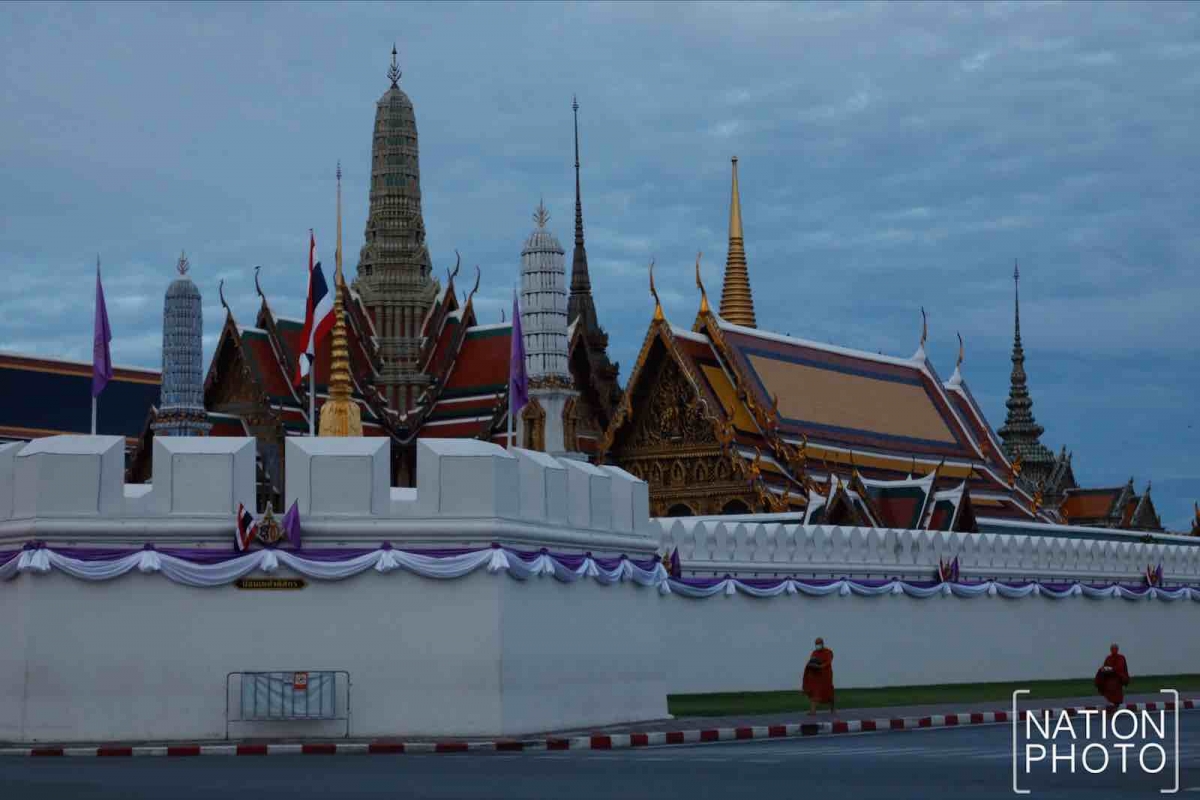
The Temple of the Emerald Buddha, the Grand Palace and Bangkok City Pillar shrine are now open to visitors from Sunday (June 7) after being closed for more than two months due to the Covid-19 pandemic.

The Temple of the Emerald Buddha, officially known as Wat Phra Si Rattana Satsadaram, the Grand Palace and Bangkok City Pillar Shrine are open from 8.30am to 4pm from Sunday.Visitors must strictly follow the preventive measures for Covid-19 outlined by the Public Health Ministry, including social distancing and wearing face masks.
Bang Saen locals dive in as beach finally reopens #ศาสตร์เกษตรดินปุ๋ย

#ศาสตร์เกษตรดินปุ๋ย : ขอบคุณแหล่งข้อมูล : หนังสือพิมพ์ The Nation.

https://www.nationthailand.com/travel/30388864?utm_source=category&utm_medium=internal_referral

Bang Saen locals dive in as beach finally reopens

Jun 01. 2020
By The Nation

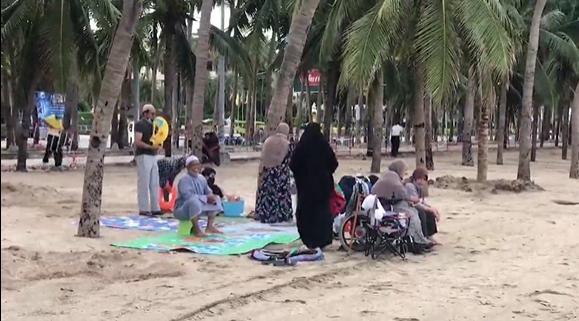
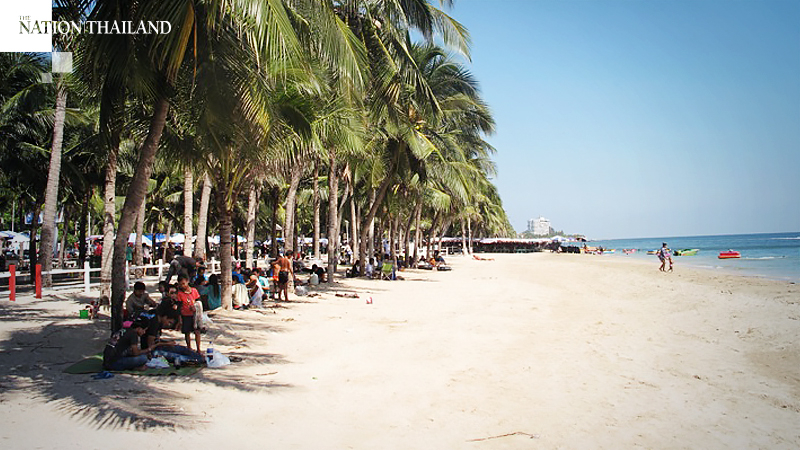
Residents of Chonburi are finally enjoying Bang Saen Beach again, after it was reopened on Monday (June 1) following more than two months of lockdown.

At 8am, police removed barriers that were blocking entry to the beach, while tourists and locals waited patiently to step back on the sand and swim in the sea again.

However, police have banned vendors’ stalls and other tourism services until June 5, when the beach will officially reopen.

Alcohol is also prohibited, and anyone found drinking on the beach will be arrested.

Bang Saen is considered the closest beach to Bangkok, lying just 108 kilometres to the east of the capital.

A local family told the Nation Thailand that their son was delighted to be allowed back, as the beach was part of the community.

However, the father said they would remain cautious over Covid-19.

Wang Nam Kheow hills covered in bright blooms #ศาสตร์เกษตรดินปุ๋ย

#ศาสตร์เกษตรดินปุ๋ย : ขอบคุณแหล่งข้อมูล : หนังสือพิมพ์ The Nation.

https://www.nationthailand.com/travel/30388741?utm_source=category&utm_medium=internal_referral

Wang Nam Kheow hills covered in bright blooms

May 29. 2020
By The Nation

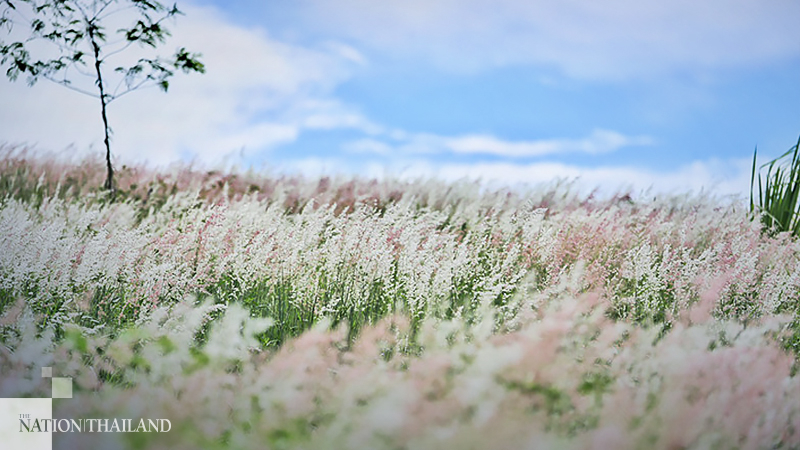
Many cars were seen parked along Highway No 3060 (Wang Nam Kheow-Pak Chong) as people stopped to take photographs of fields covered in white, pink and purple blooms.

Pongthep Malachasing, president of Nakhon Ratchasima’s tourism club, said the hillsides are usually covered in colourful flowers upon the arrival of the rainy season.

“These fields of flowers have become popular among locals and tourists, who stop to take photographs to post on social media,” he said.

These fields covered in bright, colourful blooms have become a new tourist attraction in Nakhon Ratchasima, with many people coming to enjoy the fresh air and natural surroundings in the Wang Nam Kheow district.

Thailand’s Phuket beckons when travel resumes #ศาสตร์เกษตรดินปุ๋ย

#ศาสตร์เกษตรดินปุ๋ย : ขอบคุณแหล่งข้อมูล : หนังสือพิมพ์ The Nation.

https://www.nationthailand.com/travel/30387624?utm_source=category&utm_medium=internal_referral

Thailand’s Phuket beckons when travel resumes

May 10. 2020
Tourists take a selfie photograph at Patong Beach in Patong, Phuket, Thailand, on Jan. 16, 2018. MUST CREDIT: Bloomberg photo by Taylor Weidman.

Tourists take a selfie photograph at Patong Beach in Patong, Phuket, Thailand, on Jan. 16, 2018. MUST CREDIT: Bloomberg photo by Taylor Weidman.
By Syndication Washington Post, Bloomberg · Randy Thanthong-Knight · FEATURES, TRAVEL 

As a swimmer, I’ve always felt at home in the ocean. But Phuket, a place I’ve visited more than a dozen times since childhood, is where I find stillness.

The ocean laps calmly, and when you close your eyes to feel the salty breeze, you can hear the rustling of tropical forests right off the coast. Vendors sell just-cracked coconuts sloshing over with fresh juice. Point in any land-bound direction, and within a few miles you’ll find the world’s best beach resorts, gracious hospitality, and restaurants that vary from street food stalls to a Michelin-starred dining room. It’s the best of all worlds, somehow squeezed onto a picturesque island that’s just a puddle-hop flight from my home in Bangkok.

Even an “up and down” one-hour flight feels impossibly far away at this time. While some of Thailand’s provinces haven’t reported a single case of covid-19, Phuket has become the country’s biggest hot spot. The island, which once received about a million tourists each month, is now deserted. And the government is forecasting that tourism won’t reignite until a vaccine emerges, which could take well more than a year.

But Phuket remains my mental refuge. Bangkok, like many other locked-down cities with its compact living spaces, isn’t meant for a quarantined lifestyle. When I open my windows in my downtown apartment, I’m greeted by construction noises and rooftops of neighboring buildings rather than blue water and the sound of chirping birds. Life, in other words, is not a beach.

Until I can get back safely to Phuket, I’ll relish one silver lining about its current quietude. In recent years the island was suffering from overtourism; huge numbers of visitors and too many boat businesses had led to the buildup of marine debris, damaged coral, and a disruption in the balance of wildlife and natural habitats. A pause on human visitors has brought out rare sea turtles to nest in record numbers on empty beaches, and the manatee-like creatures called dugongs have been spotted in typically boat-riddled shallows. That means Phuket will be its most beautiful self whenever we can return.

When the time comes, of course I’ll hit up some of my local favorites-but I’ll also indulge in the singularly luxurious spots that have given Phuket its prime position at the top of many bucket lists. Here’s how to nail the best of both worlds.

Even as a native Thailander, I find the food served from southern kitchens akin to the old ghost pepper challenge-it flexes your spicy taste receptors until they’re numb and tingly. Besides being unapologetically hot, it’s also rich and decadent: think pork kua kling, a spicy dish spiked with kaffir lime leaves and curry paste, or the stir-fried bitter beans with shrimp paste called sataw pad kapi.

I tend to order both at Raya, my favorite restaurant on the island. It’s set inside a century-old house in Phuket Old Town-an unassuming spot that you could easily pass by and never notice, with a geometric tiled floor and black-and-white photos on its walls. It’s not air-conditioned, so on a hot day, I’ll head to the nearby Tu Kab Khao instead. Located in a colonial building with coffered ceilings and Murano chandeliers, it focuses on prettied-up versions of family recipes such as stir-fried pork leg with salted krill and stir-fried pumpkin with dried shrimp and shrimp paste.

Charter a boat for a day from Phuket, as it’s possible to explore the many islands of the Andaman Sea. Head a few hours northwest to find the Similan Islands, an archipelago of 11 islets that are ringed by crystal-clear waters inhabited by neon coral, turtles, and reef sharks. To the east are Thailand’s famous Phi Phi Islands and the less-visited Koh Yao Noi and Koh Yao Yai, which offer secluded beaches and pristine coves.

On Phuket itself, there’s much more to do than whiling the day away under the sun. Old Phuket Town, with its brightly colored Portuguese-inspired buildings, has long been dismissed as overly rundown. But the area has been experiencing a renaissance: Historic buildings have been restored and turned into cafes, restaurants, and shops. Enormous, colorful murals now coat previously crumbling facades. Most nights of the week, the streets are lined with vendors who simmer traditional dishes, be it pots of rice and pork rib soup or bowls of stir-fried noodles with eggs.

Just a short cab ride away is Chalong Bay Rum Distillery, where small-batch rum is made from organic Thai sugarcane. Go in the afternoon for a two-hour cocktail workshop; you’ll learn about the artisanal process while roaming a sun-drenched plantation. From the thatched-roof open-air dining room, you’ll also learn to make a few drinks, including a Thai twist on the caipirinha that’s flavored with red chile. (They call it the spicyrinha.)

When it comes to hotels in Phuket, there’s no sense in going off the beaten path. The island is home to some of the best resorts in the world, including the very first feather in Aman’s glorious cap. Opened in 1988, Amanpuri has 44 villas with private pools and 40 pavilions spread out on a former coconut plantation, each adorned with traditional Thai arts including decorative bowls and Buddhist ornaments. Not only is it a coveted spot to rest your head at night, but the resort offers access to a private beach with ultra-fine sand and clear water, where the lounge chairs are shaded by beautiful parasols and flanked by enormous gray boulders.

If nature is what you need, try a treetop villa at Keemala instead. The hillside resort is surrounded by lush rainforest and looks pulled out of a fantasy film set; some of the rooms are fashioned after birds nests, and from their plunge pools you can commune with chirping cicadas and crickets.

For the ultimate in seclusion, if that’s what remains on order in a post-lockdown world, there’s Como Point Yamu on Phuket’s quiet east side. Its turquoise-hued, glass-walled villas face the bay, which means any photo you take pointing outwards will be blue-on-blue-on-blue. Included in its amenities are a boat that takes you to a private beach club on nearby Naka Yai Island-perfect for kayaking and paddle boarding-and a 100-meter-long infinity pool facing the vast sea and its many limestone islands.

As I daydream about Phuket, I’m planning on supporting Soi Dog Foundation, which rescues dogs from the meat trade and helps find them homes abroad. With international flights grounded, the organization will need more help than ever to provide food and medical support for the animals in its care.