InternationalNov 01. 2020Mr Donald Trump (left) speaks during a rally at Manchester-Boston Regional Airport, on Oct 25, 2020, and Mr Joe Biden delivers remarks at an event in Cincinnati, Ohio, on Oct 12, 2020.PHOTO: AFP
By Straits Times
From security to trade, who sits in the White House matters a lot for the region. How different will a Biden administration be from Trump’s? Asian Insider looks at the issue.
If President Donald Trump squeezes out an election win and occupies the White House for another four years, there is little doubt there would be policy continuity, analysts say.
While reports suggest the President may change his Defence Secretary Mark Esper, Secretary of State Mike Pompeo will remain in the Cabinet, his loyalty burnished by his beaming in from Jerusalem at the Republican National Convention to support his boss.
China hawks such as economic adviser Peter Navarro will also remain in place. And the President is likely to demand more burden sharing from allies in return for troops on their soil – an issue for South Korea and Japan – or else he will withdraw some of them.
Whoever wins the US presidential election next week, what is certain is that the relationship between Beijing and Washington has irrevocably changed and the hawkish stance towards China is likely to continue, analysts say.
Amid a trade war that never quite reached a detente and spiralling diplomatic relations also lie the conundrums of Hong Kong and Taiwan.
For the Chinese leadership, a win for either President Donald Trump or Mr Joe Biden will each bring its own set of challenges, but it would end the current China bashing that has dominated American politics, said Mr Wang Huiyao, an adviser to China’s Cabinet and founder of the Centre for China and Globalisation, a Beijing think-tank.
US President Donald Trump’s biggest achievement in East Asia would be his historic summit with Mr Kim Jong Un in Singapore in 2018, which marked the first time a sitting American leader met his North Korean counterpart to resolve the nuclear issue.
Mr Trump should get “due credit” for the meeting, said Dr Lee Seong-hyon of the Sejong Institute think-tank. But beyond that, he “really demonstrated an inability to comprehend the importance of allies for the US”, Dr Lee told The Straits Times.
Most experts agree Mr Trump mismanaged strategic alliances with Japan and South Korea, extracted empty promises from North Korea and failed to curb China.
It is not as clear as day who will be better for South-east Asia: Mr Donald Trump or Mr Joe Biden.
“There are upsides and downsides,” said research fellow Lucio Pitlo III at the Asia-Pacific Pathways to Progress Foundation.
If Mr Trump is re-elected, he will likely continue his transactional, go-it-alone way of dealing with both allies and adversaries, with rancour and unpredictability.
In February, when President Donald Trump visited India, Prime Minister Narendra Modi was effusive in his praise for the United States leader at a massive rally in Gujarat, the home state of the Indian PM.
He said ties were “far greater and closer”, and praised Mr Trump as a leader “who thinks big”.
The camaraderie between the two men indicated the comfort level in the relationship between the two sides, something with rare bipartisan support in the US where Democratic presidential nominee Joe Biden is also a proponent of close ties with New Delhi.
Next week’s United States presidential election is being closely watched in South Asia. Senator Kamala Harris is certainly a draw as she could be the first American vice-president of Indian heritage should the Democrats win.
But the interest in the election outcome goes beyond Senator Harris’ background. The ties that bind the US and South Asia have grown in recent years, in many varied ways. At one level, the Indian diaspora in America is being wooed with some intensity by both the Democrats and Republicans.
While the diaspora stands at 4.5 million, the voters are said to be around two million, with small but significant numbers in some battleground states that are expected to pick the winner in the presidential race.
Less than a week after his arrival in Jakarta, United States Secretary of State Mike Pompeo may turn into a lame duck foreign minister, along with his boss, President Donald Trump. But President Joko “Jokowi” Widodo will not underestimate Mr Trump’s chances of re-election.
Neither will he squander the opportunity of Indonesia-US defence cooperation that his Defence Minister Prabowo Subianto has gained from his recent trip to Washington.
Indonesia, as well as all of Asean, needs a strong US military presence in the region, amid escalating tensions in the region, now that China has become more assertive in its claim over a large swathe of the South China Sea.
InternationalNov 01. 2020Supporters listen to Joe Biden during a drive-in event with Jon Bon Jovi in Dallas, Pa. MUST CREDIT: Washington Post photo by Demetrius Freeman
By The Washington Post · Chelsea Janes · NATIONAL, POLITICS, RACE
A recent Biden campaign ad began with Black female mayors urging Black women to vote for Joe Biden. Chicago’s Lori Lightfoot, Atlanta’s Keisha Lance Bottoms and San Francisco’s London Breed each made their pitch.
A supporter of President Donald J. Trump attends a campaign event on, Oct. 15 in Greenville, N.C. MUST CREDIT: Washington Post photo by Jabin Botsford
Just as the ad seemed to be ending, it pivoted. “Your turn, fellas,” Lance Bottoms said – and Black male mayors from around the country took over.
“Black women vote more than Black men,” St. Paul Mayor Melvin Carter said.
“It’s time we change that,” added Mayor Randall Woodfin of Birmingham, Ala. Others joined in urging Black men to “show up.”
The ad highlights Democrats’ concerns this year about turnout among young Black men – a group that is more likely to stay home, and more likely to vote Republican if they do show up, than other parts of the Black electorate.
Michael Scott waits in line to vote at his alma mater North Carolina Central University. MUST CREDIT: Photo for The Washington Post by Cornell Watson
Although they are still expected to favor Biden by a wide majority, they have become an unexpected target for both sides in the closing stretch. The Trump campaign sees young Black men as a potential soft spot in Biden’s coalition, while Democrats are scrambling to keep them in the fold.
President Donald Trump’s long history as a media figure has made him a familiar figure to many Black men, said Terrence K. Williams, a sometimes inflammatory comedian who is a longtime Trump supporter.
“People don’t realize that before President Trump became president, the Black community loved President Trump,” said Williams, who is Black. “You would hear his name in rap songs. He used to hang with 50 Cent and Puff Daddy and all these guys. Everybody wanted to be like President Trump, because he was a successful businessman.”
A Washington Post-ABC News poll in June found that 81% of Black men under 40 were expected to vote for Biden – a high number, but considerably lower than the 94% of younger Black women favoring him. And in 2016, exit polling showed that 13% of Black men supported Trump, compared to 4% of Black women.
Those numbers could matter in a race where swing states may hinge on a handful of votes. Some Black and Democratic leaders are aghast that even a minority of Black men support a president they feel is racist. While some attribute the support in part to Trump’s economic policies, such as low taxes, which they say empowers the Black community, others cite his image as a wealthy and traditionally masculine figure.
Cornell Belcher, a former pollster for President Barack Obama, stressed that 85 to 90% of Black men still support Biden. But he said he does worry about whether “those five million Obama voters who sat out 2016 show up,” noting that “they were mostly African American.”
Jewell Jones, a 25-year-old member of the Michigan House of Representatives, said he thinks young Black men often vote at lower rates because they don’t see their votes leading to change in their lives.
“There are just so many myths, I think, about the impact of participating in politics that I think it bars people mentally from thinking that they need to participate and that they can guarantee any particular outcome,” said Jones, a Democrat, who was elected at 21 as the youngest-ever member of the Michigan House.
In 2016, of the roughly 137 million total votes cast for president, about 10 million came from Black women and 7 million from Black men – a bigger turnout gap than for any other group, according the Center for American Women and Politics at Rutgers University.
The Trump campaign is doing what it can to capitalize on that disparity. It has deployed prominent Black men like football great Herschel Walker to campaign for the president, starting with appearances at the Republican National Convention.
Trump supporters argue that a vote for Biden is just another vote for a Democrat who talks grandly of helping the Black community but fails to deliver. Trump, they say, orchestrated a sizable rise in Black employment, though that glosses over the coronavirus pandemic’s disproportionate toll on minority communities. (The Black employment level is down 11% from February – far more than the White employment level, which is down 6.2%, according to Labor Department figures.)
But the Trump campaign’s efforts have sometimes been rocky. Senior White House adviser Jared Kushner, asked in a recent interview about the president’s plans for the Black community, echoed the racial stereotype that Black people lack drive.
Kushner said Trump’s policies “can help people break out of the problems that they’re complaining about, but he can’t want them to be successful more than they want to be successful.”
Black leaders fired back. Everett B. Ward, president of Alpha Phi Alpha, a Black fraternity, called Kushner’s comments “condescending and patronizing” and added, “What Jared Kushner intentionally fails to articulate is the legal and systemic practices that have derailed the economic and political successes of the African American community.”
A pair of famous Black rappers who have offered Trump support, meanwhile, have raised concerns among Democrats while also sparking a backlash.
Hip-hop artist Ice Cube said earlier this month he’d helped the Trump campaign develop its “Platinum Plan for Black America.” Ice Cube said he had reached out to both the Trump and Biden campaigns, but that only the Trump campaign had immediately engaged.
Biden’s camp strongly denied that, saying they had responded as well. “Let me be crystal clear – that did not happen,” Rep. Cedric Richmond, D-La., a Biden campaign co-chair, told radio host Joe Madison.
Ice Cube’s proposal was “a skeleton plan,” Richmond said. He added, “It’s not as comprehensive as our plan, and so that’s what we told him. The offer to stay engaged was not, ‘We’ll talk to you after the election.’ It went like this: ‘Here’s my cell number, anything else you want to talk about on this plan or anything you think we need to talk about further, just pick up the phone and call.’ ”
Another rapper, 50 Cent, came out in favor of Trump’s tax cut plan (“yeah, i don’t want to be 20cent” he tweeted), before retracting his support in the face of criticism.
Yet another rapper, Lil Wayne, tweeted Thursday that he’d met with Trump. “He listened to what we had to say today and assured he will and can get it done,” he said.
The Trump campaign is not trying to win a majority of Black men, which is likely out of reach, but simply to make a dent in Biden’s broad support. Its “Platinum Plan” promises to increase access to capital for Black-owned businesses by almost $500 billion, create 3 million jobs for the Black community and achieve other economic milestones, though details are scarce in the two-page document.
The Trump team has also opened what it calls “Black Voices for Trump Community Centers,” hubs for organizing in 15 locations where Black turnout could make a difference in a swing state.
Williams, the comedian and actor, said some Black men are attracted to Trump’s defiance of his critics.
“Barack Obama, when he became president, he showed the world that no matter what color you are, you can become president,” Williams said. “But President Trump, he showed the world that you can be you. You can talk how you want to talk, walk how you want to walk. You don’t have to fit in a box and you can still be the president of the United States of America.”
Trump has praised Williams and invited him to the White House for a “young Black leadership summit.” He also retweeted a post from Williams advancing a groundless conspiracy theory that sex offender Jeffrey Epstein’s death was somehow connected with Bill Clinton, despite the death being ruled a suicide.
The Trump and Biden campaigns are keenly aware that Black voters form a pivotal voting bloc in states that Trump narrowly won in 2016. He captured Wisconsin by less than 30,000 votes, Michigan by just over 10,000 and Pennsylvania by around 45,000. In each case the Black turnout fell below Democratic hopes.
Some Democrats worry that could happen again. Adrianne Shropshire, head of BlackPAC, which works to mobilize Black voters in battleground states, said Black men have been “underperforming” White men by about five percentage points in Florida’s early voting.
In 2016, 64% of Black men registered to vote in Florida cast a ballot as compared to 75% of registered White men, according to an analysis by Hawkfish. As of Friday evening, 43% of registered Black men in Florida had voted as compared to 53% of registered White men, also according to Hawkfish.
Shropshire said many Black voters prefer to vote in person on Election Day, so early voting might not reflect the ultimate turnout of Black men, but “there’s a whole set of Black men we’re not trying to persuade, we’re just trying to mobilize them.”
Biden and his supporters have voiced frustration, even disbelief, that any Black people would support Trump, given his history of targeting the community – from suggesting Obama was not born in the U.S. to saying four congresswomen of color should go back to “the totally broken and crime infested places from which they came.”
Biden told a radio host in May that “if you have a problem figuring out whether you’re for me or Trump, then you ain’t Black,” a comment for which he later apologized.
The Democratic nominee has spoken repeatedly of Trump’s racial divisiveness, and he launched his campaign with a fiery critique of Trump’s reference to “very fine people on both sides” after a 2017 white supremacist march and counter-demonstration in Charlottesville.
The Biden campaign ad featuring Black mayors is part of a broader courtship of Black men. It includes a series of “shop talks” in local barbershops, led by such figures as rapper Common and retired basketball star Magic Johnson, as well as videos with NBA stars emphasizing what’s at stake in the election.
The Democratic Congressional Campaign Committee, which spearheads the party’s House campaigns, has chipped in with a seven-figure advertising push mostly targeting Black men, and Obama has traveled to Florida and Philadelphia to mobilize support.
The “shop talk” sessions are aimed at meeting Black men in comfortable settings where they can dig in on important issues, aides say. “Those conversations in a barbershop are the kind of things going on that people don’t hear about, the kind of conversations Black men don’t discuss out loud,” said Kamau Marshall, Biden’s director of strategic communications.
But Terrance Woodbury, a Democratic pollster, said the party has not done a enough to persuade these voters it will help them. Woodbury said his conversations with young Black men often yield the same few Trump talking points – a sign that Trump’s messaging has penetrated more effectively than the Democrats’.
“When you ask young Black men how their lives will be better, or how their lives have improved from them voting, and they don’t have an answer . . . To me, that means that Democrats have not made the argument clear enough,” Woodbury said.
Much of the Biden outreach, in-person as well as virtual, is handled by Biden’s running mate, Sen. Kamala Harris of California, the first Black woman on a major party ticket.
Harris sat in a barbershop chair in a parking lot in Detroit; traveled to Milwaukee and met with the family of Jacob Blake, who was shot by a police officer; and talked with Black and Puerto Rican leaders in Philadelphia. During a recent trip to Las Vegas, she visited the city’s mostly Black west side.
Harris has also held events at historically Black colleges and universities and hosted private calls with dozens of Black leaders and activists, including those from Black fraternities.
Ben Crump, a civil rights lawyer who represents the families of several Black people victimized by police, said he texts with Harris regularly. He acknowledged that some activists were initially skeptical of Harris, in part because they felt she did not do enough for the Black community during her tenure as attorney general of California.
But Crump said Harris has built up her credibility since joining the Democratic ticket. “I think she understands she has to earn the votes,” he said. “I believe she tried to change things from the inside, and sometimes that leaves you with some big battle scars. Politics is the art of compromise.”
As the Trump team is quick to point out, Biden himself inspires skepticism from some Black voters because of his central role in passing the 1994 crime bill, which many experts say led to the mass incarceration of Black men. Crump called that a “hurdle” for the Biden campaign.
In his first presidential race, Trump famously appealed to Black voters by arguing that Democrats had done little for them over the decades. “What do you have to lose?” he asked.
This time, the Biden campaign argues that Trump’s first term shows exactly how much the Black community, including young Black men, have to lose. And a lot of that involves the pandemic.
Sitting in another barbershop chair in a Detroit parking lot during one of the “shop talk” events last month, Michigan Lt. Gov. Garlin Gilchrist told Harris, the crowd and those watching the live stream that he had lost 23 people in his life to the coronavirus.
“The stakes are so high. We’ve said goodbye to 1 out of every 1,000 Black people in the country this year because of coronavirus,” Gilchrist said in an interview. “Black men have something to vote for, not just to vote against. We are voting for our futures.”
Berlin’s $7 billion airport finally opens in the depths of a crisis
WorldOct 30. 2020Berlin Brandenburg’s main terminal includes a giant red carpet artwork hanging from the ceiling. MUST CREDIT: Bloomberg photo by Krisztian Bocsi
By Syndication Washington Post, Bloomberg · Stefan Nicola · BUSINESS, WORLD, US-GLOBAL-MARKETS Berlin’s new airport will finally welcome passengers after an eight-year delay, opening its doors just as fallout from the coronavirus hammers travel demand.
The limestone floors have been polished smooth, the ticket counters buffed and shops stocked with wares as the Berlin Brandenburg Willy Brandt Airport – known by its airport code BER – prepares for its inaugural flight on Saturday.
But the facility will just be a stunted version of the original plan. A second terminal won’t open for now because it’s not needed in the midst of the crisis.
“No one would build a new airport now,” said Cord Schellenberg, a Hamburg-based aviation analyst. “But maybe that’s the airport’s opportunity – it’s getting somewhat of a soft opening, giving authorities time to ensure all is running smoothly.”
The airport’s history is an embarrassing tale for Germany’s exalted reputation for punctuality and engineering prowess. Construction started in 2006, and the planned launch in June 2012 was scrapped just weeks in advance, with moving trucks ready to roll and tickets issued.
Initially, authorities blamed the postponement on fire-safety issues, and claimed the hiccup would be fixed within a few months. But deeper planning disasters gradually came to light, and the opening was pushed back multiple times in the following years.
Defects included automatic doors that lacked electricity, escalators that were too short, and a smoke-extraction system so complex, yet ineffective, it was dubbed “the Monster.”
The project’s costs have tripled to more than 6 billion euros ($7 billion), and the fiasco contributed to the departure of Klaus Wowereit as mayor of Berlin – the colorful politician who coined the description of the German capital as “poor, but sexy.”
The canceled opening wounded stores, restaurants and hotels nearby, and hit airlines including Deutsche Lufthansa AG and Air Berlin, which went bust five years later. In the meantime, Turkey and China built two much larger airports in Istanbul and Beijing in shorter spans than BER’s delay.
Aside from forcing Berlin travelers to land at aging Cold War facilities, the long delay created other hassles. To keep air flowing and limit mold growth, empty trains had been running through a deserted station in the basement of the facility’s glass-clad terminal.
Even with the pandemic, Berlin desperately needs a modern airport that reflects the city’s status as a bustling center for technology startups and the capital of Europe’s biggest economy. It also surpassed Rome as Europe’s third-most visited city in 2014, increasing calls for a new facility.
The 1970s-era Tegel airport in the West – loved by many Berliners because of its central location and hectagon-shaped main Terminal, which allowed passengers to arrive straight at their gates – will close. Schoenefeld, the dour former communist facility adjacent to BER, will survive as its makeshift Terminal 5.
Despite being Germany’s largest city, Berlin is a secondary aviation market. Most international flights are routed through facilities in Frankfurt, Munich and other European hubs. That’s unlikely to change, even if authorities updated BER’s plans to accommodate super-jumbo jets including the Airbus A380.
During the past months, the airport received all relevant approvals and completed a complex evacuation and fire exercise simulating a burning train. About 10,000 people armed with mock-up boarding passes ran tests for several weeks through Oct. 15, preparing personnel for everything from lost luggage to tarmac accidents and terror attacks.
The airport – located about 25 kilometers (15 miles) southeast of Brandenburg Gate – is designed to handle about 40 million passengers a year, which is close to pre-crisis levels. Its airy main hall features 118 check-in counters and dozens of shops and restaurants. The underground train station connects travelers to the city center in less than 30 minutes.
On Saturday, Lufthansa and Easyjet Plc planes will land to inaugurate the facility, with regular departures starting Nov. 1.
Besides the stylish interior and better shopping, there are real benefits from the long-awaited opening. A project is in place to integrate Tegel’s terminal into a technology center and build homes for 10,000 people on its vast air field – easing the housing squeeze that has plagued the city in recent years.
Engelbert Luetke Daldrup, the site’s project manager since 2017, who has worked diligently to rid the airport of defects, said he remains optimistic even in the face of the pandemic.
“This airport is a signal for a new awakening,” Luetke Daldrup told reporters at the facility this week. “We’re finally able to open a modern, spacious and safe infrastructure that’s befitting a capital in the heart of Europe.”
WorldOct 30. 2020Looking out over Rainbow Lake, with Adirondack chairs in the Adirondacks. MUST CREDIT: Photo for The Washington Post by Debra Bruno
By Special To The Washington Post · Debra Bruno · FEATURES, TRAVEL
We were not the first to have the brilliant idea of heading north as an antidote to a sticky summer in Washington, D.C., where we endured sweaty, buggy cocktail hours with friends on our front porch, and watched far too many insipid Netflix series.
Heart Lake from the Adirondak Loj in the Adirondacks. MUST CREDIT: Photo for The Washington Post by Debra Bruno
And we were not the first to realize that the outdoors was a good place to be during a pandemic. That fact was clear on our recent trip to the Adirondack Mountains, where we saw clusters of cars, many with out-of-state license plates, gathered around roadside trailheads like so many flies around a drop of honey.
A hike at Paul Smith’s Visitor Information Center in the Adirondacks. travel-adirondacks, MUST CREDIT: Photo for The Washington Post by Debra Bruno
The grand Adirondack Parkof Upstate New York is a place I had visited many times as a child and with my own children later on. With my parents and siblings, we stayed in white cabins with deep pine-green trim on Schroon Lake, taking rowboats out every day and squealing as the minnows darted around our feet in the water. When my own children came along, we took them to a former Great Camp (an upscale compound built for the rich during the Gilded Age and now in private hands), called the Wawbeek on Upper Saranac Lake in the High Peaks area. All of those visits took place at the height of summer, when children played outdoors until sunset and then toasted marshmallows by the fire.
This time we would be seeing the North Country in the autumn, at the peak of the fall leaves, when the loons were still calling out at twilight. A friend had invited us to stay in one of her family’s cabins, normally rented for the season. The pandemic had changed their minds about renting, and we were happy to fill the gap.
We were staying on Rainbow Lake, 11 miles north of Saranac Lake and just 64 miles from the closest crossing at the Canadian border. In the early fall, the weather can range from 60 degrees and sunny one day to snowflakes the next.
The Adirondacks encompass a huge park of 6 million acres, as large as the state of Vermont, according to the Adirondack Council, a nonprofit group supporting the park’s ecological health. Partly state-owned and partly private, it stretches from just north of the Albany region to the borders with Canada and Vermont. (For the record, Americans with no good reason to go cannot just pop over to Canada these days, thanks to coronavirus restrictions.)
But it was still a treat to be this far north. The scent of pine needles blanketing the ground, a cool breeze knocking the last of the maple leaves from trees, and the pink-tinged sunsets were enough to make us forget a summer where I’m pretty sure I power-walked through every alley in my neighborhood, listening to podcasts and avoiding other walkers like the world’s biggest misanthrope.
One problem with choosing a hiking destination for our first real getaway since the coronavirus was that our bodies were more in pandemic shape than anyone’s definition of “fit.” That meant that taking on one of the 46 High Peaks was out of the question.
The highest mountains in the Adirondacks hit an elevation of about 4,000 feet minimum. Mount Marcy, the highest point in the state, tops out at 5,344 feet. Most of the High Peaks hikes, according to Adirondack.net, last from five to 18 hours, with many in the 10-to-14-hour range. Elena, the friend we visited, has done 25 of them. She’s even done two in one weekend. She’s also tried something called “tentless” camping. She loves winter, snow and ice. She plans to don her snowshoes and keep hiking through the winter.
Us, not so much. (See: Netflix.) But in the Before Times, I was a regular hiker, often logging eight to 10 miles on a Sunday with Wanderbirds, the local hiking club. I hadn’t been hiking since March.
My task, then, was to find a just-right hike, and I found one that promised gorgeous views and not too much of a challenge. With more than 2,000 miles of well-marked high trails, the Adirondacks offers lots of choices. Baker Mountain is part of the Saranac Lake Six, a cluster that surrounds the lake. Many years ago, we had hiked another member of the Saranac Six – Ampersand – which was a very steep 2.7-mile ascent of1,775 feet. I remember it as surprisingly hard, especially on a hot summer day. We were younger then, yes, but more caught up in raising children and handling busy jobs than in training for a hike.
Baker Mountain is the baby of the bunch, with an ascent of just .9 miles and 884 feet. We parked and hit the trail, armed with masks, a backpack with water and lunch, and the sense of camaraderie one gets from pulling on and pulling off masks each time a hiker passed us going up or down. We were also rewarded with views that delivered a soul-soothing mixture of mountain peaks and golden leaves.
In the end, Baker Lake Mountain was the kind of hike that left time for a latte and a muffin at a coffee shop in downtown Saranac Lake, basking at a sidewalk table in the autumn sun, followed by another hike, this time circling Heart Lake at the Adirondak Loj, with a few of the surrounding peaks closer to ground level.
The Loj site, owned by the Adirondack Mountain Club, also rents campgrounds, as well as rooms in a rustic 1927 lodge, with shared bathrooms and a home-cooked breakfast. It’s open year-round, but keep in mind that visitors from restricted states (currently up to 40 states and territories, including Maryland and Virginia) must quarantine for 14 days before taking a room.
Many hikers also use the Loj as a launching spot to climb Mount Marcy. One warning: The state’s Department of Environmental Conservation recently asked visitors to consider skipping the High Peaks and trying another hike instead. In addition to overuse of the trails, a record number of people who have been hurt or lost on the High Peaks have needed rescues this year.
On a different day, we checked out the Visitor Interpretive Center at Paul Smith’s College, six miles west of Rainbow Lake. Although the building was closed, the trails were open, and we followed a meandering circle hike called the Heron Marsh trail (2.65 miles, mostly flat). The center also keeps its trails open for winter snowshoeing or cross-country skiing. One couple we passed said they thought they saw a black bear, but our wildlife sightings were limited to red squirrels and the occasional hawk swooping overhead.
Then the rain came, and we decided to save further hiking for another day. The area still had plenty to do, including the Lake Placid Olympic Sites (of 1980 Winter Olympics fame), where visitors can check out the museum, take a Cliffside Coaster bobsled down Mount Van Hoevenberg or try a zip line.
But we opted instead for a fascinating historic spot: the John Brown Farm State Historic Site. And yes, his body lies a-mouldering in the grave right here, next to an enormous boulder, just 10 miles from Lake Placid. The museum there is open, and we stared for a long time at photographs of the abolitionist with his wild eyes. Surrounding a statue of John Brown and a young Black man is an exhibition called the Memorial Field for Black Lives, which lists, on black and white posters, the wrongful deaths of about 50 people by law enforcement officers. Creator Karen Davidson Seward, an artist and writer living in Saranac Lake, says the exhibit is “an appeal for police reform to end these heartbreaks.” (The exhibit was set to close at the end of October.)
Another compelling display at the farm is a description of Timbuctoo, a Black settlement created around North Elba by abolitionist Gerrit Smith in 1846. Smith gave away 120,000 acres to 3,000 free Black men after emancipation. In fact, helping set up Timbuctoo was the reason John Brown moved to the region in the first place.
The goal was to give freed Black people property, which would then allow them voting rights. But the experiment failed, doomed by long upstate winters, bad soil, inexperience in farming and racism in surrounding towns. After a few hard winters, most of the settlers fled and left almost no trace.
With a little more time, we would have checked out the Saranac Laboratory Museum. The museum explains Saranac Lake’s “unique role in history as a world-famous center for the fresh air treatment of tuberculosis.”
Maybe another time. In the end, we decided that being immersed in the current pandemic was enough for us.
WorldOct 30. 2020Bartender Diego Trujillo is seen through plexiglass in the lounge of the St. Regis Hotel, one of Washington’s few luxury hotels that has not closed during the pandemic. MUST CREDIT: Washington Post photo by Matt McClain
By The Washington Post · Jonathan O’Connell · BUSINESS, TRAVEL Traditionally at this time of year, staff at America’s luxury hotels are beginning their work as modern-day elves, preparing lobby decorations, cocktail menus, toy giveaways and light displays as they ready themselves for a season full of holiday parties, winter weddings and New Year’s Eve festivities.
Montserrat Murillo, left, and Eugenia Gonzalez in the reception area at the St. Regis in Washington D.C.. MUST CREDIT: Washington Post photo by Matt McClain.
This year the season won’t carry the same cheer. Landmark hotels, which have long served as downtown gathering places and backdrops for the holiday season, are eerily, strangely vacant, having lost well over half their business and told most of their staff that they are not needed.
The bar at the St. Regis in Washington, three blocks north of the White House and surrounded by elite law firms, has no way of drawing thirsty office workers – they are nearly all at home.
Across town at the Four Seasons in Georgetown, staff would normally be preparing for an influx of Hollywood celebrities in December as part of the Kennedy Center Honors, but the event has been canceled. The staff, a quarter of the size it used to be, is trying to find a safe way to still serve its traditional Thanksgiving dinner to first responders.
“Is this the year to forget them?” said General Manager David Bernand. “I don’t think so.”
Those are among the country’s top hotels that have remained open throughout the pandemic. Others haven’t reopened, and some never will. The hotel industry was the first to be hit by the economic fallout of the pandemic and may take the longest to recover, with estimates from industry analysts ranging from four to 10 years.
With no end in sight for the pandemic and calls for Congress to deliver more stimulus funds going unanswered, big-city officials and many in the tourism industry are wondering what will become of the country’s marquee properties.
Of all hotels, luxury hotels have been among the hardest hit. What truly separates them from the competition – distinctive, personalized service – is difficult to deliver when guests check in and out through an app on their phones and rarely stop in the lobby. Masks hide the staff’s eager smiles. In-room services such as fresh towels and dining have been reconfigured, but it’s difficult to replace offerings like the St. Regis butler service, in which staff unpack guests’ luggage, serve them coffee and open their curtains in the morning.
“The biggest difficulty is making sure we distinguish ourselves with our service,” said Winfred van Workum, general manager of the St. Regis. “If you buy a Rolls-Royce you don’t want it to run like a Toyota.”
St. Regis staff spent the first few weeks of the pandemic fielding cancellations and rescheduling calls from event, convention and wedding planners. Business events are gone altogether; the weddings that were rescheduled from spring to fall are now being rescheduled for 2021 or 2022. Since the D.C. government continues to limit group events to 50 people, the St. Regis recently separated a wedding into two events to remain in compliance.
“The first dance they have to do twice so everyone can see it,” said Ramon von Schukkmann, director of sales and marketing.
Another couple decided to do a Zoom wedding in their room. “It’s just the two of them in front of a large TV and a microphone,” he said.
As if the pandemic was not enough, the city’s Black Lives Matter protests occurred right outside the front doors of the St. Regis, prompting neighboring businesses to board up their storefronts. As the protests continued, D.C. Democratic Mayor Muriel Bowser renamed the street. The hotel’s address is now 923 Black Lives Matter Plaza.
But the St. Regis is open, which is more than many other high-end properties can say. About three-quarters of luxury hotel rooms in New York City remained closed in September, according to data from STR, a research firm.Some owners of hotels surrounding Times Square, lacking Broadway or Madison Square Garden crowds, have thrown in the towel. After nearly 100 years in operation, the Roosevelt Hotel in Midtown – backdrop to “The Irishman” and a dozen other films – closed its doors permanently. Owners of the 44-story Hilton Times Square hotel announced that they were closing it without plans to reopen.
Experts expect the cascade of casualties to continue. Luxury hotels were only 9.2% occupied in April, an 88% drop from the year before. Occupancy slowly crept up, to 37% in August and 36% in September, but that still amounts to a disaster. Revenue overall was still down 59% in September, STR said.
“Luxury hotels in a city, their business historically has been far more business-oriented and also a fair amount of group business,” said Anne R. Lloyd-Jones, senior managing director and director of consulting and valuation of the consulting firm HVS. “That’s what’s not happening now.”
With losses piling up, some owners who borrowed heavily to acquire their properties can’t make their loan payments, no matter how well their shorthanded staffs are able to make do. In Chicago, the 1,600-room Palmer House Hilton, where Frank Sinatra, Louis Armstrong and other legends once played the ballroom, shut it doors after its bank sued its owner. In D.C., Marriott sued the owners of the Marriott Wardman Park hotel, alleging that the real estate investors who own the property are trying to convert it into a residential building and asked them to make improvements instead.
Lloyd-Jones estimates that the values of hotels will fall between 20% and 35% this year. Refinancing hotels that are falling behind may not be easy, because of how sensitive they are to the whims of the virus; when a rise in infections occurs, most companies and apartment tenants pay their rent. Hotel guests don’t show up, meaning there is no revenue. Meanwhile, ownership has to continue paying staff to keep the hotel open.
“It just makes it the riskiest of the property types by far,” said Mark Eppli, a University of Wisconsin business professor.
The biggest losers in the collapse of the industry aren’t the banks or the borrowers but the employees, well over 2 million of whom are out of work. Three out of 10 hotel employees in the country remain furloughed or laid off, according to the American Hotel and Lodging Association, putting hotel workers in the grim company of airline and restaurant employees. Millions more could lose their jobs as more than two-thirds of hotels told the group recently that they will last only another six months barring further relief.
The list of layoffs reported to the D.C. government shows deep cuts at nearly all the city’s high-end hotels: 182 layoffs from the Hay-Adams, 237 from the Trump International, 351 from the W, 359 from the Conrad, 361 from the Ritz, and 426 from the Mayflower.
Those who are still at work are often doing multiple jobs – parking cars, carrying bags, cleaning rooms – and allowing smartphone apps to do what they can’t. If that becomes the new normal, it could mean permanent job losses. John Boardman, executive secretary and treasurer of the Unite Here’s D.C. affiliate, likened it to when fuel shortages in the 1970s led service stations to eliminate jobs and let customers pump their own gas.
“There’s a real cultural shift in terms of the industry trying to change the expectations of customers in order to reduce employment,” Boardman said.
At the Four Seasons in Georgetown there used to be a staff of 400. Now there are 100, with 200 on furlough and 100 gone. Ownership has continued paying for benefits for furloughed staff and management has tried to keep people’s spirits up, creating a GoFundMe platform to provide food for staff who have lost their jobs, Bernand said. During toilet paper shortages, the hotel provided rolls to displaced staff at low cost. They will send them turkeys on Thanksgiving.
They will do something for the winter holidays as well, but they’re still working out the details. For an industry that prides itself on anticipating exactly what is needed next, everything about the pandemic is disorienting, Bernand said.
“It’s very hard to be predictive when so much that has happened has been unprecedented,” he said.
More than 90 million ballots cast as of Saturday, as hopes and tensions magnify ahead of Election Day
InternationalNov 01. 2020A voter casts a ballot in Detroit on Oct. 15. In Michigan, voting has been characterized by concern about the pandemic, potential violence at polling places and legal disputes over how and when ballots will be counted.. MUST CREDIT: Washington Post photo by Salwan Georges
By The Washington Post · Michelle Ye Hee Lee · NATIONAL, POLITICS At least 90 million Americans have already cast their ballots for the general election with three days left until Election Day, a historic early turnout that underscores voters’ intense desire to be heard in a divisive election despite the voting challenges caused by the coronavirus pandemic.
The massive early turnout is roughly 65% of the 139 million votes cast in 2016, and it essentially guarantees that, for the first time in history, a majority of ballots will be cast before Election Day. The early turnout puts the country on pace for record voter participation not seen in more than a century, and if the current rate holds, more than 100 million ballots will have been cast before Tuesday.
The U.S. has already hit 66% of total 2016 voting Photo by: The Washington Post — The Washington Post F
Democrats have had an edge in early voting, but that gap has narrowed in some key battleground states in recent days, including in Florida, North Carolina and Georgia, according to data maintained by the U.S. Elections Project, a nonpartisan early-voting tracker. President Donald Trump has urged his voters to cast their ballots on Election Day, and his campaign is hoping that his supporters take heed and show up in full force to close that gap.
As anxiety intensifies ahead of Election Day, election officials are bracing for potential conflict at polling sites. On Saturday, a march organized to encourage voting and in support of Black lives led to several arrests. A number of marchers reported being sprayed with an irritant, including a 3-year-old.
The record-breaking turnout has stunned election officials and campaign operatives alike, and it has upended the presidential campaigns’ expectations of which states would be pivotal to their path to victory. Texas, for example, has led the country in early voting and has already surpassed its 2016 turnout; the number of ballots cast there so far has made the state competitive for the first time in decades.
As the early-voting period comes to an end in most states Monday, some voters have taken extraordinary measures to make sure they can cast their ballots early, including waiting hours in line and traveling across the country to avoid problems with mail delivery. Their overwhelming demand to vote early comes despite the president’s attacks on the integrity of mail voting, and as spikes in positive coronavirus cases have exacerbated voters’ anxiety about potential exposure at busy polling places Tuesday.
“Obviously, this race is far from decided. But to the extent that President Trump is entering Election Day with a deficit, the degree of difficulty that he’s facing to surmount that deficit is substantially higher because of his tactical rejection of early voting,” said Tom Bonier, chief executive of TargetSmart, a Democratic data firm.
Roughly two dozen states and Washington, D.C., will allow early voting through Monday.
One of those voters who raced to get their ballots in before Tuesday was Joe LaMuraglia, 52, who drove more than 800 miles to Georgia from Massachusetts to vote in person because his absentee ballot never arrived. LaMuraglia, a registered Democrat from Savannah, Ga., has been living in Boston during the pandemic and requested his absentee ballot in early September. The election office had mailed it out on Sept. 18, he said, but the ballot was somehow sent to Virginia, where he has never lived.
When his ballot had not arrived as of Tuesday, he decided to drive to Georgia instead. After a 15-hour road trip, LaMuraglia waited in line for 52 minutes at his early-voting site and finally cast his vote for Democratic presidential nominee Joe Biden.
“It’s too important to sit this one out,” he said. After voting, “I had a sense of relief, just this huge sigh of relief, that I got it done.”
At least 90,488,149 Americans had voted as of Saturday afternoon, including at least 32.9 million who cast votes in person, according to the U.S. Elections Project, run by Michael McDonald, a political scientist at the University of Florida. In the 20 states where party registration data was available, 45.9% were Democrats, 30.2% were Republicans and 23.3% had no party affiliation, according to the tracker.
Nearly 28 percent of the early ballots nationally were cast by voters who did not participate in the 2016 election, according to a TargetSmart analysis.
Black voters have turned out in large numbers nationally and in some key battleground states, such as Georgia and North Carolina.
And voters under 30 have exceeded their 2016 early-voting rates in the majority of battleground states, amid signs that they may be on track to massively turn out as they did in the 2018 midterms, when they more than doubled their rate of voting compared with the prior midterm election.
In Graham, N.C., a racially diverse crowd of about 400 people was making its way from a Black church to an early-voting site when the group stopped at the Confederate monument where anti-racism activists have clashed for months with white nationalists.
It was not immediately apparent from the outer edges what led law-enforcement officers to start arresting marchers. Graham police said the department would not release the total number of arrests until Saturday night and would not discuss the charges individuals face until Monday. The Alamance County Sheriff’s Office did not respond to an interview request.
Kyesha Willis, who was at the march with her mother and her 3-year-old, said they were struck by a tear-gas-like irritant that led all three to start coughing and caused her to vomit.
One young man was taken into custody after a Graham officer told him to move off the sidewalk and into the designated protest area, or face arrest. “Is that why you are going to arrest me? Because I’m Black?” he shouted back. The officer cuffed him and led him away as activists, watching from across the street, chanted “let him go” and “what did he do?”
Supporters of the Confederate memorial watched from outdoor tables at a soda shop on the court square. One man shouted: “Get off the streets!” A car with several Trump 2020 flags drove slowly around the courthouse.
The march was organized by two organizations: Justice for the Next Generation and Alamance Alliance for Justice. Among those attending were relatives of George Floyd, the Minneapolis man who died in May while in police custody, and the parents of Christian Griggs, a Black man who was killed by his White father-in-law in North Carolina in 2013.
In Minneapolis, crowds lined up to vote under the shadow of a different kind of threat: the cascade of legal challenges that could leave some votes invalidated.
Hundreds of people stood in near-freezing temperatures at early-voting sites on Saturday, heeding the warnings of state election and other elected officials who urged people to return their ballots or vote in person after an appeals court panel Thursday indicated that mailed ballots that arrive after Election Day may not count.
Minneapolis election officials opened two new early-voting centers this week and set up several ballot drop-off sites across the city and expanded staffing at its Elections and Voter Services office outside downtown, where people began lining up before the facility was open to vote in person Saturday. Across the packed parking lot, several dozen more people sat in their cars waiting for their turn to drive-up vote.
One of the first people in line was Cody Gerrells, 33. He said he had planned to vote by mail and then considered voting in person on Election Day, but he had grown more concerned in recent days about chaos and decided to vote Saturday.
“I didn’t feel confident that something wouldn’t happen,” he said, adding that he was here “to vote Donald Trump out.”
In Michigan, where Biden is campaigning with former president Barack Obama on Saturday, voting has been characterized this year by concern about the pandemic, potential violence at polling places and legal disputes over how and when ballots will be counted.
Despite those hurdles, millions in Michigan have voted successfully. More than 3.1 million Michiganders requested absentee ballots this year. Since then, 2.6 million have returned their ballots or voted early at a clerks office, said Quentin Turner, who leads the election protection project for Common Cause in Michigan.
Michigan has been roiled this year by armed right-wing groups protesting efforts to restrict activities following the pandemic. Several group leaders were arrested recently and charged with conspiring to kidnap the state’s Democratic governor. Even with those concerns, there have been no substantive reports of voters feeling threatened or intimidated, according to Turner.
Mikki Godfrey, 49, an early-childhood education expert who lives in a diverse suburb of Detroit, described the experience of voting early this past week as “heaven” for her and her family and friends.
“It allowed us to participate without having to worry about missing work, long lines or child care,” she said. “I wish we could do it every year.”
Godfrey went to her local clerk’s office in Farmington Hills, where she and her family live. She waited in a short line with her 25-year-old son, T.J. Voting went smoothly, but the experience was also “very emotional,” she said. This year, Godfrey, like other Black parents, spoke to her son about the risks of being pulled over by police. The election, she believes, is in part about addressing those concerns.
“I felt like we were making history,” she said of going to vote early with her son.
‘People are scared’: Politics pit neighbor against neighbor
InternationalNov 01. 2020John Snider standing outside his home office in Colbert, Wash., just north of Spokane MUST CREDIT: Photo for The Washington Post by Rajah Bose
By The Washington Post · Annie Gowen, Tim Craig · NATIONAL, POLITICS
A Democrat in North Carolina changed her voter affiliation, scared to be outed in a red state. A Republican in Washington stopped speaking to his Democratic neighbors and lied to pollsters about his support for President Donald Trump, calling himself a member of the “silent majority.”
The Rev. W.J. Rideout III said he doesn’t talk to some people about politics. “People feel like Trump supporters are going to hurt them,” he said. MUST CREDIT: Washington Post photo by Salwan Georges
Across the United States, political signs have been set ablaze, cars have been vandalized and neighborhood scuffles and shouting matches have proliferated in the waning days of the most toxic election season in more than half a century.
Amid the erosion of political discourse, a fear of retaliation has spread, pitting neighbor against neighbor and squashing the political exchange that fuels a thriving democracy, experts say. Some Americans say they have taken down election yard signs and quit social media over fears they could be physically targeted. The victims are often political minorities: blue voters in red states and red voters in blue states.
“How did we get to this place where expressing our political beliefs was practically a declaration of war?” asked Beth Dorward, 56, an editor from Maineville, Ohio, who worries about being singled out for her liberal political beliefs. Her signs supporting Democratic presidential nominee Joe Biden are sitting on her coffee table under a pile of bills.
There’s a “constant taunt, and the taunt says, ‘C’mon, put them up. Speak your piece,’ ” she said.
The threats have affected voters from coast to coast. A Pennsylvania family found six gunshots fired through the Biden sign in their front lawn in early October, according to local media reports. An Alabama woman with a Biden sign in front of her home told local news she woke up to the word “Trump” spray-painted in bright orange on the hood of her white Honda Civic.
A convoy of trucks flying Trump flags aggressively chased a Biden campaign bus recently on an interstate near Austin. Video of the chase, which quickly went viral on social media, shows one truck swerve into the path of another vehicle, scraping its passenger door, to tailgate the bus.
Trump supporters have been targeted, too. A video circulating online shows a man ripping a Trump flag off a car during a parade supporting the president in Orange County, Calif., in early October. Even the head of the Georgetown County elections board in South Carolina was swept into political tensions when local Republicans said they captured him and his wife defacing a Trump sign. Dean Smith, a 15-year veteran of the board, resigned a few days later, the Coastal Observer reported.
More than 1 in 3 respondents to a Marquette University Law School poll in October said they had stopped talking about politics with at least one other person because of disagreements about the presidential election. That’s about the same total percentage as in 2016, but Democrats specifically showed a jump: About 46% said they have bowed out of political conversations this year, compared with 39% in 2016.
Democrats also are far more likely to keep quiet than those on the other side of the political aisle, according to the poll. Only 28% of Republican respondents said they had stopped talking politics with someone.
The fear created by threats and violence has a chilling effect on the nation’s political process, said Katherine Cramer, a political science professor at the University of Wisconsin at Madison.
“People are increasingly seeing people of the opposite side as less than human,” she said. “When you see the opponents as the enemy, it makes it very difficult for democracy to persist.”
The Washington Post communicated with 98 voters in 33 states who said they have hidden or outright lied about their political views out of fear of physical harm, online harassment or vandalism. Some of those fears are fueled by firsthand encounters, while others said images of armed men at protests and polling places and news stories about political violence have raised their anxieties.
Suzanne Tollefson, a California attorney from a Republican-dominated area in the foothills of the Sierra Nevada, has always faced some flak for supporting Democrats in her town. When she supported Barack Obama in 2008, a picture of him as Hitler was stapled to her mailbox.
But this year, the level of vitriol has worn her down.
“Jacked-up trucks” with Confederate and Trump flags are a common sight, she said, as well as the bumper stickers that say “Make America Beautiful – Kill a Liberal.” The county seat was nearly shut down earlier this summer over a rumor that antifa was coming to burn down any home that has a U.S. flag out front.
She now only shares her thoughts with people she can trust, she said. With others, she stays neutral, keeps quiet and looks over her shoulder.
“This is the first time in my life I have been afraid of my fellow citizens,” said Tollefson, 57. “I am sad and angry about my self-censorship, because it is not wholly voluntary; it stems from a place of fear and survival. I am exhausted from worry and hate.”
On the other side of the country, Kelly McNamara, 57, a retired military chaplain’s assistant in southwestern North Carolina, said she wasn’t aware of how many Trump supporters lived in her gated enclave until she saw the flags and yard signs sprouting up this year. She said she recently went to the elections board to change her voter registration from Democrat to unaffiliated, “so my neighbors couldn’t look me up.”
Her fears grew when she saw men with shaved heads, long beards, battle fatigues and guns standing guard outside a polling place in her small town of Rutherfordton, she said.
“I’m afraid to let my neighbors know how I vote in case of a civil war. Being in a gated community, I was looking for better protection, but now I know I am locked inside with mostly Trump supporters, and it’s on a mountain, so almost everybody has guns,” said McNamara, who is also a gun owner.
Some blame Trump for the rise in tension and violence, saying his hesitancy to condemn white supremacists and heavily armed far-right extremist groups has sent a signal to supporters that some level of violence is acceptable in U.S. politics.
An October Fox News poll found that 58% of Americans said that the way Trump talks about racial inequality and the police is leading to an increase in acts of violence, with about 38% believing the same about Biden.
The Rev. W.J. Rideout III, an independent voter who pastors All God’s People Church in Roseville, Mich., noted the arrests in an alleged right-wing plot to kidnap Michigan Gov. Gretchen Whitmer, D, in explaining his unwillingness to discuss politics with some people.
“This the most secretive and silent voting cycles we’ve seen in years, only because everyone is so worried about safety,” said Rideout, 52. “People feel like Trump supporters are going to hurt them.”
For quiet Trump supporters, fears of doxing and other online harassment from digital mobs have muted their political talk. Cities suffering vandalism by far-left actors further their concerns about retaliation for their political views, they said.
Bill, a resident of the Dallas suburb of Plano who spoke on the condition that only his first name be used because of concerns about political retaliation, said he is leaning toward voting for Trump. But unlike in past elections, he’s keeping those views to himself. The 56-year-old fears that if he expresses his political leanings publicly, people on social media will track him down and harass him or his family.
Bill, who works in sales, blames much of the tensions on far-left demonstrators, including supporters of the loosely organized far-left network known as antifa.
“There have just been many crazy things out there. . . . And there are too many people who seem to be spoiling for something,” he said. “It’s not safe for me. It’s not safe for my family.”
John Snider, 75, a real estate financier in Spokane, Wash., also believes that left-wing actors are more likely to commit political violence than those on the right and said the risk of being called a racist has shut down his conversations with liberal neighbors. His friends, Republicans who feel like the past four years have been good for their bank accounts, either hang up or lie to pollsters and say they’re for Biden, he said.
“That’s why I think the polls are wrong,” Snider said. “We’re the silent majority. That’s how we see ourselves. Keep your mouth shut.”
Other voters say they’re remaining steadfast in voicing their views in the face of political conflict and intimidation, at least to a certain degree.
Karan Ciotti, 56, a lawyer from Houston, said she stopped wearing her gold V-O-T-E necklace after a co-worker criticized it as a “political statement.” She also stopped interacting with two neighbors who made remarks she felt were racially insensitive toward people of color.
But Ciotti, who is White, continues to display a “Hate Has No Home Here” sign in her front yard, even after her homeowners association sent her a letter asking her to remove it. The sign will stay there at least until after the election, she said, adding that she’s “praying people are less tense once it’s over.”
In South Florida, Democratic activists and candidates have been struggling in recent weeks to curb a wave of sign-stealing and abuse from far-right groups such as the Proud Boys, said Diaundrea Sherill, president of the Miami-Dade Young Democrats. At a recent Democratic car caravan, Sherill said Trump supporters turned up and heckled Biden supporters.
But Sherill, 31, said she is determined to visibly and vocally express her support for her preferred candidates and believes most young voters will, too.
“The younger folks are defiantly open about standing firm in who they support,” Sherill said. “The older generation may not be so, but the younger generation are pretty bold, and willing to say who they are voting for.”
Trish Collins, a nurse in Unionville, Conn., said she questioned whether to advertise her support for Biden after hearing stories from her friends and neighbors about missing yard signs and scowling looks from passing motorists. When she saw news coverage of armed clashes at protests and political rallies and the alleged plot to kidnap Whitmer, her anxiety grew.
“I have been through plenty of elections, but never before was I afraid that someone would come to my house and do something because I had a sign in my yard,” said the 54-year-old Democrat, whose Hillary Clinton sign was stolen from her yard in 2016. “You used to see people always putting bumper stickers on their car. But now you heard that nobody is doing it because people are afraid someone will do something to their car when they are out.”
Collins agonized for several days over whether to put up her Biden signs. Finally, a few weeks ago, she decided to go for it – planting two Biden signs and one sign that reads “Dump Trump” in her yard.
A few days later, an older neighbor walked over to her with a smile.
“She thanked us for putting the signs up, because she was too afraid to,” Collins said. The anxiety will have been worth it, she said, if just “one person drives by my house and looks at my signs and says, ‘You know what, I am going to go vote.’ “
The map is wide, Democrats tense and Republicans hopeful in the last days of campaign 2020
InternationalNov 01. 2020Early voting in the U.S. as of Oct. 31. Photo by: The Washington Post — The Washington Post
By The Washington Post · Michael Scherer, Josh Dawsey · NATIONAL, POLITICS
An unparalleled four-year battle over Donald Trump’s shock election and disruptive presidency raced to a suspenseful conclusion this weekend, as the candidates blitzed an expanded 14-state battlefield with ads and rallies that presented radically divergent visions for the nation.
President Donald Trump throws a hat to supporters during a rally in Waterford Township, Mich. on Friday. MUST CREDIT: Washington Post photo by Salwan Georges Photo by: Salwan Georges — The Washington Post Location: Waterford Township United States
Democrats at all levels remained privately terrified of another surprise result, despite far greater confidence in polling that pointed to a victory for former vice president Joe Biden. Republicans put their faith, once again, in the president’s showmanship as he mounted a final series of irreverent rally spectacles in violation of public health guidance, hoping to motivate a massive late surge of turnout.
Four years ago, Trump broke through traditionally Democratic states along the Great Lakes to upend the electoral college map and preside over a Republican majority in Congress, leaving his opposition with little formal power. Election Day 2020 arrives Tuesday with Democrats comfortably in control of the House, threatening to retake the majority in the Senate and within striking distance of beating Trump in several Southern states once viewed as an unbreakable part of his reelection path.
Supporters line the route of Joe Biden’s motorcade through Flint, Mich., on Saturday. MUST CREDIT: Washington Post photo by Demetrius Freeman Photo by: Demetrius Freeman — The Washington Post Location: Washington United States
Little else has proceeded according to the script of elections past. As the candidates made their closing arguments, the coronavirus pandemic, which has cost the nation more than 230,000 lives and forced nearly 20 million to lose work, reached a new peak in infection rates, threatening yet another blow to lives and livelihoods of voters, as other nation’s around the world announced new shutdowns.
On television, the Biden campaign had a nearly 3 to 1 advantage in advertising that included five states where they were on air unopposed, according to Advertising Analytics. Early-vote totals across the country broke records, as states such as Texas exceeded all the votes cast in 2016 days before Election Day. A fear of post-election violence and looting led property owners nationwide to board up storefronts.
Large teams of partisan lawyers prepared to litigate ballot counts should races end up close, their eyes on a series of court rulings concerning deadlines for mail-in ballots and other legal questions that could spark a drawn-out courtroom drama in the days and weeks after the voting ends.
The two candidates’ contrasting approaches to viral danger provided the starkest choice for the country, as the president mocked mask-wearing at his events and pushed falsehoods such as the contention that the country was “turning the corner” on the coronavirus. He blamed Democratic governors for throttling the economy by following the guidance of public health leaders, even though experts say imposing restrictions will ultimately allow the economy to recover more quickly.
“I just want normal life,” Trump said Friday at a rally in Wisconsin, a state gripped by epidemic spread. “You do, too.”
Biden, by contrast, called for a new national effort to fight the pandemic with mask mandates and warned of a deadly winter if Trump is reelected, echoing the concern of the nation’s top infectious-disease expert, Anthony Fauci, who has criticized Trump’s events. Biden’s campaign has refused to plan mass rallies, choosing socially distanced events, with supporters honking their approval from cars instead of applause.
“This isn’t a political statement of us wearing these masks. For God’s sake, it’s a patriotic duty,” Biden said in Wisconsin hours after Trump, while speaking through a surgical mask. “I’m not going to shut down the economy. I’m going to shut down the virus.”
Republican advisers argued that the president’s denial of medical reality would have a positive effect, by projecting optimism.
“If you’re just tuning into this campaign, you see one candidate cheerfully entertaining an adoring crowd of thousands three times a day, while the other is yelling at parked cars,” Republican strategist Josh Holmes said of the advantage Trump hoped to achieve. “You’d be forgiven if you assumed Trump was about to win in a landslide.”
Inside the Trump campaign, advisers admitted they still trailed in polls, skeptical of their chances of winning Michigan. But they think they have better shots in Wisconsin and Pennsylvania, and are confident about Florida and North Carolina. Arizona is close to even, two Trump campaign officials said, taking a more optimistic tone than the public polling.
The Biden campaign has been focused on getting mail-in ballots returned and turning out less frequent voters, a younger and more diverse crowd, on Election Day. The fact that so many Democratic ballots have already been returned has helped narrow the targets they know they need to get to the polls.
“This is exactly what we expected in a lot of ways. We have tremendous early-vote enthusiasm,” said Jenn Ridder, national states director of the Biden campaign. “The race is competitive and we expect it to narrow in the last few days.”
While Biden offered a broad message about restoring American values to national leadership, Trump’s final message, with rants against the media, crowd chants calling for Biden’s imprisonment, and conspiracy theories, focused less on persuasion than on turning out Trump’s base, along with similar voters who sat out 2016 but have been targeted and in some cases registered to vote by a large Republican field operation. They are also counting on Democratic turnout to disappoint on Election Day, particularly among Black and Hispanic voters.
“Many observers are missing what a gamble it is for the Biden message to be 10% pro-Biden, 90% anti-Trump,” Trump 2016 campaign manager Kellyanne Conway said. “It’s mystifying that Biden has become increasingly negative and even Obama has traded in ‘hope and change’ for ‘harangue and complain.’ “
Some Democrats expressed concern over early-vote turnout in some parts of the country, but both the Biden campaign and outside groups remained confident that the numbers were holding for a Biden victory. They also continued to predict that Trump’s decision to ignore health warnings at his rallies would backfire, given polling that shows continued high levels of concern about the pandemic.
“We are on the lookout for a surge of mysterious previously unnoticed Trump voters and we keep on not seeing it,” Wisconsin Democratic Party Chairman Ben Wikler said.
Public polling averages showed a very different race than in 2016, when Trump had benefited from a late surge that was recorded in public polling. Over the past two weeks, by contrast, Biden’s lead has held steady in Michigan, widened by a point in Wisconsin while falling by two points in the national average and Pennsylvania and one point in North Carolina, according to averages of public polls.
The shifts toward Trump so far, where they have occurred, are smaller than his 2016 gains over the same period and still leave Biden with a considerably larger lead going into Election Day. Biden now leads by nine points nationally, according to a Washington Post average of polls, compared with three to four points for 2016 Democratic nominee Hillary Clinton. Biden’s standing in Florida, Wisconsin and Pennsylvania is roughly two points larger than Clinton’s lead over Trump at the same point, depending on how polls are combined.
Several Democratic strategists, who were privately polling in the final weeks, said they had detected no significant shift toward Trump. They also argued that the election environment was far from that which began around the same time then-FBI Director James Comey announced the discovery of Clinton emails on a laptop owned by her aide’s husband.
“We spent the last two weeks of 2016 focused on Hillary Clinton and the FBI announcement, and from that point forward the race was closing day over day. That is not the case now,” said Guy Cecil, chairman of Priorities USA, the largest Democratic super PAC supporting Biden. “The focus of this race has been covid and the president’s handling of covid. That has been true for several weeks.”
Demographic breakdowns of public national polls also showed a rather stable race, with clear advantages for Biden. The Democrat has been leading voters over age 65 by nine points, in a Washington Post average, a shift of 17 points from 2016, when Trump carried the group. Trump’s margin among White men has dropped 15 points and his support among White women has fallen by 10 points.
By contrast, the president has gained sizable strength among Hispanic voters since 2016, according to the same polls, and at least maintained his support, albeit small, among black voters.
“If he wins this thing, you know who he is going to owe his victory to?” asked one Trump campaign adviser, who spoke on the condition of anonymity to speak more frankly. “African American men and Hispanics. The trick is where are these independent suburban women.”
Republicans have been particularly cheered by the early-vote numbers in Miami-Dade County, a Democratic stronghold, which they believe show a strong Hispanic vote for Trump. Democratic strategists also have raised alarms in recent days at the early turnout among their targeted Black and Latino voters in the state.
“Democrats are underperforming their turnout,” said Ryan Tyson, a voter data consultant in the state who has worked with Republicans.
Tyson nonetheless said that it was too soon to tell from the vote count who would win Florida, which he predicted would come down to 50,000 to 80,000 votes.
“Anybody who thinks they can read the tea leaves is fooling themselves,” he said.
Strategists for both parties say Georgia may be more likely to go Democratic this cycle than Florida, which would mark a dramatic shift from the typical electoral college map. The state, which features two U.S. Senate races, has been trending toward Biden in recent weeks on the strength of strong African American turnout, large Democratic registration efforts and lingering frustration over the 2018 gubernatorial election, which Republicans won narrowly.
Consultants for Hawkfish, a Democratic data firm funded by former New York mayor Mike Bloomberg, produced an analysis Saturday that argued that the remaining path for a Trump victory was a collapse in vote-by-mail returns from Democrats in the final days.
“This comes down to Democratic turnout at this point,” said Michael Halle, a Hawkfish consultant who previously worked for former South Bend, Ind., mayor Pete Buttigieg.
Republicans agreed. Trump campaign manager Bill Stepien has argued that Republicans will vote en masse in person on Tuesday, while he has said that Democrats have scared their voters from turning out with warnings of the potential health risks of voting in person during a pandemic.
Trump’s closing argument over the past week has been woven with false and inflammatory claims. He boasted of having passed the biggest tax cut in history, even though it is smaller as a share of the economy than a 1981 cut. He said Democratic governors still had their states shutdown, when they did not, and that Mexico was paying for the border wall that is being built with U.S. taxpayer funds.
He also has joked that Biden’s running mate, Sen. Kamala Harris, D-Calif., could not pronounce her own name, and said that Rep. Ilhan Omar, D-Minn, a Muslim Black woman, “does not love our country.” He claimed repeatedly that Biden wants to shut down the country, which Biden has said he does not plan to do.
“No Thanksgivings, no Christmas, no Fourth of July,” Trump said.
Biden has answered with events by former president Barack Obama, who has taken on Biden’s 2012 reelection role, as an attack dog, mocking Trump for having a smaller inauguration crowd, among other things.
“Remember when Republicans were saying, ‘Let Detroit go bankrupt,’ ” Obama jibed at a Saturday rally in Flint, Mich., reviving a talking point from the 2012 campaign. “Now they might as well be saying, ‘Let America get covid.’ “
With just days to go, neither campaign expressed certainty of the result, in sharp contrast with 2016, when Democrats entered Election Day with high confidence.
“The difference is four years ago they didn’t think we could win,” Trump pollster John McLaughlin said. “This time they are afraid we can win.”
Sean Connery, the Scottish-born actor who was film’s first – and for many viewers, the only – “Bond, James Bond,” and whose charismatic swagger enlivened dozens of other movies including his Oscar-winning performance in “The Untouchables,” has died in the Bahamas. He was 90.
The death was announced by Eon Productions, producers of the James Bond films, on the company’s website. Complete details were not immediately available.
In a career spanning more than five decades, Connery developed a screen magnetism that combined the seductive charm of his honey-thick Scottish brogue with an alluring physical presence. He was strikingly cocksure – brimming with authority and impudence – and appealed to audiences in even the most ludicrous of star vehicles.
“Connery looks absolutely confident in himself as a man,” the film critic Pauline Kael once wrote. “Women want to meet him, and men want to be him. I don’t know any man since Cary Grant that men have wanted to be so much.”
He made more than 60 films – most of them in the leading role. The Bond series aside, only a handful drew critical acclaim: “The Untouchables,” “The Man Who Would Be King,” “The Hill,” “The Offence” and “Russia House.” Many were flubs such as “Zardoz” and the “League of Extraordinary Gentlemen.” A great many were audience-pleasers such as “The Hunt for Red October” and “Indiana Jones and the Last Crusade.”
As a young man, Connery was roguishly handsome, with dark features and a 6-foot-2 bodybuilder’s physique. A onetime contender for Mr. Universe, his sex appeal was tinged with the rough edge of his working-class upbringing in Edinburgh. He had been a coffin polisher and swimsuit model before a quick rise to movie stardom in the most popular spy franchise of all time.
In his novels, Ian Fleming created Bond as an impossibly suave British secret agent. The sybaritic Bond was an ace with women, a master of intricate weaponry and the double entendre, a cultured vinophile (who preferred martinis – shaken, not stirred) and a violent thug who wore bespoke tuxedos.
Starting with “Dr. No” in 1962 and continuing in six more Bond films over two decades, Connery’s ability to convey unvarnished toughness and self-assurance captivated moviegoers. “All I did,” Connery once said, “was add a sense of humor that was lacking in Fleming’s novels and a quality of effortlessness.”
As played by Connery, Bond dispatched the enemy without sentiment and displayed a calm wit when sparring with evildoers bent on world destruction.
“Do you lose as gracefully as you win?” a villain once asked Bond.
“I don’t know, I’ve never lost,” Connery said.
Connery, who harbored an admittedly brutish side to his personality, brought verve to the role.
“Bond was meant to be a classy character and Connery was not – he was working class and that kind of gave him an abrasive edge,” British-born film critic and historian David Thomson said in an interview. “Bond was English and Connery was Scottish, and the Scots hold the English in contempt and that brought a very important energy to his approach.”
This barely concealed menace brought a compelling depth to many of his best-remembered films, notably his Oscar-winning supporting role as a gritty Irish street cop in Brian De Palma’s Prohibition-era drama “The Untouchables” (1987). Kevin Costner played lawman Eliot Ness, and Robert De Niro was gangster Al Capone.
Connery said he was drawn to the part for its “contrast.”
“I like it when an actor looks one thing and conveys something else, perhaps something diametrically opposite,” he told the New York Times in 1987. “With Malone, I tried to show at the beginning he could be a real pain . . . so that you wouldn’t think he could be concerned with such things as Ness’s feelings or Ness’s family, and then show he was someone else underneath, capable of real relationships.”
Connery had first shown promise in his 1957 BBC television role playing a punch-drunk prizefighter in “Requiem for a Heavyweight.”
Directed by Sidney Lumet, he drew critical praise as an unjustly persecuted British soldier in a North African military prison in “The Hill” (1965), appearing opposite Michael Redgrave, Harry Andrews and Ian Bannen. Connery dove wholly into the role of a brutal British police detective in Lumet’s “The Offence” (1972), opposite Trevor Howard and Bannen.
He also was a rabble-rousing coal miner in Martin Ritt’s “The Molly Maguires” (1970), a role that a Time magazine movie critic lauded by calling him “one of the screen’s most underrated stars, an actor of tightly controlled power and technical accomplishment.”
Connery said he was drawn to parts that displayed humor. One of the best examples was John Huston’s film adaptation of Rudyard Kipling’s “The Man Who Would Be King” (1975). Connery and Michael Caine played British soldiers who stumble onto the riches of a tribal kingdom and try to execute a massive con by pretending that Connery is a demigod.
These films tended to be the exception in Connery’s prolific resume, which was littered with dozens of lesser assignments.
He played the frustrated husband of Tippi Hedren in Alfred Hitchcock’s bland psychodrama “Marnie” (1964); a bare-chested, ponytailed gunslinger of the future in “Zardoz” (1974); and a trenchcoat-wearing adventurer in the graphic novel adaptation “League of Extraordinary Gentlemen” (2003).
He gave over-the-top performances in over-the-top films such as “Highlander” (1986), in which he plays an immortal swordsman; “The Hunt for Red October” (1990), as a Russian nuclear submarine commander; and “The Rock” (1996), as an ex-con who helps disrupt a terrorist plot.
Connery could enliven the most commercial of films like “Indiana Jones and the Last Crusade” (1989), starring Harrison Ford as a whip-cracking archaeologist and Connery as the adventurer’s comically disapproving father.
Connery’s high profile allowed him to command huge salaries. He was a multimillionaire and often donated his movie payments to the Scottish International Education Trust, an organization he helped start that offers grants primarily to young artists.
As “Dr. No” director Terence Young once said, “There are only two great stars in my recollection who have not been changed by great massive success: Sean Connery and Lassie, and both of them Scottish.”
Thomas Sean Connery was born Aug. 25, 1930, in Edinburgh, where his father was a truck driver and his mother was a maid. He grew up in an industrial neighborhood where he recalled that the dueling aromas of a rubber factory and brewery hung over the streets.
He dropped out of school at 12 and joined the British navy four years later. He said he was discharged before completing his enlistment because of stomach ulcers. As a veteran, he gained entry to a vocational program in Edinburgh and trained to be a furniture polisher. In between jobs buffing tables and pianos, he worked as an undertaker’s assistant nailing coffins at a funeral parlor.
In his off time, he participated in a weightlifting club, and with his sculpted physique posed as a life model at an art school. In 1953, a friend persuaded Connery to compete in the Mr. Universe bodybuilding contest in London.
Having won a bronze medal in the tall men’s division, he saw an audition call for actors with a touring company of “South Pacific.” Motivated to impress the show’s producers, he landed a part in the musical’s he-man chorus by performing handsprings. “No one else could do them,” he said.
On the advice of a castmate, Connery began an autodidactic education to improve his acting. He read plays by William Shakespeare and studied acting technique by reviewing texts by Kostanin Stanislavsky.
Connery also set about taming his Scottish burr. It was said to be so thick that other cast members in “South Pacific” thought he was speaking Polish. He bought a tape recorder and devoted hours to practicing his diction, but the remnants of his accent eventually became his trademark.
His good looks helped propel his career from supporting screen roles to a leading part opposite Lana Turner in the World War II melodrama “Another Time, Another Place” (1958).
It was Connery’s portrayal of Count Alexis Vronsky in a 1961 BBC adaptation of Tolstoy’s “Anna Karenina” (opposite Claire Bloom in the title role) that piqued the interest of Harry Saltzman and Albert “Cubby” Broccoli. The producers had secured the film rights to Fleming’s Bond books and were trolling for an actor to star in their low-budget production of “Dr. No.”
At first, casting Connery in the Bond role seemed a risky choice. They considered many established names for the part, including Richard Burton and Redgrave, before inviting Connery to read scripts. The producers had no choice – the movie’s $1 million budget called for someone cheap but promising. The role of Bond came with a $16,500 salary.
“It was the sheer self-confidence he exuded,” Broccoli told the New York Times in 1964. “I’ve never seen a surer guy. Every time he made a point he hit the desk with that great fist of his, or slapped his thigh. It wasn’t just an act, either. When he left we watched him through the window as he walked down the street. He walked like the most arrogant son-of-a-gun you’ve ever seen. . . . ‘That’s our Bond,’ I said.”
Connery returned as Bond in “From Russia with Love” (1963), “Goldfinger” (1964), “Thunder Ball” (1965), “You Only Live Twice” (1967) and “Diamonds Are Forever” (1971).
The world was overcome with “Bondmania.” Johnny Rivers’s pop tune “Secret Agent Man” played incessantly on the radio. A Bond-inspired cologne promised a secret aromatic weapon of desire.
Connery said he tired of the fuss. “The first two or three were fun,” he once said. “Jumping out of planes was entertaining, although it was tough on my hairpiece.”
After “Diamonds,” he swore he’d never return to the screen as Bond. Other actors came in his place, including George Lazenby, Roger Moore and Timothy Dalton. Revivals of the franchise have starred Pierce Brosnan and, most recently, Daniel Craig.
Despite his vow, Connery reprised the role a final time in 1983. A remake of “Thunderball,” the movie was called – in a nod to the actor’s broken promise – “Never Say Never Again.”
He also gave finely tuned performances as a murder suspect in the 1974 adaptation of Agatha Christie’s ensemble mystery “Murder on the Orient Express”; as an aging bow-wielding hooded hero in “Robin and Marian” (1976) opposite Audrey Hepburn; as a criminal mastermind in “The Great Train Robbery” (1979); as a monk who investigates a murder in “The Name of the Rose” (1986); and as a publisher recruited by British intelligence to spy on Russia in “The Russia House” (1990), based on the John le Carre novel.
Off screen, Connery could be combative and litigious with producers over fees, but also used his reputation as a bankable star to help struggling projects directed by friends. He accepted the role of King Agamemnon in “Time Bandits” (1981) when he learned that the director, Monty Python veteran Terry Gilliam, was having trouble securing financing.
At times, Connery’s private life erupted into public view. Actress Diane Cilento, whom he wed in 1962, described him in her memoir as a misogynist who was psychologically and physically threatening. She accused Connery of beating her, but he denied it. He was trailed by comments he made to Playboy magazine in 1965 saying that it was acceptable to hit a woman to keep her in line. He later apologized for the remark.
After his divorce from Cilento, Connery married French-Moroccan artist Micheline Roquebrune in 1975. They had met at a celebrity golf tournament in Casablanca.
A complete list of survivors was not immediately available.
To his fans, Connery was the only actor worthy of donning the Bond tuxedo. As his career progressed, however, he fiercely defended his independence from the role that launched him to superstardom.
“I would never deny that Bond made me, and I’ll be everlastingly grateful to him,” Connery told the Times in 1964. “But that doesn’t make me a Bond-slave. I can cut the shackles free any time I want to. And they aren’t made of steel chains any longer, either, but smoothest silk.”

 Mr Donald Trump (left) speaks during a rally at Manchester-Boston Regional Airport, on Oct 25, 2020, and Mr Joe Biden delivers remarks at an event in Cincinnati, Ohio, on Oct 12, 2020.PHOTO: AFP
 Supporters listen to Joe Biden during a drive-in event with Jon Bon Jovi in Dallas, Pa. MUST CREDIT: Washington Post photo by Demetrius Freeman
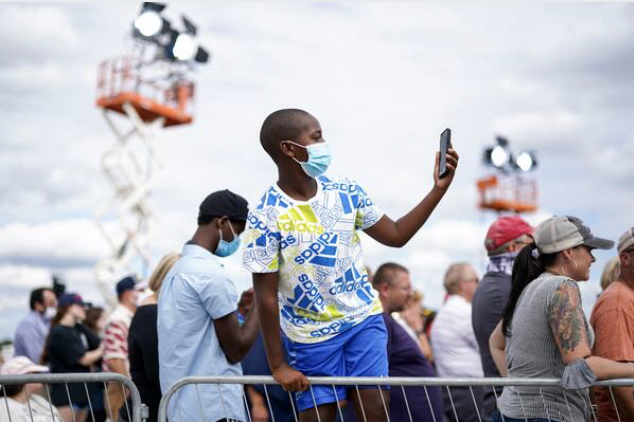
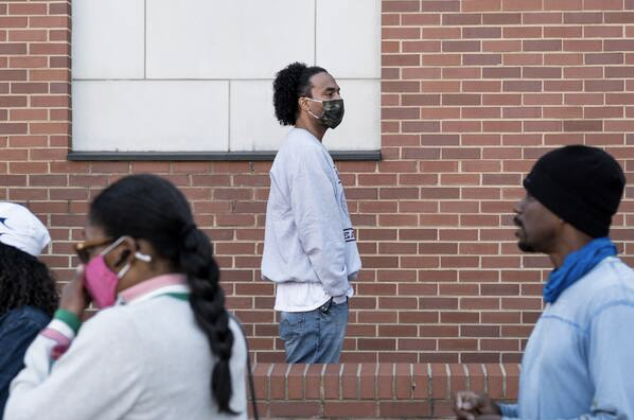
 Berlin Brandenburg’s main terminal includes a giant red carpet artwork hanging from the ceiling. MUST CREDIT: Bloomberg photo by Krisztian Bocsi
 Looking out over Rainbow Lake, with Adirondack chairs in the Adirondacks. MUST CREDIT: Photo for The Washington Post by Debra Bruno
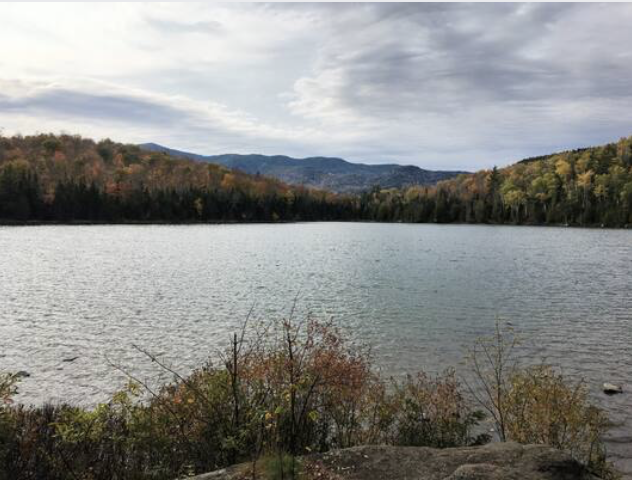
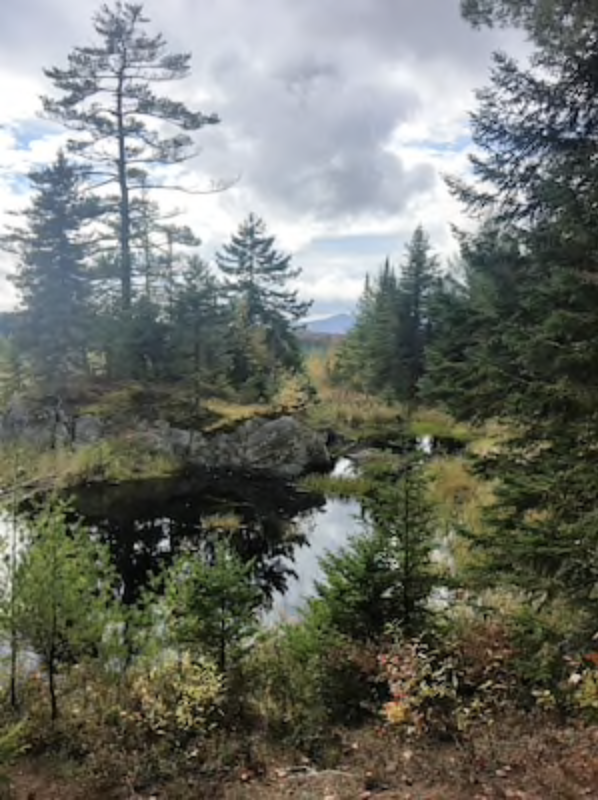
 Bartender Diego Trujillo is seen through plexiglass in the lounge of the St. Regis Hotel, one of Washington’s few luxury hotels that has not closed during the pandemic. MUST CREDIT: Washington Post photo by Matt McClain

 A voter casts a ballot in Detroit on Oct. 15. In Michigan, voting has been characterized by concern about the pandemic, potential violence at polling places and legal disputes over how and when ballots will be counted.. MUST CREDIT: Washington Post photo by Salwan Georges

 John Snider standing outside his home office in Colbert, Wash., just north of Spokane MUST CREDIT: Photo for The Washington Post by Rajah Bose
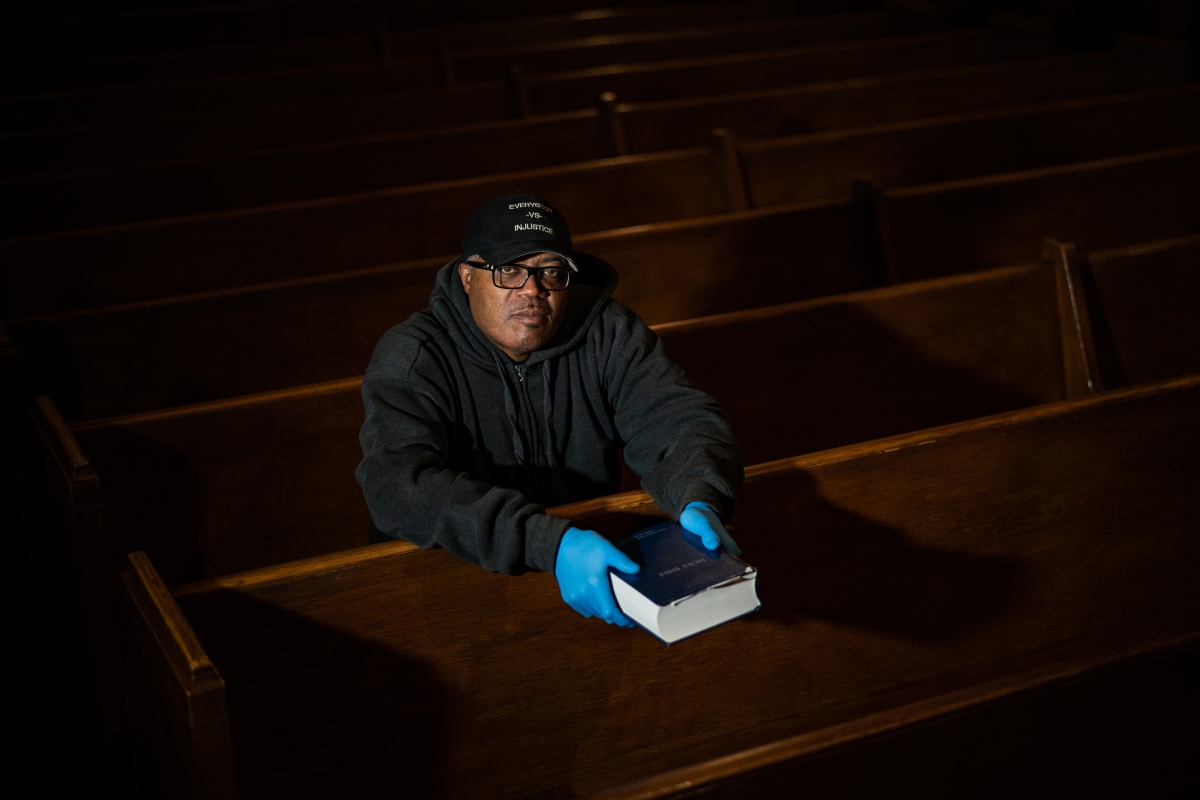
 Early voting in the U.S. as of Oct. 31. Photo by: The Washington Post — The Washington Post
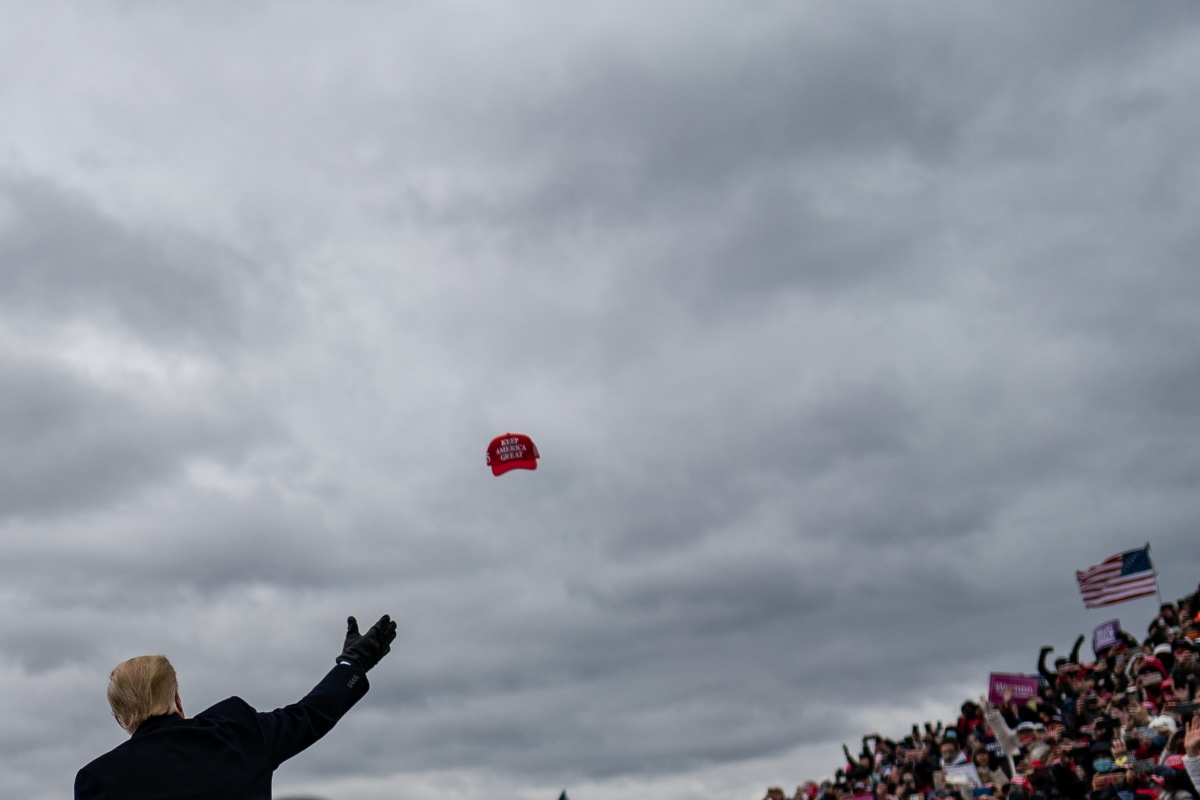
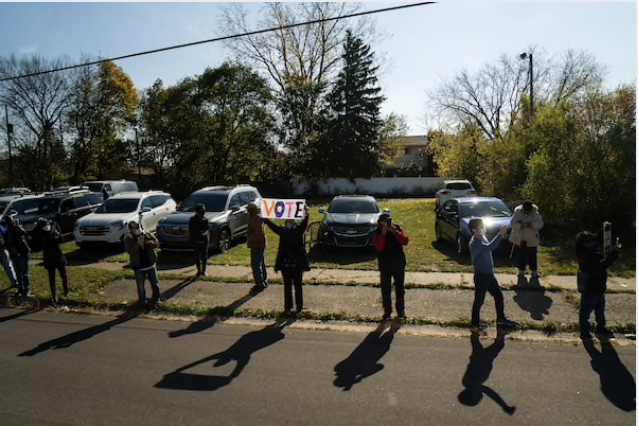

 ฟิลิปปินส์สั่งอพยพประชาชนบนเกาะลูซอนทางตอนใต้ของประเทศหนีซูเปอร์ไต้ฝุ่นโคนีที่มีความรุนแรงระดับ 5 ซึ่งถือว่ารุนแรงที่สุดของปีนี้

