Brexit deal hands a mix of relief, unwanted change to business #SootinClaimon.Com

#SootinClaimon.Com : ขอบคุณแหล่งข้อมูล : หนังสือพิมพ์ The Nation.

Brexit deal hands a mix of relief, unwanted change to business

InternationalDec 29. 2020Automobiles manufactured by Vauxhall Motors in the factory parking lot in England's Ellesmere Port on Feb. 5, 2018. Brexit had made Vauxhall, owned by France's PSA Group, postpone further investment in its plant in Ellesmere Port. MUST CREDIT: Bloomberg photo by Matthew LloydAutomobiles manufactured by Vauxhall Motors in the factory parking lot in England’s Ellesmere Port on Feb. 5, 2018. Brexit had made Vauxhall, owned by France’s PSA Group, postpone further investment in its plant in Ellesmere Port. MUST CREDIT: Bloomberg photo by Matthew Lloyd

By Syndication Washington Post, Bloomberg · Joe Mayes, Siddharth Philip, Deirdre Hipwell

Britain and European Union may have signed a trade deal, but British businesses still face a raft of difficult changes.

More than four years in the making, the Brexit agreement avoids the worst-case scenario of new tariffs and quotas after Dec. 31. That’s a welcome relief, and gives companies greater scope to focus on containing the damage from the coronavirus pandemic.

The divorce will still create significant disruption for a range of industries. Mutual recognition of standards, which would have allowed firms to make products in the U.K. and market them in the EU without any extra certification process, isn’t part of the deal. Likewise, workers in Britain’s services industry — which makes up 80% of its economy — face new costs and bureaucracy as their professional qualifications will no longer be automatically recognized in the EU.

The deal also requires extra customs paperwork and checks at the EU border. The queues of trucks that formed around Dover, Britain’s busiest port, after France blocked incoming traffic has given Britons a taste of the disorder that could be in store.

While a deal is better than no deal, “there are more issues there which will only emerge over time because I think we’ve underestimated the interconnectedness of the European economies,” Ulrich Hoppe, director general of the German-British Chamber of Industry & Commerce, said in an interview with Bloomberg TV.

With the full text of the agreement being published only days before it comes into force, a chorus of business voices has pleaded for a grace period to comply with the changes.

Here is a look at what a Brexit deal means for a variety of industries.

Automotive

U.K. auto manufacturers generated about $107 billion (79 billion pounds) in sales last year and employed about 180,000 people. Carmakers now must decide whether to move forward with investment in new models and production capacity that had been put on hold for years.

Vauxhall, owned by France’s PSA Group, had been holding out for more clarity on Brexit before deciding whether to approve further investment in its plant in Ellesmere Port. For others, the delays to the deal have already taken a toll — Nissan Motor Co. has decided against producing an electric model in northern England.

The deal is good news because it mostly avoids tariffs and gives electric-car makers sufficient time to phase in the new requirements, raising the chance that PSA will further invest in Vauxhall, said David Bailey, a business economics professor at Birmingham Business School.

Here are the key requirements for rules of origin, which determine what percentage of the value of a car’s components need to be sourced locally to qualify for tariff-free trade:

– Parts made in the U.K. as well as the EU count as local content.

– Gasoline and diesel cars need to be made with at least 55% local content to avoid tariffs – 5 percentage points more than what automakers and the U.K. wanted.

– Electric vehicles and hybrids will need 40% local content, 10 percentage points more than what the U.K. had asked for.

– Until 2023, batteries can have as much as 70% overseas content, and EVs and hybrids can have as much as 60% foreign content.

– From 2024 to 2026 – when European battery production is expected to be much more advanced – batteries can have 50% overseas content and EVs and hybrids 55% content.

The terms for electric and hybrid cars are more lenient because the region is still in the early stages of localizing battery production. However, the 40% local content requirement for EVs and hybrids may be difficult to meet for companies that source parts mainly in Asia, Bailey said.

Manufacturing

Producers are responsible for about 10% of U.K. gross domestic product, and have been spared the threat of new tariffs. But they face a raft of paperwork and new standards regulations which could create substantial pressure across the country on its first day outside the single market and customs union.

On standards, there is no mutual recognition of conformity assessments in the deal, meaning manufacturers will have to get their products approved separately by regulators in both markets. They may also have to run two separate production processes if U.K. and EU specifications differ, adding costs.

And at the border, the prospect of trucks turning up without the correct post-Brexit forms raises worries about serious traffic snarls. For example, as many as 10,000 trucks per day carrying everything from German car parts to Spanish lettuces, as well as U.K. exports to Europe, pass through Dover. This key port on the southeast coast has warned of 17-mile (27-kilometer) lines of vehicles on both sides of the English Channel if its average customs clearing is slowed by just two minutes.

Disruption is a nightmare for manufacturers because their years of investment into digitizing their operations have left them reliant on just-in-time supply chains. This helps them avoid the expense of stockpiles, but means that any delays in shipments spell trouble for the entire production process and the whole industry.

Retail

The thorny issue of tariffs had been British retailers’ biggest concern as higher import costs in a low-margin sector would have had to be passed on to consumers during a recession. This was particularly important for supermarket chains such as Tesco Plc and J Sainsbury Plc as the U.K. produces only about half the food it consumes, and the vast majority of imported food comes from the EU.

British wine merchants will be relieved that wine traveling between the U.K. and EU will require only simplified paperwork. In a no-deal scenario wines from the EU would have required expensive laboratory tests and other documentation, adding costs.

However, retailers still face a raft of new non-tariff barriers stemming from costs and staffing needed to manage extra customs paperwork which, in time, could filter down to the prices paid by shoppers at checkouts. Any upheaval could aggravate the impact the pandemic has had on consumer spending. The timing may mean additional pain – January is normally a dire month for retailers given that consumers usually pull back spending after their surge of shopping for Christmas.

Drugs

The pharmaceutical industry has long called for a mutual recognition agreement to protect the sector from unnecessary duplication and cost. The deal has achieved this at least in part, with inspections of drug manufacturing facilities to be valid in both regions.

However, the text doesn’t mention another industry request – mutual recognition of batch testing. This suggests U.K. safety tests on medicines may need to be conducted again before they can be sold in the EU, which would add time and cost burdens.

The pharmaceutical sector, like others, will also have to get to grips with customs and border checks. Coronavirus has given the issue extra weight and highlighted the need for the smooth passage of drugs and vaccines — about 45 million packs of medicines move from the U.K. to the EU every month, with 37 million going the other way.

The U.K. and EU have agreed to a one-year phase-in period for implementing regulation in Northern Ireland to give companies time to prepare to adjust packaging and distribution routes.

Aerospace

This heavily regulated industry contributes $27 billion (20 billion pounds) a year to the U.K. economy, and has long dealt with standards where the slightest change in a design or machine used to make an aircraft component can spark a safety reassessment. The Brexit agreement includes an accord on safety that maps out an approach based on mutual recognition and cooperation. This is essential as some parts crisscross the English Channel multiple times during the process of building a plane. Companies like Rolls-Royce Holdings Plc know that any major break with the status quo risks substantial disruption.

After year-end, the U.K. will oversee its own aircraft safety regime. That means handing the responsibility to the Civil Aviation Authority for the first time in decades. There’s a question of whether it will be able to take on so much work quickly enough to avoid disruption.

Airlines

Both sides agreed to explore a liberalization of rules that limit the operations of airlines outside of the territory where their ownership is based. Before the split, U.K. shareholders counted toward EU ownership requirements, but now they don’t. This threatens the rights of airlines like IAG SA and easyJet PLC to operate within the bloc.

IAG, the owner of British Airways, Iberia and Vueling, is incorporated in Spain but has significant U.K., U.S. and Qatari ownership. EasyJet has had difficulty keeping its EU share of ownership above the required 50% threshold. Both have said they’ll address their shareholder structure, but under the current setup their status as EU-controlled could be tested. Future changes to the rules could help insulate them from challenges. The U.K. and EU have agreed to consider making changes to the rules within 12 months.

Trucking

Hauliers face new restrictions when moving goods between the U.K. and the EU. Previously, U.K. drivers could do unlimited trips between EU countries, and as many as three deliveries within a single country in the bloc. An extra delivery within a country is known as a “cabotage” trip.

Now, British operators can only do two extra journeys when they move goods to the EU, and can only make one cabotage trip.

The restrictions are a major blow to the U.K. concert industry, which has relied on being able to move instruments and sound equipment on multiple trips between European countries without having to return to Britain.

Chemicals

This is the U.K.’s biggest manufacturing export sector, with annual turnover of about $42.5 billion (31.5 billion pounds). While the deal document contains signals that cooperation will continue, Britain’s access to a full spectrum of chemicals may still be at risk.

Chemical makers have yet to be told how aligned the U.K.’s new stand-alone regulatory framework will be with Europe’s Registration, Evaluation and Authorization of Chemicals regime, considered the gold standard for the safety and control of more than 22,000 substances and fluids that are key in industries from aerospace to electronics. Based on a “one substance, one registration” principle, it’s taken companies years of investment to put together all the dossiers containing data on the properties and hazards of each chemical required by REACH.

The Brexit agreement includes a commitment to cooperate on sharing this data. However, the lack of a firm arrangement means companies may yet face having to repeat the time- and money-consuming process of repeating all that paperwork to operate in both markets.

If ensuing talks fail to achieve regulatory alignment, the industry could face a 1 billion-pound bill to repeat all the safety documentation, according to Neil Hollis, BASF SE’s regulatory affairs manager.

Services

Services make up 80% of the U.K. economy and comprise a breadth of activities including IT, law, accountancy, insurance, consulting and architecture.

The EU is Britain’s largest export market for services, so the lack of automatic recognition for professional qualifications is a setback. It means firms will have to jump through extra bureaucratic hoops to have the right to provide services in an EU member state.

Short-term business travel between the U.K. and EU will continue unimpeded, but U.K. business visitors will only be able to travel to the EU for 90 days in any 180-day period.

Data

Movement of data generates $235 billion (174 billion pounds) of value in the U.K., according to the Confederation of British Industry, but the legal framework for this activity was in doubt because Britain is about to exit the EU’s data protection regime. The Brexit deal provides an interim solution that protects current data flows until a separate legal agreement is reached.

The temporary accord saves thousands of businesses from having to find alternative certifications before Jan. 1 to continue transfers, and postpones the risk of fines for violating the bloc’s strict privacy laws. This is a relief for any business which transfers data across the frontier from big tech platforms to airlines to banks.

EU officials said a so-called data adequacy decision, which would certify that U.K. data protection standards are comparable to the bloc’s, could be made in early 2021. Until then, the bridge offered by the Brexit deal leaves the existing rules place for as many as six months after Dec. 31.

Agriculture

British farmers welcomed the deal on tariffs, which will help products from barley to lamb remain competitive in the EU, the destination for more than 60% of the nation’s agricultural exports.

Still, even with the deal, there will be trade friction and the National Farmers Union called on the government to ensure cargoes of perishable foods aren’t left “languishing in queues at the border” in the new year. The British Meat Processors Association has also lamented that fresh-meat shipments won’t be prioritized in lines at the border, which may require traders to switch to trading lower-value frozen supply instead.

Fishing

A totemic sector for the campaign to leave the EU, despite its tiny contribution to U.K. GDP, the fishing industry is not happy with the agreement struck with the bloc and accused Prime Minister Boris Johnson of selling out coastal communities to get a deal.

Under the agreement, 25% of EU rights to catch fish in U.K. waters will be transferred to British boats over 5 1/2 years, much less than London’s demand for an 80% cut. After the phasing-in period, there will be annual negotiations over allocations, with each side able to use tariffs in retaliation if they disagree. The U.K. says they should be proportionate and limited to fish.

“Throughout the fishing industry there is a profound sense of disillusionment, betrayal, and fury that after all the rhetoric, promises and assurances, the Government caved-in on fish,” the National Federation of Fishermen’s Organisations said in a statement. “Some of the bellwether stocks tell the story most vividly, After a further five years adjustment period, the U.K.’s share of Channel cod will have increased from 9.3% to 10.2%.”

David Henig, U.K. director of the European Centre for the International Political Economy think tank, said the industry had lost out in the trade-off in the final days of the talks.

“In the end for the U.K. it seems the fear of losing car manufacturing, coupled with fear of border chaos, were a higher priority than fish or the level playing field,” he wrote in a blog post on Sunday. “This meant that the U.K. settled on other issues such as fish without any reward.”
A Tesla Model S erupted ‘like a flamethrower.’ It renewed old safety concerns about the trailblazing sedans. #SootinClaimon.Com

#SootinClaimon.Com : ขอบคุณแหล่งข้อมูล : หนังสือพิมพ์ The Nation.

A Tesla Model S erupted ‘like a flamethrower.’ It renewed old safety concerns about the trailblazing sedans.

InternationalDec 29. 2020

By The Washington Post · Faiz Siddiqui

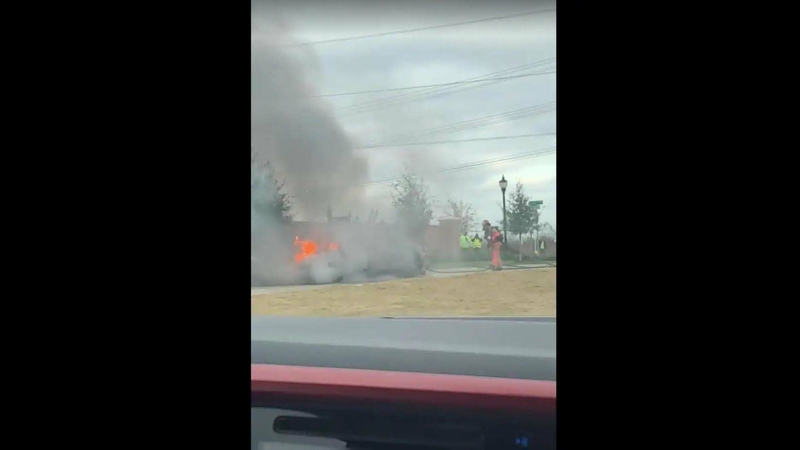
Seconds after Usmaan Ahmad heard metallic bangs in his Tesla Model S last month and pulled off a suburban Dallas thoroughfare, flames started shooting out of his five-year-old car.

The sound was like “if you were to drop an axle of a normal car” on the ground, Ahmad, 41, said. Only the car was intact, he recalled. Suddenly, as he stood on the side of the road, the car ignited in flames, concentrated around the front passenger-side wheel. “This was shooting out like a flamethrower,” recalled Ahmad, who works in strategy and business development for a health-care system.

The combustion of Ahmad’s car is one of a growing number of fire incidents involving older Tesla Model S and X vehicles that experts say are related to the battery, raising questions about the safety and durability of electric vehicles as they age. The National Highway Traffic Safety Administration (NHTSA) is evaluating the fire of Ahmad’s vehicle in Frisco, Tex., and has contacted Tesla over the matter, NHTSA spokesman Sean Rushton said this month. The agency opened an investigation last year into alleged battery defects that could cause fires in older Tesla sedans and SUVs.

Tesla did not respond to requests for comment sent to multiple representatives.

A lawsuit and defect petition that spurred the NHTSA probe allege Tesla manipulated its battery software in older model cars to reduce the risk of fire, lowering the range and lengthening charging times as it sought to address an undisclosed defect. The attorney filing suit on behalf of Tesla owners last year cited an “alarming number of car fires” that appeared to be spontaneous. Since the agency agreed to look into the issue last year, little more has been disclosed about the status of the probe.

Tesla has argued its cars are 10 times less likely to catch fire than gasoline vehicles, citing data from the National Fire Protection Association and U.S. Federal Highway Administration on the number of incidents by mileage traveled for its fleet of electric cars vs. other vehicles. Tesla said in 2018 that its vehicles had five fires per billion miles traveled, vs. 55 fires per billion miles traveled in the United States.

Other electric vehicle models have faced federal scrutiny and voluntary recalls over fire risks. Last month, NHTSA announced General Motors was recalling more than 50,000 Chevrolet Bolt electric cars in the United States over the potential for fire in its high-voltage battery pack, after the agency confirmed there were five known fires involving the vehicle, resulting in two injuries. NHTSA advised owners to park their cars outside until the problem is repaired.

General Motors spokesman Daniel Flores said dealers were updating the cars’ battery software to limit their charge capacity to 90 percent while the company addressed the issue. The batteries, he said, “may pose a risk of fire when charged to full, or very close to full, capacity,” and the company is “working around-the-clock to identify the root cause.”

Audi recalled its e-tron SUV last year shortly after its U.S. launch following the discovery of a potential fire risk, which the company said was a wiring harness issue. Audi spokesman Mark Dahncke said that Audi recorded no fires globally and that the recall was done out of an abundance of caution.

And federal regulators investigated General Motors for battery fire risks in its plug-in hybrid Chevrolet Volt in 2011, a problem GM agreed to address.

There were 189,500 highway vehicle fires in the United States in 2019, according to the National Fire Protection Association, encompassing passenger and other types of road-going vehicles. Experts say electric cars catch fire at a similar rate to gas cars, if not less often. But the duration and intensity of the fires, fueled by chemicals and the extreme heat buildup in lithium-ion battery systems, can make the fires in electric cars harder to put out.

“Battery fires can take up to 24 hours to extinguish,” Tesla says in an emergency response guide for the Model S on its website. “Consider allowing the battery to burn while protecting exposures.”

As a report prepared for NHTSA suggests, electric vehicle fires can result from a chain reaction of events where, for example, a defect causes overheating in a single cell. Through that vector, the heat can ignite highly flammable materials surrounding the source and spread to the rest of the battery, eventually spiraling out of control as temperature and pressure rise unabated, a process known as “thermal runaway.” But the issue may not be inherent to batteries, but rather the fact that the current crop of electric vehicles are relatively new to market and uniform safety standards have yet to be adopted, research has said.

An October 2017 Battelle report prepared for NHTSA on the safety of lithium-ion batteries for electric and plug-in hybrid cars “suggests that the technology and industry has not matured sufficiently to have established comprehensive safety codes and standards that mitigate risks.”

Tesla has come under particular scrutiny over concerns its computerized cars made emergency responses and investigations more difficult, with features such as retracting door handles that proved an impediment to first responders, for example, and proprietary systems with critical incident information that have required Tesla’s cooperation to decode.

The NHTSA defect petition that led to the probe cited alleged “high-voltage battery fires that are not related to collision or impact damage to the battery pack.” It focused on Model S and X vehicles from model years 2012 through 2019 and homed in on their battery management systems, including thermal management and charging control, NHTSA said.

One of the most gruesome incidents involving the Model S was the case of driver Omar Awan, who was trapped in a burning car in South Florida in 2019 after the car’s electronic door handles failed to retract following a fiery crash, his family said. The man’s family blamed that design feature in a wrongful-death lawsuit, saying his death was caused by the design features rather than the crash itself.

The battery reignited at least three times in the impound lot, according to the South Florida Sun-Sentinel.

Another fatal wreck in South Florida, in 2018, led the family of a teenage victim to sue Tesla, alleging the battery pack was defective. The firm representing that family alleged there were at least a dozen cases of Model S batteries igniting after a collision or while parked.

In 2019, Tesla said it sent investigators to the site of a Model S explosion in a Shanghai car park after video showed smoke billowing from the parked car before a fiery blast.

And a Tesla Model S burst into flames while sitting in traffic on a Los Angeles street in 2018, with fire shooting similarly from the wheel well. Tesla called it an “extraordinarily unusual occurrence.”

The Frisco incident bore resemblances to many of the previous cases, although Ahmad had been driving the Tesla Model S 85D shortly before it ignited. Ahmad said his battery was at around a 60 percent charge, he said, and he was cruising lightly on the way home from Home Depot.

Firefighters showed up within minutes after Robert Watson, 41, of Frisco witnessed black smoke and called 911. One of Watson’s sons started recording the fire, which was growing in intensity.

“It looked like the back of a jet engine with the afterburner on coming out of that front passenger wheel,” recalled Watson, who works for a technology company. The firefighters had the blaze under control in about 10 minutes, witnesses recalled.

But there was another issue. As he stood on the side of the road, Ahmad said, a firefighter asked how to get inside the cabin as they worked to douse the flames.

Ahmad thought to try the key fob but knew it might be futile. The Model S uses retractable door handles that are electronically controlled, popping out when they detect a nearby fob.

The firefighter “looked at me and he said, ‘You’re lucky you got out when you did, because you could have gotten stuck in there,'” Ahmad said. It raised similar concerns to the Florida crash involving Awan.

Keith Gall, battalion chief of administrative services for the Frisco Fire Department, told The Washington Post the fire involving Ahmad’s Tesla was deemed “unintentional,” though he did not elaborate. The car was destroyed, Ahmad said, and is sitting in an insurance lot. Now he is awaiting answers on the potential cause, though he said Tesla had not initially proved eager to investigate the fire.

“I am assuming the battery exploded and caused the fire, but would like to request Tesla please look into this,” he wrote Nov. 25 to a Tesla service center representative, who later responded they were glad he was safe and would look into the matter.

Since then, Tesla has repeatedly cited insurance hurdles. Once Ahmad files a claim, the parties will agree to jointly inspect the car, one Tesla representative told him.

“Until this is done, there is no time frame,” the Tesla rep told him in an email shared with The Post. A month after Ahmad’s email to Tesla, the company and his insurance agency agreed to jointly inspect the car, Ahmad said.

Ahmad said he wants to determine the root cause of the problem so this doesn’t happen to someone else.

Ahmad fears for others who have the same model vehicle and even for his parents, whom he convinced to get a Tesla Model X SUV.

“I don’t want anybody else to experience something this scary,” he said.

German politicians reject swift easing of virus restrictions as deaths top 30,000 #SootinClaimon.Com

#SootinClaimon.Com : ขอบคุณแหล่งข้อมูล : หนังสือพิมพ์ The Nation.

German politicians reject swift easing of virus restrictions as deaths top 30,000

InternationalDec 29. 2020

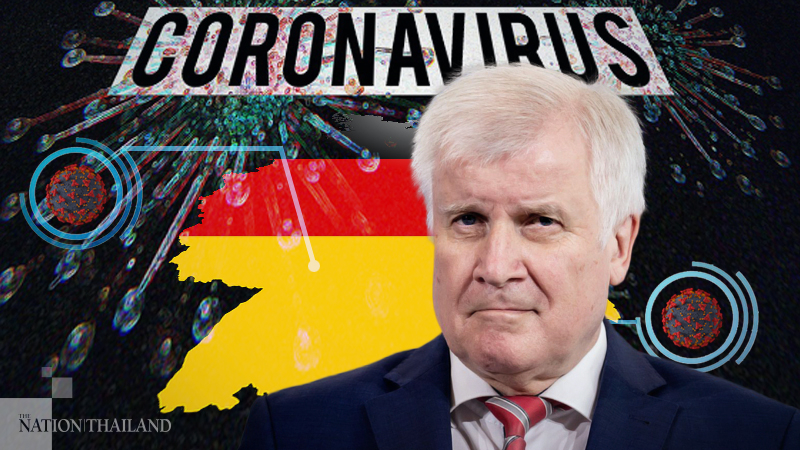
Interior Minister Horst Seehofer

Interior Minister Horst Seehofer

By Syndication Washington Post, Bloomberg · Iain Rogers

German officials ruled out a rapid lifting of the nation’s coronavirus restrictions as the country’s death toll from the disease ticked above 30,000.

Interior Minister Horst Seehofer told Bild am Sonntag newspaper that Germany “must not risk everything we have achieved with quick easing, otherwise it will start all over again.”

“If the lockdown does not have a sufficient effect, the measures must be tightened,” he said, adding that a “third wave” must be avoided “at all costs.”

German cases and deaths have been on the rise since October, prompting Chancellor Angela Merkel’s government to impose a harder shutdown — with schools and nonessential stores shuttered — until at least Jan. 10. Germany joined European Union partners in starting vaccinations on Sunday, but officials have said it will take months for the program to have a tangible impact on the spread of the disease.

“I expect that we will have to extend the measures,” Manuela Schwesig, the state premier of Mecklenburg-Western Pomerania, said in reference to the nationwide lockdown. “We are not through this yet,” she said in an interview with Bild newspaper.

Germany has recorded several hundred coronavirus-related deaths each day in the past few weeks. The number of fatalities rose by another 351 in the 24 hours through Monday morning, according to data from Johns Hopkins University, after having crossed the 30,000 mark for the first time on Sunday. Total cases exceed 1.65 million.

Seehofer, a member of the Bavarian sister party to Merkel’s CDU, accused some senior colleagues of failing to recognize the seriousness of the pandemic. Merkel pushed for tighter restrictions to be introduced earlier, but faced resistance among the heads of Germany’s 16 states.

The virus curbs from October onward were “inadequate” and some top officials, including regional leaders, “simply underestimated the gravity of the situation,” Seehofer told Bild.

“You can only get the spread of a highly infectious and potentially deadly virus under control with rigorous countermeasures,” he said, adding that Germany still lacks “satisfactory solutions” for schools and public transport.

Foreign entry, Go To Travel suspensions begin #SootinClaimon.Com

#SootinClaimon.Com : ขอบคุณแหล่งข้อมูล : หนังสือพิมพ์ The Nation.

Foreign entry, Go To Travel suspensions begin

InternationalDec 28. 2020

By Syndication Washington Post, The Japan News-Yomiuri

The suspensions of the entry of foreign visitors and the Go To Travel campaign began Monday.

The government is hoping to prevent the spread of infections with a new variant of the novel coronavirus from overseas by putting the entry ban into force through the end of January.

Furthermore, the government is asking people to refrain from travel during the year-end and New Year holidays by temporarily halting the tourism promotion campaign through Jan. 11.

Prime Minister Yoshihide Suga emphasized that the entry ban was an action he had taken at an early stage.

“I gave instructions on the policy on Saturday in order to deal with the situation ahead of time,” he said on Monday morning, responding to questions from reporters at the Prime Minister’s Office. “I would like to ask the public to take thorough measures against infection such as washing their hands and wearing masks. I hope they have quiet year-end and New Year holidays.”

The government had allowed foreign students and expatriates to enter since October on an exceptional basis. After the spread of the new variant, the government had suspended entries from Britain and South Africa, and on Monday it extended the suspension to all countries.

Business personnel traffic with 11 countries and regions, including China and South Korea, will continue in accordance with bilateral agreements. However, if the variant of the virus spreads, the government will consider suspending it.

On the other hand, the return of Japanese nationals from overseas and the reentry of foreign nationals with resident status will continue to be permitted. But travelers returning or reentering Japan from a short-term business trip are again being required to quarantine at home or elsewhere for 14 days.

Domestic flight bookings

Due to the surge in domestic infection numbers, the Go To Travel campaign has been suspended for the first time since it started in July.

The suspension is scheduled to last for 15 days, until Jan. 11, but may be extended depending on the future infection situation.

There were few passengers returning to their hometowns or going on trips at the domestic terminal of Haneda Airport in Tokyo on Monday morning, despite the year-end holiday season. The electronic board was lined with announcements of flight cancellations.

The number of bookings for domestic flights from Dec. 25 to Jan. 3 fell sharply to 801,113 for All Nippon Airways, down 42.4% from the previous year, and 511,965 for Japan Airlines Group, down 51.5%, it was announced on Dec. 18.

There was no noticeable congestion on the Shinkansen bullet trains departing from Tokyo. As of 10 a.m. Monday, the occupancy rate of unreserved seats on the Tohoku, Yamagata, Joetsu and Hokuriku Shinkansen lines was between 10-30%, while that of the Tokaido Shinkansen was up to 30%.

The government will discuss what to do with the travel campaign after Jan. 12 at a meeting of the subcommittee on coronavirus countermeasures, which it plans to hold on or after Jan. 4. Depending on the infection situation, the suspension may be continued or only partially lifted.

Special measures law

In addition, the ruling and opposition parties will enact amendments to the special measures law for pandemic influenza prior to the enactment of the fiscal budget in the Diet session to be convened in January.

Hiroshi Moriyama, chairperson of the Liberal Democratic Party Diet Affairs Committee, and Jun Azumi, his counterpart in the Constitutional Democratic Party of Japan, talked in the Diet Building and agreed on doing so Monday morning.

In order to strengthen measures against the novel coronavirus, the government is considering including in the proposed amendment specified support measures for stores and other businesses that close or shorten their hours in response to requests, as well as penalties for those that do not.

ซานตาพาโควิดติดบ้านพักคนชราดับ 18 #SootinClaimon.Com

#SootinClaimon.Com : ขอบคุณแหล่งข้อมูล : หนังสือพิมพ์โพสต์ทูเดย์

https://www.posttoday.com/world/641429

วันที่ 28 ธ.ค. 2563 เวลา 18:00 น.ซานตาพาโควิดติดบ้านพักคนชราดับ 18   ซานตาคลอสกลายเป็นซูเปอร์สเปรดเดอร์หลังไปเยี่ยมบ้านพักผู้สูงอายุโดยไม่รู้ว่าตัวเองติด Covid-19    

ผู้สูงอายุจากบ้านพักคนชรา Hemelrijck ในเขตโมลใกล้กับเมืองแอนท์เวิร์ปของเบลเยียมทยอยเสียชีวิตจาก Covid -19 นับตั้งแต่ต้นเดือนที่ผ่านมารวม 18 ราย และยังมีผู้ติดเชื้อสะสมอีก 157 ราย แบ่งเป็นเจ้าหน้าที่ 36 รายและผู้สูงอายุ 121 ราย   

การติดเชื้อในบ้านพักผู้สูงอายุแห่งนี้เกิดขึ้นหลังจากนักบำบัดรายหนึ่งที่แต่งตัวเป็นซานตาคลอสเข้ามาเยี่ยมผู้สูงอายุเพื่อให้กำลังใจในช่วงเทศกาลคริสต์มาส โดยที่เจ้าตัวไม่ทราบว่าตัวเองติดเชื้อโคโรนาไวรัส เนื่องจากไม่มีอาการป่วยและรู้สึกว่าตัวเองแข็งแรง  

เจ้าหน้าที่ยืนยันว่าซานตารักษาระยะห่างกับบรรดาผู้สูงอายุ และทั้งซานตาและผู้สูงอายุก็สวมหน้ากากอนามัย แต่ภาพที่เผยแพร่ออกมากลับกลายเป็นว่าผู้สูงอายุไม่สวมหน้ากากอนามัย และซานตายังยืนถ่ายภาพใกล้ชิดกับผู้สูงอายุ  

ขณะนี้เจ้าหน้าที่กำลังตรวจสอบบ้านพักคนชราดังกล่าวเพื่อสืบหาต้นตอของเชื้อที่แท้จริงอีกครั้ง   

อย่างไรก็ดี มาร์ก ฟาน รันสท์ นักไวรัสวิทยาจากมหาวิทยาลัยคาทอลิกโลเวอตั้งข้อสังเกตว่าเหตุใดบุคลคนเดียวจึงแพร่เชื้อสู่ผู้อื่นได้มากมายในคราวเดียวกัน และยังชี้ว่าอาจเป็นเพราะระบบระบายอากาศที่ไม่ดีพอ

จีนสั่งจำคุก 4 ปีนักข่าวรายงานข่าวโควิดในอู่ฮั่น #SootinClaimon.Com

#SootinClaimon.Com : ขอบคุณแหล่งข้อมูล : หนังสือพิมพ์โพสต์ทูเดย์

https://www.posttoday.com/world/641424

วันที่ 28 ธ.ค. 2563 เวลา 17:00 น.จีนสั่งจำคุก 4 ปีนักข่าวรายงานข่าวโควิดในอู่ฮั่นนักข่าวหญิงชาวจีนที่เป็นสื่อกลุ่มแรกๆ ที่รายงานการแพร่ระบาดของ Covid-19 ในเมืองอู่ฮั่นถูกศาลตัดสินจำคุก 4 ปี

ศาลชั้นต้นในเมืองเซี่ยงไฮ้ของจีนตัดสินจำคุก จางจัน นักข่าวชาวจีนคนแรกๆ ที่ลงพื้นที่รายงานการแพร่ระบาดของ Covid-19 ในเมืองอู่ฮั่นซึ่งเป็นต้นตอการระบาด เป็นเวลา 4 ปี ในข้อหาก่อให้เกิดความวุ่นวาย

บทความของจางเมื่อเดือน ก.พ.ที่ผ่านมาเขียนถึงการระบาดของเชื้อโคโรนาไวรัสว่า รัฐบาลไม่ได้ให้ข้อมูลที่เพียงพอกับประชาชน และหลังจากนั้นก็สั่งล็อกดาวน์เมืองอู่ฮั่นทันที

ทั้งบทความและการรายงานสดของจางถูกแชร์อย่างแพร่หลายในโลกโซเชียลมีเดียจนกระทั่งเรื่องไปถึงหูรัฐบาลที่เคยสั่งลงโทษแพทย์ที่เปิดเผยว่าเกิดโรคระบาดในเมืองอู่ฮั่นเป็นกลุ่มแรกๆ

เครือข่ายต่อสู้เพื่อสิทธิมนุษยชนในจีนเผยว่า (CHRD) จางหายตัวไปจากเมืองอู่ฮั่นเมื่อวันที่ 14 พ.ค. และวันต่อมาก็พบว่าจางถูกตำรวจในเมืองเซี่ยงไฮ้ซึ่งห่างจากอู่ฮั่นถึง 640 กิโลเมตร ควบคุมตัวไว้

จางถูกตั้งข้อหาอย่างเป็นทางการเมื่อเดือนที่แล้ว โดยระบุว่าเธอเผยแพร่ข้อมูลเท็จผ่านตัวอักษร วิดีโอ และสื่ออื่นๆ อาทิ วีแชท ทวิตเตอร์ และยูทูบ รวมทั้งถูกกล่าวหาว่าให้สัมภาษณ์กับสื่อต่างประเทศเผยแพร่ขอมูลเกี่ยวกับการแพร่ระบาดในเมืองอู่ฮั่นด้วยเจตนาร้าย

จางเริ่มประท้วงการจับกุมด้วยการอดอาหารในเดือน มิ.ย. โดยทนายความส่วนตัวของจางเผยว่าสุขภาพเธอกำลังย่ำแย่ และถูกบังคับให้อาหารผ่านสายยางทางจมูก

***หมายเหตุ ภาพประกอบเป็นบุคลากรทางการแพทย์จากมณฑลจี๋หลินร่ำลาเจ้าหน้าที่ทางการแพทย์ในเมืองอู่ฮั่นหลังร่วมมือกันรับมือ Covid-19 ในเมืองอู่ฮั่นนานกว่า 11 สัปดาห์ 

แพทย์ใหญ่ทำเนียบขาวเตือนหายนะครั้งใหญ่รออยู่ข้างหน้า #SootinClaimon.Com

#SootinClaimon.Com : ขอบคุณแหล่งข้อมูล : หนังสือพิมพ์โพสต์ทูเดย์

https://www.posttoday.com/world/641415

วันที่ 28 ธ.ค. 2563 เวลา 15:30 น.แพทย์ใหญ่ทำเนียบขาวเตือนหายนะครั้งใหญ่รออยู่ข้างหน้าผู้เชี่ยวชาญด้านสาธารณสุขเห็นพ้องว่าหายนะครั้งใหญ่กำลังมาถึงหลังพบไวรัสกลายพันธุ์ลุกลามหลายประเทศ ขณะผู้ติดเชื้อทั่วโลกทะลุ 80 ล้านราย

เซาท์ไชน่ามอร์นิ่งโพสต์รายงานว่า นายแพทย์แอนโธนี เฟาซี ผู้อำนวยการสถาบันโรคภูมิแพ้และติดเชื้อแห่งชาติสหรัฐ และหัวหน้าทีมเฉพาะกิจเพื่อรับมือการแพร่ระบาดของโควิด-19 ประจำทำเนียบขาว ส่งคำเตือนหลังผู้ติดเชื้อไวรัสในสหรัฐและทั่วโลกเพิ่มขึ้นอย่างต่อเนื่องท่ามกลางการแพร่ระบาดของไวรัสสายพันธุ์ใหม่ที่มีประสิทธิภาพในการแพร่กระจายมากขึ้นกว่าเดิม

โดยขณะนี้จำนวนผู้ติดเชื้อทั่วโลกทะลุ 80 ล้านรายเป็นที่เรียบร้อย และมีผู้เสียชีวิตกว่า 1.7 ล้านรายทั่วโลก ขณะที่ในสหรัฐมีผู้ติดเชื้อกว่า 19 ล้านรายแล้ว

นายแพทย์เซาฟีแสดงความกังวลต่อสถานการณ์ที่เกิดขึ้นโดยเฉพาะอย่างยิ่งใกล้ถึงช่วงเทศกาลปีใหม่ซึ่งมีแนวโน้มว่าจะมีผู้ติดเชื้อเพิ่มขึ้นอีกอย่างมีนัยสำคัญ และเห็นด้วยกับคำพูดของว่าที่ประธานาธิบดีโจ ไบเดนที่มองว่าสถานการณ์ที่เลวร้ายที่สุดกำลังรออยู่ข้างหน้า

พร้อมเตือนว่าสหรัฐกำลังอยู่ใน “จุดวิกฤต” เนื่องจากชาวอเมริกันจำนวนมากเพิกเฉยต่อแนวทางปฏิบัติในการควบคุมการแพร่ระบาดของโรค

เช่นเดียวกับสกอตต์ กอตต์ลีบ อดีตหัวหน้าสำนักงานคณะกรรมการอาหารและยาแห่งสหรัฐอเมริกา และสมาชิกคณะกรรมการของไฟเซอร์ (Pfizer) ที่ให้สัมภาษณ์กับ CBS ว่า “มีเดือนที่น่ากลัวรออยู่ข้างหน้า”

โดยเชื่อว่าไวรัสสายพันธุ์ใหม่ซึ่งเกิดขึ้นในหลายประเทศ อาทิ สหราชอาณาจักร เยอรมนี แคนาดา สวีเดน ฝรั่งเศส สวิตเซอร์แลนด์ ไอร์แลนด์ โปรตุเกส เกาหลีใต้ และญี่ปุ่น ได้เข้ามาในสหรัฐแล้ว และขณะนี้เจ้าหน้าที่สาธารณสุขกำลังเฝ้าระวังแม้ว่าจะยังไม่มีหลักฐานที่ชัดเจนว่าไวรัสสายพันธุ์ใหม่จะส่งผลให้โรครุนแรงขึ้นก็ตาม

ทั้งนี้ สหรัฐเริ่มฉีดวัคซีนให้กับประชาชนตั้งแต่วันที่ 14 ธ.ค. ขณะที่ในช่วงไม่กี่สัปดาห์ที่ผ่านมายังคงมีผู้ป่วยในโรงพยาบาลเพิ่มขึ้นอย่างต่อเนื่อง

โดยก่อนหน้านี้ยังมีผู้เชี่ยวชาญออกมาเตือนว่าการแพร่ระบาดของไวรัสสายพันธุ์ใหม่ที่สามารถแพร่กระจายได้มากขึ้นมีแนวโน้มว่าจะทำให้มีจำนวนผู้ติดเชื้อรวมถึงผู้เสียชีวิตทั่วโลกเพิ่มขึ้นในปีหน้า

Photo by Patrick Semansky / POOL / AFP

แอสตราเซเนกาอ้างพบสูตรแห่งชัยชนะเพิ่มประสิทธิภาพวัคซีน #SootinClaimon.Com

#SootinClaimon.Com : ขอบคุณแหล่งข้อมูล : หนังสือพิมพ์โพสต์ทูเดย์

https://www.posttoday.com/world/641411

วันที่ 28 ธ.ค. 2563 เวลา 14:00 น.แอสตราเซเนกาอ้างพบสูตรแห่งชัยชนะเพิ่มประสิทธิภาพวัคซีนการพัฒนาวัคซีนยังแข่งขันกันอย่างหนัก แต่ล่าสุดแอสตราเซเนกาเคลมว่าได้ค้นพบสูตรที่จะเพิ่มประสิทธิภาพของวัคซีน

ปาสคาล โซริออท ประธานผู้บริหารของแอสตราเซเนกา (AstraZeneca) บริษัทที่พัฒนาวัคซีน Covid-19 ร่วมกับมหาวิทยาลัยออกซ์ฟอร์ด ให้สัมภาษณ์กับ The Sunday Times สื่อของอังกฤษว่า บริษัทค้นพบ “สูตรแห่งชัยชนะ” ที่ช่วยพัฒนาประสิทธิภาพของวัคซีนของทางบริษัทให้ดีขึ้นเทียบเท่ากับวัคซีนอื่นๆ เมื่อฉีดครบทั้งสองโดส แต่ยังปฏิเสธที่จะให้รายละเอียดในขณะนี้

“ผมไม่สามารถบอกคุณได้มากกว่านี้ เพราะเราจะเผยแพร่เรื่องนี้เมื่อถึงเวลาหนึ่ง” ปาสคาลระบุ

ปาสคาลยังเสริมอีกว่า เขาหวังว่าการทดสอบวัคซีนจะมีประสิทธิภาพที่ราว 90% ใกล้เคียงกับประสิทธิภาพวัคซีนของไฟเซอร์กับไบโอเอ็นเทค (Pfizer-BioNTech) ซึ่งอยู่ที่ 95% และของโมเดอร์นา (Moderna) ที่ 94.5%

ทั้งนี้ ในการทดลองวัคซีนของแอสตราเซเนกาที่พัฒนาร่วมกับมหาวิทยาลัยออกซ์ฟอร์ดให้ประสิทธิภาพอยู่ที่ 90% เมื่ออาสาสมัครได้รับวัคซีนครึ่งโดสในครั้งแรก และตามด้วยอีก 1 โดสอย่างน้อย 1 เดือนหลังจากรับวัคซีนครั้งแรก แต่เมื่ออาสาสมัครได้รับวัคซีนเต็มทั้งสองโดส โดยแต่ละโดสห่างกันอย่างน้อย 1 เดือน ประสิทธิภาพของวัคซีนอยู่ที่ 62%

หมายความว่าเมื่อนำผลการทดสอบทั้งหมดมาพิจารณา ประสิทธิภาพโดยรวมของวัคซีนจะอยู่ที่ 70%

ปาสคาลยังแสดงความเชื่อมั่นว่าวัคซีนของออกซ์ฟอร์ด-แอสตราเซเนกาจะยังมีประสิทธิภาพในการรับมือกับเชื้อโคโรนาไวรัสชนิดกลายพันธุ์ที่พบในสหราชอาณาจักรและอีกหลายประเทศขณะนี้ได้ แม้จะต้องรอผลการทดสอบยืนยันให้แน่ชัดอีกครั้งก็ตาม

อินโดไฟเขียวตรวจโควิดจากลมหายใจ รู้ผลใน 3 นาที ค่าตรวจหลักสิบ #SootinClaimon.Com

#SootinClaimon.Com : ขอบคุณแหล่งข้อมูล : หนังสือพิมพ์โพสต์ทูเดย์

https://www.posttoday.com/world/641405

วันที่ 28 ธ.ค. 2563 เวลา 12:45 น.อินโดไฟเขียวตรวจโควิดจากลมหายใจ รู้ผลใน 3 นาที ค่าตรวจหลักสิบอินโดนีเซียอนุมัติ ‘GeNose C19’ เครื่องตรวจโควิด-19 จากลมหายใจ ใช้งานสะดวกค่าตรวจแสนถูก

เดอะสเตรตส์ไทมส์รายงานจากกรุงจาการ์ตา ประเทศอินโดนีเซีย เมื่อวันที่ 27 ธ.ค. ว่าอินโดนีเซียเปิดตัว “GeNose C19” เครื่องตรวจโควิด-19 จากลมหายใจที่พัฒนาโดยนักวิจัยจากมหาวิทยาลัยกาดยาห์มาดา (Gadjah Mada) ซึ่งเครื่องตรวจนี้สามารถตรวจหาเชื้อได้ภายในเวลาเพียง 3 นาที

ศาสตราจารย์ กูวัต ตรียานา (Kuwat Triyana) ผู้นำทีมวิจัยเผยว่าเครื่องตรวจลมหายใจนี้ได้รับการอนุมัติจากกระทรวงสาธารณสุขเแล้วในวันที่ 24 ธ.ค. ที่ผ่านมา โดยเบื้องต้นจะแจกจ่ายเครื่องตรวจลมหายใจจำนวน 100 เครื่องสำหรับจุดคัดกรองต่างๆ ในที่สาธารณะ เช่น สนามบิน สถานีรถไฟ และโรงพยาบาล ซึ่งคาดว่าจะสามารถทำการทดสอบให้กับประชาชนได้ 12,000 คนต่อวัน

โดยทีมวิจัยตั้งเป้าที่จะผลิตเครื่องทดสอบให้ได้ 10,000 เครื่องภายในสิ้นเดือนกุมภาพันธ์ เพื่อที่จะสามารถตรวจคัดกรองประชาชนได้วันละ 1.2 ล้านคน

สำหรับค่าใช้จ่ายสำหรับการทดสอบด้วยเครื่องตรวจลมหายใจนี้อยู่ที่ครั้งละ 15,000 ถึง 25,000 รูเปียห์ หรือราว 32 ถึง 53 บาทเท่านั้น ขณะที่การทดสอบ PCR ซึ่งเป็นการทดสอบมาตรฐานที่กำหนดโดยองค์การอนามัยโลก (WHO) มีค่าใช้จ่ายกว่า 2 ล้านรูเปียห์ (ประมาณ 4,200 บาท)

ขณะนี้อินโดนีเซียมีผู้ป่วยโควิด-19 ในประเทศราว 713,365 คน และผู้เสียชีวิต 21,237 คน ซึ่งเป็นจำนวนที่สูงที่สุดในเอเชียตะวันออกเฉียงใต้

Photo by Juni Kriswanto / AFP

อเมริกันเฮ! รอดชัตดาวน์หลังทรัมป์ยอมเซ็นแพ็กเกจเยียวยาโควิด #SootinClaimon.Com

#SootinClaimon.Com : ขอบคุณแหล่งข้อมูล : หนังสือพิมพ์โพสต์ทูเดย์

https://www.posttoday.com/world/641391

วันที่ 28 ธ.ค. 2563 เวลา 11:20 น.อเมริกันเฮ! รอดชัตดาวน์หลังทรัมป์ยอมเซ็นแพ็กเกจเยียวยาโควิดประธานาธิบดีโดนัลด์ ทรัมป์ ยอมลงนามร่างกฎหมายเยียวยาผลกระทบจากโควิด-19 หลังปฏิเสธมาพักใหญ่

บีบีซีรายงานว่า ประธานาธิบดีโดนัลด์ ทรัมป์ ของสหรัฐยอมลงนามร่างกฎหมายงบประมาณกระตุ้นเศรษฐกิจและเยียวยาผลกระทบจากโควิด-19 ในวงเงิน 2.3 ล้านล้านเหรียญสหรัฐ โดยได้จัดสรรงบประมาณ 1.4 ล้านล้านเหรียญสหรัฐสำหรับรัฐบาล และ 9 แสนล้านเหรียญสหรัฐสำหรับเยียวยาประชาชนที่ได้รับผลกระทบจากการแพร่ระบาดของไวรัสโคโรนา ส่งผลให้หน่วยงานของรัฐรอดพ้นจากการชัตดาวน์

โดยในตอนแรกทรัมป์จะปฏิเสธการลงนามในร่างกฎหมายดังกล่าวท่ามกลางความไม่พอใจของประชาชนจำนวนมาก ซึ่งหากทรัมป์ไม่ลงนามภายในเที่ยงคืนของวันที่ 28 ธ.ค. จะส่งผลให้การทำงานของหน่วยงานรัฐบาลบางส่วนต้องหยุดชะงัก

ทั้งนี้ มาตรการจ่ายเงินเยียวยาให้กับชาวอเมริกันที่ตกงาน 14 ล้านคน หมดอายุลงไปเมื่อวันที่ 26 ธ.ค. ที่ผ่านมา แต่คาดว่าจะสามารถดำเนินการต่อไปได้เมื่อทรัมป์ลงนามในรางกฎหมายงบประมาณใหม่เรียบร้อยแล้ว โดยความล่าช้าที่เกิดขึ้นส่งผลให้ชาวอเมริกันหลายล้านคนต้องสูญเสียสวัสดิการว่างงานชั่วคราว

การลงนามดังกล่าวเกิดขึ้นหลังจากที่ทรัมป์ทวีตลงบนทวิตเตอร์ส่วนตัวเมื่อวันที่ 27 ธ.ค. ว่า “มีข่าวดีสำหรับร่างกฎหมายเยียวยาผลกระทบจากโควิด-19 โปรดติดตาม”

Good news on Covid Relief Bill. Information to follow!— Donald J. Trump (@realDonaldTrump) December 27, 2020

อย่างไรก็ตามยังไม่ทราบถึงสาเหตุแน่ชัดที่ทรัมป์ตัดสินใจลงนามในร่างกฎหมายในที่สุด แต่ก่อนหน้านี้เขาได้รับแรงกดดันอย่างหนักจากสภาคองเกรส

รวมถึงโจ ไบเดน ว่าที่ประธานาธิบดีคนใหม่ได้เตือนถึง “ผลกระทบที่ร้ายแรง” หากทรัมป์ยังคงชะลอการลงนาม โดยแถลงเมื่อวันที่ 26 ธ.ค. ที่ผ่านมาว่าการที่ทรัมป์ปฏิเสธการลงนามถือเป็นการ “ปัดความรับผิดชอบ”

Photo by ANDREW CABALLERO-REYNOLDS / AFP