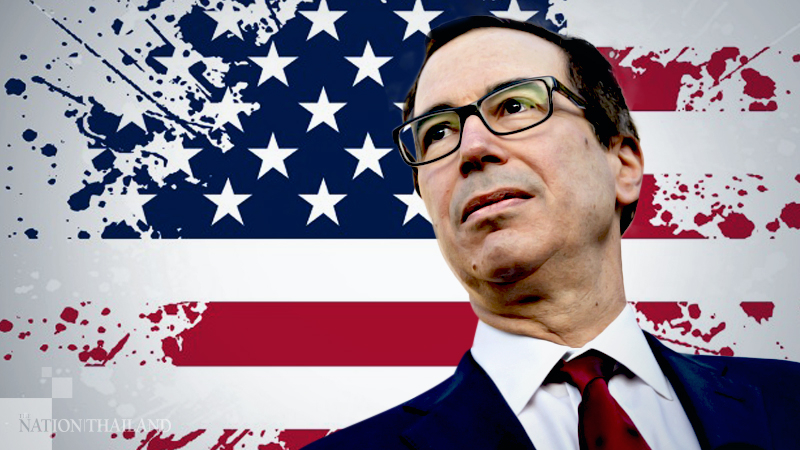
Momentum grows on Capitol Hill for economic relief package as bipartisan group releases two bills #SootinClaimon.Com

#SootinClaimon.Com : ขอบคุณแหล่งข้อมูล : หนังสือพิมพ์ The Nation.

Momentum grows on Capitol Hill for economic relief package as bipartisan group releases two bills (nationthailand.com)

Momentum grows on Capitol Hill for economic relief package as bipartisan group releases two bills

InternationalDec 15. 2020

Treasury Secretary Steven Mnuchin

Treasury Secretary Steven Mnuchin

By The Washington Post · Jeff Stein, Mike DeBonis, Seung Min Kim

WASHINGTON – A bipartisan group of lawmakers on Monday released two bills that it said would provide the nation with emergency economic relief as senior congressional officials sounded more hopeful about the odds of approving new relief than they have in weeks.

The group unveiled one $748 billion package that includes new unemployment benefits, small-business aid and other programs that received broad bipartisan support. The second bill includes the two provisions most divisive among lawmakers – liability protections for businesses, and about $160 billion in aid for state and local governments – with the expectation that both could be excluded from a final deal to secure passage of the most popular provisions. This second bill could end up falling out of the final deal if lawmakers do not rally around it.

Still, the progress in the bipartisan group’s work comes as congressional leaders indicate momentum for quickly approving some sort of economic relief package before lawmakers leave for Christmas recess. One senior House Democrat on Sunday appeared open to advancing legislation that lacked state and local funding, a possible concession that could pave the way for an agreement. Senate Majority Leader Mitch McConnell, R-Ky., sounded hopeful and emphasized potential cooperation in a speech on the Senate floor.

The effort to break the months-long legislative logjam over economic aid has been spearheaded by Sens. Joe Manchin, D-W.Va., Susan Collins, R-Maine, Mark Warner, D-Va., Mitt Romney, R-Utah, and Lisa Murkowski, R-Alaska, among other centrist lawmakers who appeared together at a news conference Monday. And it reflects a shift in strategy, as rank-and-file members are trying to spearhead the initiative instead of deferring to congressional leaders.

The first bipartisan bill centers on providing hundreds of billions in aid in unemployment benefits and a second round of small-business relief while devoting tens of billions to other needs such as education, transit agencies, hunger initiatives and vaccine distribution.

“Bipartisanship and compromise is alive and well in Washington,” Manchin said. “We’ve proven that.”

“My hope is that our hard work will spur our leadership on both sides of the aisle, in the Senate, in the House and in the [Trump] administration, to take our products and use them as the basis for a covid-relief package that is urgently needed.”

She called the group’s legislation a “Christmas miracle” after months of partisan gridlock.

The two bills show how far the bipartisan group of negotiators took the process but also the limits of their effort – they were not able to completely solve some of the most complex problems. Sen. Bill Cassidy, R-La., touted the need for state and local aid to make its way into a final package, but it’s unclear whether that element will survive the final stages of negotiations.

Negotiators hope that by advancing both of these measures they will draw Democratic and Republican leaders into the negotiations to speed the process along and lead to a final package. Bringing their bills to congressional leaders could kick off a new round of higher-stakes negotiating.

House Speaker Nancy Pelosi, D-Calif., discussed a relief bill with Treasury Secretary Steven Mnuchin on Sunday, and they were expected to talk again Monday. McConnell also sounded upbeat rather than narrowly denouncing his opponents, saying on the Senate floor: “The Republican side wants to make law, to agree where we can and help people who need it. I hope and believe that my Democratic colleagues feel the same way.”

Lawmakers also made progress over the weekend on the government funding bills. Senior congressional leadership has aimed to include the stimulus legislation with the legislation to fund the government, but that effort has also not been finalized. Appropriators are now optimistic that a compromise could be hammered out by as early as Monday, according to aides familiar with the deliberations. Congress has until Friday to pass spending legislation to avert a government shutdown that would begin Saturday.

The legislation includes 16 weeks of unemployment benefits at $300 per week for jobless Americans and $300 billion in small-business relief, including a second round of Paycheck Protection Program funding, according to a summary of the document provided by a congressional aide.

It also includes $82 billion for schools; $13 billion in emergency food assistance; $25 billion in rental assistance; $35 billion for health-care providers; and $13 billion for farmers, ranchers, growers, and fisheries; among other measures.

The bill will also have an extension of the eviction moratorium until Jan. 31, at which point lawmakers hope the $25 billion in rental assistance would alleviate pressure on renters. Republicans resisted a longer extension of the moratorium, people familiar with the talks said. A one-month extension of the moratorium would ensure that it covers renters until after President-elect Joe Biden’s inauguration, at which point he could do so unilaterally, said Diane Yentel, president and CEO of the National Low Income Housing Coalition, a nonprofit group.

“I really am optimistic this morning – very optimistic,” said Bill Hoagland, a senior vice president at the Bipartisan Policy Center and former Republican staff director for the Senate Budget Committee, citing conversations with Hill aides. “Nobody wants to be the Grinch that stole Christmas this year. They’ll get it done this week; I feel very confident in that for a change.”

The bipartisan effort has left out another potential round of $1,200 stimulus checks, though the White House included a second stimulus check worth $600 in its proposal last week. Sens. Bernie Sanders, I-Vt., and Josh Hawley, R-Mo., have threatened to block a package that left out the stimulus checks.

“It astounds me how just a few months ago [in May] the Democratic House passed the HEROES bill – $3.4 trillion,” Sanders said in an interview Monday. “What kind of negotiating is that?”

Conservatives are also mounting some opposition to the deal. Sen. Rick Scott, R-Fla., wrote an opinion article for the National Review this weekend urging Republican lawmakers not to accept funding for state and local governments, which he called rewarding “Democrats’ fiscal management with more taxpayer money.” Sens. Mike Lee, R-Utah, and Rand Paul, R-Ky., are among those expected among conservative activists to oppose the bill for increasing the amount of federal spending.

Some lawmakers in the bipartisan group have suggested including another round of stimulus checks in the $740 billion proposal that excludes the liability shield and state and local funding, according to two people who spoke on the condition of anonymity to share internal deliberations. Republicans have sought to keep the cost of the bill below $1 trillion, but if state aid is left out, lawmakers may have enough money available to include the checks. The bipartisan group has circulated options for structuring the checks, but it has remained divided on the issue, aides said.

McConnell floated the idea that negotiators leave out both the state and local aid provision and the liability shield, instead only voting on areas where both parties agree. Some Democratic leaders have balked at this pitch, citing potentially large budget shortfalls that could accelerate already stark layoffs among state and local governments.

House Majority Leader Steny Hoyer, D-Md., the second-highest-ranking Democrat in the House, suggested on Sunday that Democrats may be willing to support a deal leaving out the state and local aid component.

“Although I think state and local assistance is critically important, the others are critically important too,” Hoyer said on CNN. “We have millions of people who are at high risk, extraordinarily, health exposure, psychological exposure. We need to act . . . If we can get [state and local aid], we want to get it, but we want to get aid out to the people who are really, really struggling and are at great risk.”

Hopes of reaching a liability compromise that would be broadly satisfactory to both parties have dimmed despite work by members of the bipartisan group. Several proposals have been floated and discarded, including a Democratic idea to create an indemnity fund to reimburse businesses who are sued over pandemic issues, but major sticking points remain. Among them: settling on a definition of “gross negligence” that would allow lawsuits to move forward, creating standards for moving state tort claims to federal courts and vice versa.

People familiar with the talks said there was broad agreement on how to structure state and local funding, using a complex formula to ensure that jurisdictions use any federal relief to address pandemic-related revenue shortfalls. The formula, which takes into account both a scale of a jurisdiction’s revenue loss and its population, would ensure that states and localities would be reimbursed for an equitable share of their 2020 revenue loss even as more populous jurisdictions receive larger sums.

Lawmakers have little time to reach an agreement. About 12 million Americans will lose their unemployment benefits Dec. 26 if there is no extension in aid for the jobless. Somewhere between 2.4 million and 5 million American households are at risk of eviction in January if Congress does not act, Syracuse University professor Gretcher Purser said in new research released Monday. And the U.S. economy shows new signs of deteriorating, with last week’s job report the worst in months.

“The plan is alive and well, and there is no way, no way that we’re going to leave Washington without taking care of the emergency needs of our people,” Manchin said on Fox News on Sunday.

The ‘deep state’ scientists vilified by Trump helped him deliver an unprecedented achievement #SootinClaimon.Com

#SootinClaimon.Com : ขอบคุณแหล่งข้อมูล : หนังสือพิมพ์ The Nation.

The ‘deep state’ scientists vilified by Trump helped him deliver an unprecedented achievement (nationthailand.com)

The ‘deep state’ scientists vilified by Trump helped him deliver an unprecedented achievement

InternationalDec 15. 2020President Trump delivers remarks in the White House press briefing room on Nov. 20. MUST CREDIT: Washington Post photo by Jabin Botsford.President Trump delivers remarks in the White House press briefing room on Nov. 20. MUST CREDIT: Washington Post photo by Jabin Botsford. 

By The Washington Post · Yasmeen Abutaleb, Laurie McGinley, Carolyn Y. Johnson

The timing of the hastily arranged White House “vaccine summit” last Tuesday bewildered many invitees.

It was days before the authorization of the first coronavirus vaccine developed by Pfizer and German firm BioNTech – and nearly a week before millions of vaccine doses would be loaded onto trucks bound for every state in the nation. Wouldn’t those milestones and the mass vaccination effort that followed be what the White House would want to spotlight?

That was not what the president was interested in. As it became clear that vaccines would be a shining success in an otherwise calamitous pandemic response, he wanted to make sure his administration – and specifically Operation Warp Speed, its initiative to speed vaccines – got credit for an unprecedented scientific achievement.

The Dec. 8 event began with a video that featured scientists and pundits warning that the administration’s goal of delivering a vaccine in less than a year was unrealistic. As music swelled to a crescendo, a narrator boasted about how it had in fact delivered that record achievement.

Trump then took the stage to tout his administration’s success. “You saw that very few people thought that this was possible,” he told a small assembled audience. “Of course, they’ll be saying now, ‘We always told you it was so.'”

“People that aren’t necessarily big fans of Donald Trump are saying, ‘Whether you like him or not, this is one of the greatest miracles in the history of modern-day medicine’ or any other medicine – any other age of medicine,” Trump added.

In fact, the lightning-fast development of two leading coronavirus vaccines happened both because of and despite Trump – perhaps the most anti-science president in modern history, who has previously flirted with anti-vaccine views and savaged those who cited scientific evidence to press for basic public health measures in response to the pandemic.

The lifelong businessman who refused to wear a mask himself was able to understand vaccines as something else entirely: a deliverable that he could make happen with money. And unlike a mask, a vaccine represented a display of American technological prowess, an appealing solution that didn’t require painful steps like closing small businesses. For the president, it exerted an increasingly strong pull as the election approached.

“I do think the urgency for Operation Warp Speed was heightened by the fact that we were in the middle of an election year,” said Daniel Carpenter, a political scientist at Harvard University. “On the whole, it was a good thing – it led a potentially anti-science, anti-vaccine administration to push harder for a vaccine. What we will end up seeing in the long run is this is an unparalleled private and public sector mobilization that happened.”

That mobilization, which is pushing out the first 2.9 million doses of the Pfizer-BioNTech vaccine this week, is a testament to the power of science, and also of a global collaboration involving drug companies and government coordinated by political appointees and civil servants across the government – players and a process that Trump has at times disparaged.

To many attendees of the White House summit – and even more who stayed away – that event underscored the awkward, often uneasy relationship between Trump and pharmaceutical companies, government regulators and scientists, even as they jointly pursued the goal of ending a pandemic that has killed more than 298,000 Americans and infected another 16 million.

None of the companies that developed the most promising vaccines were present. Officials said they worried about participating in an event that might reinforce perceptions of political interference and suspicions of a rushed vaccine just as their shots were on the cusp of emergency clearance.

White House spokesman Brian Morgenstern said Trump hosted the summit to build confidence in the vaccine and to “congratulate those involved in this miraculous achievement.” He added that drug company executives had stayed away to avoid contact with FDA regulators.

The president’s bravado seemed to anticipate the FDA’s announcement three days later that it had cleared the nation’s first vaccine from Pfizer-BioNTech – the administration’s biggest triumph to date in a pandemic response otherwise marred by dysfunction and lack of leadership: A second vaccine from Moderna is expected to be authorized later this week. Others could follow if clinical trials are successful.

These accomplishments are remarkable, but they are not “miracles,” in the sense that they sprang fully formed from work that began last spring. They relied on basic research done over decades in government, academic and company research labs. Even the financial model used to insulate vaccine makers from financial risk traced back to an agency that Congress created in late 2006 to incentivize companies to develop urgently needed medicines.

And the true test of Operation Warp Speed is about to occur as the administration tries to meet ambitious timelines that it has revised repeatedly. A key plank involves distributing the vaccine to millions of Americans in a matter of months, which began on Sunday. But potential supply problems already threaten the government’s ambitious vaccination schedule.

Pfizer urged the government to purchase 200 million doses of its vaccine in the summer and this fall, an offer the government declined as recently as October over disagreements about delivery dates. The company has since told the government it may not be able to supply substantial additional doses until late June or July, raising questions about the vaccination timeline. Officials insist they will have enough doses.

This account of how government scientists, regulators, politicians and private industry managed to deliver a coronavirus vaccine in under a year, and the political turbulence that accompanied it, is based on interviews with more than 20 current and former senior administration officials and outside advisers and experts, many of whom spoke on the condition of anonymity to reveal private discussions and speak candidly.

– – –

The extraordinary vaccine initiative was propelled by a $14 billion investment from the federal government – which Trump supported and signed off on – that would become Operation Warp Speed, a public-private partnership to hasten vaccines and treatments, in part by footing the bill to manufacture millions of doses before anyone knew if they worked.

Pfizer made a point of not accepting government research funding, a decision its chief executive Albert Bourla said last month on ABC’s “Good Morning America” was “to liberate our scientists from any bureaucracy that could come by accepting money.” But the company did benefit from the government’s zeal for a vaccine in other ways: It agreed to sell nearly $2 billion worth of vaccines to Warp Speed and was bolstered separately by a strong working relationship with federal regulators.

By contrast, Moderna’s vaccine would have taken much longer without the government investment and its partnership with the National Institutes of Health. The federal government has invested $4.1 billion in Moderna’s vaccine, between research and development funding and the purchase of 200 million doses.

Warp Speed was designed to be largely free of political interference and had leaders with deep experience in vaccine development and logistics, said several officials who were involved in the effort. In many ways, it was an example of how much more successful the government’s pandemic response might have been with clear leadership and officials empowered to follow the science, they said.

“In twenty years, you’ll look back and it’s not going to be . . . a story about bleach or a whistleblower, or who wore a mask and who didn’t,” one senior administration official said. “It’s going to be about Warp Speed and the vaccine – a thing that comes along scientifically in less than one year that ends a global pandemic.”

But the race to develop a vaccine also became intensely politicized by the president, with trust in a prospective vaccine plummeting apparently as a result. Trump recognized early that the pandemic would only truly come to an end when a vaccine became widely available – and then became fixated on delivering one before the Nov. 3 presidential election to convince voters he had the virus under control.

That calculation led the president and top aides – especially Chief of Staff Mark Meadows – to apply unrelenting pressure on the FDA to clear a vaccine before the election. Even after Trump lost his bid, that campaign continued, culminating in an extraordinary threat on Friday, when Meadows ordered FDA Commissioner Stephen Hahn to submit his resignation if the agency did not clear Pfizer’s vaccine by day’s end. The agency pushed its timetable from Saturday morning to late Friday – a change that had no effect on the distribution plans that were set to begin Sunday.

Earlier that same day, Trump had tweeted that the FDA was “a big, old, slow turtle” and badgered Hahn. “Get the dam vaccines out NOW, Dr. Hahn @SteveFDA. Stop playing games and start saving lives!!!”

– – –

The public-private partnership created through Operation Warp Speed is not an idea the administration invented. For years, global public health leaders had talked about using government investment to reduce the financial risks that dissuade companies from developing needed products. That was also the model behind the creation of the Biomedical Advanced Research and Development Authority (BARDA) during the George W. Bush administration, with an eye toward working with private industry on bioterrorism countermeasures.

Warp Speed harnessed those ideas on a massive scale for a different kind of public emergency and then partnered with a half-dozen companies and other government agencies to pull it off.

“It’s a 15-year, overnight success story,” said Richard Hatchett, chief executive of the Coalition for Epidemic Preparedness Innovations, a four-year-old nonprofit that works to finance the development of vaccines against emerging infectious diseases.

The idea took hold in February and March after government scientists realized that covid-19, the disease caused by the coronavirus, was a “catastrophe in the making,” as one senior administration official recalled. But they quickly realized that some vaccine manufacturers did not share that sense of urgency.

Unsure of how long the outbreak would last, some executives were reluctant to spend the hundreds of millions of dollars or more to develop a vaccine without knowing whether they would have a market when they finished. Some companies talked about beginning clinical trials in the fall, with the aim of having a vaccine ready by summer 2021.

“The vaccine manufacturers were in a funk,” the senior administration official recalled. “We woke up to that and realized that is not going to fly.”

In early April, Peter Marks, an oncologist who has worked in both academia and the drug industry and who heads the FDA division that regulates vaccines, began laying the groundwork for what would become Operation Warp Speed.

He teamed up with Robert Kadlec, assistant secretary for preparedness and response at the Department of Health and Human Services, to write a proposal for HHS Secretary Alex Azar detailing a process that went from screening potential vaccine candidates to distributing the final product to an estimated 330 million Americans.

The thought was that if the government could eliminate most of the financial risk of vaccine development, more companies would be inclined to take on the herculean challenge. The government would also help speed development by footing the bill to manufacture millions of doses of vaccines without knowing whether they worked, so that normally sequential steps could be completed all at once.

Marks said the most important step in the vaccine effort was “getting started early with a clear direction in mind and having good partners” in various companies that were motivated “to get to the same place.”

Meanwhile, the virus was leaping from one continent to another, leaving a trail of carnage and spurring a torrent of research. Hundreds of academic teams, companies and government researchers were eager to apply different ideas to fight the virus, but there was also a clear need for a national strategy that could prioritize efforts.

“Uncharitably, people might have called it a bit of a scattershot scenario – that was true for therapeutics and vaccines,” said Francis Collins, director of the National Institutes of Health.

Collins called drug company executives, starting with Mikael Dolsten at Pfizer, with whom he had worked closely for years, to talk about creating a scientific public-private partnership to tackle the pandemic. Collins had crafted a similar partnership to speed up the development of new medicines, but that had taken months. This new one crystallized over two weeks in early April – and included a vaccine working group that began to hammer out some of the principles for how to rapidly test vaccines.

The group calculated that trials with 30,000 people would have the statistical power to answer the most important questions about safety and effectiveness, and to get those answers quickly. They debated, and ultimately settled, on a single unified data and safety board for all the trials. That approach had been taken with some HIV trials, and would mean the same group of independent experts would be reviewing the totality of the raw data from all the trials – and might be able to detect any concerning safety trends or important patterns.

Operation Warp Speed would ultimately bet on six efforts – Pfizer-BioNTech, Moderna, AstraZeneca-University of Oxford, Johnson & Johnson, Novavax, and Sanofi and GlaxoSmithKline. Those that accepted research funding – all but Pfizer – could take advantage of a large network of clinical trials developed over decades by the NIH.

Pfizer and Moderna gambled on a promising but unproved technology that relied on messenger RNA, spurring criticism for taking that approach at a time when a vaccine was desperately needed.

In one meeting in late April, Deborah Birx, the White House coronavirus task force coordinator, expressed frustration that the leading vaccine candidates were not relying on tried-and-true technologies, according to four current and former senior administration officials.

But Anthony S. Fauci, director of the National Institute of Allergy and Infectious Diseases, along with some other experts, was enthusiastic about including those vaccines in the government’s portfolio, since they were backed by years of research and might be developed much more quickly than conventional vaccines

Pfizer and Moderna’s strategy paid off in November, with both companies reporting trial results that showed their vaccines were more than 90 percent effective at preventing disease. By contrast, the vaccine being developed by Sanofi and GlaxoSmithKline, using a proven technology, hit a setback last week when results showed the shot didn’t trigger strong responses in older people. The companies now project their vaccine won’t be available until the end of 2021.

– – –

In April, after Marks and Kadlec gave Azar their proposal, the secretary presented it to the White House coronavirus task force. Some were skeptical about whether it would work and wary of the enormous price tag.

Trump, however, was enthusiastic. Unlike other aspects of the response, he agreed to spend billions on the effort – even as he was publicly predicting the virus would soon be gone.

The project was announced through a reporter at Bloomberg News, when officials were still casting about for a name.

Initially, they called it MP2, shorthand for Manhattan Project 2.0. The name seemed fitting, one senior official recalled, because “it was the historic implication that this was to do something never done before . . . with the same commitment at the national level as the Manhattan Project.”

But they soon realized that referring back to a nuclear bomb wouldn’t work for a vaccine. Marks, a Star Trek fan, and a small group of government officials had been privately calling the project Operation Warp Speed, based on the term “warp speed” popularized by the Star Trek series. In one internal email, Marks used the Star Trek logo with a needle in the middle of it.

Scrambling just before the interview, the officials seized on the name and it stuck.

Azar scouted for a drug industry veteran to run Warp Speed, calling Jim Greenwood to ask for recommendations. At the time, Greenwood, a former congressman, was president of the Biotechnology Innovation Organization, a trade group that represents biotech companies.

Jared Kushner, the president’s son-in-law and one of his most trusted advisers, joined Azar and other health officials to interview four or five candidates. They landed on Moncef Slaoui, who had spent much of his career as a GlaxoSmithKline vaccine researcher and executive.

Slaoui had led an effort to create a dedicated biopreparedness facility in 2016, a research organization that would systematically tick through every virus that had the potential to cause a pandemic and create vaccines for each one.

The proposal flopped, but Slaoui remained convinced that a model that joined government and industry to counter such risks was essential.

“I could have also sat on the sidelines and said why it would never work,” Slaoui said of his decision to join Warp Speed. ” . . . in the month of May when the operation was announced, I do not remember hearing a single expert say, ‘Yes, this is possible.’ I heard everybody explaining to us why it will never work.”

On May 1, Azar met at the Pentagon with then-Defense Secretary Mark T. Esper and a handful of aides to discuss how their agencies could work together, aware that HHS alone could not handle a logistics operation as complex as a nationwide vaccination effort.

They agreed on Gen. Gustave Perna as the logistics chief, a man whose expertise would become critical in managing and coordinating one of the largest ever vaccine distribution efforts in American history.

At one point, when 60 electricians were needed at one facility, Operation Warp Speed used the Defense Production Act to get them.

Slaoui and Perna were mostly walled off from the White House, as well as from Capitol Hill and the media, so they could avoid distractions. Still, Birx and Kushner sat on the board of Operation Warp Speed and attended meetings – a decision officials made intentionally to give the White House a seat at the table but not an outsize role.

“It was recognized that having larger participation from other offices in the White House could be disruptive,” one senior administration official said.

“Perna and Slaoui really wanted to be independent of the politics. They wanted to be able to chase the science and make bets,” a second official said. “In normal times, people will say you wasted a lot of money taking six or seven shots on goals with different types of vaccines. . . . but if we only get one of them, we got one at least.”

– – –

After helping to launch Warp Speed, Marks quickly retreated to the FDA. He and Slaoui had clashed, according to individuals familiar with the situation who spoke on the condition of anonymity because they were not authorized to discuss the issue. Marks also realized that he was most valuable to the vaccine effort as a regulator, not as a developer, he has said. And the FDA drew a bright line between its activities and those of Warp Speed to avoid conflicts of interest.

As Marks and his veteran vaccine experts began working with the pharmaceutical companies on the regulatory requirements, they remained in constant contact in hopes of avoiding unnecessary speed bumps.

“What helped at the outset was having clear guidance on what the expectations were,” Marks said.

In June, the FDA issued guidelines that said any coronavirus vaccine would have to be at least 50 percent more effective than a placebo, or a saltwater shot, in preventing covid-19. The agency proposed updating that guidance in the fall, spelling out additional safety requirements to bolster public confidence in an emergency authorization.

The idea enraged Trump and Meadows, who realized the criteria made it all but impossible for a vaccine to be authorized before the election. FDA ignored their objections and issued the guidelines, whose substance had already been conveyed to the manufacturers.

The FDA had already endured a bruising year, under the leadership of a new and untested commissioner, Stephen Hahn, who came under constant pressure from Trump and the White House to authorize or examine treatments that had no proven effectiveness against covid-19.

In a series of of high-profile missteps, the agency cleared the antimalarial drug hydroxychloroquine – then revoked that authorization – and initially took a hands-off approach to coronavirus antibody tests. On the eve of the Republican National Convention, Hahn overstated the benefits of convalescent plasma during a hastily arranged briefing with Trump, then apologized the next day.

Trump continued to accuse the FDA of moving too slowly, even as the agency staff worked almost around-the-clock. Marks’s pandemic schedule, for example, involves getting up at 3 a.m., taking his dog Eddie for a walk, and beginning work at 4:30 on a torrent of emails and meetings before knocking off at 9 p.m. Dozens of others working on coronavirus vaccines have been maintaining similar schedules.

As Trump pushed to get a vaccine before the election, public trust in the vaccine plummeted from more than 70 percent in May to just over 50 percent in September.

– – –

By November, Americans had become inured to one grim milestone after another, as the nation set countless records for daily infections, deaths and hospitalizations and endured a bitterly divisive presidential campaign.

Six days after a polarizing election called for Joe Biden, Pfizer reported astonishing news: Its coronavirus vaccine, the one that relied on a new genetic technology, was more than 90 percent effective. Those results also augured well for Moderna’s vaccine, which used the same technology and reported equally striking results only seven days later.

Exhausted company and government scientists and regulators were elated. For the first time all year, they could envision an end to the pandemic. The idea that the country could have one effective vaccine by year’s end had seemed like a long shot. Now, it looked like it could have two.

“I would say it’s a historical moment,” Kathrin Jansen, Pfizer’s head of vaccine research and development, said in an interview. “Hearing that at the interim analysis we are over 90 percent effective – it was almost stunning to hear.”

Trump, however, was furious. The additional safety steps the FDA had taken to shore up public trust in the vaccine strengthened his conviction that the agency had conspired against him. Now he said the “medical deep state” had deliberately sought to sabotage his electoral prospects, and he demanded that Azar “get to the bottom” of what happened.

His anger would grow to a fever pitch when Britain cleared Pfizer’s vaccine on Dec. 2. Meadows summoned Hahn to the Oval Office and asked why the United States had not been first. The pressure campaign culminated in the Friday threat to Hahn to clear the vaccine by day’s end or submit his resignation.

The irony is that the quest for a vaccine needed no meddling.

Back in May, when the vaccine trials were still in the planning stages and success was far from certain, Fauci had said he was tuning out politics.

“I worry about a lot of things,” he said in an interview. “But I’m going to do the best possible science, to develop what I consider convincing evidence that it works and is safe, or does not work and is not safe.”

Which is precisely what he and hundreds of other scientists did.

Inside the ‘nasty’ feud between Trump and the Republican governor he blames for losing Georgia #SootinClaimon.Com

#SootinClaimon.Com : ขอบคุณแหล่งข้อมูล : หนังสือพิมพ์ The Nation.

Inside the ‘nasty’ feud between Trump and the Republican governor he blames for losing Georgia (nationthailand.com)

Inside the ‘nasty’ feud between Trump and the Republican governor he blames for losing Georgia

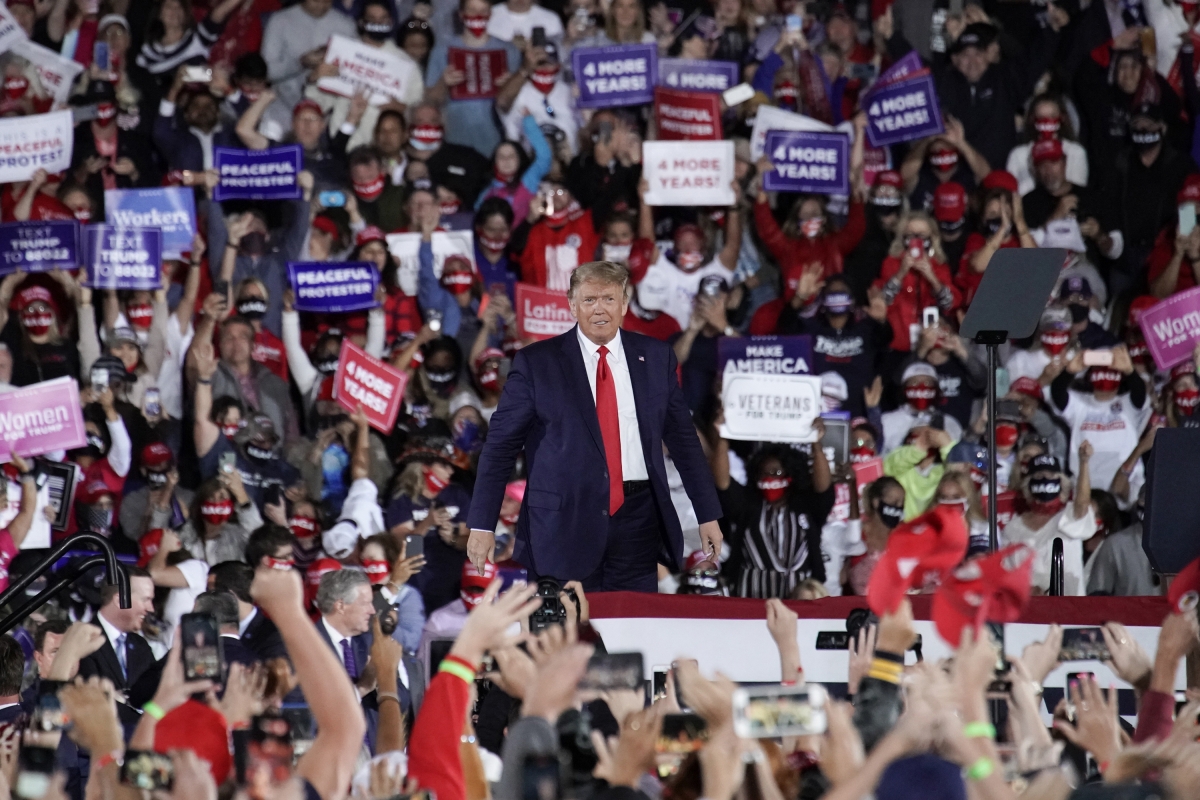
InternationalDec 14. 2020Georgia Gov. Brian Kemp speaks during a rally in support of President Trump on Oct. 16, 2020 in Macon, Ga. MUST CREDIT: Photo by Nicole Craine for The Washington PostGeorgia Gov. Brian Kemp speaks during a rally in support of President Trump on Oct. 16, 2020 in Macon, Ga. MUST CREDIT: Photo by Nicole Craine for The Washington Post 
By The Washington Post · Ashley Parker, Amy Gardner, Josh Dawsey

The first major fissure in the relationship between President Donald Trump and Georgia Gov. Brian Kemp came a year ago, when Kemp paid Trump a clandestine visit in the White House residence.

On the Sunday before Thanksgiving, Kemp flew up to Washington to introduce Trump to Kelly Loeffler, an Atlanta business executive he wanted to appoint to fill his state’s open U.S. Senate seat.

But when Kemp and Loeffler finally got their audience with the president, Kemp presented Loeffler as a fait accompli – telling Trump that he wanted the president to meet the woman he was planning to name to the Senate.

Well, if you’ve already made your decision, Trump grumbled, then I’m not sure why you’re here, according to people familiar with the conversation.

Trump later complained to aides that Kemp was rude and impolite – never forgiving the Georgia governor for what he viewed as a major slight.

The strain between the two Republicans has now boiled over into a full-blown feud in the aftermath of Trump’s 2020 electoral defeat, as the president has fixated on his loss in Georgia as a humiliation that he blames in large part on Kemp. Trump lost the solidly Republican state by approximately 12,000 votes and is furious with Kemp for not heeding his calls to question the integrity of the state’s election results.

In phone calls and conversations with allies and advisers, Trump has griped that Kemp was not pushing Georgia Secretary of State Brad Raffensperger to do more to reverse President-elect Joe Biden’s victory; that Kemp was not defending the president on television; and, perhaps most indefensible in Trump’s mind, that Kemp moved forward with certifying the results of the election.

“Republicans fell into a trap by expecting Brad Raffensperger and Brian Kemp to cheat for them,” said Jordan Fuchs, a longtime Republican strategist in Georgia who is a deputy secretary of state under Raffensperger, and who says the ongoing civil war in her party will have long-term consequences at the polls, including in the state’s two Senate runoff races on Jan. 5.

“The Democrats only have one, singular turnout model, and that’s the argument of voter suppression,” Fuchs added. “They say it in their litigation – it’s the number one poll-tested message they have. This has fed into the hands of Democrats.”

This portrait of Trump’s combustible relationship with Kemp – which portends a potential intraparty civil war in the coming months and years – is the result of interviews with 15 allies and advisers to both men, as well as Republican political operatives, many of whom spoke on the condition of anonymity to share candid details.

Since the election, Trump has personally berated Kemp in private phone calls, people familiar with the conversations said. In one call, the president told Kemp he was losing all of his popularity by not strongly supporting him, and in another, the president pointedly reminded the governor that he had endorsed him in 2018.

Trump has also called Loeffler and Sen. David Perdue (R-Ga.) – both of whom face runoffs on Jan. 5 – to complain about Kemp, though he has not given them any specific edicts beyond generally pressuring Kemp to support the president’s efforts to overturn the election results, one person familiar with the calls said. Loeffler and Perdue did not immediately respond to requests for comment.

“Maybe I should recruit someone to run against him,” the president said in one of these calls, this person added. “Your governor is horrible. He would be nothing without me.”

‘Worse than a Democrat’

Trump emissaries have warned Kemp that the president plans to continue to relentlessly attack him and will publicly criticize him when he returns to the state on behalf of the Republican Senate candidates, possibly on Saturday. The president has attacked Kemp on Twitter, lambasted him at a rally in Valdosta, Ga., earlier this month and went after him again during an interview that aired Sunday on Fox News.

“We won Georgia by a lot,” Trump falsely claimed to “Fox & Friends” host Brian Kilmeade. “We have a governor, a Republican governor, that’s worse than a Democrat. He’s terrible. And he’s hurting Kelly and David very badly, the senators, that are terrific people.”

The White House declined to comment on Trump and Kemp’s relationship.

Kemp, meanwhile, has told allies that he can’t spend his time worrying about Trump’s vindictive tweets and rhetorical broadsides, and that while he wishes the president would stop attacking him, he believes it would be illegal to do most of what Trump is asking. Instead, he said, he is focused on keeping Georgia open as coronavirus cases continue to rise.

“That’s exactly their strategy – to not engage and let it blow over,” said Erick Erickson, a conservative radio host based in Georgia. “If the president comes to Georgia, you would see the governor willing to meet him at the airport and shake his hand, even if he doesn’t go to the event.”

Erickson added that the few times Kemp has appeared on his show, “his people have told me in advance that I’m not going to get anything if I ask about the president.”

Although Kemp’s refusal to buttress Trump’s baseless election claims plunged the duo into open warfare, the relationship between the two men who should have been natural allies has long been tense.

At the core of the president’s displeasure is his belief that Kemp has not kowtowed to him enough.

“Kemp stood out as a Republican governor who didn’t seem to think he needed Trump,” said a senior White House official. “He’s never shown a particular need to play ball with the president, which I think really irked Trump, so that’s kind of the origin of it.”

The roots of tension between the two extend to Trump’s 2018 endorsement of Kemp in his Republican primary against Casey Cagle, then the sitting lieutenant governor. Trump believed Kemp had not been sufficiently appreciative of his support, and Kemp had not realized how hard his allies had lobbied the president for his endorsement, according to people familiar with the episode.

But it was Kemp’s handling of his selection of Loeffler to fill Georgia’s empty Senate seat in late 2019 that particularly angered the president, culminating in the frosty White House meeting that November. Kemp never consulted Trump about the Senate seat when it first opened. And after Kemp created an online application process for the post, Trump complained privately that the Georgia governor was treating the process as if he was “hiring a truck driver,” according to an outside Republican in frequent contact with the White House.

President Donald Trump appears at a rally Oct. 16, 2020 at Middle Georgia Regional Airport in Macon, Ga. MUST CREDIT: Photo by Nicole Craine for The Washington Post

President Donald Trump appears at a rally Oct. 16, 2020 at Middle Georgia Regional Airport in Macon, Ga. MUST CREDIT: Photo by Nicole Craine for The Washington Post

The two men clashed again during the early days of the coronavirus crisis.

Trump initially was supportive of an April 20 executive order from Kemp aimed at opening up businesses in the state, which jibed with Trump’s own push at the time to reopen many businesses against the advice of his public health advisers. Kemp spoke to both the president and the vice president the next day, and both told him they thought it was a good approach, according to a Kemp aide with knowledge of the calls.

Trump had a sudden change of heart, however, in the wake of fierce public criticism of the breadth of Kemp’s order. Trump called Kemp back and was particularly “agitated” about the decision to reopen salons and spas, according to White House officials and people involved in the governor’s race. At a White House briefing, Trump said, “I told the governor of Georgia, Brian Kemp, that I disagree strongly with his decision to open certain facilities.”

In addition, much to the irritation of Kemp’s aides, White House press secretary Kayleigh McEnany called Kemp directly to urge him to revoke the order.

“Just how absolutely ridiculous that is,” said one GOP official. “Who . . . does she think she is, telling the governor – essentially dressing him down on the phone.”

McEnany did not respond to requests for comment.

But Kemp’s biggest alleged sin, in Trump’s view, came in the aftermath of Trump’s disappointing Election Day showing. Several local Republican strategists speculate that the root of Trump’s recent anger with Kemp is simply the fact that he lost Georgia – a conservative state where those below him on the ticket fared better than he did, and where Stacey Abrams, the state’s top Democrat, is credited with building the organization that led to the president’s defeat.

The irony is that Kemp is among the Republican officials in the state who worked relentlessly on Trump’s behalf, said one Republican official in Georgia, noting that the governor held multiple rallies, other appearances and phone recordings with Trump family members.

“No one worked harder to reelect Donald Trump in Georgia than Governor Kemp,” Kemp spokesman Cody Hall said in a statement. “Since Election Day, the governor has called for a signature audit three times, demanded all allegations of fraud to be fully investigated, and supported the President pursuing legal options afforded him under Georgia state law.”

Still, Hall added, “There is no basis in state law for the governor to overturn the results, interfere in election administration or overrule the constitutional authority of our elected secretary of state.”

– – –

On Saturday, Dec. 5 – the morning of Trump’s trip to Valdosta, Ga. – Trump spoke by phone to Kemp. The call vividly revealed just how single-minded the president has become not just in pressuring fellow Republicans to help him overturn the election, but also in attacking those who refuse.

At the start of the contentious phone call, Trump asked Kemp how he was doing, according to someone briefed on the exchange. Kemp was in the midst of a family tragedy after Harrison Deal, a family friend and Loeffler aide, had died in a car crash the previous day. He replied, “It’s been a rough 24 hours.”

The president then incorrectly surmised that Kemp’s low mood must be because of recent poll numbers showing the governor’s approval rating slipping.

No, we lost a close family friend yesterday, Kemp replied, this person said. Trump then offered his condolences.

In the call, Trump demanded that the governor call a special session of the legislature and pressure lawmakers to change state law to allow them to assign Republican electors and reverse the outcome. He also demanded an audit of ballot signatures, which he has claimed without evidence, were not properly matched against signatures on file.

Kemp explained that, for numerous legal reasons, he could not do either of those things.

Kemp’s office declined to comment on the exchange, other than to confirm that the president offered his condolences. Trump campaign spokesman Tim Murtaugh declined to comment on the conversation.

But numerous people with knowledge of the call said the conversation was openly hostile, with Trump effectively threatening the governor and arguing that Kemp would lose reelection if he didn’t cede to the president’s demands.

“It was nasty enough for Kemp to say no to all of the asks,” said one Republican strategist. “I don’t know if you’ve ever talked to Kemp, but he’s politically kind of squishy. He never says yes or no to something. He’ll say something cute and funny, and he pushes it off, but it’s never like a flat ‘No.’ And he said, ‘No.’ He told the president, ‘No’ – twice.”

Later that day, at the rally in Valdosta for Loeffler and Perdue, Trump praised Rep. Douglas A. Collins (R-Ga.), for leading the effort to argue that there was fraud in the state. In private, one Republican said, Trump has floated the prospect of Collins challenging Kemp for the governorship in a 2022 GOP primary.

“Where’s Doug?” Trump said during the Valdosta rally. “Thank you, Doug. What a job he does. You want to run for governor in two years? Yeah. Good-looking governor.”

– – –

The tensions have surprised Republicans in Georgia, many of whom assumed for much of the year that at least some of the apparent chill between Trump and Kemp was staged, because the governor did not want to appear to be too close to Trump ahead of a potential rematch with Abrams.

Kemp clearly has had his eye on his reelection bid all year. Kemp’s narrow win over Abrams in 2018 was dominated by the debate over voting rights and voter suppression. Abrams characterized Kemp as an architect of the disenfranchisement of hundreds of thousands of Georgians, mostly people of color, through an extensive purge of the state’s voter registrations.

Raffensperger said in an email statement that Trump’s loss was simply the result of “changing demographics,” which have made the state more politically diverse and competitive. He also stressed that the Republicans’ full focus now should be on holding the two Senate seats.

“This is what it looks like when your party is losing: scapegoating, finger-pointing,” Raffensperger said. “All we see is a group of individuals who got too cocky and thought Georgia would be a layup shot. It’s time for the Georgia Republican Party to step up and deliver a win, which they failed to do in the general election for President Trump.”

As the feud has exploded into the public view, Kemp has defied the counsel of some in his circle, who have urged him to stay in regular contact with the president. One person familiar with their conversations estimates that they have only spoken several times in as many weeks.

But Nick Ayers, former chief of staff to Vice President Mike Pence and a Georgia native who is close to both Trump and Kemp, said he believes the differences between the two men are hardly insurmountable.

“A lot of this, probably all of it, can be resolved if every principle decision-maker – both national and local – gets in the same room, eye to eye, to discuss the facts and map out a path to achieve what everyone wants to achieve,” Ayers said. “But that hasn’t happened yet and not much will change until it does. It is unfortunate because the goals are so tightly aligned and the stakes are so high.”

สงครามการเงิน 4.0 ไล่จีนพ้นจากตลาดทุนสหรัฐ #SootinClaimon.Com

#SootinClaimon.Com : ขอบคุณแหล่งข้อมูล : หนังสือพิมพ์โพสต์ทูเดย์

สงครามการเงิน 4.0 ไล่จีนพ้นจากตลาดทุนสหรัฐ – โพสต์ทูเดย์ รอบโลก (posttoday.com)

วันที่ 14 ธ.ค. 2563 เวลา 21:28 น.สงครามการเงิน 4.0 ไล่จีนพ้นจากตลาดทุนสหรัฐแนวรบใหม่ของสงครามเศรษฐกิจ/สงครามการเงินกำลังเริ่มต้นขึ้น เมื่อทั้งสองฝ่ายอาจจะใช้อำนาจทางการเมืองเข้ามาแทรกแซงตลาดและการลงทุน

สงครามเศรษฐกิจ/การเงินได้เริ่มต้นขึ้นอีกยกแล้ว แนวหน้าของการรบครั้งใหม่ในเดือนธันวาคม 2020 เกิดขึ้นในตลาดหุ้นของสหรัฐ

ดัชนี Nasdaq ประกาศเมื่อวนที่ 11 ธันวาคมว่าจะถอดหุ้นของบริษัทก่อสร้างและบริษัทผู้ผลิตของจีน 4 บริษัทออกจากการจดทะเบียนในดัชนี เพื่อตอบสนองต่อคำสั่งของรัฐบาลสหรัฐเมื่อเดือนที่แล้วห้ามไม่ให้นักลงทุนสหรัฐซื้อหลักทรัพย์ของบริษัทที่ถูกขึ้นบัญชีดำ โดยเริ่มตั้งแต่เดือนพฤศจิกายน 2021

บริษัทที่จะถูกถอดออกจากดัชนีในวันที่ 21 ธันวาคม ได้แก่ China Communications Construction Co, China Railway Construction Corp, CRRC Corp และ Semiconductor Manufacturing International Corp ซึ่งรัฐบาลของประธานาธิบดีโดนัลด์ ทรัมป์กล่าวหาว่าบริษัทต่างๆ เหล่านี้ มีความเชื่อมโยงกับกองทัพของจีน

นอกจากดัชนี Nasdaq แล้วยังมีดัชนี S&P DJ Indices ที่ถอดถอนบริษัท จีน 21 แห่งออกจากดัชนีหรือกลุ่มหุ้นและพันธบัตรที่ใช้ติดตามความเคลื่อนไหวของตลาดการเงินตามคำสั่งของรัฐบาลสหรัฐเช่นกัน หนึ่งในบริษัทที่ได้รับผลกระทบจากคำสั่งนี้คือ SMIC ผู้ผลิตชิปประมวลผลรายใหญ่ที่สุดของจีนและ Hikvision Digital Technology Co. ผู้ให้บริการเทคโนโลยีการเฝ้าระวังความปลอดภัย

Hikvision นั้นตกอยู่ในสถานการณ์เดียวกับ Huawei เพราะถูกกล่าวหาว่ามีความเกี่ยวข้องกับการวิจัยและพัฒนาที่เกี่ยวข้องกับการทหาร แต่ทั้งสองบริษัทปฏิเสธเรื่องนี้

ส่วนรัฐบาลจีนก็ต้องเดือดร้อนเป็นธรรมดา ตั้งแต่ก่อนที่ดัชนีต่างๆ จะรับคำสั่งจากรัฐบาลทรัมป์ ทางกระทรวงการต่างประเทศของจีนก็มีแถลงการณ์ตอบโต้ออกมา โดยหัวชุนอิ๋ง โฆษกกระทรวงการต่างประเทศจีนกล่าวเมื่อวันที่ 4 ธันวาคมว่าความพยายามดังกล่าวสวนทางกับหลักการแข่งขันในตลาด และบอกว่า “สหรัฐควรหยุดใช้อำนาจแห่งชาติและแนวคิดด้านความมั่นคงของชาติในทางมิชอบเพื่อปราบปรามบริษัทต่างชาติ”

ต่อมาเมื่อวันจันทร์ที่ 14 ธันวาคมหรือข้ามมาสองวันหลังจาก Nasdaq เล่นงานบริษัทจีน หวางเหวินปินโฆษกกระทรวงต่างประเทศจีนก็เรียกร้องให้สหรัฐหยุดใช้อำนาจรัฐในทางมิชอบเพื่อปราบปรามบริษัทต่างชาติ และย้ำว่าจีนจะยังคงรักษาสิทธิและผลประโยชน์ที่ถูกต้องตามกฎหมายของบริษัทจีนต่อไป

ถ้อยแถลงของ หัวชุนอิ๋งกับหวางเหวินปิงโจมตีเข้าไปที่ “หัวใจของระบอบทุนนิยมอเมริกัน” คือการเปิดให้มีการแข่งขันในตลาดอย่างเสรี แต่สหรัฐกลับไม่ยอมให้จีนเข้ามาเป็นตัวเล่นในตลาดเสรีนี้โดยอ้างเรื่องความมั่นคง ซึ่งจีนมองว่า “ไม่แฟร์” และสหรัฐยังทรยศต่อหลักการพื้นฐานของประเทศตัวเองด้วย

พรรครีพับลิกันของทรัมป์มีอุดมการณ์ที่มั่นคงมากในเรื่องการการปล่อยให้ตลาดและทุนเคลื่อนไหวอย่างเสรีโดยรัฐเข้าไปแทรกแซงน้อยที่สุด แต่สหรัฐกลับเข้ามาแทรกแซงตลาด จีนจึงโจมตีในจุดนี้เพราะคิดว่ามันคงจะ “แทงใจดำ” ทรัมป์และพลพรรครีพับลิกัน

แต่ทรัมป์และรีพับลิกันหรือแม่แต่ไบเดนและเดโมแครตไม่สนใจอยู่แล้ว พวกเขายังคงยึดมั่นในหลักทุนนิยมเสรีต่อไป เพียงแต่มันต้องเล่นแบบ “แฟร์ๆ” ด้วย เพราะสหรัฐมองว่าจีนเล่นไม่แฟร์ตรงที่นำบริษัทที่เอี่ยวกับกองทัพเข้ามาหากินกับตลาดสหรัฐ

บางครั้งอดคิดไม่ได้ว่าจีนกำลังคิดการใหญ่อะไรหรือไม่ หรืออาจกำลังจะทำเหมือนกับสุภาษิตหนังกำลังภายในจีนที่ว่า “ถ้าไม่เข้าถ้ำเสือ ก็ไม่ได้ลูกเสือ”

ถ้ำเสือก็คือตลาดทุนสหรัฐซึ่งเป็นตลาดชั้นนำของโลกและเป็นหัวใจของระบอบทุนนิยมสหรัฐ และลูกเสือก็คือเงินทุนจากตลาดเหล่านี้

หากเป็นสมัยก่อนที่จีนไม่ได้เป็นภัยคุกคามด้านความมั่นคงมากนัก สหรัฐก็พอจะปล่อยให้จีนเข้ามาเล่นกับลูกเสือได้ แต่เมื่อจีนกับสหรัฐแย่งกันเป็นใหญ่มากขึ้นเรื่อยๆ การให้ศัตรูเข้ามายุ่มย่ามในถ้ำแถมเข้ามาเล่นกับลูกของตัวย่อมไม่ใช่เรื่องที่สมเหตุผลอีก

นั่นก็เพราะตลาดทุนและระบบเศรษฐกิจสามารถใช้เป็นอาวุธได้ เศรษฐกิจสหรัฐอาจตกอยู่ในภาวะสุ่มเสี่ยงหากให้คู่กรณีเข้ามายึดกุมทุนในประเทศมากเกินไป นี่เองที่ทำให้ทุนในตลาดทุนสหรัฐมีสภาพเหมือน “ลูกเสือ” เพราะมันอาจเติบใหญ่เป็นเสือร้ายที่กลับมาขย้ำสหรัฐได้หากถูกใช้โดยฝ่ายตรงข้าม

โดยเฉพาะจีนที่ต่างจากคู่กรณีของสหรัฐรายอื่นๆ เช่น โซเวียต/รัสเซีย ตรงที่จีนเก่งกาจในเรื่องเศรษฐกิจอย่างหาตัวจับได้ยาก ส่วนโซเวียต/รัสเซียอ่อนด้อยในเรื่องนี้จนหนึ่งในสาเหตุที่โซเวียตพ่ายสงครามเย็นกับสหรัฐก็เพราะความอ่อนด้อยในเรื่องนี้

แต่สหรัฐคงกลัวแล้วว่าจีนอาจจะใช้จุดแข็งในเรื่องเศรษฐกิจเข้ามาบ่อนทำลายตน

บริษัทจีนที่ถูกขึ้นบัญชีดำบางแห่งบอกแล้วว่าตัวเองไม่มีส่วนเกี่ยวข้อง แต่สหรัฐก็อ้างว่ามีหลักฐานความเกี่ยวข้องกับกองทัพปลดแอกประชาชนจีน

ก่อนอื่นเราต้องทำความเข้าใจก่อนว่ากองทัพปลดแอกประชาชนจีน หรือ PLA ไม่ได้มีแค่กองทัพ แต่ยังมีหน่วยการลงทุนแบบบริษัทเอกชนด้วย โดยบริษัทของกองทัพมุ่ง “ทำกำไรถือเป็นสิ่งสำคัญที่สุด” โดยตั้งเป้าว่าจะ “สามารถสร้างรายได้อย่างเพียงพอเพื่อชดเชยงบประมาณที่ได้รับมาไม่เพียงพอในการดำเนินการปฏิบัติการ” พูดสั้นๆ ก็คือกองทัพจีนทำธุรกิจเพื่อนำมาหนุนปฏิบัติการตัวเอง ดังนั้นการลงทุนใดๆ ของกองทัพจีนจึงเป็นการเสริมเขี้ยวเล็บให้ตัวเอง

ถามว่าประเทศไหนก็ตามที่เป็นคู่กรณีกับจีนจะยอมลงทุนกับบริษัทที่เอี่ยวกับ PLA ได้อย่างไร ต่อให้ต้องแตกหักกับหลักการตัวเองก็จำต้องยอมทำเพื่อความมั่นคงแห่งชาติ ไม่ใช่เฉพาะแค่สหรัฐเท่านั้น ตอนนี้อินเดียก็เริ่มตรวจสอบว่ามีบริษัทไหนที่เอี่ยวกับ PLA บ้างเพราะกองทัพอินเดียเพิ่งจะปะทะอย่างหนักกับ PLA ในปีนี้ ทางที่ดีควรจะตัดเส้นเลือดของประเทศศัตรูโดยเร็วที่สุด

กรณีที่อินเดียเจอจังๆ คือบริษัท Xindia Steels Ltd ซึ่งเป็นบริษัทร่วมทุนจีน-อินเดียที่ใหญ่ที่สุดโดยบริษัทฝ่ายจีนคือ Xinxing Cathay International Group Co. Ltd. มีความเกี่ยวข้องกับกรมส่งกำลังบำรุงทั่วไป หรือ GLD ของ PLA ซึ่งเป็นหน่วยงานที่ดูแลการลงทุนของกองทัพในด้านโลจิสติก แถมบริษัทนี้ยังอยู่ภายใต้การดูแลของคณะกรรมาธิการการกำกับดูแลและบริหารสินทรัพย์รัฐวิสาหกิจของรัฐบาลจีน

ปรากฎว่าบริษัทจีนรายนี้ต้องอธิบายว่าตนได้ปลีกตัวจากความเกี่ยวข้องกับ PLA แล้ว แต่อินเดียจะเชื่อหรือไม่นั้นก็อีกเรื่องหนึ่ง หากเปลี่ยนจากสหรัฐหรืออินเดียมาเป็นประเทศไทยเชื่อว่าคนไทยคงรู้สึกกังวลเช่นกันกับการได้รับทราบว่าบริษัทจีนที่เกี่ยวข้องกับรัฐบาลหรือกองทัพเข้ามาข้องแวะในอุตสาหกรรมสำคัญของประเทศเรา

หากจีนเป็นประเทศที่ไม่ใหญ่โตหรือทรงอำนาจ การที่บริษัทจีนจะเอี่ยวกับกองทัพคงจะเป็นปัญหาน้อยกว่านี้ แต่นี่จีนกำลังทะเลาะกับอินเดียถึงขั้นเกือบจะเป็นสงครามย่อยๆ และยังมีการท้าทายด้ายยุทธศาสตร์กับสหรัฐในบางพื้นที่ เช่น ทะเลจีนใต้และในทะเลจีนตะวันออก

ต่อให้บริษัทที่สหรัฐขึ้นบัญชีดำไม่ได้เอี่ยวถึงขั้นลึกซึ้งกับ PLA หรืออาจจะไม่เกี่ยวข้องเลยก็ได้ (หรืออาจะถึงขั้นป้ายสีโดยสหรัฐ) แต่เพราะสถานะของจีนอย่างที่กล่าวไปข้างต้น สหรัฐก็ไม่อาจจะไว้ใจจีนได้อยู่ดี อย่างน้อยๆ ก็ต้องหาทางสกัดไม่ให้เข้ามาข้องแวะกับตลาดทุนสหรัฐมากเกินไป อย่างหนักที่สุดคือทำแบบทรัมป์

โจ ไบเดนอาจจะยิ้มหวานเพราะเขาคิดเหมือนทรัมป์ในเรื่องต้านจีน การที่ทรัมป์ช่วยขึ้นบัญชีดำบริษัทจีนกับไล่ออกจากตลาดหุ้น ช่วยให้ไบเดน “ตีสองหน้า” กับจีนได้ถนัดขึ้น

ไบเดนจะไม่เล่นงานจีนโผงผางแต่เขาจะเล่นงานจีนแน่นอน ดังนั้นการที่ทรัมป์ช่วยขึ้นบัญชีดำ ไบเดนจึงไม่ต้อง “มือเปื้อนเลือด” และยังสามารถรักษาภาพลักษณ์ผู้เป็นความหวังในการกอบกู้ความสัมพันธ์ในสายตาของชาวจีนได้ด้วย

ไบเดนก็ย่อมรู้ว่าจีนกำลังใช้ทุนนิยมให้เป็นประโยชน์ เช่นเดียวกับนักการเมืองสหรัฐหลายๆ คนคงคิดเช่นกัน แต่มีแต่ทรัมป์ที่กล้าบีบไม่ให้จีนกอบโกยจากทุนนิยม เหมือนกับต้อนให้จีนกลับไปเป็น “จีนสังคมนิยม” ที่อยู่อย่างปากกัดตีนถีบ” ต่อไป ซึ่งจีนตอบสนองด้วยการประกาศแนวทาง “ยืนด้วยำแข้งตนเอง”

อเมริกันผู้ทรงอิทธิพลทางการเมืองบางคนเคยเชื่อว่าหากให้จีนเข้าถึงทุนนิยม จีนจะเป็นประชาธิปไตยมากขึ้น แน่นอนว่าวิธีคิดแบบนี้ดูเหมือนจะ “ไร้เดียงสาทางการเมือง” แต่สหรัฐไม่มีทางไร้เดียงสา มันเป็นวิธีคิดที่คาดหวังเอาไว้สูงและหวังผลสูงเพื่อหลีกเลี่ยงการเผชิญหน้าในลักษณะสงครามเย็น ซึ่งมันได้ผลกับจีนตอนที่จีนยังต้วมเตี้ยมและยากจนและตอนที่จีนเป็นพันธมิตรกับสหรัฐเพื่อต้านโซเวียต

แต่เผอิญว่าจีนไม่เป็นไปตามที่อเมริกัน (บางคน) คาดหวังไว้เพราะจีนไม่ได้ยากจนเหมือนเมื่อหลายสิบปีก่อนตอนที่เสนอแนวคิดนี้ ตอนนี้จีนเป็นตรงกันข้ามแบบหลังมือเป็นหน้ามือ เมื่อจีนรวยกว่าใครในโลกหล้า จีนย่อมปรารถนาสิ่งที่เงินซื้อไม่ได้นั่นคือ “อำนาจ”

หากไม่มองว่าสหรัฐกลัวเรื่องยุทธศาสตร์ตัวเองจะถูกจีนแทรกแซง หรือไม่มองว่าสหรัฐมองโลกในแง่ดีเรื่องจีนว่าปล่าอยให้ลงทุนแล้วจะเป็นประชาธิปไตยมากขึ้น เรายังอาจมองได้ว่านี่คือการเดินหมากเพื่อตัดตอนจีนไม่ให้เติบใหญ่ไปกว่านี้

โปรดสังเกตว่าบริษัท ของจีนหลายแห่งที่อยู่ในรายชื่อบัญชีดำเป็นแกนหลักของโครงการ Belt and Road ของจีนข้อมูลนี้เปิดเผยโดย TS Lombard บริษัทวิจัยในสหราชอาณาจักร  

โครงการ Belt and Road เป็นโครงการชิ้นโบว์แดงสีจิ้นผิงในการสร้างเส้นทางสายไหมแห่งใหม่ ซึ่งตามเจตนารมณ์แล้วเป็นโครงการเชื่อมต่อด้านโลจิสติกและการค้าขาย แต่โครงการนี้ถูกโจมตี (โดยเฉพาะจากชาติตะวันตก) ว่าเป็นการเบิกทางให้จีนเข้าไปชี้นำประเทศอื่น โดยยัดข้อหาให้จีนเรื่องจีนก่อหนี้เพื่อที่จะเข้าครอบงำประเทศลูกหนี้

และแน่นอนว่าสหรัฐไม่ค่อยจะแฮปปี้กับโครงการนี้เพราะมันเป็นการวางยุทธศาสตร์ของจีนสหรัฐจึงเสนอโครงการคล้ายๆ กันเพื่อสวนกลับคือ “Free and Open Indo-Pacific strategy” หรือ FOIP โดยเน้นที่ “ความเคารพในอธิปไตยของประเทศอื่น” จนดูเหมือนกับต้องการจะแซะจีน ส่วนอินเดียนั้นต่อต้านโครงการของจีนเอาเลยเพราะกระทบต่อความมั่นคงของอินเดียโดยตรง

บริษัท TS Lombard ชี้ว่าบริษัทเอกชนจีนกำลังผนึกกำลังกัน (synergies) กับ PLA ซึ่งจะช่วยสร้างความแข็งแกร่งให้กับกองทัพจีนในระยะยาวโดยเฉพาะในด้านเทคโนโลยีทางการทหาร

การผนึกกำลังกันไม่ใช่เรื่องแปลก เพราะเราต้องไม่ลืมว่าจีนยังเป็นประเทศคอมมิวนิสต์ซึ่งถึงที่สุดแล้วทรัพย์สินทุกอย่างย่อมเป็นของรัฐและรัฐจะเรียกคืนมาเมื่อใดก้ได้ แม้ว่าในยุคสมัยนี้จีนจะมีข้อยกเว้นหลายเรื่องเพื่อสร้างสังคมลูกผสมทุนนิยม-สังคมนิยม แต่เมื่อถึงคราวคับขันจีนก็อาจจะล้วงเอาหลักการ “ทุกอย่างเป็นของรัฐ” ขึ้นมาใช้ เมื่อนั้นจีนจะยิ่งแข็งแกร่งขึ้น

เราจะยิ่งเห็นได้ว่าในแผนพัฒนาระยะห้าปีของจีนที่เพิ่งประกาศไปเมื่อเดือนพฤศจิกายนระบุชัดถึง “ความเร่งด่วน” ในการผนึกกำลังให้เป็นหนึ่งเดียวกันของกองทัพ, ฝ่ายการเมือง, ฝ่ายทหาร, ฝ่ายพลเรือน เพื่อให้การป้องกันประเทศมีประสิทธิภาพมากขึ้น

การขึ้นบัญชีดำและเตะบริษัทจีนออกจากตลาดทุนสหรัฐเป็นเพียงจุดเริ่มต้นของสงครามทุนยุคใหม่ คือส่วนหนึ่งของสงครามการเงินที่แต่ละฝ่ายจะใช้พลังอำนาจทางเศรษฐกิจเพื่อโจมตีกัน

เพียงแต่ตอนนี้มันเข้าสู่อีกระดับซึ่งการใช้เครื่องมือทางเศรษฐกิขจไม่เพียงพอ จึงต้องขอยืมอำนาจทางการเมืองมาช่วยหนุน ซึ่งจะว่าไปแล้วมันคือการแหกกติกาของสงครามการเงินนั่นเอง แต่สหรัฐในฐานะมหาอำนาจ “หนึ่งเดียว” ไม่แคร์กติกาอยู่แล้ว

ในลำดับต่อไป เราต้องมาลุ้นกันว่าจีนจะยกระดับสงครมมทุน/สงครามเศรษฐกิจโดยใช้อำนาจทางการเมืองเข้ามาแทรกแซงหรือไม่?

บทความโดย กรกิจ ดิษฐาน

Photo by STR / AFP / China OUT

รมต.มาเลเซียเสี่ยงติดเชื้อแต่ยังประชุมสภา ทำฝ่ายค้านฮือต้าน #SootinClaimon.Com

#SootinClaimon.Com : ขอบคุณแหล่งข้อมูล : หนังสือพิมพ์โพสต์ทูเดย์

รมต.มาเลเซียเสี่ยงติดเชื้อแต่ยังประชุมสภา ทำฝ่ายค้านฮือต้าน – โพสต์ทูเดย์ รอบโลก (posttoday.com)

วันที่ 14 ธ.ค. 2563 เวลา 20:30 น.รมต.มาเลเซียเสี่ยงติดเชื้อแต่ยังประชุมสภา ทำฝ่ายค้านฮือต้านฝ่ายค้านเดินหนีออกนอกห้องประชุมหลังรัฐมนตรีมาเลเซียซึ่งกำลังอยู่ในระหว่างการกักตัวโผล่เข้าประชุมสภา

เอเอฟพีรายงาน วันที่ 14 ธันวาคม รัฐมนตรีว่าการกระทรวงสาธาณสุข และรัฐมนตรีว่าการกระทรวงทรัพยากรบุคคล พร้อมด้วยส.ส. ฝ่ายค้าน 1 คนซึ่งกำลังอยู่ในระหว่างการกักตัว ได้รับอนุญาตให้เข้าร่วมลงมติร่างงบประมาณ โดยต้องสวมชุดคลุม, หน้ากากอนามัย, เฟซชิลด์ และถุงมือ

ส่งผลให้สมาชิกฝ่ายค้านเกิดความหวาดกลัวและไม่พอใจ พากันตะโกนประท้วงและตัดสินใจออกจากห้องประชุมโดยไม่ร่วมลงมติดังกล่าว

ซาเวียร์ ชัยกุมาร ส.ส. ฝ่ายค้านกล่าวกับเอเอฟพีว่า “วันนี้เป็นวันที่มืดมนของประชาธิปไตยในมาเลเซียเพราะไม่มีการปฏิบัติตามกฎหมาย”

อย่างไรก็ตามประธานสภายืนยันว่ามีการใช้มาตรการป้องกันดูแลความปลอดภัยอย่างเต็มที่ รวมถึงการขนส่งสมาชิกทั้ง 3 ด้วยรถพยาบาลและจัดห้องพักพิเศษ

Photo by Handout / Teresa Kok / AFP

พื้นฐานความรู้ของคนไทยแกร่งแค่ไหนเมื่อเทียบกับชาวโลก #SootinClaimon.Com

#SootinClaimon.Com : ขอบคุณแหล่งข้อมูล : หนังสือพิมพ์โพสต์ทูเดย์

พื้นฐานความรู้ของคนไทยแกร่งแค่ไหนเมื่อเทียบกับชาวโลก – โพสต์ทูเดย์ รอบโลก (posttoday.com)

วันที่ 14 ธ.ค. 2563 เวลา 19:38 น.พื้นฐานความรู้ของคนไทยแกร่งแค่ไหนเมื่อเทียบกับชาวโลก สำรวจระดับโครงสร้างพื้นฐานด้านความรู้ของประเทศไทยโดยโครงการพัฒนาแห่งสหประชาชาติประกาศผลดัชนีความรู้โลกประจำปี 2020

โครงการพัฒนาแห่งสหประชาชาติ (UNDP) เปิดเผยผลการจัดอันดับดัชนีความรู้โลก (Global Knowledge Index-GKI) ประจำปี 2020 ซึ่งเป็นการจัดอันดับดัชนีความรู้จากทั้งหมด 138 ประเทศทั่วโลก โดยใช้ 199 ตัวชี้วัด

โดยในปีนี้มีค่าเฉลี่ยของดัชนีความรู้ทั่วโลกอยู่ที่ 46.7 โดยประเทศที่เป็นผู้นำด้านความรู้ของโลก 5 อันดับแรก ได้แก่ สวิตเซอร์แลนด์ (73.6), สหรัฐอเมริกา (71.1), ฟินแลนด์ (70.8), สวีเดน (70.6) และเนเธอร์แลนด์ (69.7) 

สำหรับประเทศไทยอยู่ในอันดับที่ 53 ด้วยดัชนีความรู้ 48.3 ซึ่งทางผู้จัดทำชี้ว่าไทยมีผลงานที่แข็งแกร่งในแง่โครงสร้างพื้นฐานความรู้ ส่วนที่เป็นจุดแข็งของไทยคือ จำนวนผู้ลงทะเบียนใช้โทรศัพท์มือถือ, อัตราการว่างงานต่ำของผู้ที่มีความรู้สูง และมีส่วนที่ปรับปรุงให้ดีขึ้นคือการฝึกอบรมของภาคธุรกิจ และการส่งออกบริการที่เกี่ยวกับความคิดสร้างสรรค์ 

การจัดอันดับดังกล่าวจำแนกออกเป็น 7 ด้านโดยอิงกับระดับการศึกษาระดับต่างๆ และปัจจัยแวดล้อมอื่นๆ ซึ่งไทยมีผลงานที่ค่อนข้างน่าพอใจโดยอยู่ในกลุ่มปานกลางค่อนข้างสูง

ความรู้ด้านการศึกษาในระดับเตรียมอุดมศึกษา มีค่าเฉลี่ยระดับโลกอยู่ที่ 58.0 ประเทศไทยอยู่ในอันดับที่ 73 (59.3) 

ความรู้ด้านการศึกษาและการฝึกอบรมด้านเทคนิคและอาชีวศึกษา มีค่าเฉลี่ยระดับโลกอยู่ที่ 50.8 ประเทศไทยอยู่ในอันดับที่ 101 (44.9)

ความรู้ด้านการศึกษาในระดับอุดมศึกษา มีค่าเฉลี่ยระดับโลกอยู่ที่ 40.3 ประเทศไทยอยู่ในอับดับที่ 84 (37.3) 

ความรู้ด้านการวิจัย การพัฒนา และนวัตกรรม มีค่าเฉลี่ยระดับโลกอยู่ที่ 26.0 ประเทศไทยอยู่ในอันดับที่ 48 (25.7) 

ความรู้ด้านเทคโนโลยีสารสนเทศและการสื่อสาร มีค่าเฉลี่ยระดับโลกอยู่ที่ 53.8 ประเทศไทยอยู่ในอันดับที่ 53 (59.6) 

ความรู้ด้านเศรษฐกิจ มีค่าเฉลี่ยระดับโลกอยู่ที่ 42.7 ประเทศไทยอยู่ในอันดับที่ 29 (53.8)

ความรู้ด้านสภาพแวดล้อมทั่วไป มีค่าเฉลี่ยระดับโลกอยู่ที่ 59.9 ประเทศไทยอยู่ในอันดับที่ 58 (61.8) 

สิงคโปร์อนุมัติไฟเซอร์-ไบโอเอ็นเทค เริ่มแจกประชาชนสิ้นเดือนนี้ #SootinClaimon.Com

#SootinClaimon.Com : ขอบคุณแหล่งข้อมูล : หนังสือพิมพ์โพสต์ทูเดย์

สิงคโปร์อนุมัติไฟเซอร์-ไบโอเอ็นเทค เริ่มแจกประชาชนสิ้นเดือนนี้ – โพสต์ทูเดย์ รอบโลก (posttoday.com)

วันที่ 14 ธ.ค. 2563 เวลา 18:02 น.สิงคโปร์อนุมัติไฟเซอร์-ไบโอเอ็นเทค เริ่มแจกประชาชนสิ้นเดือนนี้สิงคโปร์อนุมัติวัคซีนจากไฟเซอร์-ไบโอเอ็นเทค ยืนยันมีวัคซีนเพียงพอต่อทุกคนภายในปีหน้า

บลูมเบิร์กรายงาน วันที่ 14 ธันวาคม สิงคโปร์อนุมัติวัคซีนป้องกันไวรัสโคโรนาของไฟเซอร์ (Pfizer Inc.) และไบโอเอ็นเทค (BioNTech SE) โดยคาดว่าจะมีการจัดส่งครั้งแรกภายในสิ้นเดือนธันวาคมนี้

โดย ลี เซียนลุง นายกรัฐมนตรีสิงคโปร์คาดว่าวัคซีนอื่นๆ รวมถึงโมเดอร์นา (Moderna Inc.) และซิโนแวค (Sinovac Biotech Ltd) จะมาถึงสิงคโปร์ในอีกไม่กี่เดือนข้างหน้า พร้อมเสริมว่าวัคซีนจะมีเพียงพอต่อประชาชนทุกคนภายในไตรมาสที่ 3 ของปีหน้า โดยสิงคโปร์ได้จัดสรรงบประมาณสำหรับวัคซีนกว่า 1 พันล้านเหรียญสิงคโปร์

ลี กล่าวว่าสิงคโปร์จะเป็นประเทศแรกๆ ที่ได้รับวัคซีนไฟเซอร์-ไบโอเอ็นเทค หลังจากที่ได้รับการอนุมัติในสหราชอาณาจักรและแคนาดา รวมถึงสหรัฐได้อนุมัติในกรณีฉุกเฉิน

โดยเบื้องต้นจะมอบวัคซีนให้กลุ่มที่มีความเสี่ยงสูงอย่างบุคลากรทางการแพทย์ บุคลากรแนวหน้า ตลอดจนผู้สูงอายุและกลุ่มเสี่ยง

ขณะเดียวกันในวันที่ 28 ธันวาคม สิงคโปร์จะผ่อนปรนข้อจำกัดในการยับยั้งการแพร่ระบาดของโควิด-19 โดยจะขยายจำนวนให้สามารถรวมกลุ่มกันได้ 8 คนจาก 5 คน

Photo by CHARLY DIAZ AZCUE / ARGENTINA’S SENATE / AFP

จะดีไหมถ้าเข้าออฟฟิศแค่ 3 วันต่อสัปดาห์? กูเกิลกำลังทำแบบนั้น #SootinClaimon.Com

#SootinClaimon.Com : ขอบคุณแหล่งข้อมูล : หนังสือพิมพ์โพสต์ทูเดย์

จะดีไหมถ้าเข้าออฟฟิศแค่ 3 วันต่อสัปดาห์? กูเกิลกำลังทำแบบนั้น – โพสต์ทูเดย์ รอบโลก (posttoday.com)

วันที่ 14 ธ.ค. 2563 เวลา 16:37 น.จะดีไหมถ้าเข้าออฟฟิศแค่ 3 วันต่อสัปดาห์? กูเกิลกำลังทำแบบนั้นกูเกิลเล็งให้พนักงานทำงานในออฟฟิศ 3 วันต่อสัปดาห์หลังกลับมาทำงานได้ตามปกติ

เดอะนิวยอร์กไทมส์ รายงาน “กูเกิล” ขยายเวลาให้พนักงานทำงานที่บ้านจนถึงเดือนกันยายน 2564 เนื่องจากการแพร่ระบาดของไวรัสโคโรนายังคงไม่สามารถยับยั้งได้

ช่วงคืนวันที่ 13 ธันวาคม ศุนทัร ปิจไช ประธานเจ้าหน้าที่บริหารของอัลฟาเบต (Alphabet) ซึ่งเป็นบริษัทแม่ของกูเกิล ได้ส่งอีเมลถึงพนักงาน ระบุว่า “บริษัทกำลังทดสอบแนวทาง “สัปดาห์ทำงานแบบยืดหยุ่น” โดยคาดว่าพนักงานจะทำงานในสำนักงานอย่างน้อย 3 วันต่อสัปดาห์เมื่อสามารถกลับไปทำงานที่บริษัทได้อย่างปลอดภัย ขณะที่วันอื่นๆ สามารถทำงานได้จากที่บ้าน”

“เรากำลังทดสอบว่ารูปแบบการทำงานที่ยืดหยุ่นจะนำไปสู่การเพิ่มผลประกอบการ ความร่วมมือ และความเป็นอยู่ที่ดีขึ้นได้หรือไม่ และยังไม่ค่อยมีบริษัทใดที่เริ่มทดสอบระบบการทำงานเช่นนี้ จึงน่าสนใจที่จะทดลอง”

นอกจากนี้ กูเกิลยังมีแผนที่จะออกแบบสำนักงานใหม่ในพื้นที่ที่มีความเสี่ยงต่อการติดเชื้อต่ำ และเสนอทางเลือกให้กับพนักงาน เช่น การจองสถานที่ทำงานร่วมกันสำหรับคนไม่เกินสิบคน และการรักษาความปลอดภัยพื้นที่กลางแจ้งสำหรับการสังสรรค์ขนาดใหญ่ หรือการจองโต๊ะทำงานที่สำนักงานสำหรับพนักงานที่ต้องการพื้นที่ทำงานเงียบๆ นอกบ้าน

รวมทั้งมีแผนที่จะพัฒนาวิธีการใหม่ๆ เพื่อช่วยให้พนักงานลดช่องว่างระหว่างการทำงานที่สำนักงานและการทำงานจากที่บ้าน โดยเฉพาะอย่างยิ่งสำหรับพนักงานที่อาจไม่ได้อาศัยอยู่ในสถานที่ที่เหมาะสำหรับการทำงานระยะไกล

อย่างไรก็ตามช่วงเวลาในการทำงานแบบยืดหยุ่นยังคงไม่ชัดเจนเนื่องจากสถานการณ์ของไวรัสโคโรนาแตกต่างกันในแต่ละประเทศ และกำหนดการณ์ใหม่อาจไม่มีผลกับพนักงานบางตำแหน่ง อาทิ พนักงานที่ต้องติดต่อกับลูกค้า และพนักงานในศูนย์ข้อมูลหรือห้องปฏิบัติการ

ทั้งนี้ กูเกิลเป็นบริษัทแรกๆ ที่ให้พนักงานเริ่มทำงานจากที่บ้านตั้งแต่ช่วงเดือนมีนาคม โดยมีการเลื่อนเวลาที่จะกลับมาทำงานที่สำนักงานหลายครั้ง จากเดิมที่คาดว่าพนักงานจะกลับเข้าทำงานตั้งแต่เดือนมกราคม 2564 เป็นเดือนกรกฎาคม และตอนนี้เลื่อนไปจนถึงเดือนกันยายน

นอกจากนี้ กูเกิลได้กล่าวว่า กำลังมองหาโอกาสในการฉีดวัคซีนป้องกันไวรัสโคโรนาให้กับพนักงานในช่วงกลางถึงปลายปี 2564 หลังจากที่กลุ่มผู้มีความเสี่ยงสูงได้รับการฉีดวัคซีนเรียบร้อยแล้ว

AFP PHOTO/ PIERRE-PHILIPPE MARCOU

ตูนิเซีย โค่นล้มเผด็จการได้แต่การปฏิวัติของประชาชนยังไม่จบ #SootinClaimon.Com

#SootinClaimon.Com : ขอบคุณแหล่งข้อมูล : หนังสือพิมพ์โพสต์ทูเดย์

ตูนิเซีย โค่นล้มเผด็จการได้แต่การปฏิวัติของประชาชนยังไม่จบ – โพสต์ทูเดย์ รอบโลก (posttoday.com)

วันที่ 14 ธ.ค. 2563 เวลา 15:01 น.ตูนิเซีย โค่นล้มเผด็จการได้แต่การปฏิวัติของประชาชนยังไม่จบตูนิเซียโค่นล้มรัฐบาลเผด็จการที่ปกครองมายาวนานถึง 23 ปี โดยใช้เวลาไม่ถึง 1 เดือน แต่เป้าหมายของการปฏิรูปนั้นยังคงอีกยาวไกล

แม้ว่าชาวตูนิเซียจะโค่นล้มอำนาจของผู้นำเผด็จการ “ซีน อัล อาบิดีน เบน อาลี” ไปได้ราวสิบปีแล้ว ซึ่งเป็นการโค่นล้มรัฐบาลเผด็จการที่ปกครองมายาวนานถึง 23 ปี โดยใช้เวลาไม่ถึง 1 เดือน แต่เพราะตำรวจและทหารที่ยังทรงอิทธิพลอยู่ทำให้หนทางสู่เป้าหมายของการปฏิรูปยังคงอีกยาวไกล

เบน อาลี ออกจากประเทศตูนิเซียไปเมื่อวันที่ 14 มกราคม 2011 โดยมีสมาชิกในครอบครัวและผู้ช่วยคนสนิทเพียงไม่กี่คนออกไปกับเขาด้วย แต่บรรดาตำรวจซึ่งเรียกได้ว่าเป็น “กระดูกสันหลัง” ของการปกครองรูปแบบเผด็จการของเบน อาลียังคงอยู่

สำนักข่าว AFP รายงานว่า “อูลา เบน เนชมา” ผู้นำการสอบสวนแห่งคณะกรรมการความจริงและศักดิ์ศรีของตูนิเซีย (Truth and Dignity Commission-IVD) กล่าวว่ามีเจ้าหน้าที่กระทรวงมหาดไทยเพียง 54 คนเท่านั้นที่ถูกไล่ออกในปี 2011 โดยพวกเขาไม่ได้รับการพิจารณาคดีหรือถูกลงโทษแต่อย่างใด

“ซีเฮม เบยเซดดรีน” อดีตหัวหน้า IVD กล่าวว่า รัฐธรรมนูญปี 2014 ของตูนิเซียได้กำหนดบทบาทของตำรวจใหม่ในระบอบประชาธิปไตย แต่หลังจากนั้นไม่นาน “ปีศาจในอดีตก็หวนกลับมา”

โดยรัฐธรรมนูญฉบับนี้ถูกร่างขึ้นเพื่อตรวจสอบการละเมิดสิทธิภายใต้การปกครองของเบน อาลี และฮะบีบ บูรกีบะฮ์ ประธานาธิบดีคนแรกหลังประกาศเอกราชของตูนิเซีย แต่หลังจากนั้นสหภาพตำรวจได้ใช้แรงกดดันทางการเมืองเพื่อปกป้องตนเอง และในบางครั้งยังบุกเข้าไปในสำนักงานของผู้พิพากษาที่สอบสวนคดีละเมิดดังกล่าว

ยกตัวอย่างการเปิดตัวศาลพิเศษในปี 2018 เพื่อตัดสินผู้ต้องหา 1,400 คนในข้อหาฆ่าข่มขืนและทรมาน แต่เจ้าหน้าที่ตำรวจได้ขัดขวางกระบวนการดังกล่าว ขณะที่เจ้าหน้าที่เกือบทั้งหมดที่ถูกหมายเรียกปฏิเสธที่จะปรากฏตัว

นอกจากนี้ในปีเดียวกัน IVD มีคำสั่งให้สร้างหน่วยงานเฝ้าระวังของตำรวจที่เป็นอิสระและหน่วยข่าวกรองที่สามารถตอบสนองต่อรัฐสภาได้ แต่จนถึงปัจจุบันก็ยังไม่ได้ดำเนินการสร้าง

ตุลาการถูกกดดันอย่างหนักภายใต้การปกครองของเบน อาลี โดยผู้พิพากษาที่เปิดเผยต่อสาธารณชนมากที่สุดในยุคของเขาส่วนใหญ่ถูกไล่ออก ขณะที่ยังไม่มีการดำเนินการใดๆ ต่อผู้พิพากษาที่ทุจริต

ในรายงานฉบับสุดท้ายเมื่อปีที่แล้วของ IVD ได้เรียกร้องให้มีมาตรการเพื่อเสริมสร้างความเป็นอิสระของผู้พิพากษาและศาลปกครอง และให้ความสำคัญอย่างมากในการเลือกตั้งประธานาธิบดีปี 2019

“นาบิล คาโรวี” เป็นนักธุรกิจและนักการเมืองชาวตูนิเซียถูกจำคุกเนื่องจากการรณรงค์ในข้อหาฟอกเงินและเลี่ยงภาษี ช่วงเวลาแห่งการจับกุมทำให้เกิดข้อกล่าวหาว่าใช้กระบวนการยุติธรรมในทางที่ผิด

ทั้งนี้ แม้ว่าตูนิเซียจะได้รับชัยชนะจากการเปลี่ยนแปลงมาเป็นประชาธิปไตย แต่การปฏิรูปเศรษฐกิจของตูนิเซียและการลดความเหลื่อมล้ำยังคงเป็นประเด็นใหญ่

โดยมีการถกเถียงกันมากขึ้นเกี่ยวกับ “ทุนนิยมพวกพ้อง” ที่กลุ่มบริษัทใหญ่มีอำนาจในการควบคุมความเป็นไปของตลาด

ยกตัวอย่างปัญหาที่เกิดจากการผูกขาด เช่น รถยนต์แต่ละยี่ห้อที่นำเข้ามาในประเทศตูนิเซีนสามารถนำเข้าได้โดยตัวแทนรายเดียวเท่านั้น หรือสตาร์ทอัพที่เปิดตัวระบบการชำระเงินผ่านโทรศัพท์มือถือล้มเหลวเนื่องจากมีเงินไม่ถึง 5 ล้านดีนาร์ ซึ่งเป็นข้อกำหนดที่สูงกว่าประเทศอื่นๆ มาก

อีกหนึ่งสัญญาณที่บ่งบอกว่าการล่มสลายของระบอบเผด็จการของเบน อาลี ไม่ได้ทำให้การทุจริตคอร์รัปชันหมดไปคือการที่ชาวตูนิเซียกล่าวว่าคอร์รัปชันเติบโตอย่างมากในช่วงปี 2010-2017 ส่งผลให้ประเทศตูนิเซียตกอยู่ในอันดับที่ 15 ขององค์กรเพื่อความโปร่งใสนานาชาติ

ยิ่งไปกว่านั้น ปรากฏการณ์นี้และความซบเซาทางเศรษฐกิจที่เกิดขึ้นอย่างรุนแรงเนื่องจากการแพร่ระบาดของไวรัสโคโรนาส่งผลให้ประชาชนหวนกลับไปคิดถึงการปกครองระบอบเก่า

อย่างไรก็ตาม ราดูอาน เอร์เกซ ที่ปรึกษาของ Think Tank Joussour เตือนว่าความรู้สึกโหยหาระบอบเผด็จการจะเป็นอันตายต่อการเปลี่ยนผ่านสู่ความเป็นประชาธิปไตย และทำให้เกิดคำถามถึงความสำเร็จทางการเมืองของประเทศ

ถอดรหัสจดหมายปริศนาของ “นักฆ่าจักรราศี” #SootinClaimon.Com

#SootinClaimon.Com : ขอบคุณแหล่งข้อมูล : หนังสือพิมพ์โพสต์ทูเดย์

ถอดรหัสจดหมายปริศนาของ “นักฆ่าจักรราศี” – โพสต์ทูเดย์ รอบโลก (posttoday.com)

วันที่ 14 ธ.ค. 2563 เวลา 13:35 น.ถอดรหัสจดหมายปริศนาของ "นักฆ่าจักรราศี"อีกหนึ่งปริศนาได้ถูกไขให้กระจ่างแล้ว แต่การตามล่าตัวนักฆ่านายนี้ยังไม่สิ้นสุดลง

Zodiac Killer หรือ “นักฆ่าจักราศี” คือฆาตกรต่อเนื่องซึ่งก่อเหตุในช่วงปลายคริสต์ทศวรรษที่ 1960 ในแถบพื้นที่ทางตอนเหนือของรัฐแคลิฟอร์เนียและอาจรวมถึงรวมถึงเขตรัฐเนวาดาที่อยู่ใกล้เคียงกัน จนถึงทุกวันนี้ทางการสหรัฐก็ยังไม่สามารถระบุถึงตัวตนที่แท้จริงและแรงจูงใจของนักฆ่ารายได้นี้ได้

เขาเรียกตัวเองว่า Zodiac Killer เราแทบไม่รู้อะไรเกี่ยวกับเขาคนนี้เลย มีเพียงรายชื่อของเหยื่อจำนวนหนึ่งซึ่งระบุได้ชัดๆ แค่ 5 คน และอาจมีมากถึง 37 คนที่ยังยืนยันไม่ได้ อีกหลักฐานหนึ่งคือจดหมายประกอบด้วยรหัสลับสี่ชุด ซึ่งสามในสี่ชุดนี้ยังไม่มีบุคคลได้สามารถถอดได้จนถึงปัจจุบัน

สำหรับจดหมายที่เป็นปริศนาพอ ๆ กับตัวตนของเขาเป็นที่สนใจของชาวโลกมานานหลายสิบลปี เพราะมันเขียนโดยใช้รหัสแปลกประหลาดที่ถอดได้ยาก ที่มาของมันย้อนกลับไปเมื่อ 1 สิงหาคม ค.ศ. 1969 จดหมายสามฉบับถูกส่งไปยังสำนักหนังสือพิมพ์ 3 แห่ง ได้แก่ หนังสือพิมพ์วัลเลโฮไทม์เฮรัลด์, หนังสือพิมพ์ซานฟรานซิสโกครอนิเคิลส์ และหนังสือพิมพ์ซานฟรานซิสโกเอ็กแซมิเนอร์

ในแต่ละฉบับยังแนบชุดรหัสลับ 3 ชุด โดยใช้ 408 สัญลักษณ์ ที่ซึ่งฆาตกรอ้างถึงความเป็นลักษณะเฉพาะของรหัสลับที่เขาประดิษฐ์ขึ้น เขายังข่มขู่ให้สำนักหนังสือพิมพ์ทั้งสามตีพิมพ์เนื้อความจากจดหมายของเขาลงบนหน้าหนึ่งของแต่ละฉบับ มิเช่นนั้นเขาจะ “ฆาตกรรมผู้คนในเวลากลางคืนตลอดช่วงสุดสัปดาห์นั้น และฆ่าต่อไปเรื่อย ๆ จนกว่าจะครบหนึ่งโหล”

ต่อมา7 สิงหาคม ค.ศ. 1969 จดหมายอีกฉบับถูกส่งไปที่ ซานฟรานซิสโกเอ็กแซมิเนอร์ซึ่งเขาเริ่มต้นเรียกตัวเองว่า Zodiac (จักรราศี) ในวัดต่อมาก็มีผู้ถอดรหัสที่ตีพิมพ์ในหนังสือพิมพ์ได้เนื้อความมีดังนี้

“ฉันชอบฆ่าผู้คนเพราะว่ามันสุดแสนจะสนุก มันสนุกกว่าเกมล่าสัตว์ในป่าเสียอีก เพราะมนุษย์คือสัตว์ที่อันตรายที่สุดจากทั้งหมด จากการฆ่าบางสิ่งบางอย่างมันให้ประสบการณ์อันสุดแสนจะสยดสยองให้ฉัน มันดีกว่าประสบการณ์การมีเพศสัมพันธ์กับผู้หญิงเสียอีก ช่วงที่ดีที่สุดของมันคือเมื่อฉันตาย ฉันจะไปเกิดใหม่บนสวรรค์ และทั้งหมดที่ฉันได้ฆ่าไปจะกลายมาเป็นทาสของฉัน ฉันจะไม่ให้ชื่อของฉันไป เพราะพวกคุณจะพยายามขัดขวางหรือยับยั้งการสะสมทาสสำหรับชีวิตหลังความตายของฉัน EBEORIETEMETHHPITI” (อักษรภาษาอังกฤษ 18 ตัวสุดท้ายที่ถอดได้ไม่มีผู้ใดเข้าใจถึงความหมายของมัน)

ล่าสุด มีกลุ่มคน 3 คนจากสหรัฐ, เบลเยียม และออสเตรเลียสามารถถอดรหัสจดหมายฉบับ 340 ตัวอักษรที่เรียกกันว่า “340 Cipher” ได้สำเร็จ หลังจากกาลเวลาได้ผ่านมานานถึง 51 ปีหลังจากที่มันถูกส่งมายังหนังสือพิมพ์ซานฟรานซิสโกครอนิเคิลส์ เนื้อความมีดังนี้

“ฉันหวังว่าคุณจะสนุกกับการพยายามจับฉัน ฉันไม่กลัวห้องรมแก๊สเพราะมันจะส่งฉันไปยังสวรรค์ (คำนี้เขาเขียนผิด) เร็วขึ้น เพราะตอนนี้ฉันมีทาสมากพอที่จะทำงานให้ฉัน” อย่างไรก็ตาม รหัสนี้ไม่ได้บอกถึงตัวตนของฆาตรกร

หลังจากมีการถอดรหัสได้สำเร็จ สำนักงานสืบสวนกลางของสหรัฐ หรือ F.B.I. ได้มีแถลงการณ์ว่า “ คดีนักฆ่าจักรราศียังคงมีการสอบสวนอย่างต่อเนื่องโดย F.B.I. แผนกซานฟรานซิสโกและผู้ร่วมงานด้านการบังคับใช้กฎหมายในท้องถิ่นของเรา นักฆ่าจักรราศีได้สร้างความหวาดกลัวให้กับชุมชนหลายแห่งทั่วแคลิฟอร์เนียตอนเหนือและแม้ว่าหลายทศวรรษจะผ่านไปเรายังคงแสวงหาความยุติธรรมให้กับเหยื่อของอาชญากรรมที่โหดร้ายเหล่านี้”

ตอนนี้ยังมีจดหมายอีก 2 ฉบับที่รอการถอดรหัสซึ่งหนึ่งในนั้นอาจรวมถึงชื่อและตัวตนของฆาตรกรบันลือโลกรายนี้ ดังนั้นคดีนี้จึงยังไม่คลี่คลาย เพียงแต่หนึ่งในปริศนาได้ถูกไขออกมาให้กระจ่างขึ้นเท่านั้น