28 killed, 79 injured in fuel tank explosion in northern Lebanon
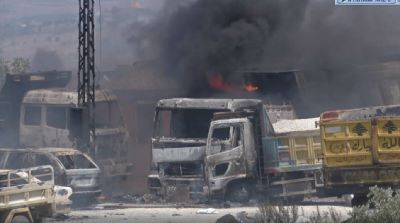
A fuel tank exploded Sunday early morning in northern Lebanons town of Tleil, district of Akkar, killing at least 28 people and injuring 79 others, the National News Agency reported.
The Lebanese army said both army members and citizens are among the casualties.
Security sources were quoted by media outlets as saying that the explosion took place when the army was distributing fuel among citizens after having seized a fuel storage tank hidden by black marketeers in Akkar.
ADVERTISEMENTx
Sources added that about 200 people were nearby at the time of the explosion. Moreover, the Lebanese Red Cross announced earlier in the day that its teams were still searching on the scene.
The High Relief Committee urged all international organizations in Lebanon to provide medicines, serums and other materials needed to treat the severe burn cases of the injured in the explosion.
The committee’s Secretary General Mohamad Kheir said that he has contacted officials in Turkey and Egypt to transfer some seriously injured to these countries for treatment.
Lebanese President Michel Aoun expressed his deep sadness for the incident and held a meeting with the Higher Defense Council to discuss the latest developments.
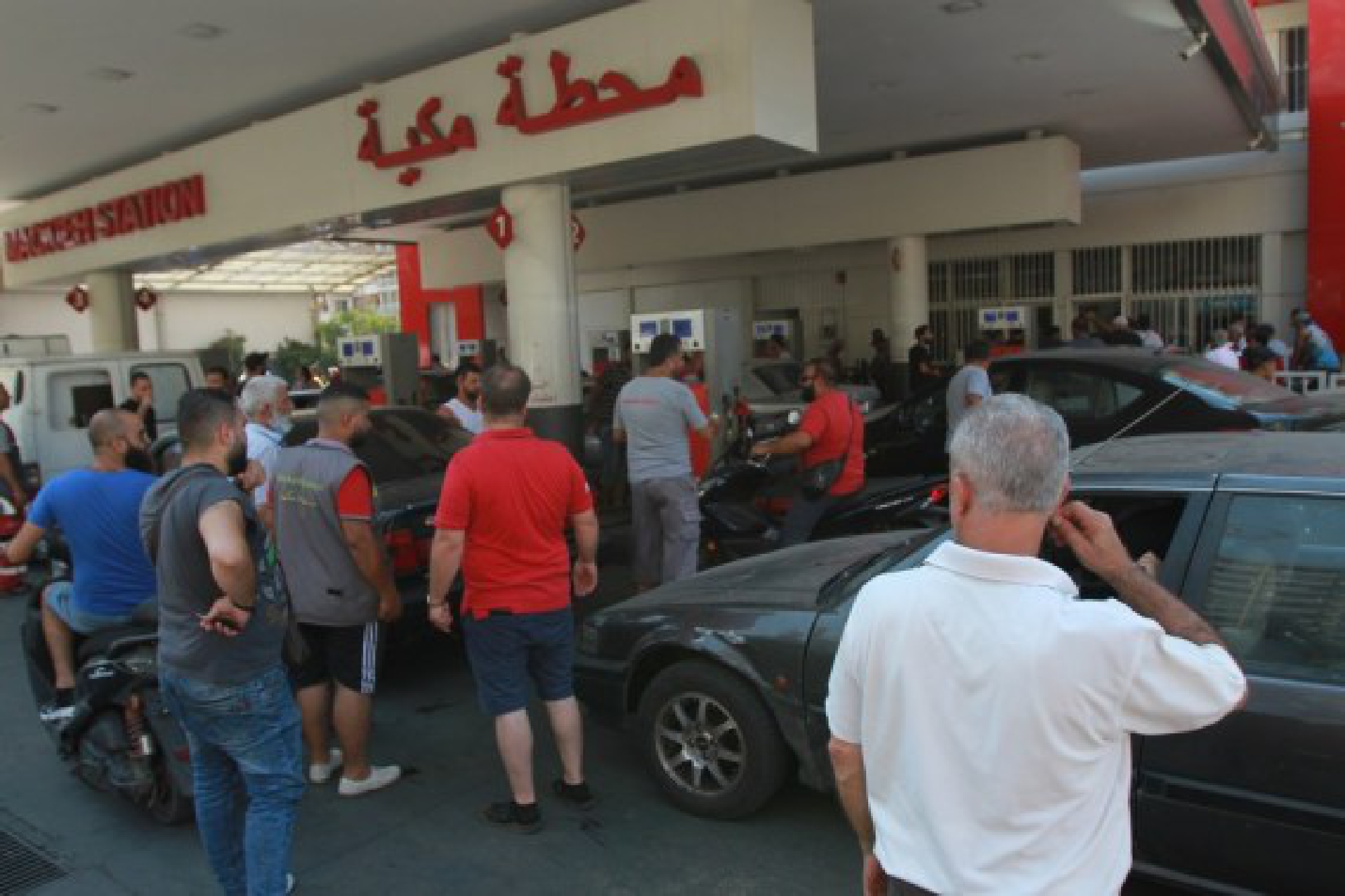
Lebanon, which is facing an unprecedented financial crisis, has been grappling with fuel shortages for months.
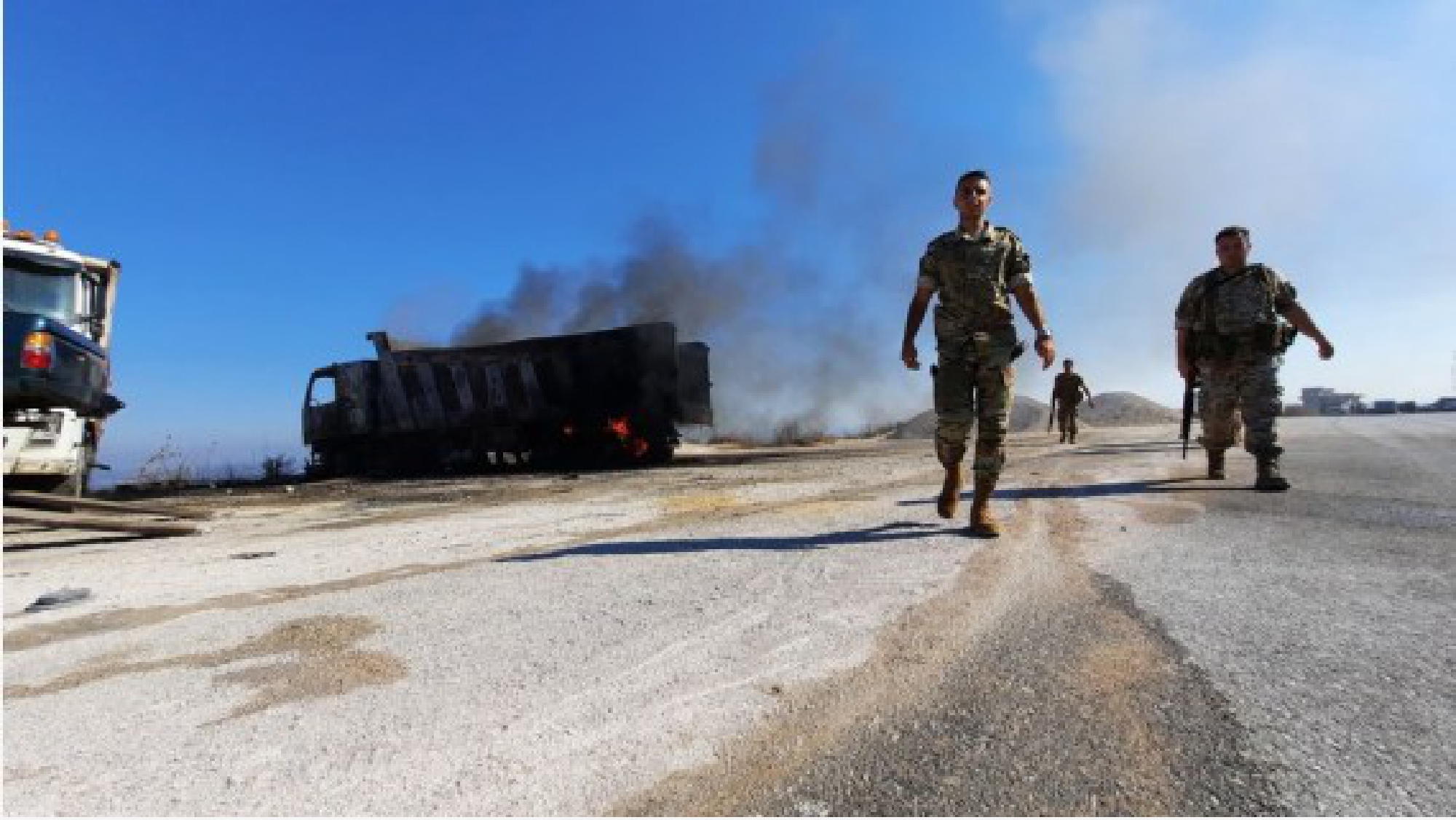
Members of the Lebanese army are evacuating civilians from the scene of the explosion in Akkar, northern Lebanon, on August 15, 2021.
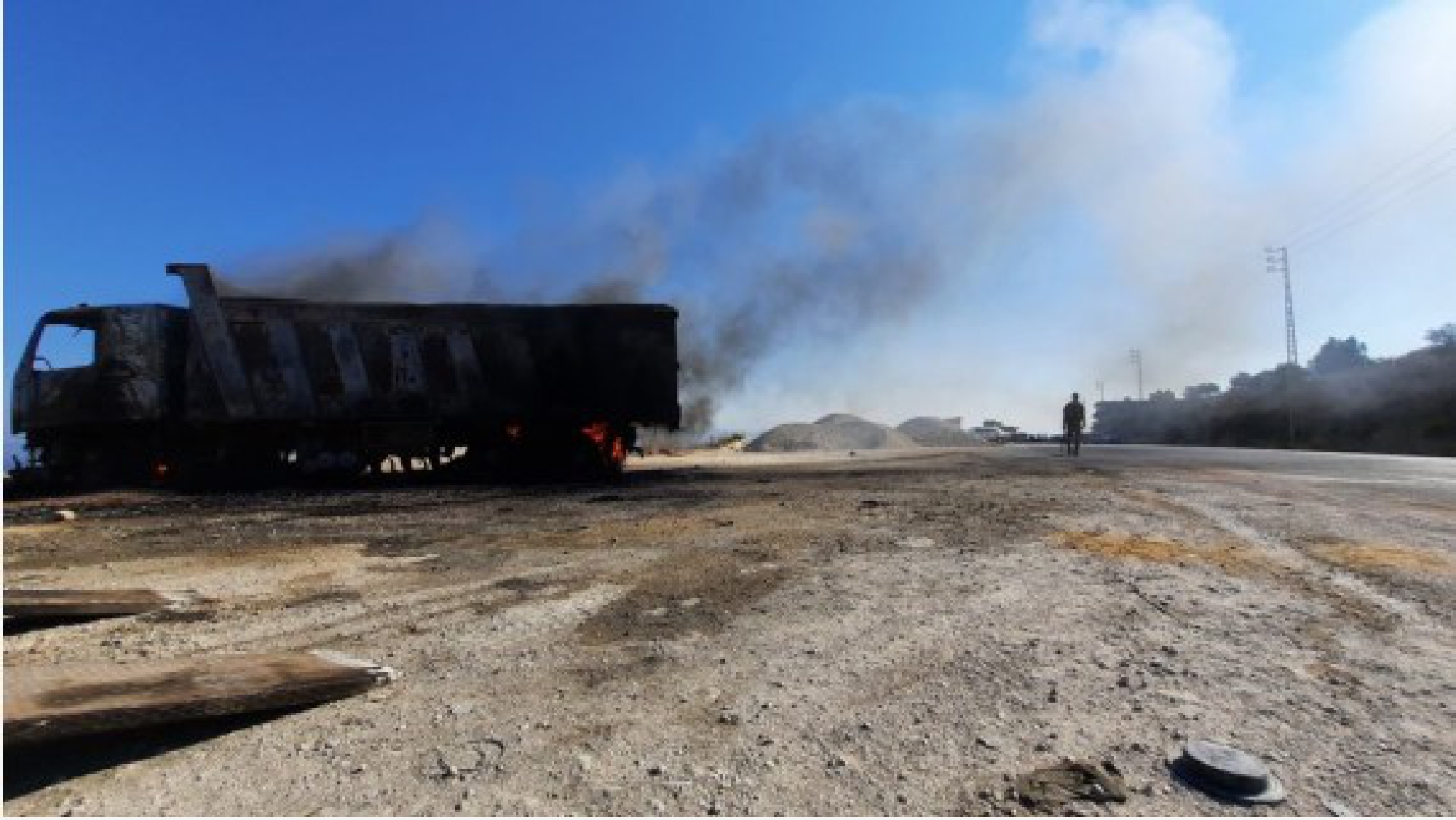
A truck is burned by angry youths near the site of the petrol tank explosion in Akkar, northern Lebanon, on August 15, 2021.
A truck is burned by angry youths near the site of the petrol tank explosion in Akkar, northern Lebanon, on August 15, 2021.
People wait to fill gasoline at a gas station in the city of Tripoli, northern Lebanon, on Aug. 12, 2021.
People wait to fill gasoline at a gas station in the city of Tripoli, northern Lebanon, on Aug. 12, 2021.
Death toll from 7.2-magnitude earthquake in Haiti rises to 1,297
Haitian Prime Minister Ariel Henry said it was necessary to “work together” in the face of the “extremely serious situation” following the earthquake, which has also left some 5,700 injured.
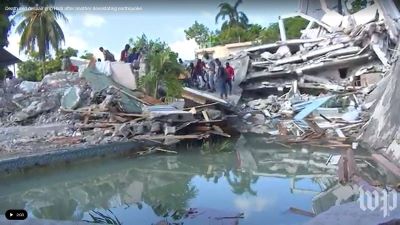
The death toll from the 7.2-magnitude earthquake that struck Haiti on Saturday rose to 1,297, the country’s civil protection agency reported on Sunday.
ADVERTISEMENTx
A breakdown of the fatalities in terms of departments shows that 1,054 people were killed in Sud, 122 in Nippes, 119 in Grand’Anse, and two in Nord-Ouest, the Haitian Civil Protection Service said on Twitter.
Haitian Prime Minister Ariel Henry said on Sunday that it was necessary to “work together” in the face of the “extremely serious situation” following the earthquake, which has also left some 5,700 injured.
“As soon as I landed, I met victims of the earthquake. Doctors, rescuers, and paramedics are arriving to provide assistance from the Cayes airport. A harsh and sad reality that we must face with courage,” the prime minister said on Twitter.
He noted that various teams are on the ground to “provide help and assistance to victims” and called for a speedy action to respond to the crisis.
Covid-19 cases down in Asean; Philippines finds lambda variant of virus
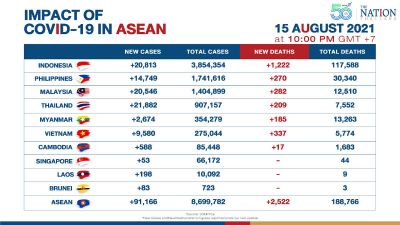
Southeast Asia saw a reduction in new Covid-19 cases and related deaths on Sunday, collated data from the region showed.
Asean reported 91,166 new cases, lower than Saturday’s 99,662, while 2,522 people died, down from the previous day’s 2,541.
The number of Covid-19 cases since the outbreak crossed 8.69 million with 188,766 deaths.
Indonesia saw a steep reduction in new cases to 20,813, making Thailand, with 23,882, the country with the highest number in the region.
The Philippines recorded 14,749 new coronavirus cases, its second-highest daily increase, bringing total confirmed infections to 1.74 million.
The Philippine Department of Health also reported 270 deaths, the third highest one-day spike in fatalities, increasing the death toll to 30,340.
The Ministry of Public Health announced that the first infection with lambda variant of Covid-19 has been found in the country. Discovered for the first time in Peru in December last year, the lambda variant is able to withstand antibodies stimulated with a vaccine, according to WHO’s laboratory testing.
Meanwhile, Laos reported 198 new cases on Sunday, taking cumulative cases in the country to 10,092 with nine deaths.
The Lao Football Federation announced the cancellation of the “Pepsi Lao League 1” to curb the spread of Covid-19. All football matches in the country have been suspended since April while teams had been playing only 2-3 matches each since the season started.
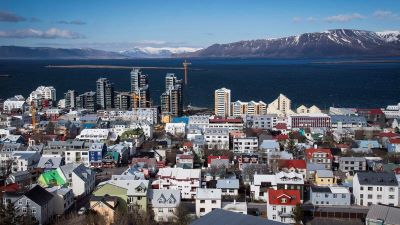
The island nation that has been praised for its coronavirus response and its world-leading vaccination rate is now seeing its highest levels of infection since the start of the pandemic.
Just one month after the government scrapped all covid-19 restrictions, masks, social distancing and capacity limits have returned. And U.S. authorities last week warned Americans to stay away.
Vaccine opponents have gleefully pointed to Iceland as proof that the shots are a “failure.” But contrary to online misinformation and conspiratorial social media posts, infectious-disease experts say Iceland’s outbreak actually illustrates how effective the vaccines are at preventing the virus’s most severe impacts.
Many of the country’s recent infections have occurred among vaccinated people, but they’ve been overwhelmingly mild. So even as new cases multiplied, Iceland’s rates of covid-19 hospitalizations and deaths have remained low. Of the 1,300 people currently infected, just 2 percent are in the hospital. The country hasn’t recorded a virus death since late May.
Iceland, the experts say, is providing valuable information about breakthrough infections in the fully inoculated. Yet it also remains a vaccine success story.
Without vaccines, Iceland’s outbreak “would be catastrophic,” said Pall Matthiasson, chief executive of the country’s largest hospital.
ADVERTISEMENTx
The evidence from Iceland comes at a precarious point in the pandemic. The more contagious delta variant is fueling rising cases in countries that have barely begun to vaccinate their populations, as well as in countries where the pace of inoculation is leveling off. Even highly vaccinated communities have been surprised to find themselves becoming virus hot spots.
Iceland stands out as one of the world’s most vaccinated countries, with nearly 71 percent of its population fully inoculated, according to data tracked by The Washington Post. With fewer than 360,000 residents and a nationalized universal health-care system, the country was able to quickly distribute vaccines when the first doses arrived in the final days of last year, and inoculation continued at a rapid pace.
Iceland has also had a sophisticated system for testing, tracing and sequencing the virus since early in the pandemic. That surveillance – the result of a partnership between Iceland’s health department and the Reykjavik-based human genomics company deCODE – led to some of the first important revelations about the way the virus spreads, including that many infected people have no symptoms and that children were less likely than adults to get sick. It continues to provide Iceland a clear picture of what it is facing, in contrast to a country like the United States, which is testing a far smaller share of its population.
Iceland’s leaders thought the country was in a good position when they made a triumphant announcement at the end of June: no more masks, distancing, limits on gatherings or operating hours, and no testing for vaccinated travelers.
“We are regaining the kind of society which we feel normal to live in and we have longed for,” Svandis Svavarsdottir, the minister of health, said at the time.
ADVERTISEMENT
Prime Minister Katrin Jakobsdottir added: “The situation here is among the best in the world.”
Less than a month later, however, the number of new cases shot up – and kept rising.
The country’s top health officials linked most of the cases to nightclubs and to residents who traveled to London to attend Euro 2020 soccer matches that some warned would be “a recipe for disaster.”
On June 25, Iceland had recorded just 1.6 new infections per 100,000 people over the previous 14 days. As of Thursday, that number had risen to more than 421, far higher than the country’s previous waves.
The absolute numbers are still relatively small, but Iceland’s tiny population and low starting point make the recent increase appear particularly sharp.
ADVERTISEMENT
Adjusted for population, both Iceland and the United States are reporting new cases at clips that rank among the top two dozen countries in the world, but the United States probably has many more infections that are going undetected, because of lower rates of testing.
Iceland quickly became a go-to talking point for the anti-vaccine movement. Fox News’s Laura Ingraham aired a segment in which a guest posited that “it’s almost as if the vaccine invited this explosion of cases” in Iceland.
Such observations are false, said Philip Landrigan, an epidemiologist and the director of Boston College’s Program for Global Public Health and the Common Good. They omit the fact that the vaccines are “providing almost absolute protection against death,” he said.
The Iceland outbreak shouldn’t be surprising, Landrigan added. When a high percentage of the population is vaccinated, it’s more likely that the people who test positive are inoculated.
“We’ve seen in many places the so-called breakthrough cases, but invariably the rate of serious disease and death is exceedingly low, and that really is the core message here,” he said.
Matthiasson, the Icelandic hospital chief executive, said he had not expected this latest upswing in cases, especially when it seemed the country had vanquished the virus. His hospital has been stretched thin, even though it only treats two to three dozen covid-19 patients at once, because it always operates near capacity.
Of the 65 virus patients admitted during this wave, he said, 40 percent are unvaccinated – more than four times the overall share of unvaccinated Icelanders.
The data is clear, Matthiasson said: “Being vaccinated reduces the likelihood of admission manyfold.”
Iceland is also set to become an early test of booster vaccinations. The majority of residents received a two-dose regimen of an mRNA vaccine, mostly the Pfizer shots, but the 53,000 who received the single-dose Johnson & Johnson jab should get an additional shot at least eight weeks later, authorities announced.
Like the real-world case of Provincetown, Mass., what’s happening in Iceland makes a strong case for continuing targeted mitigation measures, said Brandon Guthrie, an epidemiologist and global health professor at the University of Washington.
The government of Iceland has reinstated mask requirements for some indoor spaces and a 200-person capacity limit, which will both be in place until at least the last week of August. The measures took effect in late July, and the rise of new infections appears to have slowed in recent days.
The case of Iceland should also reframe the idea of a successful public health campaign, Guthrie said.
“We’ve handicapped ourselves in what the definition of success is,” he said. Scientists originally hoped for vaccines that were 50 percent effective, he said, and the goal was to prevent death and severe disease – not to provide blanket protection against any chance of infection.
“The goal line has been shifted here because they are so effective, especially with the earlier variants,” Guthrie said. “Having few deaths or severe cases of illness in the context of large surges should absolutely be seen as at least a partial victory.”
Death toll from massive Haiti earthquake soars past 700
PORT-AU-PRINCE, Haiti – The death toll from Haitis massive earthquake has more than doubled to 724, authorities said Sunday, as government officials sought aid from U.S. first responders. Tropical Storm Grace bore down on the ravaged country with heavy rains forecast for Monday, threatening to further complicate relief efforts.
As Haitians used crude tools to dig through collapsed homes and buildings, USAID prepared to deploy a 59-member search and rescue team on Sunday from Fairfax County, Virginia. The United Nations warned that relief operations were confronting “restrictions” due to the presence of violent gangs “hindering the capacity of humanitarian actors to operate normally and reach affected populations.”
“We want (U.S. first responders) to help,” said Haitian Ambassador to the United States Bocchit Edmond, who said he had also requested a search-and-rescue team from Miami-Dade County. “We have news that in some parts of the country there are probably people under rubble, and we want to give them a chance.”
The 7.2-magnitude earthquake struck Haiti at 8:29 a.m. Saturday. It was stronger, though centered farther from the capital, than the devastating 2010 earthquake that killed more than 220,000 people. Officials and witnesses said the southern and western areas of the country sustained devastating damage.
Haiti’s civil protection office reported at least 724 deaths, more than double the 304 reported the night before. At least 2,800 people have been injured and nearly 7,000 left homeless.
The death toll is expected to rise amid reports that some neighborhoods, which authorities had yet to reach, had been leveled.
Authorities mobilized teams to clear roads and bridges that were either damaged by the earthquake or blocked by landslides and deploy medical supplies and food to disaster sites. But local officials said it was not enough. Hospitals were overwhelmed, and ordinary citizens were joining efforts to find survivors. Thousands of homes and also schools, churches and at least one hospital have been damaged or destroyed, the United Nations said.
At least three urban areas in the southern region – Jeremie, Les Cayes and Baradères – suffered major damage, with fears of broader damage in villages and towns closer to the epicenter. High call traffic jammed lines earlier in the day, but cellular phone infrastructure in the area remained operational.
Milord Claude Harry, the mayor of Jeremie, a coastal town of 31,000, said 400 families whose homes were destroyed were sleeping on the streets. He said Jeremie and communities on its outskirts were running out of water and medicine.
He said search and rescue teams from the Haitian Police and the Haitian health department were being joined by volunteers. There still had been no contact with more remote communities, he said.
“People there are on their own,” Harry said.
As foreign charities, nongovernmental organizations and volunteer groups dispatched people, supplies and equipment to Haiti, Haitan authorities reiterated their insistence that all aid be channeled and cleared through them. Edmond said the government wants to avoid a repeat of massive amounts spent – and misspent – in Haiti after the 2010 earthquake.
“All aid must be coordinated through the Civil Protection to prevent the errors of 2010,” Prime Minister Ariel Henry told reporters in Port-au-Prince.
Published : August 16, 2021
By : The Washington Post · Ingrid Arnesen, Anthony Faiola
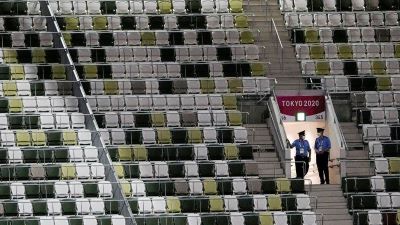
Japanese taxpayers were shut out from Olympic venues, but they now can view the staggering bill
TOKYO – A day after the Tokyo Olympics concluded, social media posts in Japan showed photos and videos of a man believed to be the International Olympic Committees president, Thomas Bach, strolling through Ginza, a popular shopping district in Tokyo.
Those posts went viral. And not as kudos for helping finally pull off the Tokyo Games. Instead, many in Japan view Bach as complicit in pushing Japan to host the Games despite the public health risks and the financial toll on taxpayers.
To those critics, Bach personifies the costly hangover from a party Tokyo wasn’t even invited to.
Every Olympic Games is expensive for the host city or nation. But those hosts typically have gains to show in return, including global recognition and millions of tourists who spend money at local businesses.
But those benefits won’t materialize for Tokyo, host of the most expensive Olympics to date and the first to host one with mostly empty venues – and hardly any domestic revenue – because of the pandemic.
“If you’re just looking at those spreadsheets, you know, there was there was no reason for this game to go on, at least from Tokyo’s perspective,” said Victor Matheson, who studies sports economics at College of the Holy Cross in Worcester, Mass.
By conservative estimates, the Tokyo Olympics cost $15.4 billion – a tab largely borne by Japanese taxpayers – and is more than double the forecast when the city bid for the Games. Japanese government auditors have estimated the true costs are likely at least $25 billion, which includes projects related to the Games.
The official $15.4 billion tab is on par with the past two Summer Games: Rio de Janeiro in 2016 ($13.7 billion) London in 2012 ($15 billion).
Every Olympics hosted since 1960 in Rome has run over budget, according to a 2020 study co-authored by Bent Flyvbjerg, a professor at the University of Oxford, who studies the economics of the Olympics.
“This is like having a tiger by the tail, you know, when you say ‘yes’ to hosting the Games. You actually have very limited possibilities of stripping down cost” because the majority of the business decisions are made by the IOC and international athletics organizations, Flyvbjerg said. “Even under the best circumstances, putting on the Olympics is quite a burden financially … covid-19 definitely hasn’t made it easier for Tokyo.”
ADVERTISEMENTx
To be sure, even the most expensive estimate comes out to less than 1 percentage point of Japan’s total GDP, one of the world’s largest economies.
Still, experts say the unique realities of these Games are sure to put an unprecedented burden on the host city of Tokyo and the Japanese government, which is facing a ballooning national debt that is worsening because of the pandemic.
By effectively banning spectators and closing the Games to outside visitors, Japanese officials have forfeited nearly $800 million in revenue that they had expected. Rather than attracting as many as 10 million tourists, per some optimistic projections, fewer than 100,000 official Olympics-related travelers were approved, which included athletes, team personnel and journalists. These visitors were sequestered to the Olympic “bubble” – the approved official Games venues, hotels and other special sites – for the vast majority of their stay in Japan.
“The bulk of this is going to have to come from people’s taxes … and the government will try to further borrow money from the public. So it’s going to be, at the end of the day, a huge burden on taxpayers,” said Noriko Hama, economics professor at Doshisha Business School in Kyoto.
That loss of revenue comes on top of the economic struggles already created by the pandemic and the country’s state of emergency designation, limiting how late businesses can stay open and shutting down borders to tourists.
ADVERTISEMENT
The postponement of this year’s Olympics added $2.8 billion to the tab, according to organizers, who had to extend contracts and keep temporary venues longer than planned. And then there were other additional costs associated with the pandemic, such as the daily processing of tens of thousands of coronavirus tests from inside the Olympic bubble.
Tokyo secured a record $3 billion in domestic sponsorships, an impressive feat, Matheson said. But it’s unclear how much of that will come through in the end, he said. For example, Toyota pulled its domestic advertisements from the Olympics in the days leading up to the Opening Ceremonies.
Hosting the Olympics can often lead to long-term benefits. Investments into the infrastructure will last beyond the Games. Cities also can rebrand or introduce themselves to the world as a travel destination. But Tokyo is already a global power, and the infrastructure benefits likely will be minimal, Matheson said. And foreign journalists were largely limited to the Olympic venues, restricting their ability to showcase Japan’s culture, he said.
“The reporters couldn’t go out to do their special interest story of people of, you know, people walking in the Imperial Gardens and they couldn’t go to their story of, ‘We’re down in the Ginza district, the most spectacular commercial street in the world,'” he said. “All you could see is the inside of the gym rather than … all the sort of things that would make a fun trip to Tokyo.”
On the other hand, the IOC secured around $4 billion in revenue from broadcast media rights and international sponsorships, Matheson said.
ADVERTISEMENT
Yuji Nakamura, professor of public administration at Japan’s Utsonomiya University who has studied the Tokyo Olympics since 2013, said he expects Tokyo will be left in a similar situation as Montreal, which hosted the Summer Games in 1976 and experienced the largest cost overrun to date: 720 percent. It took 30 years to pay down that debt, according to Flyvbjerg’s study.
“Both the Tokyo government and central government couldn’t get their money’s worth. … In the end, the price has to be paid by the taxpayers and future generations,” Nakamura said.
If the cost reaches as high as $25 billion to $30 billion, that could amount to about $940 per Tokyo resident, according to Naofumi Masumoto, visiting professor of Olympic Studies at Tokyo Metropolitan University and Musashino University. That is money that could go toward other needs of the metropolitan government, such as hospital beds for coronavirus patients and purchasing vaccines, Masumoto said.
These Japanese experts expect that the Olympic spending likely will require special government bonds or taxes, or a cost-sharing deal with private companies to cover the cost.
“Without something along those lines … they will never get financial houses in order,” said Hama, of Doshiba Business School.
It is yet unclear if there will be any significant political fallout for Japanese prime minister Yoshihide Suga, who is facing reelection this fall and is lagging in polls. Despite fears that the Olympics could become a global superspreader event and strong public opposition leading up to it, public sentiment appeared to shift once the Games began, and Olympics-related coronavirus cases were largely contained to the bubble.
“I think the political costs at this point, because there were no evident disasters during the Olympics themselves, are probably going to be limited,” said David Leheny, professor in the Graduate School of Asia-Pacific Studies at Waseda University in Tokyo.
“Because there was so much apprehension about it, the fact that there weren’t any disasters, mixed with the fact that there were so many Japanese winners, many of them who were charming, appealing figures in many ways, people are going to be primed into thinking that the Olympics had gone as well as possible,” Leheny added.
Published : August 16, 2021
By : The Washington Post · Michelle Ye Hee Lee, Simon Denyer
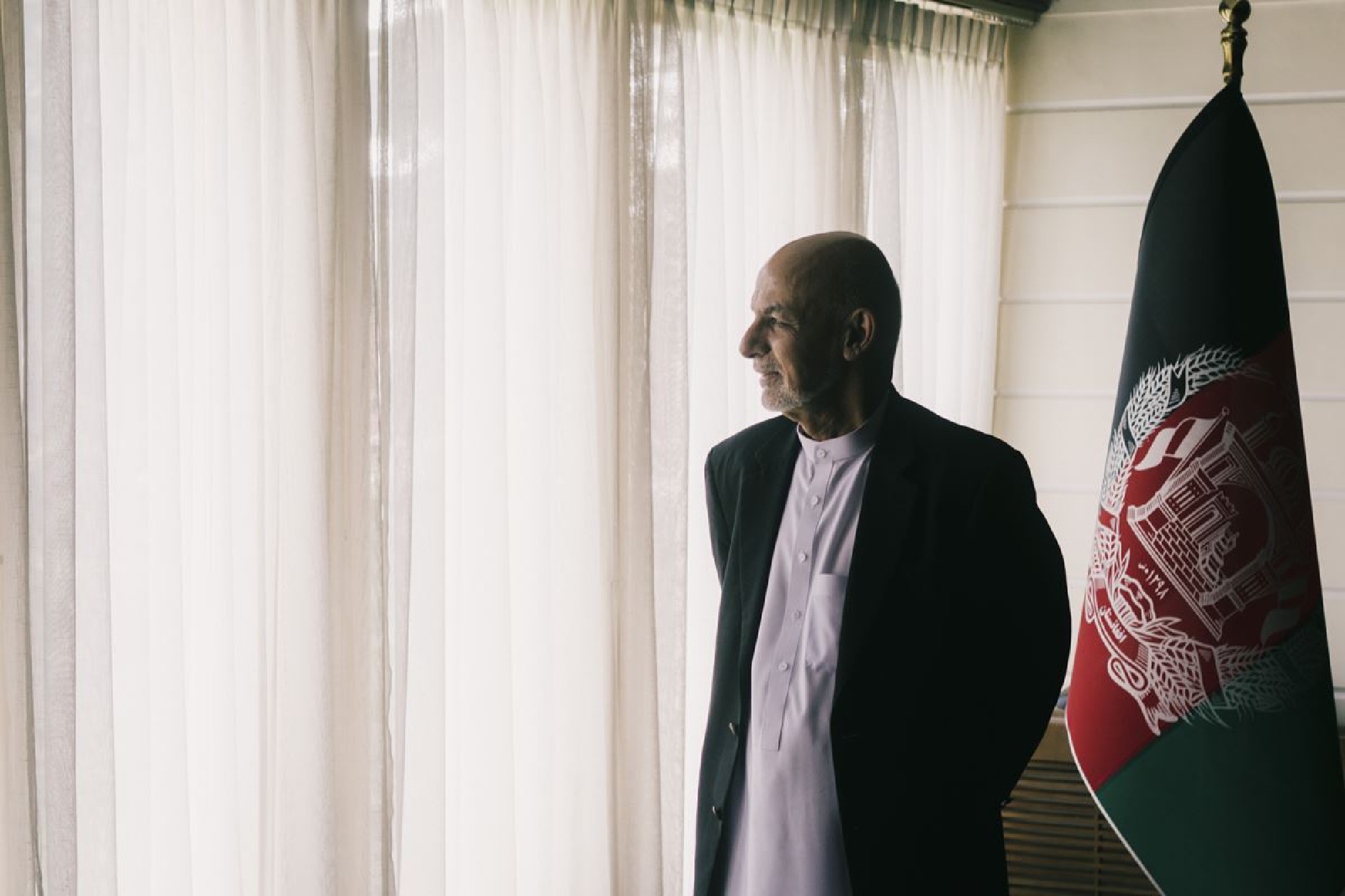
Afghan president flees country after Taliban enters Kabul, a sign the government has collapsed
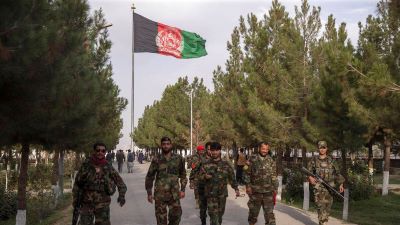
KABUL, Afghanistan – Taliban fighters took control of Kabul on Sunday as the Afghan government collapsed, President Ashraf Ghani fled, and the long-dominant American presence appeared to be coming to an abrupt and chaotic end after nearly 20 years.
The takeover of the sprawling capital city had been years in the making, but was ultimately accomplished in a single day. Insurgent fighters, fresh off their conquests in each of Afghanistan’s provincial hubs, faced little to no resistance as they entered the city through its major traffic arteries on Sunday morning.
By evening, the Taliban were giving television interviews in the presidential palace, just hours after Ghani had departed Afghanistan. And the Pentagon was speeding an additional 1,000 troops to Kabul’s airport to assist with the withdrawal of U.S. personnel after the American flag was lowered from the embassy.
U.S. personnel at the embassy in Afghanistan were being relocated to the airport to “ensure they can operate safely and securely” as the Taliban encircled Kabul, Secretary of State Antony Blinken told ABC News on Sunday. Acting U.S. ambassador Ross Wilson was among those moved to the airport amid a frenzied rush for flights out of the country.
Asked about comparisons to the United States’ departure from Vietnam in 1975, Blinken said on ABC News’s “This Week” that “this is manifestly not Saigon.”
Later on Sunday, the U.S. Embassy released a security alert warning of reports that the airport was taking fire and instructing U.S. citizens to shelter in place.
Ghani did not appear publicly on Sunday. But on his Facebook page, he posted a message explaining that the Taliban had given him no choice but to depart the country. “In order to avoid a flood of blood, I thought it was best to get out,” he said.
Abdullah Abdullah, the head of the Afghan High Council for National Reconciliation, had earlier confirmed in a video shared online that the president was no longer in Afghanistan.
Taliban spokesman Zabiullah Mujahid initially said in a statement that the group’s fighters had been instructed to stay at the entrance to Kabul, and not push further into the city with force. “We want to enter Kabul with peace, and talks are underway” with the government, he said.
But later in the day, Taliban fighters could be seen freely roaming the streets. Mujahid later wrote on Twitter that Taliban fighters had entered the city to provide security.
Footage from Al Jazeera inside the presidential palace late Sunday showed Taliban leaders with long beards and turbans seated around a wood table in the palace, as militants with guns slung across their bodies stood behind them. Some lounged on gilded chairs in the ornate building where just hours before Ghani had presided over the Afghan government.
In messages apparently distributed to Kabul residents via the messaging group WhatsApp, the group proclaimed that “we are in charge of security for Kabul.” The messages listed telephone numbers in various neighborhoods where citizens should call if they saw problems.
“The Islamic Emirate assures you that no one should be in panic of feeling fear,” one message said. “Taliban is taking over the city without fighting and no one will be at risk.”
ADVERTISEMENTx
Afghan president flees country after Taliban enters Kabul, a sign the government has collapsedMeanwhile, Afghan leaders who have been the Taliban’s nemesis for the past two decades issued pleas for the group to refrain from retributory violence.
Former Afghan president Hamid Karzai appeared in a video posted online, surrounded by his three daughters as a helicopter whirred overhead.
“We are trying to solve the issue of Afghanistan with the Taliban leadership peacefully,” he said, according to the Associated Press.
Other figures closely associated with the American-backed government, including Gul Agha Sherzai, the former governor of Nangarhar province, recorded videos congratulating the Taliban on its victory.
One Afghan official, acting interior minister Abdul Satar Mirzakwal, said Sunday that there had been “an agreement that there will be a transitional administration for orderly transfer of power.”
ADVERTISEMENT
But Ghani’s departure, apparently to a neighboring country in Central Asia with his family and much of his government, dissolved plans in place as recently as Saturday to send a team to Doha to negotiate a transition with the Taliban.
Instead, Abdullah announced the formation of a new “coordination council” with Karzai and former jihadi leader-turned-politician Gulbuddin Hekmatyar to deal directly with the Taliban in Kabul. Its purpose, Karzai said on Twitter, is to “prevent chaos … and to better manage the affairs related to peace and the peaceful transfer” of power.
The Taliban has not responded publicly to the group, but U.S. officials assume that the militants are equally interested in preventing violence as they consolidate their control. There is no sense among those officials that a power-sharing government is being discussed. Rather, the Taliban were expected to set the terms and the council would facilitate its nonviolent takeover.
U.S. officials, focused on the evacuation, are not involved in the Afghan-to-Afghan talks.
The Taliban’s lightning-quick advance to the Afghan capital came as helicopters landed at the U.S. Embassy early Sunday and armored diplomatic vehicles were seen leaving the area around the compound. Diplomats scrambled to destroy sensitive documents, sending smoke from the embassy’s roof, said two State Department officials familiar with the situation.
ADVERTISEMENT
State Department officials had preferred to evacuate the U.S. Embassy over multiple weeks, two U.S. officials told The Washington Post on Saturday. Defense officials did not think that was realistic, but waited to begin deploying additional troops to Kabul until the Biden administration made the call on Thursday to begin withdrawing. The bulk of those troops are expected to arrive by the end of the weekend, Pentagon spokesman John Kirby said on Friday.
The Pentagon is expected to deploy another 1,000 troops to Afghanistan from a brigade combat team with the 82nd Airborne Division that already was deploying to the region, two defense officials said. With the additional deployment, up to 6,000 U.S. troops could soon be on the ground at Kabul International Airport.
But meanwhile, the exit was moving forward – though in a highly precarious atmosphere.
NGO officials said they had received queries from military officials about conditions at the airport, suggesting the U.S. government was struggling to get real-time information.
Accounts circulated on social media of chaotic scenes at the airport, as foreigners and Afghans desperately sought to flee the country. A video on Snapchat showed crowds massing under a plane on the tarmac Sunday night, as people were pulled into what appeared to be a military cargo plane. In another video, posted to Twitter, a line of men with suitcases stood waiting to board an Ariana Afghan Airlines flight.
Hundreds of Afghans – including many women and children – crowded into the terminal on Sunday to wait for flights out. Cars jammed Kabul’s streets as people rushed to get home or to the airport.
A U.S. defense official familiar with the situation said that no Taliban attacks have occurred on Kabul airport as of Sunday evening, but described the situation as chaotic.
Mere hours before, the Taliban had captured the city of Jalalabad, adding the eastern provincial capital to the ever-growing ranks of territory under its control. The fall came just hours after the Taliban seized Mazar-e Sharif – a northern city long seen as an anti-Taliban stronghold.
The Taliban’s takeover far exceeded the pace at which the U.S. had estimated that the Afghan government could collapse. As of last week, the U.S. military had estimated a collapse within 90 days. In June, American officials had forecast that a collapse would take six to 12 months.
Blinken took to the Sunday shows to defend the Biden administration’s decision to withdraw from Afghanistan, arguing that the Taliban’s current offensive would have happened even if U.S. forces remained in Afghanistan.
“If the president had decided to stay, all gloves would’ve been off, we would’ve been back at war with the Taliban, attacking our forces, the offensive you’ve seen throughout the country almost certainly would’ve proceeded,” Blinken told NBC News.
The Taliban’s capture of Jalalabad, close to Afghanistan’s border with Pakistan, came with minimal resistance after militants and local elders negotiated the fall of the city’s government. Leaders in Jalalabad were given safe passage from the city, according to Reuters.
Both Bagram and Sorobi districts in Kabul province also surrendered without shots being fired, according to an official, who added that the militants had made “political deals” with local leaders.
Afghan forces on Sunday handed over Bagram air base – once the U.S. military’s most important airfield in the country – to the Taliban, a district chief told the AP. The air base holds a prison housing 5,000 inmates.
The Taliban also took control of Afghanistan’s largest prison, known as Pul-e-Charkhi, CNN reported, citing two unnamed Taliban sources. Up to 5,000 inmates may have been housed at the infamous prison east of Kabul, according to CNN.
Footage from an Afghan news agency on Sunday appeared to show Taliban militants letting inmates out of the prison, the BBC reported.
Several other countries that had retained a diplomatic presence in Kabul even as Taliban gains accelerated began withdrawing staff. The British ambassador will be airlifted from Afghanistan by Monday evening, the Sunday Telegraph newspaper reported. Iranian officials said its embassy in Kabul would be evacuated by Monday, according to Reuters.
Germany closed its embassy on Sunday, Reuters reported. Canada has suspended its diplomatic operations in Kabul and Canadian personnel “are now safely on their way back to Canada,” the Foreign Ministry said in a statement Sunday.
The Danish and Norwegian embassies also recently said they would suspend operations and move staff out of the country.
President Joe Biden on Saturday had announced that more troops would be sent to the capital to assist the departure of Americans there, expanding the number of troops sent to Kabul to 5,000. That includes an additional 1,000 troops that had been held at the ready in Kuwait, and at least 650 who had stayed behind in Afghanistan with the mission of protecting the U.S. Embassy and airport after the United States began withdrawing its military.
The Pentagon has declined to call the deployment a combat mission. Pentagon spokesman John Kirby said troops have been deployed with machine guns, mortars and other heavy weapons with authorization to defend themselves if attacked.
Blinken was pressed by multiple television hosts Sunday about why the U.S. withdrawal appeared haphazard – particularly given the decision to withdraw forces, then send them back in. Blinken denied being caught flat-footed.
“The president was prepared for every contingency as this moved forward,” he said. “We had those forces on hand and they were able to deploy very quickly again to make sure that we could move out safely.”
Administration officials briefed lawmakers in two calls on Sunday morning.
In the administration’s call with senators, Sen. Lindsey Graham, R-S.C., asked if the U.S. government’s assessment of the terrorist threat to the United States has changed as a result of the Taliban’s victory, said one Republican senator, who spoke on the condition of anonymity because of the sensitivity of the issue.
Defense Secretary Lloyd Austin had testified in June that it could take two years for an extremist group to regenerate, and assessed the likelihood of that occurring as medium.
Austin responded that the assessments have changed because of the lack of a cohesive security force on the ground. He suggested he could provide a more complete answer in a classified setting, the senator said.
Austin also said that the military will run as many aircraft as it can to rescue people, with American embassy workers at the front of the list. Afghans with still-processing special immigrant visas would be next, followed by others who seek to come to the United States through other categories.
Aerial refueling will limit how much fuel is needed on the ground when using military aircraft, the senator added.
“It sounds like they’re going to try to get as many out as possible, but with the situation deteriorating so rapidly, our question that is largely unanswered is how long can this sustain, and how many people will we actually get out?” the senator said. “We really don’t know that.”
British lawmakers will also be recalled from recess next week to discuss the “deteriorating situation in Afghanistan,” Sky News reported.
Biden has warned that any moves by the Taliban that threaten American personnel or interests in the country would face a “swift and strong” response by the U.S. military.
The fall of Mazar-e Sharif on Saturday came as the Taliban gained control of the province of Logar, an important gateway to the capital. Militants on Saturday also captured the capital of Paktika, an eastern province bordering Pakistan, where local leaders fled for Kabul after surrendering.
As the Taliban had advanced toward Kabul in recent days, the capital was overrun by Afghans fleeing oppressive militant rule amid fears of a humanitarian disaster. Families who had flocked to Kabul were selling their possessions in an attempt to raise money as reports spread that ATMs had stopped dispensing cash.
At the airport, people who had provided help to Western governments were seen on television news footage swarming visa processing centers, seeking a way out of the country. “We served for the American forces,” one person at the airport told ABC News. “They have to take care (of) us. It is our turn to be helped.”
Published : August 16, 2021
By : The Washington Post · Susannah George, Bryan Pietsch, Claire Parker, John Hudson, Karen DeYoung, Dan Lamothe
Endangered long-tail bats found in New Zealand 1st time in decades
“DOC has long suspected that the lush lowland rainforests around Fox and Franz Josef glaciers might be home to pekapeka and have had a few anecdotal sightings over the years, so its fantastic to now have this confirmed.”
Rare, long-tail bats pekapeka have been discovered near South Island’s small town Franz Josef for the first time in decades in New Zealand, the country’s Conservation Minister Kiri Allan said on Saturday.
ADVERTISEMENTx
The discovery is exciting proof that the government’s Jobs for Nature and predator free programs are getting results, said the minister.
The bats were found following a survey by a local tourism business funded through the government’s Jobs for Nature programme.
“Three Franz Josef Wilderness Tours workers collected sound recordings of the highly endangered bat from forested areas around Okarito Lagoon and in the Waitangitāhuna and Whataroa river valleys last summer,” Allan said, adding that these were recently confirmed by Department of Conservation (DOC) bat experts.
“This is a really exciting find and is a tribute to Franz Josef Wilderness Tours, who, despite being hard hit by the downturn in tourism because of COVID, embraced new Jobs for Nature work opportunities,” she said.
Photo shows pekapeka, endangered long-tail bat, in New Zealand.
“DOC’s predator control work will have helped to protect the bats and the Predator Free South Westland project now underway, will help secure their future.”
Franz Josef Wilderness Tours owner Dale Burrows said that Jobs for Nature has been a lifeline for his business and he and his staff have enjoyed feeling like they were giving back to nature.
“It’s been a real buzz to discover the long-tailed bats right in our backyard and we’re looking forward to being involved in further work to find out more about the population and protect them.”
“We’ve learnt heaps about native species and conservation through this work, and this has brought value to our business as we share this knowledge with the mostly Kiwi visitors who now come on our tours,” Burrows said.
Kiri Allan said DOC had coordinated the bat survey work and provided training to the workers, who then put out bat recorders in likely-looking spots and did the initial data analysis using a “bat search” programme.
“DOC has long suspected that the lush lowland rainforests around Fox and Franz Josef glaciers might be home to pekapeka and have had a few anecdotal sightings over the years, so it’s fantastic to now have this confirmed.”
“Further surveys are planned for next summer, when the bats are active, to learn how widely they’re spread,” she said.
Africas COVID-19 cases surpass 7.22 mln: Africa CDC
The number of confirmed COVID-19 cases in Africa reached 7,222,853 as of Saturday afternoon, the Africa Centers for Disease Control and Prevention (Africa CDC) said.
The number of confirmed COVID-19 cases in Africa reached 7,222,853 as of Saturday afternoon, the Africa Centers for Disease Control and Prevention (Africa CDC) said.
The Africa CDC, the specialized healthcare agency of the African Union, said the death toll from the pandemic stands at 182,452 while 6,334,958 patients across the continent have recovered from the disease.
ADVERTISEMENTx
South Africa, Morocco, Tunisia and Ethiopia are the countries with the most cases in the continent, according to the Africa CDC.
South Africa has recorded the most COVID-19 cases in Africa with 2,582,427 cases so far, while the northern African country Morocco reported 741,836 cases as of Saturday afternoon.
In terms of the caseload, southern Africa is the most affected region, followed by the northern and eastern parts of the continent, while central Africa is the least affected region in the continent, according to the Africa CDC.
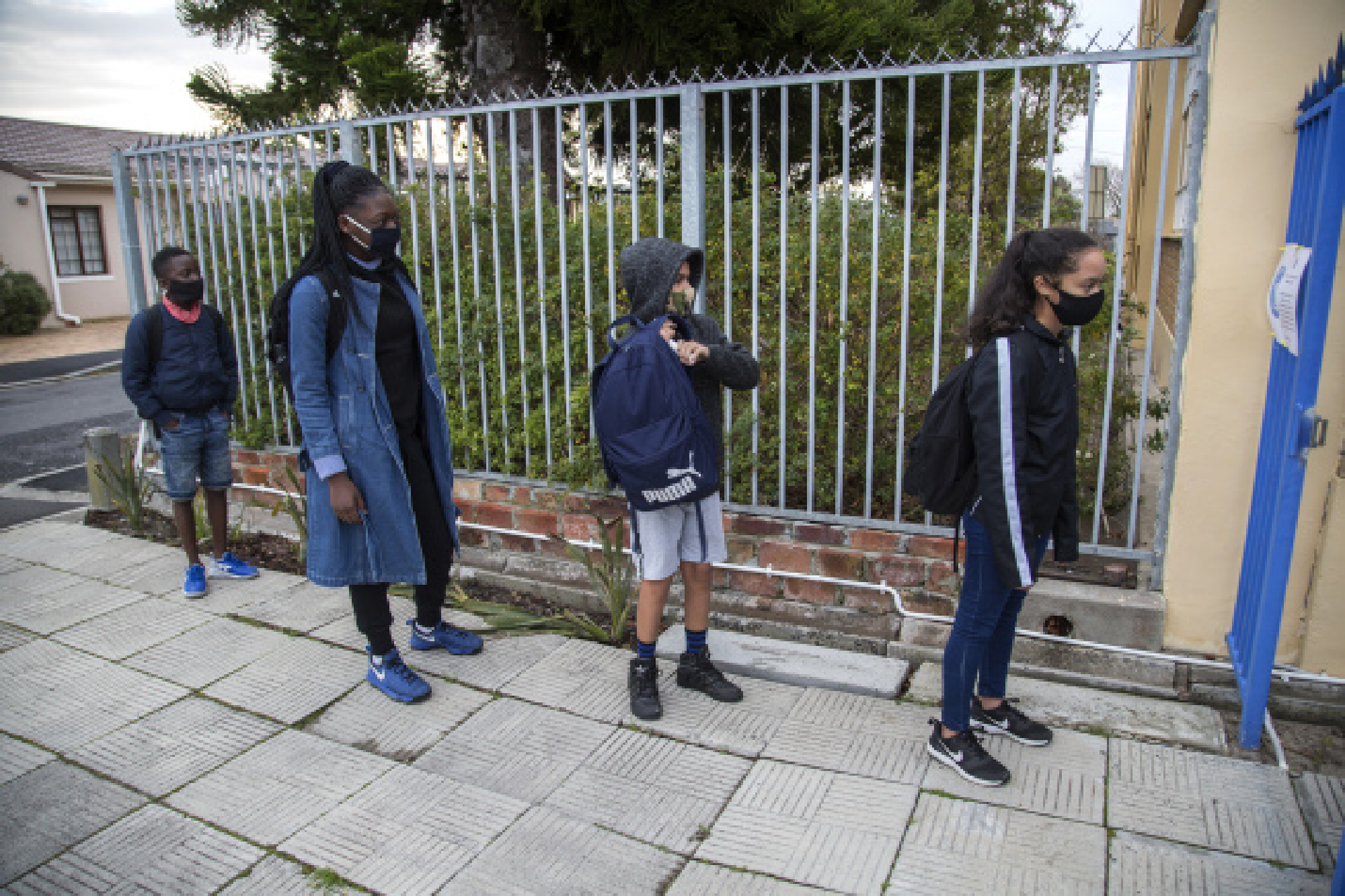
Students wait in line at the school gate for COVID-19 screening in Cape Town, South Africa, July 28, 2021.
Biden increases troops deployment to Afghanistan amid Taliban advances
President Joe Biden warned the Taliban “that any action on their part on the ground in Afghanistan, that puts US personnel or our mission at risk there, will be met with a swift and strong US military response.”
U.S. President Joe Biden said on Saturday that he had authorized the deployment of roughly 5,000 troops to Afghanistan to support personnel drawdown, warning the Taliban not to put U.S. personnel and mission at risk.
ADVERTISEMENTx
“Based on the recommendations of our diplomatic, military, and intelligence teams, I have authorized the deployment of approximately 5,000 US troops to make sure we can have an orderly and safe drawdown of US personnel and other allied personnel and an orderly and safe evacuation of Afghans who helped our troops during our mission and those at special risk from the Taliban advance,” Biden said in a statement.
“We have conveyed to the Taliban representatives in Doha, via our Combatant Commander, that any action on their part on the ground in Afghanistan, that puts US personnel or our mission at risk there, will be met with a swift and strong US military response,” he added.
The Pentagon announced on Thursday that three infantry battalions, about 3,000 troops, will be deployed to Kabul airport to support U.S. embassy staff reduction and Afghan Special Immigrant Visas (SIV) applicants evacuation given the Taliban’s rapid offensive across the country.

 Members of the Lebanese army are evacuating civilians from the scene of the explosion in Akkar, northern Lebanon, on August 15, 2021.
 A truck is burned by angry youths near the site of the petrol tank explosion in Akkar, northern Lebanon, on August 15, 2021.
 People wait to fill gasoline at a gas station in the city of Tripoli, northern Lebanon, on Aug. 12, 2021.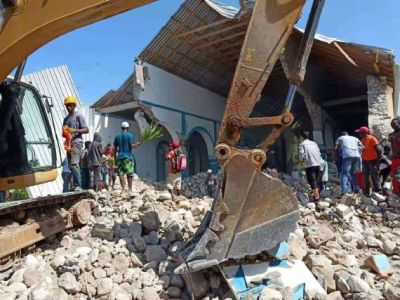
 Afghan president flees country after Taliban enters Kabul, a sign the government has collapsedMeanwhile, Afghan leaders who have been the Taliban’s nemesis for the past two decades issued pleas for the group to refrain from retributory violence.
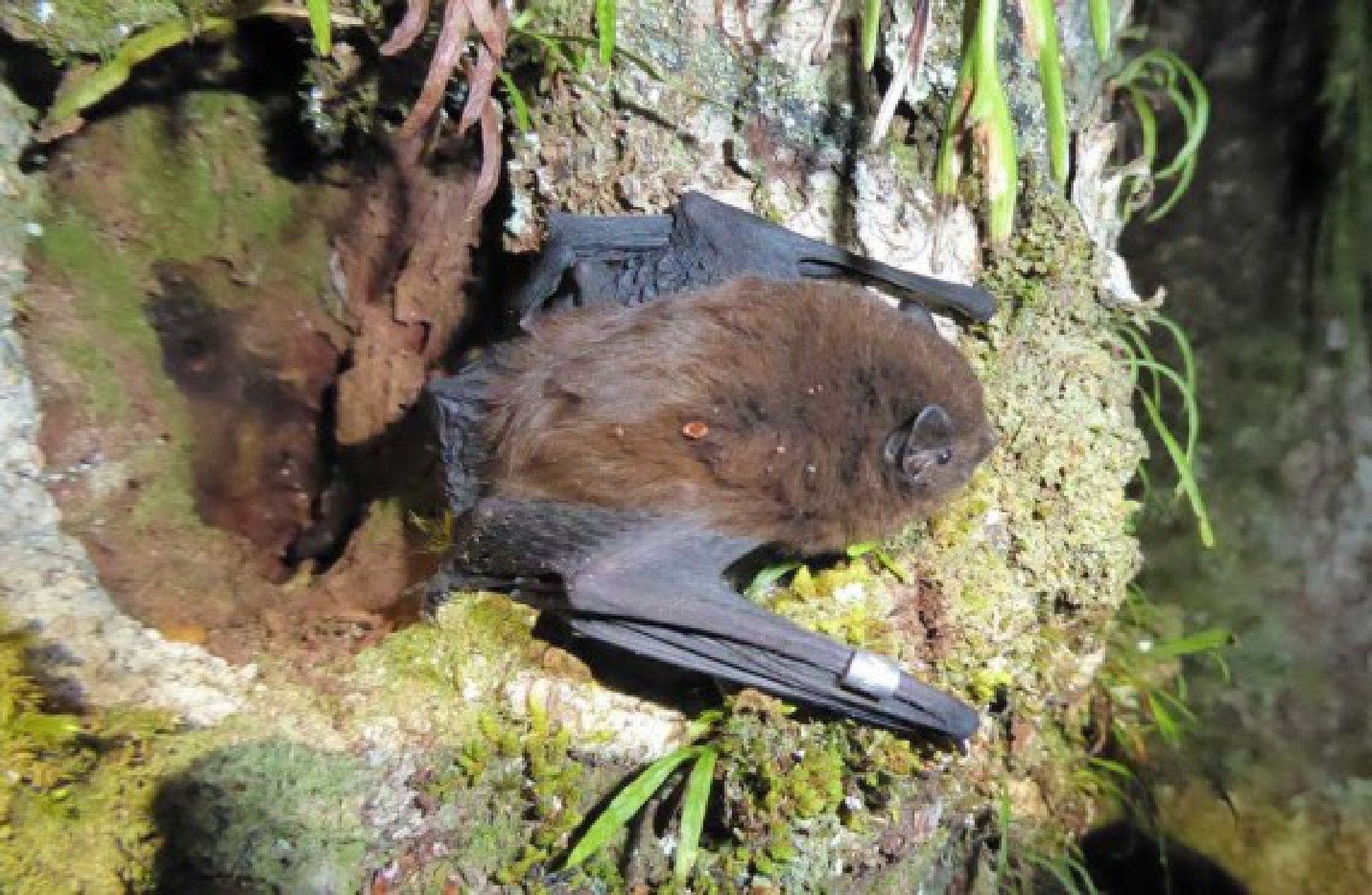 Photo shows pekapeka, endangered long-tail bat, in New Zealand.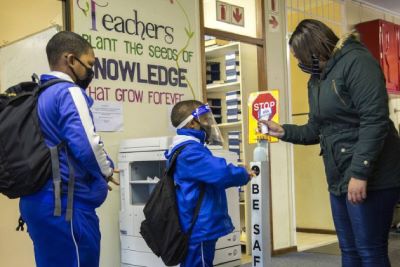
 Students wait in line at the school gate for COVID-19 screening in Cape Town, South Africa, July 28, 2021.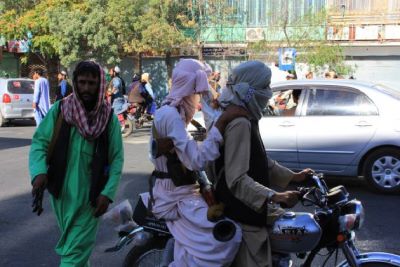
 SootinClaimon.Com