Isolated resistance continues amid Talibans efforts to form govt
Resistance against the Taliban has been continuing in Panjshirs neighboring Andarab area of the northern Baghan province while Taliban is trying to form a government in the war-torn Afghanistan.
— Resistance against the Taliban has been continuing in Panjshir’s neighboring Andarab area of northern Baghan province.
— Ahmad Masoud, son of Afghan national hero and the late anti-Taliban resistance leader Ahmad Shah Masoud, said he supports peace talks. However, he vowed to defend Panjshir if talks fail.
— A Taliban spokesman said the group’s leaders have been engaged with Afghan politicians to form a broad-based government to represent all Afghans.
ADVERTISEMENTx
In the latest development, Taliban forces have captured Andarab’s Banu, Deh Salah and Pul-e-Hisar districts of the northern Baghlan province but anti-Taliban forces have been fighting back to evict the Taliban forces.
Taliban spokesman Zabihullah Mujahid said that the Taliban forces have “cleared Banu, Deh Salah and Pul-e-Hisar districts from the enemies” and more from Takhar, Badakhshan and Andarab have arrived around Panjshir to tighten the noose around the valley.
Photo taken on Aug. 21, 2021 shows a road in Kabul, capital of Afghanistan.
Mujahid also noted that the Taliban has been endeavoring to settle the standoff with Panjshir’s anti-Taliban forces through talks to extend the Taliban rule there.
Ahmad Masoud, the son of Afghan national hero and the late anti-Taliban resistance leader Ahmad Shah Masoud, said that he supports peace talks. However, Ahmad Masoud vowed to defend Panjshir if talks fail.
Panjshir is the only province among Afghanistan’s 34 provinces that is out of Taliban’s control.
The isolated resistances would expand if the Taliban fails to bring Panjshir under control, local observers believe.
Photo taken on Aug. 20, 2021 shows a view in Kabul, Afghanistan.
Since the fall of Kabul to the Taliban on Aug. 15, security has returned to the war-torn Afghanistan and all big cities including the capital city Kabul have remained peaceful and no violent incident has been reported.
However, many government departments have remained closed in spite of Taliban’s repeated calls on government employees to return to their offices.
Taliban leaders including the group’s second-in-command Mullah Abdul Ghani Baradar have been engaged with Afghan politicians to form a broad-based government to represent all Afghans, Mujahid said.
Although peace has returned, many Afghans are still doubtful about the future, that is why thousands of Afghans have rushed to the airport to leave their homeland, according to local observers.
Afghans gather near a gate of Kabul airport in Kabul, Afghanistan, Aug. 22, 2021.
After two successive days of improvement in the pandemic crisis, Southeast Asia saw an increase in new Covid-19 cases and deaths on Tuesday, collated data showed.
Asean countries reported 83,520 new cases, higher than Monday’s 76,446, while deaths were higher at 2,265 from Monday’s 1,941.
The number of Covid-19 cases in the region since the outbreak crossed 9.47 million, with 210,380 deaths.
Indonesia reported a near-doubling of new cases to 19,106 with 1,038 deaths on Tuesday, after seeing a sharp reduction in new patients and deaths on Monday to 9,604 and 842 respectively.
Cumulative cases in the country crossed the four-million mark to 4,008,166, with 128,252 deaths. The government announced the extension of its mobility restriction policy, known locally as PPKM, to curb Covid-19 in Java and Bali islands for another week. Under PPKM, shopping malls and restaurants are allowed to open with limited number of customers while other disease control measures must be employed.
The Philippines, which had the highest number of cases in the region at 18,332 on Monday with 151 deaths, reported a sharp decline in cases to 12,067 although deaths doubled to 303.
Meanwhile, Vietnamese authorities announced on Tuesday that Cuba had pledged to supply a large quantity of anti-Covid vaccines to the country this year, apart from transferring technology to produce the serums locally. Cuba’s Abdala vaccine reportedly has an efficiency of 92.2 per cent after three doses according to the final phase trial data released by Cuban authorities.
So far, Vietnam has procured over 23 million doses of vaccine and aims to procure another 50 million before the year-end. The vaccination rate in the country is still low with only 1.9 per cent of the 98 million population receiving two doses.
U.S. should withdraw troops, contractors before Aug. 31 deadline: Taliban official
The United States should withdraw all troops and contractors before Aug. 31 deadline from Afghanistan and no extension for the ongoing evacuation process would be possible, Taliban spokesman Zabihullah Mujahid said on Tuesday.
— A Taliban spokesman said the United States should withdraw all troops and contractors before Aug. 31 deadline and no extension for the ongoing evacuation would be possible;
— He reassured that no one is on the Taliban’s reprisal list;
— The spokesman said the Taliban does not want foreign embassies in Kabul to shut down or stop work, and has assured them of security.
ADVERTISEMENTx
“There will be no extension for the ongoing evacuation,” Mujahid told reporters at an ongoing press conference.
“We want them to evacuate their citizens, they have planes and the Kabul airport control is with them, the U.S. should withdraw all its troops, people or contractors before the deadline,” he said.
The spokesman said Afghan citizens will not be allowed to leave the country by the ongoing U.S. evacuation process after the deadline.
He asked the United States to stop taking “Afghan experts” out of Afghanistan. “We ask them to stop this process.”
He also called on the Afghans thronging at the Kabul airport trying to flee Afghanistan to go home. “We guarantee their security.”
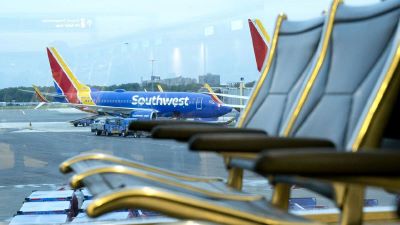
Photo taken on Aug. 22, 2021 shows a commercial plane approaching Ronald Reagan Washington National Airport in Arlington, Virginia, the United States.
“We are not in favor of Afghans to leave,” he later said.
Mujahid also reassured that no one is on the Taliban’s reprisal list. “We have forgotten everything in the past,” he said.
Mujahid said the Taliban does not want foreign embassies in Kabul to shut down or stop work, and has assured them of security.
The Taliban is meeting with officials from various foreign embassies including the U.S. embassy to maintain diplomatic relations, Mujahid said, but he could not confirm that Taliban leader Abdul Ghani Baradar had met with U.S. CIA director William Burns.
On the Panjshir situation, the spokesman said the group seeks to resolve it through dialogue.
A Taliban member stands guard in Kabul, capital of Afghanistan, Aug. 21, 2021.
Biden keeps Aug. 31 deadline to complete Afghan evacuation
President Joe Biden attended a virtual G7 summit over Afghanistan earlier on Tuesday, during which “he confirmed we are currently on pace to finish by August 31st,” White House press secretary said.
U.S. President Joe Biden on Tuesday told Group of Seven (G7) leaders that the United States aimed at completing Afghan evacuation by Aug. 31, while asking for contingency plans to adjust the timeline if necessary.
ADVERTISEMENTx
Biden attended a virtual G7 summit over Afghanistan earlier in the day, during which “he confirmed we are currently on pace to finish by August 31st,” White House Press Secretary Jen Psaki said in a statement.
“He also made clear that with each day of operations on the ground, we have added risk to our troops with increasing threats from ISIS-K,” she said, referring to the local affiliate of the Islamic State. “And that completion of the mission by August 31st depends on continued coordination with the Taliban, including continued access for evacuees to the airport.”
“In addition, the President has asked the Pentagon and the State Department for contingency plans to adjust the timeline should that become necessary,” she added.
The statement came as multiple U.S. news outlets reported that Central Intelligence Agency Director William Burns held a secret meeting with Taliban senior leader Abdul Ghani Baradar on Monday in Kabul, which likely covered the Aug. 31 deadline issue.
Earlier on Tuesday, Taliban spokesman Zabihullah Mujahid made it clear that the United States should withdraw all troops and contractors from the country before the deadline and no extension for the ongoing evacuation process would be possible.
Biden is facing pressure from allies and lawmakers to extend the ongoing evacuation beyond Aug. 31. According to media reports, Britain and France had expected Biden to leave U.S. troops in Kabul for additional days for the evacuation.
In a Tuesday interview with FOX News, Senate Minority Leader Mitch McConnell urged the president to “forget about the August 31st deadline” and to continue the evacuation.
Some congressional Democrats also questioned whether the evacuation could be completed in days.
“It’s hard for me to imagine all of that can be accomplished between now and the end of the month,” House Intelligence Committee Chair Adam Schiff told reporters on Monday after receiving a classified briefing on Afghanistan.
Biden in April ordered all U.S. troops to leave Afghanistan before Sept. 11, the 20th anniversary of the terrorist attacks that drew the United States into its longest war. He then brought forward the deadline to Aug. 31 in July.
The United States has been scrambling to evacuate Americans and its Afghan partners from the country since the Taliban entered the capital Kabul on Aug. 15.
The White House said on Tuesday that around 21,600 people had been evacuated during a 24 hour-period ending early Tuesday morning. In total, approximately 58,700 people had left the country since Aug. 14.
The Pentagon said later in the day that “approximately 4,000 American passport holders plus their families” had been evacuated.
The Biden administration thus far cannot provide a precise number of U.S. citizens who remain in Afghanistan. U.S. media estimated that number is between 10,000 and 15,000.
Afghans gather near a gate of Kabul airport in Kabul, Afghanistan, Aug. 22, 2021.
Harris trip to Vietnam delayed by health incident in Hanoi
Vice President Kamala Harris departed Singapore more than three hours late on Tuesday because of concerns about “an anomalous health incident” in Hanoi, her next destination, the State Department said.
“Earlier this evening, the vice president’s traveling delegation was delayed from departing Singapore because the vice president’s office was made aware of a report of a recent possible anomalous health incident in Hanoi, Vietnam,” the U.S. embassy in Hanoi said in a statement. “After careful assessment, the decision was made to continue with the vice president’s trip.”
The State Department has frequently used the phrase “anomalous health incidents” to describe so-called Havana Syndrome, which has afflicted dozens of U.S. diplomats and intelligence officials who describe feeling ill and other unusual physical sensations after hearing strange sounds. The U.S. has not determined a cause for the affliction, and the White House on Tuesday declined to say if the individual’s symptoms were similar to those in other Havana Syndrome cases.
Harris had been scheduled to leave Singapore for Vietnam, the second leg of a trip to Southeast Asia, at 4 p.m. local time. Reporters traveling with the vice president were abruptly sent back to the Shangri-La hotel shortly after 3:30 p.m. local time after being loaded into vans for the planned departure from Paya Lebar Air Base. Her plane eventually took off at around 7:30 p.m. local time.
While presidential and vice presidential trips can often run behind schedule, a delay of that length is unusual.
ADVERTISEMENTx
In June, Harris’s arrival in Guatemala was delayed when her original plane was forced to return to Joint Base Andrews with a technical issue. A replacement plane was swapped in.
The vice president has so far used the Asia trip to emphasize the U.S. commitment to the region and to warn about the threat China poses, particularly regarding territorial disputes.
But the timing of the visit overseas has left Harris defending President Joe Biden’s decision to withdraw U.S. troops from Afghanistan. On Tuesday, she called the move “courageous and right,” while saying the U.S. was “laser-focused” on evacuating U.S. citizens and vulnerable Afghans.
Published : August 25, 2021
By : Syndication Washington Post, Bloomberg · Jenny Leonard
Separation mixes with hope and uncertainty in the U.S. base hosting Afghan evacuees
RAMSTEIN AIR BASE, GERMANY – Sixteen-year-old Dunya Walizada last saw her parents at the gate of Kabuls airport.
It was a seething crush of people.
“We lost my family,” she recounted Tuesday afternoon, sitting outside a hangar on Ramstein Air Base, the largest U.S. Air Force base in Europe and now an evacuation hub for thousands of Afghans fleeing the Taliban advance. “I don’t know if they are alive, where they are. I don’t have any information.”
Hers is just one in a sea of stories here that underscore the complications of the mammoth effort to extract both Afghans at risk and Americans who were stranded in Kabul and get them to safety. Some of the Afghans worry that they lack the documentation to make it to the United States.
The effort at the base is unprecedented in its history, officials say. In just a few days, Ramstein has been transformed: 323 beige military tents have been erected on its grounds, largely lined with cots to sleep the men. Around 1,000 women and children are staying in three huge aircraft hangars.
In all, this sudden way station has about 6,500 people. The first flights for those who have been vetted for onward travel begin Monday. For others, there’s uncertainty as their cases are processed.
“What should we do? Where should we go?” Walizada asked. She had managed to escape with her 28-year-old sister and her 4-year-old nephew, Avina. Her parents were lost in the chaos after being stopped by Afghan forces, and another sister and brother-in-law were also left behind.
Her father worked at Kabul University. Walizada said she presented her English diploma and an ID to show she’d done some translation work with a nongovernmental organization to get on the plane. The family plan had been to try getting to the United States.
“But now it’s just me and my sister,” she said, as her nephew played with a bottle cap on tarmac. “Can we go to other countries, like Canada?”
Reuniting families is a “complex challenge,” noted Lt. Col. William Powell, chief of public affairs at the base. He said he did not have a number for unaccompanied minors at the camp, but “anecdotally, I know they exist.” A State Department official, who spoke on the condition of anonymity in line with protocol, said the U.S. government will do “everything in its power” to bring families back together, but the “reality on the ground” is daunting.
In one corner of an accommodation “pod” set up to house evacuees, Wahedullah Popalai said he and his wife had been separated from their 2-year-old son in the melee at the airport entrance. “One son is here,” he said. “One is, I don’t know where.”
Wahedullah said he’d been a welder on the Baghram base in Afghanistan for two years but didn’t have any documents about his work there. Such cases will test the U.S. authorities processing evacuees.
“The situation was super chaotic in Kabul. Our fundamental mission was to get people that we decided were vulnerable to somewhere that was safe,” the State Department official said. The Department of Homeland Security, State Department and Department of Defense now are working together to gather information on the circumstances of the individual evacuees, which will help determine who falls into categories allowed to travel on: citizens, green-card holders, those who qualify for Special Immigrant Visas because of their work with the U.S. military or other agencies, or those particularly at risk.
The future for anyone who is deemed to not qualify remains unclear, as is the number of evacuees with limited documentation. The State Department official said that is up to the Department of Homeland Security, which did not respond to an immediate request for comment.
Officials face a deadline to decide cases, which adds to the pressure. An agreement with the German government allows Afghans to stay on base for only 10 days after their arrival. The first evacuation flights touched down Friday.
And more people are coming every day; the first direct flight from Kabul arrived Tuesday.
The base can house 12,000 evacuees. Medical stations have been thrown up, with hundreds of auxiliary service members redeployed from assignments in the United Kingdom helping with logistics. The news that Ramstein would be transformed into an evacuation hub came just two days before the first planes took off from Kabul, Powell said, and by Sunday, around 7,000 people had landed. Resources quickly were almost exhausted. Scuffles were reported over food and a lack of facilities.
A local company now is supplying 30,000 hot meals a day. While men and women have separate sleeping areas because of cultural sensitivities, families are allowed to meet and eat together in certain areas.
“Most people arrive very tired, and there’s a lot of fear along with it,” said Jami Malcolm, a volunteer with the American Red Cross, which is providing food and hygiene items to evacuees after landing. “I think they are a little bewildered.”
All individuals are going through medical screening, including temperature checks and coronavirus tests for anyone showing symptoms of infection. They’re then processed, biometrically scanned and directed to their accommodation.
Some already are making the final journeys in their ordeal to escape Afghanistan. Between Monday and Tuesday morning, 700 departed on four flights to the United States.
Even as families wait, unsure of what their next steps will be, there is relief.
It was difficult to leave without her family together, Walizada said. “But it was more difficult for us to live in Kabul.”
Vaccine passports keep Europe flying while China and the U.S. slow
The delta variant of Covid-19 is scything through aviation just as key markets were getting back on their feet.
In the U.S., Southwest Airlines Co. is blaming the delta strain for a rash of canceled bookings and a slowdown in demand that may push it and several others to quarterly losses. After leading the industry’s recovery for much of last year, China is in retreat with airlines offering the fewest seats in six months as authorities attempt to stamp out an outbreak. Australia’s carriers are also in reverse with more than half of the country in lockdown.
“There is every chance the delta variant will dampen any recovery,” said John Grant, chief analyst with OAG. If there is progress, it will be “stop-start” as outbreaks make governments nervous about opening borders, he said.
A rare bright spot is Europe, the only place where so-called vaccine passports are widely used. The continent was an aviation laggard for most of 2020 as it floundered under infection waves, but airlines such as Ryanair Holdings Plc are now capitalizing on high inoculation rates and providing more flights.
ADVERTISEMENTx
Here’s how the highly-contagious delta variant has affected major markets:
– U.S.: Hopes are fading that a summer recovery, where passenger traffic reached 80% of pre-pandemic levels, will extend into the fall as a surge in infections spooks travelers and investors. The Bloomberg Americas Airlines Index last week tumbled 5.6% to its lowest level since February.
Southwest warned on Aug. 11 of a slowdown in bookings and rising cancellations, and said it will be difficult to replicate July’s profit over this quarter. Low-cost airlines Frontier Group Holdings Inc. and Spirit Airlines Inc. have also said they may report losses for the three months through September.
The delta variant is putting the brakes on corporate demand, too. Office reopening delays of up to 90 days are causing “a bit of a pause” in the recovery of domestic business travel, Delta Air Lines Chief Executive Officer Ed Bastian said in an interview with Fox Television on Aug. 9. The carrier is close to 50% of its 2019 level for U.S. business travelers.
– China: Chinese airlines plan to operate 360,509 flights in August, the fewest since February, according to data from Cirium, which tracks air traffic. That follows the country’s latest Covid eradication campaign, which included traffic shutdowns at airports in places such as Nanjing, Beijing and Yangzhou. On Monday, China reported zero local transmissions, a promising sign that its slump in travel will be short-lived.
ADVERTISEMENT
In an interview with Bloomberg Television on Monday, Hong Kong Commerce Secretary Edward Yau said Covid must be kept at bay before borders can fully reopen. The tight controls are piling pressure on the city’s Cathay Pacific Airways Ltd., which has suffered without a domestic market.
“It is extremely difficult to plan and operate with the constantly changing environment,” Cathay Chairman Patrick Healy said on Aug. 11, when the carrier reported a HK$7.6 billion ($976 million) first-half loss. Cathay’s shares rose 2.1% Tuesday morning in Hong Kong, trimming the year-to-date loss to 12%. They slumped 29% in 2020.
– Europe: Freer borders and looser quarantine requirements are helping fill planes in Europe during the peak summer season, when carriers bring in revenue to see them through the winter months. Regional airline capacity is now about two-thirds of 2019 levels, compared with roughly a third as recently as April.
Discount airline Ryanair expects to post a profit this quarter and is opening 250 new routes for winter to keep the momentum going. Rival Wizz Air Holdings Plc sees capacity returning to pre-Covid levels this month, a feat few carriers anywhere have achieved.
Deutsche Lufthansa said in early August that North American routes could open up from late summer, with Asia following from the end of 2021. Air France-KLM has predicted a return to profit this quarter, when capacity will reach as much as 70% of normal levels.
ADVERTISEMENT
Australia and New Zealand
A spiraling delta outbreak has thrust Qantas Airways’s recovery into reverse. New South Wales and Victoria, Australia’s two most populous states, are in lockdown as authorities rush to accelerate a sluggish vaccination program. The prolonged clampdown — Sydney’s late-June lockdown runs until at least the end of September — has forced Qantas to furlough an additional 2,500 workers, taking the total to 9,500. Qantas’s domestic flying in July fell from 90% of pre-pandemic levels to less than 40%.
Air New Zealand is running a skeleton schedule of services after a nationwide lockdown was extended until Aug. 27. The restrictions follow the country’s first community Covid-19 case since February. New Zealand reported 35 cases Monday, taking the current outbreak to 107.
Published : August 25, 2021
By : Syndication Washington Post, Bloomberg · Angus Whitley, Kyunghee Park, Siddharth Philip
Trudeau vows 2-year ban on foreign home buyers if re-elected
Prime Minister Justin Trudeau promised to introduce a two-year ban on foreign home buyers to tackle housing affordability in Canada if hes re-elected.
The proposed restriction is an attempt to cool a housing market that has soared during the Covid-19 pandemic. Surging prices have become a central issue in the campaign for the Sept. 20 vote, in which Trudeau hopes to regain a majority in parliament, with all three major parties promising crackdowns.
“You shouldn’t lose a bidding war on your home to speculators. It’s time for things to change,” Trudeau said at a campaign event in Hamilton, Ontario, about 40 miles southwest of Toronto. “No more foreign wealth being parked in homes that people should be living in.”
Outrage over housing affordability is increasingly directed at foreign buyers, especially in Vancouver, whose real estate has become increasingly popular among non-resident buyers from China and Hong Kong.
While the number of houses changing hands has declined in recent months after a pandemic-driven boom in activity, prices remain near record levels. The average cost of a home was C$669,200 ($529,840) in July, according to the Canadian Real Estate Association — up 16% from a year ago.
ADVERTISEMENTx
The Liberals are also proposing a ban on blind bidding, tax-free savings accounts for first-time buyers and more oversight of the real estate industry to fight money laundering. They’re also vowing to add 1.4 million homes over the next four years.
“It’s not OK that the communities you grew up in aren’t in places where you can build a life, raise a family or grow old. It’s because the deck is stacked against you,” Trudeau said at the campaign event.
Erin O’Toole, leader of the Conservatives and Trudeau’s biggest rival in the election, put forward a similar plan last week. His party’s platform would ban home-buying for foreign investors living outside Canada for at least two years and refurbish 15% of federal buildings into housing.
Meanwhile, the left-leaning New Democratic Party is proposing a 20% tax on homes bought by people who aren’t Canadian citizens or permanent residents and a reintroduction of a 30-year mortgage.
Recent polls show the race between the governing Liberals and their Conservative challengers is narrowing, dimming Trudeau’s prospects for regaining a majority. Some economists say the next government should, indeed, adopt policies to reduce foreign enthusiasm for the Canadian housing market, though any permanent solutions would take time.
“I think the way everyone, political parties and Canadians, should think about housing is there is no short term solution,” Benjamin Reitzes, rates and macro strategist at BMO Capital Markets, said by phone. “It’s a long term issue. They aren’t going to fix it in one year or with one policy.”
Published : August 25, 2021
By : Syndication Washington Post, Bloomberg · Kait Bolongaro
WASHINGTON – President Joe Biden on Tuesday reaffirmed his intent to complete the U.S. evacuation mission in Afghanistan by Aug. 31, but he also ordered contingency plans if that cannot be accomplished – a position that stoked a new round of outrage and confusion about the United States exit from a two-decade war.
The result was looming uncertainty over whether the United States would finalize its exit within a week, as Biden wants, as well as intensifying anger from would-be Afghan refugees, U.S. allies worried about getting their own personnel out of the country, and veterans concerned about the fate of those who helped the war effort.
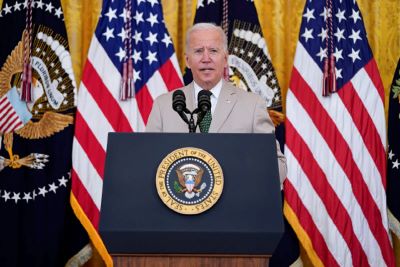
Speaking at the White House after meeting virtually with leaders of the Group of Seven large industrialized democracies, Biden said that the United States was on pace to wrap up its efforts in Afghanistan by Aug. 31 and that any extension risked terrorist attacks.
“The sooner we can finish, the better,” Biden said. “Each day of operations brings added risk to our troops.”
ADVERTISEMENTx
But the president also said that meeting that deadline would require avoiding unforeseen disruptions and that it “depends upon the Taliban continuing to cooperate and allow access to the airport for those who we’re transporting out.” He said that he asked the Pentagon and the State Department to draft contingency plans should the U.S. government have to shift its timeline.
Reflecting the moment’s extreme delicacy, CIA Director William Burns held a secret meeting Monday in Kabul with the Taliban’s de facto leader, Abdul Ghani Baradar, according to U.S. officials familiar with the matter who spoke on the condition of anonymity to discuss sensitive diplomacy. The White House declined to publicly discuss the decision to dispatch Burns.
The notion of a firm deadline was already drawing sharp criticism Tuesday, even from longtime Biden supporters. “We must extend the withdrawal deadline and work with int’l partners to ensure ALL allies find safety from the Taliban,” tweeted Sen. Jeanne Shaheen, D-N.H. “Arbitrary deadlines & bureaucracy are no excuse for lives lost.”
The president delivered his remarks on Afghanistan five hours behind schedule and did not take questions from reporters. West Wing officials scrambled to reschedule the day’s events, underlining how the sharply the crisis in Afghanistan has upended the White House’s daily public relations efforts.
Biden’s comments appeared designed to leave some wiggle room amid a volatile situation on the ground in Afghanistan. Yet they did little to quell the frustration of the president’s adversaries and allies, at home and abroad, about his handling of the withdrawal.
ADVERTISEMENT
The United States has already begun reducing its military footprint at the Kabul airport, the gateway for leaving the country. Pentagon spokesman John Kirby said hundreds of troops had left the airport, but he indicated that a full withdrawal of U.S. troops from the facility has not been ordered. More than 5,000 U.S. troops remain, defense officials said, down from a high of about 5,800.
And evacuations are proceeding apace, Defense Department officials said. Between U.S. military flights and those involving other aircraft, more than 21,000 people were evacuated on Monday alone, Army Maj. Gen. Hank Taylor told reporters at the Pentagon.
The Taliban, which recently ousted the U.S.-backed government in Afghanistan, repeated Tuesday that it views the Aug. 31 deadline as final. The group is still allowing foreign nationals to leave, spokesman Zabiullah Mujahid said, but is barring Afghan nationals from the airport. “We are asking the Americans, please change your policy and don’t encourage Afghans to leave,” he said.
Biden argued that the delicate arrangement that is allowing a steady stream of evacuations will not last forever.
“Thus far, the Taliban have been taking steps to work with us so we can get our people out. But it’s a tenuous situation,” he said. “We’re already had some gunfighting breaking out. We run a serious risk of it breaking down as time goes on.”
ADVERTISEMENT
Biden heard growing notes of dissent and frustration during a brief virtual meeting with leaders of other major industrialized democracies. All the G-7 nations except Japan also are members of NATO, which fought alongside the United States in Afghanistan for two decades. Several of those leaders favored extending the mission, even briefly, to help evacuate more activists, teachers, prominent women and other vulnerable people.
British Prime Minister Boris Johnson is on record seeking more time. Prime Minister Justin Trudeau on Tuesday said Canada is “ready to stay” in Afghanistan beyond Aug. 31. French President Emmanuel Macron told Biden during a call last week that allies have a “moral responsibility” to extract vulnerable people.
European Union leaders Charles Michel and Ursula von der Leyen pressed Biden on the timeline at the G-7 session on Tuesday. “A lot of leaders, including Ursula and myself, have noted concerns,” Michel said after the meeting. “We’ve got the 31st as a deadline, and we want to know what’s going to happen after that.”
Meanwhile, a group of legislators from G-7 countries discouraged what they called “arbitrary dates for ending military support to the evacuation.” They were joined by Sen. Robert Menendez, D-N.J., chairman of the Senate Foreign Relations Committee.
Adding their voices were veterans groups, which are focused on Afghan citizens who for years helped American service members as interpreters and in other roles, and who now face possible reprisals from the Taliban.
“If we pull out by August 31st, we are going to leave people who sacrificed their entire lives and their families to protect Americans,” said Jake Harriman, a former Marine Corps officer who has been involved in private efforts to rescue Afghans.
“This excuse that we’re at the whims of the Taliban is insane,” he added.
Paul Rieckhoff, a veterans advocate who served in the Army, voiced similar frustration.
“The level of anger and betrayal being felt across the veterans community right now is off the charts,” he tweeted. Rieckhoff cited an effort launched on Monday by dozens of veterans organizations to meet with Biden officials and convey concerns that the United States would pull out before the rescue effort was complete.
In speaking to the G-7 leaders, Biden did not guarantee the mission would wrap up by months’s end, White House press secretary Psaki said, but rather explained that it would finish when the United States had achieved its objectives.
But Psaki was vague about what conditions would trigger the contingency plans Biden has ordered. She said the United States is focused on “evacuating Americans who want to come home, third country nationals, and Afghans who were our allies during the war.”
U.S. lawmakers also urged the secretaries of state and defense, the chairman of the Joint Chiefs of Staff, and the director of national intelligence to appeal to Biden to reconsider his determination to stick with his timeline. Republicans and Democrats said that if there are still American citizens left in Afghanistan trying to escape, the United States should not adhere to the deadline, regardless of the risk involved in staying.
Sen. Rob Portman, R-Ohio, who has been more willing than many in his party to work with the president this year, issued a statement urging Biden to “rescind the decision to end the evacuation efforts in Kabul on August 31.”
But Biden and his aides stressed that the evacuation process is unfolding with remarkable speed. Taylor said Tuesday that 32 C-17s and five C-130s had departed Kabul airport in the previous 24 hours, moving 12,700 people out of the country. Coalition and partner aircraft evacuated an additional 8,900 people, for a daily total of 21,600.
The numbers marked a daily record for the evacuation effort, and they came just days before withdrawal operations would have to wind down for the military to meets the Aug. 31 deadline. Since Aug. 14, the United States has evacuated or facilitated the evacuation of more than 70,000 people, according to a White House official.
The number of Americans is far smaller. Defense officials said in a statement Tuesday that about 4,000 “American passport-holders plus their families” had been evacuated. U.S. officials have estimated that 10,000 to 15,000 Americans were in Afghanistan when the Kabul government fell.
“We remain committed to getting any and all Americans that want to leave, to get them out,” Kirby said. “We still believe, certainly now that we have been able to increase the capacity and the flow . . . that we have the ability to get that done by the end of the month.”
A senior White House official, speaking on the condition of anonymity to describe the president’s thinking in advance of his remarks, said the Pentagon recommended that Biden stick to the Aug. 31 deadline. Biden directed the armed forces to continue executing the mission with the expectation of meeting that goal, the official said, but ordered backup plans to be safe.
Patricia Lewis, head of the international security at Chatham House, a London-based think tank, said that if the deadline is to be met, it “really needs to wind up pretty soon – in other words, long before the 31st – in order to get all the gear out, all the equipment out, all the people out.”
Questions also mounted Tuesday about the administration’s strategy for dealing in the future with the Taliban, an oppressive group that Biden has said he does not trust. The Taliban’s decision to prevent Afghan citizens from entering the Kabul airport added to the concern.
“This country needs our doctors, engineers and those who are educated – we need these talents,” said Mujahid, the Taliban spokesman.
Biden said he and the other G-7 leaders had decided to take a unified position when it comes to a Taliban-led Afghanistan.
“We agreed the legitimacy of any future government depends on the approach it now takes to uphold international obligations,” Biden said, including its responsibility to prevent ” letting Afghanistan be used as a base for terrorists.”
Published : August 25, 2021
By : The Washington Post · Sean Sullivan, Anne Gearan, Dan Lamothe, John Hudson
Phang Nga ready to welcome tourists under extended sandbox scheme
Phang Nga can expect to earn up to 2.5 billion baht in tourism revenue after joining the 7+7 Phuket Extension scheme, the provincial tourism association said recently.
The government announced on its website earlier this week that foreigners arriving under the Phuket Sandbox scheme can travel to specific destinations in Surat Thani, Krabi and Phang Nga after they have spent the first seven days in Phuket.
The destinations they can travel to are:
• Koh Samui, Koh Pha-ngan and Koh Tao in Surat Thani
• Koh Phi Phi, Koh Ngai and Railay Beach in Krabi
• Khao Lak, Koh Yao Noi and Koh Yao Yai in Phang Nga.
Phang Nga’s tourism association told the press that the province is ready to greet foreigners and the first group of seven to eight persons is expected to arrive this weekend.
The association said the province can expect some 5,000 visitors next month and earn about 400 million baht in tourism revenue. Phang Nga can be expected to get some 30,000 tourists in the last quarter and earn about 2.5 billion baht in revenue.
ADVERTISEMENTx
“We are targeting European travellers like Britons, Germans, Swiss, Dutch, Russian or Polish people. However, the plan will remain flexible based on Thailand and Phuket’s overall situation,” the association said.
More than half of Phang Nga’s population have been vaccinated against Covid-19, while 180 local establishments have been given the government’s “SHA Plus” stamp for safety and hygiene.
Of the 75 hotels given the stamp, 20 or so will reopen in September before the rest start reopening gradually later in the year, the association said.

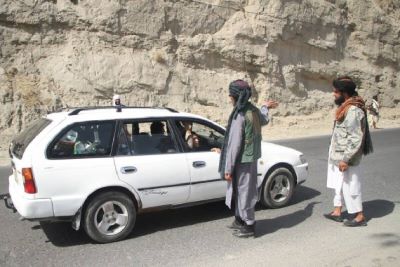
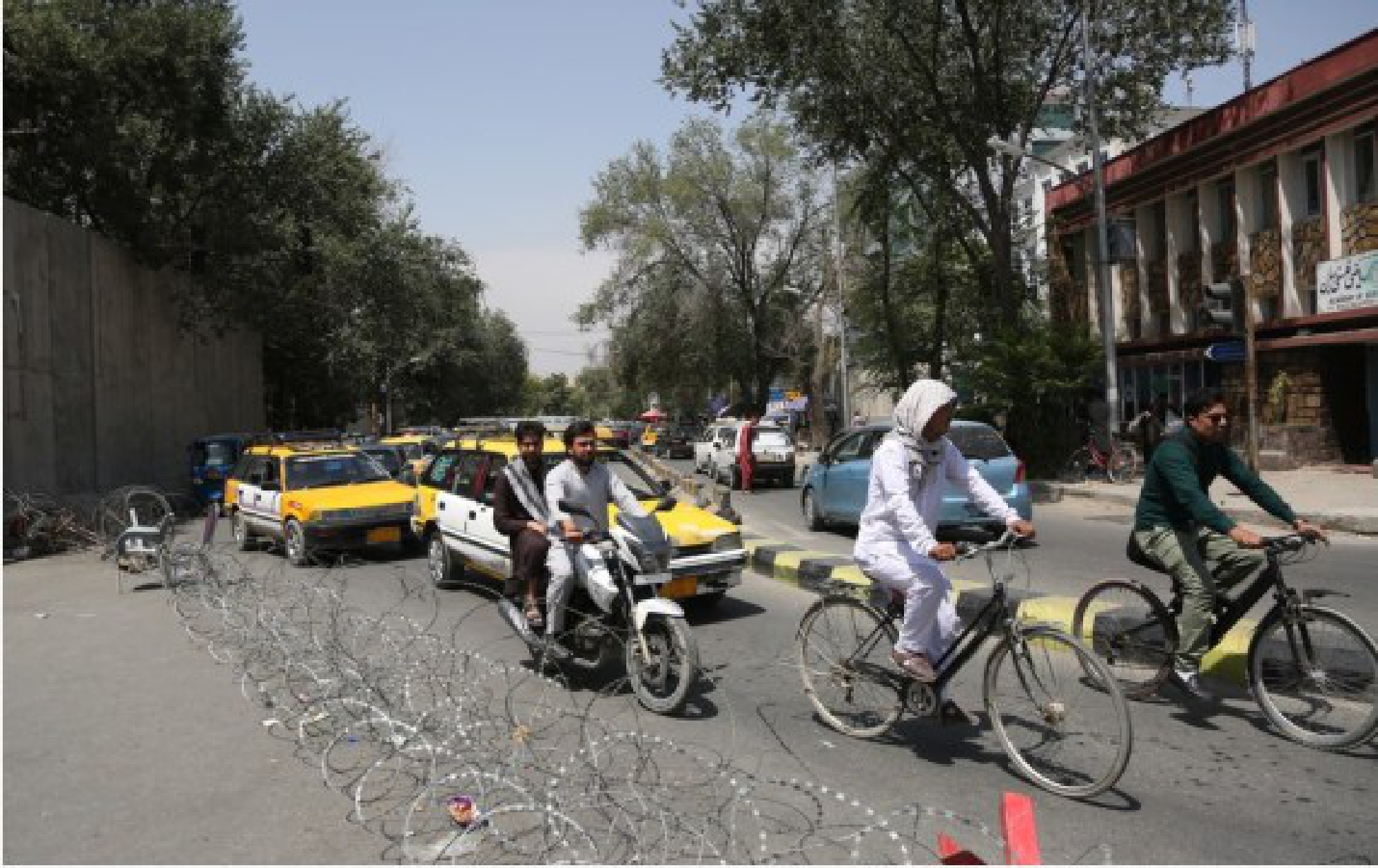 Photo taken on Aug. 21, 2021 shows a road in Kabul, capital of Afghanistan.
 Photo taken on Aug. 20, 2021 shows a view in Kabul, Afghanistan.
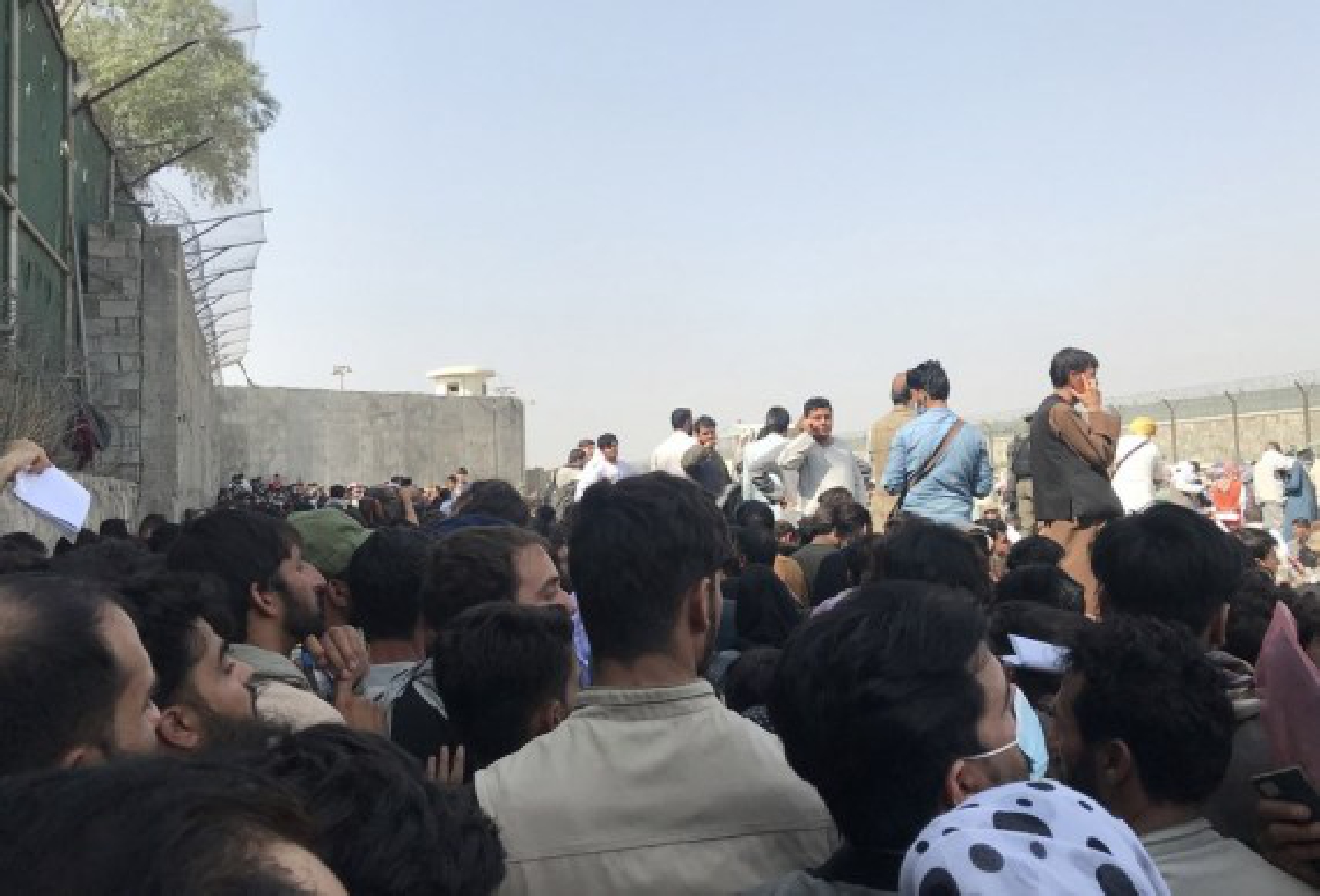 Afghans gather near a gate of Kabul airport in Kabul, Afghanistan, Aug. 22, 2021.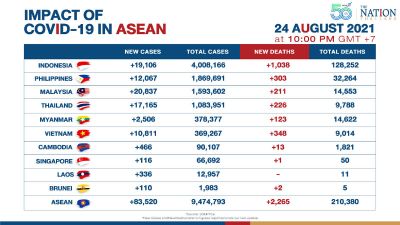
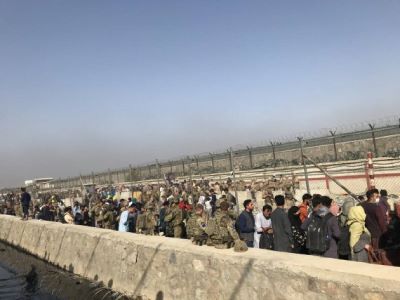
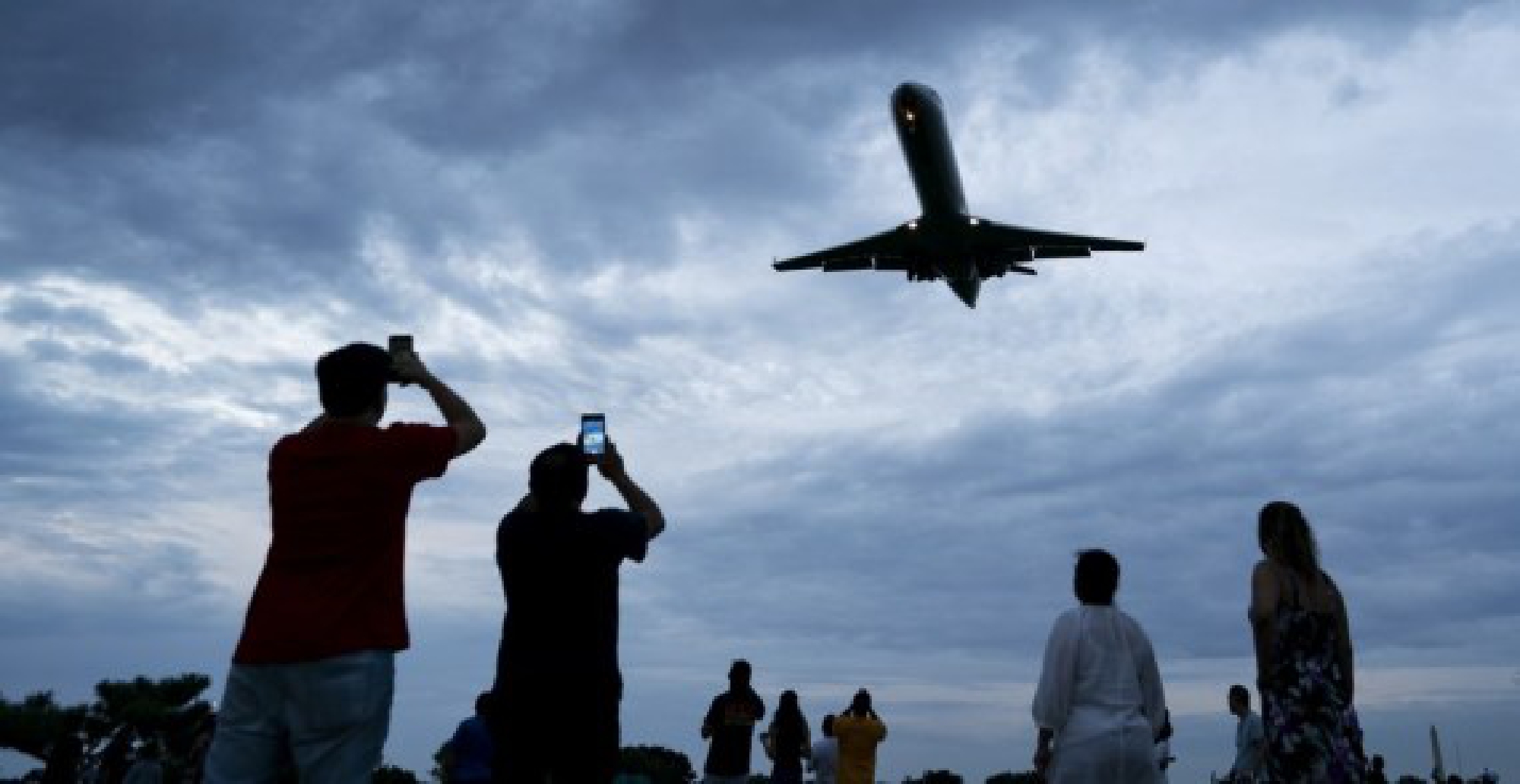 Photo taken on Aug. 22, 2021 shows a commercial plane approaching Ronald Reagan Washington National Airport in Arlington, Virginia, the United States.
 A Taliban member stands guard in Kabul, capital of Afghanistan, Aug. 21, 2021.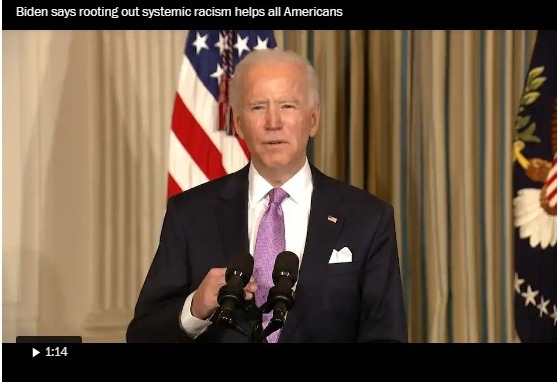
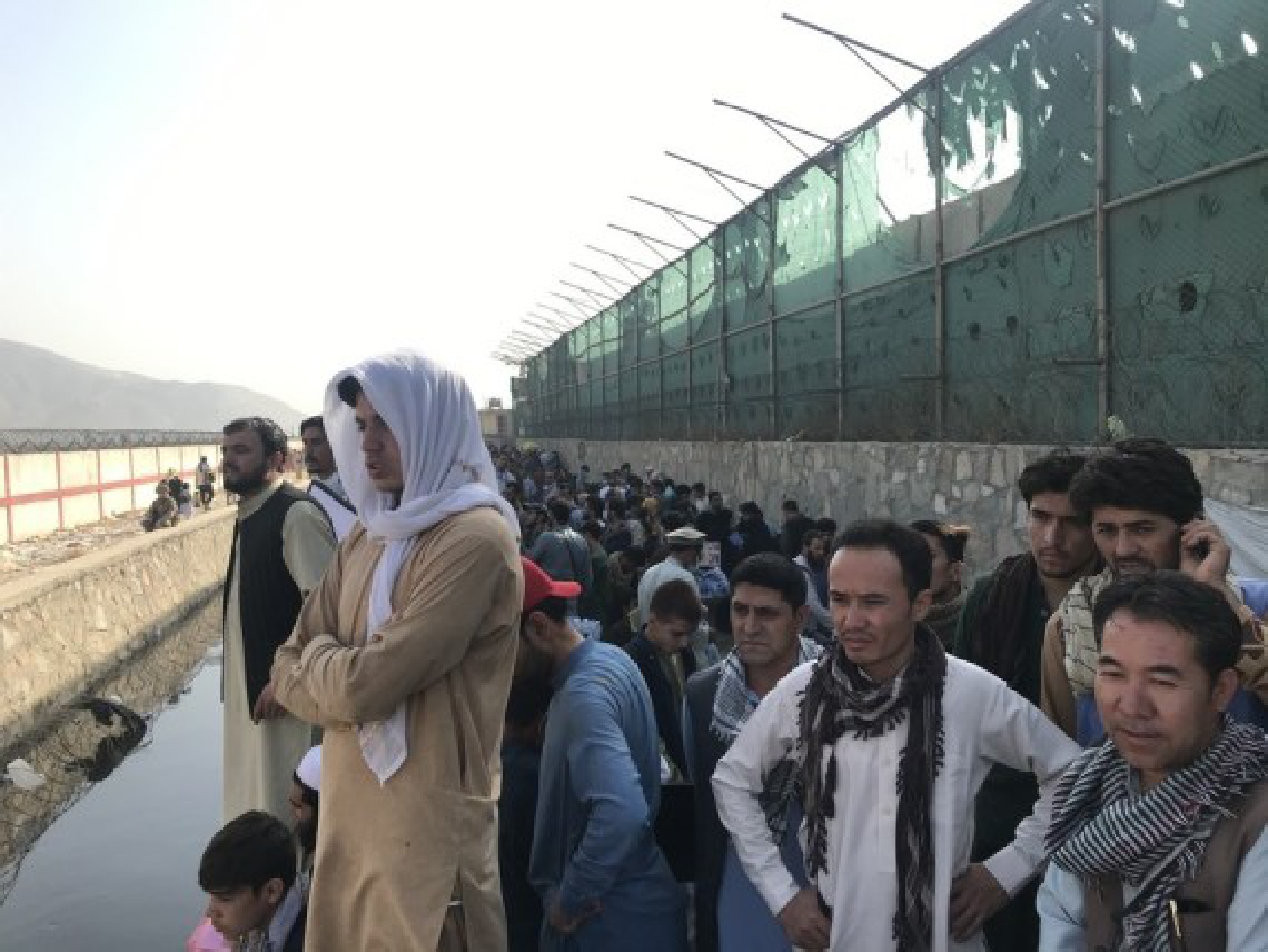 Afghans gather near a gate of Kabul airport in Kabul, Afghanistan, Aug. 22, 2021.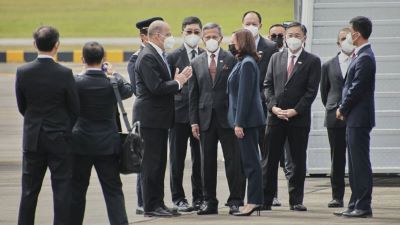



 SootinClaimon.Com