The Stock Exchange of Thailand (SET) Index rose by 4.55 points, or 0.28 per cent, to 1,624.57 on Tuesday morning, witnessing a high of 1,626.55 and a low of 1,622.67 in opening trade.
The SET Index closed at 1,620.02 on Monday, down 11.13 points or 0.68 per cent. Transactions totalled 135.31 billion baht with an index high of 1,639.97 and a low of 1,616.60.
Krungsri Securities forecast the index on Tuesday would move between 1,610 and 1,630 points despite rising oil and coal prices in line with economic recovery.
It added that the index also gained positive sentiment from the Centre for Covid-19 Situation Administration’s move to ease Covid-19 restrictions in a bid to enable businesses to perform economic activities.
“However, uncertainty over the domestic floods and weakening baht would trigger foreign funds outflow, resulting in pressure on the index,” Krungsri Securities said.
The price of gold rose by THB100 in morning trade on Tuesday.
AGold Traders Association report at 9.28am said the buying price of a gold bar was THB27,800 per baht weight and selling price of THB27,900, while gold ornaments cost THB27,303.16 and THB28,400, respectively.
At close on Monday, the buying price of a gold bar was THB27,700 per baht weight and selling price THB27,800, while gold ornaments cost THB27,197.04 and THB28,300, respectively.
Spot gold price on Tuesday morning was moving at around US$1,754 (THB58,985) per ounce after Comex gold at close on Monday rose slightly by 30 cents to $1,752 per ounce. However, the gold market was under pressure from the appreciation of the US dollar and the rise in US government bond yields.
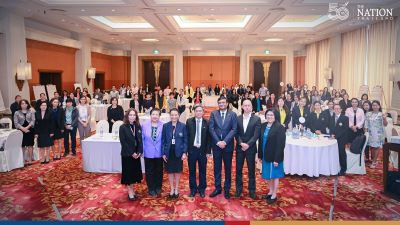
Bangkok– The Healthcare Accreditation Institute (Public Organization); the Faculty of Medicine Ramathibodi Hospital, Mahidol University; the Thai Oncology Nurse Society; the Infusion Nurse Network of Thailand; B.Braun (Thailand) Ltd.; and Deutsche Gesellschaft für Internationale Zusammenarbeit (GIZ) GmbH joined forces to present the accomplishments of the “Improving Occupational Safety and Health of Healthcare Workers in Public Hospital in Thailand” project at the recent project conclusion meeting.
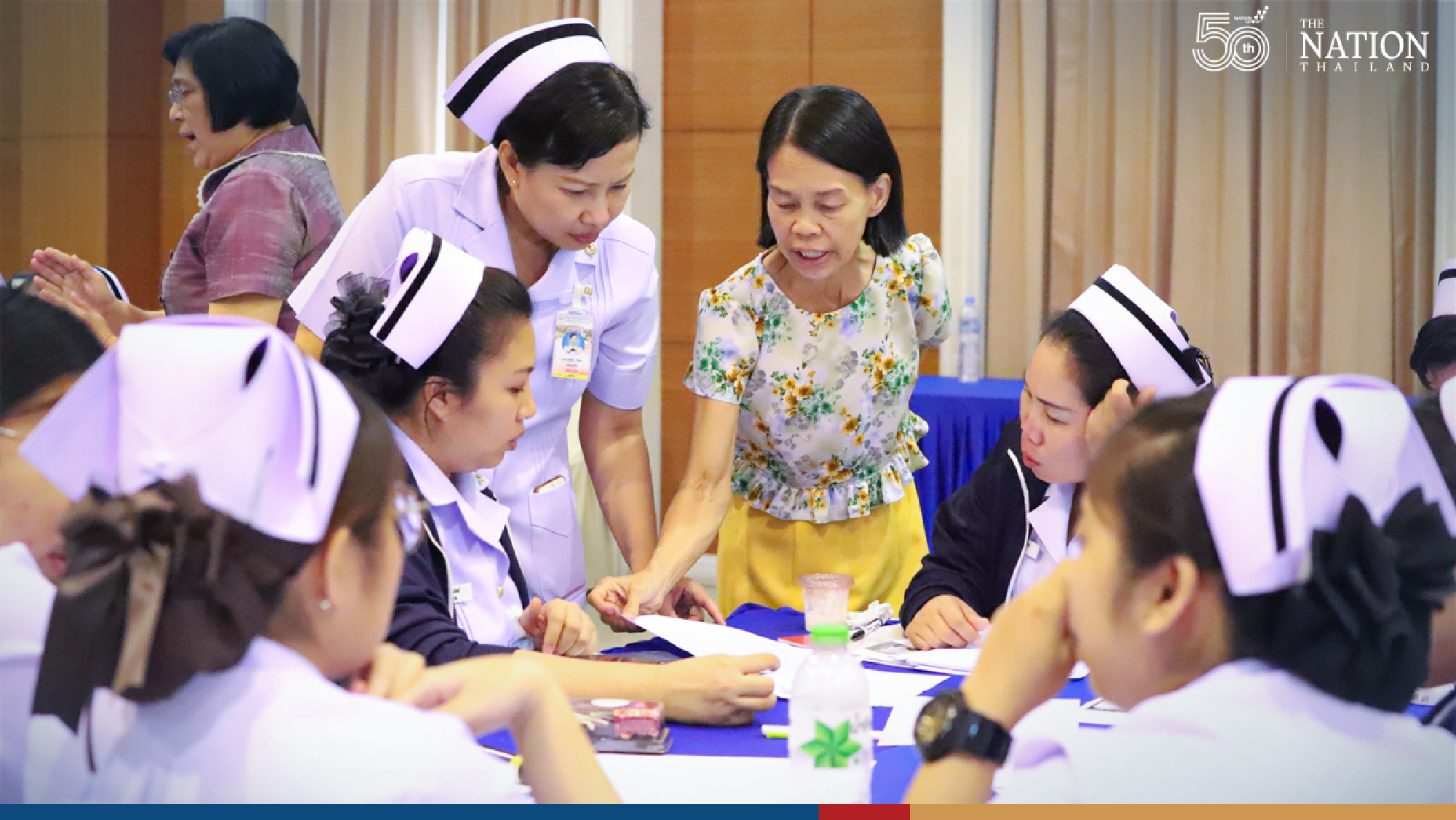
Overall results show that the project has successfully produced manuals and guidelines on occupational safety for healthcare personnel and also enhanced the capacity of 998 healthcare personnel through various training courses.
Thailand and Germany announce the success on improving safety standard for healthcare personnel in Thailand
ADVERTISEMENT
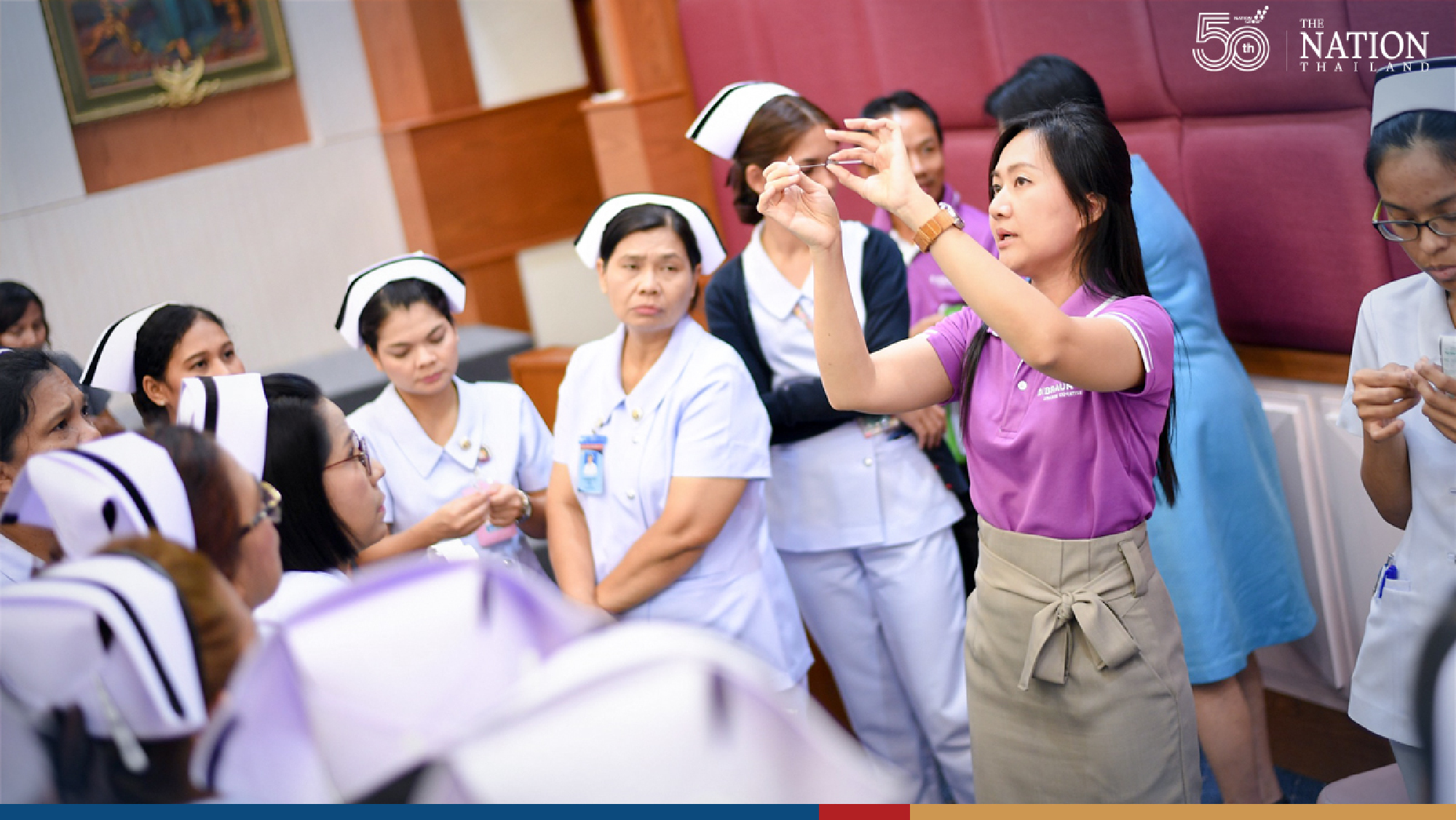
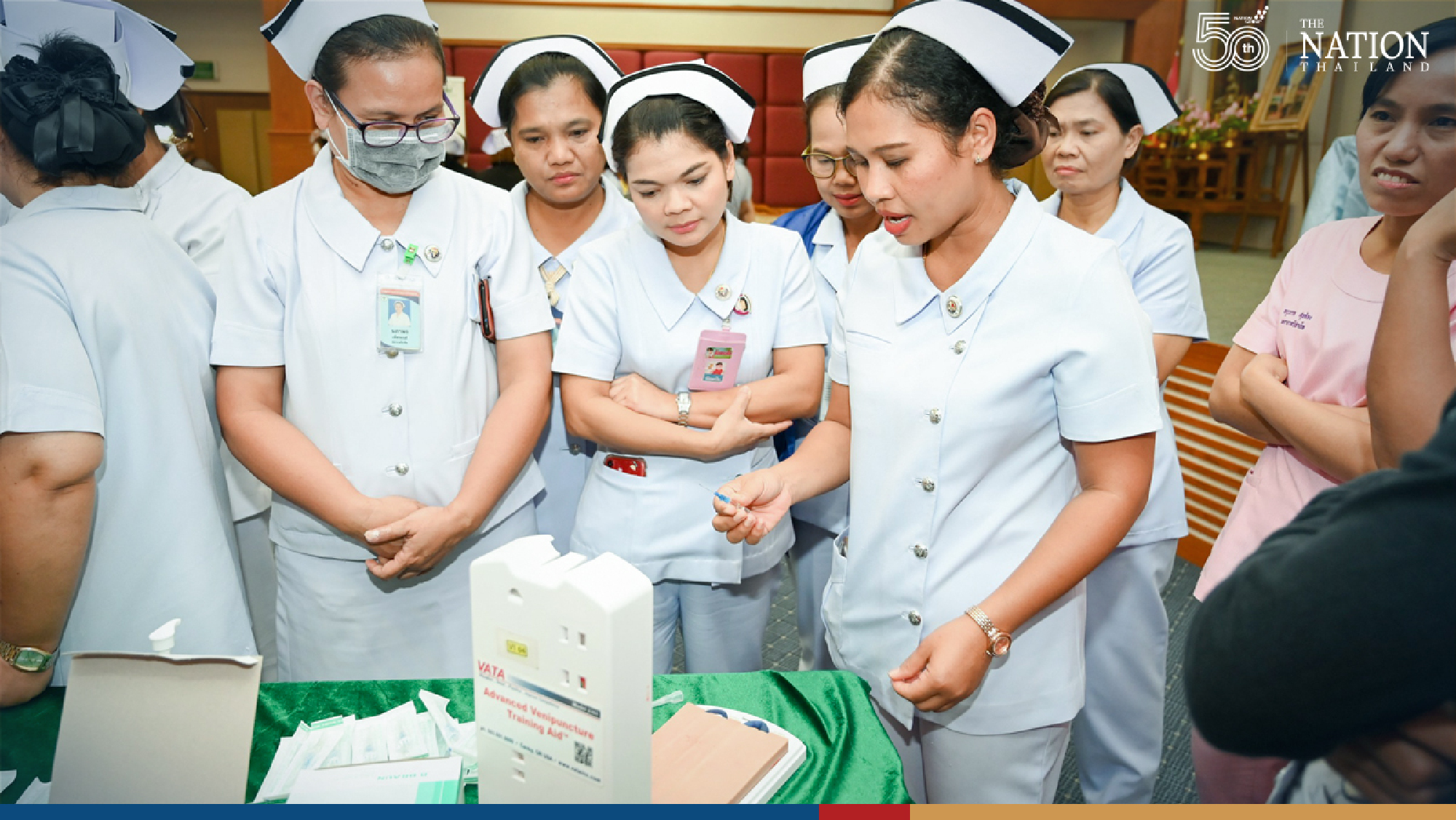
Throughout the 4 years of implementation, the project has strengthened safety among healthcare personnel through 4 training areas: 1) hand hygiene of healthcare professionals; 2) safe infusion therapy; 3) safety in oncology therapy; and 4) strengthening capacity building of the senior hospital management on healthcare personnel safety. All have served to enhance the knowledge of healthcare personnel and encouraged the hospitals’ senior management to support a safety policy. Fourteen of the total 17 pilot hospitals participating in the project have successfully put the policy into practice through the implementation of projects and measures to promote safety in various fields in the hospital.
Thailand and Germany announce the success on improving safety standard for healthcare personnel in Thailand
Besides the training, the project also developed manuals and guidelines for personnel safety, namely, the Guidelines for Needlestick Injury Prevention, the Guidelines and Recommendations for Safety in Oncology Therapy and the Hand Hygiene Technical Reference Manual. These manuals and guidelines will be used for training healthcare personnel and distributed to hospitals across Thailand.
Thailand and Germany announce the success on improving safety standard for healthcare personnel in Thailand
Mr. German Mueller, Project Director from GIZ said: “GIZ is very pleased and proud that the project has been able to improve the safety of healthcare personnel in Thailand. We never expected that there would be a pandemic during the implementation, but then COVID-19 emerged as a serious health threat. The project came at the right time because we had trained more than 200 healthcare personnel from around 70 hospitals on hand hygiene before the outbreak hit Thailand. Hopefully, those who were trained could use the knowledge and skills to protect themselves from COVID-19. In addition, the project has also strengthened the capacity of 93 healthcare personnel to be trainers who can help transfer the knowledge on occupational safety to their colleagues and networks. We hope that the knowledge and products that the project has contributed will be passed on and help healthcare personnel work safely. GIZ is looking forward to another opportunity to help support Thailand’s medical and public health works in the future.”
“B. Braun (Thailand) Ltd. remains committed to protecting and improving the safety of healthcare personnel by being a Solution Partner in improving the quality of medical services as well as sharing expertise and training to enhance the capacity of healthcare personnel. B. Braun, which now in its 32nd year in Thailand is committed to being a local partner and is well-positioned to act as a link between the medical diplomacy of Germany and Thailand. We are happy that the successful implementation of the project will enable hospitals to save costs and improve their efficiency for safer and sustainable healthcare services in Thailand. Furthermore, B. Braun has joined with GIZ and the Hospital Accreditation Institute (Public Organization) in supporting the safety of healthcare personnel during this latest wave of COVID-19 by donating 157,500 bottles of alcohol-based hand sanitizer to 62 hospitals in the red zones in May and August this year. We have also developed e-learning modules on hand hygiene targeting healthcare personnel and village health volunteers and underprivileged farmer communities in Ubon Ratchathani, Roi Et, Surin and Suphan Buri provinces,” Mr. Sayan Roy, Managing Director of B. Braun (Thailand) Ltd. added.
Thailand and Germany announce the success on improving safety standard for healthcare personnel in Thailand
Dr. Piyawan Limpanyalert MD, Deputy CEO of the Hospital Accreditation Institute (Public Organization), HAI, said: “For sustainability and upscaling of the project’s achievements, the HAI has initiated a system for reporting incidents and clinical risks called the National Reporting and Learning System, which includes reporting on hand washing among healthcare personnel as well as incident reports related to infusion therapy and chemotherapy. There are more than 700 hospitals across the country reporting to this system. HAI also emphasizes the safety of health personnel in terms of infection from their work, which is set to be an important and necessary standard for safety. In the current situation, healthcare personnel are at the highest risk of being infected through droplet transmission of COVID-19. Therefore, the safety of healthcare personnel in the COVID-19 era should be pushed further in any future cooperation. HAI believes that change and cooperation will lead to creating sustainability in the future.”
Mrs. Jintanarak Somsakulchai, head of chemotherapy ward, Sunpasitthiprasong Hospital, who attended the training for trainers course on chemotherapy safety, discussed the benefits received from the project, saying: “We have gained new skills and knowledge from experts and experienced trainers as well as learned about international standards that can be applied to the working context in Thailand. In addition, the approach of involving the hospital executives in listening and taking part in activities has resulted in better understanding and support from the executives on the provision of complete sets of protective equipment for chemotherapy according to international standards. This contributes to improvement of personnel safety and healthcare workers feel more confident in their operations and practices. Moreover, the availability of guidelines with international standards for healthcare personnel to follow will help enhance the quality of healthcare services in the hospitals as well as improve the safety of patients and healthcare personnel. This is consistent with the Patient and Personnel Safety: 2P Safety policy as well.”
Nearly three months ago, Thailand launched its pilot programme to reopen selected destinations to vaccinated foreign tourists without quarantine.
The trial reopening began in Phuket on July 1, followed by three resort islands of Surat Thani on July 15.
Under the “Phuket Sandbox” programme, foreigners who can verify they have been fully vaccinated against Covid-19 and test negative can fly into the province and move around freely without having to quarantine. After staying in Phuket for 14 days and testing negative again, they can travel to other provinces.
Surat Thani’s “Samui Plus Model” allows vaccinated foreign tourists to travel on sealed routes to Koh Samui, Koh Pha-ngan and Koh Tao if they spend the first seven days in an Alternative Local State Quarantine (ALQ) hotel and undergo tests as required.
The Samui Plus Model links with the island-hopping scheme called “7+7 Phuket Extension”, in which visitors who spend 7 days on Phuket and still test negative can travel to tourist islands in Surat Thani, Krabi and Phang Nga provinces for seven days. This campaign launched on August 16.
However, the tourism sandboxes have received a lukewarm response from foreigners. From July 1 to September 26, the Phuket Sandbox has recorded over 37,000 foreign visitors, less than half of the Ministry of Tourism and Sports’ target of 100,000 visitors in the first three months.
ADVERTISEMENT
Meanwhile, Samui Plus logged only 900 visitors in more than two months up to September 26, significantly lower than the 1,000 visitors per month targeted by the province’s tourism association.
Krungthep Turakij newspaper gathered opinions from the tourism-related public and private sectors as to why the sandbox programmes failed and how to improve them to successfully restore the Covid-ravaged tourism industry:
Why Thailand’s tourism sandbox programmes failed
The escalating Covid-19 outbreak in Thailand
The emergence of the fourth wave of Covid-19 in April which pushed up daily cases to over 20,000 prompted many countries to raise their warning level for travel to Thailand. United States’ Centers for Disease Control on August 9 warned its citizens that Thailand poses the highest risk (level 4) for Covid-19. Then, on August 26 the United Kingdom placed Thailand on its Red List, forcing returnees from Thailand to the UK to spend 10 days in a state quarantine facility at their own expense of around 2,230 pounds or THB100,000. These factors are likely a major contributor to the failure of sandbox programmes since tourists tend to avoid countries with high infection risk.
Delayed vaccine distribution
For a province to join the sandbox programme, at least 70 per cent of its populace must have been fully vaccinated against Covid-19 to achieve herd immunity. However, the government’s tardiness in distributing vaccines to tourism provinces delayed their plans to reopen, which also rendered the existing programmes less attractive as fewer tourism destinations were available. So far, five provinces – Bangkok, Chonburi, Chiang Mai, Prachuap Khiri Khan and Phetchaburi – have been forced to delay reopening from October 1 to November 1 because their vaccination rate is still too low.
Different SOPs cause confusion
Each province under the sandbox programme has its own standard operating procedure (SOP) that foreign tourists must follow before entering and while staying in the destination. Details of these SOPs differ from province to province, which may confuse tourists as to which regulations they have to follow and where. Many parties propose that all areas under sandbox programmes should employ the same SOP for uniformity and simplicity, which would help attract more foreign tourists.
Mandatory RT-PCR testing is too expensive
Many foreign visitors have complained that the required RT-PCR Covid-19 tests upon arrival, during their stay and to enter other provinces cost too much. Foreigners are charged 8,000 baht for three RT-PCR tests – more than twice as much as Thai nationals, who pay 800-1,200 baht per test.
14 days in quarantine is too long
Tourism operators have suggested reducing the required 14-day quarantine for foreign visitors to 10 or 7 days to attract tourists who want to travel beyond the pilot provinces, thereby expanding the target groups of sandbox programmes. On September 23, the National Communicable Disease Committee responded by asking the Centre for Covid-19 Situation Administration (CCSA) to reduce the quarantine requirement to 7-10 days under these conditions:
– Mandatory quarantine reduced to 7 days for those who have been fully vaccinated and test negative via the RT-PCR method upon arrival and when they leave the ALQ hotel.
– Mandatory quarantine reduced to 10 days for those who have been vaccinated with one dose and tested negative via RT-PCR method upon arrival and when they leave the ALQ hotel.
– Mandatory quarantine remains at 14 days for foreign tourists who have no vaccination certificate. They also need to test negative via the RT-PCR method upon arrival and when they leave the ALQ hotel.
The prime minister issued a statement on Tuesday thanking people for observing preventive measures and bringing the number of daily cases to below 10,000.
Government spokesperson Thanakorn Wangboonkongchana said the number of Covid-19 cases is likely to drop further, while that of patients being discharged is likely to rise.
“This proves that the public health system is efficient and that the effort of the Centre for Covid-19 Situation Administration and people’s cooperation has paid off,” he said.
ADVERTISEMENT
However, he said, people should continue observing preventative measures such as wearing a facemask and washing hands regularly.
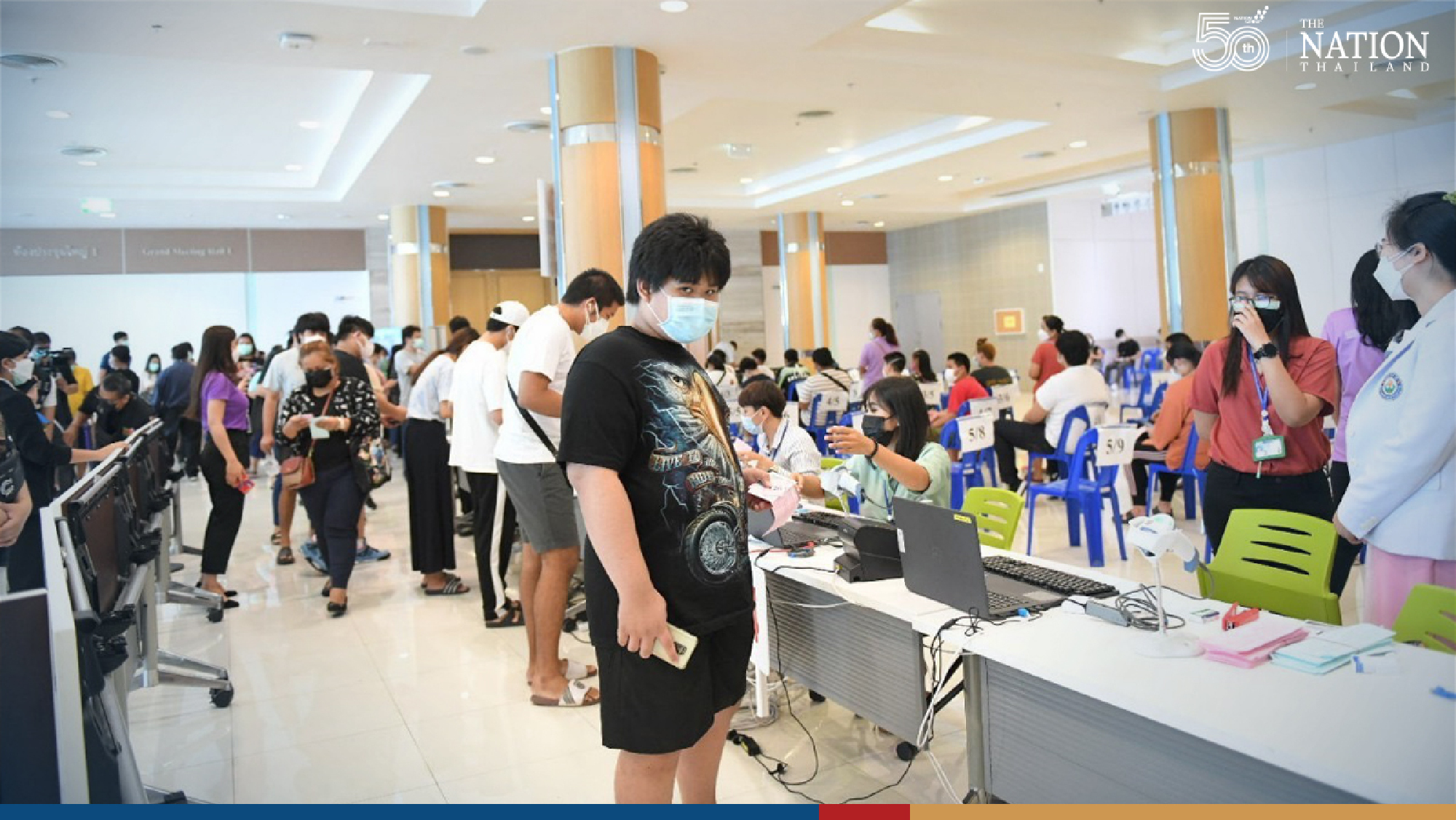
Most students in schools run by the Bangkok Metropolitan Administration (BMA) are ready to take Pfizer jabs, Bangkok governor Aswin Kwanmuang said on Monday.
He said this during a meeting with education-related agencies like the Education Ministry and Office of the Basic Education Commission. The agencies had met to discuss the October 4 launch of a vaccination drive in Bangkok for students aged between 12 and 17.
Aswin said 33,047 or 88.21 per cent of students in 109 BMA-run schools are willing to get a Pfizer jab.
ADVERTISEMENT
Majority of Bangkok students want a Covid jab: governor
He said BMA’s Health Department will submit a list of students to the Public Health Ministry, so it can allocate vaccines and set up a panel to implement vaccination guidelines effectively.
Majority of Bangkok students want a Covid jab: governor
“Students in schools that are unable to implement Covid-19 preventive measures will receive their jab at other vaccination sites specified by district offices,” he said.
Majority of Bangkok students want a Covid jab: governor
Aswin added that BMA’s Education Department has released guidelines for the inoculation drive in a bid to boost awareness among students, guardians, teachers and education staff.
“The department will inform students’ guardians of the vaccination date and venue soon,” he said.
The Royal Thai Police (RTP) said that since January this year, 131 police officers have been disciplined for misconduct, 38 have been decommissioned and seven sacked.
The statement was made after Prime Minister Prayut Chan-o-cha chaired a meeting with the police bureau on Monday. The meeting was held to discuss the latest cases of police misconduct. This month, 28 police officers have been disciplined, 23 were dismissed and five decommissioned.
RTP spokesman Pol Maj-General Yingyot Thepjamnong said the disciplinary action taken proves that the commission is serious about dealing with misconduct among officers. He added that in criminal cases, officers will be punished based on the judicial process.
Prayut reportedly demanded at the meeting that immediate and strict action be taken against officers found guilty of misconduct.
The Department of Disaster Prevention and Mitigation (DDPM) has issued a set of guidelines for people to follow, especially if they live in low-lying areas at risk of flash flooding from runoffs.
The department has advised residents to take the following steps:
Track weather forecasts and pay strict heed to warnings.
Monitor changes in natural surroundings, such as rising water levels or the water getting muddier than usual.
Pack necessary items, food and important documents, and place the bags in a spot where they can be immediately picked up when evacuating.
In the event of flooding:
Place valuables in high areas, evacuate pets and move vehicles to a safe place.
Turn off all switches and the mains to prevent electricity leakage.
Do not use or even touch appliances when the body is wet or if the floor is wet. Do not get close to power lines, electric poles or touch conductive media as there may be electricity leakage.
Always wear boots when wading into the water to protect yourself from poisonous animals or sharp objects that may be underwater. Use floating materials for support.
Avoid paths where the water is flowing at a high current or if the water level is high.
Help can be sought by calling the 24-hour DDPM 1784 hotline or contacting via Line ID @1784DDPM.
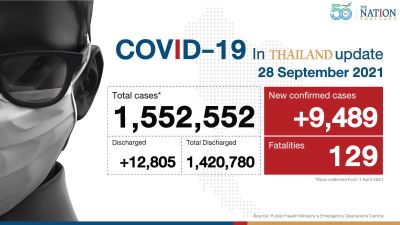
For the first time since July 17, Thailand recorded fewer than 10,000 daily Covid-19 cases with 9,489 new cases reported on Tuesday. Deaths, however, remained high at 129. Of the new infections, 269 were in prisons.
Thailand’s total caseload from Covid-19 stands at 1,581,415 – 1,448,206 of whom have recovered, 116,711 are still in hospitals and 16,498 have died.
Separately, another 218,818 people were given their first Covid-19 shot in the last 24 hours, 484,278 their second shot, 31,485 their third shot, 16 their fourth shot, bringing total Covid-19 vaccine doses administered nationwide to 51,398,473.
According to Worldometer, confirmed cases globally had risen to 233.12 million on Friday, 209.85 million of whom have recovered, 18.50 million are active cases (92,141 in severe condition) and 4.77 million have died (up by 5,351).
Thailand ranks 28th in the global list of most cases, which is topped by the US with 43.89 million, followed by India with 33.69 million, Brazil with 21.37 million, the UK with 7.70 million and Russia with 7.44 million.
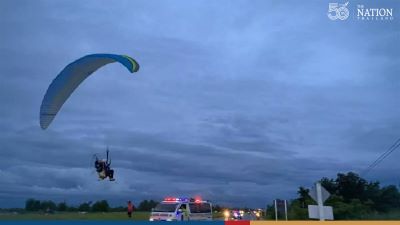
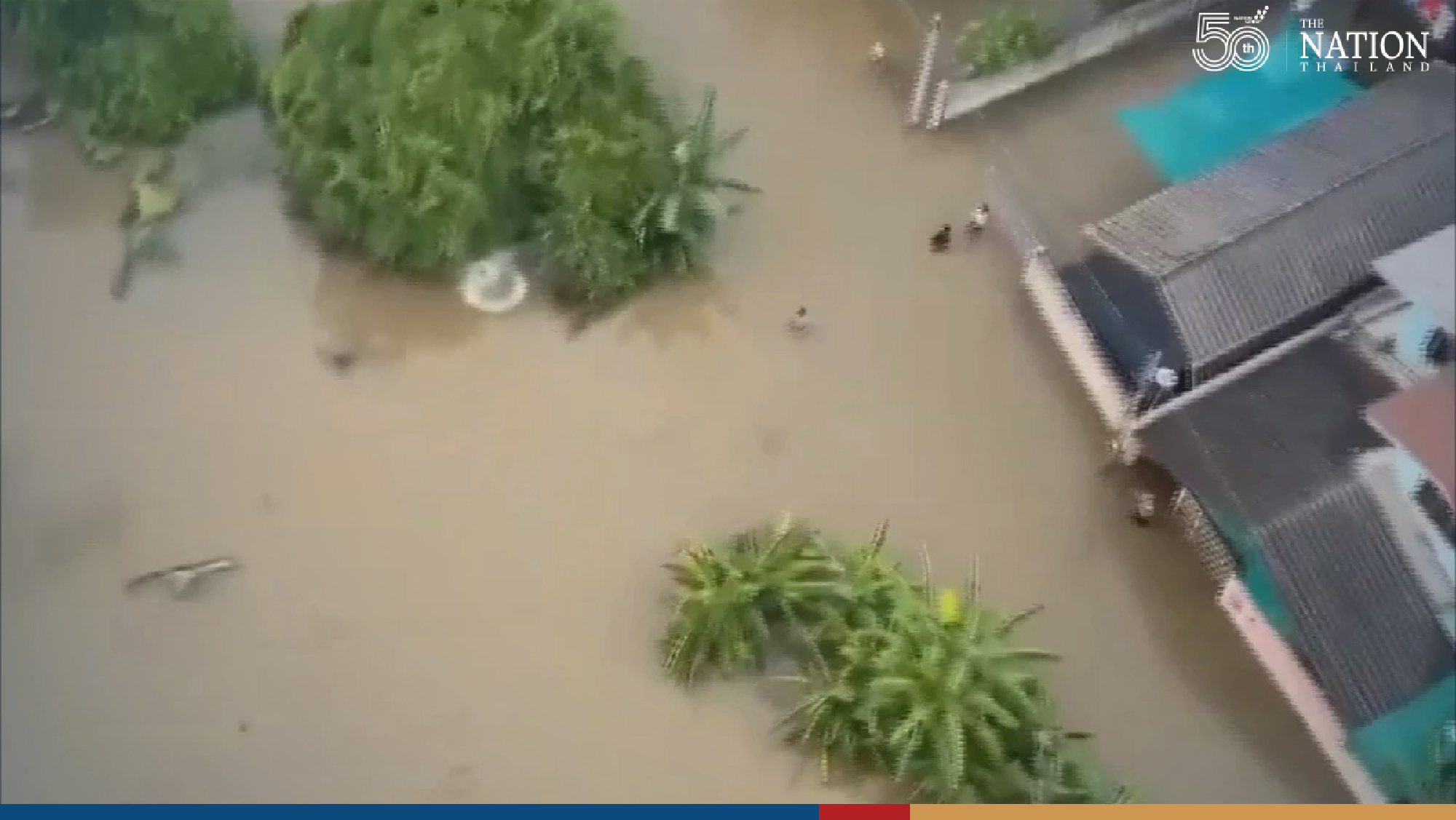
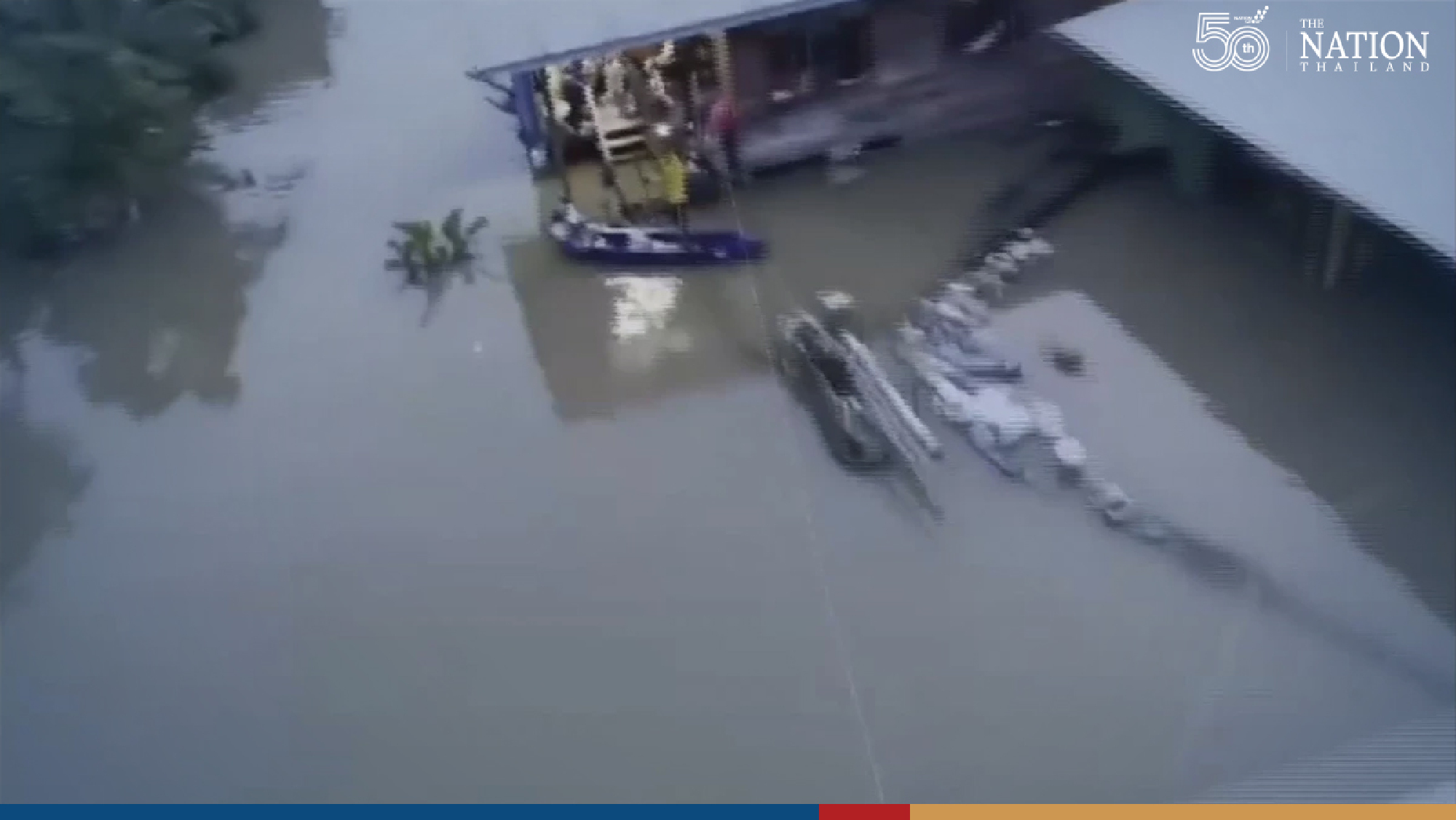
The Northern Disaster Warning Associations paramotor team delivered food, drinks and other supplies by air to flood victims in Sukhothai Ban Kluay subdistrict on Monday.
Nantipat Sriampai, the association’s president, said 70 households in the area were suffering as they had not received any assistance so far.
Stranded Sukhothai flood victims get emergency supplies
ADVERTISEMENT
He added that these flood victims were unable to leave their residences due to the high water level, adding that the area suffered a blackout Sunday night.
Stranded Sukhothai flood victims get emergency supplies
Stranded Sukhothai flood victims get emergency supplies
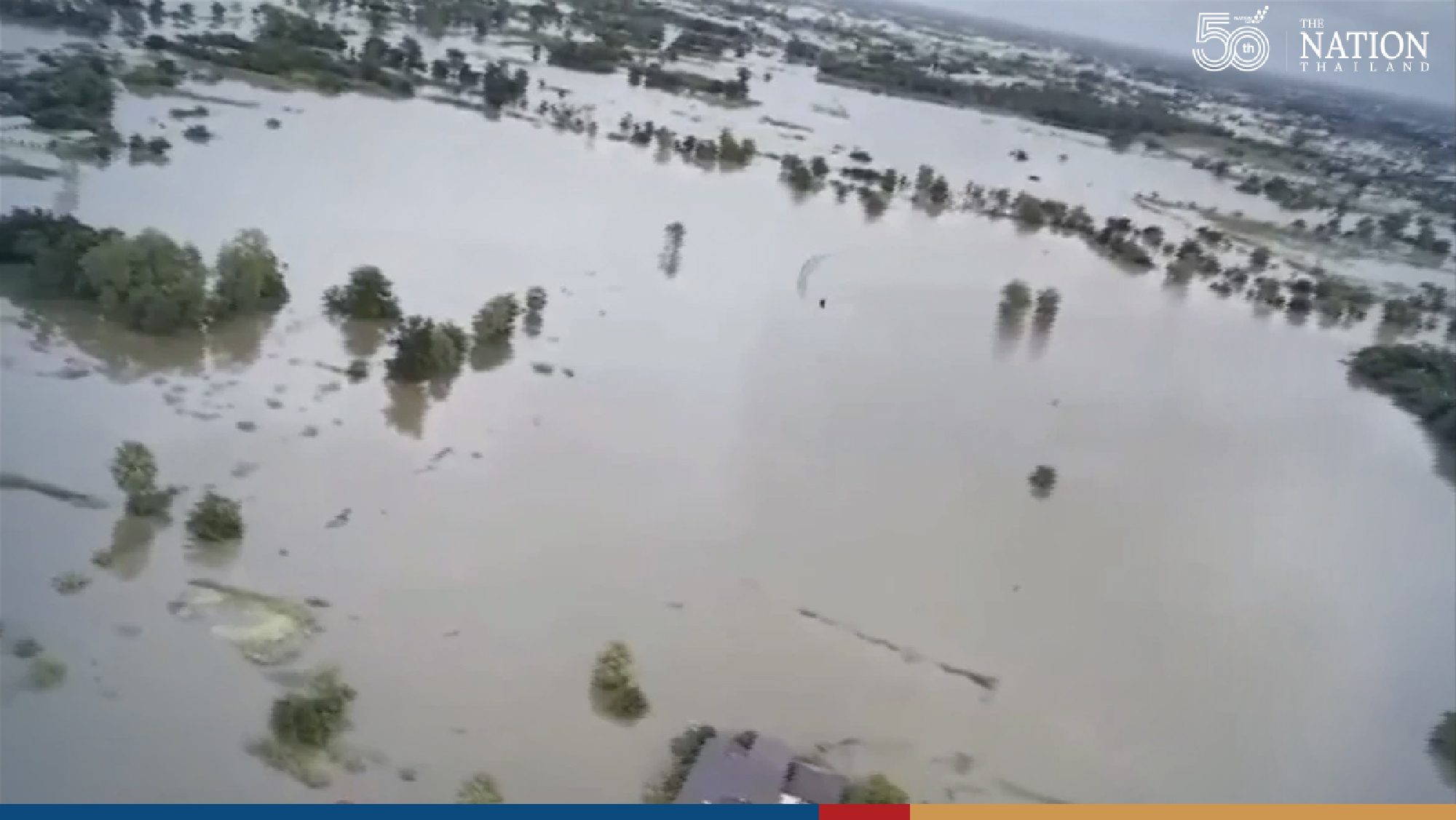
The flood situation in Sukhothai’s Muang district is currently critical as many subdistricts, namely Thani, Ban Kluay and Pak Kwai, were inundated and many routes were cut by strong tides.



 Thailand and Germany announce the success on improving safety standard for healthcare personnel in Thailand
 Thailand and Germany announce the success on improving safety standard for healthcare personnel in Thailand
 Thailand and Germany announce the success on improving safety standard for healthcare personnel in Thailand
 Thailand and Germany announce the success on improving safety standard for healthcare personnel in Thailand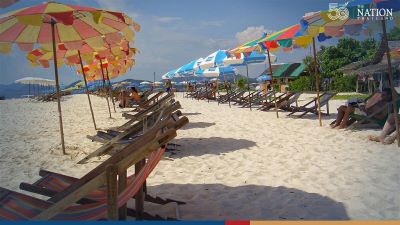
 Why Thailand’s tourism sandbox programmes failed

 Majority of Bangkok students want a Covid jab: governor
 Majority of Bangkok students want a Covid jab: governor
 Majority of Bangkok students want a Covid jab: governor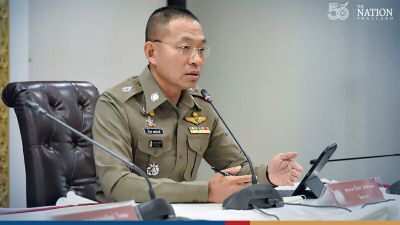

 Stranded Sukhothai flood victims get emergency supplies
 Stranded Sukhothai flood victims get emergency supplies
 Stranded Sukhothai flood victims get emergency supplies
 SootinClaimon.Com