Stars of public and private research align for Thailand’s ambitious space mission
TUESDAY, JANUARY 31, 2023
A top Thai public university has teamed up with a private company in what could be a giant leap for Thailand’s ambitious space plans.
The Excellence Center of Space Technology and Research (Ecstar) at King Mongkut’s Institute of Technology Ladkrabang this week inked a five-year partnership with Terospace Co Ltd to research space technology.
Ecostar chief Charnwit Munikanont said the cooperation will focus on exchanges of knowledge, experience and academic data while also training personnel in the space research field, with a focus on new technology.
“Space technology will contribute significantly to the country’s development and increase our competitive advantage, especially in terms of innovation,” he said.
Terospace chairman Bawonrat Kanjanarat said the five-year agreement covers satellite big data, satellite imagery processing, artificial intelligence, a low-earth-orbit satellite constellation, and other space-related research.
Among those hailing the collaboration as a big step for Thailand’s space industry was Settapong Malisuwan, vice chairman of the House panel on communications, telecommunications, and digital economy and society.
He said the research partnership will strengthen Thailand’s space capability by driving development of knowledge and technology, as well as helping forge a skilled space-related workforce, which the country currently lacks.
“Thailand still has a lot of room to grow in space research and economy. We need to act now or risk losing opportunities and a chance to catch up with others,” he said.
The research partnership comes just a week after Nasa agreed to assist Thailand’s space industry as part of the SERVIR-Southeast Asia programme to tackle regional climate change and natural disasters.
Taiwanese actress grateful to Chuwit for exposing police extortion
TUESDAY, JANUARY 31, 2023
Taiwanese actress Charlene An (An Yu-qing), who was the victim of a Bangkok police shakedown earlier this month, thanked ex-politician and massage parlour tycoon Chuwit Kamolvisit for blowing the whistle.
In a Facebook post, Chuwit said a Singapore national who paid the police 27,000 baht on An’s behalf will meet him today.
Chuwit added that he would personally cover the Singaporean’s travel expenses.
In response to Chuwit’s post on Monday, An said she was thankful that the former politician had finally uncovered the truth. Her message was in both Thai and English.
Chuwit replied to An in Chinese, saying he was sorry on behalf of all Thais and hoped Taiwanese people would forget about this incident and continue visiting Thailand.
“I believe you will still find Thailand an attractive destination,” Chuwit said in the response.
Her allegations made national headlines in Taiwan, much to the dismay of Thai tourism operators.
The 33-year-old actress said police stopped their Grab taxi at a checkpoint close to the Chinese Embassy on Ratchadaphisek Road at about 1am on January 5 and detained the group for two hours. She said police eventually released the group in return for a payment of 27,000 baht. The reason for the shakedown was a vaping device, that the actress said she did not own.
Bangkok PM2.5 readings to hit dangerous levels until Feb 4
TUESDAY, JANUARY 31, 2023
The quality of air in 36 areas around Greater Bangkok fell to unsafe levels on Tuesday morning, reports from the Bangkok Metropolitan Administration (BMA) show.
PM2.5 (particles less than 2.5 micrometres in diameter) were in the range of 40-69 micrograms per cubic metre (μg/m3) in most areas.
Thailand’s standard for safe levels of PM2.5 is 50μg/m3 or lower, while the World Health Organisation puts it at 12μg/m3 or lower.
Exposure to fine dust particles can be dangerous for people with chronic respiratory problems and can cause eye, nose, throat and lung irritation as well as shortness of breath among others.
As of 7am, the top 10 most polluted districts in Bangkok were:
• Nong Khaem: 69μg/m3
• Taling Chan: 60μg/m3
• Thawi Watthana: 60μg/m3
• Khlong Sam Wa: 60μg/m3
• Lat Krabang: 60μg/m3
• Nong Chok: 60μg/m3
• Phasi Charoen: 59μg/m3
• Pathumwan: 59μg/m3
• Bangkok Yai: 58μg/m3
• Din Daeng: 57μg/m3
BMA warned people to be prepared for air pollution readings to surge until Saturday (February 4) due to poor air circulation.
It also advised residents in areas where the air quality is bad to avoid outdoor exercise and check the air quality before stepping outdoors.
Pirate-themed floating restaurant seating 100 sinks off Pattaya
TUESDAY, JANUARY 31, 2023
A salvage mission has been launched after a pirate-ship-themed floating restaurant sank off Pattaya on Monday.
The tourist boat, named Krakenian The Private of Pattaya, capsized in heavy seas about two kilometres from Pattaya city on Monday evening.
Fortunately, the tourist boat-restaurant was closed at the time due to bad weather, and no injuries or deaths were reported from the sinking.
Prachyaporn Ploymukda, the boat owner, told reporters on Monday night that the boat had succumbed to strong winds and high waves in the Gulf of Thailand.
“The rear part of raft boat sank after being swamped by waves,” she said.
The boat has operated as a pirate-themed restaurant since December, with capacity for about 100 customers, she added.
“The boat also offers squid fishing, music shows and karaoke rooms,” Prachyaporn said.
Bangkok teams up with Line to provide PM2.5 alerts
TUESDAY, JANUARY 31, 2023
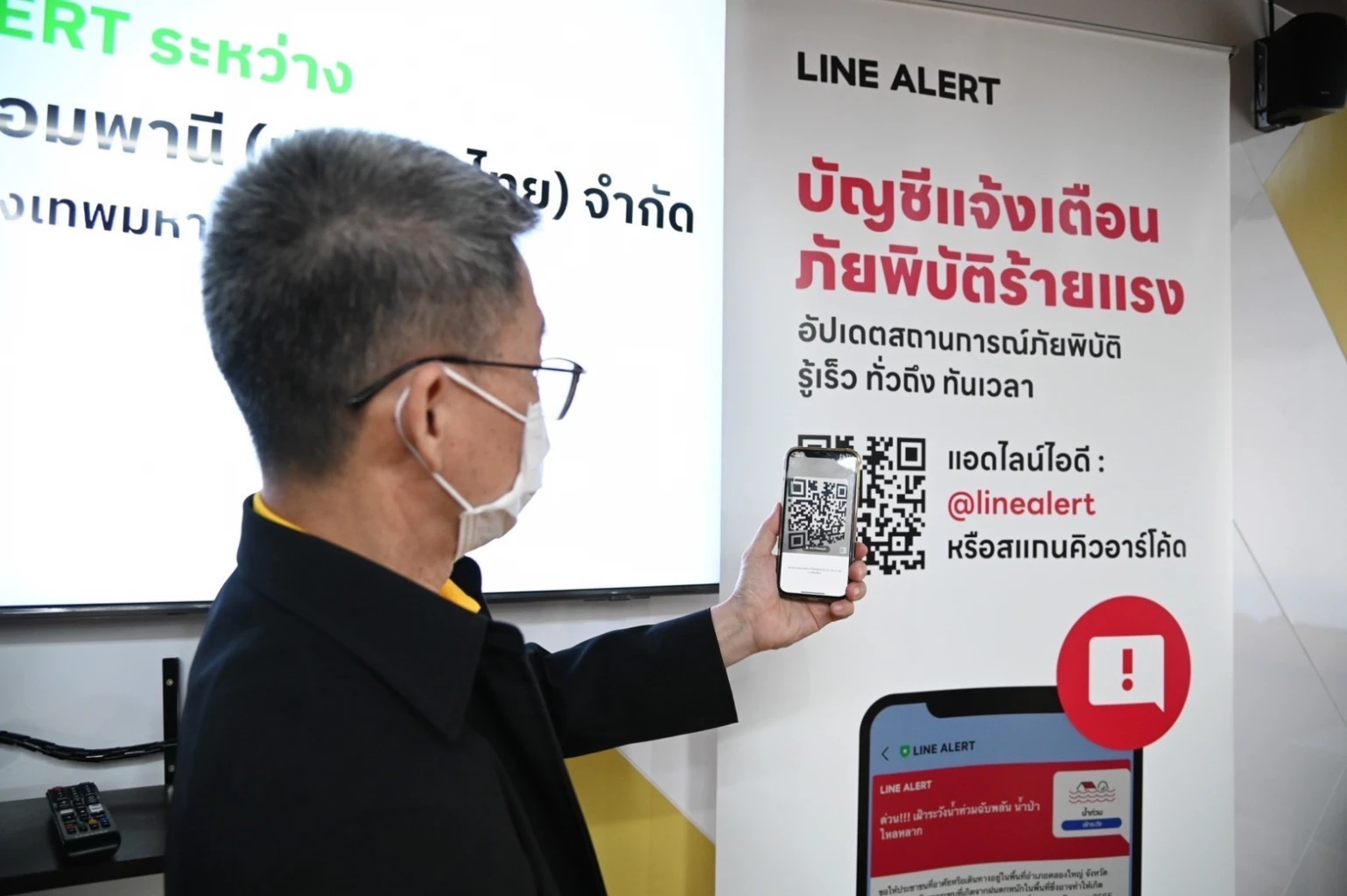
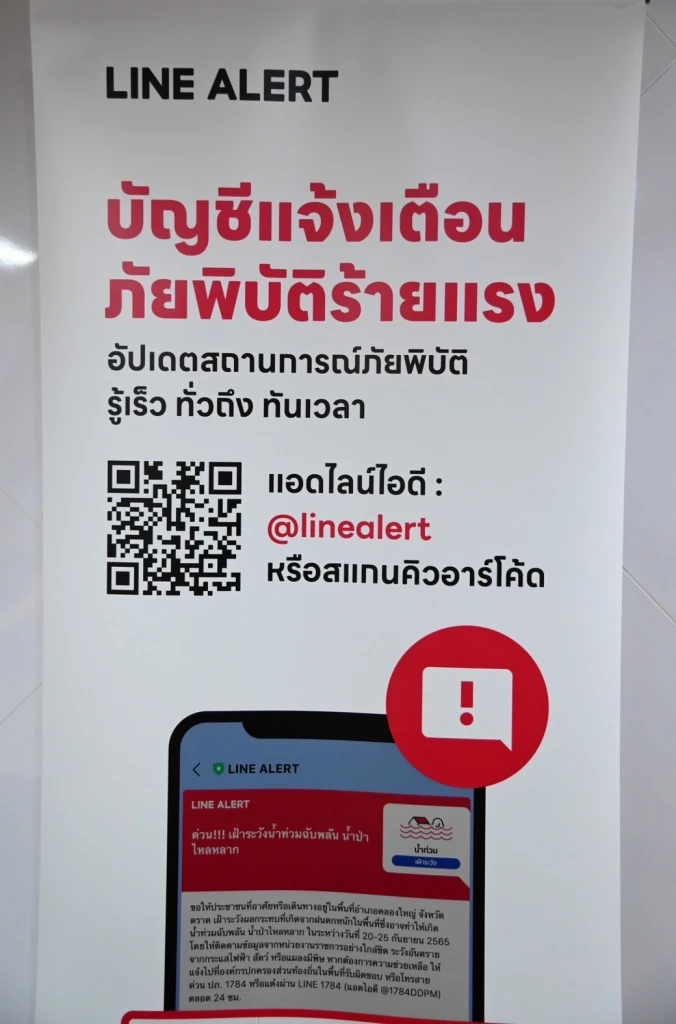
The Bangkok Metropolitan Administration (BMA) has hooked up with Line to add a PM2.5 alert function for users of the popular messaging app.
PM2.5 is fine-dust air pollution that poses health risks, especially for people with chronic lung disease.
To check on PM2.5 levels, Line users can add @linealert as a friend, said BMA Environment Division director Praphas Leuangsirinapha on Monday, after signing the agreement with Line.
The Line Alert account uses BMA and government data on national hazards and disasters, offering updates, maps of risk areas, and lists of emergency contact numbers of agencies and nearby hospitals. Users also get tips and advice on how to stay safe in emergencies.
“With the addition of PM2.5 alerts, users can get real-time updates on air quality in Bangkok via reliable information from government agencies,” said Praphas. “We hope this feature will help people plan their travel and outdoor activities, as well as protect themselves against dust and other air pollution.”
Bangkok checks readiness of tourist coordination centre, tourist kiosks
TUESDAY, JANUARY 31, 2023
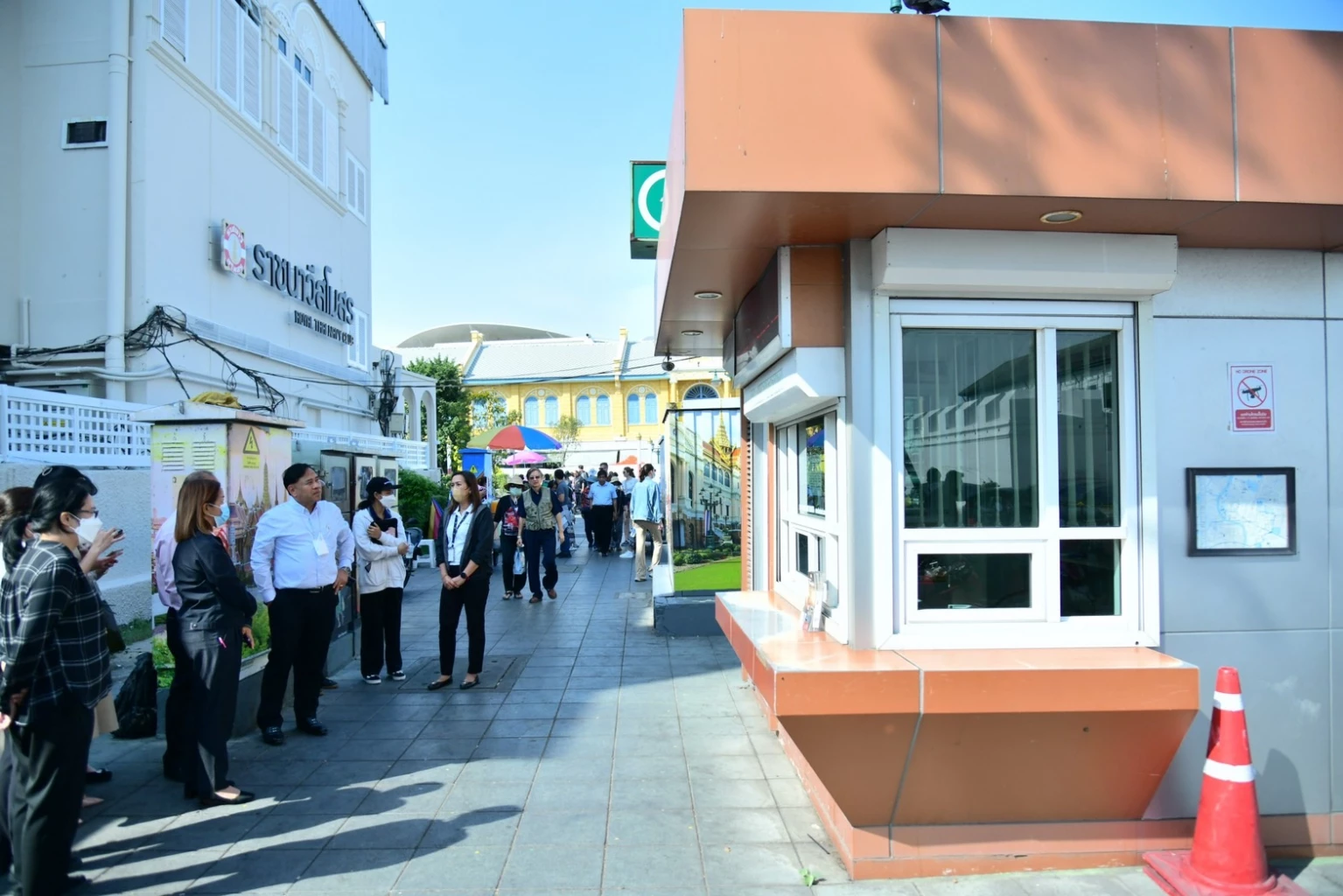
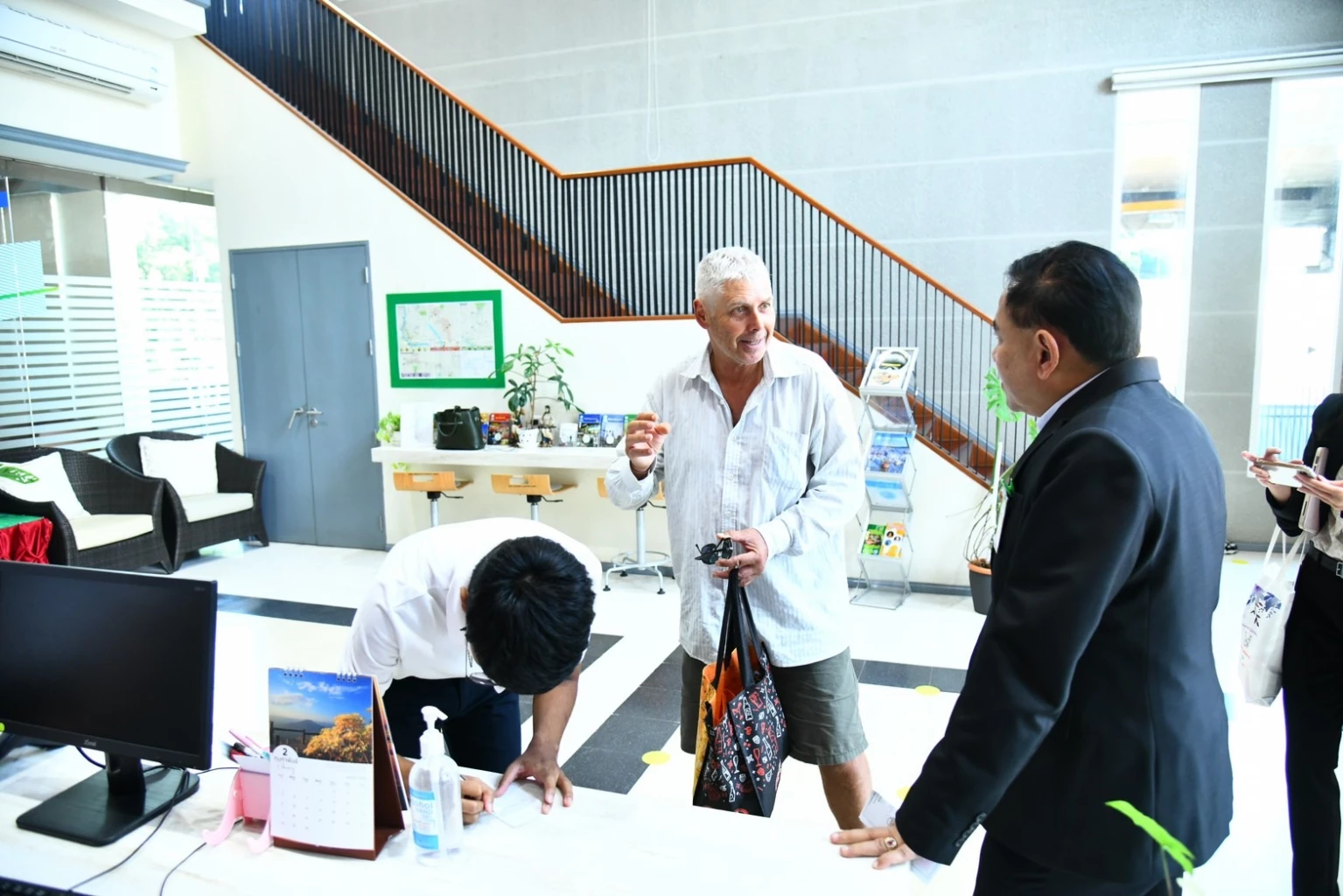
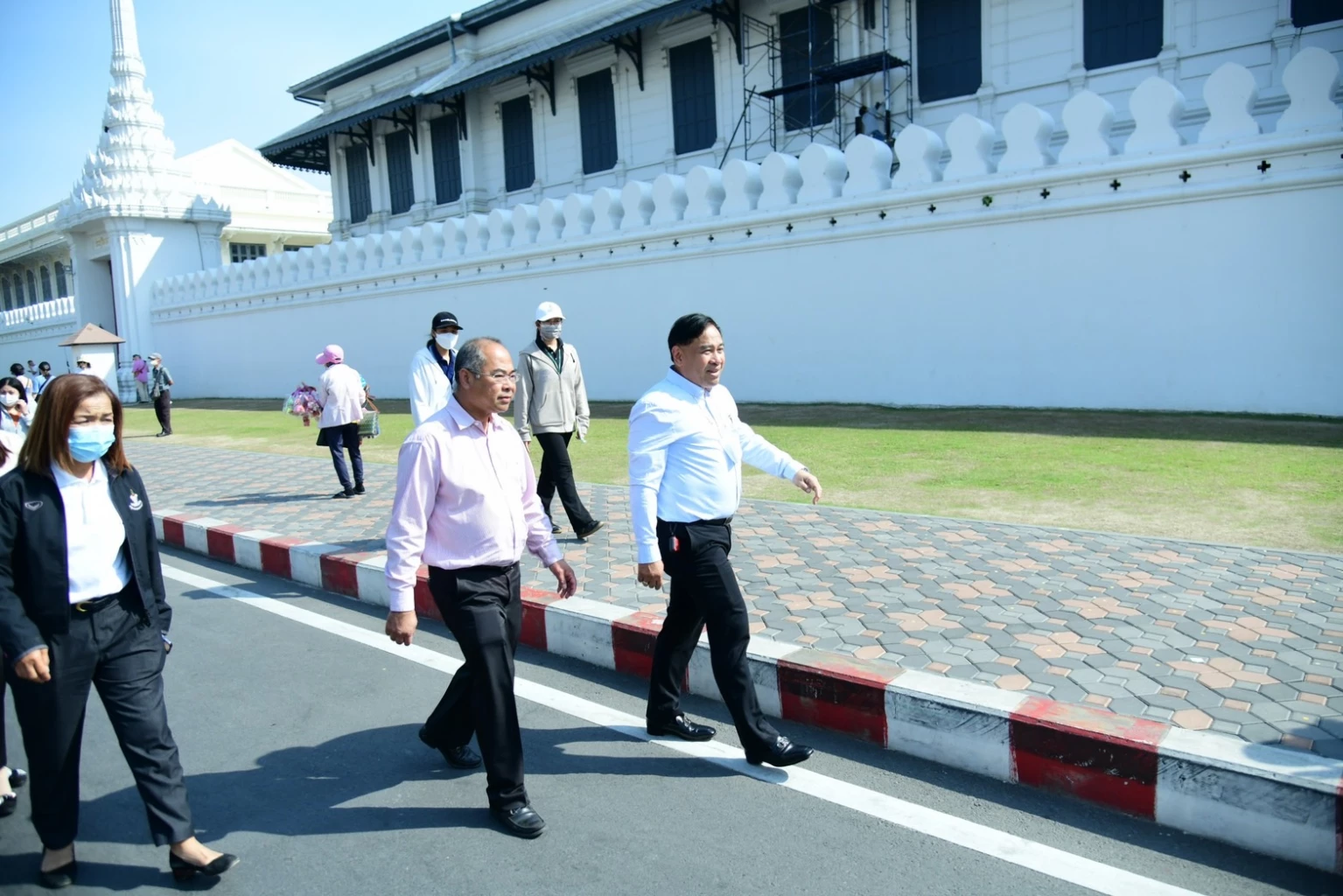
Chalermpol Chotinuchit, deputy permanent secretary of the Bangkok Metropolitan Administration, on Monday visited the tourist coordination centre on Phra Athit Road in Phra Nakhon district to check whether it was ready to welcome local and foreign tourists visiting the capital.
The city expects to welcome a growing volume of tourists, especially visitors from China after the country lifted travel restrictions on January 8.
After inspecting the centre, Chalermpol headed to Na Phra Lan tunnel near the Temple of the Emerald Buddha (Wat Phra Kaew), then to tourist kiosks at Tha Chang and Tha Tien piers to inspect facilities that ensure a smooth trip for tourists on the historical Rattanakosin Island.
The deputy permanent secretary suggested officials put up signs warning tourists of scammers and other dangers as well as making existing signs more visible. He also ordered a tourist kiosk to be set up at the entrance of Na Phra Lan tunnel to assist visitors seeking directions or other information.
There are 23 tourist service facilities in Bangkok, comprising the tourist coordination centre at Bangkok Tourism Division Building on Phra Athit Road, which opens Monday-Friday from 9am to 5pm, and 22 tourist kiosks throughout the city, open from Tuesday to Saturday, 9am to 5pm.
Tourist kiosks are available at tourist attractions, important buildings, and key transport hubs throughout Bangkok, including Tha Chang Pier, Tha Tien Pier, Phan Fa Pier, Chulalongkorn Hospital, Police General Hospital, MBK Centre, Odeon Circle, BTS Phaya Thai station, Hua Lamphong station, and Siam Paragon.
Thai feature films are about to take on a distinctly Chinese flavour after Hong Kong authorities agreed to pump millions of baht into moviemaking collaborations.
The Hong Kong Film Development Council and CreateHK announced key details of the Hong Kong-Asian Film Collaboration Funding Scheme to the Thai film community at the recent Bangkok ASEAN Film Festival.
The event marked the official introduction of the co-production support scheme, which aims to foster collaboration between Hong Kong and Thai filmmakers.
The inaugural Hong Kong-Asian Film Collaboration Funding Scheme will provide grants of up to nine million Hong Kong dollars (37.6 million baht) to a maximum of eight films.
Joining a festival panel to announce the collaboration were Hong Kong film directors Chan Kin Long and Ka Sing Fung, and their Thai counterparts Nattawut Poonpiriya and Aditya Assarat.
Applications must be made by a Hong Kong production company, and the eligible projects must have a Hong Kong citizen or resident in at least one of three key roles – producer, director or screenwriter – with another taken by the Asian co-production country.
At least six out of 10 key crew positions must be filled by Hong Kongers, and at least 30% of the below-the-line budget must be spent in Hong Kong.
Applications for the collaboration are open from January until May, with the results to be announced in early 2024. Detailed guidelines and application forms will soon be available to download from the Hong Kong Film Development Council website at www.fdc.gov.hk
Cabinet approves adjustments to basic daily wages for 17 professions
TUESDAY, JANUARY 31, 2023
The Cabinet on Tuesday approved the Labour Ministry’s proposal to adjust the wages for skilled workers in 17 fields, which would see them earning between 465 and 700 baht daily.
Labour Minister Suchart Chomklin said the Cabinet agreed to adjust the minimum daily rate for the 17 professions, provided they receive a certificate from the Skill Development Department.
The professions to be covered are divided into three groups, namely the industrial sector, technicians and workers in the service sector. Suchart said there is a big demand for people in these fields.
In 2014, the Labour Ministry’s proposal to set a minimum wage rate for 112 professions was approved by the Cabinet, and now with 17 more, the number of professions under the radar has risen to 129.
The new minimum daily wages for some of the 17 professions are:
• Pump and valves technicians: 515 baht
• Mechatronics and industrial robot controllers:
Level 1: 545 baht
Level 2: 635 baht
Level 3: 715 baht
• Mechanics
Tractor repairs:
Level 1: 465 baht
Level 2: 535 baht
Level 3: 620 baht
Excavator controllers: 585 baht
• Service sector
Holistic food therapist, aqua therapist, aromatherapist
Thai rice export target set at 7.5 tonnes this year, down from 2022
TUESDAY, JANUARY 31, 2023
Thailand expects to export about 7.5 million tonnes of rice this year, down from 7.9 million tonnes last year, the Foreign Trade Department said on Tuesday.
The department’s director-general, Narong Poolpipat, said rice exports last year had exceeded the target of 7.5 million tonnes, mainly because of the depreciation of baht, which dropped to around 38 baht to the US dollar.
Last year’s rice export was 22.06% higher year on year in terms of volume, while rice export value was US$3.971 billion, up 14.67% year on year, Narong said.
He said the top five markets for Thai rice exports last year were:
– Iraq, 1.6 million tonnes, up 458%
– South Africa, 775,000 tonnes, down 2.26%
– China, 745,200 tonnes, up 18.81%
– United States, 653,000 tonnes, up 13.21%
– Benin, 320,000 tonnes, down 15.38%
Although the department eyes 7.5 tonnes of rice exports this year, it cannot not yet estimate the export value due to fluctuations in the value of the baht, Narong said.
He explained that the baht had appreciated to about 32.50-33.00 baht against the US dollar, but it was expected to depreciate to 35-40 baht by the middle of the year and appreciate again later this year.
Narong added that his department would hold several activities this year to promote rice exports, including holding the Thailand Rice Convention 2023 and sending delegations of state officials and private firms to visit trading partner nations, such as Germany, China, United Arab Emirates and Australia.
Academics call for more diversified global currency basket, less dependent on US dollar
TUESDAY, JANUARY 31, 2023
Nongluck Ajanapanya
Asian emerging markets and developing economies should deepen regional financial market integration in order to mitigate the risk resulted from the US dollar’s dominance, experts and economists have suggested.
The remarks were part of the statement released on Monday by the Asian Shadow Financial Regulatory Committee (ASFRC) at their 35th annual meeting on “What can Asian Economies do about the USD Global Financial Cycle?” hosted by NIDA Business School in Thailand and its MSc in Corporate Finance, Investment, and Risk Management (CIFRM) program.
ASFRC members are all academics in finance and economics from the Asia Pacific. The statement aimed to persuade governments throughout Asia Pacific of the significance of diversifying the global currency basket.
Such a step will make countries in the region more resilient to external factors. They referenced the current impact on countries across the world from the US Federal Reserve raising policy rates to tame its own inflation.
“Tightening of monetary policy may be appropriate for the United States, but this exerts a recessionary tendency in the world as the United States’ tightening raises yields on US treasuries and induces capital outflows from other countries,” the statement explained.
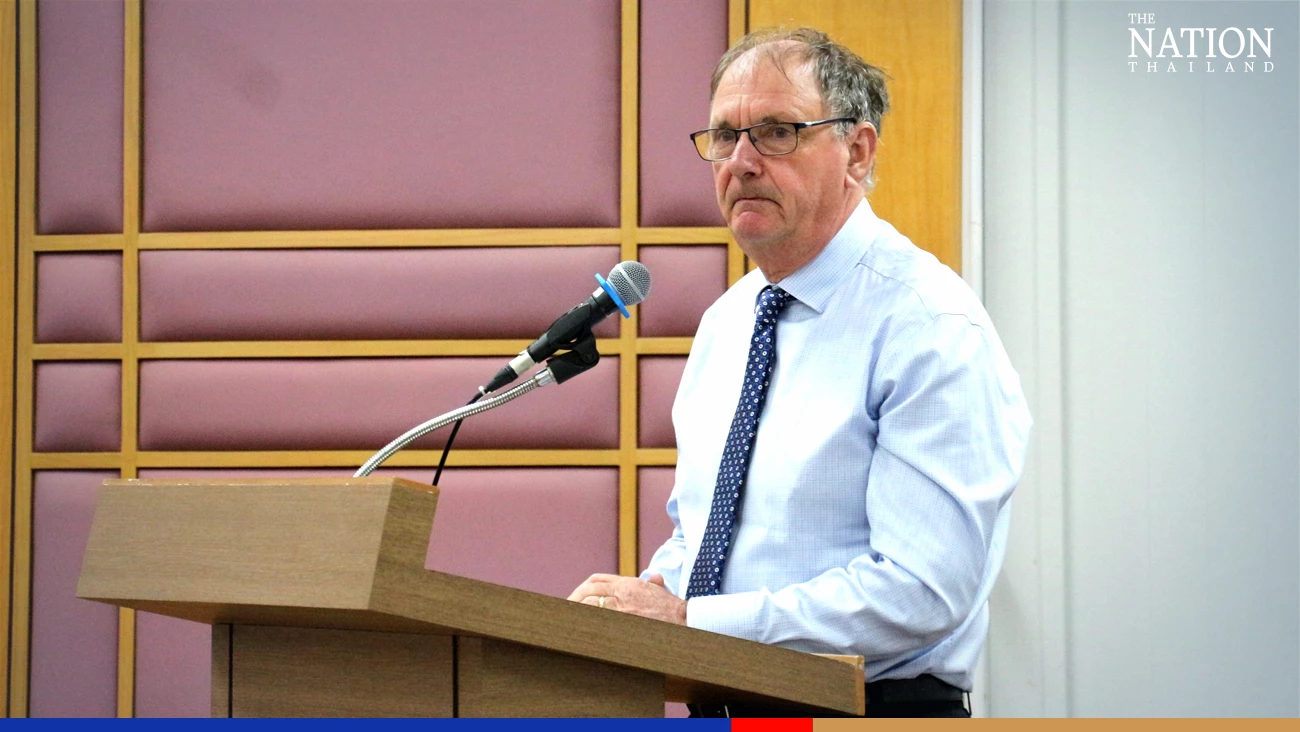
One of the committee members, Martin Young, a professor at Massey University in New Zealand, said that the dollar remains powerful because the United States has the largest global economy.
However, in terms of cross-border trade and investment, reliance on a single currency threatens the financial market’s stability.
According to Obstfeld and Zhou’s 2022 study, despite the switch to a floating exchange rate system 50 years ago, the world remains largely on the dollar standard.
The majority of trade and invoicing is done in US dollars. The US dollar is used approximately 50% of the time in global trade invoicing, and around 90% of the time in global foreign exchange transactions where one side is in US dollars.
Martin Young
Young emphasised that the ASFRC committee has no intention of toppling the dollar. They simply require a greater balance in the global currency basket.
He declared that the dollar’s dominance in the global financial market should be reduced.
According to Maria Socorro Gochoco-Bautista of the University of the Philippines, allowing one currency to dominate the global market would inevitably have an impact on others, particularly small and open market Asian countries like Thailand and the Philippines.
Each country has its own economic cycle and development, she explained. Because countries all over the world are involved in the global supply chain and demand, the global economy may have some effects. However, the impact should not be so severe that a single government’s monetary policy deprives the others of financial stability and the ability to control their economies.
Jian-Xin Wang from the University of Technology Sydney, Australia, stated that the committee’s recommendations are a long-term process for each country to collaborate together to find a better system of global financial currency which the committee dubbed as a multi-polar currency system.
According to the committee statement, a multi-polar currency system will be better because it will be less reliant on the actions of a single monetary authority and reduce the risk of negative externalities on the rest of the world.
“The dominance of US monetary policy limits the ability of authorities elsewhere to respond to external shocks more independently under the current dominant US dollar standard,” the committee explained.
Besides encouraging Asean and other Asian economies to enhance and expand regional economic integration, the committee’s recommendations include:
● Establish a regional corporate bond market, such as the Asian Bond Market Initiative, with common issuance standards. ● Create an inter-dealer regional trading platform to provide liquidity in exchange for certain benefits such as preferential access to a regional repo market. ● Have a regional centralised counter-party for Asean names in credit default swaps. ● Create an Asean+3 zone of free capital mobility, including mutual recognition of funds and instruments from different jurisdictions. ● Remove withholding taxes on intraregional flows. ● Harmonise macro-prudential rules for managing external capital flows. ● Expand the Chiang Mai Initiative Multilateralisation into a regional repo market to provide additional liquidity on a daily basis rather than just during a crisis. ● Central banks could agree to accept cross-border collateral in the form of Asean+3 government and corporate bonds. ● With the help of multilateral institutions such as the Asian Development Bank, build regional financial infrastructure to facilitate regional market integration. ● Encourage the use of regional currencies through bilateral agreements. ● Increase local risk management capacity at the firm level, as part of central bank initiatives to encourage the use of fintech in transactions. ● Use digital currencies and distributed ledger technologies to make cross-border payments and settlements easier, faster and more secure.
Young expected that these suggestions would encourage Asia Pacific governments to adopt a multi-polar currency system. He believes that while the system may not be implemented in the next 10 years, Asia Pacific countries will eventually achieve the goal if they begin taking decisive actions.
Other panel members this time included Qian Sun of Fudan University in China, David K. Ding of Singapore Management University, Robin K.Chou of National Chengchi University in Taiwan, Aekkachai Nittayagasetwat of NIDA Business School, Sunti Tirapat of NIDA Business School, and Kridsda Nimmanunta of NIDA Business School in Thailand.






 • Service sector
 Although the department eyes 7.5 tonnes of rice exports this year, it cannot not yet estimate the export value due to fluctuations in the value of the baht, Narong said.
 Martin Young
 SootinClaimon.Com