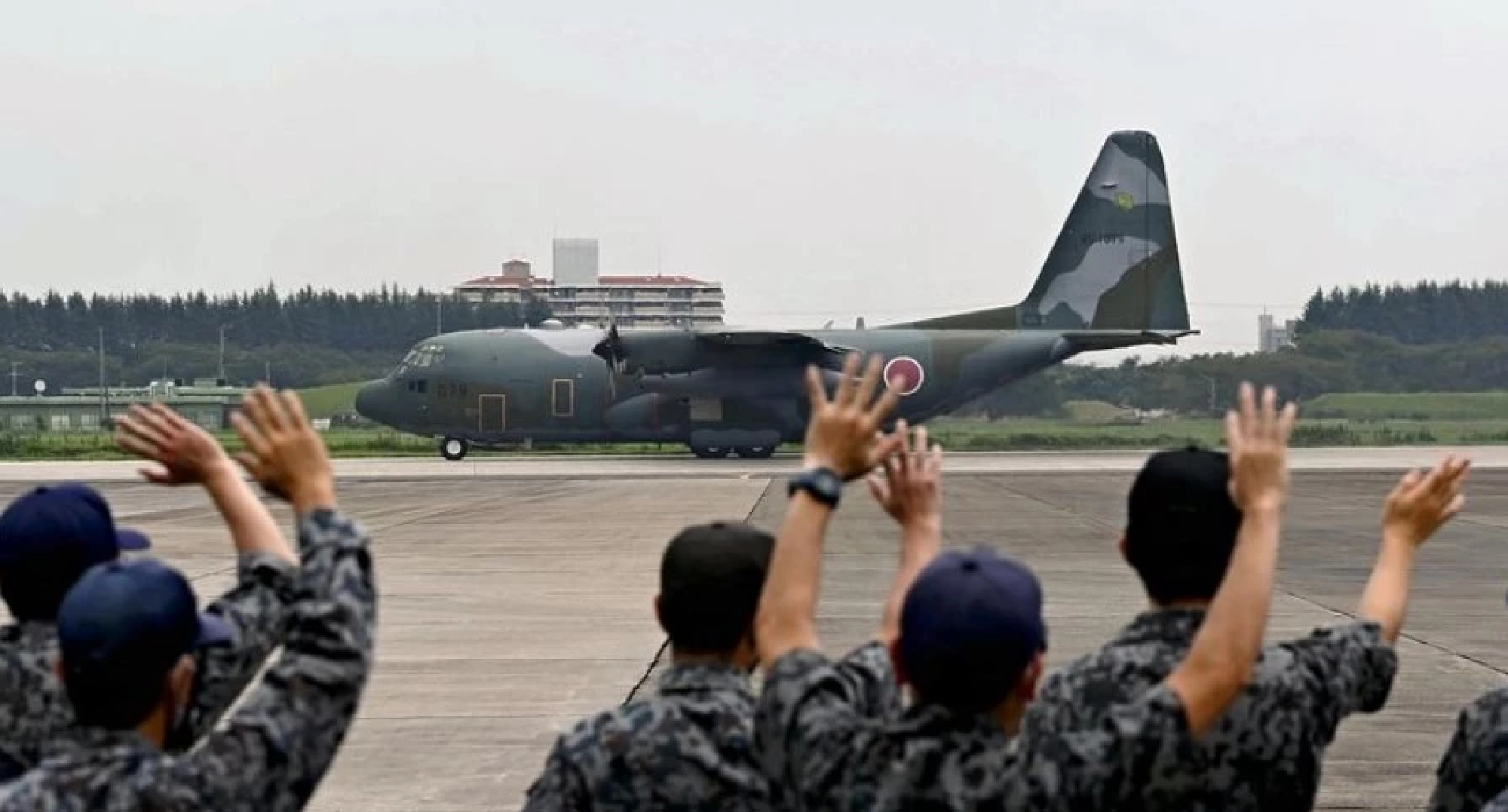
Allowing the Self-Defense Forces to transport foreign nationals exclusively in the event of an emergency abroad is being considered by the government, The Yomiuri Shimbun has learned.
According to the Self-Defense Forces Law, after receiving a request from and consulting with the foreign minister, the defense minister can decide to have the SDF transport Japanese nationals when it is determined that the operation can be carried out safely. The law also stipulates that if the foreign minister requests that foreign nationals be protected, they can ride on SDF vehicles with Japanese nationals.
In light of the experiences related to this summer’s Afghanistan evacuation operation, the Defense Ministry aims at the earliest to submit a revised bill during the ordinary Diet session that starts next month, according to government sources.
Foreign nationals who serve Japan’s national interests, such as those working at diplomatic missions of Japan or for the Japan International Cooperation Agency (JICA), are generally among the people expected to be eligible for transportation. By revising the law, the government aims to resolve problems that arose when it dispatched SDF planes to Afghanistan in August, upon the Taliban Islamist group taking over the country.
Back then, an SDF plane dispatched to Afghanistan transported only Afghan nationals in response to a request from the United States. SDF planes had been dispatched to transport Japanese nationals, but the government determined that a flight exclusively carrying foreign passengers could be possible as part of its evacuation operation.
At the time, however, a senior Defense Ministry official expressed the opinion that the law needed to be revised.
“A political decision had to be made as to whether it was okay to transport foreigners,” the official had said.
About 500 Afghan nationals who were working for the Japanese government and related entities and their family members remained in Afghanistan at that time, though they wanted to leave the country. Some of them had to travel to Japan on commercial flights.
After the Self-Defense Forces Law is revised, it will be possible to dispatch SDF aircraft exclusively to evacuate such foreign nationals.
The operation to evacuate Japanese nationals from Afghanistan also left unresolved issues in the local intelligence gathering system. It took three days for the National Security Council to decide on the dispatch of SDF aircraft after the Foreign Ministry made the request to the Defense Ministry. The decision came eight days after the fall of Kabul to the Taliban.
The government is also considering operational improvements to enhance information-sharing with the U.S. military and to speed up decision-making.
China dismissed concerns on Thursday over the safety of Lithuanian diplomats in China, saying that such allegations were groundless and Lithuania never raised any security concerns with China.
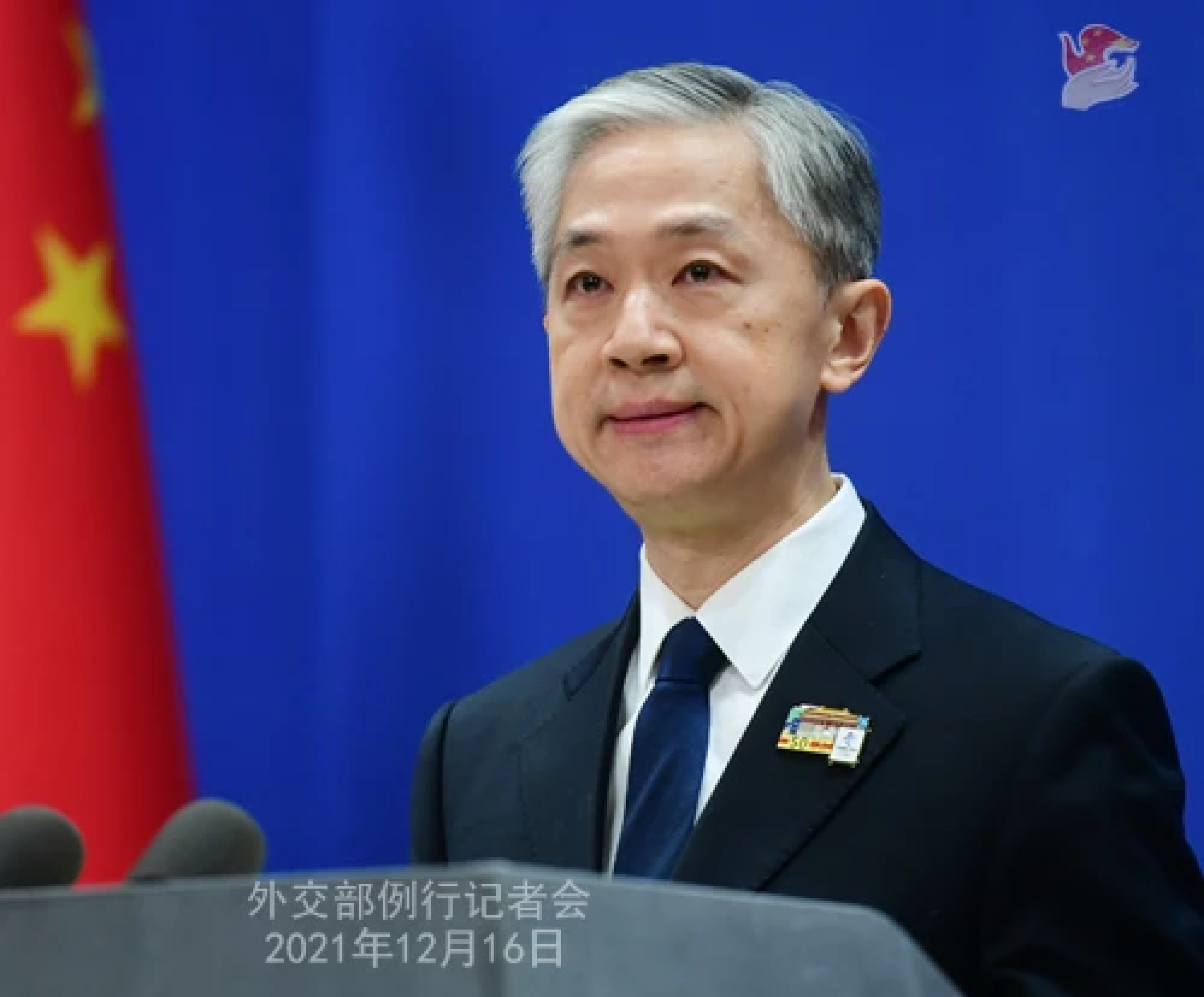
“The so-called claims that Lithuanian diplomats in China feared for their own safety or the Chinese government forbade its citizens from working for the country’s office of the charge d’affaires in China are purely groundless fabrications out of thin air,” said Foreign Ministry spokesman Wang Wenbin to reporters during a regular news briefing in Beijing.
The remarks came after Lithuanian authorities said on Wednesday they had summoned their top diplomat back from China for “consultations” and that they would operate remotely for the time being. Reuters reported that a group of 19 people comprising diplomats and dependents left Beijing.
Wang said China has always attached high attention to protecting the premises and personnel of foreign diplomatic missions and ensuring their normal operation, including that of Lithuania. “The Lithuanian side never raised to the Chinese side any concern over its safety,” he said.
Last month, in disregard to China’s strong objection and repeated dissuasion, the Lithuanian government approved the establishment of the so-called “Taiwanese Representative Office in Lithuania” in the Baltic state.
The move was a violation of the political commitment that Lithuania made in the joint communique on the establishment of diplomatic ties between China and Lithuania, and it openly created a false impression of “one China, one Taiwan”.
In response to this erroneous act, China downgraded its diplomatic relations with Lithuania to the level of charge d’affaires, and demanded that Lithuania change the name of its diplomatic representation in China accordingly.
Ties undermined
Wang said the rights and wrongs about how China-Lithuania ties have been undermined are very clear.
“If the Lithuanian side does not face up to the reality, does not reflect and correct its mistakes and instead shirks its own responsibility, bilateral ties will be impacted even more with the feelings between the two peoples also harmed,” he said, adding that it is Lithuania that suffers in the end.
“We urge the Lithuanian side to honestly abide by basic norms governing international relations, keep its own promises and correct its mistake that undermined China’s national sovereignty and core interests as soon as possible,” Wang said.
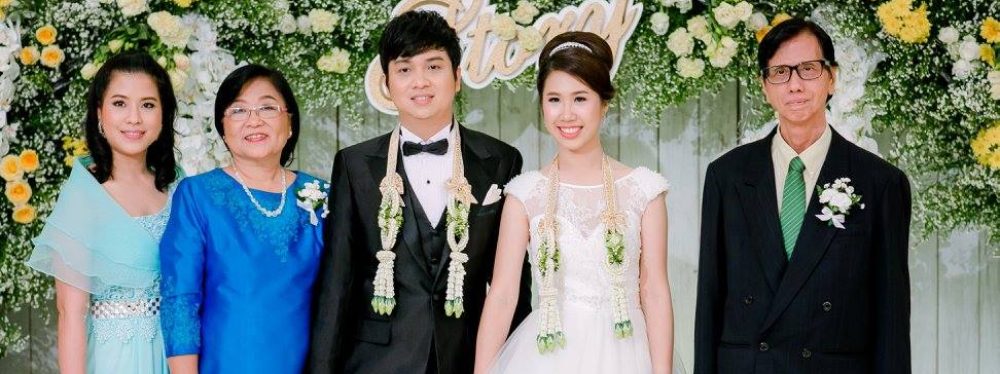
KUALA LUMPUR: The vaccination status of those required to get their Covid-19 booster shot will be deemed “incomplete” if they fail to get their shots by February next year, says Khairy Jamaluddin.
“If these group of individuals still have not got their booster shots after February 2022, their vaccination status will be changed to ‘incomplete’,” the Health Minister told a press conference in Parliament yesterday.
He said those whose status has been changed to “incomplete” would not be able to enjoy the benefits of those who are deemed to have completed their vaccination.
Sinovac vaccine recipients are among those who must get booster shots by the February deadline.
Meanwhile, those above 60 years old, irrespective of vaccines type, will also be required to get their booster shot.
Khairy said this was in line with recommendation by the World Health Organisation’s Strategic Advisory Group of Experts (SAGE).
He added that the Covid-19 Immunisation Booster Task Force had approved and adopted the recommendation on Dec 8.
At present, Khairy said that the vaccines by Pfizer-BioNTech, Sinovac and AstraZeneca have been approved for use as booster shots.
He added those above 18 should also get their booster shots.
Booster dosing started nationwide on Oct 13 for fully vaccinated individuals to ensure the immunity received after completing their doses can be maintained for an optimal period, especially against the Delta variant.
Last month, Khairy stressed that Malaysia could face a new wave of Covid-19 infections if the administration of booster doses was not accelerated.
In a tweet later yesterday, he said in line with the government’s effort to ramp up the booster shots vaccination drive, mega PPV (vaccination centres) will be reopened starting with the Klang Valley.
“All 60 and above or Sinovac recipients must get a booster latest by February 2022 to keep (their) fully vaccinated status.
“You will get your booster appointment on MySejahtera 180 days after the second dose (Pfizer or AstraZeneca) or 90 days after the second dose (Sinovac).
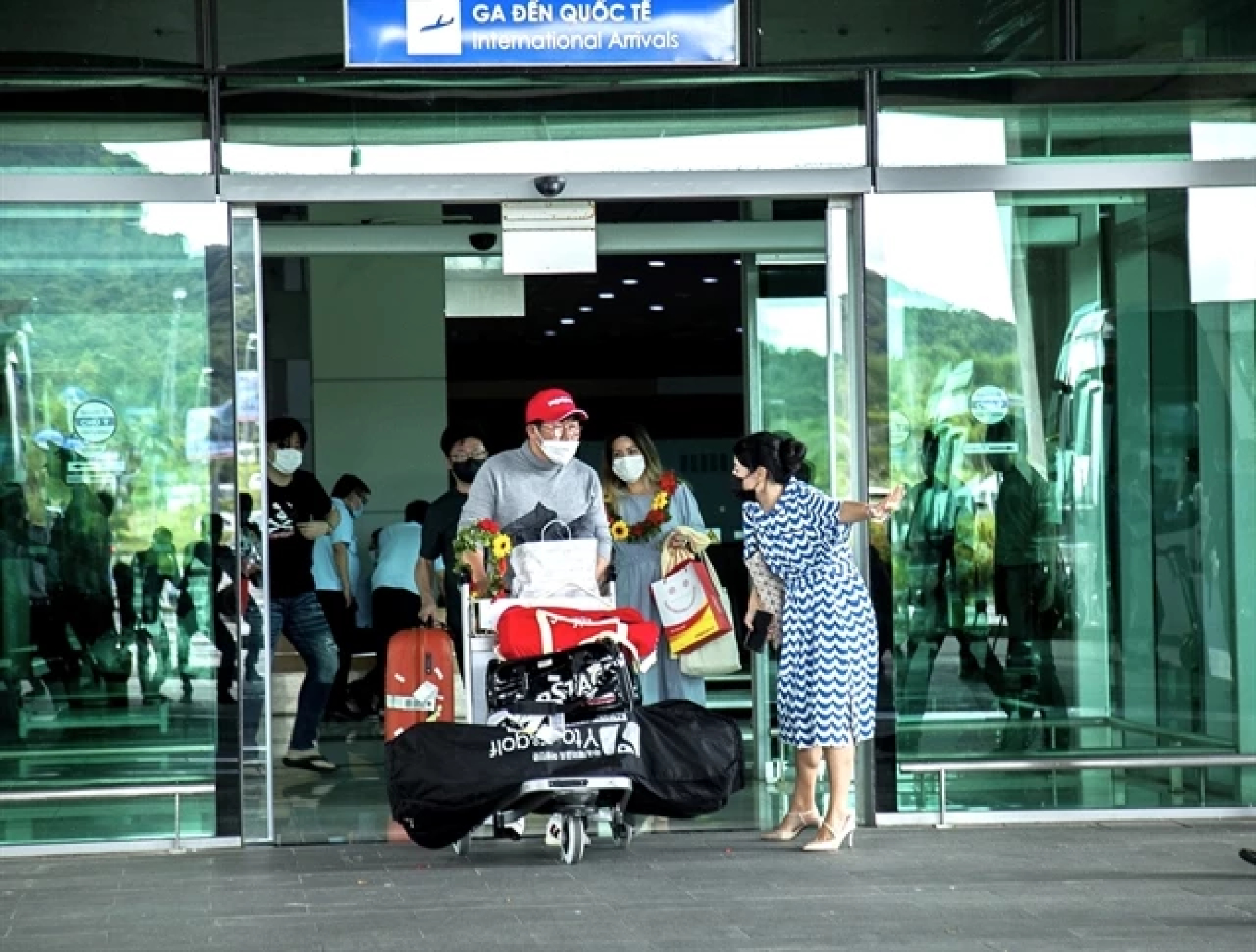
HÀ NỘI — Fully vaccinated foreign arrivals with negative COVID-19 test results will only need to self-quarantine at home or places of accommodation for three days upon entry into Việt Nam by air, according to the latest guidance from the health ministry issued on Thursday.
The new policies will be effective from January 1, 2022, the day Việt Nam is set to resume – on a pilot basis – regular international flights, starting first with Beijing/Quangzhou (China), Tokyo (Japan), Seoul (South Korea), Taipei (Taiwan, China), Bangkok (Thailand), Singapore, Vientiane (Laos), Phnom Penh (Cambodia), and San Francisco/Los Angeles (the United States), before pushing ahead with more destinations, including Kuala Lumpur (Malaysia), Hong Kong (China), Paris (France), Frankfurt (Germany), Sydney (Australia), and Moscow (Russia).
According to the guidance, the arrivals must have proof of negative COVID-19 test results (using the gold-standard PCR method) within 72 hours prior to entry (except in the case of children under two years old), must declare their health status before entry and must install Việt Nam’s PC-COVID app (available on both Android and iOS) for contact tracing and medical declaration purposes. The installation of the app is only on a ‘recommended’ basis for diplomats and entrants on official businesses.
Arrivals that are Vietnamese citizens, including Vietnamese citizens residing overseas and the spouses and children of Vietnamese citizens, who have not been vaccinated against COVID-19, can be vaccinated for free during the quarantine period if they want to.
Entrants who have been fully vaccinated, or recovered from COVID-19, must not make direct contact with other people during the first three days, leave their places of residence or designated accommodation (hotels, motels, resorts, offices, dormitories, guest houses, etc.)
Two RT-PCR tests will be conducted, on the first and third day of entry.
If the results return negative, then the entrants still need to self-monitor their health status for 14 days after arrival, but this is already a huge step down from the current policies of mandatory seven days of centralised quarantine and seven days of follow-up medical self-observation.
If they are willing to get a COVID-19 test (RT-PCR) on the tenth day, then the medical self-observation could end then.
For entrants who have not been fully vaccinated, upon entry, they will stay at home or place of accommodation for seven days, with RT-PCR tests conducted on the first and seventh day.
If the results are negative, the full two weeks of self-observation is applied, with another RT-PCR test to be done on the fourteenth day of entry.
For entrants who are under 18 years old, above 65 years old, pregnant women, or having underlying health conditions (without requiring care or observation of medical facilities), they could be quarantined along with their parents or caretakers.
The caretakers must be fully vaccinated or have recovered from COVID-19 and sign a ‘commitment’ document giving their voluntary willingness to quarantine with another person after having been informed of the risks of virus transmission. They will also be subject to the same stringent testing regimes and COVID-19 prevention and control measures expected of foreign arrivals.
During the self-observation period, the entrants must adhere to 5K message: Khẩu trang (face mask) – Khử khuẩn (disinfection) – Khoảng cách (distance) – Không tụ tập (no gathering) – Khai báo y tế (health declaration).
Anyone who develops suspect symptoms, like coughing, fever, breathing difficulties or throat ache, is urged to notify the local health authorities immediately.
The entrants are also recommended to have rapid antigen tests on the first day of entry and notify the health authorities if the result returns positive.
The verification and recognition of foreign COVID-19 vaccination certificates and recovery certificates are implemented following the guidance of the Ministry of Foreign Affairs, while the verification and recognition of Việt Nam’s COVID-19 vaccination certificates and recovery certificates are implemented following the guidance of the Ministry of Health.
Việt Nam has a high vaccination rate currently; 96.4 per cent of the adult population has received at least one dose of COVID-19 vaccine while 76.5 per cent are double vaccinated. Prime Minister Phạm Minh Chính has ordered health authorities to finish administering two doses of vaccines to 100 per cent of the population aged 18 and above by the end of 2021 and accelerate the inoculation drive for children.
The protocols set in this guidance will replace relevant protocols set in previous guidance related to centralised quarantine, and further changes to the quarantine period could be made depending on COVID-19 pandemic developments, according to the health ministry.
The protocols are not applicable to all entrants who have arrived into Việt Nam and are already within the periods of quarantine and medical self-observation before the issuance date (December 16, 2021).
The proposed new rules were first made public by the health ministry just this morning before becoming official later in the day. — VNS
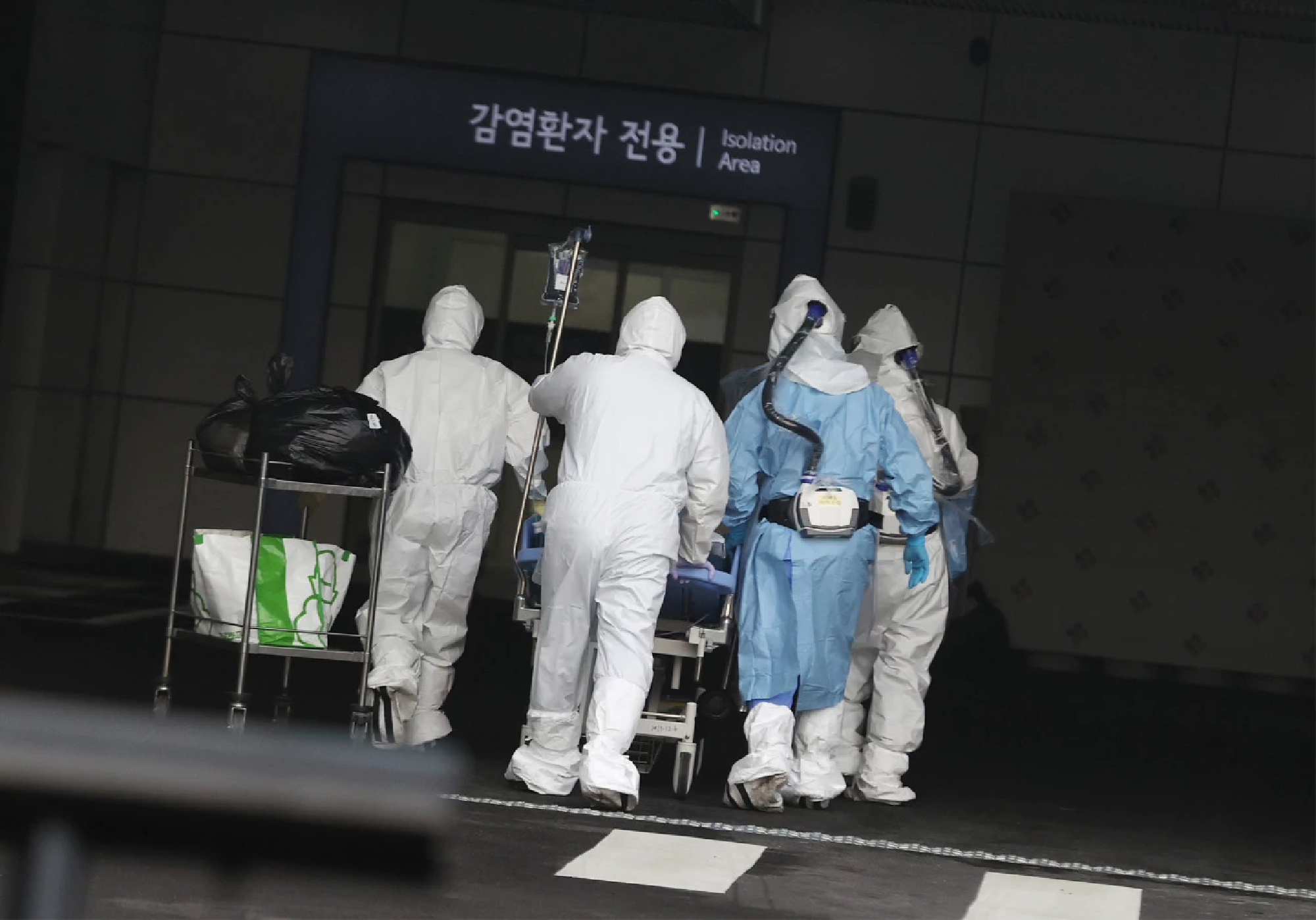
South Korea has decided to reinstate toughened social distancing rules and a 9 p.m. curfew for restaurants and cafes to combat record-high surges of COVID-19 infections, top officials said Thursday.
During the 16-day period between Saturday and Jan. 2, private gatherings will be capped at four people nationwide — if they are fully vaccinated.
People who are not vaccinated will only be able to dine out alone, or use takeout or delivery services, according to the reintroduced social distancing rules.
Restaurants, cafes and night entertainment venues will also have to close by 9 p.m. and internet cafes by 10 p.m. Cram schools, however, are not part of the reintroduced curfew, the government said.
The government‘s reintroduction of tough antivirus measures comes 45 days after the easing of social distancing rules in early November.
Over the 45-day phased recovery, the number of daily infections has increased fivefold from some 1,600 daily cases on Nov. 1, when the government first relaxed COVID-19 safety protocols.
The number of seriously ill COVID-19 patients has almost tripled during the same period, swamping an already stretched medical system.
The nationwide tally of new COVID-19 daily infections for Wednesday reached 7,622 at midnight. Of the total, 5,696 cases were from the capital area.
The number of severe cases hit an all-time high of 989 as well on the same day.
“I feel sorry that the government had to reintroduce toughened antivirus measures,” President Moon Jae-in apologized in a statement released Thursday. “Over the course of the phased recovery, (the government) has failed to suppress the increase in critically ill patients and secure enough hospital beds.”
President Moon added the government is discussing measures to provide financial assistance to businesses that could be affected by the shortened business hours.
Prime Minister Kim Boo-kyum also noted “the situation is very severe now,” during a meeting of the Central Disaster and Safety Countermeasures Headquarters.
According to the government’s analysis, the number of daily infections could continue to grow if things stayed the way they are now.
Korea Disease Control and Prevention Agency Commissioner Jeong Eun-kyeong warned that daily COVID-19 cases could surge to fresh record highs of around 10,000 as many people are expected to gather during the end-of-the-year holiday season. The daily tally could even increase to 20,000 by January if the pandemic worsens.
“To overcome this critical moment, it is important to put a stop (to the phased recovery) for the next two weeks to reduce the number of locally transmitted cases and overall infection risk,” Jeong said.
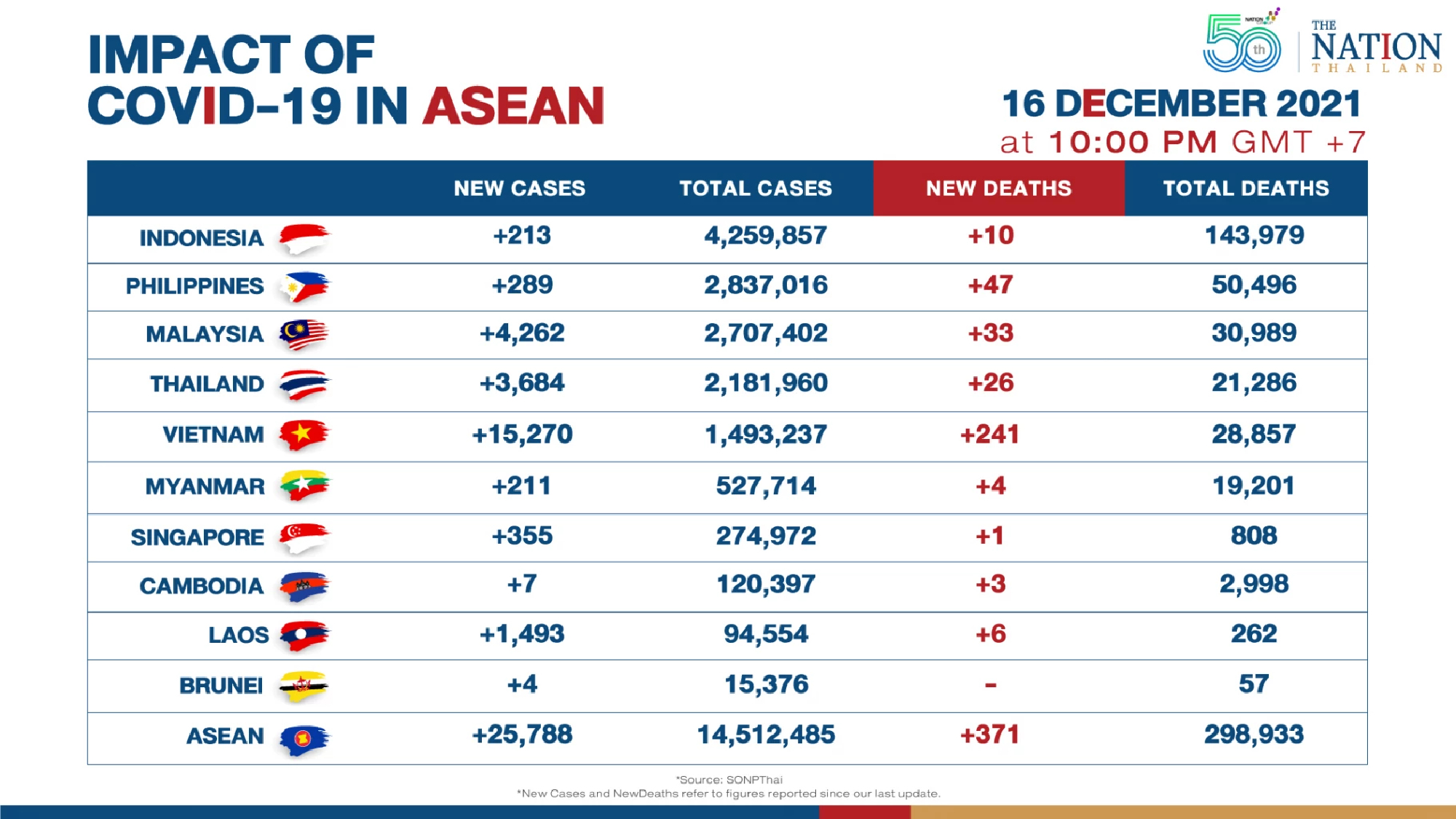
The number of Covid-19 cases crossed 14.51 million across Southeast Asia, with 25,788 new cases reported on Thursday (December 16). New deaths are at 371, bringing accumulated Covid-19 deaths in Asean to 298,933.
Lao government on Thursday announced a plan to reopen for visitors starting from January 1, 2022. The government said it has approved the Lao Travel Green Zone Plan that would allow tourists to visit provinces and cities designated as “green zones” once the country reopens. An official announcement will be made on December 17 outlining the official reopening plan.
Meanwhile, large scale New Year celebrations in Malaysia have been banned over concerns that the new Omicron variant of Covid-19 could spread in the country. The Health Ministry said on Thursday that the organization of large New Year’s celebrations is not allowed but small-form celebrations of New Year or Christmas can happen for now, with those attending being required to carry out Covid-19 self tests beforehand.
SINGAPORE – Singapore and South Korea have agreed on a new pact that will set rules and standards for digital trade and partnership between the two countries.
South Korea’s Minister for Trade Yeo Han-Koo and Singapore’s Second Minister for Trade and Industry Tan See Leng announced the conclusion of talks on the Korea-Singapore Digital Partnership Agreement (KSDPA) after a meeting here on Wednesday (Dec 15).
The KSDPA will be Singapore’s fourth digital economy agreement (DEA), and its first with an Asian country.
The new rules and norms will allow digital infrastructure in both countries to exchange information and data and build a trusted and secure digital environment for businesses and consumers, said a statement issued by the Ministry of Trade and Industry (MTI).
Mr Yeo, in a virtual interview with The Straits Times, said the agreement will increase the access of consumers in Singapore to South Korean products via e-commerce platforms such as Shopee and Lazada.
They will also be able to access online entertainment content such as South Korean dramas, movies and K-pop performances on online platforms other than those currently available, such as Netflix.
“South Korea and Singapore have always been like-minded partners in trade and investment. This agreement further solidifies our partnership on digital trade rules.
“Also, Singapore is at the core of Asean and a leading digital hub, making it likely for South Korean firms to expand into the region in the digital sector utilising the KSDPA, ” he said.
The KSDPA will prohibit data localisation, which requires data to be stored inside a country, except for specific purposes such as regulatory access.
According to the statement, the delocalisation will allow businesses to transfer data securely as part of their daily business operations and choose where they may wish to store and process their data, according to their business needs.
Dr Tan, in the MTI statement, said: “By aligning standards, enabling trusted data flows and allowing cross border digital transactions to take place more seamlessly, the KSDPA will open up opportunities for our businesses and people in the rapidly growing digital economy.”
The agreement will deepen bilateral cooperation between the two countries in new emerging areas like personal information protection, e-payments and source code protection.
Source code refers to any collection of codes, with or without comments, written using a human-readable programming language, usually as plain text. It serves the needs of companies that have procedures in place that they want to retain regardless of the software installed.
South Korea and Singapore will also identify cross-border opportunities to facilitate Artificial Intelligence innovation and collaborations, the MTI statement said.
The KSDPA will also complement Singapore’s efforts to develop global rules as co-convenor of the World Trade Organisation joint initiative on e-commerce. The other two co-convenors of the initiative are Australia and Japan.
According to MTI, Singapore was South Korea’s eighth largest trade partner last year, with bilateral trade reaching S$44.6 billion. As at end-2019, Singapore has invested about $8.37 billion in South Korea, and has received a cumulative direct investment of $23.7 billion from the North Asian nation.
The KSDPA follows the Digital Economy Partnership Agreement with Chile and New Zealand and the Singapore-Australia DEA, as well as the United Kingdom-Singapore DEA that was agreed upon on Dec 9.
The DEAs with Britain and South Korea are likely to come into force some time next year.
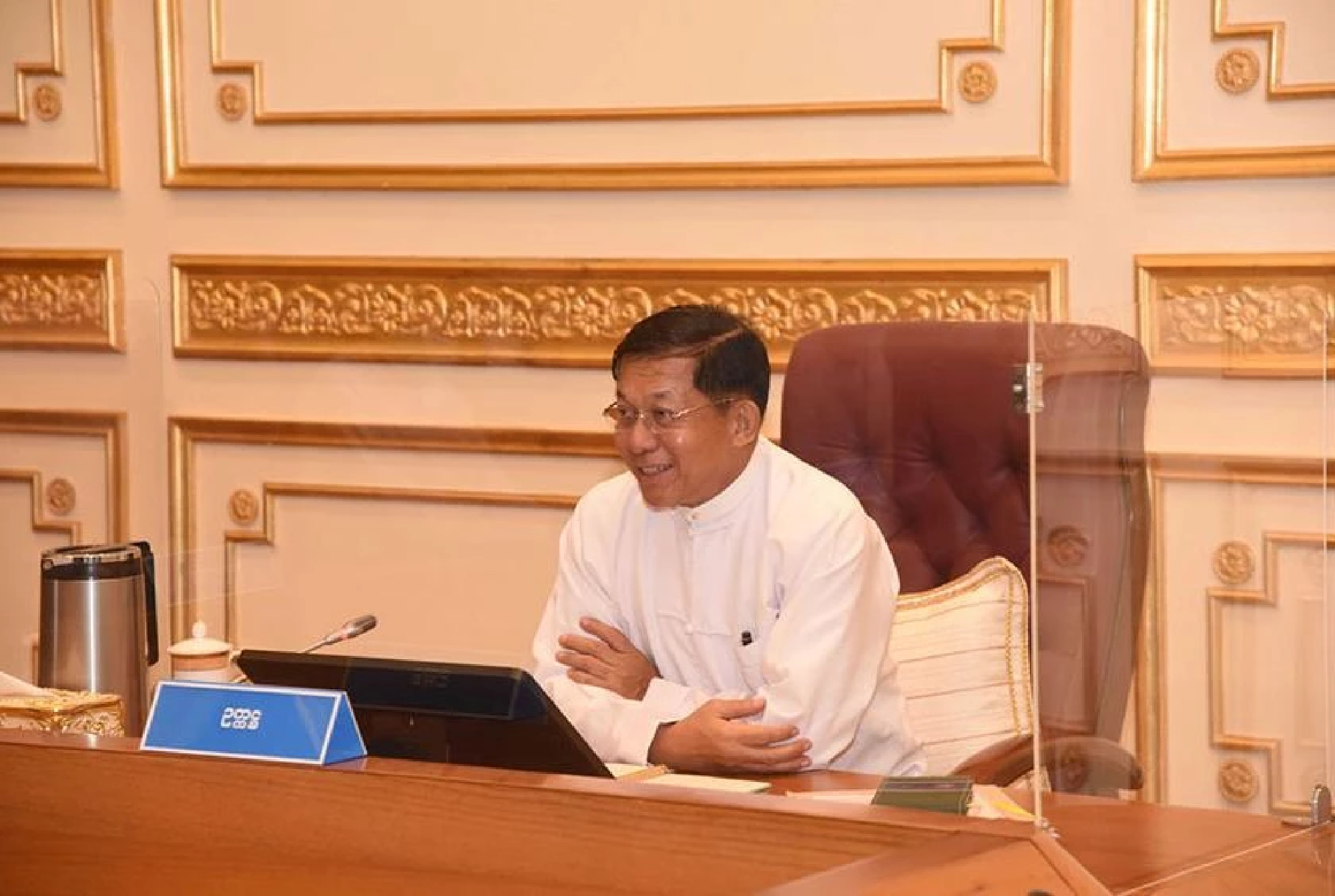
Myanmar is seeking coordination with China to produce a Covid-19 vaccine domestically in January with a target of producing five million units of vaccine per month, said Chairman of the State Administration Council and Prime Minister Senior General Min Aun Hlaing.
He revealed the information during the meeting (18/2021) of the SAC held in Nay Pyi Taw on December 13, State-run TV and newspapers reported.
“Although the Omicron virus has not touched the country yet, it is spreading to some neighbouring and regional countries. As such, it is necessary to take measures to prevent the infection of such virus in Myanmar. It is reported that those who have been vaccinated would have the least impact of the infection. If the infection rate is high, treatment will be given at the hospitals and clinics where preparations have been made,” the Senior General said.
When it comes to Covid-19 vaccination, he said, a total of 42,771,600 units of Covid-19 vaccines including those purchased by the State, those donated by foreign countries to the State and the military, those privately donated and those donated by the China-Myanmar Friendship Association for the Myanmar-China border areas have arrived in the country. One more million doses of vaccine purchased from Russia will arrive in Myanmar this month. And China will donate more vaccines, he said.
Moreover, the Nippon Foundation from Japan has pledged to donate two million vaccine doses to Myanmar, and one million will arrive this month and one more million in January, he added.
The Senior General said 31,049,275 doses have been administered while 11,722,325 doses are in hand. In the country, a total of 12,693,945 people have received two doses and 5,661,385 people one dose, totalling 18,355,330. The government is trying to vaccinate 50% of those aged 18 and above across the nation by December. Efforts are being made to exceed the target. Arrangements are also being made to vaccinate the remaining population. Moreover, those wishing to receive booster shots are allowed to do so at private hospitals in accord with the prescribed disciplines. As such, private hospitals and clinics need to follow the protocols and use the recognized vaccines in order to avoid any undesirable side effects, the Senior General said.
HÀ NỘI — Hà Nội’s leader reaffirmed on Wednesday that no large-scale lockdown was on the table currently amid a spike in COVID-19 cases in recent days.
Addressing a meeting of the Standing Committee of Hà Nội Party Committee today, Hà Nội Party Secretary Đinh Tiến Dũng said given that the situation was still under control, especially with the high vaccination rate, the city’s authorities were not planning any widespread shutdown.
The city authorities are focusing on improving local healthcare capacity to deal with outbreaks, in line with the spirit of Government’s Directive 128 on safe, flexible adaptation to the pandemic.
The Hà Nội Party Committee requested the Hà Nội People’s Committee to direct the arrangement of mobile medical stations, strengthening the grassroots medical capacity to respond to all outbreak scenarios and levels, to avoid being ‘taken by surprise.’
The first order of business is to address problems and policies related to purchasing medical supplies and diagnostic machines to ramp up testing capacity, as well as policies on sufficient compensation for healthcare workers and other volunteers taking part in the COVID-19 response.
Dũng said that the whole political system as well as the public must “engage with determination in efforts to protect the capital city against the pandemic,” and especially remain cautious and careful during upcoming holidays like Christmas and New Year’s Eve to avoid massive spreading of the virus.
The city has seen a record-breaking number of daily new COVID-19 infections in recent days, hitting over 1,000 confirmed cases on Tuesday, to lead the country in terms of daily transmissions, the first time it has done so since the beginning of the fourth wave starting in April this year.
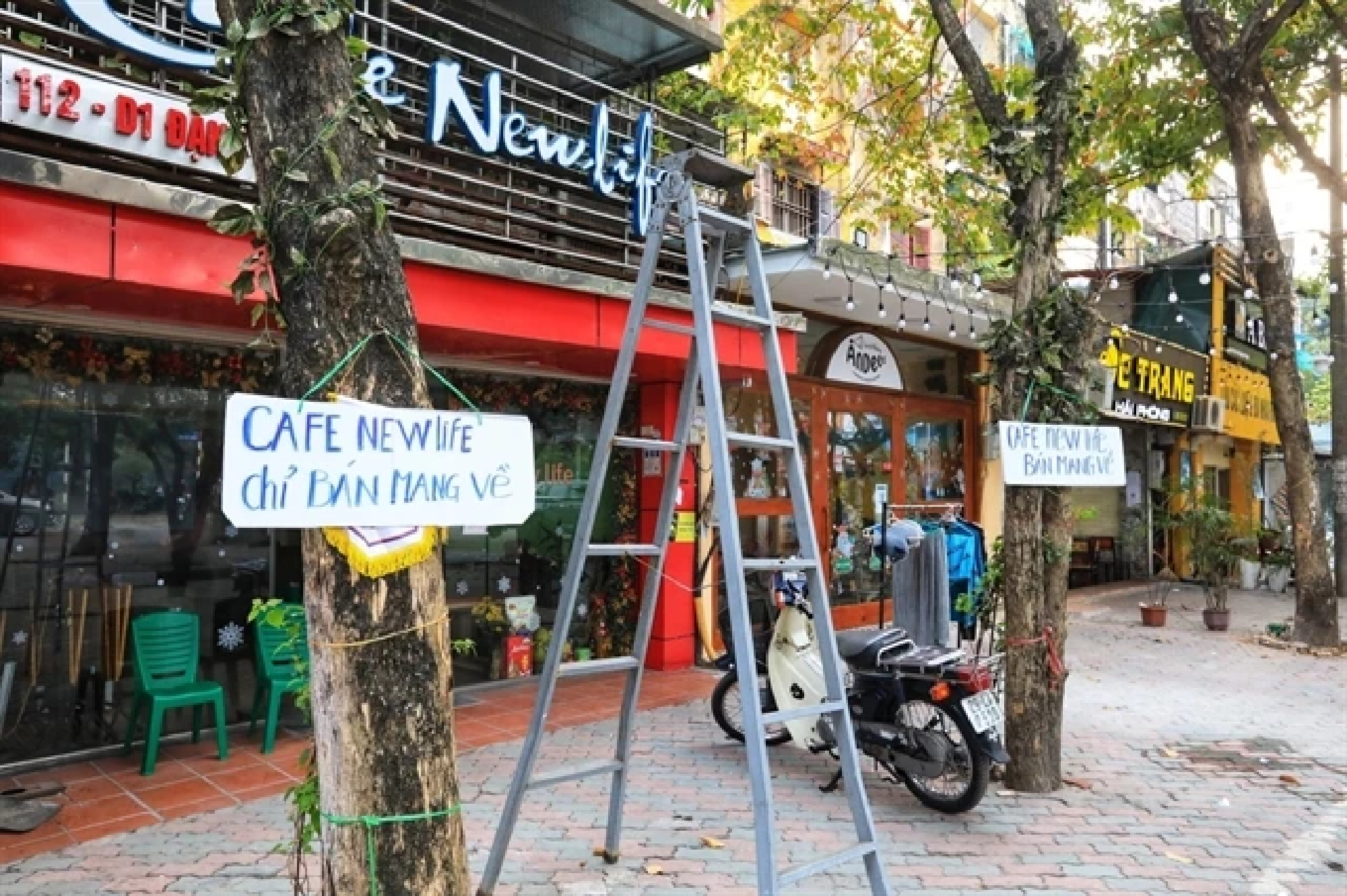
The city still upholds some restrictions such as closures of schools in most grades, spas, karaokes and disco venues. Restaurants and cafes must close by 9pm.
The urban district of Đống Đa on Monday had to order temporary halting of on-site dining, outdoor exercises and in-person learning, as its COVID-19 outbreak escalated.
As of Wednesday, Hà Nội had nearly 11,000 active COVID-19 patients, with mobile medical stations in charge of over 2,800 cases and other cases under home care, accounting for about 37 per cent of the total.
According to the National COVID-19 Vaccine Portal, over 90 per cent of Hà Nội’s adult population has received the full two doses of vaccine. — VNS
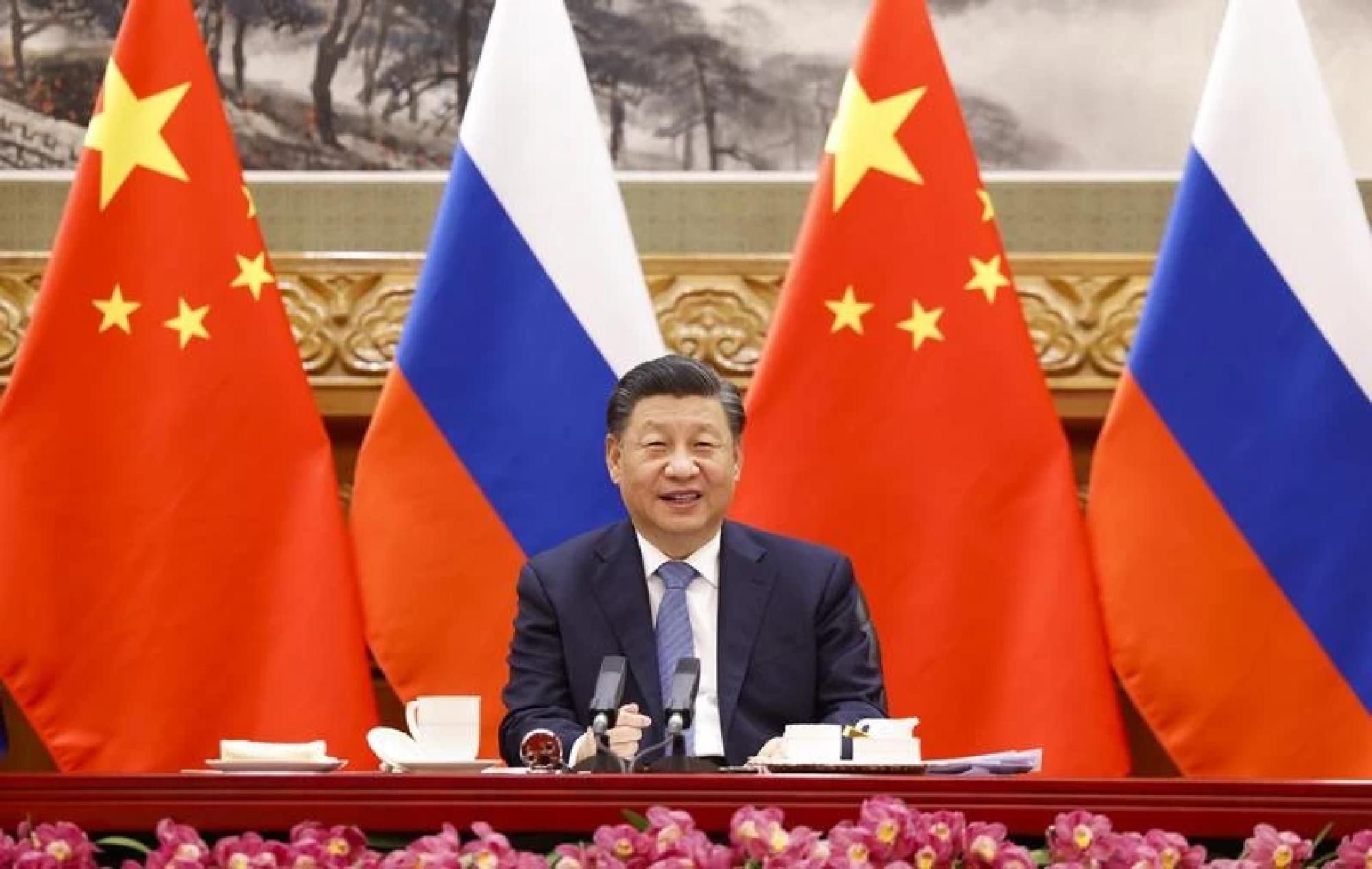
BEIJING – China and Russia have become major champions of real multilateralism and international fairness and justice, President Xi Jinping said during a virtual meeting with Russian President Vladimir Putin in Beijing on Wednesday.
Praising Putin’s support for China in safeguarding its core interests as well as his objection to attempts to sow discords between China and Russia, Xi said he hopes to work with Putin to review the outcomes gained from this year’s development of China-Russia ties and make plans for future bilateral cooperation.
Pointing out that China-Russia ties have withstood the profound changes the world is going through as well as the COVID-19 pandemic, Xi said the two countries have firmly supported each other over issues concerning their core interests and safeguarded their common interests.
Xi said efforts must be made to firmly reject hegemonic acts and the Cold War mentality under the disguise of “multilateralism” and “rules.”
He said that certain forces in the world are trying to meddle in the internal affairs of China and Russia under the pretext of “democracy” and “human rights” and grossly trample on international law and universally recognized norms governing international relations.
China and Russia need to launch more joint actions to uphold the security interests of the two sides more effectively, Xi said.
He said that China is willing to step up cooperation with Russia to improve global governance and advance the global development cause.
Referring to the Global Development Initiative he proposed at the 76th session of the United Nations (UN) General Assembly, Xi said it is a public good focusing on addressing market challenges faced by the world, especially emerging markets and developing countries.
The initiative also aims to boost the implementation of the UN 2030 Agenda for Sustainable Development, he added.
Xi urged the five permanent members of the UN Security Council to enhance coordination in deepening anti-pandemic cooperation, safeguarding global peace and security, and boosting economic recovery.
Pandemic
Xi said that China will strengthen cooperation with Russia in areas including COVID-19 virus testing, as well as vaccine and drug development.
He said China and Russia have been actively cooperating in the fight against the COVID-19 pandemic since last year, vividly illustrating the connotation of bilateral relations featuring mutual assistance, and making positive contributions to promoting international solidarity against COVID-19 and building a global community of health for all.
Beijing Winter Olympics
Xi said he expects to meet Putin in Beijing in over a month’s time. The Russian leader said he looks forward to his upcoming visit to China and attending the opening ceremony of the Beijing Winter Olympics.
Xi underscored Putin’s visit to China and attendance at the opening ceremony of the Beijing Winter Olympics in over a month’s time as a concrete action to support China’s work as the host.
It will be the first in-person meeting between the two leaders in nearly two years, he said.
Xi said he expects to have in-depth exchanges with Putin on bilateral relations, major international and regional issues and he believes that the two will reach more common understandings of importance.
Xi said he very much looks forward to this “get-together for the Winter Olympics” and stands ready to work with Putin “for a shared future” to jointly open a new chapter in post-COVID China-Russia relations.
Stressing that Russia has consistently opposed politicizing sports, Putin said that he would like to exchange ideas with Xi on major issues of common concern to maintain the development of Russia-China relations at a high level.
SCO
Xi said China and Russia should never allow any external forces to interfere in the internal affairs of member states of the Shanghai Cooperation Organization (SCO).
He praised the high-level strategic coordination between the two countries since the SCO was established 20 years ago.
The two countries have firmly adhered to the “Shanghai Spirit” along with other SCO members, constantly enhanced mutual trust and deepened cooperation in all fields, Xi added.
China and Russia should support member countries of the SCO to steadily carry forward their major domestic political agendas, and never allow any external forces to interfere in the internal affairs of the regional countries under any excuses, Xi said.
Bilateral Trade
Xi noted that trade between China and Russia in the first three quarters of 2021 has topped $100 billion for the first time.
For the whole year, bilateral trade looks to reach a record high, Xi said, adding that the all-round practical cooperation between China and Russia has demonstrated tremendous political strengths and huge potential.
Xi said China and Russia should take the opportunities brought by the new round of scientific and technological revolution and industrial transformation, and expedite industrial cooperation on cutting-edge technologies.
Energy Cooperation
Xi called for efforts to boost energy cooperation between China and Russia. He said China and Russia should step up cooperation in new energy while consolidating traditional energy cooperation.
The two sides should advance a series of cooperation in nuclear energy and explore further cooperation in renewable energy and other fields, Xi said.
During the meeting, Putin also said that Russia is willing to continue strengthening cooperation with China in such fields as trade, oil and gas, finance, and aerospace and aviation, as well as major strategic projects. Russia will also seek greater synergy between the Eurasian Economic Union and the Belt and Road Initiative.
He said Russia will be the most staunch supporter of the Chinese government’s just position on the Taiwan question and resolutely oppose any forces using the Taiwan question to undermine China’s interests.
![[Malaysia] No benefits without booster](https://media.nationthailand.com/uploads/images/md/2021/12/hkLBSADxCsppaSzbcZFZ.webp?x-image-process=style/lg)