Vaccine program aims for 1 mil. shots per day in Japan
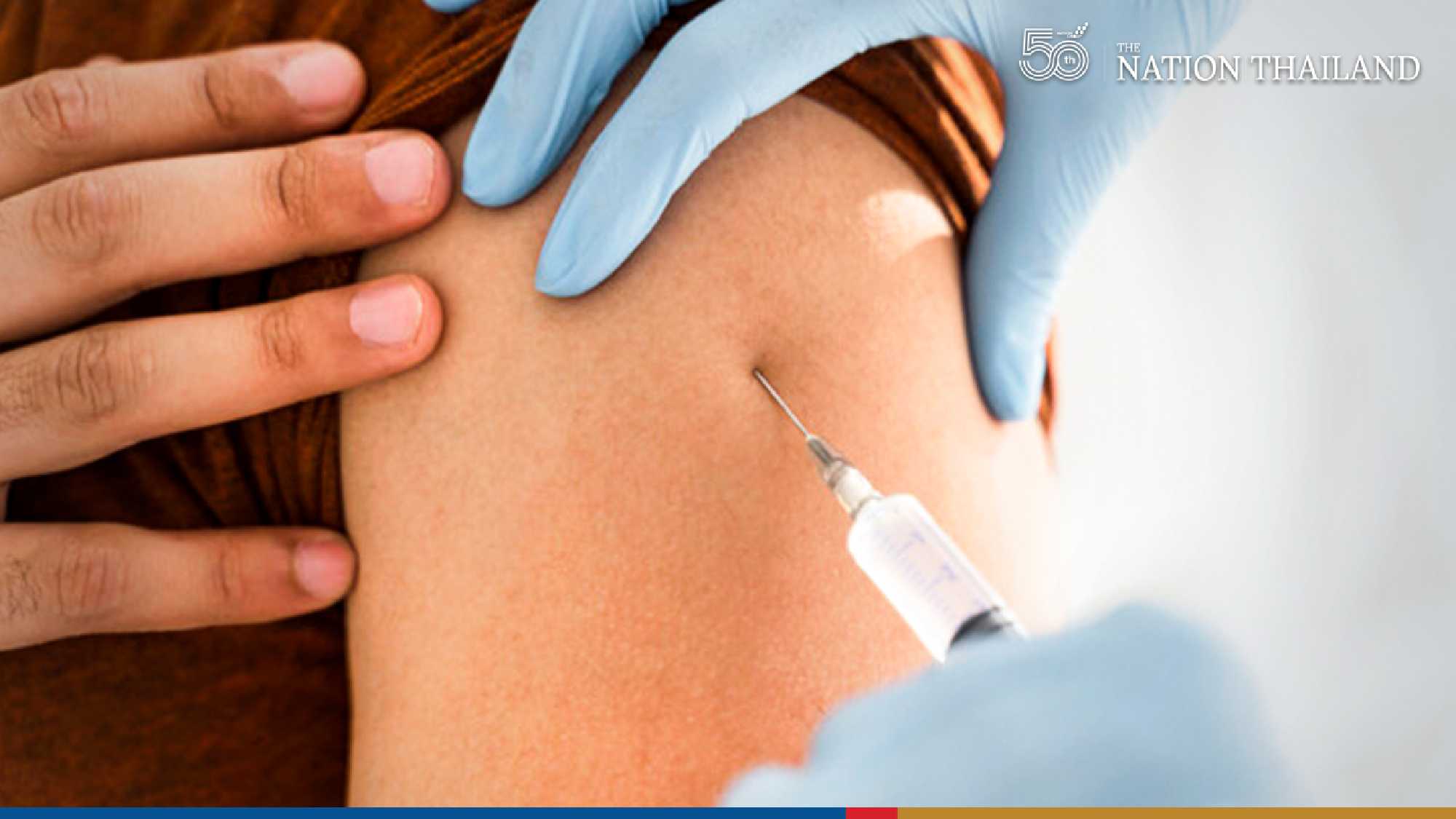
To reach the government’s target of administering 1 million doses of COVID-19 vaccines per day, central and local governments are working to boost their vaccination programs.
The government hopes to complete COVID-19 vaccinations for the elderly by the end of July by introducing the vaccine made by U.S. drugmaker Moderna Inc. and stepping up distribution of the Pfizer-BioNTech vaccine.
“We’d like to deliver [vaccines] to the people as soon as possible,” Prime Minister Yoshihide Suga told reporters at the prime minister’s office on Thursday night.
According to the government, about 400,000 shots were administered to medical workers and the elderly on Wednesday, less than half of its target of 1 million doses per day.
By Wednesday, about 2.21 million medical workers — 47.1% of a total 4.7 million — had received two doses of vaccine, while about 130,000 elderly people — 0.3% of a total 36 million — had finished the two-shot regimen.
The government hopes that daily vaccination figures will be boosted by the further allocation of Pfizer’s vaccine to municipalities expected to begin on Monday.
The deployment of Moderna’s vaccine at the mass vaccination sites due to open on Monday in Tokyo and Osaka, as well as at regional vaccination sites set up by prefectures and government ordinance-designated cities, is another move aimed at increasing the number of daily shots.
China pledges US$3b in aid for global COVID-19 response
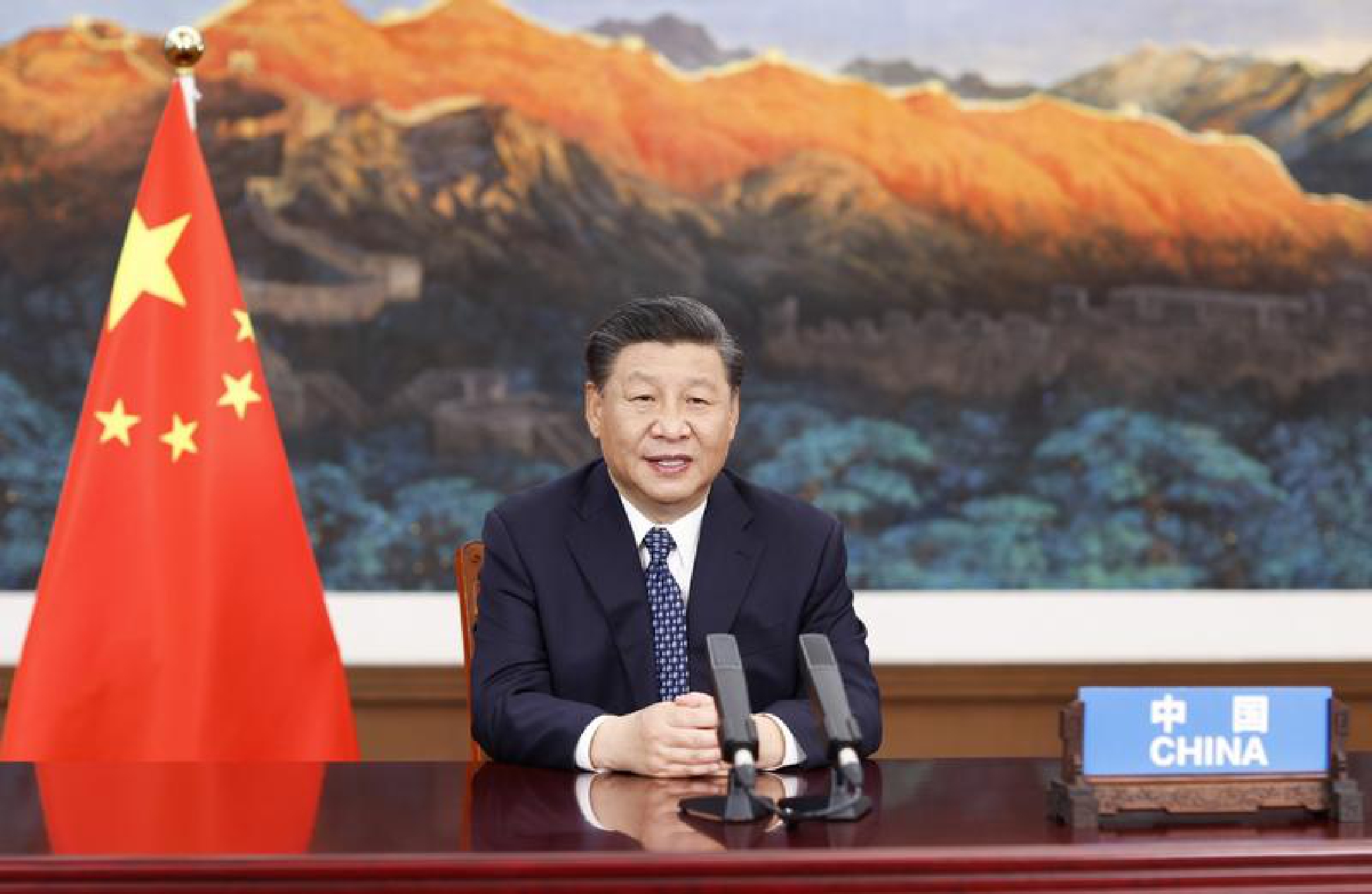
BEIJING – Chinese President Xi Jinping on Friday pledged US$3 billion in aid over the next three years to help developing countries recover from the coronavirus pandemic, and proposed setting up an international forum on vaccine cooperation.
The forum would be “for vaccine-developing and producing countries and other stakeholders to explore ways of promoting fair and equitable distribution of vaccines around the world,” Xi said at the G20 Global Health Summit via video link from Beijing, urging major countries to make more vaccines available to developing nations. The summit was organized by Italy, the holder of the G20 presidency, in partnership with the European Commission.
Xi said the COVID-19 pandemic is an extensive test of the global health governance system, calling for improving the global disease prevention and control system.
Xi urged efforts to enhance the capacity in five aspects: monitoring, early-warning and emergency response; treatment of major pandemics; contingency reserve and logistics; fighting disinformation; and providing support to developing countries.
No political manipulation
The president also said the battle with COVID-19 is one for the people and by the people, and called for efforts to truly respect the value and dignity of every human life.
“We must put people’s lives and health front and center, demonstrate a great sense of political responsibility and courage, and make extraordinary responses to an extraordinary challenge,” Xi said.
Political manipulation would not serve COVID-19 response, and it would only disrupt international cooperation against the virus and bring greater harm to people around the world, President Xi said.
“The pandemic is yet another reminder that we humanity rise and fall together with a shared future,” Xi said.
Xi called for championing the vision of building a global community of health for all, tiding over the trying time through solidarity and cooperation, and firmly rejecting any attempt to politicize, label or stigmatize the virus.
Commitment honored
In spite of the limited production capacity and enormous demand at home, China has honored its commitment by providing free vaccines to more than 80 developing countries in urgent need and exporting vaccines to 43 countries, Xi said.
“We have provided US$2 billion in assistance for the COVID-19 response and economic and social recovery in developing countries hit by the pandemic,” Xi said.
China has sent medical supplies to more than 150 countries and 13 international organizations, and provided more than 280 billion masks, 3.4 billion protective suits and 4 billion testing kits to the world, Xi said.
China has supplied 300 million doses of vaccines to the world and will continue to provide more to the best of its ability, he said.
Xi called on countries to adopt a science-based approach in the fight against COVID-19, adding that China supports its vaccine companies in transferring technologies to other developing countries and carrying out joint production with them.
China, who has announced support for waiving intellectual property rights on COVID-19 vaccines, also supports the World Trade Organization and other international institutions in making an early decision on this matter, Xi said.
Biden says US will provide COVID-19 vaccines for all S.Korean troops
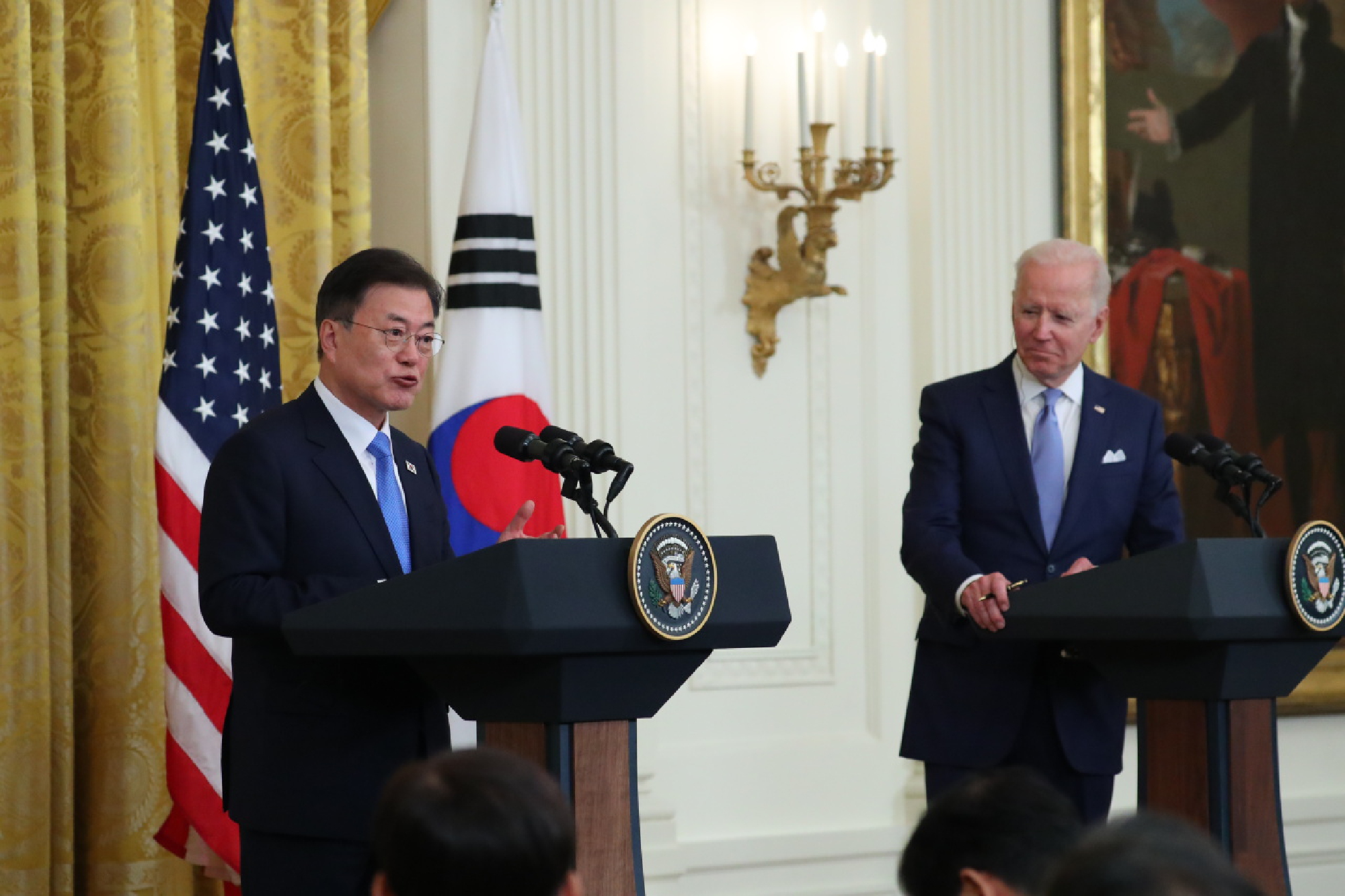
WASHINGTON/SEOUL — US President Joe Biden said Friday his country will provide full COVID-19 vaccinations for all 550,000 South Korean troops and enter a partnership with Seoul on global vaccine supply.
Biden made the announcement at a joint press conference with President Moon Jae-in at the White House following their summit talks.
“There are 550,000 Korean soldiers, sailors, airmen who work in close contact with the American forces in Korea,” the U.S.president said. “We’ll provide full vaccinations for all 550,000 of those Korean forces engaging with American forces on a regular basis, both for their sake, as well as the sake of the American forces.”
Some 28,500 American troops are stationed in South Korea as a deterrent against North Korean aggression.
Moon thanked Biden for the pledge, calling it a meaningful step demonstrating the special history of the bilateral alliance.
He said he expects the U.S. to announce details of the plan as it becomes ready.
Moon also revealed that the two leaders agreed to form a global comprehensive partnership for the supply of COVID-19 vaccines, saying U.S. advanced technology will combine with South Korea’s production capacity.
The project will help accelerate the end of the COVID-19 pandemic by increasing the world’s vaccine supply, he said.
“In particular, it will contribute to vaccine supply in the Indo-Pacific region, and in the process, be of great help to securing a stable supply for South Korea, too,” Moon said.
South Korea has experienced a shortage of vaccines and Moon’s trip to Washington was partly aimed at securing a deal on increasing supply for his country. (Joint Press Corps)
[Japan] Number coming for Games now half of original estimates
The total number of foreign athletes, officials and related personnel who will come to Japan for the Tokyo Olympic and Paralympic Games will be less than half the initially planned 200,000, several government sources have revealed.
The government, the Tokyo Organizing Committee of the Olympic and Paralympic Games, the International Olympic Committee and other entities now estimate that the number coming from overseas for the Olympics will be around 69,000 — 15,000 athletes, 10,000 coaches and managers, and 43,000 accredited personnel such as IOC staff and media.
The number for the Paralympics is estimated at about 25,000, comprising 10,000 athletes and coaches and 15,000 accredited staff.
The government asked the IOC to drastically reduce the number of Games-related personnel coming from overseas to prevent the spread of the novel coronavirus. Initial plans called for more than 200,000 people to come.
“We particularly made efforts to reduce the number of people from the IOC and sponsors,” a senior official of the Tokyo organizing committee said.
■ VIPs can’t meet athletes
The government will request that foreign dignitaries coming for the Olympics and Paralympics refrain from meeting their country’s athletes, according to government measures revealed on Wednesday.
The measures to prevent the spread of the novel coronavirus were presented by the Foreign Ministry at a joint meeting of the Liberal Democratic Party’s Foreign Affairs Division and other groups.
Among the measures, foreign dignitaries will also be requested to submit an itinerary of their activities in Japan, to refrain from using public transportation in principle, and to give careful consideration in visiting regional areas.
The visiting VIPs will also be asked to take a coronavirus test prior to departure from their country and upon arrival in Japan, as well as appoint a person in charge of virus-related issues so that it is clear who is responsible if someone from their group is found to be infected.
Under the condition that the dignitaries comply with these requests, the government plans to waive the 14-day self-quarantine requirement upon entry.
The government has requested that dignitaries and their staff be limited to a total of 12 for heads of state or government, and up to five for sports ministers and other cabinet-level officials.
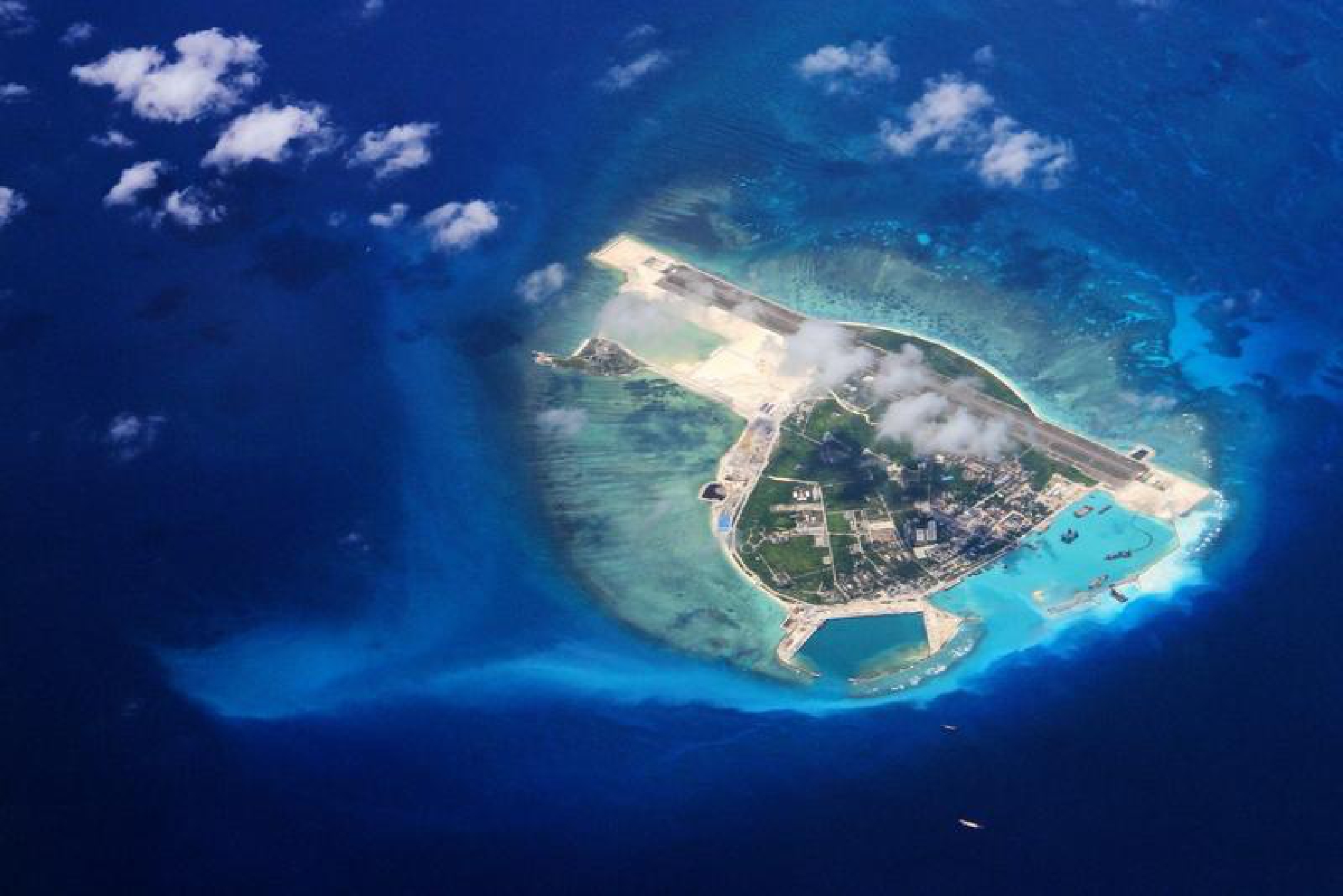
China, Philippines to hold bilateral meeting on South China Sea
China and the Philippines will hold the sixth meeting of Bilateral Consultation Mechanism (BCM) on the South China Sea via video link on Friday, said foreign ministry spokesman Zhao Lijian.
Assistant Foreign Minister Wu Jianghao and Philippine deputy Foreign Minister Elizabeth Buensuceso will co- chair the meeting that to be attended by officials from foreign affairs, national defense, natural resources, agriculture and natural environment.
Both sides would exchange views on the current situation of the South China Sea, maritime-related issues and further exploring the possibility to expand cooperation
Both sides would exchange views on the current situation of the South China Sea, maritime-related issues and further exploring the possibility to expand cooperation on maritime search and rescue, fishery, ecological and environmental protection and scientific research, the spokesman said.
Established in 2017, BCM is aimed at building trust and promoting maritime cooperation between the two countries.
According to Zhao, the two sides have held five meetings under the mechanism, which has properly handled the maritime disputes and promoted the exchanges and cooperation in fields of maritime research and rescue, maritime security, exploitation of oil and gases and marine fishery.
He hailed the mechanism for its positive role in promoting the sound and steady development of Sino-Philippine relations and safeguarding peace and stability in the South China Sea.
“We hope this meeting can yield positive results,” he said.
Chinese vaccines effective against variant found in India
Research shows that Chinas inactivated vaccines are effective against the variant of the coronavirus first found in India, said Shao Yiming, an expert at the Chinese Center for Disease Control and Prevention.
Shao said at a news briefing on Thursday that Chinese researchers have already started research and accumulated data on the new variant discovered in India, which is believed to be more contagious than the original virus.
The preliminary research suggests that the current inactivated vaccines still work against the mutated variant, he said.
The novel coronavirus that causes COVID-19 is constantly mutating and even if an emerging mutated variant reaches beyond the protection efficacy of the existing vaccines, China has the capability to respond to it quickly because the production process is mature enough and does not require much change to produce a new vaccine against the mutation, he said.
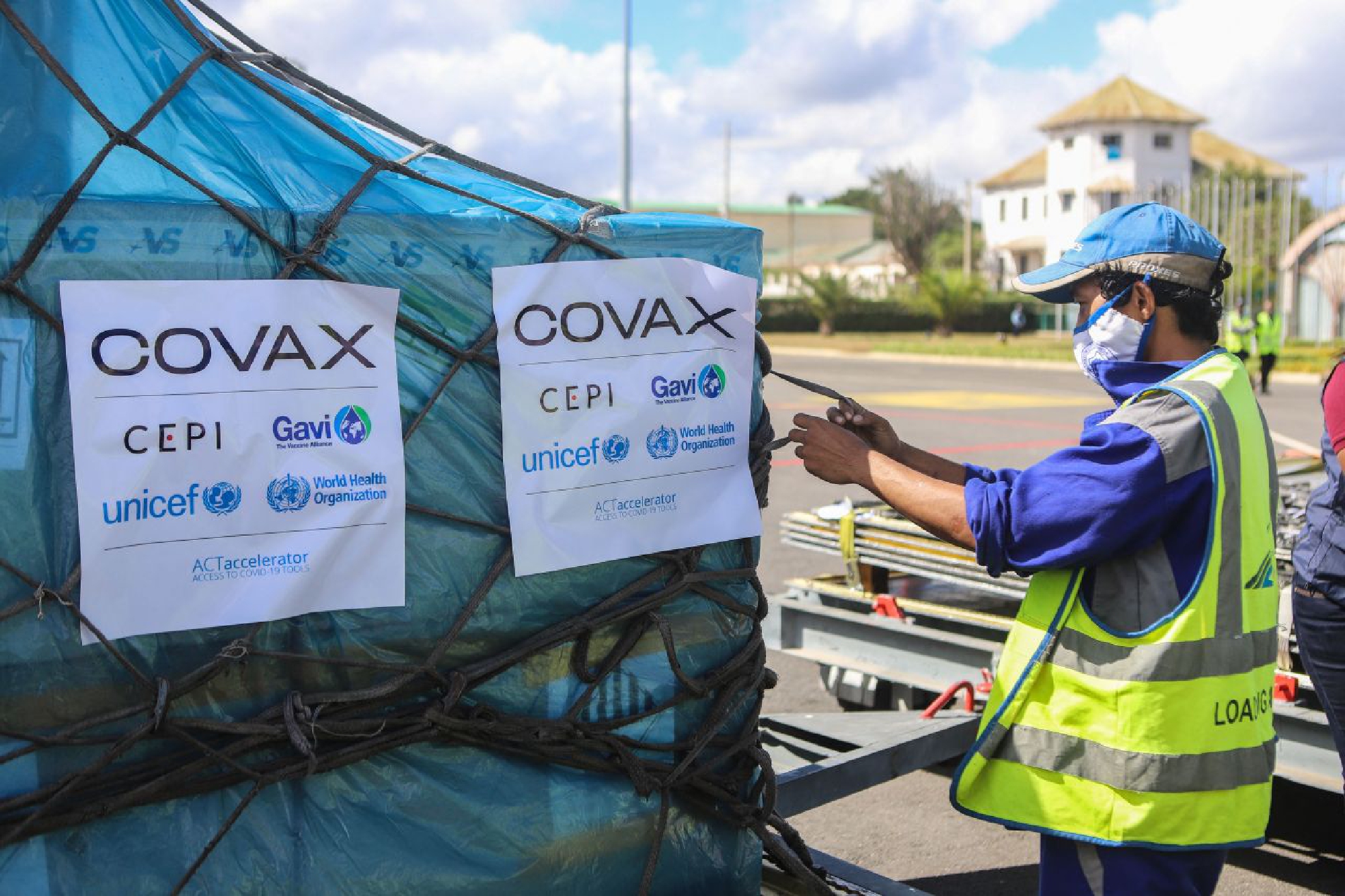
North Korea refuses COVAX monitoring, causing delays in vaccination
North Korea is reportedly refusing to cooperate with monitoring by the UN-backed vaccine-sharing program COVAX, which could further delay the supply of vaccines.
Early this year, North Korea requested coronavirus vaccines from COVAX, a multinational program that provides the vaccines to developing countries.
Pyongyang was to receive 1.7 million doses of the AstraZeneca vaccine by the end of May through COVAX, but the plan has been delayed as the regime is unwilling to abide by COVAX’s instructions, Kyodo News reported Thursday.
COVAX has asked recipient countries to accept monitoring to ensure that the vaccines are being used as intended, but the North has been reluctant to follow the procedures Kyodo said.
Pyongyang appears to be waiting for COVAX to drop its monitoring requirement, the report added, citing a diplomatic source in Beijing. The regime has also not presented a detailed plan on how to promote vaccination in the country, it said.
Earlier this month the Gavi alliance, which co-leads COVAX with the World Health Organization, said the vaccine shipments to the North would be delayed to the second half of this year due to the country’s lack of technical preparedness and the global supply shortage, according to Radio Free Asia.
Since the onset of the coronavirus pandemic, North Korea has imposed the strictest quarantine measures of any nation, shutting down its borders and suspending all trade to prevent the spread of the virus.
The country continues to claim it has had zero coronavirus infections, but observers say an outbreak there cannot be ruled out, given its exchanges and trade with neighboring China.
Amid apparent delays in vaccine shipments, the North’s state media said early this month that vaccines developed by global pharmaceutical companies were far from a panacea, and warned its people to brace for a prolonged battle against the pandemic.
Cambodias trade body launched in Bangkok to deepen ties
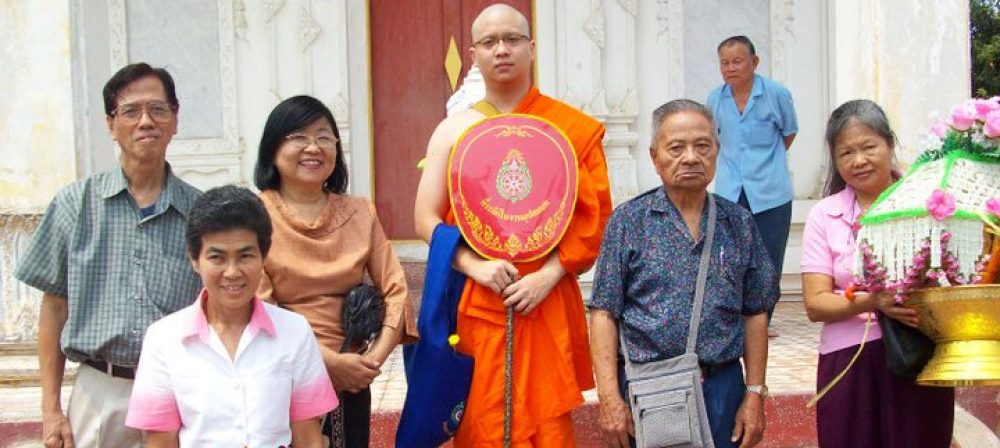
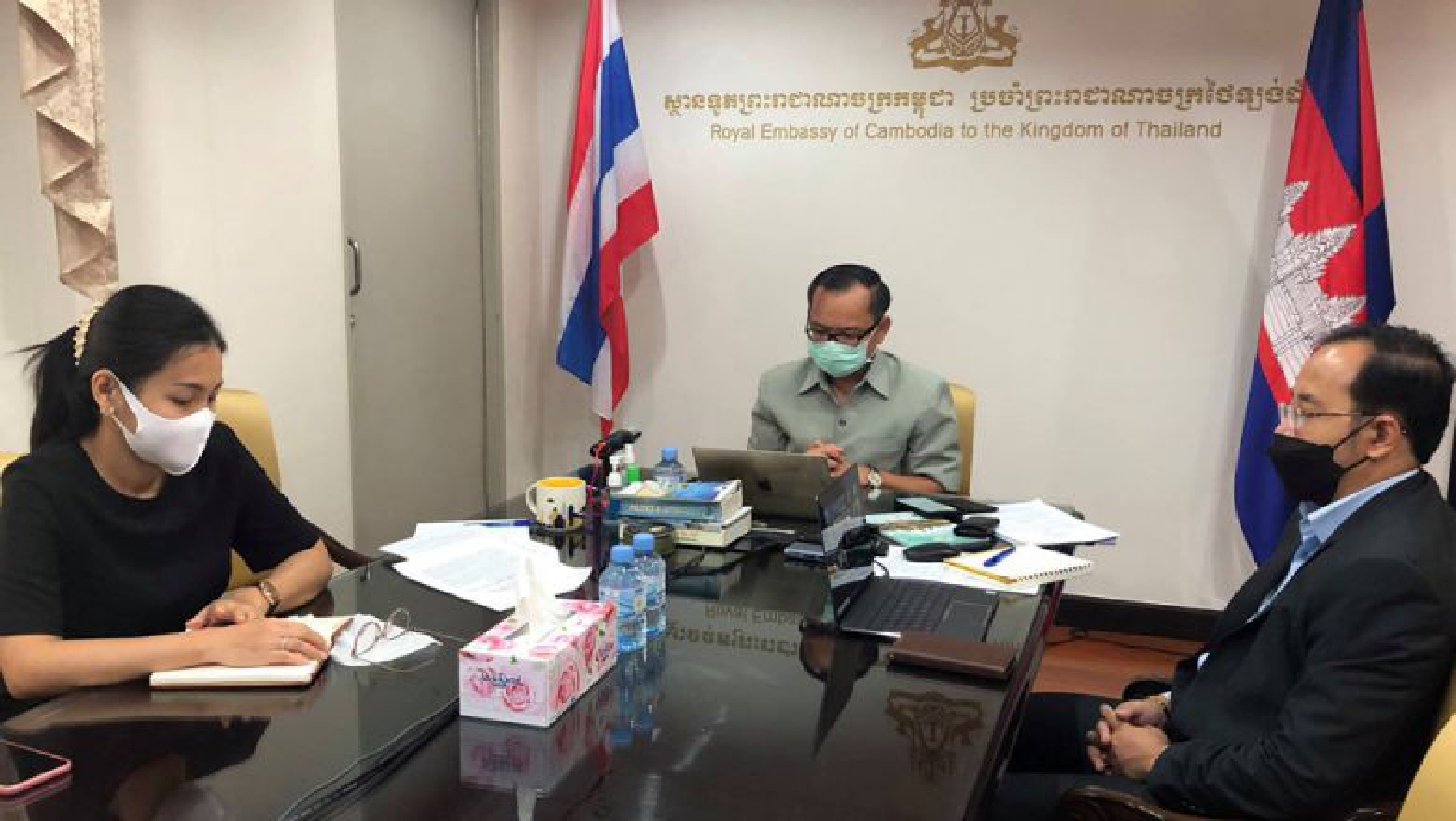
Cambodia on May 20 launched the Cambodia Business Council (CBC) in Bangkok to serve as a one-stop centre for business trade and investment, as well as cultural and tourism exchanges between Cambodia and Thailand.
Initiated by the Cambodian embassy in Bangkok as the first of its kind, the CBC serves as a platform to enhance the Economic Diplomacy Strategy 2021-2023 – launched on January 18 – and bridge economic diplomacy between regional countries and beyond, according to ambassador Ouk Sorphorn.
On the same day, Sorphorn told a first virtual CBC general assembly that his embassy is in constant engagement with the business community in Thailand and shares its views concerning economic diplomacy, promotes international trade and works to gain the attention of potential international investors.
He stressed the merit of maintaining cordial ties with neighbouring countries such as Thailand as a conduit for peace, security, stability and mutual economic perks.
“We are very austere and stalwart in our duty to peg away in support of the companies wishing to expand their operations to Cambodia in order to benefit from an inexpensive labour force, favourable tax environment, and incentive policies provided by the government.
“With the arrival of the Cambodia Business Council, I hope the partnership between the Cambodian and Thai business communities will be further strengthened for the mutual benefit of the two kingdoms.
“I also encourage the private sectors of both countries to actively participate in this mechanism and explore their potential for business cooperation to the fullest extent,” Sorphorn said.
The CBC’s newly-elected president Sambath Sothea said the trade body will not only be about commerce, trade and the economy but also about tourism and culture-exchange.
“The idea of establishing the CBC in Thailand was an obvious one to me. We all have our strengths and weaknesses, but we can use them to develop and strengthen our relationships.
“As we all know, the CBC aims to be a one-step service for companies that would like to start business in Cambodia.
“But our mission is also to guide that which makes us unique into Thailand, and bring Thai products into Cambodia. When we all join forces as partners, we will become stronger in the face of globalisation,” he said.
The CBC’s newly-elected vice-president Teerawat Jitjak, who owns many businesses in Thailand, said the council would be a “key game-changer” in building confidence among businesspeople of both countries.
“We are really happy to be a part of CBC, as it will serve as a bridge to bring Thai business people and investors to establish direct contact with the Cambodian side,” he said.
According to Sorphorn, Thailand is among the nine largest investors in Cambodia, pumping $967.89 million in foreign direct investment into the country between 1994 and the end of the third quarter of 2017.
He said more than 1,000 companies from Thailand have registered at the Cambodian Ministry of Commerce, including BJC BigC Group of Companies, Siam Cement Group (SCG) and Charoen Pokphand Group – the operator of CP All Pcl, which plans to bring the convenience store chain 7-Eleven to Cambodia, he said.
“Following the launch of CBC, Cambodia will also open [similar establishments] in other countries in the region, namely Singapore, Indonesia, Vietnam and so on in the future,” he said.
Trade between Cambodia and Thailand reached $7.236 billion last year, tumbling 23.17 per cent from 2019, primarily due to the economic disruption of the Covid-19 pandemic, according to the Thai Ministry of Commerce.
Statistics show that Cambodia exported $1.148 billion in merchandise to Thailand in 2020, down 49.49 per cent year-on-year, and imported $6.089 billion, down 14.80 per cent from 2019.
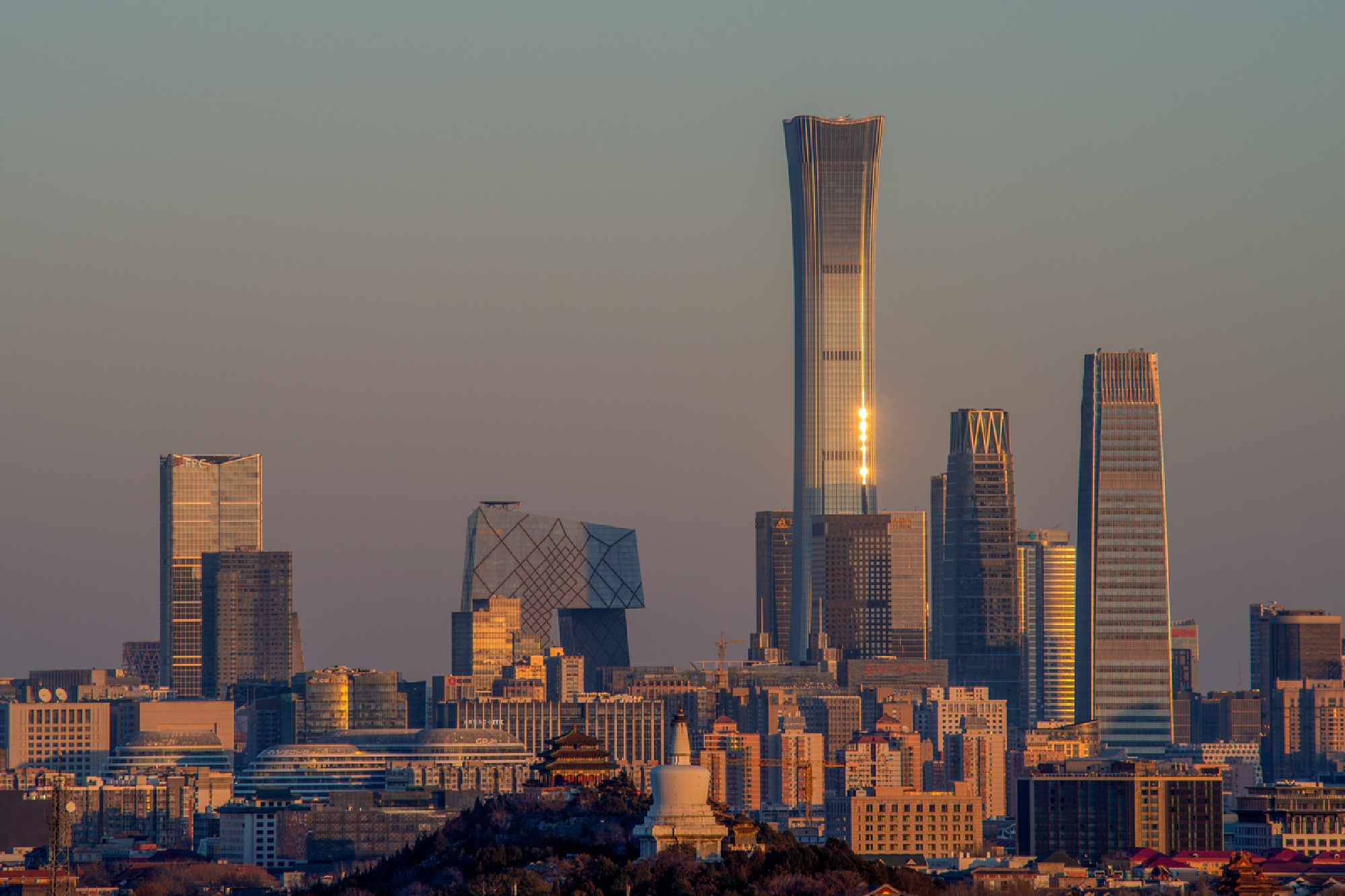
GDP growth surged in Beijing, Tianjin and the province of Hebei by 17.1 percent, 15.9 percent and 15.1 percent respectively in the first quarter from a year earlier, Xinhua News Agency reported on Tuesday.
In Beijing, high-tech industries and emerging strategic industries saw respective growth of 23.8 percent and 25.3 percent year-on-year. And vaccine firms have given a big boost to industrial added value in Beijing.
Two vaccine firms based in Beijing, namely Sinovac Research & Development Co Ltd and the Beijing Branch of the National Vaccine & Serum Institute, pulled up the increase by 13.8 percentage points of industrial added value above the designated size of the capital.
The two firms will lift their rollout capacity of COVID-19 vaccine to 4 billion doses this year after their phase three workshops are put into use, said Beijing Municipal Commission of Development and Reform.
Tianjin also enjoyed a year-on-year rise of 30.3 percent in industrial added value above designated size. And Hebei province saw production growth in 35 out of its 40 industries.
[Myanmar] Price of most medicines increases due to unstable exchange rates
Prices of most medicines have increased from five to ten per cent in the market as foreign exchange rates are recorded high, according to pharmacies in Shwe Pyae Sone wholesale market.
“Prices of medicines from overseas are increased but surgical masks are not. The prices are increased to about ten per cent as the price of gold and exchange rates are high. Wholesalers increase the price and the buyers don’t store the medicines in large scales like before. They stored medicines which will be essential. Although trade routes are banned, medicines are still imported,” said Ko Pho Hla from Ko Pho Hla pharmacy.
“Prices of medicines have increased but we have no shortage of them. The medicines we are selling are imported from India. No medicine are being imported for the time being,” said a person from a pharmacy company in Mingalar Taungnyunt Township.
The price of medicines is dependent on the companies and the prices are increased from 5 to ten per cent in 80 per cent of the companies, sources said.
“Prices of some medicines have increased by Ks1,000 per pack. Our company is giving promotions just like before,” said a person from a pharmacy company in Mingalar market.
Although medicines taken by most people are not out of stock, some medicines are short of supply.
“At the present, Betadine is short of supply and we are still considering whether to restock Biogesic or not as prices are increased,” said a person from a pharmacy in Thingangyun Township.
![[Japan] Number coming for Games now half of original estimates](https://media.nationthailand.com/uploads/images/md/2021/05/9MxRx5ZVuKdMFNFAunbi.jpg?x-image-process=style/lg)

![[Myanmar] Price of most medicines increases due to unstable exchange rates](https://media.nationthailand.com/uploads/images/md/2021/05/FLZn1YYQU3C1sBuJ4hN5.jpg?x-image-process=style/lg)

