Power plant fast-tracked to ensure South’s energy #ศาสตร์เกษตรดินปุ๋ย

#ศาสตร์เกษตรดินปุ๋ย : ขอบคุณแหล่งข้อมูล : หนังสือพิมพ์ The Nation

https://www.nationthailand.com/business/30380291?utm_source=category&utm_medium=internal_referral

Power plant fast-tracked to ensure South’s energy

Jan 09. 2020
By THE NATION

Units 1 and 2 of a planned Surat Thani power plant will be feeding electricity into the grid two years earlier than scheduled to ensure energy security in the South.

Electricity Generating Authority of Thailand (Egat) chairman Kulit Sombatsiri said on Wednesday (January 8) the hastened schedule for that project resulted from a delay in construction of a coal-fired plant in the region.

Units 1 and 2 of the Surat Thani plant will have combined capacity of 1,400 megawatts, said Kulit, who also serves as the Energy Ministry’s permanent secretary.

The rescheduling is also in line with the revised 2018 Power Development Plan, which originally foresaw Unit 1 coming online in 2027 and Unit 2 in 2029.

Kulit asked Egat to draw up plans to obtain the natural gas needed to run both units.

The Egat board late last month agreed to enter into a natural gas sales-and-purchase deal with PTT Plc.

Alibaba’s Taobao Global kicks off world initiative in Thailand #ศาสตร์เกษตรดินปุ๋ย

#ศาสตร์เกษตรดินปุ๋ย : ขอบคุณแหล่งข้อมูล : หนังสือพิมพ์ The Nation

https://www.nationthailand.com/business/30380293?utm_source=category&utm_medium=internal_referral

Alibaba’s Taobao Global kicks off world initiative in Thailand

Jan 08. 2020
From left: Yao Wei, director of Taobao Global, Somdet Susomboon, director-general of the Department of International Trade Promotion, and Lin Dunhong, president of Thailand Zonet Buyers Development Alliance

From left: Yao Wei, director of Taobao Global, Somdet Susomboon, director-general of the Department of International Trade Promotion, and Lin Dunhong, president of Thailand Zonet Buyers Development Alliance
By THE NATION

Taobao Global, under Alibaba’s Taobao Marketplace that enables overseas merchants to sell cross-border to Chinese consumers, on Wednesday (January 8) announced the launch of its latest global initiative “Project Magellan” in Bangkok.

Taobao Global creates business for SME brands from around the world through its community of buyers – online personalities who use social media posts and livestreams to engage with and promote items to their followers in China and generate sales for various brands.

Taobao Global buyers, made up of influencers in different fields, delve deeply into overseas lifestyles and curate quality overseas products for Chinese consumers.

Under Project Magellan, named after Portuguese explorer Ferdinand Magellan, who led the first expedition in history to circumnavigate the world, Taobao Global will step up its efforts to discover “small but beautiful” brands around the world and bring home products that appeal to Chinese consumers.

By working with government agencies, industry players and local partners in its target markets, the platform will organise a series of sourcing activities for Taobao Global buyers to curate cool and unique brand products direct from the source, and at the same time facilitate the market entry of local SMEs that have the potential to succeed in China.

Home to a diverse range of distinctive products, Thailand has been chosen as the first market for the roll-out of Project Magellan, with a target to boost the number of Thai brands selling on the platform by at least 25 per cent within this year.

In particular, Taobao Global will focus on empowering Thai SME brands selling popular products including latex pillows, latex mattresses, dried fruits and beauty items to grow on its platform.

Other target markets covered by the project include Japan, Korea, Australia, Europe, North America and others.

“We are delighted to see yet another initiative by Alibaba to support the growth of Thai businesses in the digital era. Taobao Global’s selection of Thailand as a priority market for its new programme will enhance global recognition of Thai products and boost the confidence of Chinese consumers. It will be an important step in driving the popularity of Thai products on the online market in China,” said Somdet Susomboon, Director-General of the Department of International Trade Promotion, Ministry of Commerce.

“China’s young consumers are increasingly showing an appetite for products of individuality and quality, and we believe Thai products are an answer to their demand. Many Thai SME brands offer attractive products but remain relatively unknown outside of their home market. By pairing them with resources from our platform, including digital tools, platform insights and support from professional buyers who are adept at discovering demands and inspiring their followers to try new things, we believe we can offer these brands a fast track to secure a foothold on China’s largest mobile commerce destination – Taobao Marketplace,” said Yao Wei, Director of Taobao Global.

To kick off Project Magellan, a group of key Taobao Global buyers will go on a full-day factory tour in Thailand on Thursday (January 9) and introduce via livestreaming to their followers Thai household, food and beauty products, from the very places where the items originate.

A Thailand-themed marketing campaign is also held this week on Taobao Marketplace featuring flash sales and product recommendations by Taobao Global buyers.

In an effort to build a healthy buyer ecosystem in Thailand, Taobao Global has also formalised its relationship with Thailand Zonet Buyers Development Alliance, the first self-initiated Taobao Global buyer alliance in Thailand.

The alliance, which currently has more than 100 members based in Thailand, will collaborate with Taobao Global this year to introduce more interesting Thai brands to Taobao shoppers and drive Thailand’s exports through marketing campaigns, buyer training and buyer-brand matching.

Taobao Global currently counts close to 400 buyers in Thailand. The top three industries of Thai brands represented on the platform are bedding products, beauty and food.

Launched in 2003, Taobao Marketplace (www.taobao.com) provides consumers with an engaging, personalised shopping experience, optimised by big-data analytics.

Through highly relevant and engaging content and real-time updates from merchants, consumers can learn about products and new trends.

They can also interact with each other and their favorite merchants and key opinion leaders. Merchants on Taobao Marketplace are primarily individuals and small businesses.


SET players advised on investment decision as US-Iran tensions rise , SET plunges 1.6 per cent #ศาสตร์เกษตรดินปุ๋ย

#ศาสตร์เกษตรดินปุ๋ย : ขอบคุณแหล่งข้อมูล : หนังสือพิมพ์ The Nation

https://www.nationthailand.com/business/30380290?utm_source=category&utm_medium=internal_referral

SET players advised on investment decision as US-Iran tensions rise , SET plunges 1.6 per cent

Jan 08. 2020
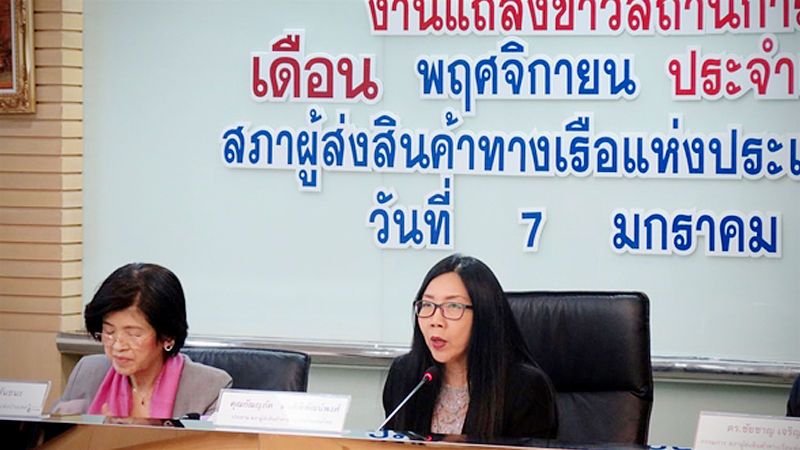
Pakorn Peetathawatchai, president of the Stock Exchange of Thailand

Pakorn Peetathawatchai, president of the Stock Exchange of Thailand
By The Nation

Investors are taking into accounts development in the Middle East as hostility escalates between US and Iran, said Pakorn Peetathawatchai, president of the Stock Exchange of Thailand.

Tensions in the Middle East have adversely affected global stock trading, with some markets plunging by 2 per cent on one-day trade, said Pakorn. He made the comment after Iran retaliated US strike by firing dozen of missiles into US military bases in Iraq on Wednesday morning (January 8).

“Investors should assess how the situation affects each market, or how it affects different companies and businesses,” he said, adding that the impact are not identical.

The SET index fell on Wednesday(January 8) with investors opting to hold more cash or investing in low-risk assets. However, high liquidity in the Thai bourse combined with multiple investor groups, provide resilience. When the index fall at some points, it usually rebound quickly, he said.

“Investors must closely follow the news, assess whether the index has over- reacted before making a decision,” he advised. It is very hard to predict how the situation will evolve or how long it will last, he said.

However, Pakorn was optimistic about the local economy, saying that it remains sound while listed firms could still make a profit. In the event of a crisis, investors could still find investment opportunity in high return or profitable stocks. The SET is collaborating with the Bank of Thailand and the Securities and Exchange Commission (SEC) to gather information on the situation in the Middle East.

He reassured investors that the SET’s trading system could handle high trade volume. The SET index ended Wednesday (January 8) at 1,559.27, plunging 25.96 points or 1.64 per cent from Tuesday’s close, with a trade volume of Bt65 billion.

Thailand, Bangladesh want Bt60 billion in trading by 2021 #ศาสตร์เกษตรดินปุ๋ย

#ศาสตร์เกษตรดินปุ๋ย : ขอบคุณแหล่งข้อมูล : หนังสือพิมพ์ The Nation

https://www.nationthailand.com/business/30380288?utm_source=category&utm_medium=internal_referral

Thailand, Bangladesh want Bt60 billion in trading by 2021

Jan 08. 2020
Deputy PM and Commerce Minister Jurin Laksanawisit, centre

Deputy PM and Commerce Minister Jurin Laksanawisit, centre
By The Nation

The value of Thai-Bangladesh trade has been targeted to reach US$2 billion (Bt60 billion) by 2021 following a meeting in Bangkok on Wednesday (January 8).

Deputy Prime Minister and Commerce Minister Jurin Laksanawisit presided at the fifth Thai-Bangladeshi Joint Trade Committee meeting, where the focus was on agriculture, fisheries, livestock, health services and transportation.

The two countries have enjoyed warm relations for 47 years, benefiting particularly from their economic ties.

Thailand regards Bangladesh as an important strategic partner in terms of trade, investment and transportation. It was Thailand’s third-largest trading partner in South Asia in 2018.

The $1.2 billion worth of annual trade between the countries includes $1.2 million worth of Thai exports to Bangladesh and $59 million worth of imports from Bangladesh.

In the first 11 months of 2019, Thai imports from Bangladesh rose by 38.3 per cent over the same period of 2018. And Thai interest is increasing in key products such as jute yarn, shoes and ready-made garments.

Thai direct investment in Bangladesh from 2006-2019 amounted to $1.5 billion, with much it going into agro-industrial and agro-processing businesses, construction and hotels.

Bangladeshi direct investment in Thailand in the same period was worth $1.12 million.

The partners are in advantageous geographical proximity for mutual trade and extension of their trade across the region. Thailand is central to Southeast Asia and has infrastructure and policy in place to support investment in the form of development projects as the Eastern Economic Corridor, by which Bangladesh will be able to distribute its goods across the region and to East Asia. Bangladesh on the Indian Ocean has the modern infrastructure to facilitate Thai products and services in South Asia, the Middle East and Africa,

Thailand is seeking to more closely link Ranong Port with Bangladesh’s Chittagong Port as a channel for transporting goods.

Jurin invited Bangladeshi businesspeople to visit the international exhibitions held here annually, such as the Bangkok Gems and Jewellery Fair, Thaifex and Style Bangkok, and he urged Dhaka to pursue a free-trade agreement with Bangkok.

Call for new export markets amid US-Iran conflict #ศาสตร์เกษตรดินปุ๋ย

#ศาสตร์เกษตรดินปุ๋ย : ขอบคุณแหล่งข้อมูล : หนังสือพิมพ์ The Nation

https://www.nationthailand.com/business/30380287?utm_source=category&utm_medium=internal_referral

Call for new export markets amid US-Iran conflict

Jan 08. 2020
By THE NATION

The Joint Standing Committee on Commerce, Industry and Banking has urged the government to explore new export markets in replacement of the Middle East amid escalating tensions between US and Iran.

The Thai economy, said committee chairman Kalin Sarasin on Wednesday (January 8), continues to suffer from the negative factors from 2019, including the economic slowdown, currency fluctuation, and the US-China trade war.

Despite signs of improvement, the US-China conflict needs to be closely monitored, he said.

The escalating hostility between US and Iran has become the latest negative factor to the Thai economy this year, as it could spike up global oil prices in the long term.

He said the government should look for new export markets such as Bangaladesh and Asean countries as substitutes to the Middle East. Though the region accounts for only 3.5 per cent of Thailand’s total exports, the government should not under-estimate the situation, he added.

The committee also urged the government to take several actions to counter factors weighing down the economy.

It wants the government to speed disbursement of the fiscal 2020 budget, prepare emergency plans to mitigate the effects of drought and deal with possible impacts from the escalating US-Iran conflict.

The government should also manage the baht so that spikes in its value against other currencies do not disadvantage the country.

Employers and employees should be permitted to halve their social welfare contributions for six months, the panel recommended.

And electricity bills should be reduced for small and medium-sized enterprises (SMEs) and for people who offer lodgings by 5 per cent for one year to help lower their operating costs.

Committee members agreed that Thailand will this year continue to suffer because of the subdued global economy and meanwhile more negative factors have emerged – the US-Iran situation and the spreading drought.

The committee believes forthcoming tallies will show that the economy expanded by just 2.5 per cent last year.

This year, exports have limited room to grow and the sector will likely not grow at all, resulting in a 2-per-cent contraction year-on-year.

Economic growth this year should be between 2.5 and 3 per cent, the committee predicts.

Inflation is expected to be in the range of 0.8 to 1.5 per cent assuming that the global crude oil price stays at US$70 per barrel for six months.

The Cabinet on Tuesday earmarked more than Bt100 billion to support struggling SMEs, including a tax exemption for those that restructure their bank loans.

Lavaron Sangsnit, director-general of the Fiscal Policy Office, told reporters on Tuesday that the Finance Ministry has proposedthe assistance packagebecause SMEs are facing high risk stemming from the US-China trade tensions, uncertainty over the global economy, export contraction and the strengthening of the baht.

Stocks fall amid Iran tensions; dollar gains #ศาสตร์เกษตรดินปุ๋ย

#ศาสตร์เกษตรดินปุ๋ย : ขอบคุณแหล่งข้อมูล : หนังสือพิมพ์ The Nation

https://www.nationthailand.com/business/30380257?utm_source=category&utm_medium=internal_referral

Stocks fall amid Iran tensions; dollar gains

Jan 08. 2020
The S&P 500 dropped for the second time in three sessions, with investors cautious after Iran threatened a military response to a U.S. airstrike that killed a top general four days ago. Chipmakers buoyed the benchmark.

The S&P 500 dropped for the second time in three sessions, with investors cautious after Iran threatened a military response to a U.S. airstrike that killed a top general four days ago. Chipmakers buoyed the benchmark.
By Syndication Washington Post, Bloomberg · Claire Ballentine, Vildana Hajric

U.S. stocks fell as investors remained wary of an escalation in tensions with Iran. The dollar advanced, while oil continued its retreat from multimonth highs.

The S&P 500 dropped for the second time in three sessions, with investors cautious after Iran threatened a military response to a U.S. airstrike that killed a top general four days ago. Chipmakers buoyed the benchmark.

Havens showed little reaction to the bellicose Iranian rhetoric, with West Texas crude falling below $63 a barrel and gold slightly higher. The dollar advanced versus the yen, while the 10-year Treasury yield rose to 1.82% after indicators pointed to a resilient U.S. economy.

“Markets are to some degree calming down from the trash talk that we’ve seen over the last couple of days,” said Matt Forester, chief investment officer at BNY Mellon’s Lockwood Advisors, about the U.S.-Iran conflict. “The issue is whether there will be heightened conflict in the future. I don’t think markets know yet. This could easily flare back up again.”

Even as investors appeared to have started the first full trading week of 2020 in a defiantly upbeat mood, the unfolding crisis in the Middle East, which triggered a broad sell-off on Friday, returned to the forefront Tuesday. Traders are now waiting to see how Iran fulfills its threats.

Here are some events to watch for this week:

–Federal Reserve officials Richard Clarida, John Williams, James Bullard and Charles Evans speak on Thursday.

–The U.S. monthly employment report is due Friday.

These are moves in major markets:

Stocks

–The S&P 500 index fell 0.3% as of 4 p.m. New York time.

–The Stoxx Europe 600 index gained 0.3%.

–The U.K.’s FTSE 100 index was little changed.

–The MSCI Asia Pacific index climbed 0.9%.

Currencies

–The Bloomberg Dollar Spot index increased 0.3%.

–The euro declined 0.5% to $1.1147.

–The British pound fell 0.4% to $1.3119.

–The Japanese yen decreased 0.2% to 108.53 per dollar.

Bonds

–The yield on 10-year Treasuries rose two basis points to 1.82%.

–Germany’s 10-year yield gained less than one basis point to -0.29%.

–Britain’s 10-year yield added two basis points to 0.792%.

Commodities

–West Texas Intermediate crude dipped 1% to $62.63 a barrel.

–Gold rose 0.3% at $1,574.00 an ounce.

Cabinet okays Bt100-billion package to assist struggling SMEs. #ศาสตร์เกษตรดินปุ๋ย

#ศาสตร์เกษตรดินปุ๋ย : ขอบคุณแหล่งข้อมูล : หนังสือพิมพ์ The Nation

https://www.nationthailand.com/business/30380256?utm_source=category&utm_medium=internal_referral

Cabinet okays Bt100-billion package to assist struggling SMEs.

Jan 08. 2020
Lavaron Sangsnit, director-general of Fiscal Policy Office, as the SMEs have been experiencing high risk stemming from the US-China trade tensions, uncertainty of the global economy, export contraction and the strengthening of the baht, the Cabinet on Tuesday approved an assistance package proposed by the Finance Ministry.

Lavaron Sangsnit, director-general of Fiscal Policy Office, as the SMEs have been experiencing high risk stemming from the US-China trade tensions, uncertainty of the global economy, export contraction and the strengthening of the baht, the Cabinet on Tuesday approved an assistance package proposed by the Finance Ministry.
By The Nation

The Cabinet on Tuesday (January 7) approved a financial package of more than Bt100 billion to support struggling small and medium-sized enterprises, including tax exemption to SMEs who restructure their loans with banks.

As the SMEs have been experiencing high risk stemming from the US-China trade tensions, uncertainty of the global economy, export contraction and the strengthening of the baht, the Cabinet on Tuesday approved an assistance package proposed by the Finance Ministry, Lavaron Sangsnit, director-general of Fiscal Policy Office, told a press conference.

For those who need more liquidity to run their business, the state-owned Thai Credit Guarantee Corporation (TCG) has set aside a credit guarantee facility worth up to Bt60 billion. Eligible are those have business potential but whose ability to repay debt had reduced , those who are on the list of non-performing loans, or those who restructure their debts with banks and get new loans from those banks. The TCG insurance will cover 40 per cent of total loan losses incurred by SMEs for banks.

The Government Savings Bank (GSB) will offer soft loans to commercial banks worth up to Bt15 billion at 0.1 per cent annually. Then those banks will charge SMEs an interest rate lower than the market rate, or at 4 per cent for a seven-year loan.

Banks can re-lend to SMEs that are in the supply chain, those that are not among 10 S-Curve businesses. Banks could also give loans to SMEs placed on the non-performing loan list but who have been successful in getting their debt restructured with banks.

The GSB will also launch SMEs Extra Liquidity with loans of Bt 50 billion. Each borrower could get up to Bt50 million with interest rate based on the minimum loan rate (MLR) minus 1 percentage point. Currently the MLR is 6.375 per cent, meaning that SMEs will be charged just 5.357 per cent per annum. Borrowers could have up to a six-year contract with a one-year grace period for principal payment.

The TCG will extend credit guarantee for SMEs that are needed for immediate support under the PG5-PGS7 programme for another five years. Banks are allowed to restructure debts with these SMEs.

The Small and Medium Enterprise Development Bank of Thailand will offer soft loans worth Bt5 billion to micro-SMEs. The SME bank will charge an interest of just 1 per cent per annum, a maximum loan term of seven years and a one-year grace period of principal payment. Eligible borrowers are those who have business potential or those who have debt restructured.

The SME bank will also offer loans worth up to Bt20 billion for SMEs, aimed at promoting the local economy. Those eligible will be on the bank’s bad debt list who have had their debts restructured.

GSB will also offer loans worth Bt45 billion to SMEs at 4 per cent interest rate in the first two years. The GSB will also pay the TCG credit guarantee fee for SMEs for four years.

State-owned Krung Thai Bank will top up its SME loans by more by Bt10 billion, leading to total SME portfolios loans up to Bt60 billion. The interest rate will start at 4 per cent per annum and KTB will pay TGC guarantee fee for SMEs for four years.

The TCG will also pay compensation to

banks participating in the PGS8 programe, in order to discourage banks from taking legal action against debt defaulters and encouraging banks to facilitate loan restructuring.

The TCG also offers direct guarantee worth up to Bt5 billion and each SME could get up to Bt10 million insured amount.The TCG will charge a guarantee fee according to risk-based pricing and insured period no more than 10 years.

The Bank of Thailand will consider relaxing the loan reserve ratio for commercial banks and specialised financial institutions, said Lavaron.

A member of Thai Bankers’ Association will help SMEs with debt restructuring. Each bank will set as target for supporting SMEs

Tax measures to support SMEs.

Income tax exemption will be applied to debtors who get debt forgiven by creditors engaging in credit card and personal loan businesses.

Exemption of taxes including income tax, value-added tax, specific business tax will be applied for transaction of assets or services involved in debt restructuring.

Firms that undergo debt restructuring are exempted from income tax, value-added tax, specific business tax and stamp fee for related transactions of real estate being placed as loan collateral.

The Revenue Department will also suspend existing regulations related to debt write-off for restructuring debt.

Those engaged in debt restructuring will get a reduction in registration fee, mortgage fee for home and residential condominium units from 2 per cent to 0.01 per cent.

Banks told to cut interest rates and fee charges for small businesses, consumers #ศาสตร์เกษตรดินปุ๋ย

#ศาสตร์เกษตรดินปุ๋ย : ขอบคุณแหล่งข้อมูล : หนังสือพิมพ์ The Nation

https://www.nationthailand.com/business/30380252?utm_source=category&utm_medium=internal_referral

Banks told to cut interest rates and fee charges for small businesses, consumers

Jan 07. 2020
The Bank of Thailand (BOT) has ordered financial institutions to change the ways they calculate interest rates and fee charges to lessen the financial burden on small businesses and at the same time, reflecting real cost, says governor Veerathai Santiprabhob (right)on Tuesday.

The Bank of Thailand (BOT) has ordered financial institutions to change the ways they calculate interest rates and fee charges to lessen the financial burden on small businesses and at the same time, reflecting real cost, says governor Veerathai Santiprabhob (right)on Tuesday.
By The Nation

The Bank of Thailand (BOT) has ordered financial institutions to change the ways they calculate interest rates and fee charges to lessen the financial burden on small businesses and at the same time, reflecting real cost, said governor Veerathai Santiprabhob on Tuesday (January 7).

The central bank has demanded banks to make change to prepayment fine whereas banks usually impose interest charge on the full loan amount extended to small and medium-sized enterprises(SMEs) and individual clients. Under new calculation method, interest charge must be based on the balance amount. Banks are also required to set a grace period for prepayment’s interest rate charge. The new way of interest rate calculation is aimed at encouraging competition in debt refinancing market, said Veerathai.

Banks are also required to change the way they calculate interest charge for default on mortgages, SME loans, and personal loans. Currently banks impose interest rates on a balance amount. New interest charge must be based on the installment amount as it will be lower. Banks should reduce interest rate or cancel interest rate on existing clients who are currently on loan default list.

Banks were also asked to offer a grace period on interest payment should a debtor fail to pay his debt on time due to genuine financial difficulties. This new way of debt restructuring will be fairer and reduce the affordability risk, according to the central bank.

In case of banks cancelling ATM or debit cards before the expiry date, banks have to pay back a proportional amount of the card fee to clients and when banks issue new cards to replace old ones, they can no longer impose fee charge. However, should the cost of issuing a new card is high, banks can charge clients accordingly, it said.

The central bank also asked banks to adopt four guidelines on interest rates and fee charges: The charges have to reflect real service cost. Banks should not impose excessive burden on clients and have to take into accounts their ability to pay. Banks must not demand duplicate fees from clients. Banks have to disclose list of fee charges to the public.

The central bank will make available each bank’s interest rates and fee charges to the public in order to encourage competition in the market.

The central bank assures the new measures would make people have more confidence in the financial system and support service providers to operate sustainably.

Procedures for starting a business to be cut this year #ศาสตร์เกษตรดินปุ๋ย

#ศาสตร์เกษตรดินปุ๋ย : ขอบคุณแหล่งข้อมูล : หนังสือพิมพ์ The Nation

https://www.nationthailand.com/business/30380249?utm_source=category&utm_medium=internal_referral

Procedures for starting a business to be cut this year

Jan 07. 2020
A worker at Phu Tho Textile Company in the northern provinve of Phu Tho. Vietnam will reduce the number of procedures for starting a business by half this year. — VNA/VNS Photo Vu Sinh

A worker at Phu Tho Textile Company in the northern provinve of Phu Tho. Vietnam will reduce the number of procedures for starting a business by half this year. — VNA/VNS Photo Vu Sinh
By Viet Nam News

Hanoi — Vietnam would strongly cutting the number of procedures needed to start a business this year as an effort to improve the country’s business climate.

This was stressed at a Government Office meeting on Monday to discuss solutions to improve the country’s ranking for starting a business evaluated by the World Bank’s Ease of Doing Business report.

Government Resolution No 2 issued on January 1 sets a target for Vietnam jumping 10-15 spots on the ranking.

Vietnam currently ranked 115th out of 190 economies in facilitating business establishment indicators in 2019, losing 11 spots against the previous year, with eight procedures in total.

The Government Office plans to submit a proposal to the Prime Minister about cutting procedures by half.

Minister, Chairman of the Office of the Government Mai Tien Dung said it was critical to enhance cooperation among ministries and promote the transition from paper-based to online procedures to boost reforms.

According to Director of the Government Office’s Administrative Procedure Management Department Ngo Hai Phan, a number of reforms must be carried out.

Phan pointed out that although most procedures for opening a business were now conducted online, some paper forms were still required. In addition, to open a bank account, companies must submit their seals and business registration certificates.

He asked the Ministry of Planing and Investment to remove regulations that require paper forms in this regard.

Paper invoices should also be eliminated and replaced by e-invoices, he added.

In addition, national databases on businesses, social insurance and labour had not been merged, Phan said, adding that it was important to link them to facilitate management.

According to administrative reform specialist Nguyen Minh Thao from the Central Institute for Economic Management, if co-ordination among management agencies were enhanced, 25 per cent of time and costs to implement procedures to start a business could be reduced.

A representative from the General Department of Taxation said that promoting cashless payments would significantly help improve management.

“Difficulties for businesses must be adjusted and removed,” Dung stressed.

The World Bank’s starting a business indicator measures the number of procedures, time, cost and paid-in minimum capital requirements for a small-to-medium size limited liability company to start and formally operate in each economy’s largest business city.

The Government of Vietnam targets having at least one million firms by the end of this year, from currently nearly 800,000, requiring significant efforts to boost reforms and improve the business climate. — VNS

Exports shrink 7.4% as imports plunge in November last year #ศาสตร์เกษตรดินปุ๋ย

#ศาสตร์เกษตรดินปุ๋ย : ขอบคุณแหล่งข้อมูล : หนังสือพิมพ์ The Nation

https://www.nationthailand.com/business/30380239?utm_source=category&utm_medium=internal_referral

Exports shrink 7.4% as imports plunge in November last year

Jan 07. 2020
By THE NATION

Thai exports contracted 7.4 per cent year on year in November last year to US$19.657 billion as imports fell 13.8 per cent to US$19.108 billion from the same period of 2019, said Ghanyapad Tantipipatpong, chairman of Thai National Shippers’ Council on Tuesday (January 7).

January-November exports last year shrank 2.8 per cent year on year to US$227.090 billion, while imports contracted 5.2 per cent year on year to US$218.081 billion, he added.

The council has maintained its forecast of Thailand’s export performance last year at minus 2.5 per cent to minus 3 per cent year on year, based on the baht staying at approximately Bt33 per US dollar.

The council expected zero or a 1 per cent growth in Thai exports this year from 2019.

The forecast was based on the assumption of the average baht value at Bt30.5 per US dollar. The baht was at Bt30.17 per US dollar as of January 6.

If the Thai currency strengthens beyond that level, exports this year may contract by 5 per cent.

Among the positive factors contributing to Thai export growth this year is the Phase 1 trade deal between US and China, expected to be signed on January 15.

On the other hand, risk factors include continuous appreciation of the baht, impact of the drought on farm production and companies depending on farm produce as raw materials.