The number of people at risk of suicide is expected to increase tenfold this year, the Thai Health Promotion Foundation warned on Wednesday.
ThaiHealth’s health risk control department director Chatwut Wangwon said even though the Covid-19 crisis has largely been resolved, problems relating to the economy and career are expected to trigger stress.
“Mental health is one of the problems that Thais should keep an eye on this year,” he advised.
Meanwhile, the dean of Chulalongkorn University’s Faculty of Psychology, Natsuda Taephan, said cumulative stress can be observed from self-screening in terms of thinking, behaviour, emotions and feelings.
She explained that mental health symptoms include negative thoughts in daily life, sleepless nights, not wanting to socialise, anxiety about relationships, mood swings, feeling hopeless or worthless.
“Those experiencing such symptoms should take extra care of their mental health or consult with mental experts,” she strongly advised.
Natsuda added that Chulalongkorn University and ThaiHealth have initiated a “Here to Heal” project to enable people who have mental health issues to consult with mental experts online.
Wipada Waenphet, a lecturer at King Mongkut Institute of Technology Ladkrabang, said happiness is the key to dealing with stress.
She said anyone can protect himself or herself from undergoing stress by changing one’s mindset, having optimistic thoughts, reviewing daily life and carrying out favourite activities including exercise or meditation for at least 10-30 minutes a day.
A team of researchers from Chula’s Faculty of Science aims to produce cosmetics creating value from agricultural waste.
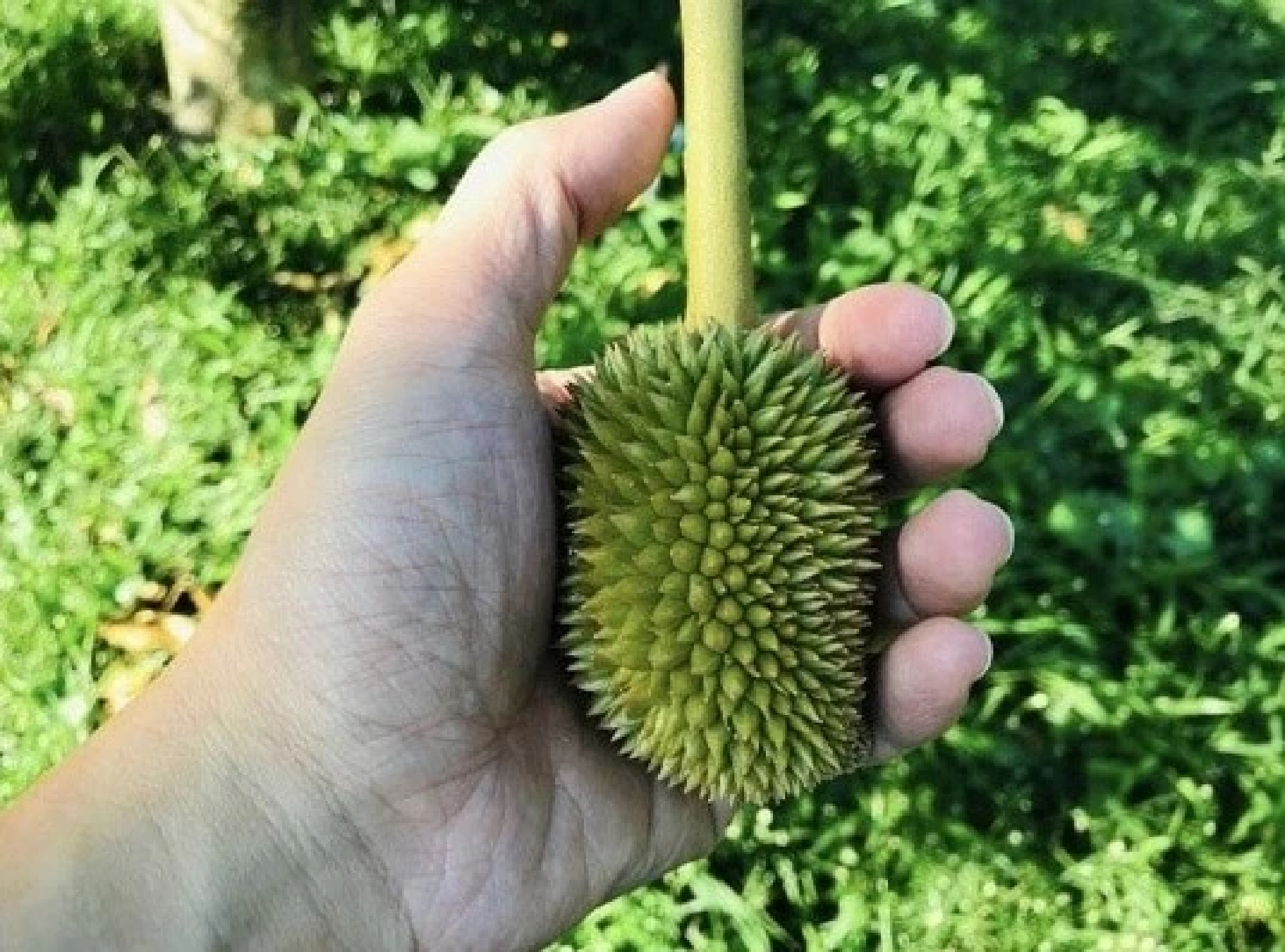
Ateam of researchers from Chula’s Faculty of Science has discovered extracts from young durians with as high anti-oxidants as vitamin C that help moisturize the skin with UV protection. They aim to produce skin care products as a way to help farmers to add value to their agricultural waste.
The durian has been called the king of fruits. It is vital to the economy since each year Thailand exports durians to various countries in the world bringing in a vast amount of income for the country as well as our growers. Unfortunately, there are also large numbers of durian fruits that have yet to be maximized to their full potential for any added value.
“Each durian tree usually bears numerous flowers which means that farmers need to trim off around 200-300 young durians per tree. The reason for this is that if all flowers yield fruits the tree will not be able to bear the weight and the branches will break. Growers need to select the fruits that have the potential to be fully grown and look appealing enough to fetch a good price.” Associate Professor Supaart Sirikantaramas of the Department of Biochemistry, Faculty of Science, Chulalongkorn University related how the research project originated with the idea to increase farmers’ income and maximize the use of biochemical resources under the BCG (Bio-Circular-Green Economy) policy for Bio-economy
“There are vast areas of land devoted solely to the planting of durians which yield large numbers of fruits each year, yet raw materials deriving from the agricultural waste generated largely go to waste. We have, therefore, tried to find ways to increase the value of young durians found in various orchards by studying their biochemical composition to see how they could be adapted for further use.”
Associate Professor Supaart Sirikantaramas of the Department of Biochemistry, Faculty of Science, Chulalongkorn University
Vital elements in young durians According to Supaart, young durians are the fruit of the durian (Durio zibethinus L.) at the stage of fruit trimming. The meat has not fully developed and the durian’s unique odour which has sulfuric content is yet to appear. At this stage, the fruit is 6-12 centimetres in length and produces a transparent slime similar to a snail’s slime inside the fruit when soaked in water.
“The team conducted a metabolome analysis (all metabolites) of the young durian to determine its chemical composition along with its biological activities. Polyphenols which are very high in anti-oxidants were found along with Phenolics with their ability to halt or delay oxidation which is the cause of oxidants and can create glycation that involves adding sugar to proteins as well as the ability to protect the skin from ultraviolet rays. Aside from that, pectin which keeps the skin hydrated was also found.”
Supaart further indicated that the various substances found in young durian can also be found in various types of fruits and plants such as grape seeds or cocoa but in different quantities.
Young durian extracts are good for the skin and the hair, odourless and safe
Putthamas Pewlong, a Master’s Degree student in Biochemistry at the Faculty of Science, Chulalongkorn University
Putthamas Pewlong, a Master’s Degree student in Biochemistry at the Faculty of Science, Chulalongkorn University who is a member of the research team explained that extractions from the young durian with biomarkers are a straightforward extraction process that does not make use of toxic solvents that can affect consumers or the environment.
The extraction also does not involve heat which helps reduce energy consumption, the process, and the cost involved. This extraction method brings about relatively high levels of antioxidants and pectin.
“Once we got the young durian extraction we tested it on the skin cells by dividing the cells and curing them in the extraction for 24 hours. We then add a cell that causes tension to create an effect that is similar to when we find dust or sunlight. The results showed that cells with a high level of young durian extraction contain large numbers of live cells. This means that when the cream is applied before being exposed to pollutants our skin gets more protection than not having applied any skin care. In comparison with vitamin C, it is found that young durian extracts have a similar level of protection if not higher since it contains a high level of antioxidants.”
Aside from its efficacy, the research time also tested toxicity on the skin and found that the extract has a positive effect and does not show toxic. This means that they are highly safe and hardly likely to cause allergic reactions and can therefore be used in cosmetics and skincare products.
“We tried taking sunscreen products on the market and mixed them with the extractions in powdered form at a level of 2-3% as determined by the FDA and found that the texture remained the same and even if the extract had a pale yellow colour to it when added to the product was hardly visible. Most importantly there is no smell of durian which doesn’t interfere with the smell of the cream itself.”
Other than this, the research team also found that the extraction from young durian can affect an increase in cell divisions of hair roots which means that it has the potential of being adapted to diverse types of products in the future.
Young durian and value the future of added products In the initial stage, the team researched vital extracts in the Mon Thong young durian. It later branched off to other types of durians and found that regardless of its type the young durian yielded similar levels of vital extracts.
“In the future, when our research reaches the stage of commercial production, we believe we can increase the income of our growers so that they do not need to cut off and discard the young fruit but send them off to be produced as extracts for skin care products.”
Supaart concluded by saying that Thailand is rich in natural resources, especially in terms of agricultural products like fruits that are interesting and worthy of serious support for study and research that could be in the form of product processing, increasing the value of surplus raw materials as well as innovative developments.
Finally, the research team wishes to express its appreciation to other members of the team for their cooperation. This includes Associate Professor Manchumas Prousoontorn of CU Faculty of Science, Associate Professor Dr Varisa Pongrakhananon CU Faculty of Pharmaceutical Science, Assistant Professor Nat Tansrisawad, M.D. CU Faculty of Medicine and Atchara Paemanee from the National Omics Center, NSTDA.
A top Thai virologist has linked the “tomato flu” to the same virus that causes hand, foot and mouth disease (HFMD).
In a Facebook post on Sunday, Dr Yong Poovorawan said tomato flu was identified in India’s Kerala state on May 6 when it infected nearly 100 children aged under five. The virus was also detected in the states of Tamil Nadu and Odisha.
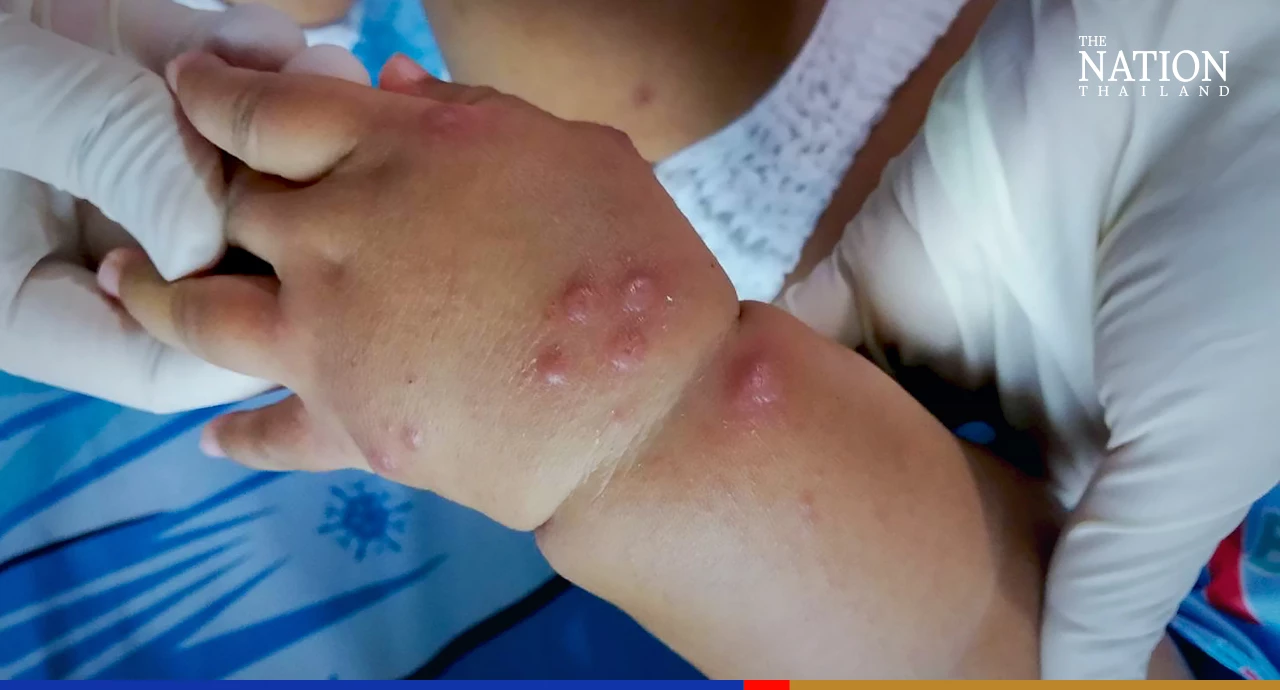
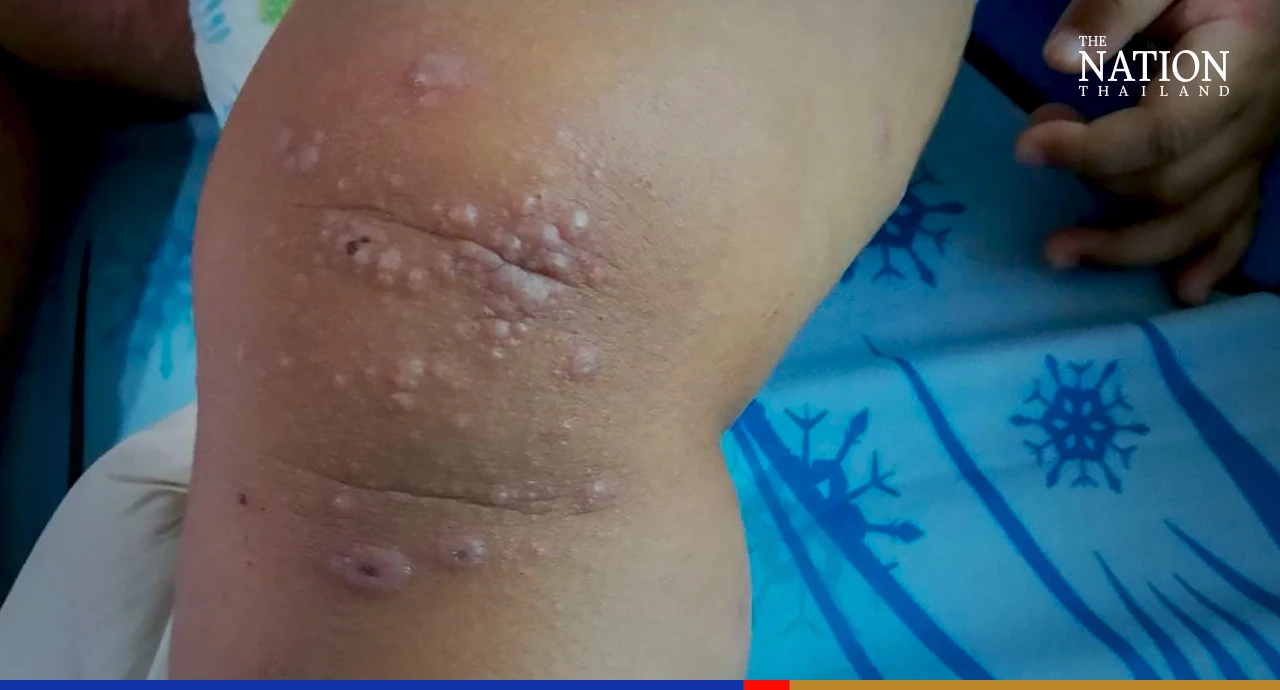
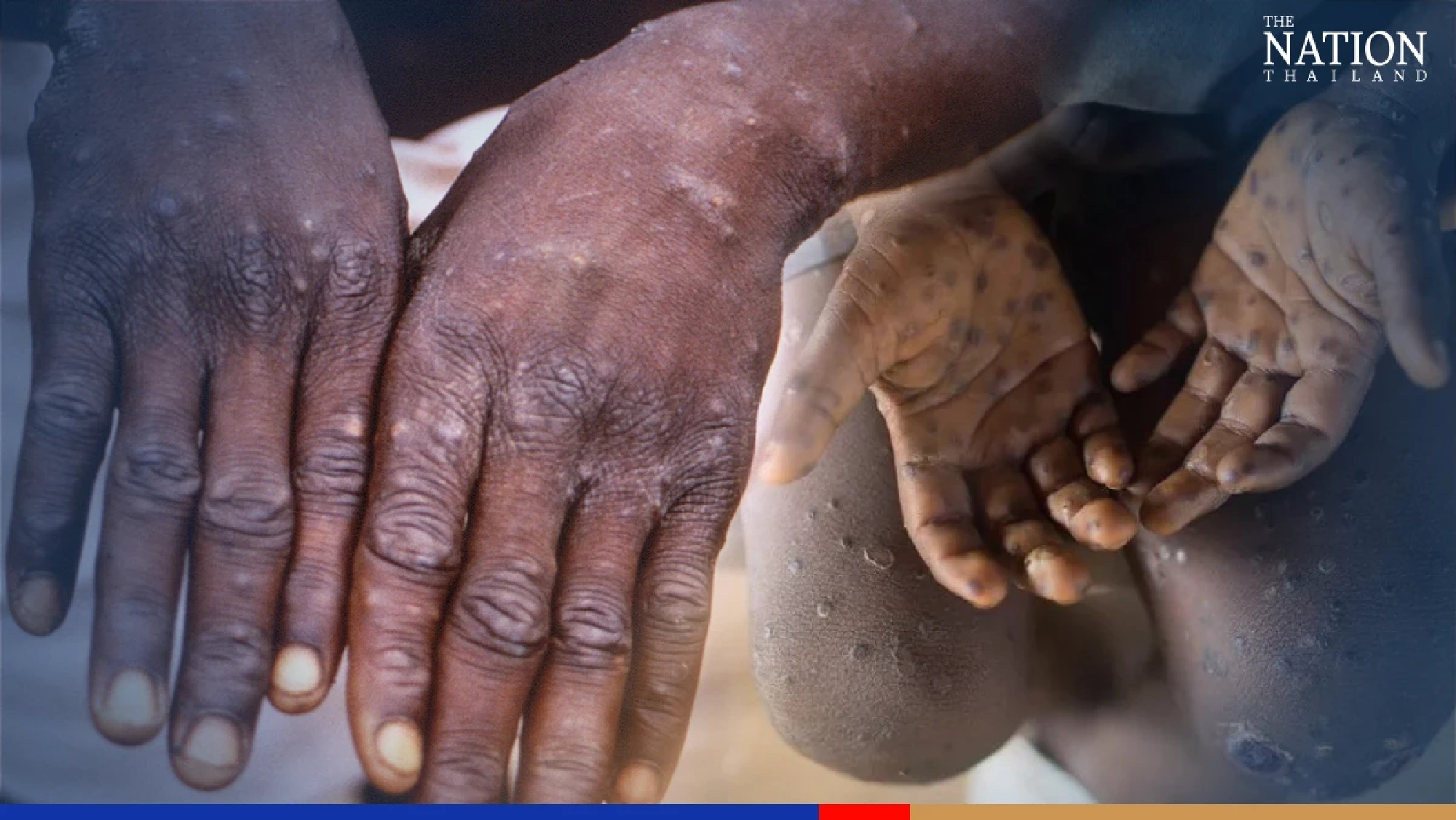
The flu’s name was derived from the red water blisters patients develop. Symptoms are similar to ordinary flu with fever and body aches before the red blisters break out. The flu is not life-threatening and resolves on its own over time.
Yong suspects the symptoms are similar to Chikungunya virus, dengue fever and HFMD.
He said it will not be tough to investigate this disease because it has already been identified and it is known that the outbreak started in India. However, he said, the virus has not been officially announced yet.
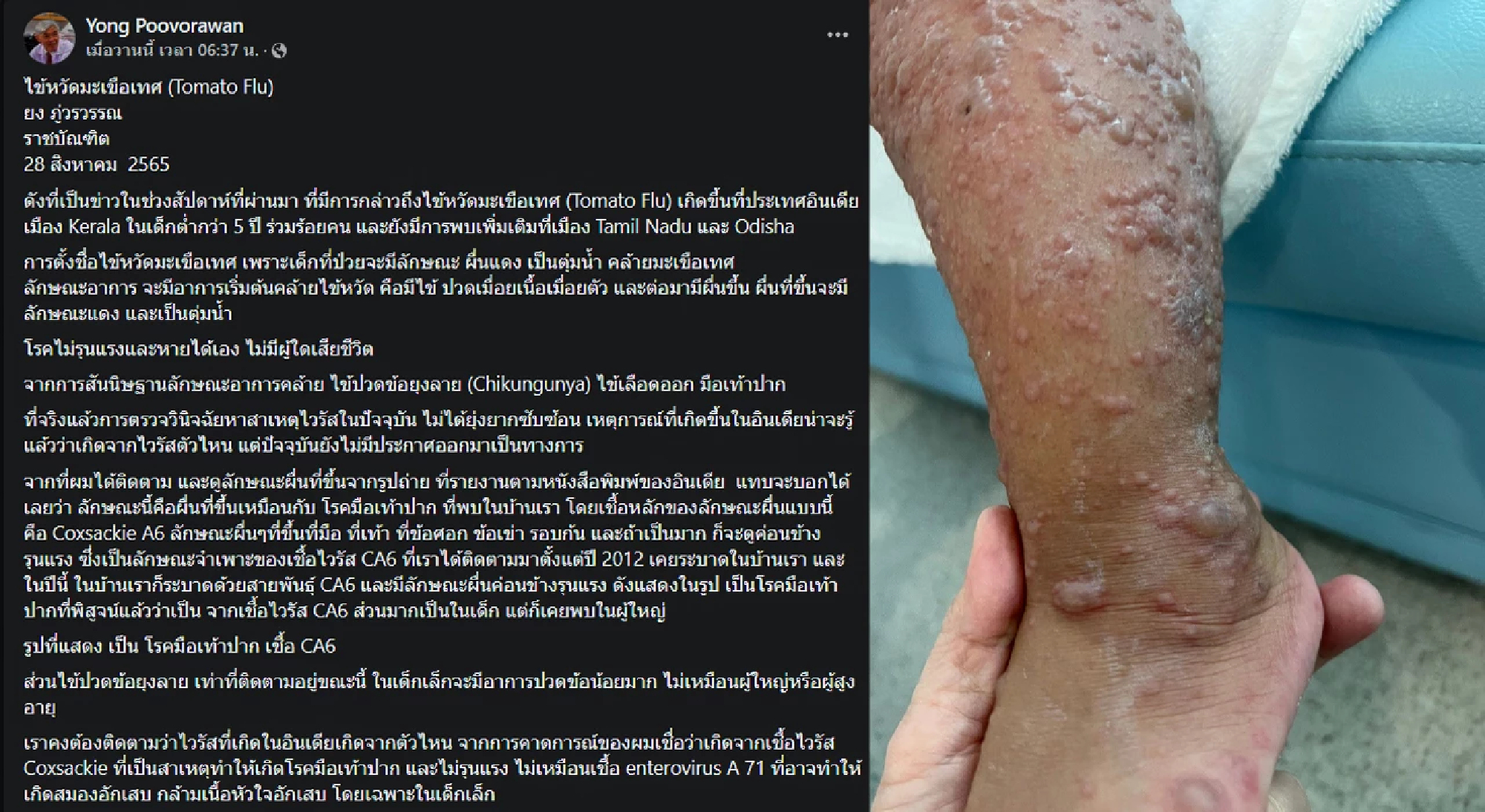
Yong said reports in Indian newspapers indicate that “tomato flu” comes from the Coxsackievirus, which also causes HFMD.
In his post, Dr Yong also provided photographs comparing the rashes caused by tomato flu and those caused by the Coxsackie A6 virus that was detected in Thailand in 2012 and this year.
He added that he does not believe tomato flu comes from Enterovirus A71 as the symptoms were not severe. Also, when compared to the Chikungunya virus, he said small children did not suffer too much from joint pains, unlike older patients.
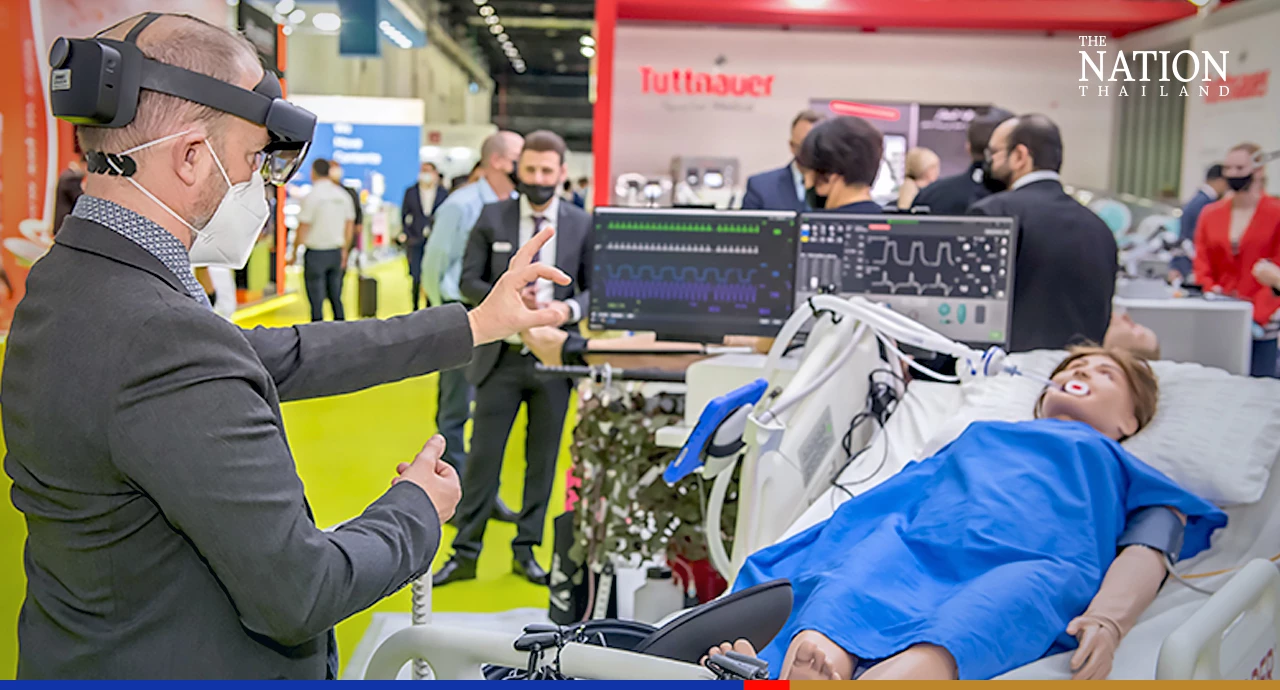
Bangkok 26 August 2022: ‘Medlab Asia & Asia Health 2022’ is the leading medical event in the ASEAN region which is all set to run in Thailand for the first time, co-hosted by IMPACT Exhibition Management Company Limited and Informa Markets.
The event will showcase innovations and the latest technologies from leading bellwethers within the healthcare industry. Pivoted to become the region’s best networking and business matching platform for entrepreneurs, laboratory and healthcare professionals. Taking place from 19-21 October 2022 at Halls 5-6, IMPACT Exhibition and Convention Centre, Muang Thong Thani.
As a strategic consultant, Dr Tares Krassanairawiwong, Director-General at the Department of Health Service Support, said, “The healthcare industry is one of the target industries that the Government expects to be a key driver to the economy bringing Thailand to the forefront as a top Medical Hub. Therefore, we support Medlab Asia & Asia Health 2022 , which is an opportunity for world-class manufacturers, including leading companies within the healthcare industry to showcase cutting-edge medical device technology, and new knowledge from around the globe providing medical entrepreneurs and medical professionals an opportunity to learn, or procure to enhance their operations and raise the bar of clinics, hospitals, and health care to international standards and develop a comprehensive medical industry as well as promote the infrastructure that helps healthcare workers adapt medicine for a better quality of life.”
The 2022 edition of Medlab Asia and Asia Heath will host a series of laboratory and healthcare conferences covering six disciplines: Medical Laboratory Management, Clinical Chemistry, COVID-19 Situation Updates, Clinical Microbiology, Molecular Diagnostics and Therapeutics, Hematology, Radiology, Patient Safety, and Sterility. Each conference features an accredited CME, CMTE, CPD, and CNEU for continuing physician education scores.
In addition to the support from the Department of Health Service Support, Medlab Asia & Asia Health has tied up with a number of acclaimed medical associations, both Thai and International such as the Thai Society of Radiological Technologists, Central Sterilising Services Association (Thailand), Thai Medical Device Technology Industry Association, Thai Society of Clinical Pathology, Philippine Association of Medical Technologists, Singapore Association of Clinical Biochemists, and Indonesian Society of Radiographers.
Rejoy Penacerrada, Conference Director, Informa Markets added, “This is a great opportunity for both Thai and international healthcare professionals to attend the medical conference. It can get challenging to meet and exchange medical knowledge when you are always on the go or lead a hectic work schedule as part of the healthcare system. But Medlab Asia and Asia Health makes it easy for the industry to meet with more than 30 expert speakers worldwide, in addition to learning about emerging epidemic situations such as Covid-19, smallpox, and other diseases. The forum will also teach how to control the disease and treat patients by using innovative medical equipment and modern medical technology which will be demonstrated through live product demos at the show.
The event is bringing together more than 300 leading companies from the healthcare industry across 24 countries such as the United States, the United Kingdom, the United Arab Emirates, Turkey, Taiwan, Switzerland, Sweden, Spain, Singapore, Pakistan, Malaysia, South Korea, Japan, Italy, India, Hungary, China, Hong Kong, Germany, Canada, Belgium, Austria, Australia, and Thailand. Amongst these companies some of the names all set with their product line up are ventilators from Mindray, all-in-one molecular diagnostics products from Randox Laboratories, hematology analyzers from Sysmex, among other medical devices are orthopedic surgery, general health care and services, x-ray machine, IT systems and solutions, physical therapy tools and movement restoration, medicine, and nutrition.
This will be the meeting place for dealers and distributors, hospital administrators’ government agencies, private medical laboratories, medical technicians, industry leaders, and investors.
A half dose of an mRNA Covid-19 vaccine is enough as a booster for those who have received inactivated vaccines earlier, a top virologist said.
In a Facebook post on Friday, Dr Yong Poovorawan said that his study shows that either a full or half dose of the Pfizer or Moderna vaccine provided high immunity to those whose first two shots were the inactivated vaccine Sinovac.
He added that it was globally accepted that only half a dose or 50 micrograms of the Moderna vaccine provides enough immunity. Yong is a professor of paediatrics at Chulalongkorn University’s Faculty of Medicine.
He confirmed that any booster, be it AstraZeneca, an mRNA vaccine or Covovax, will provide high immunity against the virus.
However, he said, people’s immunity drops some four months after receiving a booster shot.
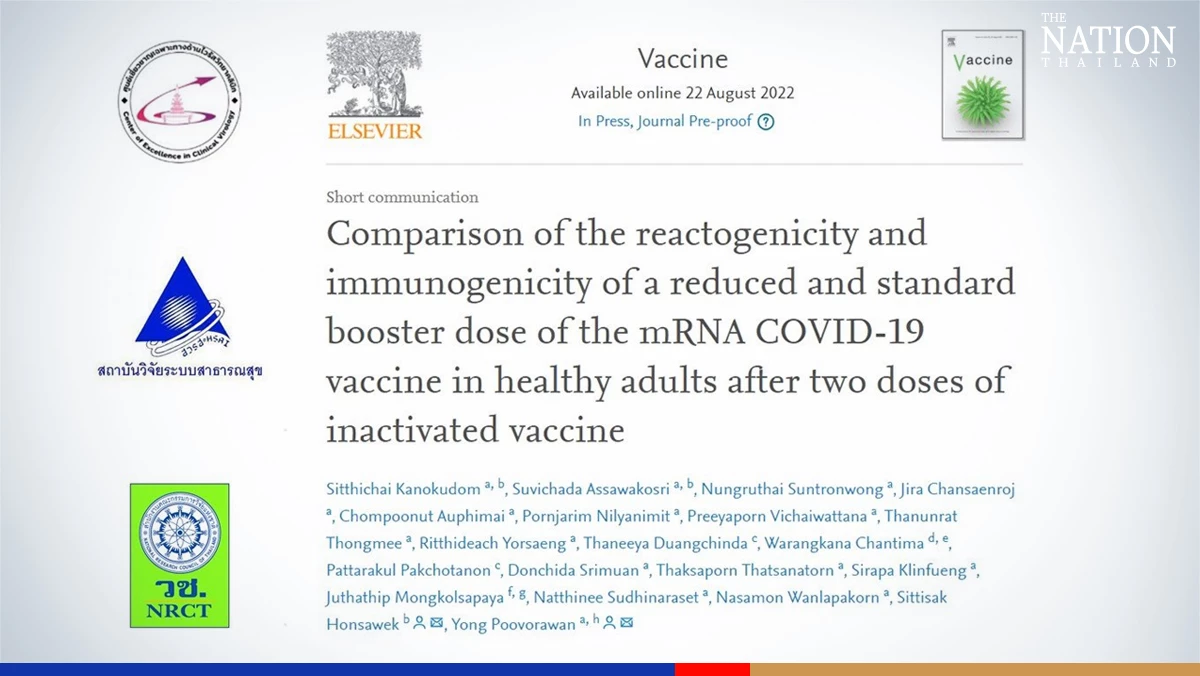
Yong said his study, “Comparison of the reactogenicity and immunogenicity of a reduced and standard booster dose of the mRNA COVID-19 vaccine in healthy adults after two doses of inactivated vaccine”, was published on the medRxiv website on August 22. The study has yet to be peer-reviewed.
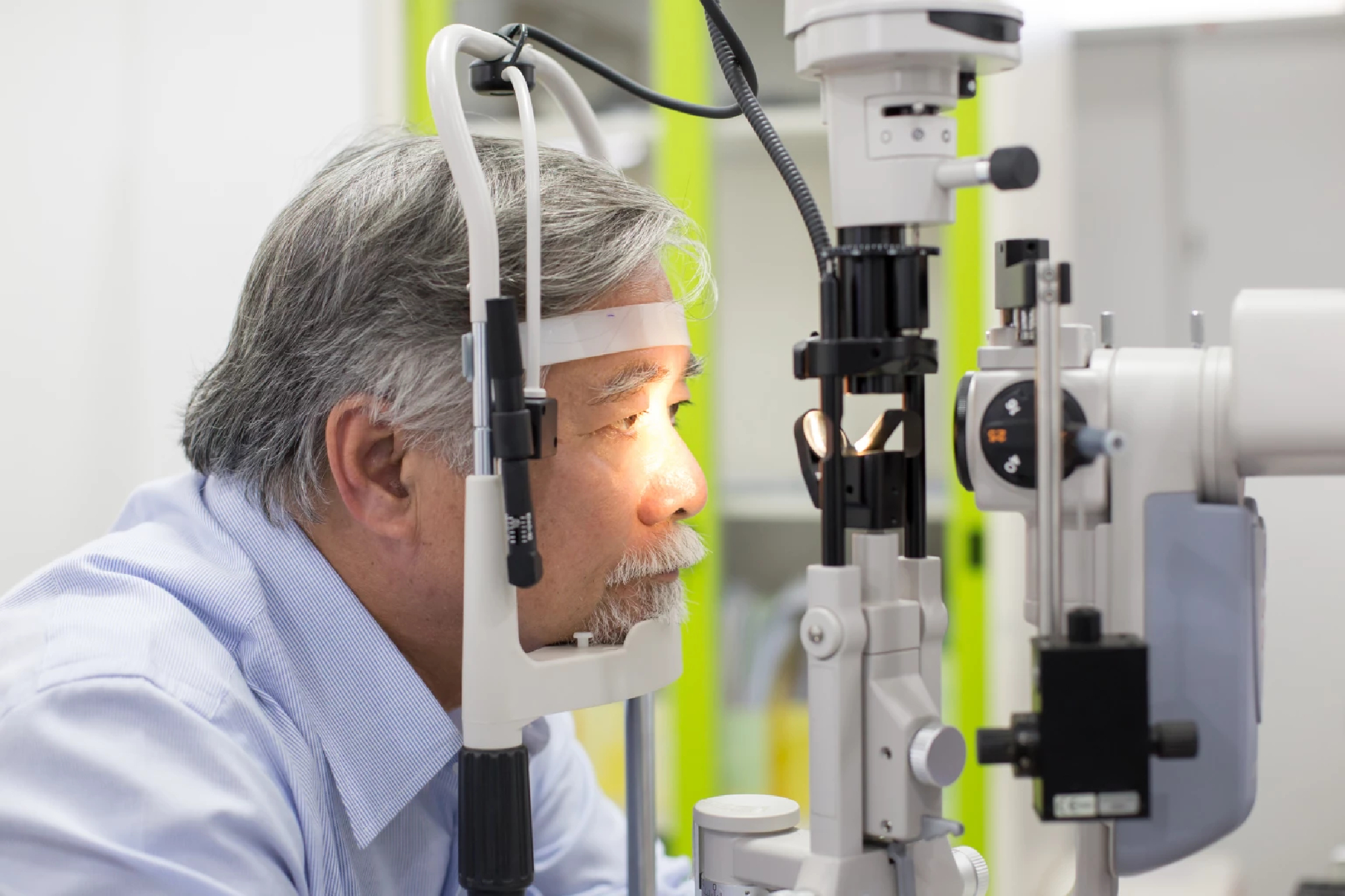
Bangkok, August 24, 2022 – Eye problems that tend to be more prevalent in Thailand are Age-related Macular Degeneration (AMD) and Diabetic Macular Edema (DME), which affect up to 18,700 and 536,700 people per year, respectively.
The increasing number of patients with eye diseases is due to the country’s aging society, as the elderly experience inevitable health problems such as eye degeneration. Other factors include a sedentary lifestyle and overconsumption of sugary foods and beverages in the working-age population, which may lead to high blood sugar levels and subsequently diabetes. Not only that such eye problems can be a cause of sight loss, but they also affect patients’ quality of lives. Therefore, it is crucial to understand the risk factors, watch out for early warning signs, and visit an ophthalmologist for regular eye examinations to protect your eyes.
Thanapong Somkijrungroj, MD., a Retina, Uveitis and Medical Cornea Specialist who is also the Chief of Uveitis Unit at King Chulalongkorn Memorial Hospital and the President of Cataract and Refractive Surgery Society of Thailand, has shared important information about eye diseases, the latest treatment guidelines, and eye care tips for keeping an excellent vision.
Symptoms and consequences: Both Age-related Macular Degeneration (AMD) and Diabetic Macular Edema (DME) are caused by abnormal blood vessels growing into the macula and lead to visual impairment.
The abnormalities in AMD occur beneath the macula. AMD can be classified into two types: dry AMD and wet AMD. The latter is also known as Neovascular Age-Related Macular Degeneration or nAMD, and is more common in people aged 55 and above.
On the other hand, the abnormalities in DME, which are driven by high blood sugar levels, occur within the macula and result in retinal swelling or widening. DME can be found in any age range and is the number one cause of vision loss in people with diabetes.
Risk factors
Although some of the risk factors for AMD, such as aging, are unavoidable, others such as smoking are preventable. Regarding DME, the risk factors are associated with diabetes duration, high blood sugar levels, high blood pressure, obesity, and gestational diabetes.
Medical development and greater efficacy
Around 10 years ago, the main treatment procedure for eye diseases like AMD and DME was laser. Although it was often unable to improve vision, it helped slow down the progression of the diseases. Recent advancements in medical technology have enabled new treatment approaches that yield greatly improved results. Particularly, a group of medicines called “anti-VEGF” which reduces new blood vessel growth (neovascularisation) or oedema (swelling) demonstrates the visual improvement. To ensure the treatment outcomes, patients are required to inject the medicine into the vitreous. However, each medicine differs greatly in terms of its injection frequency. Some can be as often as once every 1-2 months, which poses significant burdens for patients and caregivers, especially travel distance and cost for those living far from the hospital or upcountry. In addition, the caregivers of visual-impaired patients may need to take some time off from work to take the patients to the hospital.
“The treatment innovation for AMD and DME has undergone an excellent development. Recently, a medicine with a new mechanism of action has been approved by the Thai Food and Drug Administration. The medicine acts as a dual pathway inhibitor; it inhibits both VEGF and ANG 2, which play an essential role in disease pathogenesis. It helps reduce the proliferation, leakage and inflammation of blood vessels, as well as strengthen the retinal vein. From an ophthalmologist’s point of view, this mechanism of action is deemed a significant therapeutic change, as it allows longer dosing interval, i.e. less frequent injection, when compared to the previous treatment options. A clinical trial , shows that the new medicine is administrated to 80% of patients every 12 weeks (or 3 month-interval), while 60% of patients every 16 weeks (or 4-month interval). It can be said that the innovative treatment can deliver better outcomes for patients”, Dr. Thanapong explained.
According to a clinical trial that conducts with more than 2,300 patients and the real-world evidence data collected in the US of approximately 70,000 doses7 of the injection, the innovative medicine which already received US FDA’s approval does not show any differences in terms of side effects as compared to those previously available medicines. “In Thailand a number of AMD patients have had the opportunity to use this innovative treatment option since it was recently approved in the country. This innovative medicine is suitable for all groups of patients, namely those who have never received any medication before, those who experience drug-resistance, as well as those who prefer to reduce the dosing intervals. This innovative treatment shines a new hope for AMD and DME patients,” Dr. Thanapong said.
For DME patients who receive the new innovative treatment and monitor their blood sugar levels carefully, there is a tendency that the symptoms can improve within 3 – 5 years with a strong possibility to discontinue the medication. AMD patients, on the other hand, are less likely to discontinue the medication, their quality of lives can be improved by the reduction of dosing intervals.
In the future, there will be continuous development to deliver new innovation and technologies in treating eye diseases, such as longer-acting medicines, medicines with different mechanisms of action than the existing ones, implantable devices which release the medicine right into the eyes and reduce the frequency of injections to 1 – 2 times a year, AI-aided treatment planning to investigate individual patient’s responsiveness, etc. All of these technologies result in a better quality of life for patients.
Eye disease prevention
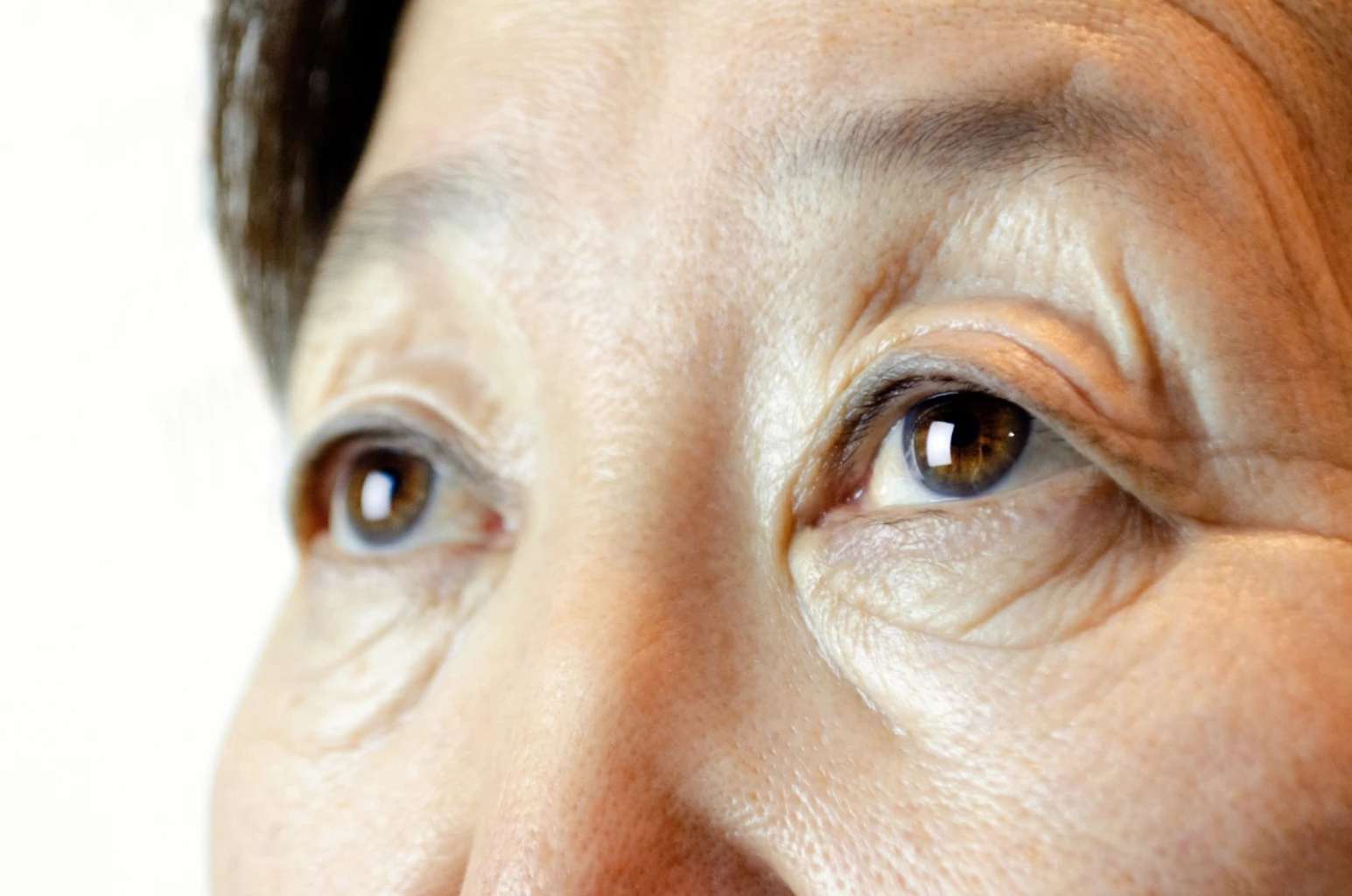
Dr. Thanapong said, “Both AMD and DME involve the abnormalities of retinal veins that are likely to happen spontaneously and may affect only an individual eye. Some cases do not report any physical pain at all, and their affected eyes appear normal from the outside without any visible symptoms. As a result, these eye diseases are considered silent health threats to most patients because they assume that blurry vision is caused by changes in vision or eyeglass lens.”
It is crucial for the high-risk groups who are prone to develop AMD and DME to establish healthy habits, keep their medical conditions in check, wear eye protection glasses when exposed to strong wind or bright light, avoid rubbing or pressuring eyes, refrain from smoking, maintain a healthy weight, and control theblood sugar levels.
Recommended ways to assess visual impairment
“Everyone can detect visual impairments by following these easy techniques. Close your eyes one at a time, and then look at door frames or window frames. If they appear distorted lines or blurry, you need to visit an ophthalmologist as soon as possible. For people aged 45 and above, it is important to schedule regular eye exams at least once a year to ensure that you will receive timely treatment and reduce the risk for vision loss. The importance of eye health is fundamental to quality of life,” Dr. Thanapong concluded.
Thanapong Somkijrungroj, MD., a Retina, Uveitis and Medical Cornea Specialist who is also the Chief of Uveitis Unit at King Chulalongkorn Memorial Hospital and the President of Cataract and Refractive Surgery Society of Thailand.
A senior virologist has ruled out the possibility of the Covid-19 and monkeypox viruses combining, after a case emerged in Italy of a patient being infected with monkeypox and Covid-19, in addition to having HIV.
In a Facebook post on Sunday, Dr Anan Jongkaewwattana, director of Veterinary Health Innovation and Management Research Group at the National Centre for Genetic Engineering and Biotechnology, explained that Covid-19’s genetic material is ribonucleic acid while monkeypox’s genetic material is deoxyribonucleic acid (DNA), hence the two cannot merge.
Anan also cited a research titled “First case of monkeypox virus, SARS-CoV-2 and HIV co-infection”, published in the Journal of Infection https://bit.ly/3AANsaO on Friday.
The research said that the patient was an Italian 36-year-old male who had spent five days in Spain from June 16 to 20 before returning to Italy. He reportedly also had engaged in unprotected sexual activities with men while travelling.
The patient received two doses of Pfizer vaccine at the end of 2021 and got infected with Covid-19 at the beginning of 2022, which was likely the BA.1 subvariant.
Nine days after returning, he developed fever, sore throat, fatigue, headache and swollen lymph nodes.
After three days, a rash started to develop on his left arm and he also tested positive for Covid-19 on the same day.
After three more days, he was admitted to the hospital with pustules on his arms, torso, palms, fingers, legs and hips.
He was detected with the monkeypox virus, the BA 5.1 subvariant of Covid-19, and HIV-1 (with a viral load of 234,000 copies per millilitre of blood) on the following day.
Researchers speculated that he may not have known that he had HIV, and might have been infected recently because his CD4 lymphocyte count was unaltered with 812 cells/μL (normal value within 410-1590 cells/μL).
The patient stayed in the hospital for six days and still tested positive for Covid-19 and monkeypox, but almost all symptoms were resolved except for pustules on his skin hence the patient was discharged to be in home isolation.
His antigen test result for Covid-19 was negative after two days in home isolation. Six days later (eight days in home isolation), he took another test for the monkeypox virus and the result was still positive while crusts had healed almost completely, leaving small scars.
There was no information on whether monkeypox from him could have spread to other people within 29 days.
Researchers deduced that the patient was infected with monkeypox first and caught Covid-19 during the monkeypox’s incubation period.
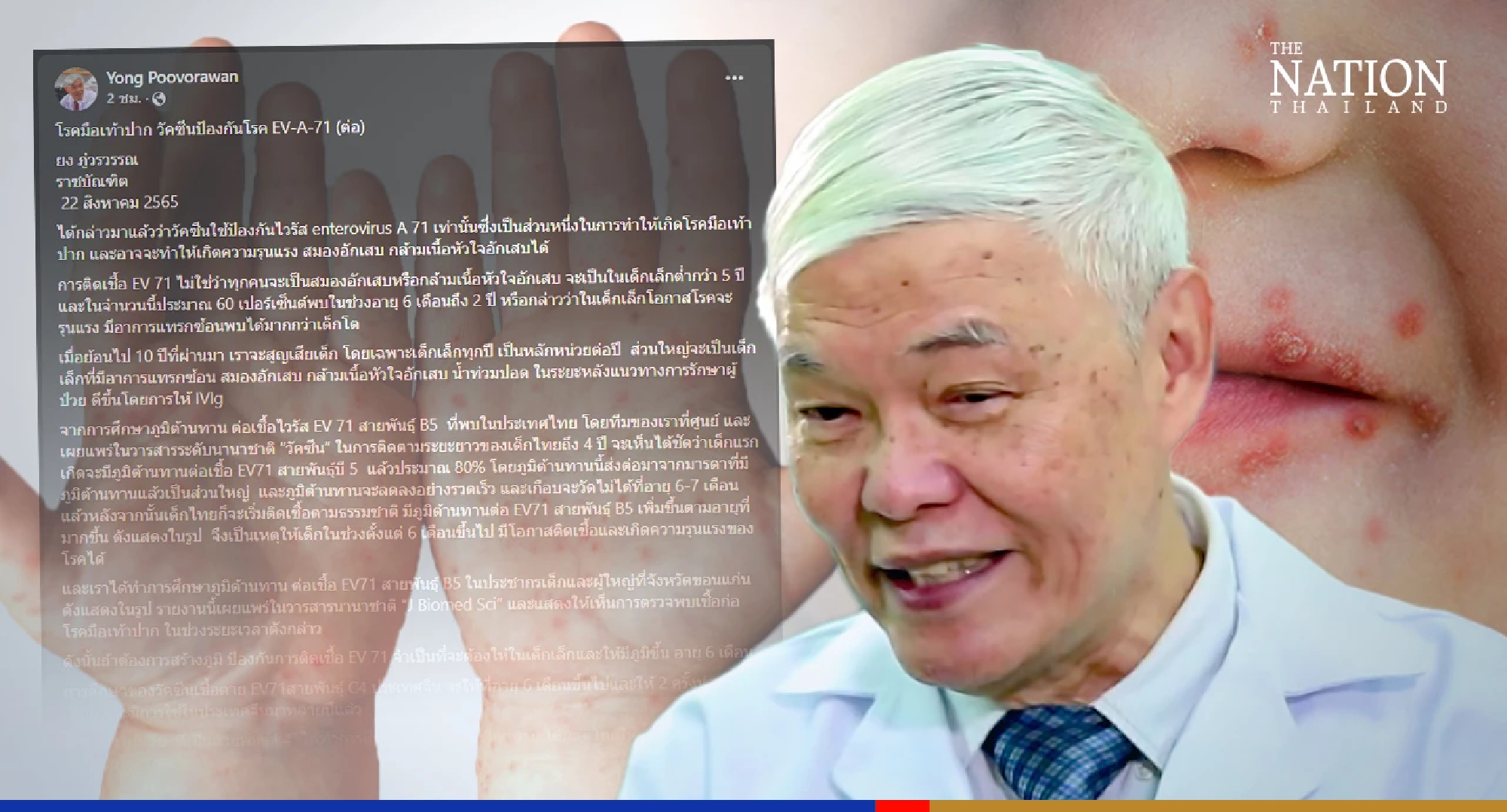
Infants aged between six months and two years can be at risk of complications from Enterovirus A71 (EV-A71) infections, a top virologist warned on Monday.
In a Facebook post, Dr Yong Poovorawan explained that apart from causing hand, foot and mouth disease, EV-A71 can also cause encephalitis and myocarditis (inflammation of the heart muscle).
He said these two conditions caused by EV-A71 have mostly been found in infants aged six months to two years.
“We have lost many children to these complications over the past 10 years,” he said, adding that treatment has improved thanks to Intravenous Immunoglobulin therapy.
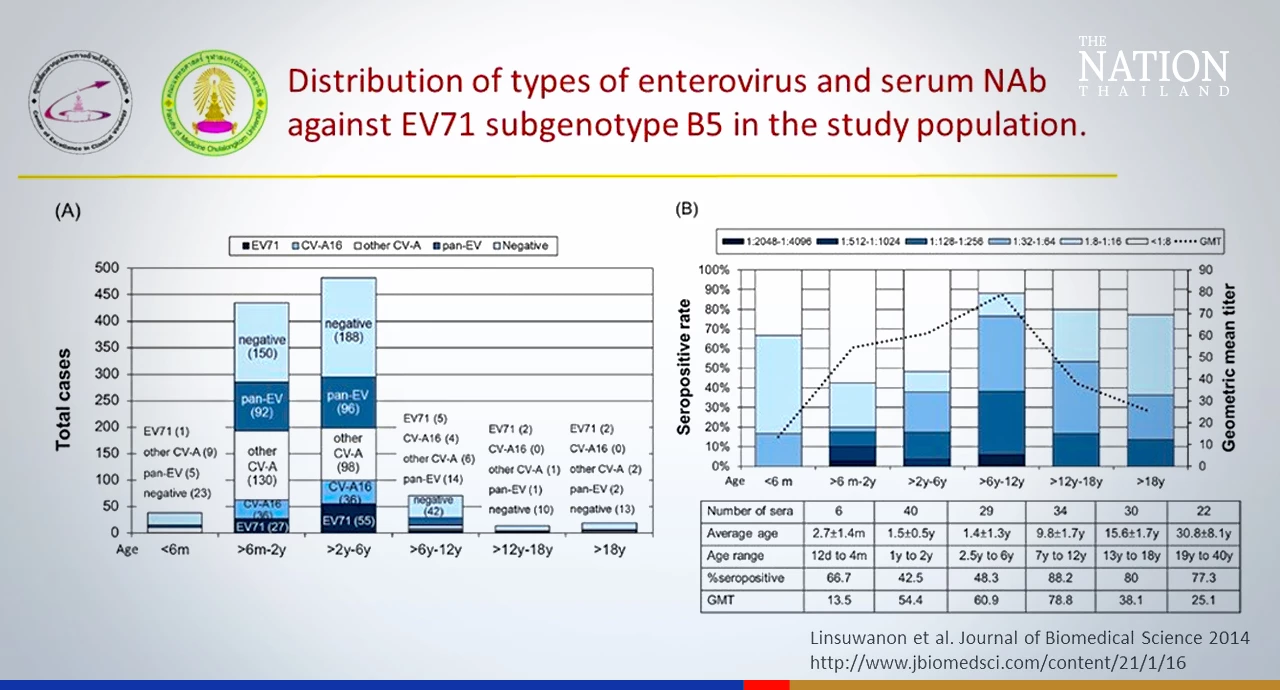
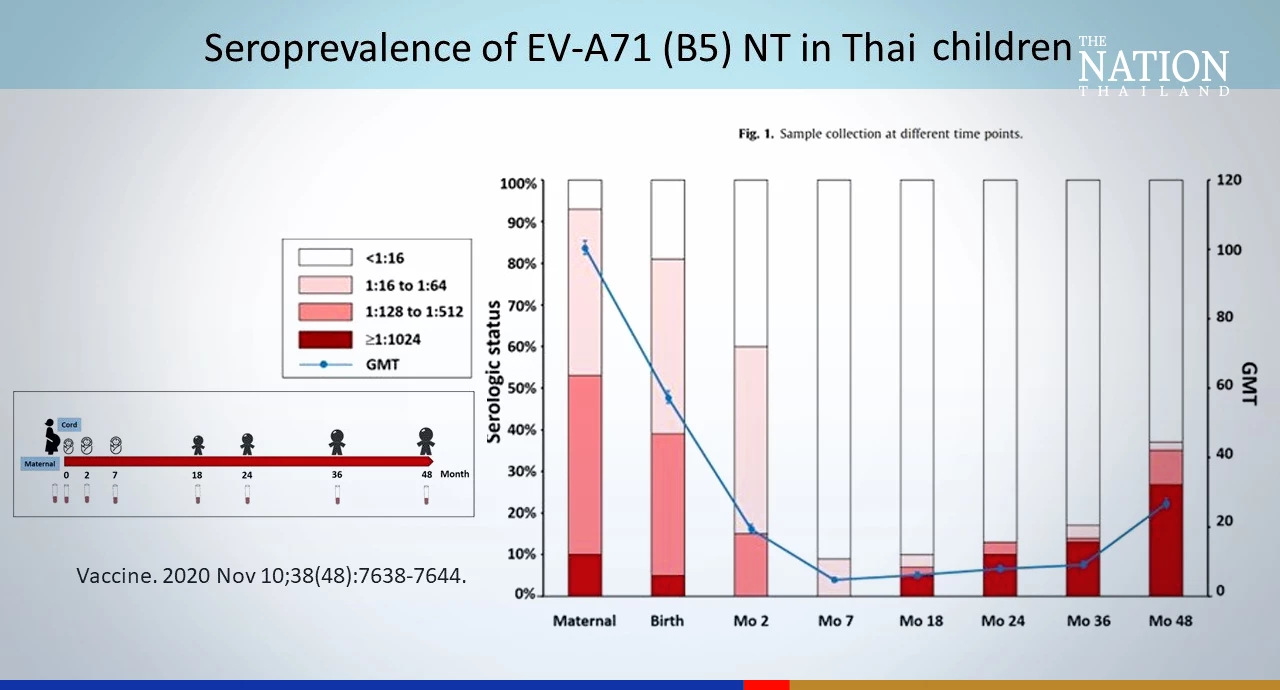
A study on infants’ immunity against the EV-A71 B5 subvariant, which has been found in Thailand, learned that children have 80 per cent immunity against the virus until they are six months old.
“This is why infants aged six months and above are most at risk,” he said, adding that infants should be vaccinated against the virus.
He added that China was already administering the two-dose vaccine against EV-A71 C4 subvariant to children aged six months or above at a month-long interval.
He also said that an initial trial of the Taiwan-produced EV-A71 vaccine against the B4 variant has been successful in both Taiwan and Vietnam. However, he said, the vaccine has not been registered yet because it is under a third clinical trial.
The monkeypox virus can be killed at a temperature of 60 degrees Celsius, a senior virologist said, citing international research.
In a Facebook post on Tuesday, Dr Anan Jongkaewwattana, director of the National Centre for Genetic Engineering and Biotechnology’s Veterinary Health Innovation and Management Research Group, talked about what temperatures can zap the virus.
Anan noted that the monkeypox virus is in the poxvirus group, which is believed to survive better than other viruses, especially the RNA variety such as Covid-19.
However, researchers had questioned how the monkeypox virus was different to other poxviruses that had affected humans in the past. They also wanted to know if a DNA virus could endure temperatures better than a RNA virus.
A French research team therefore took a sample from patients infected with Clade B of monkeypox to compare it with Clade A, which is more severe but has not spread outside Africa, so far at least.
Anan cited research titled “Heat inactivation of the monkeypox virus”, which was published on the bioRxiv website https://bit.ly/3pqrO2Q on August 10.
Following research, scientists found both clades of monkeypox were inactivated at 60 degrees Celsius in less than 15 minutes, while at 70 degrees it took less than five minutes.
Most interestingly, it took three minutes to kill the virus at 95 degrees, so dipping it into hot water for 30 seconds has no effect.
The study also noted that the virus was not completely destroyed at 56 degrees for 30 minutes
Anan added that hot temperatures cannot kill monkeypox instantly because they could not obliterate the virus’s DNA.
It is too soon for the World Health Organisation (WHO) to refer to monkeypox subvariants as clades, an expert virologist said.
WHO met virologists and public health experts earlier this month, and they decided that the Congo Basin and West African subvariants will be referred to as Clade I and Clade II respectively.
In a Facebook post on Tuesday, Dr Yong Poovorawan pointed out that the word “clade” means a subgroup and subvariants of a virus are normally named with numbers and alphabets, like influenza A H1N1 or Hepatitis C.
Dr Yong said WHO decided to call the two variants Clade I and Clade II because it wanted to avoid reference to Africa. However, he said, WHO is still looking for a new name for monkeypox to prevent stigmatisation, so referring to the subvariants as just Clade I and Clade II can be quite confusing.
He explained that previously diseases were named after places where they were first found like the Spanish Flu or the host of the virus such as avian or swine flu. However, this system of naming new viruses has been dropped to prevent targeting.
Dr Yong, who hails from Chulalongkorn University’s Faculty of Medicine, said monkeypox comes from the virus in the pox group, so its name should start with a P. He said this is better than wrongly referring to a subvariant as just a “clade”.
He also explained that a different nomenclature is used when naming viruses. For instance, SARS CoV-2 is the virus’s name, while Covid-19 is the name of the disease. In this case, Covid is an acronym of the full name, while 19 refers to the year the virus was discovered.



 Associate Professor Supaart Sirikantaramas of the Department of Biochemistry, Faculty of Science, Chulalongkorn University
 Putthamas Pewlong, a Master’s Degree student in Biochemistry at the Faculty of Science, Chulalongkorn University






 SootinClaimon.Com