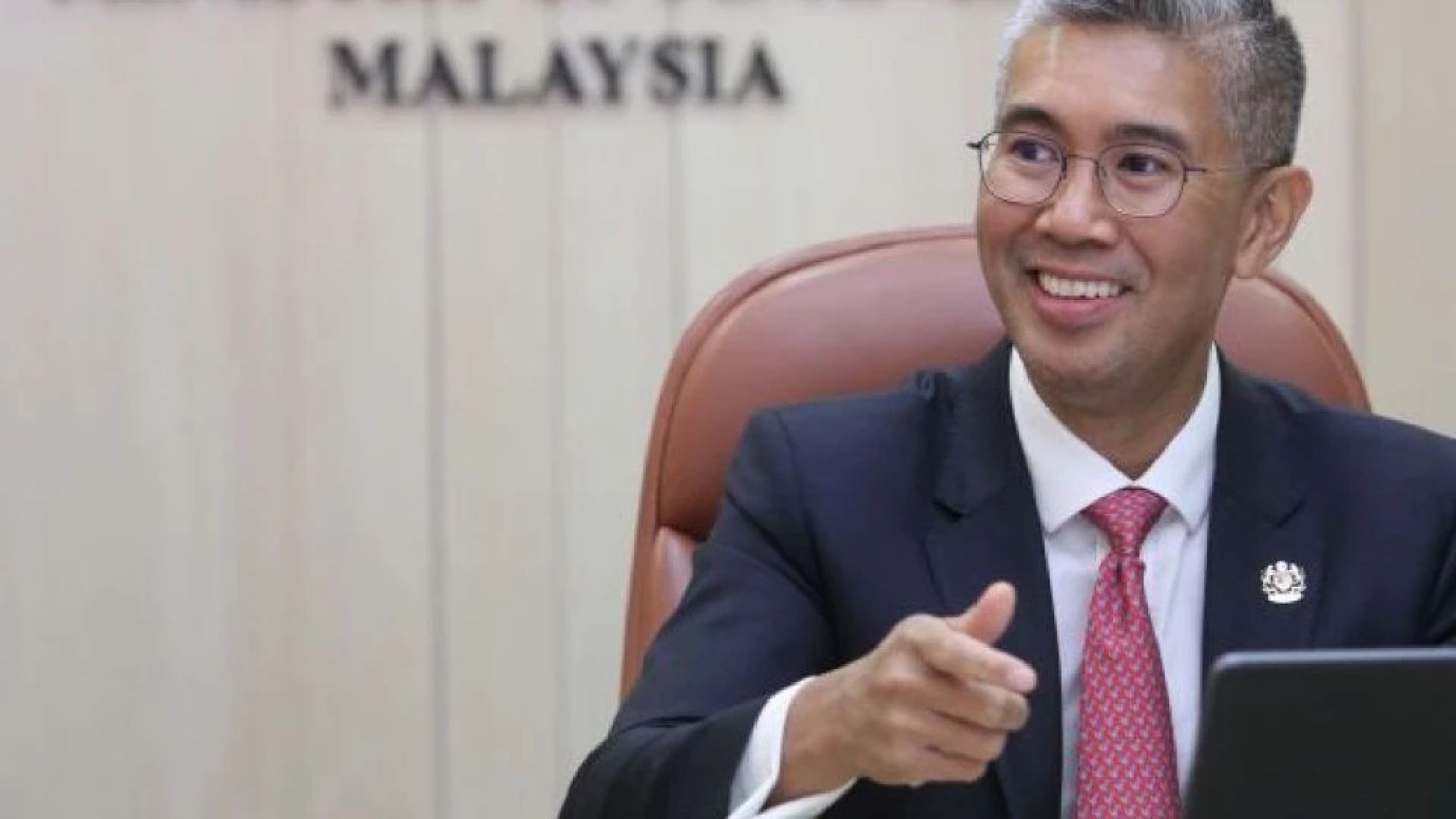
The Finance Ministry has refuted recent allegations that Malaysia is on the verge of bankruptcy and highlighted that the government has always been “highly disciplined” in managing its debt levels.
The statement was issued after some quarters claimed on social media that Malaysia is set to follow the footsteps of Sri Lanka, which was recently declared as bankrupt.
Finance Minister Tengku Datuk Seri Zafrul Abdul Aziz noted that the government has never defaulted on servicing its interest and debt, despite going through a series of recessionary economic and financial crises before.
He added that the federal government’s debt remained at a manageable level.
While the minister stopped short of naming those spreading the allegations, he said an official complaint was lodged with the Malaysian Communications and Multimedia Commission on several false social media reports about the country’s debt position.
Tengku Zafrul said the federal government practiced prudent debt management through existing laws.
For example, the country’s offshore borrowings amounted to RM29.4bil as at end-June 2022, well below the RM35bil threshold set under the External Loans Act 1963.
Meanwhile, the government’s statutory debt accounted for 60.4% of gross domestic product (GDP) as at end-June 2022.
Under the Temporary Measures for Government Financing (Coronavirus Disease 2019) (Amendment) Act 2021, it is stipulated that the statutory debt limit should not exceed 65% of GDP.
On top of these, Article 98 (1) (b) of the Federal Constitution stipulates that the government must always prioritise debt charges over other operating expenditure
Tengku Zafrul added that 97% of the federal government’s debt is denominated in ringgit.
This reflects prudent debt management as exposure to foreign exchange risk is minimal.
“A high level of debt does not mean that the country is at risk of bankruptcy.
“Various international rating agencies such as S&P Global, Fitch and Moody’s constantly assess a country’s debt level together with other factors such as a prudent fiscal framework, sound governance and resilient external position as well as the strength of its economy.”
He said the International Monetary Fund had also acknowledged that Malaysia’s debt position is still at a manageable level.
“Recently, S&P also postulated that the government’s policy planning will support the strengthening of the country’s fiscal position,” he said.
The minister highlighted that the important aspects of debt management are debt affordability and sustainability.
In this regard, the federal government’s debt is “clearly still under control”, according to him.
Tengku Zafrul said the false social media reports on the country’s debt position are seen as intending to mislead the public and could potentially affect investor confidence in Malaysia.
Last week, Tengku Zafrul said the country’s economy is expected to continue to strengthen in the second quarter of this year, following the encouraging GDP growth of 5% in the first quarter, including the continued improvement in wholesale and retail trade.
He pointed out that the economy was gradually improving and had started to expand, based on the various indicators for May 2022.
To accelerate the recovery momentum, Tengku Zafrul said the Finance Ministry had kick-started engagement sessions in an effort to establish measures that took into account the needs of various stakeholders.
Asia News Network: The Nation (Thailand), The Korea Herald, The Straits Times (Singapore), China Daily, Jakarta Post, The Star and Sin Chew Daily (Malaysia), The Statesman (India), Philippine Daily Inquirer, Yomiuri Shimbun and The Japan News, Gogo Mongolia, Dawn (Pakistan), The Island (Sri Lanka), Kuensel (Bhutan), Kathmandu Post (Nepal), Daily Star (Bangladesh), Eleven Media (Myanmar), the Phnom Penh Post and Rasmei Kampuchea (Cambodia), The Borneo Bulletin (Brunei), Vietnam News, and Vientiane Times (Laos).
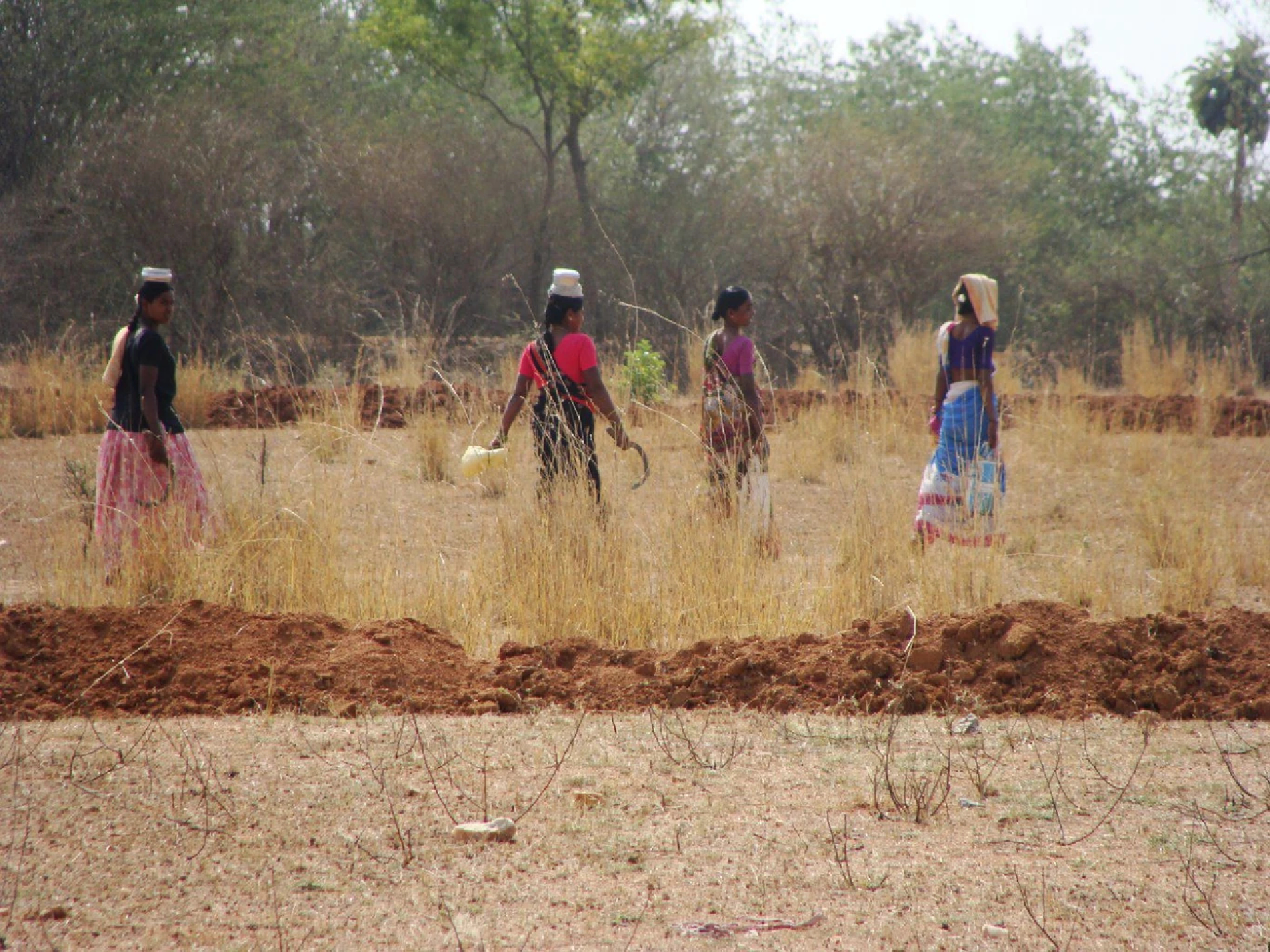
A battle between PepsiCo and Indian farmers highlights the gap between international trade law and countries seeking to protect their farmers’ seed rights.
By Shalini Bhutani, New Delhi
India is in an ongoing legal battle over a potato, with the next skirmish set to come before Delhi’s High Court in late July.
On one side is PepsiCo, a food and beverage multinational armed with intellectual property (IP); on the other are farmers, and the Indian law designed to protect their seed rights. At play is the diversity of food on our dinner plates, and crucially, farmers’ ability to freely produce a variety of plants and their seeds year after year.
The battle all stems from India’s decision to forge its own path to protect farmers’ rights but still, comply with international trade laws. Using the flexibilities in World Trade Organization (WTO) rules on IP, contained in the TRIPS Agreement, India’s Patents Act considers plants, animals and seeds as inventions that are not patentable.
When India chose to exercise the option in the TRIPS Agreement not to grant patents on plants, like many other developing countries it was shown the route of the industry-led UPOV Convention, which covers new plant varieties, as a possible way of remaining compliant with the WTO rules by providing some form of IP on plants.
The International Seed Federation (ISF), representing the global seed industry, says the UPOV Convention is the most appropriate IP tool for plant breeders. It offers ‘plant variety protection (PVP)’, giving IP holders such as PepsiCo the exclusive right to reproduce seeds (unless national governments insist on farmers’ rights). When enforced under IP law and grower contracts, it can violate the rights of seed farmers.
India chose another legitimate option available to WTO members: the sui generis way. It designed its own unique PVP law, which recognises farmers’ rights and regards them as breeders too.
India is not a member of the UPOV Convention, but it is a member, along with 148 other countries, of the seed treaty, the international law that recognises farmers’ rights. India is co-chair of the treaty’s expert group on farmers’ rights, representing developing economies; the other co-chair is from Norway, representing developed economies.
As India prepares to host another round of talks on the seed treaty in September, the PepsiCo case shows the importance of reviewing the influence of international trade laws against how governments design and implement farmers’ rights in their national laws.
The intent of India’s lawmakers is clear from the farmers’ rights chapter they added to the national plant variety protection law more than two decades ago, recognising a farmer as a breeder as well, but also expressly wording the law to entitle farmers to “save, use, sow, resow, exchange, share or sell [their] farm produce”. These legally recognised farmers’ entitlements were extended to the seed of a plant variety that is granted plant variety protection under this law. This is also in line with the seed treaty.
The farmers’ rights provisions were tested in the PepsiCo cases of 2018 and 2019. The Indian subsidiary of the US company PepsiCo filed cases in courts in the state of Gujarat alleging that farmers had violated its IP rights, granted under Indian law, over the potato variety from which it makes its Lay’s chips.
Indian law makes it clear that farmers’ seed rights are “notwithstanding anything contained in the Act”. This clarifies that other legal provisions recognising holders of IP rights under the Act are subject to farmers’ rights. But the company misinterpreted the so-called plant breeder rights (“to produce, sell, market, distribute, import or export” the potato variety) provided in the Act, by virtue of a certificate of registration given to the company, and acted as if it owned that particular variety of potato.
In December 2021 India revoked PepsiCo’s registration of the potato variety. The company has appealed to the High Court of Delhi, seeking a stay on the revocation order as well as on the rejection of the company’s IP rights renewal application. The case is scheduled to be heard on 21 July 2022.
The rights of Indian farmers are not just in black and white in Indian plant variety protection law.
The UN Declaration on the Rights of Peasants and Other People Working in Rural Areas, adopted in 2018, contains a very clear directive to nation states to “ensure that seed policies, plant variety protection and other intellectual property laws, certification schemes and seed marketing laws respect and take into account the rights, needs and realities of peasants and other people working in rural areas”.
It is often assumed that the users of IP-protected processes and products are predominantly in resource-poor countries. But the original producers of seeds in the biodiversity-rich Global South are farmers. In other words, the innovators are the farmers themselves.
As stated in the seed treaty, “the enormous contribution that the local and indigenous communities and farmers of all regions of the world, particularly those in the centres of origin and crop diversity, have made and will continue to make for the conservation and development of plant genetic resources which constitute the basis of food and agriculture production throughout the world” has to be recognised.
PVP laws, if they are designed or implemented in disregard of farmers’ contributions and seed rights, put at risk the very knowledge systems that feed us. There is a global movement away from IP on seeds and towards more ‘open source’ seed systems.
As newer planetary crises emerge, local varieties that ensure agro-biodiversity and are more climate resilient need to be mainstreamed. This makes the ethic of sharing that is at the centre of farmer-managed seed systems a fundamental principle to protect and promote.
360info – One World Many Voices
Shalini Bhutani is a legal researcher and policy analyst. She has been guest faculty at various universities, including the National Law University, Delhi. She is a consultant with the UN Food and Agriculture Organization (FAO) in India. The author declared no conflicts of interest.
China’s muscling into the pharmaceutical industry, helping Big Pharma bite back against generics. But its global ambitions might turn the industry upside down.
By Seamus Grimes, National University of Ireland, Galway
Like any good relationship, the burgeoning love affair between China and the relatively small number of global companies known as ‘Big Pharma’ offers promise for both parties. For Big Pharma, there’s the chance to cut costs and expand into a wealthy, populous market. And for China, the influx of investment is an important stepping stone to fulfilling its long-held desires to create a robust domestic pharmaceutical industry.
The pharmaceutical value chain is composed of a number of key activities: drug discovery and development to identify promising pharmacological candidates, clinical trials to ensure the safety and effectiveness of these drugs in humans, and mass production of approved drugs. To date, much of this activity has been controlled by Big Pharma, but the business model that has driven their success has entered a period of considerable uncertainty.
Among the reasons for the upheaval in the drug industry and life-sciences sector are declining profits and rising costs, declining research and development (R&D) productivity, and an anaemic drug pipeline.
Big Pharma’s profits have fallen partly because of increased competition from generic drug companies exploiting the ‘patent cliff’ of former blockbuster drugs. Unlike Big Pharma, which invests heavily in R&D to develop new drugs, generic companies can capture market share by manufacturing existing drugs at lower cost after patents have expired. Many generic drug manufacturers are located in developing economies.
Sales of generic drugs have outpaced those of the pharmaceutical industry in recent years. Some pharmaceutical companies, such as Novartis and Sanofi-Aventis, have responded by building or purchasing generic operations. More generally, Big Pharma is looking to emerging regions such as China for market expansion and to reconfigure the drug-development model by outsourcing clinical trials and some aspects of R&D. Although emerging regions, including China and India, have already experienced significant investment by Big Pharma, particularly in relation to outsourcing, the long-term success of these regions needs to be evaluated in the context of significant challenges.
Some wonder whether the increasingly global spread of R&D is heralding a paradigm shift in the way companies organise their activities, but there are particular reasons the pharmaceutical and biotechnology industries are moving their R&D to India and China.
Pharmaceutical development cycles last 10 years or more, from the identification of a potential new drug through preclinical testing, mainly on animals, to later clinical trials with humans. In the case of both China and India, foreign multinational companies must establish a local trial-management capability as a condition for market entry.
Because of lower costs and significant potential for market growth, both India and China have emerged as important offshoring centres for preclinical R&D, large clinical trials and contract manufacturing. The increasingly modular nature of R&D activity makes it possible to segment it into particular slices, which helps to avoid significant intellectual-property loss in locations such as China.
As well as being cheaper, China has an abundant supply of science and technology graduates. But because it is still in the early stages of developing its pharmaceutical/biomedical ecosystem, there is a scarcity of leadership and management skills in these areas. The determination of China’s policymakers to attract pharmaceutical investment, particularly in clinical research outsourcing, is reflected in the significant level of state investment in both science parks and soft skills. With its huge population of potential participants in clinical trials, China presents opportunities to Big Pharma for lowering the cost of an essential aspect of drug development, but gaining access to its rapidly expanding market may present particular challenges to foreign companies.
While there is an obvious complementarity between Big Pharma’s desire to improve R&D productivity and increase its market share and China’s many attractions, it should be noted that China’s primary objective is to develop its own pharmaceutical and biotechnology capacity. To date, China’s approach to inward investment has been to provide market access in exchange for technology transfer. But while multinational companies in China realise they must share some technology with Chinese partners, they also seek to ensure as much as possible that their intellectual property does not benefit potential competitors.
Some suggest that China’s recent push for ‘indigenous innovation’ could negatively affect its innovative capacity if it were to focus too much on domestic applications. Reflecting this domestic orientation, China’s share for biotechnology patents has remained at the same level as its overall US Patent and Trademark Office share: one percent.
So, while Indian and Chinese firms increasingly occupy higher-value segments of the pharmaceutical value chain, few of these firms engage in the discovery and development of new-concept drugs because of the high costs involved and their high failure rates. Most companies instead are engaged in producing low-cost generics or copycat versions of existing drugs, for which there is a significant market in both countries.
China is making rapid progress in gaining access to resources that can support innovation through scientific collaborations and through facilitating clinical trials, but it also needs to invest in basic science and ensure that innovation is not constrained by a bureaucracy that limits autonomy.
Professor Brian Salter of King’s College London suggests China can exploit its advantages, including the availability of research materials such as oocytes (immature eggs formed during the female reproductive cycle) and a large pool of human subjects for clinical trials, in exchange for access to basic science and to venture capital. China faces the major challenge of acquiring ownership of intellectual property through a judicious use of national and international patenting systems.
The growth of China’s middle class together with China’s significant investment in healthcare and its stated plans to provide greater access to healthcare for its huge population presents considerable growth opportunities for the global pharmaceutical industry at a time of falling revenues and very modest growth rates outside emerging economies. China also presents opportunities for big pharma to reduce its R&D costs and perhaps to reconfigure its low-productivity R&D model.
But China’s pharmaceutical and biotech ecosystems are still in the early stages of development and lack an abundance of senior management and scientific expertise with the necessary experience to create an innovative R&D environment for drug development. At this stage, the main opportunities China has to offer the global pharmaceutical value chain is in outsourcing clinical trials and producing active pharmaceutical ingredients.
China’s current early stage in the development of its life-sciences sector creates a dependency on foreign investors, but the country has a very clearly stated medium-term goal of becoming a significant force in the global pharmaceutical/biotechnology industries. While some commentators are positive about China’s capacity to play a significant role in the future development of the global value chain, others suggest it will be quite a few years before innovative drug development becomes a reality in China.
360info One World Many Voices
Seamus Grimes is an Emeritus Professor at the National University of Ireland, Galway. His research in recent years, which has been published in a wide range of international journals, has focused on foreign technology companies in China and the role of China in technology global value chains. His latest book, China and Global Value Chains was published in 2019.
Sri Lankan president Gotabaya Rajapaksa submitted a letter of resignation on Thursday, a spokesperson for the parliament speaker said, hours after fleeing to Singapore following mass protests over an economic meltdown.
Rajapaksa submitted his resignation by email late on Thursday and it would become official on Friday, once the document had been legally verified, the speaker’s spokesperson said.
Rajapaksa fled to the Maldives on Wednesday and then headed on to Singapore on Thursday on a Saudi Arabian airline flight, according to a person familiar with the situation.
Rajapaksa’s decision on Wednesday to make his ally Prime Minister Ranil Wickremesinghe the acting president triggered more protests, with demonstrators storming parliament and the premier’s office demanding that he quit too.
Protests against the economic crisis have simmered for months and came to a head last weekend when hundreds of thousands of people took over government buildings in Colombo, blaming the Rajapaksa family and allies for runaway inflation, shortages of basic goods, and corruption.
Inside the president’s residence early on Thursday, ordinary Sri Lankans wandered the halls, taking in the building’s extensive art collection, luxury cars and swimming pool.
Protest organisers handed back the president and prime minister’s residences to the government on Thursday evening.
News that Rajapaksa submitted a letter of resignation triggered jubilation in the commercial capital Colombo where protesters massed outside the presidential secretariat, defying a city-wide curfew.
Crowds set off firecrackers, shouted slogans and danced ecstatically at the Gota Go Gama protest site, named mockingly after Rajapaksa’s first name.
“The whole country celebrates today,” Damitha Abeyrathne, an activist, said. “It’s a big victory.”
“We never thought we will get this country free from them,” she added, referring to the Rajapaksa family who dominated the South Asian country’s politics for two decades.
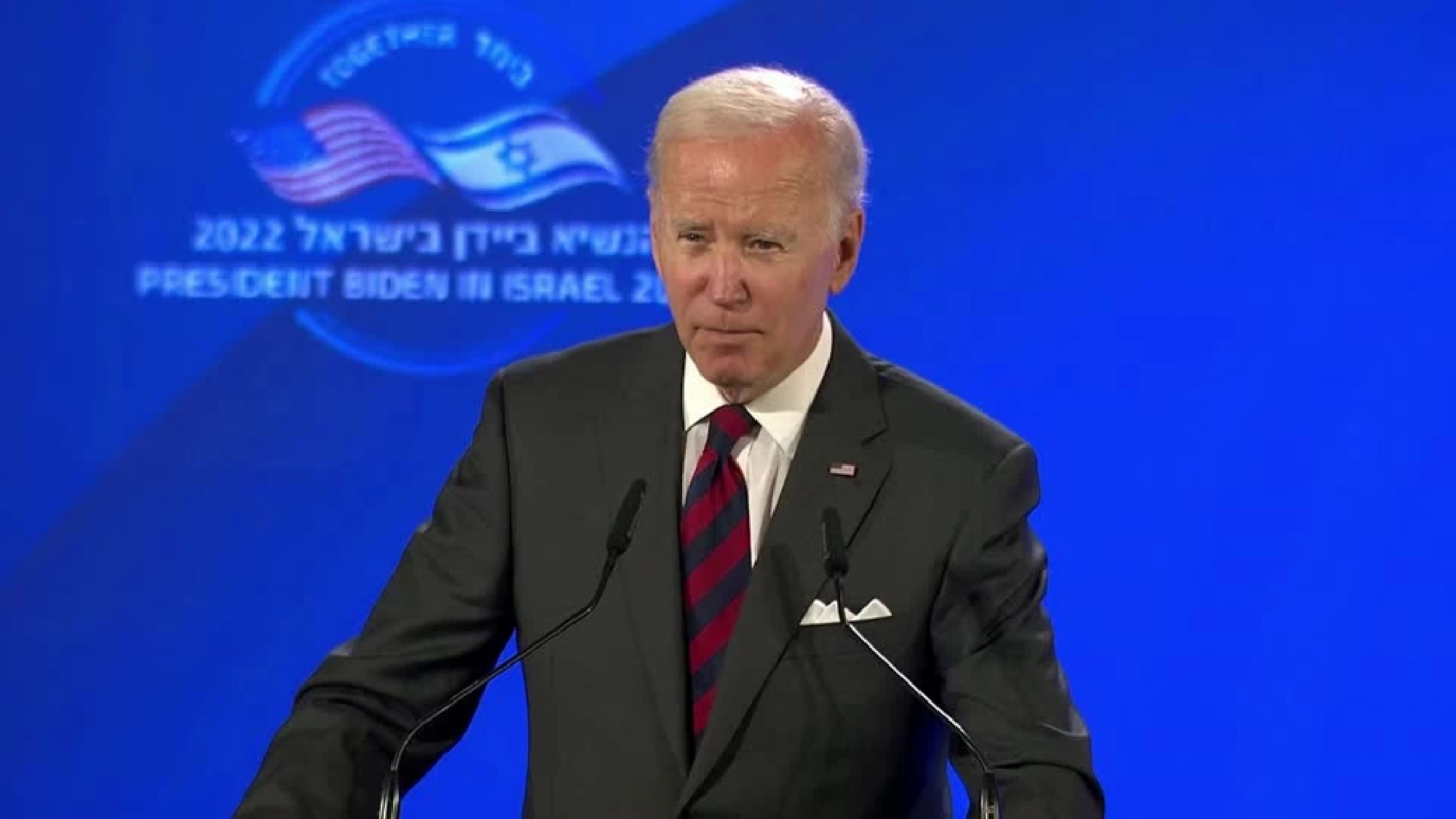
US President Joe Biden said on Thursday he would not avoid talking about human rights when he visits Saudi Arabia on the second leg of his Middle East trip and said his position on the murdered journalist Jamal Khashoggi was “absolutely” clear.
“Ihave never been quiet about talking about human rights,” Biden told a news conference following a meeting with Israeli Prime Minister Yair Lapid in Jerusalem. “The reason I am going to Saudi Arabia though, is much broader, it’s to promote U.S. interests,” he said.
“And so there are so many issues at stake, I want to make clear that we can continue to lead in the region and not create a vacuum, a vacuum that is filled by China and/or Russia.”
Biden’s trip to the kingdom, where he is expected to meet King Salman as well as Crown Prince Mohammed bin Salman, has faced opposition in the United States given accusations that Khashoggi’s killing by Saudi agents in 2018 in Istanbul was orchestrated by senior Saudi officials.
A U.S. intelligence report last year concluded that Bin Salman approved and probably ordered the murder of Khashoggi, an insider-turned-critic whose column in the Washington Post had criticized the crown prince’s policies.
Biden, who has called the Saudi government a “pariah” for its role in the 2018 assassination, said his views on the killing were “absolutely, positively clear.”
“I always bring up human rights but my position on Khashoggi has been so clear. If anyone doesn’t understand it in Saudi Arabia or anywhere else, they haven’t been around for a while.”
“For the Saudis, I do think this is a win,” said Carolyn Kissane, Assistant Dean at New York University’s Center for Global Affairs. “I think the realization is that Saudi Arabia still does wield a lot of power.”
How the White House handles the optics of the meeting and whether photos will be released of it will be closely watched.
Aides say he will bring up human rights concerns while in Saudi Arabia, but he has nonetheless drawn fire from a wide array of critics.
“Biden is being caught basically making a very, very big U-turn. Right. He’s retreating from his earlier positions,” Kissane said. “I think that the administration hopes that they will come out with at least the perception of a win, the perception of some, you know, outcomes of this visit. I think there is a lot that is at stake.”
Biden will participate in a bilateral meeting with the king and the crown prince on Friday.
A dialysis machine, inspired by orange juice dispensers, that allows kidney failure patients to treat themselves at home and relieve pressure on over-stretched health systems has won the UK’s most prestigious engineering award.
The Royal Academy of Engineering’s MacRobert Award recognised Quanta Dialysis Technologies SC+ System for fundamentally changing the way patients can access dialysis and dispensing with the need for complicated, time-consuming cleaning between treatments.
“Unlike a traditional dialysis machine that can be the size of a fridge freezer, ours is a small tabletop device about the size of a microwave oven,” CEO of Quanta Dialysis Technologies, John Milad, told Reuters.
“We’ve designed it to be easy to use so that patients themselves can manage the therapy on their own. Yet it’s a high-performance device that provides the standard of care of what traditional large machines are able to do.”
Dialysis is the process of mechanically cleaning blood when the patient’s kidneys are no longer functioning properly, and it usually takes for 3 or 4 hours, three times a week.
The SC+ system allows patients to treat themselves at home overnight, meaning they receive more dialysis than they would in hospital and eliminates the gap where patients go without dialysis over a weekend.
“It doesn’t feel like I’m on dialysis as much anymore. It’s kind of, you know, it’s there, but it’s not my life. And that’s the biggest change for me,” said 21-year-old Lewis Till, a kidney dialysis patient from Wolverhampton, who is able to play video games in his bedroom while using the SC+ system.
The system replaces the traditional plumbing and hardware of a dialysis machine with a disposable cartridge that manages all the fluids, replacing pumps with pneumatic membranes.
“That technology has been proven out in a completely different industry in the beverage dispensing industry,” Milad said.
“In a restaurant that may serve orange juice on demand, one way that they do that is to have a concentrate and to mix that with water, to create the drink at the moment it’s needed. And that’s actually a similar problem to what a dialysis system needs to do,” he said.
The result is highly accurate fluid management and enhanced distribution within the dialyser itself, which acts as an artificial kidney while minimising crossover between treatments.
Quanta is already working with health providers across the UK and is rolling out in the US where the dialysis market is expected to exceed $12bn.
Previous MacRobert Award winners include Rolls-Royce, Raspberry Pi and Inmarsat.
More than 40 people have been reported unaccounted for by loved ones after floodwaters swept a riverfront Appalachian community in southwestern Virginia on Wednesday, triggered by heavy rains in the area, local authorities said.
As many as 18 search-and-rescue teams, including swift-water rescue crews, were dispatched to the area in and around Whitewood, Virginia, early in the day, Buchanan County Sheriff’s Office Chief Deputy Eric Breeding told reporters.
Well over 100 houses in the area have been damaged, and many roads and bridges had been washed out by mudslides and high water, a Virginia state emergency management official told the same news briefing, carried by local television station WCYB, based in Bristol, Virginia.
Breeding said there were no confirmed fatalities or serious injuries so far, and that the 44 people listed as unaccounted reflected the number of individuals whose loved ones have reported their whereabouts as unknown after floods struck.
They were not considered “missing” as yet, since many were likely to have been merely left unreachable because of telephone and electricity service disruptions in the region.
Still, Governor Glenn Youngkin declared a state of emergency in southwestern Virginia in order to hasten disaster assistance to the flood-stricken area.
The downpours blamed for the flooding were part of a larger storm system that struck the mid-Atlantic region Tuesday night and early Wednesday, with showers continuing into the morning hours.
“Heavy rainfall caused flash flooding in Buchanan County, along with power outages, impacts to roads and other infrastructure and significant resource and operational challenges,” Youngkin said in his declaration.
Whitewood, an unincorporated Appalachian community of about 500 people, is located along the Dismal River in Buchanan County near the border of both West Virginia and Kentucky.
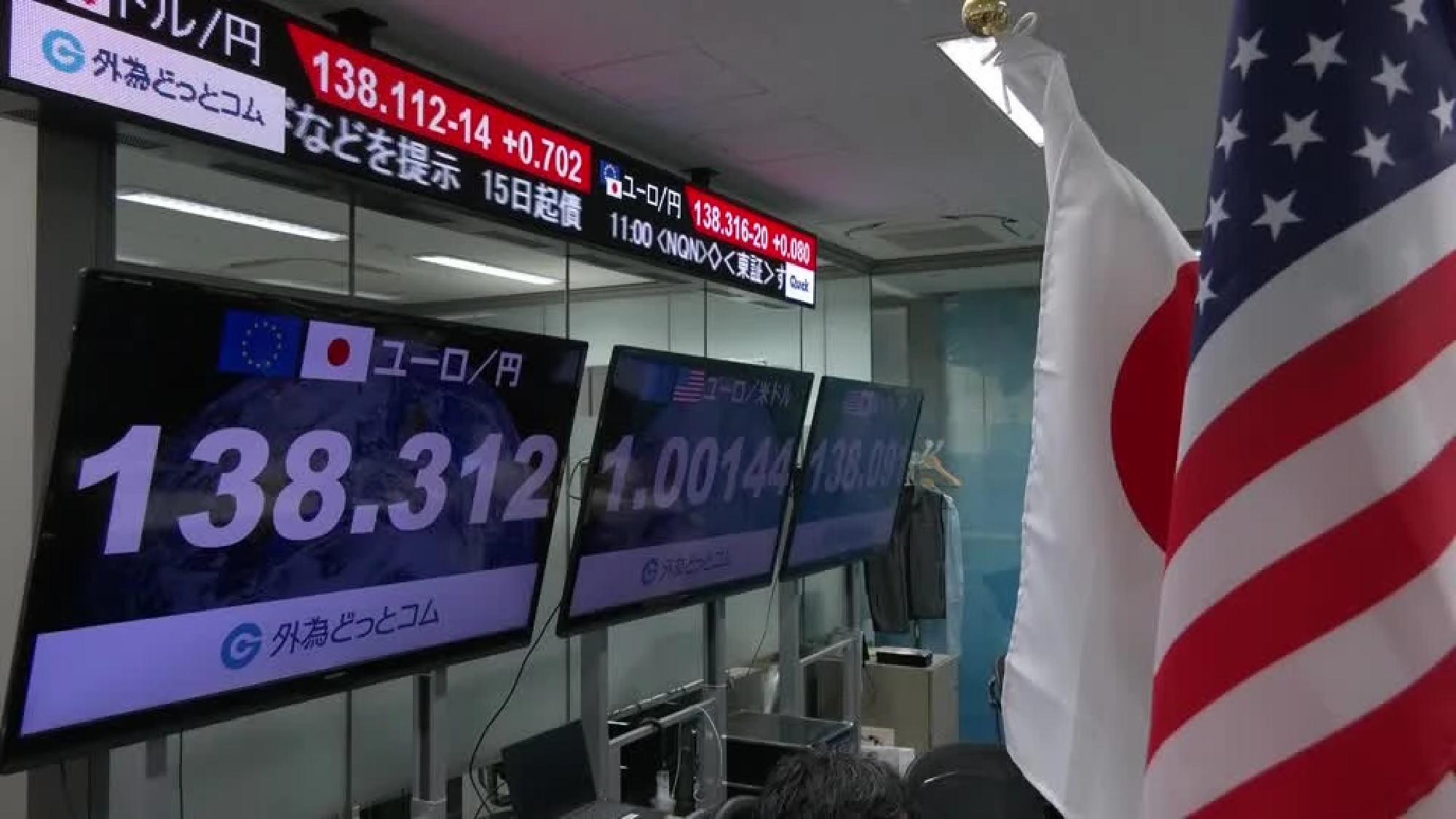
Japan’s government is concerned about the yen’s recent sharp falls and will monitor the currency market with even more sense of urgency while working closely with the Bank of Japan, Chief Cabinet Secretary Hirokazu Matsuno said on Thursday.
“We are concerned by the yen’s recent sharp falls in the foreign exchange market recently,” Japan’s top government spokesperson Matsuno said, reiterating comments from a number of top policymakers in recent months. He did not comment on currency interventions.
At a regular news conference, Matsuno also said Japan would keep monitoring the impact of inflation trends and monetary policy changes in the United States on the Japanese and global economy.
Matsuno was answering a reporter’s question about the yen’s decline on Thursday morning to 138 yen per U.S. dollar levels for the first time since September 1998, after U.S. annual consumer prices posted the largest increase in more than four decades, raising fears the Federal Reserve may hike interest rates even more aggressively than previously expected.
Talks between Russia, Ukraine, Turkey and U.N. officials on resuming Black Sea exports of Ukraine grain resulted in an agreement to form a coordination centre in order to ensure the safety of routes, the Turkish defence minister said on Wednesday.
In a statement, Turkey’s Defence Minister Hulusi Akar said an agreement would be signed next week when all parties meet again, adding the parties had agreed on joint controls for checking grains at harbours.
Russian, Ukrainian and Turkish military delegations met with U.N. officials in Istanbul on Wednesday for talks on resuming exports of Ukrainian grain from the major Black Sea port of Odesa as a global food crisis worsens.
More than 20 million tonnes of Ukrainian grain are stuck in silos in Odesa and dozens of ships have been stranded due to Russia’s blockade, part of what Moscow calls its “special military operation” in Ukraine but which Kyiv and the West say is an unjustified war of aggression.
The talks, in Istanbul between Ukrainian, Russian, Turkish and U.N. officials, took place behind closed doors at an undisclosed location.
Ukraine’s president also said in a video message on Wednesday that there was “progress” on an agreement to resume grain exports blocked by Russia.
It raised hopes of an end to a standoff that has exposed millions to the risk of starvation.
“We are indeed putting a significant effort into resuming the supply of food to the world market. And I am grateful to the United Nations and Turkey for their respective efforts,” Zelenskiy said.
“The success of this story is necessary not only for our state, but without exaggeration for the whole world. If the Russian threat to navigation in the Black Sea can be removed, it will alleviate the global food crisis,” he added.
The Bank of Canada on Wednesday raised its benchmark interest rate by a full percentage point, surprising markets with its biggest rake hike since 1998 in a bid to tame soaring inflation.
The central bank, in a regular rate decision, raised its policy rate to 2.5% from 1.5%, and said more hikes would be needed. The move was more forceful than the 75-basis point increase economists and money markets had forecast.
“An increase of this magnitude in one meeting is very unusual. It reflects very unusual economic circumstances,” Bank of Canada Governor Tiff Macklem said at a news conference.
“By front-loading interest rate increases now we’re trying to avoid the need for even higher interest rates down the road. Front loading tightening cycles tend to be followed by softer landings,” he added.
The move makes it the first G7 central bank to increase rates by 100 basis points in this cycle. It follows a 75-basis point rate hike by the U.S. Federal Reserve last month.
In its statement announcing the hike, the Bank of Canada raised its near-term inflation forecasts and made clear it expects price gains to go higher, averaging around 8% in the middle quarters of 2022. Canada’s inflation rate hit 7.7% in May, near a 40-year high.
The central bank now sees inflation averaging 7.2% this year, falling to about 3% by the end of 2023 and then back to the 2% target by the end of 2024.
“Of course, the Bank of Canada makes its decisions independently and is working very hard to counter inflation,” Canadian Prime Minister said after the rate increase was announced.
“At the same time, however, we have to highlight… how the Canadian economy has recovered and bounced back from the pandemic,” he added, citing a recovery in jobs since the start of the coronavirus pandemic.
Trudeau, who was speaking at an event to announce the deal to open a new electric vehicle battery plant in Ontario’s Loyalist Township, said the Canadian economy continues to face headwinds from global forces such as the disruption of supply chains and the war in Ukraine.
The Bank of Canada has been playing catch-up for months after significantly underestimating the persistence of inflation.
But the move combined with the promise of more coming could spook markets, said economists.
The policy rate is now at the nominal neutral rate – the midpoint between 2% and 3% – where monetary policy is neither stimulative nor restrictive.
The Canadian dollar CAD= was trading 0.4% higher after the news at 1.2970 to the greenback, or 77.10 U.S. cents.
The Bank of Canada noted a “sharp slowdown” in Canada’s housing market was underway, with that contraction expected to continue this year and into 2023.
Economic growth is now expected to be lower this year, with gross domestic product rising 3.5%, then slowing to 1.8% in 2023.
The slower growth is “largely due to the impact of high inflation and tighter financial conditions on consumption and household spending,” the bank said. Its baseline forecast is for a soft landing, with no recession over the next three years.