Livestock manure has become a coveted crop nutrient for farmers looking to cut costs, but the price of this precious poop has risen dramatically recently by supply issues and Russia’s invasion of Ukraine.
Industrial fertilizers such as nitrogen require a lot of energy to produce. Prices started to surge last year amid rising demand and lower supply as record natural gas and coal prices triggered output cuts by fertilizer manufacturers. Extreme weather and COVID-19 outbreaks also roiled global supply chains.
War in Ukraine has made the situation worse by reducing fertilizer exports from Russia and its ally Belarus due to Western sanctions and shipping snags. That threatens to shrink harvests around the world at a time of record food inflation. Combined, Russia and Belarus accounted for more than 40% of global exports of potash last year, one of three critical nutrients used to boost crop yields, according to Dutch lender Rabobank.
As of March, commercial fertilizer prices reached a record high, with nitrogen fertilizer jumping four-fold since 2020 and phosphate and potash up three-fold, said London-based consultancy CRU Group.
Farmers have turned to use solid and liquid manure as an alternative.
With demand for manure surging, prices have followed, delivering an unexpected windfall to livestock producers and cattle feedlots.
Manure is typically cheaper than chemical fertilizers like nitrogen and phosphate, however, the price of good-quality solid manure is getting more expensive.
In Nebraska, good-quality dried manure is selling for between $11- $14 per ton, nearly double the price of last year.
Demand for animal waste also has farmers scrambling to find equipment to transport and spread the desired excrement.
In Canada, Husky Farm Equipment Ltd is completely sold out of “honey wagons”, light-weight steel tanks used to haul manure, for the next 6 months.
The average size Husky Farm Equipment Ltd honey wagon is 6000 U.S. gallons and can hold up to 24 tons of faeces.
When the commercial fertilizer frenzy does start to ease and prices cool, manure is still expected to remain a hot commodity on farm fields.
Oil executives defended themselves in the U.S. Congress on Wednesday (April 6) from charges by lawmakers that they are gouging Americans with high fuel prices, saying that they are boosting energy output and no one company sets the price of gasoline.
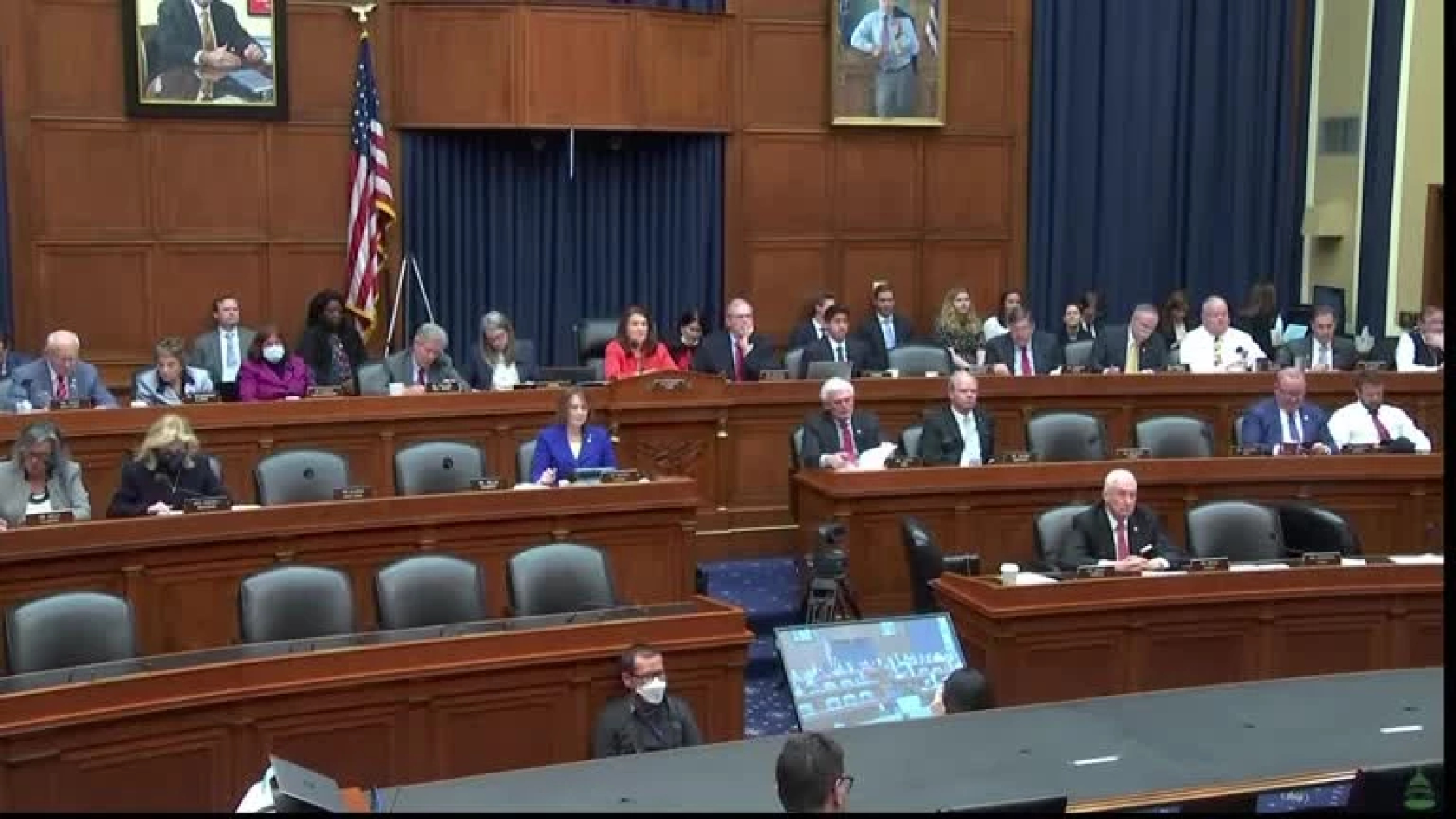
Lawmakers in the U.S. House of Representatives Energy and Commerce Subcommittee on Oversight and Investigations held the hearing to grill companies on why gasoline prices remain elevated even though prices for crude oil, the feedstock for fuels, have dropped.
U.S. gasoline prices have surged since Russia’s invasion of Ukraine in February and after Western countries slapped sanctions on Moscow’s energy exports.
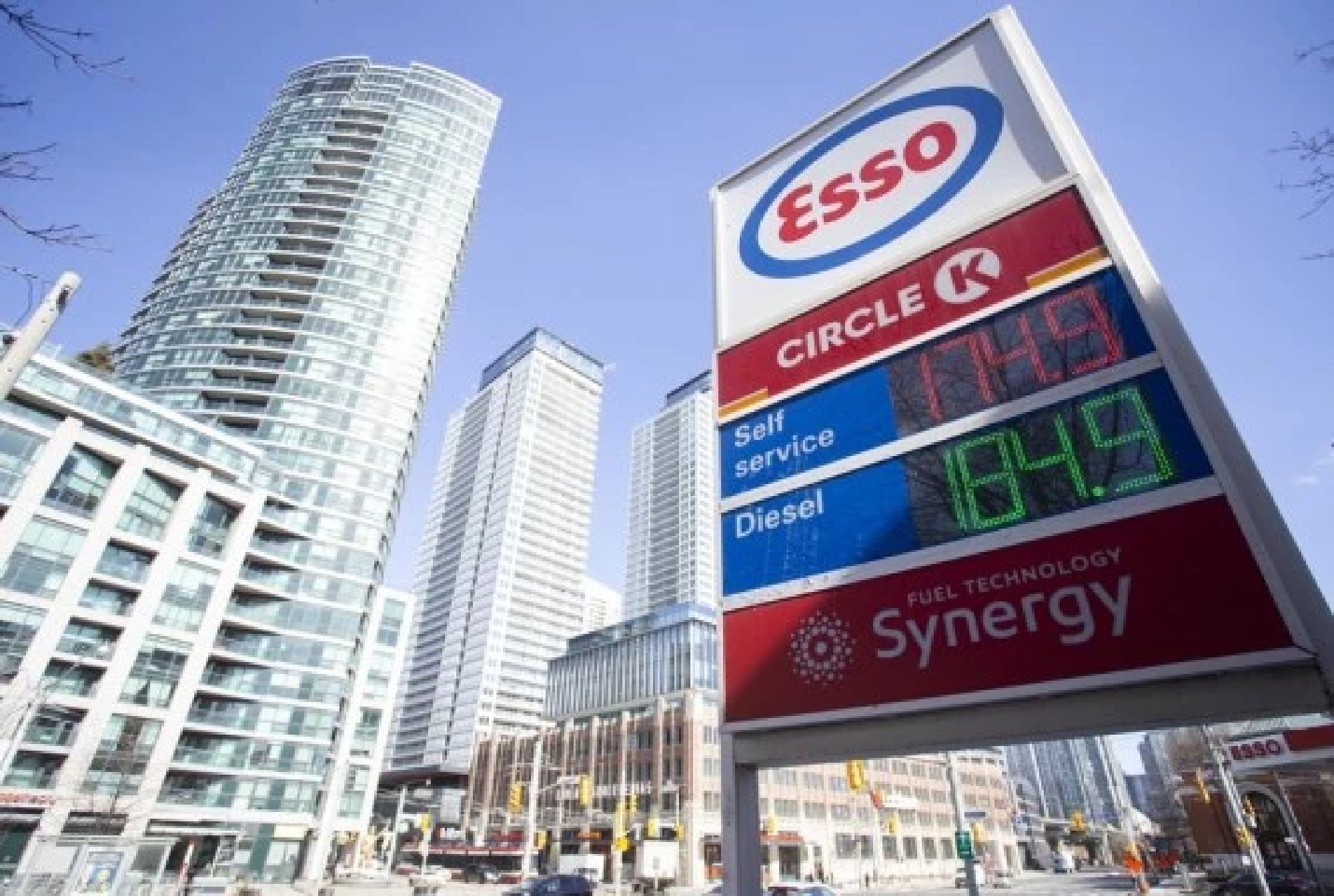
Pump prices hit a record, before inflation adjustments, of $4.33 a gallon on March 11, and since then have slipped about 4% to $4.16 a gallon on Wednesday, according to the AAA motorist group.
In the same time frame, U.S. gasoline futures have fallen more than 7% to $3.07 a gallon as international crude prices have dropped more steeply, about 8%, to about $103.70 a barrel.
Executives from Exxon Mobil, Chevron, BP America, Shell USA, Devon Energy and Pioneer Natural Resources testified virtually, despite DeGette’s invitations to do so in person.
Chevron’s Chief Executive Mike Wirth said fuel prices are set by market dynamics that companies have little control over.
U.S. President Joe Biden has been struggling to tackle rising consumer prices at the pumps and at grocery stores, a vulnerability for his fellow Democrats as they seek to maintain razor-thin majorities in both chambers of Congress in the Nov. 8 elections.
The Biden administration’s sanctions on Moscow include a U.S. ban on Russian energy imports and the president has said the higher fuel prices result partially from Russia’s invasion.
Biden last week urged oil companies to boost output and service American families instead of investors, as he announced a record release of crude oil from strategic reserves.
Republicans, including U.S. Representative Morgan Griffith, blamed for high pump prices on Biden’s policies, including a decision to revoke a key permit for the Keystone XL pipeline that would have imported crude from Canada.
Democrats have said oil companies are sitting on thousands of leases to drill on public lands.
DeGette questioned the billions of dollars in profits earned by the companies and cited the $30 billion in taxpayer subsidies they receive as a reason they should help lower gasoline prices.
Wirth restated Chevron’s plans to boost capital expenditure this year by 50%, with about half going to increase oil and gas output and a half to renewable fuels and lower-carbon energy.
Gretchen Watkins, president of Shell USA, said her company neither controls nor owns the 13,000 gas stations that carry its brand.
“Each of these independent businesses is responsible for setting the local retail price of gasoline.”
Exxon, the top U.S. oil company, on Monday (April 4) said first-quarter results could top a seven-year quarterly record. Other oil company earnings could also surge after Russia’s invasion pushed up energy prices. (Full Story)
Pioneer CEO Scott Sheffield said it would take time to rev up the company’s production in the Permian Basin, citing worker and supply chain shortages and the decommissioning of many rigs and hydraulic fracturing fleets when prices were low in 2020.
An announcement by the U.S. Commerce Department last week that it would investigate allegations that solar panel manufacturers in Southeast Asia are using Chinese-made parts and evading U.S. tariffs has raised alarms concerning both trade and environmental policy.
The department announced on March 28 that it would investigate claims by California-based solar panel manufacturer Auxin Solar that solar energy equipment manufacturers in Cambodia, Malaysia, Thailand and Vietnam have close business ties to companies in China that produce the raw materials and some components of solar panel assemblies.
In 2011, the Commerce Department ruled that China was “dumping” solar panels in the U.S. market, or pricing the panels below the cost of manufacturing them. This forced U.S. firms out of the business because they could not operate at a profit while matching Chinese prices.
In response, the Commerce Department imposed tariffs on Chinese solar panels of as much as 250% of their sales price. The result was a rapid decline in U.S. imports of Chinese solar equipment, from $2.8 billion in 2011 to less than $400 million in 2020.
In its complaint, however, Auxin points out that as imports of solar panels from China fell by 86% over that period, imports from Cambodia, Malaysia, Thailand and Vietnam surged by 868%. The company also produced evidence suggesting that during that period, exports of raw materials and solar panel parts from China to the four named countries also surged.
Investigation timeline
In a statement emailed to VOA, a Commerce Department spokesperson confirmed that the investigation had been initiated, saying that “Commerce will conduct an open and transparent investigation to determine whether circumvention is occurring. This inquiry is just a first step — there has been no determination one way or the other on the merits, and no additional duties will be imposed at this time.”
The Commerce Department said it would complete its preliminary investigation within 150 days and make a final determination within 300 days.
So far, the response of the four affected countries to the department’s announcement has been limited. The government of Thailand announced that it had filed a formal letter of complaint with the agency.
VOA reached out to U.S.-based representatives of the governments of Cambodia, Malaysia, Thailand and Vietnam for comment on this story. None had replied by the time of publication.
US solar firms divided
Auxin’s complaint and the Commerce Department’s decision to pursue it have laid bare a major rift within the solar energy industry in the U.S. Many of Auxin’s competitors, who would seem to suffer from the same disadvantages the company describes, have come out against the Commerce Department’s actions, as have industry trade groups.
In a joint op-ed, Tom Kuhn, president of the Edison Electric Institute; Heather Zichal, CEO of the American Clean Power Association; and Abigail Ross Hopper, president and CEO of the Solar Energy Industries Association, said the future for solar energy in the United States would be bleak if tariffs were applied to solar panels coming from the four named countries.
“Make no mistake — if the complainant is successful, solar energy will become as much as two to three times more expensive than it was just one year ago, setting back our efforts to achieve independence, putting hundreds of thousands of U.S. jobs at risk along with the Biden administration’s renewable energy goals,” they wrote.
“If these tariffs are applied, we expect that far less solar generation will be installed in the U.S. during the four years of the Biden administration as compared to previous administrations,” they added.
In a statement, Auxin CEO Mamun Rashid called the warnings of the trade groups “classic fearmongering tactics” and said, “We are grateful Commerce officials recognized the need to investigate this pervasive backdoor dumping and how it continues to injure American solar producers.”
The dilemma for Biden administration
The solar panel case presents a dilemma for the Biden administration because it puts two of the president’s priorities in conflict: assuring a level playing field for U.S. manufacturers, and leading the country to a carbon-neutral energy future.
The relationship between solar panel manufacturers in the United States and those in China is a complicated one. On the one hand, foreign-made solar panels made with Chinese parts are in direct competition with U.S.-made panels. However, U.S. solar firms rely on some of those same Chinese firms for raw materials and components.
Industry officials warned that even the possibility of sanctions being placed on panels imported from the four named countries would cause the rollout of solar energy products in the U.S. to slow dramatically because of uncertainty about costs. This in turn would make it more difficult for the Biden administration to meet its climate goals.
Democratic Senator Jacky Rosen said the Biden administration should look to other ways of supporting U.S. solar energy companies.
“I’m disappointed that the administration is initiating this investigation because we should be repealing existing solar tariffs, not exploring adding new tariffs,” she told The Hill newspaper on March 28. “Direct assistance to American solar manufacturers would be much more meaningful to our domestic solar industry than a trade investigation or tariffs that will only increase consumer costs, threaten good-paying jobs, and set us even further back from our climate goals.”
The minister explained masks would still be required in certain situations, such as on public transport, in hospitals and in residential care homes.
Spain’s Health Minister Carolina Darias said on Wednesday that she has proposed to the government that face mask legislation for most indoor settings be removed after the Easter holidays.
If the government goes ahead with the plan, the new rule is likely to be in force on April 20.
“I have proposed that in the Cabinet meeting (held on April 19) we will pass a decree that will mean masks are no longer obligatory indoors,” Darias said on the ministry’s social media site, adding the change would come into effect the following day.
People wearing face masks are seen in Madrid, Spain, Feb. 1, 2022. (Xinhua/Meng Dingbo)
“Thanks to the high level of immunization in the population, we are in a favorable situation,” she said.
The minister explained masks would still be required in certain situations, such as on public transport, in hospitals and in residential care homes.
Spain ended the obligatory use of face masks outdoors in February.
Spain has recorded a total of 11,578,653 COVID-19 cases and 102,747 deaths since the start of the pandemic, according to official data.
Hospital and military personnels work at a vaccination point in Seville University in Seville, Spain, on Jan. 7, 2022. (Photo by Gustavo Valiente/Xinhua)
The leaders reaffirmed their common position to further develop the Russian-Serbian strategic partnership.
Russian President Vladimir Putin and Serbian President Aleksandar Vucic reiterated their readiness to deepen bilateral relations during a phone conversation on Wednesday.
Putin congratulated Vucic on his victory in the presidential elections on Sunday and the success of his party in the parliamentary elections, the Kremlin said in a statement.
The leaders reaffirmed their common position to further develop the Russian-Serbian strategic partnership and expand trade and economic ties, including in the energy sector.
They also discussed the situation in Kosovo and the negotiations between the Russian and Ukrainian delegations.
A new comprehensive Israeli study has found that a fourth COVID-19 vaccine dose triples the protection against severe illness in people aged 60 and over, compared with three-dose protection, the Israeli Health Ministry said Tuesday.
The study, published in the New England Journal of Medicine, was conducted by the ministry, three leading Israeli universities and the Sheba Medical Center, Israel’s largest hospital.
Using the ministry database, the researchers extracted data on 1,252,331 persons who were 60 years of age or older and eligible for a fourth dose.
It was conducted during a period in which the Omicron variant of SARS-CoV-2 was predominant, between January 10 and March 2 in 2022.
Except for the three-fold lower severe illness rate among the fourth-dose vaccinated, it was found that the protection did not decline throughout the study’s eight-week period.
The rate of verified COVID-19 cases among the fourth-dose vaccinated people was twice as low as the three-dose group, but protection against confirmed infection appeared short-lived, according to the study.
A medical staff member wearing protective gear tends to a patient in the COVID-19 ward at Beilinson Hospital Rabin Medical Center in the central Israeli city of Petah Tikva on Feb. 1, 2022. (Gideon Markowicz/JINI via Xinhua)
U.S. President Joe Biden will sign an executive order banning new investment in Russia by Americans no matter where they live, a factsheet from the White House said, adding the executive order aims to “ensure the enduring weakening of the Russian Federation’s global competitiveness.”
The United States on Wednesday imposed additional sanctions on Russia for its military operation in Ukraine, targeting the country’s major financial institutions and the two daughters of Russian President Vladimir Putin.
According to a factsheet from the White House detailing the measures, the United States will impose full blocking sanctions on Russia’s largest financial institution, Sberbank, and the country’s largest private bank, Alfa Bank, freezing any of the two banks’ assets in the U.S. financial system and prohibiting Americans from doing business with them.
U.S. President Joe Biden will sign an executive order banning new investment in Russia by Americans no matter where they live, the factsheet said, adding the executive order aims to “ensure the enduring weakening of the Russian Federation’s global competitiveness.”
Additionally, Americans will no longer be allowed to conduct business transactions with major Russian state-owned enterprises, whose assets subject to U.S. jurisdiction will be frozen. The Department of the Treasury will announce the names of these entities Thursday.
A man walks into a Sberbank office in Moscow, Russia, Feb. 25, 2022. (Xinhua/Evgeny Sinitsyn)
Full blocking sanctions will be imposed on Putin’s two adult daughters, Russian Foreign Minister Sergei Lavrov’s wife and daughter, Russian Prime Minister Mikhail Mishustin as well as former Russia President and Prime Minister Dmitry Medvedev, who is now deputy chairman of the Security Council of Russia.
As a result, these individuals will be cut off from the U.S. financial system and the Biden administration will freeze the assets they hold in the United States.
Separately, the Treasury Department on Tuesday barred Russia from making debt payments with U.S. dollars from accounts at U.S. financial institutions, making it harder for the Russian government to meet its financial obligations.
The White House said in the factsheet that the United States and its allies will still allow Western companies to operate in Russia in sectors related to basic food provision, medicine and health care as well as telecommunications services, so as to alleviate the sanctions’ negative impact on ordinary Russians.
If necessary, the factsheet added, appropriate exemptions and carveouts will be issued to ensure humanitarian activities are not disrupted.
Despite downside risks posed by geopolitical events including the Russia-Ukraine conflict, the U.S. economy entered this period of uncertainty “with considerable momentum in demand and a strong labor market,” U.S. Federal Reserve Governor Lael Brainard noted.
U.S. Federal Reserve Governor Lael Brainard said Tuesday that it is “of paramount importance” to get inflation down, noting that the central bank is “prepared to take stronger action” if inflation indicators show such action is warranted.
“Currently, inflation is much too high and is subject to upside risks,” Brainard, U.S. President Joe Biden’s nominee to serve as the central bank’s vice chair, said in prepared remarks at a virtual event held by the Federal Reserve Bank of Minneapolis.
“All Americans are confronting higher prices, but the burden is particularly great for households with more limited resources,” Brainard said, noting that lower-income households “disproportionately” feel the burden of high inflation.
Lower-income families expend a greater share of their income on necessities, have smaller financial cushions, and may have less ability to switch to lower-priced alternatives, she said.
U.S. personal consumption expenditures (PCE), the Fed’s preferred inflation measure, surged 6.4 percent in February over the past year, the Commerce Department reported last week. The index is well above the Federal Reserve’s 2 percent target on inflation.
People have meals at a restaurant in New York, the United States, March 7, 2022. (Xinhua/Wang Ying)
The core PCE, which excludes the volatile food and energy prices, was up 5.4 percent in February from the same period last year, marking the biggest jump in nearly four decades.
Despite downside risks posed by geopolitical events including the Russia-Ukraine conflict, the U.S. economy entered this period of uncertainty “with considerable momentum in demand and a strong labor market,” Brainard noted.
As of the March labor report, payroll employment has increased at a pace of 600,000 jobs per month over the past six months, and the unemployment rate has fallen by a percentage point, she noted. Latest data from the Labor Department showed that the unemployment rate in March dropped by 0.2 percentage point to 3.6 percent, just slightly above the pre-pandemic level of 3.5 percent.
Noting that the recovery in labor force participation was “lagging far behind” until recently, the Fed official said the pandemic constraints on labor supply are diminishing for the prime-age workforce. The labor force participation rate was at 62.4 percent in March, still one percentage point below the pre-pandemic level of 63.4 percent.
“An increase in labor supply associated with diminishing pandemic constraints combined with a moderation in demand associated with tightening financial conditions, slowing foreign growth, and a large decrease in fiscal support could be expected to reduce (labor market) imbalances later in the year,” Brainard said.
The Federal Open Market Committee, the Fed’s policy-making body, will continue tightening monetary policy methodically through a series of interest rate increases and by starting to reduce the balance sheet at a rapid pace as soon as its May meeting, Brainard said.
Given that the recovery has been considerably stronger and faster than in the previous cycle, Brainard said she expected the balance sheet to shrink considerably more rapidly than in the previous recovery.
At its March policy meeting, the Fed raised its benchmark interest rate by a quarter percentage point to a range of 0.25 percent to 0.5 percent from near zero, marking its first rate hike since 2018 and a major step in exiting from the ultra-loose monetary policy enacted at the start of the pandemic.
Several Fed officials, including Fed Chairman Jerome Powell, have recently signaled their willingness to support a 0.5-percentage point rate hike at the central bank’s May policy meeting, instead of a traditional quarter-point increase.
As Russia produces goods that are also produced in large quantities in Canada (crude oil, natural gas, grains, lumber, metals, fertilizer, etc.), export values could be indirectly affected by higher demand and substantial price increases, given the consequences of the conflict on the future supply of these goods, Statistics Canada explained.
The various trade sanctions against Russia indirectly drove up Canadian export values with higher demand and substantial price increases, Statistics Canada said Tuesday, publishing trade data in February with crude oil contributing the most to the export growth.
According to Statistics Canada data, total trade (exports plus imports) with Russia was 2.8 billion Canadian dollars (2.2 billion U.S. dollars) in 2021, representing 0.2 percent of Canadian trade activity. As a result, the direct impact of the various trade sanctions imposed by a number of countries against Russia is minimal for Canadian merchandise trade values.
As Russia produces goods that are also produced in large quantities in Canada (crude oil, natural gas, grains, lumber, metals, fertilizer, etc.), export values could be indirectly affected by higher demand and substantial price increases, given the consequences of the conflict on the future supply of these goods, Statistics Canada explained.
In February, total exports increased 2.8 percent to a record 58.7 billion Canadian dollars (47 billion U.S. dollars). Exports of energy products rose 7.8 percent to a record 15.4 billion Canadian dollars (12.3 billion U.S. dollars), accounting for 26.2 percent of total exports, an increase of more than 6 percentage points from the share of 19.7 percent observed in February 2021.
Export values of crude oil jumped by 9.9 percent, contributing the most to the growth, largely due to higher prices. The volume of crude oil exports increased 3.9 percent in February, following a decrease of 6.5 percent in January.
Statistics Canada said the imbalance between supply and demand that has persisted for several months, in addition to the uncertainty surrounding the future supply of crude oil due to rising tensions between Russia and Ukraine in late February, is among the causes of the increase in crude oil prices.




 People wearing face masks are seen in Madrid, Spain, Feb. 1, 2022. (Xinhua/Meng Dingbo)
 Hospital and military personnels work at a vaccination point in Seville University in Seville, Spain, on Jan. 7, 2022. (Photo by Gustavo Valiente/Xinhua)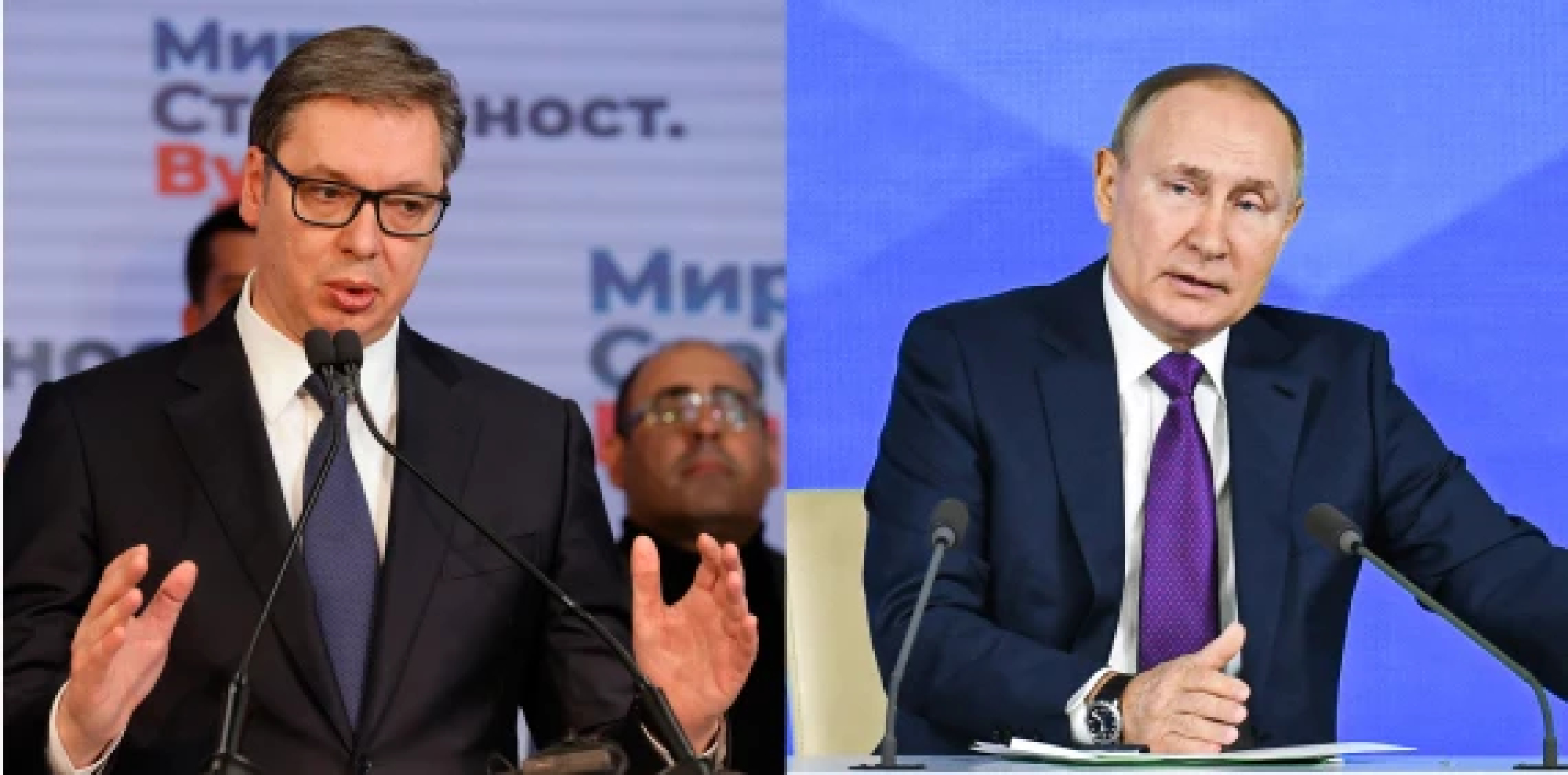

 A medical staff member wearing protective gear tends to a patient in the COVID-19 ward at Beilinson Hospital Rabin Medical Center in the central Israeli city of Petah Tikva on Feb. 1, 2022. (Gideon Markowicz/JINI via Xinhua)
 A man walks into a Sberbank office in Moscow, Russia, Feb. 25, 2022. (Xinhua/Evgeny Sinitsyn)
 People have meals at a restaurant in New York, the United States, March 7, 2022. (Xinhua/Wang Ying)