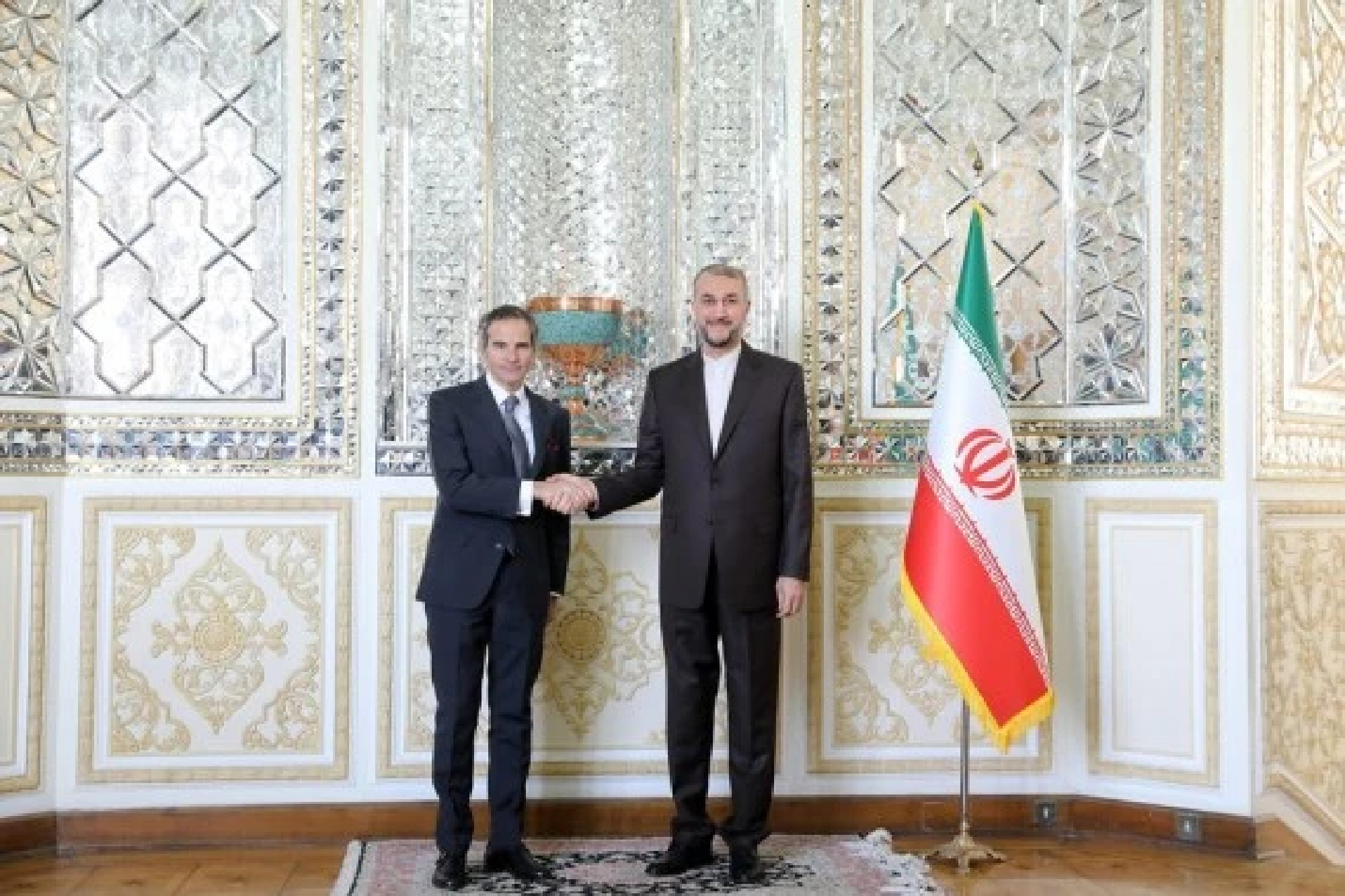
Iranian Foreign Minister Hossein Amir-Abdollahian on Monday urged the United States to be “realistic” to help reach an agreement in Vienna talks aimed at reviving the 2015 nuclear deal, formally known as the Joint Comprehensive Plan of Action (JCPOA).
The Iranian diplomat said in a tweet that “the excessive demands” of the United States could lead to a pause in the Vienna negotiation as Iran will “never give in” to such demands.
Amir-Abdollahian also pointed out that “an agreement can be reached if the United States is realistic.”
Earlier in the day, Iranian Foreign Ministry Spokesman Saeed Khatibzadeh said that the United States should be responsible for protraction in Vienna talks.
Iran signed the JCPOA with the world powers in July 2015. However, former U.S. President Donald Trump pulled the United States out of the agreement in May 2018 and reimposed unilateral sanctions on Tehran, prompting the Islamic republic to scale back some of its nuclear commitments under the agreement in retaliation.
Since April 2021, eight rounds of talks have been held in Vienna between Iran and the remaining JCPOA parties, namely China, Russia, Britain, France, and Germany, to revive the deal.
Over the past weeks, reports from Vienna suggested that the negotiators were “close” to an agreement with few key issues remaining which required “political decisions” of the parties.
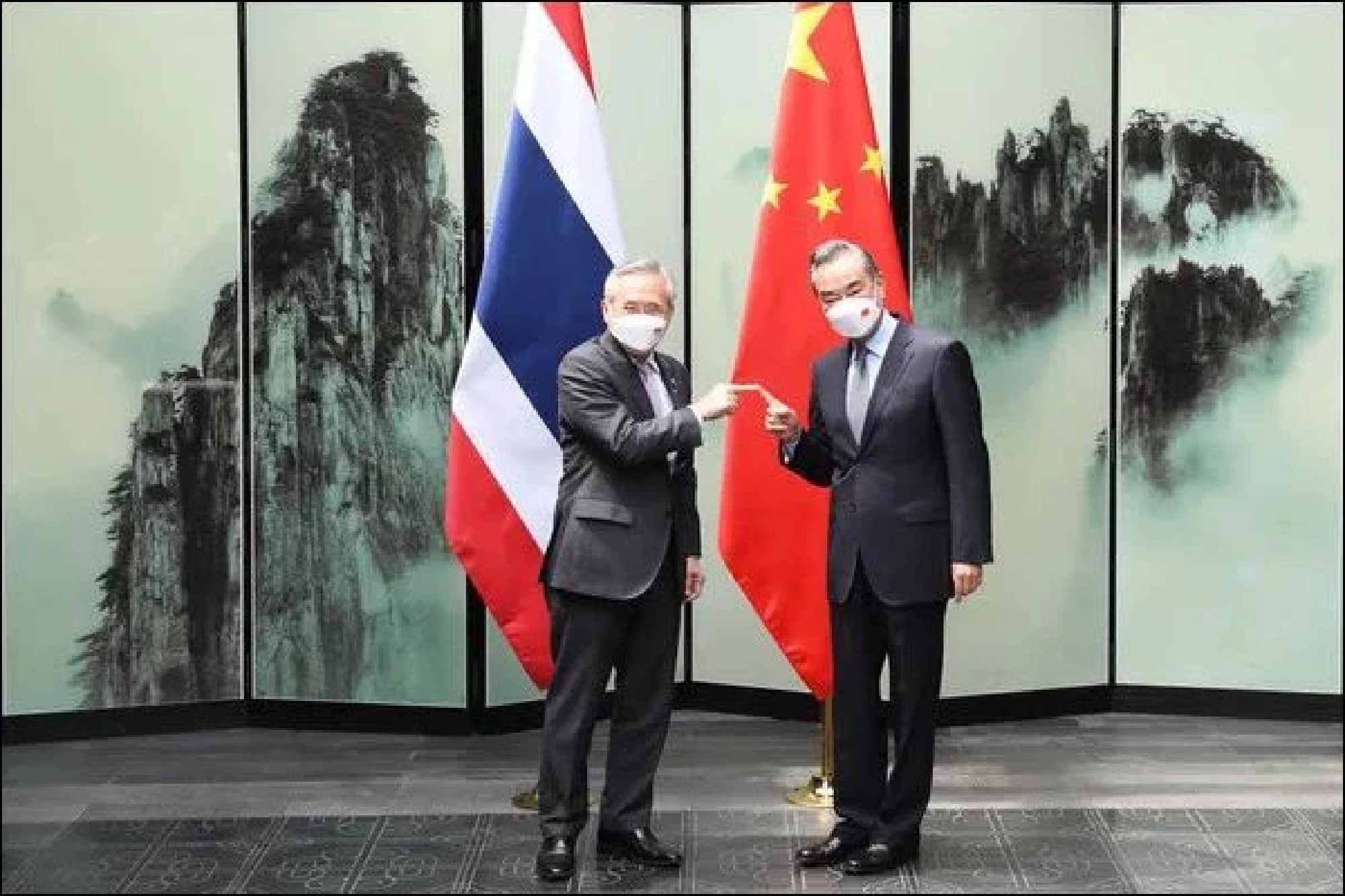
While visiting his Chinese counterpart on Saturday, Foreign Minister Don Pramudwinai shifted the focus to speeding up the construction of the Sino-Thai railway project, so the railway can connect Thailand to Laos route as soon as possible.
Don was meeting his Chinese Foreign Minister Wang Yi in Tunxi in Anhui province. The ministers also discussed the possibility of extending the high-speed railway to Malaysia and Singapore in line with China’s ambitious Pan Asia line project.
Wang, meanwhile, said both sides should speed up cooperation over the Belt and Road Initiative, railway, industrial parks, vaccines as well as medical research and development.
China and Thailand should use the implementation of the Regional Comprehensive Economic Partnership (RCEP) agreement as an opportunity to tap the potential of bilateral economic and trade cooperation, Wang said. He also encouraged further cooperation in electronic technology, the digital economy and new energy.
The RCEP, which took effect on January 1, includes Thailand and the other nine members of ASEAN as well as China, Australia, Japan, New Zealand, and South Korea.
Noting that 2022 marks the 10th anniversary of the China-Thailand comprehensive strategic cooperative partnership, Wang called on both countries to work together to “write a new chapter” in bilateral ties.
At the meeting, Don also recalled his first trip to China in 1975, when the two countries established diplomatic relations. He said Thailand values its friendship with China and is ready to help build Belt and Road as well as participate in the Global Development Initiative.
Don also said he hopes to expand cooperation on agricultural products and inter-connectivity between Thailand and China as well as ensure the industrial and supply chains are secure.
The two sides also agreed to promote a China-Asean comprehensive strategic partnership and deepen the Lancang-Mekong cooperation.
Noting that China, Thailand and Indonesia will host meetings among BRICS, APEC and G20 members this year respectively, Wang said China was ready to inject more positive energy and stability into the world and bolster Thailand and Indonesia’s commitment to peaceful development.
As for the Russia-Ukraine war, Wang said the key factor is to maintain peace and stability in Asia, resist unilateral sanctions and “long-arm jurisdiction that has no basis in international law”.
Don responded by saying he appreciated and understood China’s “objective and fair” position on the issue. The two sides also exchanged views on the Myanmar situation.
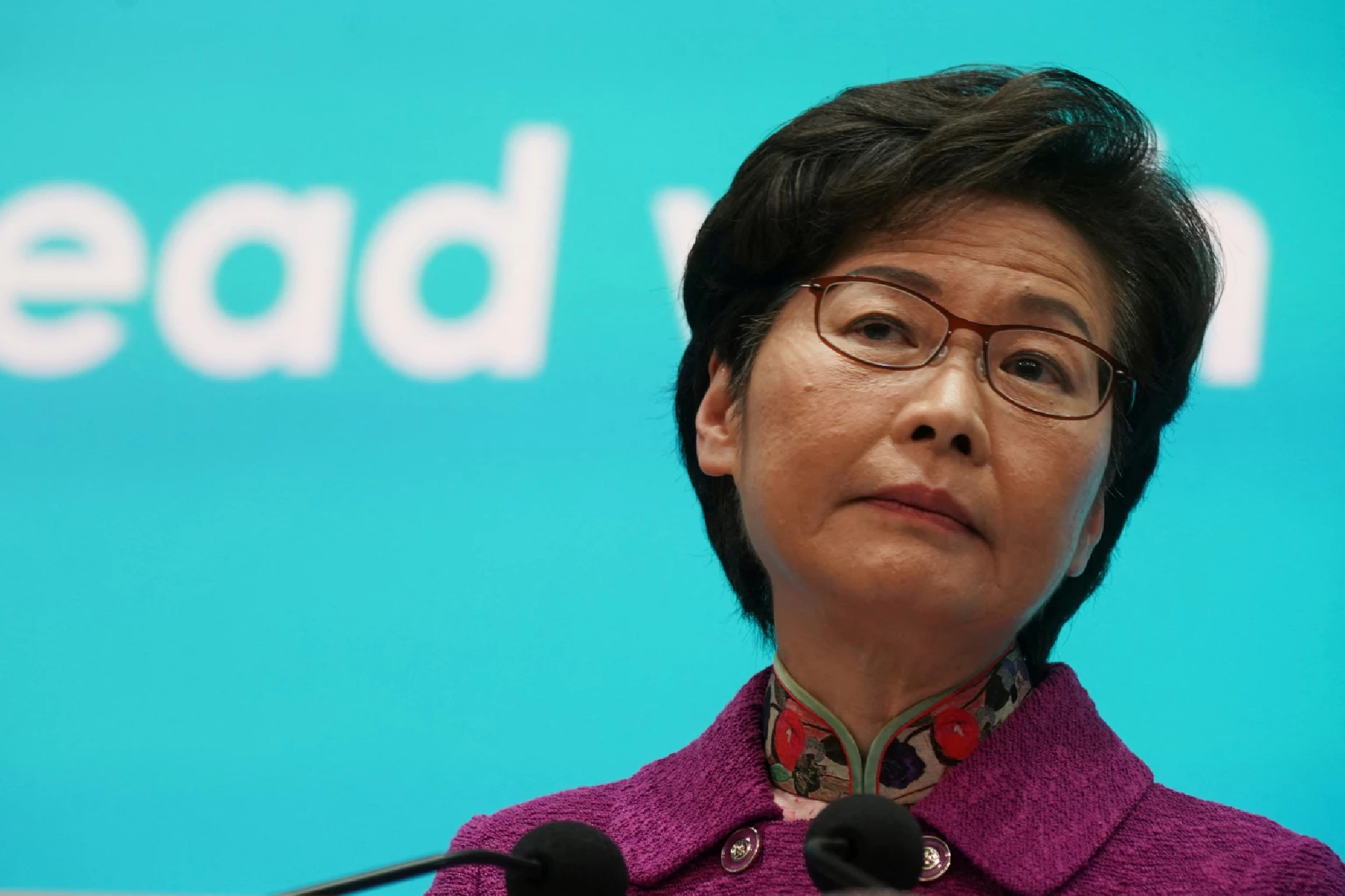
Hong Kong leader Carrie Lam, who has governed the global financial hub through the unprecedented upheaval of anti-government protests and COVID-19, said on Monday (April 4) that she will not seek a second five-year term of office.
“There is only one consideration and that is family. I have told everyone before that family is my top priority. They think it is time for me to go home,” Lam told a regular press briefing.
The leadership election was pushed back from March 27 to give the government time to battle a COVID outbreak that has infected more than a million of the 7.4 million people in the former British colony.
Lam, born in British-ruled Hong Kong in 1957 and a life-long civil servant who describes herself as a devout Catholic, took office in 2017 as Chief Executive with a pledge to unite a city that was growing increasingly resentful of Beijing’s tightening grip.
Two years later, millions took to the streets in sometimes violent anti-government protests that ultimately led Beijing to implement a sweeping national security law in June 2020, giving it more power than ever to shape life in Hong Kong.
Lam, in remarks to a group of businesspeople at the height of the unrest in 2019, said that if she had the choice she would quit, adding that the chief executive “has to serve two masters by the constitution, that is the central people’s government and the people of Hong Kong.”
The “political room for manoeuvring is very, very, very limited,” she added in an audio recording obtained by Reuters.
In August 2020, the United States imposed sanctions on Lam, and a number of other Hong Kong and Chinese officials, saying they had undermined Hong Kong’s high degree of autonomy from Beijing and curtailed political freedoms.
Hong Kong returned from British to Chinese rule in 1997 with the guarantee of wide-ranging freedoms, including an independent judiciary and the right to protest, for at least 50 years.
Chinese and Hong Kong authorities deny that individual rights are being eroded and say the security legislation was needed to restore stability after prolonged unrest.
The spark for the mass demonstrations in 2019 was a legislation proposal since withdrawn, that would have allowed people to be sent to mainland China for trial.
Many protesters demanded Lam quit at the time, and full democracy to select their own leader.
She is the least popular Hong Kong leader since the handover from British to Chinese rule, according to historical surveys from the Hong Kong Public Opinion Research Institute. Her support ratings fell from 63.6 per cent in July 2017 to 35.7 per cent in December 2021.
While Hong Kong’s mini-constitution, or Basic Law, says universal suffrage for the city’s leader is an “ultimate aim”, all of its post-handover chief executives have been chosen by a small committee stacked with pro-Beijing loyalists.
Some historians point out that the British did nothing to promote democracy in Hong Kong until the final years of more than a century-and-a-half of colonial rule.
Lam’s term ends in June 2022.
Lam’s announcement came as local media said Chief Secretary John Lee, Hong Kong’s second most senior official, was set to resign to join the race to replace Lam in May and become the Chinese-ruled city’s next leader.
\Former police officer John Lee, was reported to be interested in running for the city’s top job, according to local media, which could see Beijing signing off on the first security official to run the global financial hub.
Chief Secretary Lee is a former Hong Kong security chief and deputy police commissioner who was known as an anglophile during British colonial rule.
In recent years, he has been forceful in enacting China’s harsher security regimen – with scores of democrats arrested, jailed or forced into exile, civil society groups forced to disband, and liberal media outlets raided by police and shuttered.
Hong Kong selects a leader every five years under a process that Beijing oversees behind the scenes. Since the city reverted from British to Chinese rule in 1997, there have been four chief executives, all of whom have struggled to balance the democratic aspirations of some residents with the vision of China’s Communist Party leaders.
A nomination period for candidates began on Sunday (March 3) and will last for two weeks. The election is scheduled for May 8, with the new chief executive to take office on July 1.
Other possible Chief Executive candidates mentioned in local media include Financial Secretary Paul Chan, Chief Secretary John Lee and Margaret Chan, the former head of the World Health Organisation.
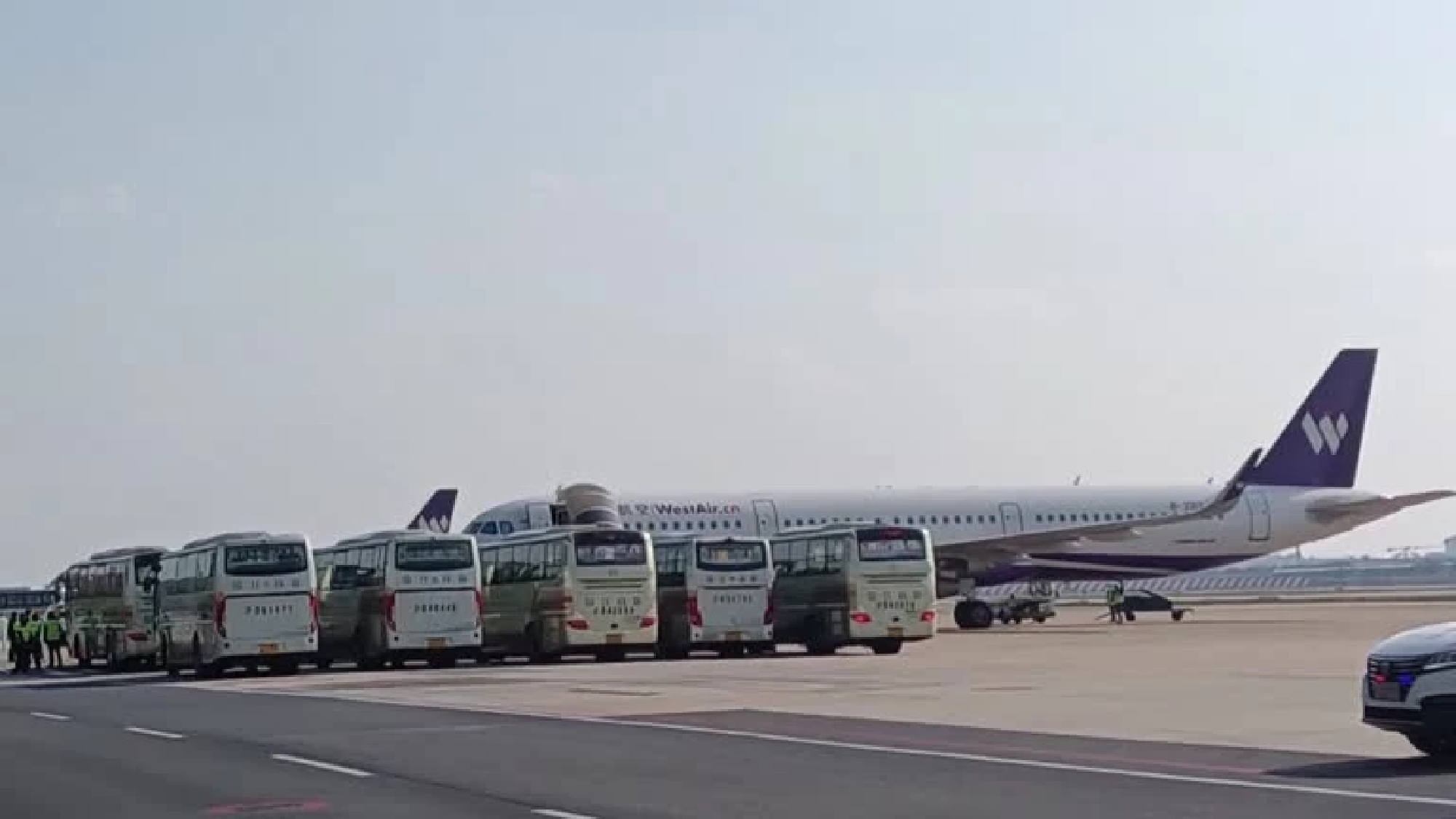
Medical workers across China have arrived in Shanghai since Friday to help contain the recent resurgence of COVID-19 cases in the metropolis.
On Sunday (April 3), thousands of medics from regions including Tianjin and the provinces of Hubei, Jiangxi and Shandong arrived in the megacity with a population of 25 million by 10 high-speed trains.
“The country has already sent medical teams, which are mainly sent to work at temporary hospitals, from fraternal provinces to aid Shanghai. The first batch of medical workers and sample collectors from Jiangsu, Zhejiang and Anhui provinces have already arrived in Shanghai,” Wu Qianyu, an official with the Shanghai Municipal Health Commission, told a press conference on Sunday.
The People’s Liberation Army (PLA) on Sunday dispatched more than 2,000 medical personnel from across the army, navy and joint logistics support forces to Shanghai, an armed forces newspaper reported.
More than 10,000 healthcare workers from provinces such as Jiangsu, Zhejiang and Beijing have arrived in Shanghai, according to state media reports, which showed them arriving, suitcase-laden and masked up, by high-speed rail and aircraft.
Over 650 medics from Anhui are working with a local medical team at a temporary hospital in Chongming District that offers over 2,700 beds. The hospital was scheduled to receive the first group of 1,300 mild cases and asymptomatic carriers on Sunday night.
According to the press conference, Shanghai had conducted citywide antigen testing on Sunday and would carry out the nucleic acid testing on Monday, aiming at completely eliminating potential risks, cutting off the chain of transmission, curbing the spread of the virus, and achieving dynamic zero-COVID as soon as possible.
Also, on Sunday, Shanghai reported 425 confirmed locally transmitted COVID-19 cases and 8,581 asymptomatic carriers, the local health commission said on Monday.
Some residents woke up before dawn for white-suited healthcare workers to swab their throats as part of nucleic acid testing at their housing compounds, many queuing up in their pyjamas and standing the required two metres apart as cases continued to rise.
It is China’s largest public health response since it tackled the initial COVID-19 outbreak in Wuhan, where the novel coronavirus was first discovered in late 2019. The State Council said the PLA dispatched more than 4,000 medical personnel to the province of Hubei, where Wuhan is, at that time.
The mayor of a recently liberated Ukrainian city accused Russian troops on Sunday (April 3) of deliberately killing civilians during their month-long occupation of his town, allegations that Russia’s defence ministry denied.
The mayor of Bucha, Anatoliy Fedoruk, showed a Reuters team two corpses with a white cloth tied around their arms which he said was what residents were forced to wear by fighters from Chechnya, a region in southern Russia that has deployed troops to Ukraine to support Russian forces.
One corpse had his hands bound by the white cloth and appeared to have been shot in the mouth.
Russia’s defence ministry issued a statement on Sunday saying that all photographs and videos published by the Ukrainian authorities alleging “crimes” by Russian troops in Bucha were a “provocation.”
While Reuters was not immediately able to verify the mayor’s allegations, reporters on Sunday saw at least three victims who had been shot in the head, and residents recounted examples of others shot through the eye or strafed with bullets.
Local officials say they have logged around 50 executions so far, dubbing it a genocide.
Bucha lies 37 km (23 miles) northwest of Kyiv city and this weekend when journalists visited and the authorities began making allegations of atrocities, it was a scene of shattered buildings and streets strewn with corpses.
Sobbing as she gestured at a shallow grave, a shot of vodka topped with a cracker resting on freshly dug earth, Tetyana Volodymyrivna recounted a harrowing ordeal at the hands of Russian troops.
She and her husband, a former Ukrainian marine, were dragged from their apartment when Russian troops set up their command centre in their building and held prisoner for days.
She said a Chechen fighter warned he would cut them both to pieces.
Volodymyrivna was eventually released.
Her husband was nowhere to be seen – until she was told about some slain victims in a basement stairwell.
“I recognised him by his shoes, his trousers. He looked mutilated, his body was cold,” she said.
“He was buried a meter deep, so dogs wouldn’t eat him.”
Another corpse still lies in the stairwell where he was found.
Local residents covered the body with a bedsheet as a mark of dignity.
And around the corner, another grave contains the remains of two men that residents said had been taken away by Russian troops.
Both appeared to have been shot through their left eyes.
Bucha was captured in the days immediately after the February 24 invasion by Russian forces, which later swept south, capturing Chernobyl and moving towards the capital.
But Bucha and the northern outskirts of nearby Irpin were the points at which the Russian advance from the northwest was halted after they met with unexpectedly fierce resistance from Ukrainian forces.
The area witnessed some of the bloodiest fighting of the war for the capital region until Russian forces pulled back from the outskirts of Kyiv to regroup for battles in eastern Ukraine.
On Saturday (April 2), Ukraine said its forces had retaken all areas around Kyiv and that it now had complete control of the region for the first time since the invasion.
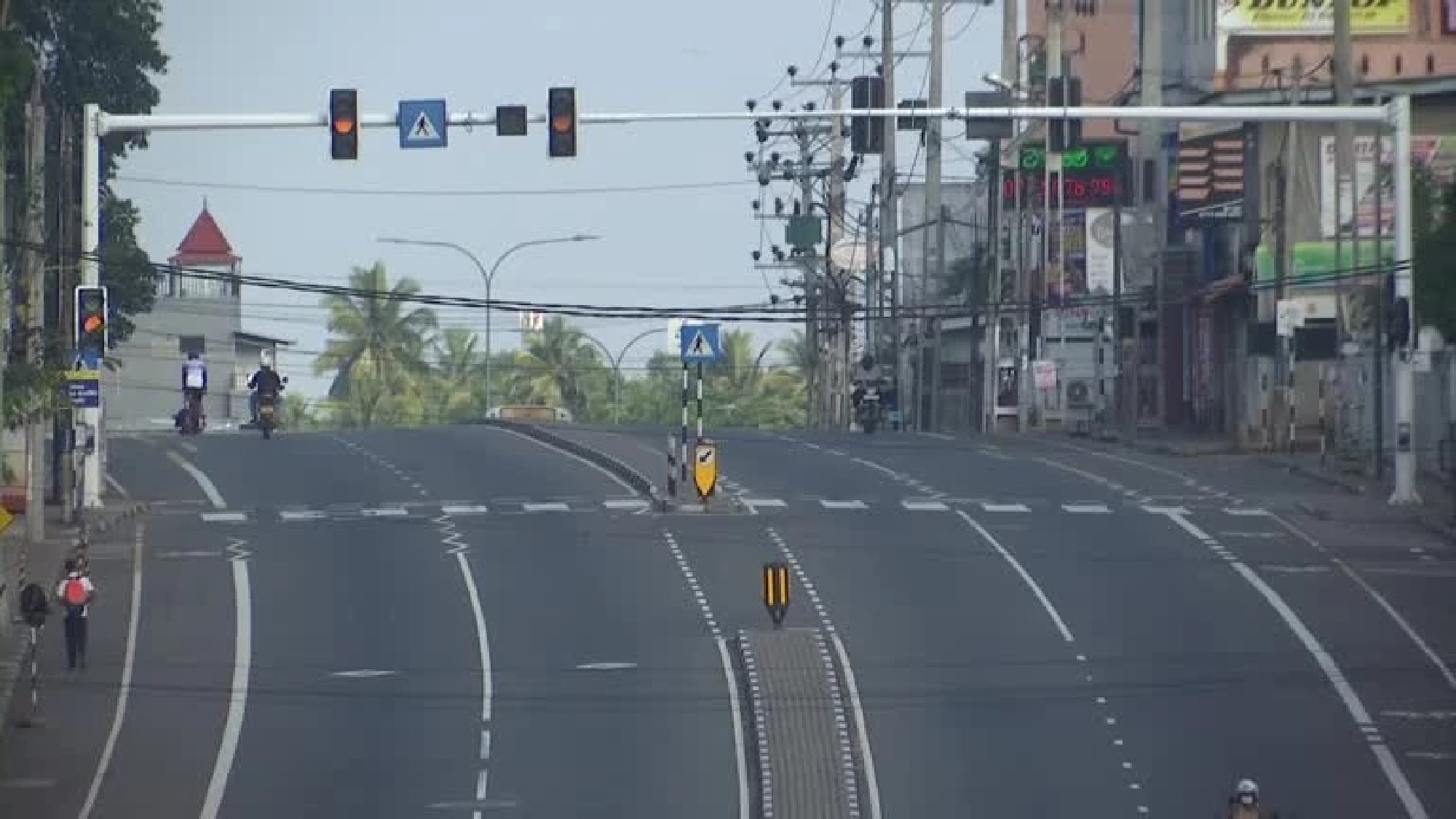
Roads were empty and shops were closed as armed soldiers patrolled the streets on Sunday (April 3), after Sri Lanka’s government imposed a weekend curfew.
The government’s information department said a countrywide curfew would run from 6 p.m. (1230 GMT) on Saturday (April 2) to 6 a.m. (0030 GMT) on Monday (April 4).
Rajapaksa introduced a state of emergency on Friday (April 1), raising fears of a crackdown on protests. Emergency powers in the past have allowed the military to arrest and detain suspects without warrants, but the terms of the current powers are not yet clear.
The Indian Ocean island nation of 22 million people is grappling with rolling blackouts for up to 13 hours a day as the government scrambles to secure foreign exchange to pay for fuel and other essential imports.
Rajapaksa said the state of emergency was needed to protect public order and maintain essential supplies and services.
Angered by the shortages of fuel and other essential items, hundreds of protesters clashed on Thursday with police and the military outside Rajapaksa’s residence as they called for his ouster and torched several police and army vehicles.
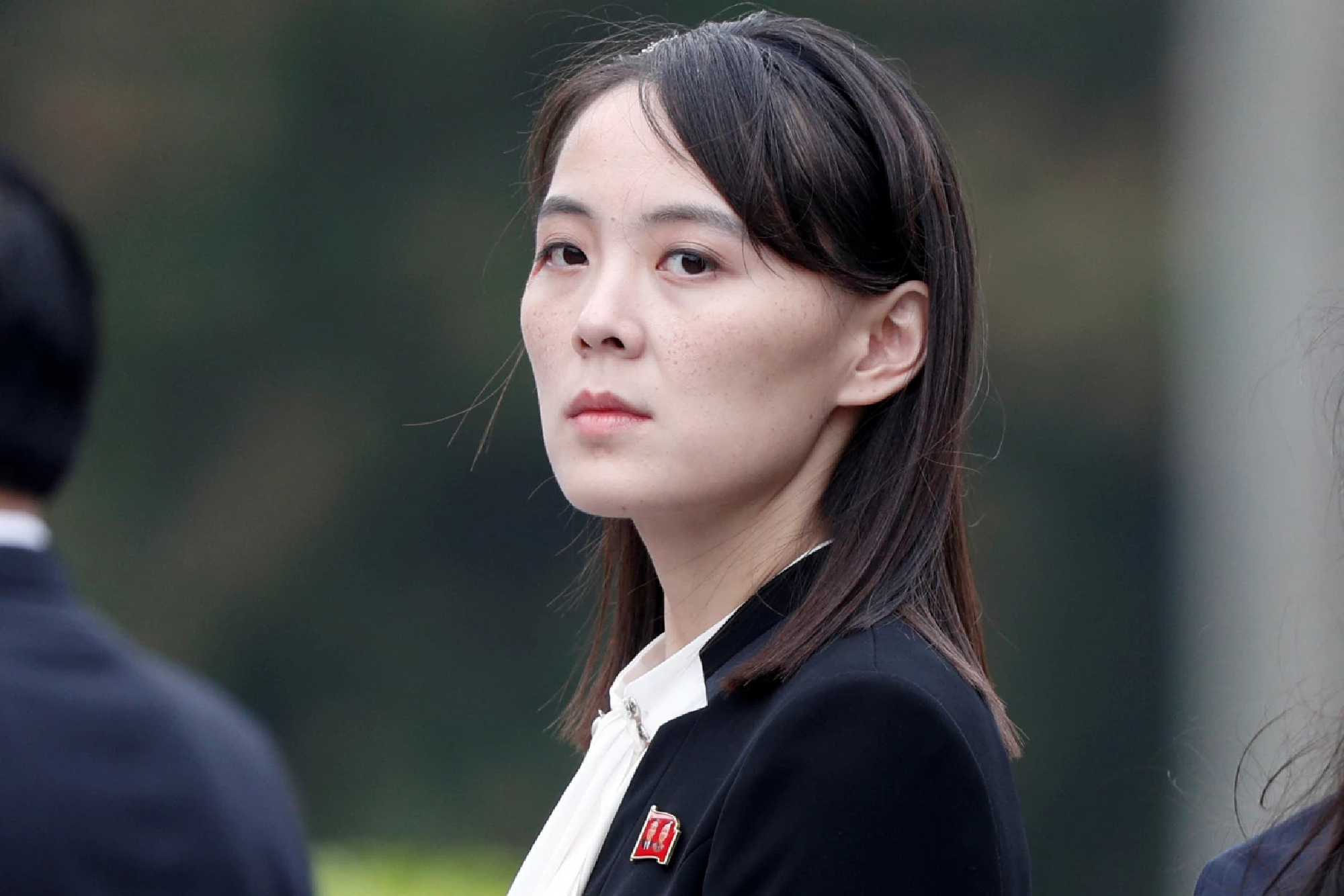
Kim Yo Jong, the sister of North Korean leader Kim Jong Un, said the South Korean defence minister’s remarks about a preemptive strike against the north “have further worsened the inter-Korean relations and military tension on the peninsula,” state-run television KRT reported on April 3
That comes after the South Korean minister, Suh Wook, said on Friday (April 1) that his country’s military has a variety of missiles with significantly improved firing range, accuracy, and power, with “the ability to accurately and quickly hit any target in North Korea.”
Kim, the vice department director of the Central Committee of the Workers’ Party of Korea, also said the country would “reconsider a lot of things” and that South Korea “may face a serious threat” due to such remarks.
In a separate statement, Pak Jong Chon, secretary of the Central Committee of the Workers’ Party of Korea, said the North “will mercilessly direct all its military force into destroying major targets in Seoul and the South Korean army” if the South Korean army engages in a dangerous military action such as a preemptive strike, according to KRT on Sunday. The North, however, did not elaborate on where it saw as the major targets within Seoul.
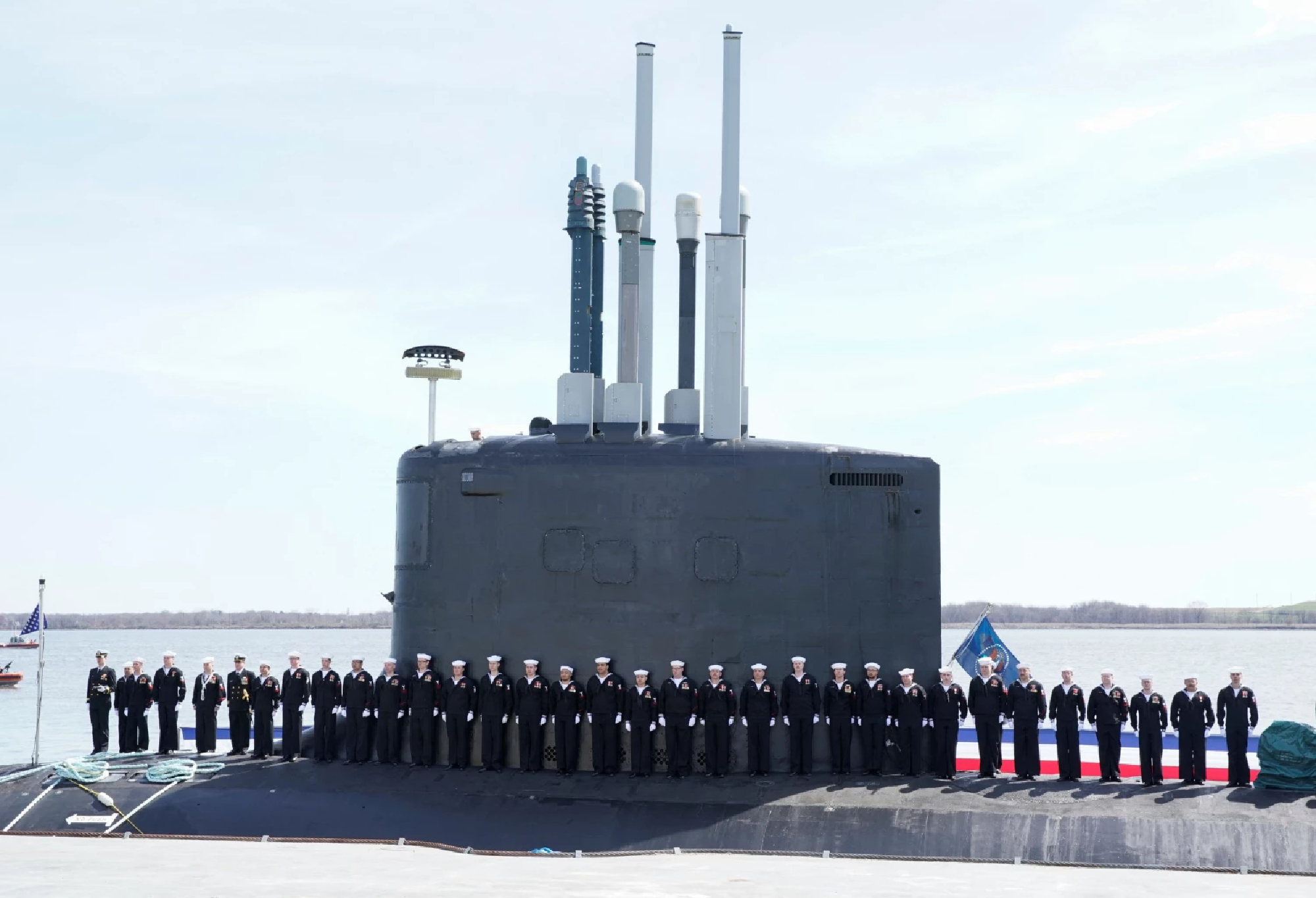
U.S. President Joe Biden and his wife, Dr. Jill Biden presided over the ceremonial commissioning of the USS Delaware, a nuclear-powered submarine at the Port of Wilmington on Saturday (April 2).
“This latest ship to carry the USS Delaware is part of a… long tradition of serving our nation, and proudly advancing our nation’s security,” Biden said.
The vessel, which was completed in 2020, was officially commissioned at sea — due to pandemic-related concerns about large gatherings, Delaware Public Media reported. Its commissioning was the first-ever at-sea commissioning.
The 337-foot submarine is operated by a team of 134 Naval personnel, according to the Cape Gazette.
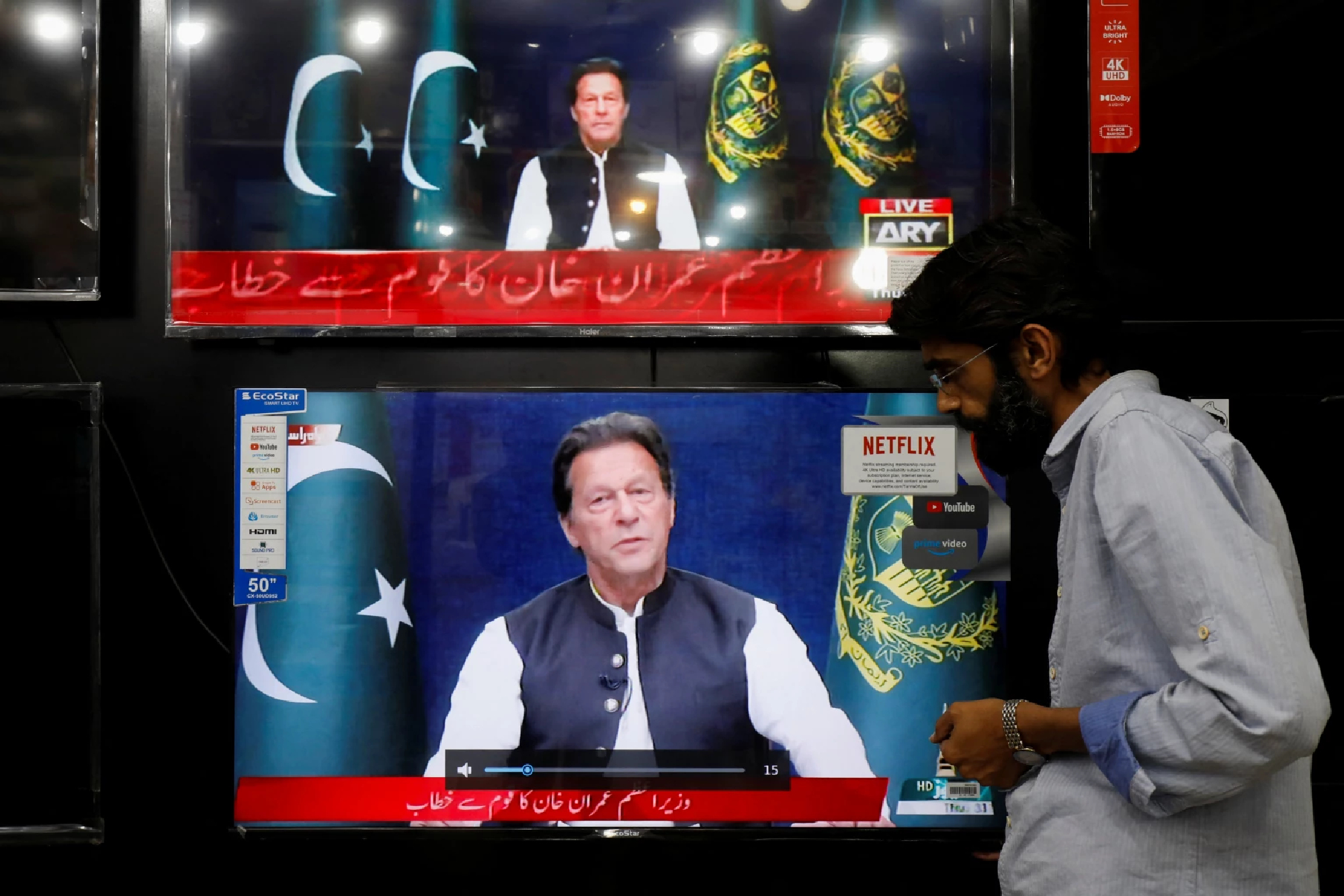
Pakistan’s Prime Minister Imran Khan said on Saturday (April 2) that political moves to oust him were an attempt at regime change backed by the United States.
Opposition parties say Khan has failed to revive an economy battered by the coronavirus pandemic or fulfil promises to make his government more transparent and accountable, and have put forward a no-confidence motion due to be voted on Sunday (April 3).
Khan told guests at an official dinner for his party lawmakers that, ” the conspiracy has been carried out in connivance with America” and that there was a written memo backing his claim that America was behind the campaign to depose him.
“We have it officially, in writing, on record, which says if you remove Imran Khan, Pakistan will be forgiven,” he said.
The White House has denied that the United States is seeking to remove Khan. The U.S. embassy in Islamabad did not immediately reply to a request for comment.
Khan, who has already lost his parliamentary majority after allies quit his coalition government and joined the opposition, urged his supporters to take to the streets on Sunday ahead of the vote.
Hours before he spoke, the head of the army, General Qamar Javed Bajwa, said Pakistan wanted to expand its ties with Washington.
U.S. President Joe Biden has not called Khan since taking office, but the White House has denied that it is seeking to topple him.
Relations are strained in particular over Afghanistan, where Washington accused Pakistan of backing the successful Taliban insurgency that led last year to a chaotic withdrawal of U.S. and allied forces.
Yet while the government has pursued multi-billion dollar development deals with China, the United States’ strategic rival, the army appears keen not to jeopardise relations with Washington, which has in the past supplied it with billions of dollars in military aid.
Bajwa told a security conference in Islamabad that “we share a long history of excellent and strategic relationship with the United States, which remains our largest export market”.
He noted that Pakistan had long enjoyed close diplomatic and business relationships with China, but added: “We seek to expand and broaden our ties with both countries without impacting our relations with the other.”
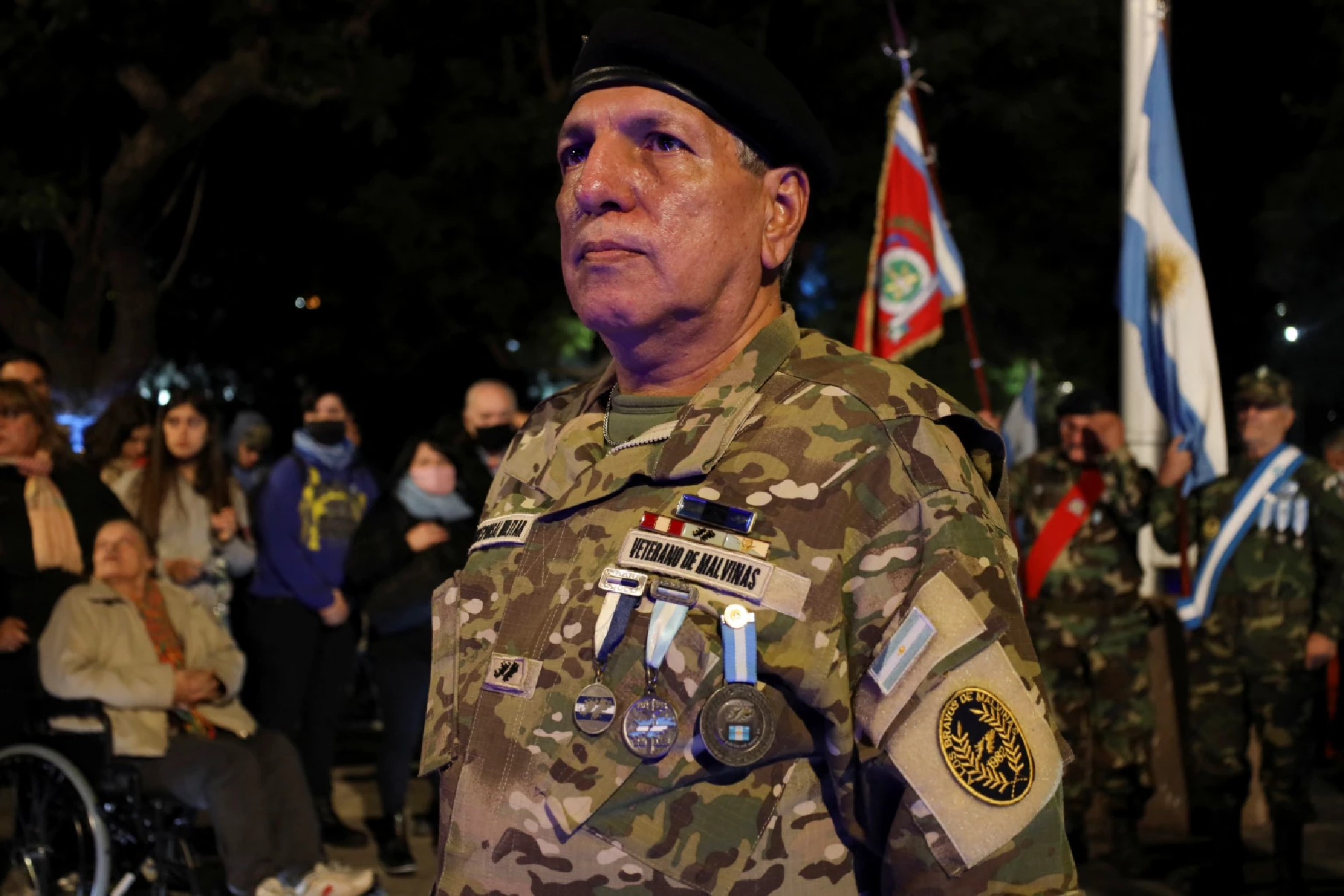
President of Argentina Alberto Fernandez awarded veterans and relatives of fallen soldiers from the Falklands War on the 40th anniversary of the beginning of the conflict on Saturday (April 2).
Fernandez requested the United Kingdom to comply with resolution 2065 of the United Nations General Assembly of 1965.
Argentina and Britain have long disputed the sovereignty of the British-run group of islands in the South Atlantic that Argentina knows as the Malvinas. In 1982, that erupted into a short war that claimed the lives of 650 Argentine soldiers and 255 British troops.
The two countries now have cordial relations, although the islands remain a constant source of tension. For the veterans, that is expressed in who is allowed to grieve and how.
The conflict began on April 2, 1982, when Argentine troops landed on the islands, located some 400 miles (644 km) from the Argentine coast. Britain, then led by Prime Minister Margaret Thatcher, sent a naval task force to retake them. The poorly equipped and trained Argentine troops stood little chance and Argentina surrendered by June.
The war is widely seen as a mistake by a discredited military dictatorship ruling Argentina at the time, but the islands remain a potent national symbol and most Argentines support the South American country’s claims over them.