The elements that are driving inflation in the eurozone “appear to be of a temporary nature” and its causes were global, and all EU countries were expected to return to their 2019 GDP levels this year or next, according to European Commission Vice President Valdis Dombrovskis.
Inflation in the eurozone will continue to increase in the coming months owing mainly to rising commodity and energy prices, but is expected to ease gradually in 2022, European Commission Vice President Valdis Dombrovskis said here on Tuesday.
He said the elements that are driving inflation “appear to be of a temporary nature” and its causes are global: the rising price of energy, particularly of natural gas, supply bottlenecks and the “release of pent-up demand as economies reopen.”
“We will keep watching inflation developments closely, also for possible second-round effects, and we stand ready to adjust our policies if necessary,” he said, adding that all member states of the European Union (EU) are expected to return to their 2019 gross domestic product (GDP) levels this year or next.
Photo taken on Oct. 16, 2021 shows a gas prices board at a gas station in Haarlem, the Netherlands. (Xinhua/Sylvia Lederer)
Dombrovskis spoke at a press conference at the end of a meeting of the EU member states’ economic affairs and finance ministers, also known as the Ecofin Council, which took place a day after a meeting of the finance ministers of the eurozone member countries.
Dombrovskis said there were several developments that risked hampering the recovery. One of these was inflation, which stood at 4.1 percent in October in the eurozone, “a level never exceeded since the start of the data series in 1997.”
Passengers walk past a money exchange point at the Fiumicino airport in Rome, Italy, on Oct. 2, 2021. (Xinhua/Jin Mamengni)
He said that the finance ministers had discussed the package presented by the European Commission last month with measures to offset the immediate impact of energy price increases and to strengthen resilience against future shocks with immediate measures to support the most vulnerable segments of society.
He said the ministers also discussed the completion of the major overhaul of banks’ regulatory and supervisory framework by implementing international standards to make the wider EU banking system more resilient to economic shocks.
A customer shops for fruit and vegetables at a supermarket in Berlin, capital of Germany, on Oct. 1, 2021. (Xinhua/Shan Yuqi)
The new request from Pfizer and BioNTech came as “federal health officials have made clear their concern about waning immunity as the nation heads into the winter months,” reported CNN.
Drugmakers Pfizer and BioNTech said on Tuesday that they had asked the U.S. Food and Drug Administration (FDA) to authorize booster shots of their COVID-19 vaccine for all adults 18 years old and over, seeking to broaden who is eligible for a third shot.
The move came as part of a long-running debate among experts over who should be eligible for booster shots. An FDA advisory panel voted against a request for all adults to have a booster in September, in what was “a blow to the (Joe) Biden administration’s earlier announcement of widespread shots,” said The Hill.
Currently, people who get the Pfizer/BioNTech or Moderna COVID-19 vaccines six months ago or longer may get a booster if they are 65 or older; at risk of severe COVID-19 from a breakthrough infection because of a medical condition such as diabetes, kidney disease or pregnancy; or at risk because of living conditions or work.
The companies said the submission was based on results of a Phase 3 trial involving more than 10,000 participants. It found boosters were safe and had an efficacy of 95 percent against symptomatic COVID-19 compared with the two-dose vaccine schedule in the period when the highly transmissible Delta was the dominant strain.
The new request from Pfizer and BioNTech came as “federal health officials have made clear their concern about waning immunity as the nation heads into the winter months,” reported CNN. The Pfizer/BioNTech vaccine itself was already authorized for use in people from ages 5 to 15, and approved for people aged 16 and older.
The FDA has not scheduled a meeting of its independent advisory committee for November, suggesting the agency may make a decision on the Pfizer-BioNTech on its own without seeking external advice, reported National Public Radio (NPR).
On Tuesday, the U.S. Centers for Disease Control and Prevention updated that 224,257,467 people have received at least one dose of COVID-19 vaccine, making up 67.5 percent of the whole U.S. population; fully vaccinated people stood at 194,168,611, accounting for 58.5 percent of the total. A total of 25,368,545 people, or 13.1 percent of fully vaccinated group, have received booster shots.
The controls of health pass will be strengthened in France in concerned establishments, including airports, ports and train stations. People over 65 years old and the most vulnerable ones will have to get a booster dose in order to validate their health pass from Dec. 15.
French President Emmanuel Macron announced Tuesday evening to postpone the pre-decided easing of anti-COVID-19 measures, since France is undergoing the fifth wave of the pandemic.
“We are not done with the pandemic yet,” he warned in his address to the nation.
Macron said that all barrier gestures that protect people both from COVID-19 and other contagious winter diseases should be given more attention.
“We all relaxed a bit our efforts and it was normal. But we should step up again,” he said.
He added that the controls of health pass will be also strengthened in concerned establishments, including airports, ports and train stations.
People pass by the Tourist Office located in the City Hall of Paris, France, Feb. 19, 2021. (Xinhua/Gao Jing)
Furthermore, people over 65 years old and the most vulnerable ones will have to get a booster dose in order to validate their health pass from Dec. 15.
The French head of state reaffirmed the role of health pass in France’s anti-COVID-19 combat.
“Thanks to the health pass and the strategy implemented since last July, we have managed to control the epidemic,” he stated.
Since the beginning of the COVID-19 vaccination campaign in December 2020, France has injected more than 100 million doses in ten months, and 51 million French are now fully immunized, he said.
A man receives the COVID-19 vaccine in a COVID-19 vaccination center at the National Velodrome de Saint-Quentin-en-Yvelines in Saint-Quentin-en-Yvelines, France, on March 24, 2021. (Xinhua/Aurelien Morissard)
Macron urged people to get a booster shot six months after the vaccine. “The solution to this weakened immunity is the injection of an additional dose of vaccine, the booster shot,” he said.
As already done for the 65 years old and above, a booster shot campaign will be launched at the beginning of December for people aged between 50 and 64.
The French president also called on the 6 million non-vaccinated to get vaccinated in order to get protected and to “be able to live normally.”
“We have done what is necessary to protect ourselves, we can continue to get the situation under control if each of us does our part,” he said.
People line up to receive the COVID-19 vaccine at a vaccination center in Nice, southern France, on April 10, 2021. (Xinhua/Serge Haouzi)
The Office of the Special Counsel said in a report that 13 Trump administration officials illegally campaigned for the former presidents reelection while in office, violating a law known as the Hatch Act thats designed to forbid this kind of abuse of public offices.
The U.S. House select committee investigating the Jan. 6 Capitol riot issued another round of subpoenas to 10 former officials in the administration of former President Donald Trump on Tuesday, the same day a government watchdog agency published a report saying 13 officials of the administration campaigned illegally for Trump’s reelection.
The ex-officials being subpoenaed include former White House press secretary Kayleigh McEnany, former Senior Adviser to the President Stephen Miller, former White House Personnel Director John McEntee, former Deputy Chief of Staff Christopher Liddell, and ex-Vice President Mike Pence’s national security advisor Keith Kellogg.
The other subpoena recipients are Nicholas Luna, who served as personal assistant to Trump; Cassidy Hutchinson, who was the former president’s special assistant for legislative affairs; Kenneth Klukowski, former senior counsel to Assistant Attorney General Former U.S. National Security Adviser Michael Flynn leaves the federal court following his plea hearing in Washington D.C., the United States, on Dec. 1, 2017. (Xinhua/Ting Shen)Jeffrey Clark; Benjamin Williamson, who served as senior adviser to White House Chief of Staff Mark Meadows; and Molly Michael, who served as Oval Office operations coordinator.
“As a White House Press Secretary you made multiple public statements from the White House and elsewhere about purported fraud in the November 2020 election, which individuals who attacked the U.S. Capitol echoed on Jan. 6,” the committee wrote in its subpoena to McEnany.
The subpoena said that in a press conference after the 2020 presidential election, the press secretary “claimed that there were ‘very real claims’ of fraud that the former President’s reelection campaign was pursuing, and said that mail-in voting was something that ‘we have identified as being particularly prone to fraud.’
“The subpoena to Miller claimed that he and others in the team “prepared former President Trump’s remarks for the rally on the Ellipse on Jan. 6, you were at the White House that day, and you were with Trump when he spoke at the ‘Stop the Steal’ rally.”
“The Select Committee wants to learn every detail of what went on in the White House on January 6th and in the days beforehand. We need to know precisely what role the former President and his aides played in efforts to stop the counting of the electoral votes and if they were in touch with anyone outside the White House attempting to overturn the outcome of the election,” Bennie Thompson, Democrat of Mississippi who chairs the panel, said in a statement.
Tuesday’s subpoenas came following those issued Monday to six associates of Trump, including manager of his 2020 reelection campaign Bill Stepien, senior adviser to the campaign Jason Miller, former national security adviser Michael Flynn, among others.
Also on Tuesday, the Office of the Special Counsel, a government watchdog agency, said in a report that 13 Trump administration officials illegally campaigned for the former president’s reelection while in office, violating a law known as the Hatch Act that’s designed to forbid this kind of abuse of public offices.
Former White House Senior Advisor Jared Kushner (C) leaves after testifying at a closed-door hearing before the Senate Intelligence Committee on Capitol Hill in Washington D.C., the United States, on July 24, 2017. (Xinhua/Ting Shen)
Those former officials included Trump’s son-in-law and senior adviser Jared Kushner, former Secretary of State Mike Pompeo, former National Security Advisor Robert O’Brien, former White House Chief of Staff Mark Meadows, former Acting Secretary of Homeland Security Chad Wolf and others.
“Senior Trump administration officials chose to use their official authority not for the legitimate functions of the government, but to promote the reelection of President Trump in violation of the law,” the report concluded based on a nearly yearlong investigation.
Previously, the Jan. 6 committee has demanded documents and testimony from several other Trump advisers. Among them was one of Trump’s staunchest allies, Steve Bannon, whom the House voted last month to hold in criminal contempt of Congress after he refused to comply with his subpoena.
Others facing subpoenas are Meadows as well as administration aides Kashyap Patel and Dan Scavino. They were reportedly “engaging” with the investigators.
Trump has been fighting the probe in court, claiming to insert his executive privileges to shield some of the records from Congress. President Joe Biden has refused to grant Trump those privileges in the context of the probe, saying it would otherwise not be in the best interest of the nation.
The caravan, composed of some 4,000 migrants, mostly from Central America and Haiti, first departed on Oct. 23 from the city of Tapachula, which borders Guatemala, aiming to reach Mexico City to regularize migrants immigration status before setting off for the U.S. border.
Amigrant caravan making its way through south Mexico for the past 17 days resumed its journey on Tuesday in the state of Oaxaca, deciding to forgo Mexico City and head straight to the United States border.
Irineo Mujica, director of immigrant rights group Pueblo Sin Fronteras (People Without Borders) and a leader of the caravan, said in a video posted on social media and cited by local media that the caravan will no longer go first to Mexico’s capital, as initially planned.
Instead, migrants will head to the northern state of Sonora, which borders the U.S. state of Arizona, a move that coincides with the bilateral decision to resume non-essential travel between the two countries this week, though that decision applies to documented travelers.
Mujica said he expects to be joined by another caravan in 10 days, and urged migrants in other parts of south Mexico to join the journey toward the U.S. border.
The caravan, composed of some 4,000 migrants, mostly from Central America and Haiti, first departed on Oct. 23 from the city of Tapachula, which borders Guatemala, aiming to reach Mexico City to regularize migrants’ immigration status before setting off for the U.S. border.
The Central American region is seeing an unprecedented exodus this year. Between January and August, Mexico reported more than 147,000 undocumented migrants, triple the number in 2020, according to figures from the Mexican government.
The three parties in talks to form the next German government agreed on a package of measures they could deploy to tackle a record surge in Covid-19 cases which seeks to avoid sweeping restrictions like school closures and curfews.
The legislation, which the SPD, Greens and FDP want to push through parliament next week, is designed to provide a nationwide framework while giving regions room to tighten restrictions in coronavirus hotspots, and will replace a law that expires on Nov. 25. The measures — many of which are already being used — include distancing and hygiene rules, obligatory mask wearing and some restrictions for public events and travel.
“We’re sending a signal that we’re taking responsibility,” SPD General Secretary Lars Klingbeil said Tuesday in an interview with Deutschlandfunk radio. “We’re looking to provide legal certainty and bring this country through a difficult period.”
Lawmakers from the three parties decided to let the existing legislation lapse and draw up a new framework due to concerns that some of the measures previously agreed interfered too severely with citizen rights and potentially conflicted with Germany’s constitution.
Germany’s seven-day incidence rate continued to rise through Monday, climbing to a record 213.7, according to the latest data from the RKI public-health institute. Cases are surging across Europe, leading to fears that the continent will be forced into another damaging lockdown.
German Chancellor Angela Merkel has warned that hospitals in some hotspots are coming under increasing pressure, and urged national coordination of measures.
Health Minister Jens Spahn described the latest situation as “a massive pandemic of the unvaccinated” and has led calls for more people to get their Covid-19 shots. As of Monday, just over 67% of the population were fully inoculated, and just under 70% had received at least one dose.
Spahn and regional counterparts last week agreed to push for booster shots for all adults, and Spahn said that bolstering protection after six months of being fully vaccinated “should be the rule, not the exception.”
French President Emmanuel Macron is expected to urge the elderly and vulnerable to have Covid booster shots in a televised address to the nation later on Tuesday. A similar TV address in July led to a surge in vaccinations in the following days.
Michael Mueller, the SPD mayor of Berlin, said that he and fellow regional leaders will likely meet with Merkel and Spahn “in the coming week” to coordinate policy.
Some of Germany’s 16 states where infection rates are higher, including Bavaria and Saxony, have already tightened measures more than other regions.
“There will always be regional differences because even when the numbers are generally rising we are seeing that some states are in a better position than others,” Mueller said in an interview with ARD TV.
All the measures that Germany needs to fight the virus — beyond the vaccine campaign — will be contained in the new legislation, he added.
Over the past 40 years, as climate change leaped into global awareness, exposure to extreme heat jumped by close to 200% in more than 10,000 of the worlds biggest urban areas, according to a study published in October in the Proceedings of the National Academy of Sciences.
Increases in dangerously high temperature and humidity were responsible for roughly a third of the global boost in exposure, while increased population accounted for the rest.
The study adds vivid context to the threats posed by a human-warmed planet, and to the challenges facing delegates at the United Nations climate summit taking place in Glasgow, Scotland.
Led by Cascade Tuholske, a postdoctoral researcher at Columbia University’s Earth Institute, the study used new fine-grained data sets to analyze the geographic overlap between urban growth and dangerous combinations of temperature and humidity.
“Many of the fastest-warming cities are in the humid tropics,” said Tuholske in an email.
The study analyzed 13,115 urban areas over the period from 1983 to 2016. Collective heat exposure was assessed in terms of person-days, or the number of days above a particular threshold in each city multiplied by the number of people affected.
The extreme heat was assessed by using day-to-day peaks in wet bulb globe temperature, or WBGT (max), a metric that takes into account humidity, sunlight and wind, in addition to temperature. The measure is considered particularly dangerous when it exceeds 86 degrees.
Using the 86-degree WBGT (max) threshold, the authors found that collective exposure to extreme heat and humidity across the cities studied soared from around 40 billion person-days in 1983 to 119 billion in 2016. Close to half of the cities studied showed increases in exposure that were statistically significant.
Higher WBGT (max) readings were the main culprit behind the exposure increase in many areas, including much of India. In a few other parts of the world, including East Africa, exposure climbed mainly due to population.
– – –
The new study by Tuholske and colleagues joins a rapidly growing body of work on the impact of extreme heat and how climate change will exacerbate the problem. The World Weather Attribution project concluded that July’s deadly, record-smashing heat wave over the U.S. Pacific Northwest and southwest Canada would have been “virtually impossible without human-caused climate change.”
There is high confidence that heat waves over land have become more intense and frequent across most of the world, according to the latest Working Group I assessment, released in August by the Intergovernmental Panel on Climate Change (IPCC).
Cities are at particular risk. “Compared to present day, large implications are expected from the combination of future urban development and more frequent occurrence of extreme climate events, such as heat waves, with more hot days and warm nights adding to heat stress in cities,” said the IPCC.
By late century, billions of people could be experiencing annual average temperatures now found only in the world’s hottest cities, such as Bangkok, and heat on some days could reach virtually unsurvivable levels in a growing number of locations.
A recent study led by Cassandra Rogers at Washington State University found that some of the world’s largest increases over the past four decades in “humid heat” – extreme heat coupled with relatively high humidity – have been in South and Southeast Asia and in the southeastern United States. “These increases are concentrated over densely populated regions in the tropics and subtropics, where humid-heat levels are already high,” said Rogers and colleagues.
Across the planet’s cities, extreme heat is increasing because of global-scale warming from greenhouse gases together with the urban heat island effect, the tendency of built-up areas to absorb and retain heat. Tuholske and colleagues did not attempt to separate out the two effects in their analysis, but they acknowledged that both are involved.
“The global approach of this paper is very powerful to highlight the scope of the problem and the intensity with which it has been increasing,” said Koen Tieskens, a Boston University research scientist in environmental health. “In terms of health consequences, it is even more worrying, as within cities those most vulnerable to extreme heat tend to live in the hottest parts with the least protection.”
– – –
It’s clear that people are continuing to migrate toward some of the world’s most heat-vulnerable areas. In the United States, the 2020 census showed that, among the 10 largest cities, the three fastest-growing were Phoenix, Houston and Dallas – which also happen to be three of the nation’s hottest big cities.
Meanwhile, in the developing world, economic imperatives are pushing people toward cities, many of them increasingly heat-vulnerable.
“I don’t think [extreme heat] will stem the flow of rural migrants to urban areas in rapidly urbanizing low- and middle-income countries,” said Tuholske. He stressed the need to learn more about migration patterns and dynamics.
Kristie Ebi, a professor at the University of Washington’s Center for Health and the Global Environment, said that the analysis in Tuholske’s study can help guide efforts to introduce interventions in the most vulnerable areas.
“Understanding the relative contributions can better target heat action plans,” she wrote in an email. “Having a globally accurate map of the intersection of urban populations and extreme heat adds to understanding of regions at higher risk during heat waves, particularly regions with limited data.”
There’s a need to drill even deeper on variations within cities themselves, said Patricia Fabian, an associate professor at Boston University who welcomed the new study.
“In our community heat studies, we’ve recorded differences of seven degrees Fahrenheit within a couple city blocks when comparing temperatures at a park versus the downtown area,” said Fabian in an email.
Fabian stressed the importance of better understanding geographic variations in how urban residents respond to heat physiologically, as well as other factors that influence a person’s heat vulnerability, including their mobility, occupation, housing quality, access to air-conditioning and ability to pay utility bills.
Since the 1990s, many cities across the world, especially in richer nations, have implemented safety measures such as cooling centers and programs to check on vulnerable residents. These have likely helped to keep the toll from heat exposure from growing as fast as it otherwise might have.
Such innovations won’t always work in poorer cities unless they are planned and carried out thoughtfully, according to Tuholske.
“Building cooling centers is a great tool, yet if people cannot access them because they have to work on hot days to feed their families, then they are useless,” said Tuholske. “We also need policies – like occupational heat health standards – that address the structural problems that lead to exposure.”
Knowing what we know, Tuholske added, “no one should die from extreme heat exposure.”
Chiles lower house voted early Tuesday to impeach President Sebastián Piñera over allegations of corruption in the Pandora Papers investigation – the latest political fallout from the media reports on the offshore financial system.
The investigation by The Washington Post and media partners led by the International Consortium of Investigative Journalists (ICIJ) showed that a mining company owned in part by Piñera’s children was sold for $152 million to a close friend of the president, Chilean businessman Carlos Alberto Délano. The sale was made in December 2010, almost nine months into Piñera’s first term as president.
The last payment in the deal was contingent on the government’s declining to impose environmental protections on the mining area, a clause blasted by opposition politicians as a “serious” conflict of interest.
Piñera has denied wrongdoing, saying that neither he nor his family has investment companies incorporated abroad. He said he “completely and totally detached” himself from family businesses before assuming his first presidency, which ended in 2014. He took office again in 2018.
Chile’s lower chamber secured the 78 votes needed to approve an impeachment trial against the president after a lengthy session on Monday. The matter now heads to the Senate, which does not appear to have the votes needed to convict. The motion, known as a “constitutional accusation,” requires a two-thirds majority in both houses to pass.
Deputy Tomás Hirsch, who introduced the case against Piñera in the lower house last month, accused the president of using his office “for personal business.”
Chile’s public prosecutor also announced an investigation last month into possible tax violations and bribery-related offenses by Piñera.
The vote to remove Piñera comes as the South American nation prepares to vote for a new president on Nov. 21. Piñera, whose second term ends on March 11, is prohibited from seeking reelection.
In Monday’s marathon session, one opposition leader, Jaime Naranjo, spoke for nearly 15 hours as a delay tactic to secure the necessary majority for impeachment. Naranjo read off a 1,300-page speech, buying enough time for Deputy Giorgio Jackson to arrive from a mandatory covid-19 quarantine.
“This president . . . not only involves the Chilean state with his commercial interests but also damages the honor of the nation,” said Naranjo, a socialist. “The people of Chile will judge those who are allowing this country’s impunity.”
“I beg you, honorable deputies, to reject this unjust and inappropriate constitutional accusation,” said Jorge Gálvez, in a speech that lasted five hours.
The mining company at the center of the allegations, Dominga, had been looking into a $2.5 billion copper and iron mining project near the Humboldt Penguin National Reserve, according to the ICIJ. The reserve is a collection of three islands known as a breeding ground for penguins and a home to sea lions, bottlenose dolphins and marine otters.
Piñera said previously that the transactions described in the Pandora Papers reports “are not new” – they were investigated and resolved by the public prosecutor’s office and the courts in 2017. But Chile’s prosecutor’s office said the previous investigation did not include the details of the contract that emerged in the Pandora Papers.
Piñera is one of three current Latin American presidents who appeared in the Pandora Papers, a vast trove of documents that exposed the financial activities of 35 current and former heads of state, 14 of them from Latin America.
Within hours of publication, at least eight national governments promised to launch their own investigations into allegations stemming from the papers. In Ecuador, the attorney general is investigating President Guillermo Lasso after an opposition politician filed allegations of tax fraud against him.
Alok Sharma, the president of this years COP26 talks in Glasgow, Scotland, has promised to speak frankly about what is getting accomplished – or not – at the most-watched climate summit in years. On Tuesday, that meant a dash of realism with his usual hopefulness.
“We are making progress at COP26, but we still have a mountain to climb over the next few days,” Sharma told reporters, adding, “The time has now come to find political consensus on the areas of divergence.”
As negotiators from nearly 200 countries try to turn pronouncements from leaders into concrete action to combat climate change in the years ahead, their talks have reached a critical juncture.
Sharma said that on Wednesday he will release a draft text of a proposed agreement for COP26 to set in stone how countries work together on a wide range of climate-related challenges going forward. It’s an opening bid of sorts – a document that delegates from many nations are sure to criticize but one that will offer insights into how much, or how little, might get accomplished in Glasgow.
Here is a glimpse at four mountains that lie ahead:
– – –
Common time frames
The Paris climate agreement calls on countries to submit new or updated national climate commitments every five years, with the idea being that those goals will grow more ambitious over time. But as this year has made clear, that “ratchet mechanism” has not always proved reliable. Updated plans from China, Australia, Russia and other nations have disappointed activists and organizers who had hoped for more-aggressive and near-term promises.
Between that reality and the fact that climate disasters are becoming more frequent and intense, there has been a steady drumbeat in Glasgow from representatives of some particularly vulnerable nations to require countries to revisit their climate targets more often.
“I don’t see how we can wait another five years,” Juan Pablo Osornio, senior political lead for Greenpeace International, said Tuesday. “We need to see an acceleration.”
While some nations will no doubt resist any formal mandate for more-frequent updates, negotiators at COP26 could still agree to nudge world leaders to more frequently revisit their climate goals – and what they are doing to meet them.
– – –
Climate finance
More than a decade ago, wealthy nations pledged billions of dollars to help vulnerable countries curb carbon emissions and adapt to climate impacts. Starting in 2020, they were supposed to provide the developing world with $100 billion a year.
But a week before COP26, wealthy countries announced they probably won’t meet their $100 billion climate finance target until 2023.
Vulnerable countries – which have borne the brunt of escalating climate impacts – are now seeking more-robust assistance, including a commitment to direct just as much money to adaptation efforts as is spent on cutting carbon. They want the shortfall in climate finance to be treated as “arrears,” a term commonly used for poorer nations that have trouble keeping pace with their debts. But wealthy nations are unlikely to agree.
Nations are also expected to start crafting a plan for providing climate finance after 2025, when the existing pledge ends. This is likely to be a contentious process, as developing countries have said their needs could top $1 trillion a year.
Vulnerable countries are also seeking dedicated funding for “loss and damage” – unavoidable, irreversible harms caused by climate change. But developed nations have historically resisted such measures.
– – –
Transparency
The climate talks in Glasgow have been marked by pronouncements. Leaders have vowed to phase out coal financing, cut their methane emissions and halt deforestation. Nations have promised to erase their carbon footprints by the middle of the century.
But one key part of the negotiations is honing the rules around how to make sure that countries report clearly and accurately on what they are doing to meet such goals. Ultimately, the idea is that transparency will lead to accountability.
Archie Young, Britain’s lead negotiator, said Tuesday that several “main areas of convergence” remain as these talks enter the homestretch.
Among them: creating a uniform, understandable structure for how countries report progress toward hitting their national climate targets, as well as outlining ways to help nations that have less capacity or expertise to meet transparency requirements.
– – –
Carbon markets
Negotiators are zeroing in on complex rules for carbon trading, or the buying and selling of carbon credits, which could become a $300 billion business by the 2030s.
Leftover from earlier climate summits, those rules are known as “Article 6,” named for the section of the Paris accord that addressed the issue. “For the business community at large, Article 6 is one of the most important parts of the package,” said Dirk Forrister, chief executive of the International Emissions Trading Association.
The document being drafted by ministers from Singapore and Norway has weighed a new trading scheme that would distribute carbon credits in smaller and smaller amounts over time. The most carbon-efficient companies could sell their extra credits. Other, less efficient companies would have to buy credits instead. And overall carbon emissions would decline.
Carbon trading regimes already exist. Currently there are mandatory rules in place in Europe and voluntary but effective ones in California and Quebec. China has even started a trading system for the power sector alone.
But a new carbon-trading scheme would bring along problems. Brazil, for example, wants to be allowed to do private transactions without reporting them to formal exchanges to avoid proper accounting. And the delegates must figure out how to value credits from the Clean Development Mechanism, a U.N. program that ran into difficulties after being created more than 20 years ago.
In addition, some delegates want a new trading scheme to set aside a 1.5% fee for adaptation funding.
“This is highly charged politically,” Forrister said. “If there’s anything worse than a federal tax, it’s a U.N. tax.”
MEXICO CITY – Mexican authorities have made their first arrest in the global spy scandal involving the malware Pegasus, jailing a technician who worked for a private firm on allegations he was involved in illegally tapping the phone of a broadcast journalist.
Police detained the man on Nov. 1, and a Mexico City judge ordered him imprisoned while the investigation continues, according to a statement from the federal Justice Ministry. Local media identified him as Juan Carlos García, a former employee of Proyectos y Diseños VME, part of the KBH business group.
Authorities did not identify the journalist who was surveilled. But Carmen Aristegui, a well-known investigative reporter, disclosed Tuesday that the case involved the tapping of her phone in 2015 and 2016.
Pegasus is a product of NSO Group, an Israeli firm that says it licenses the malware to governments to pursue terrorists, drug traffickers and other criminals. The company says it carefully screens its clients and cuts off those who abuse the software. But the U.S. Commerce Department recently blacklisted the Israeli firm, saying its spyware had been used by governments to “maliciously target” politicians, journalists, activists, academics and others.
Asked for reaction to the Mexico arrest, NSO said its products “are only sold to vetted and approved government entities, and cannot be operated by private companies or individuals.”
“We regret to see that, over and over again, the company’s name is mentioned in the media in events that have nothing to do with NSO,” the company said in a statement.
García did not enter a plea, and it was not possible to locate his lawyer on Tuesday. Uri Ansbacher, the head of KBH, which is no longer in business, has denied any involvement in illegal spying.
Phone-tapping in Mexico exploded in recent years, with new technology permitting the expansion of decades-old practices rooted in the country’s authoritarian past, according to analysts and former officials.
Mexico’s government has acknowledged spending millions of dollars to acquire Pegasus for its Justice Ministry and domestic spy agency, the CISEN, but says it ended such contracts in 2017. Nongovernmental groups identified signs of the NSO spyware in the phones of 26 Mexican journalists, activists and politicians between 2015 and 2017, triggering outrage.
What’s unusual about García’s arrest is that he worked not for the government but for a private firm that licensed the spyware on behalf of NSO Group, according to prosecutors. “We tentatively believe that he’s the person who operated the system [in Mexico] and could be of great importance to the investigation,” said Ricardo Sánchez Pérez del Pozo, a prosecutor, speaking on Aristegui’s daily radio program.
The allegation raises the possibility that business executives were involved in a parallel spy network “for their own gain, but in coordination with senior Mexican officials,” said Leopoldo Maldonado, the Mexico director for Article 19, a press freedom group that has supported Aristegui.
Aristegui says her phone was infected by Pegasus in 2015, after she and a team of reporters broke a story about a suspicious real estate deal involving the wife of then-President Enrique Peña Nieto. Aristegui’s son, then 16, and one of her colleagues were also targeted, according to an investigation by Citizen Lab, a technology research center at the University of Toronto, and several Mexican nongovernmental groups.
Further questions about abuse of Pegasus emerged this summer, in an investigation by The Washington Post and 16 media partners that found signs of the spyware in attempted and successful hacks of 37 smartphones belonging to journalists, human rights activists and businesspeople around the world. Their numbers appeared on a list of more than 50,000 phones concentrated in countries known to have been clients of NSO. Nearly one-third of the numbers were in Mexico.
Journalists found that the list included numbers for scores of top Mexican politicians, as well as for union representatives, journalists and civic activists. Forbidden Stories, a Paris-based journalism nonprofit organization, and Amnesty International, a human rights group, had access to the list and shared it with the news organizations. NSO said the numbers were “not a list of Pegasus targets or potential targets. “

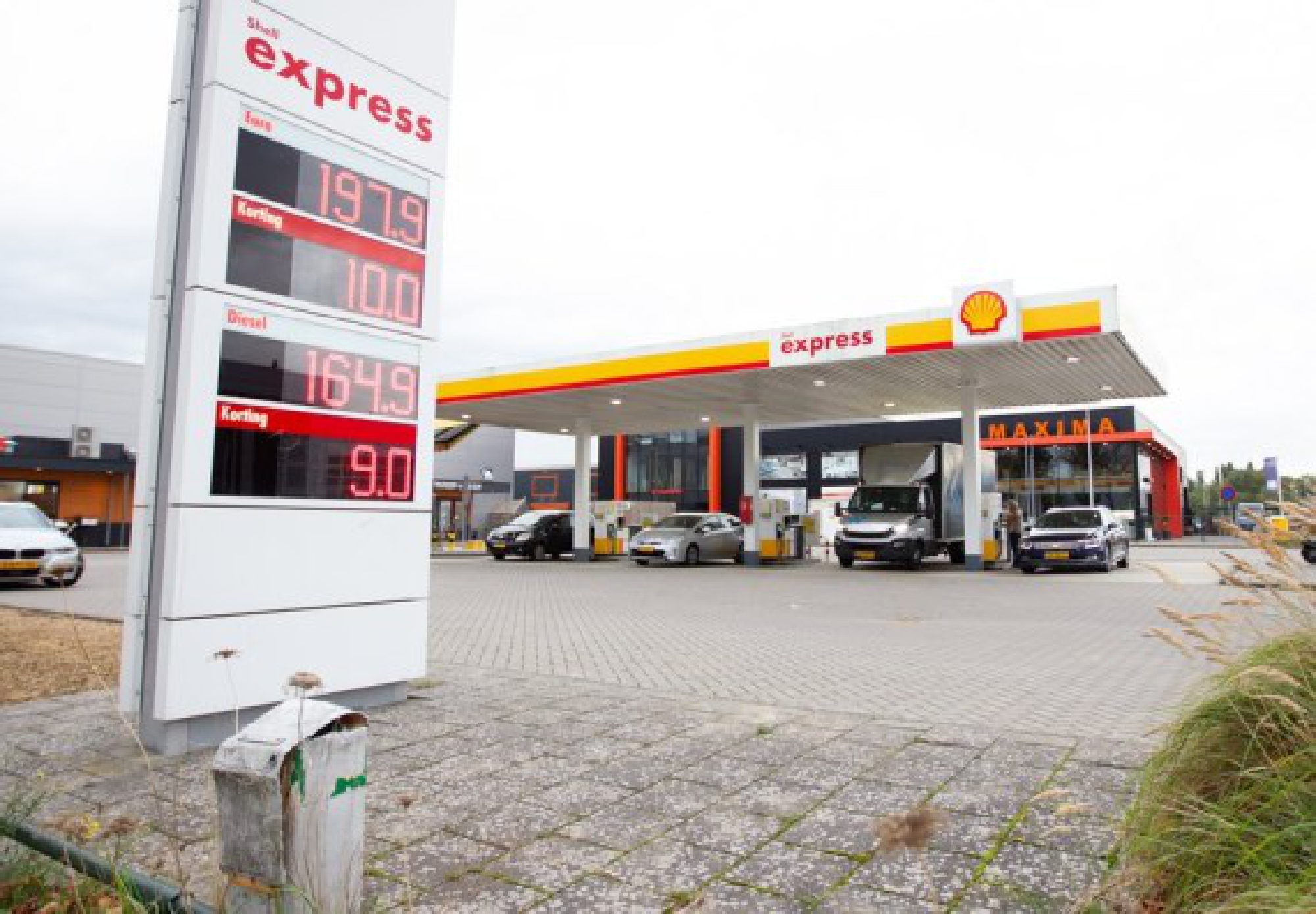 Photo taken on Oct. 16, 2021 shows a gas prices board at a gas station in Haarlem, the Netherlands. (Xinhua/Sylvia Lederer)
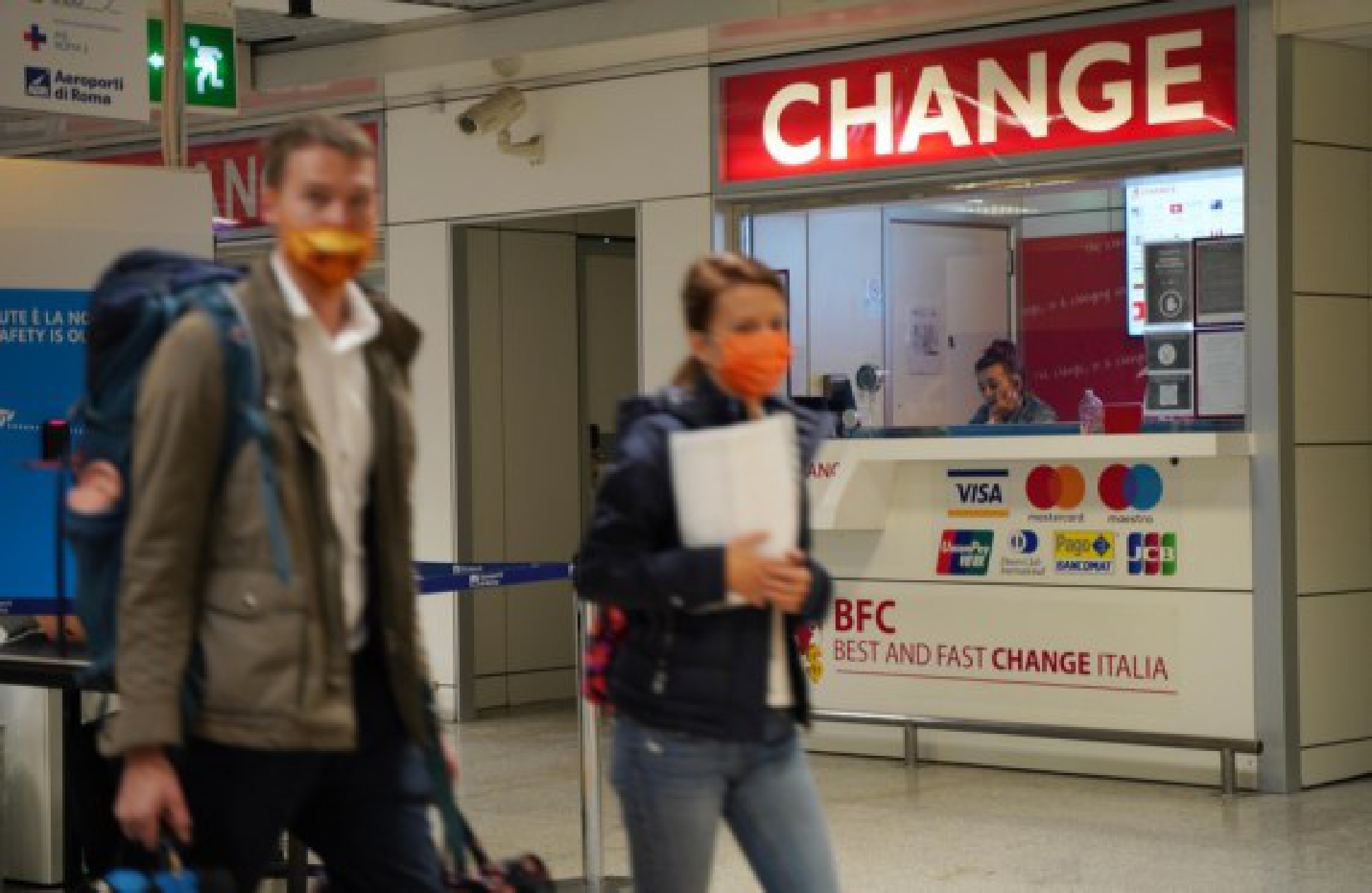 Passengers walk past a money exchange point at the Fiumicino airport in Rome, Italy, on Oct. 2, 2021. (Xinhua/Jin Mamengni)
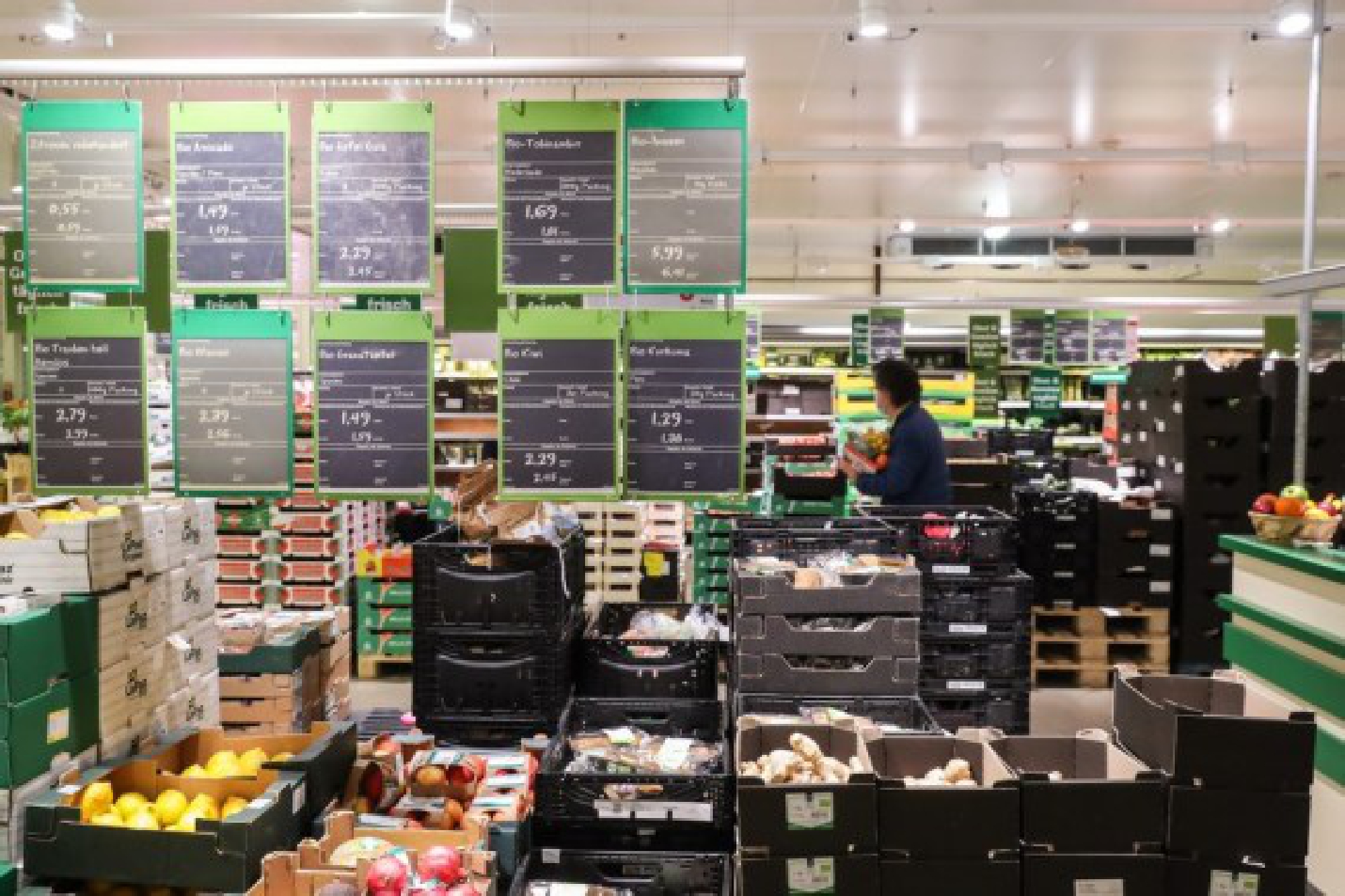 A customer shops for fruit and vegetables at a supermarket in Berlin, capital of Germany, on Oct. 1, 2021. (Xinhua/Shan Yuqi)
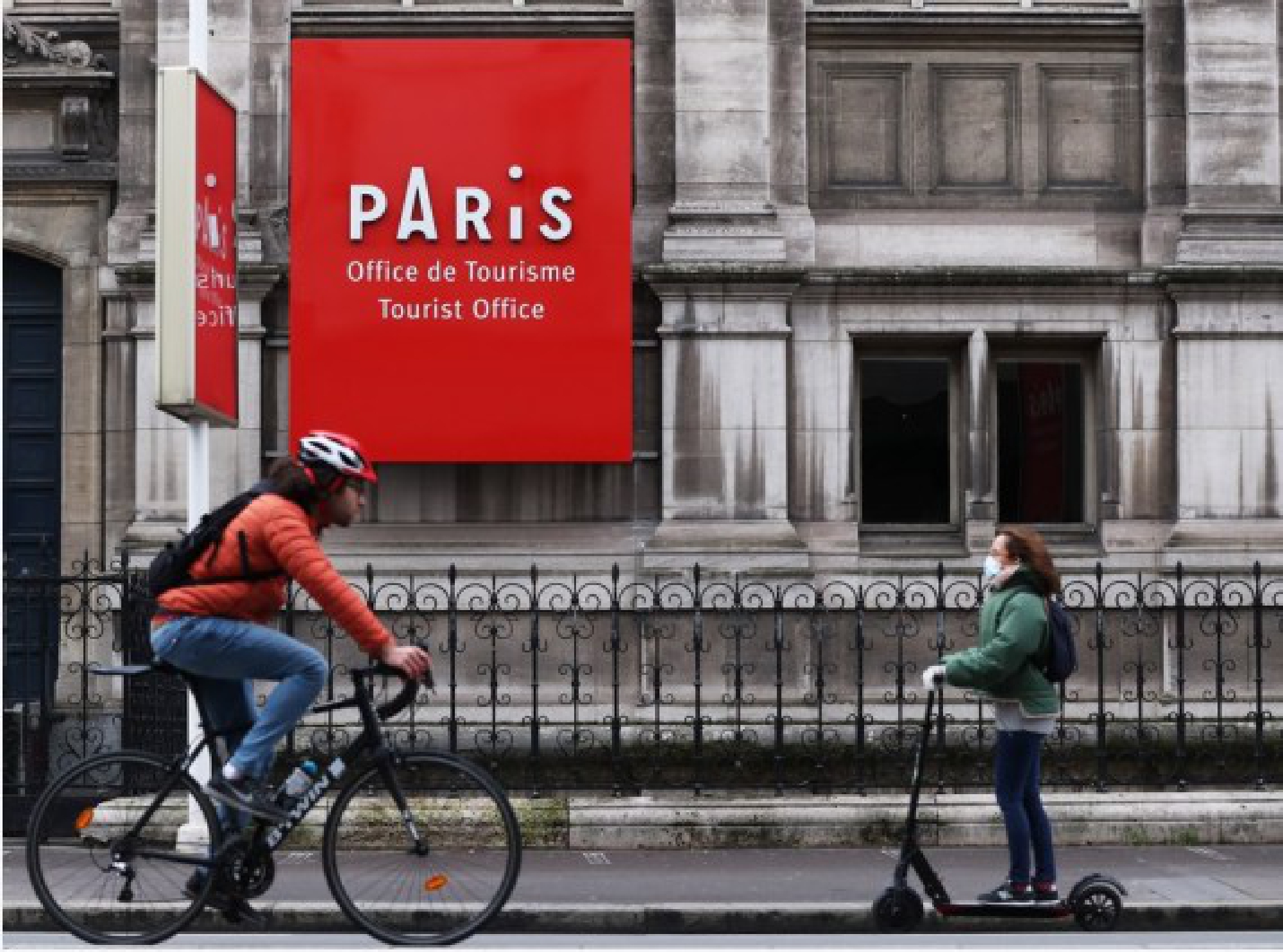 People pass by the Tourist Office located in the City Hall of Paris, France, Feb. 19, 2021. (Xinhua/Gao Jing)
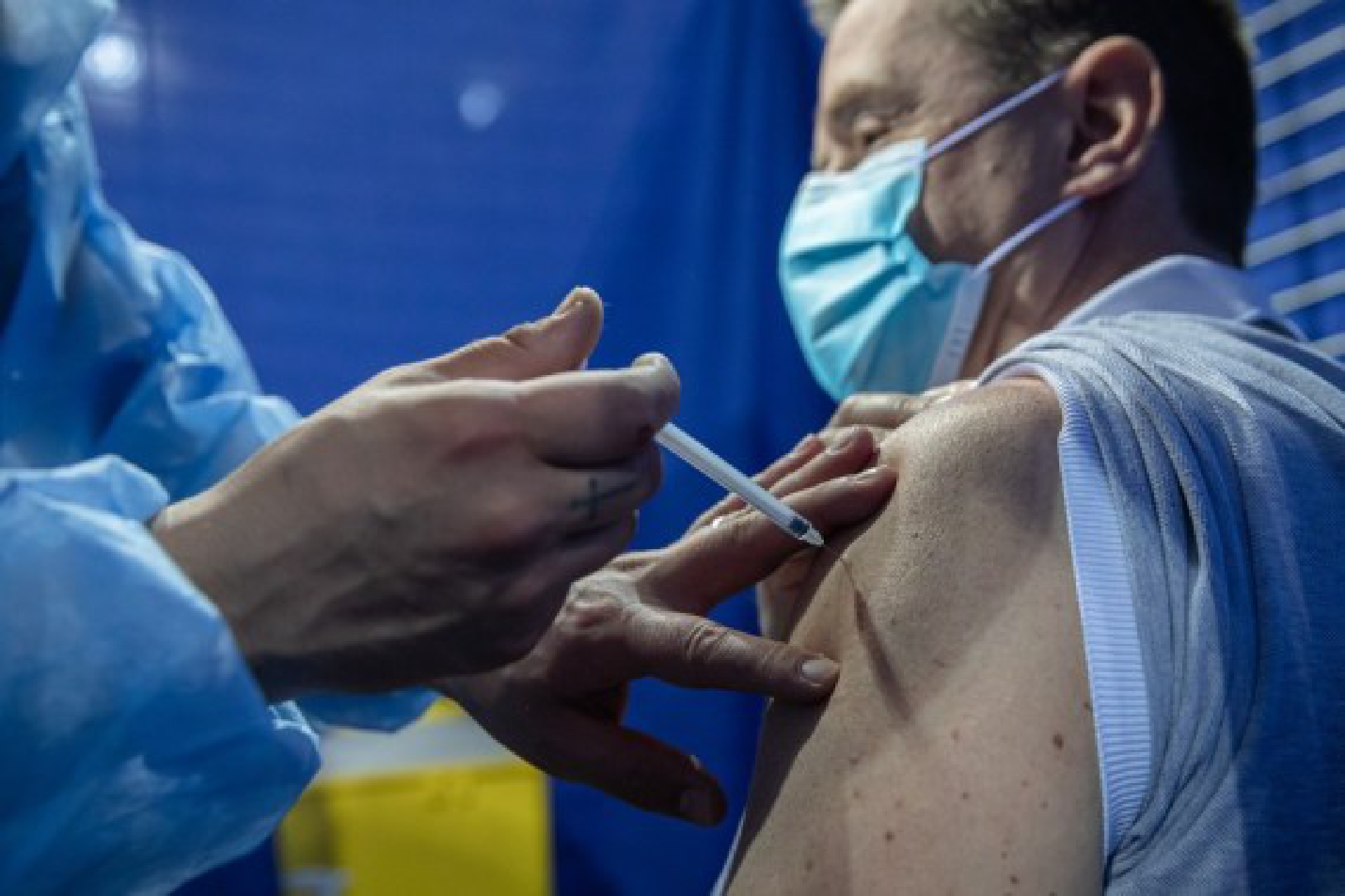 A man receives the COVID-19 vaccine in a COVID-19 vaccination center at the National Velodrome de Saint-Quentin-en-Yvelines in Saint-Quentin-en-Yvelines, France, on March 24, 2021. (Xinhua/Aurelien Morissard)
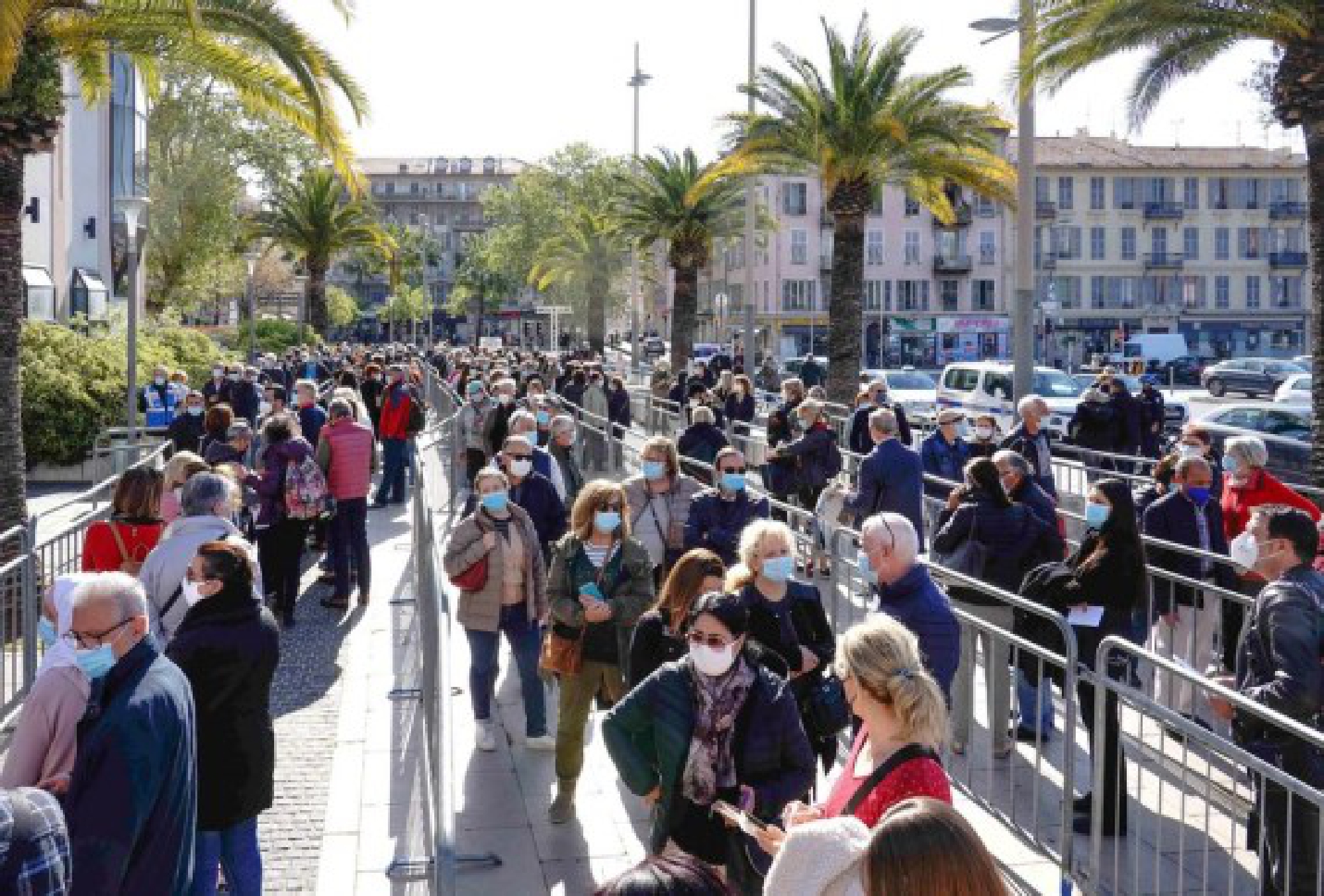 People line up to receive the COVID-19 vaccine at a vaccination center in Nice, southern France, on April 10, 2021. (Xinhua/Serge Haouzi)
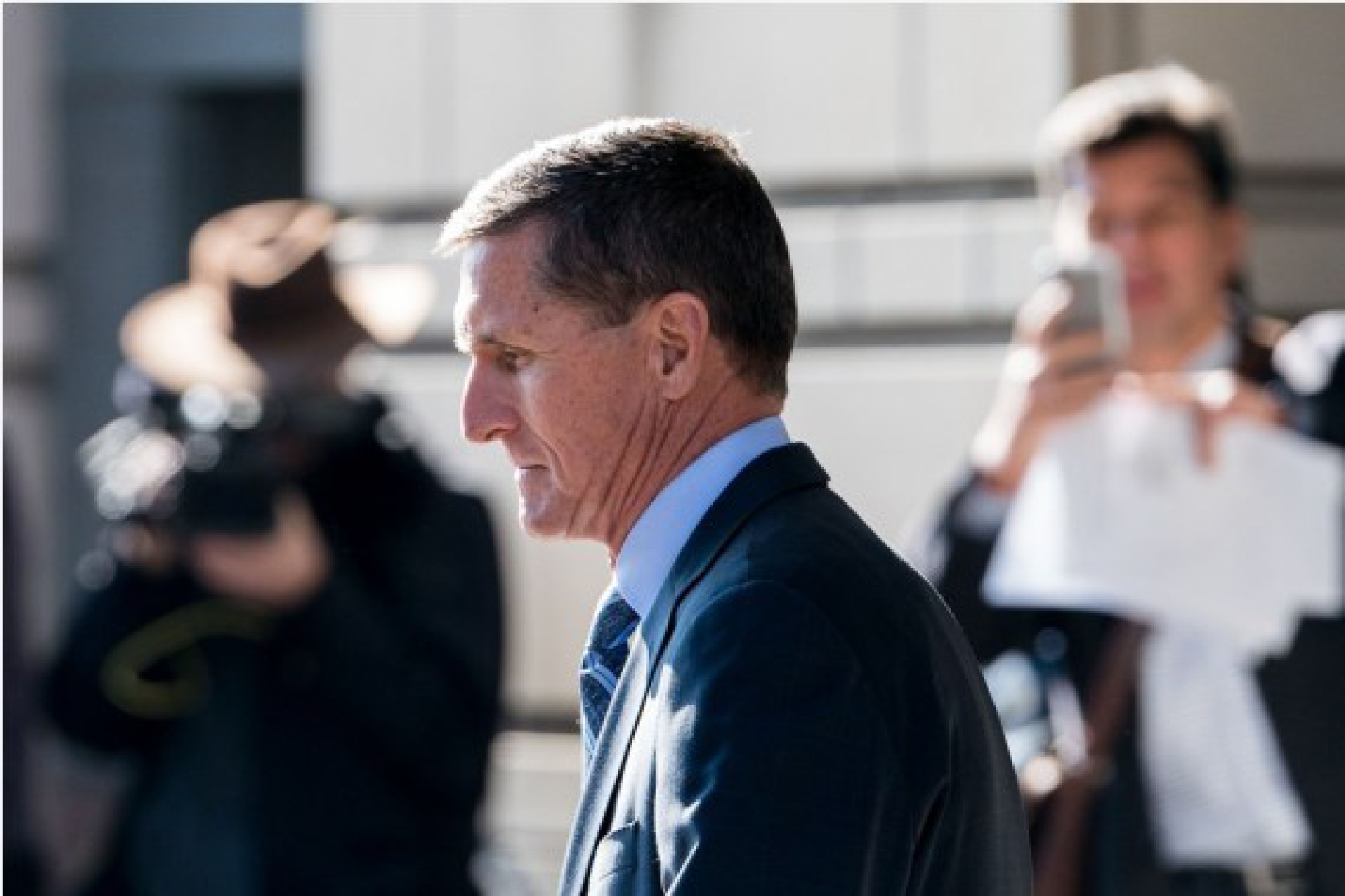 Former U.S. National Security Adviser Michael Flynn leaves the federal court following his plea hearing in Washington D.C., the United States, on Dec. 1, 2017. (Xinhua/Ting Shen)Jeffrey Clark; Benjamin Williamson, who served as senior adviser to White House Chief of Staff Mark Meadows; and Molly Michael, who served as Oval Office operations coordinator.
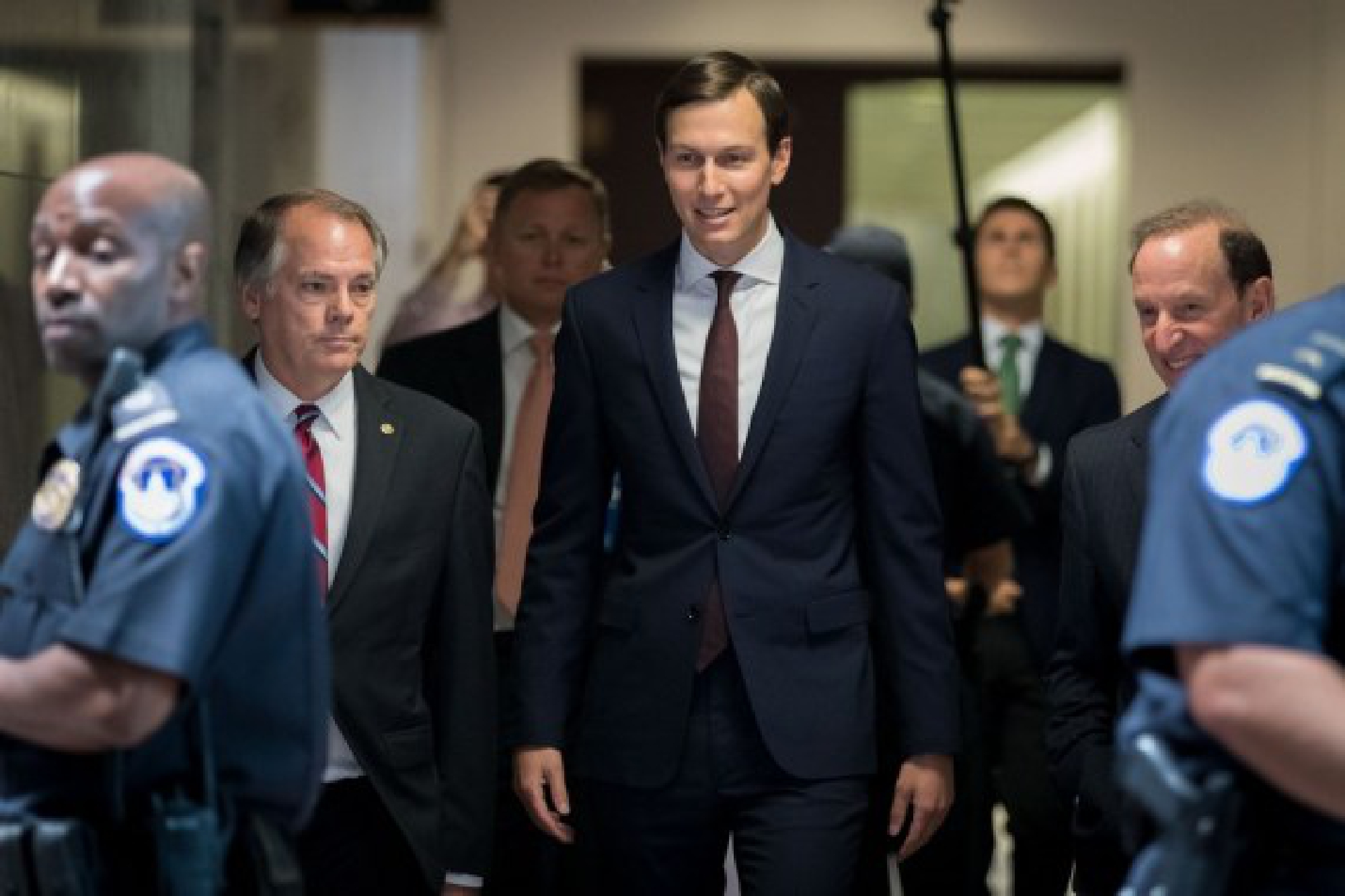 Former White House Senior Advisor Jared Kushner (C) leaves after testifying at a closed-door hearing before the Senate Intelligence Committee on Capitol Hill in Washington D.C., the United States, on July 24, 2017. (Xinhua/Ting Shen)