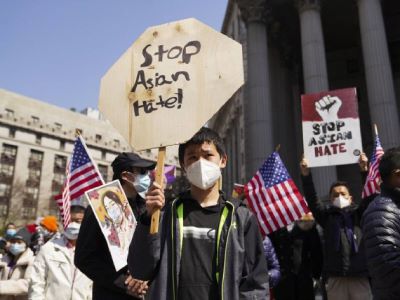
COVID-19 is far from the only danger of the worldwide pandemic for Asian Americans and Asian people in the United States, a sociologist said at the Diversity Forum held by the University of Wisconsin-Madison (UW-Madison).
Russell Jeung, professor at San Francisco State University and known for being the co-founder of Stop Asian American and Pacific Islander (AAPI) Hate, made the remarks in his keynote speech “Ending Asian Hate: The Asian American Community Responds.”
The Stop AAPI Hate is a coalition across the country addressing anti-Asian hate amid the pandemic. It tracks COVID-19-related hate, violence and discrimination against the AAPIs in the United States, Jeung introduced.
“What makes it worse is that you see so many cases where they feel so alone and others were around and no one did anything, as if they condoned what was happening,” said the Asian American sociologist.
The Diversity Forum has been UW-Madison’s all-campus and community platform to discuss and learn about current issues on diversity and inclusion for the past two decades, according to the university’s website.
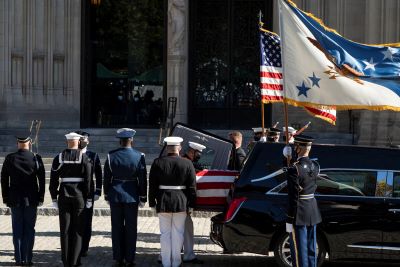
WASHINGTON – Colin L. Powell was remembered for his leadership skills, his love of ABBA and Bob Marley and “his sense of humor, his insatiable curiosity and his comfort in his own skin” at a funeral Friday that drew presidents past and present, military leaders and hundreds of Washington dignitaries.
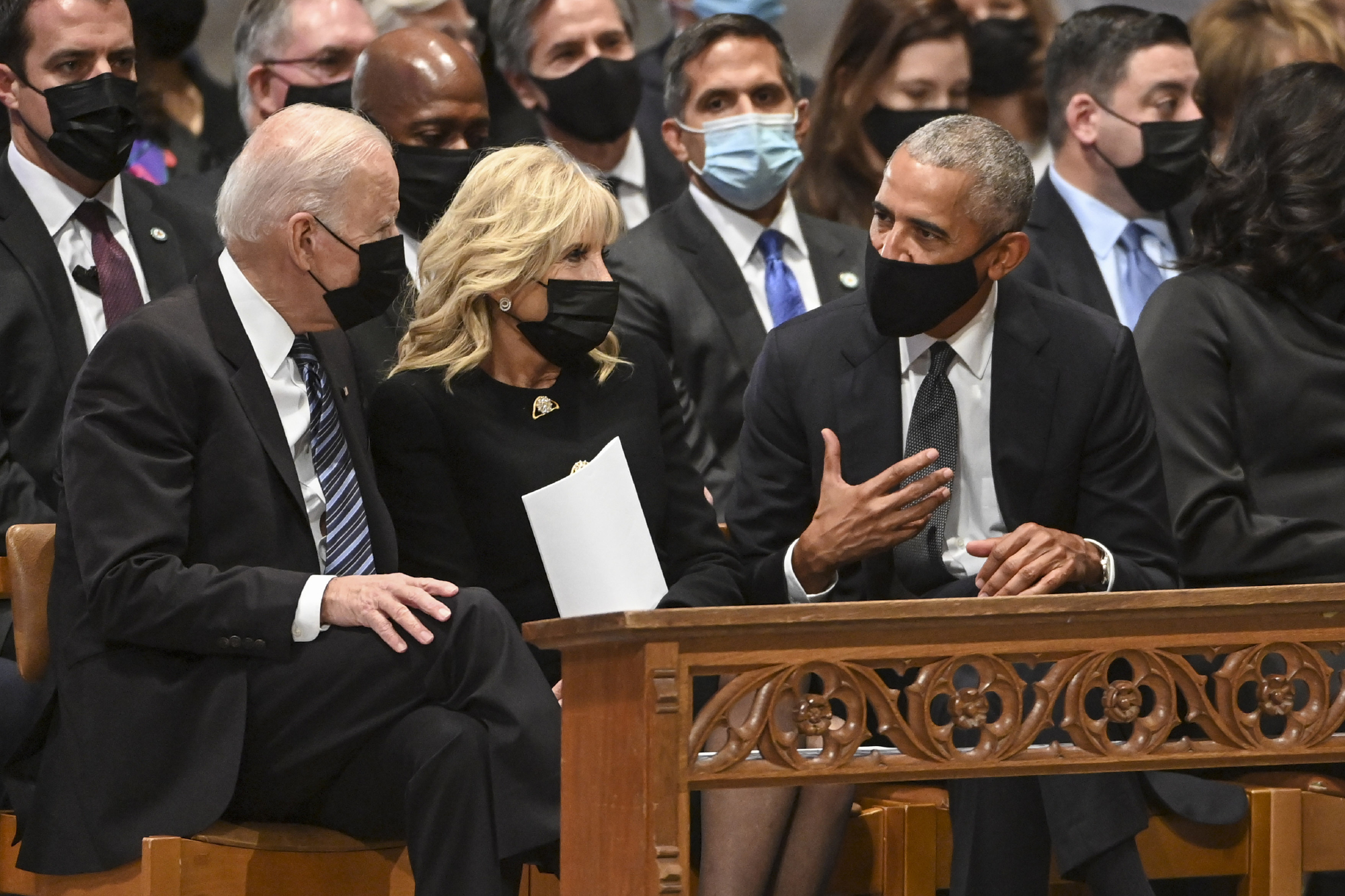
President Joe Biden, first lady Jill Biden and two of his predecessors – Barack Obama and George W. Bush and their spouses – joined Powell’s wife, Alma, and other family members for the religious service in which traditional hymns, ABBA’s “Dancing Queen” and Marley’s “Three Little Birds” echoed through Washington National Cathedral.
Washington Post photo by Michael Robinson Chavez
Powell, the former secretary of state and chairman of the Joint Chiefs of Staff, died last month of complications from covid-19. He was 84
The service brought together Republicans and Democrats. Also in attendance were former vice president Richard B. Cheney; former secretaries of state Hillary Clinton, Condoleezza Rice and Madeleine Albright; former secretary of defense Robert Gates; and former deputy secretary of state Richard Armitage.
While two of the past three presidents attended the funeral, former president Donald Trump – who disparaged Powell in a statement the day after his death – did not.
Albright, Armitage and Powell’s son, Michael, delivered eulogies.
Colin Powell remembered for leadership, integrity and a love of ABBA and Bob Marley at funeral
Washington Post photo by Jonathan Newton
An emotional Michael Powell remembered his father for treating the hot dog vendor, the janitor and the bankteller the same way he treated a world leader.
His voice breaking at times, he recounted the story of a young disabled veteran who helped Powell when his car got a flat tire on the Beltway. The veteran wanted a selfie; instead, in appreciation Powell invited him and his family to dinner.
“Colin Powell was a great leader because he was a great follower. He knew you could not ask your troops to do anything you were unwilling to do yourself,” Michael Powell said.
At a time of seemingly unsurmountable rancor and division in Washington and across the country, Michael Powell said he frequently hears people speak of his father and ask, “Are we still making his kind?”
“I believe the answer to that question is up to us,” he said. “To honor his legacy, I hope we do more than consign him to the history books. I hope we recommit ourselves to being a nation where we are still making his kind.”
Armitage spoke of his 40-year friendship with Powell, describing their bond as one between “two disgruntled, multi-tour combat vets who were not happy with the way we conducted the [Vietnam] war and certainly not happy with the way we left.”
He told story after story about Powell, from the time he passed a basketball around his Pentagon office with the Harlem Globetrotters to the time Powell got down on one knee and serenaded the foreign minister of Sweden after she presented him with a collection of ABBA albums.
“This is a celebration,” Armitage said. “It’s a celebration of a life. And I want to kind of fill that picture of Colin Powell out a little bit. And I’m going to try to tie together his sense of humor, his insatiable curiosity and his comfort in his own skin.”
Albright hailed Powell as well, saying that beneath the “glossy exterior of warrior statesman was one of the gentlest and most decent people any of us will ever meet.”
Albright said that over a quarter century, the two became friends.
“As I grew to know him, I came to view Colin Powell as a figure who almost transcended time – for his virtues were Homeric honesty, dignity, loyalty and an unshakable commitment to his calling and word,” she said.
The invitation-only service was broadcast on television and streamed online.
A four-star general, Powell served under three Republican presidents, including as national security adviser to President Ronald Reagan. He was the first Black person to lead the State Department and was also the youngest and first Black chairman of the Joint Chiefs of Staff.
Powell, who was fully vaccinated, had Parkinson’s disease and multiple myeloma, a form of blood cancer that impairs the body’s ability to fight infection.
Members of both parties praised Powell last month as a respected statesman and trusted adviser to presidents. In a statement, Biden said Powell “embodied the highest ideals of both warrior and diplomat.” Bush called him “a dear friend and patriot” who was “such a favorite of Presidents that he earned the Presidential Medal of Freedom – twice.”
And Obama praised Powell for forging a path that aimed to make reaching high levels in government less challenging for Black Americans.
“He never denied the role that race played in his own life and in our society more broadly,” Obama said in a statement last month. “But he also refused to accept that race would limit his dreams, and through his steady and principled leadership, helped pave the way for so many who would follow.”
Powell served as secretary of state under Bush – a tenure that was marred by a 2003 appearance before the United Nations in which Powell cited faulty information in seeking to make the case for U.S. war against Iraq.
The details shared in social media messages mapping out a high school Spanish teachers killing were unambiguous, prosecutors say.
The 16-year-old student described his motive for killing Nohema Graber, the planning and execution, and how he had tried to hide the evidence, prosecutors in Jefferson County, Iowa, wrote in a criminal complaint filed Thursday.
An acquaintance of the teenager provided investigators the online messages, as well as other communications implicating a second 16-year-old student, authorities said. Now the two suspects, both students at Fairfield High School, are charged with first-degree murder and conspiracy to commit murder.
They both were charged as adults “based on the circumstances and their ages,” Fairfield city officials said in a statement. The Washington Post is not naming the students because they are juveniles. Court records did not list an attorney for either teenager.
The killing has unnerved Fairfield, a town of about 9,400 people roughly 95 miles southeast of Des Moines. The school district dismissed students early on Thursday, canceled classes on Friday and made the high school available for staff and students to meet with counselors. On Facebook, tributes described Graber as “a bright light” and “a resilient woman of strength, faith, family and education.”
Graber’s daughter, Nohema Marie Graber, said her mother was “an absolute angel” who had roots in Mexico and instilled in her children a love of travel and languages.
“We had the wonderful fortune of growing up in a home filled with such an abundance of warmth and love,” the younger Graber wrote on Facebook. “I will miss her loud laugh and dancing with her to any music that was playing, she had so much joy in her eyes and such a deep sense of faith.”
Graber’s body was found in Chautauqua City Park on Wednesday, hours after her family reported her missing. Graber, who had taught at the high school since 2012, was known to routinely stroll through the park in the afternoon.
Her body was found under a tarp, wheelbarrow and railroad ties – rectangular supports used on tracks – according to the complaint. Prosecutors wrote that Graber appeared to have suffered head trauma.
After executing search warrants at both teens’ homes, investigators said they found several pieces of clothing that appeared to have blood on them. They said they also talked with someone who claimed to have seen the teenagers in the park on Tuesday afternoon – spotting one of the boys wearing bloody clothing.
Prosecutors say the other teenager admitted in an interview to being in the park at the time of the killing, providing materials and helping to hide the attack. Court records do not indicate a suspected motive.
Neither student has entered a plea in their cases, court documents show. Both are being held on a $1 million bond pending hearings on Nov. 12.
Laurie Noll, superintendent of Fairfield Community School District, said Graber had touched many lives in her time at the school.
“We extend our deepest condolences to the family, friends, and loved ones of Mrs. Graber. At this time our students’ and staffs’ well-being is our top priority,” Noll said in a statement. “As a community, we will remain united in this time of tragedy.”
Nohema Marie Graber and her brother, Christian Graber, wrote that they forgave the teenagers accused of killing their mother.
“There’s no point in being angry at them,” Christian Graber wrote. “We should hope that they can find peace in their lives.”
Sunao Tsuboi, an engineering student at the university in Hiroshima, was making his way across the citys Miyuki Bridge en route to a morning class when, in a sudden, terrifying moment on Aug. 6, 1945, blazing light flooded his surroundings.
Ablast threw him more than 30 feet, leaving him unconscious. When he awoke, the light was gone, subsumed by an awful pall. “I know now,” he told the British Daily Mirror decades later, “I was under the mushroom cloud.”
Tsuboi emerged from the U.S. atomic attack on Hiroshima with burns across his entire body. “My ears were hanging off,” he recounted. “I saw tens of thousands of bodies everywhere, all burned and dead. I saw such terrible things. One girl had her right eye hanging from its socket, next to her jaw. A woman was trying to force her own intestines back into her body. An old man’s lung was sticking through his chest.”
Convinced of his own impending death, Tsuboi used a pebble to scrawl the words “Tsuboi died here,” a marker for friends who might come searching for his remains. When he died Oct. 24 at 96, he had outlived by more than 76 years his expectation that day, when the world first observed the horror of nuclear war and when Tsuboi was set on his path as an international advocate for disarmament.
Tsuboi eventually reached a military hospital, where he said he again lost consciousness. Only weeks later, after regaining his orientation, did he learn that World War II was over and that Japan had surrendered after the United States dropped a second atomic bomb on the city of Nagasaki.
By the end of 1945, an estimated 140,000 people had died in Hiroshima and 74,000 more had perished in Nagasaki from the effects of the blast, according to the International Campaign to Abolish Nuclear Weapons, the Nobel Peace Prize-winning organization in Geneva.
“I don’t know why I survived and lived this long,” Tsuboi said in 2015, according to the Agence France-Presse. “The more I think about it . . . the more painful it becomes to recall.”
Sunao Tsuboi was born in Ondo, on Kurahashi Island, toward the southern tip of Japan, on May 5, 1925. He was 16 when Japan attacked Pearl Harbor, the event that precipitated U.S. entry into World War II, and 20 years old, a student at what is now Hiroshima University, when the United States ended the war with the two atomic attacks.
Although he did not realize it at the time, Tsuboi was less than one mile from ground zero of the blast at Hiroshima. His clothes were burned off, and he recalled running, naked, until he could no longer go on.
Against all odds, his mother located him at the field hospital where he was taken for treatment.
“She had a strong love for her son,” Tsuboi told the Honolulu Star-Bulletin in 2007. “She, in a loud voice, shouted my name, ‘Sunao.’ It was miraculous.”
Tsuboi embarked on a long recovery, crawling before he could once again walk. With the scars from his burns, he was easily recognizable as one of the hibakusha – the Japanese word for survivors of the atomic blasts – and said he encountered discrimination in both his professional and personal lives because of his past.
The parents of his future wife, Suzuko, at first opposed their marriage because they worried that Tsuboi, who, like other survivors of the atomic attacks, suffered from the effects of radiation, would leave their daughter a widow. Discouraged from marrying, the young couple took sleeping pills in a double-suicide attempt. They survived and ultimately wed.
The couple had three children and seven grandchildren, but a complete list of survivors was not immediately available.
Tsuboi became a math teacher and later a junior high school principal. With the passage of time, he became increasingly involved in disarmament advocacy, working closely with Nihon Hidankyo, an organization of survivors of the Hiroshima and Nagasaki attacks.
Koichiro Maeda, a representative of the group’s Hiroshima branch, wrote in an email that Tsuboi died at a hospital in Hiroshima of an abnormal cardiac rhythm caused by anemia. Tsuboi also suffered several bouts of cancer, which he attributed to the radiation from the blast.
Tsuboi traveled around the world speaking about the catastrophic effects of nuclear war. He had perhaps his most significant audience in 2016, when President Barack Obama became the first sitting U.S. president to visit Hiroshima. They clasped hands, Tsuboi recalled, in a meeting where the emotions, he said, required no interpreter.
“At some point in the next century I won’t be here,” Tsuboi told the Agence France-Presse in 1999. “We really need to let the next generation take over the mission to tell the horrible story and urge the world not to repeat the same mistake.”
People at risk for severe covid-19 could soon have a transformative treatment option: antiviral pills that can be prescribed and taken at home to prevent the worst outcomes.
Pharmaceutical giant Pfizer Friday announced that its experimental pill regimen, when taken shortly after symptoms develop, dramatically reduced the risk of hospitalization and death. A different pill developed by Merck and its partner, Ridgeback Therapeutics, is already under review by federal regulators.
If the pills are deemed safe and effective by the Food and Drug Administration in coming weeks, they are expected to become available right away, although supply of the Pfizer drug could be limited initially. The companies have already begun manufacturing, with plans to ramp up production more next year.
Vaccines will remain the primary protection against the coronavirus, but easy-to-take medicines that blunt infections could be a powerful addition to the medical tool kit to manage a pandemic that has killed more than 750,000 people in the United States – and equip the world for a future in which the coronavirus continues to circulate. The pills would augment the medical armamentarium, not replace highly protective vaccines, similar to how people receive flu shots but may be prescribed Tamiflu if they do fall ill.
Such treatments must be given within days of symptoms emerging and will depend on symptoms being identified and patients getting tested quickly. The Pfizer drug, Paxlovid, reduced the risk of hospitalization or death by 89% when given within three days of the first symptoms. The Merck-Ridgeback drug, molnupiravir, cut the risk in half when given within five days.
“We’re accelerating our path out of this pandemic,” President Biden said Friday reacting to news of the potential treatment, along with the expansion of vaccine eligibility for younger children and the continued uptake of vaccine among adults.
“If authorized by the FDA, we may soon have pills that may treat the virus of those who become infected,” he told reporters during a news conference.
Antiviral pills will be one part of the public health toolkit, and there will be room for more than one treatment. Some public health experts believe that in the long run, multiple antivirals will be necessary to create cocktails and combination therapies that ensure that a constantly evolving coronavirus doesn’t find a way to elude the treatment.
The U.S. government is in the process of procuring 1.7 million treatment courses from Pfizer, according to a senior Biden administration official who spoke on the condition of anonymity because they were not authorized to discuss the purchase. There will be an additional option to purchase 3.3 million more.
The government already struck an agreement with Merck to purchase 1.7 million treatment courses of molnupiravir for $1.2 billion.
The effect of the Pfizer drug, a five-day regimen designed to block the virus from making copies of itself, was found to be so strong midway through the study that an independent committee monitoring the clinical trial recommended it be stopped early. The data has not yet been published or peer-reviewed. Pfizer chief executive Albert Bourla told CNBC that the company would submit data to U.S. regulators before Thanksgiving.
“This is amazing news. My overall feeling was relief – it’s been a long path,” said Annaliesa Anderson, the chief scientific officer of Pfizer’s bacterial vaccines and hospital medicine division, who leads the program to develop the drug. Anderson, who has been working on the medicine since January 2020, said it was a “heart-in-your-mouth moment” when she learned the news Wednesday night while driving to Massachusetts to tour colleges.
“We’re looking at end-to-end protection and treatment,” Anderson said. “We have the vaccine for protection, and now we have an opportunity for treatment.”
David Boulware, an infectious-disease physician-scientist at the University of Minnesota Medical School not involved in the research, said the findings were “pretty impressive.” He noted the drug was most effective when given within three days of symptoms, but it remained highly effective when given five days after symptoms appeared – which may better reflect the real world use of the drug.
“That’s great. That’s a huge impact,” Boulware said.
Pfizer has already begun manufacturing its drug and projects producing more than 180,000 pill packs, each containing a single treatment course, by the end of this year. The company is working to rapidly scale up manufacturing to at least 21 million packs in the first half of next year, with a total production of 50 million packs in 2022. The company did not disclose the drug’s price.
Pfizer is in “advanced discussions” on a licensing agreement to allow other companies to manufacture its drug, “with the goal of expanding capacity for the hardest-to-reach populations,” around the world, according to Gelise McCullough, a spokesperson for the United Nations-backed Medicines Patent Pool.
Pfizer is also conducting studies of its drug in lower-risk patients and to see whether it helps prevent infections in households in which one family member becomes sick.
Drugmaker Merck announced a month ago that its antiviral pill, molnupiravir, cut the risk of hospitalization or death by half in high-risk patients. Regulators in Britain cleared molnupiravir for use this week in people diagnosed with covid-19, the disease caused by the virus, who have at least one risk factor for severe illness. In the United States, an expert advisory committee to the Food and Drug Administration is scheduled to meet to scrutinize the safety and effectiveness of Merck’s drug shortly after Thanksgiving – a crucial step before a drug is authorized for use. Merck has said it will produce 10 million treatment courses in 2021.
The work on Pfizer’s antiviral drug, called Paxlovid, built off efforts by Pfizer scientists nearly two decades ago to develop treatments for the outbreak of severe acute respiratory syndrome (SARS). Paxlovid combines a new molecule specifically designed by Pfizer scientists against covid-19 last year and ritonavir, an antiviral drug used to treat HIV that protects that molecule from degrading.
In a clinical trial, participants at high risk of developing severe illness were given the drug regimen – a combination of three pills, taken twice a day – within three days of their covid-19 symptoms. Half received the experimental drug and half received a placebo. Paxlovid was 89% effective in reducing risk of hospitalization and death. Among 389 people who received the drug, three hospitalizations and no deaths were reported. Among 385 people who got a placebo, 27 hospitalizations were reported, with seven subsequent deaths.
The trial also included people who were given the drug within five days of symptom onset to test whether there was leeway on timing. The window of opportunity for giving antiviral drugs to thwart acute respiratory infections is short, so people must recognize their symptoms and get tested and receive results right away for the drugs to be effective. Tamiflu, for example, is often given too late.
The drug was 85% effective at five days after symptoms began. For about 600 people who received the drug within five days of symptoms, six people were hospitalized. Among the 600 who received a placebo, there were 41 hospitalizations and 10 subsequent deaths.
The company reported that side effects after treatment were similar between the group that received the drug and those that received the placebo, and were mostly mild.
Paxlovid blocks a coronavirus protease, an enzyme the virus needs to make copies of itself. It uses a different mechanism than the Merck drug, which disables the virus by garbling its genome and has raised concerns about its potential to cause mutations in people’s cells.
“For me, if I had a choice, I’d pick the Pfizer drug 10 times out of 10,” Boulware said. “It was more effective and there’s less of a safety concern.”
Three professors filed a lawsuit against the University of Florida on Friday, claiming school officials violated their right to free speech by trying to prevent them from offering testimony in a voting rights case.
The case further inflames a heated debate over academic freedom, one that has brought national attention and criticism to the flagship state university.
Photo for the Washington by Phelan M. Ebenhack
It was filed on the same day school officials reversed course: After a week of controversy and pushback from faculty members, alumni and academics across the country, UF on Friday said the three political science professors should not be barred from testifying in a voting rights lawsuit against the administration of Gov. Ron DeSantis, R.
The complaint by the professors contends that the university is discriminating against them based on viewpoints they wish to express and that by trying to prevent them from offering expert testimony on issues of overwhelming public importance, UF violated their First Amendment rights.
Seeking to restrict the professors from testifying is contrary to UF’s stated mission as a public research institution, “to share the benefits of its research and knowledge for the public good,” and to the principles of academic freedom and free speech, the complaint says.
The lawsuit asks the court to declare unlawful the policy of “stifling faculty speech against the State.”
Hessy Fernandez, a UF spokeswoman, said the university does not comment on pending litigation.
UF President Kent Fuchs wrote in a campuswide email earlier Friday that he was asking the school’s conflicts-of-interest office to allow the professors, all of whom are experts in their fields, to testify in a federal lawsuit.
The lawsuit by voting rights groups challenges a new state law, championed by DeSantis, that puts new limitations on ballot drop boxes and vote-by-mail practices.
David A. O’Neil and Paul Donnelly, attorneys for the professors, said in an email that despite reversing the decision prohibiting the professors from testifying, the school had “made no commitment to abandon its policy preventing academics from serving as expert witnesses when the University thinks that their speech may be adverse to the State and whatever political agenda politicians want to promote.”
After Fuchs’s announcement Friday, Kenneth Nunn, a law professor at the university who, along with several colleagues at the law school, has raised concerns about academic freedom at the university called it a welcome development. “I think it’s great that the president saw the university’s reputation was being damaged by their unfortunate decision to restrict those three faculty members from testifying in their case,” he said.
But Nunn said the decision doesn’t do anything about the many faculty members who have been restricted from testifying and those who probably feel a chilling effect.
Fuchs said in an email to students and faculty members earlier this week that he was appointing a task force to review the university’s conflict-of-interest policy, which was created last year.
“First, we would like to be abundantly clear that the University of Florida stands firmly behind its commitment to uphold our most sacred right as Americans – the right to free speech – and to faculty members’ right to academic freedom,” Fuchs wrote. “Nothing is more fundamental to our existence as an institution of higher learning than these two bedrock principles. Vigorous intellectual discussions are at the heart of the marketplace of ideas we celebrate and hold so dear.”
But that did not quell the firestorm among faculty members and others who saw the prohibition against professors Michael McDonald, Sharon D. Wright Austin and Daniel A. Smith as a violation of academic freedom.
“It appears as though Fuchs made an exception to a policy that is deeply flawed,” said Irene Mulvey, president of the American Association of University Professors and chair of the mathematics department at Fairfield University.
“He’s managing a PR crisis by making an exception. But the policy still stands – which is deeply troubling. It never should have happened in the first place,” Mulvey said.
In September, UF touted its rise to No. 5 on the U.S. News and World Report’s 2022 list of best public schools. Fuchs wrote in the UF Alumni Association magazine that it was “very welcome and historic news” to achieve “a milestone decades in the making.”
But the controversy over barring professors from testifying as experts prompted UF’s accrediting agency, the Southern Association of Colleges and Schools Commission on Colleges, to say it was looking into the matter to see whether an investigation is called for, a move that could threaten the school’s coveted ranking.
The organization sent a letter to Fuchs on Nov. 2, asking him to prepare a report that “explains and documents” UF’s compliance with issues of academic freedom and external influence. Fuchs has until Dec. 7 to respond.
“We’re just going to let the investigation play itself out,” said Belle Wheelan, president of the accrediting organization. “I can only imagine he will do everything he can to turn this around.”
The U.S. federal government unveiled its new COVID-19 standards for businesses, “its biggest push yet to encourage widespread vaccination,” reported CBS. However, the new rule has raised questions about the process for implementing, costs and timing of the requirements for workers and their bosses.
The U.S. federal government has released its biggest push to encourage widespread vaccination against COVID-19, while Pfizer and Merck have introduced in tandem their pills as an alternative therapy for coronavirus patients.
On Friday, the Centers for Disease Control and Prevention (CDC) updated that 222,591,394 people had received at least one dose of COVID-19 vaccine, making up 67 percent of the whole U.S. population. Fully vaccinated people stood at 193,227,813, accounting for 58.2 percent of the total. A total of 21,483,519 people, or 11.1 percent of fully vaccinated group, received booster shots.
Photo taken on Aug. 26, 2021 shows the building of the U.S. Department of Labor in Washington, D.C., the United States. (Xinhua/Liu Jie)
The federal government on Thursday unveiled its new COVID-19 standards for businesses, “its biggest push yet to encourage widespread vaccination,” reported CBS. However, the new rule has raised questions about the process for implementing, costs and timing of the requirements for workers and their bosses.
Under the plan, employers with more than 100 employees must choose whether their workers be fully vaccinated or undergo weekly testing within 30 days of the plan’s publication in the Federal Register on Nov. 5.
By Jan. 4, those businesses must implement the rule. The so-called “emergency temporary standard” was requested by U.S. President Joe Biden as part of his September COVID-19 action plan, and will be overseen by the Labor Department’s Occupational Safety and Health Administration (OSHA).
Reactions from businesses ranged from support to alarm, with the trade group Truckload Carriers Association warning that the rule will prove to be “disastrous” as it could lead to an “exodus” of truck drivers during the ongoing supply-chain crisis.
Jim Frederick, deputy assistant secretary of labor at OSHA, said that the agency believes the “vast majority” of workplaces will comply with the new requirement.
“OSHA estimates that this rule will save thousands of lives and prevent more than 250,000 hospitalizations” after it goes into effect, Frederick said in a conference call with reporters on Thursday. “We know that many, many workplaces will be looking at this and starting up as early as today.”
Photo taken on Aug. 23, 2021 shows Pfizer signage at Pfizer
CURING PILLS
Pfizer Inc. said on Friday that its experimental antiviral pill for COVID-19 cuts hospitalization and death rates by nearly 90 percent in high-risk adults, as the drugmaker joined the race for an easy-to-use medication to treat the coronavirus.
Pfizer said it will ask the U.S. Food and Drug Administration (FDA) and international regulators to authorize its pill as soon as possible. If authorized by the FDA, the company would sell the drug under the brand name Paxlovid.
Currently most COVID-19 treatments require an IV (intravenous therapy) or injection. Competitor Merck’s COVID-19 pill is already under review at the FDA after showing strong initial results, and on Thursday Britain became the first country to approve it.
The Merck pill, known as molnupiravir, was shown in a key clinical trial to reduce by half the risk of hospitalization and death in high-risk COVID-19 patients who were treated early in their infections.
Dispensed from a pharmacy and taken at home, the drug is expected to reach many more people than treatments like monoclonal antibodies, which are typically administered intravenously at a hospital or clinic.
Britain has already ordered enough supplies of the pill for 480,000 people. Merck said last week it had reached deals to sell the pills to the governments of the United States, Australia, South Korea, New Zealand, Serbia and Singapore.
The unemployment rate edged down by 0.2 percentage points to 4.6 percent in October, after dropping by 0.4 percentage points in the previous month. The figure was down considerably from its recent high in April 2020, yet remained well above the pre-pandemic level of 3.5 percent.
U.S. employers added 531,000 jobs in October, with unemployment rate dropping to 4.6 percent, indicating a hiring rebound as the Delta wave weakened, the U.S. Labor Department reported Friday.
The latest data followed upwardly revised job gains of 312,000 in September, and upwardly revised job gains of 483,000 in August, when labor market recovery slowed amid a Delta variant-fueled COVID-19 surge. In July, job gains were over 1 million.
In October, job gains were significant in leisure and hospitality, professional and business services, manufacturing, as well as transportation and warehousing. Employment in public education, however, declined over the month, following a drop in September.
People spend their leisure time at a pier in San Francisco, the United States, on Aug. 15, 2021. (Xinhua/Wu Xiaoling)
Employment in leisure and hospitality increased by 164,000 in October. Professional and business services added 100,000 jobs in October, and employment in manufacturing increased by 60,000, the report showed.
In October, employment decreased in local government education and state government education, by 43,000 and 22,000, respectively. Employment increased slightly by 17,000 in private education.
Since February 2020, employment is down by 370,000 in local government education, by 205,000 in state government education, and by 148,000 in private education, according to the report.
The unemployment rate edged down by 0.2 percentage points to 4.6 percent in October, after dropping by 0.4 percentage points in the previous month. The figure was down considerably from its recent high in April 2020, yet remained well above the pre-pandemic level of 3.5 percent.
In October, average hourly earnings for all employees on private nonfarm payrolls increased by 11 cents to 30.96 dollars, following large increases in the prior six months.
The labor force participation rate was unchanged at 61.6 percent in October and has remained within a narrow range of 61.4 percent to 61.7 percent since June 2020, according to the report. The participation rate is still 1.7 percentage points lower than that of February 2020.
The monthly employment was released two days after the payroll data company Automatic Data Processing reported that U.S. private companies added 571,000 jobs in October, which also indicated a renewed momentum in the labor market recovery.
In the second quarter, job growth was robust due to vaccination progress and continued economic recovery. But amid a Delta variant-fueled COVID-19 surge, there was a marked slowdown in job growth in the third quarter.
The number of COVID-19 cases had been going up since June with the rapid spread of Delta, before the national outlook started to improve since early September, when case levels began to fall.
“The job market is revving back up as the Delta wave of the pandemic winds down,” said Mark Zandi, chief economist of Moody’s Analytics, noting that job gains are accelerating across all industries.
London has “invested hugely” in the expansion of its transportation system and “Chinese companies helped us with the electric buses, electric taxis,” said Mayor of London Sadiq Kahn.
The British capital welcomes Chinese investment, including in the city’s infrastructure, Mayor of London Sadiq Kahn has said.
Asked about the concerns by some British politicians over Chinese investment, Kahn said Thursday that Chinese investment has been contributing to the growth of the city.
London has “invested hugely” in the expansion of its transportation system and “Chinese companies helped us with the electric buses, electric taxis. It is a working partnership”, he told reporters in Glasgow, Scotland.
A man looks over the city from a highland in London, Britain, Oct. 17, 2021. (Xinhua/Han Yan)
The London mayor made the remarks after a meeting of C40, a network of mayors of nearly 100 world-leading cities collaborating to deliver the urgent action needed to confront the climate crisis, in Glasgow.
The mayors’ meeting came as the 26th session of the Conference of the Parties (COP26) to the United Nations Framework Convention on Climate Change are being held in the largest Scottish city.
At least 500 electric buses are running in the British capital under the partnership between Chinese clean energy car maker BYD and Britain’s largest bus and coach manufacturer Alexander Dennis Limited (ADL).
“You’ve got to invest in the infrastructure. If you don’t invest in infrastructure, the city will be in a bad position. Cities can’t grow. Our city is growing. You’ve got to plan for the growth,” Kahn said.
People enjoy sunshine, backdropped by the City of London buildings in London, Britain, June 1, 2021. (Xinhua/Han Yan)
The United States, instead, was responsible for 25.5 percent of global CO2 emissions, according to figures by Our World in Data, an online scientific publication, the article said.
It is unfair to blame China for increasing greenhouse gas emissions. It is developed countries who emit more greenhouse gases, the article wrote.
 Colin Powell remembered for leadership, integrity and a love of ABBA and Bob Marley at funeral
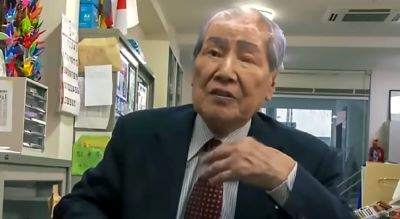

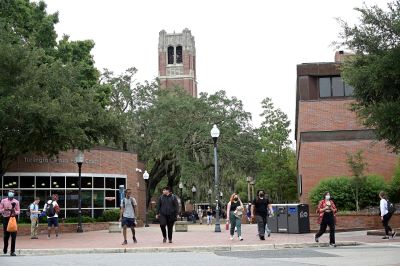
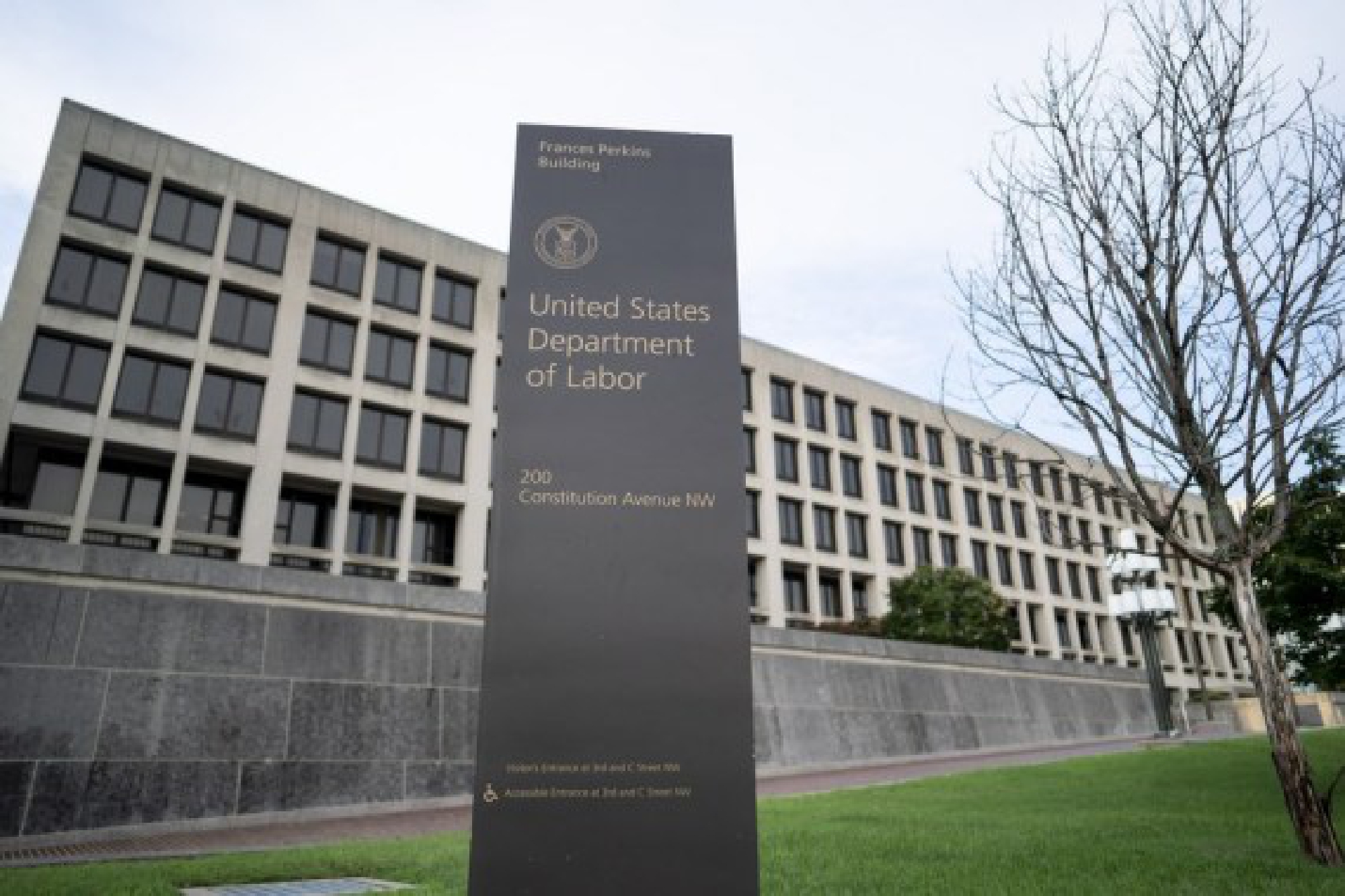 Photo taken on Aug. 26, 2021 shows the building of the U.S. Department of Labor in Washington, D.C., the United States. (Xinhua/Liu Jie)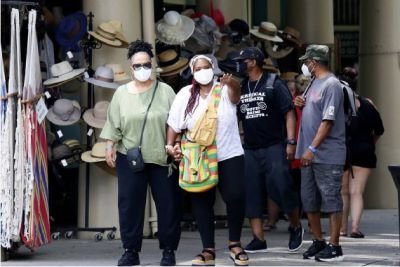
 People spend their leisure time at a pier in San Francisco, the United States, on Aug. 15, 2021. (Xinhua/Wu Xiaoling)
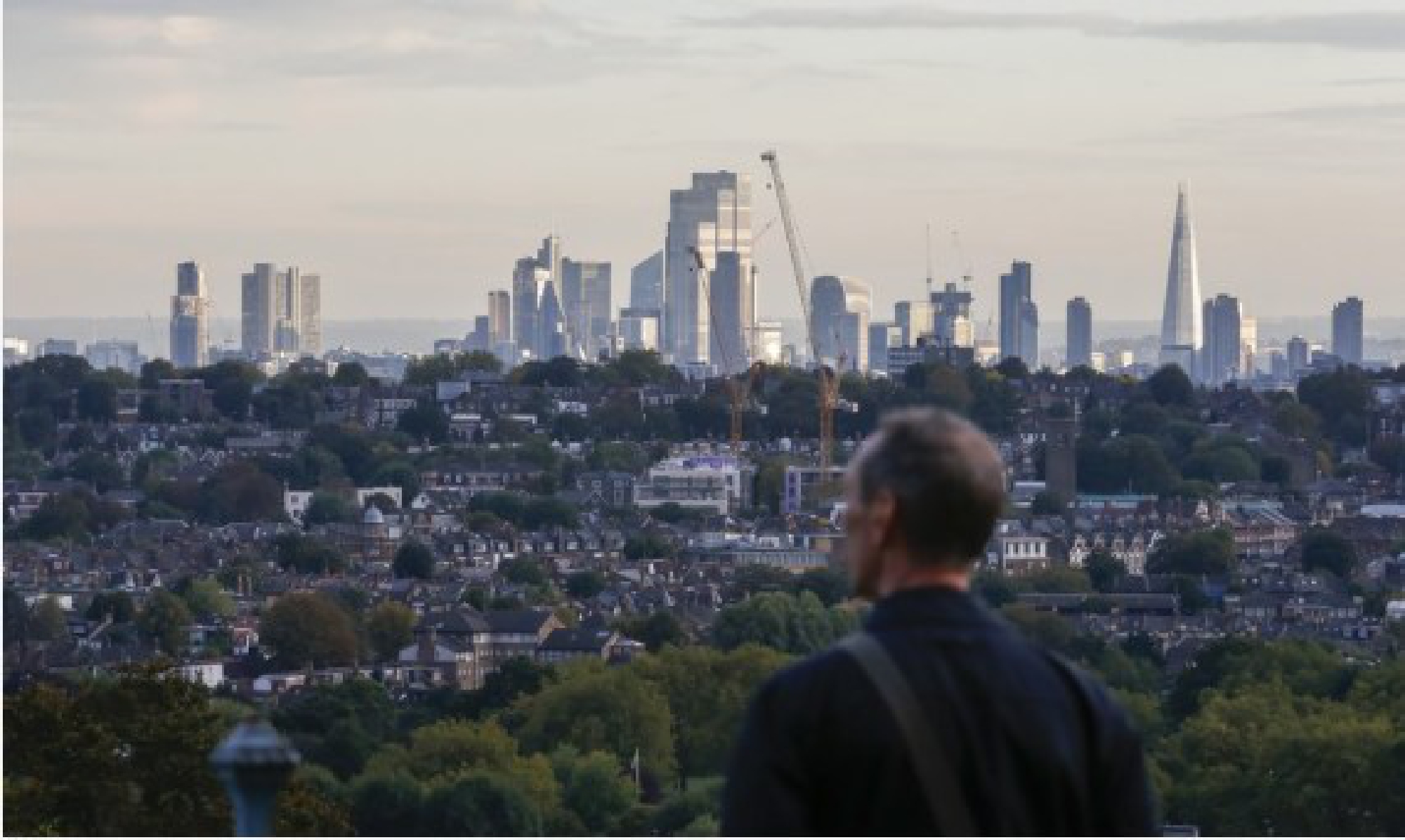 A man looks over the city from a highland in London, Britain, Oct. 17, 2021. (Xinhua/Han Yan)
 People enjoy sunshine, backdropped by the City of London buildings in London, Britain, June 1, 2021. (Xinhua/Han Yan)