The number of Covid-19 cases crossed 13.28 million across Southeast Asia, with 27,416 new cases reported on Wednesday (November 3), higher than Tuesday’s tally at 26,804. New deaths are at 452, increasing from Tuesday’s number of 410. Total Covid-19 deaths in Asean are now at 279,909.
Cambodia on Tuesday resumed the operations of city bus and taxi boat services in capital Phnom Penh after a long hiatus due to the Covid-19 pandemic. All passengers are given free rides for six days from November 2 to 7, and normal fares will be charged from November 8 onwards.
The Indonesian government has decided to reduce the mandatory quarantine period for international travellers, both Indonesian citizens and foreigners, from five to three days. This rule applies to international travellers who have met the requirements, including being fully vaccinated and negative for Covid-19 based on PCR test results.
Philippines President Rodrigo Duterte said on Wednesday that local government officials will be punished for falling behind their targets for Covid-19 vaccinations. Duterte said there was no reason why daily vaccinations could not be ramped up since the country has sufficient stock of vaccines. He also asked the police and military to use planes and helicopters to deliver the vaccines faster to the provinces.
Hong Kong is in advanced discussions with Chinese officials about potentially reopening their shared border, according to local media reports, as the former British colony pushes to overcome the mainlands hesitancy to revive travel crucial to the citys economy.
Experts from both sides are expected to soon hold a second meeting with a final decision on the resumption of travel imminent, the Sing Tao newspaper reported on Wednesday, citing unidentified people. It gave no details on a potential timeframe for reopening.
Discussions are now focused on whether Hong Kong could adopt a mainland-style health code system that would classify people green, yellow or red. Only those with a green pass would be cleared to travel to the mainland, according to the paper. A quota for quarantine-free travel could be initially imposed, the paper said, adding officials were also considering a “circuit-breaker” to immediately suspend the system in an emergency.
Limited border travel could resume as soon as the end of the year or in the first quarter of 2022, said Michael Tien, a pro-government politician in the city’s Legislative Council and a Hong Kong deputy to China’s National People’s Congress. Travel may first be limited to within neighboring Guangdong province with a daily quota of perhaps a few hundred people, he said in an interview on Wednesday.
Even the partial resumption of cross-border travel would be a major economic boost for Hong Kong, which has sought to kickstart cross-border travel for months with little success as Beijing pursued a so-called “Covid Zero” strategy that prioritized containment over opening up.
While the mainland is still seeing some virus outbreaks, Hong Kong has basically eliminated local transmission by imposing some of the world’s strictest Covid-19 travel restrictions. Incoming residents face mandatory hotel quarantines as long as 21 days even if vaccinated.
The city’s leaders have for months prioritized reopening the border with the mainland over resuming international travel, prompting frustration among many business groups. At the same time, Hong Kong authorities have said it’s not clear what metrics would convince mainland officials to allow freer travel to China.
Bernard Chan, an advisor to Hong Kong Chief Executive Carrie Lam, told Bloomberg in late September that the city’s “hands are tied” when it comes to travel policies and that there was no clear set of steps the finance hub can take or goals it can achieve to convince China to reopen the border.
On Tuesday, Lam told a group of executives that “business needs will take precedence over individual tourists,” once travel ties resume, according to the South China Morning Post. She added that there will be quotas and conditions once travel does restart, the paper reported.
Patrick, a 9-year-old in Houston, petted a hospital therapy dog named Bailey while a nurse administered a shot that made him one of the first American elementary-schoolers to get vaccinated against the coronavirus.
In Connecticut, 7-year-old Kareem shouted over applause that his shot didn’t hurt after he was injected on camera. In Columbus, Ohio, a children’s hospital handed out capes and encouraged kids to pick a superhero name for a superhero themed vaccine clinic.
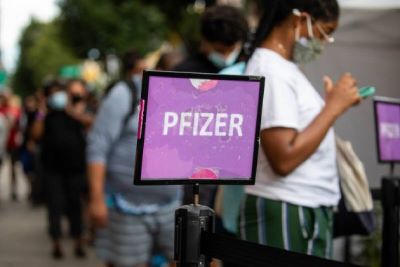
Almost a year after their parents and grandparents became eligible, young U.S. children are now lining up for vaccines to protect them from the virus that upended their childhoods, in many cases keeping them away from schools, playdates and vacations. The Centers for Disease Control and Prevention signed off late Tuesday night on smaller doses of the Pfizer-BioNTech coronavirus vaccine for children ages 5 to 11.
Soon after, doctors and nurses began administering the first shots and parents starting scrambling to book appointments, many hoping their children can be partially vaccinated before Thanksgiving. White House officials have cautioned pediatric vaccinations won’t start until earnest until next week after initial 15 million dose shipments arrive, medical professionals undergo training on administering shots and doctors and hospitals plan clinics.
“Over the next 24 hours alone, there will be millions more doses in the air and on trucks heading to cities and towns across the country, from Bar Harbor, Maine, to Anchorage, Alaska, to San Juan, Puerto Rico,” White House coronavirus response coordinator Jeffrey Zients said Wednesday. “As we hit full strength next week, finding a site nearby and scheduling an appointment will become easier and easier.”
This is a long awaited moment in the country’s grueling fight against coronavirus. The nation is recovering from a summer surge driven in part by soaring cases among children that resulted in record high pediatric hospitalizations. The vaccine authorization came as millions of families hope to revive big holiday gatherings, to restore a semblance of normalcy in their children’s lives and to feel less anxious when their children develop sniffles and coughs without worrying about a severe case of covid-19.
Suzanne Berman, a pediatrician in Crossville, Tenn., said her doctor friends have been posting photos online, showing them smiling as they pop open boxes of the vaccine. She said her office has ordered 600 doses to start.
Berman said she anticipates the first 100 doses or so will be administered almost immediately, but the rest will be given out over the next couple of weeks.
“We have some families who are so eager to get the covid vaccine for their kids that they’re listening for the crackle of us opening the box,” she said.
Following the CDC’s recommendation, Hartford HealthCare in Connecticut was among the first to crack open its vaccine boxes. During a news conference, half a dozen 5- to 11-year-olds lined up at Hartford Hospital to get some of the first pediatric doses in the country, many eager to roll up their sleeves.
After the first child, Kareem Omar, got his shot, he shouted over the applause, reassuring his peers that it didn’t hurt. The 7-year-old then clapped his hands and leaped off the stage.
His mother, Reem Nouh, said during a follow-up media briefing Wednesday morning that her son kept asking when it would be his turn to get a shot after his parents and 14-year-old sister got vaccinated.
“He went to school super excited today. He’s going to tell all his friends,” Nouh, from Simsbury, Conn., told reporters. “I’m hoping that all the kiddos from last night are an inspiration to their friends, to their families and to their communities so that we can all get past this. We’re just beyond grateful and excited.”
Texas Children’s Hospital marked the occasion by vaccinating brothers Paxton, a five-year-old who had leukemia during the pandemic, and Patrick, 9, on camera, with therapy dogs cuddling near them as they got their shots.
After the shot, Patrick told reporters he will tell his friends: “I got my vaccine, I got to play with Bailey and Pluto and give them treats,” he said, referring to the dogs.
The hospital averaged 1,000 appointments an hour when it opened up sign ups after the Food and Drug Administration’s Friday approval of the Pfizer vaccine for children, said Jermaine Monroe, co-chair of the hospital’s covid task force. Now it has 37,000 appointments booked and plans to partner with schools and churches for on-site clinics in neighborhoods with low vaccination and high infection rates.
Away from television cameras, some parents felt confusion as they scrambled to vaccinate their children.
Heidi Belka, 43, showed up for a 11:30 a.m. appointment at the Salt Lake City health department to vaccinate her 5-year-old son Freddy. But she was told the department didn’t have the vaccine yet, even though she’d made the appointment the night before. After holding on the phone for an hour, she was told the county did have the vaccine and to come back Wednesday afternoon. Belka said she was relieved to have the first dose – for the community, for her family and for Freddy, who has asthma. Fresh after getting his first shot, Freddy said the flu shot felt worse.
“I didn’t feel it so much,” he said as he sipped an apple juice box, having already gotten a strawberry-flavored sucker for being brave. “Actually I wasn’t nervous at first, then I was afraid, then I was brave.”
Other parents vying to get their kids at the front of the line Wednesday found disappointment.
Matt Dayton of Chicago said his two kids, ages 9 and 10, cheered when he told them over dinner Tuesday that they were now eligible for vaccines.
“It’s just been so in the news, it’s been pervasive and I think they see it as one more way for them to try to be able to return to normal,” said Dayton, a 48-year-old financial executive.
Dayton hoped they could get their first doses Wednesday to maximize time for their immune systems to learn the fight the virus before they joined his parents and three siblings for a roughly 19-person Thanksgiving dinner.
But vaccines.gov did not list locations for pediatric vaccines (and may not until Friday, federal officials warn). His pediatrician wasn’t taking appointments yet either. Another hospital required advanced registration.
The Daytons will instead have to wait until a Sunday appointment with a hospital, enough time for partial Thanksgiving protection with a smaller group of people and ample time to build the children’s immunity ahead of a Christmas trip to California and to allow their parents to feel more comfortable dining indoors during Chicago’s bitter cold winter.
While children generally are at lower risk for severe complications from covid-19, the authorization of vaccines couldn’t have come sooner for parents of medically vulnerable children.
Soon after the CDC approval, Amie Marston, 48 of Seattle, began combing websites to book a vaccine appointment for her 7-year-old daughter, Poppy, who has viral-induced asthma.
At the start of the pandemic, Poppy’s pulmonologist warned that covid-19, the illness caused by the coronavirus, could land the girl in the hospital, so Marston said she and her daughter have not gone anywhere indoors without KN95 masks since March 2020.
“There was a risk of her being hospitalized, intubated, dying. With the vaccine, will she get sick and need some inhalers? Maybe. But she will not die,” Marston said.
She wants Poppy to have a more typical childhood.
“It has been a year and a half of an almost 8-year-old’s life,” she said. “Does she even remember what life was like before masks and covid? I don’t know. So this is about getting us back to where she can go to a sleepover and not have to wear a mask indoors. She can play in her treehouse out back with her friends and not have to wear a mask, or maybe just a surgical mask to be safe. We can go on a vacation, one that isn’t camping.”
Claire Hannan, executive director of the Association of Immunization Managers, said American children will benefit from the lessons learned from earlier stages of vaccine distribution, such as the pitfalls in relying on large organizations to distribute vaccines.
“With the adults, we learned that you can’t put all your eggs in one basket,” said Hannan. “In this case, there’s more of an effort to spread the vaccine. The vaccine is packaged in smaller amounts, and there’s really more of an effort to engage family physicians and pediatricians.”
The latest approach also presents challenges. Many pediatrician’s offices are reporting limited capacity for vaccination while they deal with staff shortages and an influx of patients coming in with a wide range of respiratory viruses.
Marc Lashley, a pediatrician who oversees vaccines at New York-based Allied Physicians Group, said his network is juggling childhood vaccinations with an uptick in children with mild respiratory systems showing up because their parents or schools fear they have coronavirus. His group is hiring 10 licensed practical nurses to administer shots across 34 sites.
The demand seems to be higher than expected: Two-thirds of parents in a recent survey said they wanted their children vaccinated as soon as possible.
“I hear my phones ringing a lot in the background while we’re speaking,” Lashley said Tuesday.
An early rush for childhood vaccines does not guarantee high demand overall. About a third of parents wanted vaccines for their 5- to 11-year-olds as soon as it was authorized, according to a national survey by the Kaiser Family Foundation. Public health authorities are bracing for an uphill battle to vaccinate children in some areas where adults and adolescents are avoiding shots.
Since the start of the pandemic, about 1.9 million children between ages 5 and 11 have been infected with covid-19 in the United States. And although severe disease is less common among children, more than 8,300 in that age group have been hospitalized – many requiring intensive care – and 146 have died, according to federal health officials. In addition, more than 5,200 children have suffered a rare but serious condition called multisystem inflammatory syndrome (MIS-C), which is associated with covid-19 and can cause inflammation of the heart, lungs, kidneys, brain, eyes and other organs, according to the CDC.
Some families decided to get vaccinated after contracting the virus. Aaron Walker, 43, of Salt Lake City, said his wife Denise tested positive for covid while pregnant with their third child – the day before she was to be vaccinated. She had difficulty breathing, required a trip to the emergency room and oxygen when she got home, he said, scaring their sons Elias, 11, and Andre, 8.
The family was convinced they all needed to be vaccinated, Aaron Walker said. And as season ticket holders to watch the Utah Jazz, the requirement to be fully vaccinated to attend NBA games in person this year also played a big role in their decision. The Walkers are hoping to get their sons on the list to be vaccinated when they boys go to an annual checkup next week.
“Elias is looking forward to [getting the shot] so he can go to games,” Aaron said as he and Denise left a doctor’s appointment for their three-week-old daughter, Lilian.
For others, anxieties about the virus and low vaccine uptake are fueling the urgency , especially in hard hit areas.
When the delta variant sparked a rapid surge in cases across Oklahoma as students were set to return to school, Heather Cody said her jitters about sending her only child off to first grade in Tulsa turned into panic and desperation. She enrolled Alayah in a Moderna vaccine trial for children seven hours away in Omaha.
Just 15 minutes after learning her daughter had received placebos, Cody scheduled Alayah’s first dose and a booster shot for herself on Saturday.
“I don’t think I’m extra cautious. It’s just my job doesn’t allow me to stay home,” said Cody, 31, who does professional development for teachers. “I’m in schools for work all the time, as well as my boyfriend who is a schoolteacher. We’ve seen the spread that’s happening in schools.”
Doctors are also gearing up to reassure parents who were eager to get vaccinated themselves but find themselves more wary about their children.
Katharine Clouser, the medical director of the pediatric covid recovery center at Joseph M. Sanzari Children’s Hospital in Hackensack, N.J., found herself fielding more questions about the ingredients in the vaccine and the results of clinical trials. And she’s perfecting her pitch for vaccination:
“It’s a great way to protect kids and to get back to the really normal things that kids want to do,” she said. “They want to play sports without wearing masks, to go to school dances. I think getting vaccinated is the way we’re going to be able to go back to normal.”
The United States on Wednesday added the Israeli spyware company NSO Group to its “entity list,” a federal blacklist prohibiting the company from receiving American technologies, after determining that its phone-hacking tools had been used by foreign governments to “maliciously target” government officials, activists, journalists, academics and embassy workers around the world.
The move is a significant sanction against a company spotlighted in July in an investigation by the global Pegasus Project consortium, which includes The Washington Post and 16 other news organizations worldwide. The consortium published dozens of articles detailing how NSO customers had misused its powerful spyware, Pegasus.
The move could also raise tensions between the United States and Israel, where NSO is a prized technological powerhouse. Exports of NSO’s software are regulated by Israel’s Ministry of Defense, which must approve them as it would any weapons sale.
“NSO Group could not have operated without Israeli government knowledge and toleration, if not encouragement,” said David Kaye, a former United Nations special rapporteur who has called for global restrictions on sales of surveillance technology. “So part of this cannot be seen merely as the U.S. government making a statement about this particular company; it’s also a statement about the Israeli government, its export controls and engagement in transnational repression.”
Sources in Israel familiar with the issue said Israel and the other implicated countries were only given about an hour’s notice that the companies would be listed because of regulatory constraints in Washington. Israel’s foreign ministry declined to comment.
The Commerce Department said in a statement that the action is part of the Biden administration’s “efforts to put human rights at the center of U.S. foreign policy, including by working to stem the proliferation of digital tools used for repression.”
NSO spokesperson Oded Hershkovitz said in a statement that the company is “dismayed” by the decision and will push for its reversal. The company said its “rigorous” human rights policies “are based on the American values we deeply share, which already resulted in multiple terminations of contracts with government agencies that misused our products.”
The company has consistently denied the findings of the Pegasus Project, which found that some of NSO’s dozens of law enforcement, military and intelligence customers in more than 40 countries target journalists, politicians and human rights workers on a routine basis with Pegasus, which can hack into cellphones. NSO has acknowledged problems with certain customers in the past.
The entity list designation prohibits export from the United States to NSO of any type of hardware or software, severing the company from a vital source of technology. It could also hinder future business arrangements and challenge the firm’s ability to work as an international company.
“The impact is broader than just the legal prohibition,” said Kevin Wolf, an international trade lawyer at the Akin Gump law firm who previously ran the entity list process. “It’s a huge red flag.”
It’s unclear how much U.S.-originating technology NSO Group uses in its company tools. But the listing could restrict NSO’s ability to use top-of-the-line cloud-computing services made by tech giants such as Amazon and Microsoft, or hinder its trade with American researchers who study the kinds of software exploits and vulnerabilities that NSO depends on for infecting phones.
The move comes two weeks after Commerce announced a rule that would bar sales of American hacking software and equipment to any entity overseas known to have engaged in hacking for malign purposes. The “Wassenaar” rule will align the United States with 42 European and other allies that have agreed to set export control policies on military and dual-use technologies.
The Wassenaar rule targets specific technologies but does not name specific companies. Wednesday’s move sanctions specific companies but sweeps broadly on the technology and items covered. American-made toilet paper, for instance, would be barred from being sent to NSO Group or any of the other listed companies.
Together, however, they serve as bookends, enabling the United States to apply export controls more aggressively to address human rights abuses associated with hacking tools.
Wednesday’s step is Commerce’s first high-profile use of the entity listing aimed at curbing human rights abuses on companies outside of China. During the Trump administration, the agency imposed export controls on dozens of Chinese companies found to have supported “China’s campaign of repression” against Muslim minorities in the country’s northwest province of Xinjiang.
Sen. Ron Wyden, D-Ore., said in a statement Wednesday that “President Biden is sending a strong message that the U.S. won’t stand for foreign hacking companies that violate human rights and threaten our national security.” He also called for stronger measures, including “cutting them off from the American financial system and investors by issuing sanctions under the Global Magnitsky Act.”
Forensic analyses of phones by Amnesty International, which provided technical support for the Pegasus Project investigation, found evidence that NSO’s clients had used Amazon Web Services and other Internet service companies to deliver Pegasus malware to targeted phones.
An Amazon spokeswoman told The Post this year that the company “shut down the relevant infrastructure and accounts” when it learned of the activity. (Amazon’s executive chairman, Jeff Bezos, owns The Post.)
The blacklisting could also weaken NSO’s standing with investors and cast a pall over the company’s attempts to rehabilitate its image as a maker of critical surveillance tools that law enforcement needs to catch criminals.
Commerce officials said NSO Group and another Israeli surveillance company, Candiru, had enabled “foreign governments to conduct transnational repression,” allowing authoritarian governments to target “dissidents, journalists and activists outside of their sovereign borders to silence dissent.”
The research group Citizen Lab, in a July report, found that Candiru markets to governments “untraceable” spyware that may be used for repressive purposes. Working with Microsoft, Citizen Lab found that the spyware was used to target human rights activists, dissidents, journalists and politicians in the Palestinian territories, Iran, Lebanon, Britain, Turkey, Yemen and other countries.
“For years we have been documenting extensive and serial abuses of mercenary spyware sold by companies like NSO Group and Candiru,” said Ronald Deibert, director of Citizen Lab at the University of Toronto’s Munk School of Global Affairs and Public Policy. Commerce’s entity listing “is a very positive first step to bringing some public accountability and order to this otherwise poorly regulated marketplace.”
Kaye, the former U.N. special rapporteur, said the listing will have major practical and symbolic implications for NSO Group, which has worked aggressively to attract investors, government clients and positive media coverage.
“They made this real effort to change the conversation about the work they’re doing. This shows that attempt has failed,” Kaye said. “Who will want to work with a company that’s been so publicly sanctioned by the U.S. government? . . . Who would invest in a company with this kind of black mark?”
There are hundreds of companies on the entity list, including 10 from Israel. The Trump administration added Huawei and at least 70 other Chinese firms to the list in 2019, citing their alleged involvement in human rights abuses of Uyghurs, a mostly Muslim minority group detained en masse in Chinese “reeducation” camps.
But it is rare for the U.S. government to target companies from U.S. allies.
NSO’s addition to the list also marked one of the first times that the U.S. government has cited cyber-surveillance issues as the cause for the penalty.
With a special government license, Commerce officials can permit select U.S. companies to export products to listed companies, though they require all such transactions to be marked with a “red flag” and urge firms to “proceed with caution,” federal guidelines state. Other listed entities include Chinese state-owned defense contractors, drone manufacturers and surveillance firms.
Besides NSO and Candiru, two other companies were added to the list: Russia’s Positive Technologies and Singapore’s Computer Security Initiative Consultancy PTE, with the government saying both firms had trafficked in hacking tools that could threaten “the privacy and security of individuals and organizations worldwide.”
While NSO says its spyware tools cannot be used on U.S. phone numbers, the U.S. number of at least one American diplomat was found on the list of numbers that served as a source document for the Pegasus Project investigation. The foreign-registered phone numbers of other U.S. government employees were also on the list. It is not known if any of those phones showed evidence of a Pegasus attack.
NSO spyware was also used to target the phones of two women close to slain Washington Post columnist Jamal Khashoggi: his wife, Hanan Elatr, whose phone was targeted six months before his death; and his fiancee, Hatice Cengiz, whose phone was hacked days after he was killed, forensic analyses show.
After the Pegasus Project investigation, a French government probe found traces of Pegasus spyware on the phones of five cabinet ministers. And last month, a High Court judgment in Britain revealed that the ruler of Dubai had used Pegasus spyware to hack the phones of his estranged wife, Princess Haya, and top members of her legal and security teams.
A top Biden adviser raised concerns about the spyware to his Israeli counterpart during a July meeting at the White House. Members of Congress have also pushed for sanctions, investigations and rules to combat spyware abuse, saying “the hacking for hire industry must be brought under control.”
The listing could also prove awkward for the network of Washington attorneys, consultants and other power brokers who have worked with NSO. Rod J. Rosenstein, President Donald Trump’s deputy attorney general from 2017 to 2019, is advising the company on its defense of a lawsuit by Facebook-owned messaging service WhatsApp, which has accused NSO Group of targeting its users.
In a statement, WhatsApp spokesman Carl Woog said the company is “grateful to see the U.S. Government stand up for human rights and hope to see more nations act to protect people’s ability to have private conversations online.”
NEW DELHI – The World Health Organization on Wednesday granted emergency-use authorization to the Indian-developed coronavirus vaccine, a move that could provide a meaningful boost to the global vaccine supply and open the door to outbound travel for millions of Indians.
As of Wednesday, India had administered more than 121 million doses of Covaxin, according to data from the Ministry of Health and Family Welfare. The vaccine was developed by the private firm Bharat Biotech in partnership with India’s National Institute of Virology and the Indian Council of Medical Research.
The WHO listing allows India to send Covaxin doses to the United Nations-backed Covax program, an initiative that seeks to collect vaccine doses from major manufacturing countries and distribute them – especially to poorer nations, where vaccination rates remain low.
Bharat Biotech says it has the capacity to produce 50 million to 55 million doses per month.
“Validation by WHO is a very significant step towards ensuring global access to India’s widely administered, safe and efficacious Covaxin,” Bharat Biotech Chairman Krishna Ella said in a statement Wednesday, adding that the company hoped to contribute to “equitable access” to vaccines globally.
The WHO’s Strategic Advisory Group of Experts on Immunization recommended the use of the vaccine in two doses, with a four-week interval between doses, in all age groups 18 and older. The panel said the vaccine was found to have 78% efficacy against covid-19 “of any severity,” 14 or more days after the second dose.
Even though coronavirus vaccines are widely available in many wealthy nations, the WHO is still likely to fall short of its goal to vaccinate 40% of people in all countries by the end of the year, said Andrea Taylor, a researcher at Duke University who has tracked global vaccine distribution.
The projected injection of more than 50 million doses of Covaxin per month into the global supply is “not enormous,” Taylor said. “But it is a safe and effective vaccine that will help to fill urgent supply gaps in lower-income countries. The situation is desperate, and every vaccine and every manufacturing plant we can leverage is important.”
Unlike vaccines made by Pfizer and Moderna, Covaxin is not based on new mRNA technology. Instead, it uses an inactivated antigen of the virus that causes covid-19 to stimulate an immune response – an older, well-established technology for vaccines. It has been used by other WHO-approved vaccines, including the Chinese-made Sinopharm and Sinovac.
Expectations were high last year that India, a pharmaceutical powerhouse that produces a significant share of the vaccines distributed in the developing world, could play a significant role in inoculating the world against the coronavirus. But India itself was devastated by a massive second wave in the spring and abruptly froze vaccine exports in April.
India recently said it would resume sending doses abroad as its domestic vaccination rates improved and daily caseloads fell. More than 700 million people in India have received a first dose and more than 330 million have received their second, government data shows. India reported just under 12,000 new cases Tuesday.
Aside from Covaxin, India manufactures a local version of the AstraZeneca vaccine, marketed as Covishield. Both the AstraZeneca vaccine and Covishield were authorized by the WHO in February.
But Covaxin, which has roots in a lab at India’s top virology institute, was always seen more as a symbol of national pride. The first shot of Covaxin was given in March to Prime Minister Narendra Modi, who has often spoken of promoting Indian innovation.
After a WHO advisory panel sought additional clinical trial data from Bharat Biotech in October and withheld approval for Covaxin, the disclosure sparked an outcry in India. An angry Ella, the company chairman, went on television and asked whether “some people think Indian companies are soft targets and anything done in other parts of the world is the gold standard.”
The mood was different Wednesday. Health Minister Mansukh Mandaviya cheered the WHO approval, which came just a day before a major Indian holiday.
“This is Diwali for a self-reliant India,” he said on Twitter.
GLASGOW, Scotland – With world leaders flying home, the COP26 is now about who pays.
Negotiators at the U.N. climate conference started Wednesday to hammer out the details of a deal to reduce greenhouse gas emissions, address a growing climate crisis and support a global transition toward cleaner technologies.
On a day devoted to financing the high price of fighting emissions, a consortium of philanthropic foundations and international development banks announced a $10.5 billion fund to help emerging economies make the switch from fossil fuels to wind, solar and other renewable energy sources.
Leaders on Wednesday also touted a pledge by some of globe’s biggest bankers, investors and insurers, who together control $130 trillion in assets, to use their money to reach net zero emission targets by the middle of the century.
Despite the eye-popping pledge to marshal trillions not billions of dollars, environmental groups said the announcement was less meaningful than it sounded because it did not commit the financial giants to stop investing in fossil fuels anytime soon.
“These commitments live and die on how they treat fossil fuels. It’s the elephant in the room that they seem to conveniently ignore,” said Justin Guay, a climate expert formerly at the Sierra Club. “Dealing with fossil fuels is not optional; it’s mandatory.”
Critics said the continued failure by rich nations to deliver on their funding promises to developing countries was a more worrisome indicator of the direction of the gathering.
The first days of the conference, known as COP26, were a star-studded affair, with prime ministers mixing with princes and movie stars. Leaders made bold pledges to reduce methane emissions and end deforestation in the next decade.
Now comes the less glamorous coda: at least 10 days of fine-wrought talks among experts who know what a ton of carbon dioxide looks like and how to weigh the air.
Despite the myriad disappointments and mishaps in early days of the conference – lackluster emissions reduction commitments from countries, the glaring absence of leaders from China and Russia, long lines and technical difficulties at the conference itself — COP26 president Alok Sharma adopted a cheery outlook on the first day of formal negotiations.
“I’m very pleased by the can-do attitude shown by leaders,” Sharma, a British government minister, told journalists Wednesday, adding that negotiators were already “picking up on that call for a greater acceleration” toward meeting climate goals.
Sharma pointed to India’s recent pledge to reach net-zero carbon emissions by 2070, which means that 90 percent of the global economy is now covered by the target – up from 30 percent when he assumed the COP presidency.
Sharma acknowledged that the additional pledges will not bring the world within reach of its ambitious goal of limiting warming to 1.5 degrees Celsius. But over the next week and a half, he hoped countries could develop a strategy for getting on the right path.
The British hosts of the talks made Wednesday “finance day,” a moment they hoped governments and companies would step up with fresh pledges to fund efforts to fight warming and adapt to climate change. So far, the picture has been mixed.
Rich nations had promised at the 2015 Paris climate accords to channel $100 billion a year by 2020 to help developing nations adapt to climate change. But when the bill came due, they fell short, sparking anger among poorer countries that had made painful climate commitments of their own.
Donor countries sought Wednesday to sand away the frustration, saying that after accounting for funding that has now been budgeted until 2025, developing countries will get what they had been promised, even if this year donors may fall several billion dollars short.
“There’s no reason for developing countries to be fundamentally upset about the figures,” Jochen Flasbarth, Germany’s state secretary for the environment, told reporters Wednesday.
Also on Wednesday, the Kremlin defended Russia’s actions on climate change in the face of harsh criticism by President Joe Biden, who chided President Vladimir Putin – who was a no show at the conference – for inaction.
“Literally, the tundra is burning. He has serious, serious climate problems, and he is mum on willingness to do anything,” Biden said Tuesday.
Kremlin spokesman Dmitry Peskov told reporters it was not just the Siberian wilderness in flames. California’s forests also burning as a consequence of global warming.
Peskov said when the two leaders meet again, “I think President Putin will have an excellent opportunity to tell President Biden about what we’re doing on climate.”
It was another busy day for protesters. Extinction Rebellion activists held a “greenwash march” in front of JP Morgan bank, where they let off green smoke flares. Another group of anti-poverty campaigners tried to float an 26-foot long inflatable Loch Less Debt Monster along the River Clyde, which runs by the event conference center. But “Nessie” was seized by police and taken away.
“This is almost a sad reflection of what’s going on inside of COP,” Heidi Chow, the executive director of the Jubilee Debt Campaign, told the Scotsman. “Debt has not been able to get onto the agenda as developing countries are demanding. Debt in the global South will prevent countries from tacking the climate crisis.”
Greta Thunberg, the Swedish teenager, tweeted out a petition for climate leaders to “end the climate betrayal during COP26.” Over 1.5 million people have signed it.
On finance, policymakers acknowledge that without the rich world living up to its funding promises, pushing the developing world to set even more ambitious climate goals is a hard sell. Leaders of developing nations argue that richer countries got their wealth through industrialization that set the world on its current climate path. If poorer countries are to grow wealthier in a greener way, they need others to show some solidarity.
Politicians have turned to the private sector to help bolster funding for green efforts.The up-to $130 trillion effort announced by the Glasgow Financial Alliance for Net Zero, led by former Bank of England governor Mark Carney, said its more than 450 members had joined the pledge in the biggest-ever commitment of private capital to stopping climate change. Under the pledge, the projects and companies tied to loans given by banks and other financial institutions would by 2050 be “net zero,” meaning they would in aggregate not add to carbon emissions.
Many environmental groups have panned the initiative as insufficient, in part because it does not include a commitment from the banks and financial firms to stop financing production of coal plants and other intensive producers of carbon.
Still, leaders including Rishi Sunak, Britain’s finance minister; David Malpass, president of the World Bank; and the finance ministers of several developing countries cheered the announcement in Glasgow as an important step.
“As big as the public-sector effort is across all our countries, the $100 trillion-plus price tag to address climate change globally is far bigger,” Treasury Secretary Janet Yellen said Wednesday in Glasgow at an event devoted to climate finance. “The private sector is ready to supply the financing to set us on a course to avoid the worst effects of climate change.
Asked whether it was fair that global financial institutions that were once major investors in the fossil fuel industries will now be profiting off of the world’s transition to a green economy, Patricia Espinosa, head of the U.N. climate office, said it was necessary.
“There is no doubt that we need to have a complete transformation of the economy and that includes of course the private sector,” said Espinosa, a Mexican diplomat.
The day’s announcements from corporations and financiers were further signs of the progress the world has made on climate, Sharma said. A veteran of London’s financial world, he knew how long the idea of green investments had been considered fringe. People should welcome the fact that companies now see climate action as vital to their bottom lines, he said.
“The force of the private sector is plain to see,” he said. “The task is to ensure the finance flows where it is needed most.”
While national leaders were in town, rushing about in brisk squadrons within the crowded conference confines, negotiators largely cooled their heels, partly because coronavirus considerations limited the spaces where they could gather for discussions. Now, though, it’s the bean counters’ time to shine. They will spend most of the next 10 days locked away and hammering out the finer points of an agreement that leaders are expected to sign at the end.
Their work is less lofty than the grand speeches delivered by their leaders. Some of the talks are held in tents. Delegations spy on each other. Lawyers haggle over the finer points of the timing of progress reports that measure whether countries are living up to their commitments.
The stakes are high.
British Prime Minister Boris Johnson, the conference host, told Parliament Wednesday, “far more must be done.”
“Whether we can summon the collective wisdom and will to save ourselves from an avoidable disaster, still hangs in the balance.”
Dutch prime minister said face mask use will now apply to all publicly accessible indoor spaces, including libraries, town halls, supermarkets, shops, train stations and parts of hospitals and universities.
Wearing a face mask will be mandatory again in public indoor places in the Netherlands as the government announced several new measures to fight COVID-19 amid rising infections over the past few weeks.
Dutch Prime Minister Mark Rutte told a press conference here that face mask use will now apply to all publicly accessible indoor spaces, including libraries, town halls, supermarkets, shops, train stations and parts of hospitals and universities.
The requirement of a “corona pass” that has been mandatory for access to restaurants, cafes, theaters and stadiums, will be extended to museums, zoos, amusement parks, gyms, swimming pools, terraces and sports events outside and indoors.
The “corona pass” can be a negative COVID-19 test result, a proof of vaccination or a proof of recovery.
Photo taken on Jan. 23, 2021 shows an empty street in Haarlem, the Netherlands. (Photo by Sylvia Lederer/Xinhua)
The new measures will come into effect on Saturday.
“Once again a difficult message, now that the infection figures and hospital admissions are increasing,” Rutte said. “It remains difficult because everything about corona leads to more and more discussion in society.”
“There should be no dichotomy. Understandably, we struggle with it, just like people in countries around us. The longer it takes, the more complicated it becomes to follow rules,” he said.
“Our own behavior remains crucial,” said Rutte. “The most important thing is to stay at home if you have complaints, wash your hands often and cough into the elbow. We also urgently advise again to keep a 1.5-meter distance, to work from home and to avoid crowded places.”
Speaking at the press conference, Health Minister Hugo de Jonge once again made an appeal to people who have not been vaccinated.
Photo taken on Jan. 23, 2021 shows an empty street in Haarlem, the Netherlands. (Photo by Sylvia Lederer/Xinhua)
De Jonge also announced the start of booster vaccination in December for all people aged 80 and older. A booster shot will also be offered to all adult residents over the age of 18 who live in a care institution with their own medical service.
Next month, a booster shot will also be offered to healthcare employees with direct patient contact. From January 2022 onwards, people between the ages of 60 and 80, will also get a booster shot.
The Dutch government had relaxed the measures against the spread of COVID-19 by the end of September. Since then, face masks were only mandatory on airplanes, trains, buses, trams and metros, in taxis and at airports.
Despite the fact that around 85 percent of all Dutch people aged 12 years and older are currently vaccinated against COVID-19, new infections are on the rise.
In its latest weekly update, the National Institute for Public Health and the Environment (RIVM) reported that the number of new hospitalized patients with COVID-19 from Oct. 27 to Nov. 2 increased to 834, 31 percent more than the week before. A total of 140 new patients were admitted to ICUs, 20 percent more than the week before.
During the period, 53,979 people with a positive COVID-19 test were reported, up 39 percent week-on-week.
The number of Covid-19 cases crossed 13.25 million across Southeast Asia, with 26,804 new cases reported on Tuesday (November 2), higher than Monday’s tally at 26,148. New deaths are at 410, increasing from Monday’s number of 300. Total Covid-19 deaths in Asean are now at 279,461.
The Indonesian government has approved the Novavax Covid-19 vaccine for emergency use, the first country in the world to do so. The manufacturer and its partner, Serum Institute of India, which is one the world’s largest vaccine producers, has confirmed the approval. The vaccine will be sold under the brand name Covovax. Indonesia has also approved the use of Sinovac vaccine in children aged 6-11 years as the country is two months into its trial of in-person learning.
Meanwhile, the Laos government will continue with a tourism program in 2022 to invite Lao and foreign tourists, especially those from China and South Korea, who have been fully vaccinated against Covid-19 to explore the country. It is hoped that the program, Lao Thiao Lao, or Lao Visit Laos, will attract at least 1.9 million domestic visitors and more than 1 million foreign visitors in 2022.
About 200 foreign skydivers and 135 Egyptians take part in this years skydiving festival named “Jump Like a Pharaoh” held at the site of the Great Pyramids, one of the Seven Wonders of Ancient World.
Dozens of colorful parachutes on Monday flew over the Great Pyramids of Giza, one of the Seven Wonders of the Ancient World, kicking off the 4th annual international skydiving festival named “Jump Like a Pharaoh” in Egypt.
The seven-day event this year gathers over 200 foreign skydivers from around 30 countries, including world champions, and 135 Egyptian skydivers.
The event, organized by Egyptian sports investment company Skydive Egypt in cooperation with the Egyptian Parachuting and Air Sports Federation, is also held under the auspices of the Egyptian Ministry of Youth and Sports.
Mostafa Saeed, the CEO of Skydive Egypt and head of the festival, said that the annual event has never stopped since it started in 2018, even despite the COVID-19 pandemic since the beginning of 2020, noting that it attracts more participants every year.
A skydiver flies over the Pyramids during the skydiving festival “Jump Like a Pharaoh” in Giza, Egypt, on Nov. 1, 2021. (Xinhua/Ahmed Gomaa)
“This year, after the spread of vaccines and the reopening of airports, we have 215 participants from 29 countries who insisted to join the festival, which has become one of the main festivals on the international skydiving agenda,” Saeed told Xinhua in an interview near the pyramids.
The skydivers jumped off a helicopter at an altitude of 15,000 feet (over 4,500 meters high), and the spectators at the pyramids site could see the parachutes in the sky at an altitude of about 3,000 feet. The skydivers started to deploy the parachutes only a minute before landing.
Skydivers fly over the Pyramids during the skydiving festival “Jump Like a Pharaoh” in Giza, Egypt, on Nov. 1, 2021. (Xinhua/Sui Xiankai)
It took about only about two minutes from jumping of the helicopter to landing on the ground, explained world champion skydiver Omar Al-Hegelan, president of Saudi Arabian Extreme Sports Federation.
French world champion Karine Joly, a skydive coach who holds world titles and records, has so far made some 6,600 jumps in her skydiving life, including 20 jumps over the pyramids.
When asked about her feeling when she saw for the first time the Great Pyramids while skydiving, she replied with a laugh: “I cried!”
“I looked down for the first time and I saw I was right above Khufu (Pyramid). I was like ‘Oh my God!’ And I started crying,” Joly told Xinhua, describing the gathering as the best skydiving event in Egypt.
As for Dutch skydiver Matt Landsman, who is just turning 22, it was his second time to participate in the event. This time, he came with a team of five athletes from the Netherlands, including his own father.
“Well, in an event like this, you have to participate because it’s wonderful…And to fly above one of the seven miracles (wonders) of the world is the most beautiful thing you can do,” the young man added.
The colorful landing parachutes caught the eyes of the spectators around the pyramids, who included a number of officials and diplomats from participant countries who came to support their athletes.
“I feel happy to be here today to support the Ecuadorian athlete,” said Rafael Veintimilla, Ecuador’s ambassador to Egypt, stressing that “such a unique event could bring people from different countries closer, especially in this historic place.”
The “Jump Like a Pharaoh” event is also supported by concerned bodies of the Egyptian government, including the Ministry of Tourism and Antiquities.
“The Ministry of Tourism and Antiquities always sponsors many sports, cultural and artistic events. This is not the first time to sponsor this event and will not be the last,” said Ahmed Youssef, assistant minister of tourism and antiquities for tourism marketing and promotion.
Supporting such events is part of the ministry’s new marketing strategy to promote tourism in Egypt “in a new, exciting and modern form,” the Egyptian official told Xinhua.
White House COVID-19 response coordinator Jeffrey Zients said that the government has purchased enough of the low-dose childrens vaccine for everyone in this age group.
U.S. children from 5 to 11 years old may soon be able to get a low-dose COVID-19 vaccine made by Pfizer-BioNTech, as advisors to the U.S. Centers for Disease Control and Prevention (CDC) voted unanimously on Tuesday to recommend the shots for this age group numbering around 28 million.
“If the recommendations are endorsed by CDC director Dr. Rochelle Walensky, as expected, children could begin getting their shots within the next several days,” reported National Public Radio (NPR).
The vaccine is one-third the adult dose and the vaccine would be given in two doses, three weeks apart. The lower dose was chosen to minimize side effects and still produce strong immunity, said Pfizer.
The U.S. Food and Drug Administration (FDA) granted emergency use authorization of the vaccine in 5-11 year olds on Friday. The FDA authorized a 10-microgram dose of Pfizer’s vaccine in young children. The original shot given to those age 12 and older is 30 micrograms.
On Monday, White House COVID-19 response coordinator Jeffrey Zients said that the government has purchased enough of the low-dose children’s vaccine for everyone in this age group.
The CDC’s latest data show that 172 U.S. children ages 5-11 have died from COVID-19 and more than 8,300 have been hospitalized.
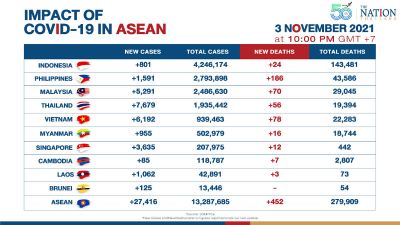
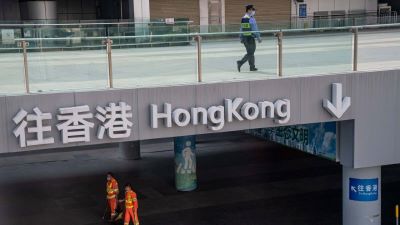
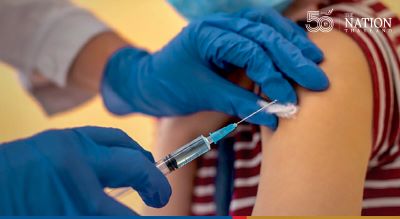
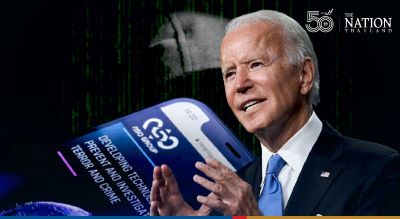
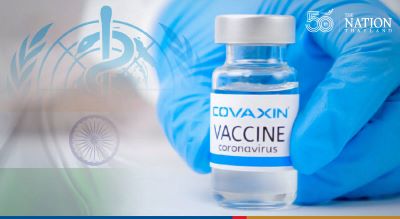

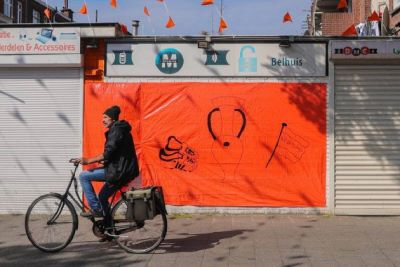
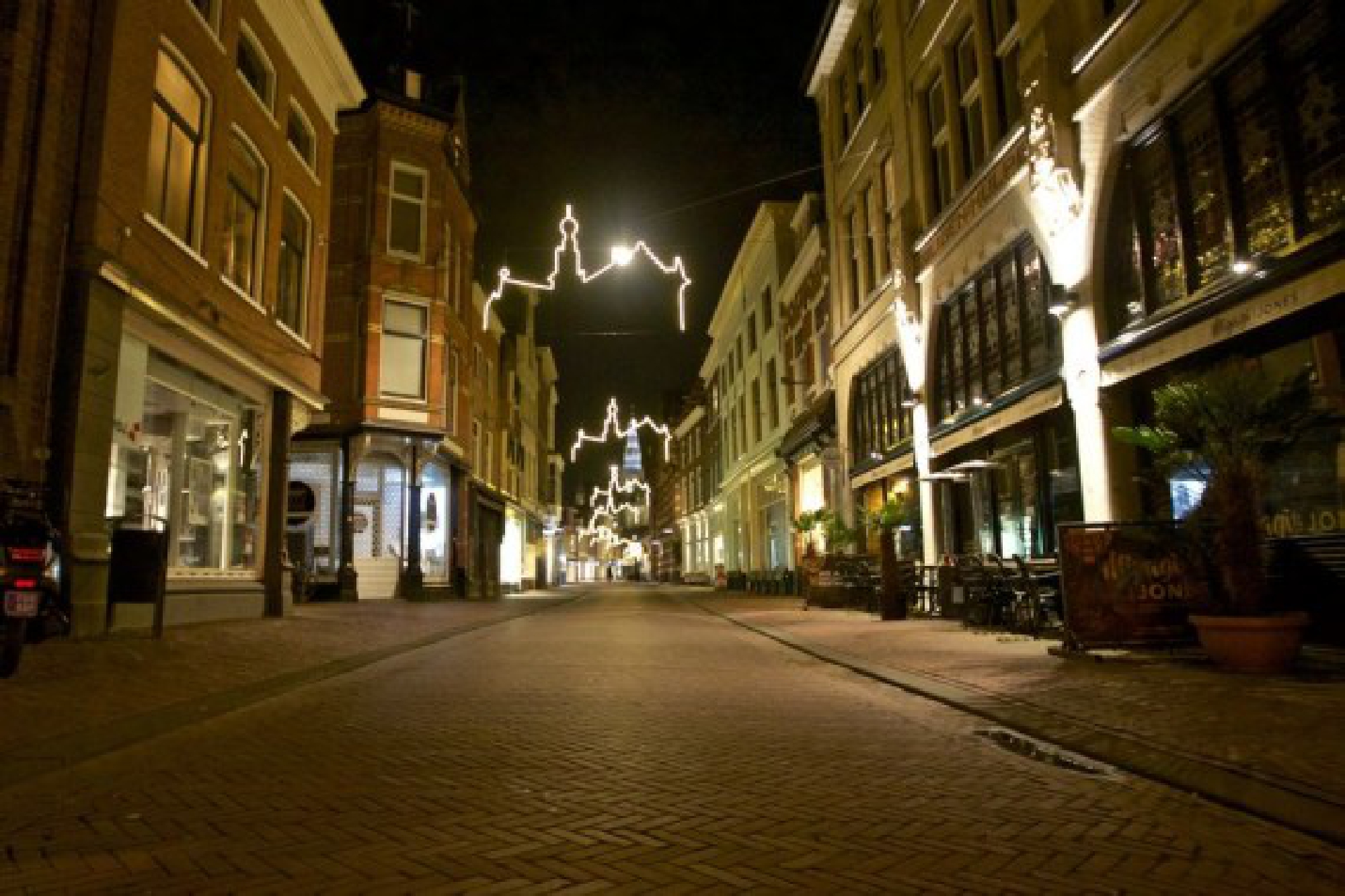 Photo taken on Jan. 23, 2021 shows an empty street in Haarlem, the Netherlands. (Photo by Sylvia Lederer/Xinhua)
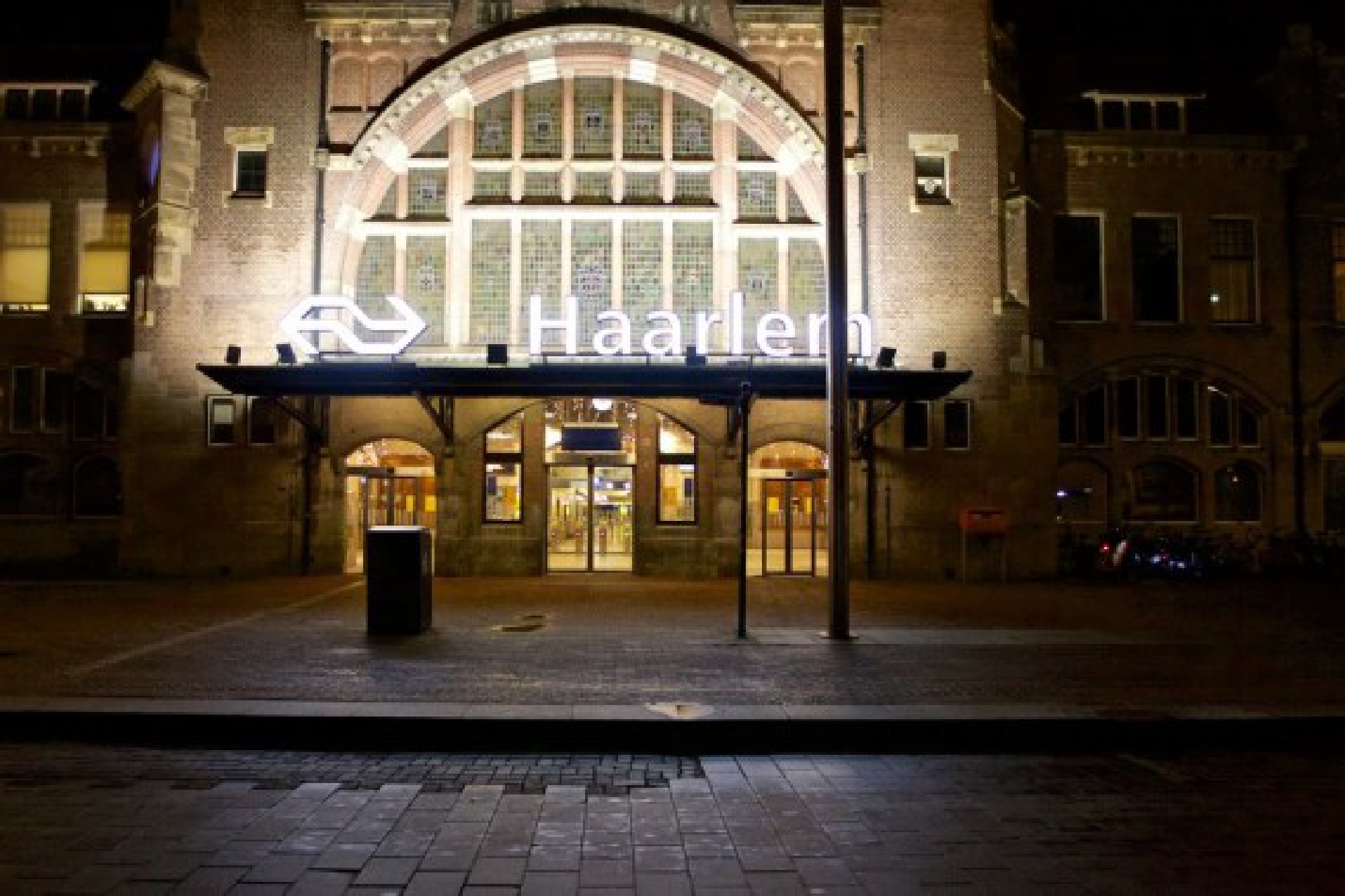 Photo taken on Jan. 23, 2021 shows an empty street in Haarlem, the Netherlands. (Photo by Sylvia Lederer/Xinhua)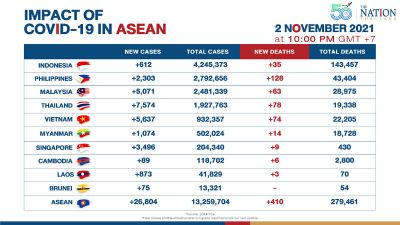

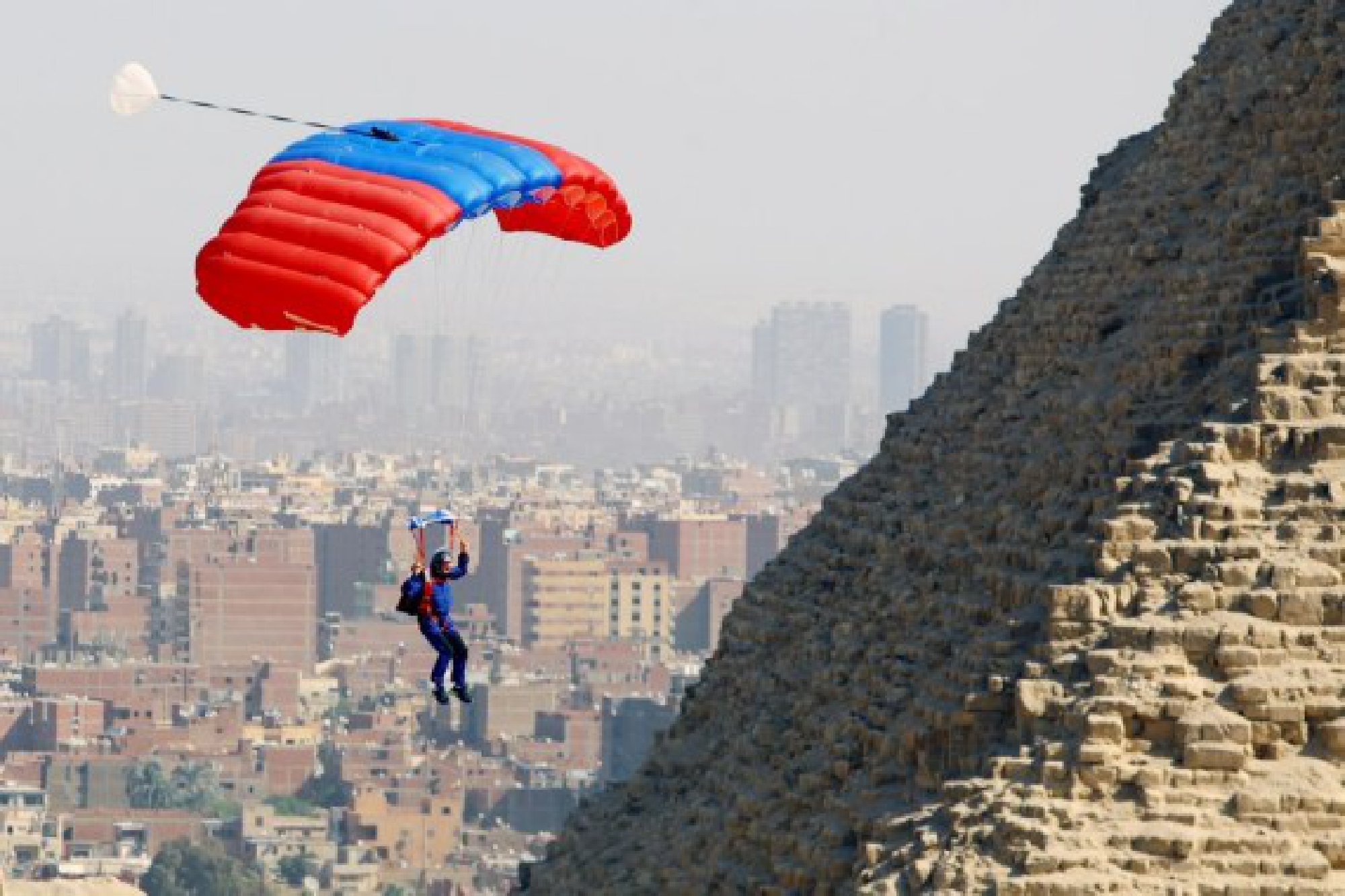 A skydiver flies over the Pyramids during the skydiving festival “Jump Like a Pharaoh” in Giza, Egypt, on Nov. 1, 2021. (Xinhua/Ahmed Gomaa)
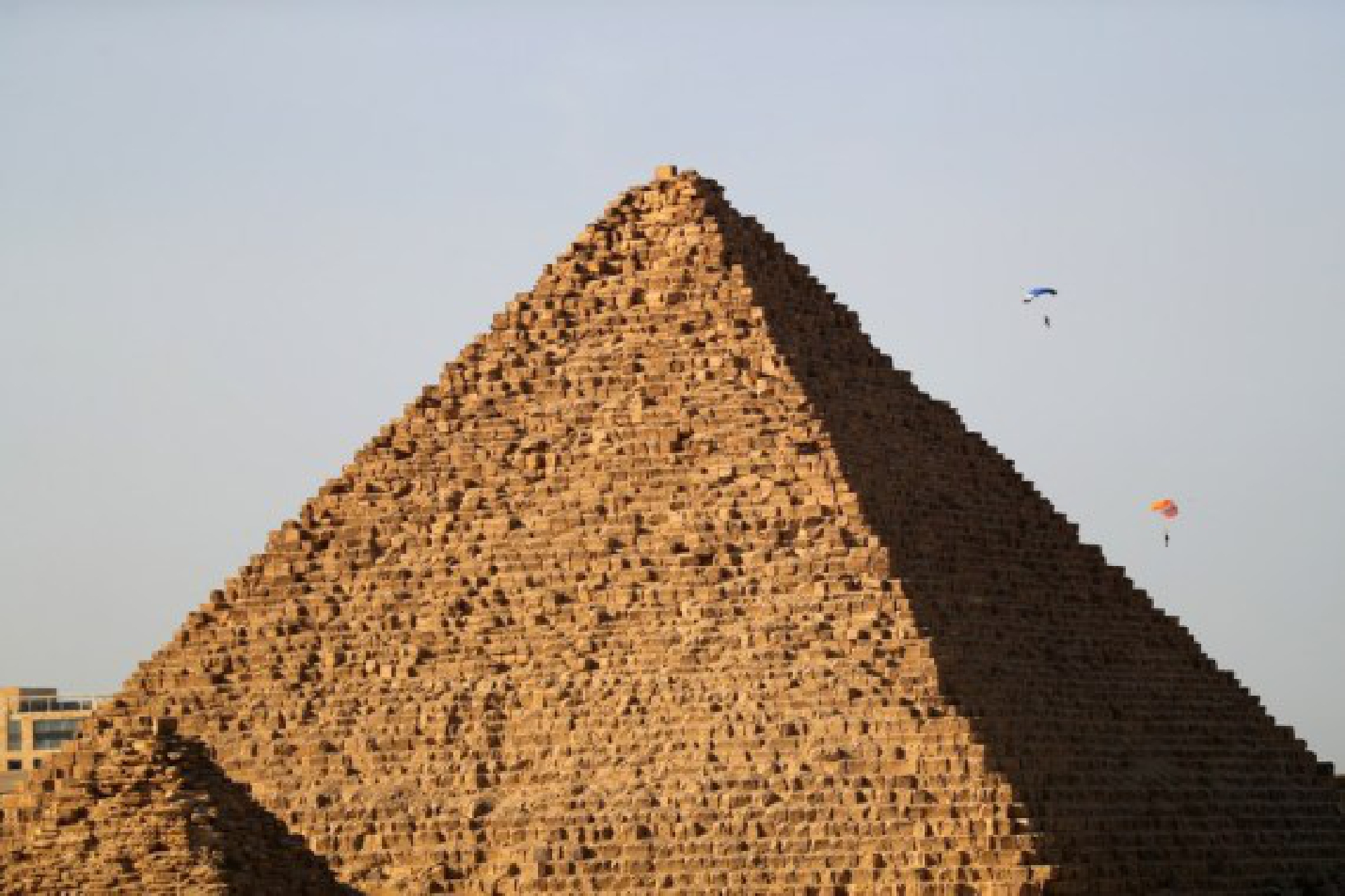 Skydivers fly over the Pyramids during the skydiving festival “Jump Like a Pharaoh” in Giza, Egypt, on Nov. 1, 2021. (Xinhua/Sui Xiankai)