COVID-19 vaccine for younger children, booster shot halfway prepared in U.S. #SootinClaimon.Com

#SootinClaimon.Com : ขอบคุณแหล่งข้อมูล : หนังสือพิมพ์ The Nation.

https://www.nationthailand.com/international/40006423


The FDA is likely to authorize Pfizer booster shots this week for many Americans at high risk of falling seriously ill from the coronavirus, now that a key advisory committee has voted to recommend the measure, media reported.
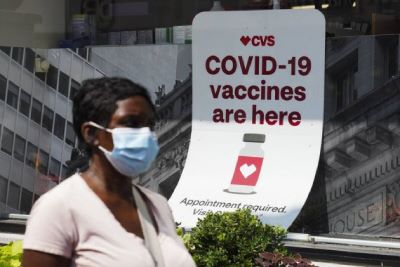
 COVID-19 vaccine for younger children and booster shots for at least those over 65 years old are being prepared in accordance with a tight schedule in the United States, as the Americans stagger into the 19th month of their fierce fight against the COVID-19 pandemic.

The 7-day average of confirmed cases of the pandemic stood at 148,202 nationwide on Sunday, with its 14-day change striking an 8-percent fall, according to The New York Times (NYT). COVID-19-related deaths were 2,011 on Sunday, with the 14-day change realizing a 29-percent rise.

ADVERTISEMENT

California, once the country’s epicenter of COVID-19, is now the U.S. state reporting the lowest positivity rate per 100,000 people. As of Saturday evening, 24.99 new confirmed cases were reported for every 100,000 people in this Golden State, according to Johns Hopkins University.
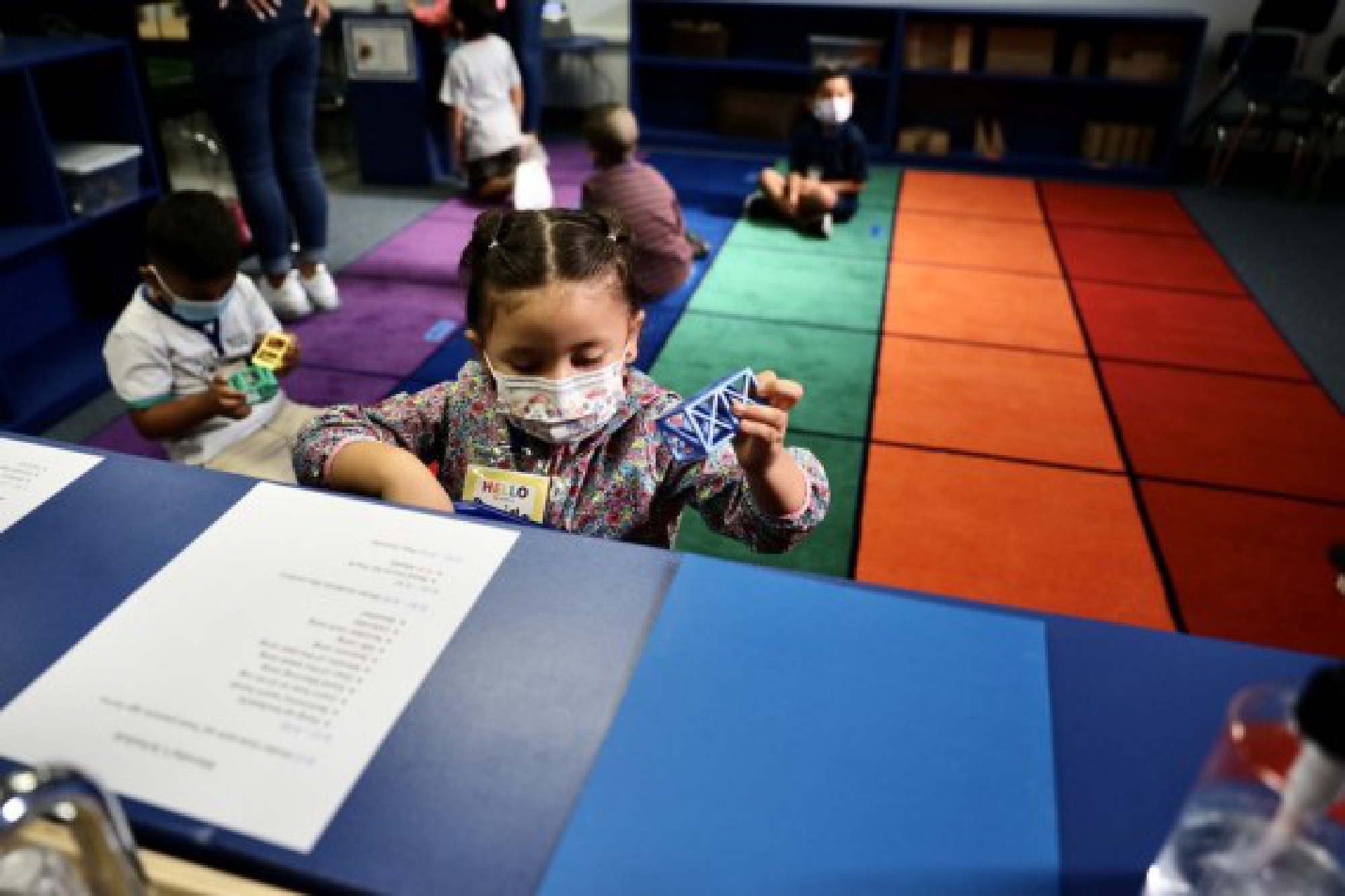
Kindergarten children play toys in a classroom at Montrara Ave. Elementary School in Los Angeles, California, the United States, on Aug. 16, 2021. (Xinhua)Kindergarten children play toys in a classroom at Montrara Ave. Elementary School in Los Angeles, California, the United States, on Aug. 16, 2021. (Xinhua)

Related Stories

SHOT FOR CHILDREN

A lower dose of the Pfizer-BioNTech coronavirus vaccine, one-third the amount given to adults and teens, is safe and triggered a robust immune response in children as young as 5 years old, the drug companies announced in a news release Monday morning.

“The finding, eagerly anticipated by many parents and pediatricians, is a crucial step toward the two-shot coronavirus vaccine regimen becoming available for younger school-aged children, perhaps close to Halloween,” reported The Washington Post.

However, the companies must prepare and submit the data to the U.S. Food and Drug Administration (FDA), a process they expect to complete by the end of September. Then, the data, not yet published or peer reviewed, will be scrutinized by regulators to ascertain that the vaccine is safe and effective. That could take weeks, or up to a month.

According to the companies, the two-dose shot was found to be safe and well tolerated among the children in the study, with the vaccine generating levels of antibodies that were similar to those of younger adults, which met the study’s measurements of success.

Meanwhile, Pfizer and BioNTech said that they had not yet determined vaccine efficacy, or how well it protects against COVID-19 for children in the age group.

“We are eager to extend the protection afforded by the vaccine to this younger population, subject to regulatory authorization, especially as we track the spread of the Delta variant and the substantial threat it poses to children,” Pfizer Chief Executive Albert Bourla said in a statement.

Photo taken on Aug. 23, 2021 shows Pfizer signage at PfizerPhoto taken on Aug. 23, 2021 shows Pfizer signage at Pfizer

BOOSTER IN SIGHT

The FDA is likely to authorize Pfizer booster shots this week for many Americans at high risk of falling seriously ill from the coronavirus, now that a key advisory committee has voted to recommend the measure, reported NYT on Monday.

On Friday, a panel of experts endorsed offering Pfizer booster shots for those aged 65 and older, and people 16 and over who are at high risk of getting severe COVID-19 or who work in settings that make them more likely to get infected.

The agency, which often follows the committee’s advice but is not required to, is expected to decide early this week. An advisory committee of the Centers for Disease Control and Prevention (CDC) is scheduled to meet on Wednesday and Thursday to discuss booster shots before that agency, which sets vaccine policy, issues its recommendations.

Interviewed with news media on Sunday, Anthony Fauci, the nation’s top infectious disease doctor and an adviser to the White House, asked Americans to be patient and not to get a booster shot until they were eligible. That includes people aged 65 and over who received the Moderna and Johnson & Johnson vaccines.

Last month, the Biden administration proposed a plan that would have made all vaccinated Americans eligible for a booster shot eight months after their second shot, or their first in the case of the one-shot Johnson & Johnson vaccine.

In the meantime, the expert panel concluded that boosters were not necessary for most younger, healthier Americans, unless their jobs put them at special risk for infection.

RISING INSURANCE

In 2020, as the pandemic took hold, U.S. health insurance companies declared they would cover 100 percent of the costs for COVID-19 treatment, waiving co-pays and expensive deductibles for hospital stays that frequently range into hundreds of thousands of dollars.

But this year, most insurers have reinstated co-pays and deductibles for COVID-19 patients, in many cases even before vaccines became widely available. “The companies imposed the costs as industry profits remained strong or grew in 2020, with insurers paying out less to cover elective procedures that hospitals suspended during the crisis,” reported The Washington Post on Monday.

Now the financial burden of COVID-19 is falling unevenly on patients across the country, varying widely by health-care plan and geography, according to a survey of the country’s two largest health plans in every state by the nonprofit and nonpartisan Kaiser Family Foundation.

Last year, according to the Kaiser Family Foundation, 88 percent of people covered by private insurance had their co-pays and deductibles for COVID-19 treatment waived. By August 2021, only 28 percent of the two largest plans in each state and Washington, D.C. still had the waivers in place, and another 10 percent planned to phase them out by the end of October.

America’s Health Insurance Plans (AHIP), the industry’s lobbying and trade group, said insurance companies began to reinstate cost-sharing for COVID-19 treatment as vaccines became available and in recognition that the coronavirus will be an ongoing health challenge.

“After a year and a half, it’s pretty clear that COVID-19 is here to stay, that this is a continuing health condition,” AHIP spokesman David Allen was quoted as saying. “When it comes to treatment, we’re looking at it like we would treat any other health condition.” 
 

People walk past a pharmacy in Washington D.C., the United States, on Nov. 12, 2020. (Xinhua/Liu Jie)People walk past a pharmacy in Washington D.C., the United States, on Nov. 12, 2020. (Xinhua/Liu Jie)

Published : September 21, 2021

U.S. COVID-19 fatalities surpass 1918 flu estimates #SootinClaimon.Com

#SootinClaimon.Com : ขอบคุณแหล่งข้อมูล : หนังสือพิมพ์ The Nation.

https://www.nationthailand.com/international/40006421


The 1918 flu killed an estimated 675,000 Americans. It was considered Americas most lethal pandemic in recent history up until now.

U.S. COVID-19 deaths on Monday surpassed 675,000, the estimated U.S. fatalities from the 1918 influenza pandemic.

As of 4:21 p.m. ET on Monday, 675,446 Americans were killed due to COVID-19, according to a tally by Johns Hopkins University. Total COVID-19 cases in the country were over 42 million.

ADVERTISEMENT

The fatalities are expected to continue to rise as the country is currently experiencing another wave of new infections, fueled by the fast-spreading Delta variant.

Related Stories

“The number of reported deaths from COVID in the US will surpass the toll of the 1918 flu pandemic this month. We cannot become hardened to the continuing, and largely preventable, tragedy,” tweeted Tom Frieden, the former head of the Centers for Disease Control and Prevention, on Sept. 13.

The 1918 flu killed an estimated 675,000 Americans, according to the Centers for the Disease Control and Prevention. It was considered America’s most lethal pandemic in recent history up until now. 

Published : September 21, 2021

Biden seeks phone call with Macron amid submarine deal rift #SootinClaimon.Com

#SootinClaimon.Com : ขอบคุณแหล่งข้อมูล : หนังสือพิมพ์ The Nation.

https://www.nationthailand.com/international/40006420


“President Biden has asked to be able to speak with President Macron to talk about the way forward, to talk about his deep commitment to the U.S. alliance with France,” a senior Biden administration official said.

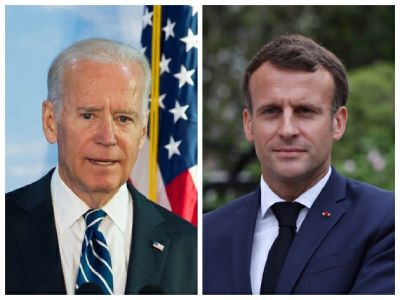
U.S. President Joe Biden is seeking to hold a phone call with his French counterpart Emmanuel Macron, U.S. officials said on Monday, an effort to reduce tensions caused by a controversial submarine deal.

A diplomatic rift emerged between Washington and Paris over the announcement that the United States and Britain will support Australia to develop nuclear-powered submarines, depriving France of a contract to provide conventional submarines to Australia.

Outraged by the abrupt move without notice, France recalled its ambassadors to the United States and Australia for consultations on Friday.

ADVERTISEMENT

“President Biden has asked to be able to speak with President Macron to talk about the way forward, to talk about his deep commitment to the U.S. alliance with France,” a senior Biden administration official told reporters in a call briefing on Monday.

Related Stories 

“We understand the French position, we don’t share their view in terms of how this all developed,” said the official. “We think that will be an important moment and opportunity for the two leaders to speak directly with one another.”

White House Press Secretary Jen Psaki told reporters in a briefing later Monday that the call would take place “in the coming days,” while noting officials are still working on scheduling it.

Under the new security partnership unveiled on Wednesday between Australia, Britain, and the United States, known as AUKUS, Australia will build nuclear-powered submarines with U.S. and British technology.

On Thursday, Australia announced it would scrap the deal with France signed in 2016 to purchase 12 conventional diesel-electric submarines.

French Minister for Europe and Foreign Affairs Jean-Yves Le Drian on Thursday called the trilateral move a “stab in the back.” “We had established a relationship of trust with Australia. This trust has been betrayed,” he said.

“The American behavior worries me; this unilateral and brutal decision is very similar to what Mr. (Donald) Trump was doing,” he added.

Published : September 21, 2021

British PM says COP26 “turning point” for world #SootinClaimon.Com

#SootinClaimon.Com : ขอบคุณแหล่งข้อมูล : หนังสือพิมพ์ The Nation.

https://www.nationthailand.com/international/40006419


“Its the developed world that over 200 years has put the carbon in the atmosphere that is causing this acceleration of climate change and, say, it really is up to us to help them,” British Prime Minister Boris Johnson said.

British Prime Minister Boris Johnson said Monday that COP26 UN Climate Change Conference is “a turning point” for the world.

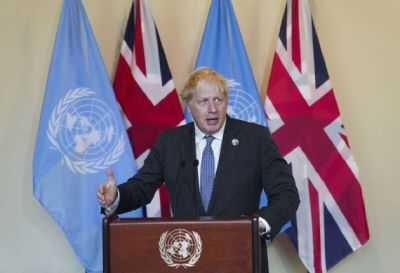
“I think the Glasgow COP26 is a turning point for the world. And it’s the moment when we have to grow up and take our responsibilities,” Johnson told reporters at the UN headquarters in New York following the closing of the Informal Leaders Roundtable on Climate Action.

Calling on the rich countries to honor their pledge to provide each year 100 billion U.S. dollars for the climate action in the developing countries, the prime minister said that “it is the developing world that is bearing the brunt of catastrophic climate change in the forms of hurricanes and fires and floods and the real long-term economic damage that they face.”

ADVERTISEMENT

“It’s the developed world that over 200 years has put the carbon in the atmosphere that is causing this acceleration of climate change and, say, it really is up to us to help them,” he added.

Earlier, Johnson told the roundtable that “history will judge” the world’s richest nations if they fail to deliver on their pledge to commit 100 billion dollars in annual climate aid ahead of COP26. He placed the chances of securing the money before November at “six out of 10.”

Related Stories

“We cannot let climate action become another victim of coronavirus. Let us be the leaders who secure the very health of the planet for our children, grandchildren and generations to come,” Johnson said at the event.

The prime minister also assured his country “will lead by example, keeping the environment on the global agenda and serving as a launch pad for a global green industrial revolution.”

However, he warned that “no one country can turn the tide, it would be akin to bailing out a liner with a single bucket.”

The roundtable follows the recent report of the Intergovernmental Panel on Climate Change, signaling a “code red for humanity,” and comes less than six weeks before the COP26 Climate Change Conference in Glasgow.

The roundtable addresses the gaps that remain on the actions urgently needed from national governments — especially the G20 — on mitigation, finance and adaptation.

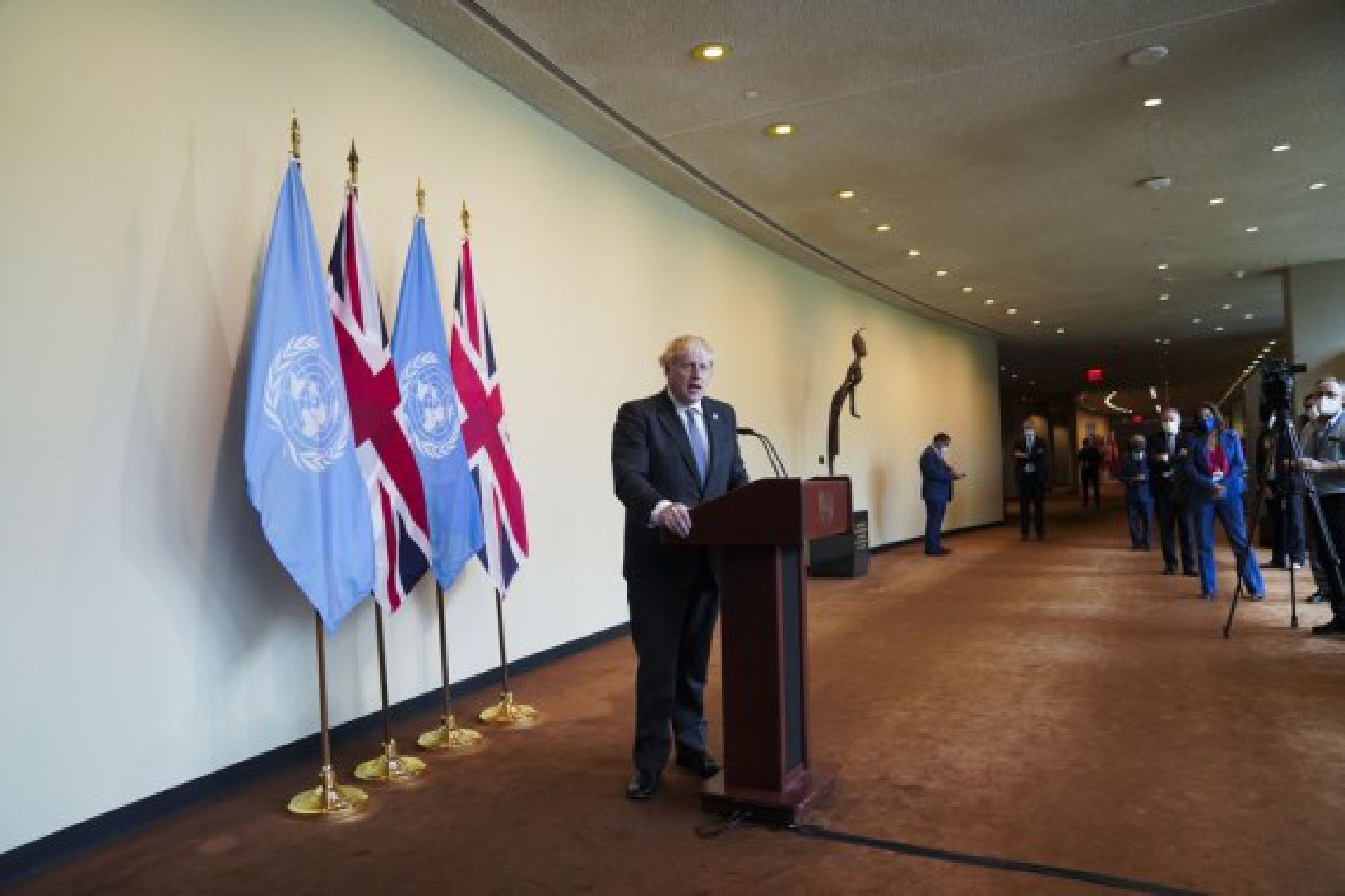
British Prime Minister Boris Johnson speaks to reporters after attending the Informal Leaders Roundtable on Climate Action at the UN headquarters in New York, on Sept. 20, 2021. (Xinhua/Wang Ying)British Prime Minister Boris Johnson speaks to reporters after attending the Informal Leaders Roundtable on Climate Action at the UN headquarters in New York, on Sept. 20, 2021. (Xinhua/Wang Ying)

Published : September 21, 2021

New Zealand partially eases Auckland lockdown amid outbreak #SootinClaimon.Com

#SootinClaimon.Com : ขอบคุณแหล่งข้อมูล : หนังสือพิมพ์ The Nation.

https://www.nationthailand.com/international/40006418


New Zealand Prime Minister Jacinda Ardern partially eased a lockdown in Auckland, but urged people in the nations largest city to stay at home and avoid social contact as the government struggles to stamp out a delta coronavirus outbreak.

Auckland will move to Alert Level 3 at midnight Tuesday, allowing some businesses to reopen, Ardern said Monday in Wellington. But it will remain at that level for at least two weeks and the rest of the country will stay at Level 2, requiring social distancing and mask wearing in indoor public spaces.

“We are not stepping out of Level 4 because the job is done, but nor are we moving because we don’t think we can achieve the goal of stamping out Covid-19,” Ardern said. “We are moving because Level 3 still provides a cautious approach where we continue to stamp out Covid-19.”

Auckland has already been in lockdown for more than a month. While the restrictions have managed to contain the outbreak, new cases continue to be detected every day. Three new infections just outside the Auckland border — one a child who attended school while infectious — prompted the government to today impose a snap lockdown in that area for five days.

For Auckland, Level 3 doesn’t mean lockdown is lifted. It allows businesses to resume contactless operations but people are still asked to stay at home and work remotely if possible. Schools, daycare centers, shops and public venues are largely closed, and gatherings are restricted.

In a boost for the hospitality sector, Ardern said the gathering limit for the rest of the country under Level 2 has been raised to 100 from 50.

Published : September 21, 2021

North Korea says Australias submarine deal could trigger nuclear arms race #SootinClaimon.Com

#SootinClaimon.Com : ขอบคุณแหล่งข้อมูล : หนังสือพิมพ์ The Nation.

https://www.nationthailand.com/international/40006417


North Korea on Monday condemned a new defense pact by the United States, Australia and Britain, and a plan to share nuclear submarine technology with Australia, saying the deal could trigger a nuclear arms race and upset the balance in the Asia-Pacific region.

North Korea says Australias submarine deal could trigger nuclear arms race

The Biden administration announced the three-nation pact, called AUKUS, on Wednesday. The surprise decision to share sensitive nuclear submarine technology with Australia has already prompted a swift backlash from China – the apparent target of the pact – and set off a diplomatic spat with France by scuttling an earlier deal in which Australia would have purchased 12 French diesel-powered submarines.

“These are extremely undesirable and dangerous acts which will upset the strategic balance in the Asia-Pacific region and trigger off a chain of nuclear arms race,” North Korean state news media Korean Central News Agency quoted a Foreign Ministry official as saying. “It is quite natural that neighboring countries including China condemned these actions as irresponsible ones of destroying the peace and stability of the region and the international nuclear nonproliferation system and of catalyzing the arms race,” the official added.

The North Korean condemnation comes just days after Pyongyang test-fired a pair of ballistic missiles and a new long-range cruise missile, stoking tensions in the first public testing activity in months amid a prolonged deadlock in nuclear talks with Washington. North Korea has so far not responded to outreach efforts by the Biden administration.

State media reported that North Korea developed the cruise missiles over two years, fulfilling key defense goals set by North Korean leader Kim Jong Un – a claim that hinted at the possible nuclear capability of the missiles. KCNA described the missiles as a “strategic weapon of great significance.”

South and North Korea have both been developing increasingly sophisticated weapons amid stalled efforts to ease tension on the peninsula. South Korea tested a submarine-launched ballistic missile on Wednesday. In a commentary published Monday by state media, the chief of a North Korean military think tank, Jang Chang Ha, derided the South’s effort as “clumsy.”

ADVERTISEMENT

In a statement on its defense plans last week, South Korea said that “the military will work to ensure security and peace on the Korean Peninsula by achieving powerful deterrence capabilities through the development of missiles that are stronger, and can go further and with more precision.”

Responding to news of the trilateral security pact on Monday, the unnamed North Korean ministry official described the United States as “the chief culprit toppling the international nuclear nonproliferation system,” adding that its “double-dealing attitude” was threatening “world peace and stability.”

The official said that North Korea will “certainly take a corresponding counteraction in case it has even a little adverse impact on the security of our country.”

Australia said last week it has “no plans to acquire nuclear weapons” and that the submarine proposal will “remain consistent with Australia’s long-standing commitment to nuclear non-proliferation” – a global stance Prime Minister Scott Morrison said all three nations are committed to upholding.

Nuclear-powered submarines have a longer range, and they can travel underwater at a higher sustained speed, than their diesel-electric-powered equivalents. That could offer advantages in a head-to-head confrontation with the Chinese military, which has significantly grown its navy in recent years and plans to expand its fleet of nuclear-powered submarines.

Published : September 21, 2021

US to lift covid travel ban, allowing entry for vaccinated Europeans and others #SootinClaimon.Com

#SootinClaimon.Com : ขอบคุณแหล่งข้อมูล : หนังสือพิมพ์ The Nation.

https://www.nationthailand.com/international/40006416


WASHINGTON – The White House announced on Monday that it would be lifting blanket travel restrictions on visitors from Europe, Britain and other countries that had been imposed at the start of the pandemic.

US to lift covid travel ban, allowing entry for vaccinated Europeans and others

Under rules to take effect in early November, fully vaccinated travelers from anywhere in the world would be able to fly to the United States, though they would also be subject to new testing and contact-tracing procedures, Jeff Zients, the White House coronavirus response coordinator, said in a call with reporters.

Zients said the new system “follows the science” to keep Americans and international travel safe and would be “relying on individuals, rather than a country-based approach, so it’s a stronger system.”

The announcement came as President Joe Biden prepared to meet face-to-face this week with world leaders and diplomats at the United Nations General Assembly in New York. It also comes at a time of tense relations between Washington and Europe.

European leaders have voiced frustration with the administration’s handling of the pullout from Afghanistan, while France is enraged by a U.S. deal to sell nuclear submarines to Australia that undercut its own agreement.

The travel ban – though a low-profile issue in the United States – had been particularly galling to Europeans, with one British newspaper dubbing it “Kafkaesque.”

“Over the past few months the travel ban went from a minor irritant in the transatlantic relationship to an existential threat to Biden’s Europe policy. There was simply no scientific justification for it after European vaccination rates exceeded those of the United States,” said Thomas Wright, director of the Center on the United States and Europe at the Brookings Institution.

The ban on entry to travelers who had been almost anywhere in Europe in the previous 14 days was first imposed by the Trump administration, by executive order, more than 550 days ago. It has been kept in place under Biden, even as the coronavirus picture improved in Europe and worsened in the United States.

ADVERTISEMENT

Though exceptions were made for U.S. citizens and permanent residents, along with a small number of visa holders, the strict rules had stopped millions of potential travelers, costing businesses and leading to profound personal disruption for Europeans, many of whom missed major life events, from births to deaths.

In total, the travel restrictions had impacted 33 nations, including Britain, India and China. The White House announcement on Monday applies to all travelers from outside the United States arriving via air.

However, the most vocal reaction was from Europe, which accounts for a large portion of visitors to the United States and where diplomats had become increasingly outspoken over the restrictions.

“Travel ban lifted!” tweeted Stavros Lambrinidis, the European Union’s Ambassador to Washington, who only hours earlier had said that E.U. member states had been “working diligently” to help get the ban lifted.

Many on the continent had expected the United States to lift the restrictions over the summer, in return for their own relaxation of restrictions on travelers from the United States in June. But no reciprocal move was forthcoming.

Some diplomats fumed that while the restrictions were once understandable, they had become nonsensical, with few restrictions on U.S. travelers who could carry the virus, even when they were coming from countries with low rates of vaccination and high rates of daily cases.

Although the European Union had initially lagged behind in vaccinations, it overtook the United States this summer. As of last week, about 60 percent of the 27-nation bloc was fully vaccinated, compared to 53 percent in the United States, where pockets of anti-vaccination sentiment have helped slow early success.

“The issue had been rising among public opinion in Europe, and European leaders were increasingly under pressure to impose reciprocity on Americans,” said Benjamin Haddad, senior director of the Europe Center at the Atlantic Council.

Monday’s announcement appeared to mark an abrupt U-turn in thinking from the Biden administration. Last week, citing the spread of the delta variant, Zients told a meeting with representatives from the U.S. travel industry that the administration was “maintaining the existing travel restrictions at this point,” and the White House stated there was no imminent policy change.

It is unclear if heightened political tensions in the U.S.-EU relationship ultimately pushed the United States to drop the ban.

Secretary of State Antony Blinken had a long discussion about the travel ban on Friday with the French ambassador to Washington, Philippe Etienne, just before Etienne was ordered to return to Paris due to France’s anger over a U.S.-UK-Australia submarine deal, said a senior State Department official familiar with the matter.

When asked if the decision to lift the ban was aimed at restoring relations with Europe after recent such setbacks, Erica Barks-Ruggles, a State Department official at the Bureau of International Organizations, said the decision was “driven by the science.”

Some details of the new rules may also need to be ironed out. It is not yet clear if vaccines that have not been authorized in the United States, such as the Oxford-AstraZeneca shot or vaccines made by China and Russia, will be accepted.

Under the new rules, vaccinated travelers to the United States will have to test negative for the virus within three days before departure. The new policy also requires that airlines collect passenger information, including a phone number and email, to improve contact-tracing efforts.

Federal health officials sought to impose such a requirement early in the pandemic, but the effort stalled. In February, seven U.S. carriers announced they would collect passenger information from international travelers on U.S.-bound flights. However, it was up to individuals to voluntarily provide the information. Under the White House’s new policy, international travelers will be required to provide their details.

However the decision came about, many across the Atlantic welcomed it.

British Prime Minister Boris Johnson, who is set to meet Biden at the White House on Tuesday, tweeted he was “delighted” with the news. British newspapers had reported Monday morning that he planned to press the issue with his U.S. counterpart.

The prime minister said it was a “fantastic boost for business and trade, and great that family and friends on both sides of the pond can be reunited once again.”

Ylva Johansson, the E.U.’s commissioner for home affairs, said she “welcomes” the decision. Margaritis Schinas, the E.U. Commission’s vice president for promoting the European way of life, called the new policy “sound and long-awaited.”

“When I met my US counterparts in July in Lisbon I told them that mobility cannot be reserved for the elite alone,” he wrote on Twitter. “People need to travel not only officials. Europe the most vaccinated continent in the world.”

The change will mean a big boost to the tourism industry. Sara Nelson, international president of the Association of Flight Attendants-CWA, said it will ensure that international travel can resume in a manner that will keep people safe and protect jobs.

“We applaud the Biden administration for announcing plans to reunite families and open travel with strict procedures to ensure transportation doesn’t aid in the spread of the virus,” Nelson said. “International travel is essential to the stability of our jobs and the full recovery of the U.S. airline industry, but recovery is only possible if we remain focused first on safety and health.”

Published : September 21, 2021

At U.N., Biden aims to start new chapter in world affairs #SootinClaimon.Com

#SootinClaimon.Com : ขอบคุณแหล่งข้อมูล : หนังสือพิมพ์ The Nation.

https://www.nationthailand.com/international/40006415


WASHINGTON – President Joe Biden, who was welcomed by much of the world as the steady hand who would restore trust in American leadership and repair alliances ruptured by President Donald Trump, has some repair work to do on his own account as he meets world leaders this week.

Biden faces skepticism from many and hostility from a few as he prepares to address the U.N. General Assembly on Tuesday, his first address there as president. The global bill of complaint includes his handling of the withdrawal from Afghanistan and coronavirus pandemic policies such as alleged vaccine hoarding and the continuation of Trump’s policy to deport most would-be migrants on public health grounds. And Biden’s hopes to link arms with European allies against China were soured by a new, unprecedented breach with ally France in the days leading up to the assembly.

Biden wants to focus on U.S. vaccine donations, efforts to combat climate change and the contest between democracies and autocracies for global preeminence as the United States emerges from the shadow of wars rooted in the 9/11 attacks.

“The president will essentially drive home the message that ending the war in Afghanistan closed a chapter focused on war and opened a chapter focused on purposeful, effective, intensive American diplomacy, defined by working with allies and partners to solve problems that can’t be solved by military force,” a senior U.S. official said Monday, speaking on the condition of anonymity under rules set by the White House.

He is not likely to be openly mocked, as Trump was, but the global reception is already cooler than Biden might have expected.

ADVERTISEMENT

Heading into the session, France’s top diplomat accused Biden of behaving like Trump after his country was cut out of a lucrative new nuclear submarine deal with Australia.

Foreign Minister Jean-Yves Le Drian told reporters Monday that the episode is evidence that Europe and the United States may have conflicting objectives in Asia and less common ground than presumed.

“We thought that this [kind] of unilateralism and unpredictability, the brutality of the announcement, of the lack of respect for a partner, we thought these belonged to the past,” Le Drian said.

Biden has proposed a peacemaking call with French President Emmanuel Macron, who is not attending the U.N. meeting in person this year. Le Drian said the call will take place “in the coming days.” Le Drian, though, does not plan to meet with his counterpart, Secretary of State Antony Blinken.

U.S. officials have sought to play down the significance of the rupture, although France had never before yanked its ambassador from Washington, as it did last week. The United States counts France as its oldest ally.

“We don’t share their view in terms of how this all developed, but we understand their position and we will continue to be engaged in the coming days on this,” the U.S. official said.

The contretemps came atop hurt feelings among some NATO allies who felt sidelined by Biden’s abrupt announcement that all U.S. forces would leave Afghanistan by Aug. 31 – and stung by the chaos of the closing days of a nearly 20-year mission.

As the United States and NATO partners rushed to help people leave ahead of a Taliban takeover, a terrorist attack killed scores of Afghans and 13 U.S. service members. Several NATO nations said they could not get everyone out before Biden’s deadline.

The Pentagon acknowledged last week that it mistakenly tracked and killed an innocent aid worker in Kabul after misidentifying him as a terrorist. The attack also killed nine other civilians, most of them children, and opened questions about Biden’s claim that the United States could keep a lid on terrorism in Afghanistan via remote surveillance.

Biden is expected to earn some goodwill from European allies with his decision Monday to ease travel restrictions on fully vaccinated foreign visitors, starting in November. Thousands of foreign nationals with families in the United States, many European, have been unable to see them through much of the past 18 months.

The political tension with France may have helped speed the decision. Blinken discussed the travel ban at length with the French ambassador to Washington, Philippe Etienne, just before Etienne was ordered to return to Paris, officials said.

More than 80 presidents and prime ministers and their entourages planned to be in Manhattan this year for the return the U.N. General Assembly – often called the “Super Bowl of diplomacy” – after last year’s all-virtual gathering featuring taped speeches from world leaders.

Biden’s schedule in New York is brief. He is holding only one meeting with a fellow leader, Australian Prime Minister Scott Morrison, after his General Assembly address instead of the typical round of sideline meetings jokingly known as “diplomatic speed dating.”

British Prime Minister Boris Johnson will meet with Biden later Tuesday back at the White House, and Biden is leading a U.N.-related virtual meeting on the pandemic on Wednesday, from Washington.

The risk that the influx of visitors might create a new rash of coronavirus infections is a concern for U.S., U.N. and New York City officials, who have placed restrictions on the size of traveling delegations. There is also a “vaccination van” outside the U.N. building that will provide free testing and single-dose shots of the Johnson & Johnson vaccine.

“We need to take all measures to ensure that it does not become a superspreader event,” Linda Thomas-Greenfield, the U.S. ambassador to the United Nations, said at a news conference Friday.

The United Nations has adopted an “honor system” for leaders to attest they are fully vaccinated against the coronavirus.

One test of the city and United Nations’ pandemic protection plans is likely to come Tuesday, when Brazilian President Jair Bolsonaro is slated to open the marquee portion of the event, when world leaders speak one after the other against an iconic green marble backdrop.

The populist Bolsonaro, a Trump ally who contracted the virus last year, as recently as last week said publicly that he does not need to be vaccinated, because he has naturally acquired antibodies. A member of his delegation’s advance team has already tested positive for the coronavirus, according to Brazilian media.

The return of lanyard-wearing diplomats and hordes of staffers is a welcome sign for a city that was economically ravaged by the pandemic and is just now reopening its premier tourist attractions, including Broadway.

U.N. officials also said the diplomatic benefits are myriad when world leaders can meet face-to-face in discreet settings rather than stale videoconferences.

“For 75 years, the General Assembly has benefited from impromptu meetings and corridor discussions that can carry huge importance in solving bilateral and multilateral issues,” Stéphane Dujarric, a spokesman for U.N. Secretary General António Guterres, said in an interview.

“We want to find the right balance between being extremely safe and cautious and also being able to engage in face-to-face diplomacy,” he said.

After Biden leaves, most of that diplomacy will be in the hands of Blinken, whose Dutch and British counterparts were fired or demoted amid complaints about the management of the NATO withdrawal from Afghanistan.

Blinken, who fielded criticism over the Defense Department’s rushed withdrawal and evacuation while appearing before a Senate panel last, told lawmakers he did not offer the president his resignation over the crisis.

Biden has lost some international goodwill this year, but he’s still a more welcome guest here than his predecessor ever was, U.N. watchers said.

“Generally, I think Biden will get a warm reception, as he isn’t Trump,” said Richard Gowan, a U.N. expert at the International Crisis Group.

Published : September 21, 2021

Car Free Sunday in Belgian capital #SootinClaimon.Com

#SootinClaimon.Com : ขอบคุณแหล่งข้อมูล : หนังสือพิมพ์ The Nation.

https://www.nationthailand.com/international/40006379


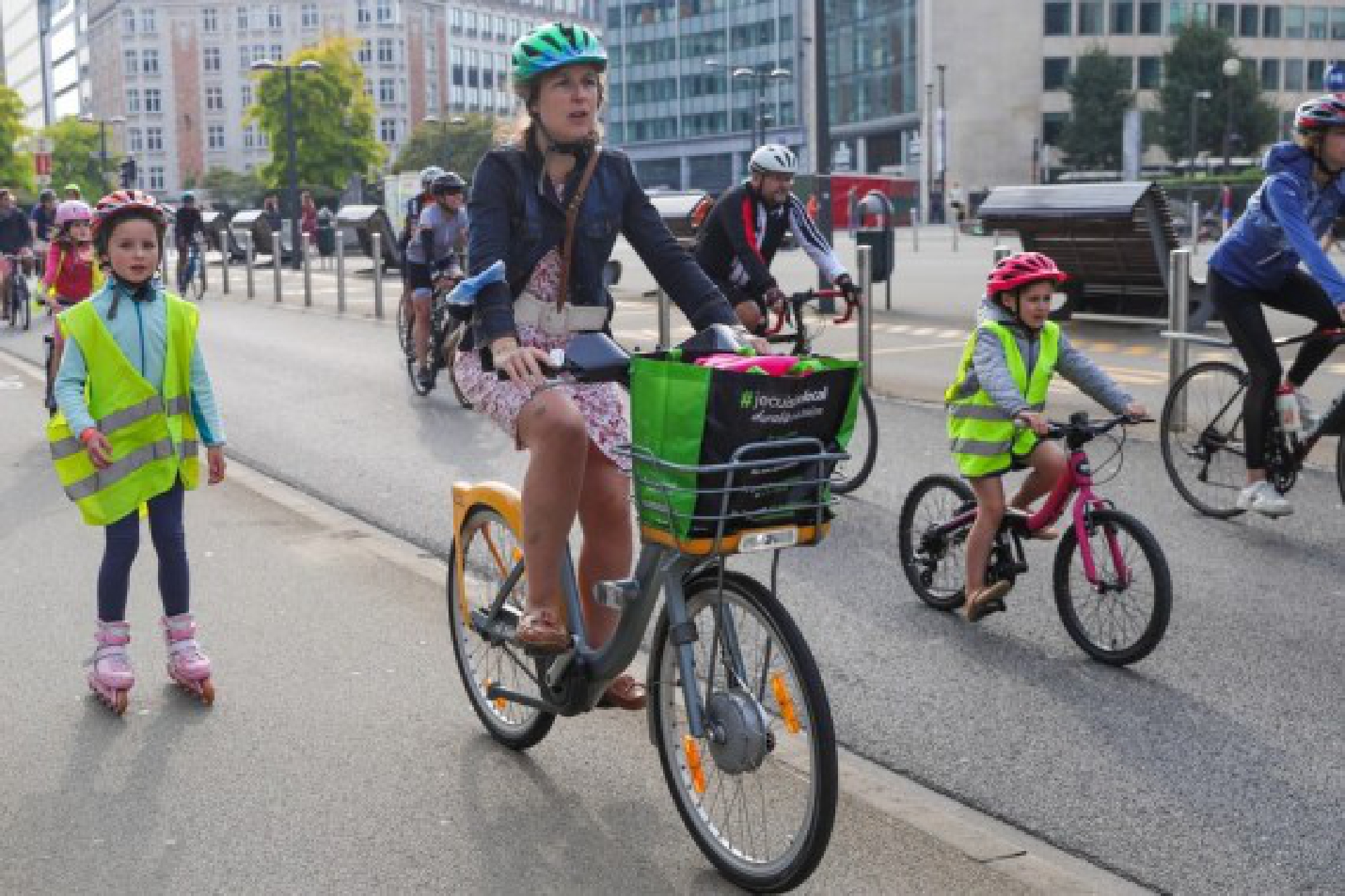
Give up your car for a day. Car Free Sunday is being held here in the Belgian capital on Sunday, offering the public an opportunity to rediscover the city using alternative means of transport.

During the day, the whole Brussels Region is closed to traffic from 9:30 a.m. till 7 p.m., with the exception of public transport, taxis, emergency and security forces.  

People ride bikes on Car Free Sunday in Brussels, Belgium, Sept. 19, 2021. (Xinhua/Zheng Huansong)People ride bikes on Car Free Sunday in Brussels, Belgium, Sept. 19, 2021. (Xinhua/Zheng Huansong)

ADVERTISEMENT

People ride bikes on Car Free Sunday in Brussels, Belgium, Sept. 19, 2021. (Xinhua/Zheng Huansong)People ride bikes on Car Free Sunday in Brussels, Belgium, Sept. 19, 2021. (Xinhua/Zheng Huansong)

People ride bikes on Car Free Sunday in Brussels, Belgium, Sept. 19, 2021. (Xinhua/Zheng Huansong)People ride bikes on Car Free Sunday in Brussels, Belgium, Sept. 19, 2021. (Xinhua/Zheng Huansong)
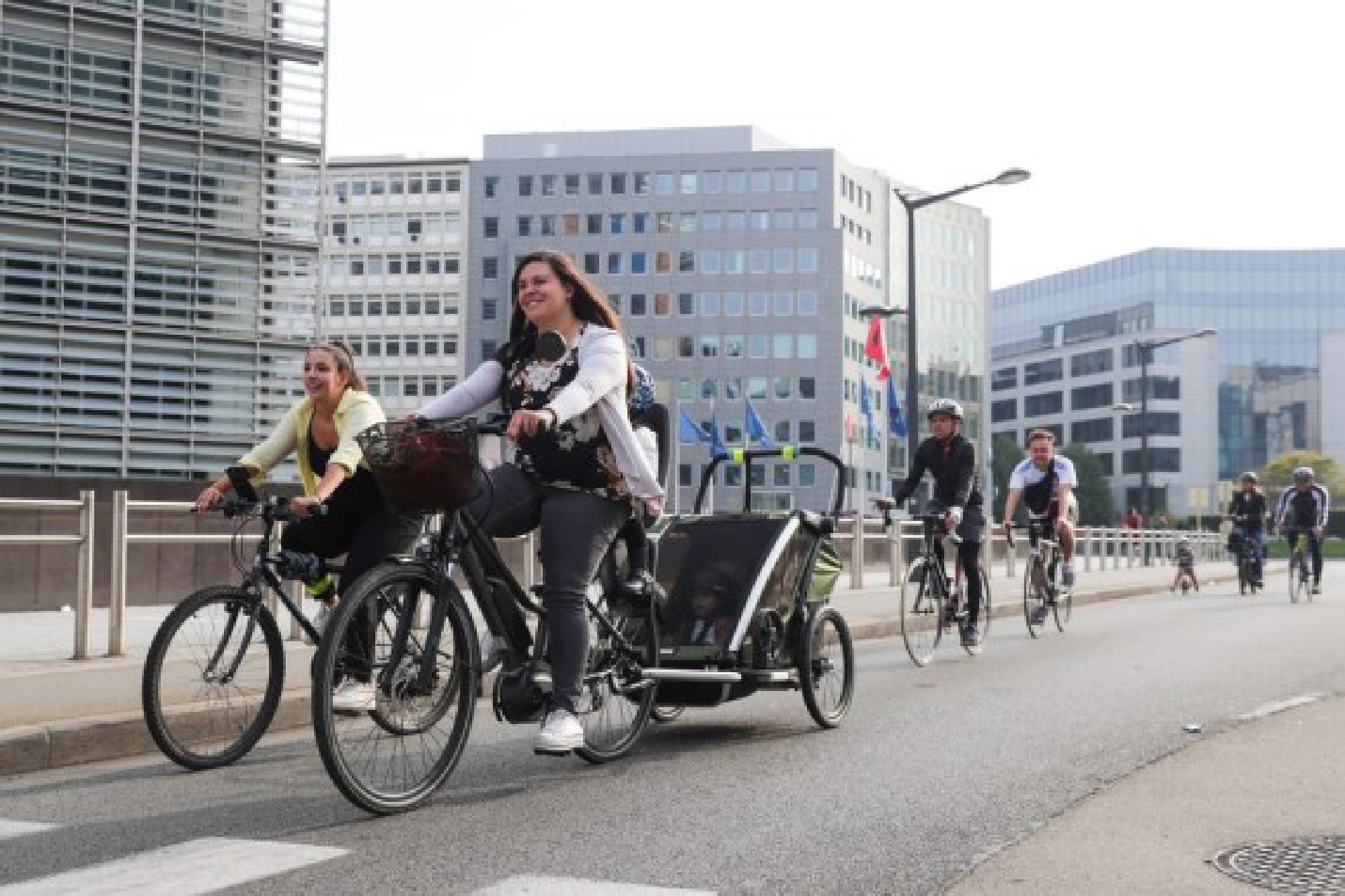

A woman rides a bike on Car Free Sunday in Brussels, Belgium, Sept. 19, 2021.(Xinhua/Zheng Huansong)A woman rides a bike on Car Free Sunday in Brussels, Belgium, Sept. 19, 2021.(Xinhua/Zheng Huansong)

Published : September 20, 2021

Health officials support FDA panel decision on booster shot as COVID-19 rages on in U.S. #SootinClaimon.Com

#SootinClaimon.Com : ขอบคุณแหล่งข้อมูล : หนังสือพิมพ์ The Nation.

https://www.nationthailand.com/international/40006376


National Institutes of Health Director Francis Collins told Fox News on Sunday that the guidance issued on Friday by the FDA panel is in line with what the U.S. administration planned for a booster rollout, though not identical.

Health officials on Sunday voiced their support for the recommendation from the Food and Drug Administration (FDA) advisory panel that COVID-19 booster vaccines be limited to those 65 years and older and individuals at high risk, with some hoping for a broader use of booster shots at a later date.

Meanwhile, a “test-to-stay” strategy is gaining popularity among American schools to help more students stay on campus, while the pandemic continues to claim more victims in the United States.

According to The New York Times (NYT), the 7-day average of confirmed cases of the pandemic stood at 148,252 nationwide on Saturday, with its 14-day change striking an 8-percent fall. COVID-19-related deaths were 2,012 on Saturday, with the 14-day change realizing a 30-percent rise.

SUPPORT FOR FDA PROPOSAL

ADVERTISEMENT

U.S. health officials have supported the recommendation from the Food and Drug Administration (FDA) advisory panel that COVID-19 booster vaccines be limited to those 65 years and older and individuals at high risk for severe disease despite the expectation that the additional shots would be suggested for everyone who received the initial vaccination.

National Institutes of Health Director Francis Collins told Fox News on Sunday that the guidance issued on Friday by the FDA panel is in line with what the U.S. administration planned for a booster rollout, though not identical. “I think there’s less difference between where we were in the middle of August and what the advisory committee said this past Friday,” he said.

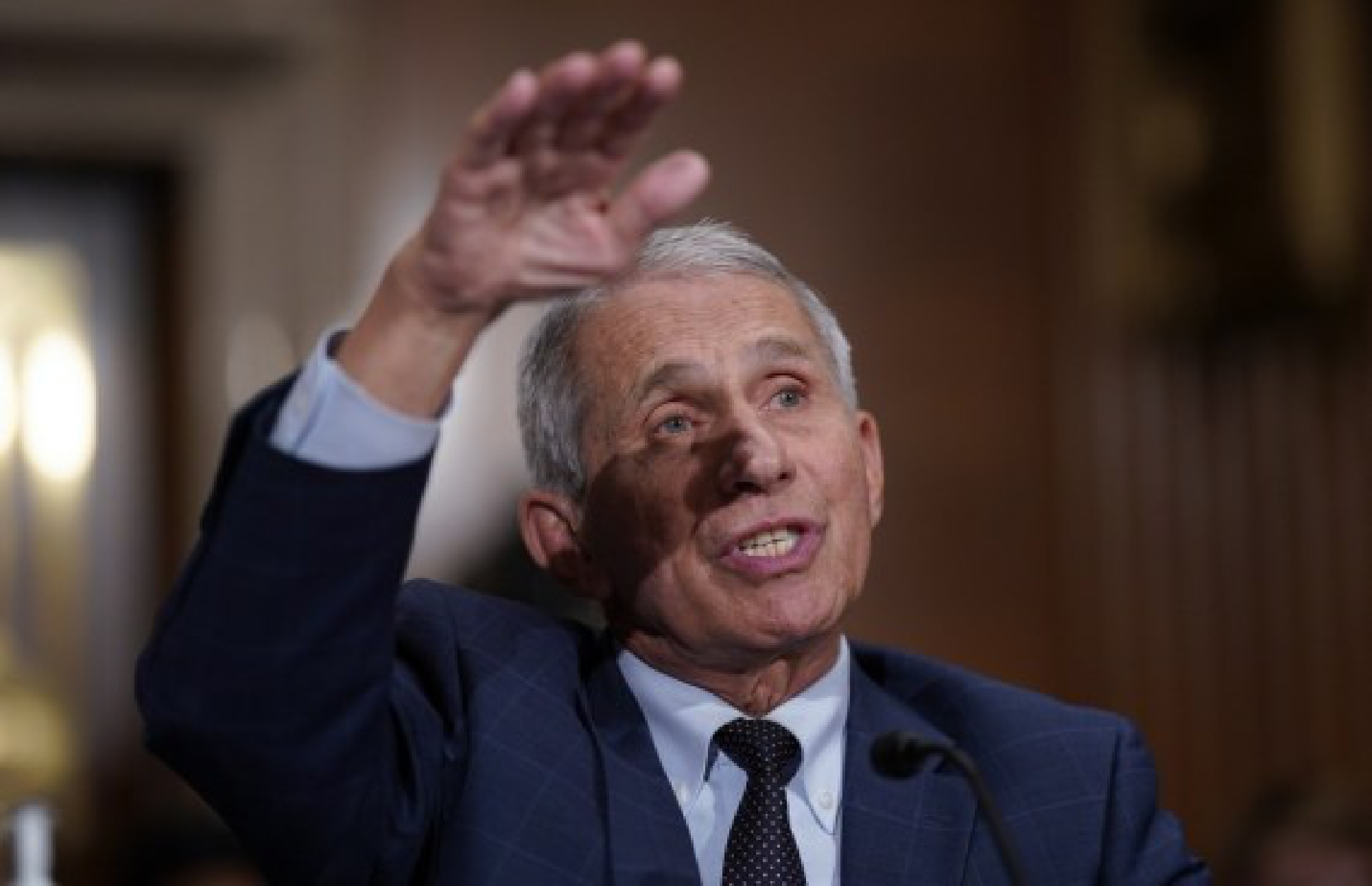
Anthony Fauci, director of the U.S. National Institute of Allergy and Infectious Diseases, speaks during a hearing of Senate Health, Education, Labor and Pensions Committee titled "The Path Forward: A Federal Perspective on the COVID-19 Response" in Washington, D.C., the United States, on July 20, 2021. (J. Scott Applewhite/Pool via Xinhua)Anthony Fauci, director of the U.S. National Institute of Allergy and Infectious Diseases, speaks during a hearing of Senate Health, Education, Labor and Pensions Committee titled “The Path Forward: A Federal Perspective on the COVID-19 Response” in Washington, D.C., the United States, on July 20, 2021. (J. Scott Applewhite/Pool via Xinhua)
Related Stories

The administration announced in August that a rollout plan was being put in place for booster shots that would be initiated Sept. 20, but also specified that the plan itself was pending recommendations from the FDA. The people eligible for a booster would be those who received their second dose six or eight months earlier.

Anthony Fauci, director of the National Institute of Allergy and Infectious Diseases, told NBC on Sunday that the plan initially announced by the White House is in line with the advisory panel’s recommendation. Ultimately, he thought the “proper regimen” will include the original two shots plus a booster for everyone, though it may not be necessary right now.

“You want to do that according to what the data tells you, including the risk-benefit ratio, particularly for the younger people who do not generally get as much severe disease as the elderly and others,” Fauci said. “So, I believe that there’s a good chance that as we get into the coming months, into the next year, that you will see the data pointing to the benefit of having a much broader blanket of people.”

A decision about boosters from the FDA is expected by next week, and an advisory committee of the Centers for Disease Control and Prevention (CDC) is slated to meet on Wednesday and Thursday to recommend how a third shot should be used. The FDA advisory committee, following Pfizer’s lead, recommended that the third shot be given at least six months after the second.

TEST TO STAY

An increasing number of school districts are turning to testing to keep more children in the classroom and avoid disrupting the work lives of their parents, reported NYT on Sunday. The resource-intensive approach, sometimes known as “test to stay” or modified quarantine, allows students who have been exposed to the virus to stay in school as long as they take frequent COVID-19 tests and adhere to other precautions.

Allowing children who have been exposed to the virus to remain in school does pose a potential transmission risk, and the CDC said that it “does not have enough evidence” to support the approach. Instead, it recommends that close contacts who have not been fully vaccinated quarantine for as long as 14 days.

“At this time, we do not recommend or endorse a test-to-stay program,” the CDC told media, adding that “however, we are working with multiple jurisdictions who have chosen to use these approaches to gather more information.”

“Experts agree that children who are infected with the virus should isolate at home, but the question of what to do about their classmates poses a dilemma,” said the report.

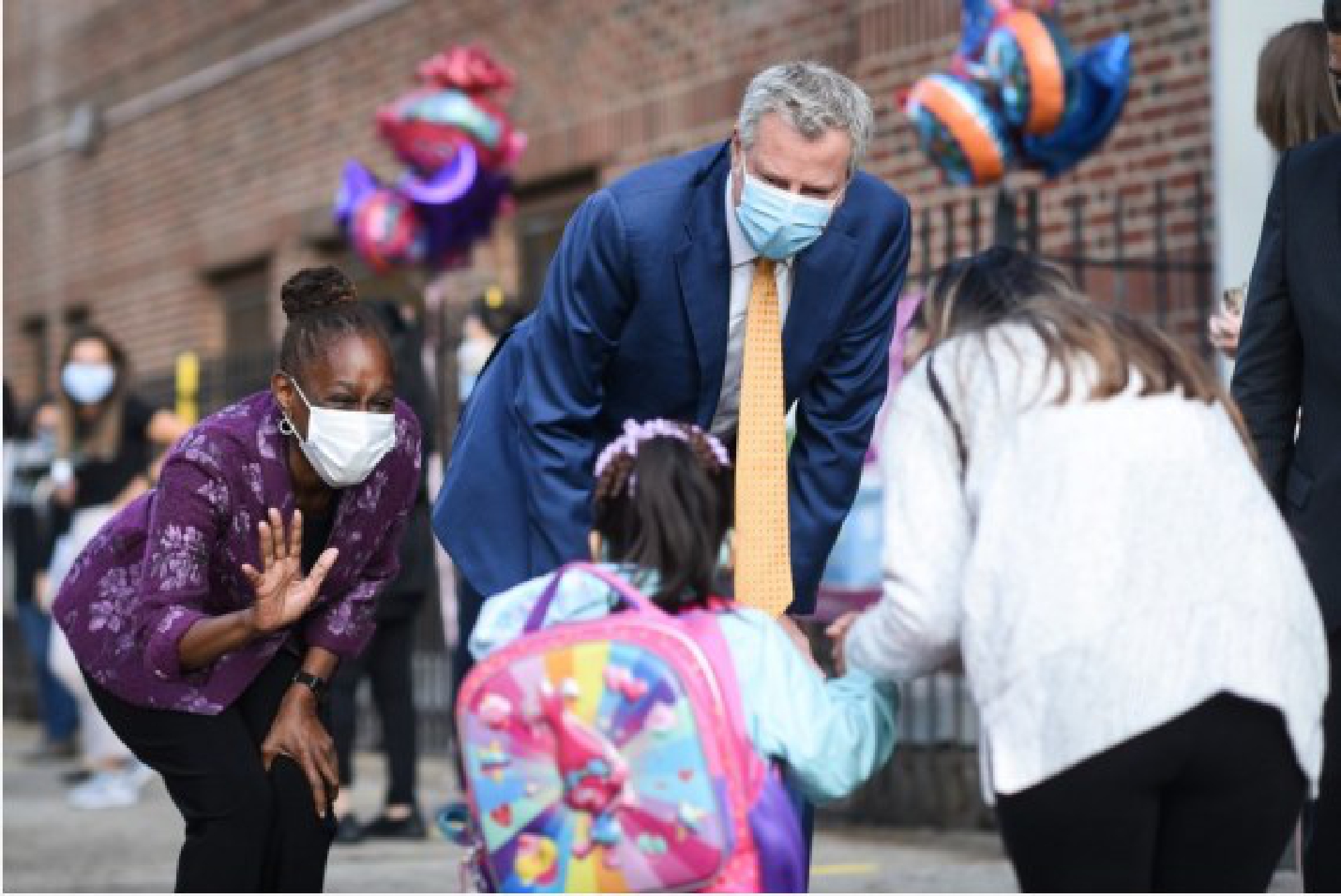
The CDC guidelines mean that a single case of COVID-19 in an elementary school, where students are generally too young to be vaccinated, can force an entire classroom of children out of school. New York City’s school guidelines also stipulate that all unvaccinated students must quarantine for seven to 10 days if one of their classmates contracts the virus.

File photo taken on Sept. 21, 2020 shows that New York City Mayor Bill de Blasio (C) and his wife Chirlane McCray (1st L) welcome Pre-K students back to school at the Mosaic Pre-K Center in Queens, New York, the United States. (Photo by Michael Appleton/Mayoral Photography Office/Handout via Xinhua)File photo taken on Sept. 21, 2020 shows that New York City Mayor Bill de Blasio (C) and his wife Chirlane McCray (1st L) welcome Pre-K students back to school at the Mosaic Pre-K Center in Queens, New York, the United States. (Photo by Michael Appleton/Mayoral Photography Office/Handout via Xinhua)

With the academic year barely underway, some districts in Florida, Louisiana, Missouri and other COVID-19 hot spots have already had to quarantine hundreds or even thousands of students. In mid-August, Mississippi had nearly 30,000 students in quarantine, according to data reported to the state.

Published : September 20, 2021