3rd largest school district in U.S. reports 245 COVID-19 cases, over 5,400 close contacts in 2 weeks of classes
Among the 245 confirmed cases reported from Aug. 29 to Sept. 11, 155 were students and 90 were adults, media said, citing data released by Chicago Public Schools.
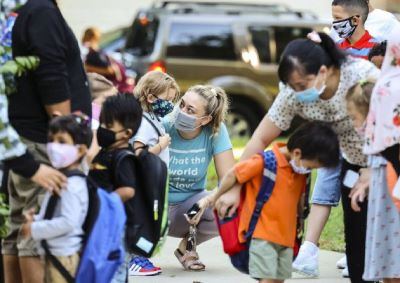
Chicago Public Schools (CPS), the third largest school district in the United States, reported 245 COVID-19 cases and more than 5,400 close contacts of the infected in the first two weeks of classes, local media said Wednesday.
Among the 245 confirmed cases reported from Aug. 29 to Sept. 11, 155 were students and 90 were adults, said daily newspaper the Chicago Tribune, citing data released by CPS.
In the first week of classes, CPS posted the number of COVID-19 cases, people in quarantine and quarantine pods — small class sizes with an average of 15 students. In the second week, it posted instead the number of COVID-19 cases and close contacts — those coming within 6 feet (around 1.8 meters) of an infected person for at least 15 minutes in a 24-hour period.
ADVERTISEMENT
The Chicago Teachers Union doubted that CPS had provided a complete count of cases and close contacts on its tracker.
The district has repeatedly missed its own deadline to provide free COVID-19 tests for the 9,400 students and 6,200 staff members who have signed up for the weekly testing program. It initially planned to set up testing districtwide by Sept. 1, then postponed the date to Sept. 15.
CPS said it expects to offer nasal swabs at 170 schools this week, far fewer than the 500-plus district-run schools.
It is unclear how many people have been quarantined since the start of classes, as those fully vaccinated as well as asymptomatic cases are not being directed to quarantine for the standard 14-day period. Besides, children aged under 12 are not eligible for COVID-19 vaccines.
Some parents are urging CPS to allow all students to participate in remote synchronous learning, not just those enrolled in the district’s Virtual Academy that are “medically fragile,” or those under quarantine for either testing positive or being close contacts.
Students arrive for the first day of full attendance at Phillip Rogers Elementary School in Chicago, on Aug. 30, 2021.
Capitan Petchyindee Academy to Mehdi Zatout: I don’t think he’s that dangerous
It’s a delicate line to walk between respecting an opponent and being confident of victory. But for reigning ONE Bantamweight Kickboxing World Champion Capitan Petchyindee Academy, that line is one he’s willing to tread against his next opponent.
Capitan makes the first defense of his World Title against former WBC Muay Thai World Champion Medhi “Diamond Heart” Zatout in the co-main event of ONE: REVOLUTION, scheduled to broadcast live from the Singapore Indoor Stadium on Friday, 24 September.
The Thai superstar says that although he respects Zatout as a legitimate challenger to his throne, he doesn’t believe the Algerian striker is “that dangerous.”
“I’ve watched many of his fight videos. I think he’s a tough guy to deal with because he has [a lot of] experience in Muay Thai, and he’s also a good technical fighter,” Capitan told ONE Championship.
ADVERTISEMENT
“[However], I don’t think I’m at a disadvantage. I know my weaknesses well from the last fight, and I know how to improve, so this shouldn’t be a problem.”
Capitan is fresh off a title-winning performance at ONE: UNBREAKABLE in January, where he defeated former champion Alaverdi Ramazanov to capture the coveted belt. Ramazanov is Zatout’s teammate at the prestigious Venum Training Camp in Pattaya, so Capitan is familiar with the style that camp employs.
That being said, the 28-year-old titlist knows what to expect with Zatout when he meets him in the Circle.
“His strength is experience. I have to read his movements carefully and watch out for his punches, too. He has powerful and sharp punches. If I’m not careful enough, I might get knocked out,” Capitan said.
“But he also has a weakness. As for what I learned from his past fights, I noticed that he runs out of gas quickly. He always struggled at the end of the fight. He couldn’t fight for long. Maybe it’s because of his age. So, I’ll make good use of this point. I’m younger than him, so I can use my youth and strength to beat him.”
ONE Bantamweight Kickboxing World Champion Capitan Petchyindee Academy
Now the king of kickboxing in the 65.8-kilogram division, Capitan knows he’s at the top of the food chain in a shark tank of competitors. Everyone he goes up against will be after his belt, and so the Thai warrior made sure he continues to upgrade his skills where necessary.
He plans to showcase his many improvements beginning with the Zatout bout.
“I don’t think he’s that dangerous, but I won’t underestimate his experiences. To fight with him, I should need more brain than brawn. I need to focus more on his game plan and counter wisely in order not to fall into his game,” Capitan said.
“I’ve undergone a special training program to improve my kicking force. We do the training to increase the muscles of both legs, which makes my kicks more functional and powerful. And we have special equipment that can measure my kicking speed and power. Now, I see that my leg muscles are stronger, and I can kick much harder.”
Any potential challengers, watch out.
ONE: REVOLUTION broadcasts live from the Singapore Indoor Stadium on Friday, 24 September.
ONE: REVOLUTION broadcasts live from the Singapore Indoor Stadium on Friday, 24 September.
In the main event, reigning ONE Lightweight World Champion Christian “The Warrior” Lee defends his world title against #3-ranked lightweight contender Ok Rae Yoon.
U.S. condemns DPRK missile launches, calls for dialogue
State Department spokesperson said the United States condemns the DPRK missile launches, while noting that Washington is still committed to a diplomatic approach to Pyongyang to pursue the denuclearization of the Korean Peninsula.
The United States on Wednesday condemned ballistic missile launches by the Democratic People’s Republic of Korea (DPRK), calling on Pyongyang to engage in meaningful dialogue with Washington.
State Department spokesperson Ned Price told reporters in a briefing that the United States condemns the DPRK missile launches, noting “these missile launches are in violation of multiple UN Security Council resolutions … they pose a threat to the DPRK’s neighbors and other members of the international community.”
In the meantime, Price said Washington is still committed to a diplomatic approach to Pyongyang to pursue the denuclearization of the Korean Peninsula.
ADVERTISEMENT
“We call on the DPRK to engage in a meaningful and substantive dialogue with us,” he added. “We’ve been very clear in the messages that we have conveyed to the DPRK that we stand ready to engage in that dialogue.”
Price also reaffirmed that U.S. commitment to regional allies is ironclad.
The Biden administration has repeatedly suggested that it seeks to engage with Pyongyang over the denuclearization issue but showed no willingness to ease sanctions.
Vaccination efforts geared up in U.S. as COVID-19 kills 1 in 500 Americans
COVID-19 deaths and cases in the United States have climbed to levels not seen since last winter, wiping out months of progress and potentially bolstering President Bidens argument for sweeping new vaccination requirements, media reported.
The federal government of the United States is commanding a strong gear for its COVID-19 vaccination efforts with new vaccine approval planned and extra pressure exerted on the country’s top businesses and incoming immigrants, as the pandemic has killed roughly one in every 500 Americans.
U.S. President Joe Biden is expected to meet on Wednesday with executives from companies including Walt Disney Co., Microsoft Corp. and Walgreens Boots Alliance Inc. to advance his COVID-19 vaccination requirements for the private sector.
The White House meeting comes after a plan Biden announced last week designed to bring the pandemic under control, which includes vaccine requirements affecting roughly 100 million workers. Attendees are expected to discuss how they are expanding requirements at their companies and institutions and how mandates have driven up vaccinations among employees.
ANOTHER GRIM MILESTONE
ADVERTISEMENT
According to Johns Hopkins University data, as of Tuesday night, 663,913 people in the United States have died of COVID-19. Per the U.S. Census Bureau, the country’s population as of April 2020 was 331.4 million.
This meant that roughly “one in 500 Americans have died from coronavirus since the nation’s first reported infection,” “another grim milestone in its fight against the devastating COVID-19 pandemic,” reported CNN on Wednesday.
Meanwhile, according to The New York Times, the 7-day average of confirmed cases of the pandemic stood at 152,177 nationwide on Tuesday, with its 14-day change striking a 5-percent fall. COVID-19-related deaths were 1,888 on Tuesday, with the 14-day change realizing a 50-percent rise.
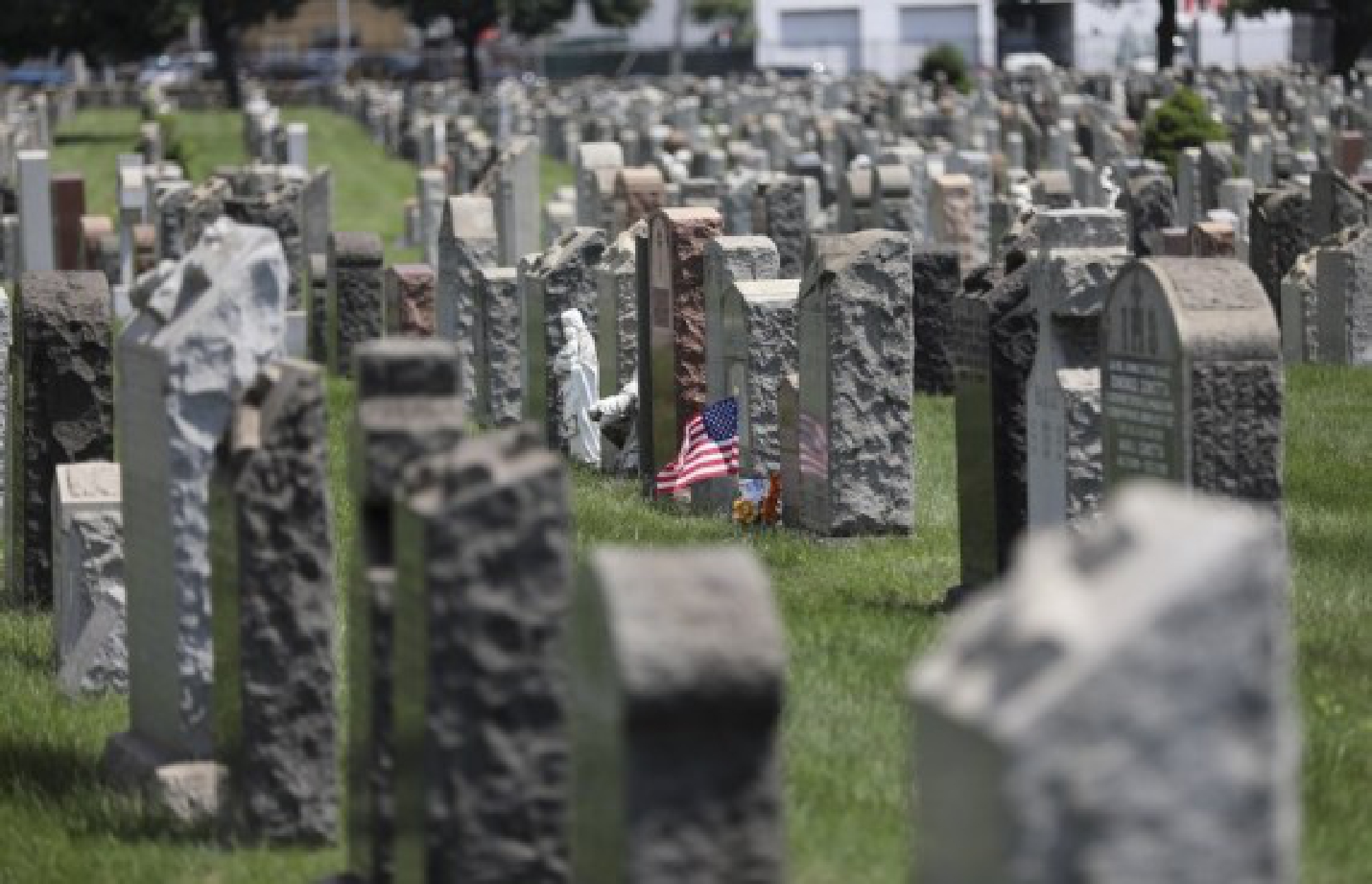
A U.S. national flag and flowers are seen at a cemetery in New York, the United States, July 29, 2020. (Xinhua/Wang Ying)
COVID-19 deaths and cases in the United States have climbed to levels not seen since last winter, wiping out months of progress and potentially bolstering President Biden’s argument for sweeping new vaccination requirements, reported ABC late Tuesday.
Fifty four percent of U.S. adults said the worst of the outbreak is still to come, despite widespread vaccination efforts, according to a Pew Research Center report based on a survey of 10,348 U.S. adults conducted from Aug. 23 to 29, which was released on Wednesday.
VACCINES FOR SMALL CHILDREN
Pfizer and BioNTech plan to file for Food and Drug Administration (FDA) emergency authorization in November for their COVID-19 vaccine for children younger than 5, Pfizer Chief Financial Officer Frank D’Amelio said on Tuesday.
The company expects to have data for the 5 to 11 age group by the end of September, while data for the even younger group is expected later in October, D’Amelio added.
The FDA is under pressure to authorize a vaccine for children younger than 12, as many parents say they are anxious to get their children vaccinated as schools reopen and the highly contagious delta variant continues to spread.
Studies for the Pfizer vaccine in children ages 5 to 11 are ready for review, according to the FDA. Pediatrician Pia Fenimore in Lancaster County, Pennsylvania, said that meant the vaccine could be ready sooner than expected, possibly in mid- to late October.
“A lot of people were willing to volunteer their child for these studies, so we were able to get the numbers of children in these studies faster than we thought we would,” NBC on Tuesday quoted her as saying.
Children go out with their teachers in San Francisco, California, the United States, June 15, 2021. (Photo by Dong Xudong/Xinhua)
MORE VACCINATIONS
The above-mentioned Pew report also found that 73 percent of those aged 18 and older say they’ve received at least one dose of a vaccine for COVID-19. About a quarter of adults say they have not received a vaccine.
Some of the lowest vaccination rates are seen among those with no health insurance and white evangelical Protestants (57 percent each) as well as among Republicans and Republican leaners (60 percent), per the report.
In another development, the United States will require new immigrants to be fully vaccinated against the coronavirus as part of its routine medical examination, U.S. Citizenship and Immigration Services (USCIS) announced on Tuesday.
The measure goes into effect on Oct. 1. Most people applying to become a permanent resident in the United States are required to receive the immigration medical examination “to show they are free from any conditions that would render them inadmissible under the health-related grounds,” according to USCIS.
The coronavirus vaccination requirement follows updated guidance from the Centers for Disease Control and Prevention, USCIS said. Exceptions to the requirement will be allowed for medical conditions, if there is a lack of vaccine supply or if the vaccine is “not age-appropriate” for the immigration applicant, USCIS said. Religious or “moral convictions” exemptions may be requested on a case-by-case basis.
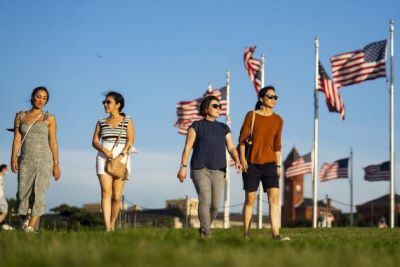
People walk past a mobile COVID-19 testing site on a street in New York, the United States, on July 20, 2021. (Xinhua/Wang Ying)
Afghanistan to have regular army soon: army chief of staff
“Afghanistan will have a regular, disciplined and strong army in near future to defend and protect the country,” said Talibans army chief of staff Qari Fasihuddin.
Afghanistan would soon have a regular army to defend the country, Taliban’s army chief of staff Qari Fasihuddin has said.
“Afghanistan would have a regular, disciplined and strong army in near future to defend and protect the country and consultations in this field continue,” Fasihuddin was quoted as saying by Afghan radio service Salam Watandar.
Fasihuddin, in his address to a gathering in Kabul on Wednesday, said the members of the proposed army would be well-trained and disciplined to defend and protect Afghanistan, according to the media outlet’s report.
The Taliban captured the capital Kabul on Aug. 15 and announced the formation of a caretaker government on Sept. 7 to rule Afghanistan but without regular police and army.
A member of Taliban stands guard at the former Khost Protection Force (KPF) military center in Khost city, eastern Afghanistan, Sept. 15, 2021.
Asia Album: One day in Afghanistans capital, southern province of Kandahar
Have a look at Afghan capital city Kabul after the Talibans takeover on Aug. 15 and the southern Kandahar province, one of the most war-torn regions in the country over the past 20 years.
Vendors push their handcarts on a street in Kabul, capital of Afghanistan, Sept. 15, 2021. (Photo by Kabir/Xinhua)
Vendors push their handcarts on a street in Kabul, capital of Afghanistan, Sept. 15, 2021.
A man decorates a vehicle for a wedding party on a street in Kabul, capital of Afghanistan, Sept. 15, 2021. (Photo by Kabir/Xinhua)
ADVERTISEMENT
A man decorates a vehicle for a wedding party on a street in Kabul, capital of Afghanistan, Sept. 15, 2021. (Photo by Kabir/Xinhua)
Vendors sell shoes on a street in Kabul, capital of Afghanistan, Sept. 15, 2021. (Photo by Kabir/Xinhua)
Vendors sell shoes on a street in Kabul, capital of Afghanistan, Sept. 15, 2021. (Photo by Kabir/Xinhua)
An Afghan man drinks tea in Kandahar city, southern Afghanistan, Sept. 14, 2021. (Photo by Sanaullah Seiam/Xinhua)
An Afghan man drinks tea in Kandahar city, southern Afghanistan, Sept. 14, 2021. (Photo by Sanaullah Seiam/Xinhua)
An Afghan vendor sells food for consumers in Kandahar city, southern Afghanistan, Sept. 14, 2021. (Photo by Sanaullah Seiam/Xinhua)
An Afghan vendor sells food for consumers in Kandahar city, southern Afghanistan, Sept. 14, 2021. (Photo by Sanaullah Seiam/Xinhua)
An Afghan vendor waits for consumers in Kandahar city, southern Afghanistan, Sept. 14, 2021. (Photo by Sanaullah Seiam/Xinhua)
An Afghan vendor waits for consumers in Kandahar city, southern Afghanistan, Sept. 14, 2021. (Photo by Sanaullah Seiam/Xinhua)
Afghans long for better life as Taliban government manages to run country with calls for international aid
While the security situation in Afghanistan has remained stable since the Taliban takeover in mid-August, the Central Asian country is now facing economic and humanitarian challenges, with its people longing for better life and the Taliban new government calling for international assistance.
— “The war is over, and insecurity and fighting are not a concern among the Afghans anymore,” said Taliban spokesperson Zabihullah Mujahid.
— “The people of Afghanistan still need assistance and cooperation from the world,” said Amir Khan Muttaqi, acting foreign minister of the new Taliban government.
“WAR OVER”
There has been no major security incident or armed clashes since Aug. 15 when Taliban took over 33 of the country’s 34 provinces, except a deadly suicide bomb blast and ensuing shooting outside the Kabul International Airport, which killed over 170 Afghan civilians and 13 U.S. soldiers, and wounded nearly 200 others.
On Sept. 6, the Taliban announced that its fighters had completely captured Panjshir, the only province that had remained out of Taliban’s control, days after sporadic clashes were reported in the mountainous province.
There were no civilian casualties during the fighting in Panjshir, Taliban spokesperson Zabihullah Mujahid said, adding that electricity and internet service would resume in the province soon.
No major clashes have been reported in Panjshir since then, although the so-called National Resistance Front of Afghanistan led by Ahmad Massoud, the son of former anti-Taliban leader Ahmad Shah Massoud, has denied the Taliban’s claim of capturing Panjshir.
“The war is over, and insecurity and fighting are not a concern among the Afghans anymore,” Mujahid said.
Afghanistan would soon have a regular army to defend the country, Taliban’s army chief of staff Qari Fasihuddin said Wednesday.
“Afghanistan would have a regular, disciplined and strong army in near future to defend and protect the country and consultations in this field continue,” Fasihuddin said at a gathering in Kabul, adding members of the proposed army would be well-trained and disciplined to defend and protect Afghanistan.
ADVERTISEMENT
Enamullah Samangani from the Taliban cultural commission said that some police officers from the former administration will soon return to work under the Taliban authorities for restoring order in Kabul and other big cities.
The Taliban military forces will quit cities, he told the local TV channel TOLO news Wednesday.
“Taliban militants have no high presence in Kabul … security and safety in city is fine, all car theft groups, street robbers and criminal gangs disappeared,” Kabul resident Mohammad Yama, 28, told Xinhua Tuesday.
Afghans push their handcarts on a street in Kabul, capital of Afghanistan, Sept.15, 2021.
ECNOMIC WOES The United Nations Development Program (UNDP) has warned that 97 percent of Afghans could fall below the poverty line by mid-2022 unless the country’s political and economic challenges are addressed promptly.
According to a UNDP report recently released, the latest developments and uncertainties have severely affected people’s life in the country.
Shops, markets and business hubs reopened late last month. Although no shortage of food, medicines or daily necessities has hit the capital Kabul and other provinces, many people cannot afford to buy food and essential items for their daily life.
In recent days, government offices in Kabul and the country’s 34 provinces partially resumed operations but the banking service has not yet returned to normal, with thousands of customers waiting in long lines to withdraw their savings.
“The reports of freezing of Afghanistan’s central bank assets by the United States as well as the announced halt of funds by the World Bank have added to our concerns,” Mohammad Mansour from northern Kunduz province told Xinhua.
About 5,000 small factories in industrial parks across the country still remained closed due in part to lack of resources.
On Aug. 28, the Afghan central bank issued an order to all banks setting a weekly limit of withdrawals of 200 U.S. dollars or 20,000 afghani for a customer.
Photo taken on Sept.15, 2021 shows the former Khost Protection Force (KPF) military center in Khost city, eastern Afghanistan.
WOMEN’S CONCERNS On Sept. 7, The Taliban leadership announced the formation of a caretaker government led by acting Prime Minister Mullah Mohammad Hassan Akhund.
Several ministries of the interim government have urged their previous employees to return to work before Sept. 17, but with the female staff waiting for further notice. Female doctors and women working in the health ministry and female teachers at girls’ primary schools have already returned to their work.
Karima Malikzada, a female government employee from the eastern Logar province, said, “the new government should … allow men and women to rejoin their offices and their salaries must be paid, we have no other resources to afford daily life.”
She told Xinhua that she thought the Afghan people would trust the Taliban if the latter could honor its promises for women, many of whom have to work to support their children.
On Sunday, Abdul Baqi Haqqani, acting minister of higher education, said that female students can attend higher education institutions and universities but in gender-separated classes.
“All government-run universities will reopen soon, possibly within a week. Higher education authorities are working on regulations as students will return to their classes,” Haqqani told reporters.
The acting minister noted that the Islamic dress was necessary for the female students to attend classes.
Afghan girls pose for photos during a break at a local school in Mazar-i-Sharif, capital of Balkh province, Afghanistan, Sept. 14, 2021.
HUMANITARIAN ASSISTANCE
United Nations Secretary-General Antonio Guterres recently said the possibility of a complete economic collapse in Afghanistan was “serious” and highlighted an urgent need for funding support at a high-level ministerial meeting on Afghanistan’s humanitarian situation in Geneva on Monday.
On Tuesday, the UN appealed to countries that together pledged 1.2 billion U.S. dollars in relief for Afghanistan to take action quickly.
Stephane Dujarric, chief spokesperson for Guterres, said the pledges in humanitarian and development aid announced at the Monday meeting included funding for the flash appeal for Afghanistan and a regional response.
“The United Nations and humanitarian partners, including national and international nongovernmental organizations, can move quickly to turn funds into food, health care and protection for Afghan children, women and men in need,” Dujarric added.
A convoy with aid from the UN refugee agency UNHCR reached the eastern Nangarhar province, the spokesperson said. “This is the second convoy of relief items that have entered Afghanistan through the Torkham Border Crossing since Aug. 15.”
Seasonal food assistance from the World Food Programme (WFP) continues with one month’s worth of food for previously assessed vulnerable families, he said.
On Tuesday, in response, Amir Khan Muttaqi, acting foreign minister of the new Taliban government, said, “We are thankful for recent announcement of 1 billion U.S. dollars pledged in Geneva.”
“The people of Afghanistan still need assistance and cooperation from the world,” Muttaqi told reporters while calling on countries to continue “assisting Afghans in fields of education, health, refugees, and the struggle against the drought” as before without associating “humanitarian issues with the political issues.”
He also urged foreign aid workers to return to help the country, saying, “Security and safety will be ensured for all aid workers.”
An Afghan vendor waits for customers in Kandahar city, southern Afghanistan, Sept. 14, 2021.
U.S. has weighed vaccine rule for international fliers
WASHINGTON – As White House officials rushed to shape last weeks sweeping new vaccine mandates, they debated the idea of requiring international air travelers to be vaccinated before boarding a plane, as part of a larger effort to persuade more Americans to get immunized, according to two people familiar with the plans.
Some aides argued that other countries already require vaccinations to fly and that the United States should join their ranks, according to an administration official. But others said mandates work best when they require people to prove they are immunized only once – like at work – rather than repeatedly, like every time they board a plane.
The idea was shelved, but top White House officials say that proposal and similar ones are still under consideration – including, potentially, a broader vaccine mandate that would include domestic air travel.
“We’re discussing it,” Anthony Fauci, President Joe Biden’s chief medical adviser, said about the idea of a broader requirement in an interview. “It’s on the table for discussion.”
White House officials stressed that no additional mandates are imminent, as the Biden administration is still sorting through how to implement the ones announced last week.
The debate over an airplane mandate, which many public health officials say is a logical next step, highlights Biden’s struggle to balance public health needs with practical, economic and political considerations. Some at the White House warn, for example, that an air mandate could prompt frustratingly long lines at airports.
Either way, Biden’s top advisers say that significantly more measures may be needed to convince – or coerce – Americans to get vaccinations, as more than 70 million Americans who qualify for coronavirus shots have not gotten them.
ADVERTISEMENT
That could mean more social tumult ahead, since Republicans are increasingly embracing a no-mandate message. GOP governors have announced lawsuits to block last week’s actions, and House Minority Leader Kevin McCarthy, R-Calif., on Monday tweeted, “NO VACCINE MANDATES.”
Requiring vaccines for air travel would be a big step beyond Biden’s announcement last week that businesses with more than 100 employees must require their workers to get vaccines or regular tests. Biden also ordered all federal employees to get shots and said most health care facilities that get Medicare or Medicaid funding will now have to immunize their workers.
In a departure for the disciplined Biden White House, some of the disagreements about an air travel mandate have broken into the open. Fauci, for example, applauded the idea in an interview for The Skimm podcast, saying, “I would support that if you want to get on a plane and travel with other people, that you should be vaccinated.”
But in a different podcast, “Pod Save America,” White House Chief of Staff Ron Klain challenged the notion, suggesting it’s impractical and possibly unnecessary. “We’re going to pick up the vast majority of Americans with the requirements we’ve [already] put in place,” Klain said.
Still, he added that the air travel mandate “is something we continue to look at.”
One person who talks regularly with White House officials said they often seem overwhelmed with the sheer number of anti-covid proposals being tossed at them from various quarters.
Mandates are only one of the anti-covid measures the White House is juggling. The administration moved this week to stave off shortages of monoclonal antibodies, taking over distribution of the critical covid-19 therapy and purchasing 1.4 million additional doses.
That change, which took effect Monday, is all but certain to result in cuts to some states, especially seven in the Deep South with high infection rates that have been using about 70% of the national supply.
Soaring demand for the therapy represents a sharp turn from just two months ago, when monoclonal antibodies were widely available. Since then, word of the highly effective therapy – which is free to patients – has spread, with federal officials and Republicans, including Florida Gov. Ron DeSantis, urging their use.
So the Department of Health and Human Services will, at least temporarily, set the rules for their distribution instead of allowing states, medical facilities and doctors to order them directly. “HHS will determine the amount of product each state and territory receives on a weekly basis,” an HHS spokesman said.
The issue of a potential vaccine requirement for air travel arose several weeks ago, during an administration discussion of whether to extend the current airplane mask mandate. Some advisers suggested that – besides masking up – international travelers be required to prove they had been vaccinated or tested negative, according to a person familiar with the conversation who spoke on the condition of anonymity because they were not authorized to describe it.
It is unclear whether the policy would apply to Americans traveling abroad, to foreigners visiting the United States, or both.
There was also a discussion of whether a mandate for domestic flights might also be necessary, the person said. But some administration officials challenged that idea, asking how the rule would apply in emergency situations, or if an unvaccinated traveler was headed to a funeral and had no time to get inoculated.
The White House has also been contending with pushback from the airline industry to the idea of further domestic mandates.
Industry officials have told the administration that they’ve already been hit hard by the pandemic and contended that air travel is now a relatively safe activity, because airlines are requiring masks and have increased airflow in the cabin in response to the pandemic.
“A4A passenger carriers comply with all [Centers for Disease Control and Prevention] guidelines and requirements, and remain committed to leaning into science to guide policies and protocols that prioritize the well-being of all travelers and employees,” said Katherine Estep, a spokeswoman for Airlines For America, an industry trade group.
Fauci suggested it made sense for Biden to consider an array of issues, including the likely reaction to a policy, in deciding what anti-covid steps to take. “The president has to make decisions based on a number of factors – the acceptance of it, the impact of it, what the response would be of it,” Fauci said.
One question the administration has so far stayed away from is what constitutes an acceptable proof of vaccination, an issue that seems central to any mandate. The administration has said it will not create vaccine “passports” or ID cards but has not specified what kind of evidence employers should require instead.
U.S. vaccination rates began to tick up recently after weeks of stagnation as the delta variant surged and more people feared infection. But they are still nowhere near where they were in the spring, when more than 3 million people a day were getting shots, according to a Washington Post vaccine tracker.
Mandates have been shown to be perhaps the most effective tool to compel hesitant people to get vaccinated, and several European countries saw vaccination figures rise after they instituted mandates for activities like going to restaurants, bars and gyms. There is a growing consensus among public health experts that Biden will similarly have to go further.
“What they did is fantastic, don’t get me wrong,” said Ezekiel Emanuel, a bioethicist at the University of Pennsylvania who was on Biden’s transition team. “But unfortunately we need more, because there are lots of people who will fall through the cracks with what’s been done.”
He added, “The easiest and best thing to do at this point is probably a travel mandate.”
White House officials stress that since they announced a major package of mandates just last week, they are focused on implementing those before they add new ones. “Right now, our focus is on operationalizing this plan as quickly and effectively as possible,” said Kevin Munoz, a White House spokesman.
But other officials leave little doubt that other actions could come. “We’re not taking any measures off the table,” Jeff Zients, the top White House covid-19 response coordinator, said Friday.
Zients suggested that the White House prefers prodding private companies to require vaccines, as in last week’s mandates, rather than implementing mandates itself, as it would have to do for air travel. The more visible the government is in enforcing mandates, he said, the more likely it to antagonize vaccine resisters.
“We believe that workplaces are a very efficient and effective way to ensure that people get vaccinated or, at minimum, get tested one time per week,” Zients said. “And verifying in the workplace that someone is vaccinated does not place an ongoing burden on vaccinated people.”
Similarly, the White House has urged the nation’s governors to enact various mandates, including one for teachers, school staffers and students 12 and older.
Some critics have accused Biden of being too slow to use the levers available to him to require that all Americans get vaccines, given how quickly the pandemic would end if more people took them. But others say the president was right to calibrate his actions to the public’s sentiment, which has grown more supportive of mandates.
“You go incrementally. You build up towards mandates,” said Celine Gounder, an epidemiologist who was a member of Biden’s covid task force during the transition. “You need to show that less-aggressive approaches are not working before you go to a more aggressive approach.”
Gounder said she has told administration officials that if they impose a travel mandate, they should make sure vaccines are available at travel hubs so that the unvaccinated can get shots there. Such a scenario would envision a travel mandate where Americans would not have to be fully vaccinated to travel, since a second shot comes several weeks later.
Other countries have been more willing than the U.S. to impose far-reaching mandates. In France, vaccines are mandatory for health care workers and patrons of restaurants, bars, museums and other public venues will be required to present a “health pass” demonstrating they are fully vaccinated, have a negative test or have recovered from the virus.
French officials, who forged ahead despite protests, have reported a surge in vaccine appointments after announcing the mandates. In the European Union in general, more than 70% of the population is fully vaccinated.
Even before Biden’s sweeping mandates were announced last week, some businesses in the United States had instituted mandates or penalties for those who do not get vaccinated. Delta Air Lines, which last month said employees who do not get vaccinated will have to pay $200 more per month for their health care, said a fifth of its unvaccinated employees received shots within two weeks of the company’s announcement.
Tyson Foods said 5,400 workers received their first coronavirus shots or were fully vaccinated about a week after it announced its workforce had to be inoculated by November.
The administration still must write a rule to implement Biden’s new policy that firms with more than 100 employees must require vaccines or regular testing. The rule will also almost certainly face legal challenges from Republicans who have said they will sue the administration.
Klain, speaking on the “Pod Save America” program, said he is confident the move will survive legal scrutiny, saying it is a “very standard application” of the authority of the Occupational Safety and Health Administration.
He compared it to the rule that construction workers must wear hard hats. “We’re in a pandemic right now,” Klain said. “To keep workers safe, to keep people in the workplace safe, requiring vaccinations is part of OSHA’s mandate.”
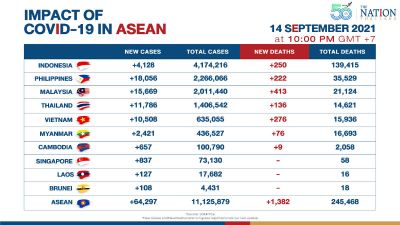
The number of Covid-19 cases in Southeast Asia crossed 11.19 million, with 69,057 new cases reported on Wednesday – higher than Tuesday’s tally of 64,297.
Asean also saw 1,440 additional deaths, an increase from Tuesday’s 1,382, taking total coronavirus deaths in the region to 246,907.
Cambodian Prime Minister Hun Sen on Wednesday approved vaccinations for 1.9 million children aged 9-12 from Friday to prepare for the reopening of schools nationwide.
He said the vaccination of children aged 3-6 years would follow soon.
Cambodia reported 653 new cases and nine deaths on Wednesday, bringing cumulative cases in the neighbouring country to 101,443 patients and 2,067 deaths so far.
Meanwhile, Laotian health authorities said a third dose of Covid-19 vaccine could be an option in the future to further boost the body’s immunity against new Covid strains including the Delta variant.
There are reports that some in Laos have attempted to get a booster shot at vaccination centres despite the fact that the government has yet to approve these.
The country reported 223 new cases on Wednesday, bringing cumulative cases to 17,905 patients and a total 16 deaths.
Slaughter of nearly 1,500 dolphins sparks outcry over traditional hunt in Faroe Islands
The slaughter of nearly 1,500 dolphins in the remote Faroe Islands has revived a debate about a centuries-old tradition that environmentalists condemn as cruel.
The pod of white-sided dolphins was driven into the largest fjord in the North Atlantic territory by hunters in speed boats and on water scooters on Sunday, where they were corralled into shallow waters and killed.
Many locals defend the hunt as an important local custom, with meat and blubber shared by the local community of the semi-independent Danish territory, which is located halfway between Scotland and Iceland.
But the size of this year’s hunt – which conservationists estimate is the largest in Faroese history, and possibly the largest single-day hunt ever worldwide – may be too much to feed the rocky archipelago’s population of around 50,000 people.
“Normally meat from a grindadrap is shared among the participants and any remainder among the locals in the district where the hunt took place,” the Sea Shepherd conservation group, which has been campaigning to stop the traditional Faroese “Grind” hunt since the 1980s, said. “However there is more dolphin meat from this hunt than anyone wants to take, so the dolphins are being offered to other districts in the hopes of not having to dump it.”
The chairman of the Faroese Whalers Association, Olavur Sjurdarberg, told the BBC that the hunters underestimated the size of the pod, only realizing their error when they began killing the dolphins.
ADVERTISEMENT
“It was a big mistake,” said Sjurdarberg, who did not participate in the hunt. “When the pod was found, they estimated it to be only 200 dolphins.” He said most people were “in shock about what happened.”
Many Faroese consider whale and dolphin meat to be an important part of their food culture and history, dating back to when they first settled the remote islands, although even those who defend the practice worry the size of this year’s hunt will draw unwanted attention.
Killing white-sided dolphins is “legal but it’s not popular,” Sjurdur Skaale, a Danish lawmaker for the Faroe Islands, told the BBC. He visited the beach where the killings took place to speak to locals on Monday. “People were furious,” he said.
Sea Shepherd said the number of dolphins killed Sunday is approaching the Japanese government quota for the entire six-month capture and killing season at Taiji in Japan, which shot to global infamy in 2009 with the Oscar-winning documentary “The Cove,” and significantly exceeds the numbers actually killed there in recent years. Japan is another nation widely criticized by environmentalists for its whale kills.
The Faroese hunt was brought to international attention by the “Seaspiracy” documentary on Netflix this year.
“Considering the times we are in, with a global pandemic and the world coming to a halt, it’s absolutely appalling to see an attack on nature of this scale in the Faroe Islands,” said Alex Cornelissen, the chief executive of Sea Shepherd, which campaigns against whaling globally. “If we have learned anything from this pandemic, [it] is that we have to live in harmony with nature instead of wiping it out.”

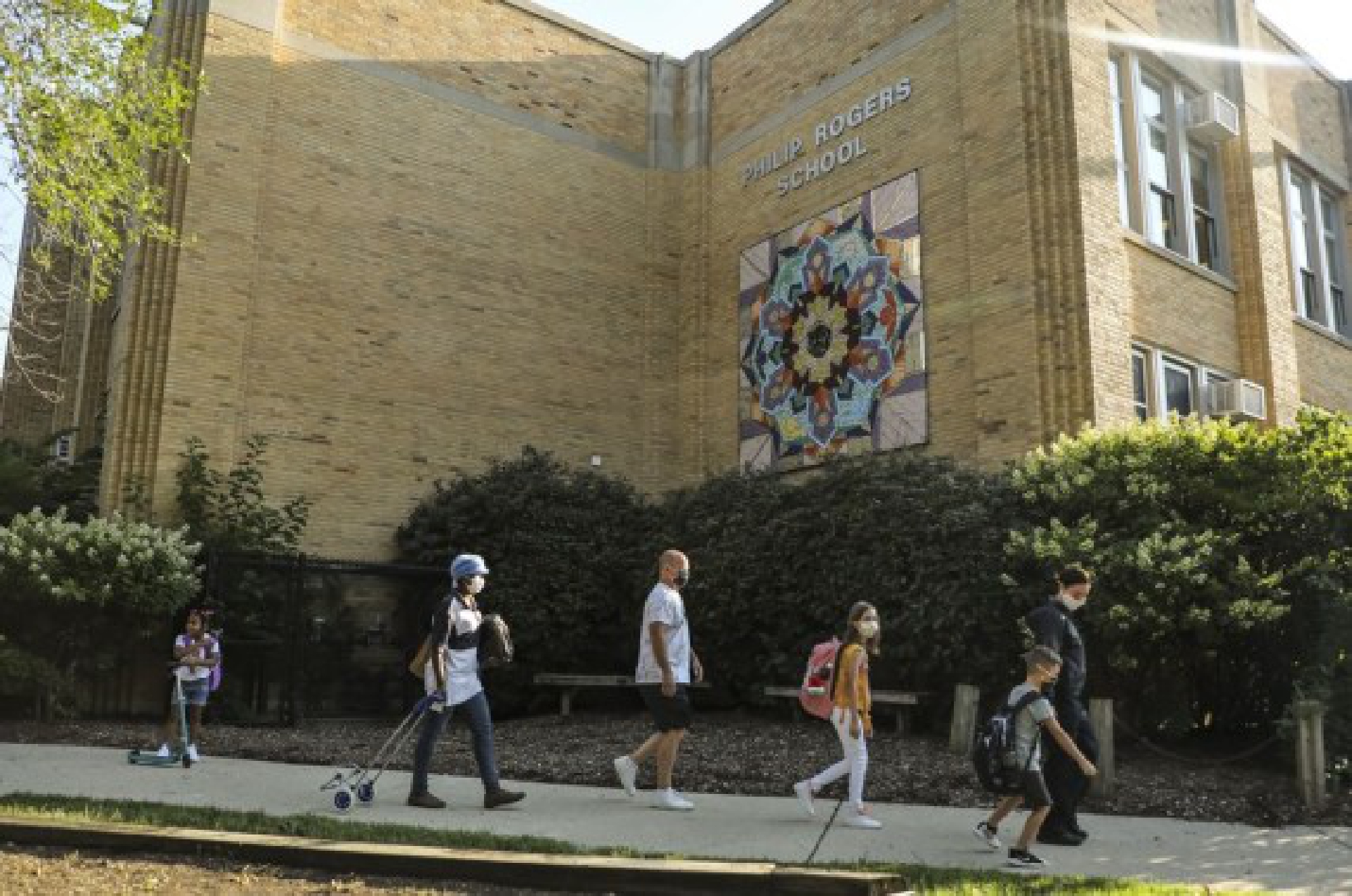 Students arrive for the first day of full attendance at Phillip Rogers Elementary School in Chicago, on Aug. 30, 2021.
 Capitan Petchyindee Academy
 ONE Bantamweight Kickboxing World Champion Capitan Petchyindee Academy
 ONE: REVOLUTION broadcasts live from the Singapore Indoor Stadium on Friday, 24 September.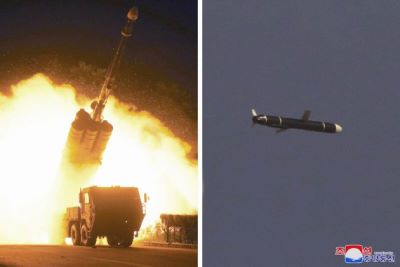
 A U.S. national flag and flowers are seen at a cemetery in New York, the United States, July 29, 2020. (Xinhua/Wang Ying)
 Children go out with their teachers in San Francisco, California, the United States, June 15, 2021. (Photo by Dong Xudong/Xinhua)
 People walk past a mobile COVID-19 testing site on a street in New York, the United States, on July 20, 2021. (Xinhua/Wang Ying)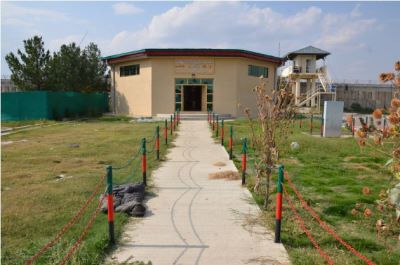
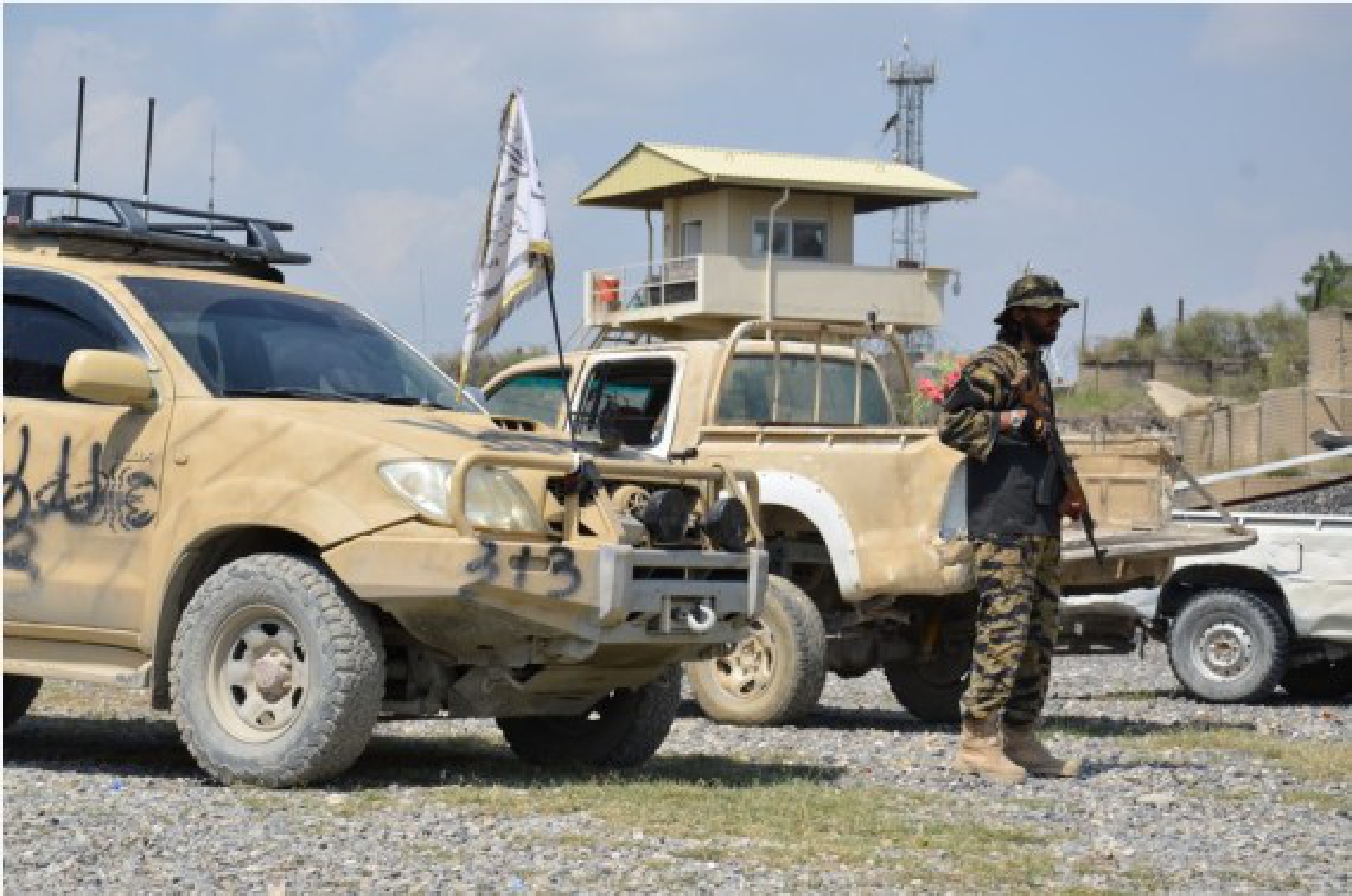 A member of Taliban stands guard at the former Khost Protection Force (KPF) military center in Khost city, eastern Afghanistan, Sept. 15, 2021.
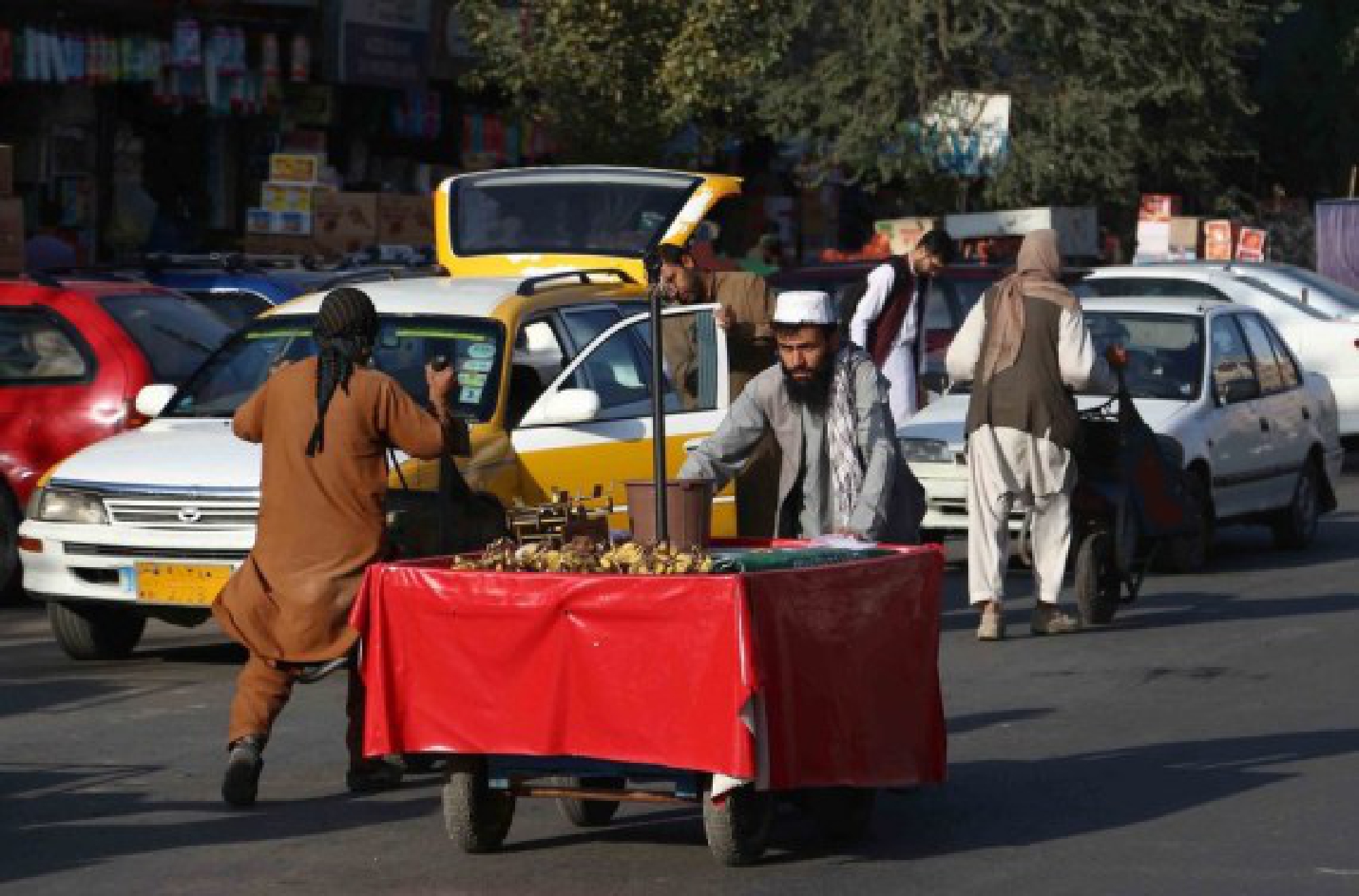 Vendors push their handcarts on a street in Kabul, capital of Afghanistan, Sept. 15, 2021. (Photo by Kabir/Xinhua)
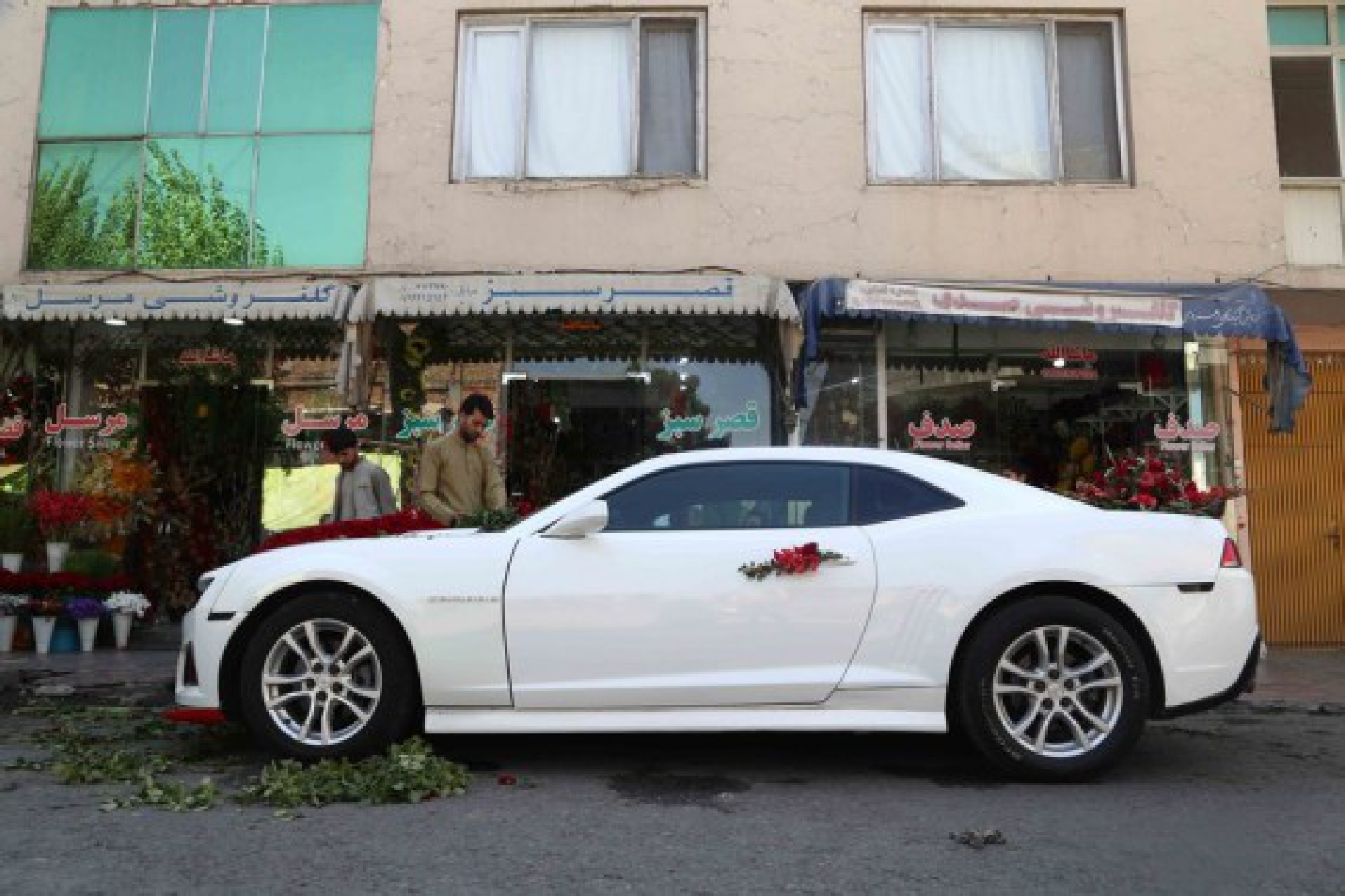 A man decorates a vehicle for a wedding party on a street in Kabul, capital of Afghanistan, Sept. 15, 2021. (Photo by Kabir/Xinhua)
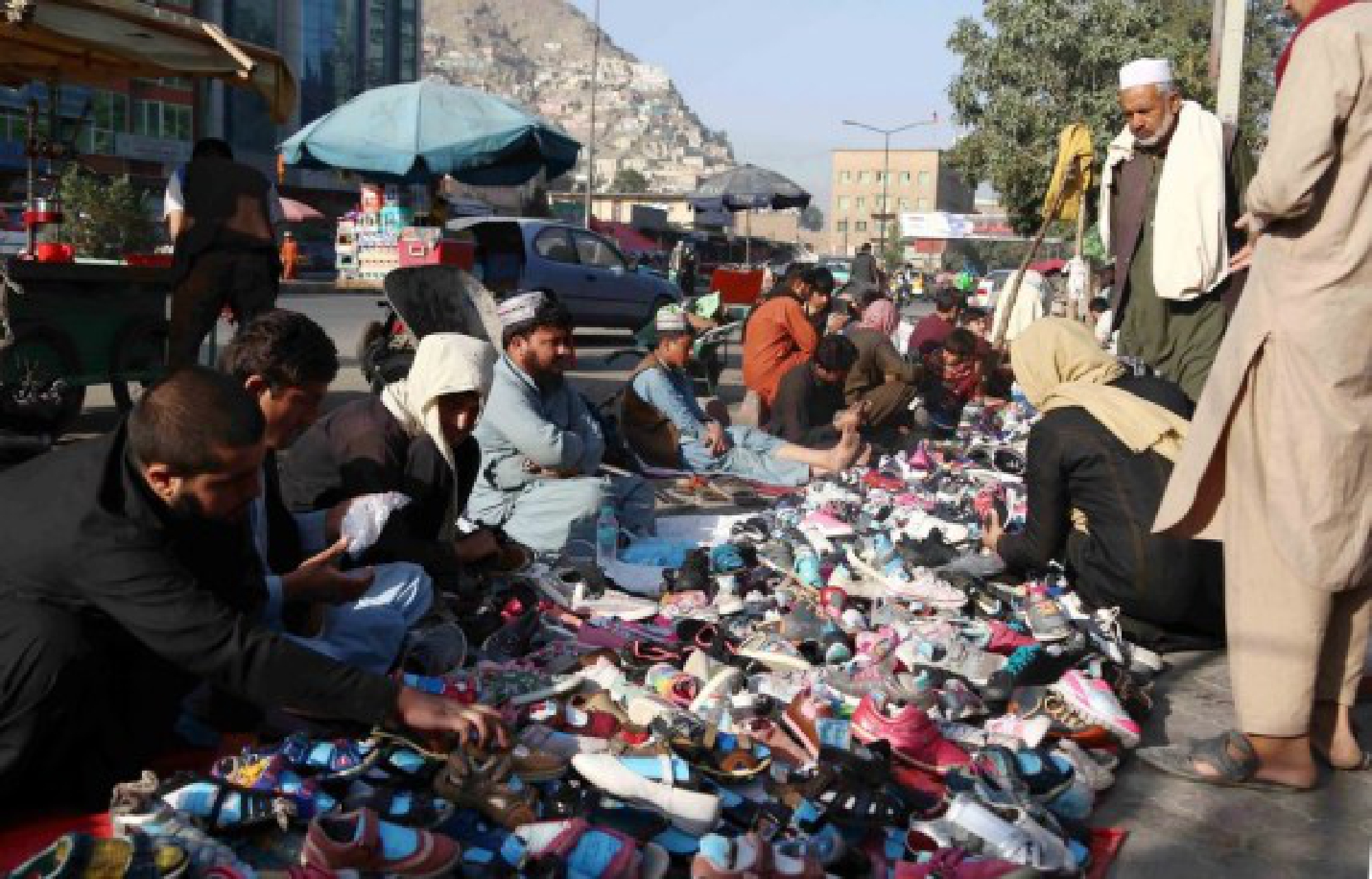 Vendors sell shoes on a street in Kabul, capital of Afghanistan, Sept. 15, 2021. (Photo by Kabir/Xinhua)
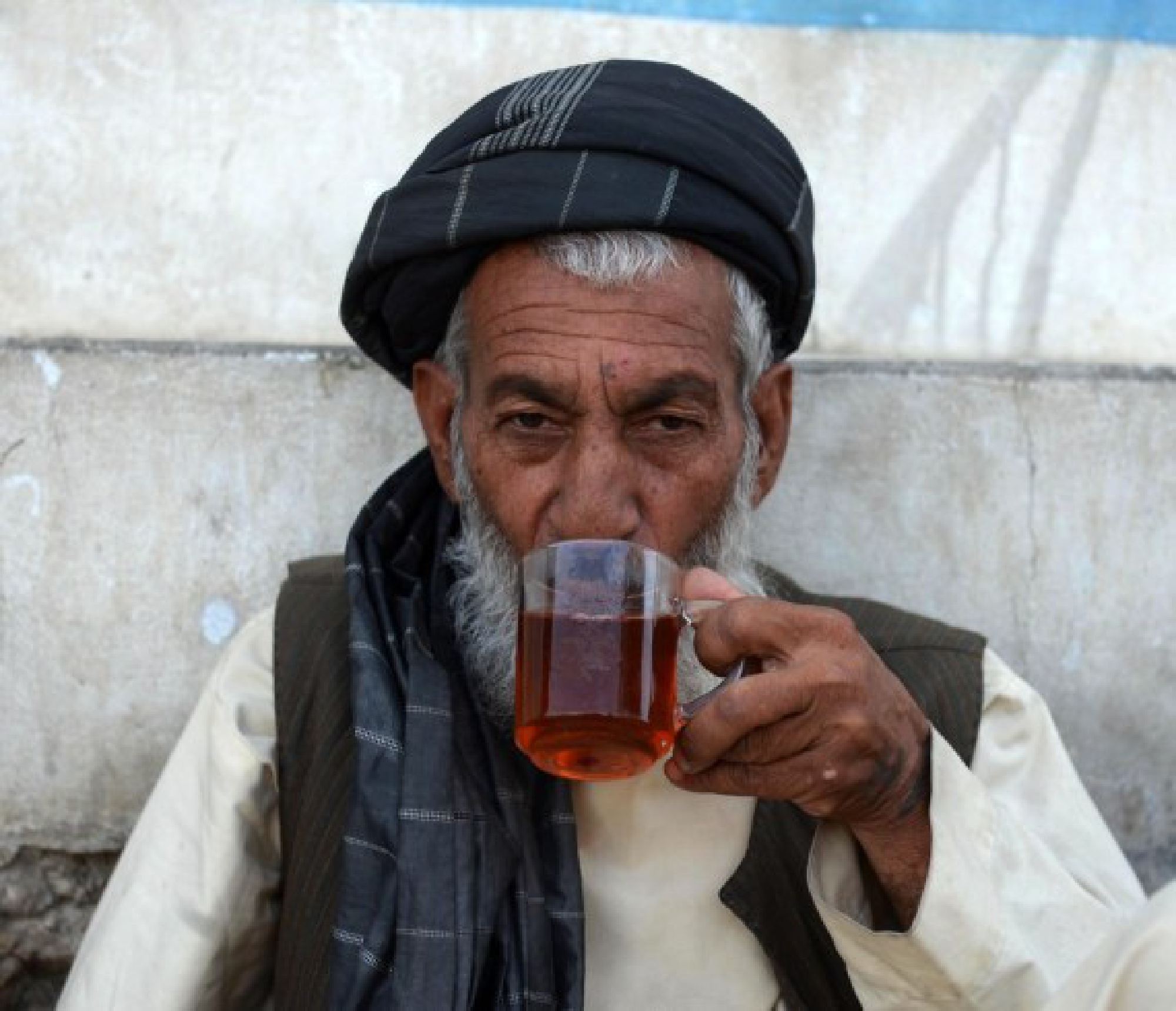 An Afghan man drinks tea in Kandahar city, southern Afghanistan, Sept. 14, 2021. (Photo by Sanaullah Seiam/Xinhua)
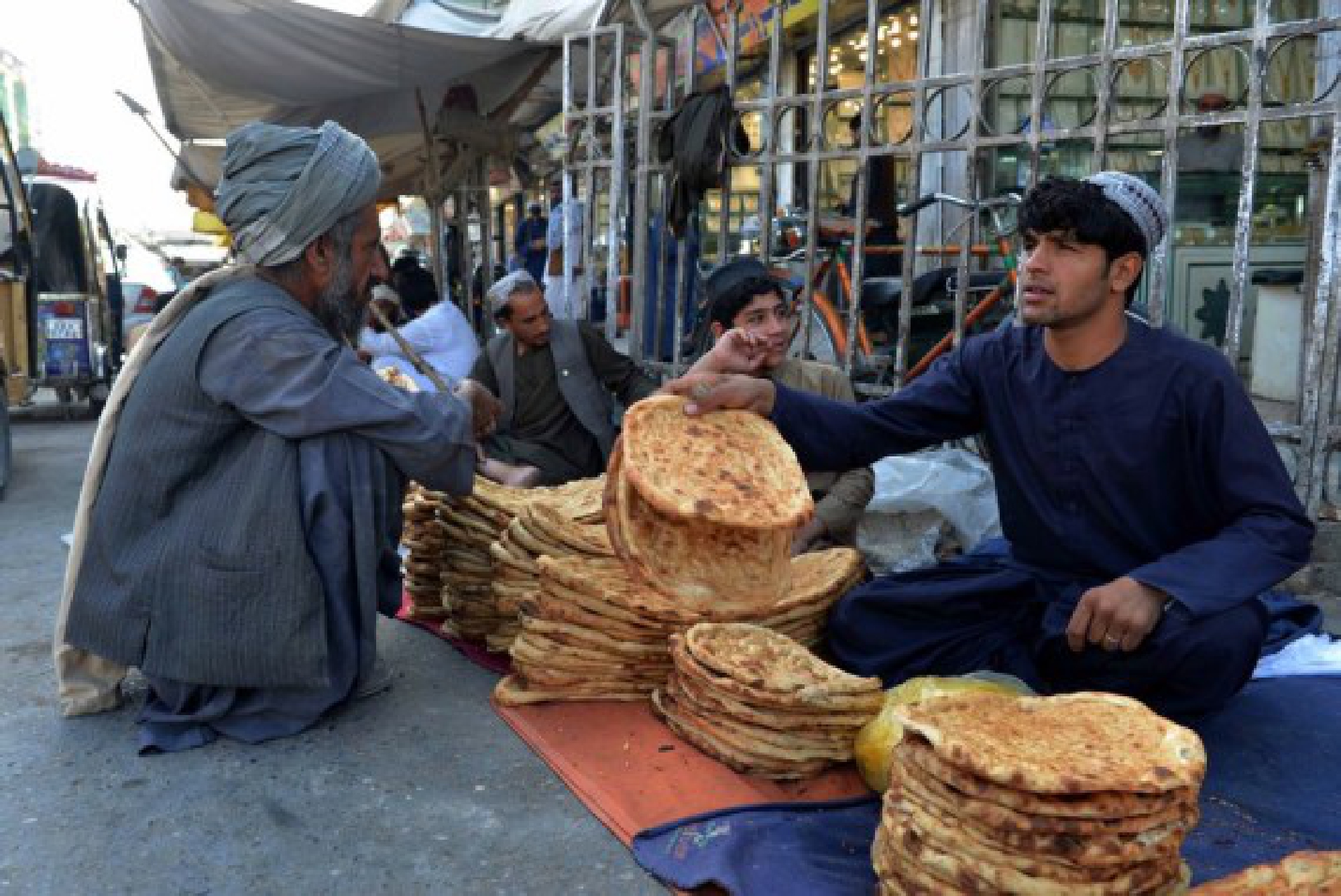 An Afghan vendor sells food for consumers in Kandahar city, southern Afghanistan, Sept. 14, 2021. (Photo by Sanaullah Seiam/Xinhua)
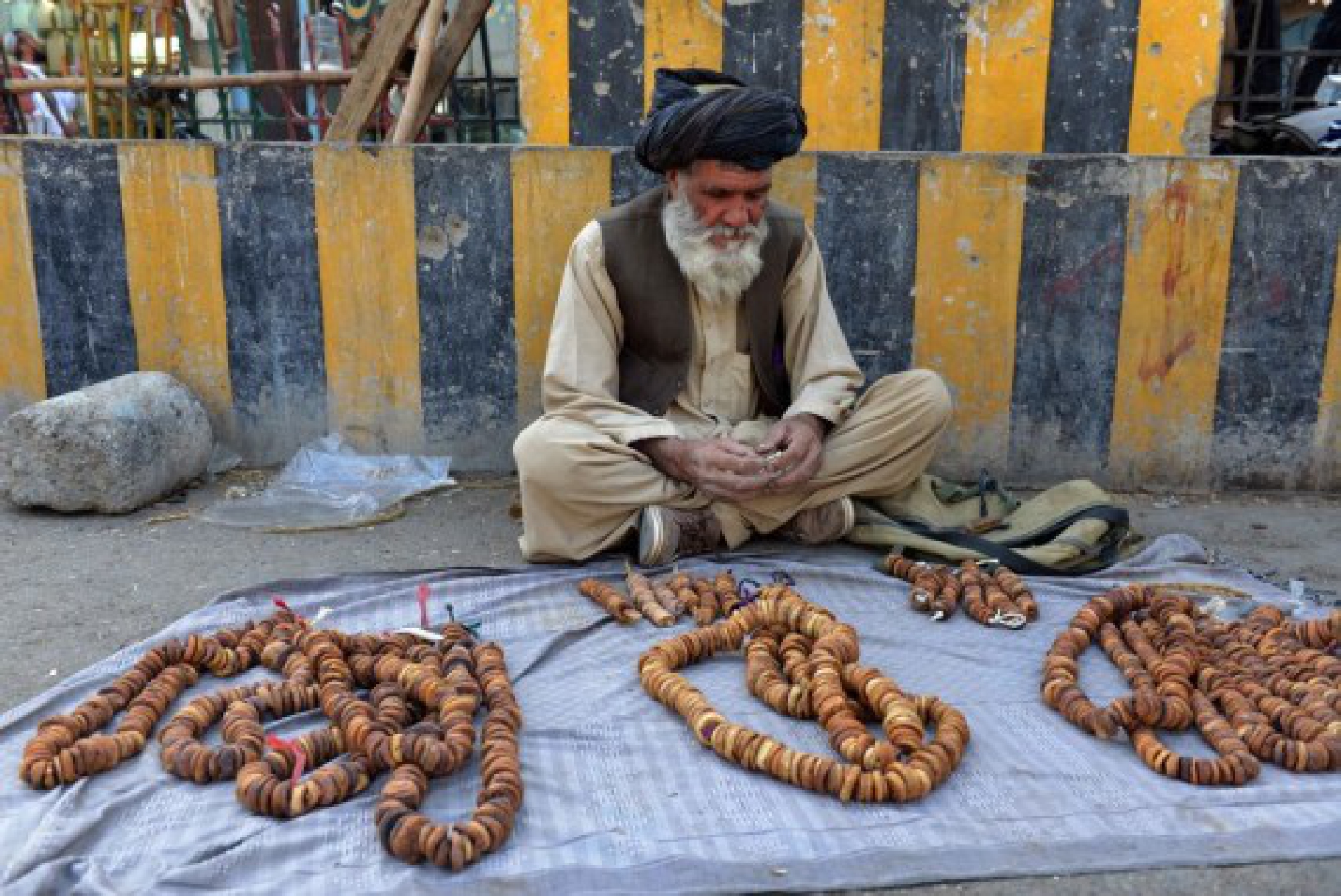 An Afghan vendor waits for consumers in Kandahar city, southern Afghanistan, Sept. 14, 2021. (Photo by Sanaullah Seiam/Xinhua)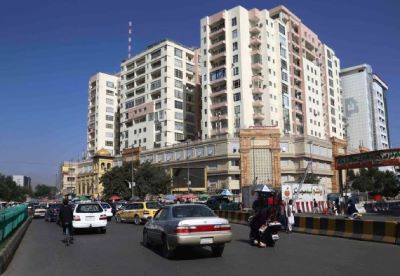
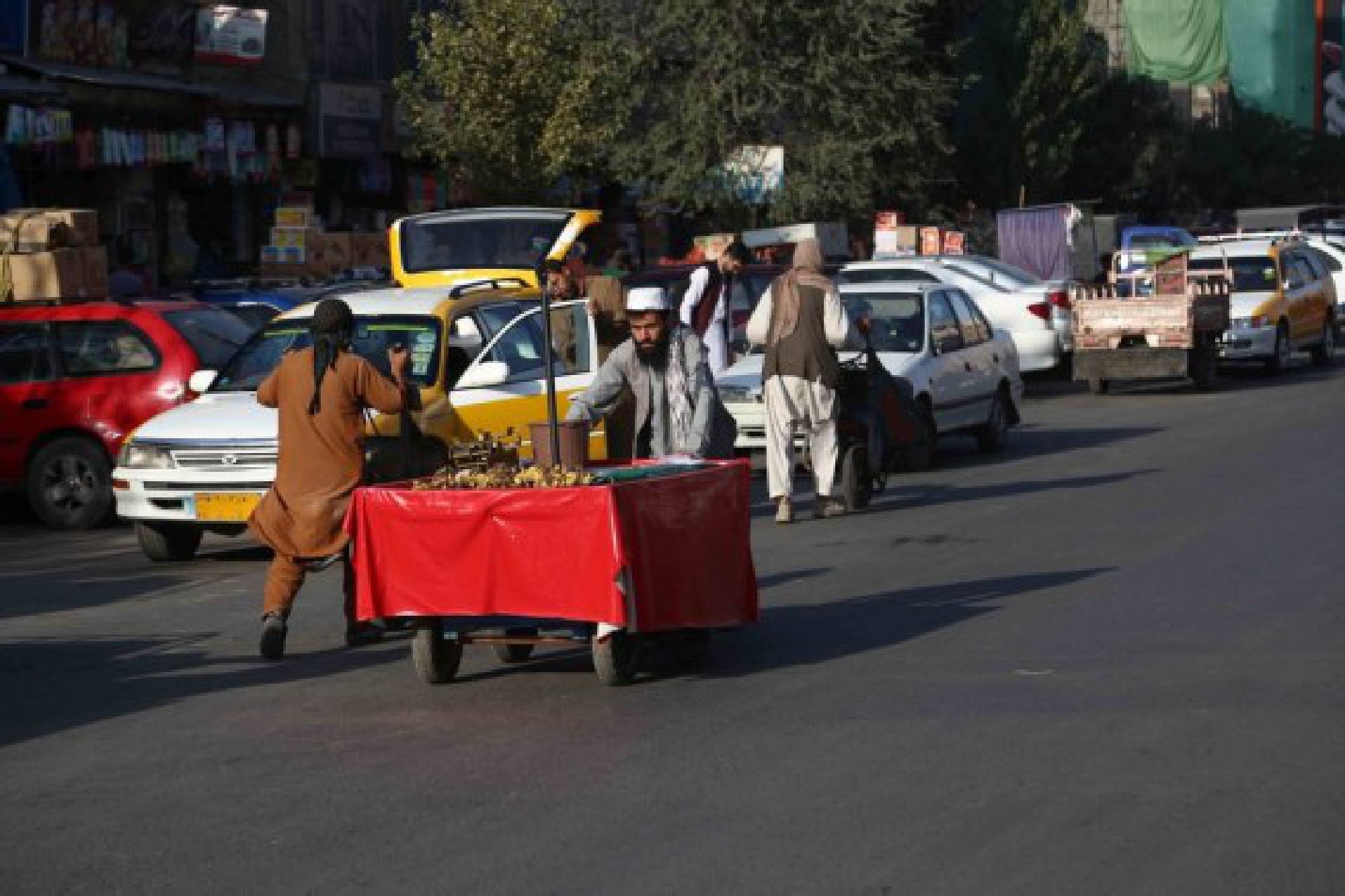 Afghans push their handcarts on a street in Kabul, capital of Afghanistan, Sept.15, 2021.
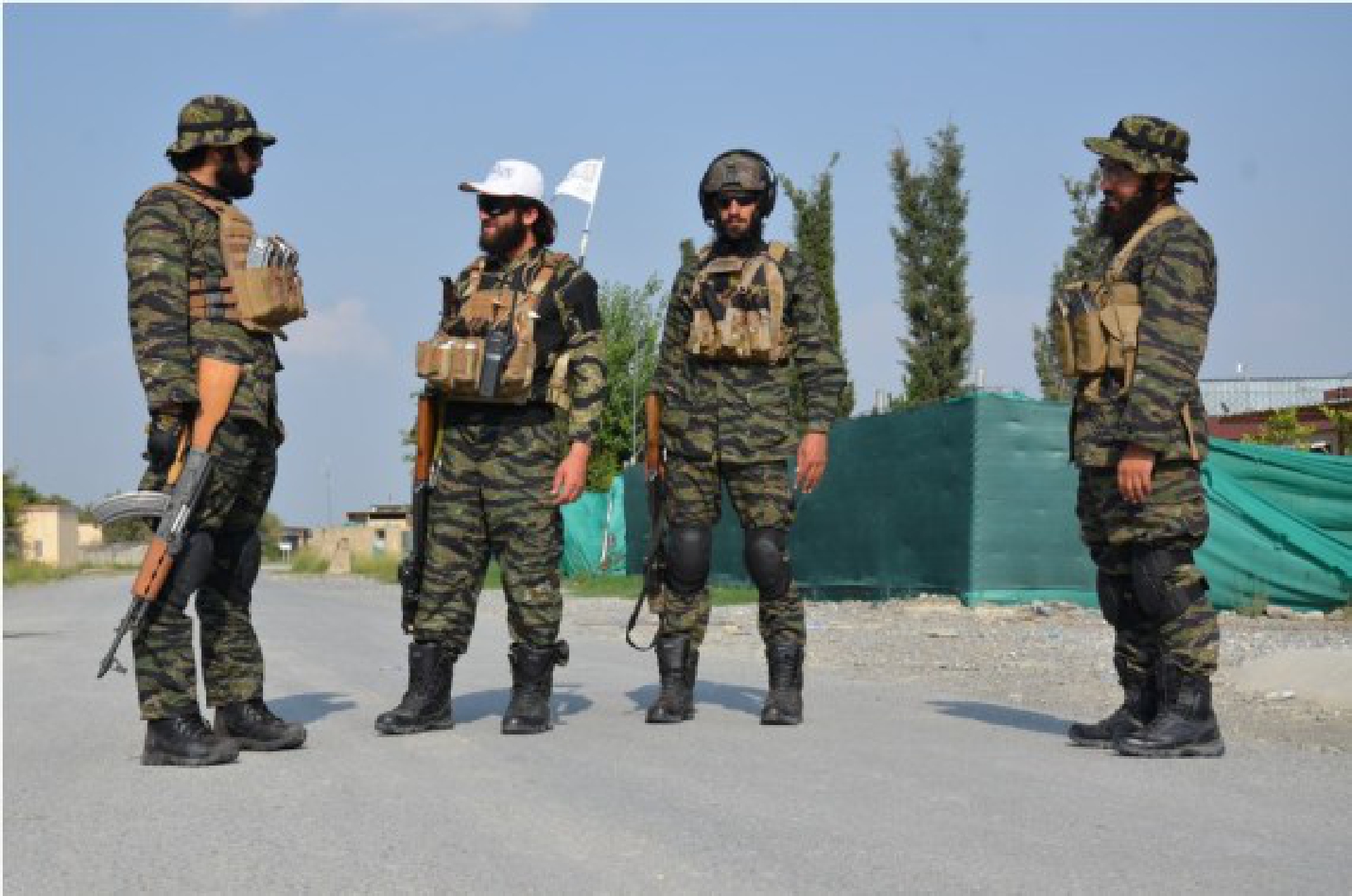 Photo taken on Sept.15, 2021 shows the former Khost Protection Force (KPF) military center in Khost city, eastern Afghanistan.
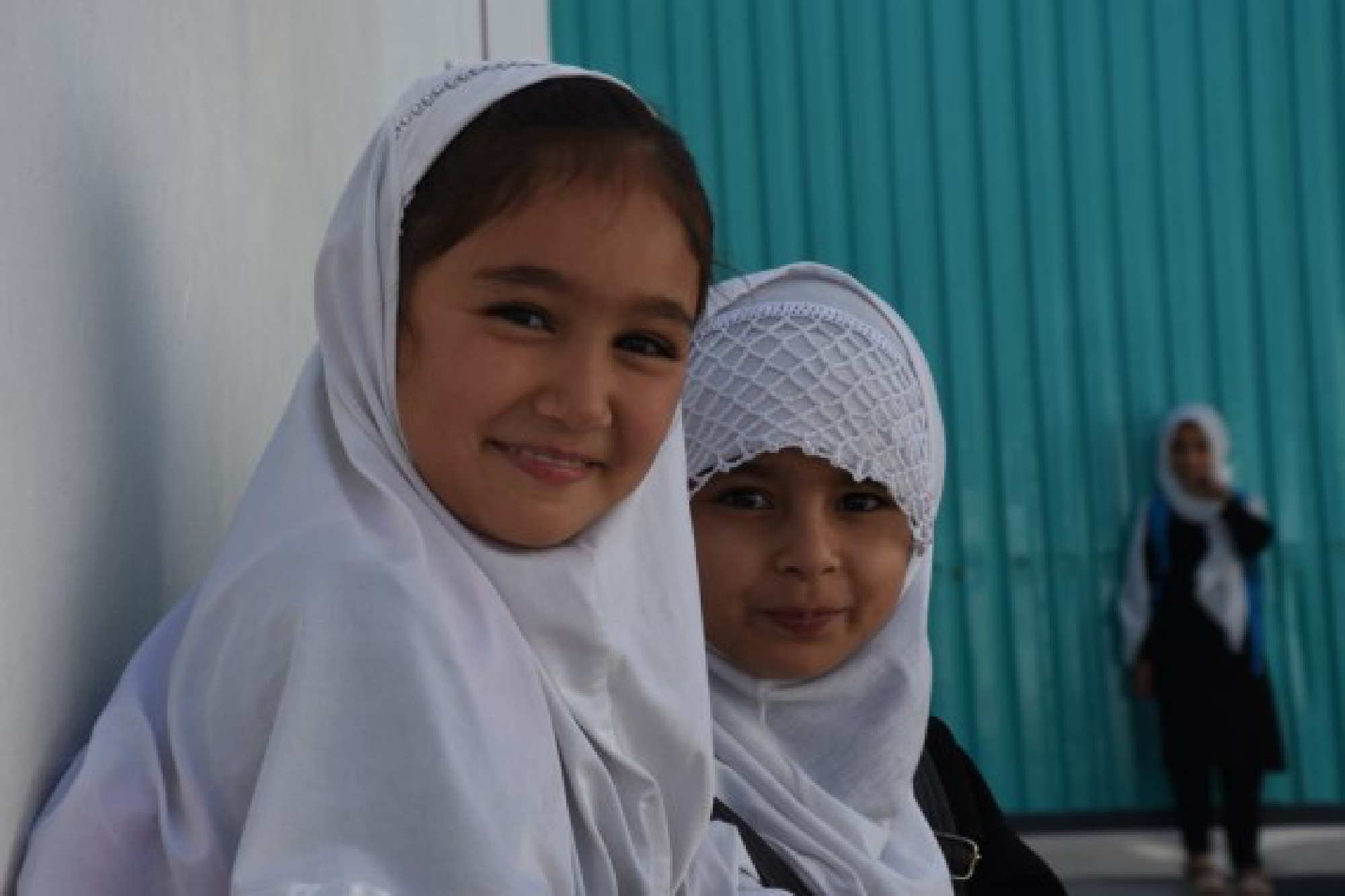 Afghan girls pose for photos during a break at a local school in Mazar-i-Sharif, capital of Balkh province, Afghanistan, Sept. 14, 2021.
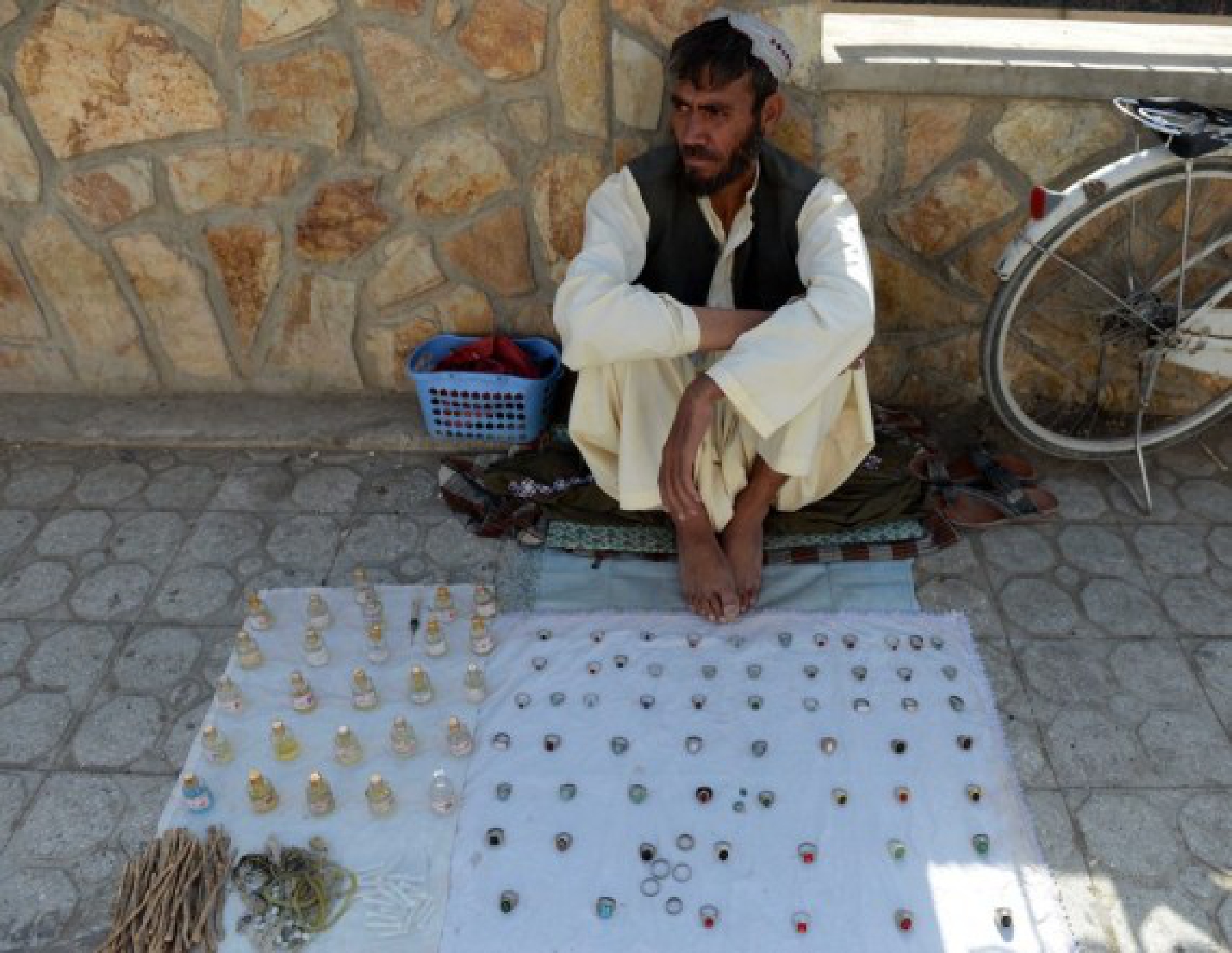 An Afghan vendor waits for customers in Kandahar city, southern Afghanistan, Sept. 14, 2021.