Dueling ballistic missile tests on Korean Peninsula signal rising tensions #SootinClaimon.Com

#SootinClaimon.Com : ขอบคุณแหล่งข้อมูล : หนังสือพิมพ์ The Nation.

https://www.nationthailand.com/international/40006204

Dueling ballistic missile tests on Korean Peninsula signal rising tensions


TOKYO – Both Koreas test-fired ballistic missiles hours apart from each other on Wednesday in the latest sign of the intensifying arms race on the peninsula amid stalled diplomatic efforts.
North Korea fired the two short-range ballistic missiles off its east coast, just two days after it announced a test of a new long-range cruise missile capable of hitting Japan – likely in violation of U.N. Security Council resolutions and putting renewed pressure on the Biden administration’s efforts to end North Korea’s nuclear and ballistic missile program.

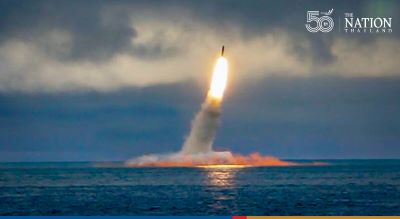
South Korea then conducted its own test hours later, launching an underwater ballistic missile fired from a submarine and successfully hitting a designated target – making it one of just a handful of countries with the capability to do so.

While their timing may be coincidental, the duel tests point to growing tensions on the Korean Peninsula. Pyongyang is retreating further from engaging with other countries during a self-imposed coronavirus lockdown, and Seoul is seeking to reduce its military dependence on the United States.

“It’s sort of a competition of neighbors, like keeping up with the Joneses, to some extent,” said Kazuto Suzuki, senior research fellow at the Asia Pacific Initiative in Tokyo and former member of the Panel of Experts on Iran Sanctions Committee.

North Korea’s projectiles were identified as short-range ballistic missiles by the South Korean Joint Chiefs of Staff. If confirmed, it would be the first such test since March.

ADVERTISEMENT

The back-to-back weapons tests by North Korea both complicates matters for Japanese officials and “it increases the vulnerability of American forces in Japan,” Suzuki said.

“It complicates the defense planning for Japan and probably for Americans,” he said. “The combination of capabilities . . . makes it much harder for defending Japan from North Korean missiles.”

Meanwhile, nuclear talks have been deadlocked since 2019, when negotiations fell through during a U.S.-North Korea summit in Vietnam. North Korea so far has not responded to outreach efforts by the Biden administration, which has not signaled intentions to offer the sanctions relief that Pyongyang has demanded.

In a statement, a spokeswoman for the State Department said the United States condemns North Korea’s ballistic missile launch and reiterated its commitment to defending South Korea and Japan.

“This launch is in violation of multiple UN Security Council Resolutions and poses a threat to the DPRK’s neighbors and other members of the international community. We remain committed to a diplomatic approach to the DPRK and call on them to engage in dialogue,” the statement read, referring to North Korea’s official name, the Democratic People’s Republic of Korea.

U.S. military officials said they have assessed that the Wednesday launch “does not pose an immediate threat to U.S. personnel or territory, or to our allies.” Still, “the missile launch highlights the destabilizing impact of the DPRK’s illicit weapons program,” the U.S. Indo-Pacific Command said in a statement.

A series of senior-level talks are taking place this week as officials in South Korea, Japan, China and the United States discuss how to re-engage Pyongyang on nuclear talks.

President Biden’s nuclear envoy, Sung Kim, is in Tokyo this week to meet with Japanese and South Korean officials. Meanwhile, Chinese Foreign Minister Wang Yi is in Seoul for meetings with his South Korean counterparts regarding the stalled nuclear diplomacy with the North.

On Monday, South Korean President Moon Jae-in was briefed on a host of other new weapons under development, including a supersonic cruise missile, and a successful test of a new long-range air-to-surface missile to be used on a new fighter jet, KF-21 Boramae.

Moon has been increasing the country’s defense spending in an effort to decrease his country’s military dependence on the United States. Earlier this year, the United States lifted restrictions on South Korea’s ability to develop missiles, under an agreement reached during Moon’s summit with Biden in Washington.

“The increase in our missile power can be a sure deterrent against North Korean provocations,” Moon said in a statement Wednesday.

In a statement released through state media, Kim Yo Jong, the powerful sister of North Korea’s leader, pushed back against Moon’s use of the word “provocation,” and warned that such language would jeopardize any improvements in inter-Korean relations. She said in her statement that Pyongyang is following its scheduled plans for self-defense military capabilities.

The development in South Korea gives the country “a more survivable retaliatory strike capability” against the North that Pyongyang would need to consider, said Daniel Pinkston, an international relations professor at Troy University in Seoul and nonproliferation policy expert.

South Koreans have displayed more technical advantages in their ability to have greater “command and control” over their systems than the North, he said.

Even though the South Korean system does not have nuclear weapons capability, “nevertheless, it’s difficult for North Korea to defend against,” he said.

North Korea’s tests this week are consistent with the country’s announced schedule for enhancing its military capabilities for deterrence, said Kim Joon-hyung, international relations professor at South Korea’s Handong Global University and former foreign policy adviser to Moon.

“Pyongyang is doing what they planned in the context of enhancing its military capabilities for deterrence,” he said. “They are doing this also for domestic purpose. This is what Pyongyang does the best anyway, especially under the dire economic and pandemic crisis situation.”

The Japanese Coast Guard said that the projectile landed outside of the exclusive economic zone, meaning it did not reach Japanese territory.

Japanese Prime Minister Yoshihide Suga condemned the missile launches on Wednesday, and said that the tests are “threatening the peace and security of our country and region. They’re also violating the U.N. Security Council resolutions.”

The Defense Ministry said that “North Korea’s recent repeated launches of ballistic missiles and other projectiles are a serious problem for Japan and the international community as a whole,” Kyodo News reported.

The U.N. Security Council took no action in response to North Korea’s launch of two ballistic missiles in March.

Published : September 16, 2021
U.N. pushed for moratorium on uses of artificial intelligence that infringe on human rights #SootinClaimon.Com

#SootinClaimon.Com : ขอบคุณแหล่งข้อมูล : หนังสือพิมพ์ The Nation.

https://www.nationthailand.com/international/40006202

U.N. pushed for moratorium on uses of artificial intelligence that infringe on human rights


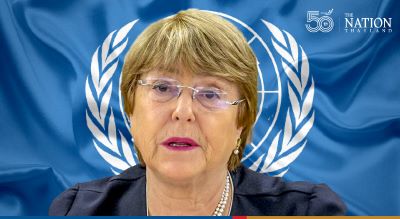
The rapid evolution of artificial-intelligence-based technologies and their adoption by businesses and governments have outpaced efforts to hold them to human rights standards, Michelle Bachelet, the United Nations Commissioner for Human Rights, warned Wednesday.

She called for a moratorium on artificial intelligence systems that could put human rights at risk – at least until stronger safeguards are in place internationally.

“We cannot afford to continue playing catch-up regarding AI – allowing its use with limited or no boundaries or oversight, and dealing with the almost inevitable human rights consequences after the fact,” she said in a statement.

The remarks came alongside the publication of a report by the U.N. Human Rights Council analyzing the human rights risks posed by a range of AI-powered technologies – including profiling, automated decision-making and machine learning. The consequences of unfettered proliferation of such technologies could be “catastrophic,” Bachelet said.

The report also pointed out that data sets used by AI can have historical racial and ethnic biases embedded, which can perpetuate, or enhance, discrimination.

ADVERTISEMENT

Many AI tools seek to predict outcomes, assess risk and provide insights into patterns of behavior on an individual or societal scale. The report raised warnings of a “digital welfare dystopia” in which data-matching could automate decisions about welfare benefits entitlements, loan access or home visits from child-care services – with human rights implications.

Technologies used by law enforcement, including national security and border management officials, are particularly fraught. AI systems can mine criminal arrest records, crime statistics, social media posts and travel records to profile people and identify sites of increased criminal or even terrorist activity, triggering criminal interventions, “even though AI assessments by themselves should not be seen as a basis for reasonable suspicion,” the report argues.

Bachelet did not call for an outright ban on facial recognition technology – using human features including face, fingerprint, iris and voice to identify individuals – but urged a moratorium on the use of real-time remote biometric recognition until rights provisions can be agreed upon.

The report did not call out any countries by name, but AI technologies in some places around the world have raised human rights flags in recent years, according to experts.

China has come under sharp criticism for mass surveillance, using AI technology with few checks – particularly in the Xinjiang region, where the Chinese Communist Party has for decades systematically sought to oppress and assimilate members of the Uyghur ethnic minority group.

Chinese tech giant Huawei tested AI systems, using facial recognition technology, that would send automated “Uyghur alarms” to police once a camera detected a member of the minority group, The Post reported last year. Huawei responded that the language used to describe the capability had been “completely unacceptable,” yet the company had advertised ethnicity-tracking efforts.

Technology can allow authorities to systematically identify and track individuals in public spaces, affecting the right to freedom of expression, of peaceful assembly and of movement, Bachelet said.

Fear of such surveillance affected protesters in Myanmar this year, Reuters reported. In March, Human Rights Watch criticized the Myanmar military junta’s usage of a public camera system, provided by Huawei, that used facial and license plate recognition to alert the government of individuals on a “wanted list.”

Human Rights Watch last year denounced a system in Buenos Aires that published personal data including photos of child suspects with open arrest warrants. The information was used by a facial recognition software operating in some city subway stations, the organization said.

Bachelet’s statement echoed growing global concerns. Portland, Oregon, last September passed a broad ban on facial recognition technology, including uses by local police. The European Commission in April proposed a ban the use of AI for tracking individuals and ranking their behavior. Amnesty International launched the “Ban the Scan” initiative to ban the use of facial recognition by New York City government agencies.

“The power of AI to serve people is undeniable, but so is AI’s ability to feed human rights violations at an enormous scale with virtually no visibility,” Bachelet said, calling for greater transparency, systematic assessment and monitoring of the effects of AI. “Action is needed now to put human rights guardrails on the use of AI, for the good of all of us.”

Published : September 16, 2021

UK to offer booster COVID-19 vaccines to over-50s #SootinClaimon.Com

#SootinClaimon.Com : ขอบคุณแหล่งข้อมูล : หนังสือพิมพ์ The Nation.

https://www.nationthailand.com/international/40006169

UK to offer booster COVID-19 vaccines to over-50s


Booster COVID-19 vaccine rollout will start in Britain next week.

The country’s vaccine advisory body said a third dose should not be given until six months after a person has received a second shot.

Booster COVID-19 jabs will be offered to people aged 50 and over, those in care homes, and frontline health and social care workers, the British government announced Tuesday.

Britain’s vaccine advisory body, the Joint Committee on Vaccination and Immunisation (JCVI), said a third dose should not be given until six months after a person has received a second shot.

ADVERTISEMENT

“I can confirm I’ve accepted the JCVI’s advice and the NHS (National Health Service) is preparing to offer booster doses from next week,” British Health Secretary Sajid Javid told the House of Commons, lower house of the British parliament.

He also announced that the booster program, made up of Pfizer and Moderna doses, would start next week for people aged over 50, who received their second dose six months ago, to protect against the virus “for the long-term”.

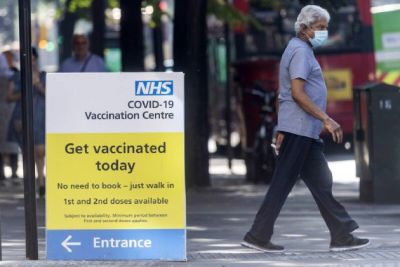
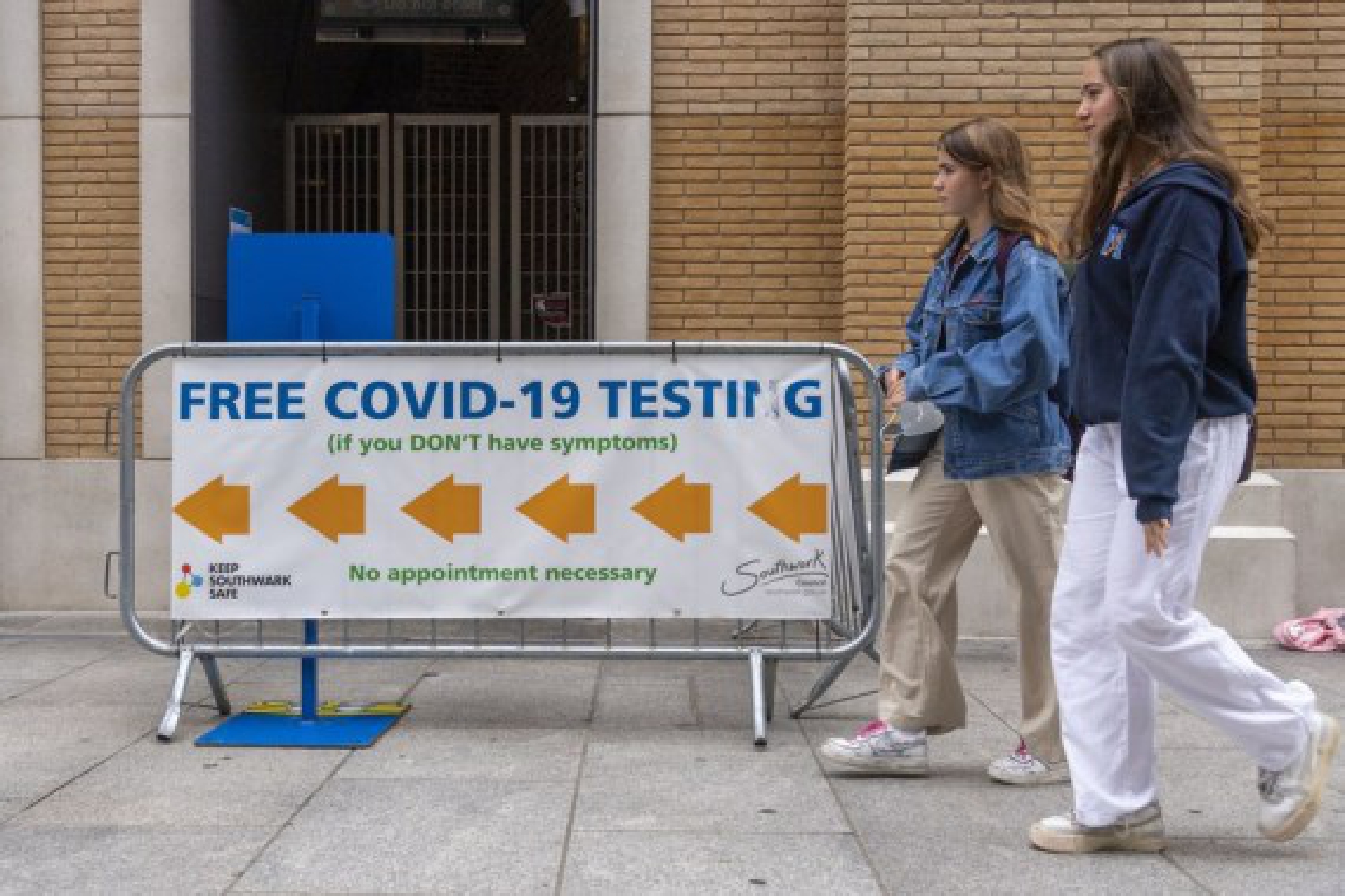
 People walk past a rapid COVID-19 testing center in London, Britain, Aug. 30, 2021. People walk past a rapid COVID-19 testing center in London, Britain, Aug. 30, 2021.

Related Storeis

JCVI Chair Wei Shen Lim told a press conference that a recurrent booster every six months may not be needed but it is too early to say. He added that the booster advice is just for this winter and younger people may not need a booster, but the JCVI will advise on that at a later date.

England’s deputy chief medical officer Jonathan Van-Tam warned of a “bumpy” winter despite the vaccines having been “incredibly successful”.

“We know that this winter could quite possibly be bumpy at times and we know that other respiratory viruses such as flu and RSV (respiratory syncytial virus) are highly likely to make their returns,” said Van-Tam.

More than 89 percent of people aged 16 and over in Britain have had their first dose of vaccine and about 81 percent have received both doses, the latest figures showed.

To bring life back to normal, countries such as Britain, China, Germany, Russia and the United States have been racing against time to roll out coronavirus vaccines.

 A man walks across London Bridge in London, Britain, Aug. 30, 2021.A man walks across London Bridge in London, Britain, Aug. 30, 2021.

Published : September 15, 2021

LatAm forests key to environmental sustainability, food security: FAO #SootinClaimon.Com

#SootinClaimon.Com : ขอบคุณแหล่งข้อมูล : หนังสือพิมพ์ The Nation.

https://www.nationthailand.com/blogs/international/40006168

LatAm forests key to environmental sustainability, food security: FAO


“Forests have a strategic role to play in the future resilience of food systems. Sustainable forest products allow for increased social, economic and environmental benefits,” he said in a statement issued from the FAOs regional office for Latin America and the Caribbean in Santiago, Chile, as part of conclusions from the 32nd Session of the Latin American and Caribbean Forestry Commission (LACFC).

Forests in Latin America and the Caribbean are key to environmental sustainability and food security, said a UN official on Monday.

Julio Berdegue, regional representative of the Food and Agriculture Organization (FAO), highlighted the importance of forests in improving people’s livelihoods, counteracting the impacts of climate change and halting biodiversity loss.

“Forests have a strategic role to play in the future resilience of food systems. Sustainable forest products allow for increased social, economic and environmental benefits,” he said in a statement issued from the FAO’s regional office for Latin America and the Caribbean in Santiago, Chile, as part of conclusions from the 32nd Session of the Latin American and Caribbean Forestry Commission (LACFC).

ADVERTISEMENT

According to the FAO, forests provide ecosystem services that are crucial for agriculture, such as regulating river flow, protecting the soil and replenishing groundwater.

South America lost 2.6 million hectares of forest each year from 2010 to 2020, the second highest rate in the world, after Africa, according to FAO data.

The LACFC also underlined the importance of access to land and resources, and forest investment, and how these can improve the wellbeing of women, youth and indigenous communities.

The 32nd LACFC Session took place on Sept. 6-10, with Jamaica serving as host country, and was attended by more than 100 experts.

Published : September 15, 2021

Putin, Raisi agree to strengthen Russian-Iranian ties #SootinClaimon.Com

#SootinClaimon.Com : ขอบคุณแหล่งข้อมูล : หนังสือพิมพ์ The Nation.

https://www.nationthailand.com/international/40006163

Putin, Raisi agree to strengthen Russian-Iranian ties


Putin and Raisi exchanged views on the current situation regarding the Iran nuclear deal.

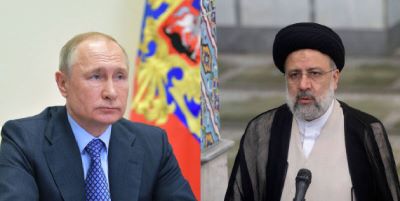
Russian President Vladimir Putin and his Iranian counterpart, Ebrahim Raisi, agreed on Tuesday to deepen mutually beneficial relations in various fields between the two countries.

During a phone conversation, the two leaders noted the successful development of trade and economic ties and well-established cooperation in the fight against COVID-19, the Kremlin said.

ADVERTISEMENT

Related Stories

Putin and Raisi exchanged views on the current situation regarding the Joint Comprehensive Plan of Action, commonly known as the Iran nuclear deal.

They also discussed issues of working within the framework of the Shanghai Cooperation Organization.

Published : September 15, 2021

Only 2 pct of worlds COVID-19 vaccines administered in Africa: WHO #SootinClaimon.Com

#SootinClaimon.Com : ขอบคุณแหล่งข้อมูล : หนังสือพิมพ์ The Nation.

https://www.nationthailand.com/international/40006160

Only 2 pct of worlds COVID-19 vaccines administered in Africa: WHO


COVAX has also faced several challenges which, according to the WHO, were triggered by manufacturers prioritizing bilateral deals and many high-income countries tying up the global supply of vaccines.

Less than 3.5 percent of Africans have been vaccinated against COVID-19, which is far short of the official target of 60 percent.

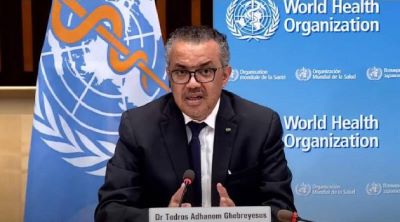
Africa has been “left behind by the rest of the world” as only two percent of the more than 5.7 billion COVID-19 vaccine doses administered globally have been administered there, the head of the World Health Organization (WHO) said on Tuesday, warning the world against vaccine inequity.

The WHO’s aim is to vaccinate at least 40 percent of the population of every country by the end of this year and 70 percent by the middle of next year. However, only two countries in Africa have reached the 40-percent target, the lowest of any region, WHO Director General Tedros Adhanom Ghebreyesus said at an online press briefing.

ADVERTISEMENT

“That’s not because African countries don’t have the capacity or experience to roll out COVID-19 vaccines. It’s because they have been left behind by the rest of the world,” he said.

Last year, the WHO and its partners launched COVAX, the global initiative to ensure fair and equitable access to COVID-19 vaccines. To date, it has delivered more than 260 million vaccine doses to 141 countries. However, COVAX has also faced several challenges which, according to the WHO, were triggered by manufacturers prioritizing bilateral deals and many high-income countries tying up the global supply of vaccines.

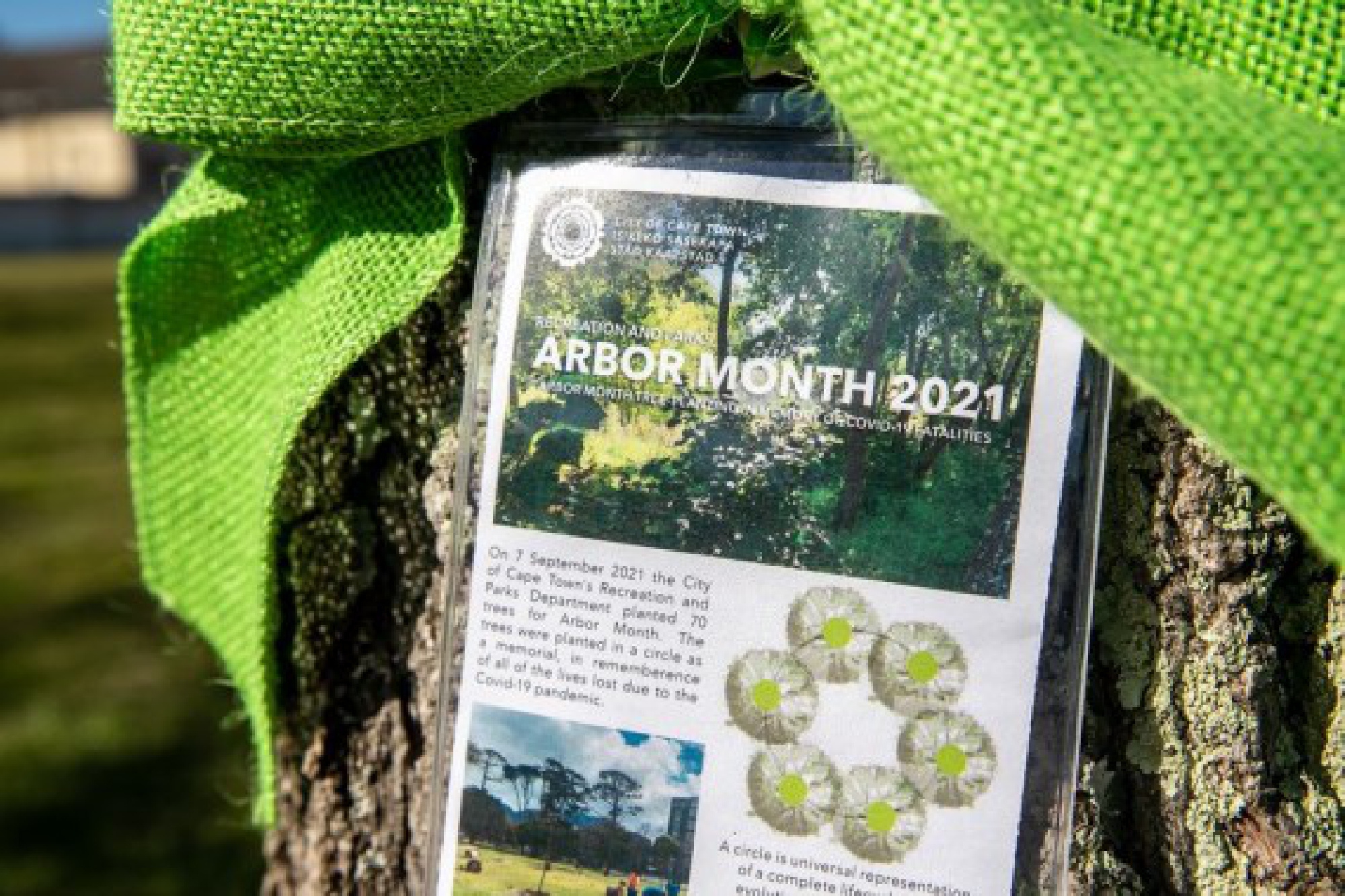
Photo taken on Sept. 8, 2021 shows a tag about trees planted at a memorial garden dedicated to those who lost their lives due to the COVID-19 pandemic in Cape Town, South Africa. Photo taken on Sept. 8, 2021 shows a tag about trees planted at a memorial garden dedicated to those who lost their lives due to the COVID-19 pandemic in Cape Town, South Africa.

Related Stories

According to John Nkengasong, director of the Africa Centers for Disease Control and Prevention who also attended the briefing, less than 3.5 percent of Africans have been vaccinated against COVID-19, which is far short of the official target of 60 percent.

“This leaves people at high risk of disease and death, exposed to a deadly virus against which many other people around the world enjoy protection,” Tedros said.

“The longer vaccine inequity persists, the more the virus will keep circulating and changing, the longer the social and economic disruption will continue, and the higher the chances that more variants will emerge that render vaccines less effective,” he warned.

The WHO, the African Union and COVAX have been calling on vaccine manufacturers to prioritize the COVAX program and urging countries to fulfill their dose-sharing pledges and facilitate the sharing of vaccine technology and intellectual property.

In August, the WHO also called for a global moratorium on booster vaccine doses at least until the end of September to prioritize vaccinating the most at-risk people around the world who are yet to receive their first dose. As vaccine inequity continues to persist, it then called for an extension of the moratorium until at least the end of the year to enable every country to vaccinate at least 40 percent of their populations. 

 A medical worker takes a swab sample for COVID-19 test in Rabat, Morocco, on Sept. 13, 2021.A medical worker takes a swab sample for COVID-19 test in Rabat, Morocco, on Sept. 13, 2021.

Published : September 15, 2021

Lack of equitable access to COVID-19 vaccines is public health tragedy: Bill Gates #SootinClaimon.Com

#SootinClaimon.Com : ขอบคุณแหล่งข้อมูล : หนังสือพิมพ์ The Nation.

https://www.nationthailand.com/international/40006159

Lack of equitable access to COVID-19 vaccines is public health tragedy: Bill Gates


“We face the very real risk that in the future, wealthy countries and communities will begin treating COVID-19 as yet another disease of poverty. We cant put the pandemic behind us until everyone, regardless of where they live, has access to vaccines,” Bill Gates said.

The lack of equitable access to COVID-19 vaccines is a public health tragedy though the fast development and deployment of COVID-19 vaccines help avert some of the worst-case scenarios in regards to United Nations Sustainable Development Goals, according to philanthropist Bill Gates.

“We face the very real risk that in the future, wealthy countries and communities will begin treating COVID-19 as yet another disease of poverty. We can’t put the pandemic behind us until everyone, regardless of where they live, has access to vaccines,” Bill Gates, co-chair of Bill & Melinda Gates Foundation, said on Monday.

More than 80 percent of all COVID-19 vaccines have been administered in high- and upper-middle-income countries to date, with some securing two to three times the number needed so they can cover boosters, according to the latest annual Goalkeepers Report by the Bill & Melinda Gates Foundation.

ADVERTISEMENT

By contrast, less than 1 percent of COVID-19 vaccine doses have been administered in low-income countries.

Further, COVID-19 vaccine access has been strongly correlated with the locations where there is vaccine research and development and manufacturing capability. Though Africa is home to 17 percent of the world’s population, for example, it has less than 1 percent of the world’s vaccine manufacturing capabilities, according to a release by the foundation.

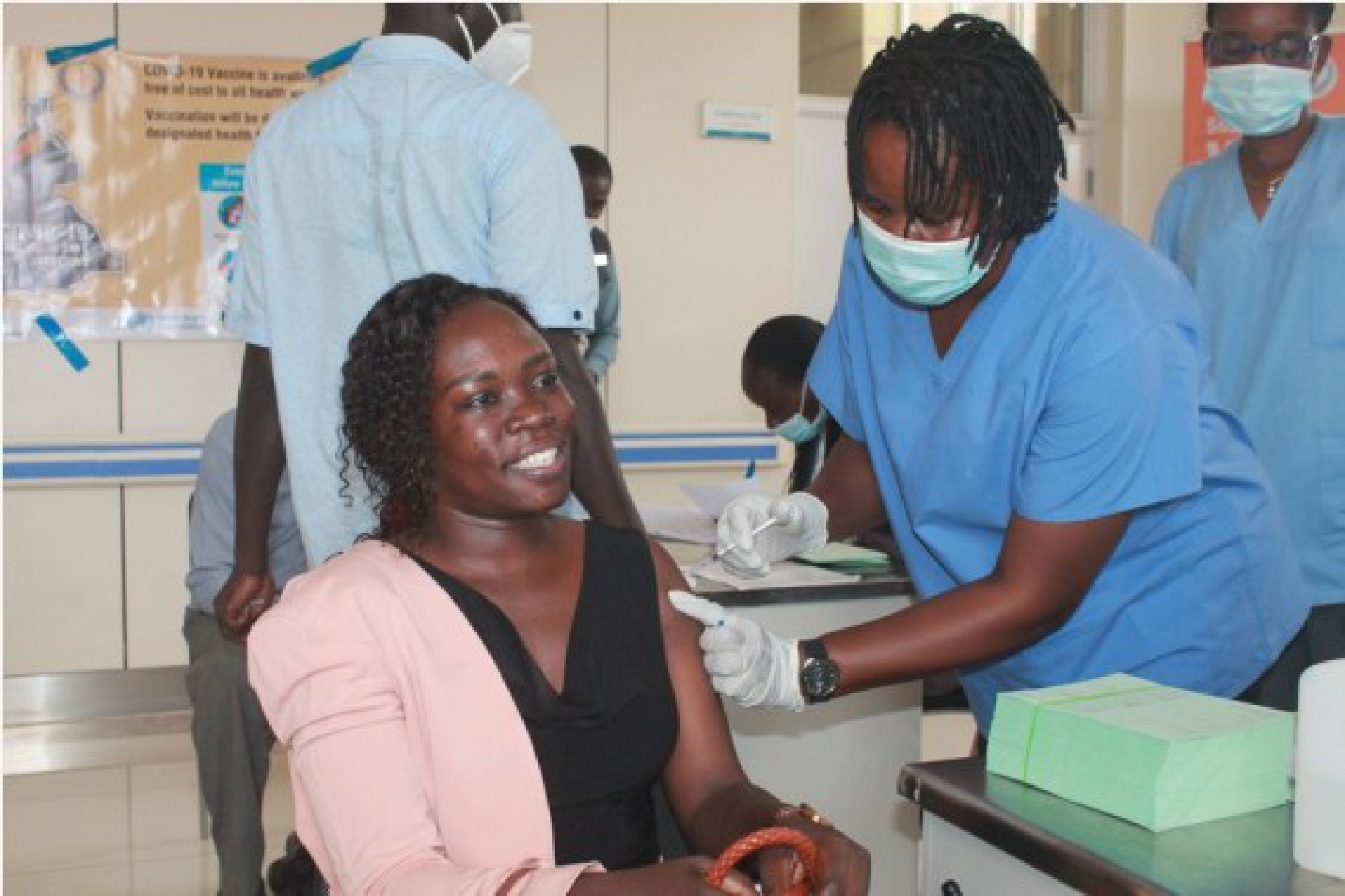
A South Sudanese woman receives AstraZeneca COVID-19 vaccine at Juba Teaching Hospital in Juba, capital of South Sudan, April 7, 2021.A South Sudanese woman receives AstraZeneca COVID-19 vaccine at Juba Teaching Hospital in Juba, capital of South Sudan, April 7, 2021.
Related Stories

The report calls for the world to invest in research and development, infrastructure, and innovation in places closer to the people who stand to benefit.

“We must invest in local partners to strengthen the capacity of researchers and manufacturers in lower-income countries to create the vaccines and medicines they need,” said Mark Suzman, chief executive officer with the foundation.

The report shows that disparities caused by COVID-19 remain stark, and those who have been hardest hit by the pandemic will be the slowest to recover.

The COVID-19 pandemic pushed as much as 31 million people into extreme poverty in the world within 2020 compared to 2019, said the release. And while 90 percent of advanced economies will regain pre-pandemic per capita income levels by 2022, only a third of low- and middle-income economies are expected to do so.

However, the world stepped up to avert some of the worst-case scenarios on United Nations Sustainable Development Goals, according to the report.

New analysis from the Institute for Health Metrics and Evaluation (IHME) at the University of Washington shows that the decline in global vaccine coverage due to the COVID-19 pandemic was only half of what was anticipated a year ago, said the release.

To ensure a truly equitable recovery from the pandemic, the world needs long-term investments in health and economies like the ones that led to the rapid development of the COVID-19 vaccine, according to the report.

This year’s report is co-authored by Bill Gates and Melinda French Gates, co-chairs of the Bill & Melinda Gates Foundation, which is one of the largest charitable foundations in the world. 

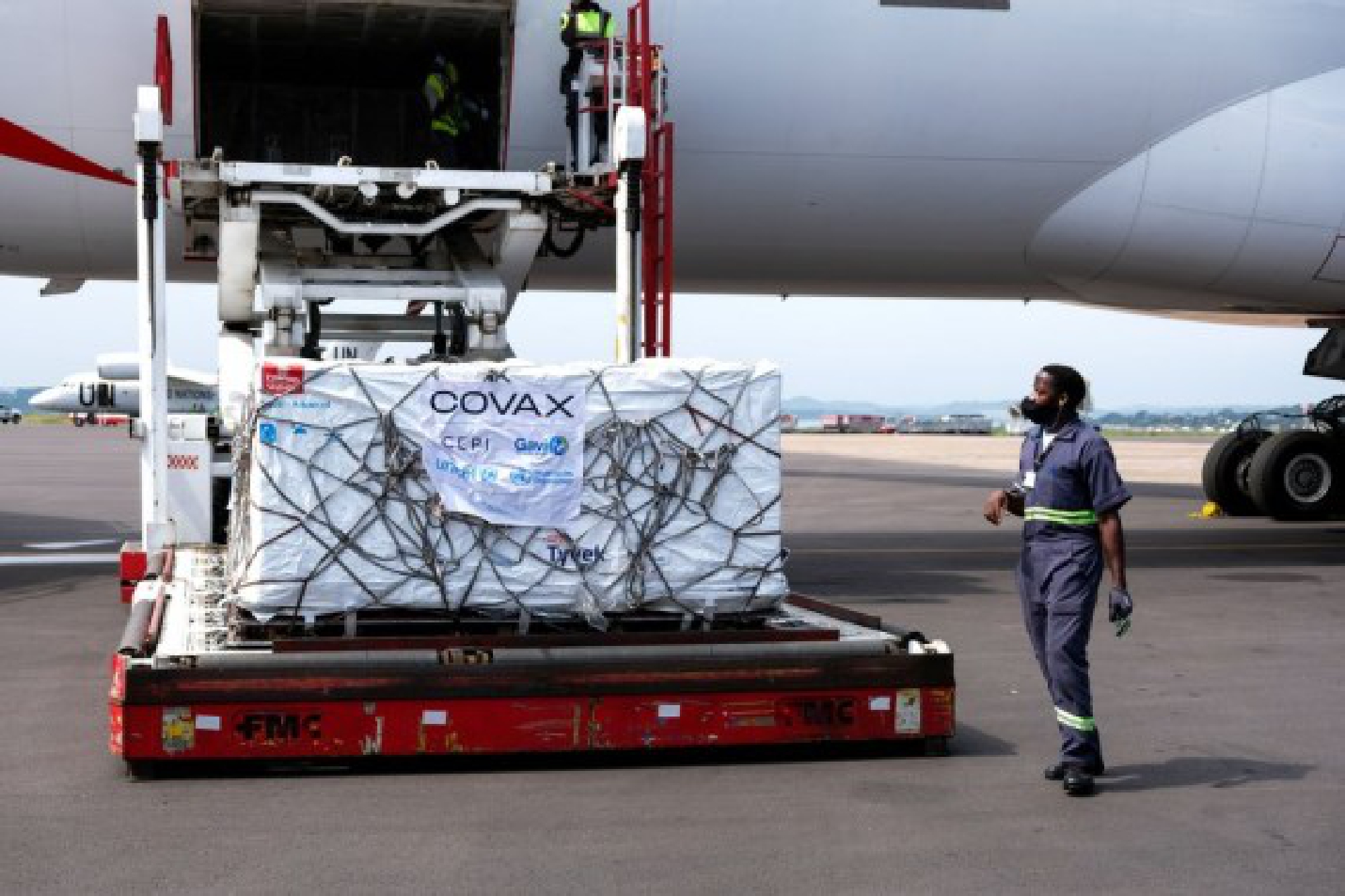
Photo taken on March 5, 2021 shows AstraZeneca-Oxford vaccines from COVAX vaccine sharing program being unloaded from a plane at Entebbe International Airport, Uganda.Photo taken on March 5, 2021 shows AstraZeneca-Oxford vaccines from COVAX vaccine sharing program being unloaded from a plane at Entebbe International Airport, Uganda.

Published : September 15, 2021

COVID-19 lockdown extended in Australian capital amid battle against 3rd wave #SootinClaimon.Com

#SootinClaimon.Com : ขอบคุณแหล่งข้อมูล : หนังสือพิมพ์ The Nation.

https://www.nationthailand.com/international/40006158

COVID-19 lockdown extended in Australian capital amid battle against 3rd wave


The COVID-19 lockdown in Australias capital city Canberra has been extended until Oct. 15 as the country continues to battle the third wave of infections.

The COVID-19 lockdown in Australia’s capital city has been extended by a month as the country continues to battle the third wave of infections.

Andrew Barr, chief minister of the Australian Capital Territory (ACT), said on Tuesday that Canberra will remain in lockdown until Oct. 15.

Restrictions were due to end on Friday after 36 days in lockdown but Barr said the risk to the community remained high.

ADVERTISEMENT

On Tuesday morning, Australia reported 1,595 new locally acquired cases of COVID-19.

New South Wales (NSW), Australia’s most populous state with Sydney as the capital city, reported 1,127 new cases and two deaths.

“There have been 186 COVID-19 related deaths in NSW since June 16, 2021,” said the statement from NSW Health.

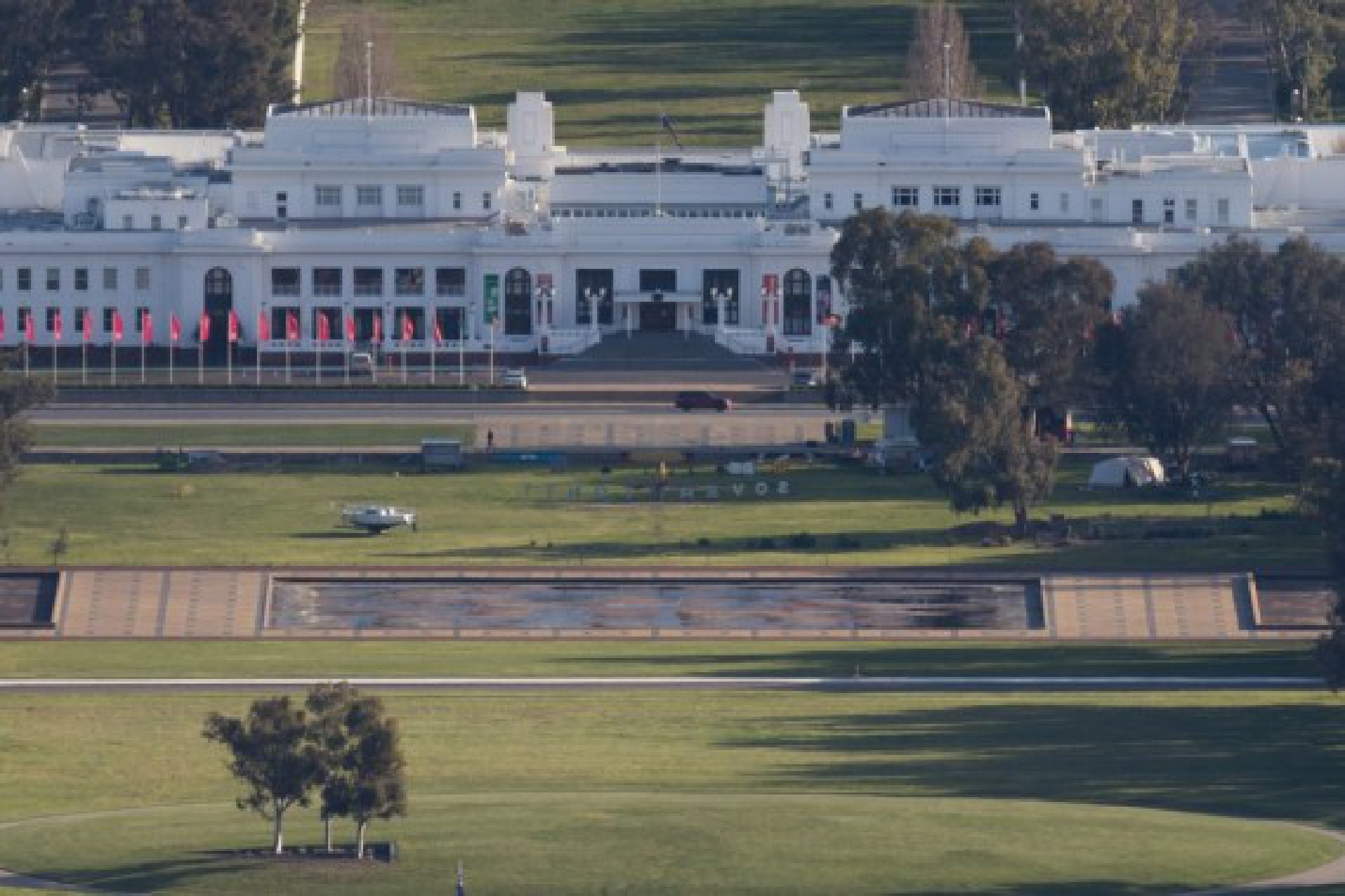
Photo taken on Sept. 14, 2021 shows an empty street in front of the Old Parliament House in Canberra, Australia. Photo taken on Sept. 14, 2021 shows an empty street in front of the Old Parliament House in Canberra, Australia.

Related Stories

Victoria, the second-most populous state with Melbourne as the capital city, reported a further 445 new local cases.

There were 22 new cases of COVID-19 reported in the ACT, only two of which were in quarantine for their entire infectious period.

It takes the number of active cases in the national’s capital to 252.

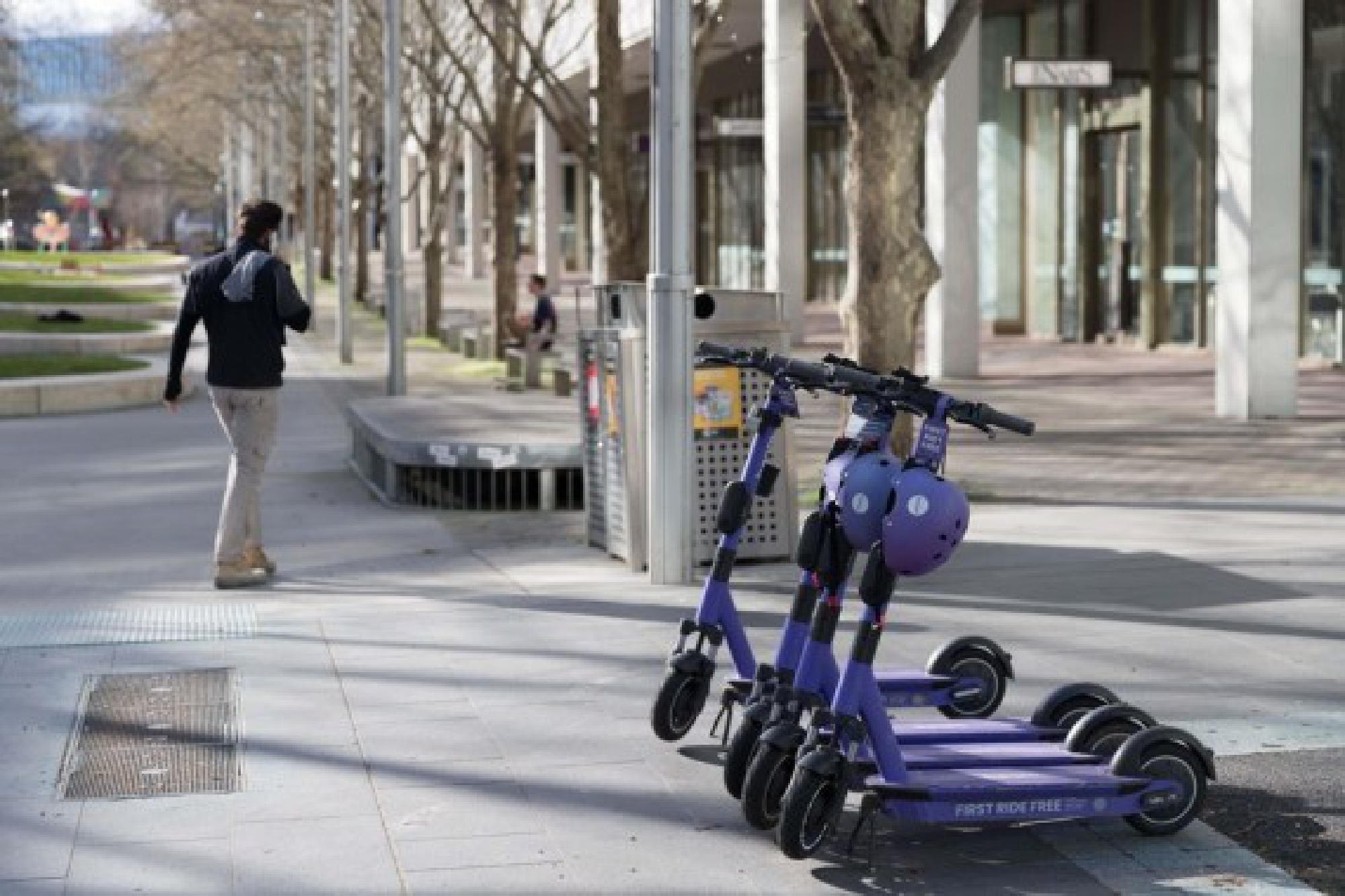
Photo taken on Sept. 14, 2021 shows a thoroughfare in Canberra, Australia.Photo taken on Sept. 14, 2021 shows a thoroughfare in Canberra, Australia.
The ongoing COVID-19 infections in the surrounding NSW area is one of the reasons for the extended lockdown in ACT, according to Barr.

“New South Wales has been problematic for the nation throughout this process,” Barr said.

“Given we are a jurisdiction sitting wholly within that state, and we are seeing incursion of the virus outside of the Greater Sydney area.”

It takes the number of active cases in the national’s capital to 252.

The ongoing COVID-19 infections in the surrounding NSW area is one of the reasons for the extended lockdown in ACT, according to Barr.

“New South Wales has been problematic for the nation throughout this process,” Barr said.

“Given we are a jurisdiction sitting wholly within that state, and we are seeing incursion of the virus outside of the Greater Sydney area.”

A man walks on a street in Canberra, Australia, Sept. 14, 2021.

A man walks on a street in Canberra, Australia, Sept. 14, 2021.

Published : September 15, 2021

Asean sees slightly fewer new Covid cases, more deaths #SootinClaimon.Com

#SootinClaimon.Com : ขอบคุณแหล่งข้อมูล : หนังสือพิมพ์ The Nation.

https://www.nationthailand.com/international/40006155

Asean sees slightly fewer new Covid cases, more deaths


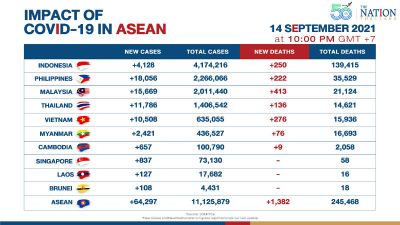
The number of Covid-19 cases in Southeast Asia crossed 11.12 million, with 64,297 new cases reported on Tuesday, lower than Monday’s tally of 67,017.

But there were an 1,382 deaths, increasing from Monday’s 1,341 and taking total coronavirus deaths in Asean to 245,468.

Singapore reported 837 new cases on Tuesday, bringing cumulative cases in the city-state to 73,130 patients and a total 58 deaths.

The Public Health Ministry announced that its vaccine expert team is researching the possibility of using a non-mRNA vaccine as a booster shot. The ministry currently recommends that those over 60 years get a booster shot after they have received two doses of Covid-19 vaccine within 6-9 months.

Meanwhile, Cambodian Prime Minister Hun Sen posted on his Facebook page that he and his wife received their third shots of Covid-19 vaccine on Tuesday.

He said almost 780,000 people in Cambodia have already had their third jab, while the overall vaccination rate in the country is at 71 per cent. Hun Sen insisted that all citizens would eventually get a booster shot.

Cambodia reported 657 new cases and nine deaths on Tuesday, bringing cumulative cases there to 100,790 patients and a total 2,058 deaths.

Published : September 15, 2021

Vladimir Putin self-isolates after covid exposure but has not tested positive, Kremlin says #SootinClaimon.Com

#SootinClaimon.Com : ขอบคุณแหล่งข้อมูล : หนังสือพิมพ์ The Nation.

https://www.nationthailand.com/international/40006154

Vladimir Putin self-isolates after covid exposure but has not tested positive, Kremlin says


Russian President Vladimir Putin said he will self-isolate after individuals close to him tested positive for the coronavirus.

The news came from the Kremlin in a transcript of a call between Putin and Tajik President Emomali Rahmon, where Putin said he will attend a meeting of the Shanghai Cooperation Organization, planned later this week in the Tajik capital of Dushanbe, virtually instead of in person.

The Kremlin also said Putin is “absolutely healthy” and has so far not tested positive for the coronavirus. The Russian president was vaccinated against the coronavirus in March with his country’s own Sputnik V.

Putin met in person with Syrian President Bashar Assad at the Kremlin on Monday. Assad said he and his wife had and recovered from covid-19 in March.

Published : September 15, 2021